
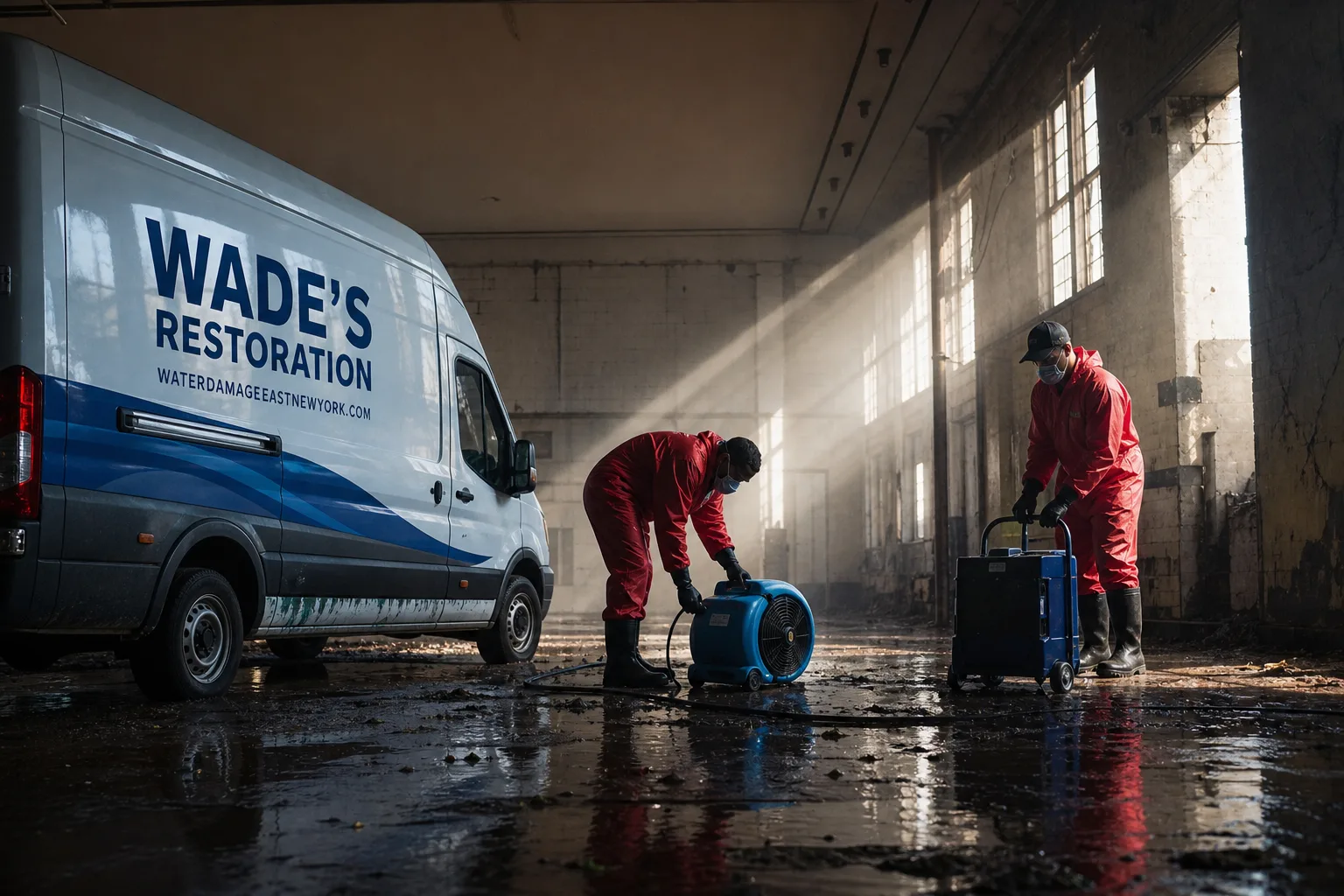
Free visual inspection and a written scope of work before any mitigation begins - photos, moisture readings, and drying logs go in your claim file
The scope we write is the scope we bill. Anything new gets shown to you, in writing, before we touch it.
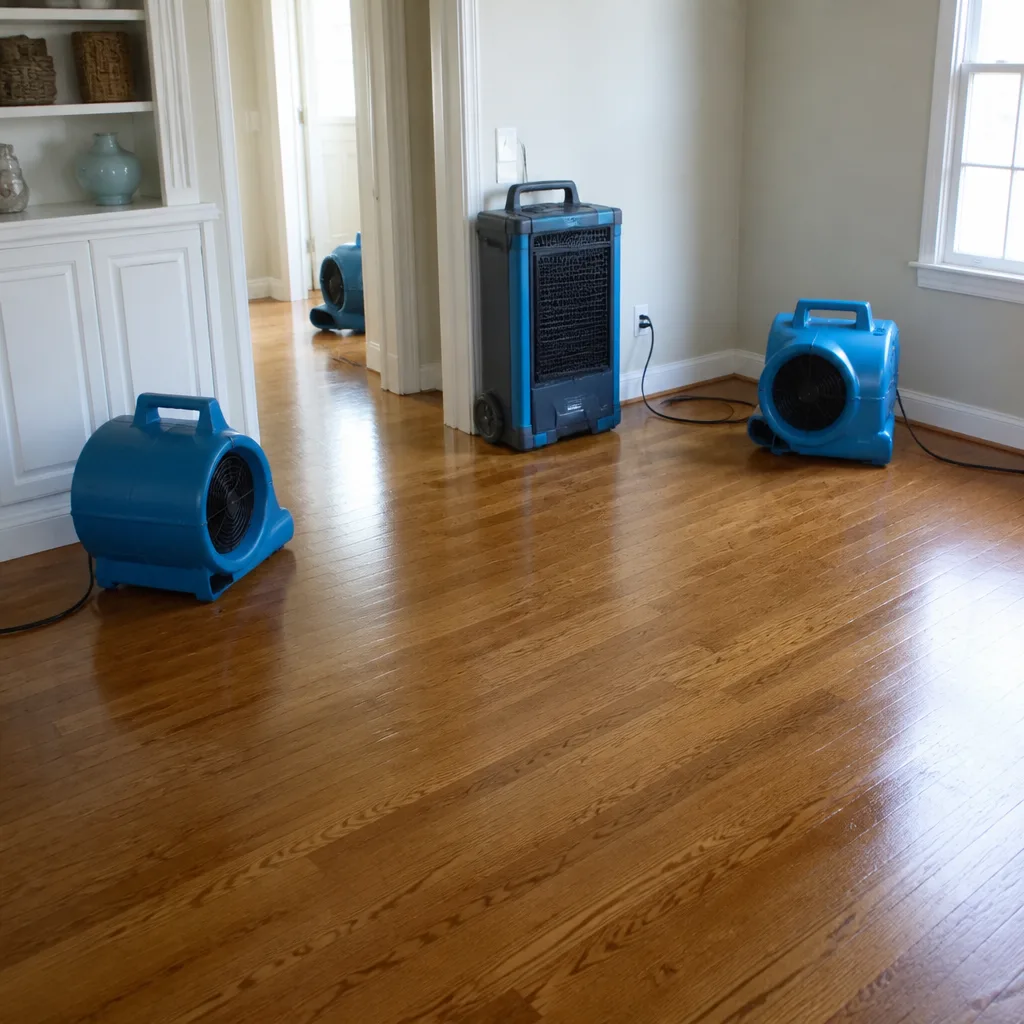


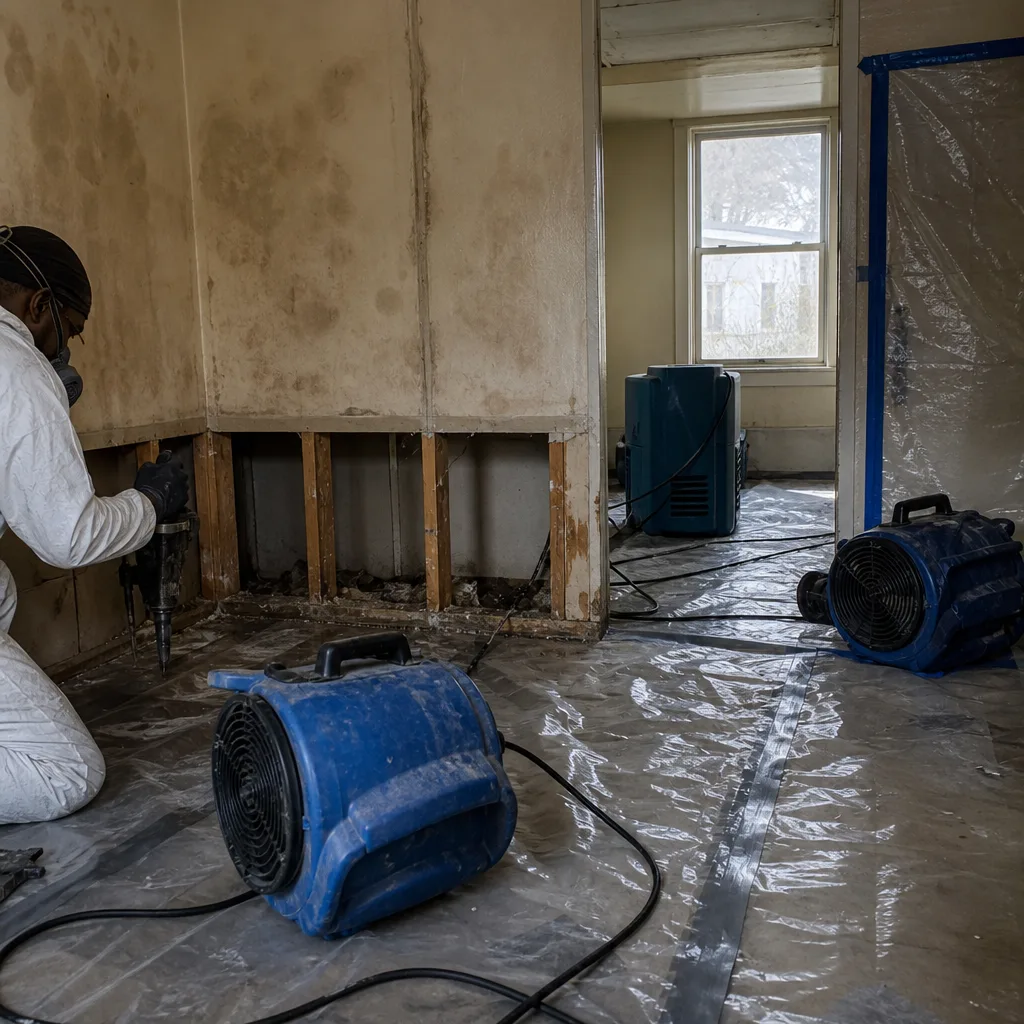 Before
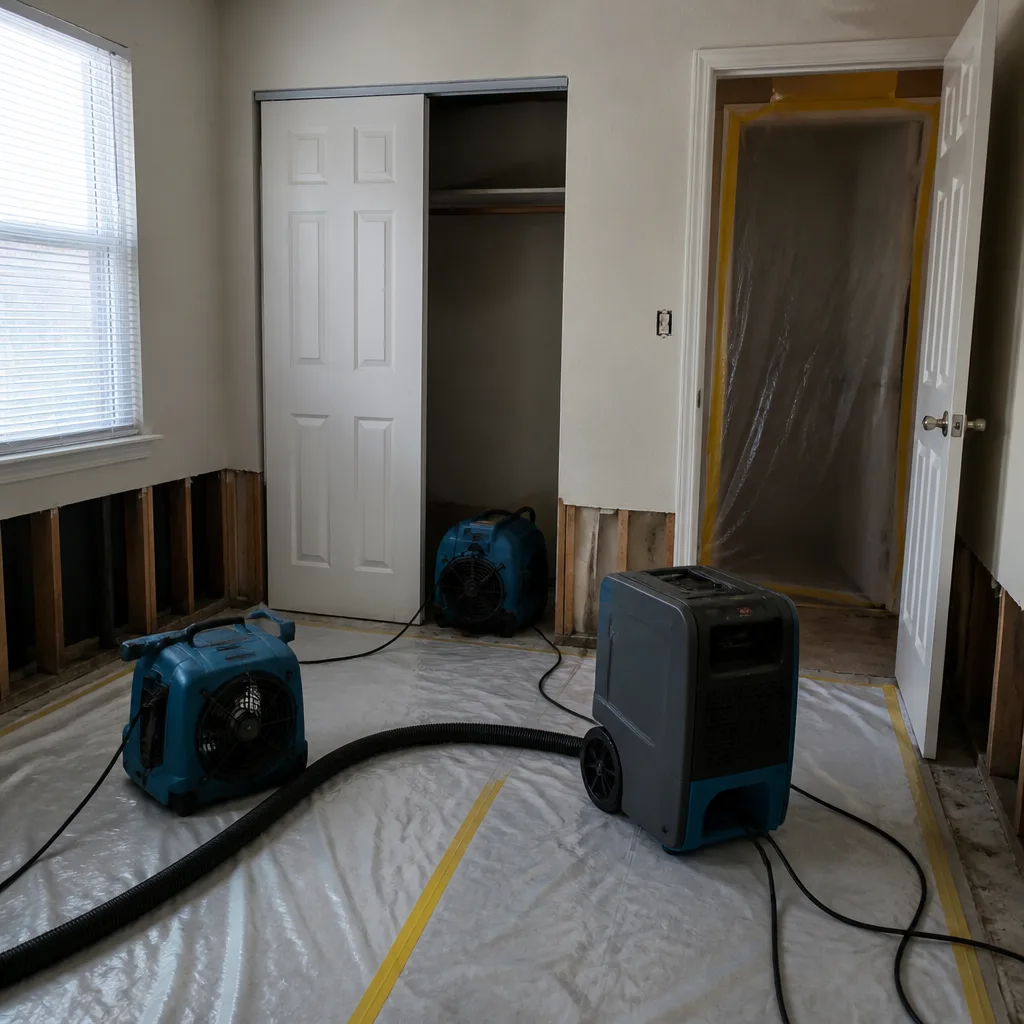 After
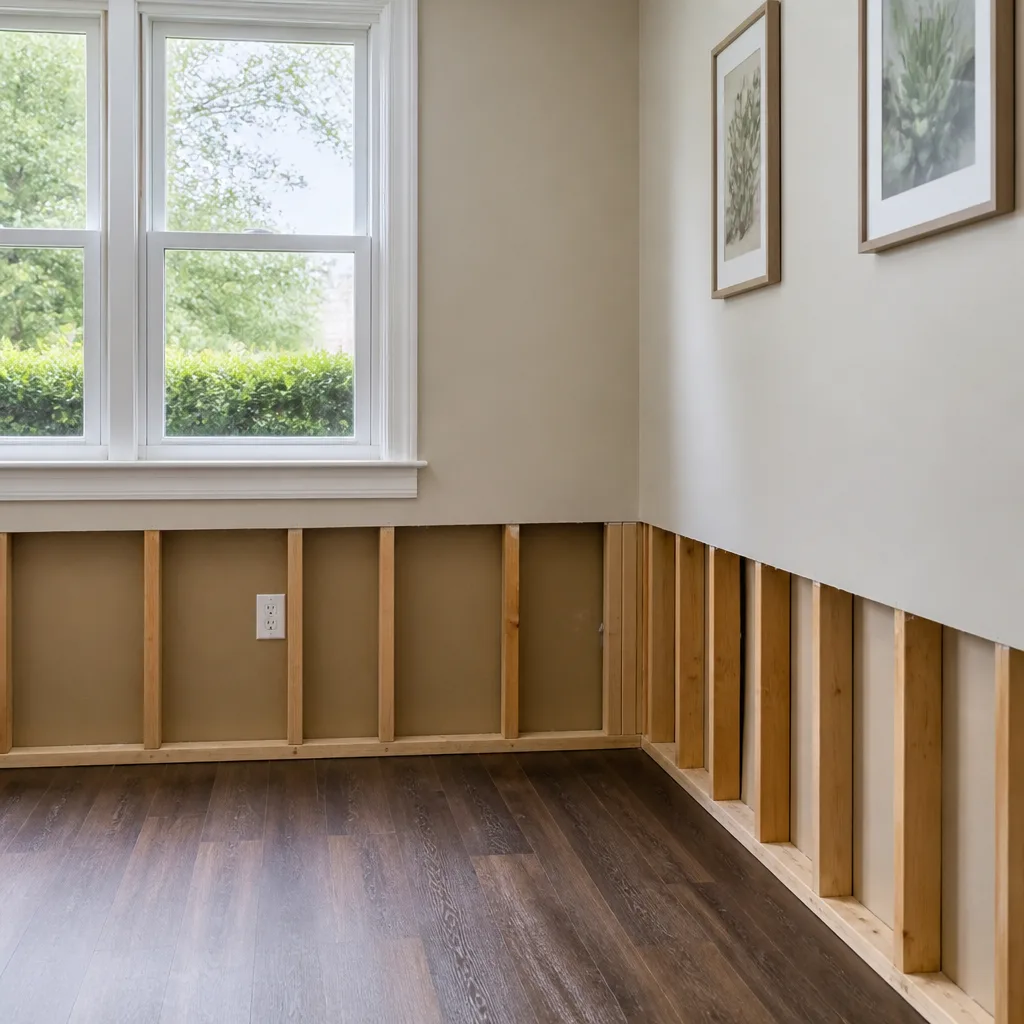
After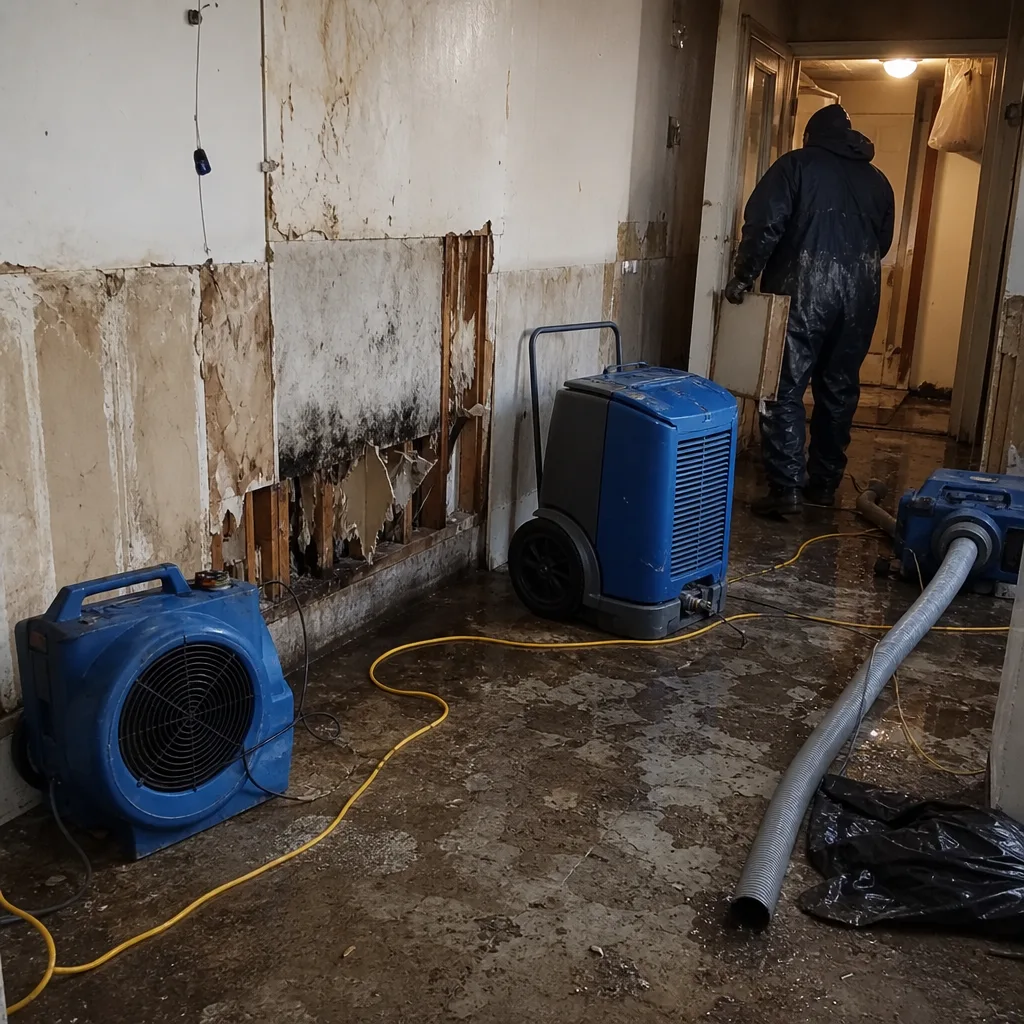 Before
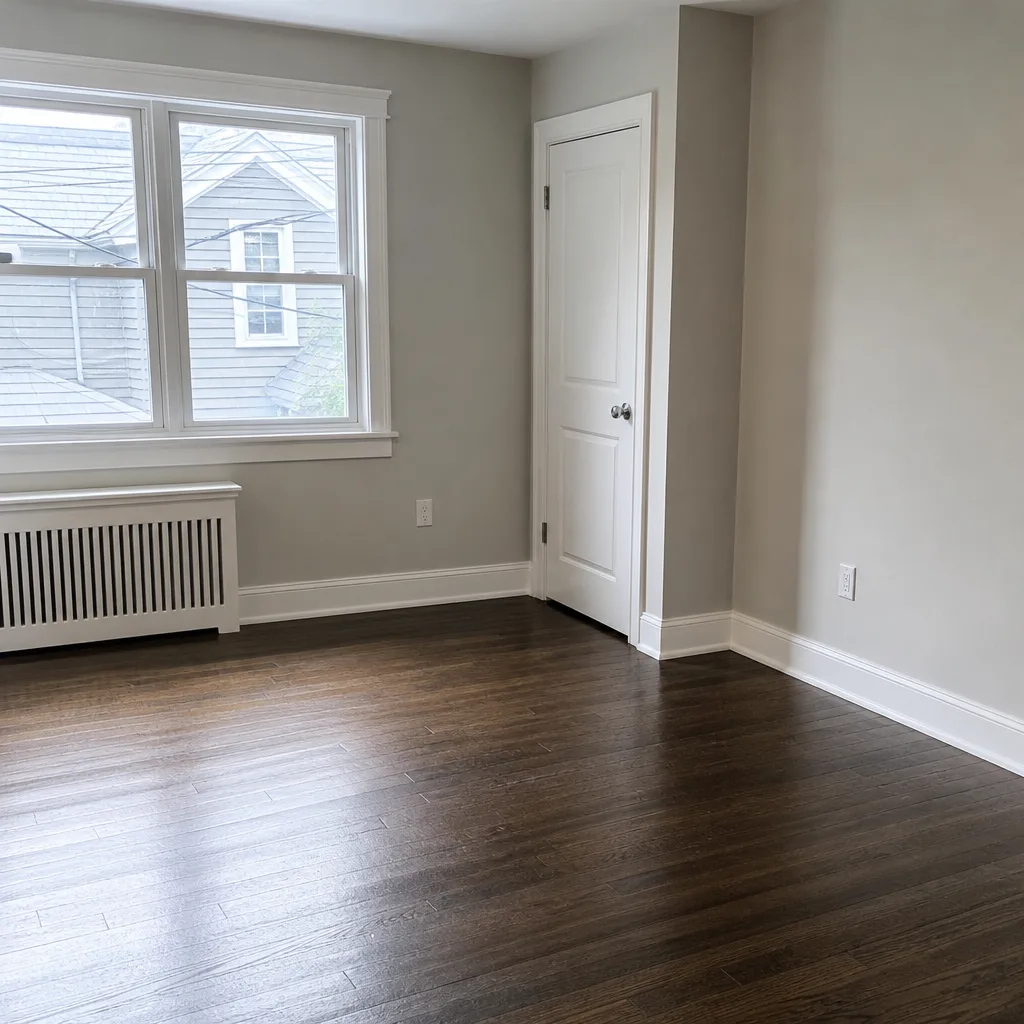 After
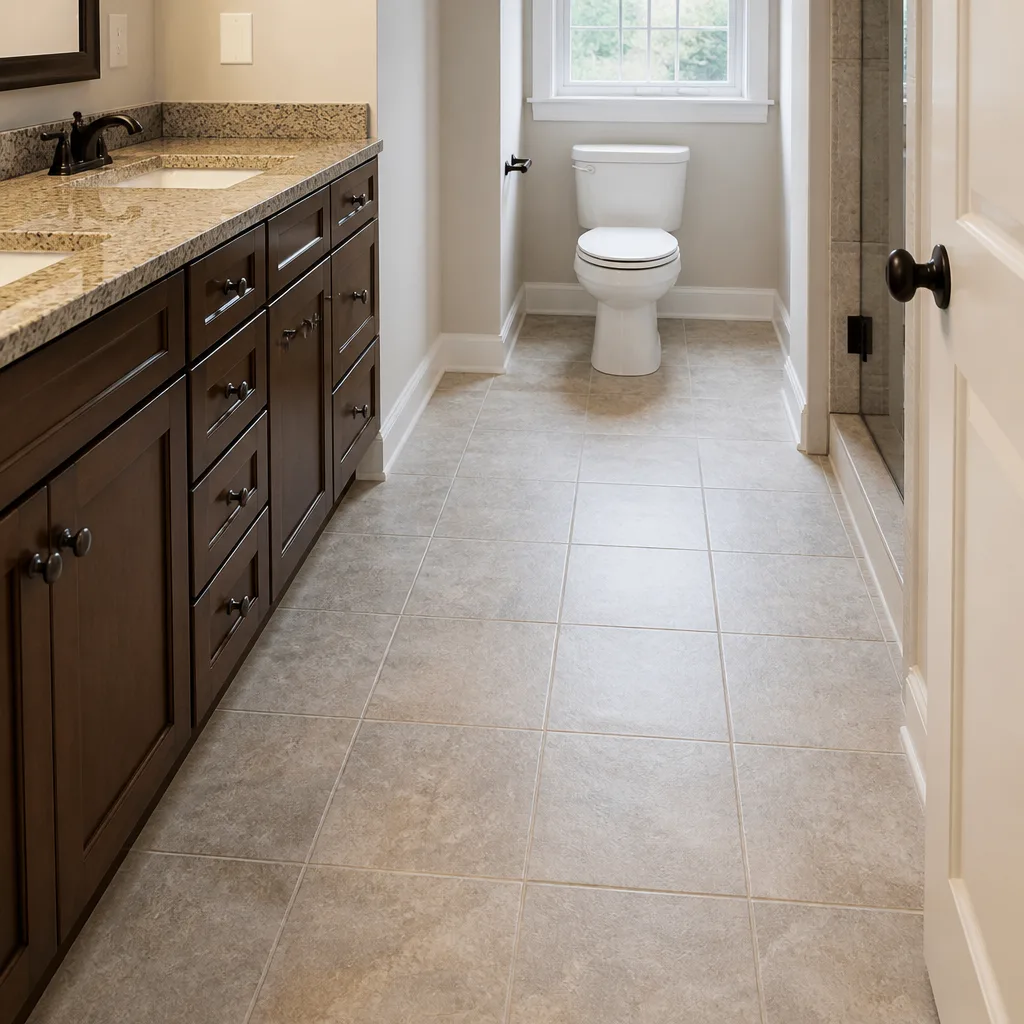
After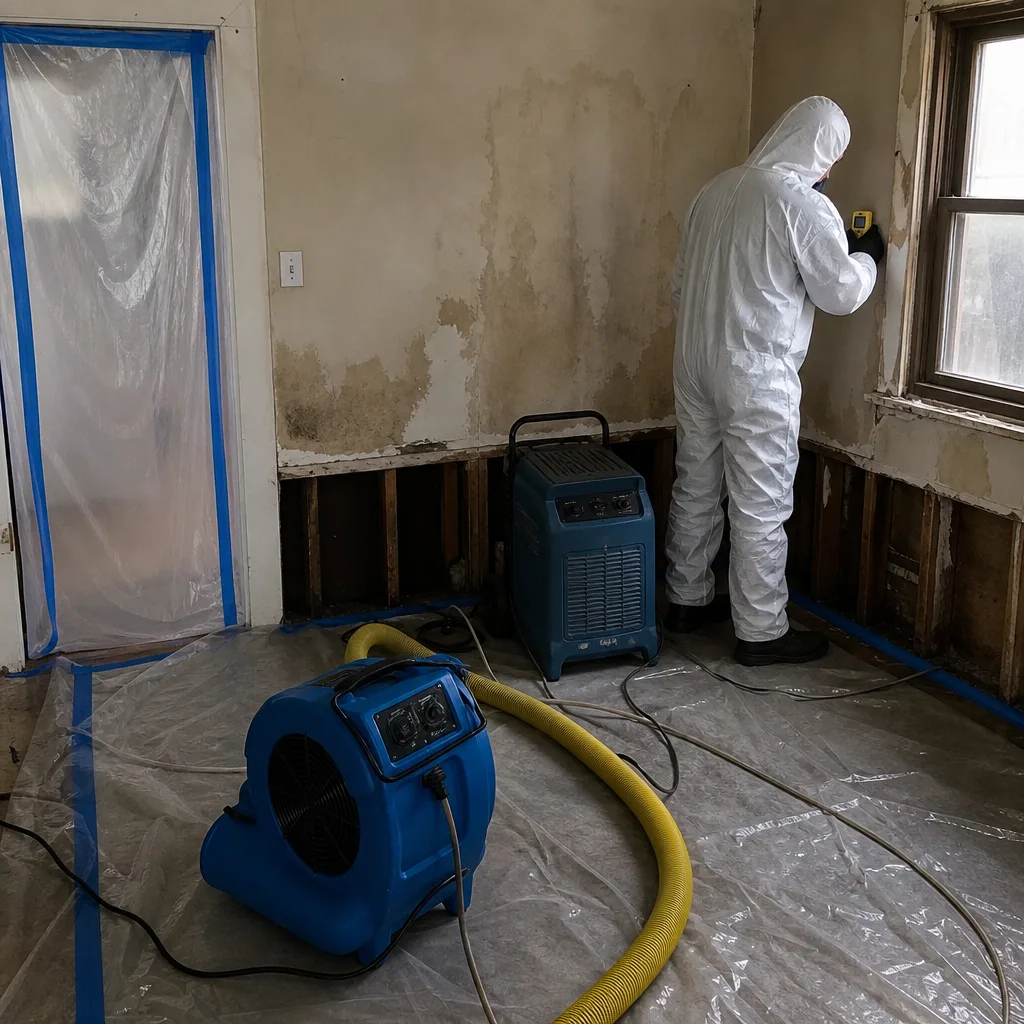 Before
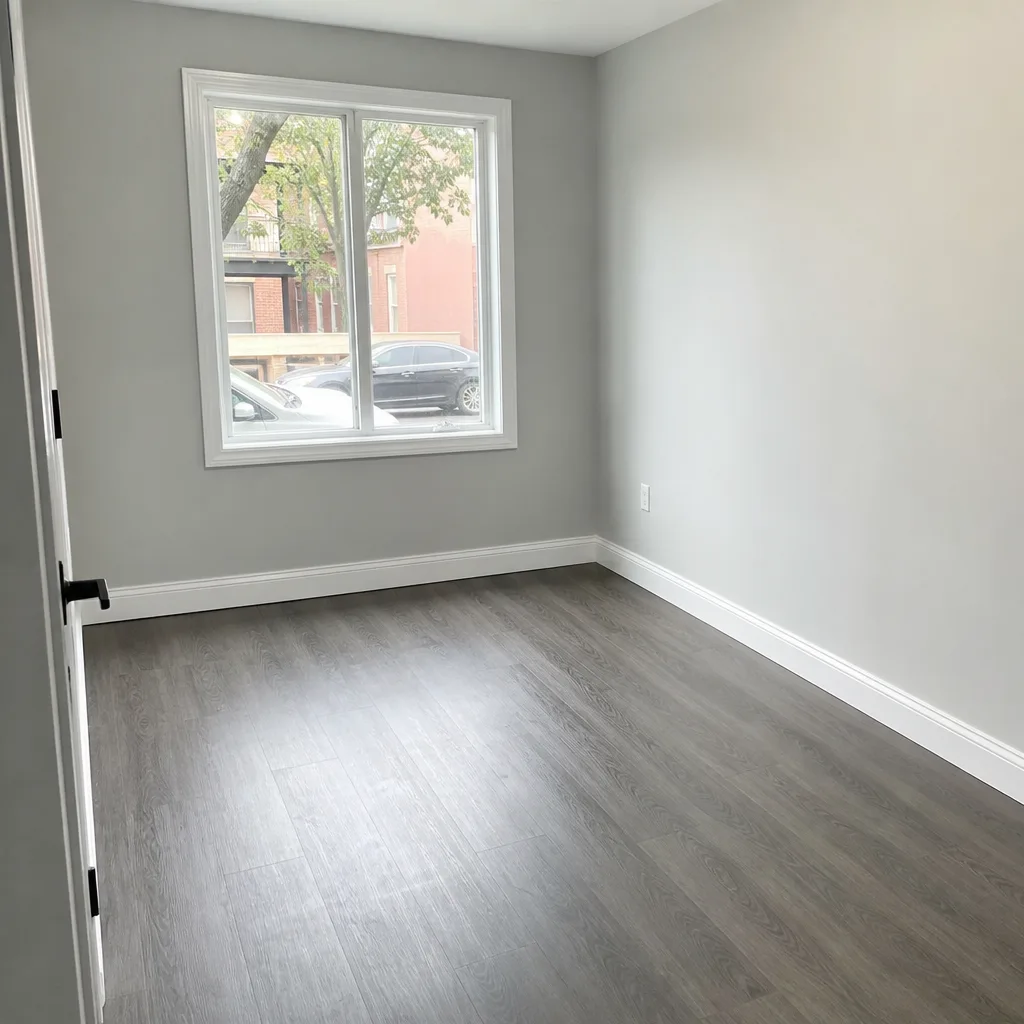 After
After24/7 Emergency Biohazard & Crime Scene Cleanup in Richmond Hill
Biohazard and crime scene cleanup in Richmond Hill typically runs $1,500 to $5,000 for a contained single-room trauma or unattended death scene, and $3,000 to $25,000+ once hoarding debris removal, structural drying, and full Sanitization Services in Richmond Hill are involved. Most jobs start within 45 minutes of your call. If you’re standing in the middle of it right now, call (363) 300-2771 and Wade Ferris will answer his own phone.
Here’s what matters most in Richmond Hill: these attached brick row houses don’t keep a problem to themselves. A biohazard on one side of a party wall moves into the neighbor’s side through shared joist bays, common cellar drainage, and old mortar that breathes. The first hour decides whether you’re dealing with one unit or two, one insurance claim or a dispute with the family next door. Don’t wait. We answer live around the clock, and we’re already familiar with the rowhouse blocks along Liberty Avenue, Lefferts Boulevard, and 101st Avenue. Our Biohazard & Crime Scene Cleanup team sets containment before containment becomes a negotiation.
Understanding Biohazard & Crime Scene Cleanup Severity in Richmond Hill Properties
Severity in Richmond Hill isn’t just about what happened. It’s about what the house is built of. These pre-WWI and interwar attached brick row houses hold onto moisture in ways a newer detached home never will. Original horsehair plaster acts like a sponge. Steam and hot-water radiator systems push humid air through wall cavities. Galvanized supply lines from the 1920s fail behind walls and keep feeding water into the same framing you’re trying to dry.
From a technical standpoint, we classify biohazard water and fluid by category. Category 1 is clean water. Category 2 carries biological or chemical contaminants. Category 3 is grossly contaminated: sewage, blood, decomposition fluids, or floodwater that has picked up whatever was in a combined sewer. Richmond Hill’s aging combined sewer laterals mean a basement floor drain backup during a summer cloudburst is almost always category 3, because stormwater and raw sewage share the same pipe. That classification drives everything: extraction method, antimicrobial treatment, whether plaster is removed or dried in place, and whether we need full containment with HEPA air scrubbers running negative pressure. We don’t guess. We test, we document, and we give you the moisture log at the end. Almost nobody else in the trade does that. Wade Ferris has done it on every job since 2007.
Why Richmond Hill Property Owners Choose Wade’s Restoration
- 45-minute response commitment: Wade heads out from the metro office the moment you call. For a biohazard scene in Richmond Hill, we’re usually on your block before the hour is up.
- 24/7 live answer, always a person: You get Wade or one of his crew on the line, not an answering service. At 3 a.m. on a Sunday, it’s a real voice.
- IICRC-certified teams: Our crews hold WRT and AMRT certifications and follow IICRC S500 and S520 standards for water and biohazard work. Wade’s Restoration is also RIA-affiliated and IFA-recognized.
- Free visual inspection: No trip charge inside our own county. No pressure. Wade looks at the job, tells you what it actually needs, and hands you a written scope before anyone touches a wall.
- Direct insurance billing: We photograph every step, document category classifications, and work directly with your adjuster so you’re not the one relaying messages between two sides.
- One team from first response to final repair: Extraction, drying, sanitization, and reconstruction. You’re not handed from one crew to another, and Wade’s name is on the truck the whole way through.
Wade’s Restoration is locally owned and owner-operated. Wade publishes his name, his address, and his license number. He’s going to run into you again at the hardware store on Liberty Avenue, and that’s the oldest accountability mechanism there is. Ask anyone on your street.
Our Biohazard & Crime Scene Cleanup Process
Inspection & Assessment
We walk the scene with you, identify every affected surface, and check the party wall before we touch anything. In Richmond Hill, that means knocking on the neighbor’s door to look at the shared side. We use thermal imaging and moisture meters to map what’s wet and what’s contaminated.
Containment & Stabilization
Before we extract anything, we seal the affected area with 6-mil polyethylene and run HEPA air scrubbers under negative pressure. On attached row houses, this means containing both sides of the wall so airborne pathogens don’t migrate through joist bays into the next unit.
Extraction & Removal
Category 3 fluids come out with extraction equipment, not towels. Contaminated porous materials like saturated horsehair plaster, carpet, and padding are bagged and removed as regulated waste. Solid, non-porous surfaces get the full antimicrobial treatment.
Drying & Structural Monitoring
Dri-Eaz and Phoenix air movers and dehumidifiers go in, and we take daily moisture readings from the framing, the plaster, and the party wall. You get the full log when the job closes. We’re not guessing when we tell you the structure is dry.
Cleaning & Sanitization
Every remaining surface gets cleaned with hospital-grade antimicrobials and disinfectants appropriate for the biohazard type. We treat odors at the source, not with masking sprays. HEPA-vacuuming and air scrubbing continue until clearance testing passes.
Repairs & Restoration
After the contamination is gone and the structure is dry, we rebuild through our Commercial Restoration in Richmond Hill. Plaster repair, flooring, trim, paint matching for pre-war interiors. One crew, one accountable name, from the first call to the final walkthrough.
Need Emergency Biohazard & Crime Scene Cleanup in Richmond Hill Now?
Crews minutes away, answering live 24 hours a day. The sooner we start, the less it costs.
Working With Your Insurance Company
Insurance is almost always in the room, even when nobody says it out loud. Our job is to make sure you’re not the one stuck in the middle. We document from the first hour: photos of the scene before anything moves, category classifications, moisture readings, and a line-item scope that matches what the adjuster needs to see. Wade talks to the adjuster directly. You don’t relay messages, and you don’t wait on hold to explain why a party-wall containment was necessary. That’s our job.
For Richmond Hill row house jobs, we’re familiar with the two-claim reality of attached living. One loss, two owners, two carriers, and a shared wall that both policies have to cover. We write scopes that make each carrier’s responsibility clear. That eliminates the most common source of neighbor disputes on these blocks.
What We Provide Your Insurer
- Thorough documentation of the loss
- Photos of all damage, room by room
- Moisture readings and drying logs
- A detailed, line-item scope of work
- Direct coordination with your carrier
Built for Richmond Hill’s Loss Calendar
Richmond Hill’s biohazard and trauma cleanup calls follow a pattern that has less to do with crime than with the neighborhood’s infrastructure and seasons. January deep freezes burst galvanized supply lines in unheated cellars and behind kitchen walls, and the Water Damage Restoration in Richmond Hill that follows saturates everything below the freeze line. Spring thaw pulls groundwater into the southern blocks that drain toward Jamaica Bay, where basements that flooded during Hurricane Sandy in 2012 were already remediated once but remain vulnerable to the combined sewer backups that come with every nor’easter.
Summer brings cloudbursts that overwhelm the same combined sewer laterals, sending category 3 water up through basement floor drains. In a row house, that backup doesn’t always stop at the property line. It follows the shared lateral, and suddenly the neighbor’s cellar is involved through no fault of their own. Fall and winter bring the unattended death calls that are common in aging communities: residents who live alone, family that checks in weekly, and the discovery that happens days or weeks later. The decomposition fluids from those scenes wick into old plaster and mortar the same way floodwater does. Same containment, same protocols, same care.
Biohazard & Crime Scene Cleanup Across Richmond Hill’s Neighborhoods
The row house blocks off Liberty Avenue between 101st and 111th Streets are the densest concentration of pre-1910 attached brick homes in the neighborhood, and they’re where we see the most cross-unit contamination. Shared chimneys, shared gutters, shared basement drains, and joist bays that run continuously from one living room into the next. A single-unit sewage backup at 105th Street and 95th Avenue means setting containment on both sides of one wall before extraction starts.
Down near the LIRR tracks along Jamaica Avenue, the housing stock shifts to semi-detached and two-family configurations with ground-floor commercial or medical offices. Biohazard calls in these mixed-use buildings require coordinating with a business downstairs and a family upstairs, often with two different insurance policies and two very different tolerance levels for downtime. The blocks west toward Woodhaven Boulevard see more three-family homes where hoarding cleanup has to happen one floor at a time, with containment isolating each unit so the neighbors’ air stays clean.
South of Atlantic Avenue, the low-lying grid near 114th Street and 95th Avenue sits closer to the Jamaica Bay watershed and caught serious water during Sandy. Those basements have a history. Homeowners there know the difference between dry flooding and a recurring sewer lateral problem, and they want a company that documents the difference instead of just ripping everything out.
We serve all of it: Richmond Hill, from the Lefferts Boulevard corridor to the blocks along 101st Avenue, from the Ozone Park border east to the Van Wyck edge. The block changes, the building stock changes, but the rule stays the same: check the party wall before you quote the job.
Specialized Biohazard & Crime Scene Cleanup Services We Offer in Richmond Hill
Trauma & Unattended Death Cleanup
Decomposition fluids move through a home the way water does: downward and outward. In a Richmond Hill pre-war house, that means into the floorboards, through the subfloor, and into the joist bay. If the joists run into a common wall, the adjacent unit’s air is now carrying particulate from the scene. We treat the full affected area, including the shared wall cavity, and we document it for whatever disclosure requirements apply.
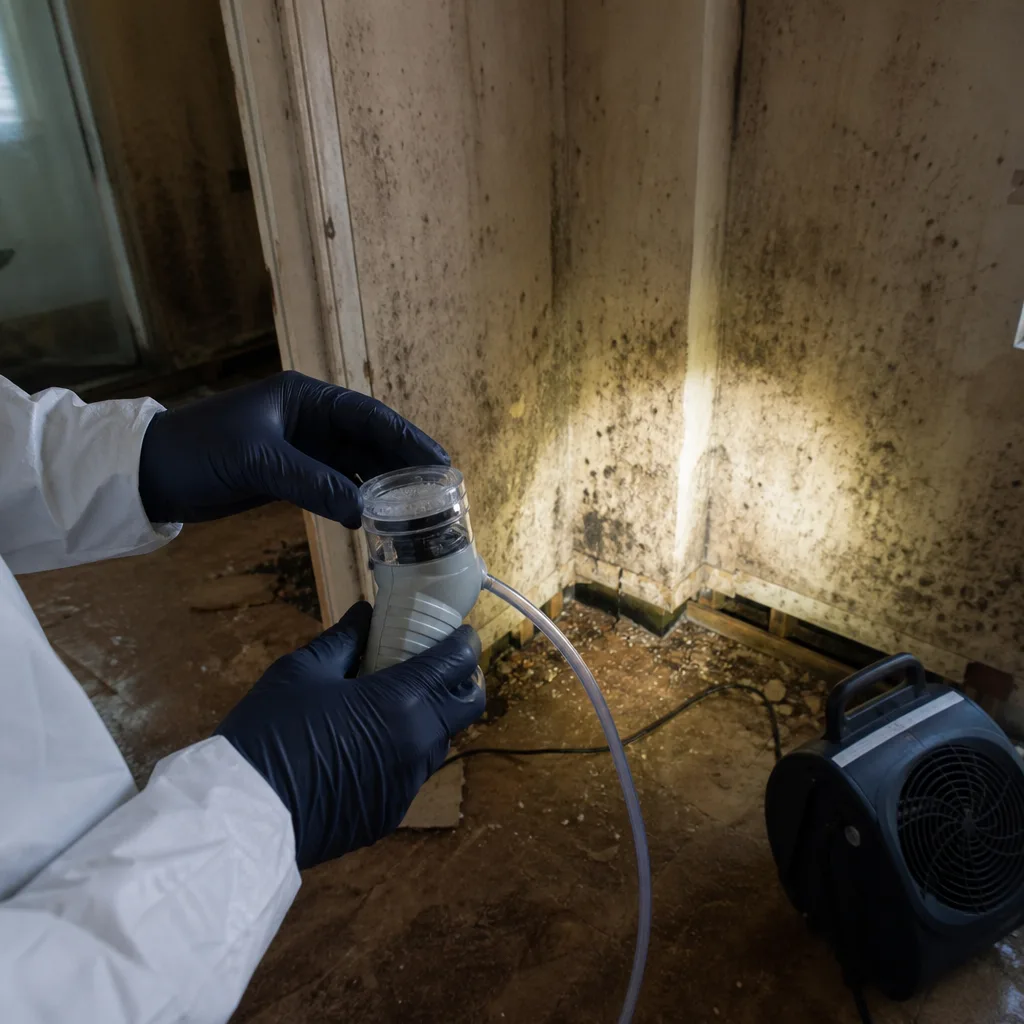
Blood & Bodily Fluid Cleanup
Bloodborne pathogen protocols exist for a reason. Our crews use the same PPE, containment, and disposal procedures for a Richmond Hill basement cleanup as they would on any trauma scene. We remove saturated porous materials, treat remaining surfaces with EPA-registered disinfectants, and verify clearance before we call the job done. You get the documentation. The room gets truly clean, not just visually clean.
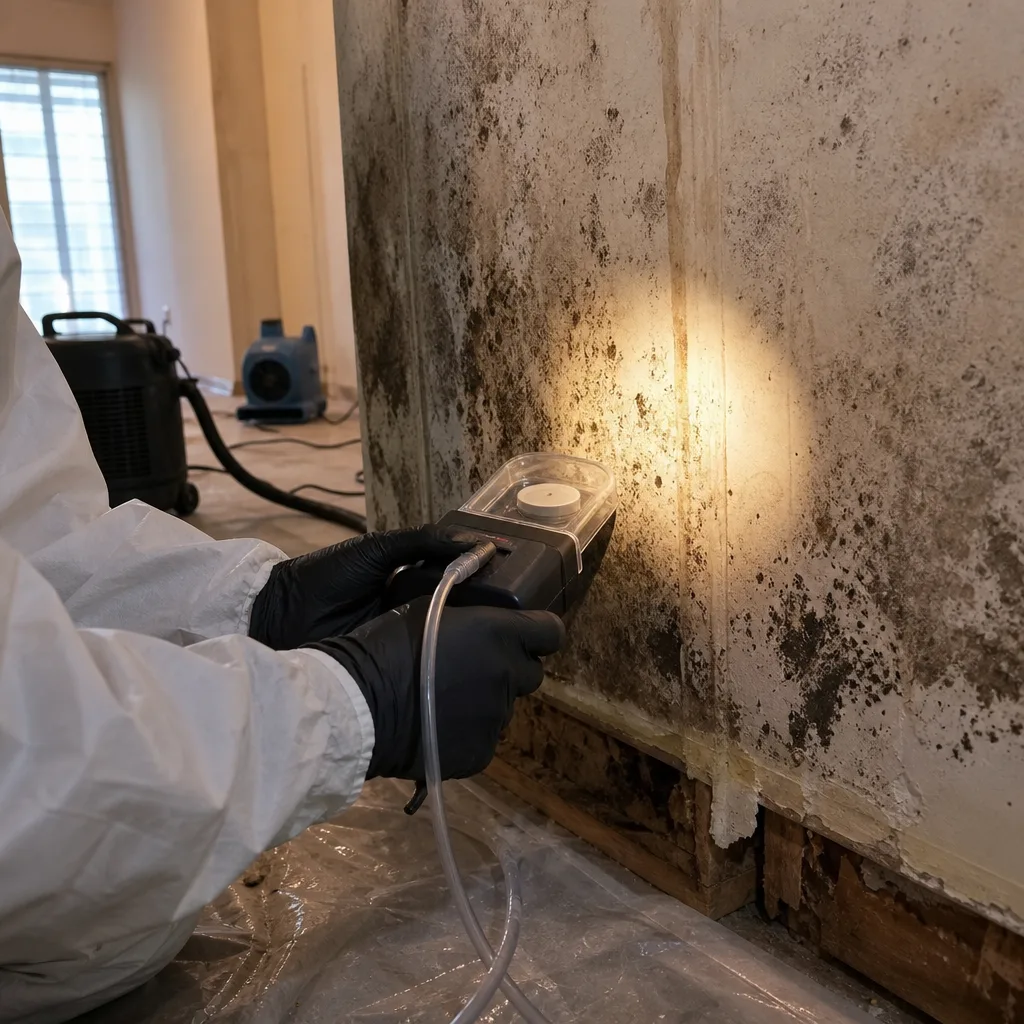
Hoarding Cleanup
Hoarding situations in Richmond Hill’s two- and three-family houses create a specific problem: the debris load hides structural damage to common walls and floors. We work floor by floor with containment on each level, coordinating with the other tenants so their air stays clean and their daily routine isn’t disrupted. We also coordinate with the owner and, where relevant, the landlord, to separate tenant belongings from debris according to a written agreement before anything leaves the building.
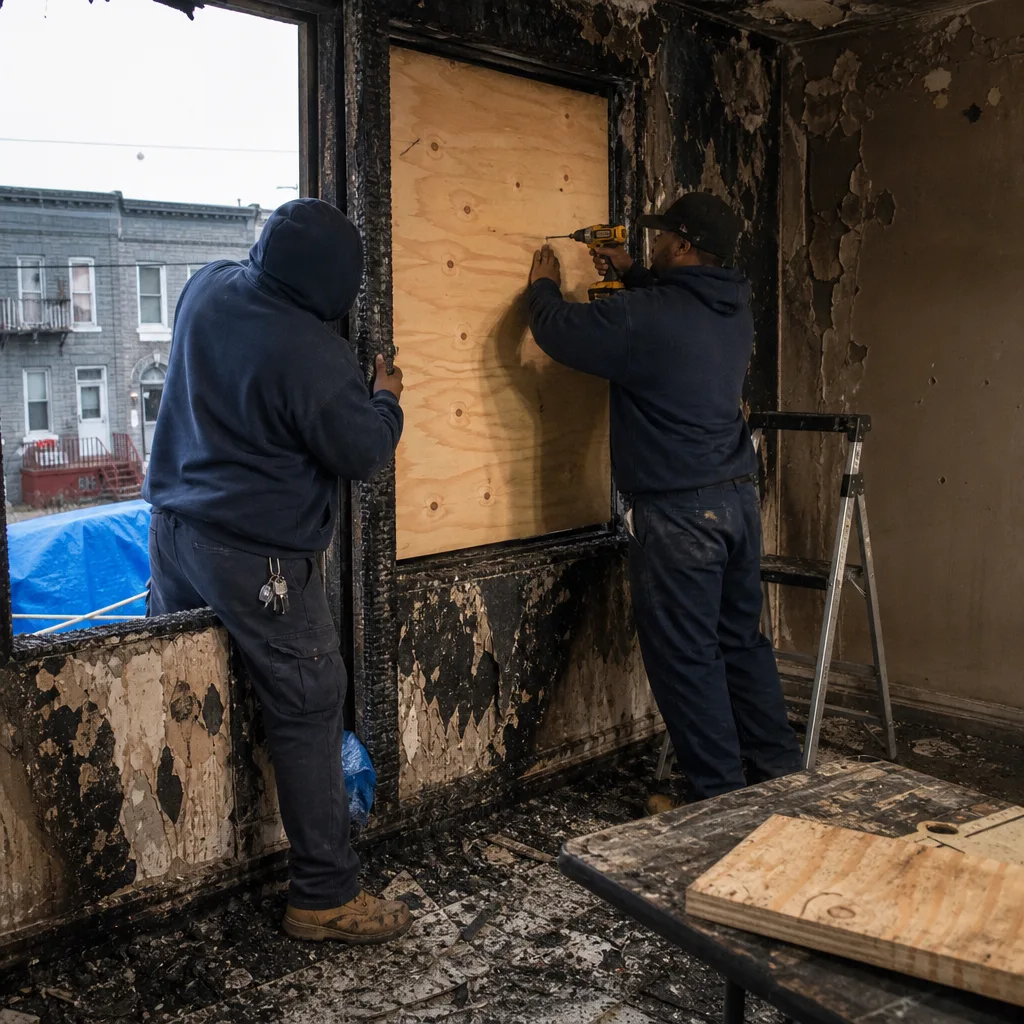
Infectious Disease Disinfection
After a confirmed infectious disease exposure in a Richmond Hill home or ground-floor office, we follow IICRC S520 and OSHA bloodborne pathogen standards for surface disinfection and, where needed, air scrubbing. We don’t fog and walk away. We treat every high-touch surface, every affected room, and document every product and dwell time.
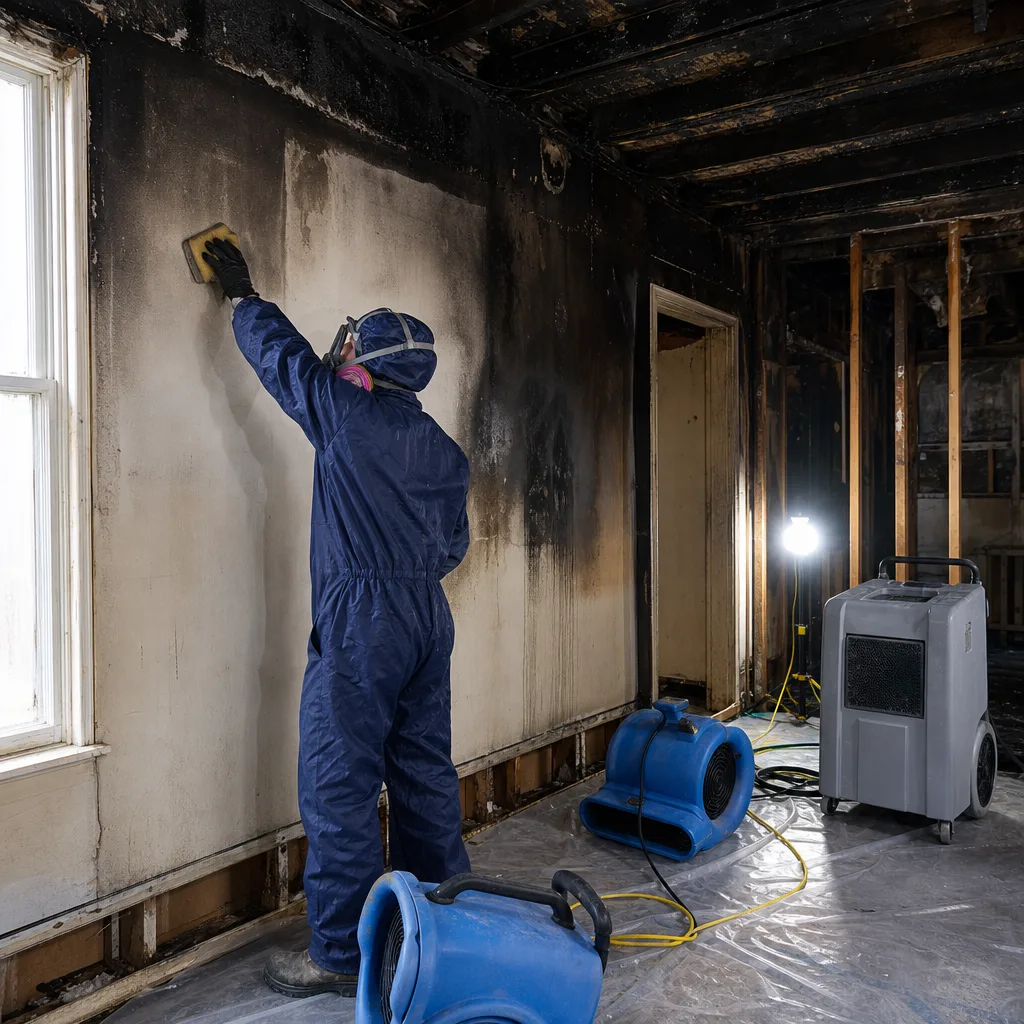
What happens when you call
- 1
A real person answersNo phone trees - you reach a local pro.
- 2
You get an upfront price rangeHonest numbers before anyone is dispatched.
- 3
A background-checked tech heads outLicensed & insured, dispatched right away.
- 4
You approve before work beginsNothing starts until you say go.
Biohazard & Crime Scene Cleanup Costs in Richmond Hill, NY
A single-room blood or body fluid cleanup in Richmond Hill typically runs $1,500 to $4,000, depending on what surfaces are involved. A full unattended death scene with decomposition and structural saturation runs $3,000 to $8,000. Hoarding cleanups start around $3,000 for a single-room light situation and go to $25,000 or more for full-floor debris removal, pest treatment, structural repairs, and sanitization.
What moves the price: whether the party wall is involved, whether original horsehair plaster has to be removed or can be dried in place, how much category 3 water is present, and whether the building is a two- or three-family layout requiring multiple containment zones. Insurance commonly covers trauma and unattended death cleanup under property or liability coverage, but the paperwork has to be right from the first hour. That’s what we handle. Call (363) 300-2771 and Wade will walk the scene for free and hand you a written scope before anything starts. No charge for that. Senior and Veteran discounts are always 10% off, and we’ll give you a free second opinion on any written estimate from another company.
We Also Serve Cities Near Richmond Hill
Our crews cover Richmond Hill and the surrounding blocks every day. We’re regularly in Ozone Park, Woodhaven, South Ozone Park, and Howard Beach. Same 45-minute response commitment, same owner on the phone, same written scope before work starts.
Serving Richmond Hill, NY - Our Local Coverage Area
We’re based in the Richmond Hill area and know this community well. Use the map below to see our service coverage - if you’re nearby, we can almost certainly help.
Richmond Hill Biohazard & Crime Scene Cleanup Questions, Answered
If a neighbor’s burst pipe soaked my attached row house basement, does the cleanup have to be coordinated between both owners?
Yes, and this is the single most important thing to understand about attached row houses in Richmond Hill. The water that entered your basement moved through a shared wall, a shared joist bay, or a shared drain, and both owners’ insurance policies have a stake in the drying. Skipping coordination creates a situation where one unit is dried and closed while the other is still wet inside the same framing, and then the moisture wicks back across the property line. We set containment on both sides, document both exposures, and work with both carriers from the first day.
What happens to original horsehair plaster after a sewage backup in a Richmond Hill pre-war house?
Horsehair plaster is porous, and category 3 water soaks into it fast. If the plaster is structurally sound and contamination is limited, we can sometimes dry it in place with controlled heat and dehumidification, then treat it with antimicrobials. But if it’s saturated, crumbling, or was already unreinforced lime plaster from a 1910s build, we cut it back to the lath, dry the framing, and rebuild with stain-blocking primer and matched finishes. The moisture readings decide, and we show you the log.
Why do you knock on the neighbor’s door before finalizing a biohazard cleanup scope in Richmond Hill?
Because on these blocks, the problem rarely stops at the party wall. A sewage backup in one cellar follows the shared lateral and appears in the adjacent cellar. A decomposition odor migrates through joist bays. A hoarding cleanup on one side conceals a cracked common wall. We’ve learned to check the other side before we quote, because a scope written for one unit only becomes a callback and a neighbor dispute later. On a Lefferts Boulevard row house, our crew traced a sewage backup through the party wall into the adjacent basement before a single moisture reading was taken. We contained both sides, extracted category 3 water from saturated horsehair plaster, and coordinated separate claims with both owners while our drying logs tracked structural drying across two ownership lines.
How do you handle a hoarding cleanup in a two-family Richmond Hill house without disrupting the other tenant?
We work floor by floor with containment on each level. Negative-pressure HEPA air scrubbers keep airborne particulate from moving into the neighbor’s unit. We coordinate debris removal schedules with the building owner and the other tenant so the hallway isn’t blocked and their air stays clean. We also separate tenant belongings from actual debris according to a written agreement before anything leaves, because in a two-family house, the line between “trash” and “someone’s stuff” has to be documented.
After a Richmond Hill basement flood from sewer backup, what determines whether materials are dried or removed?
Category 3 water means porous materials that absorbed sewage generally come out, not get dried. Carpet, padding, upholstered furniture, and saturated drywall are removed and disposed of as regulated waste. Non-porous surfaces like concrete, tile, and metal are cleaned and disinfected. The gray zone is structural wood and plaster: if moisture readings show it can hit drying targets, we dry it. If it’s saturated beyond recovery or contaminated deep into the material, we cut it out. On Richmond Hill’s pre-war row houses, that decision is made daily, with readings in writing, until the structure clears.
How fast can a crew actually get to my Richmond Hill home for a biohazard scene?
Wade’s Restoration commits to 45 minutes. Wade answers his own phone 24 hours a day and has crews stationed within the Richmond Hill response area. For a biohazard or trauma scene, he heads out immediately, because the longer contamination sits, the deeper it moves into old plaster, wood, and common walls. Call (363) 300-2771 and you’ll speak to a live person, not a queue.
Will insurance cover biohazard and trauma scene cleanup in my Richmond Hill home?
Most homeowner policies cover trauma, unattended death, and biohazard cleanup under property or liability coverage, but the claim depends on documentation from the first hour. That means photos of the scene before it’s moved, category classifications, containment records, and a scope that matches the carrier’s requirements. We provide all of that, and Wade talks to your adjuster directly so you don’t have to broker the conversation. Call (363) 300-2771 and we’ll walk you through what your policy likely covers.
What should I do in the first 30 minutes after discovering a biohazard scene in Richmond Hill?
Do not touch anything. Do not attempt to clean blood, fluids, or decomposition material yourself, because without proper PPE and containment, you can spread contamination deeper into the home and put yourself at risk for bloodborne pathogens. Close the door to the affected area if you can do so without entering it. Turn off the HVAC if that’s safe and accessible. Then call (363) 300-2771. Wade will talk you through the next hour, and a crew will be on the way.
Written by Wade Ferris, Owner at Wade’s Restoration, serving Biohazard & Crime Scene Cleanup in Richmond Hill and the surrounding metro area since 2007.