
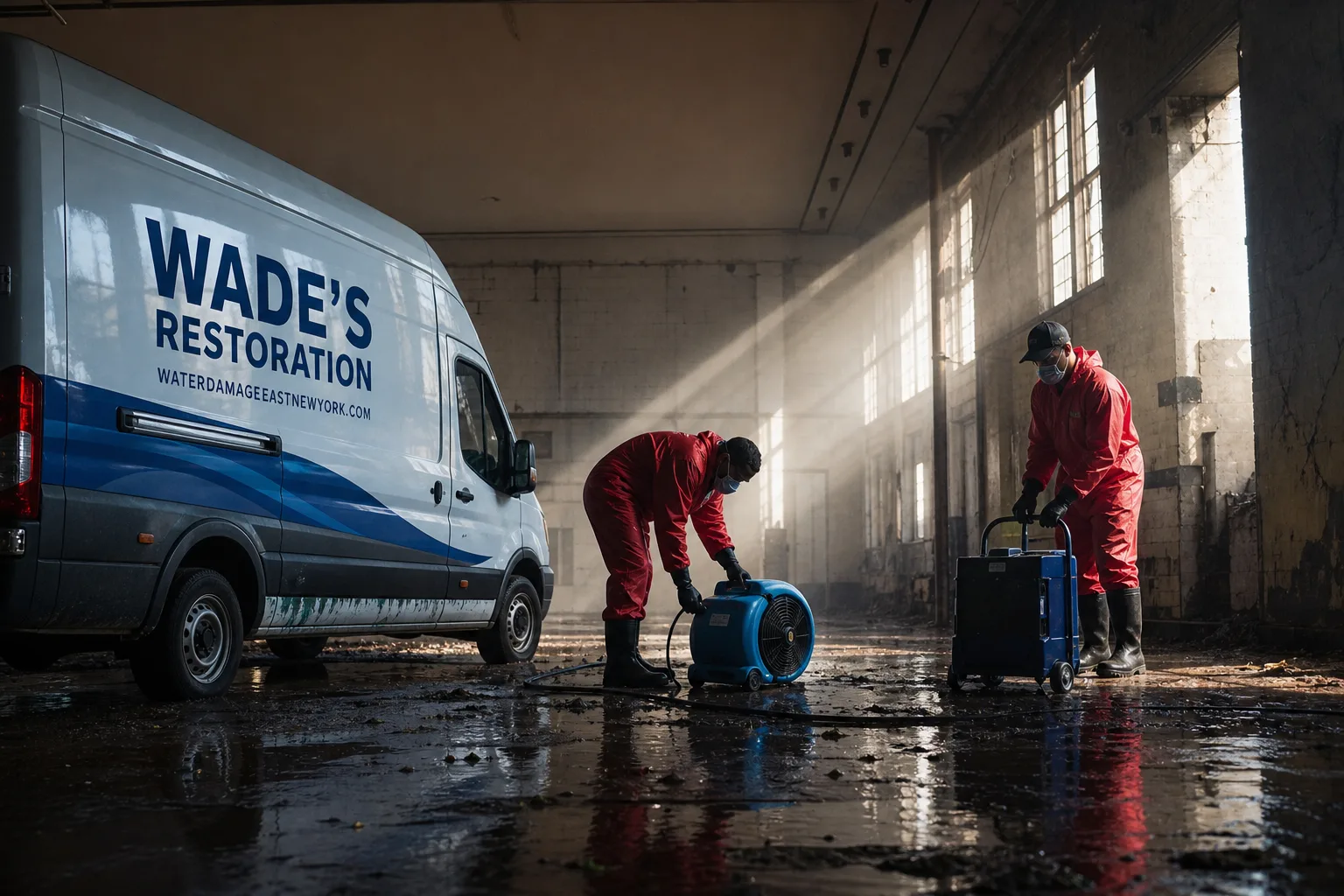
Free visual inspection and a written scope of work before any mitigation begins - photos, moisture readings, and drying logs go in your claim file
The scope we write is the scope we bill. Anything new gets shown to you, in writing, before we touch it.
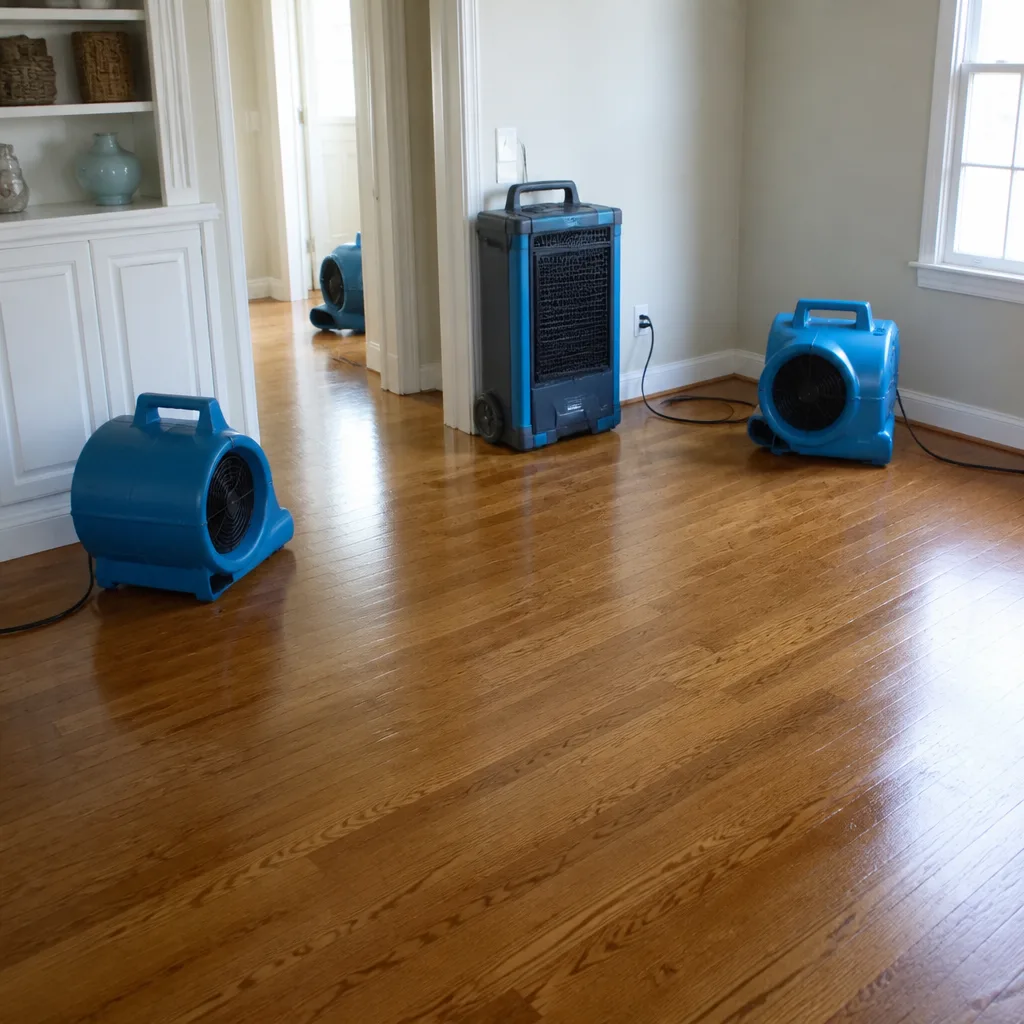
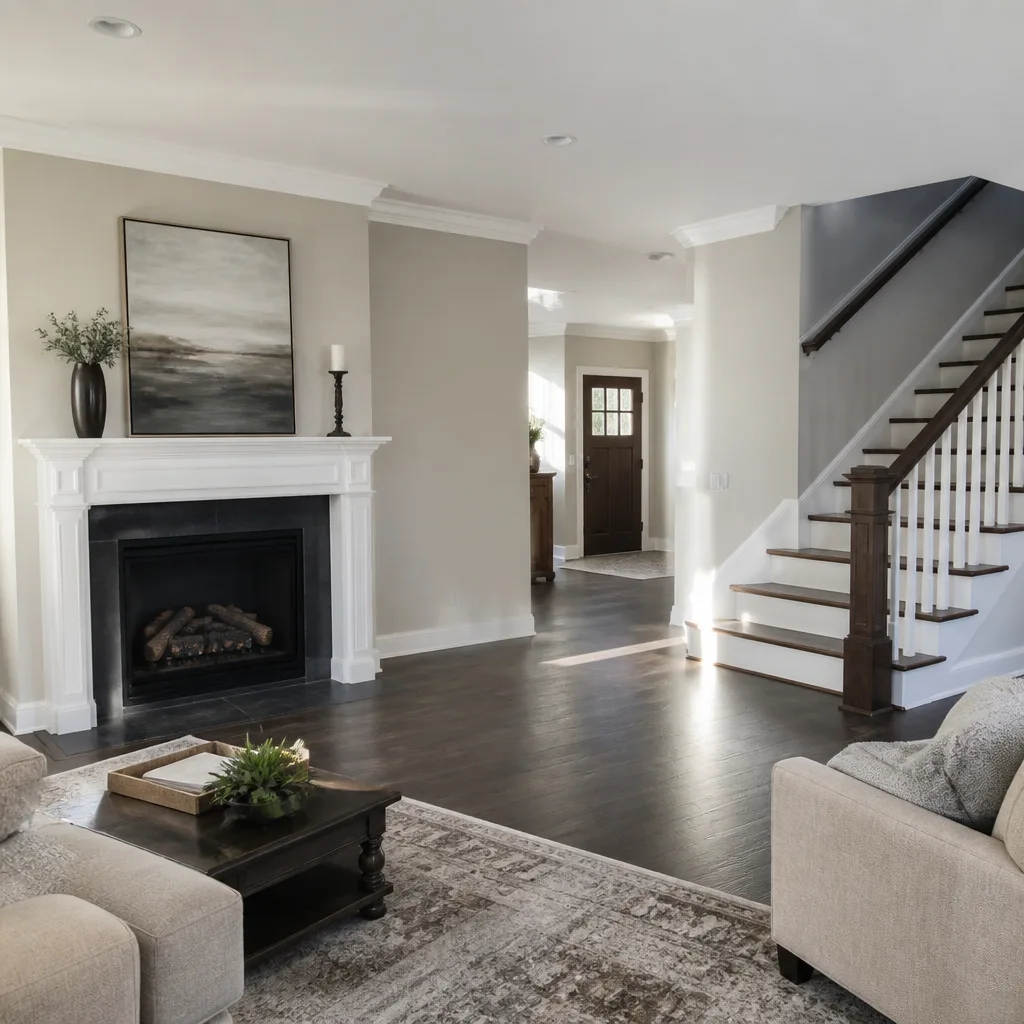
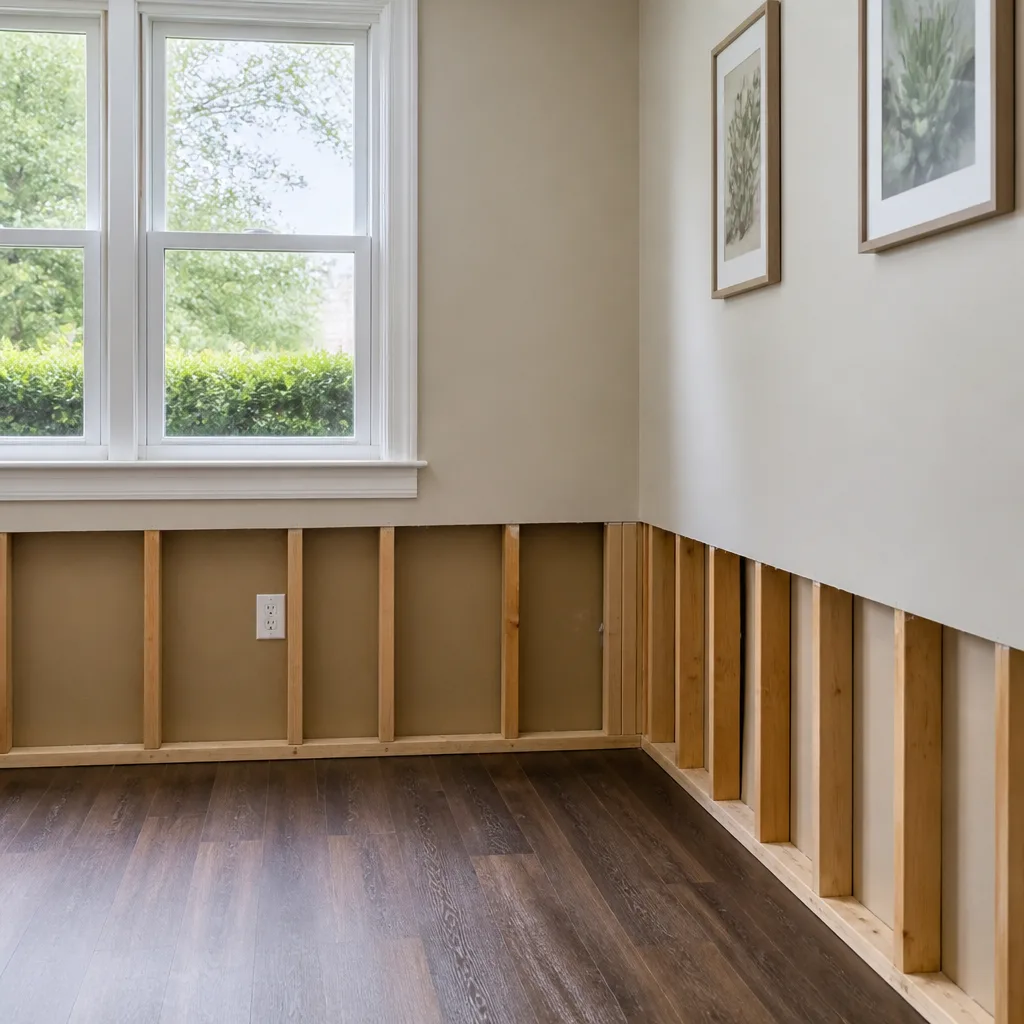
 Before
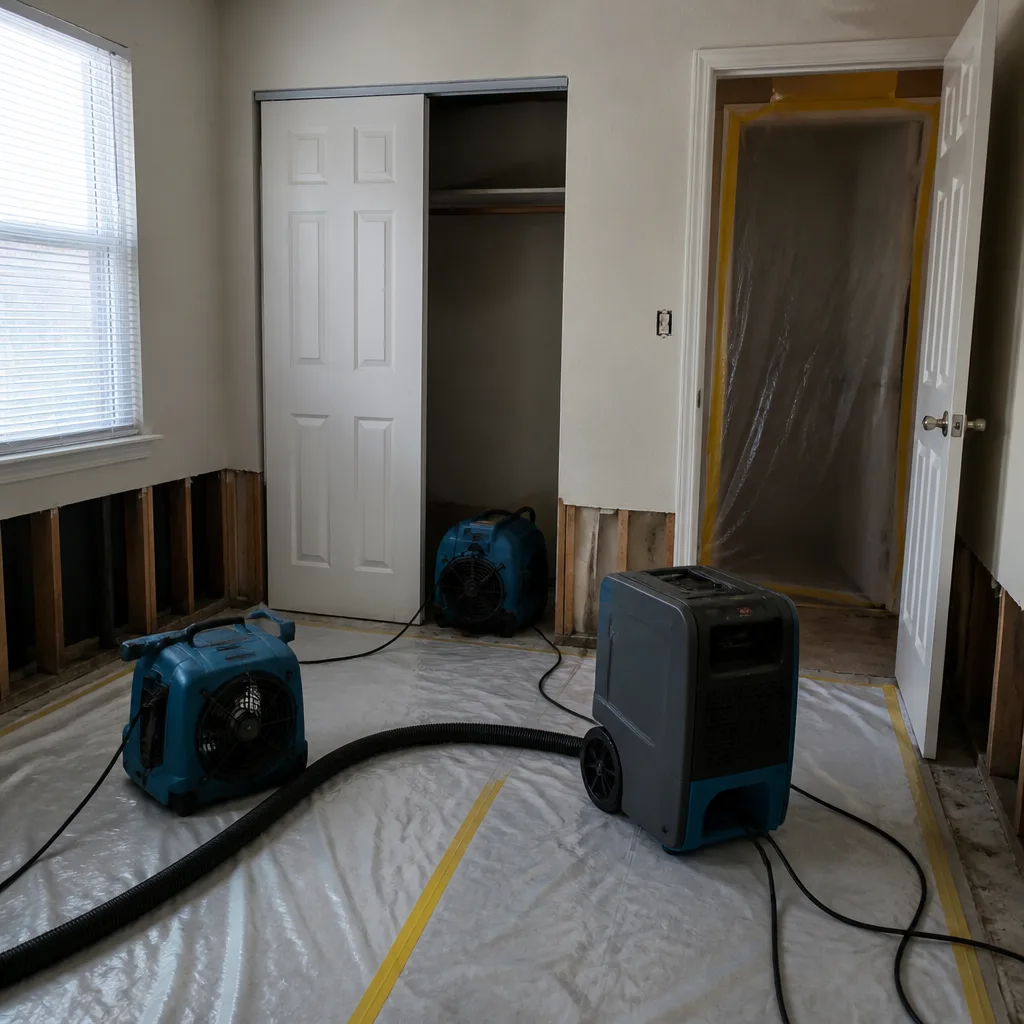 After
After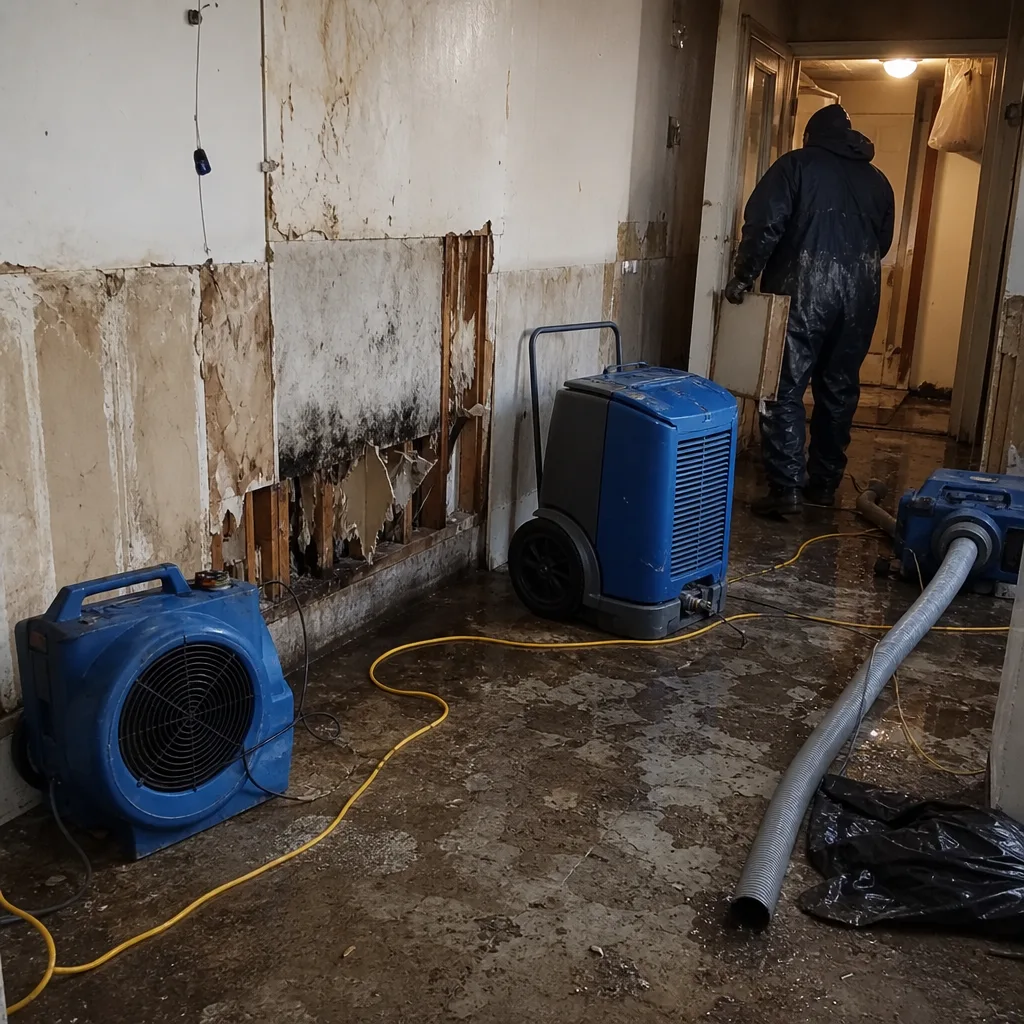 Before
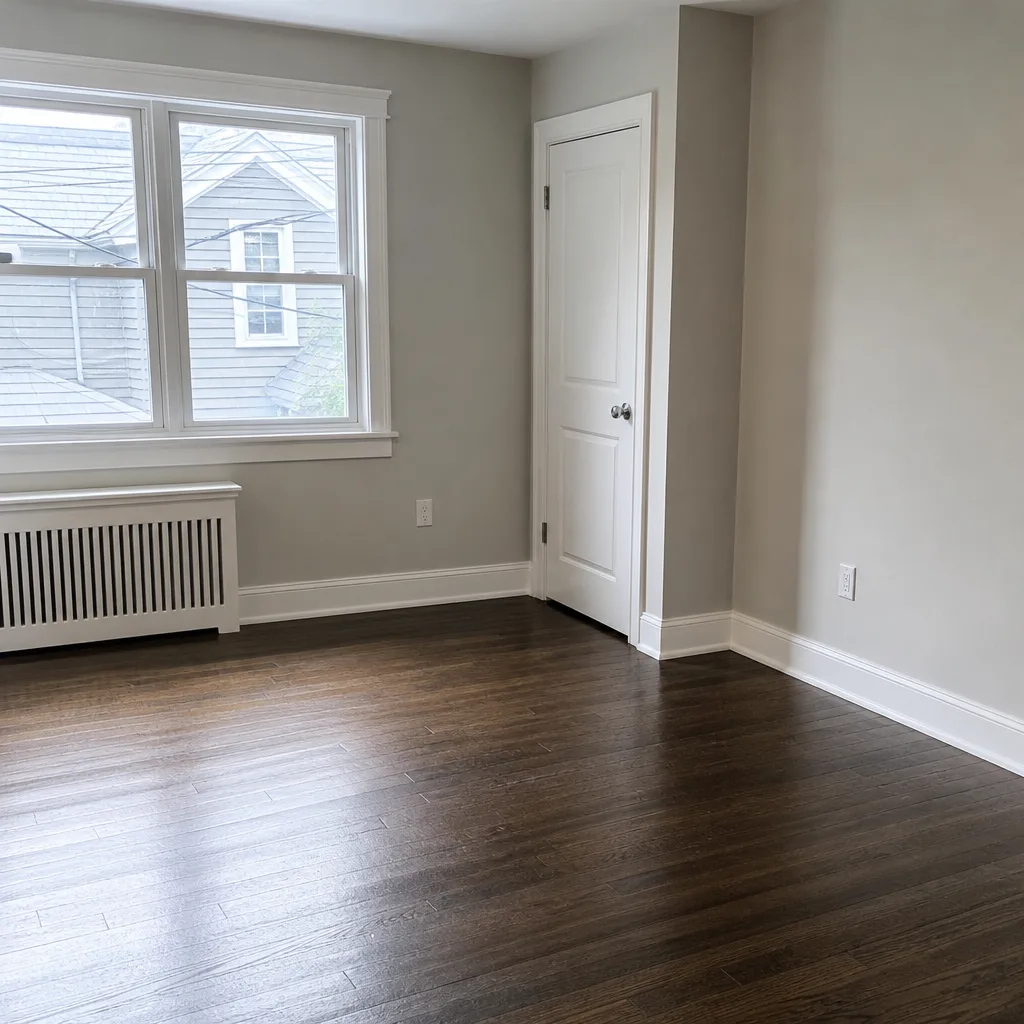 After
After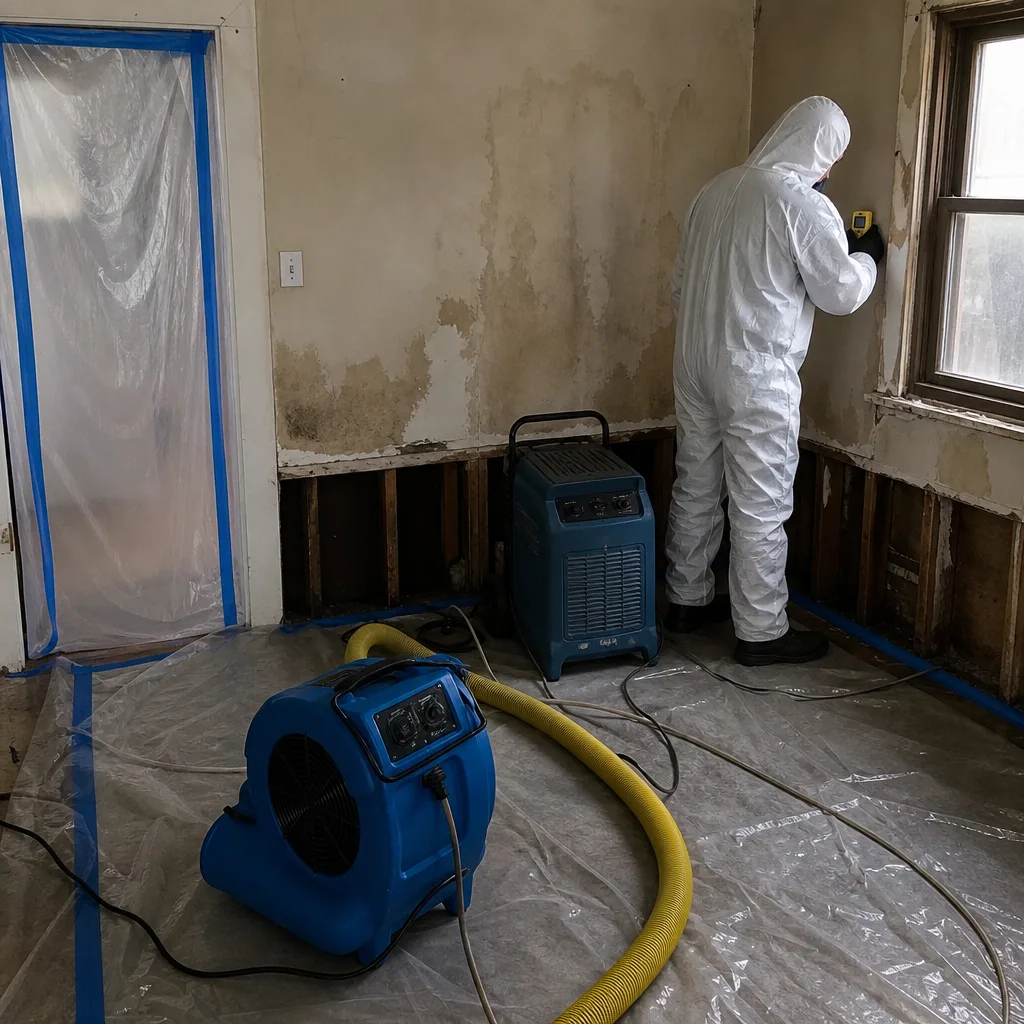 Before
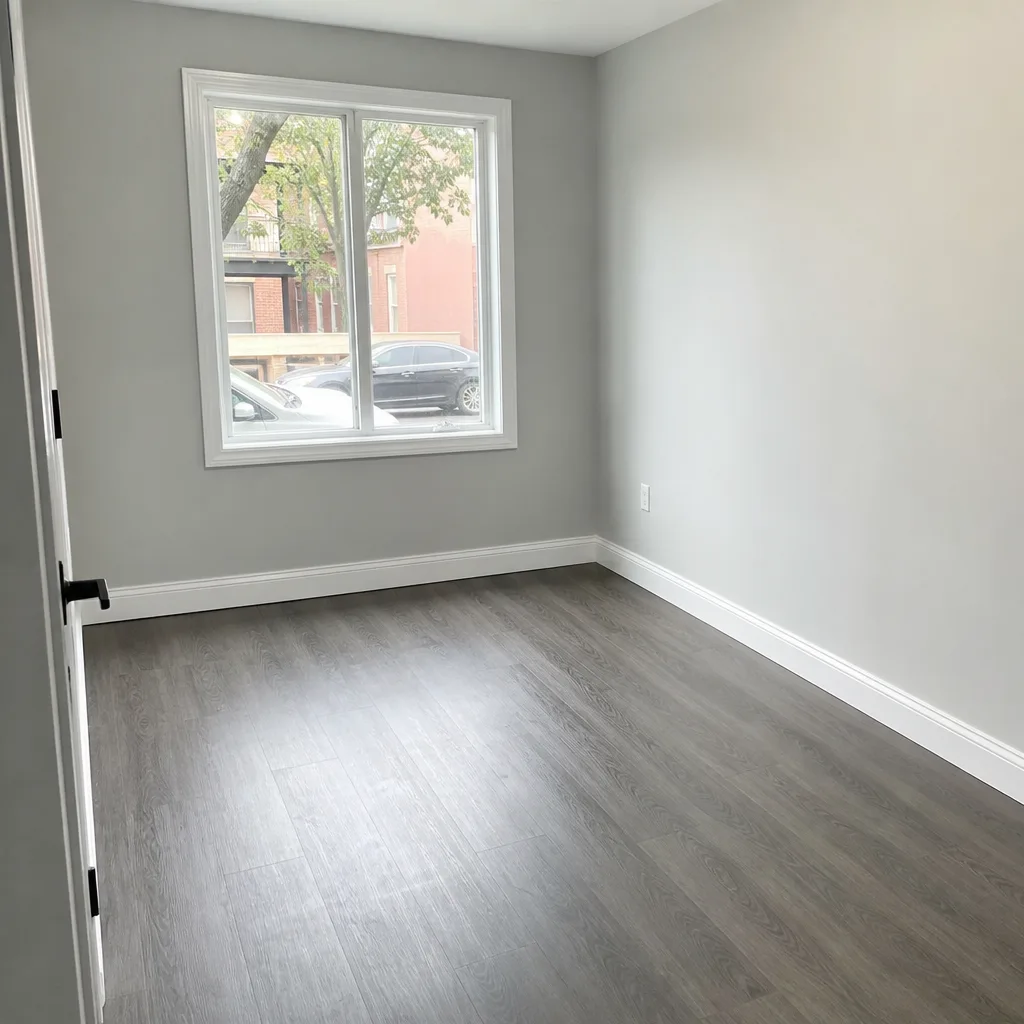 After
After24/7 Emergency Biohazard & Crime Scene Cleanup in Ridgewood
Biohazard cleanup in Ridgewood typically runs $1,800-$6,500 depending on the scope, and we can have a crew at your door in about 45 minutes. Call (363) 300-2771 right now and you’ll get a real person, not a phone tree. Wade Ferris answers his own phone, and if it’s after midnight, he’s still the one picking up. The first hour matters because bloodborne pathogens and decomposition fluids don’t sit still. They wick into plaster, soak through unsealed brick, and travel along shared mortar joints into the rowhouse next door. Every minute you wait, the contamination footprint grows wider and the cleanup gets harder.
Understanding Biohazard & Crime Scene Cleanup Severity in Ridgewood Properties
Here’s the reality most people don’t learn until they’re standing in it: a biohazard in a Ridgewood rowhouse behaves differently than one in a detached suburban house. Most of the housing stock here dates from roughly 1905 to 1935, attached two- and three-story yellow-brick rowhouses with original plaster walls and shared party walls. There’s no air gap between you and your neighbor. The brick is porous. The mortar joints, after a hundred years of freeze-thaw cycles, are full of hairline cracks and voids. Blood, decomposition fluids, and sewage-category (Category 3) water don’t just sit on the surface. They migrate. We classify biohazard work by the contamination level of the affected materials. Porous materials like unsealed brick, plaster, and lath almost always require removal rather than surface cleaning because fluids penetrate beyond what any disinfectant can reach. Non-porous surfaces like glazed tile or metal can sometimes be cleaned and sanitized in place. In a Ridgewood basement with original plaster over brick, that distinction usually means cutting back to the masonry, because the plaster’s absorption profile makes it a lost cause once fluids have wicked into it.
Why Ridgewood Property Owners Choose Wade’s Restoration
- 45-minute response commitment: Wade heads out from the New York City office and can reach most Ridgewood blocks in under an hour, traffic willing. We don’t give you a four-hour window. We give you a real ETA.
- 24/7 live answer: No answering service, no voicemail at 3 a.m. Call (363) 300-2771 and Wade picks up.
- IICRC-certified crews: The people we send are trained to IICRC standards for biohazard and trauma scene work, including HAZWOPER protocols for bloodborne pathogen hazards. Not a franchise checklist, actual certification.
- Free visual inspection: No trip charge inside our own county. Wade comes out, walks the scene, and tells you honestly what needs doing before any money is discussed.
- Direct insurance billing: We handle the carrier directly and produce the documentation adjusters actually need. You’re not stuck relaying messages between two sides.
- One team from containment to reconstruction: We don’t clean the biohazard and then hand you off to a stranger for the rebuild. Wade’s crew handles the whole job, from first HEPA scrubber to final coat of paint.
Our Biohazard & Crime Scene Cleanup Process
Inspection & Assessment
Wade walks the full scene with a thermal imaging camera and moisture meter. In a Ridgewood rowhouse, that means checking the party wall on both sides, because fluids don’t respect property lines. We identify the contamination boundary before any tools come out.
Containment & Stabilization
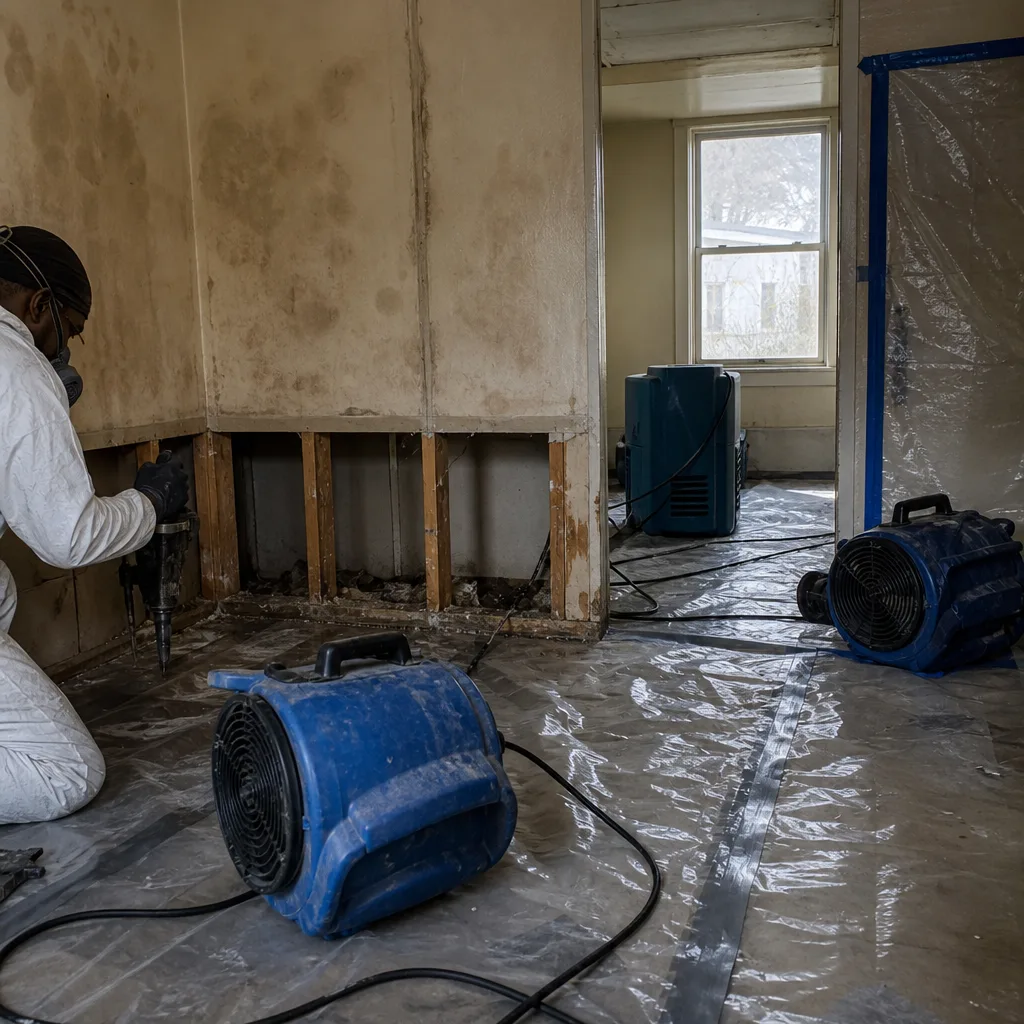
We seal the affected area with 6-mil poly sheeting and establish negative air pressure using HEPA-filtered Phoenix air scrubbers. In attached rowhouses, we set containment on both sides of the party wall, even if the neighbor’s side looks clean. Aerosolized pathogens travel through the same voids moisture does.
Removal of Contaminated Materials
Porous materials that absorbed fluids come out. That often means plaster and lath down to the brick, carpet and padding, upholstered furniture we couldn’t clean, and baseboards. Each item gets bagged and tagged for regulated medical waste disposal.
Cleaning & Antimicrobial Treatment
All remaining structural surfaces get scrubbed with hospital-grade disinfectants rated for bloodborne pathogen elimination. Bare brick and mortar joints get treated with an antimicrobial agent specifically because Ridgewood’s aged masonry is too porous for surface-only cleaning.
Verification & Drying
We run air scrubbers continuously and take daily readings with hygrometers and moisture meters until levels return to normal. For trauma and decomposition work, we also complete ATP testing on surfaces to confirm biological loads are gone. You get the full log.
Repairs & Restoration
Once the scene is clean and verified, we rebuild what came out: plaster, framing, flooring, whatever the space needs to be whole again. One crew, start to finish, so nobody has to re-explain the job to a new contractor.
Need Emergency Biohazard & Crime Scene Cleanup in Ridgewood Now?
Crews minutes away, answering live 24 hours a day. The sooner we start, the less it costs.
Working With Your Insurance Company
Biohazard claims in Ridgewood are rarely simple, and most homeowners have never filed one before. We’ve handled enough of them to know exactly what carriers ask for and what they push back on. From the first hour on scene, we photograph everything room by room, log moisture readings, and document the full containment boundary, including the party wall on the neighbor’s side when contamination crossed over. That documented evidence is usually the difference between a covered claim and a denied one. Wade talks to your adjuster directly, so you’re never the one relaying technical details between two people who speak different languages. If the adjuster has questions about why we removed plaster instead of just wiping it down, we answer with the moisture data and the brick’s absorption history. That’s the conversation that gets approvals.
What We Provide Your Insurer
- Thorough documentation of the loss
- Photos of all damage, room by room
- Moisture readings and drying logs
- A detailed, line-item scope of work
- Direct coordination with your carrier
Built for Ridgewood’s Loss Calendar
Ridgewood’s biohazard calls don’t come evenly through the year. They cluster. January and February bring deep freezes that burst supply lines in unheated basement units and behind uninsulated party walls. The water sits, and in an occupied basement apartment, it mixes with whatever’s on the floor. When it thaws, we’re not dealing with clean water anymore. We’re dealing with Category 3 contamination. Spring and summer are the sewage backup season, thanks to NYC’s aging combined sewer system. When a heavy thunderstorm hits western Queens, the sewers surcharge, and the finished basements common in these rowhouses become collection points for everything the system can’t carry. That’s not water extraction work. That’s full biohazard containment and disposal. Nor’easters add another layer: flat parapeted roofs on these pre-war rowhouses leak, water runs down interior walls, and if a unit sat vacant, mold and decomposition get involved. Every season here has a signature failure mode, and we’ve seen them all repeat for years.
Biohazard & Crime Scene Cleanup Across Ridgewood’s Neighborhoods
The blocks around Fresh Pond Road and Myrtle Avenue are some of our most frequent calls, largely because that’s where the oldest attached rowhouses cluster. Those circa-1910 to 1920 buildings have the deepest basements, the most original plaster, and the most shared party wall exposure. When decomposition fluids release in a below-grade unit off Fresh Pond Road, they don’t just sit on the floor. They wick into unsealed brick, climb the mortar, and migrate into the joist pockets that sit in the party wall. The Seneca Avenue corridor brings us hoarding cleanup calls in three-story walkups where the unit sits directly above or below occupied apartments. Containment there is non-negotiable because the shared stairwells and light wells mean any aerosolized contaminant reaches neighbors fast. Over by Catalpa Avenue, we see more unattended death cleanup in the smaller single-family rowhouses where an elderly resident lived alone. Those jobs are quieter, but the contamination is often further along by the time anyone finds it. And in the blocks north of Myrtle that lean toward industrial conversion lofts, we get chemical and tear gas contamination calls tied to commercial spaces that share walls with residential units. Different block, different failure mode, same rule: in Ridgewood, contamination rarely stops at the property line.
Specialized Biohazard & Crime Scene Cleanup Services We Offer in Ridgewood
Crime Scene Cleanup
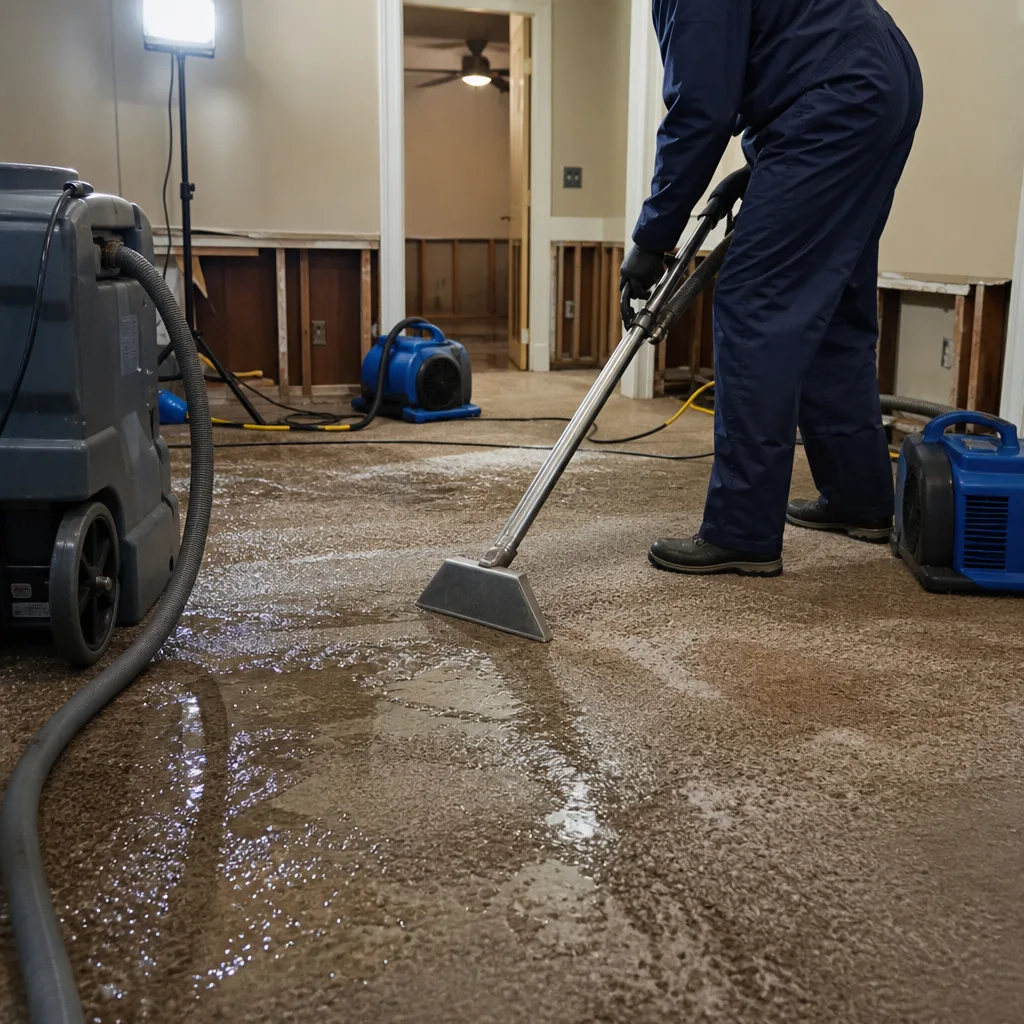
Crime scenes in Ridgewood rowhouses usually involve blood and bodily fluids on floors, walls, and whatever furniture was nearby. We’re licensed to handle bloodborne pathogen removal, and we handle the full process from containment through disposal of regulated medical waste, plus coordination with law enforcement if the scene is still active. Our Biohazard & Crime Scene Cleanup team has handled everything from single-room incidents to full-floor contamination.
Trauma & Unattended Death Cleanup
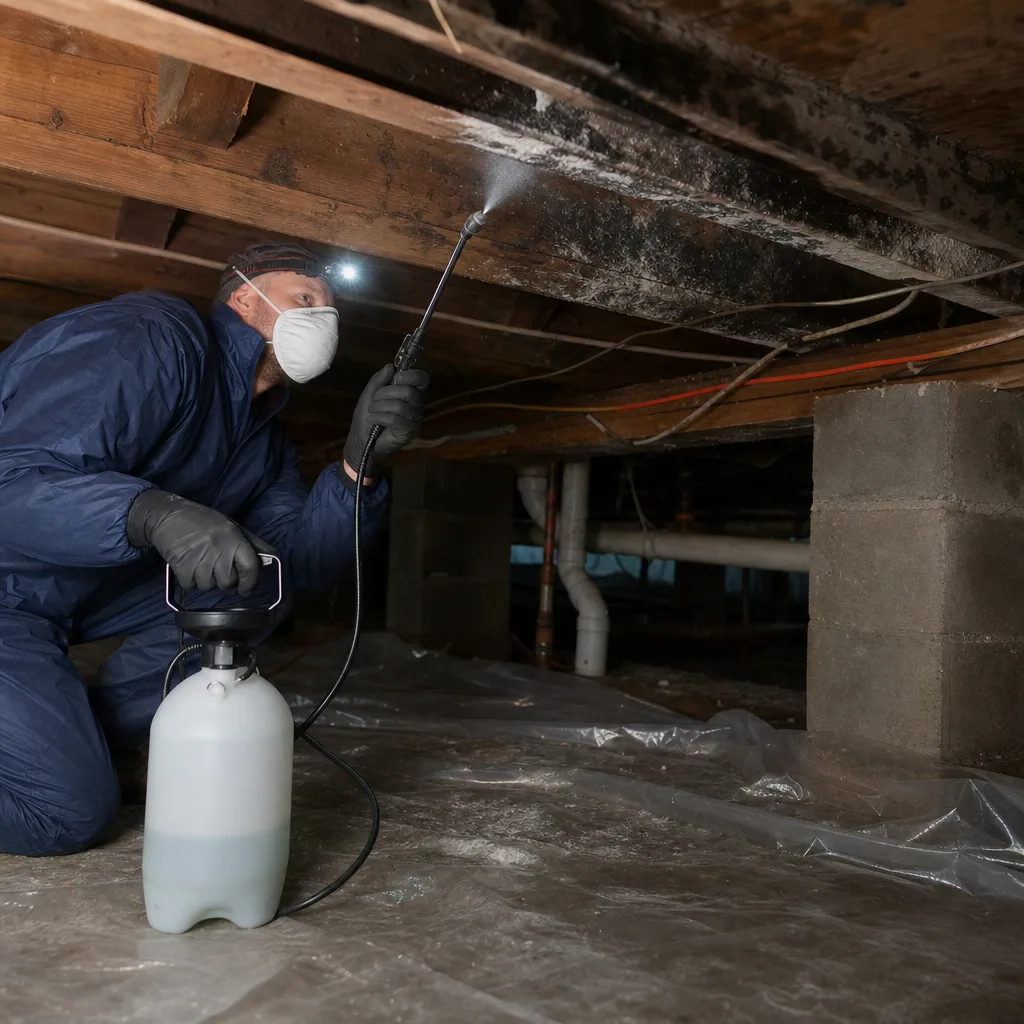
An unattended death in an attached Ridgewood rowhouse is one of the most delicate jobs we do, both technically and for the people involved. We move with discretion: unmarked vehicles, plain-clothes crews if you ask, and no equipment left visible from the street. The technical side is where party walls matter most. Decomposition fluids are heavy and mobile. In a basement unit with original plaster over brick, they migrate farther than you’d believe possible in 48 hours. We probe the party wall on the neighbor’s side as standard practice, not as an add-on.
Hoarding Cleanup
Hoarding cleanup in a Ridgewood rowhouse carries structural risk that freestanding houses don’t: the sheer weight of accumulated material in a 100-year-old building with original floor joists. We’ve seen floors deflecting under load. Every hoarding job starts with a structural evaluation, then a content sorting process where we work with the occupant to identify what’s salvageable. In attached units, we also watch for fire-loading and pest migration into shared framing, because the neighbor’s unit is connected to the same joist pockets.
Blood & Bodily Fluid Cleanup
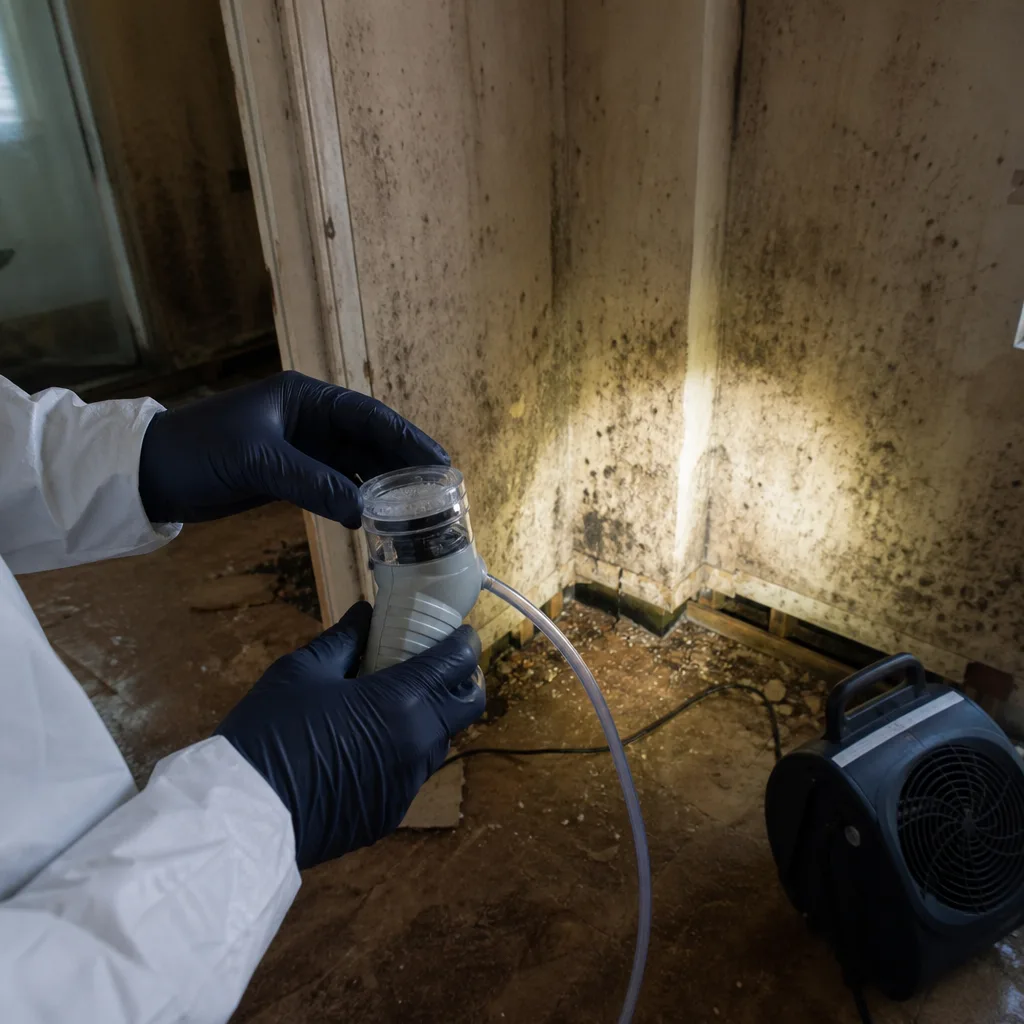
Blood in a Ridgewood basement with unsealed brick floors isn’t a mop job. It’s a removal job. Brick absorbs. The same is true for original tongue-and-groove subflooring under vinyl or carpet. We test with ATP swabs before and after cleaning to prove the biological load is gone, and we cut out anything porous that can’t be verified clean. On finished surfaces like glazed tile, we can often clean and sanitize in place, but we’ll tell you honestly which is which.
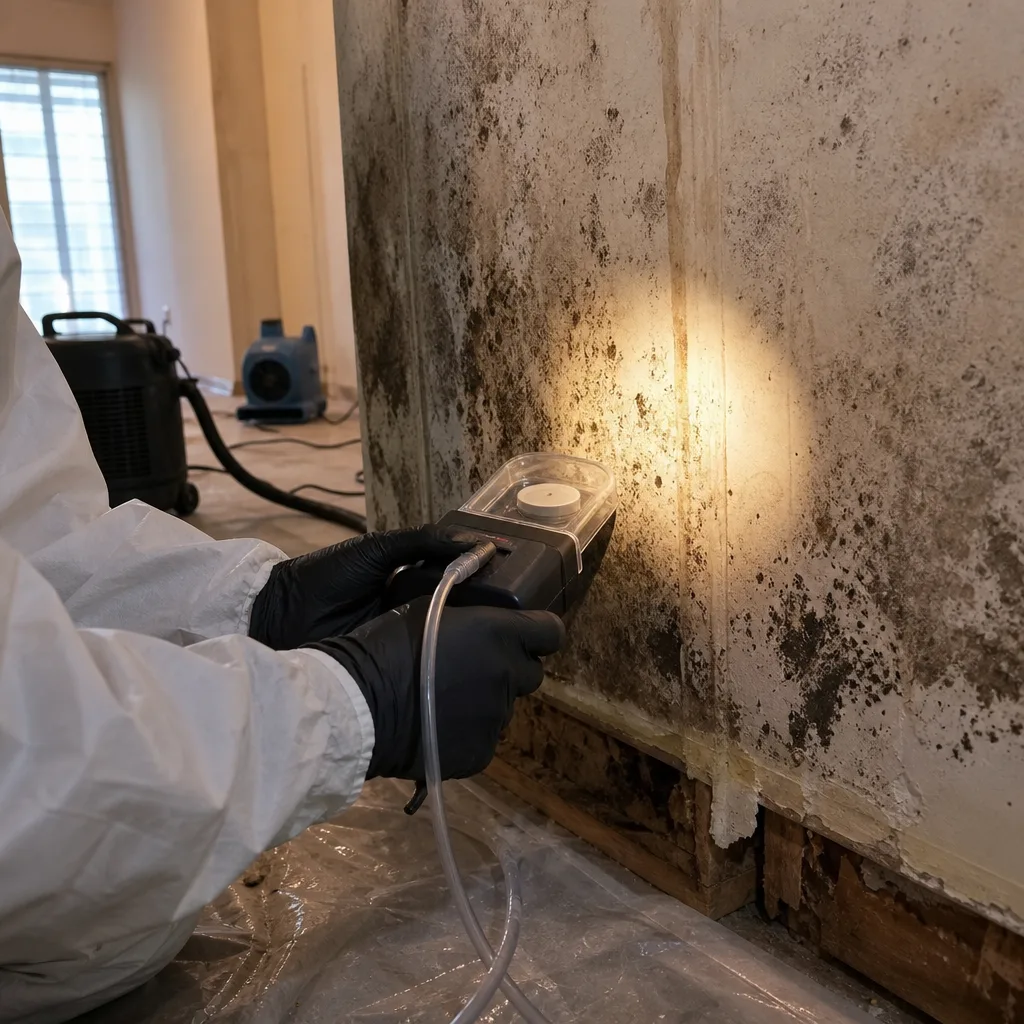
Infectious Disease Disinfection
When someone in the household has been diagnosed with a communicable illness, or when a rental unit turns over after an extended illness, disinfection isn’t just wiping surfaces. We fog the space with an EPA-registered disinfectant after mechanical cleaning, run HEPA air scrubbers during the dwell time, and verify with surface testing. In attached Ridgewood buildings, we also treat the common areas and the air pathways that connect units, because a shared stairwell is a shared air column.
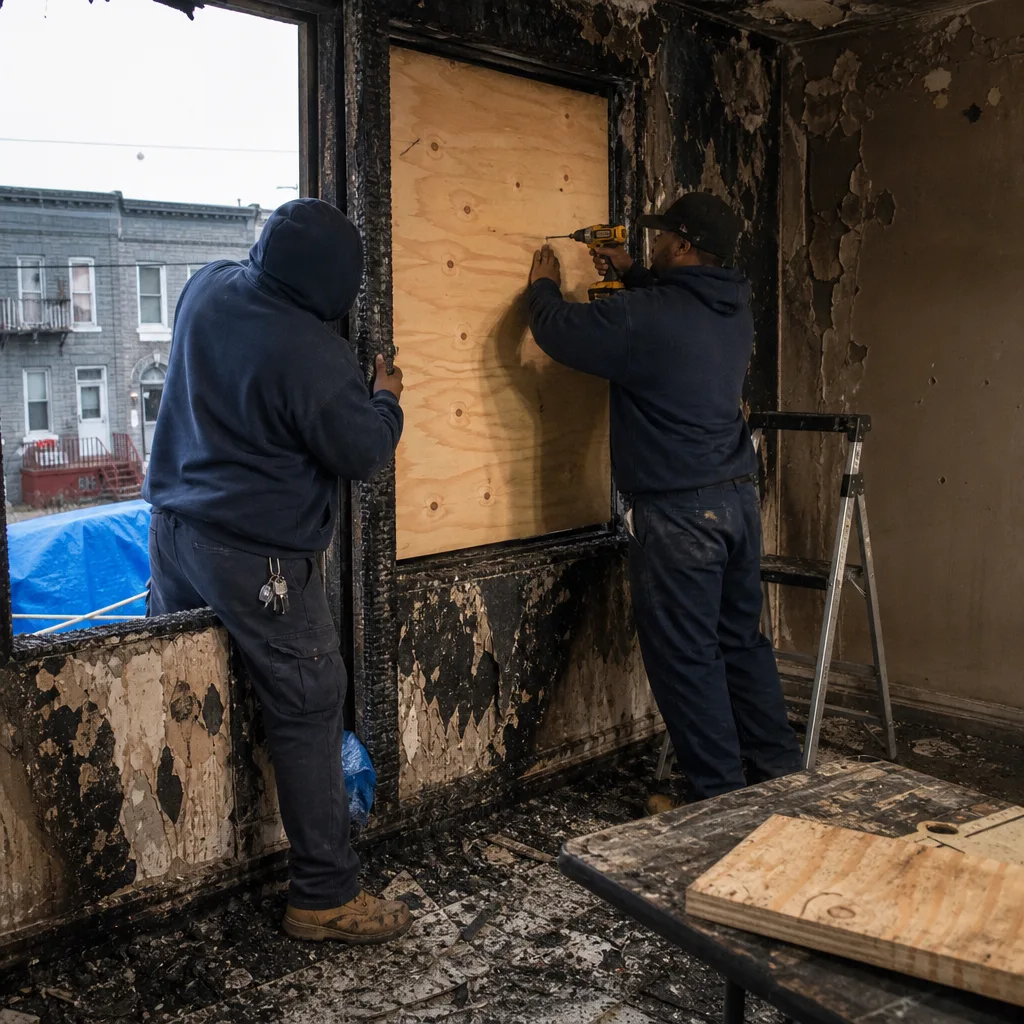
What happens when you call
- 1
A real person answersNo phone trees - you reach a local pro.
- 2
You get an upfront price rangeHonest numbers before anyone is dispatched.
- 3
A background-checked tech heads outLicensed & insured, dispatched right away.
- 4
You approve before work beginsNothing starts until you say go.
Biohazard & Crime Scene Cleanup Costs in Ridgewood, NY
A typical blood cleanup in a Ridgewood apartment or rowhouse runs $1,800-$4,000 depending on how far the contamination spread and what materials absorbed it. Unattended death cleanup runs higher, usually $3,500-$6,500, because the fluids have had time to migrate into plaster, subfloor, and often the party wall. Sewage backup cleanup in a finished basement is typically $2,500-$5,000 when you factor in Category 3 water protocols, carpet and pad removal, and antimicrobial treatment of the concrete or brick below. The big variables are how much porous material has to be removed, whether we’re coordinating with the neighbor on a shared party wall, and whether structural repairs are needed after the biohazard work is done. Most homeowner’s policies cover these losses when the cause is sudden and accidental. If it’s an unattended death or hoarding situation, coverage depends on your specific policy, and we’ll walk you through what to expect before you commit to anything. Call (363) 300-2771 for a free visual inspection and an honest scope of work.
We Also Serve Cities Near Ridgewood
Our crews regularly respond to biohazard and crime scene calls in Ridgewood and the surrounding Queens neighborhoods: Woodhaven, Elmhurst, Ozone Park, and Richmond Hill. If you’re in one of those areas and need help now, the same live-answer phone line works: (363) 300-2771.
Ridgewood Biohazard & Crime Scene Cleanup Questions, Answered
Do I need to tell my neighbor if a biohazard cleanup in my Ridgewood rowhouse extends into the shared party wall?
Yes, absolutely. If our inspection shows contamination has migrated into the party wall, we’ll tell you before we open anything up, and you should let your neighbor know. A party wall is legally shared property under New York City code, and we can’t work on the neighbor’s side without their knowledge. In practice, we’ve found most neighbors are relieved to hear it’s being addressed. We’ll coordinate directly with them and their insurer if needed.
How do you handle a sewage backup in a finished basement that has original plaster walls and wood framing?
We cut the plaster and lath out to the brick below the contamination line, because Category 3 water saturates plaster beyond recoverable cleaning. The wood framing gets treated with an antimicrobial and dried with Dri-Eaz dehumidifiers, then we rebuild the wall assembly. You don’t keep original plaster that’s absorbed sewage. It off-gasses and grows pathogens for months.
Can you clean blood from unsealed brick in a Ridgewood basement without removing the brick?
Sometimes, if the blood hasn’t had time to soak deep and the brick is dense enough to resist absorption. We clean with a hospital-grade disinfectant and verify with ATP testing. But Ridgewood’s aged yellow brick is often too porous for surface cleaning alone, especially if the blood sat for more than a few hours. In those cases, we remove the contaminated mortar joints and the affected brick face, then rebuild with matching material.
What does a hoarding cleanup in a Ridgewood rowhouse involve when the unit is attached to others?
It starts with a structural assessment of the floor system, because hoarding weight in these pre-war buildings can deflect original joists. Then we sort through contents with you or the occupant, remove trash and contaminated material, clean and disinfect, and coordinate pest remediation if needed. If the hoarding created conditions that affected shared framing or party wall moisture, we document it and work with the neighbor’s unit as well.
Why do you set up air scrubbers even for a small blood spill in a Ridgewood apartment?
Because blood splatter aerosols when it’s disturbed, and in an attached building with shared air pathways like stairwells and vent chases, those aerosols don’t stay in one apartment. A Phoenix HEPA air scrubber with negative pressure keeps the contamination zone under negative pressure, so air flows into the sealed area but not out. It’s the cheapest insurance against a neighbor’s child breathing something they shouldn’t.
How fast can you actually get to a biohazard scene in Ridgewood?
About 45 minutes in normal traffic. Wade dispatches from the New York City office and knows the Ridgewood grid well enough to route around the Myrtle-Wyckoff junction when it backs up. If it’s a wet day and the sewers are surcharging, we might be on another backup already, but you’ll still talk to a live person when you call and get an honest ETA.
Will my insurance cover biohazard cleanup in Ridgewood?
Most homeowner’s and renter’s policies cover biohazard cleanup when the cause is sudden and accidental, like a sewage backup or a crime scene. Unattended death cleanup is often covered under the dwelling or personal property section, but it depends on your policy language. We’ll review your coverage with you and talk to the adjuster directly. If it’s denied, we’ll tell you what the out-of-pocket number looks like before you sign anything.
What should I do in the first 30 minutes after discovering a biohazard situation in my Ridgewood home?
Close the door to the affected room and keep people and pets out. Don’t try to clean it yourself. Blood and decomposition fluids contain pathogens you can’t neutralize with household bleach. If there’s standing sewage, turn off the electricity to that area at the panel if you can safely reach it. Then call (363) 300-2771 and we’ll talk you through the next hour while Wade heads your way.
Serving Ridgewood, NY - Our Local Coverage Area
We’re based in the Ridgewood area and know this community well. Use the map below to see our service coverage - if you’re nearby, we can almost certainly help.
Ridgewood’s Party Walls Change the Biohazard Rules
Here’s what a generic restoration page won’t tell you: in most of Ridgewood, your house doesn’t end at your wall. The virtually unbroken rows of attached yellow-brick rowhouses that define this neighborhood share structural masonry with the building next door. There’s no gap, no air space, just continuous brick and mortar running from one living room to the next. That means biohazard contamination, especially bloodborne pathogens and decomposition fluids, can migrate through porous mortar joints into the adjacent unit even when no visible signs cross the wall. On a circa-1920 rowhouse off Fresh Pond Road, we handled an unattended death in a below-grade basement unit where decomposition fluids had wicked into the original plaster and lath on the shared party wall. Our crew cut containment at the basement door, ran Phoenix air scrubbers under negative pressure, then used moisture mapping to confirm fluid migration into the neighbor’s joist pockets before removing contaminated plaster back to the brick and applying antimicrobial treatment to the mortar joints. That’s not something a national franchise’s playbook anticipates. It’s something you learn by working in Ridgewood long enough to know that every job here is a two-unit job until proven otherwise. If you’re dealing with a biohazard situation in a Ridgewood rowhouse, call (363) 300-2771. We’ll inspect the full contamination boundary, including the party wall, before we quote you a number. And Wade Ferris will be the one doing the talking.
Written by Wade Ferris, Owner at Wade’s Restoration, serving Ridgewood and surrounding Queens neighborhoods since 2007.