
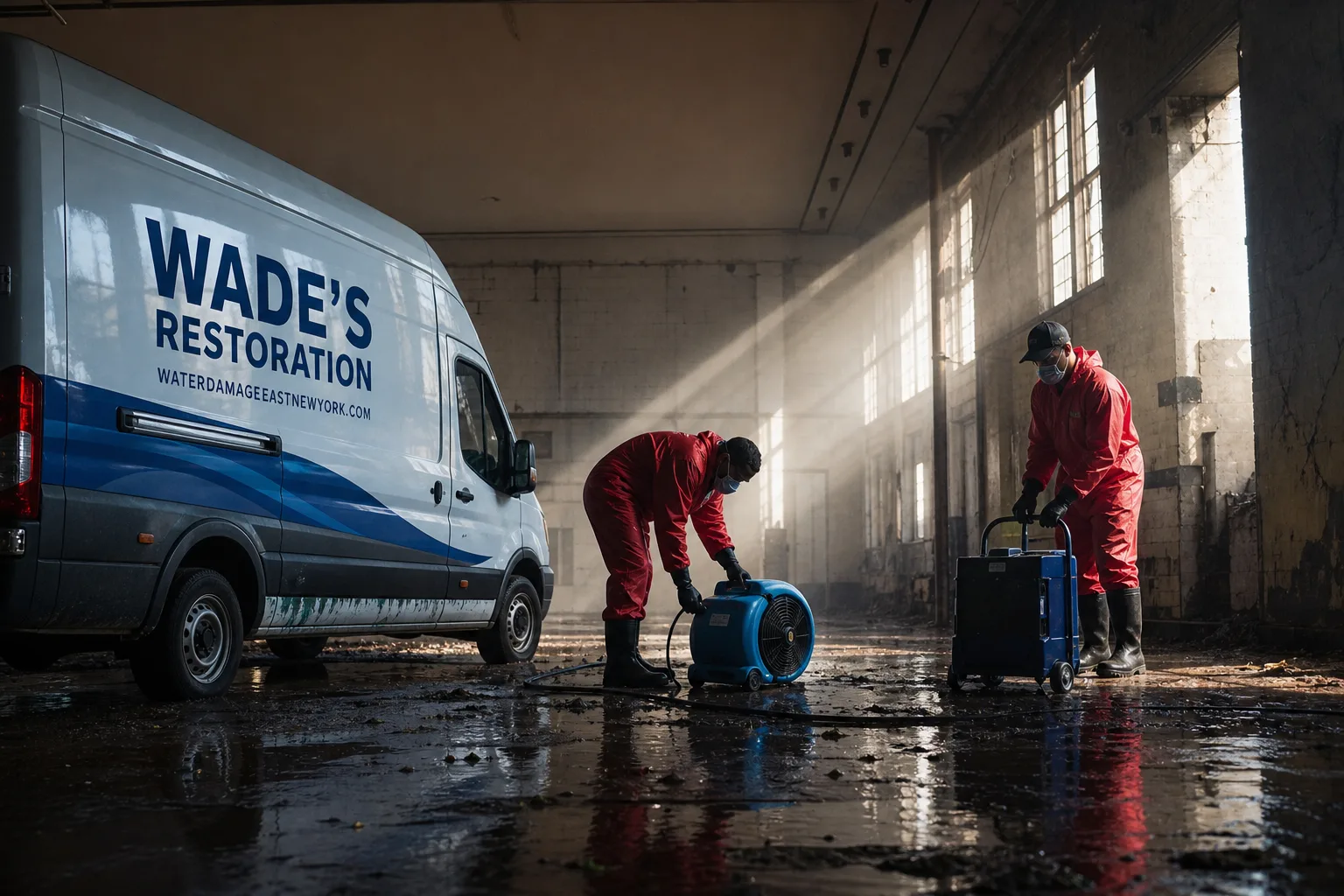
Free visual inspection and a written scope of work before any mitigation begins - photos, moisture readings, and drying logs go in your claim file
The scope we write is the scope we bill. Anything new gets shown to you, in writing, before we touch it.
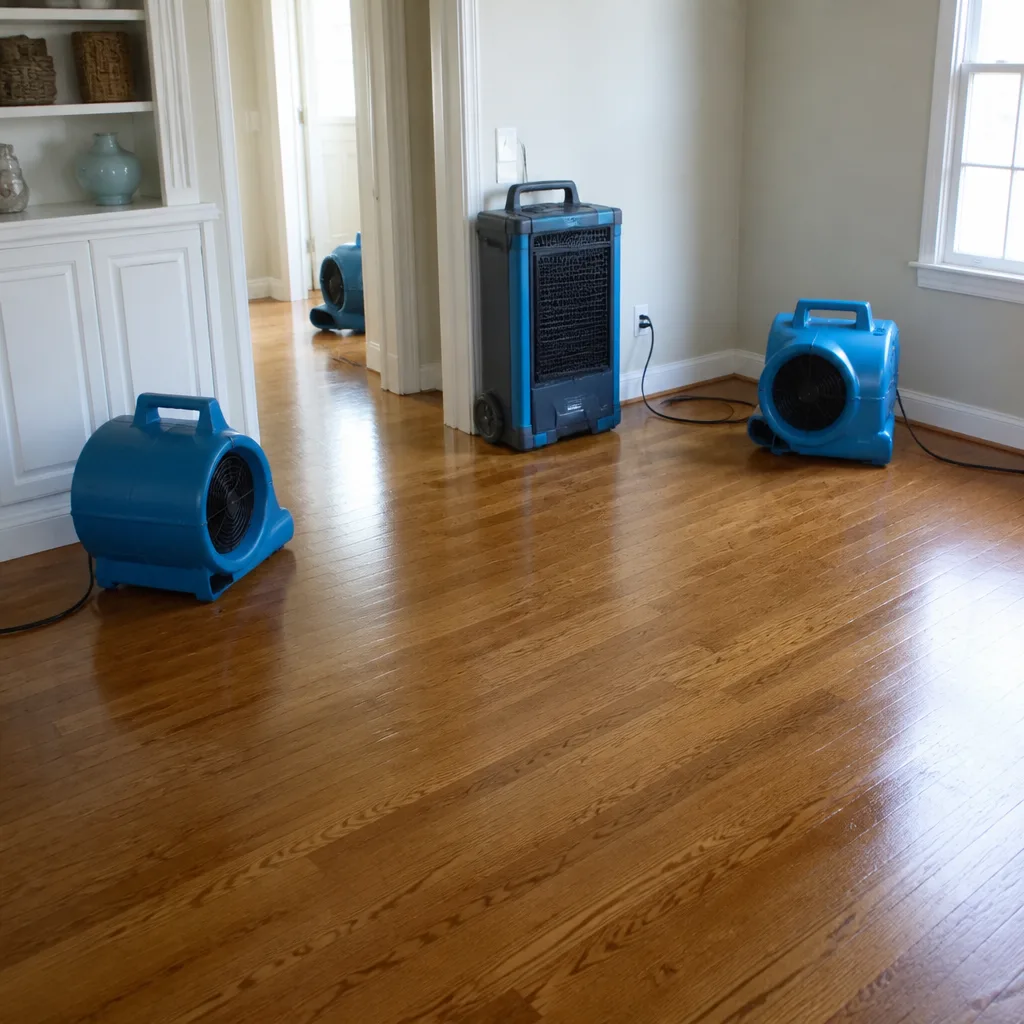
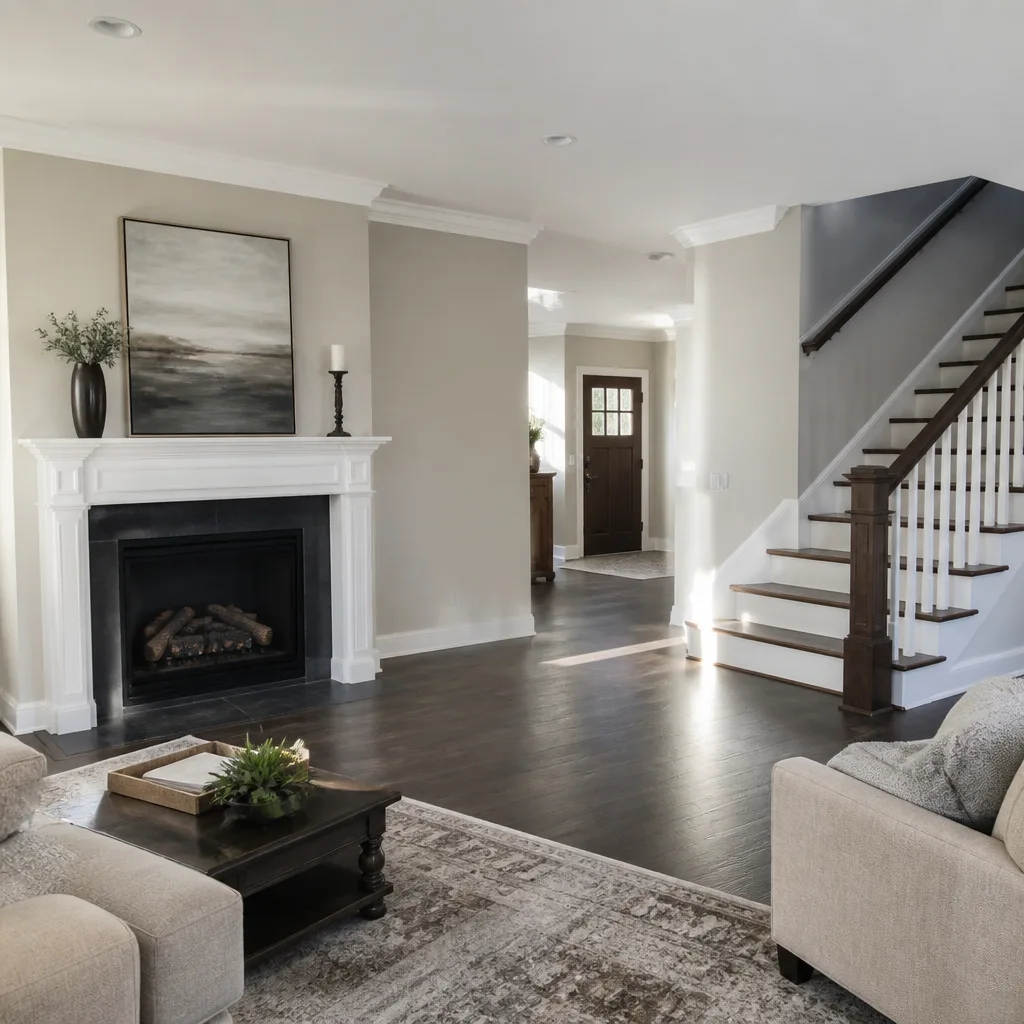
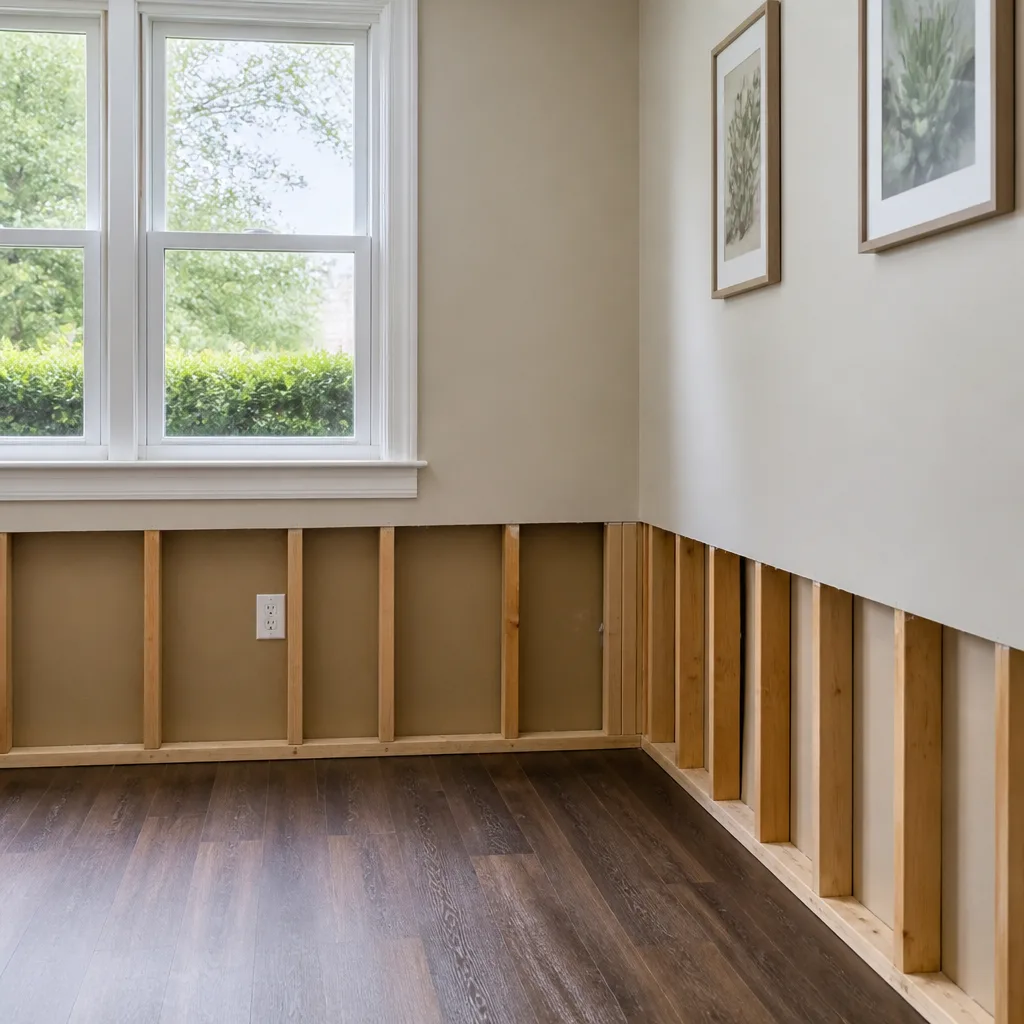
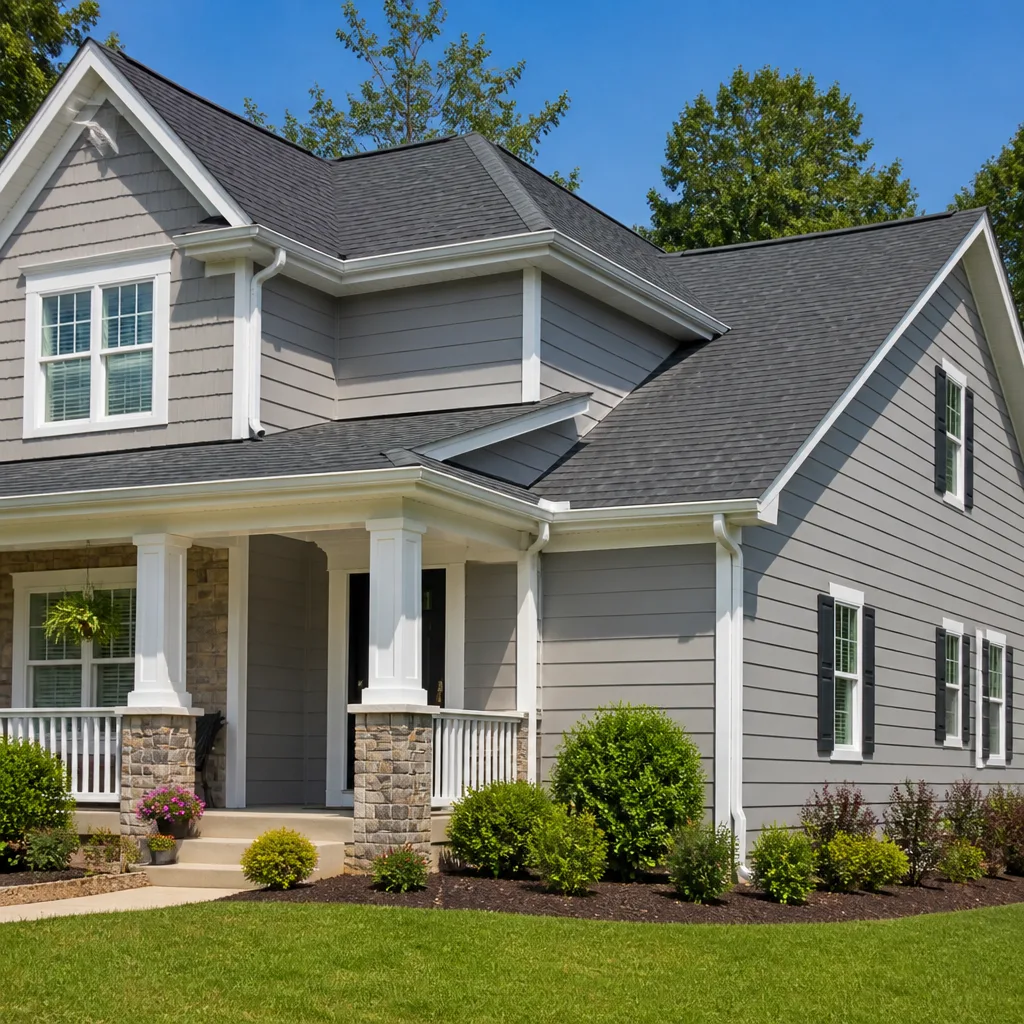
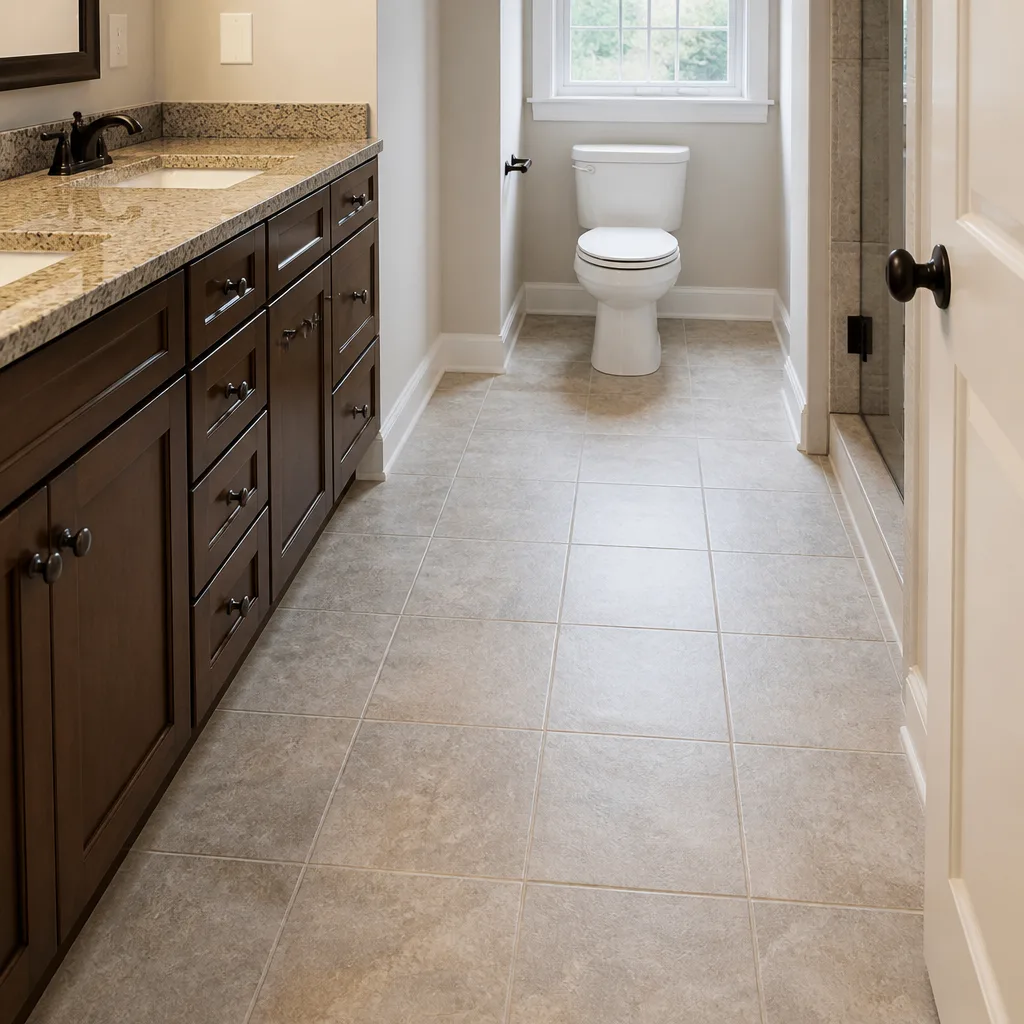
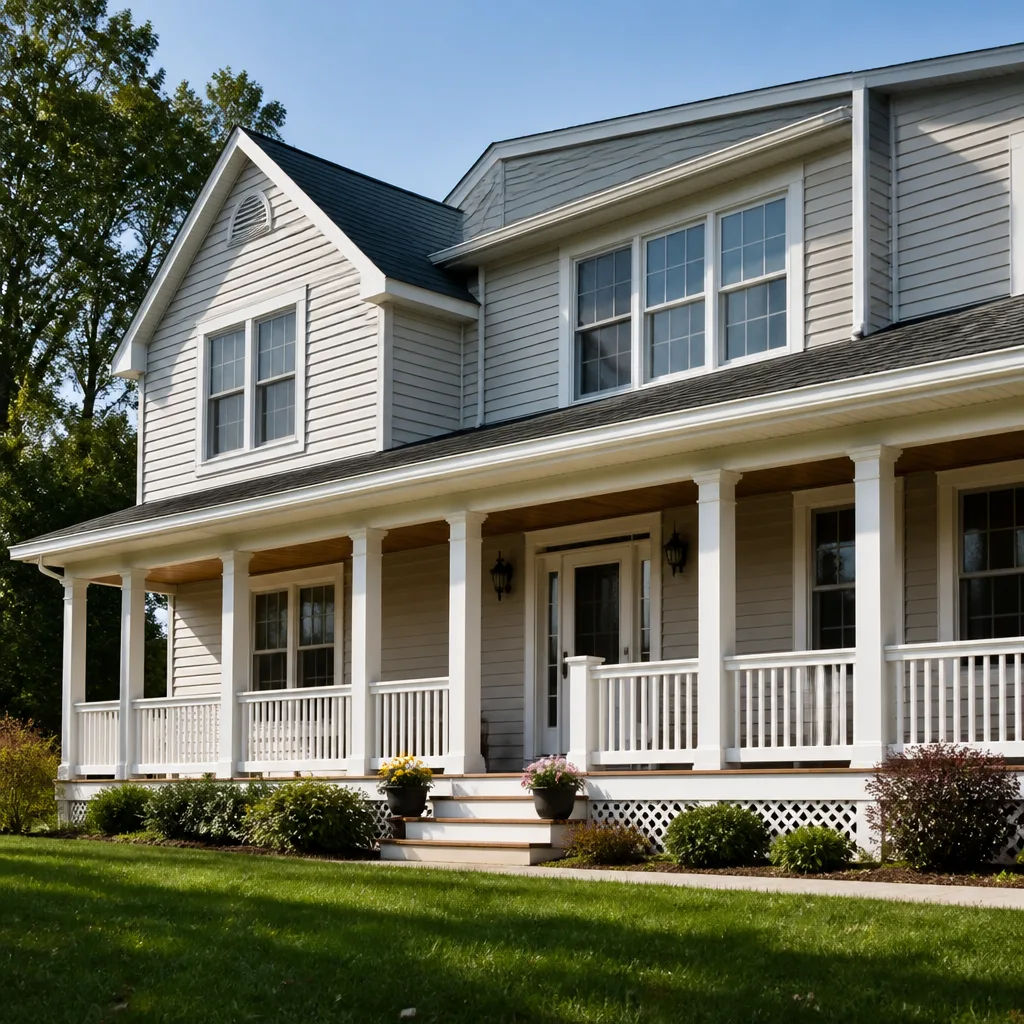
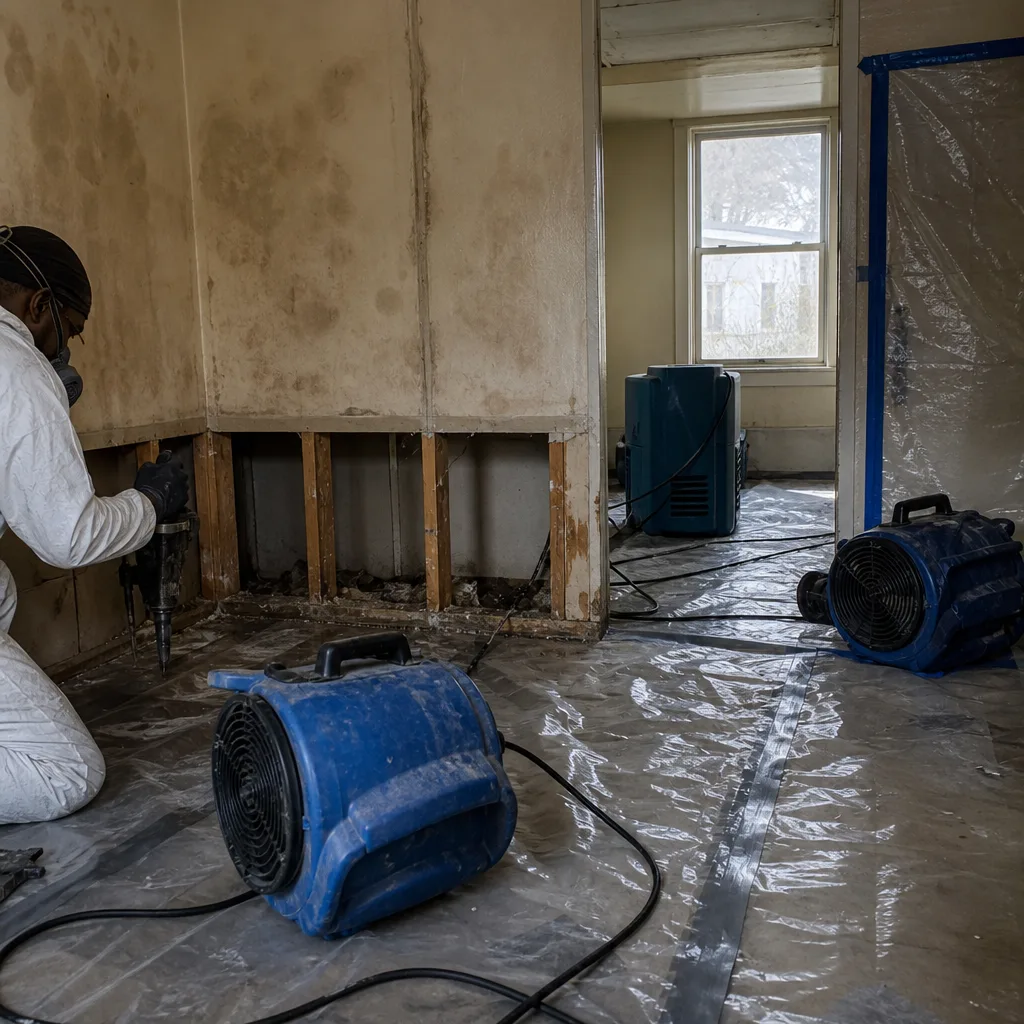 Before
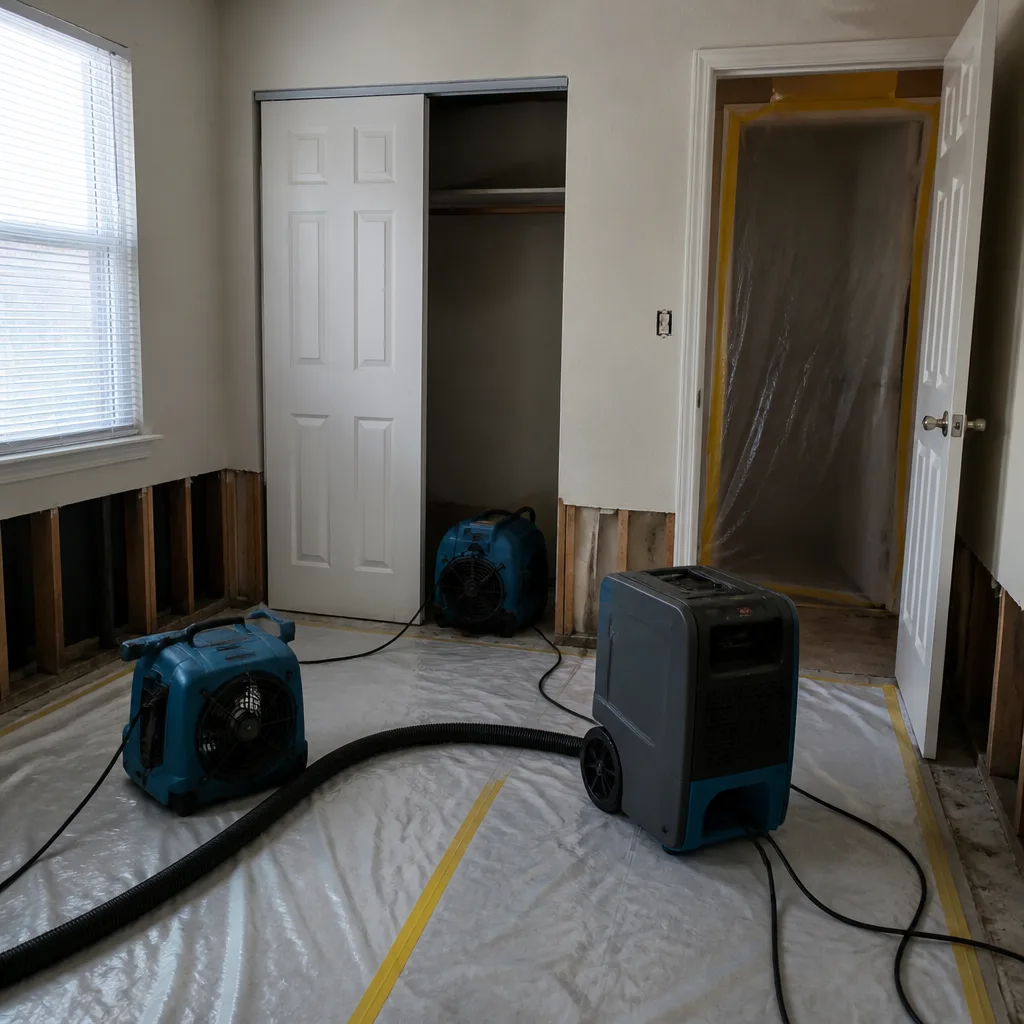 After
After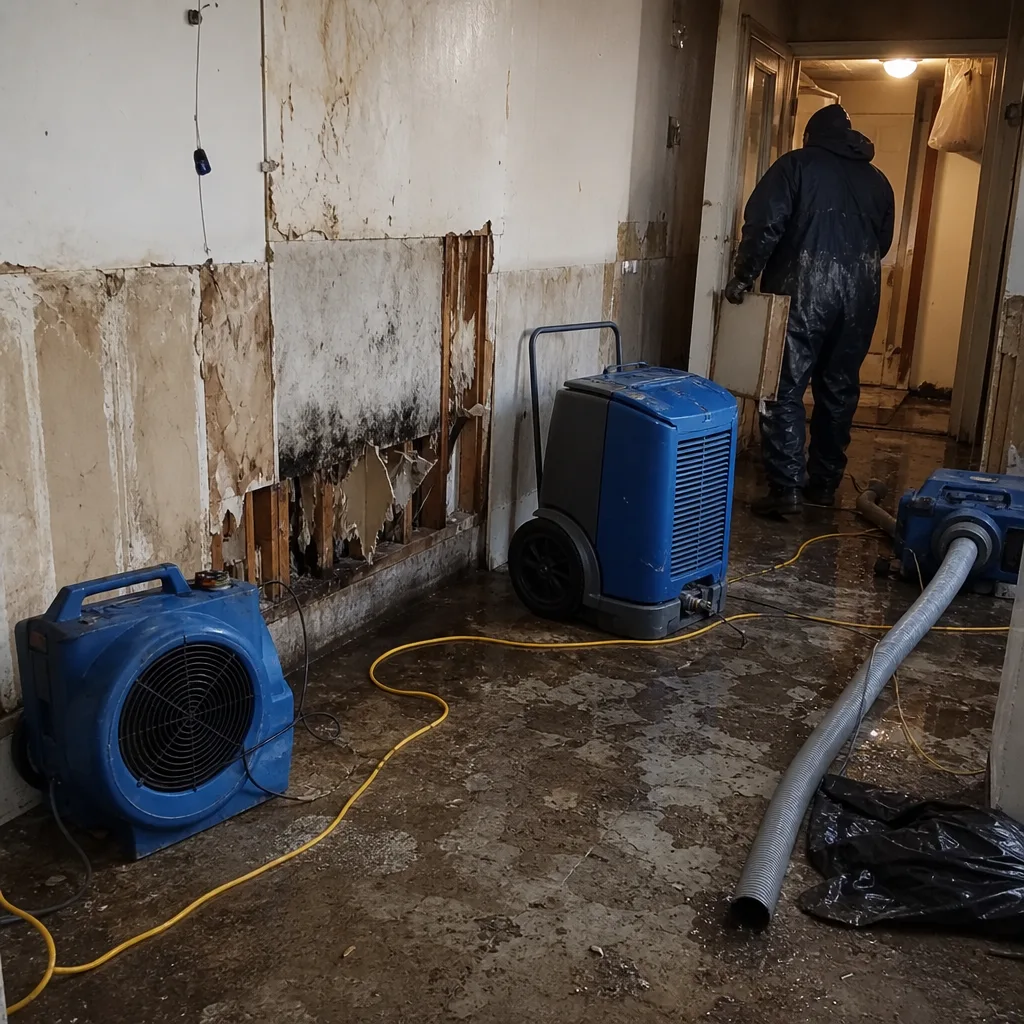 Before
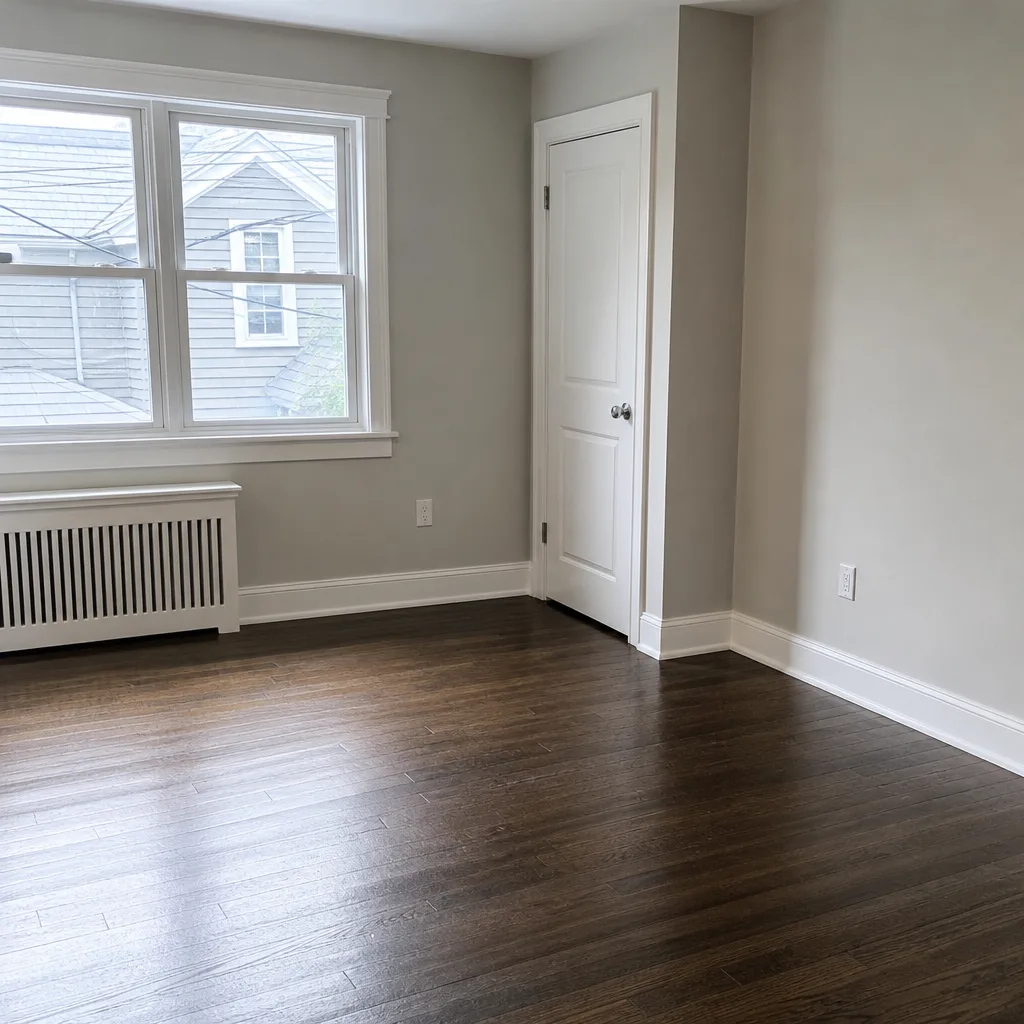 After
After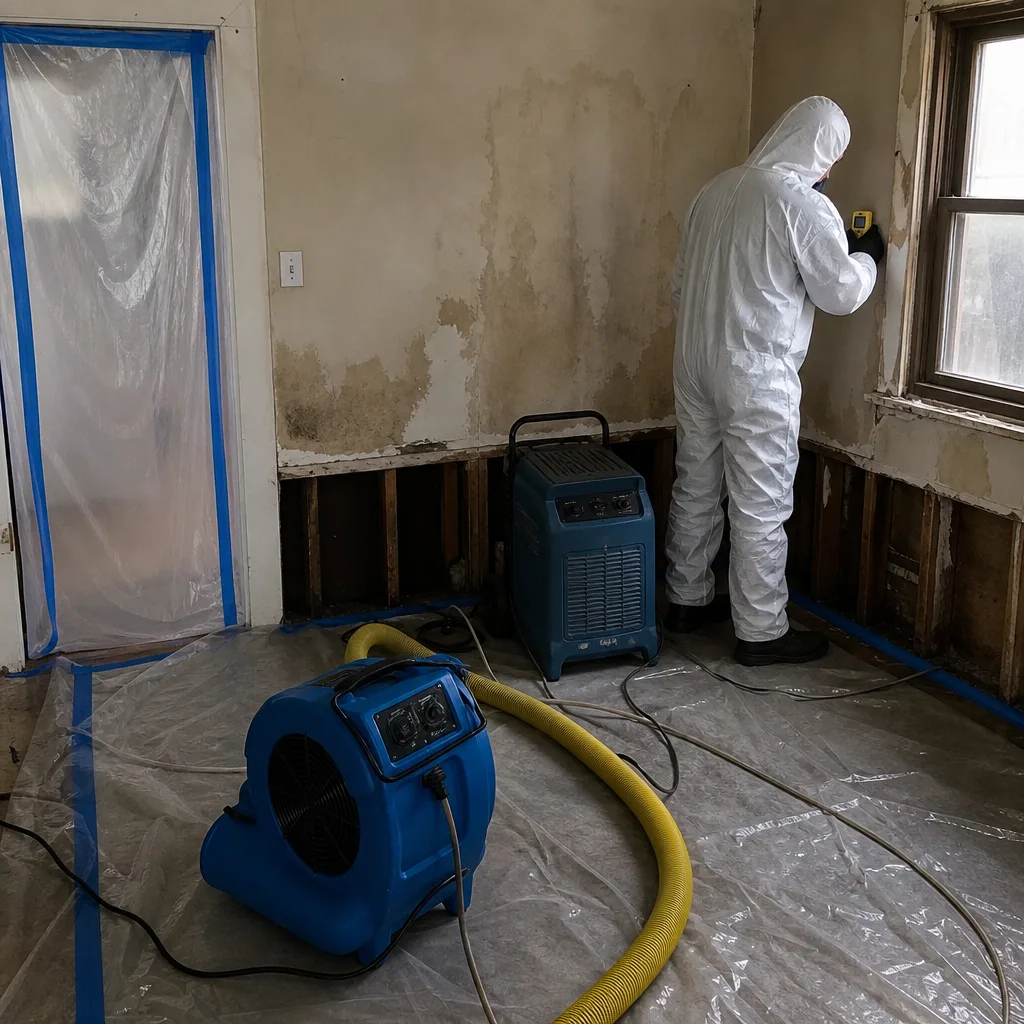 Before
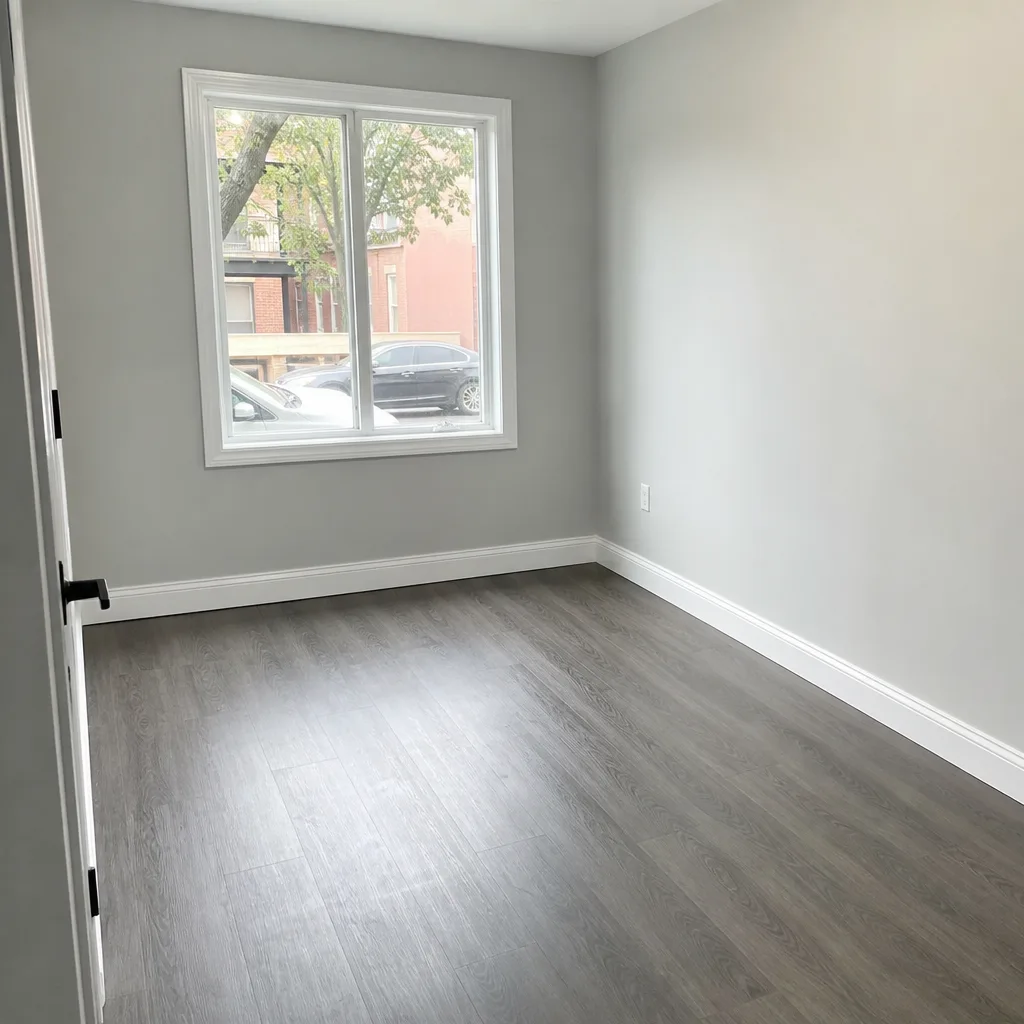 After
After24/7 Emergency Commercial Restoration in South Ozone Park
Commercial restoration in South Ozone Park runs on a clock that never stops, because the water from Jamaica Bay doesn’t either. Wade’s Restoration answers live around the clock at (363) 300-2771, and Wade himself will be on the phone, not a call center. We can have a crew headed toward your building within the hour, ready with extraction equipment, moisture meters, and a written scope before any work begins. The first hour after a commercial water loss determines whether you’re dealing with a cleanup or a gut-and-rebuild, especially along the low-lying corridors near Rockaway Blvd and Lefferts Blvd where storm surge has proven it can reach. Call now and we’ll start the clock on saving your inventory, your fixtures, and your ability to reopen.
Understanding Commercial Restoration Severity in South Ozone Park Properties
In commercial work, we classify water by category: Category 1 is clean water from a supply line break, Category 2 is significant contamination from appliance discharge or sump overflow, and Category 3 is grossly contaminated black water from sewage or storm surge that’s carried Jamaica Bay silt into the space. South Ozone Park’s older commercial stock, mostly 1940s to 1960s brick-and-frame buildings with parge-coated block foundations, complicates every severity level. Those original blocks wick moisture upward long after the standing water is gone, and the finished basements and ground-level retail spaces that sit barely above the water table hide category 3 contamination behind post-Sandy drywall replacement. Moisture mapping with thermal imaging and hygrometer readings tells us what’s actually wet, not what looks wet. Wall cavities sealed during a quick cosmetic fix after 2012 were often left with moisture bands that never fully dried, and we find those hidden colonies on a regular basis now.
Why South Ozone Park Property Owners Choose Wade’s Restoration
- 45-minute response commitment to any South Ozone Park address, whether it’s a storefront on Rockaway Blvd or a multi-unit building off Lefferts Blvd.
- 24/7 live answer from a real person, and after hours that person is often Wade Ferris himself, not an automated system.
- IICRC-certified crews holding WRT and FSRT credentials, with RIA and IFA affiliations to back the work.
- Free visual inspection with a documented moisture log before you commit to anything, so you know what’s wet and what isn’t.
- Direct insurance billing and adjuster communication, so you’re never the one stuck relaying numbers between two sides.
- One team from extraction to reconstruction, which means no finger-pointing between subcontractors when something goes wrong.
Our Commercial Restoration Process
Inspection & Assessment
We arrive with thermal imaging cameras and moisture meters, mapping every affected wall, floor, and cavity. The written scope you receive includes moisture readings from day one, so you’ll have a documented baseline for the insurance file.
Extraction & Stabilization
Our crews deploy truck-mounted extraction units and Dri-Eaz air movers immediately, including sub-surface extraction tools that pull water from concrete slabs and beneath floating floors.
Drying & Dehumidification
We set containment and run Phoenix dehumidifiers and Injectidry systems with daily moisture readings. You get the full log when the job is done because transparency on drying is exactly what most restoration contractors won’t show you.
Cleaning & Sanitization
HEPA air scrubbers run while we remove affected materials, and we clean salvageable contents and fixtures with professional-grade cleaning agents suited to the contamination category you’re dealing with.
Specialty Commercial Restoration Treatment
For South Ozone Park commercial spaces, this often means wind-rated door assessment, elevation-certificate documentation for FEMA flood-zone properties, and mold clearance testing before rebuilding begins.
Repairs & Restoration
Our reconstruction crew handles drywall, flooring, trim, and painting, and can manage impact-rated door panel replacement with reinforced track guides when your building’s wind-load rating is part of the a href=”/commercial-restoration/”>Commercial Restoration scope.
Need Emergency Commercial Restoration in South Ozone Park Now?
Crews minutes away, answering live 24 hours a day. The sooner we start, the less it costs.
Working With Your Insurance Company
We’ve handled thousands of commercial claims in a href=”/south-ozone-park-ny/”>South Ozone Park and understand that the insurance conversation starts the moment the loss happens, not after cleanup. We document everything from the first hour: photos before anything moves, moisture readings across every affected surface, and a line-item scope that mirrors what your adjuster expects to see. Wade communicates with your adjuster directly, trades the technical reading logs without you needing to interpret them, and keeps your claim moving. For commercial properties in FEMA-designated AE/VE flood zones, we also verify whether your policy is an NFIP flood policy or a standard commercial policy, because the claims path is very different and guesswork here costs weeks.
What We Provide Your Insurer
- Thorough documentation of the loss
- Photos of all damage, room by room
- Moisture readings and drying logs
- A detailed, line-item scope of work
- Direct coordination with your carrier
Built for South Ozone Park’s Loss Calendar
South Ozone Park commercial properties face a distinct annual risk curve because the neighborhood sits at low elevation immediately north of Jamaica Bay. January and February bring deep freezes that burst supply lines in unheated stockrooms and ground-level retail spaces, and those frozen pipes are often the first loss a building owner sees all year. By March and April, the thaw starts driving water through older parge-coated block foundations that have been wicking moisture for decades, and sump pumps in the blocks closest to the bay run constantly during moderate rainfall. Summer thunderstorm season hits with flash flooding that overwhelms aging drainage along the flat terrain, pushing Category 2 water into basement-level commercial spaces and mechanical rooms. Then comes nor’easter season, when wind-driven rain works its way past worn door seals and failed flashing, particularly on the north-facing storefronts that catch the bay’s wind. This isn’t a seasonal business for us; South Ozone Park generates a year-round water-damage caseload because the water table never fully recedes and the building stock predates modern flood mitigation standards. Business owners here need a restoration partner who understands that the next loss is already scheduled, not one who treats every event as a surprise.
Commercial Restoration Across South Ozone Park’s Neighborhoods
The commercial landscape of South Ozone Park isn’t uniform, and neither are the loss patterns. Along Rockaway Blvd near the intersection with Lefferts Blvd, the auto-body shops and storefront retail dominate, and we’re regularly called for post-storm failures where wind-driven rain overwhelmed overhead doors, the panels twisted at the track guides, and category 1 water pooled on concrete slabs. Over near the Van Wyck Expressway corridor, light industrial spaces and distribution facilities built in the 1960s face frequent sump-pump failures during even moderate rainfall because the flat terrain offers almost no natural drainage relief. The residential-adjacent commercial strips around 135th Ave and 140th Ave run older, with parge-coated block foundations that wick moisture into ground-floor offices and storefronts, and we find hidden mold colonies behind drywall that was replaced quickly after Sandy without adequate moisture mapping. In the blocks closest to Jamaica Bay, where FEMA’s AE/VE flood zones are most aggressive, every commercial water-damage job carries an elevation-certificate question and an NFIP claim nuance that contractors from outside the neighborhood simply don’t see coming. And in the multi-unit and HOA properties scattered through the 11420 and 11436 ZIP codes, we manage the additional layer of board approvals, unit-owner notifications, and shared-wall contamination tracking that single-family work never requires.
Specialized Commercial Restoration Services We Offer in South Ozone Park
Office & Retail Restoration
Ground-level retail along Rockaway Blvd and Lefferts Blvd catches the wind off Jamaica Bay in ways that second-floor offices never do, and worn door seals or twisted overhead-door panels send water across concrete slabs and into front offices in minutes. We extract from slab and sub-surface conditions, set containment around the office area, and run Dri-Eaz air movers and dehumidifiers while you decide on door replacement. If the door retrofit needs impact-rated panels and reinforced tracks to meet current wind-load expectations for the AE flood zone, we’ll scope that work with the building owner and document post-mitigation conditions for the insurance file.
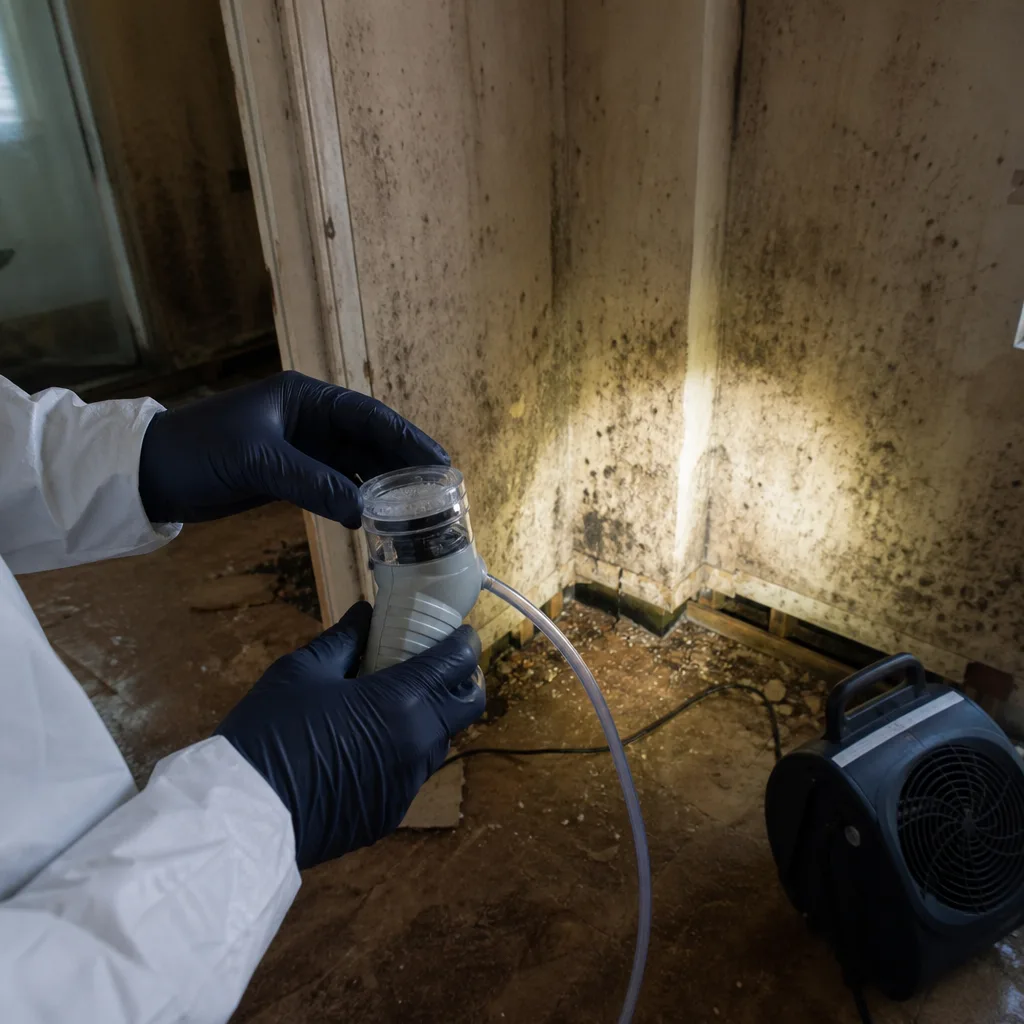
Multi-Unit & HOA Restoration
South Ozone Park’s semi-detached row homes and small apartment buildings share walls, and water moving through a parge-coated block foundation doesn’t honor the property line. We track moisture migration across unit boundaries, coordinate with building management and unit owners, and provide the kind of per-unit documentation an HOA board needs to keep a claim moving without resident disputes grinding everything to a halt. Hidden contamination in one basement can become a building-wide air-quality problem within days, and our containment and clearance testing protocols account for that.
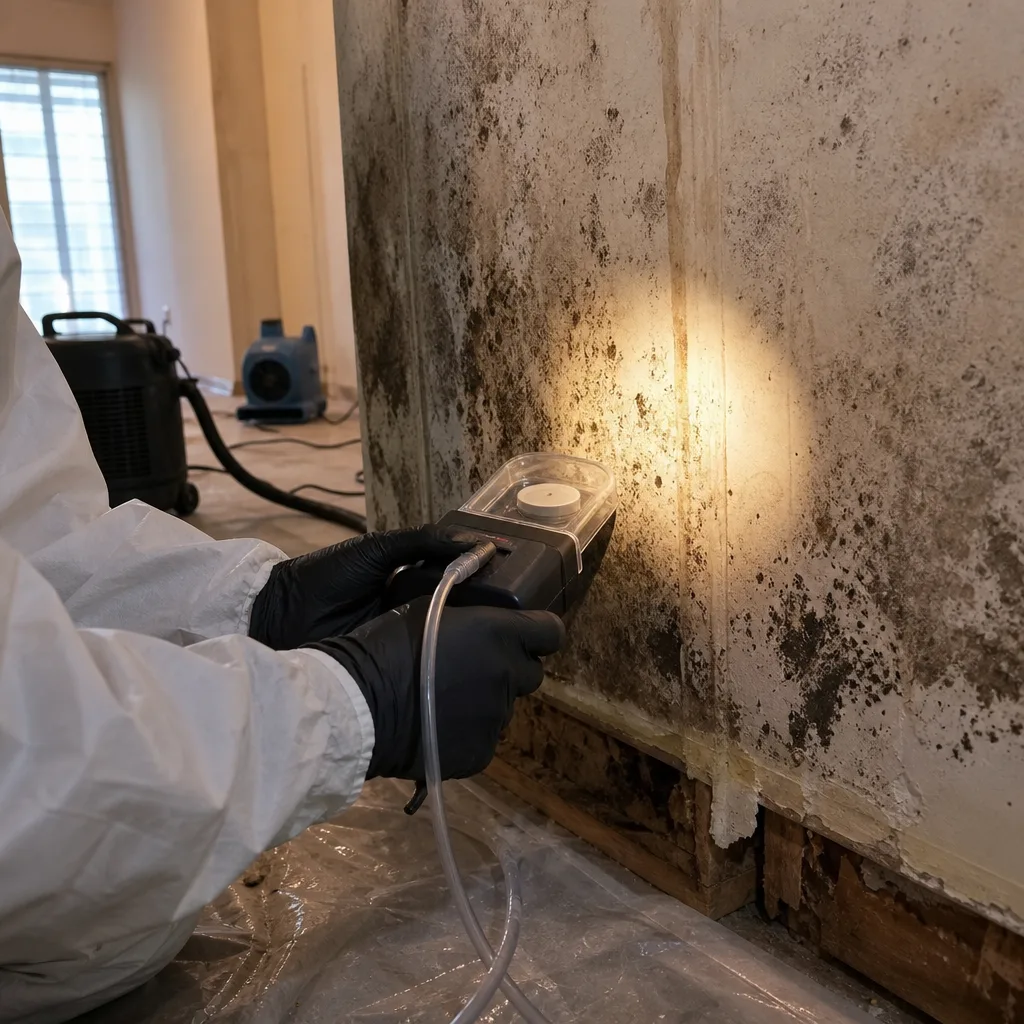
Industrial Facility Cleanup
The industrial spaces near the Van Wyck corridor and the older warehouse stock off Rockaway Blvd run on different structural assumptions than retail, with open bay doors, overhead loading areas, and roof drains that fail during nor’easters. We bring industrial extraction capacity, high-volume dehumidifiers, and a documented scope that separates what’s salvageable from what’s a structural loss, and we work with facility managers to keep portions of the building operational while we work the affected zones.
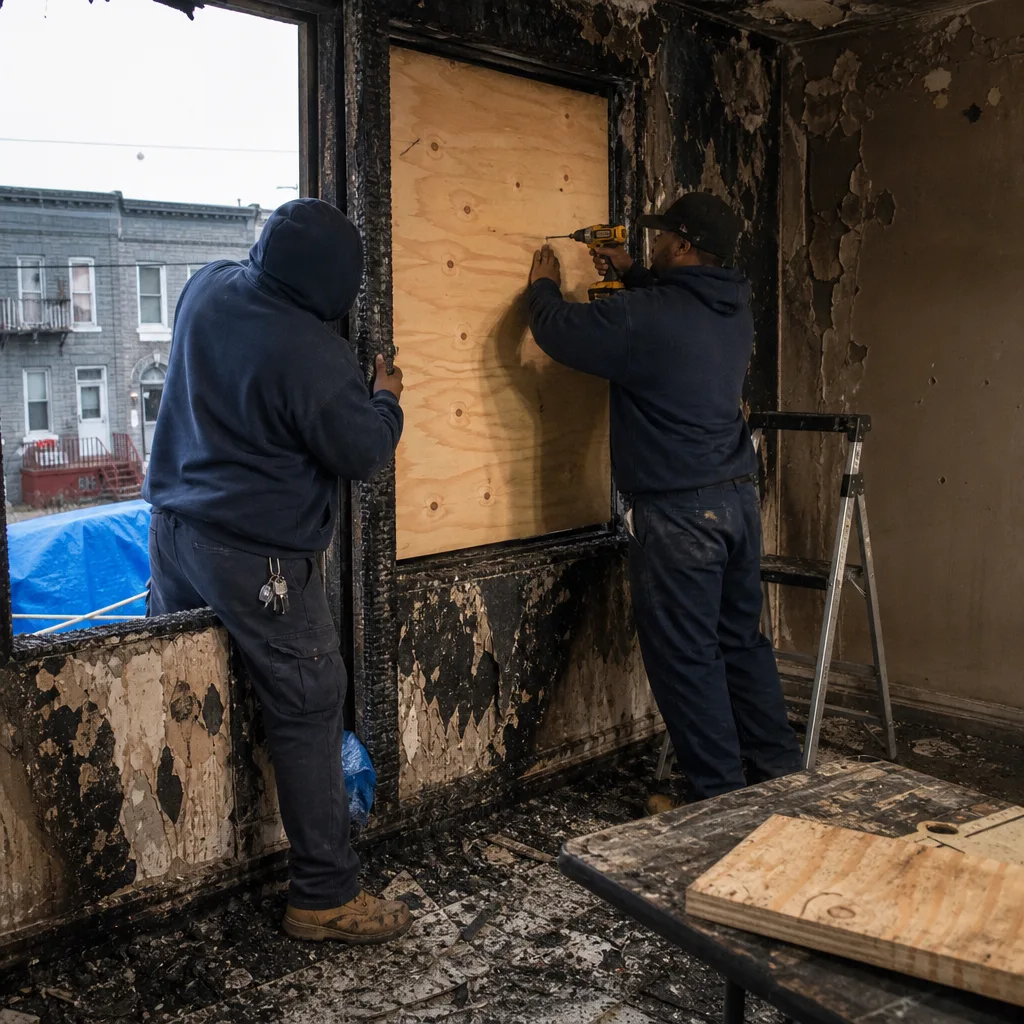
Large-Loss Response
When a whole building takes water, whether it’s a retail strip with multiple affected storefronts or a mixed-use building with commercial space below residential units, we mobilize multiple crews with the equipment to match. Our large-loss work in South Ozone Park typically involves simultaneous extraction, multiple containment zones, and a daily moisture log that covers every unit, keeping insurance adjusters, property owners, and tenants all reading from the same set of numbers.
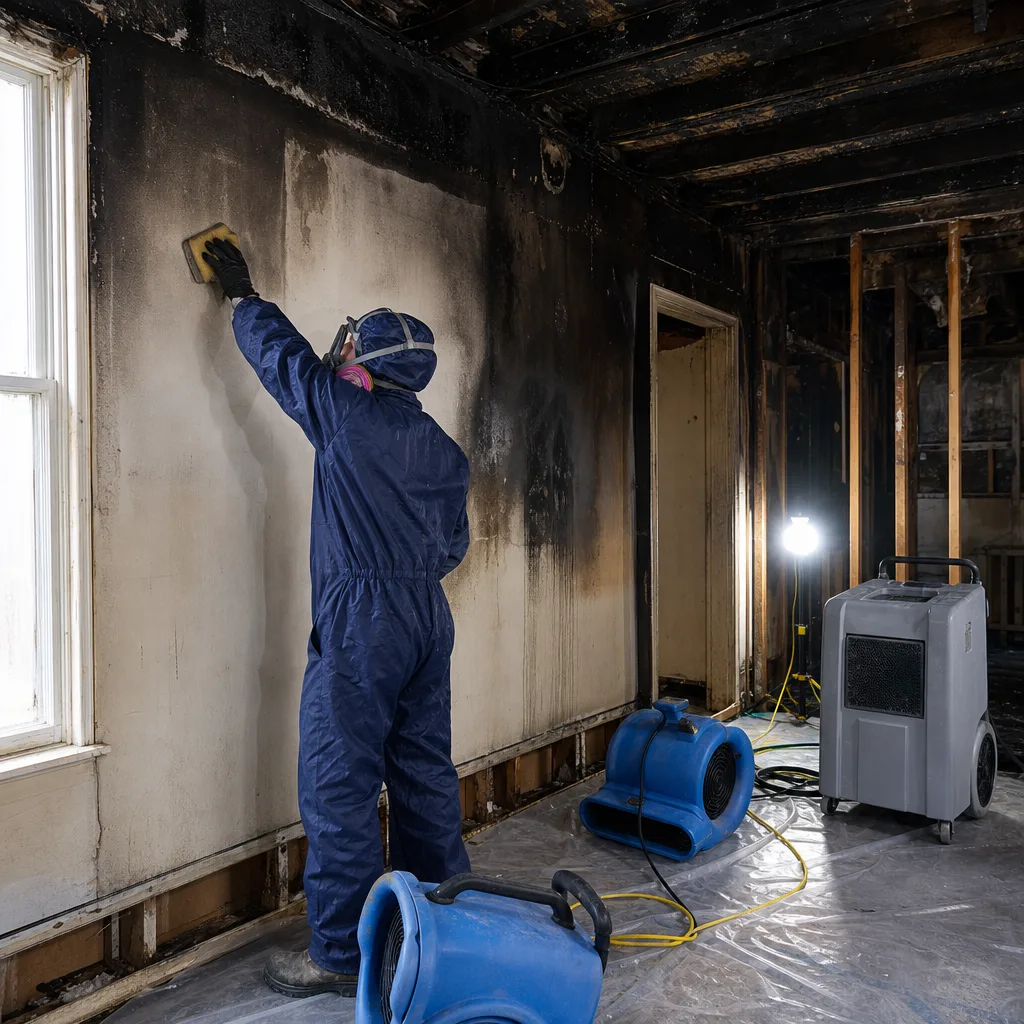
Business Interruption Minimization
The hardest cost in a commercial loss isn’t the drywall; it’s the days, weeks, or months your business stays dark. We scope restoration with reopening as the first metric: what can be contained and reopened in days, what needs to be closed for tear-out, and what can be phased so revenue keeps moving. For South Ozone Park’s AE/VE zone properties, that planning also includes elevation-certificate documentation and NFIP claim alignment before structural repairs begin, because rebuilding without that paperwork just means doing it twice.
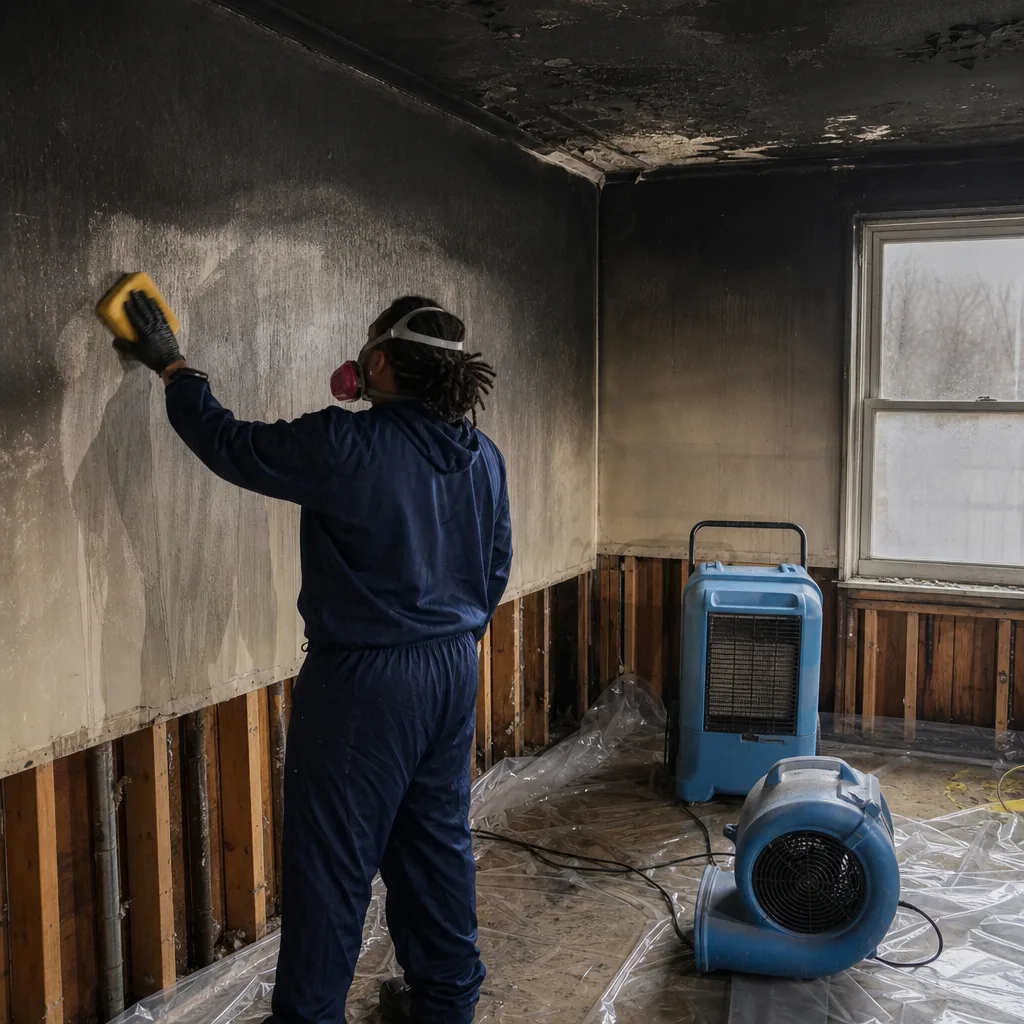
What happens when you call
- 1
A real person answersNo phone trees - you reach a local pro.
- 2
You get an upfront price rangeHonest numbers before anyone is dispatched.
- 3
A background-checked tech heads outLicensed & insured, dispatched right away.
- 4
You approve before work beginsNothing starts until you say go.
Commercial Restoration Costs in South Ozone Park, NY
A Category 1 water extraction and dry-out for a small retail space in South Ozone Park typically runs $2,800 to $5,500, depending on square footage and how long the water sat before we got the call. Category 2 cleanup with contamination control, sanitization, and some material removal lands in the $6,000 to $12,000 range. Category 3 losses from storm surge or sewage backup, which require full containment, HEPA air scrubbing, and more extensive tear-out, run $15,000 to $35,000 or more for commercial square footage. What moves the price: whether the water reached block foundation and traveled upward, whether structural drying requires injectidry systems behind walls, whether impact-rated door panels need replacement as part of the scope, and whether mold clearance testing is required before rebuild. Most commercial policies cover the restoration work, but older policies with high deductibles or NFIP-specific rules change the math, and we’ll walk you through what your policy says before a hammer swings. The free visual inspection is the cheapest step in the process, and it gives you a documented moisture map and a firm written scope before you spend anything. Call (363) 300-2771 for an exact quote, estimates are free.
We Also Serve Cities Near South Ozone Park
Our crews run the same 45-minute response commitment to Howard Beach, Ozone Park, Richmond Hill, and Woodhaven. If your commercial property sits in one of the neighboring blocks, the same moisture mapping, documented drying logs, and direct adjuster communication apply.
Serving South Ozone Park, NY - Our Local Coverage Area
We’re based in the South Ozone Park area and know this community well. Use the map below to see our service coverage - if you’re nearby, we can almost certainly help.
South Ozone Park Commercial Restoration Questions, Answered
How does the wind-load rating of my South Ozone Park commercial property’s doors affect cleanup after a nor’easter?
Your door’s wind-load rating determines whether the panels failed because they were underspecified for the AE flood zone or because they were simply old and worn. If the panels twisted at the track guides, water entry is almost always Category 1 or Category 2, and the cleanup scope depends on what the water touched. If your doors were swapped for cheaper non-rated replacements during a cosmetic remodel in the past decade, you have a pre-storm vulnerability that will fail again, and the restoration scope should include impact-rated panel replacement with reinforced tracks before the next nor’easter. We document the door condition and the water entry point for your insurance file, because the adjuster will want to establish whether the loss was sudden or gradual. Call (363) 300-2771 and we’ll walk the door line with you.
My commercial space was quickly ‘fixed’ after Sandy - how do I know if hidden mold is now causing new moisture problems?
If your drywall and insulation were replaced after Sandy without full moisture mapping and a documented drying log, there’s a real chance moisture bands were sealed inside wall cavities and have been feeding mold behind new finishes ever since. The telltale signs are recurring musty smells after rain, visible staining bleeding through fresh paint near the baseboards, and air-quality complaints from employees or tenants that correlate with humid weather. We find these hidden colonies regularly in South Ozone Park ground-level retail along the low-lying corridor near the bay, and we confirm them with thermal imaging, moisture readings behind finished surfaces, and air sampling when needed. A proper remediation at this stage requires containment, targeted tear-out, HEPA scrubbing, and clearance testing, and we’ll document the pre-existing condition for your insurance carrier. Call (363) 300-2771 to schedule a free visual inspection with moisture readings.
What water category do most commercial storm-related losses in South Ozone Park fall into?
Most nor’easter-driven losses in South Ozone Park fall into Category 1 or Category 2, because wind-driven rain entering through door seals or roof flashing is relatively clean water, though it picks up contamination from whatever it crosses. When Jamaica Bay storm surge pushes into the neighborhood, that’s Category 3 water, carrying silt, sewage, and salt contamination that requires full containment, aggressive tear-out, and sanitization of every affected surface. Saltwater surge causes additional corrosion in electrical conduits and metal framing, which means the restoration scope is always larger than what the flood depth alone would suggest. We assess the category on site and document it, because the distinction drives your insurance coverage and the cleanup protocol. Call (363) 300-2771 and we’ll come out and test the water.
Do I need an elevation certificate before starting commercial restoration in South Ozone Park?
If your commercial property sits in a FEMA-designated AE or VE flood zone, which covers much of South Ozone Park, your NFIP flood claim will almost certainly require an elevation certificate before structural repairs can be finalized. The certificate documents your building’s lowest floor elevation relative to base flood elevation, and receiving the claim payment often hinges on that paperwork being current and accurate. If your building was built or renovated before current flood maps took effect, the certificate may be outdated or nonexistent, and that needs to be addressed early in the restoration process. We’ll help you flag the requirement and coordinate with your adjuster so the restoration schedule doesn’t stall while paperwork catches up. Call (363) 300-2771, and we’ll review your flood-zone status as part of the free inspection.
How do I minimize business interruption after a storm-related water loss in South Ozone Park?
The fastest way to reopen is to get documented drying started within the first hours, because the difference between a three-day dry-out and a three-week mold remediation is determined before the first night passes. We phase the restoration: contain the affected zone, dry what’s dryable, tear out what isn’t, and sequence repairs so the most revenue-critical parts of your space come back first. For South Ozone Park’s AE/VE zone properties, aligning elevation-certificate documentation and NFIP claim requirements early in the process prevents a two-week claim stall from becoming a two-month closure. We provide your insurer with daily moisture logs and photo documentation that keep the claim moving without you needing to chase numbers. Call (363) 300-2771 immediately after the water entry, not after the first adjuster visit.
How fast can you actually get to a commercial property in South Ozone Park?
When you call (363) 300-2771, a live person answers, and during storm events that person is often Wade Ferris himself. Our crews are positioned to reach South Ozone Park addresses within 45 minutes of your call, and we’ll have extraction equipment running inside the hour at most commercial buildings along Rockaway Blvd, Lefferts Blvd, or the Van Wyck corridor. If you’re calling in the middle of a nor’easter when every contractor in Queens is overwhelmed, we prioritize commercial calls because we know a closed business loses money every hour. The call itself is free, and scheduling a free visual inspection commits you to nothing.
Will my commercial insurance cover the restoration work, or am I paying out of pocket?
Most commercial policies cover the restoration work, but the distinction between NFIP flood policies and standard commercial policies matters enormously in South Ozone Park, where much of the neighborhood sits in FEMA AE/VE flood zones. Storm surge coverage requires flood insurance, full stop; wind-driven rain entering through doors or windows is typically covered under standard commercial policies. We’ve worked enough claims in this neighborhood to know which questions to ask your carrier, and we’ll document the loss from the first hour so the claim doesn’t get contested on technicalities. Direct adjuster coordination means you’re never the one stuck between our moisture readings and their questions. Call (363) 300-2771, and bring your policy declarations page to the inspection if you have it.
What should I do in the first 30 minutes after water enters my building in South Ozone Park?
Shut off power to the affected zone at the breaker panel if you can do so safely without stepping into standing water, and then call (363) 300-2771 while the water is still moving. Move electronics, documents, and inventory out of the water path if that can be done without entering the wetted area, and photograph everything before anything is moved, because those photos become the backbone of your insurance file. Do not plug in fans, do not start pulling wet drywall, and do not attempt to extract the water yourself with a shop vac if the source might be sewage or storm surge. The first 30 minutes determine whether you’re looking at a cleanup or a rebuild, and the phone call costs nothing. We’ll have someone headed your way within the hour.
Written by Wade Ferris, Owner at Wade’s Restoration, serving South Ozone Park commercial properties since 2007.
Call (363) 300-2771 for a free visual inspection and a written scope before you spend a dollar. Wade picks up the phone himself, day or night, and he’ll be the one on site making sure it’s done right, or you don’t pay for the fix after 90 days.