
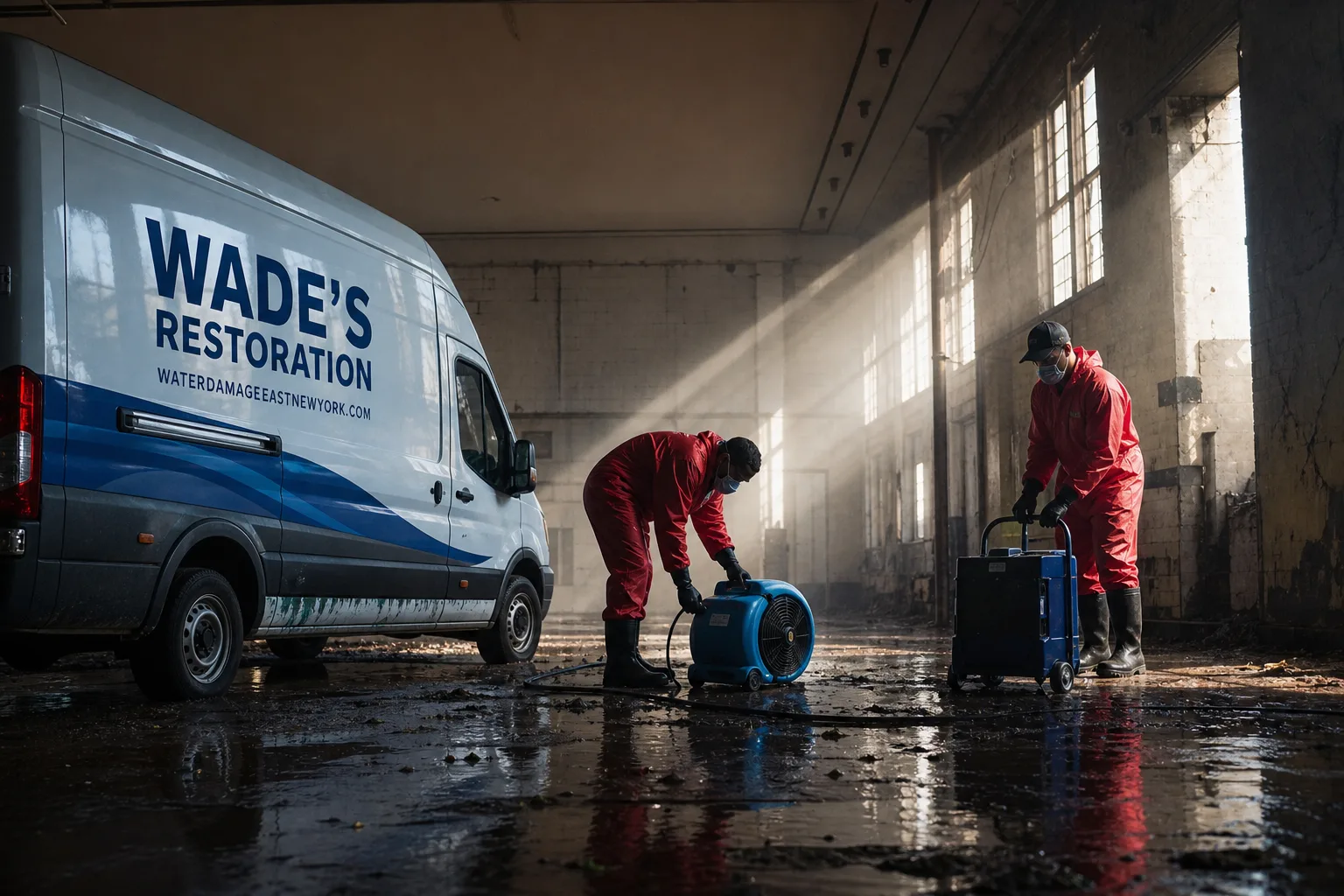
Free visual inspection and a written scope of work before any mitigation begins - photos, moisture readings, and drying logs go in your claim file
The scope we write is the scope we bill. Anything new gets shown to you, in writing, before we touch it.
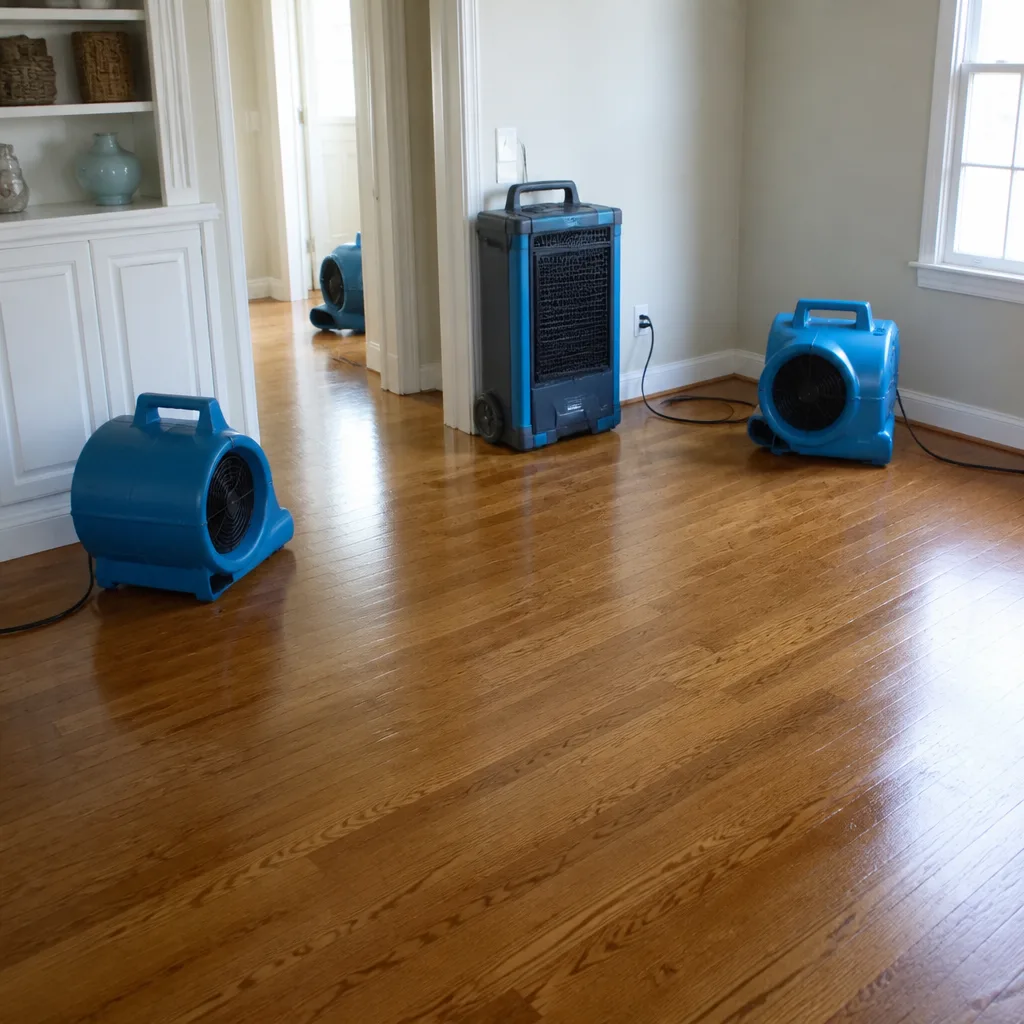
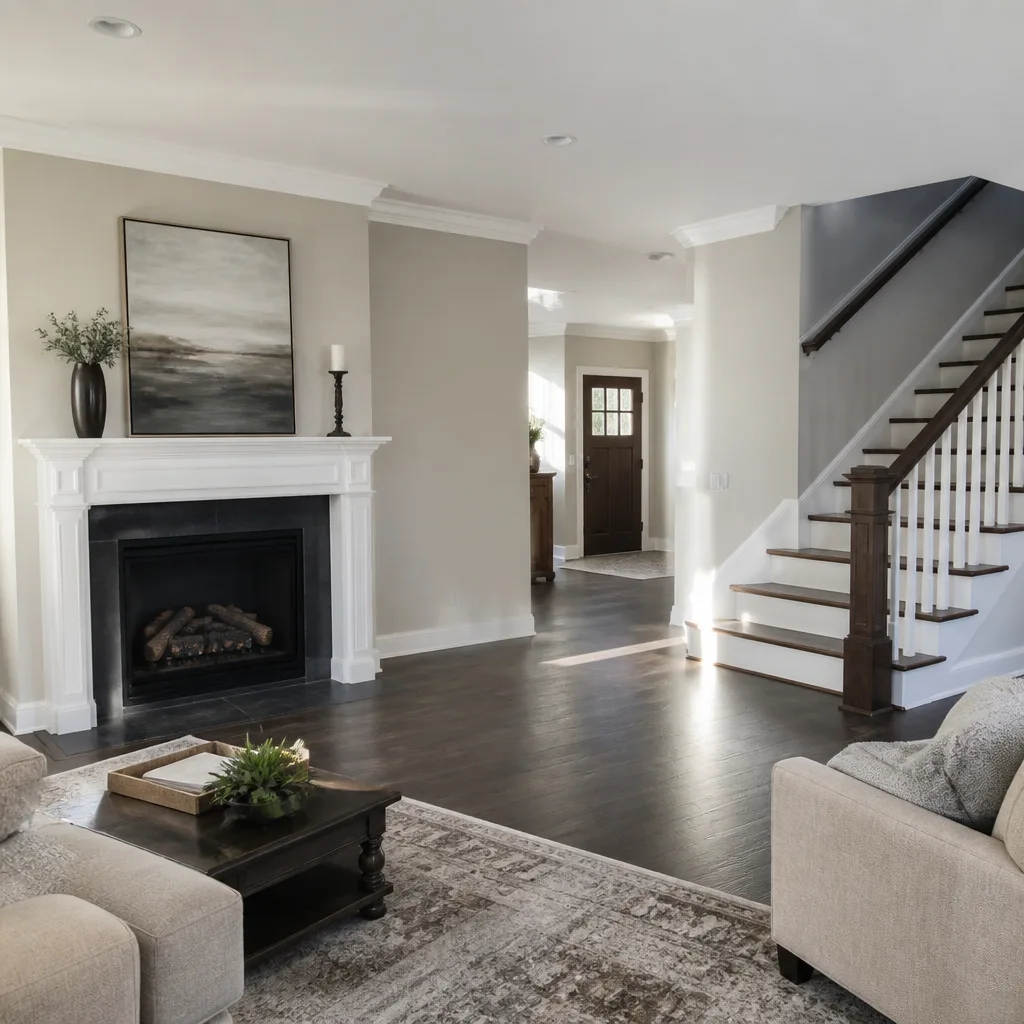
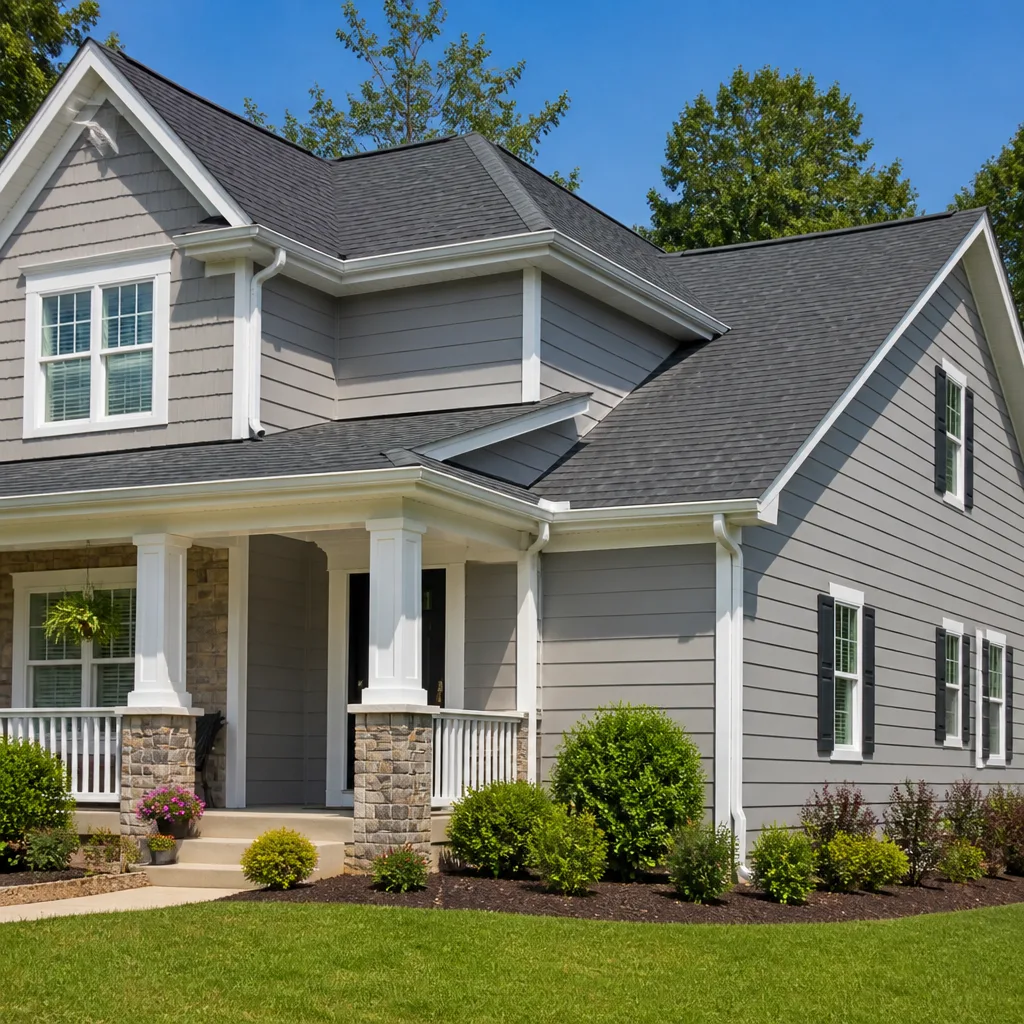
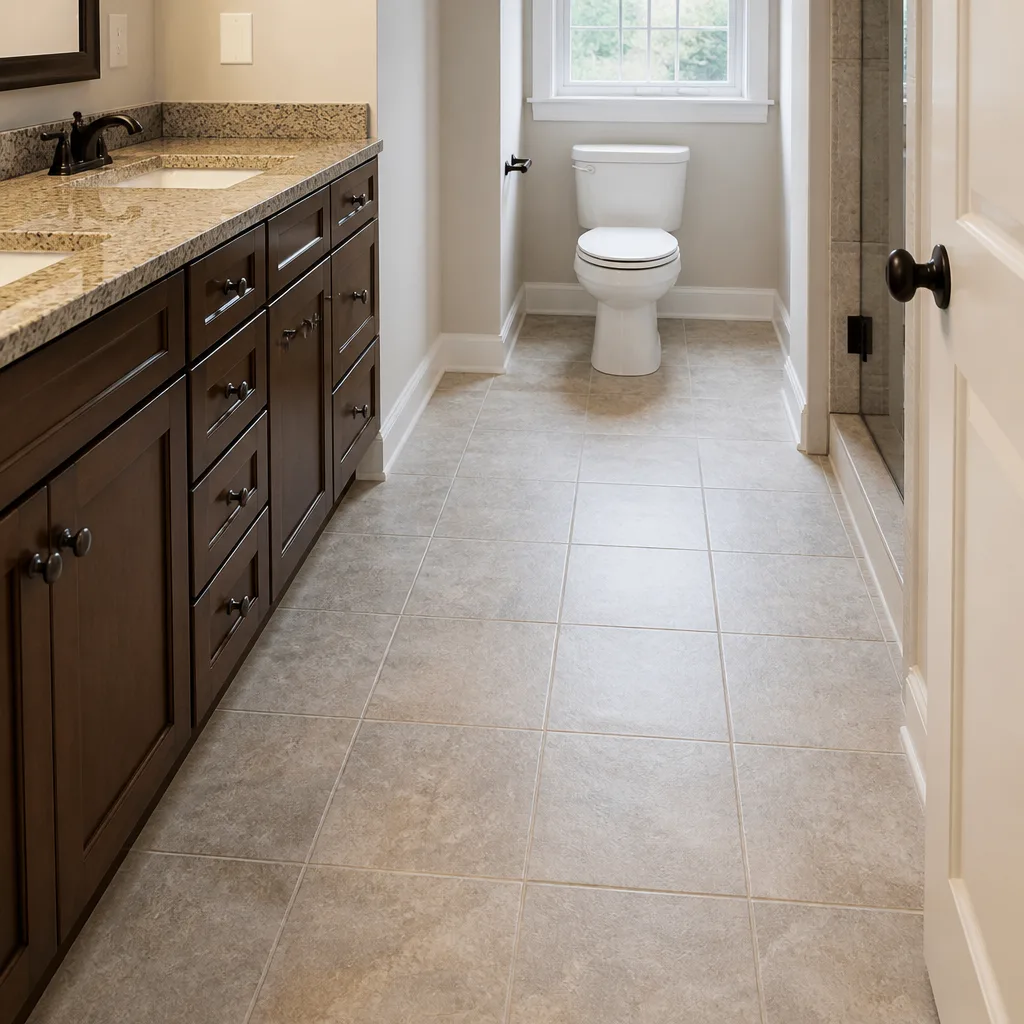
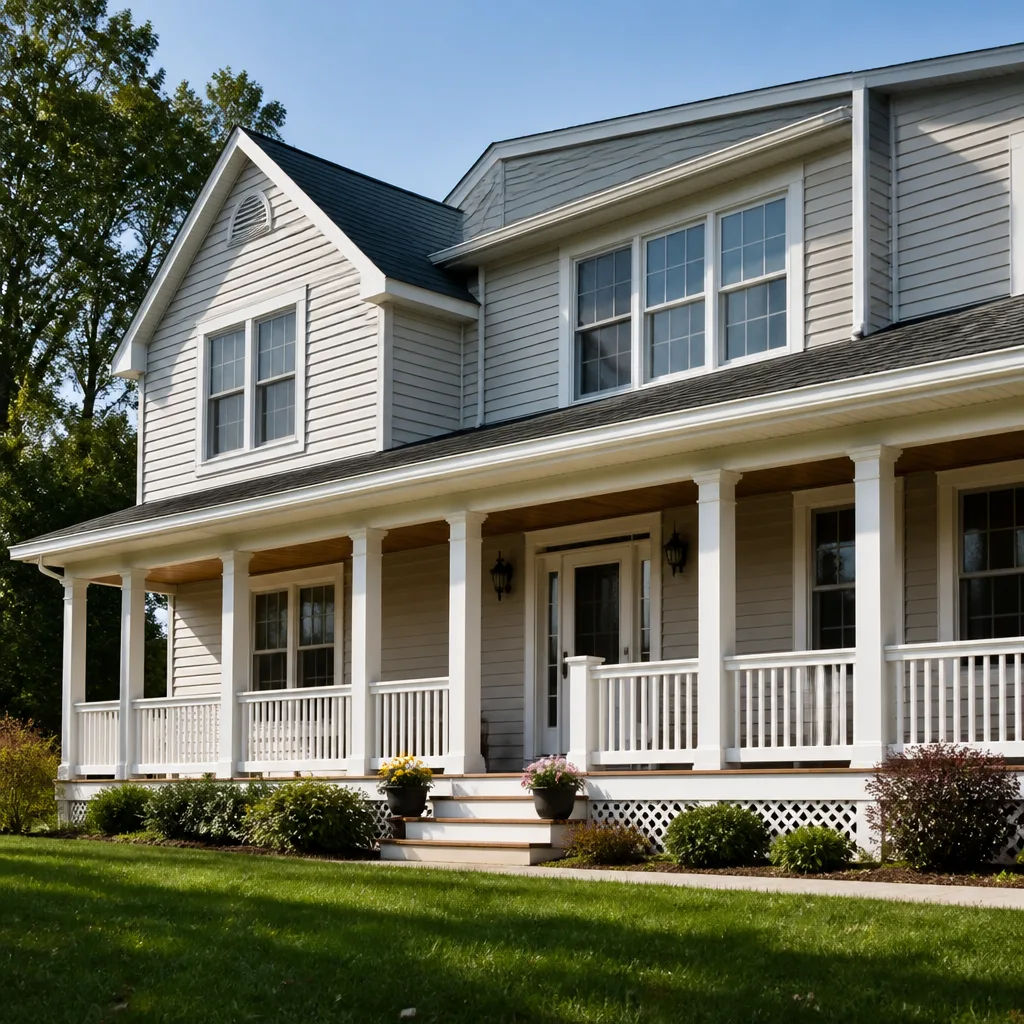
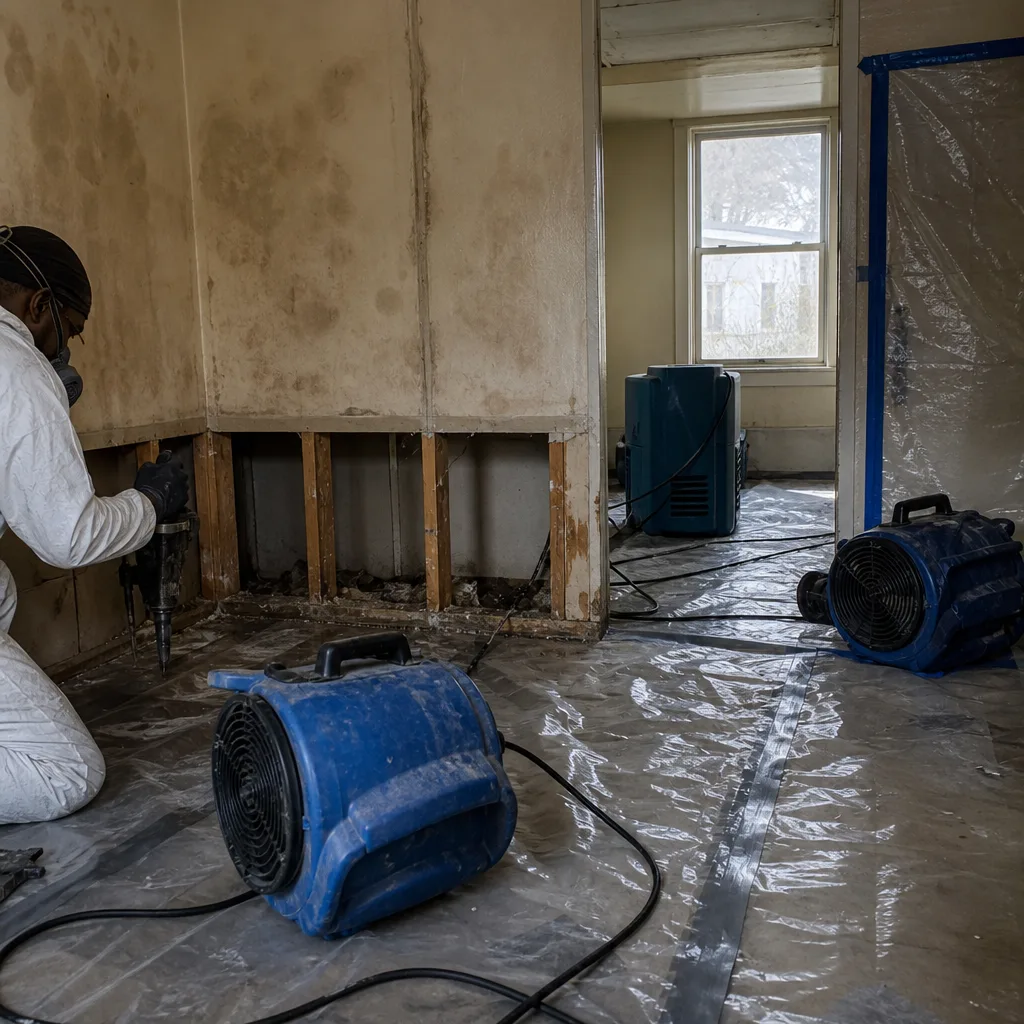 Before
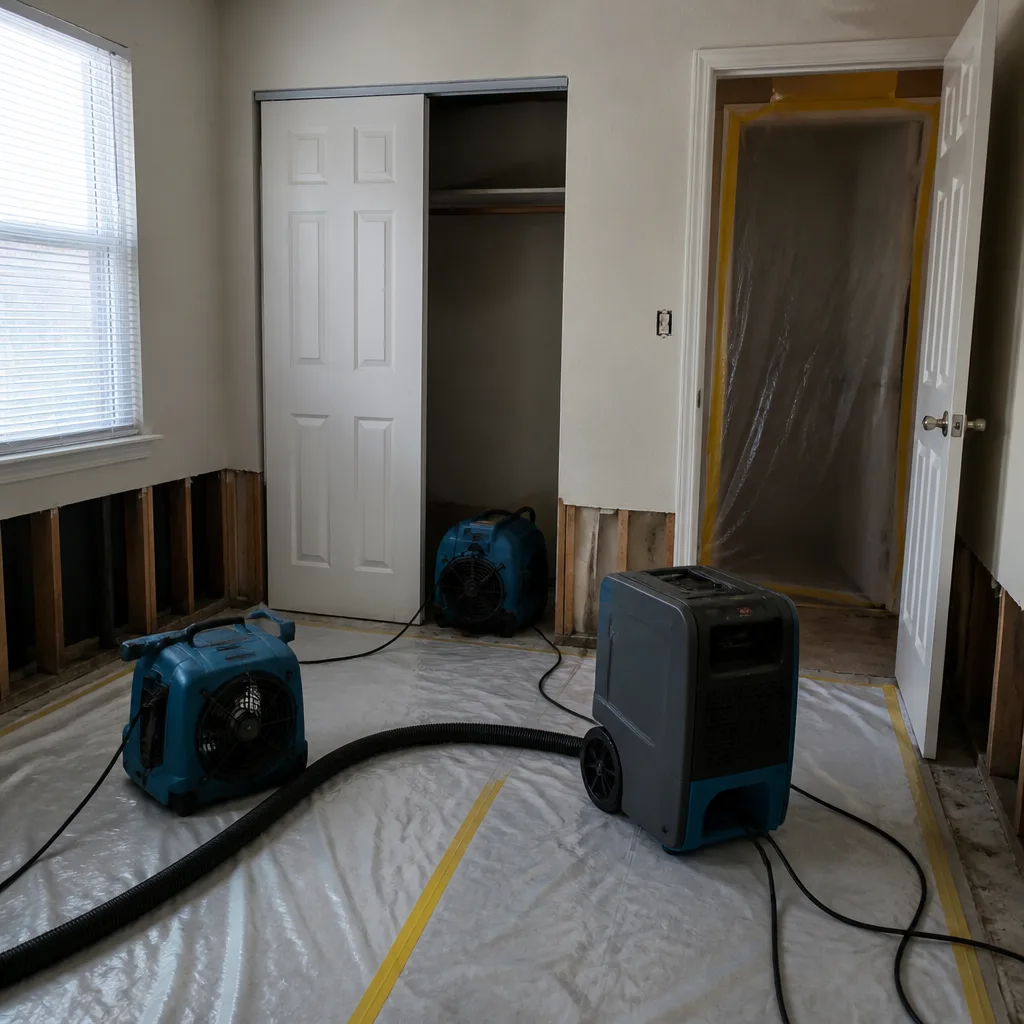 After
After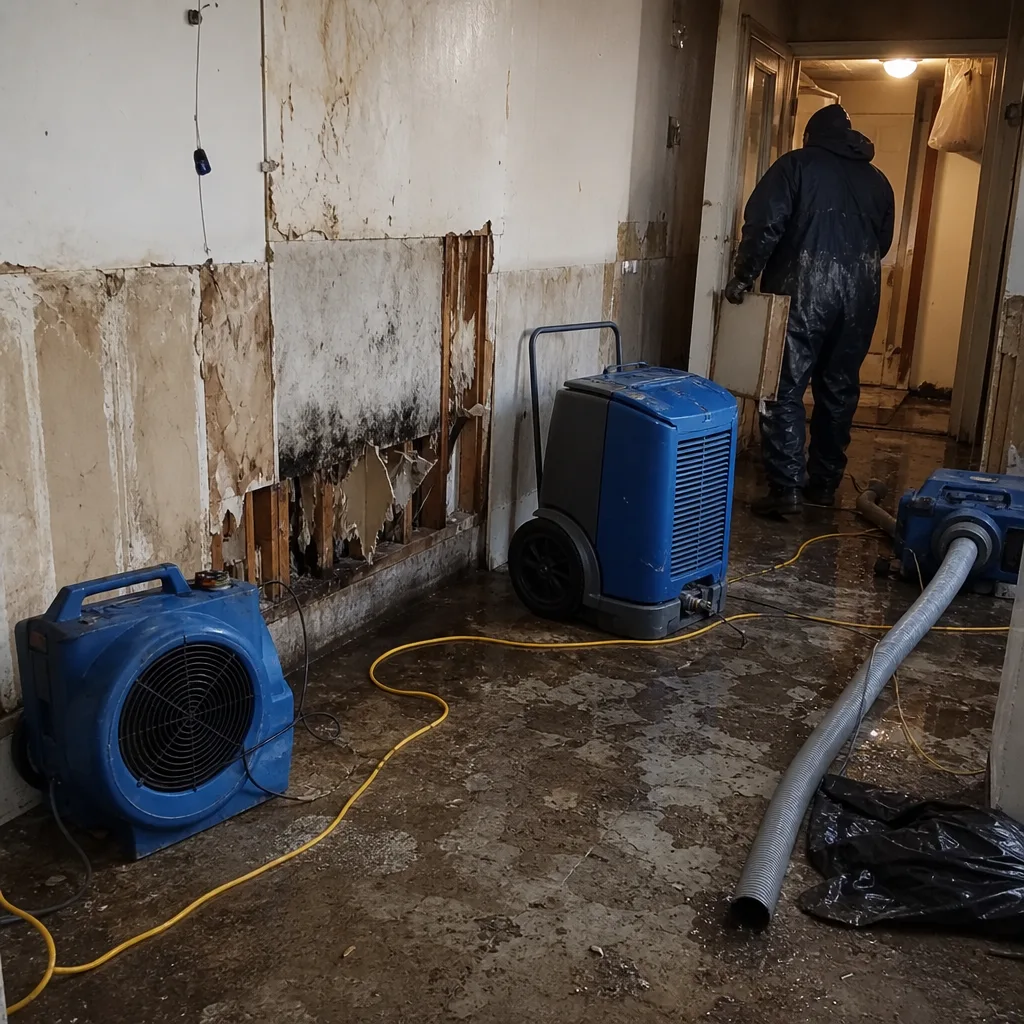 Before
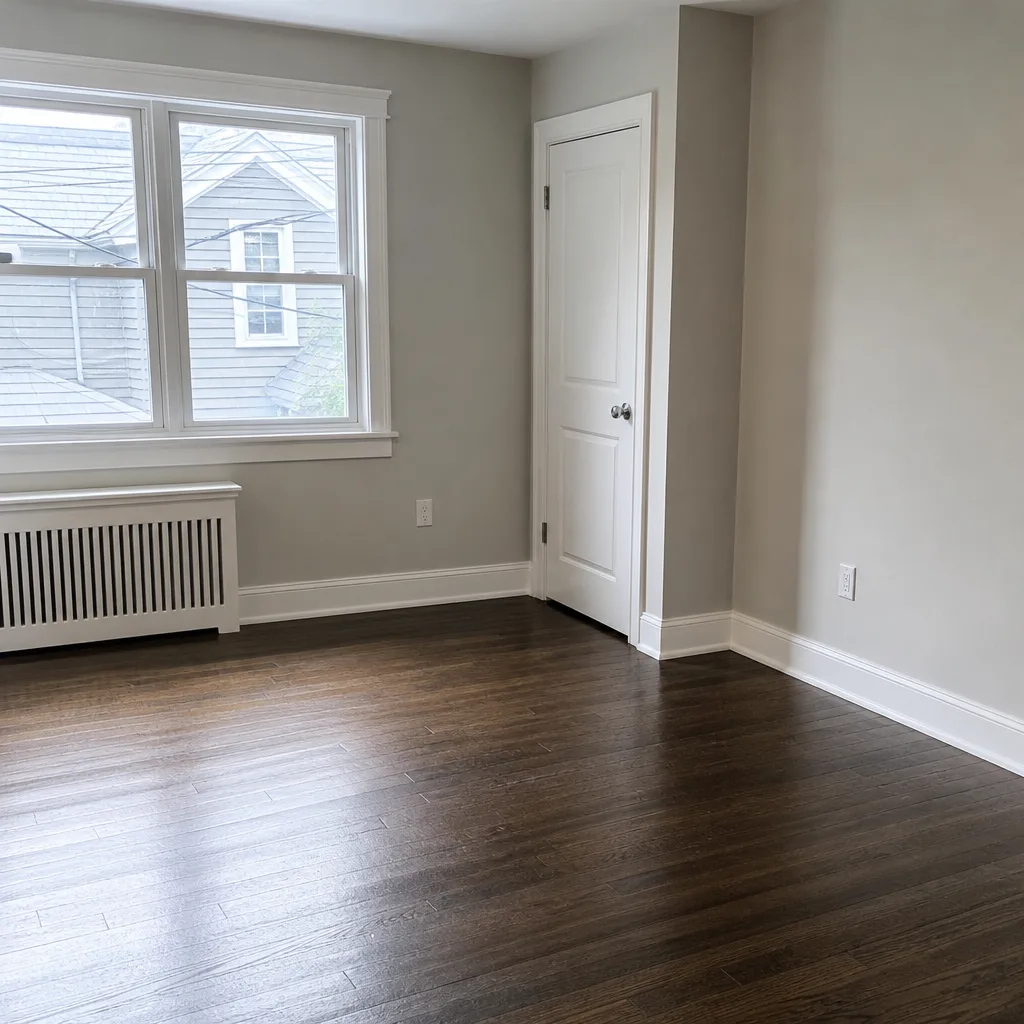 After
After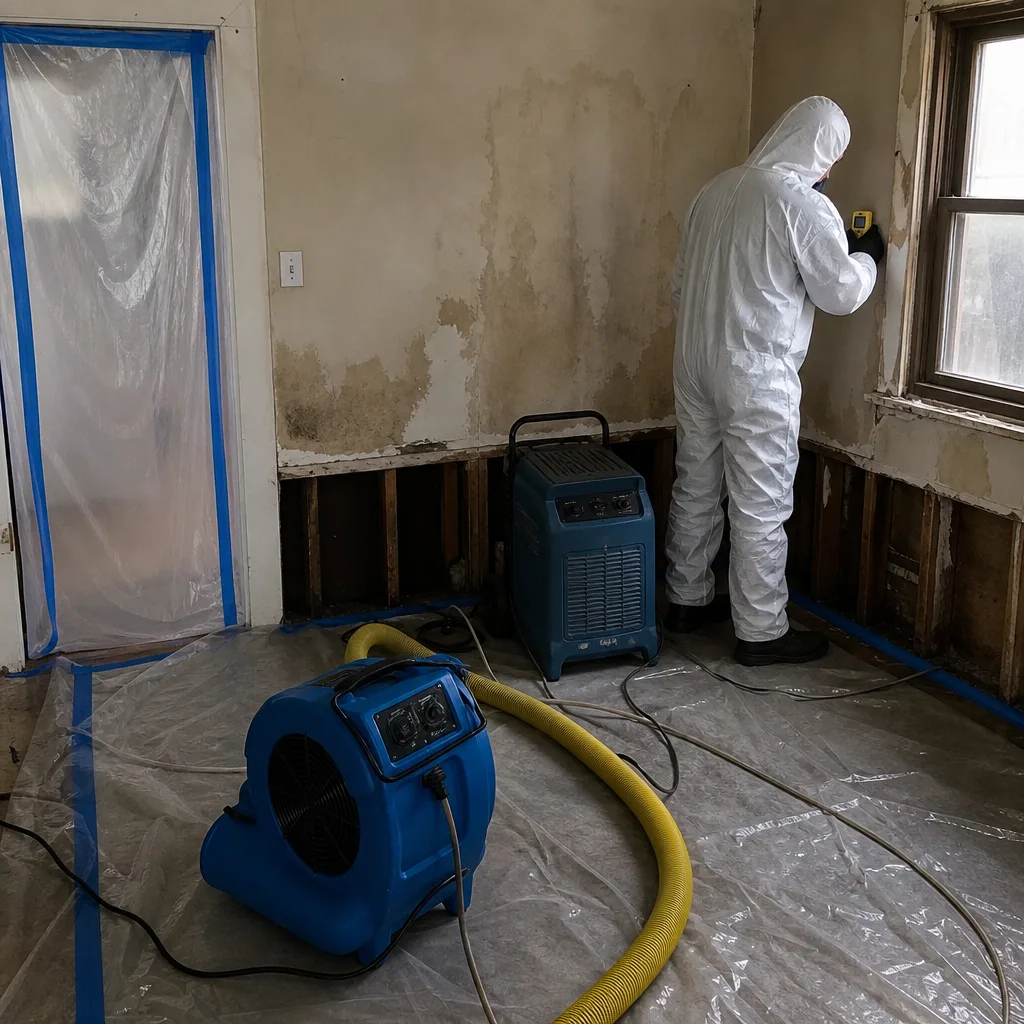 Before
 After
After24/7 Emergency Reconstruction & Cleanup in Corona
When a sewer line backs up through a basement floor drain in Corona, the clock starts before the water stops rising. Wade Ferris answers his own phone at (363) 300-2771, any hour, and crews reach Corona row-house blocks within 45 minutes of your call. The first hour matters more here than almost anywhere in Queens: shared foundation walls mean Category 3 water doesn’t stay in your basement. It moves sideways into your neighbor’s. Our first job is containing that movement before it becomes a three-property claim. If you’re standing in a wet basement on a block near 34th Avenue or National Street right now, call. We’ll walk you through the first 30 minutes free, then head out for a visual inspection at no charge inside the county.
Understanding Reconstruction & Cleanup Severity in Corona Properties
Corona’s housing stock creates loss patterns most restoration companies never see in detached-home markets. Your 1920s brick row house shares masonry party walls with the buildings on either side. Those walls were built with weep holes and original parging that age into a porous, water-friendly membrane. When water enters one basement, it migrates through that old parging into adjacent basements within hours, not days. That means a “simple” floor-drain backup on your side may already be a Category 3 contamination event on both neighbors’ sides before anyone calls us.
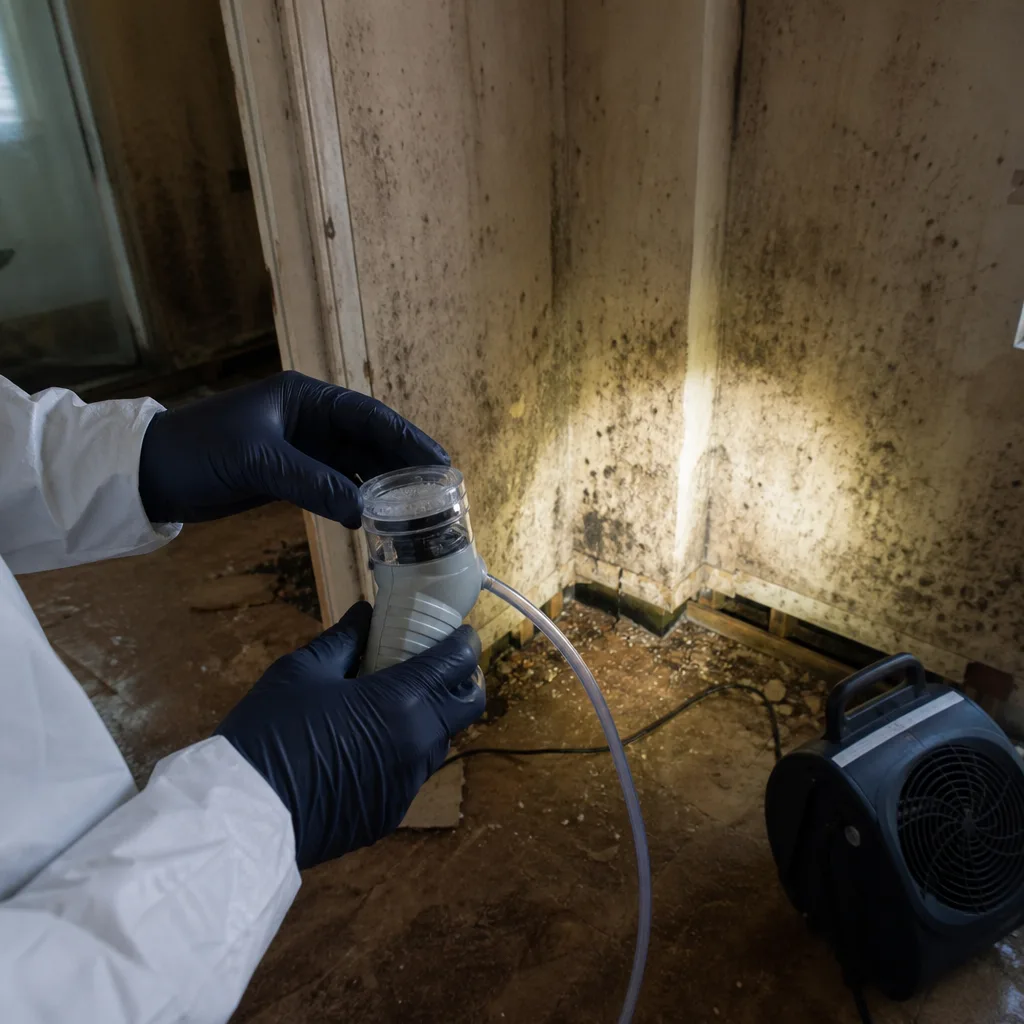
We classify water losses by contamination level. Category 1 is clean supply-line water. Category 2 has some contamination, like a washing machine overflow. Category 3 is black water: sewage, storm surcharge, anything that came up through a floor drain connected to Corona’s combined sewer system. In this neighborhood, we treat every basement backup as potentially Category 3 until proven otherwise. That changes everything: what gets removed, what gets dried, and how much antimicrobial treatment the shared walls need. Our crews use thermal imaging and moisture meters to map exactly how far water traveled through your foundation and into the party walls, then we hand you that map and the daily drying logs at the end. Nobody else in the trade around here does that routinely.
Why Corona Property Owners Choose Wade’s Restoration
- 45-minute response commitment: Wade heads out from the New York City office and reaches Corona blocks fast. You’re not waiting on a corporate dispatch queue.
- 24/7 live answer: A real person picks up. Often Wade himself. No automated system, no answering service, no “we’ll call you back.”
- IICRC-certified crews: WRT, FSRT, and AMRT-certified techs who understand pre-war masonry construction, not just equipment manuals. RIA-affiliated and IFA-recognized.
- Free visual inspection: No trip charge inside the county. We look, we measure, we tell you what’s actually wrong before anything gets signed.
- Direct insurance billing: Wade talks to your adjuster directly. You’re not the messenger between two people who’ve never met.
- One team from extraction to reconstruction: Same crew that pulls the water also rebuilds the drywall and refinishes the flooring. No handoffs, no finger-pointing.
Our Reconstruction & Cleanup Process
Inspection & Assessment
We arrive, walk the loss with you, and take thermal imaging readings of every wall, including the shared party walls. On row-house blocks, we knock on neighbors’ doors before containment goes up. The moisture reading on the other side of the wall tells us the real extent of the loss.
Extraction/Stabilization
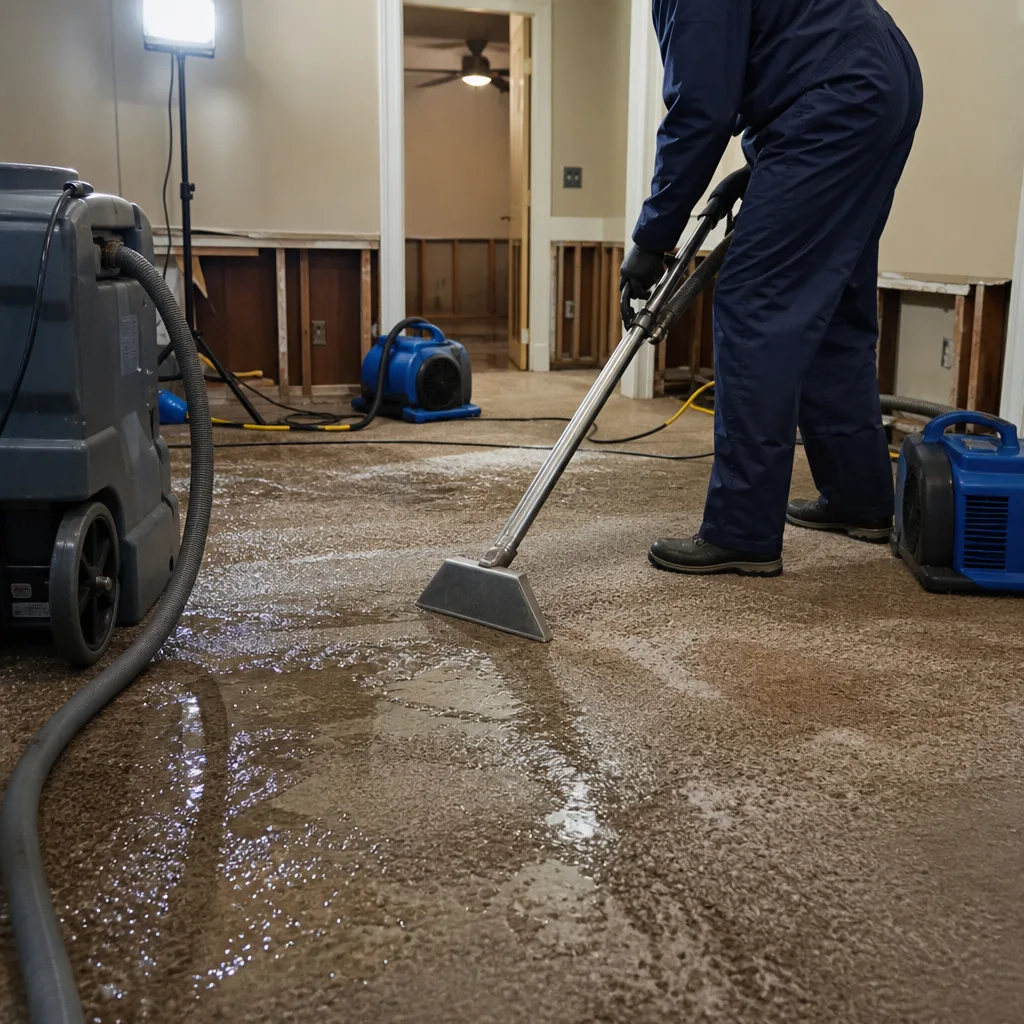
Industrial extraction pulls standing water from floors, carpets, and the low points where Corona basements collect. We stabilize any sagging plaster or compromised drywall so the structure doesn’t degrade while drying begins.
Drying & Dehumidification
Dri-Eaz and Phoenix air movers plus commercial dehumidifiers run around the clock. We take moisture readings every single day and log them. If drying stalls, we check the shared weep holes and adjacent soil saturation before adding equipment.
Cleaning & Sanitization
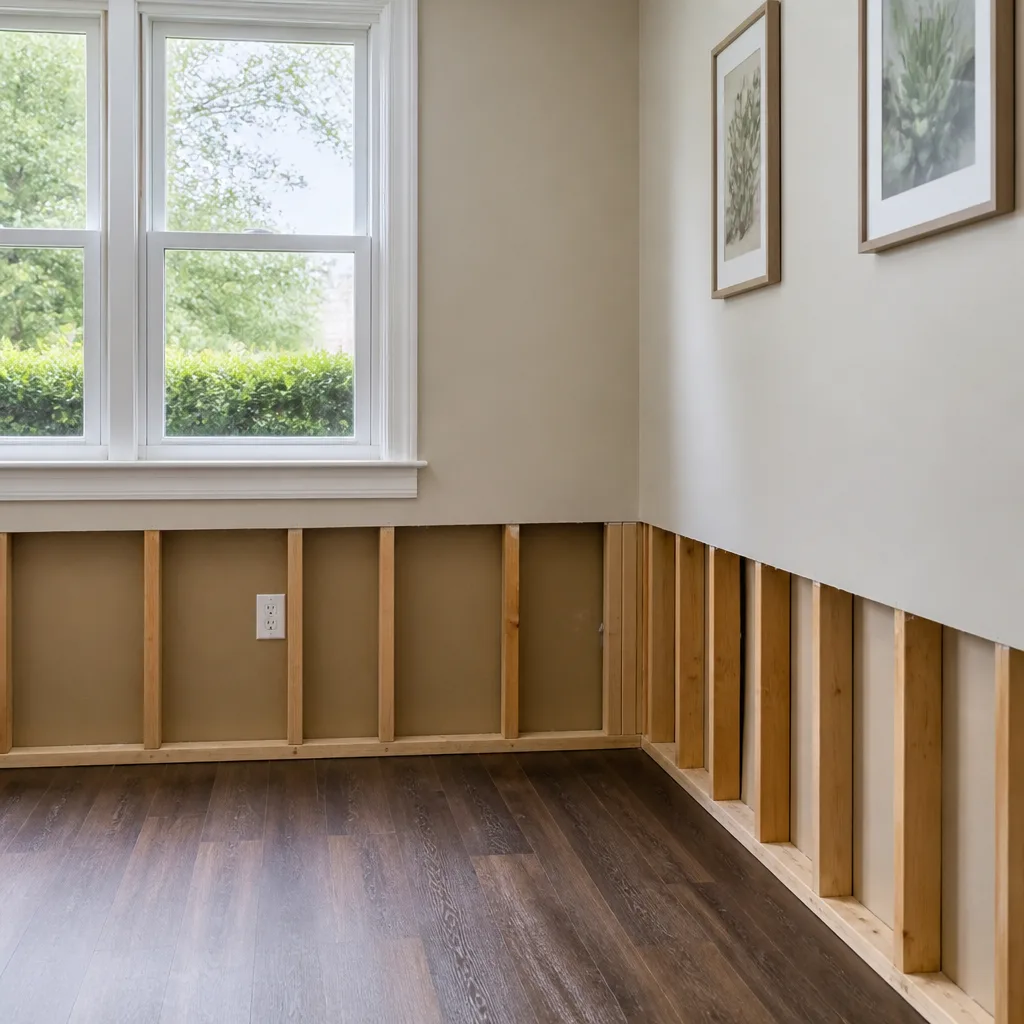
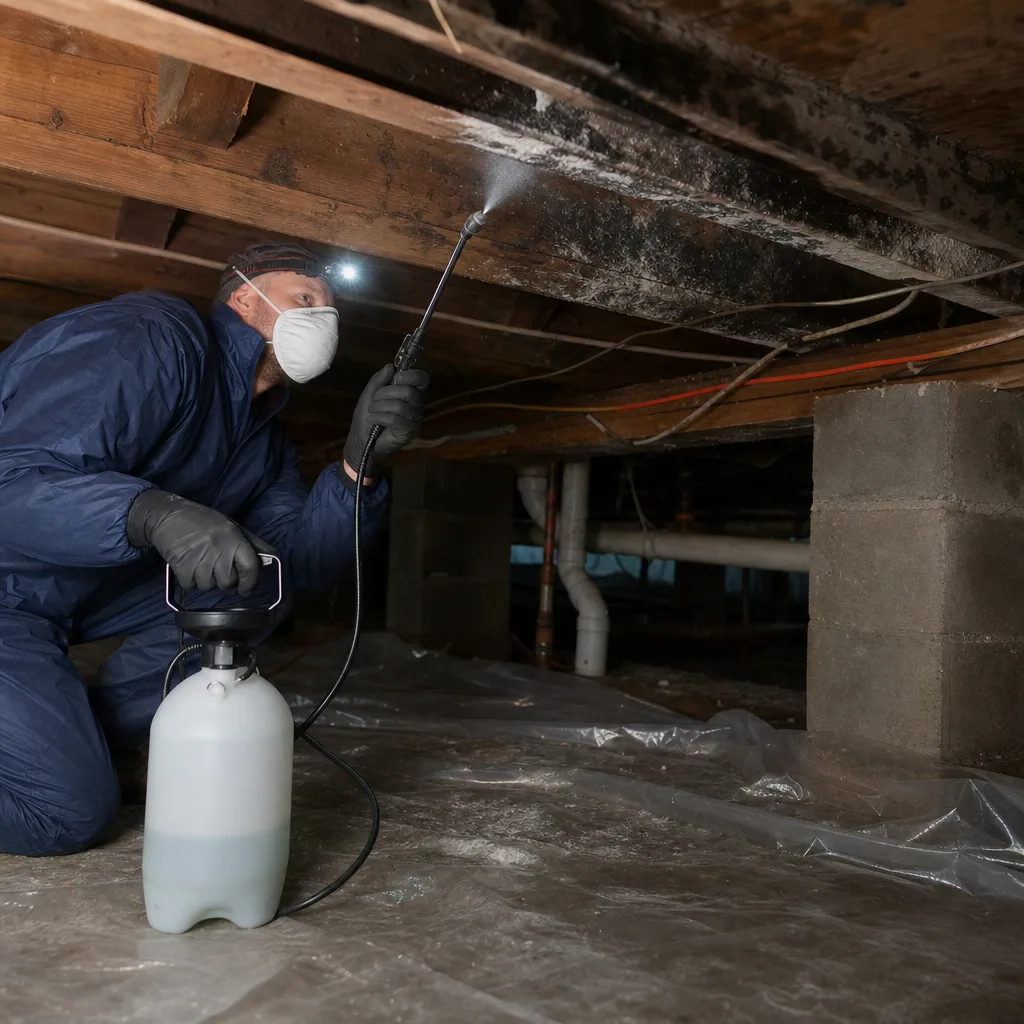
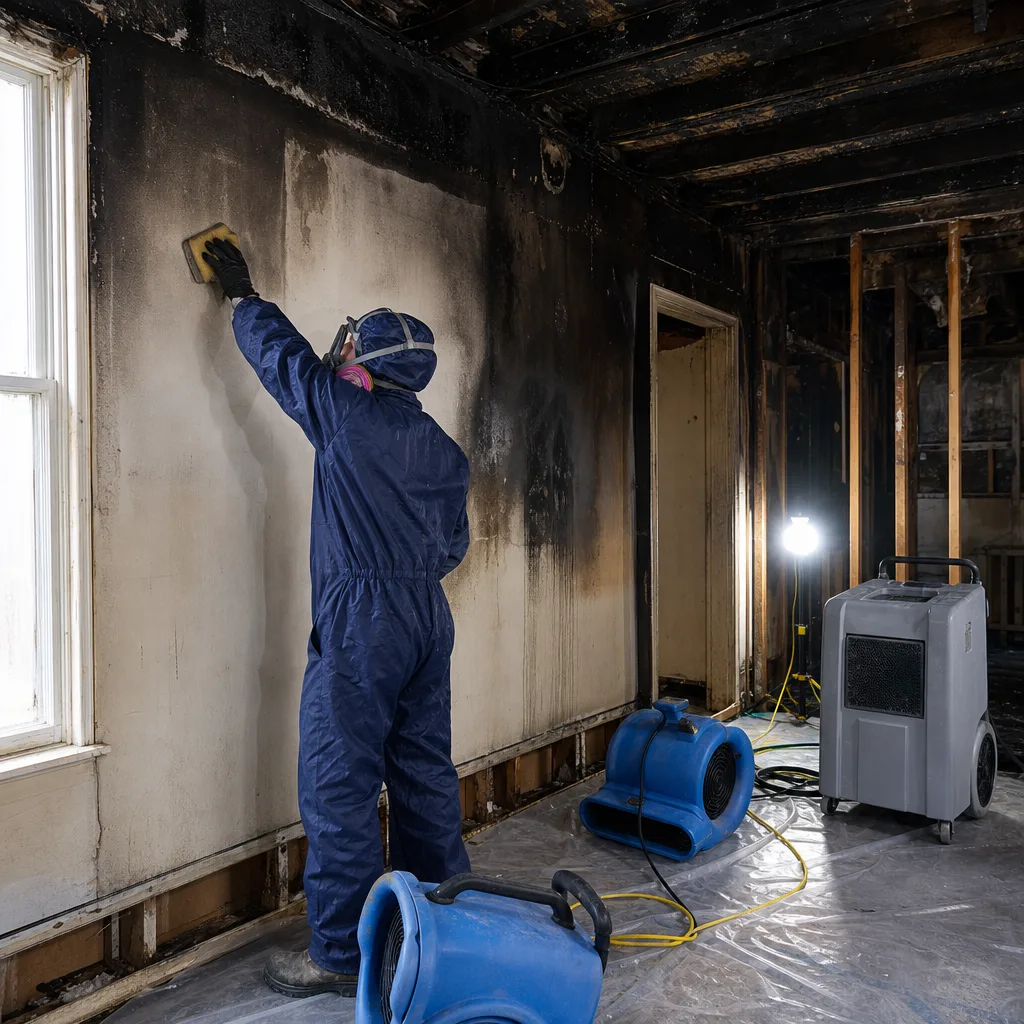
HEPA air scrubbers run during the entire job. We remove contaminated drywall, flooring, and porous materials as needed, then apply antimicrobial treatment to every affected surface, including the shared foundation walls neighbors will see from their side.
Contents Restoration & Pack-Out
Furniture, clothing, and personal items get packed out, cleaned, dried, and stored until your basement is ready. We photograph everything before it moves. For converted basement apartments, we document pre-loss condition carefully because unpermitted finishes become claim friction.
Repairs & Restoration
Drywall, flooring, trim, paint. We rebuild to the documented pre-loss condition and no further. If your insurer wants a fight about what “pre-loss condition” means for a converted Corona basement, Wade handles that conversation directly with the adjuster.
Need Emergency Reconstruction & Cleanup in Corona Now?
Crews minutes away, answering live 24 hours a day. The sooner we start, the less it costs.
Working With Your Insurance Company
Most Corona row-house losses involve at least two insurance policies. Sometimes three. When water moves through a shared party wall into a neighbor’s basement, two adjusters are suddenly looking at the same loss from different angles. Wade has been dealing with this exact scenario since 2007. He manages direct communication with your carrier from the first hour, and he’ll talk to the neighbor’s adjuster too when the scope crosses the property line. What gets documented in the first 48 hours determines whether your claim pays for full restoration or a stripped-down patch. We photograph every room, log every moisture reading, and write our scope in language adjusters accept. The 90-Day Done Right Promise goes on every water, fire, and mold job we do in Corona, in writing.
What We Provide Your Insurer
- Thorough documentation of the loss
- Photos of all damage, room by room
- Moisture readings and drying logs
- A detailed, line-item scope of work
- Direct coordination with your carrier
Built for Corona’s Loss Calendar
Corona’s flat topography means water doesn’t drain away from foundations; it pools against them. The neighborhood sits on Queens’ minimal-gradient terrain, served by a combined sewer system that dates back generations. When a summer thunderstorm dumps two inches of rain in forty minutes, the system surcharges and raw sewage pushes back up through basement floor drains across entire blocks. We see it every July and August on streets off Roosevelt Avenue and Junction Boulevard. Among the worst seasons for Corona losses: deep-freeze January nights when supply lines burst in shallow-frost foundations, March’s thaw-and-seep pattern when saturated soil bleeds through old brick, summer’s convective deluges, and autumn nor’easters that test every pre-war foundation. Then there’s the ordinary stuff: aging water heaters in 90-year-old basements, cast-iron drain lines that finally rust through, washing machine supply hoses no one has checked since 2012. Most homeowners in this neighborhood call us once, then call again because they know who answers the phone.
Reconstruction & Cleanup Across Corona’s Neighborhoods
The blocks near Flushing Meadows Corona Park run into groundwater issues during wet seasons because the water table sits close to the surface there. We regularly run dehumidification longer in those basements than on higher blocks. Down by Corona Plaza and the 7 line, the density is at its peak: attached row houses wall-to-wall, which means every water loss is a shared-wall loss. Our crews know to check the adjacent unit before we even bring in equipment. Over near Lefrak City, the housing stock shifts to larger multi-unit buildings where mid-rise plumbing failures send water cascading down through multiple floors, a very different job than a single-family row house basement off 104th Street. Along Northern Boulevard, mixed commercial-residential buildings present their own challenges: a restaurant fire on the first floor means smoke migration through shared ductwork into apartments above. The pre-war blocks between Junction Boulevard and 111th Street are where we see the most unpermitted basement conversions, which is why our contents documentation there is more thorough than anywhere else we work. These aren’t just addresses on a map. They’re different failure profiles, and we plan accordingly.
Specialized Reconstruction & Cleanup Services We Offer in Corona
Full-Service Reconstruction
After a Category 3 backup in a Corona basement, you need more than drying. We rebuild to pre-loss condition: drywall, framing repair where needed, flooring, paint, trim. For the converted basement apartments that dominate this neighborhood, we coordinate with you and your adjuster on what “pre-loss condition” means when the finishes were added without permits decades ago. The reconstruction work is scoped, priced, and scheduled in writing before anything gets demoed further. No surprises at the end.
Drywall & Flooring Repair
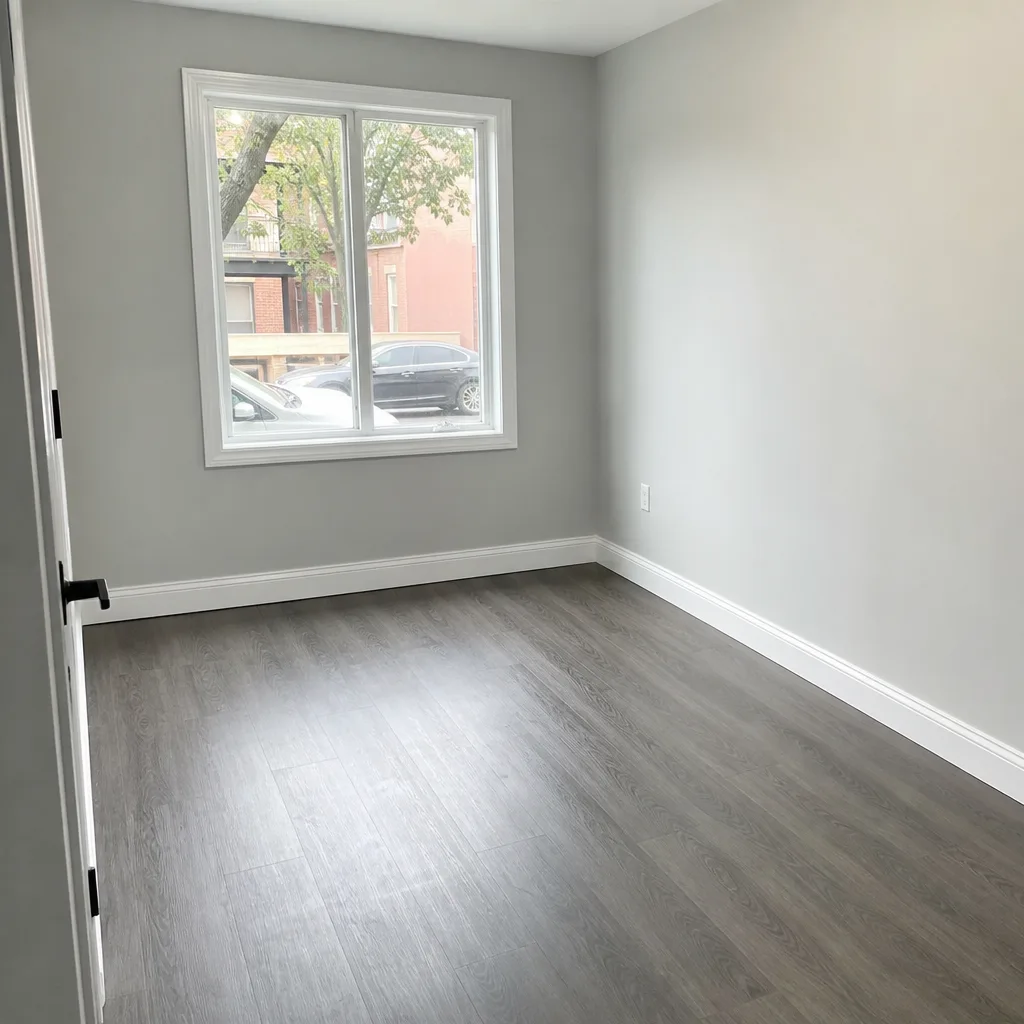
After water extraction and drying, damaged drywall gets cut to clean lines and replaced, then taped, mudded, and painted. For floors, we match existing materials where possible; where matching isn’t possible in a pre-war Corpus Christie conversion, we document why and present options to the adjuster before ordering anything. Tile, hardwood, laminate, vinyl: we install what your home had.
Contents Restoration & Pack-Out
Furniture, clothing, electronics, and personal belongings get inventoried, photographed, packed, and moved to climate-controlled storage while structural work proceeds. For unpermitted basement apartments filled with a tenant’s possessions, this documentation is what protects your claim. We clean and restore what’s salvageable, and we don’t throw away anything without sign-off.
Carpet & Upholstery Cleaning
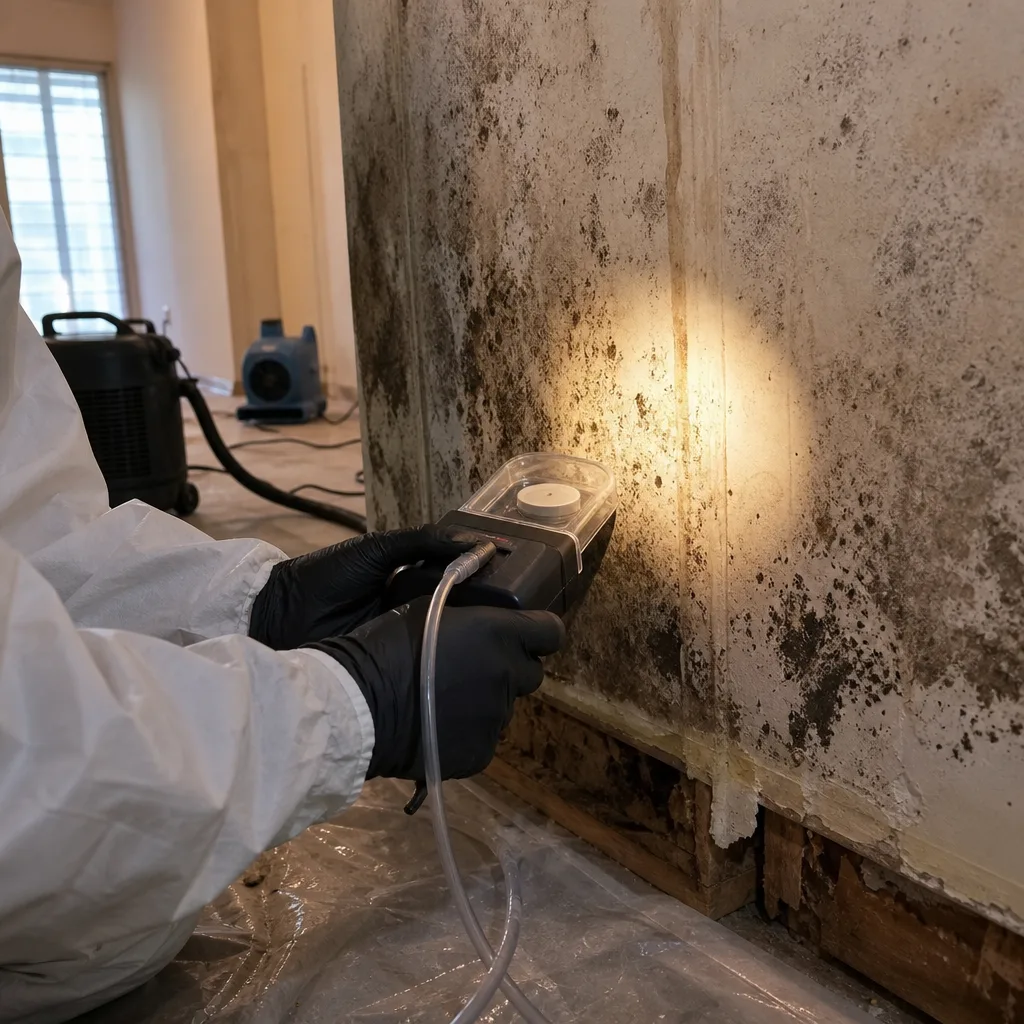
Category 1 or 2 water sometimes only affects carpet and upholstery. We use Dri-Eaz and Phoenix extraction equipment to pull the water and clean the fabrics. If the carpet sat wet for more than 48 hours or absorbed Category 3 water, it comes out entirely and goes into the removal inventory for the adjuster. No half-measures.
Post-Construction Cleanup
After your reconstruction is done, the job isn’t. Fine drywall dust settles everywhere, including inside your neighbor’s apartment if a shared wall was opened. We clean every surface, HEPA-vacuum the floors, replace furnace filters, and leave the space ready to live in. This is the part new homeowners always forget to plan for, and we do it on every full reconstruction in Corona.
Insurance Claim Documentation
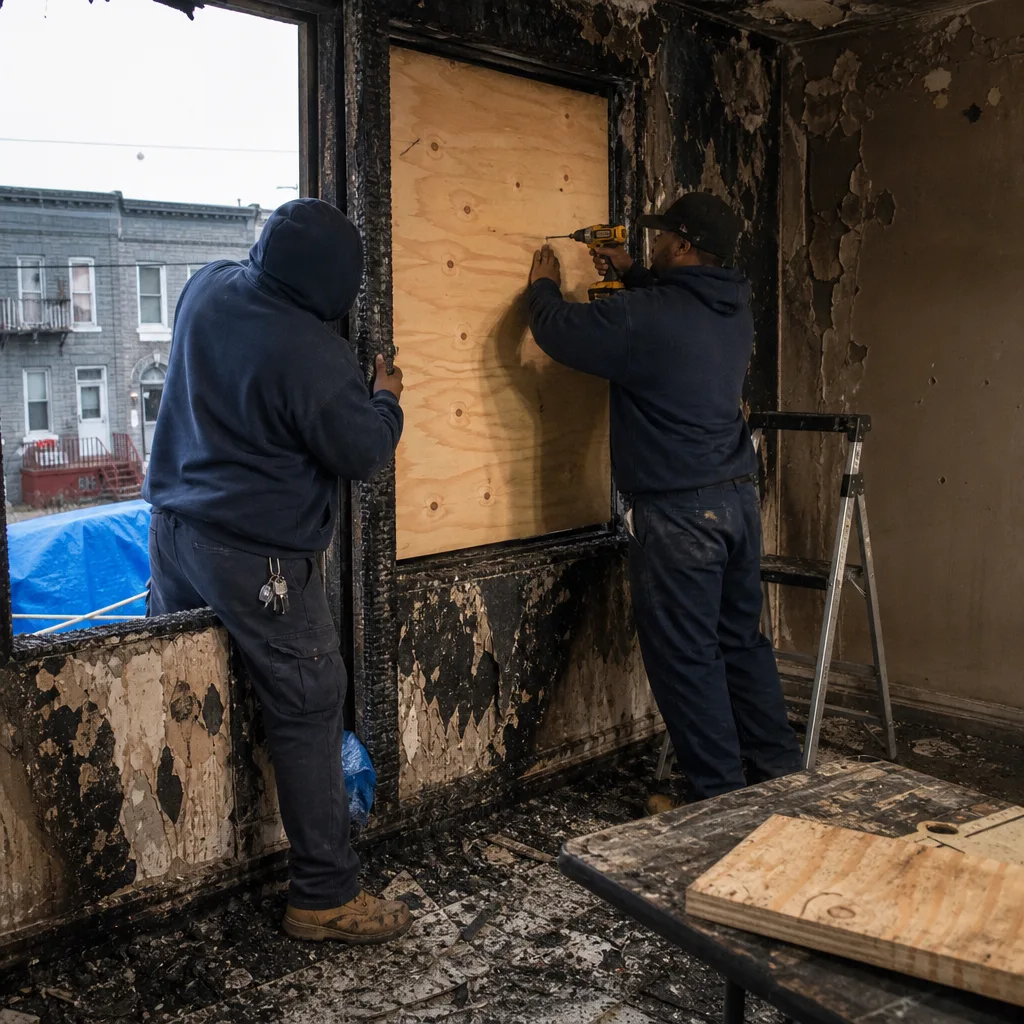
This is the part Wade cares about most because it’s where homeowners get burned. We photograph the loss from the first hour, log moisture readings daily, map affected areas, and produce a line-item scope of work in the format adjusters expect. When the loss crosses a property line on a row-house block, we document the adjacent unit too so nobody’s claim gets denied over a “missed” area. Our Reconstruction & Cleanup team handles the rebuild; the documentation package goes to your carrier directly, with Wade on the phone when needed.
What happens when you call
- 1
A real person answersNo phone trees - you reach a local pro.
- 2
You get an upfront price rangeHonest numbers before anyone is dispatched.
- 3
A background-checked tech heads outLicensed & insured, dispatched right away.
- 4
You approve before work beginsNothing starts until you say go.
Reconstruction & Cleanup Costs in Corona, NY
What does it actually cost? For a standard Corona basement backup with moderate Category 2 water damage, extraction and drying plus minor drywall repair typically runs $2,800 to $5,500. A full Category 3 sewage loss requiring drywall removal, antimicrobial treatment, flooring replacement, and reconstruction in a single-family row house basement runs $8,000 to $18,000 depending on square footage and what was finished. If your basement was an unpermitted conversion with drywall, flooring, and a bathroom, the number climbs because we’re restoring finished space, not a storage cellar, and the documentation burden is heavier. Contents pack-out and restoration adds another $2,000 to $7,000 depending on how much you have down there. Carpet and upholstery cleaning alone, when that’s all the damage, runs $350 to $900 for a typical Corona basement. Insurance covers most of these scenarios when the loss is sudden and accidental, which a sewer surcharge or busted pipe is. The free visual inspection is how you get a firm number: we come out, assess, and hand you a written scope with real prices before you commit to anything. Call (363) 300-2771 to schedule. It costs nothing.
We Also Serve Cities Near Corona
Our crews heading into Corona also serve Elmhurst to the west, Ridgewood to the southwest, Richmond Hill to the south, and Woodhaven to the southeast. Same 45-minute response commitment, same live-answer phone, same documentation standards. If you’re in any of those neighborhoods and wondering if you need us, the call is free and the inspection is free. We’ll tell you the truth.
Serving Corona, NY - Our Local Coverage Area
We’re based in the Corona area and know this community well. Use the map below to see our service coverage - if you’re nearby, we can almost certainly help.
Corona Reconstruction & Cleanup Questions, Answered
How do you handle a basement flood in a Corona row house when the water came through the shared wall from my neighbor’s side?
We treat it as a shared-wall loss from the first minute. We document the water’s entry point with thermal imaging and moisture readings on both sides of the party wall, then coordinate with both property owners and, when needed, both insurance carriers. The drying plan has to account for the neighbor’s saturated foundation soil, or your basement will never fully dry. Call (363) 300-2771 and Wade will walk you through it.
My converted basement in Corona was finished without permits. Can you still restore it after a sewer backup?
Yes. It happens constantly in this neighborhood. The key is documentation: we photograph and log the finished condition before and during demolition, so you’re claiming restoration of what actually existed, not what a permit record says. We still provide full reconstruction; the permit issue stays between you and the city unless you want it to be more. Your claim is about the damage, not the paperwork history of your basement.
Why do you ask to inspect the neighbor’s basement before drying my row house after a water loss near Junction Boulevard?
Because the shared masonry walls on these blocks move water laterally. If we dry your side but the neighbor’s wall is saturated, mold grows there within 48 hours and the moisture re-enters your space. We knock, we ask, we document. Most neighbors say yes once they understand the alternative is a mold problem that could force their own claim. Free inspection applies to them too.
After a Category 3 sewer backup in my Corona basement, what actually has to be removed vs. what can be dried?
Anything porous that absorbed sewage water gets removed: drywall, carpet, pad, upholstered furniture, cardboard boxes, most wood trim. Non-porous surfaces like concrete, tile, and metal can be cleaned and dried. The line is contamination level. In a row house, we also remove drywall on the lower portions of shared partition walls if moisture readings show migration through the parging. “Rip it out” is the correct answer more often in Category 3 situations, and your adjuster knows that.
How fast do I need to start water extraction after a basement flood in Corona’s row-house blocks?
Within the first hour for Category 3; within 24 hours for Category 1 or 2. Sewage water becomes more dangerous and more structurally damaging the longer it sits. In row houses, speed matters extra because the water moves through party walls quickly. Call (363) 300-2771 immediately; a live person answers and crews reach Corona fast.
What does the 90-Day Done Right Promise cover on a Corona reconstruction job?
If it’s not done right, Wade makes it right. That promise is written into the contract on every water, fire, and mold restoration job. If you find a problem within 90 days of completion, one phone call gets Wade back to your house. No claim forms, no warranty department, no runaround. This is a local owner-operated company, and the owner’s name is on the truck.
Can you stay in your Corona home during a basement restoration?
Usually yes for the floors above grade. The basement itself gets sealed off with containment and negative air pressure during Category 3 work, so the rest of the house isn’t affected. If the loss was a fire or severe sewage incident that compromised utilities, you may need temporary housing; we’ll tell you straight what’s safe and what isn’t, and your adjuster will hear the same from us.
Do you charge for the initial inspection in Corona?
No. There’s no trip charge inside the county and the visual inspection is free. We measure, we assess, we give you a written scope. You’re not obligated to hire us. We also offer a free second opinion on any written estimate you’ve already received from another company, which you can always use to check our numbers. Standing offers include $40 off any repair over $200 and a permanent 10% discount for seniors and veterans.
Written by Wade Ferris, Owner at Wade’s Restoration, serving Corona since 2007.