
Free visual inspection and a written scope of work before any mitigation begins - photos, moisture readings, and drying logs go in your claim file
The scope we write is the scope we bill. Anything new gets shown to you, in writing, before we touch it.
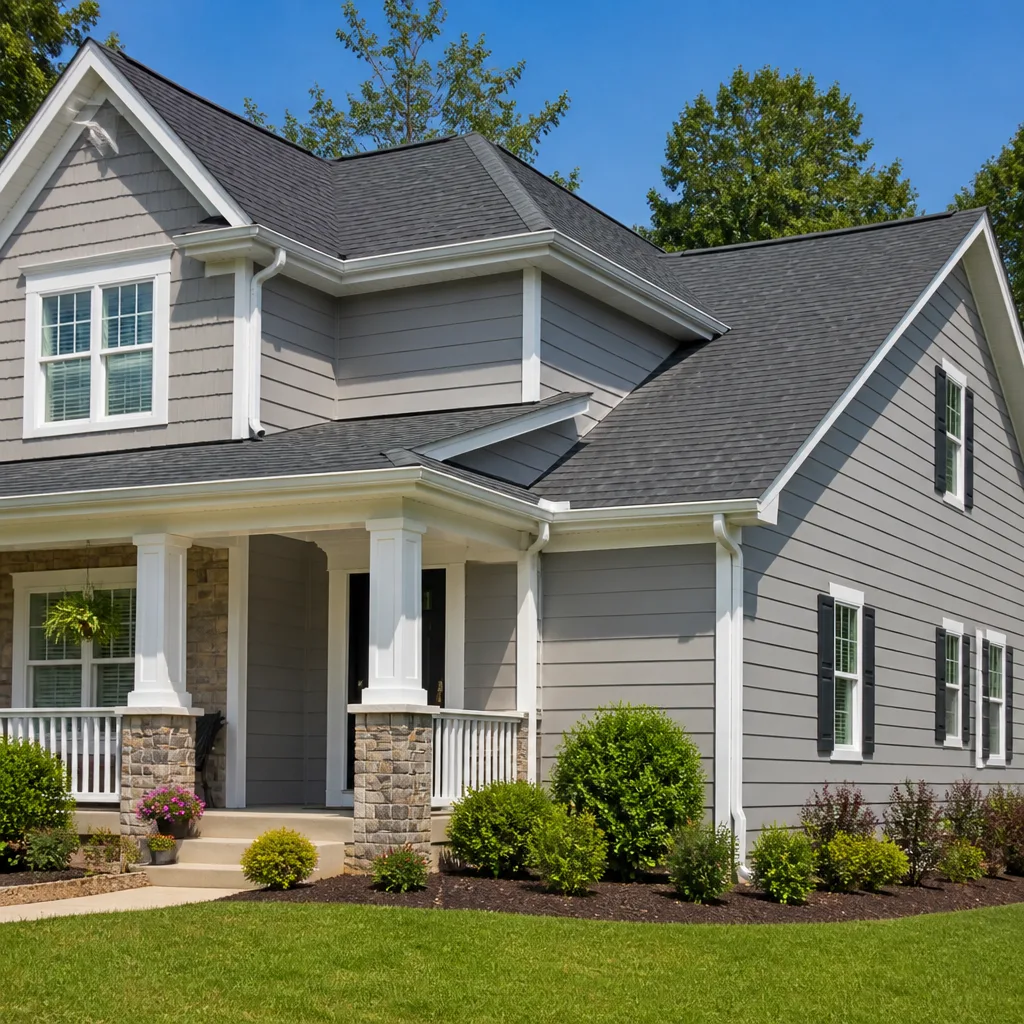
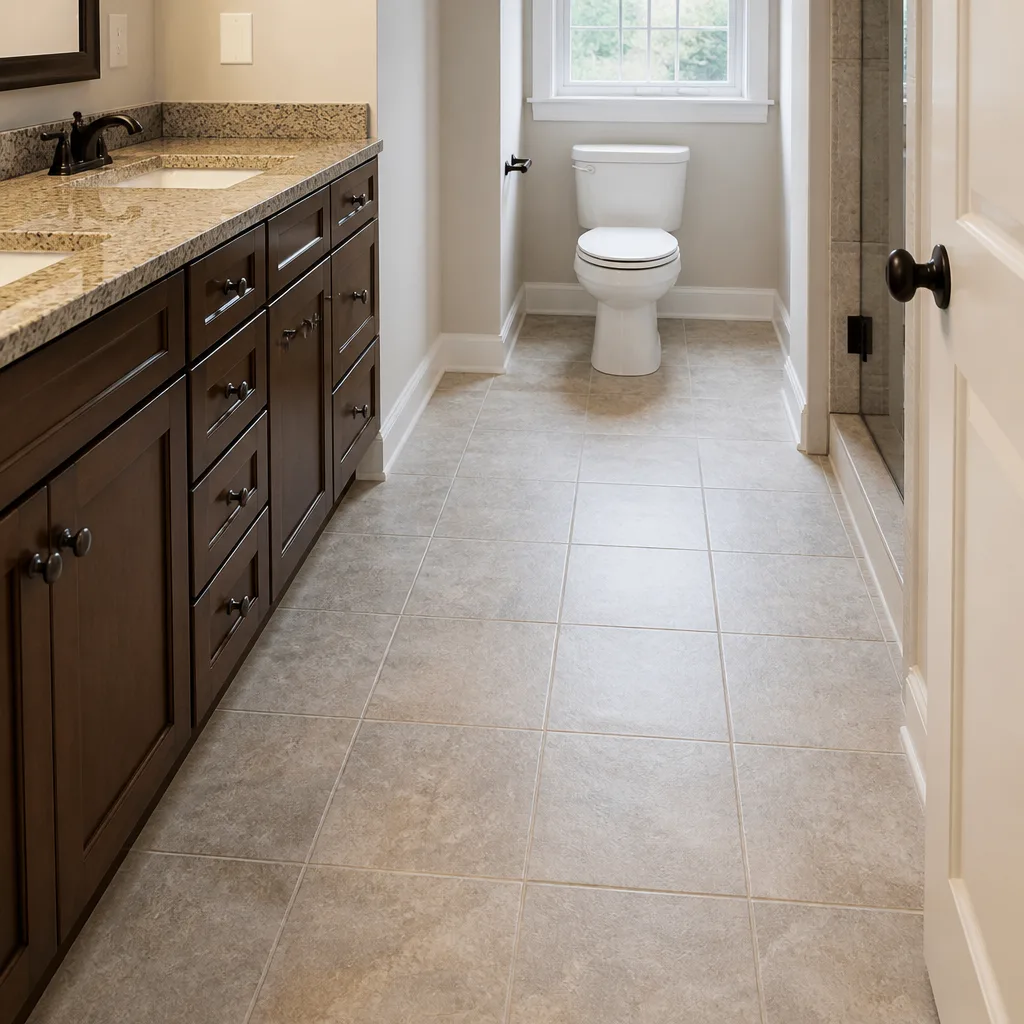
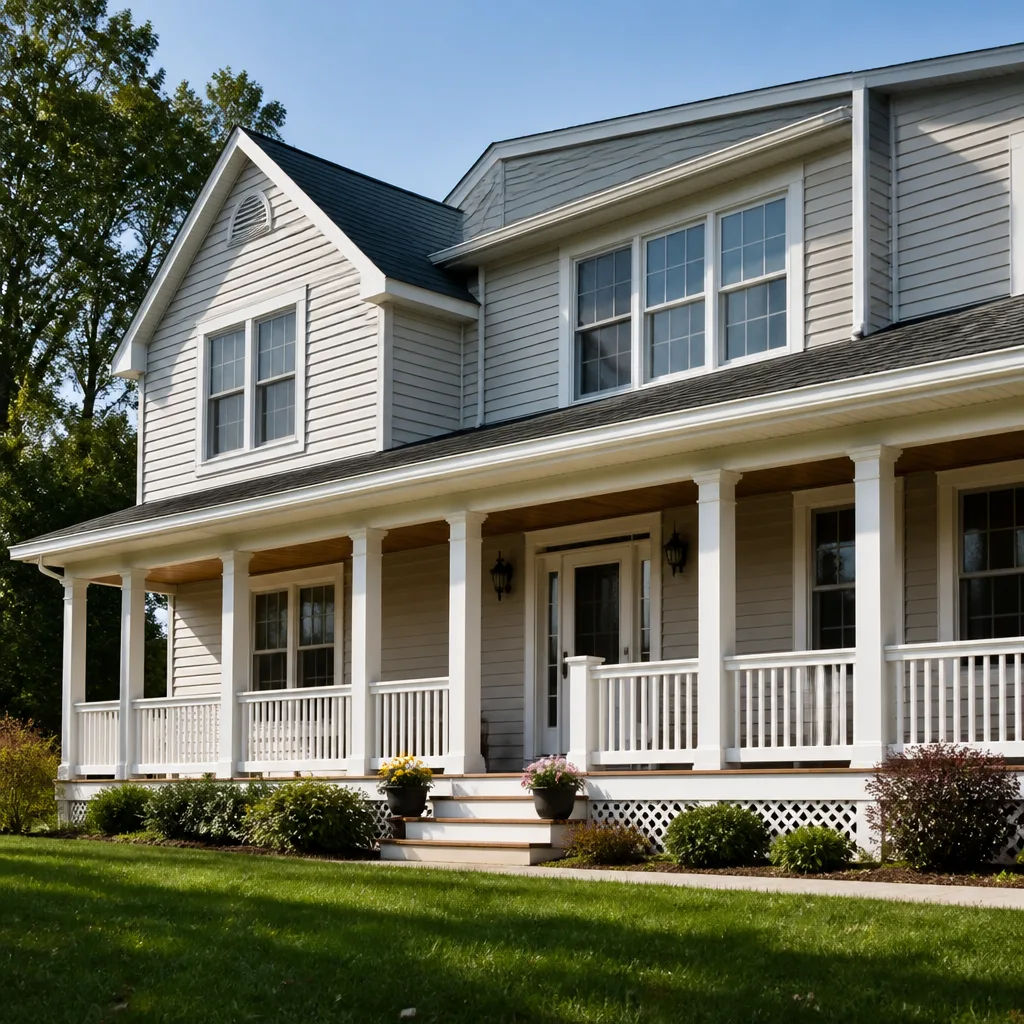
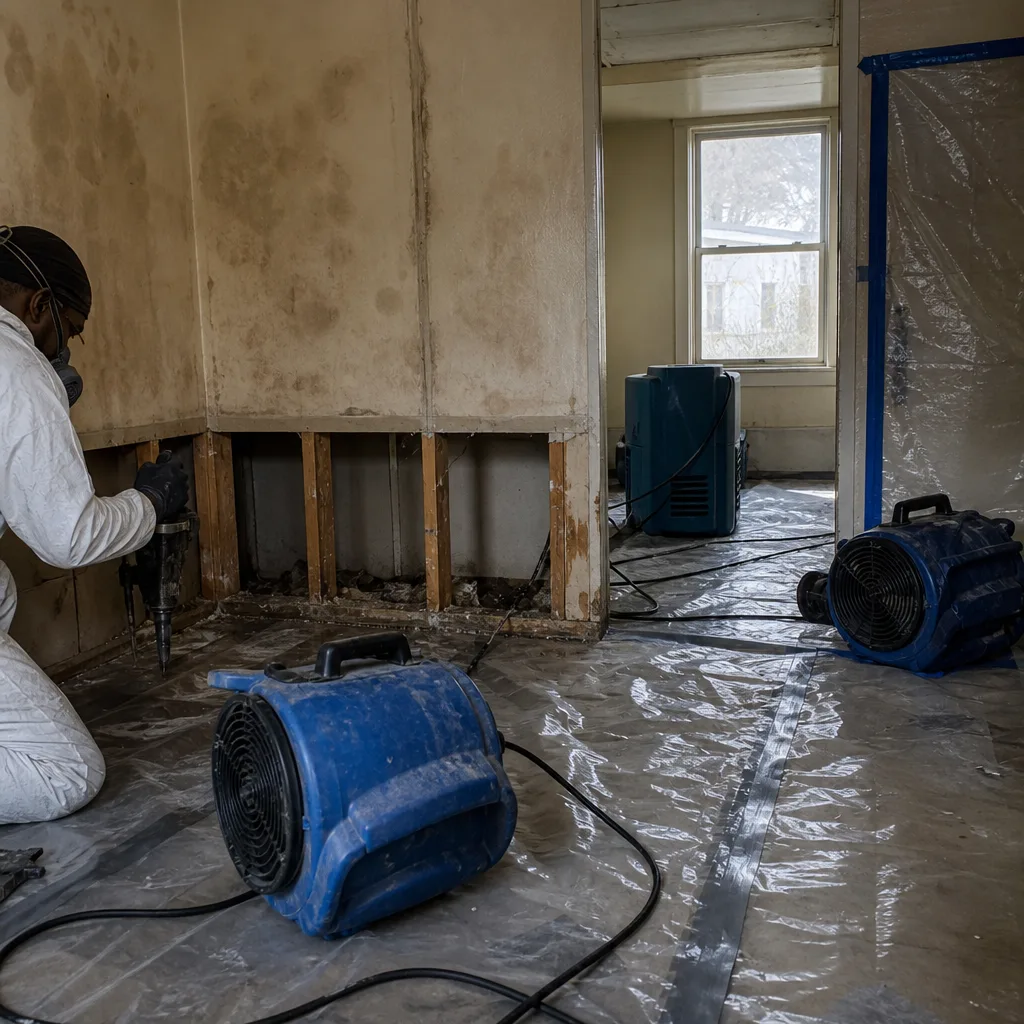 Before
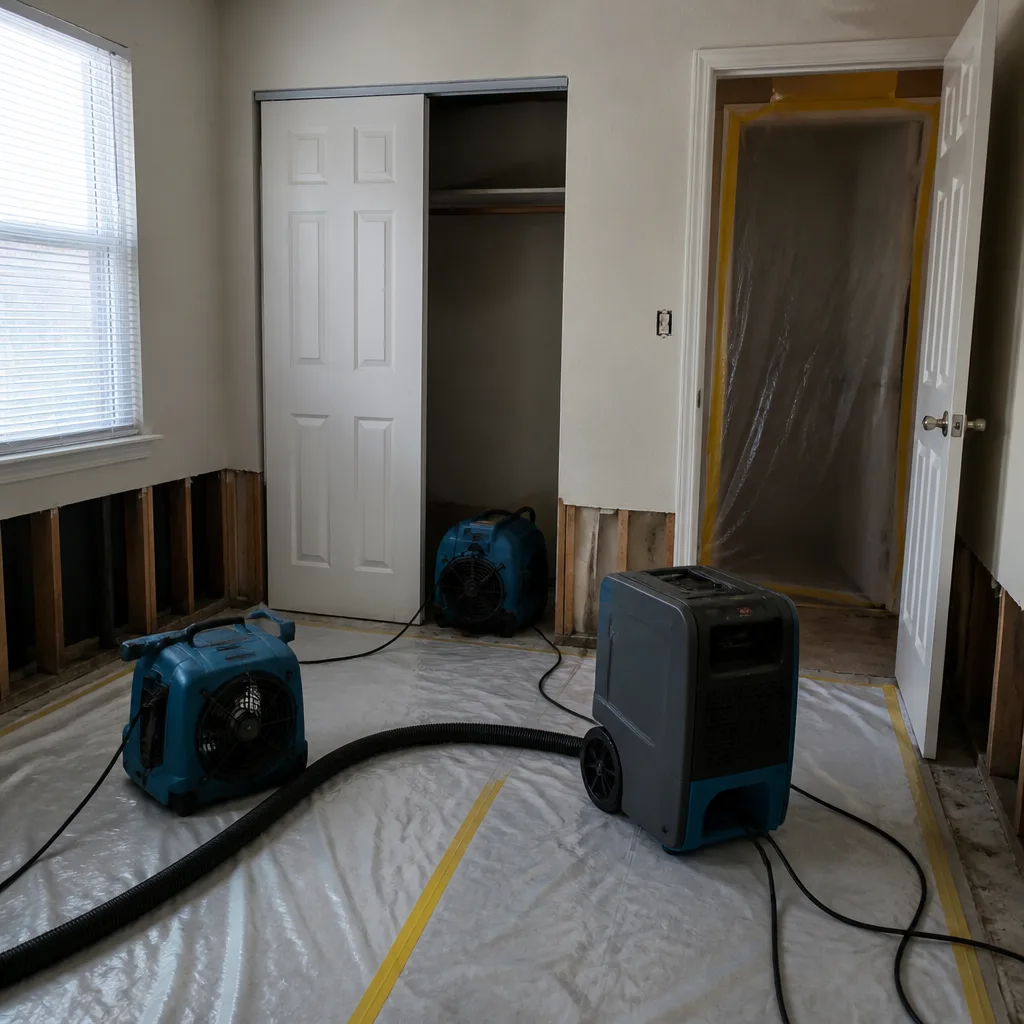 After
After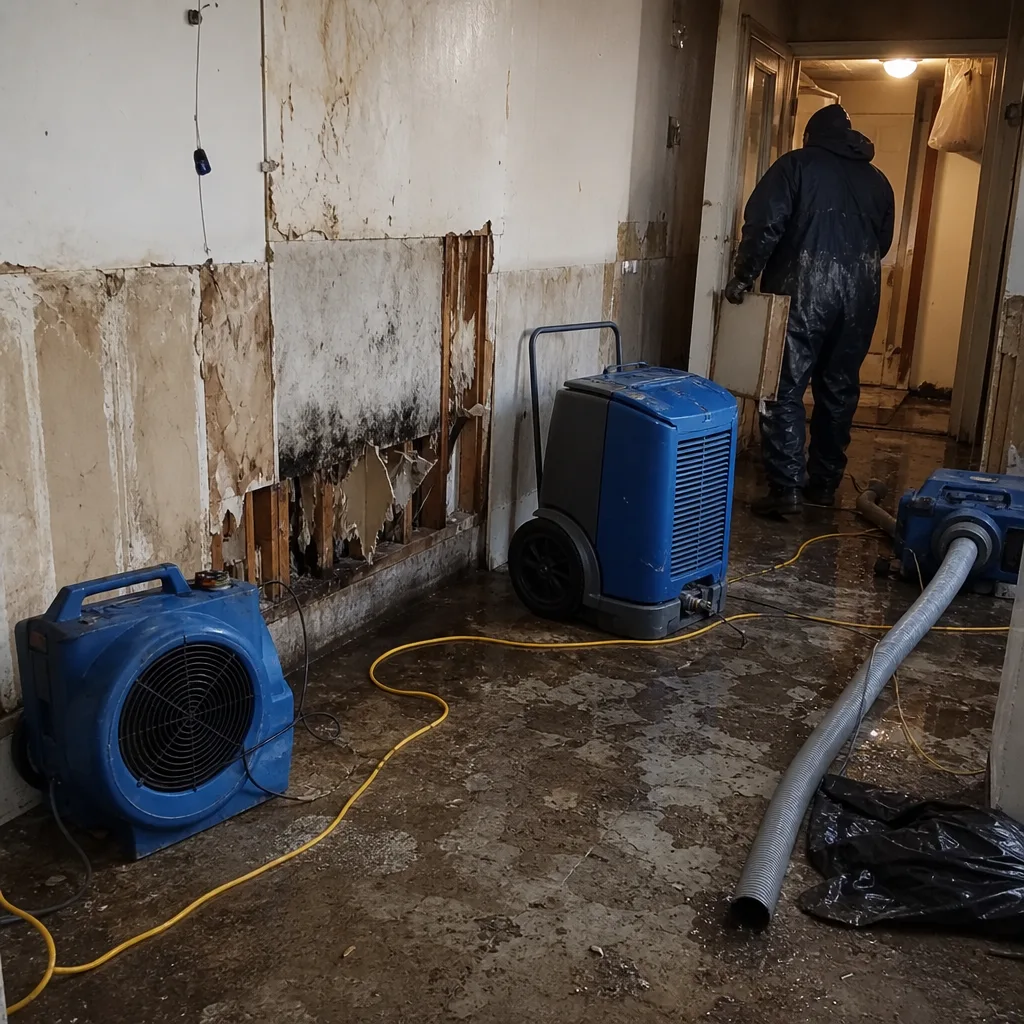 Before
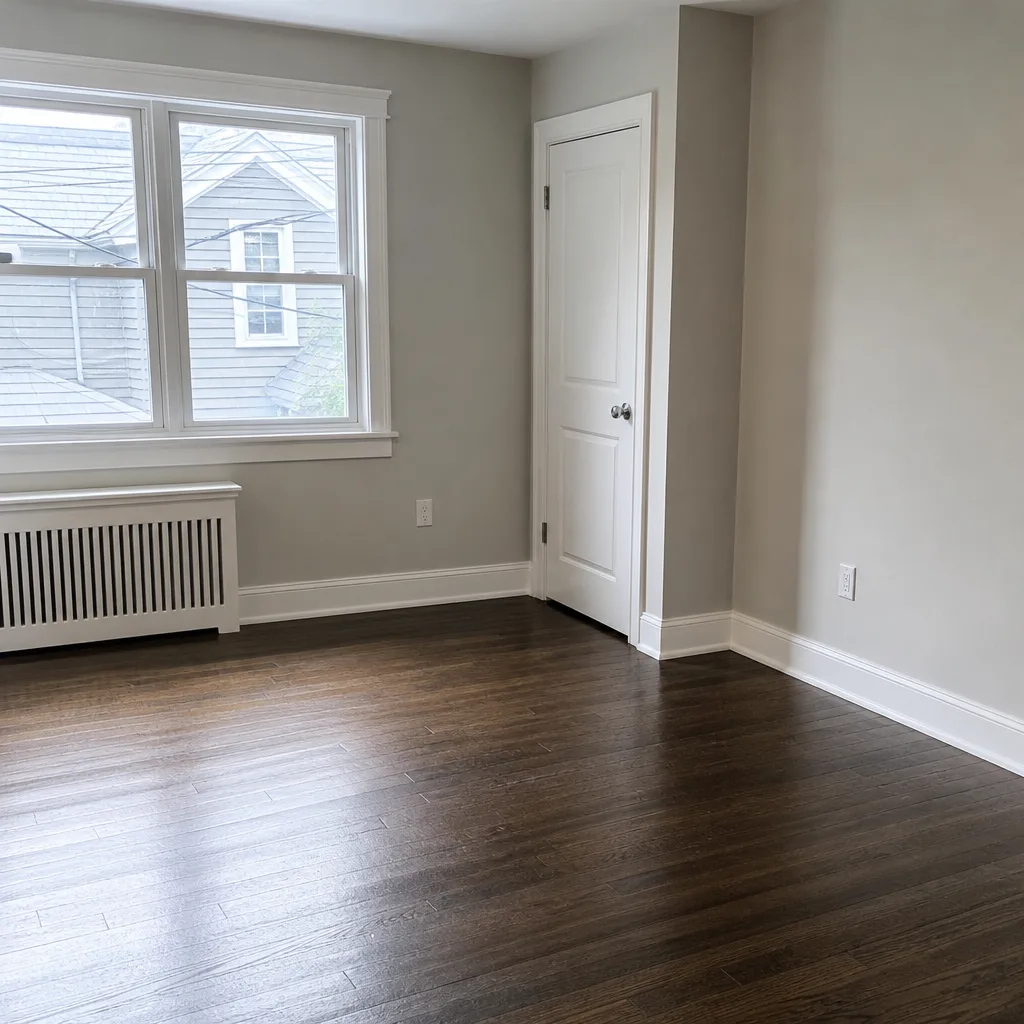 After
After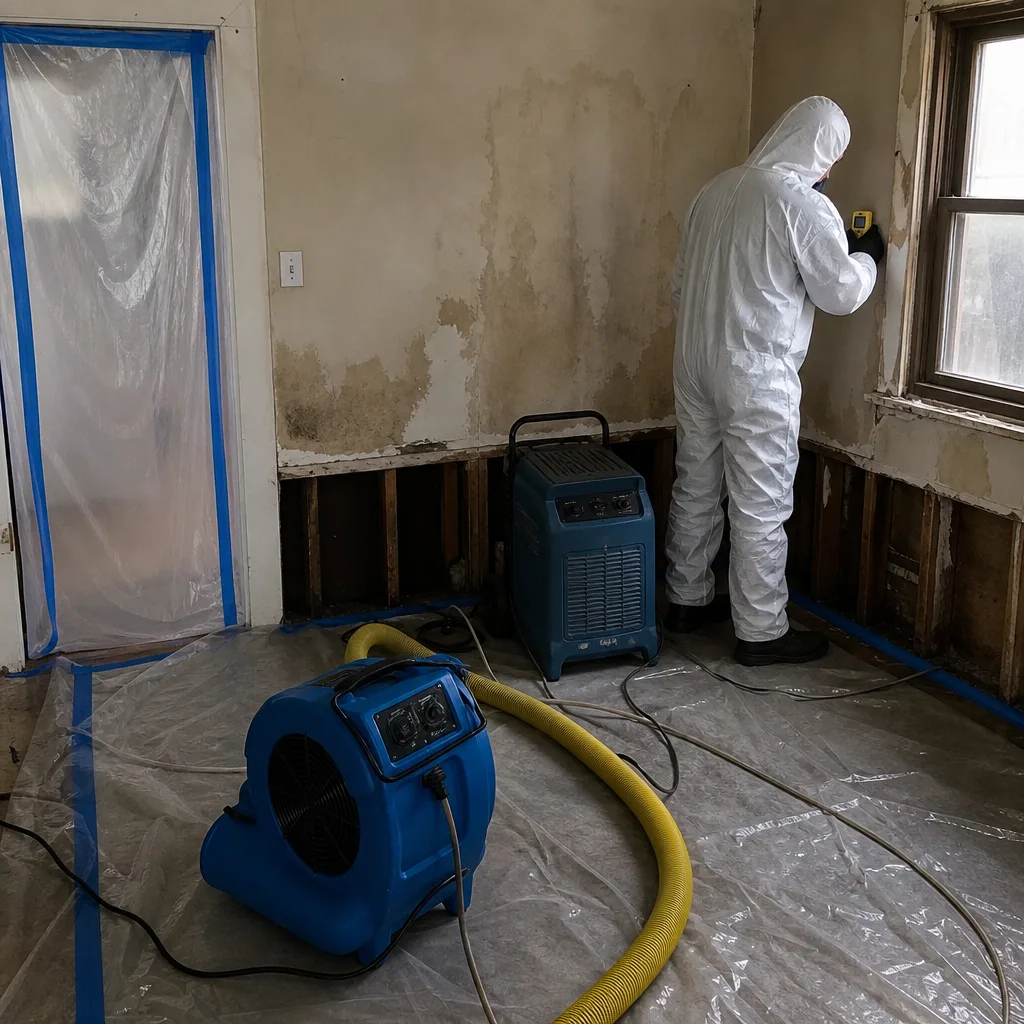 Before
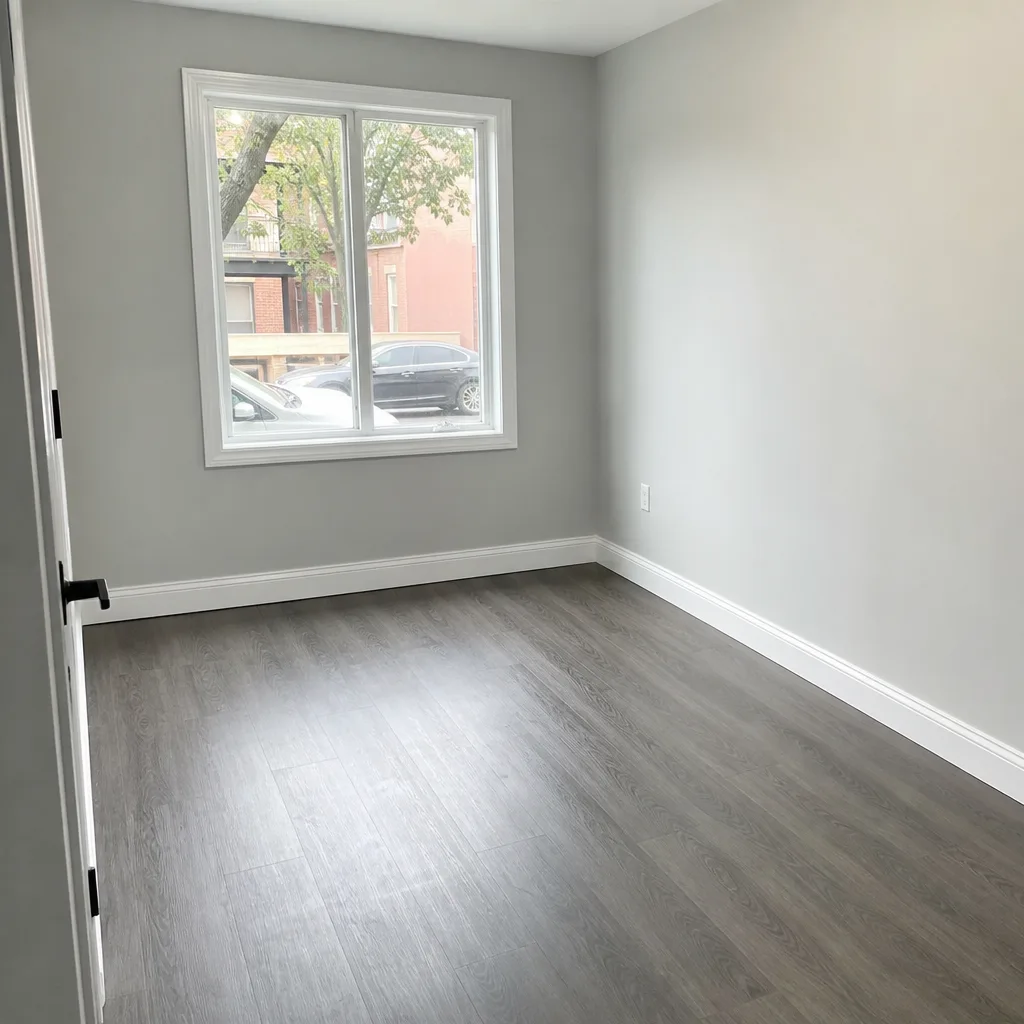 After
After24/7 Emergency Reconstruction & Cleanup in Jamaica
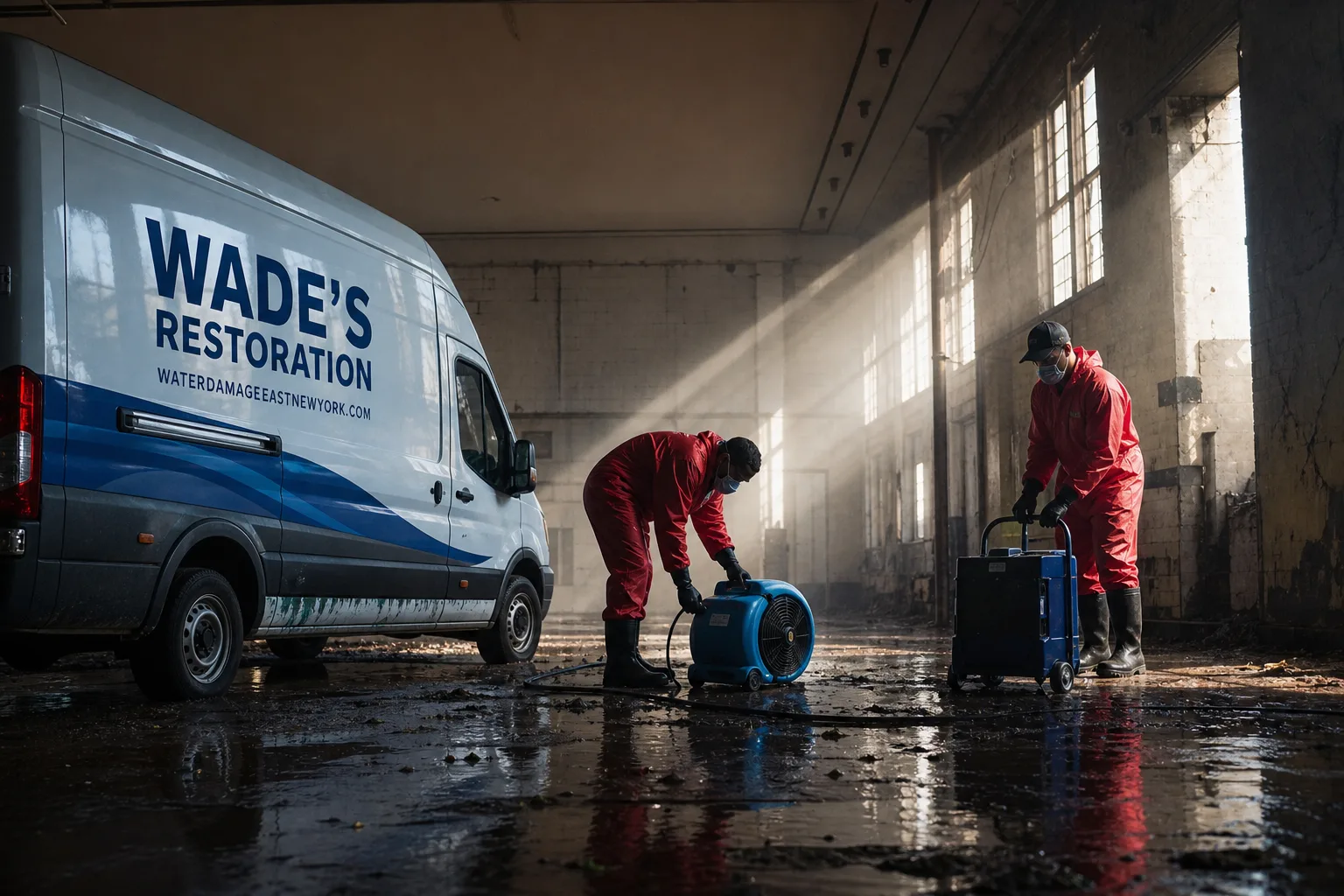
Reconstruction and cleanup after a flood, fire, or sewer backup in Jamaica means getting a crew on-site before contaminated water keeps moving through drywall and into shared masonry walls. We answer live around the clock, and Wade heads out with his team to Jamaica neighborhoods as soon as you call (363) 300-2771. The first hour matters because Jamaica’s row houses are attached: water in your basement doesn’t stay in your basement. It wicks sideways, and every hour it sits, the gut-out gets bigger. We come out for a free visual inspection, take moisture readings right then, and tell you straight what needs to come out and what can be saved.
Understanding Reconstruction & Cleanup Severity in Jamaica Properties
In Jamaica, severity isn’t just about how much water or fire damage you can see. It’s about water category, wall assembly, and building age. A basement flood from a combined sewer backup is Category 3 water, meaning it carries bacteria, raw sewage, and whatever else was in the municipal line. That’s not a drying job. That’s a gut-out, disposal, disinfecting, and rebuild. We see Category 1 and 2 water from supply-line breaks and appliance failures in Jamaica’s 1920s-to-1950s row houses too, but the low-lying topography and combined sewer system push Category 3 to the top of the call log. For fire work, soot behaves differently in older brick homes without modern vapor barriers: smoke migrates through joist bays, follows plumbing chases, and settles into plaster. That’s why we do thermal imaging and moisture mapping on every Jamaica job before anything gets demolished. The house tells you what happened. Our job is to listen before we swing a hammer.
Why Jamaica Property Owners Choose Wade’s Restoration
- 45-minute response commitment. Wade takes the call himself and is on the road to Jamaica within the hour, not the next morning.
- A real person answers, every time. No answering service, no voicemail at 2 a.m. You call, Wade or a member of his crew picks up.
- IICRC-certified crews. Water damage, fire, and mold work is handled by techs with WRT, FSRT, and AMRT certifications. Not trainees learning on your house.
- Free visual inspection. Before any work begins, we walk the property with you, take readings, and give you an honest scope. No charge for that.
- Direct insurance billing. We bill your carrier directly and handle the paperwork. You’re not stuck relaying messages between us and your adjuster.
- One team from extraction to reconstruction. The same crew that tears out the wet drywall is the crew that rebuilds it. No handoffs, no finger-pointing.
Our Reconstruction & Cleanup Process
Inspection & Assessment
We map the full extent of the loss with thermal imaging cameras and hygrometers. On Jamaica row houses, that means checking both sides of shared party walls for lateral moisture migration. We document everything in writing before any work starts.
Extraction / Stabilization
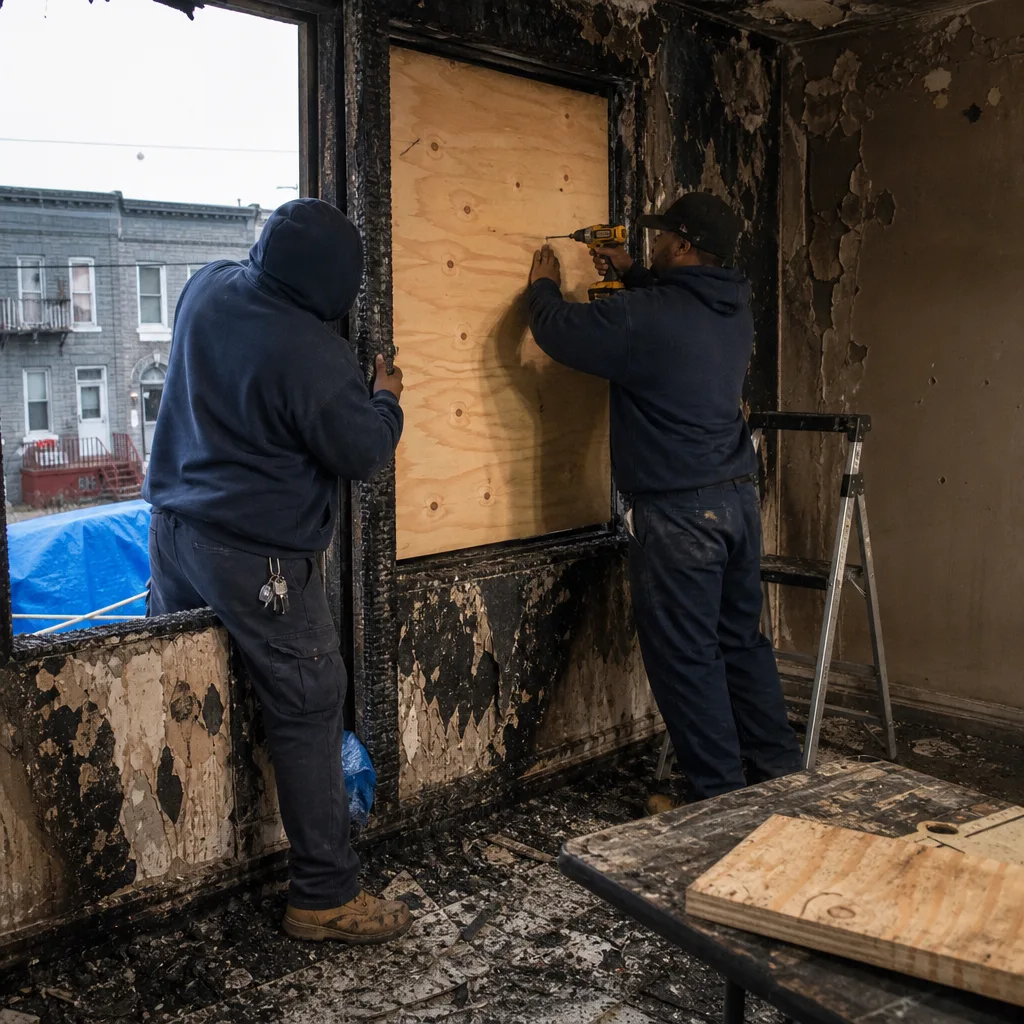
Standing water comes out first, whether it’s Category 1 or Category 3. For sewer backups, we set up containment so airborne contaminants don’t spread through the rest of the house. We also board up, tarp, or secure anything that can’t wait.
Drying & Dehumidification
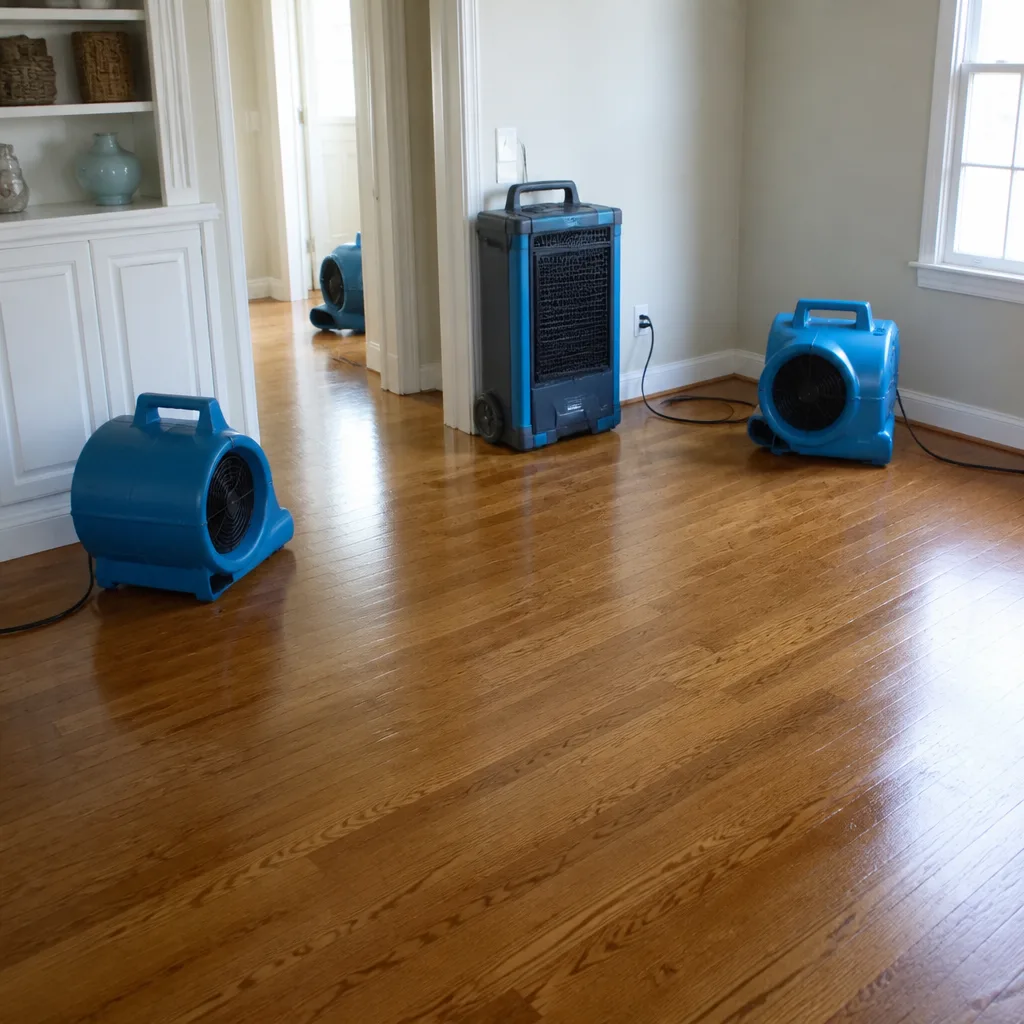
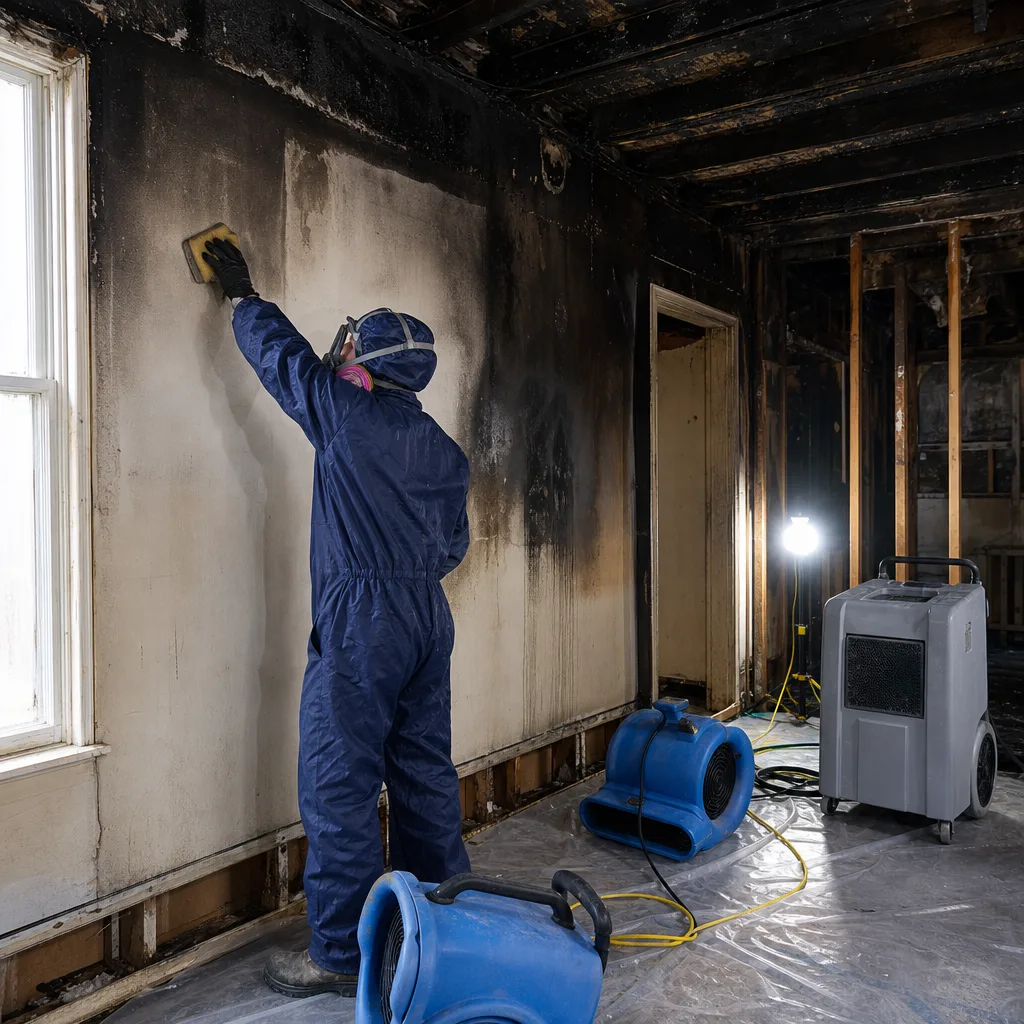
Dri-Eaz air movers and dehumidifiers go in, sized to the cubic footage of the affected rooms. Jamaica’s shallow water table means we often keep equipment running longer than a suburban job would need. We take moisture readings every day and give you the full log when we’re done.
Cleaning & Sanitization
After gut-out, every exposed surface gets cleaned and disinfected. For Category 3 water, that includes antimicrobial treatments on framing and floor joists before any new material covers them. We don’t seal contamination behind new drywall.
Contents Restoration & Pack-Out
Furniture, clothing, documents, and personal items get inventoried, packed out, and restored off-site or in a clean room on-site. For Jamaica basement apartments, that often means coordinating with landlords and tenants on what’s salvageable.
Repairs & Restoration
New drywall, flooring, trim, paint. We rebuild to code, which in Jamaica means addressing egress, drainage, and HPD-triggering conditions on informal basement conversions. The job isn’t done until you walk through and sign off.
Need Emergency Reconstruction & Cleanup in Jamaica Now?
Crews minutes away, answering live 24 hours a day. The sooner we start, the less it costs.
Working With Your Insurance Company
Insurance claims in Jamaica involve layers most suburban adjusters never deal with: flood zone designations, basement apartment coverage exclusions, and shared-wall liability with attached neighbors. That’s why our documentation starts the first hour, not after the fact. We photograph every room, log moisture readings daily, and write a line-item scope of work that matches the language your carrier expects. Wade talks to your adjuster directly. You shouldn’t have to be the middleman explaining why a Category 3 sewer backup requires gut-out instead of drying. If your neighbor’s flood wicked into your wall, we document that too, so your carrier has a clear picture of originating cause.
What We Provide Your Insurer
- Thorough documentation of the loss
- Photos of all damage, room by room
- Moisture readings and drying logs
- A detailed, line-item scope of work
- Direct coordination with your carrier
Built for Jamaica’s Loss Calendar
Jamaica doesn’t have a quiet season. January and February bring deep freezes that burst supply lines in unheated basements and crawlspaces, especially in older brick homes where insulation was never adequate. March and April thaw saturates ground that’s already high-water-table, so basement seepage through foundation cracks becomes a daily call. Summer thunderstorms dump two inches in an hour, and Jamaica’s combined sewers can’t keep up, sending Category 3 water back up through floor drains. Then comes nor’easter season: storm surge from Jamaica Bay, street flooding on low-lying blocks near the LIRR corridor, and the same basement apartments that flooded before flooding again. The local loss pattern is heavy on water, heavy on sewage, and heavy on repeat calls to the same blocks around Sutphin Boulevard, Hillside Avenue, and the South Jamaica streets below Liberty Avenue.
Reconstruction & Cleanup Across Jamaica’s Neighborhoods
South Jamaica, the blocks down toward Baisley Pond, sees chronic basement flooding every time the water table rises because the ground itself was marsh before it was mapped into streets. We respond to these calls knowing we’ll likely find groundwater pushing up through the slab, not just water coming in through a single point. Around Sutphin Boulevard and the Jamaica Center transit hub, commercial buildings and mixed-use walk-ups have narrow stairwells and limited equipment access, so our crews stage compact equipment and work in tight clearances. The residential blocks of Brinkerhoff, Liverpool, and Manchester Avenues run dense with attached semi-detached brick homes where a neighbor’s flood becomes yours through the shared wall. And near Rufus King Park and the Hillside Avenue corridor, the homes skew older, with plaster walls, original hardwood floors, and basement layouts that were never designed for modern drainage. Each pocket of Jamaica has its own failure mode. We’ve worked them all enough to know what we’re walking into before we even open the door.
The marshland history is the core of it. Jamaica sits in the shadow of Jamaica Bay, on ground that’s still close to the water table. Superstorm Sandy proved what old-timers already knew: this neighborhood floods. The combined sewer system means when the pipes back up, it’s not clean water coming up through those drains. That’s why reconstruction here so often means full basement gut-outs, not patch-and-dry jobs. A national franchise that mostly works suburban single-family homes doesn’t see that pattern on their call logs. We do, because Wade’s Restoration answers calls from 11432, 11433, 11434, and 11435 all year, every year.
Specialized Reconstruction & Cleanup Services We Offer in Jamaica
Full-Service Reconstruction
We rebuild what water, fire, or sewage took out. In Jamaica, that’s typically basement apartments, first-floor kitchens, and the shared-wall assemblies between attached homes. We frame, hang drywall, lay flooring, and finish trim. If HPD involvement or stop-work orders complicate the project because of an informal conversion, we’ve navigated that before and can work with you on the sequence.
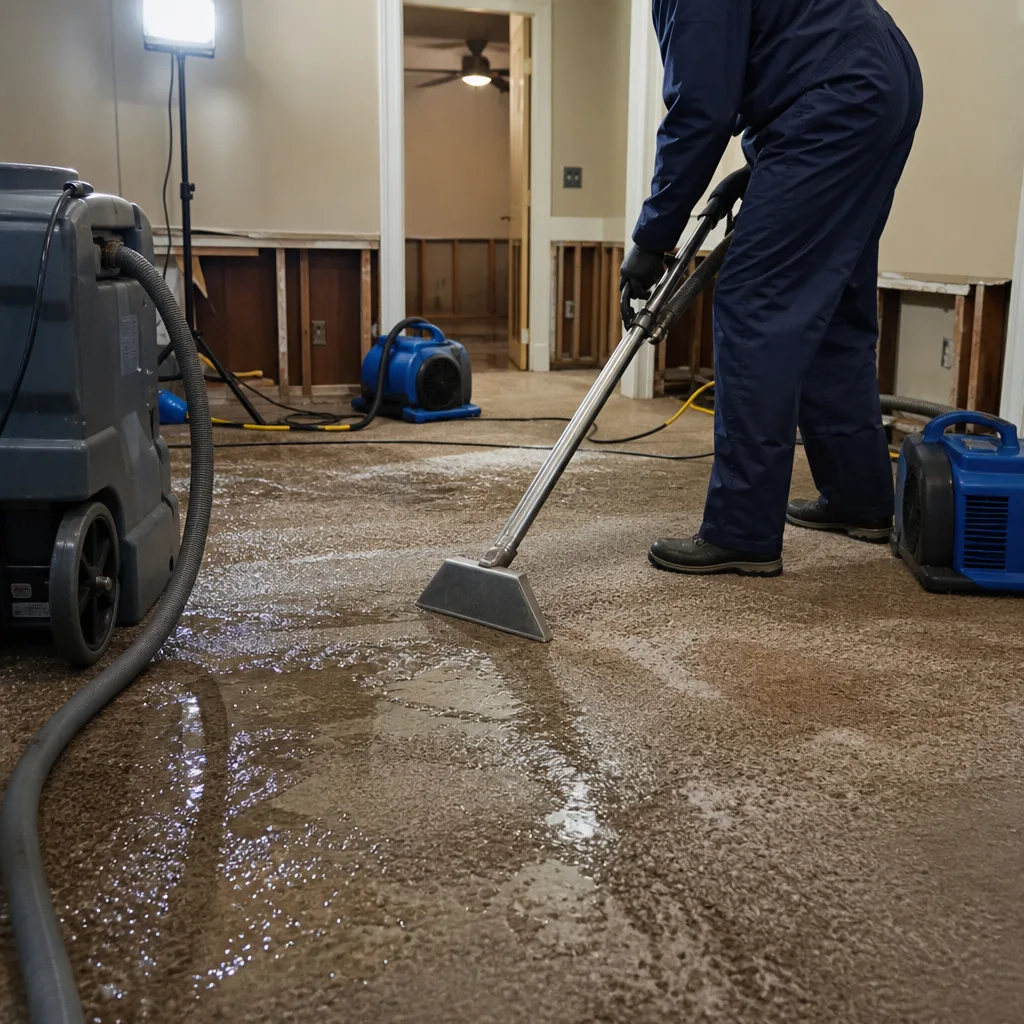
Drywall & Flooring Repair
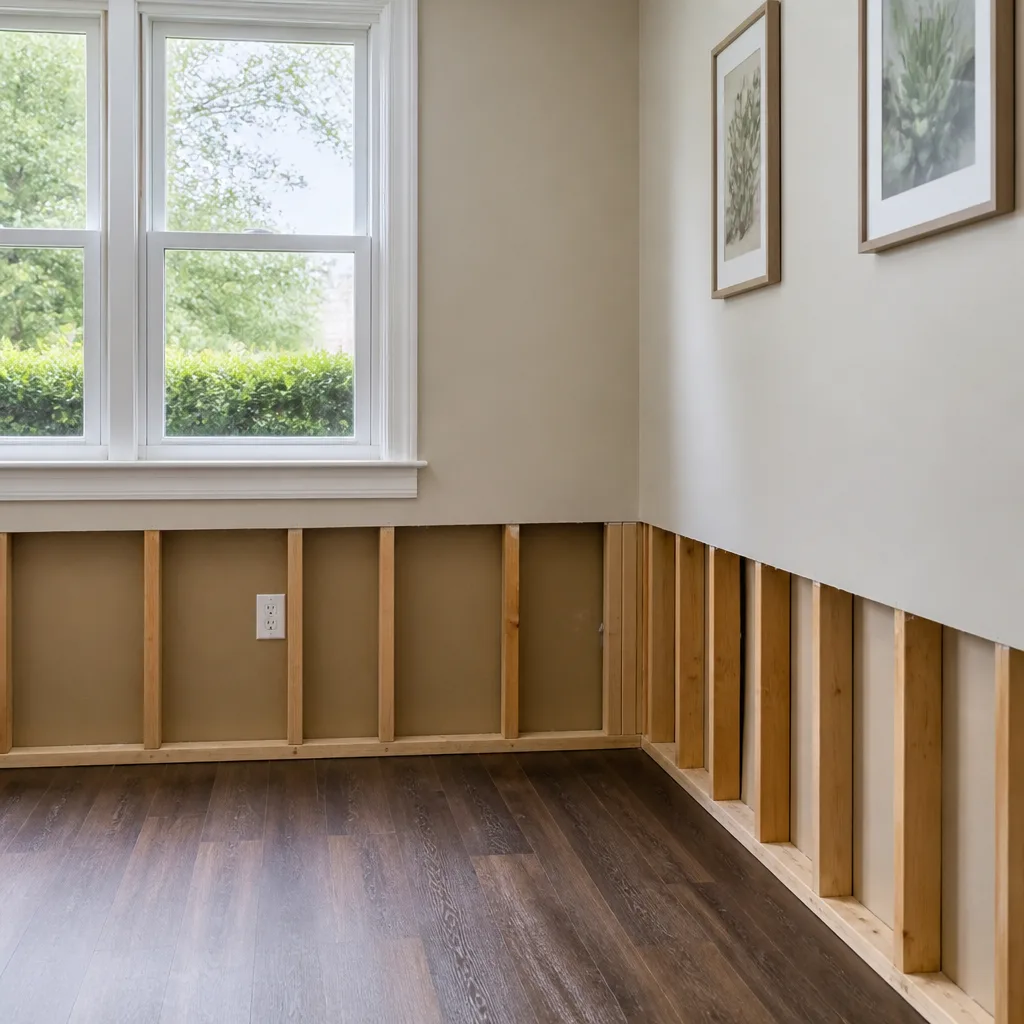
Sewer water soaks drywall from the baseboard up, and once it wicks, it’s not salvageable. We cut out the wet material, treat the studs behind it, and replace with new board. For Jamaica’s older homes, that often means matching plaster thickness or transitioning from old flooring to new in a way that doesn’t look like a patch. We’re picky about that.
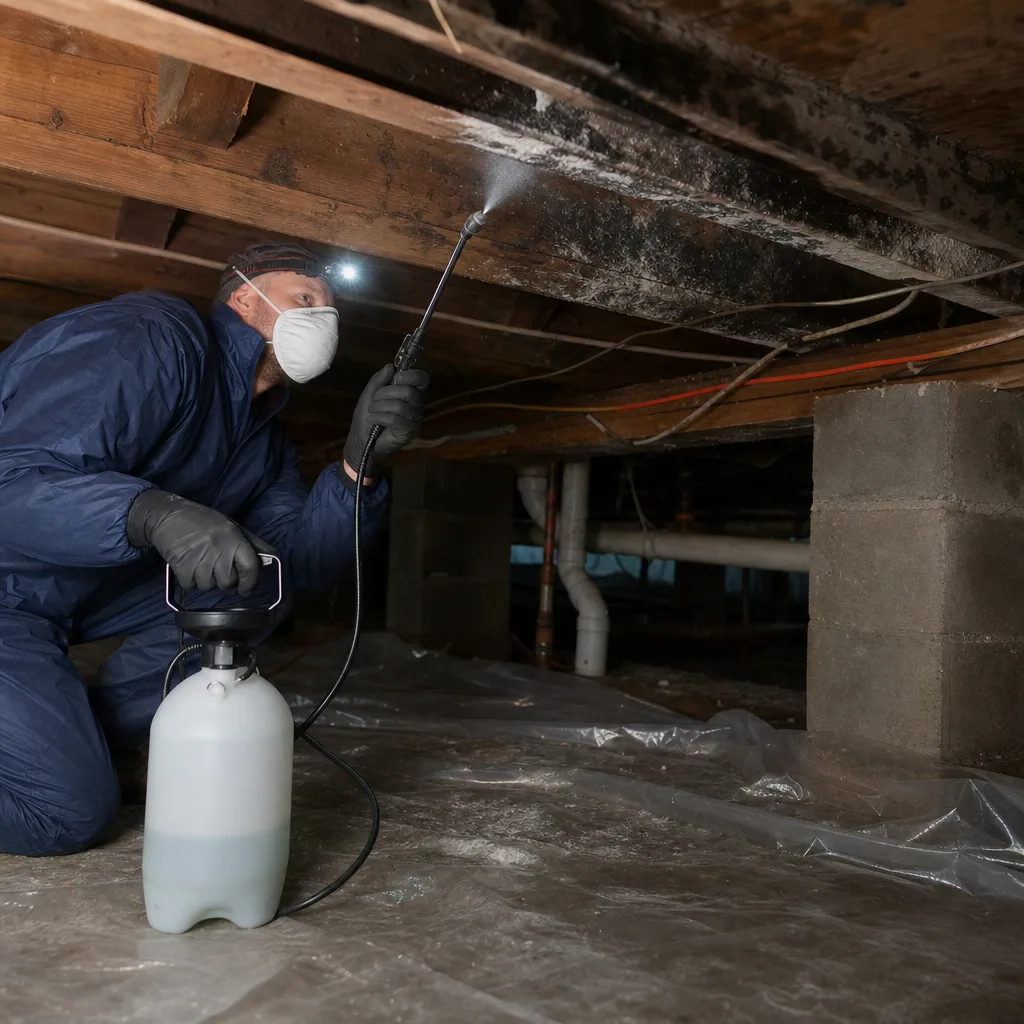
Contents Restoration & Pack-Out
Basement apartments in Jamaica hold people’s entire lives. When a below-grade unit floods, we inventory and pack out contents, clean what can be cleaned, and document what can’t. We keep landlords and tenants both in the loop, because displacement happens fast and everyone needs to know what’s happening with their property.
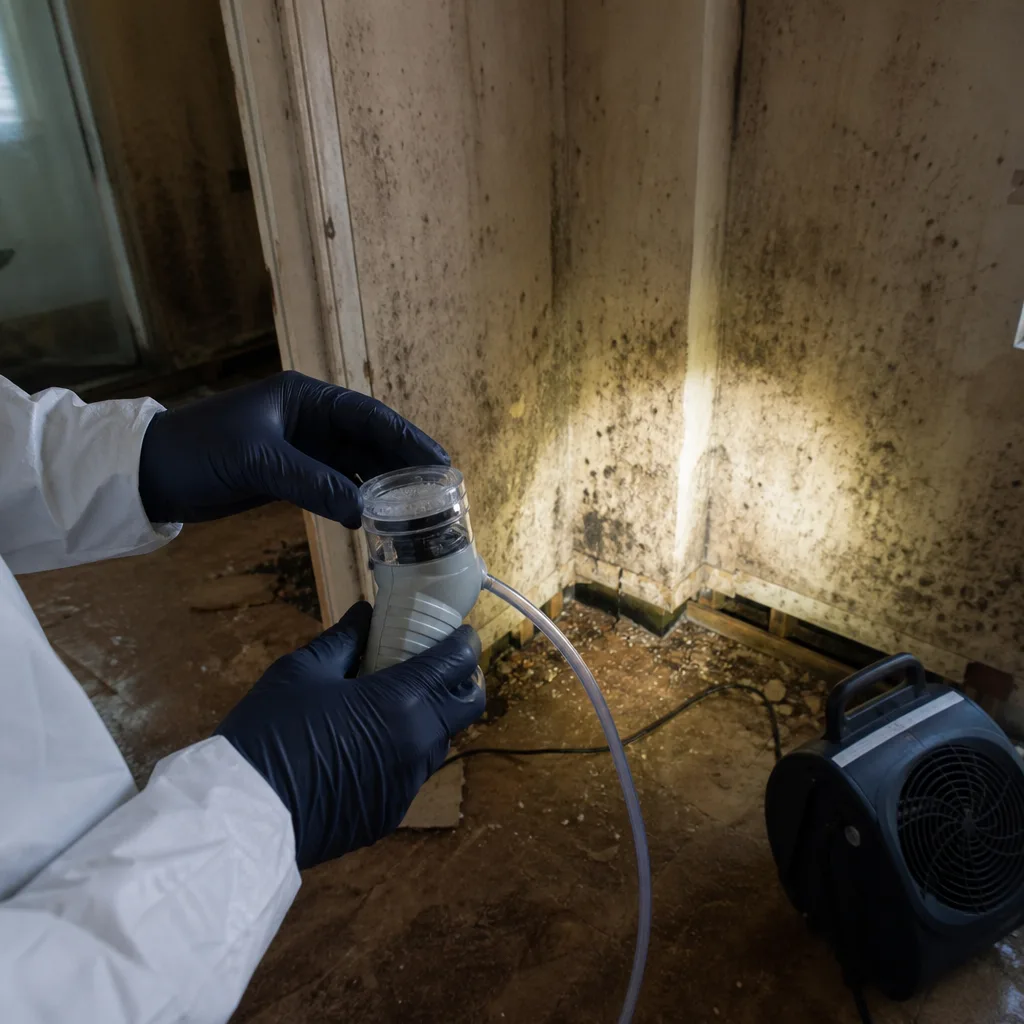
Carpet & Upholstery Cleaning
After a Category 1 water loss or a minor fire with light smoke, full replacement isn’t always necessary. We clean and deodorize carpet and upholstery on-site using professional-grade equipment. For Category 3 water, carpet goes out. We won’t clean what should be thrown away, and we’ll tell you straight which one you’ve got.
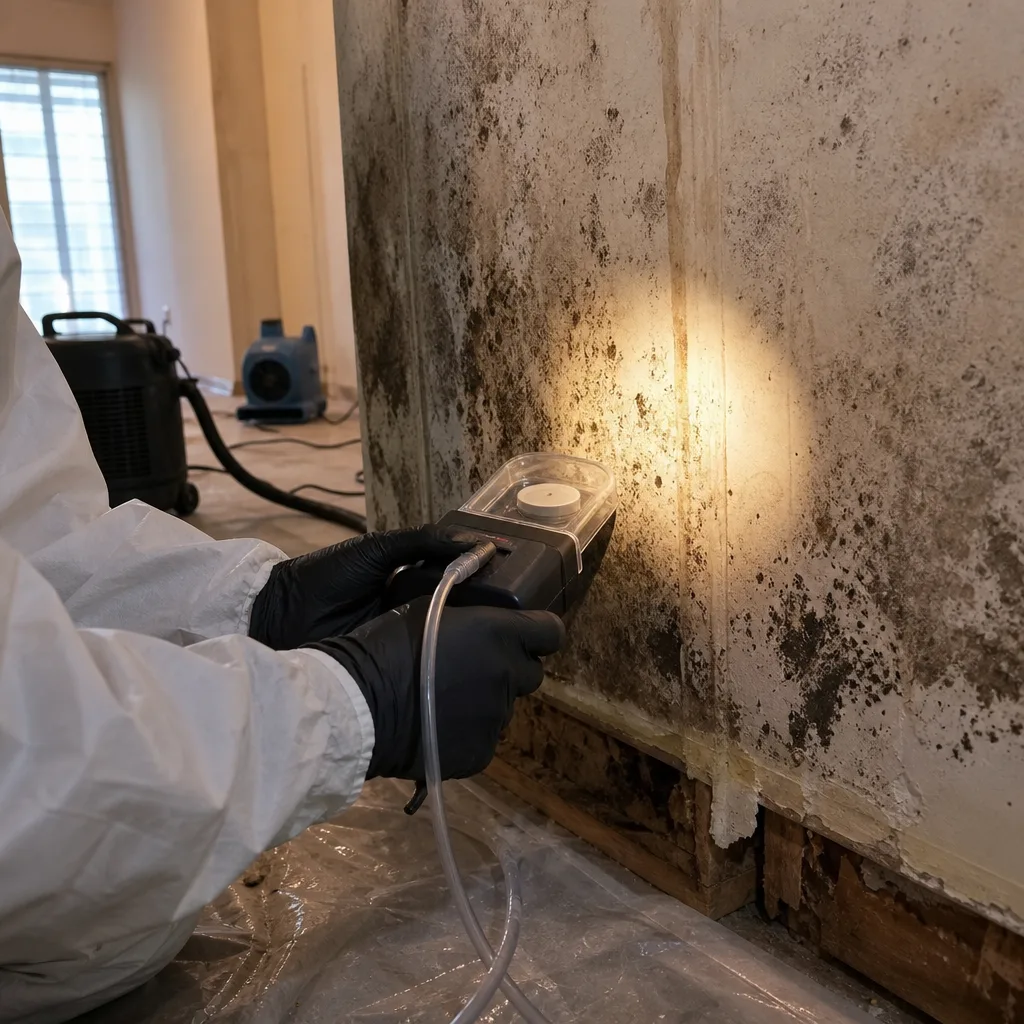
Post-Construction Cleanup
When the rebuild is done, the dust isn’t. We do the final clean: HEPA vacuuming, surface wiping, air scrubbing to pull construction dust out of the air. You move back into a home that’s ready, not one that needs another week of wiping down every surface.
Insurance Claim Documentation
This is where Wade’s approach differs from most. We write a scope in the language adjusters use, photograph everything before, during, and after, and keep daily logs that go to your carrier directly. For Jamaica row house losses with shared-wall questions or informal basement apartment issues, that documentation is often the difference between a paid claim and a denied one.
What happens when you call
- 1
A real person answersNo phone trees - you reach a local pro.
- 2
You get an upfront price rangeHonest numbers before anyone is dispatched.
- 3
A background-checked tech heads outLicensed & insured, dispatched right away.
- 4
You approve before work beginsNothing starts until you say go.
Reconstruction & Cleanup Costs in Jamaica, NY
You can’t get a real number without a real inspection, but here are Jamaica market ranges so you’re not walking in blind. A Category 1 water cleanup and drying job in a small basement typically runs $1,800 to $3,200. Category 3 sewer backups with gut-out and disinfection run $5,000 to $12,000 depending on square footage and whether the contamination got into wall cavities. Full basement reconstruction after a flood, including drywall, flooring, and trim, typically lands between $15,000 and $35,000 in Jamaica’s attached housing stock. Contents pack-out and restoration adds $1,500 to $6,000 depending on volume. Fire damage reconstruction spans wider, but most Jamaica row house fires we rebuild fall in the $20,000 to $60,000 range. Insurance covers most of these when the cause is covered and the documentation is solid. That’s why our Reconstruction & Cleanup team puts so much effort into the claim file from hour one. Call (363) 300-2771 for a free visual inspection and a written scope. You’ll know the number before you commit to anything.
We Also Serve Cities Near Jamaica
We take calls from all over Southeast Queens. If you’re in Jamaica proper or just outside, we cover Howard Beach, Ozone Park, Woodhaven, and South Ozone Park. The same crew, the same 45-minute response commitment, the same direct insurance billing. Call and find out.
Serving Jamaica, NY - Our Local Coverage Area
We’re based in the Jamaica area and know this community well. Use the map below to see our service coverage - if you’re nearby, we can almost certainly help.
Jamaica Reconstruction & Cleanup Questions, Answered
My Jamaica row house basement flooded from a sewer backup - how do I know if it’s Category 3 water and what does that mean for reconstruction?
If the water came up through a floor drain or toilet after heavy rain, it’s almost certainly Category 3. That means sewage, bacteria, and pathogens are in the water. Reconstruction requires full gut-out of soaked drywall and flooring, disinfection of framing, and replacement with new materials. You can’t dry Category 3 water and call it done; the contamination stays. Call us and we’ll confirm what you’re dealing with before anything gets torn out.
Water is wicking through the shared brick wall from my neighbor’s flood - can you stop it and do I need to involve my neighbor?
Yes, we stop it by removing wet material on your side, treating the shared wall cavity, and setting up drying equipment. But your neighbor needs to address their side too, or the moisture keeps coming back. We document the originating cause for insurance purposes, and Wade can talk to both carriers if needed. You don’t have to be the one negotiating with your neighbor about walls. Call (363) 300-2771.
My basement apartment flooded and I rent it out - will the city get involved because it’s an informal conversion?
Possibly. If the unit has no proper egress, no legal ceiling height, or unpermitted plumbing, an HPD inspection triggered by the flood or by tenant complaints can lead to stop-work orders or vacate orders. We’ve worked on many Jamaica basement units and know how to sequence the reconstruction so the tenants are safe, the city’s concerns are addressed, and the work keeps moving. The earlier you call, the more options you have.
How fast do I need to start reconstruction after a flood in Jamaica before mold becomes a problem?
Mold starts in 24 to 48 hours on wet drywall and organic materials, especially in Jamaica’s humid summers and shallow-water-table basements. Extraction and drying should start the same day. If water sat overnight, expect gut-out of the lower wall sections. The longer you wait, the more material goes. Call us right away: (363) 300-2771.
I live in a FEMA AE flood zone in Jamaica - will my insurance cover full reconstruction after a sewer backup?
Standard homeowners policies cover sewer backup only if you carry a sewer or water backup endorsement. Without flood insurance, storm surge water itself is not covered. But a combined sewer backup that happens during a rain event may be covered under the backup endorsement, depending on your policy language. Wade will review your policy with you and document the cause so your claim is filed correctly. We also do direct adjuster coordination so you’re not stuck translating policy language alone.
How quickly can you actually get to my Jamaica property?
If you’re in Jamaica, we’re typically on-site within 45 minutes of your call. Wade answers the phone himself and heads out. For sewer backups and standing water, every hour matters, so we prioritize getting equipment running. The call is free. (363) 300-2771.
Do I need full reconstruction or just a cleaning after minor water damage?
If the water came from a clean source, like a supply line, and was extracted within hours, you may only need drying and sanitizing. If the water came from the sewer, sat overnight, or wicked into the baseboards and drywall, you need reconstruction. We’ll take moisture readings and tell you honestly which one you’ve got. If you can get away with cleaning, we’ll tell you that too.
What certifications do your crews hold?
Wade’s Restoration is IICRC-certified with technicians holding WRT, FSRT, and AMRT certifications. We’re RIA-affiliated and IFA-recognized. The equipment we run is Dri-Eaz, Phoenix, and XPOWER. The certifications matter because Category 3 water and structural fire damage require protocol, not guesswork.
Written by Wade Ferris, owner at Wade’s Restoration. Wade answers his own phone, shows up on his own jobs, and has been doing restoration work since 2007.