
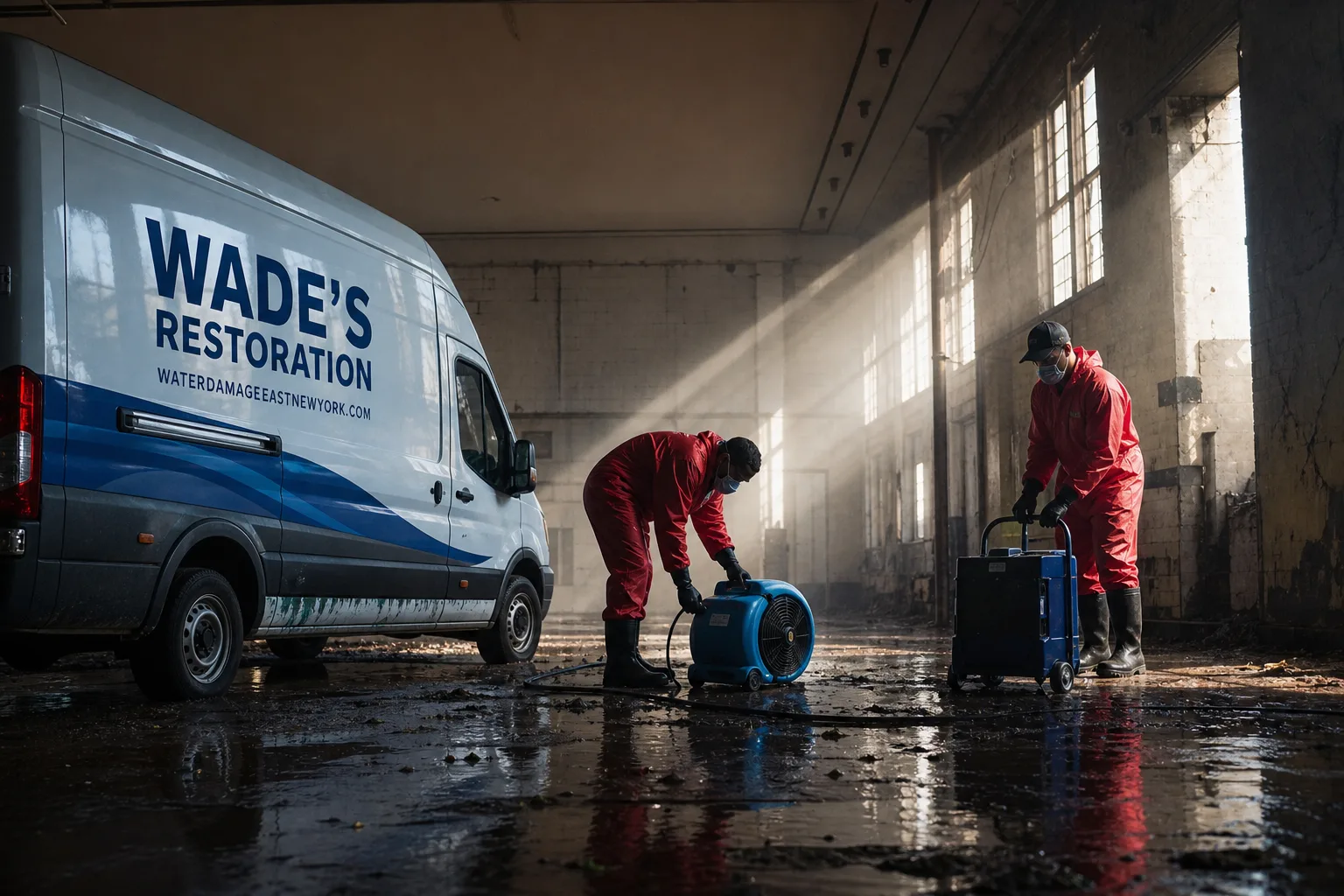
Free visual inspection and a written scope of work before any mitigation begins - photos, moisture readings, and drying logs go in your claim file
The scope we write is the scope we bill. Anything new gets shown to you, in writing, before we touch it.
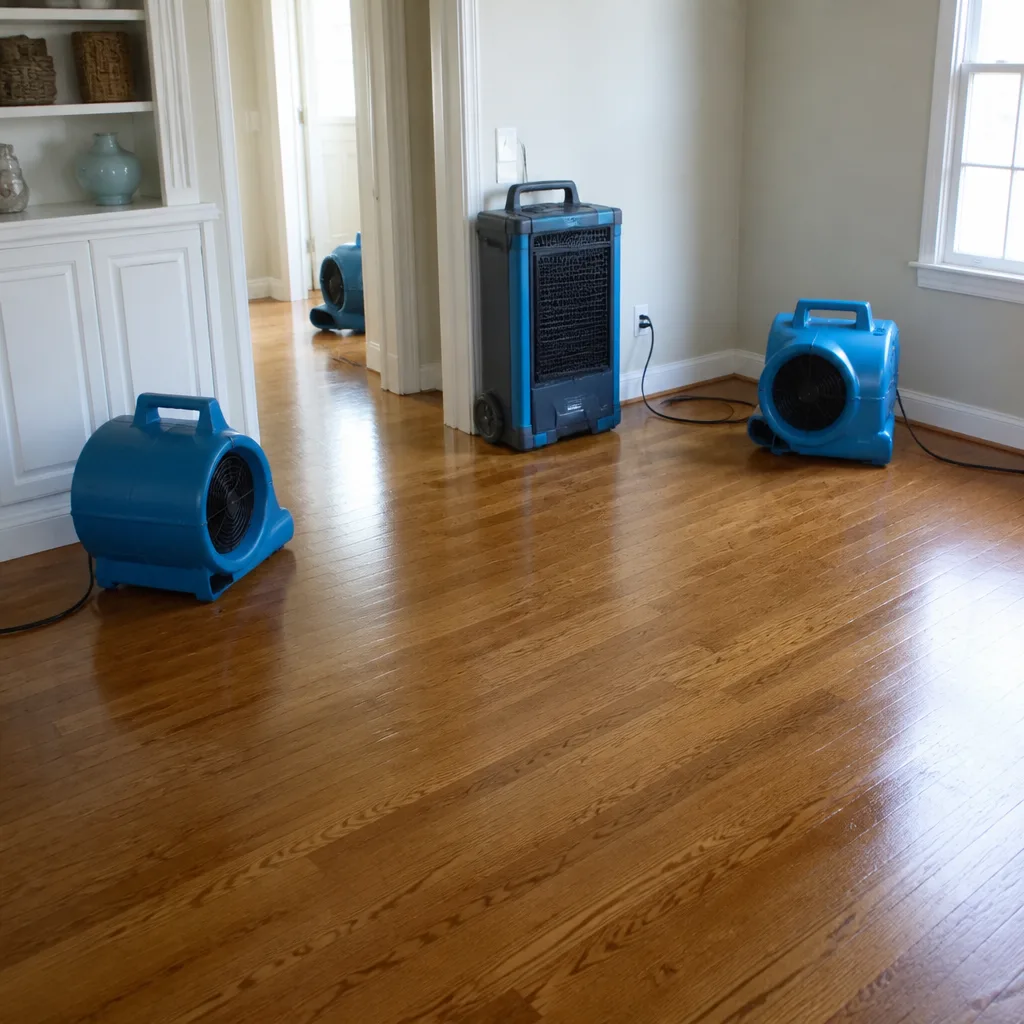
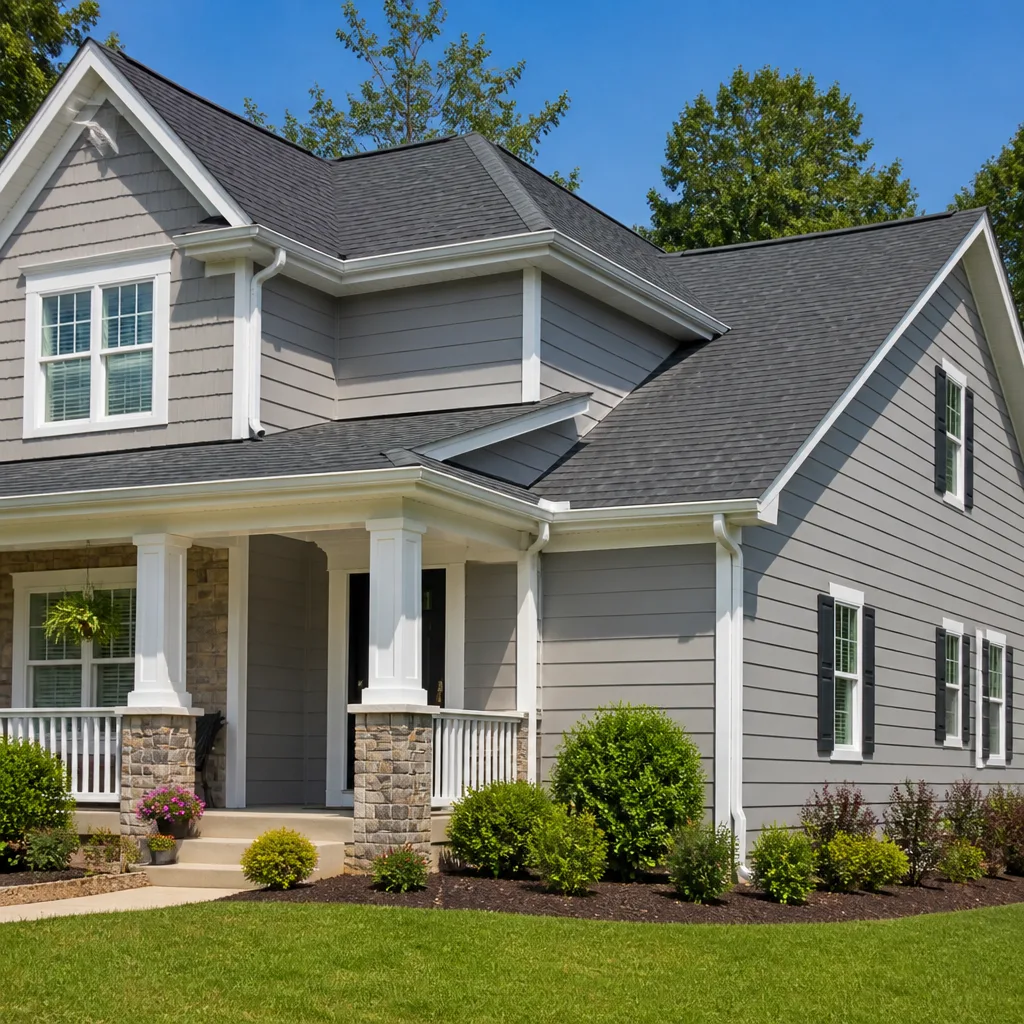
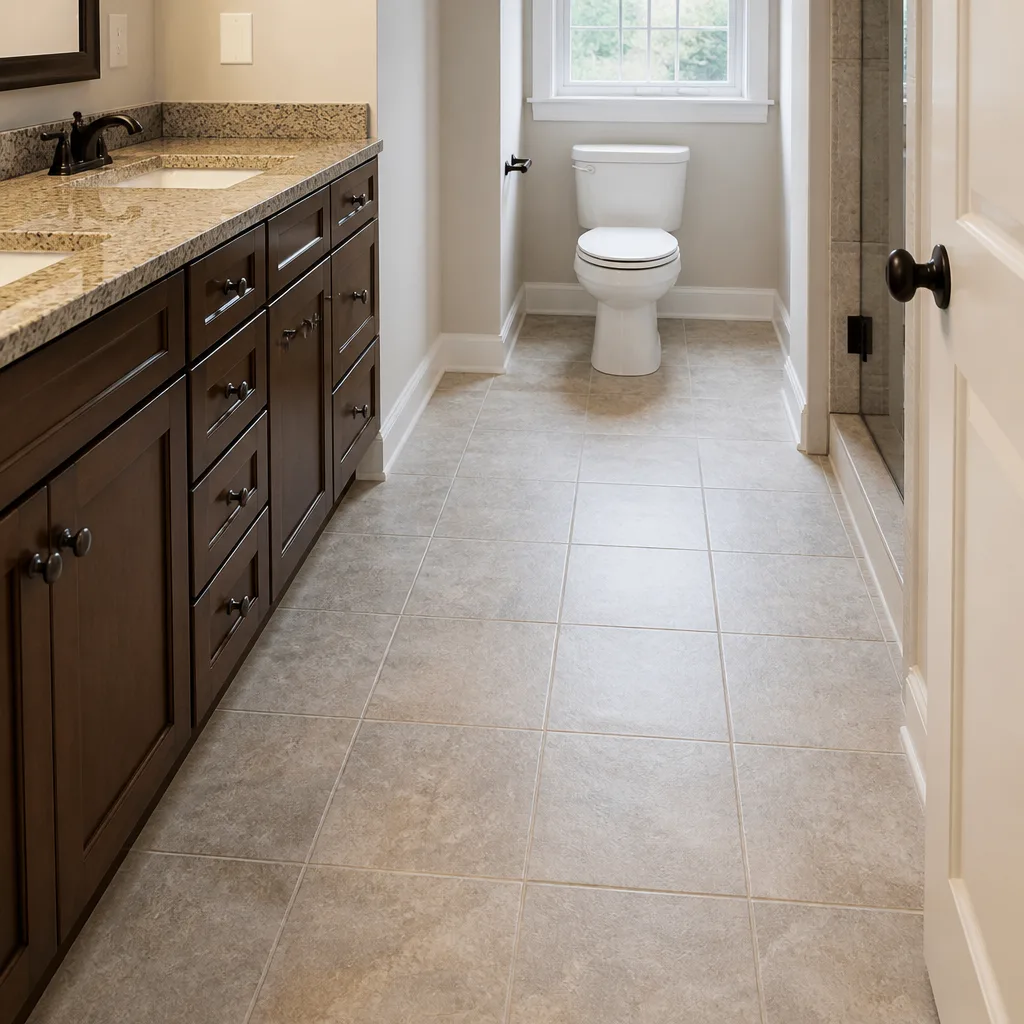
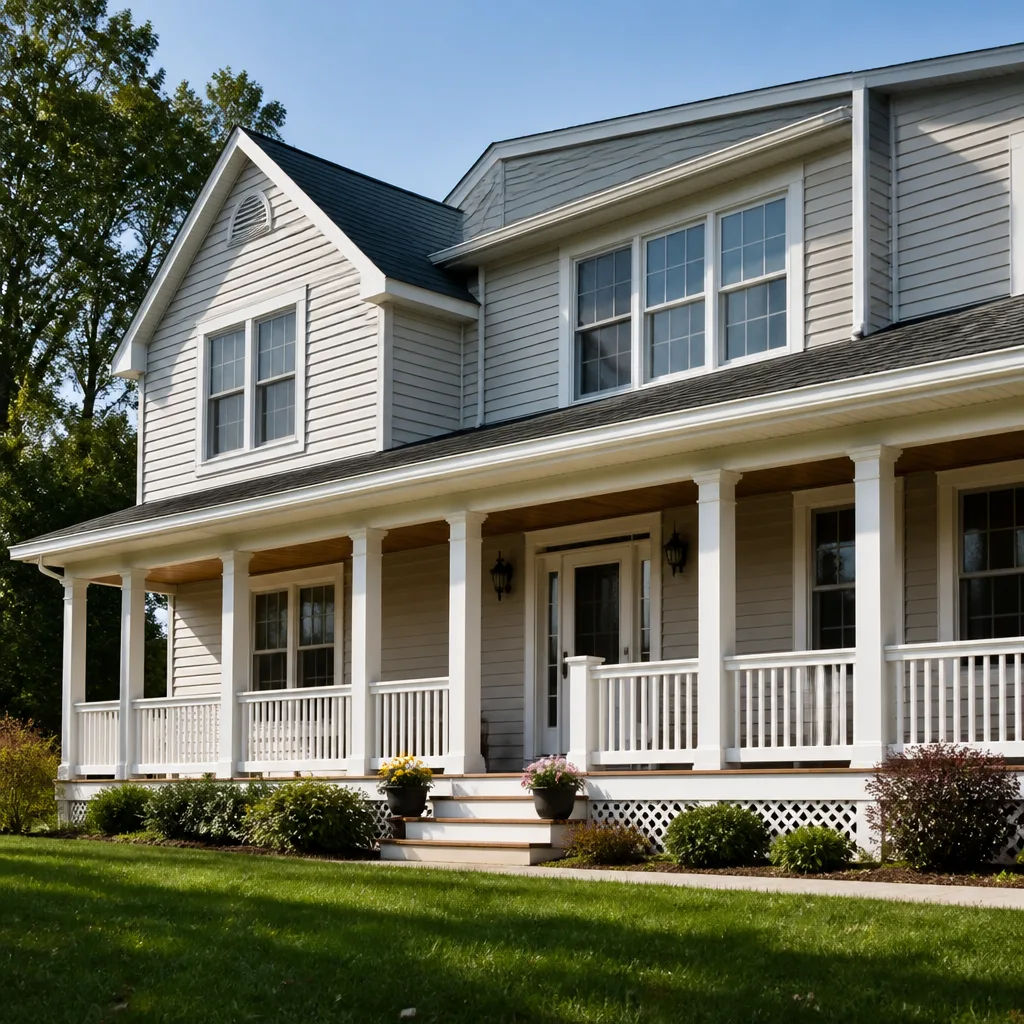
 Before
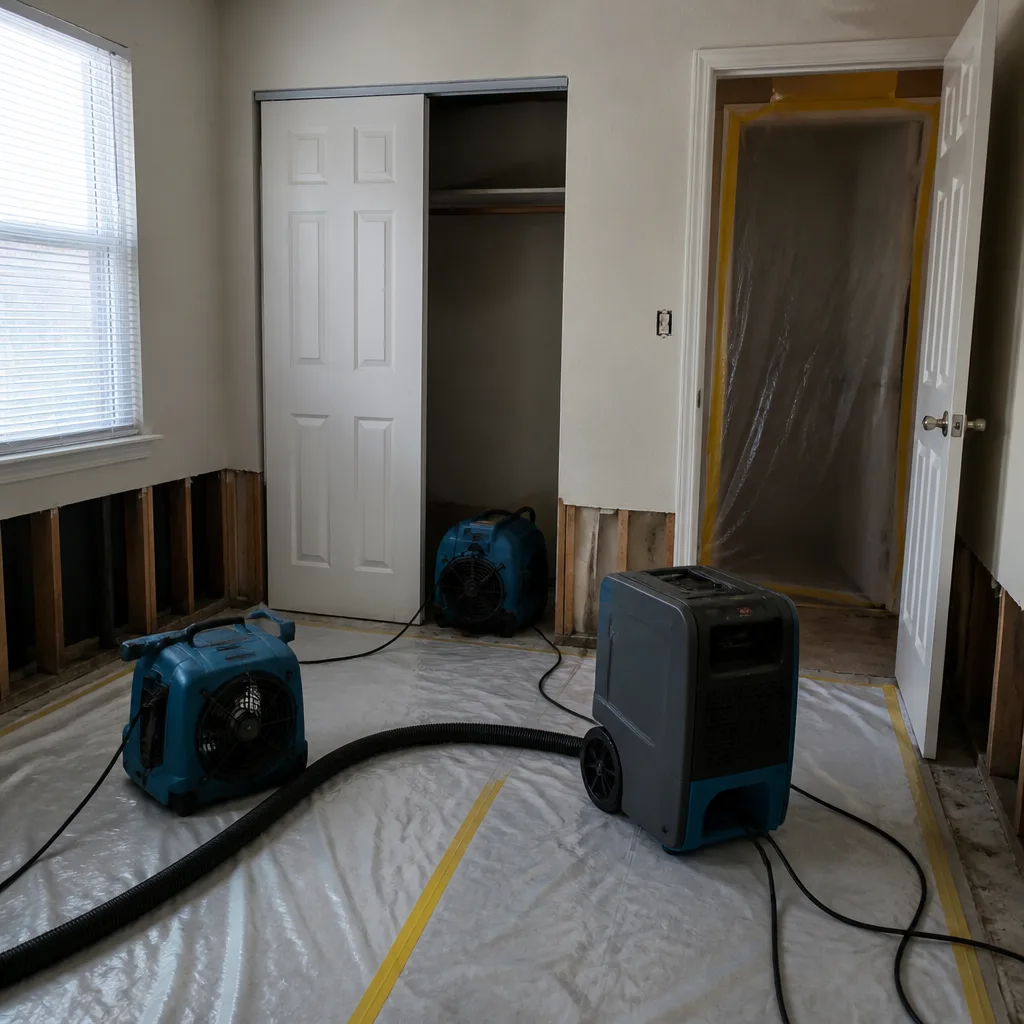 After
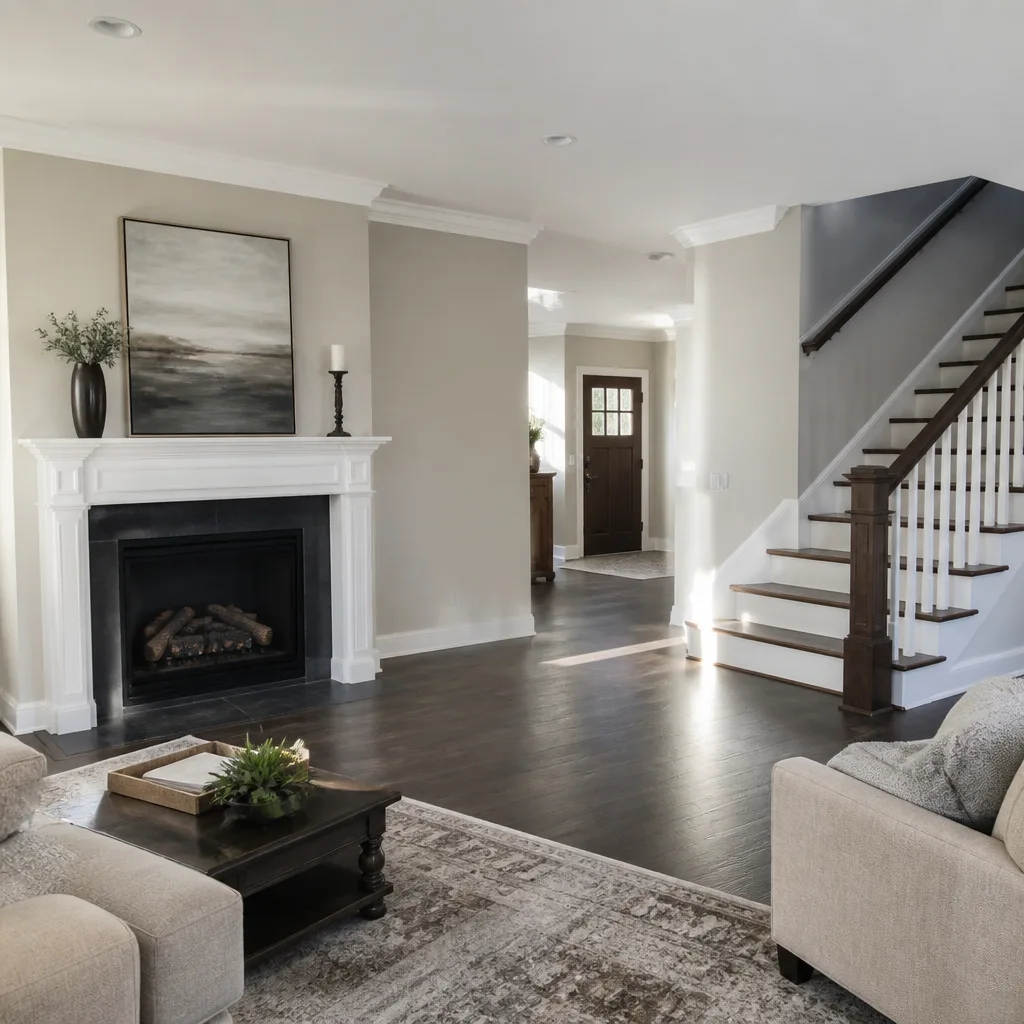
After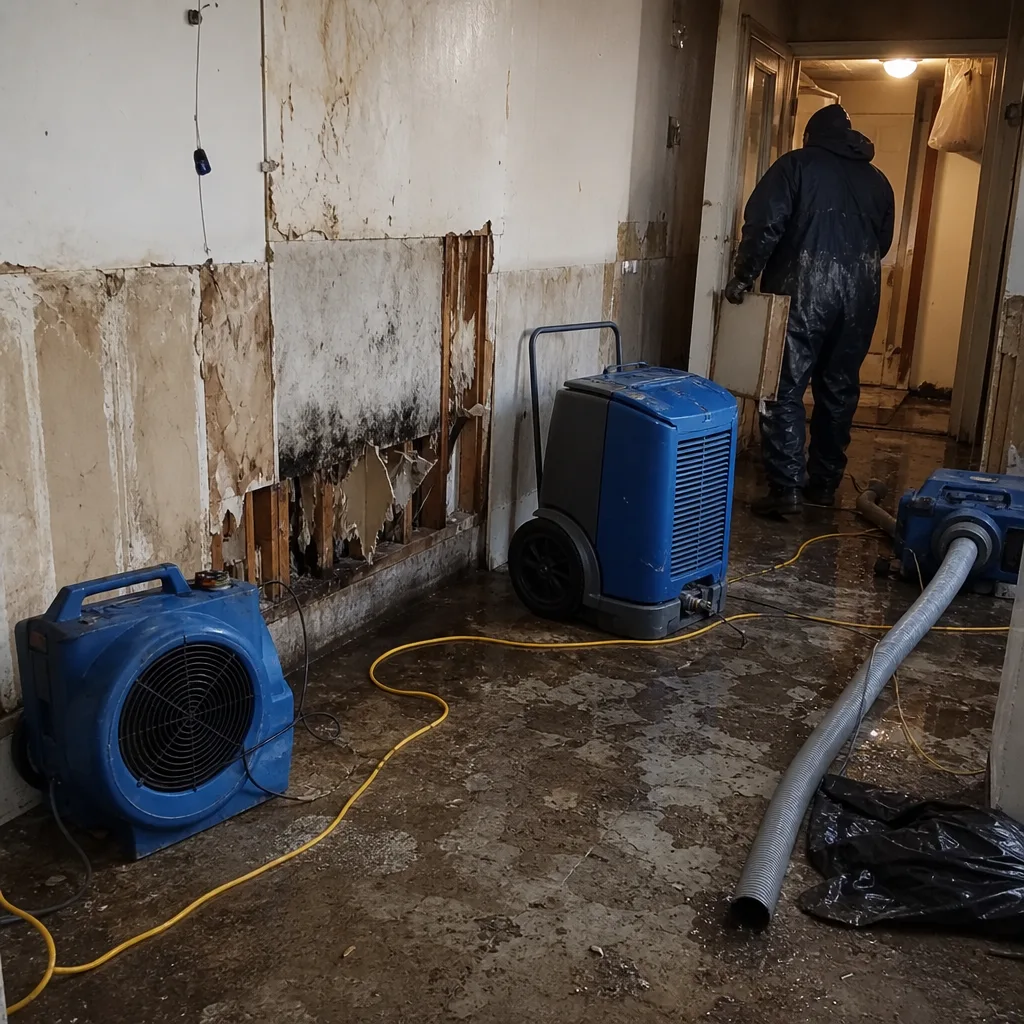 Before
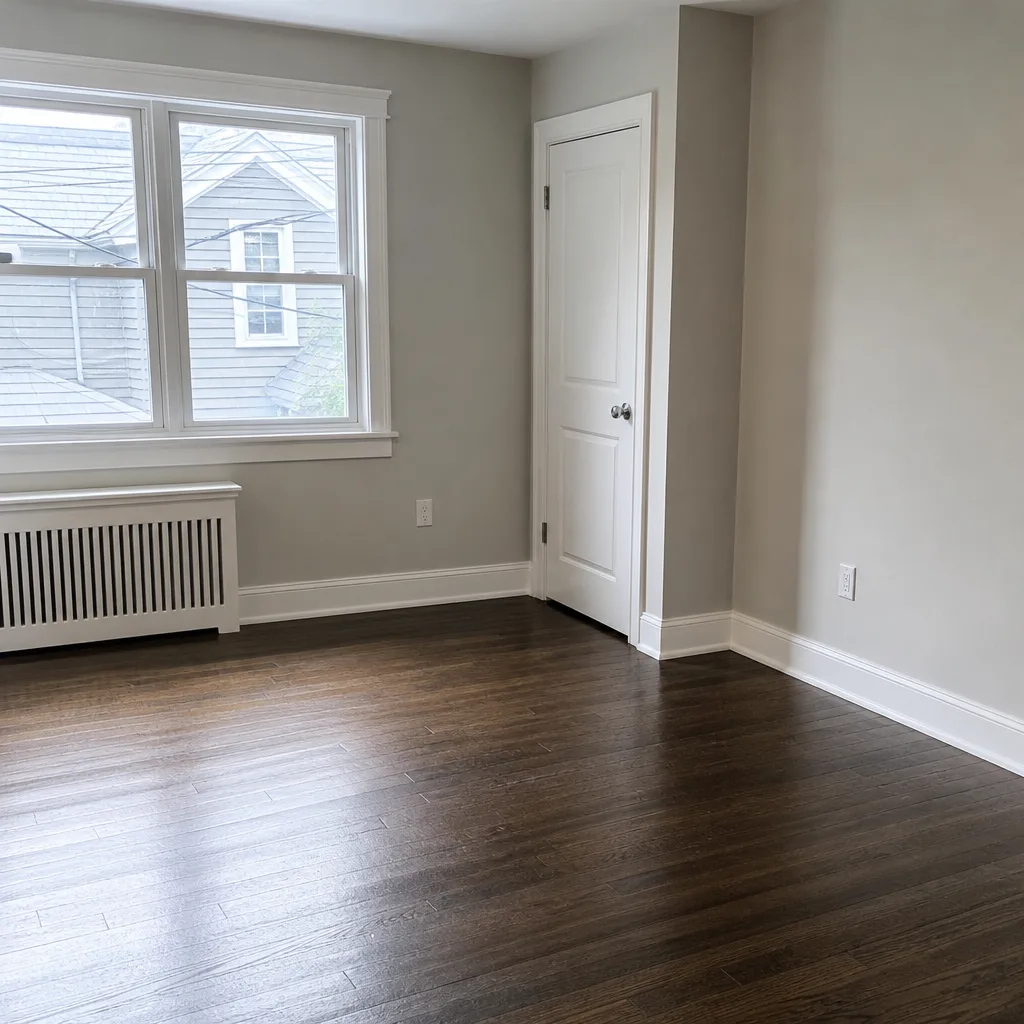 After
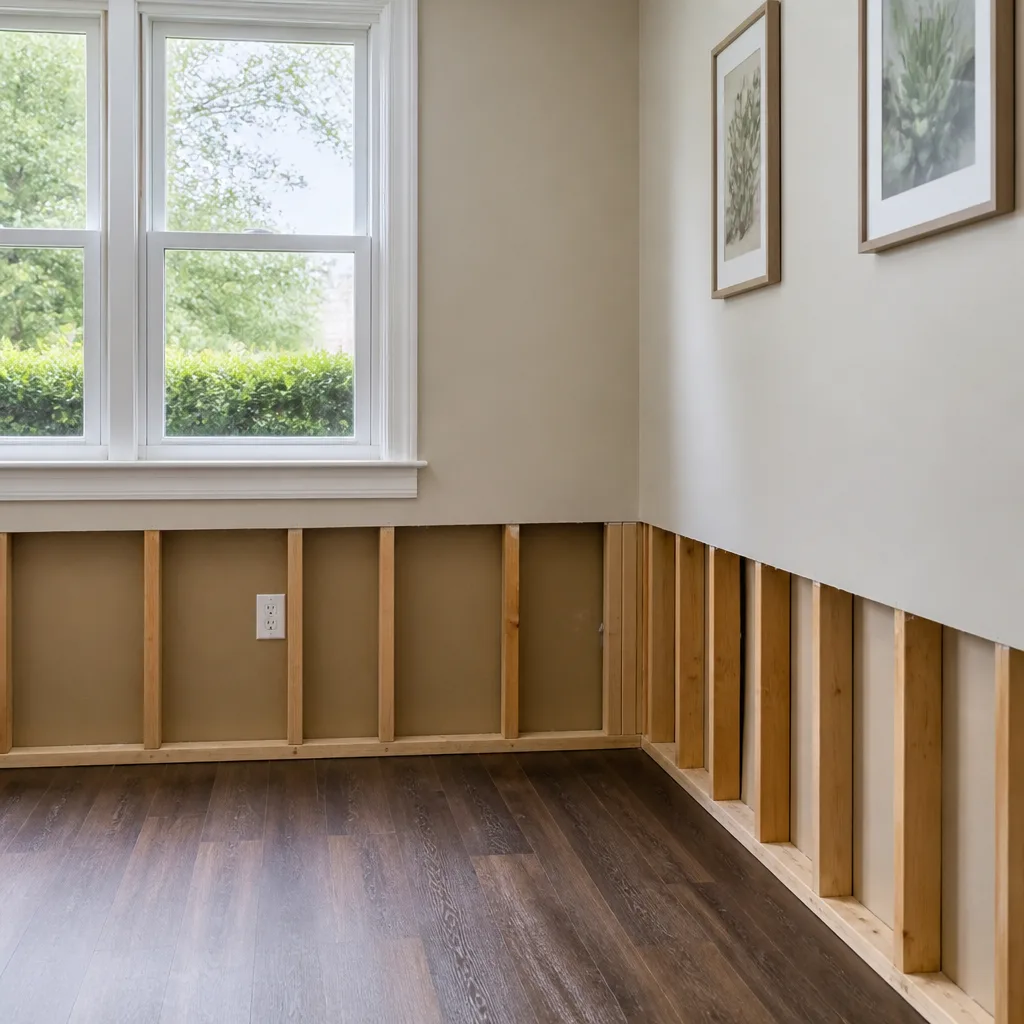
After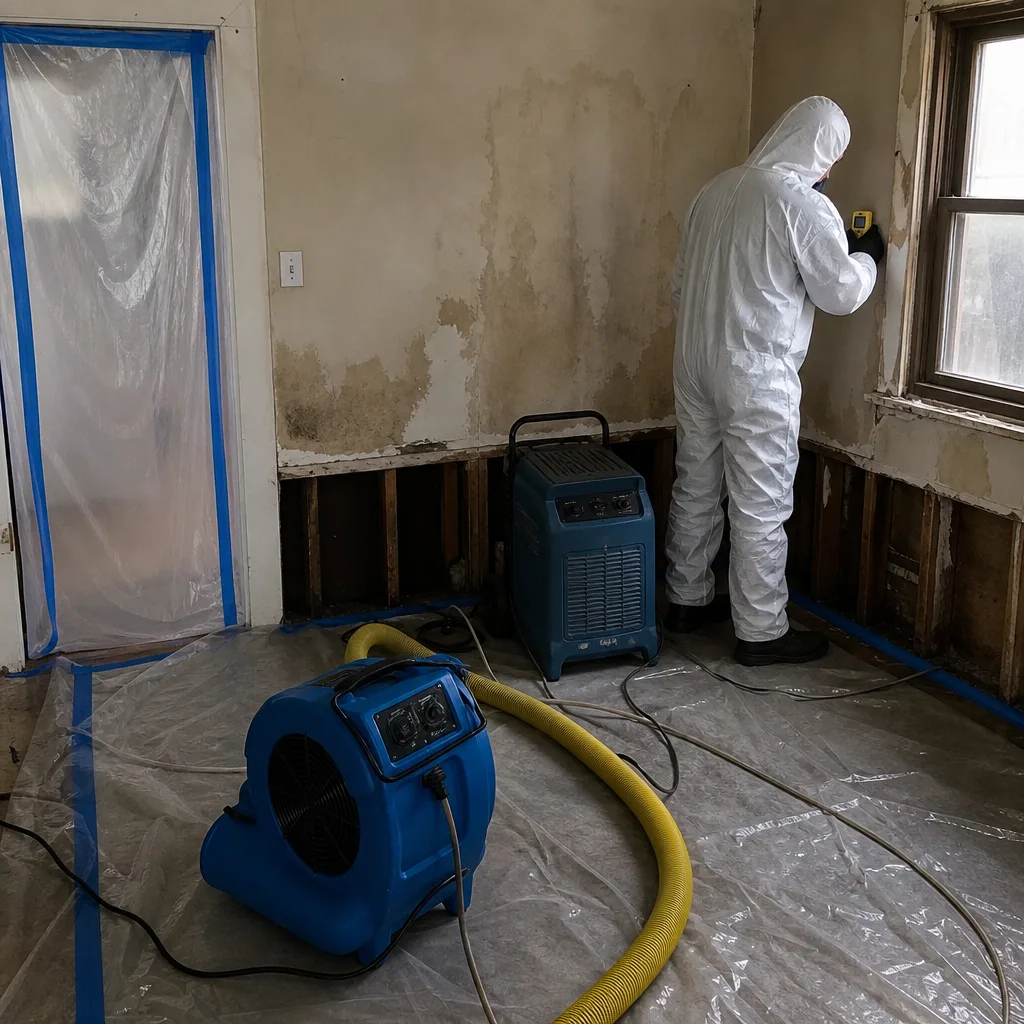 Before
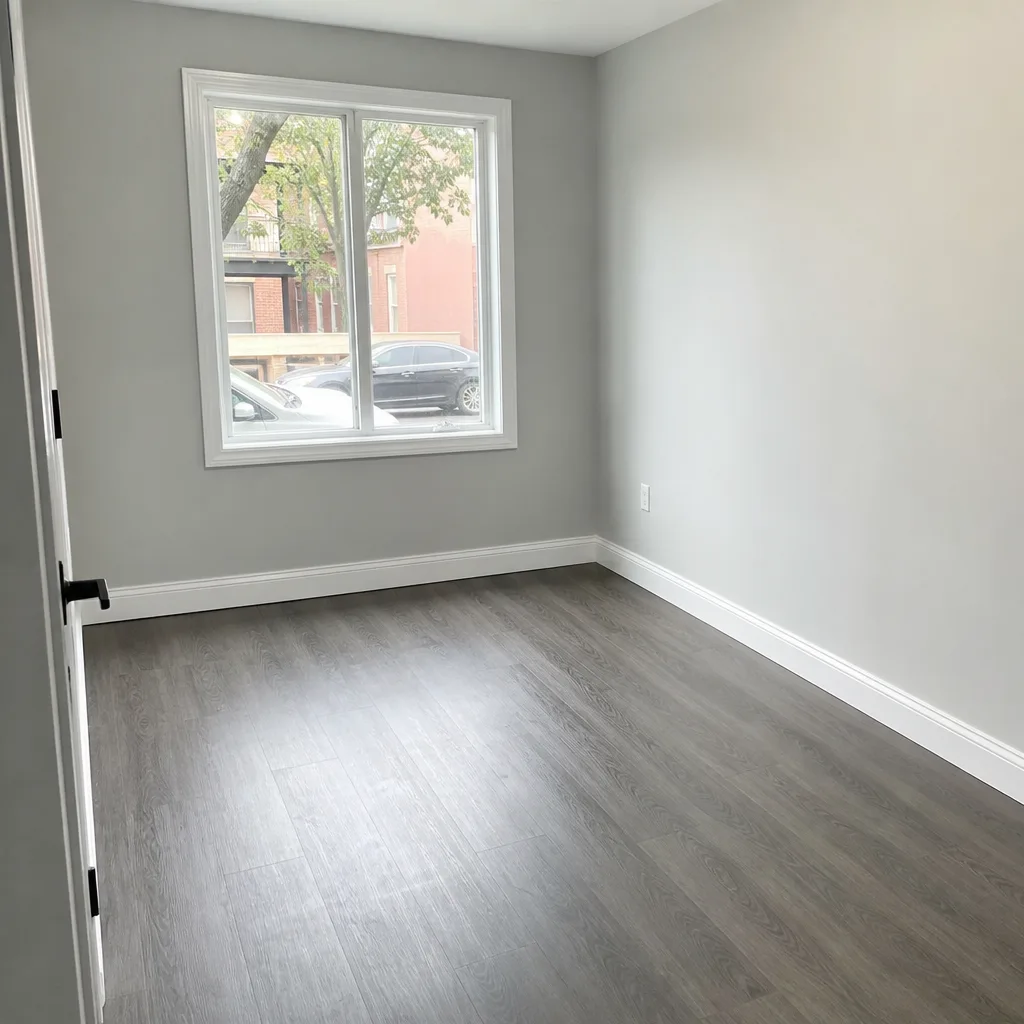 After
After24/7 Emergency Storm & Disaster Restoration in Canarsie
Storm damage in Canarsie rarely waits for business hours, and neither do we. Wade Ferris answers his own phone around the clock, and his crews can be on the road into Canarsie within the hour when a nor’easter pushes Jamaica Bay over Sea View Avenue or a summer squall drops a tree limb through a roof. Call (363) 300-2771 the moment you see water moving where it shouldn’t be, or wind damage exposing your home to the next band of rain. The first hour after a storm decides how much of your framing, drywall, and wiring survives as-is versus how much gets cut out and replaced. We don’t charge for the visual inspection, and we won’t pad the scope. We show up, we look, we tell you what’s actually needed.
Understanding Storm & Disaster Restoration Severity in Canarsie Properties
Not all storm water is the same. In Canarsie, the distinction matters more than almost anywhere else in Brooklyn. Bay surge is saltwater, and saltwater carries Category 3 contamination from the moment it enters: marine pathogens, hydrocarbons from boat traffic, debris from the street, and dissolved salts that never truly leave masonry. Freshwater basement seepage from a heavy rainfall is usually Category 1 or 2, easier to dry, easier to clean. Saltwater is different. It wicks through brick foundations, deposits crystalline salt in mortar joints, and keeps pulling ambient moisture inward months after the surface reads dry. Most Canarsie homes are semi-detached or detached brick builds from the 1940s through 1970s, with finished below-grade basements that sit at or below the Jamaica Bay base flood elevation. Those finished spaces, when they flood, need structural drying that accounts for hygroscopic salt. A crew that treats bay water like a broken pipe will hand you back a dry-looking basement that’s still wet at 40% in the framing two feet off the floor. We run moisture mapping with penetrating meters and thermal imaging before we ever place the first air mover.
Why Canarsie Property Owners Choose Wade’s Restoration
- 45-minute response commitment. When you call, Wade heads out. His crews stage equipment before the rain stops, so extraction can start the same hour he arrives.
- 24/7 live answer, no answering service. The phone rings, Wade or one of his people picks it up. You never sit through a menu tree while water climbs your basement stairs.
- IICRC-certified crews, WRT and ASD certified. Water damage and applied structural drying are disciplines, not guesswork. Every crew member Wade sends carries the certifications to prove it.
- Free visual inspection, always. No trip charge inside the county. Wade looks, documents what he finds, and tells you straight whether it’s a cleanup or a full mitigation.
- Direct insurance billing. We send the photos, the moisture logs, and the line-item scope straight to your adjuster. You’re not the go-between.
- One team from extraction to reconstruction. The same people who suck out the water are the ones who hang the new drywall. Nobody gets handed off mid-job.
Our Storm & Disaster Restoration Process
Inspection & Assessment
Wade walks the property with a moisture meter, thermal camera, and a Mason jar’s worth of common sense. He identifies where the water came from, where it went, and what it touched. In Canarsie, he’s also checking for salt deposits in mortar joints and whether DOB elevation compliance will factor into the repair scope.
Extraction & Stabilization
Standing water comes out first. Truck-mounted extraction units pull the bulk, then submersible pumps clear what’s below grade. If wind opened the roof or a window, we board up and tarp before interior work begins, because a second storm rolling through undoes everything the first one started.
Drying & Dehumidification
Dri-Eaz dehumidifiers and Phoenix axial air movers go to work. In Canarsie’s saltwater floods, this phase runs longer than a freshwater job because trapped salt keeps re-wetting the materials. We take moisture readings every single day and hand you the full log at the end.
Cleaning & Sanitization
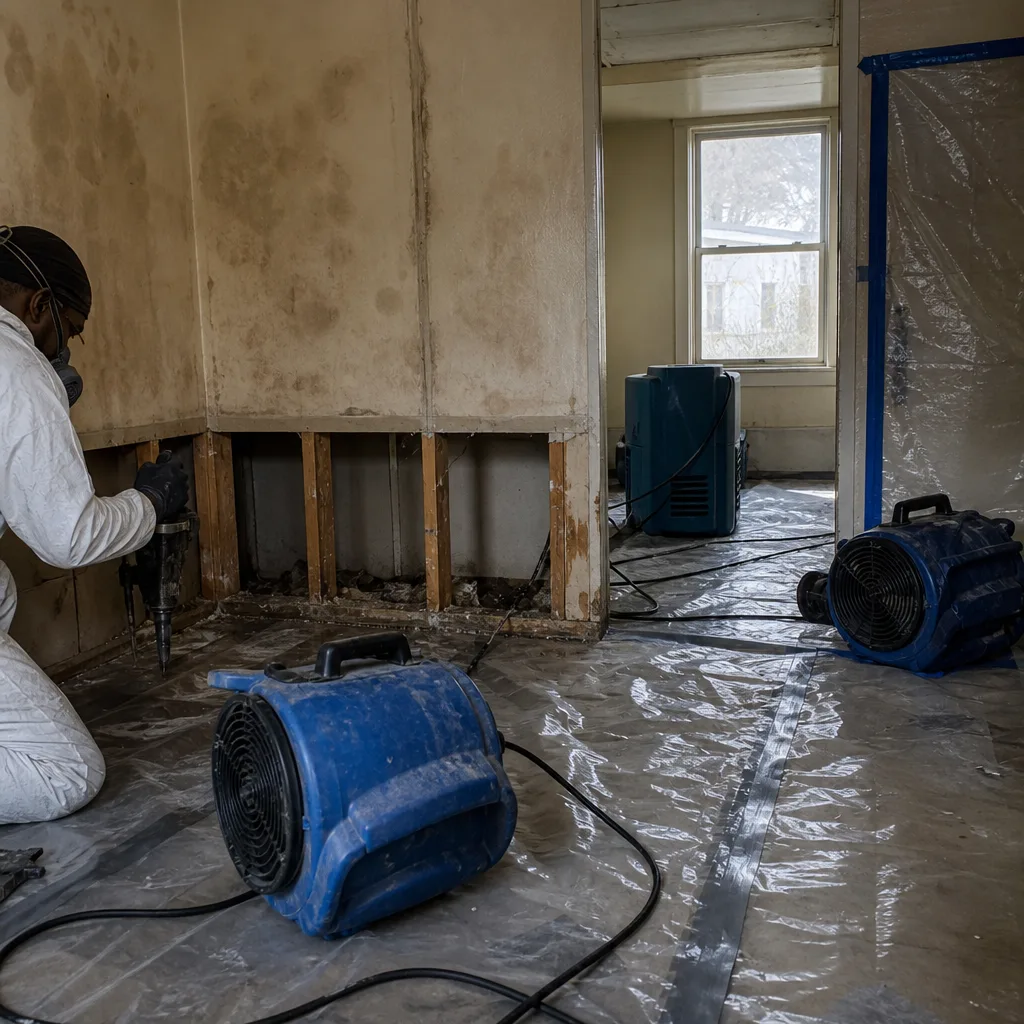
HEPA air scrubbers run during demo and cleanup to keep contaminated dust from spreading. Antimicrobial treatment goes on every surface the water touched. Salt-soaked drywall comes out; salvageable framing gets treated, not torn out for the sake of a bigger invoice.
Salt & Masonry Treatment
This is the step that separates Canarsie flood work from everywhere else. We remove salt-impregnated materials, treat the brick with antimicrobial and desalination measures where possible, and flag mortar joints for tuckpointing before we close the walls back up.
Repairs & Restoration
New drywall, insulation, flooring, and trim go in after the moisture readings hold stable. If DOB elevation compliance applies, we coordinate with the engineer and the inspector before the permit closes. You get a written scope before anyone swings a hammer, and the 90-Day Done Right Promise in writing on every contract.
Need Emergency Storm & Disaster Restoration in Canarsie Now?
Crews minutes away, answering live 24 hours a day. The sooner we start, the less it costs.
Working With Your Insurance Company
Insurance adjusters see a lot of flood claims from Canarsie, and they’ve learned which contractors hand them vague estimates and which ones hand them documentation they can actually approve. Wade deals with your adjuster directly, from the first moisture reading to the final supplement. That means you’re never stuck relaying messages between a crew and a claims desk. We photograph everything, log every reading, and write scopes with line items your carrier recognizes. When your adjuster asks why we cut two feet of drywall instead of six inches, Wade can show them the moisture map and the salt readings that made it necessary. That’s the difference between a claim that stalls and one that closes.
What We Provide Your Insurer
- Thorough documentation of the loss
- Photos of all damage, room by room
- Moisture readings and drying logs
- A detailed, line-item scope of work
- Direct coordination with your carrier
Built for Canarsie’s Loss Calendar
Canarsie doesn’t have one storm season. It has four, and they all leave different messes. Winter brings nor’easters that stack surge on top of high tide, pushing Jamaica Bay through the streets around Seaview Avenue and into subgrade basements. Spring’s thaw and rain saturate the ground around foundations, and that’s when the aging brick mortar lets water migrate laterally into below-grade walls, often misread as a plumbing leak. Summer thunderstorms drop inches in an hour, overwhelming catch basins and sending street water backward through floor drains. Fall hurricanes, when they track close enough, replay Sandy’s script on a smaller scale. The point is, Canarsie homes at or below the Zone AE base flood elevation are never more than one weather system away from a Category 3 event. The Storm & Disaster Restoration work we do here is built around that calendar, not a generic flood-response playbook.
Storm & Disaster Restoration Across Canarsie’s Neighborhoods
The closer you get to Jamaica Bay along East 92nd, East 94th, or East 102nd Street, the more the flood risk shifts from nuisance to structural. Homes along Seaview Avenue and the blocks running toward Paerdegat Basin sit at the lowest elevations in the neighborhood, and they’re the first to see bay surge come through the doors when a nor’easter stacks up against high tide. The mid-century brick semis along Remsen Avenue and Avenue L tend to flood from the street side instead, when overwhelmed stormwater infrastructure backs up into floor drains. Around the Canarsie Pier approach and the Belt Parkway’s Rockaway Parkway interchange, wind damage is the bigger story: older flat roofs and rowhouse parapets take a beating in every coastal storm. We know the response routes, which blocks drain last, and which basements need the longest drying times. That knowledge only comes from doing this work in Canarsie over and over, not from dispatching a truck out of a Midtown office.
Specialized Storm & Disaster Restoration Services We Offer in Canarsie
Flood Damage Restoration
This is the heart of what we do in Canarsie. Bay surge, nor’easter tide push, and overwhelmed storm sewers all deliver water into the same subgrade basements. We extract, dry, and rebuild with an eye toward salt’s long memory. Follow-up moisture readings at 60 and 90 days are standard practice here, not an upsell.
Storm Damage Cleanup
Debris, wet insulation, ruined drywall, saturated carpet, and everything the wind and water carried in. We cart it out, clean what’s salvageable, and get the space back to a state where drying can actually work. A flooded basement full of soaked furniture and drywall won’t dry, no matter how many fans you run.
Emergency Board-Up & Roof Tarping
When a nor’easter takes out a window or peels back a roof membrane, you need the opening sealed before the next rain band arrives. We board up and tarp same-day, often within hours, because an open envelope means new water inside my drying zone and a second claim on top of the first one.
Structural Drying
Canarsie’s saltwater floods demand structural drying that goes beyond surface readings. We use Dri-Eaz dehumidifiers, Phoenix air movers, and penetrating moisture meters to chase the water into the floor joists and sill plates. Salt-draw moisture is real; if you don’t account for it, you’ll re-flood your own work in three months.
Debris Removal
Storm debris in Canarsie runs the full range: tree limbs, siding torn off by wind, insulation blown into neighbors’ yards, and flotsam from the bay you’d rather not identify. We haul it, dispose of it properly, and document everything for your claim.
What happens when you call
- 1
A real person answersNo phone trees - you reach a local pro.
- 2
You get an upfront price rangeHonest numbers before anyone is dispatched.
- 3
A background-checked tech heads outLicensed & insured, dispatched right away.
- 4
You approve before work beginsNothing starts until you say go.
Storm & Disaster Restoration Costs in Canarsie, NY
Honest numbers for Canarsie. A basic storm cleanup with minor water extraction runs $900 to $2,400. Flood damage restoration in a typical Canarsie subgrade basement, with full drywall removal, drying, and rebuild, lands between $4,000 and $18,000 depending on square footage, water category, and how much of the finish is salvageable. Saltwater jobs skew higher because of the extra drying time, masonry treatment, and the required follow-up readings. Emergency board-up and roof tarping run $400 to $1,100 on average. Debris removal depends on volume, but most Canarsie storm cleanups bill $500 to $2,500 for haul-away. Insurance covers the majority of these costs when the damage exceeds your deductible, and we bill directly. For out-of-pocket repairs, we hand you a written scope before any work starts. Call (363) 300-2771 for a free inspection and a line-item estimate, not a number someone pulled out of the air.
We Also Serve Cities Near Canarsie
Wade’s crews work throughout southeast Brooklyn and into Queens. We’re regularly in East New York for its older rowhouse stock, Jamaica for basement seepage in pre-war detached homes, Glendale for storm-related roof and siding work, and East Flatbush for brick semis with the same lateral moisture issues we see in Canarsie. Same 24/7 answer, same free inspection policy.
Serving Canarsie, NY - Our Local Coverage Area
We’re based in the Canarsie area and know this community well. Use the map below to see our service coverage - if you’re nearby, we can almost certainly help.
Canarsie Storm & Disaster Restoration Questions, Answered
Why does Canarsie flood from both the bay and the street during a nor’easter?
Canarsie sits at the edge of Jamaica Bay at near-sea level, so when a nor’easter stacks storm surge on top of high tide, water pushes in from the bay side while the city’s stormwater system backs up from the street side. You get floodwater from two directions at once, which is why Canarsie basements see water even when rain totals look modest. This pincer pattern is why our drying plans for Canarsie jobs always assume Category 3 water from the first inch. Call (363) 300-2771 while the water is still rising, and we’ll be there before it peaks.
How long should we wait for follow-up moisture readings after a saltwater flood in Canarsie?
Plan on readings at 60 and 90 days minimum. Crystalline salt left in masonry and framing keeps pulling ambient moisture inward long after the initial drying phase ends, and without those follow-ups, you won’t catch the re-wetting until mold shows up. We schedule them as standard practice on every Canarsie saltwater job, and the readings go in your drying log for your insurer.
What does NYC DOB elevation compliance mean for our Canarsie flood repair?
Because large parts of Canarsie sit in FEMA Zone AE, repairs that meet a certain cost threshold may trigger DOB requirements around floodproofing or elevation. We coordinate with your engineer and the DOB inspector before the permit closes, so you’re not left with an open permit that blocks future FEMA claims or a home sale. This step doesn’t exist for storm work in higher-elevation Brooklyn neighborhoods, and missing it in Canarsie is a costly lesson.
Why does my Canarsie brick foundation stay wet months after a flood even when the basement is dry?
The water likely entered through aging mortar joints in your 1940s-to-1970s brick foundation, and if it was saltwater, dissolved salt deposits are now pulling moisture back into the wall via a process called hygroscopic absorption. Your surface meter reads dry, but the wall cavity stays damp. The fix is desalination treatment, masonry repairs like tuckpointing, and a drying plan that accounts for salt, not just standing water. Most crews treat it as a plumbing issue and chase a pipe that isn’t leaking.
Which equipment do you use for Canarsie’s saltwater basements that a freshwater crew wouldn’t need?
We run Dri-Eaz and Phoenix dehumidifiers and air movers, but the difference in Canarsie is the penetrating moisture meters and thermal imaging that find salt-drawn moisture inside walls and framing, not just on the surface. We also use HEPA air scrubbers during demo to keep contaminated salt dust from spreading, and desalination-capable antimicrobial treatments on masonry. Most freshwater crews don’t carry penetrating meters, and their drying logs show it.
How fast can you actually get to Canarsie after I call?
Wade aims to be on-site within 45 minutes of your call, and he answers the phone himself 24 hours a day. Canarsie dispatch runs from our New York City office, so we’re not waiting on a regional call center. Extraction can start the same hour we arrive, which is the single biggest factor in limiting how much of your basement gets cut out and replaced.
Will my insurance cover Canarsie storm and flood damage?
Most homeowners’ policies cover storm damage from wind and rain, but floodwater from bay surge or storm sewer backup often falls under separate flood insurance or a rider. We photograph everything from the first hour, log every moisture reading, and talk to your adjuster directly so the claim reflects what actually happened. Free second opinions on any written estimate, always.
What should I do in the first 30 minutes after storm water enters my Canarsie home?
Shut off power to the affected area if you can do so safely, move what you can to higher ground, take photos, and call (363) 300-2771. Don’t run fans and don’t try to vacuum the water out with a shop vac; you’ll move contaminated water deeper into your framing. Bay saltwater in Canarsie is Category 3 from the start, so the faster a professional crew starts extraction, the less you lose.
Written by Wade Ferris, Owner at Wade’s Restoration, serving Canarsie and the surrounding Brooklyn neighborhoods with storm, flood, and water damage restoration since 2007.