
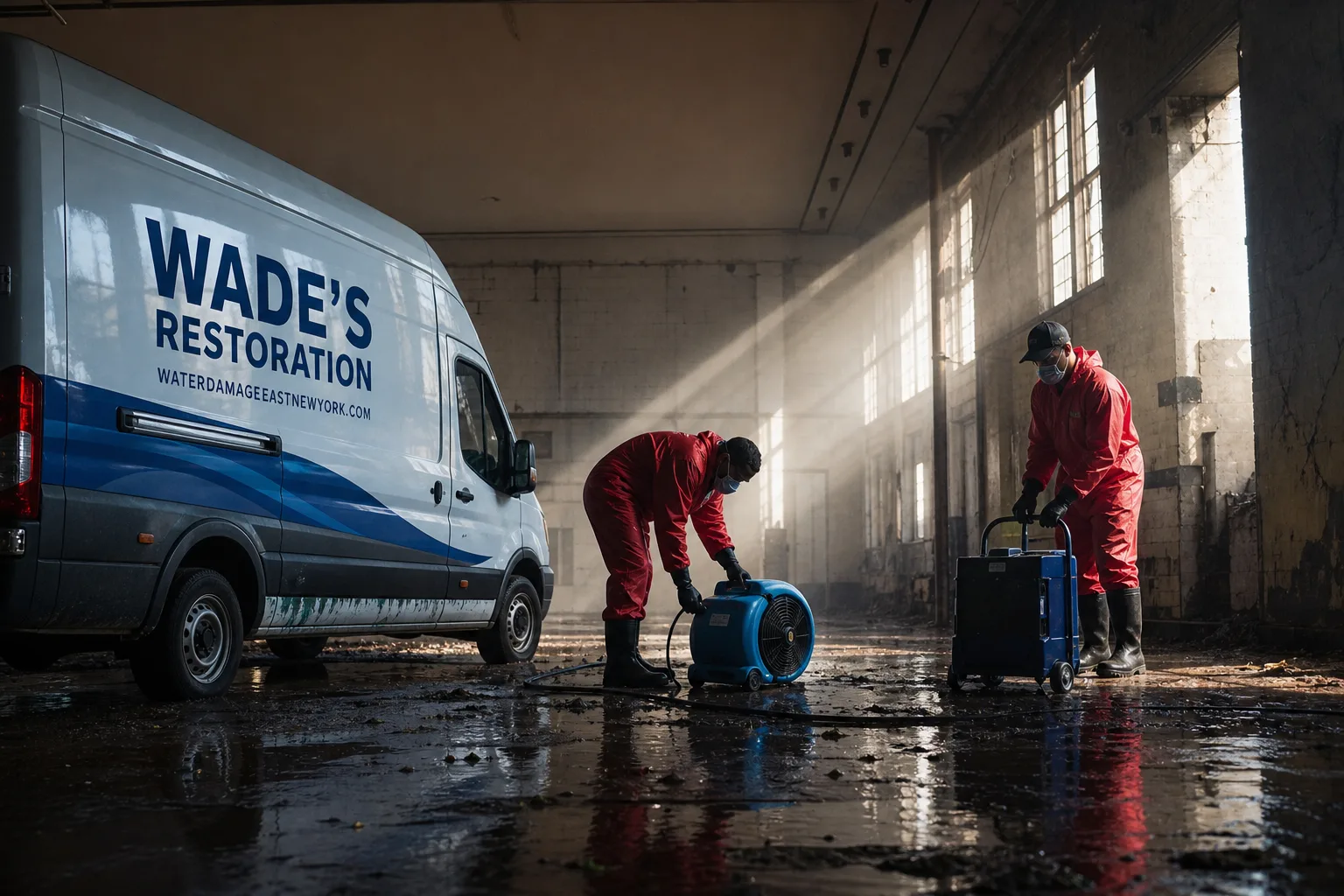
Free visual inspection and a written scope of work before any mitigation begins - photos, moisture readings, and drying logs go in your claim file
The scope we write is the scope we bill. Anything new gets shown to you, in writing, before we touch it.
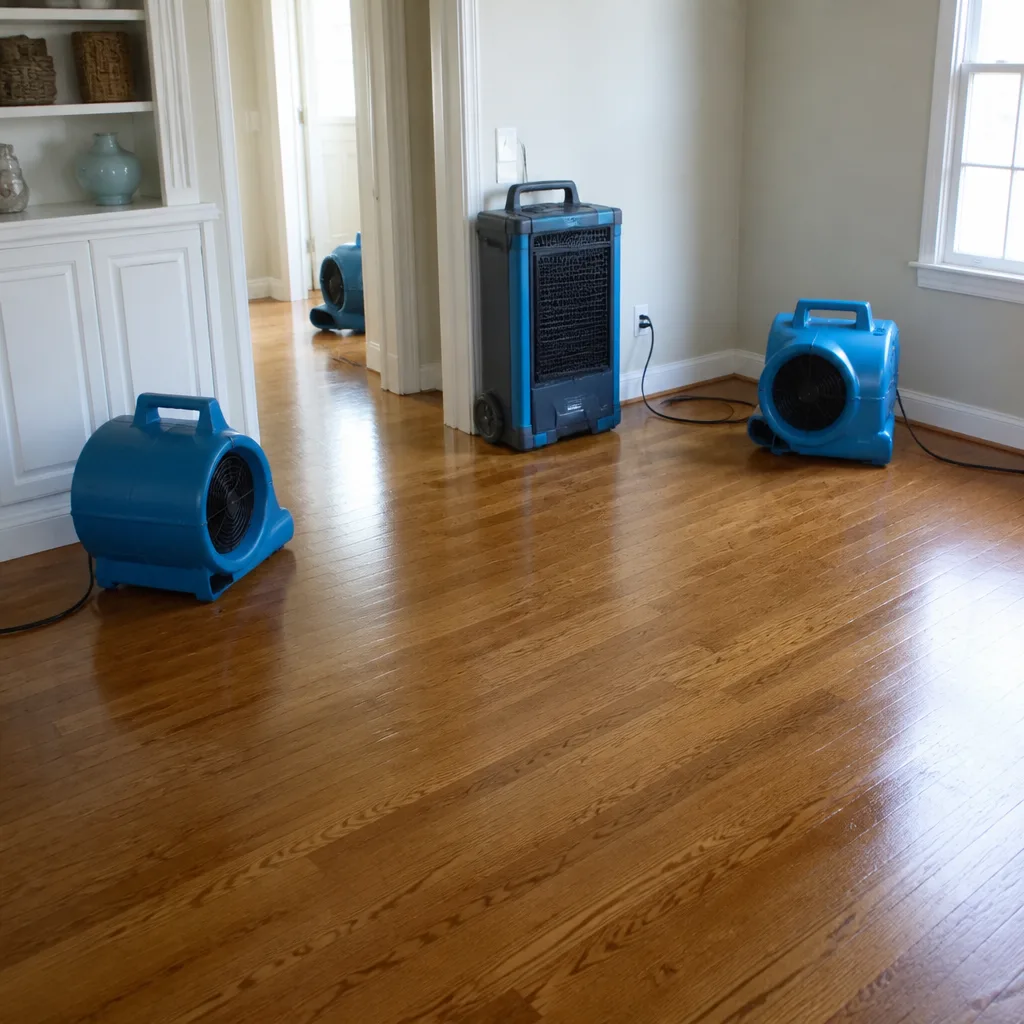
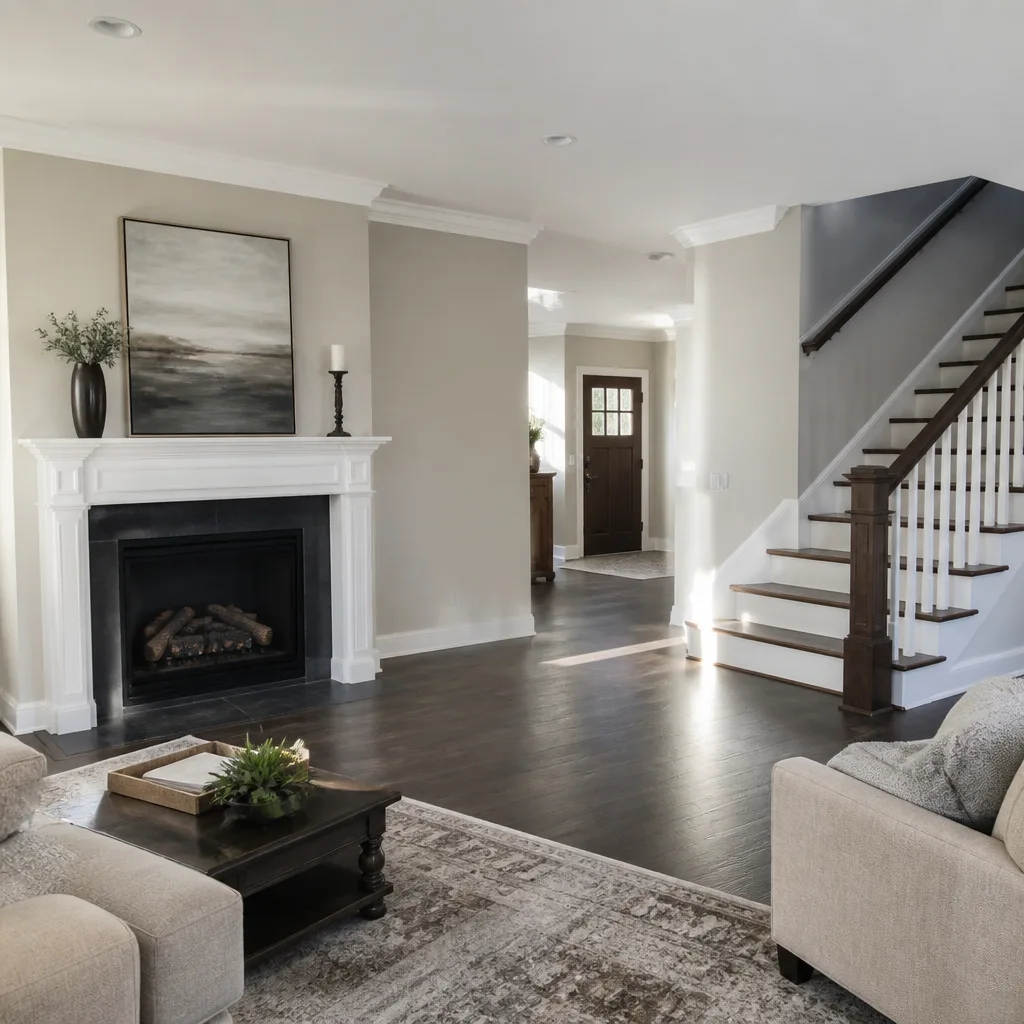
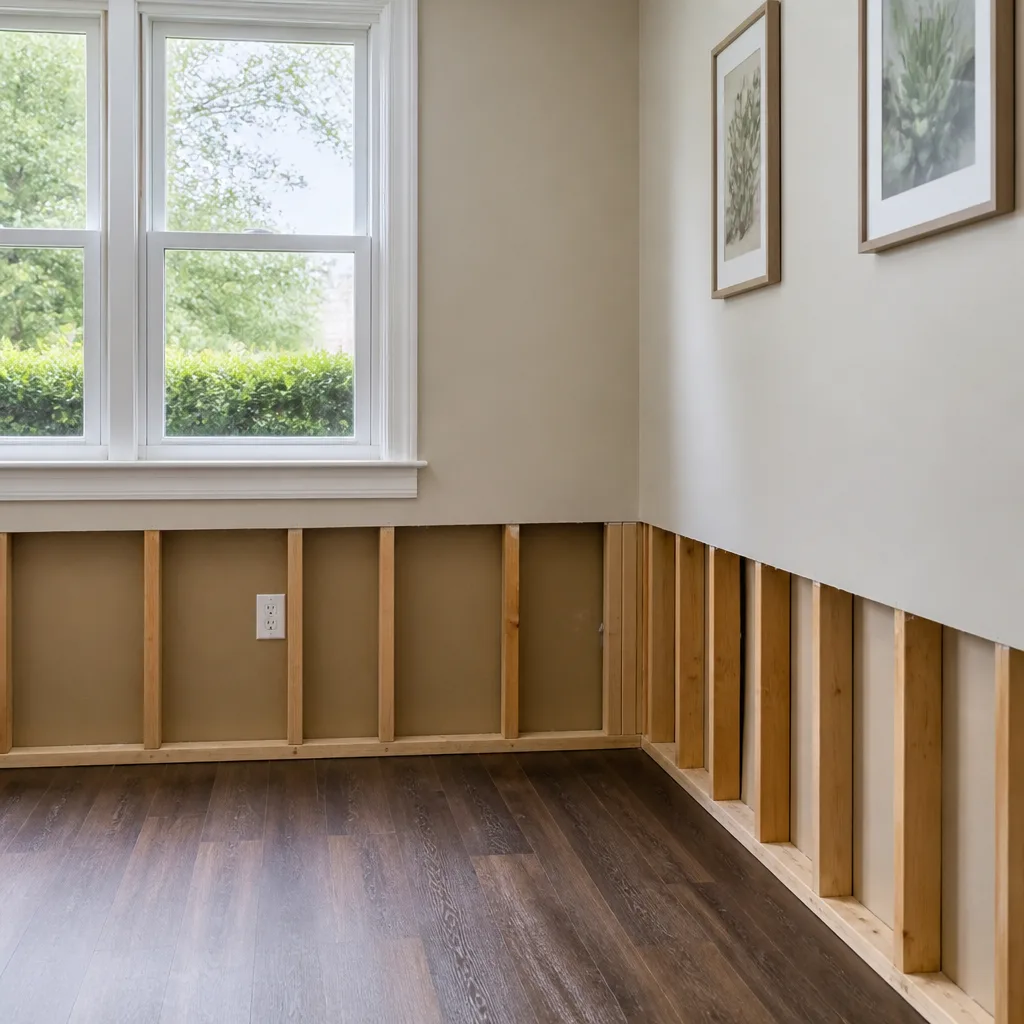
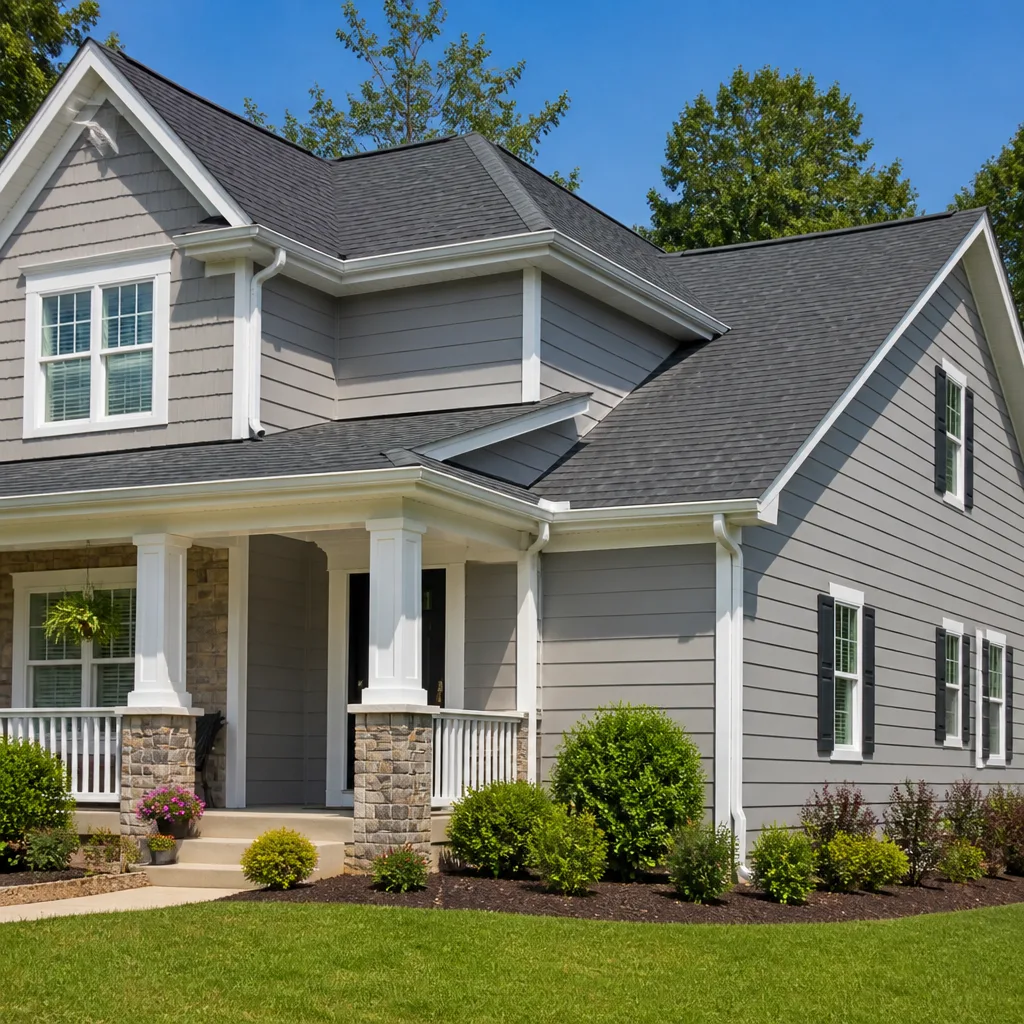
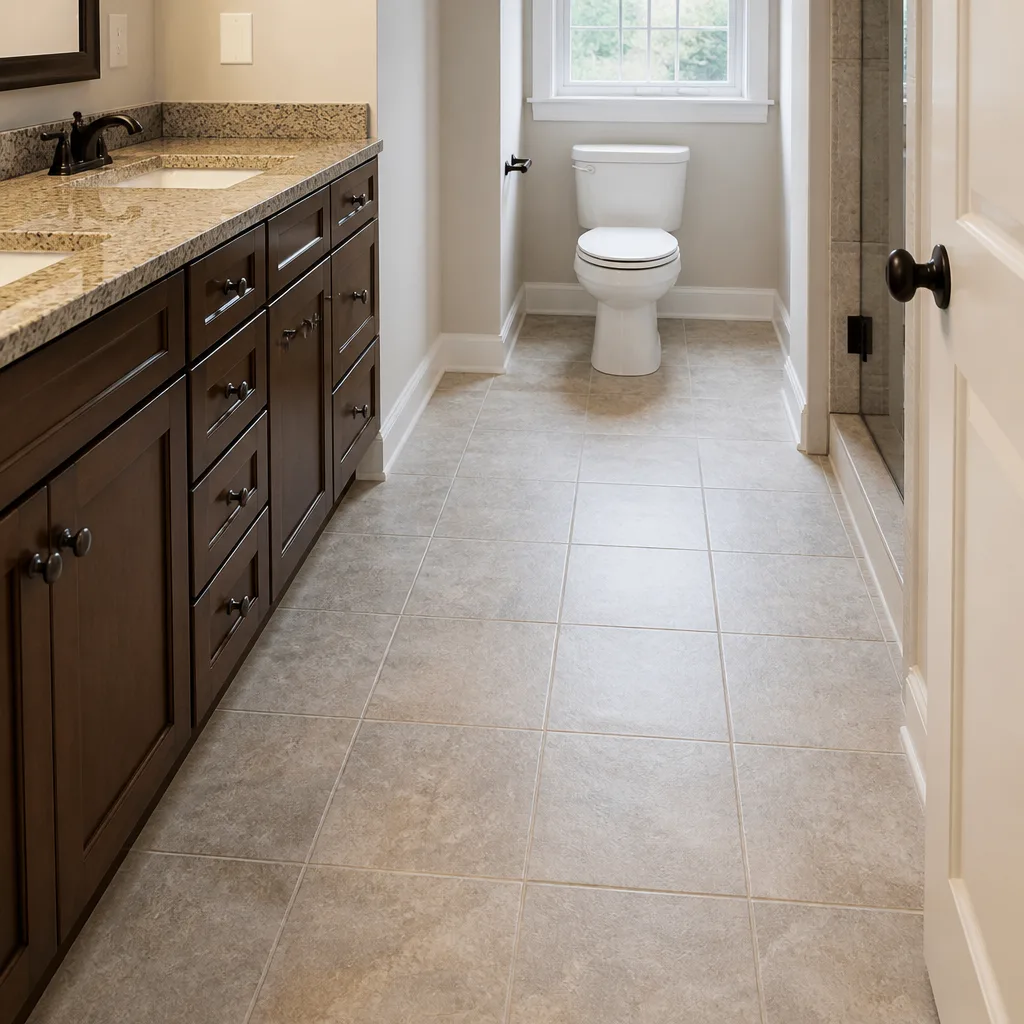
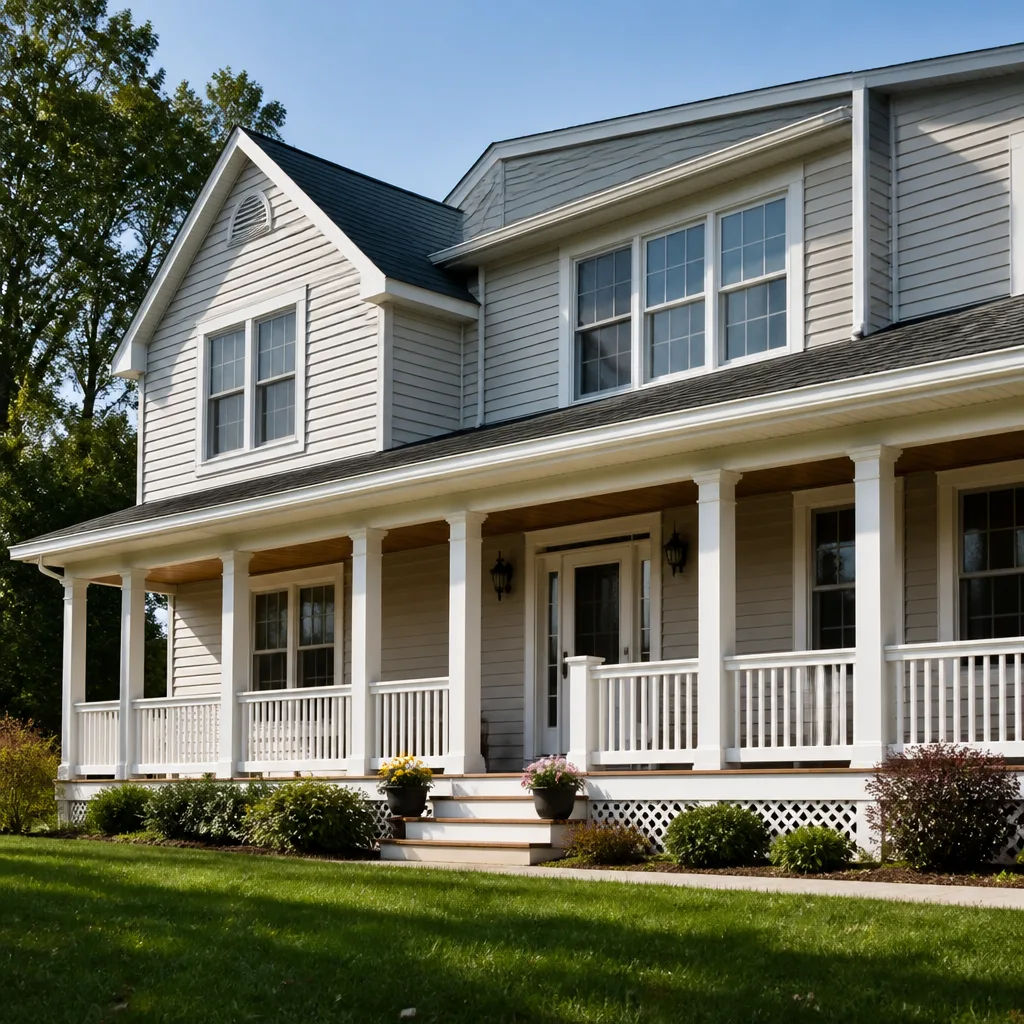
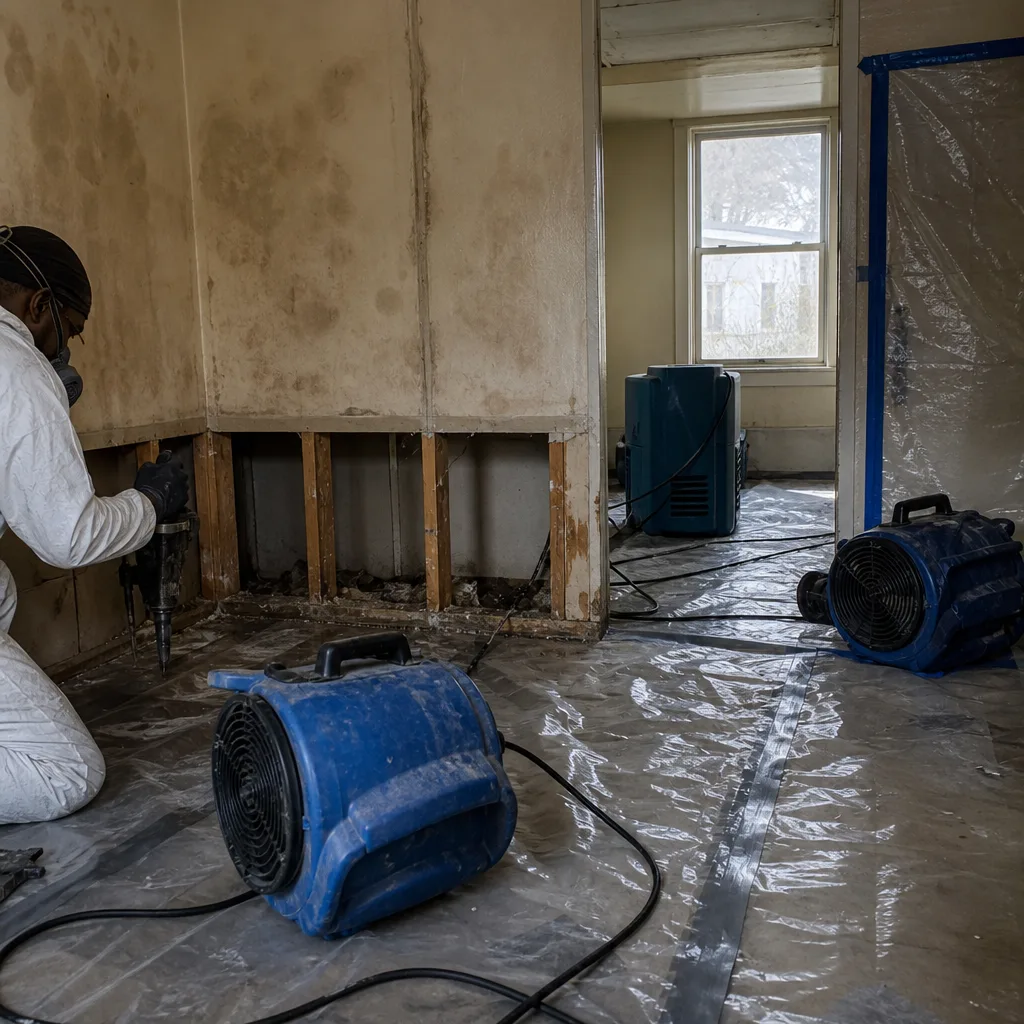 Before
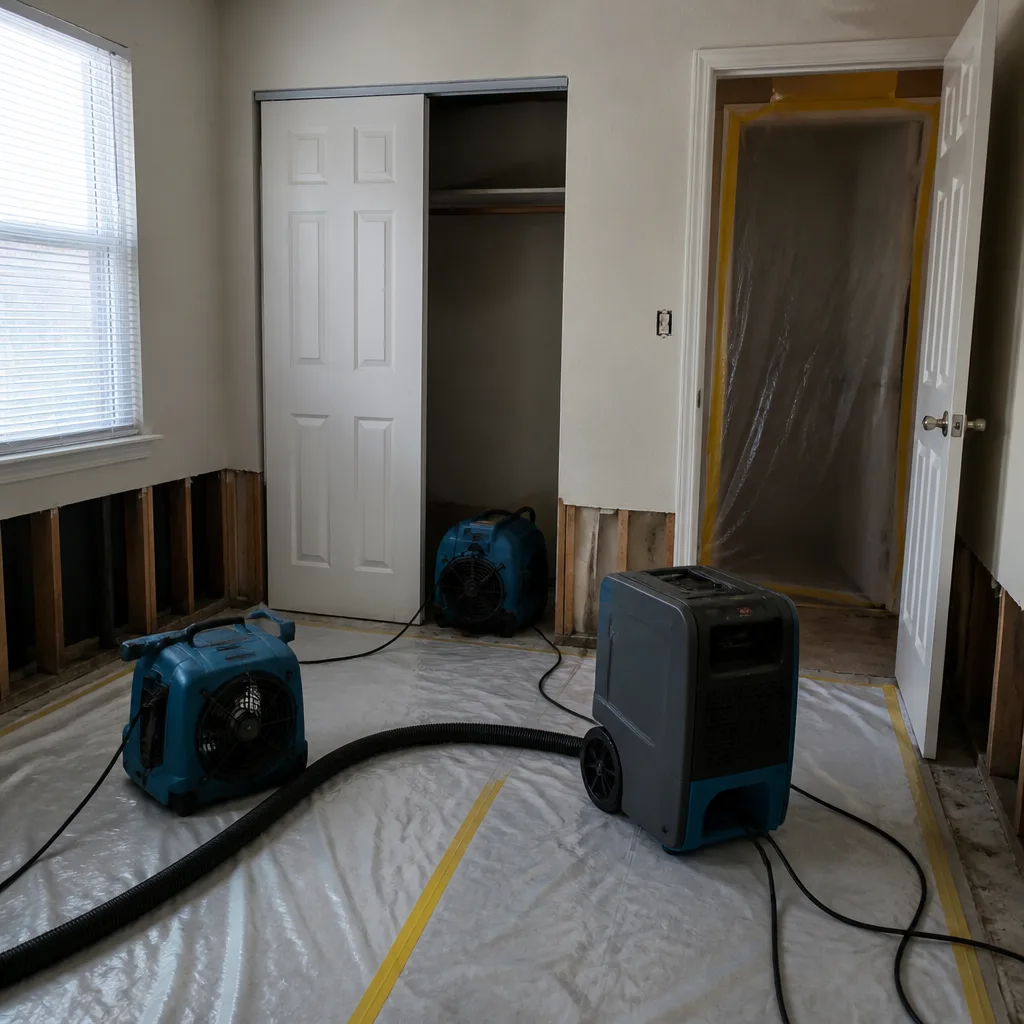 After
After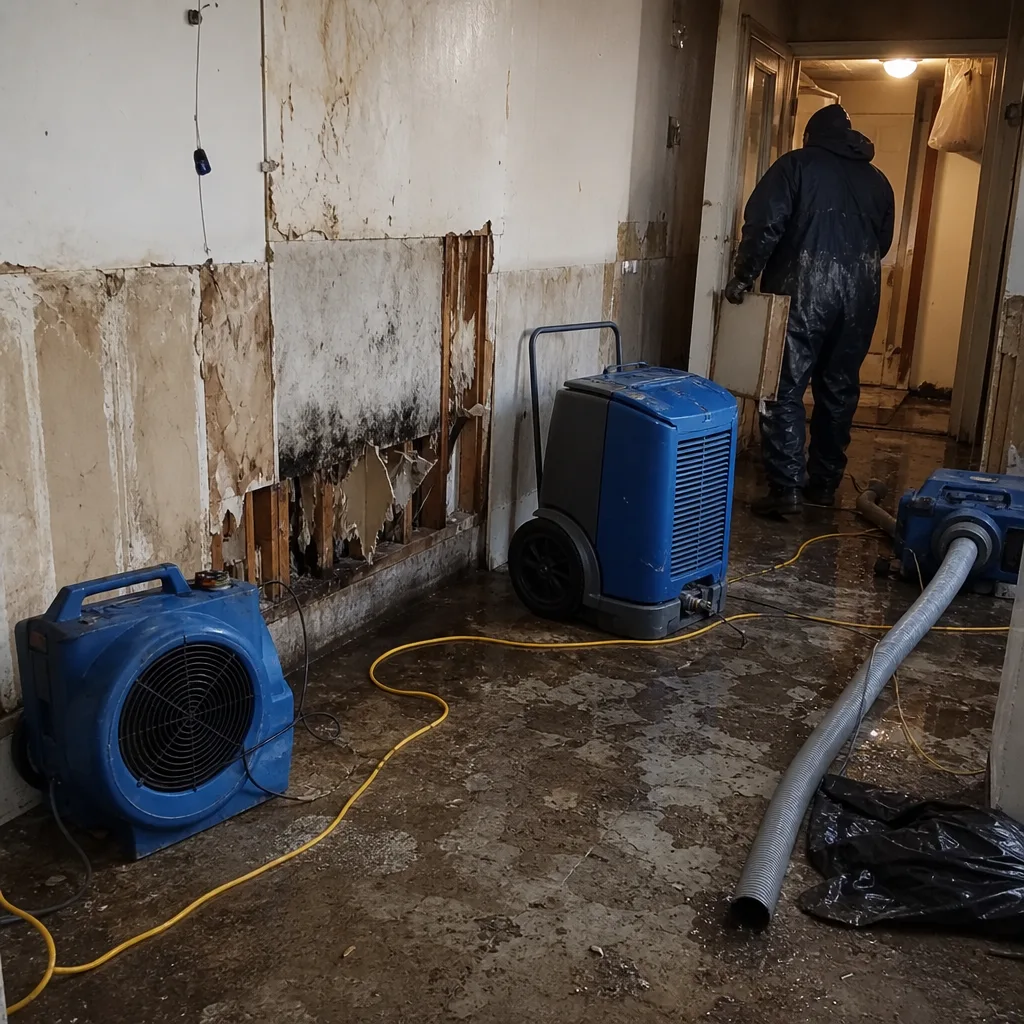 Before
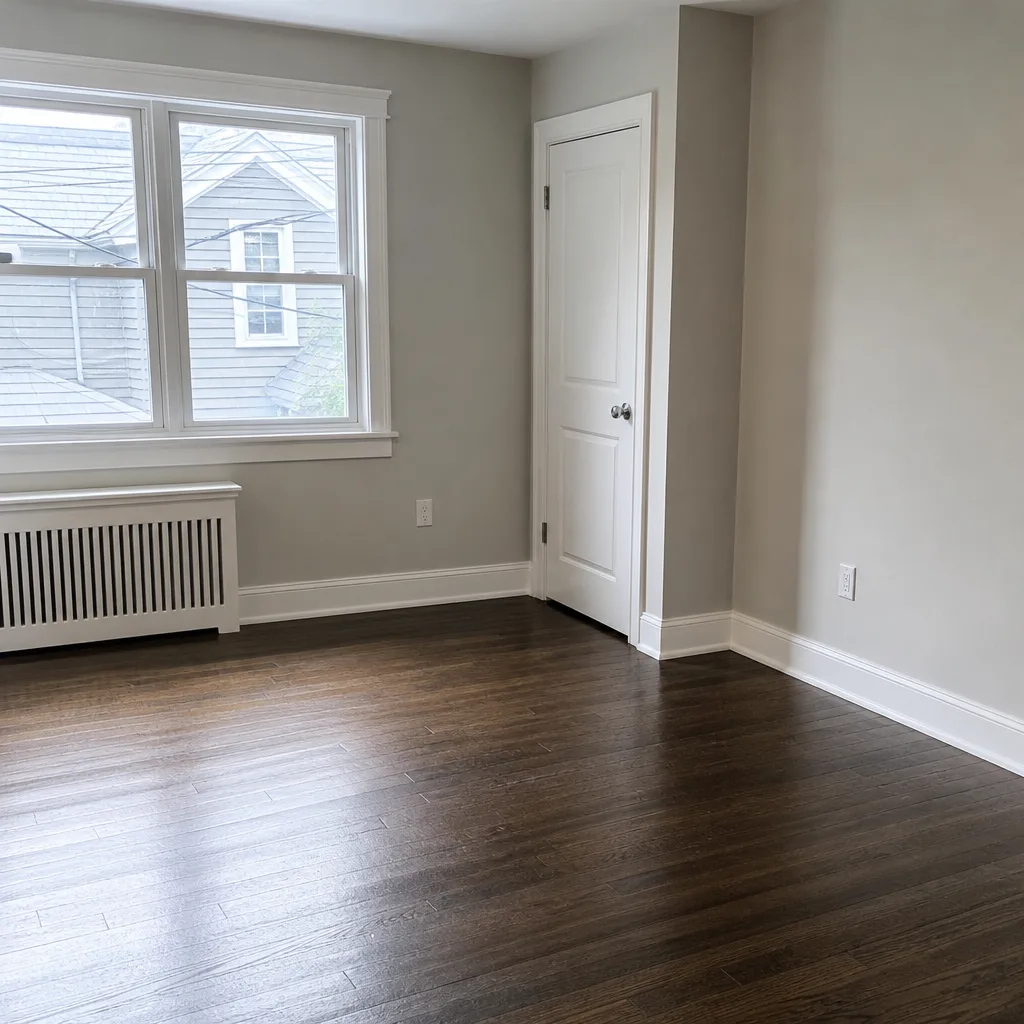 After
After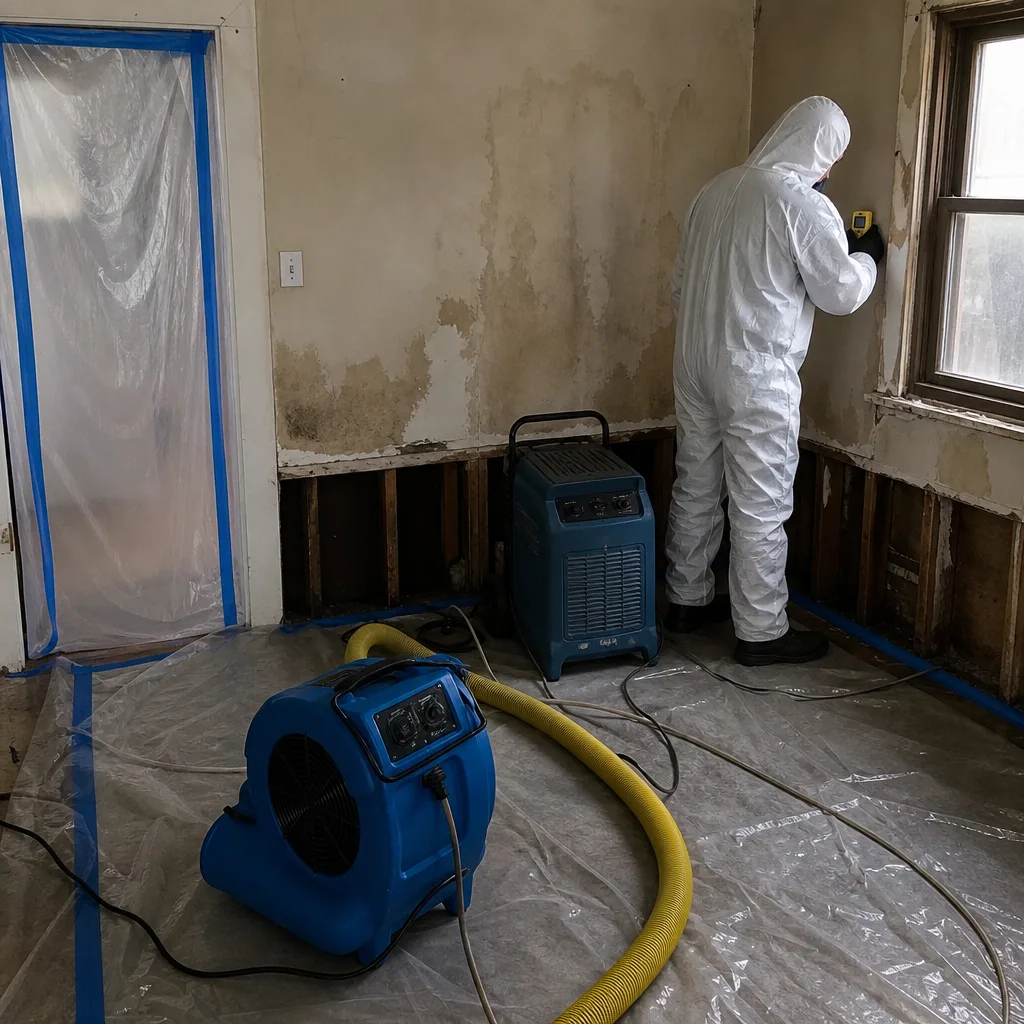 Before
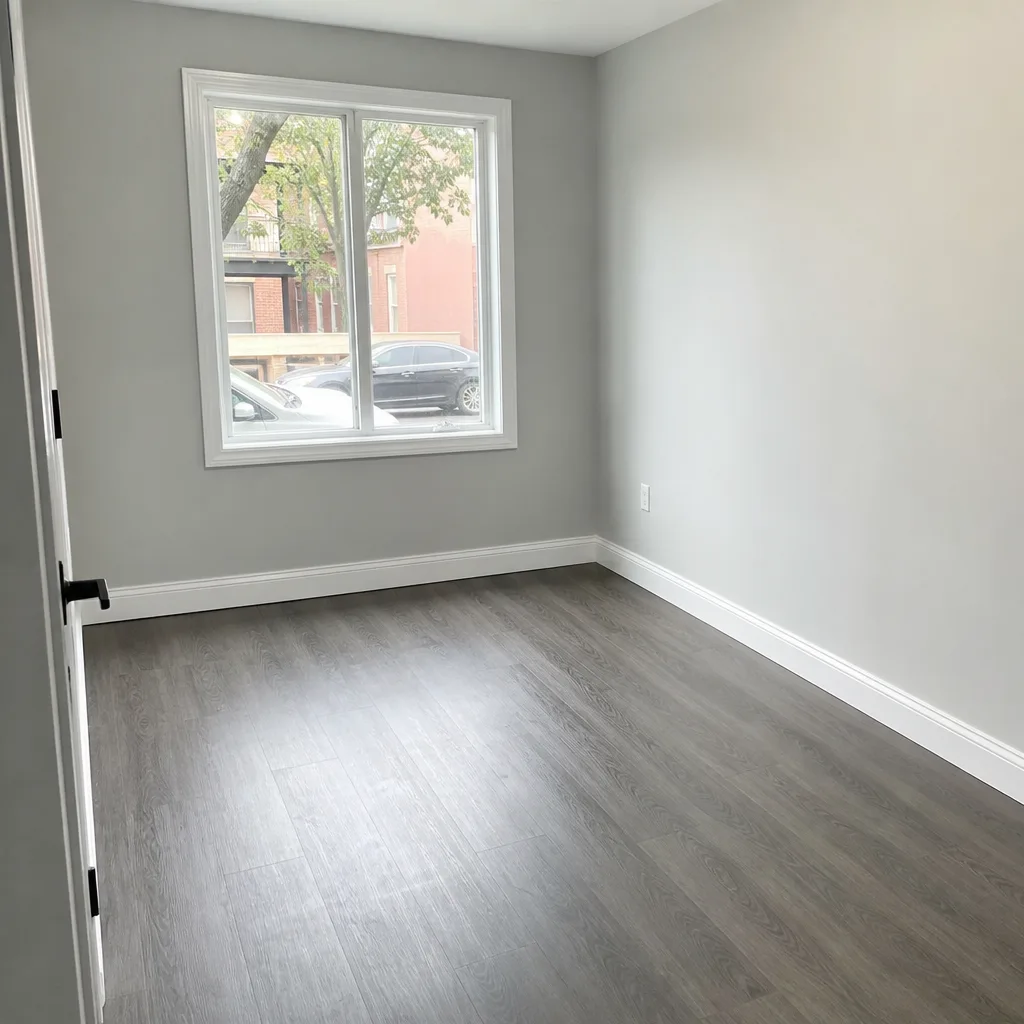 After
After24/7 Emergency Storm & Disaster Restoration in Greenpoint
When a nor’easter tears through Greenpoint or the Newtown Creek overflows its banks, you need someone who answers the phone at 3 a.m. and gets moving fast. Call Wade’s Restoration at (363) 300-2771 any hour, any day. A live person picks up, not a queue. Our crews stage within the Greenpoint area, so we can be on your block within 45 minutes for a free visual inspection. The first hour after storm damage decides how much of your home can be saved. Water moves through plaster and lath walls fast, and wind-driven rain finds every cracked seal around a prewar rowhouse window. The sooner we start extraction and board-up, the less this costs you in the end.
Understanding Storm & Disaster Restoration Severity in Greenpoint Properties
Greenpoint’s housing stock changes how storm restoration has to be done. Most of these buildings went up before 1930: brick tenements, narrow rowhouses, converted loft buildings. Plaster-and-lath walls soak up water like a sponge and hold it. When a storm blows out a window or floods a basement on India Street, we perform moisture mapping with thermal imaging and hygrometers to find water that hasn’t shown up yet. Category 1 water is clean, Category 2 has some contamination, Category 3 carries sewage or industrial pollutants. But Greenpoint has a complication most Brooklyn neighborhoods don’t: the groundwater itself can be contaminated. We’ll get into that below, because it changes everything about how a flooded basement is handled. Shared party walls between attached rowhouses mean moisture migrates sideways without any visible sign until mold has already started feeding on the old lath and plaster.
Why Greenpoint Property Owners Choose Wade’s Restoration
- A live person answers 24/7. You call, Wade or someone on his team picks up. No answering service, no “press 1.” He’s been doing it this way since 2007.
- 45-minute response commitment. Crews stage within the Greenpoint area, not across three counties. If the roads are passable, we’re moving.
- IICRC-certified crews. Our water techs carry WRT and FSRT certifications, and we apply that training to every flooded basement off McGuinness Boulevard.
- Free visual inspection. We look at the damage before anything is signed. You get a straight answer about what needs doing and what doesn’t.
- Direct insurance billing. We handle the claim paperwork and talk to your adjuster, so you’re not the one stuck translating moisture logs into insurance language.
- One crew from start to finish. Extraction, drying, board-up, and reconstruction. Same people, same truck, same phone number the whole way.
Our Storm & Disaster Restoration Process
Inspection & Assessment
We walk the property with you, map every affected room, and document everything with photos before anything moves. On a Greenpoint rowhouse, that means checking party walls, basement floor drains, and window frames for water intrusion you haven’t spotted yet.
Extraction/Stabilization
We get standing water out within the first hour of arrival. Basement pumps, truck-mounted extractors, and wet vacuums run continuously until the bulk water is gone. Then we stabilize: boarding up broken windows and tarping roof damage to stop further water coming in.
Drying & Dehumidification
Air movers and Phoenix dehumidifiers go in, and they stay in. We take moisture readings every day and write down the numbers. At the end of the job, you get the complete drying log. No one else in this trade does that consistently.
Cleaning & Sanitization
After drying, every affected surface gets cleaned and sanitized with antimicrobial agents rated for structural materials. Soft goods and porous materials that can’t be cleaned are cut away and bagged for disposal.
Coastal Corrosion Treatment
Greenpoint’s salt air works on exposed hardware constantly. After storm events, we inspect garage door springs, hinges, rollers, tracks, and opener chains for corrosion damage and replace parts with galvanized or stainless components where the salt has done its work.
Repairs & Restoration
Plaster repair, drywall replacement, trim, flooring, paint. Our reconstruction crew does it all, working from the same scope of work you approved in writing before anything started.
Need Emergency Storm & Disaster Restoration in Greenpoint Now?
Crews minutes away, answering live 24 hours a day. The sooner we start, the less it costs.
Working With Your Insurance Company
Storm damage claims in Greenpoint get complicated. Your carrier wants documentation from the first hour, line-item scopes, and daily drying logs. We produce all of that. Wade talks to your adjuster directly, so when the adjuster asks about moisture readings taken on day three, Wade is the one answering, not you relaying messages back and forth. This direct line between contractor and carrier is how claims move fast. We’ve been doing it this way since 2007, and RIA-affiliated standards guide our documentation practices.
What We Provide Your Insurer
- Thorough documentation of the loss
- Photos of all damage, room by room
- Moisture readings and drying logs
- A detailed, line-item scope of work
- Direct coordination with your carrier
Built for Greenpoint’s Loss Calendar
Every season in Greenpoint has its own storm signature. January brings deep freezes that test the old galvanized plumbing in these prewar buildings; a pipe bursts on a Friday night and by Monday the plaster on three floors is saturated. Spring thaw and March nor’easters push water into low-lying basements along the East River side and near Newtown Creek, where the water table sits close to the surface. July and August thunderstorms dump an inch of rain in twenty minutes, overwhelming the borough’s combined sewers and sending Category 2 water up through floor drains. And all year long, the salt air off the two waterways does steady, invisible work on every piece of exposed steel hardware in the building. The first casualty of a coastal storm in Greenpoint isn’t always the roof or the siding. It’s often garage-door hardware: springs, hinges, rollers, tracks, fasteners, and opener chains corrode years faster than inland because chloride from salt spray accelerates galvanic corrosion on aging steel. We replace those parts with coated galvanized springs, stainless hinges, and nylon rollers, and we recommend an annual corrosion inspection for any house within six blocks of the waterfront.
Storm & Disaster Restoration Across Greenpoint’s Neighborhoods
Response routes matter in a neighborhood as dense as Greenpoint. Crews running to properties near McGolrick Park take a different approach than crews heading to warehouse-converted lofts along the East River. On the north side near Newtown Creek, flooding comes with a contamination question we always test for. The streets between Manhattan Avenue and Franklin Street are mostly attached rowhouses where party-wall moisture migration is the real risk, not just the visible damage in the affected unit. Over near Transmitter Park, the elevation is slightly higher, but wind off the river hits garage doors and entryways harder, which means more board-up requests and more structural hardware inspection after every storm. The blocks around Meserole Avenue and Norman Avenue have narrow driveways and tight alley access, so our crews carry smaller extraction equipment that can get in and out without blocking the street. In waterfront lofts, exposed steel beams and large industrial windows create different drying dynamics than a brick tenement’s small rooms. Knowing what to expect before we arrive is why we can move fast after a major storm event.
The salt air near Greenpoint attacks garage-door hardware first. Springs, hinges, rollers, tracks, fasteners and opener chains corrode years faster than inland because salt spray from the East River and Newtown Creek constantly deposits chloride, accelerating galvanic corrosion on already-aging steel components. On a side street off Manhattan Avenue, a home’s garage-door opener chain snapped after years of salt-air exposure had rusted the links paper-thin. We replaced the entire spring assembly with coated galvanized springs, swapped steel hinges for stainless, installed nylon rollers to quiet the track, and treated the opener chain with corrosion inhibitor before remounting. A corrosion inspection with moisture readings confirmed the door’s framing was still structurally sound, and the homeowner now gets an annual salt-air hardware check. If a wind event hits your garage door and it doesn’t sound right, the safest thing is to stop using it and call us. A snapped spring under tension can send sections of the door crashing down, and no one should be standing under it when that happens.
Specialized Storm & Disaster Restoration Services We Offer in Greenpoint
Storm Damage Cleanup
After a nor’easter passes through Greenpoint, cleanup means more than raking debris. We remove downed limbs, broken glass, and wind-blown material from roofs, yards, and entryways, then check the property for water that got inside during the storm. In rowhouses with party walls, we check both sides of any shared wall that faces the wind.
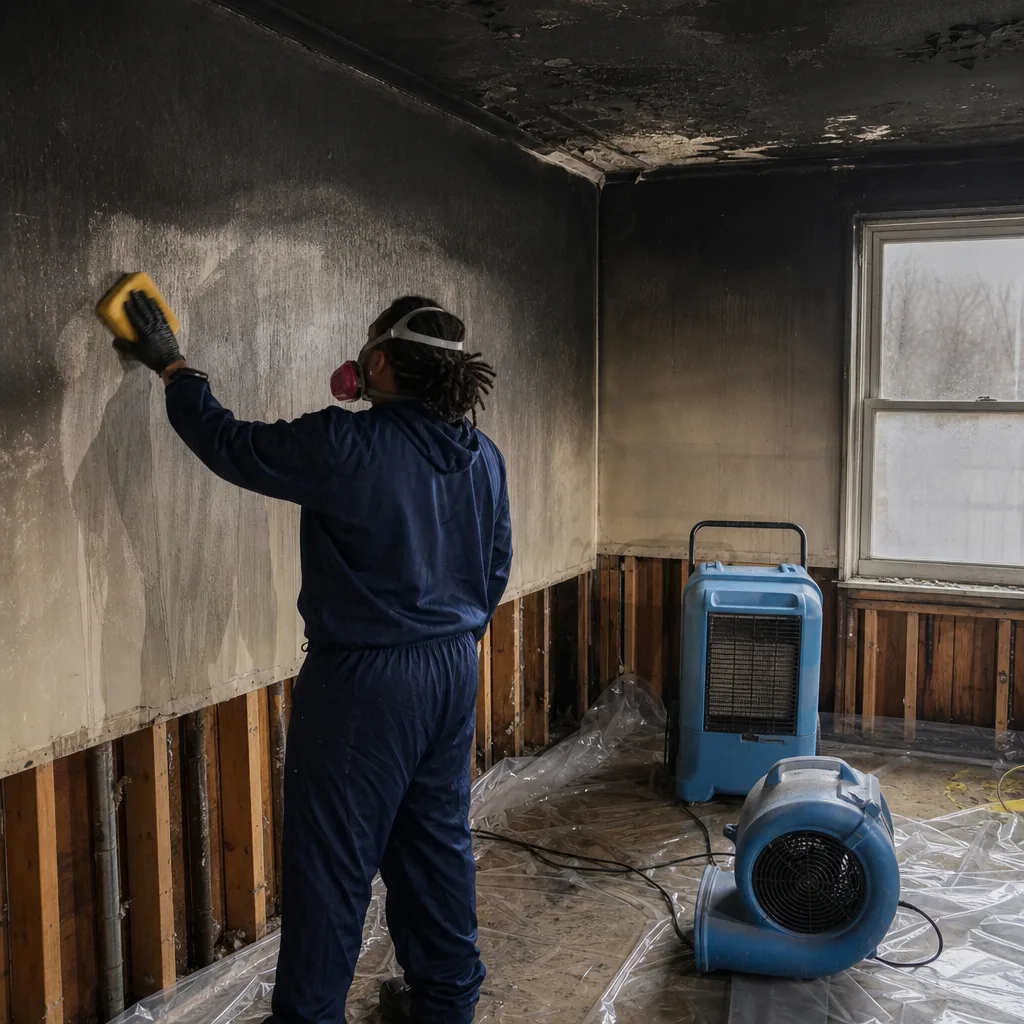
Flood Damage Restoration
Flooding in Greenpoint basements has a unique complication. The groundwater here can carry petroleum contamination from the Greenpoint oil spill, an underground plume of an estimated 17 to 30 million gallons of hydrocarbons that leaked into the soil over decades. That means we classify water before pumping: what looks like standard Category 1 water can be Category 3 contaminated waste if it has come into contact with the plume. The extracted water has to be manifested as contaminated waste before it leaves the property. This isn’t a step we skip, and it’s not one every restoration crew in the neighborhood even knows about.
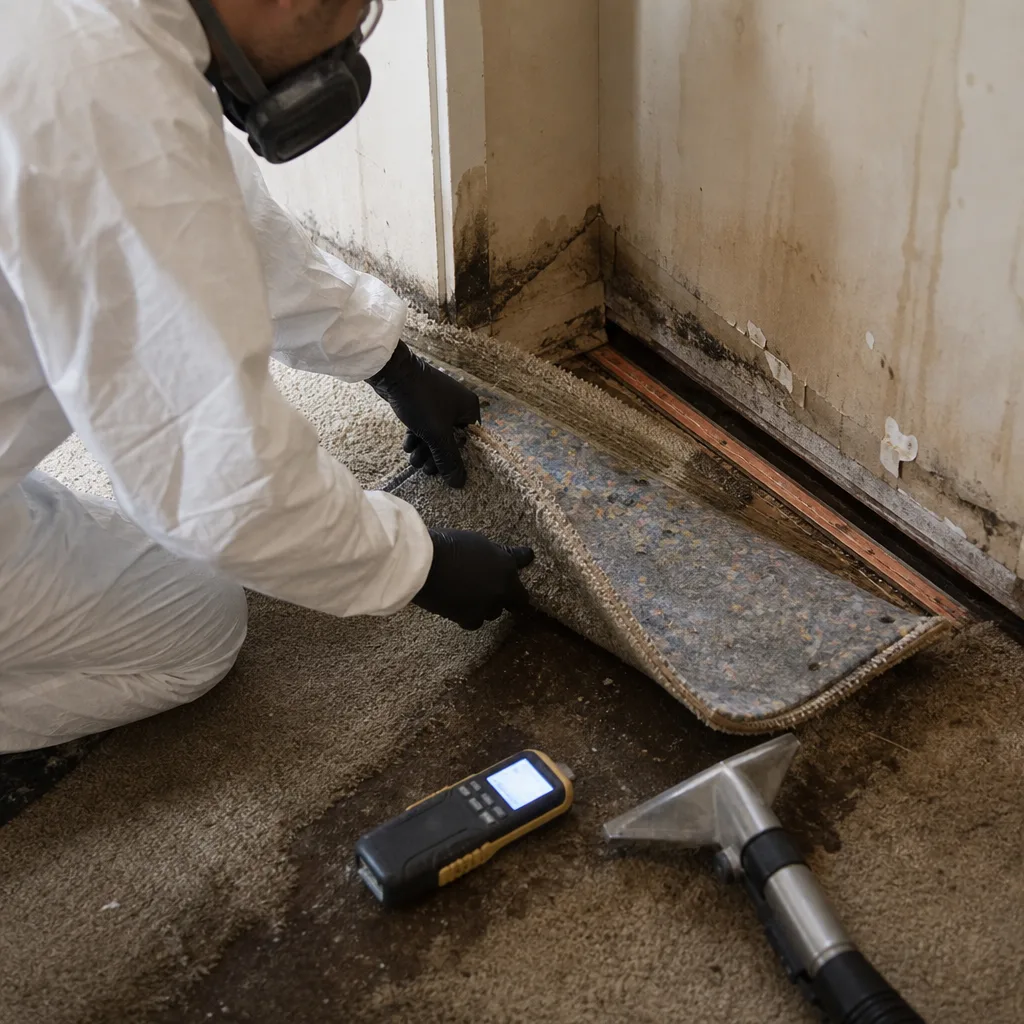
Emergency Board-Up
Broken windows and blown-out doors on Greenpoint brick buildings get boarded with plywood that fits the frame, not a generic piece slapped over the hole. On the waterfront blocks near the East River, we use thicker panels to handle repeated wind loading until permanent repairs are scheduled.
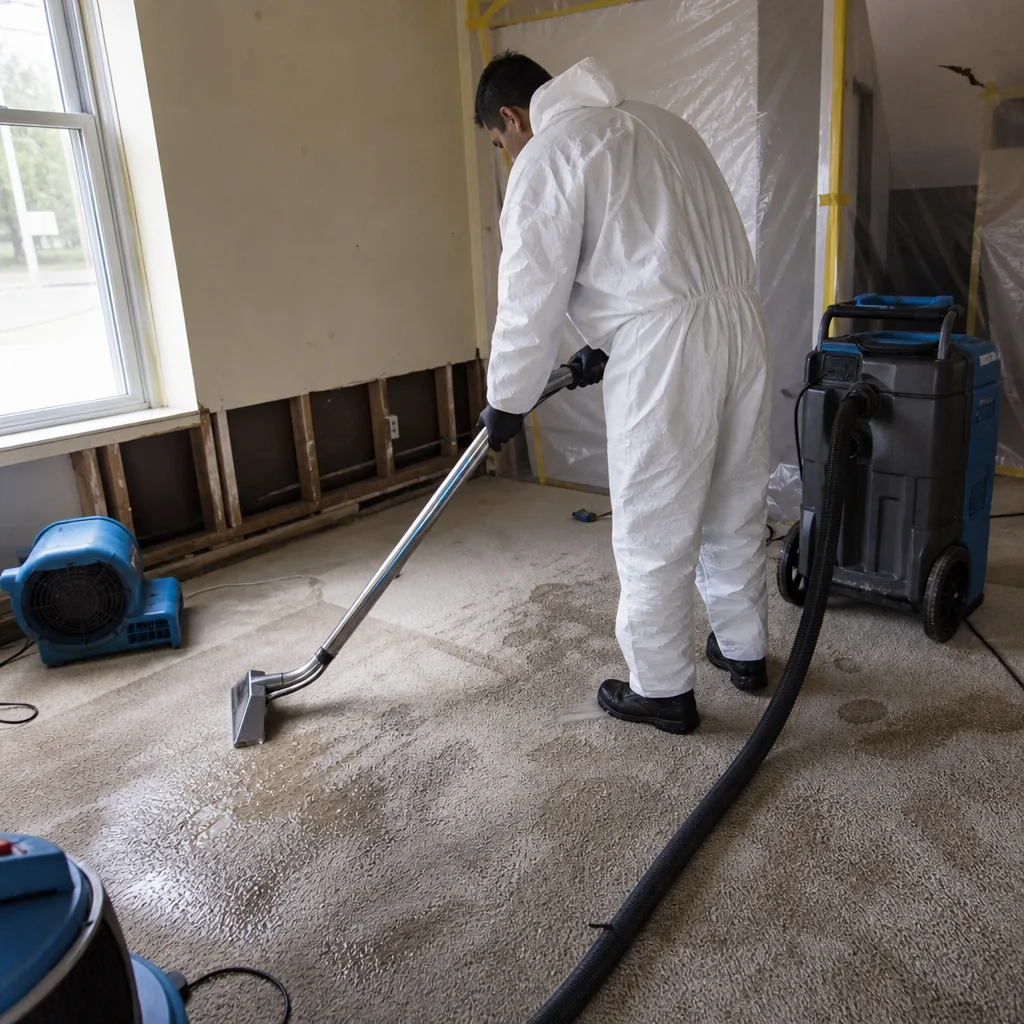
Roof Tarping
Greenpoint’s flat and low-slope roofs take a beating in coastal storms. Tarps go on with overlap and mechanical fasteners, not just sandbags. For rowhouses, we check that water isn’t running off a tarped roof into the neighbor’s parapet or drain line.
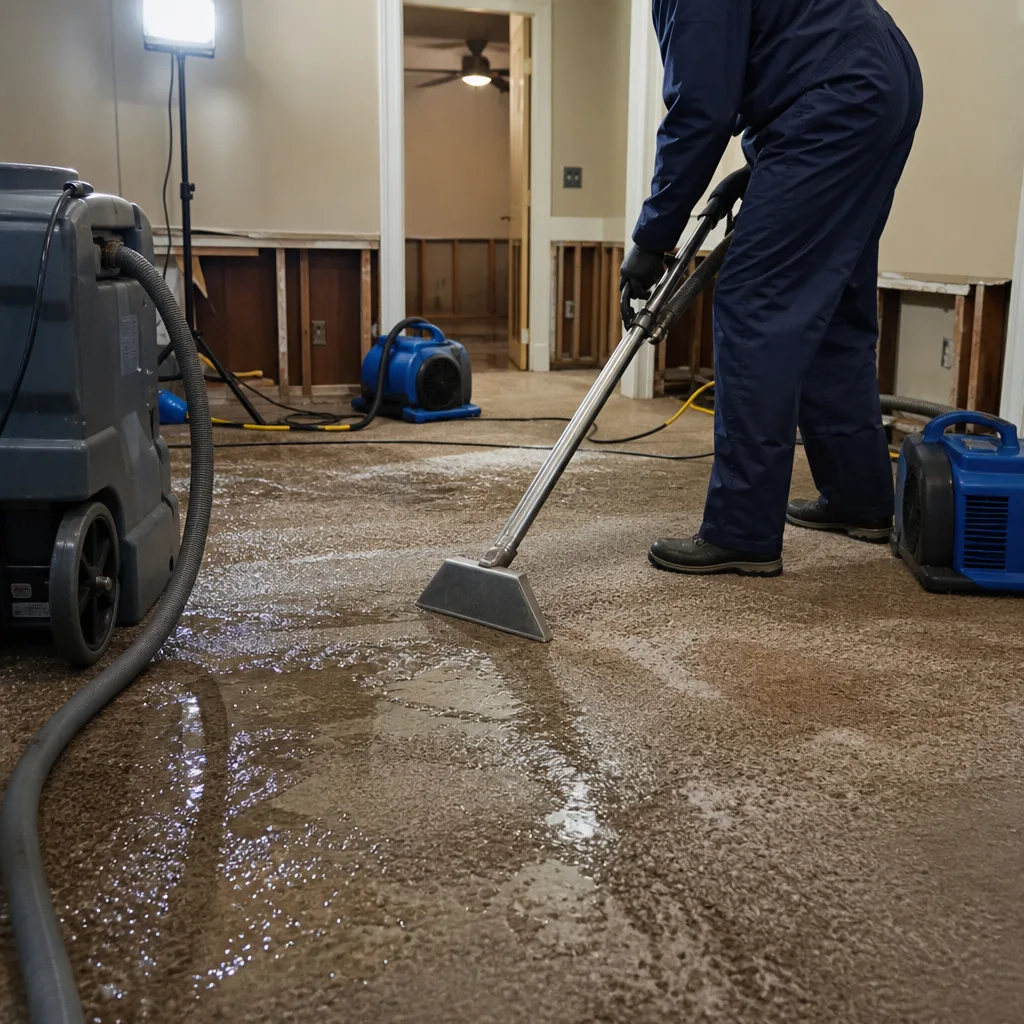
Debris Removal
Storm debris in a neighborhood this dense can block sidewalks and alleyways. We haul away branches, shingles, siding fragments, and loose masonry, and we photograph everything for the insurance file before it moves.
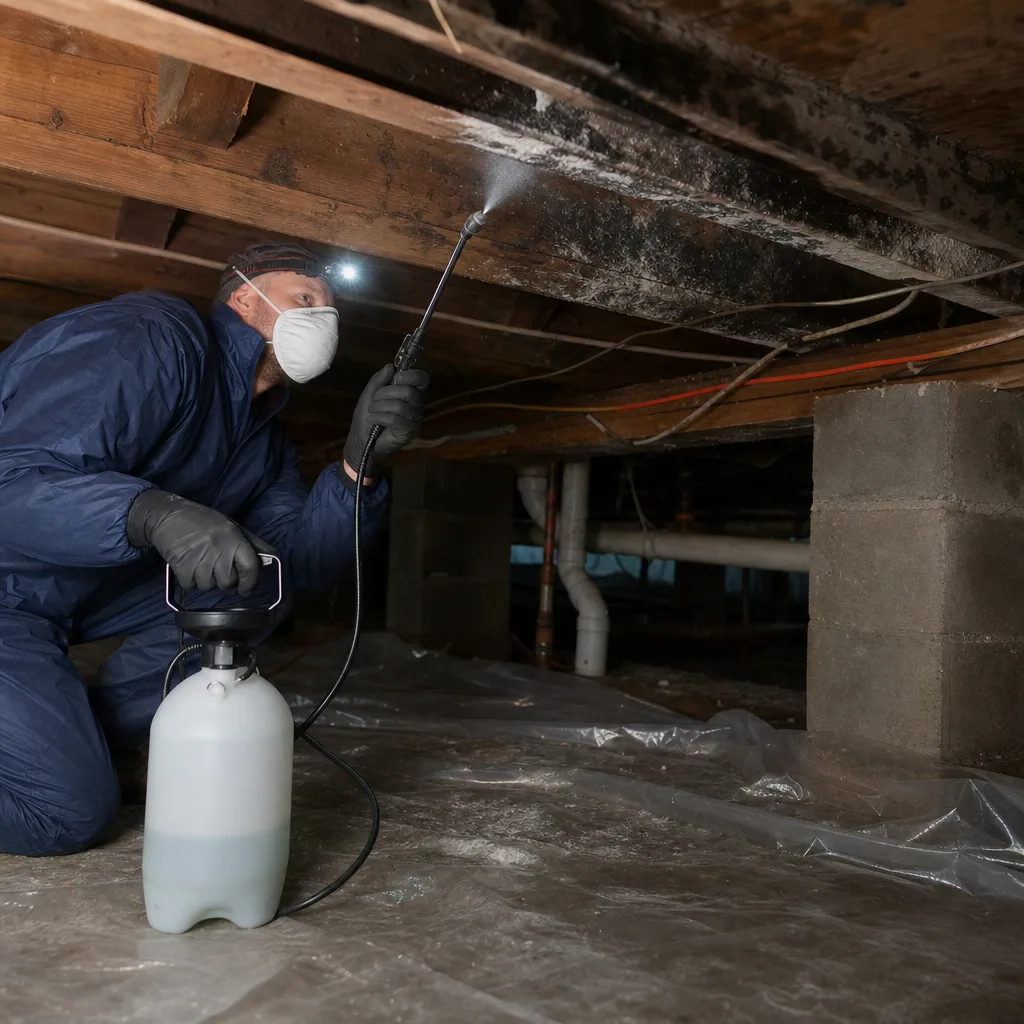
What happens when you call
- 1
A real person answersNo phone trees - you reach a local pro.
- 2
You get an upfront price rangeHonest numbers before anyone is dispatched.
- 3
A background-checked tech heads outLicensed & insured, dispatched right away.
- 4
You approve before work beginsNothing starts until you say go.
Storm & Disaster Restoration Costs in Greenpoint, NY
What does storm restoration actually cost in Greenpoint? Storm damage cleanup starts around $400 to $800 for straightforward debris removal and minor board-up. Flood damage restoration for a typical Greenpoint basement runs $2,800 to $6,500, depending on how much water came in, whether it reached the finished walls, and whether petroleum contamination triggers hazmat disposal procedures. Emergency board-up runs $450 to $1,200 per opening, more for waterfront properties that need reinforced panels. Roof tarping typically runs $600 to $1,500 for a standard rowhouse. Wind damage repair to garage doors and entry systems falls between $350 and $2,000 depending on the hardware. The fastest way to a firm number is a free visual inspection. We look, we measure, and we write a scope of work you approve before anything starts. No surprises at the end.
We Also Serve Cities Near Greenpoint
Our crews work across the surrounding area, including East New York, Jamaica, Canarsie, and Glendale. If your home sits just outside the Greenpoint boundary, call anyway. If we can get to you, we will.
Greenpoint Storm & Disaster Restoration Questions, Answered
How does salt air near Newtown Creek actually ruin a garage-door opener chain, and what’s the fix?
Salt air near Newtown Creek deposits chloride on garage-door hardware constantly, and the chloride accelerates galvanic corrosion, eating through opener chains, springs, rollers, and tracks years faster than you’d see inland. The fix is to replace the corroded parts with coated galvanized springs, stainless steel hinges, and nylon rollers, then treat the chain with a corrosion inhibitor. An annual inspection catches the damage before a chain snaps mid-cycle.
When we pump out a flooded basement in Greenpoint, how do we know if the water is Category 1, 2, or 3, and why does that change the whole scope of work?
We test the water before pumping. Category 1 is clean, Category 2 has some contamination, Category 3 carries sewage or industrial pollutants. In Greenpoint, the category matters more than in other neighborhoods because groundwater near the old oil spill plume can be contaminated with petroleum. Water that looks clean but sits in soil affected by the plume has to be reclassified and manifested as contaminated waste before it leaves the property. That changes disposal cost, PPE requirements, and the equipment we use.
Why do our Greenpoint crews install nylon rollers instead of steel on garage doors near the waterfront?
Nylon rollers don’t rust. Steel rollers near the East River and Newtown Creek start corroding within a couple of years because of the constant salt spray, and rusted rollers bind on the track and wear down the door framing. Nylon rollers with sealed bearings run quieter, last years longer in coastal air, and reduce the strain on the opener motor and chain.
What does a corrosion inspection of a garage door after a coastal Nor’easter actually include, and how often should it be done in Greenpoint?
A corrosion inspection covers the springs, hinges, rollers, tracks, fasteners, and opener chain. We look for rust bloom, cracked spring coils, thinning chain links, loose fasteners, and any sign that the track has shifted from wind loading. We also take moisture readings on the surrounding framing to make sure hidden water hasn’t started weakening the structure. In Greenpoint, if you live within six blocks of either waterway, an annual inspection after storm season is the minimum.
If Hurricane Sandy-style flooding hits a Greenpoint rowhouse, how do you keep mold from spreading into the attached neighbor’s unit through the party wall?
Party walls in prewar rowhouses are continuous surfaces, so moisture moves sideways through the plaster and lath without any visible sign on the affected side. We drill small inspection ports into the shared wall at floor level to see if moisture has migrated, then run drying equipment sealed against the wall to draw water back out. If we find moisture on the neighbor’s side, we talk to that neighbor and document everything for both insurance files. Early intervention is what prevents a six-month mold problem from becoming a three-year legal one.
How fast can you actually get to Greenpoint after a storm?
Our crews stage within the Greenpoint area, so response time is usually 45 minutes or less when the roads are passable. In severe weather, we route around flooding and blocked streets, but we call you with a real ETA. You’ll never wait on hold for a call center while water is still coming in.
Will insurance cover a flooded basement in Greenpoint, and who talks to the adjuster?
Standard homeowner policies cover sudden storm-related flooding if the water came from above ground, but groundwater seepage is usually excluded. The petroleum contamination complication in Greenpoint adds another layer, because insurance companies sometimes fight over whether pump-out is a covered loss or an environmental claim. Wade talks to your adjuster directly with the documentation in hand, so the person explaining the scope of work is someone who actually did the work. Call (363) 300-2771 for help sorting out what your policy covers.
Do we really need full restoration, or can we just clean up and move on?
Wet plaster and lath in these old Greenpoint buildings can hold moisture for weeks before you see the first stain. By the time mold is visible, it’s often colonized behind the wall. A free visual inspection with moisture readings tells you whether you’re looking at a cleanup or a restoration. We’ll give you a straight answer, not a scare tactic.
Serving Greenpoint, NY - Our Local Coverage Area
We’re based in the Greenpoint area and know this community well. Use the map below to see our service coverage - if you’re nearby, we can almost certainly help.
Call Wade’s Restoration for Storm & Disaster Help in Greenpoint
If a storm just pushed water into your basement off Franklin Street or wind took down a tree across your garage on Norman Avenue, call us now. If you’re reading this six months after a flood and the baseboards are starting to smell, call us too. We fix problems at any stage. For emergency response, for a free inspection, or for a second opinion on a written estimate from another contractor, call (363) 300-2771. Wade answers his own phone. He’ll tell you what he thinks, whether that’s a full restoration or a bucket and a mop. For more on how we work, see our Storm & Disaster Restoration service page or call for details specific to Storm & Disaster Restoration in Greenpoint.
Written by Wade Ferris, Owner at Wade’s Restoration, serving Brooklyn and the surrounding area since 2007.