
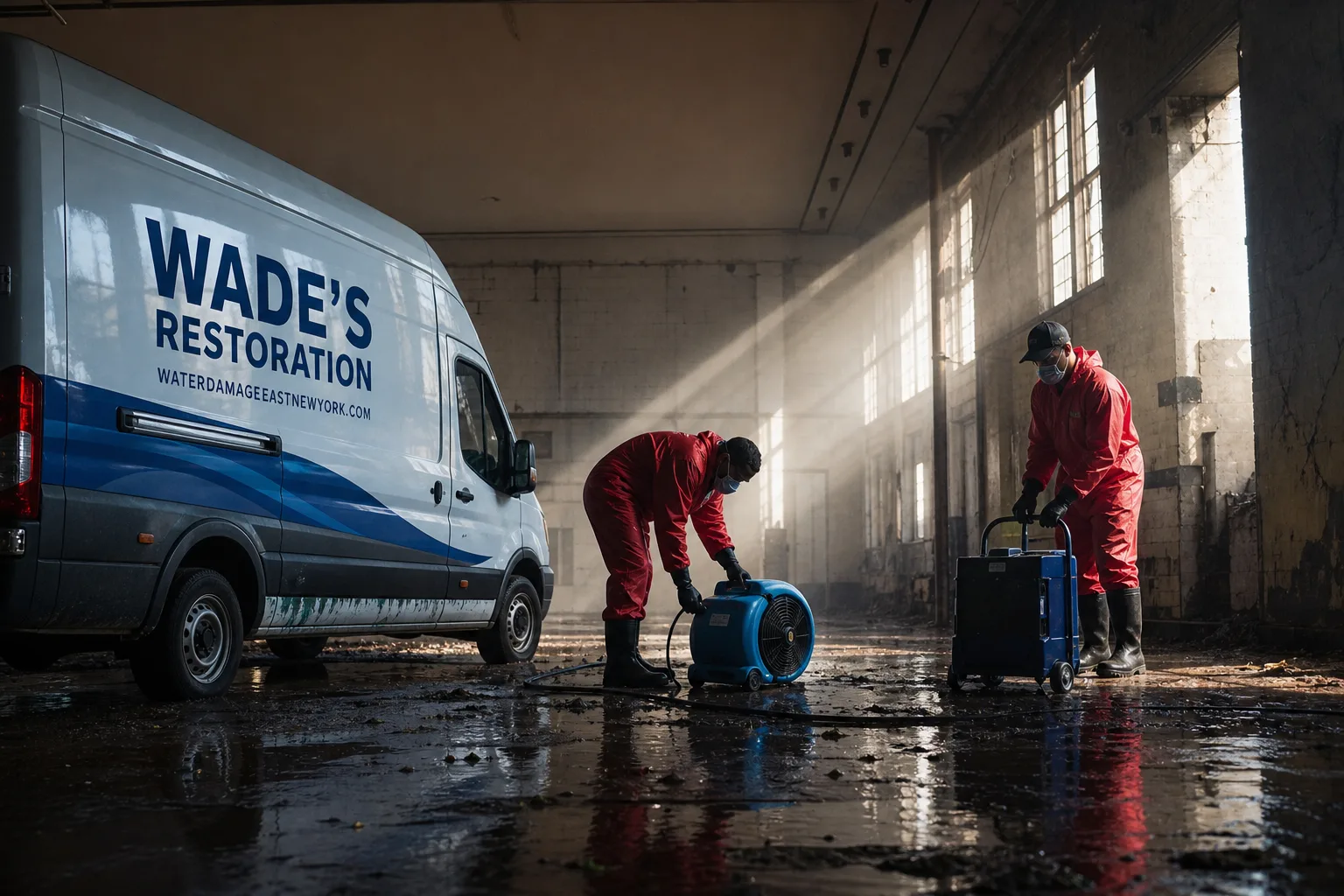
Free visual inspection and a written scope of work before any mitigation begins - photos, moisture readings, and drying logs go in your claim file
The scope we write is the scope we bill. Anything new gets shown to you, in writing, before we touch it.
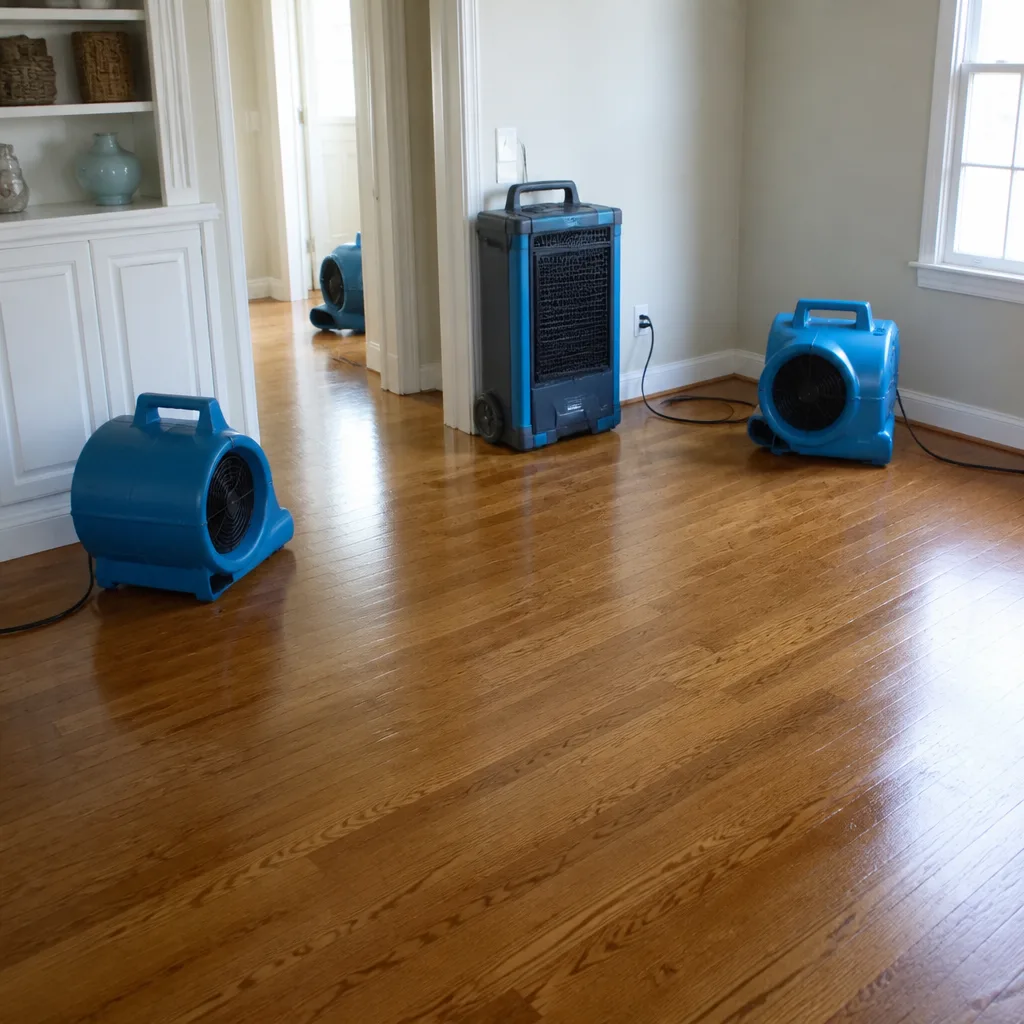


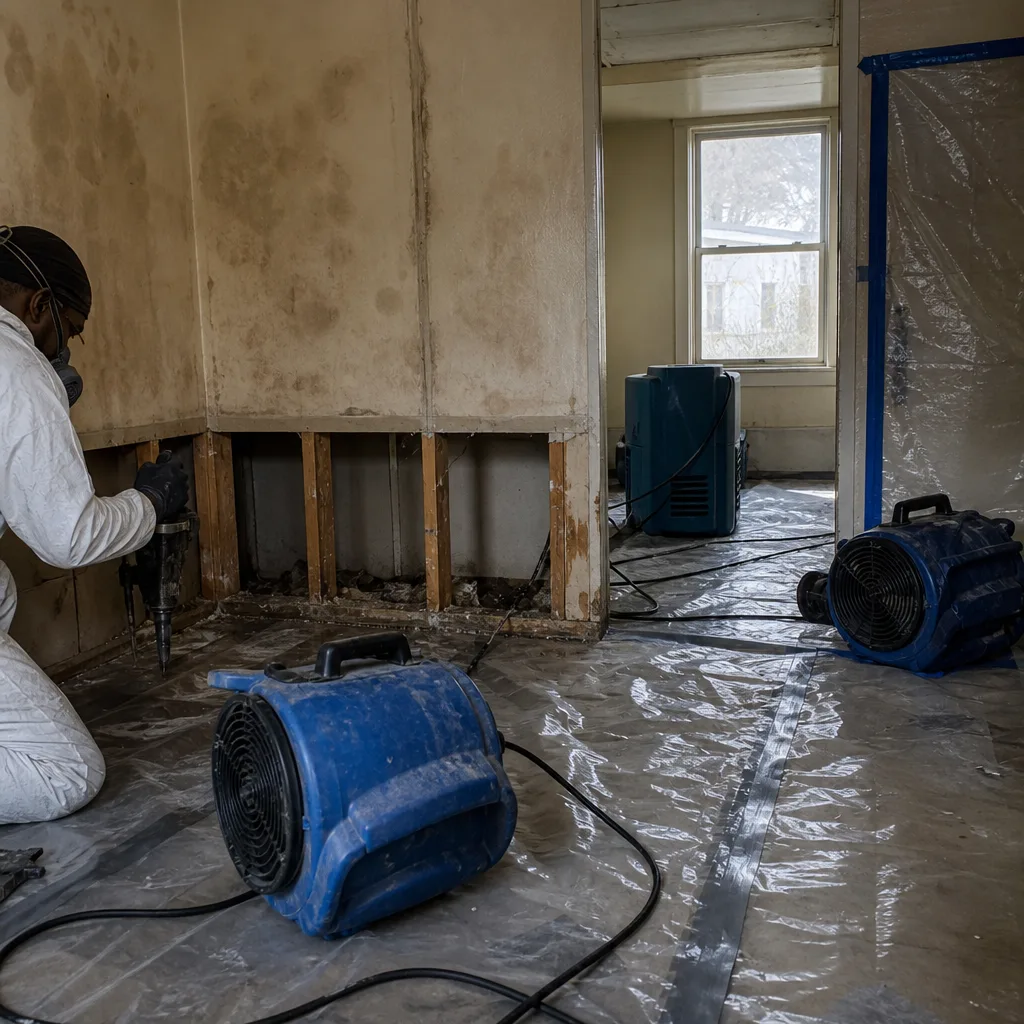 Before
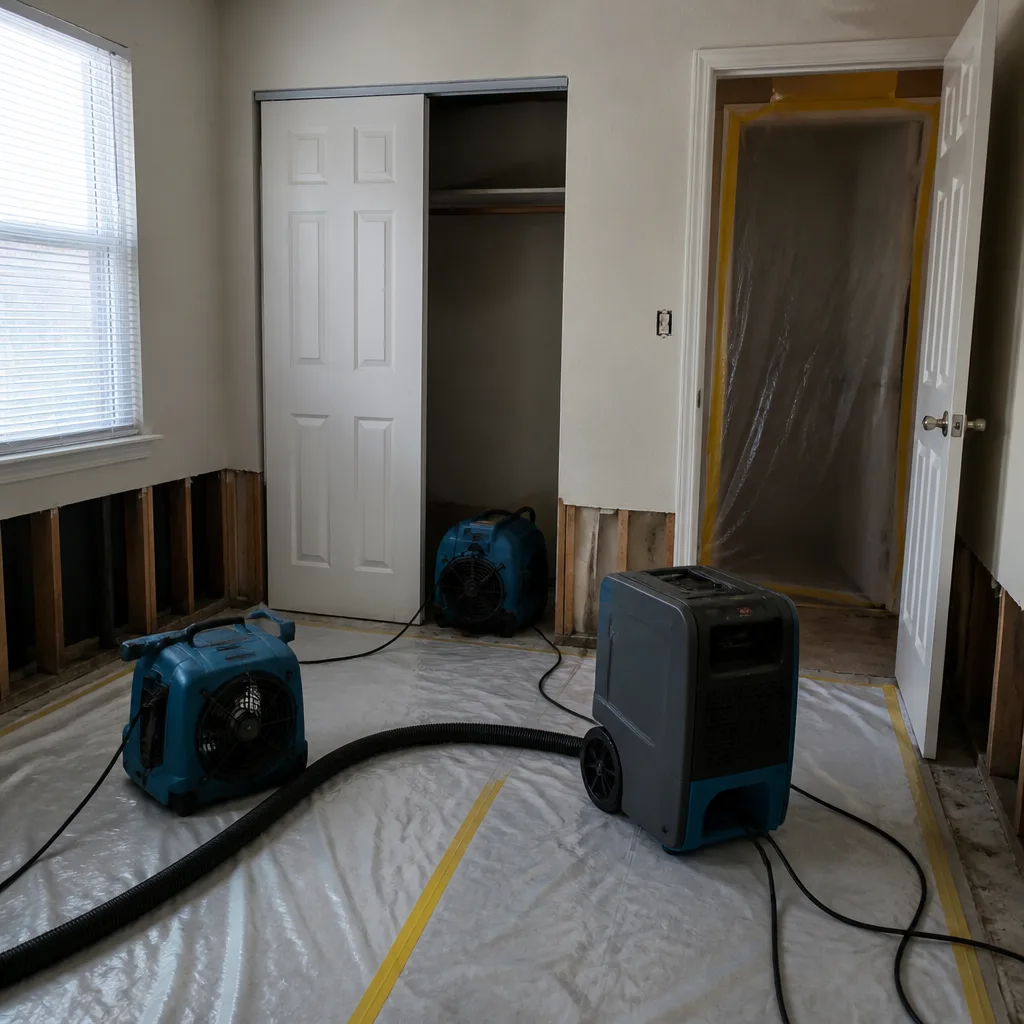 After
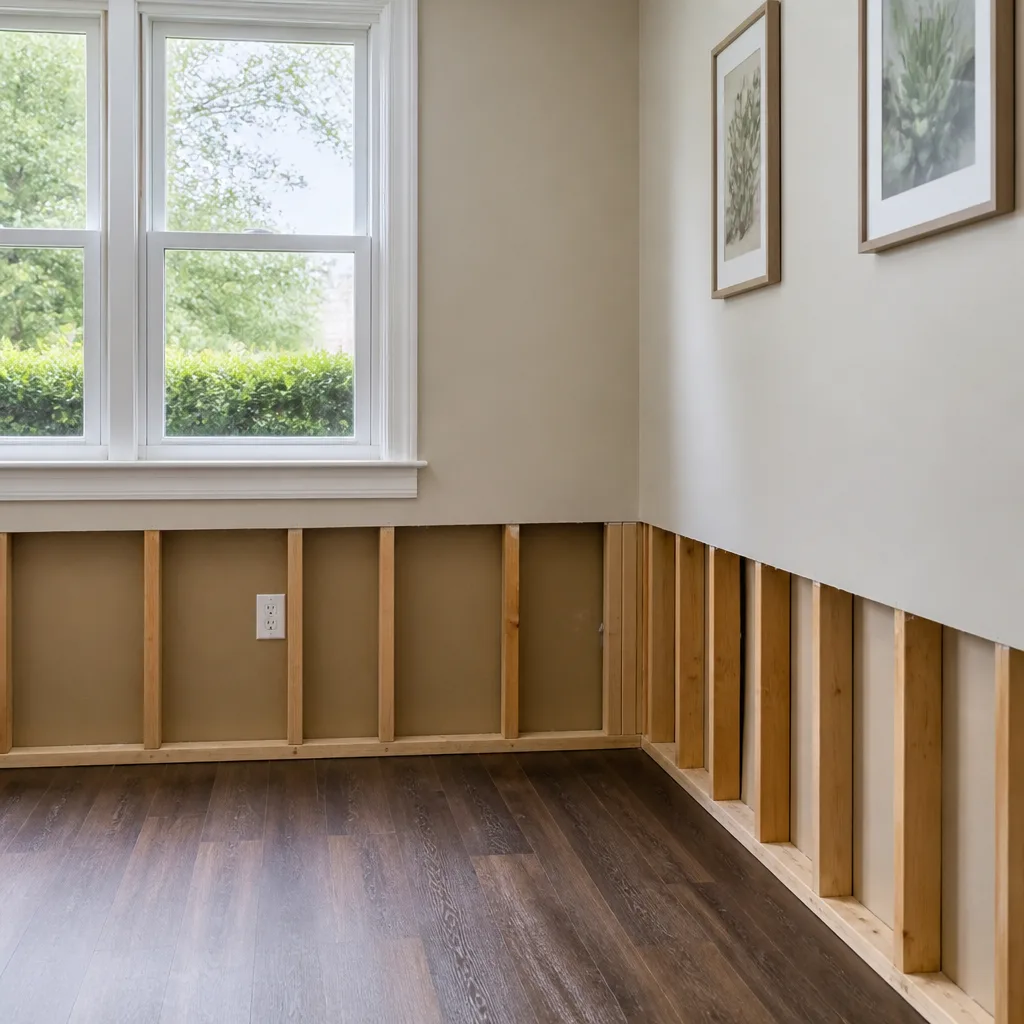
After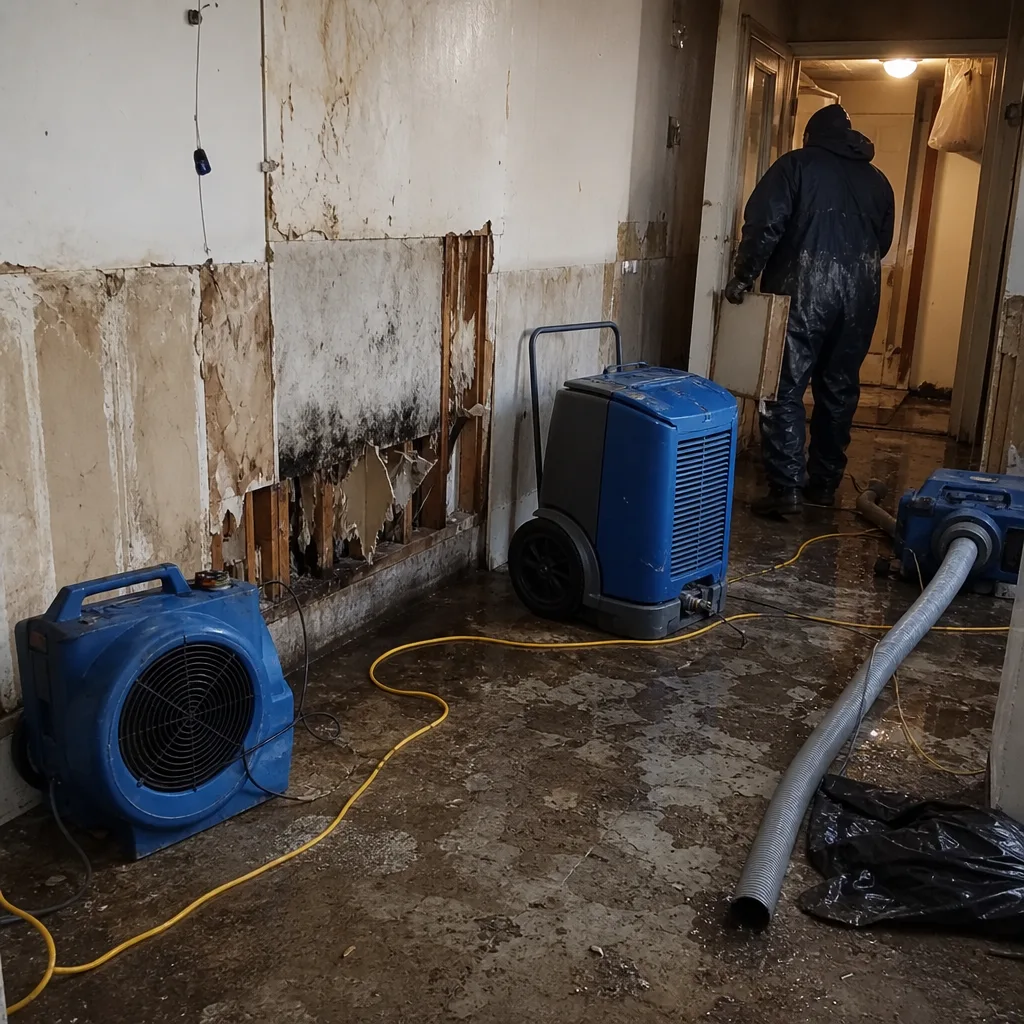 Before
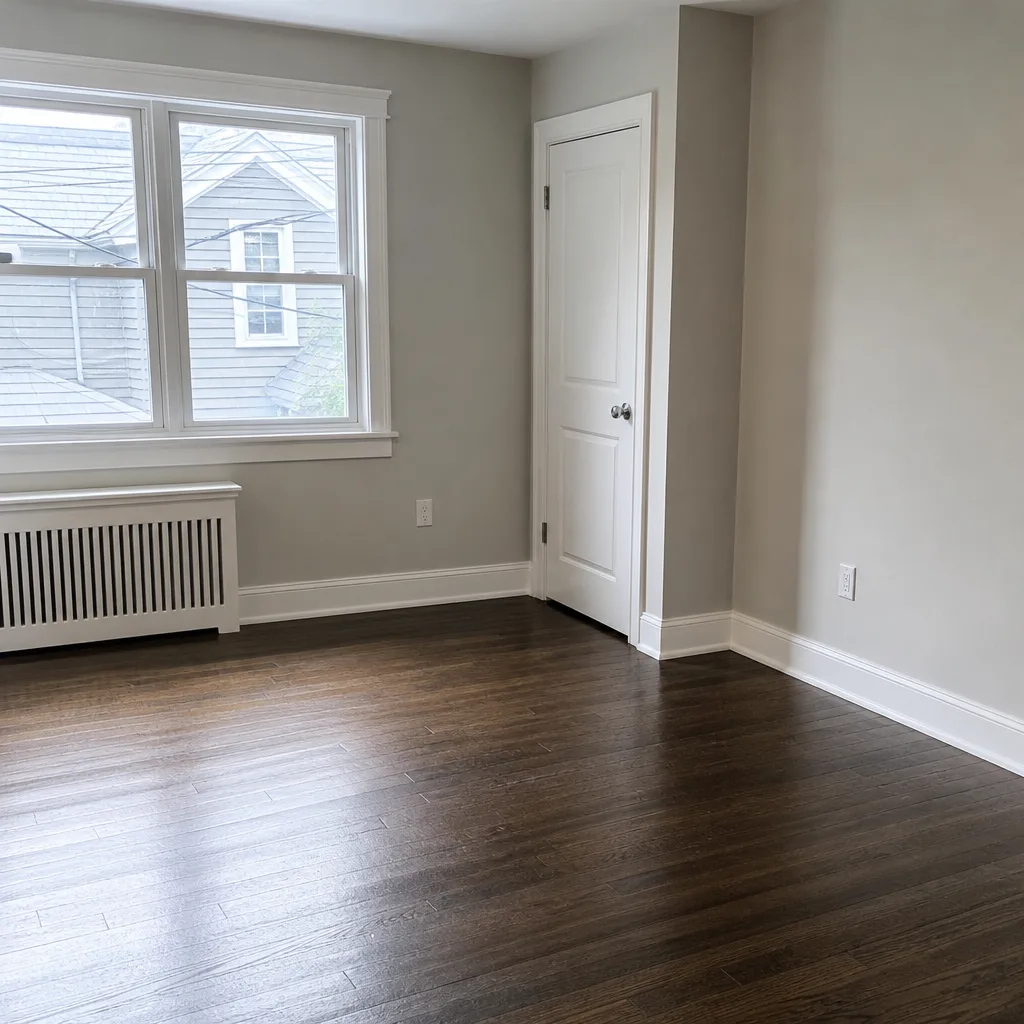 After
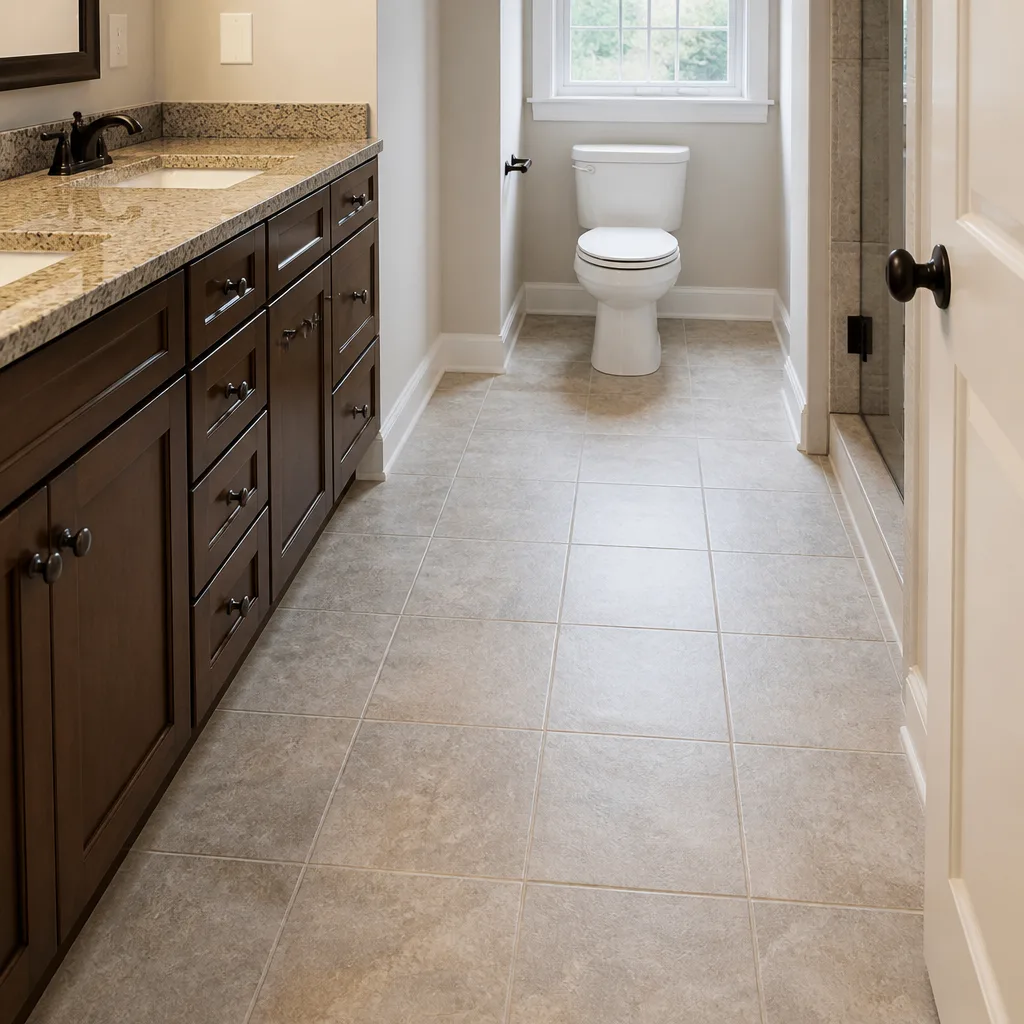
After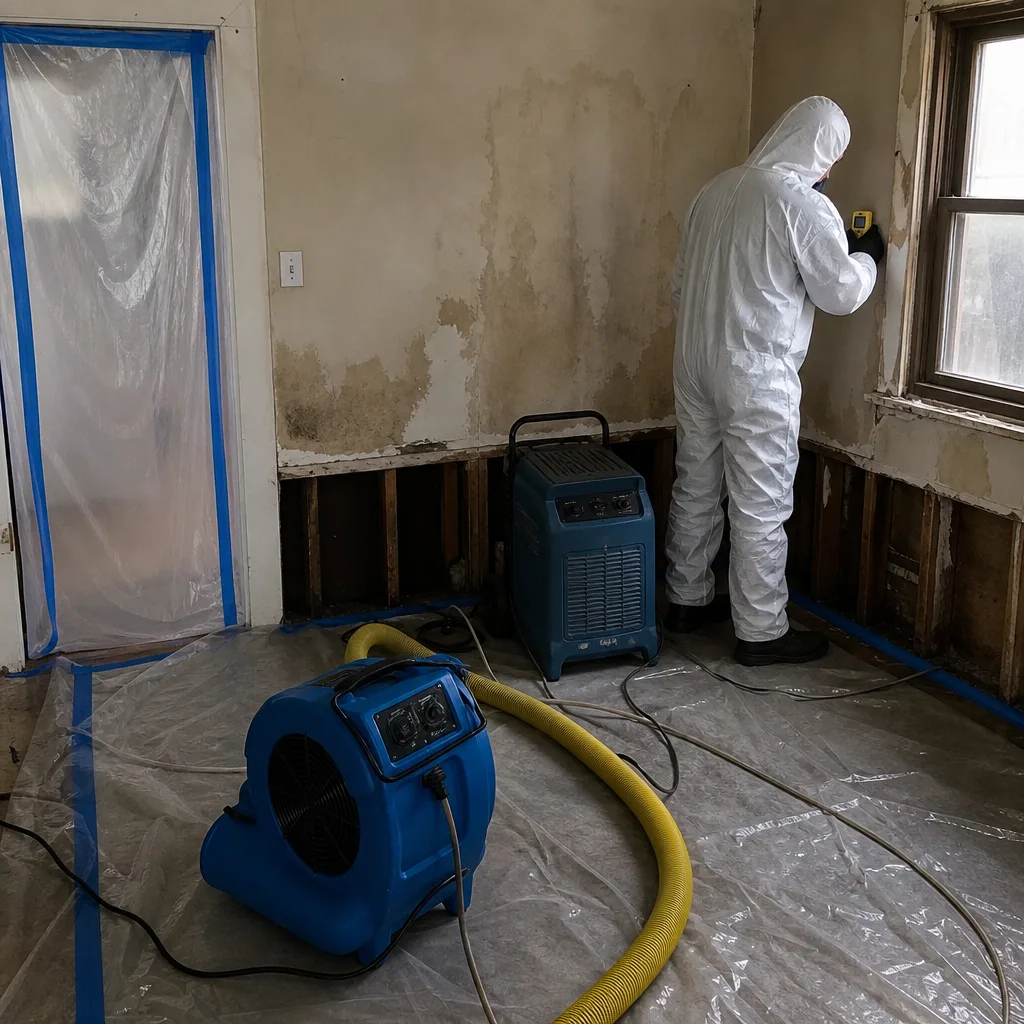 Before
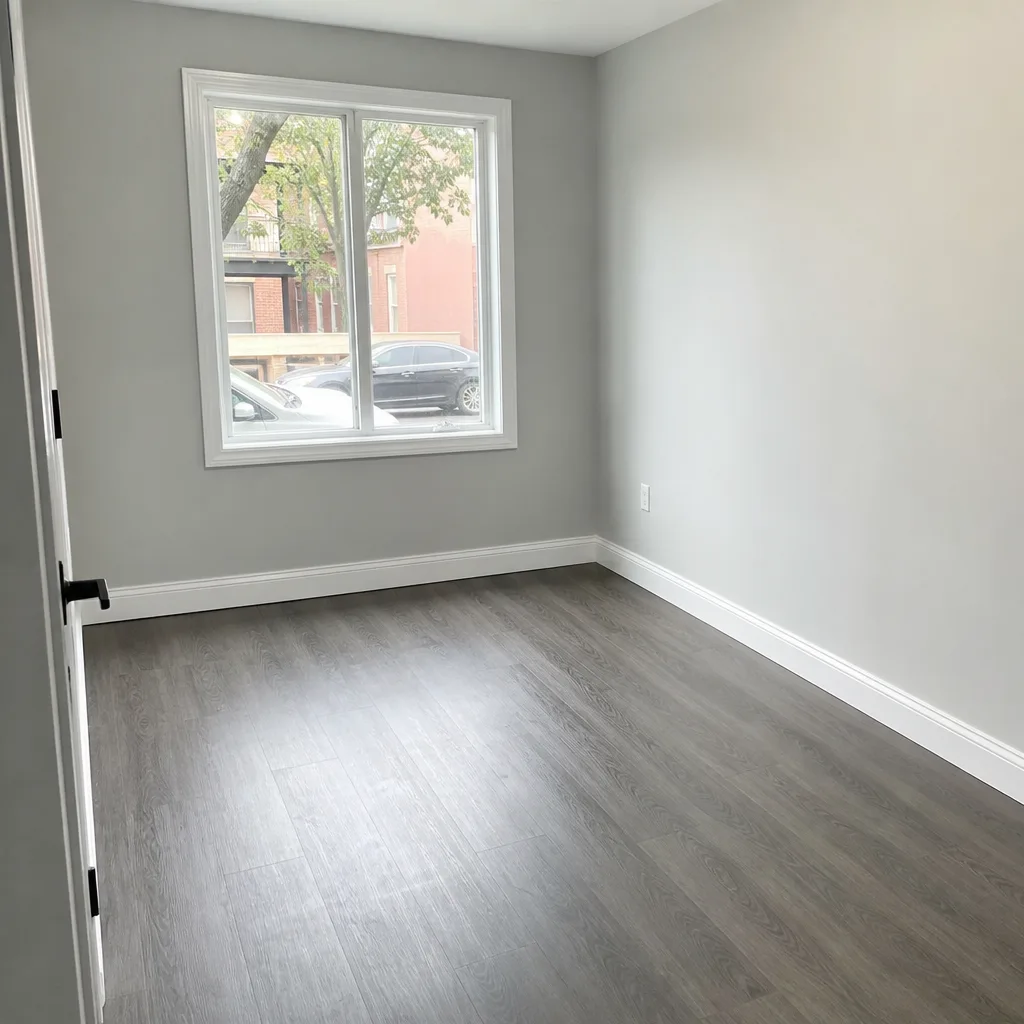 After
After24/7 Emergency Storm & Disaster Restoration in Richmond Hill
Storm damage in Richmond Hill moves fast. A broken garage-door spring off a salt-corroded track, a nor’easter pushing Category 2 water through a bulkhead, a sewer backup into a basement that flooded during Sandy: all of it gets worse by the hour. Our Storm & Disaster Restoration team answers live around the clock, and Wade heads out fast enough that extraction is typically running inside the hour across Richmond Hill. Call (363) 300-2771 the minute you see water or storm damage. The first hour decides whether you’re drying a floor or replacing it.
Understanding Storm & Disaster Restoration Severity in Richmond Hill Properties
Richmond Hill’s housing stock wasn’t built for the storms it now takes. The attached and semi-detached brick row houses that dominate the blocks off Liberty Avenue and Lefferts Boulevard seal up tight against the street, but they share party walls, old horsehair plaster, and galvanized supply lines that fail under pressure changes. When a nor’easter hits, water enters through failed garage-door tracks, bulkhead gaps, and window wells; once inside, it travels through wall cavities and across shared joists into the unit next door. The severity we assign follows IICRC standards: Category 1 is clean supply-line water, Category 2 is storm water with debris, Category 3 is sewage-laced water from a combined-sewer backup. Most storm losses in the low-lying southern blocks of Richmond Hill start as Category 2 and become Category 3 the moment Jamaica Bay watershed backflow enters the picture. That changes everything: containment, disposal, drying protocol, and the permits required.
Why Richmond Hill Property Owners Choose Wade’s Restoration
- Wade answers his own phone. You call, a real person picks up. Not a call center, not a voicemail tree. Wade Ferris, often from the truck.
- 45-minute response in Richmond Hill. Crews stage from the New York City office and know the corridor routes off Atlantic Avenue and 101st Avenue. We get there before the damage spreads through the party wall.
- IICRC-certified crews, WRT and ASM-coded where the job demands. Water damage calls get WRT-certified work. Mold gets AMRT. The right certification, not just any body with a fan.
- Free visual inspection, no trip charge inside the county. Wade gives you a straight read on what’s wet, what’s salvageable, and what the next 72 hours need. No charge for that. Ever.
- Direct insurance billing. We document everything from hour one, build line-item scopes that adjusters actually accept, and deal with the carrier directly so you don’t have to relay messages between two sides.
- One team from first extraction to final coat of paint. No handing you off to a sub you’ve never met. Same crew, same accountability, same name on the truck.
Our Storm & Disaster Restoration Process
1. Inspection & Assessment
We start with thermal imaging and moisture meters on every surface, including the adjacent unit’s side of any shared wall. In Richmond Hill row houses, skipping the neighbor’s side is how mold disputes start. You get a written scope before any work begins.
2. Extraction & Stabilization
Standing water comes out with truck-mounted extractors and submersible pumps. We board up broken openings and tarp damaged roofs the same visit so the structure isn’t exposed to the next storm while we work.
3. Structural Drying & Dehumidification
Dri-Eaz and Phoenix air movers and LGR dehumidifiers get placed based on a moisture map, not guesswork. We take daily readings and hand you the full log at the end of the job. Almost nobody in this trade does that.
4. Cleaning & Sanitization
HEPA air scrubbers run throughout cleanup, and every salvageable surface gets treated with appropriate antimicrobials. Category 3 water means full containment and disposal of porous materials. No shortcuts.
5. Corrosion & Salt-Air Mitigation
This is the Richmond Hill-specific step. We inspect every garage-door spring, hinge, roller, track, fastener, and opener chain for salt-air damage from the Jamaica Bay watershed. Corroded parts get replaced with coated, corrosion-resistant units and stainless hardware.
6. Repairs & Restoration
Drywall, trim, flooring, paint, door hardware, and garage-door components go back in to match the pre-war character of your house. The job isn’t done until the room looks like the storm never came through.
Need Emergency Storm & Disaster Restoration in Richmond Hill Now?
Crews minutes away, answering live 24 hours a day. The sooner we start, the less it costs.
Working With Your Insurance Company
Storm claims in Richmond Hill get complicated fast, especially when a party wall is involved and two homeowners are filing against two policies for the same physical damage. That’s the reality of attached row houses. We’ve handled enough of these to know what adjusters need: documentation from the very first hour, not a summary written two weeks later. Wade deals with the adjuster directly. You get copied, you get consulted, but you are never the one stuck relaying information between two sides. That alone saves Richmond Hill homeowners weeks of back-and-forth.
What We Provide Your Insurer
- Thorough documentation of the loss
- Photos of all damage, room by room
- Moisture readings and drying logs
- A detailed, line-item scope of work
- Direct coordination with your carrier
Built for Richmond Hill’s Loss Calendar
Richmond Hill loses buildings to storms on a predictable schedule. January deep freezes burst galvanized supply lines in pre-war row houses, and that water runs down through plaster ceilings and into basement utility rooms. Spring thaw pushes groundwater up against foundation walls, and the southern blocks near the Jamaica Bay watershed start seeing seepage through floor cracks. Summer cloudbursts overwhelm the combined sewer system, and Category 3 water backs up into basements that Sandy already hit once. Then come the nor’easters, and every garage door with a corroded track or a rusted spring becomes a weak point for wind-driven rain entry. The pattern is not random. Neither is our response calendar: we pre-position drying equipment ahead of major storm forecasts, and our crews know which Richmond Hill blocks flood first.
Storm & Disaster Restoration Across Richmond Hill’s Neighborhoods
The response routes tell you where the damage lives. Along Liberty Avenue, the commercial ground floors and attached residential units above them share supply lines and drainage stacks; a retail flood at street level is almost always a residential problem on the second floor within hours. The tree-lined blocks off Lefferts Boulevard are dense semi-detached brick, and the party walls there hide moisture better than anywhere else in the neighborhood. Down in the southern section toward South Ozone Park and the Jamaica Bay watershed, the streets sit lower and the combined sewer outfalls back up faster; those basements were remediated after Sandy, but most still have the original check valves, and those valves fail on a ten-year clock. Around Forest Park’s eastern edge, big pre-war co-ops and attached homes meet single-family detached stock, which changes everything about how wind drives rain into an envelope. The map of Richmond Hill is a map of different failure modes, and we read it before we ever pull up to the curb.
Specialized Storm & Disaster Restoration Services We Offer in Richmond Hill
Storm Damage Cleanup
After a nor’easter or a summer cloudburst, Richmond Hill basements and ground floors are left with water, debris, and broken glass. We handle the full cleanup: extraction, debris haul-off, surface sanitization, and drying. For attached row houses, cleanup always includes an initial moisture check on the adjacent unit’s shared wall. It costs you nothing and it prevents disputes later. The row house corridors along Jamaica Avenue and Atlantic Avenue teach you that lesson once, and you never skip it again.
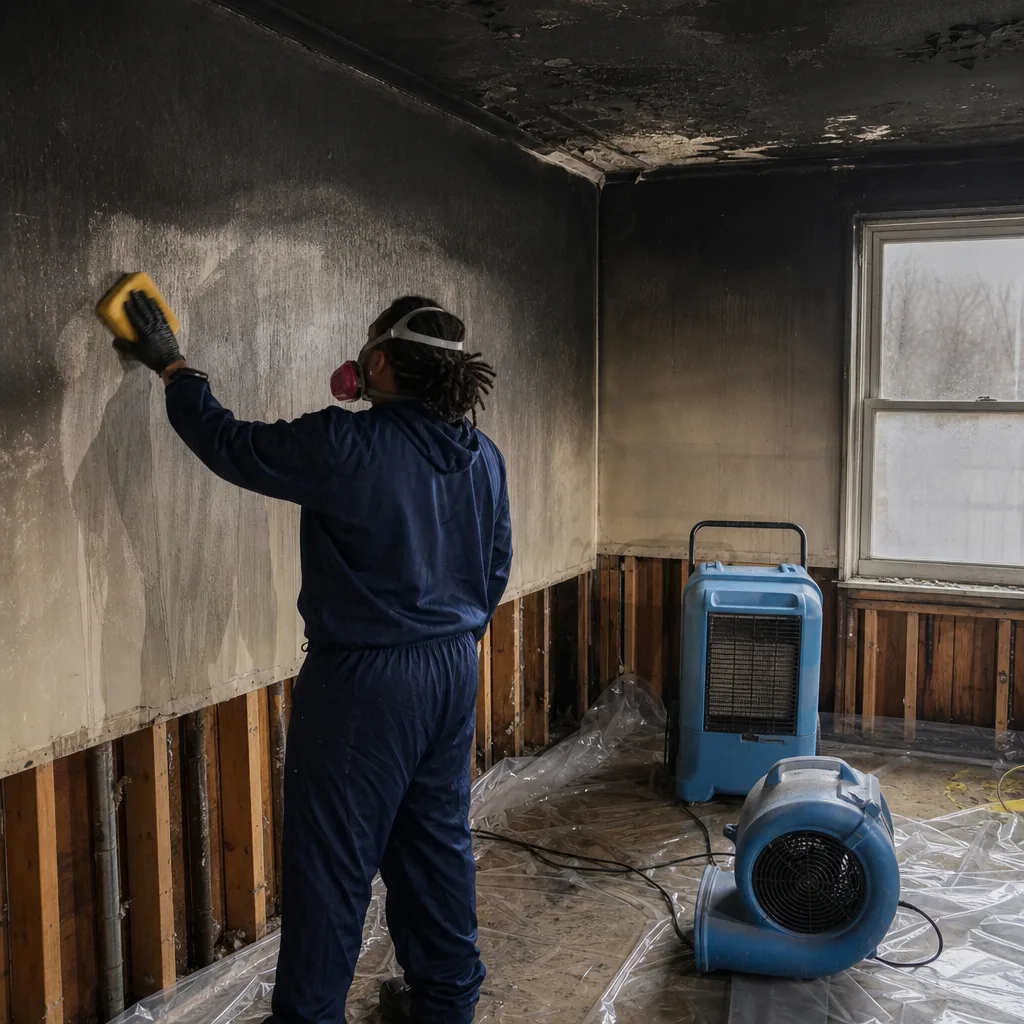
Flood Damage Restoration
When combined sewer backups push Category 3 water into a Richmond Hill basement, the restoration protocol changes completely. Porous materials like carpet, padding, and drywall wicking the contamination come out under containment. Concrete gets treated with appropriate antimicrobials and dried to a moisture spec that prevents mold from taking hold in the warm, humid weeks that follow a storm. We’ve restored hundreds of basements in the flood-prone southern blocks, many of them remediated once before after Sandy, and we know what the second round demands.
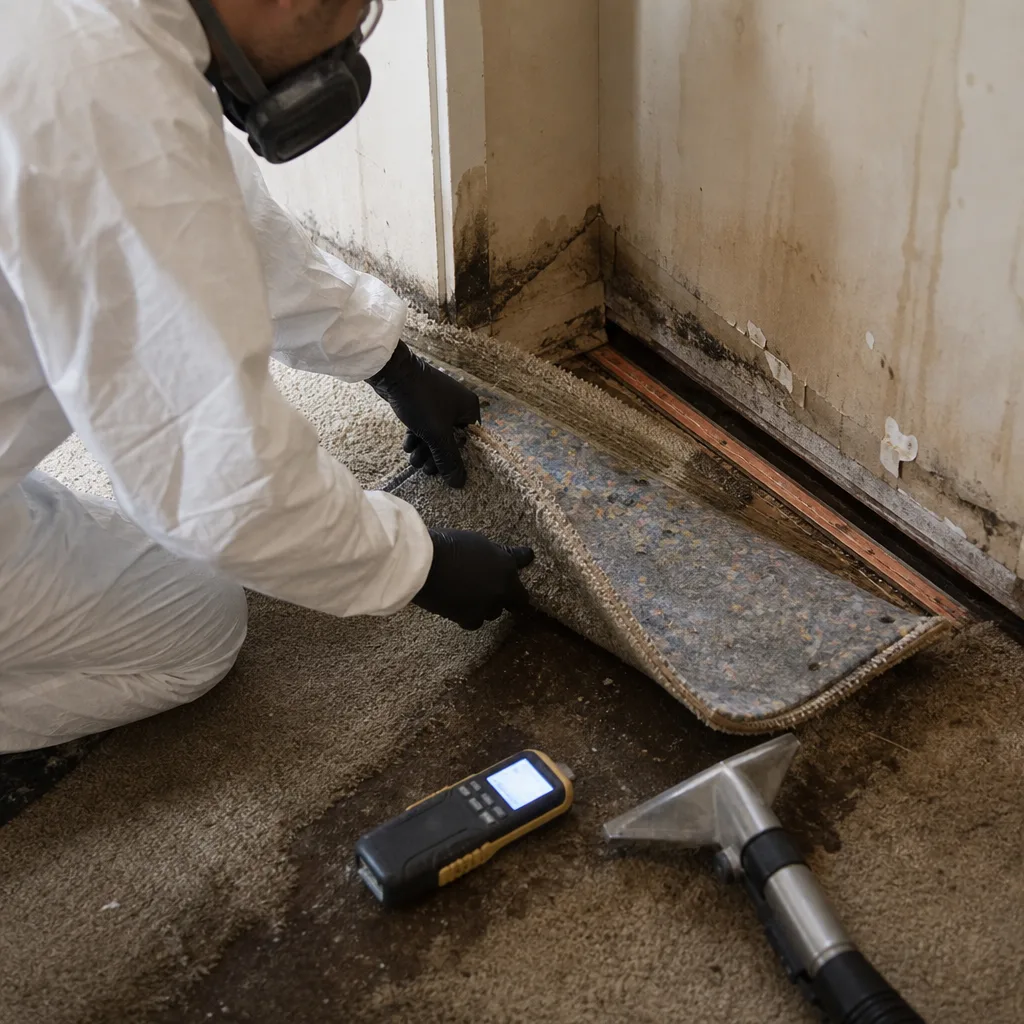
Emergency Board-Up
A failed garage door or a blown-out window on a Richmond Hill row house is an open invitation to the next storm and to anyone walking by. We board up with plywood and secure every opening the same visit, including the shared-wall side if the damage crossed over. In attached housing, an unboarded opening in one unit compromises the neighbor’s envelope too. Board-up is fast, it’s cheap relative to what it prevents, and it’s often fully covered by insurance.
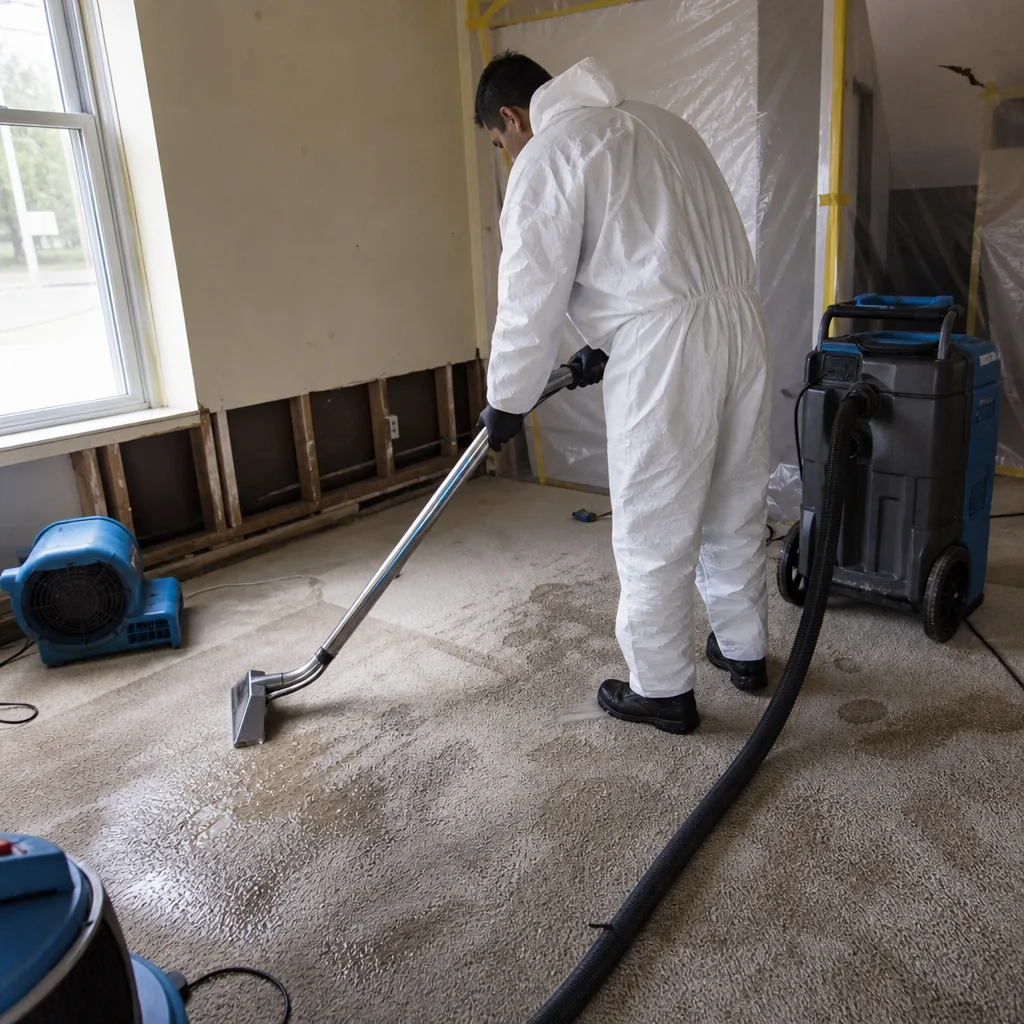
Roof Tarping
Wind-driven rain strips shingles and flashing off Richmond Hill’s pre-war roofs, and the flat and low-slope roofs over attached rows let water pool right where the parapets meet the party walls. We tarp the damaged area with heavy-duty, weather-rated material and secure it against the next front. Roof tarping is a stopgap, but done right it keeps a Category 2 situation from becoming a Category 3 interior loss before permanent repair can be scheduled.
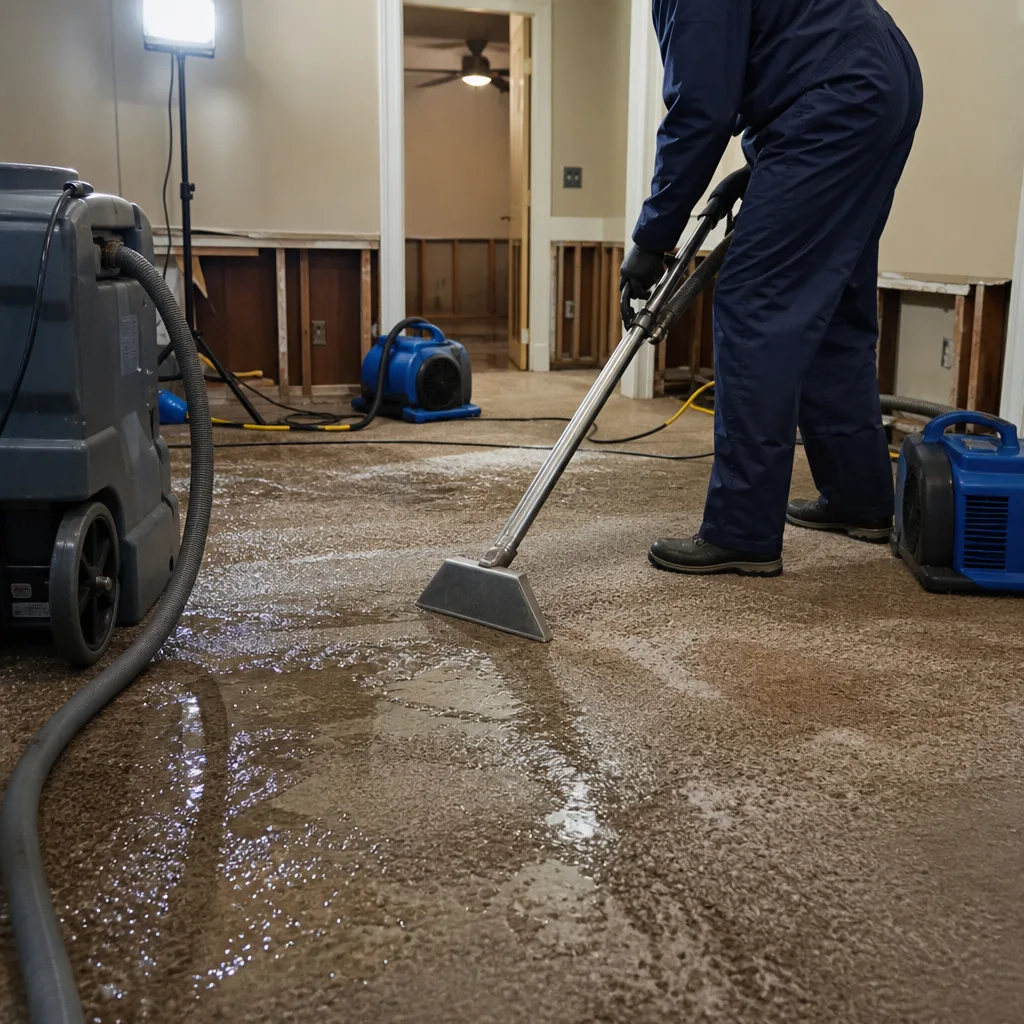
Debris Removal
Downed branches, blown-in glass, soaked insulation, collapsed ceiling material: storm debris in a Richmond Hill basement is contaminated the moment it sat in flood water. We haul it out under proper containment and disposal protocols, and we separate what’s salvageable from what’s a biohazard. Then we dry the space. Debris removal is where a lot of national outfits send a day-labor crew and hand you a bill. Wade sends the same crew that does the restoration work, and they document everything for your claim.
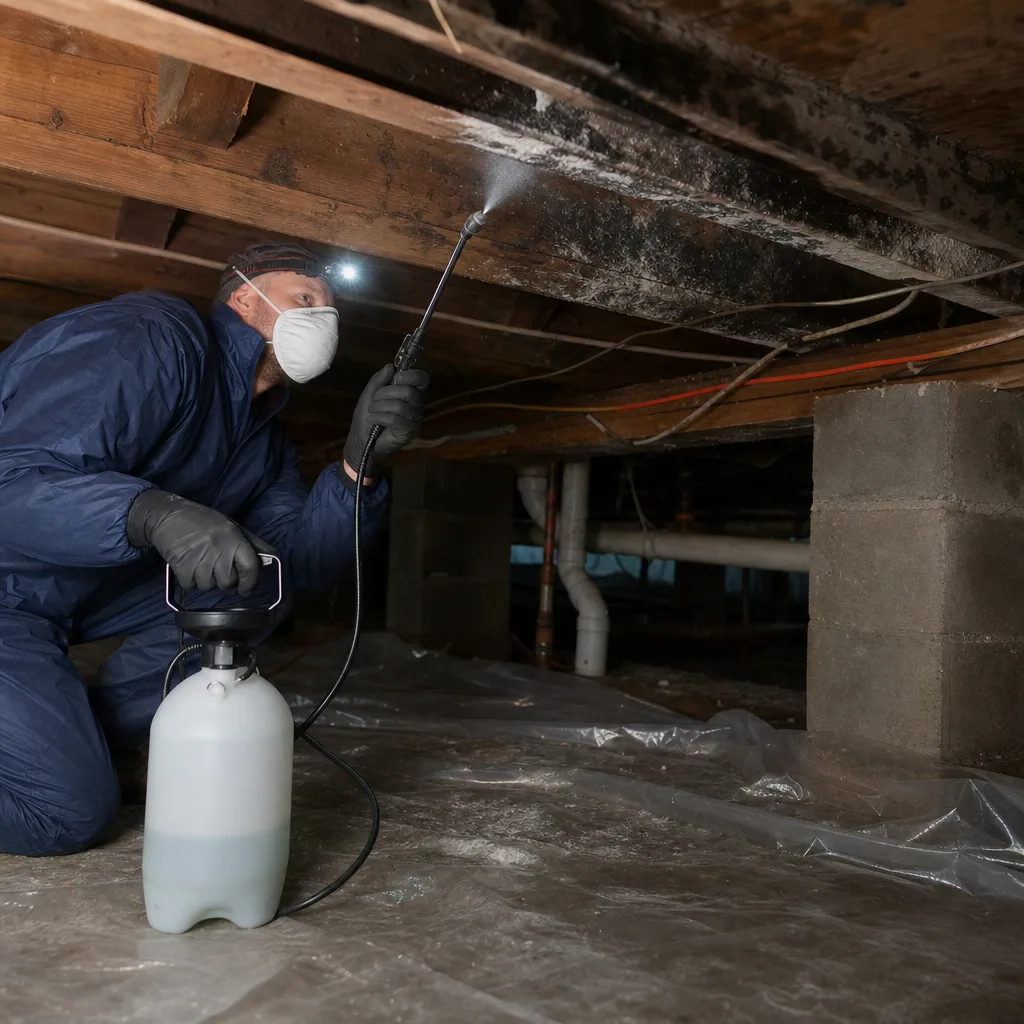
What happens when you call
- 1
A real person answersNo phone trees - you reach a local pro.
- 2
You get an upfront price rangeHonest numbers before anyone is dispatched.
- 3
A background-checked tech heads outLicensed & insured, dispatched right away.
- 4
You approve before work beginsNothing starts until you say go.
Storm & Disaster Restoration Costs in Richmond Hill, NY
Here is what Richmond Hill homeowners actually pay, based on the losses we’ve worked in this neighborhood. Basement water extraction with basic drying typically runs $1,500 to $3,800 depending on square footage and water category. Full Category 3 cleanup with containment, disposal of porous materials, and structural drying in a row house basement runs $4,000 to $9,500. Emergency board-up runs $350 to $900 per opening. Roof tarping runs $450 to $1,200 depending on the damaged area. Full storm restoration including drywall replacement, trim, flooring, and paint on a single ground-floor room in an attached brick row house runs $6,000 to $14,000. What moves the price: the water category, how far the moisture migrated through party walls, and whether asbestos tile or lead paint is present (common in pre-war Richmond Hill homes). Most of this is covered by insurance when documented properly. That is why we document from the first hour and hand you the full log at the end. Call (363) 300-2771 for a free inspection and a straight read on your numbers.
We Also Serve Cities Near Richmond Hill
Our crews cover the whole southern Queens corridor: Ozone Park to the west, Woodhaven to the north, South Ozone Park to the south, and Howard Beach out by the water. If you’re on the edge of Richmond Hill and the storm hit your block hard, call and ask. If we can get a truck to you inside the hour, we’ll come.
Serving Richmond Hill, NY - Our Local Coverage Area
We’re based in the Richmond Hill area and know this community well. Use the map below to see our service coverage - if you’re nearby, we can almost certainly help.
Richmond Hill Storm & Disaster Restoration Questions, Answered
How fast do garage-door springs corrode in Richmond Hill near the Jamaica Bay watershed compared to inland Queens?
Springs on Richmond Hill garage doors fail two to three times faster than inland Queens because salt air off the Jamaica Bay watershed settles on uncoated steel and accelerates rust, especially in the pre-WWI row houses where garages were added later and the hardware was never upgraded. We see springs snap or seize within three to five seasons near the water, while inland doors often go eight to ten. The fix is coated, corrosion-resistant springs and stainless hardware, installed before the next nor’easter tests the door. Call (363) 300-2771 if your door groans or the springs show rust bloom.
Why do we always knock on the attached neighbor’s door before scoping a Richmond Hill storm cleanup?
Because in Richmond Hill’s attached and semi-detached brick row houses, water and fire travel through shared party walls and joist bays, so the damage is rarely contained to one unit. After a nor’easter pushed water through a failed garage-door track near Lefferts Boulevard, we knocked on the attached neighbor’s door before scoping; moisture mapping showed migration through the shared party wall, and both basements needed simultaneous structural drying. That early check prevented a mold problem and a fight between neighbors. Skipping it leads to callbacks, disputes, and incomplete drying, and we won’t do that to a Richmond Hill block.
What’s the IICRC water category rule for a flooded Richmond Hill basement after a sewer backup?
A sewer backup is Category 3 water, period. It contains pathogenic, toxigenic, or other harmful agents, and the restoration protocol changes completely: full containment, removal and disposal of porous materials like carpet and drywall wicking the contamination, and antimicrobial treatment on hard surfaces. Trying to dry a Category 3 basement like a Category 1 supply-line leak is how Richmond Hill basements end up with hidden mold inside the walls two months later. We classify water on the first visit and write the scope accordingly.
How soon must structural drying start after a Richmond Hill storm leak before mold begins?
Mold can begin within 24 to 48 hours in warm, humid conditions, which is exactly what a Richmond Hill summer storm creates. The clock starts the moment water enters the building, not when you notice it. In attached row houses, the clock runs faster because wall cavities stay damp longer when there’s no airflow through the shared wall. We aim to have extraction and air movers running within hours, not days. If you see water from a storm leak, call (363) 300-2771 immediately. Waiting until tomorrow costs you drywall and maybe studs.
Do Richmond Hill homes in FEMA flood zones need different restoration after a nor’easter than after Sandy?
Yes, because the building stock has already been through one major remediation cycle, and the second round hits differently. Many basements in the southern flood-prone blocks were gutted and dried after Sandy, but the check valves, sump pits, and drainage systems installed then are now aging, and repeated sewer backups overwhelm them. The restoration protocol is also different because some materials were replaced with flood-resistant products while others were not. We assess every basement against its post-Sandy history before writing a scope, and we coordinate with DOB permit requirements for any structural work.
How fast can you actually get to a Richmond Hill address in an emergency?
Our goal is inside the hour for Richmond Hill calls, and Wade himself often arrives first. Crews stage from the New York City office and know the corridor routes. For a basement filling with Category 3 water or a garage door blown open in a nor’easter, we treat it as an active emergency and move accordingly. Response time depends on the storm and how many calls are ahead of you, but you will always speak to a real person who tells you the truth about when the truck leaves. No voicemail, no answering service.
Do I really need full restoration, or just a cleaning?
It depends on the water category and how far the moisture traveled. Category 1 clean water in a small area might only need extraction and drying. Category 3 sewer backup water in a Richmond Hill basement means porous materials come out, full stop. The honest answer comes from moisture readings and a visual inspection, not from a sales script. Wade gives you a written scope before any work starts, and a free visual inspection is included. If you already have a written estimate from another company, bring it; Wade does free second opinions on any written estimate, and he’ll tell you straight if the other guy’s scope is right.
Can we stay in the home during storm restoration?
Usually yes for Category 1 and most Category 2 losses, especially when the damage is contained to a basement or ground floor. Category 3 contamination changes that: the containment area gets sealed off, and if the living space is affected, you may need to stay elsewhere for a few days. In Richmond Hill’s attached row houses, the answer also depends on the adjacent unit: if the shared wall is wet and both units need drying, no one wants to sleep next to an active drying chamber. We tell you honestly on the first visit what living through the restoration looks like. The scope is written down, so there are no surprises later.
Written by Wade Ferris, Owner at Wade’s Restoration, serving Richmond Hill storm and disaster restoration needs since 2007.