
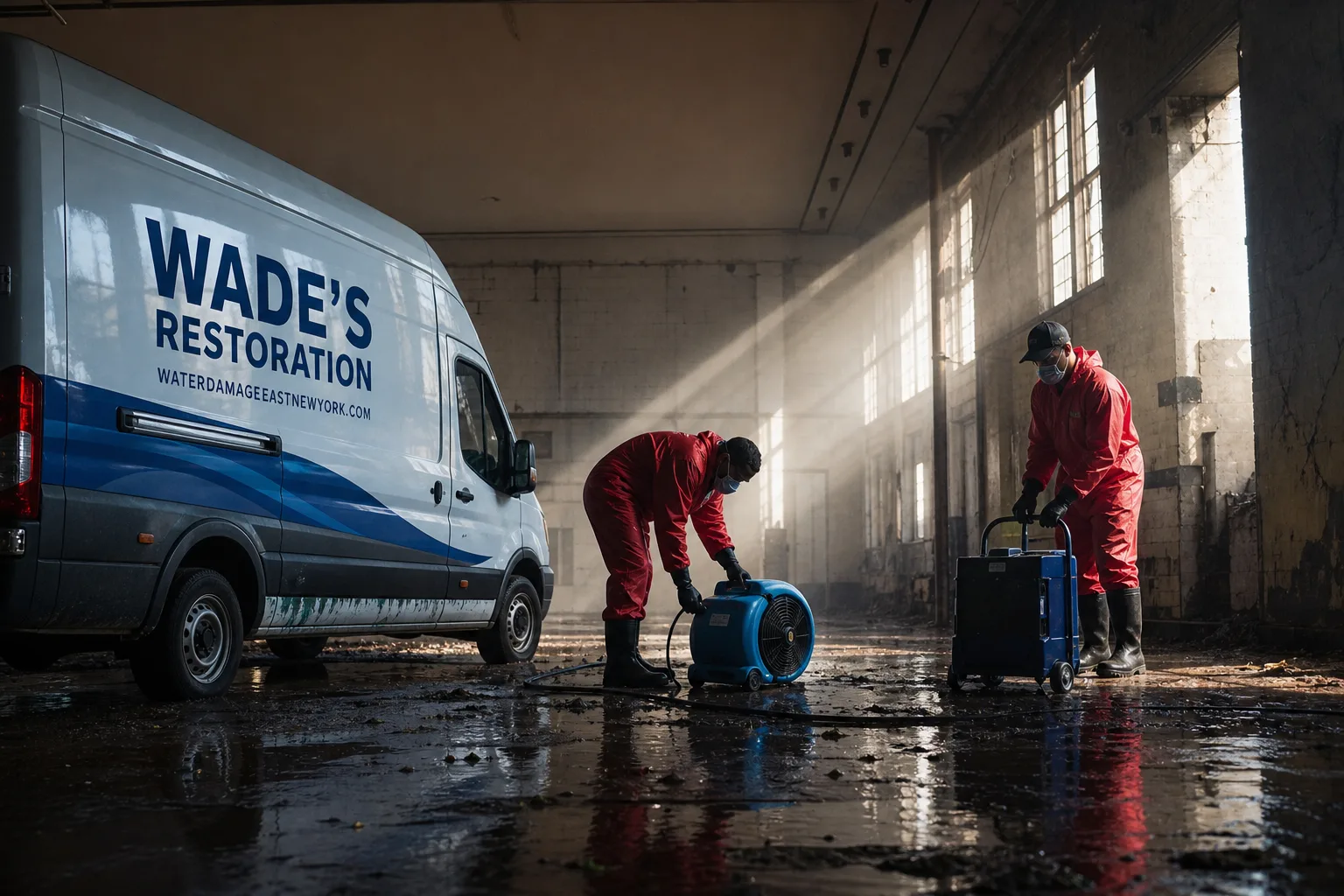
Free visual inspection and a written scope of work before any mitigation begins - photos, moisture readings, and drying logs go in your claim file
The scope we write is the scope we bill. Anything new gets shown to you, in writing, before we touch it.
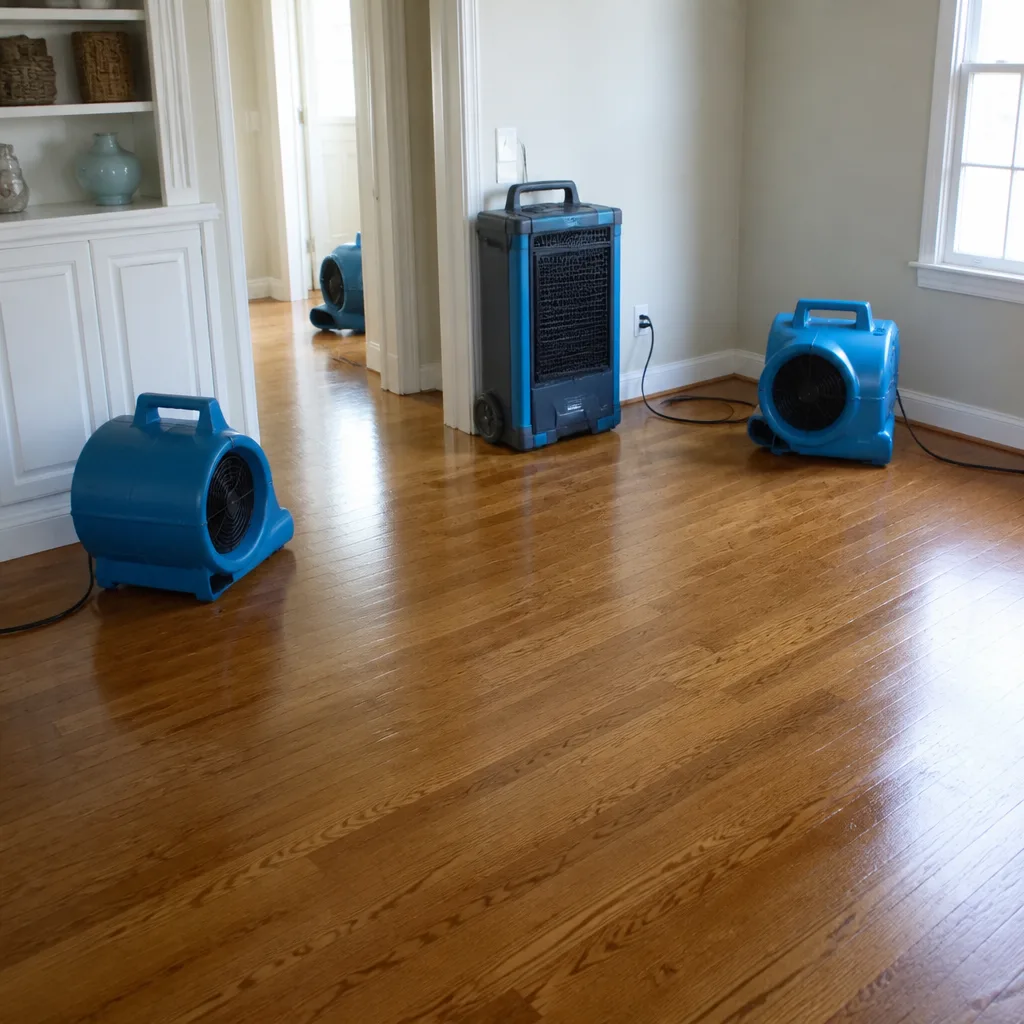
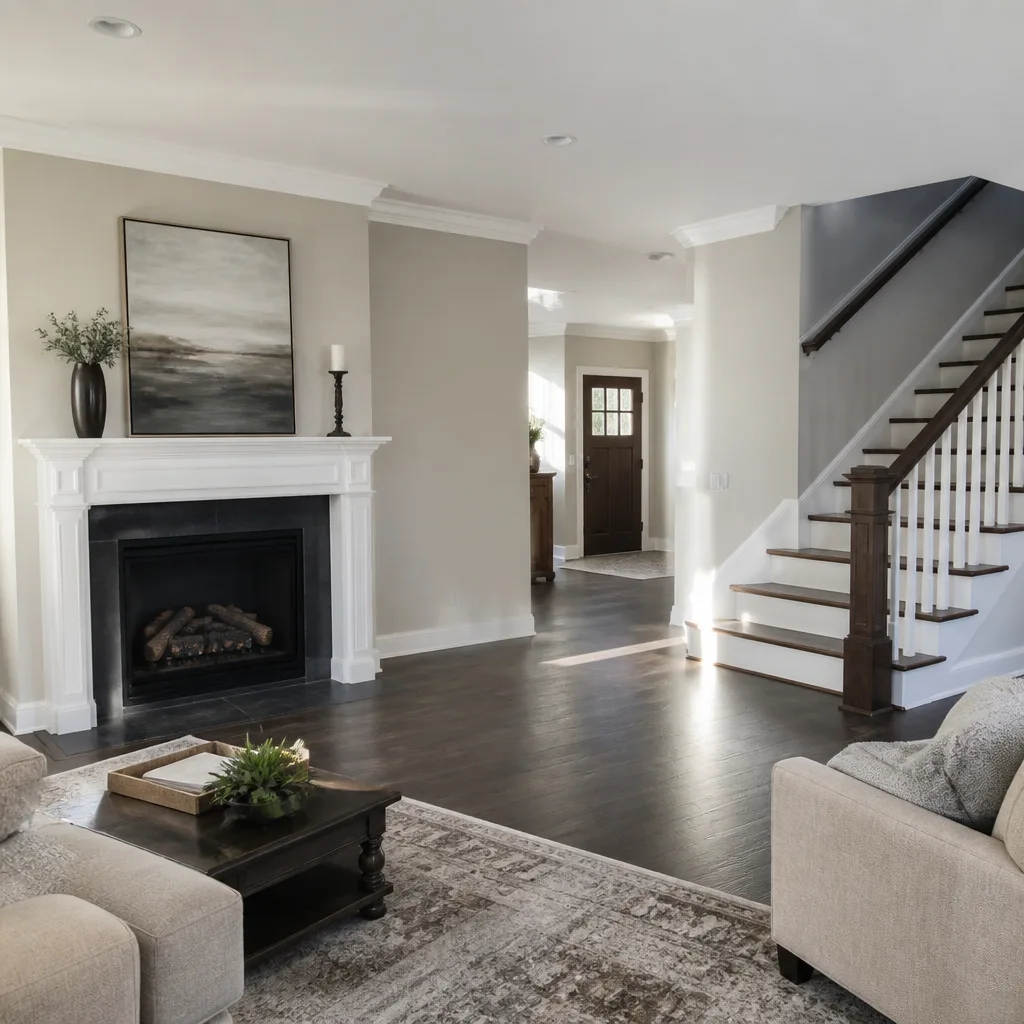
 Before
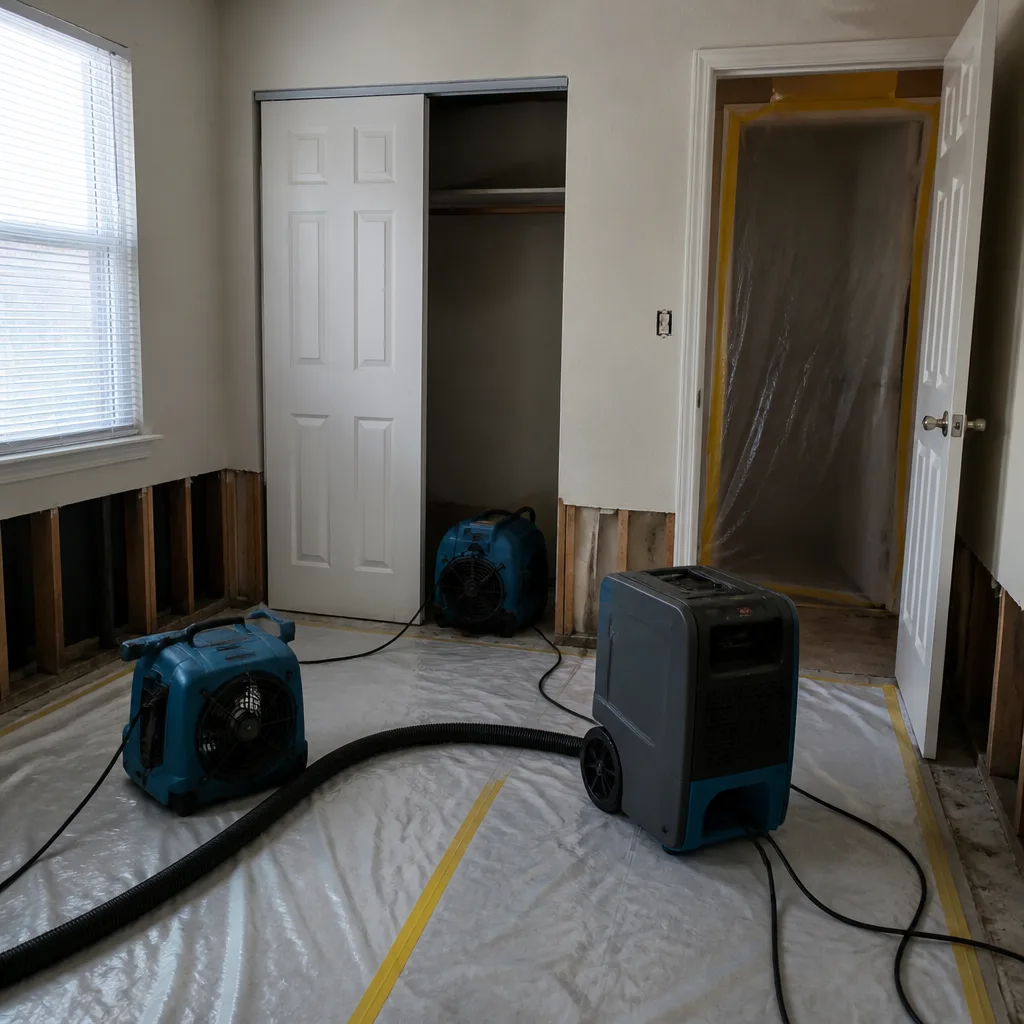 After
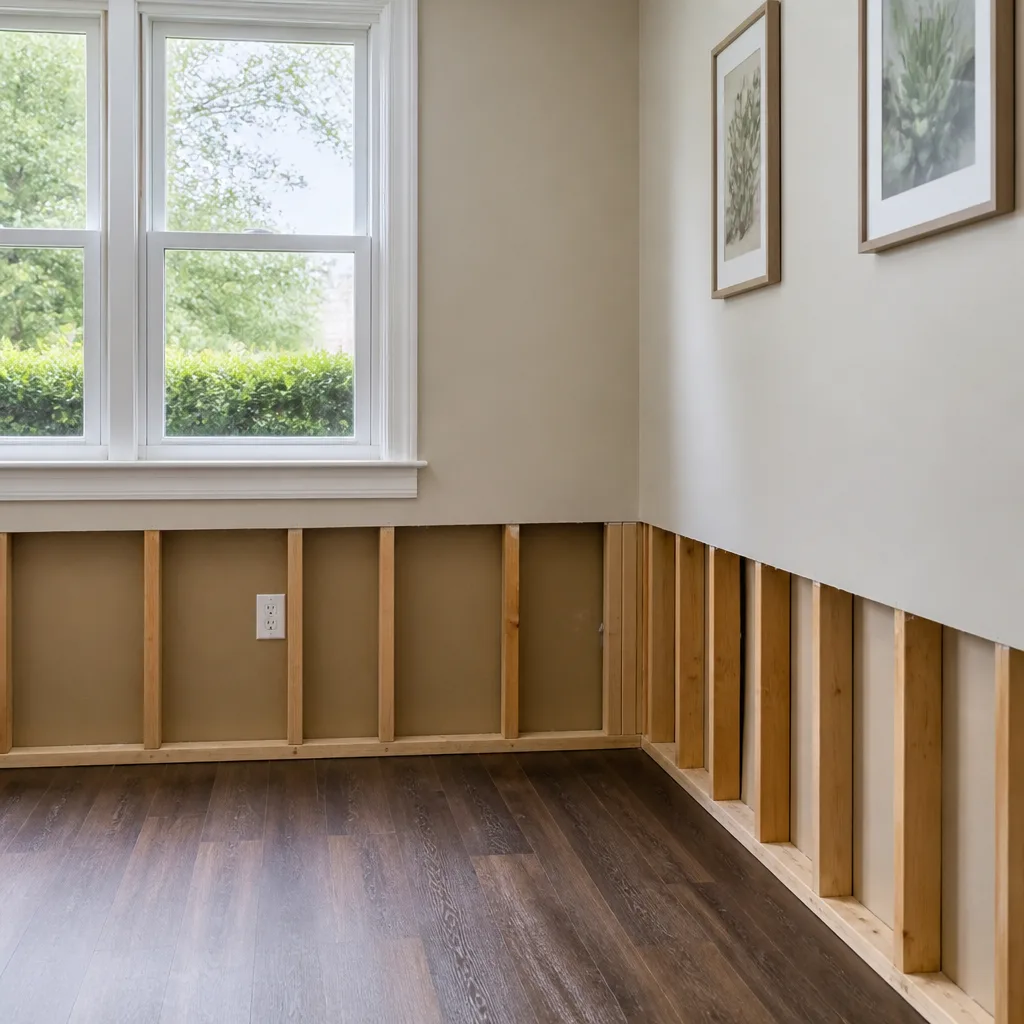
After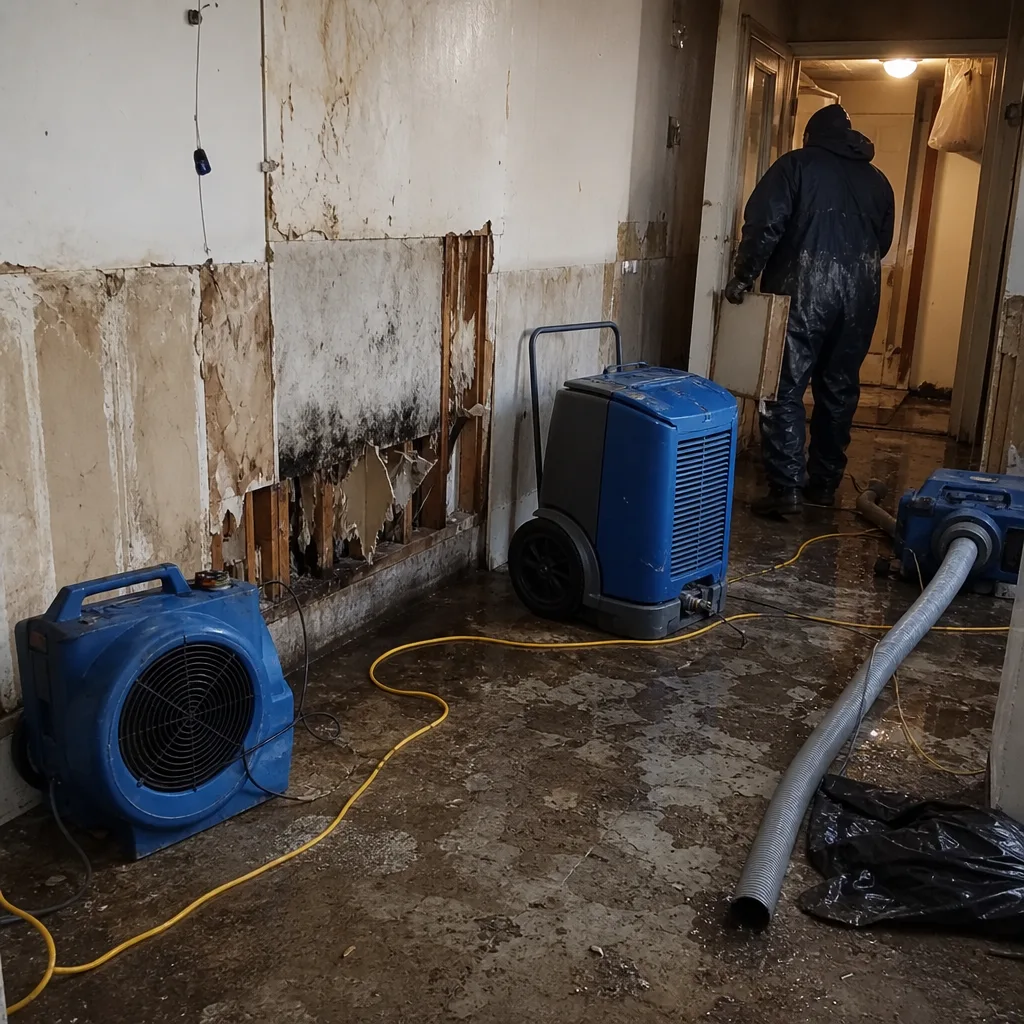 Before
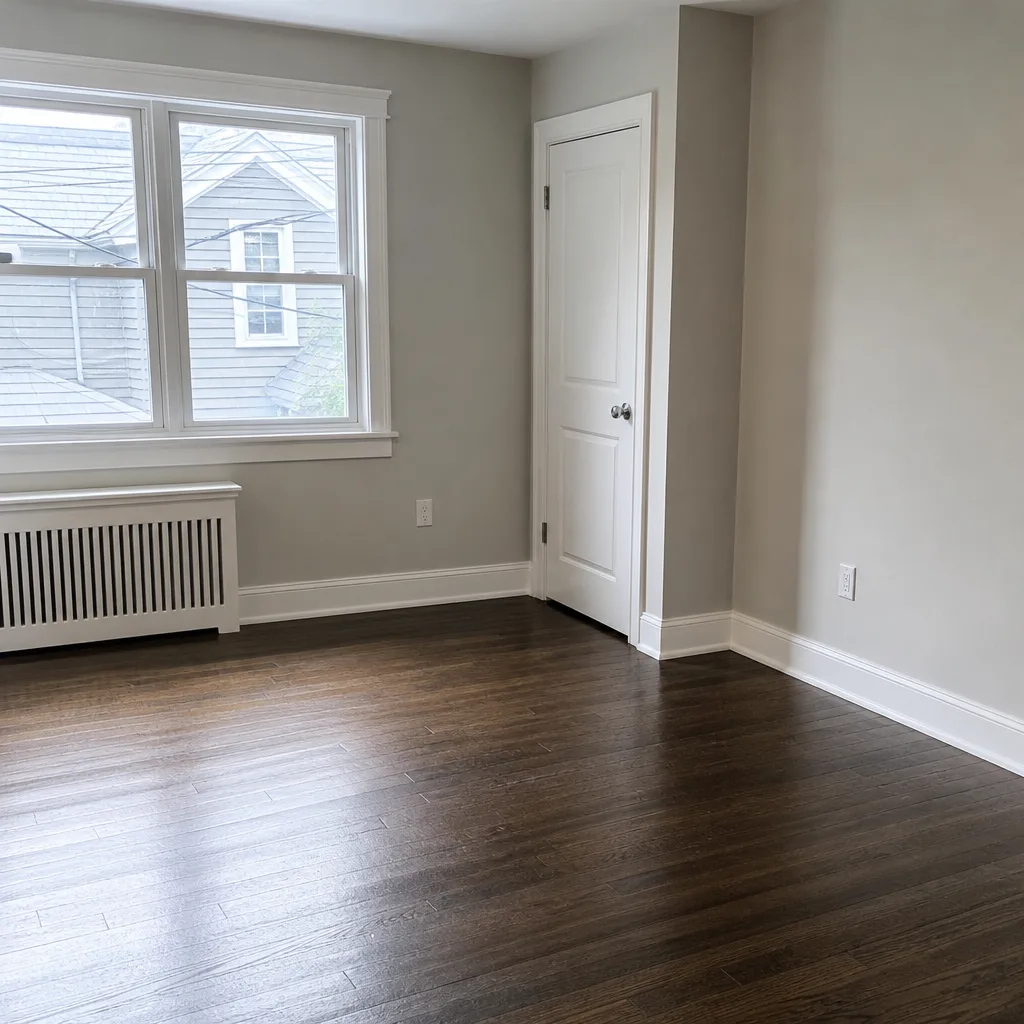 After
After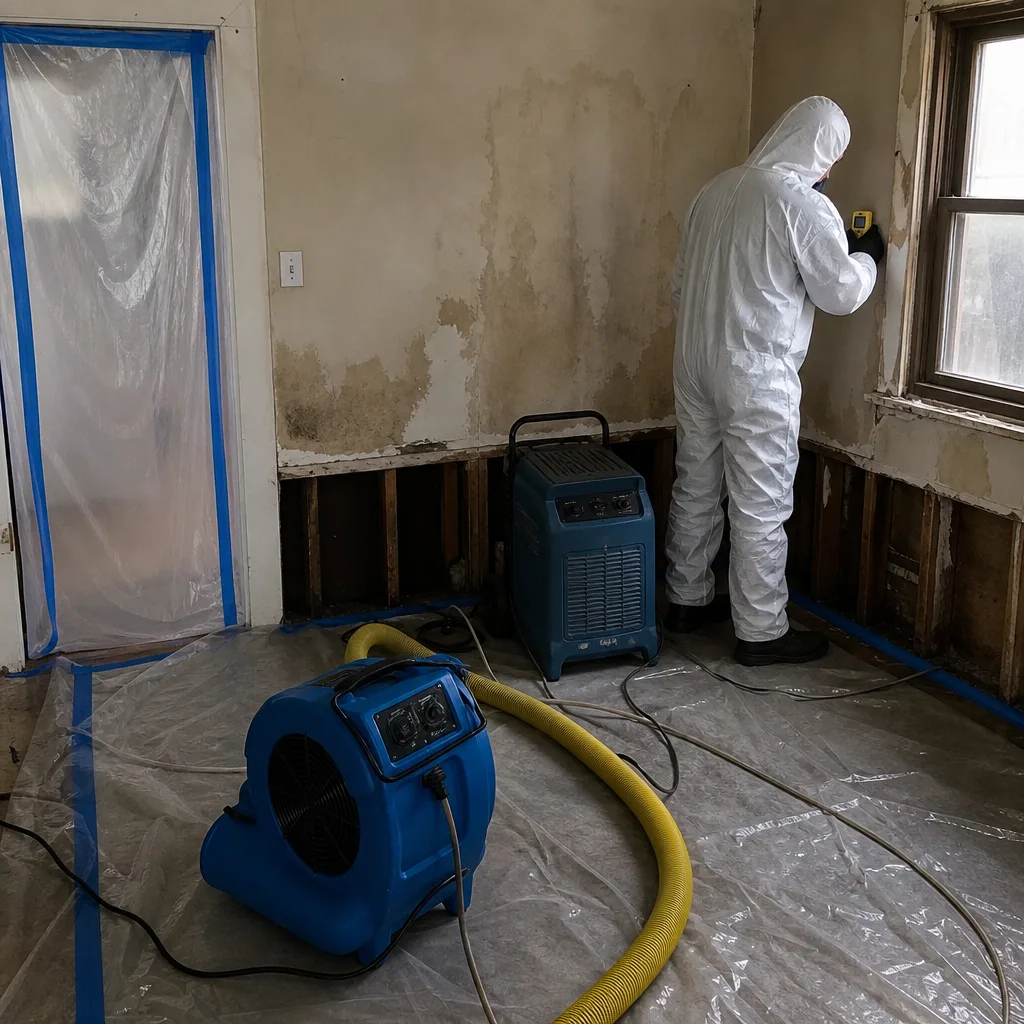 Before
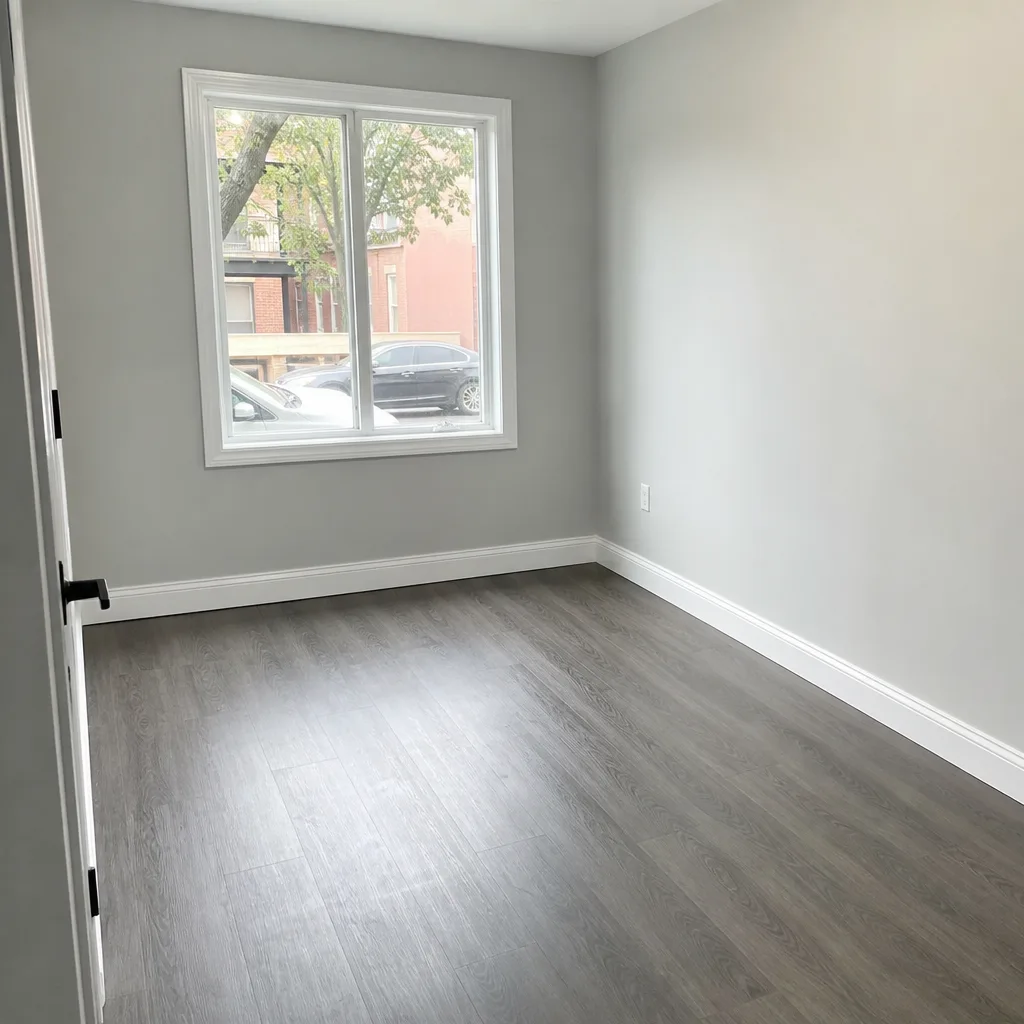 After
After24/7 Emergency Fire & Smoke Damage Restoration in Glendale
A kitchen fire in a Glendale rowhouse at 11 p.m. doesn’t wait for business hours. Neither do we. Wade’s Restoration answers live, 24 hours a day, and we can have a crew on-site in Glendale within the hour, most nights faster. Call (363) 300-2771 the moment the fire is out and the smoke settles. The first hour matters enormously with smoke damage: soot begins etching glass and penetrating painted surfaces within minutes, and the acidic residue starts corroding metal fixtures and appliance finishes before sunrise. A fast response means the difference between wiping soot off surfaces and replacing cabinetry, trim, and sometimes entire rooms of contents. We don’t triage through an answering service. Wade Ferris answers his own phone. He’ll tell you what to do in the first 30 minutes over the phone, then head out himself.
Understanding Fire & Smoke Damage Restoration Severity in Glendale Properties
Fire damage in Glendale is rarely a single-house problem. Attached rowhouses built in the 1920s through 1940s share continuous attic spaces that act like invisible ducts, carrying soot-laden air through party walls and into homes two or three doors down. We classify fire damage by the type of soot residue left behind. Protein soot from kitchen fires is nearly invisible but clings to everything and carries a rancid odor that gets worse with humidity. Oily acid soot from burning synthetics spreads farthest and causes the most etch damage to chrome, glass, and porcelain. Dry smoke soot from wood and paper fires is powdery and easiest to remove but still migrates aggressively through gaps in original plaster-and-wood-lath construction. Every severity level gets a different answer in Glendale: attached homes need a multi-property inspection sweep because the shared attic is a smoke highway, and original plaster over wood lath slows every mechanical drying pass because the wall cavity itself holds moisture differently than modern drywall. You cannot just clean the burned unit and walk away. We look where the smoke went, and in Glendale, smoke goes sideways.
Why Glendale Property Owners Choose Wade’s Restoration
Wade’s Restoration has been restoring fire-damaged homes since 2007. Here’s what you get when you call for Fire & Smoke Damage Restoration in Glendale:
- 45-minute response commitment: We are already in Queens. We do not dispatch from another borough. When you call about a fire on 69th Place or Myrtle Avenue, Wade heads out immediately, not after a two-hour drive.
- 24/7 live answer, every call: A real person picks up. Usually Wade himself. No voicemail, no triage center, no “press one for emergencies.” You get a human being who has worked Glendale rowhouses and knows exactly what questions to ask you.
- IICRC-certified crews: Our fire and smoke technicians hold FSRT (Fire & Smoke Restoration Technician) and WRT (Water Restoration Technician) certifications. The work follows the industry’s written standards, not someone’s guess at what looks clean enough.
- Free visual inspection in Glendale: Before anything gets billed, we walk the damage with you. You get an honest explanation of what has to happen, what can wait, and what insurance will likely cover. No pressure, no scare tactics. If the job is small enough to handle yourself, we’ll tell you that too.
- Direct insurance billing: We document from the first hour, then deal with your adjuster directly. You are not the courier between two parties who speak different languages. Wade talks to your carrier, sends the documentation, and works out the scope.
- One team from board-up to final coat of paint: The same crew that tarped your windows at 2 a.m. is the crew that rebuilds the back wall. No handoffs to unknown subcontractors, no new faces every week. You see the same people from start to finish.
Our Fire & Smoke Damage Restoration Process
Inspection & Assessment
We assess the burn zone and, critically, the adjacent units sharing your party walls and attic. Thermal imaging and hygrometers map where heat and moisture actually traveled, not just where the flames were visible. You get a written scope with a line-item cost breakdown before any work starts.
Board-Up, Tarping & Stabilization
With non-stop Glendale traffic and pedestrian pass-through at every hour, an unsecured fire-damaged opening is a magnet for theft and weather damage. We board and tarp immediately, install temporary lock boxes where needed, and stabilize any structural compromise the fire opened up.
Smoke & Soot Removal
Dry soot becomes airborne with any disturbance, so we set containment at every affected opening, run XPOWER air movers and HEPA filtration around the clock, and use chemical sponges and specialized cleaning agents to pull soot off walls, ceilings, hard surfaces, and contents. Shared attics get scrubbed as aggressively as the room where the fire started.
Odor Removal & Deodorization
Smoke odor is molecular, not simply a surface film. We use thermal fogging, ozone treatment where appropriate, and hydroxyl generators to break down the odor compounds embedded in plaster, wood framing, and insulation. Skipping this step is why “cleaned” rowhouses still smell like a campfire every time the humidity rises.
Structural Drying & Dehumidification
Firefighting water usually causes more long-term damage than the fire itself, especially inside original plaster-over-lath walls. Dri-Eaz and Phoenix dehumidifiers run continuously, and Wade takes moisture readings every single day and hands you the full log at job’s end. That log is your proof the wall was actually dry, not just dry-looking.
Contents Cleaning, Pack-Out & Repairs
We clean salvageable contents on-site where practical or pack them out for detailed restoration off-site. Then structural repairs begin: framing, plaster, drywall, trim, paint. One crew, one scope, one contract. No surprise second crew showing up mid-project.
Need Emergency Fire & Smoke Damage Restoration in Glendale Now?
Crews minutes away, answering live 24 hours a day. The sooner we start, the less it costs.
Working With Your Insurance Company
Fire claims in Glendale carry additional documentation burden precisely because of the attached construction. Your carrier will want proof that adjacent properties were inspected and, if needed, remediated. We produce that. From the first hour, we photograph everything, document every affected surface in every affected unit, and log every drying reading. We estimate the work using the same software your adjuster uses, so the line items talk to each other. Wade deals with your adjuster directly: he sends the photos, explains the shared-attic issue in terms the desk reviewer understands (the dispatcher’s office is in Manhattan and handles claims state-wide; our job is to make the unique rowhouse conditions legible), and doesn’t take “standard allowance” for an answer when Glendale’s attached construction clearly calls for the multi-property sweep.
What We Provide Your Insurer
- Thorough documentation of the loss, including cause and origin where needed
- Photos of all damage, room by room, including adjacent units and shared attic spaces
- Moisture readings and daily drying logs for the entire affected area
- A detailed, line-item scope of work with labor, materials, and equipment separated
- Direct coordination with your carrier from first call to final supplement
Built for Glendale’s Loss Calendar
Glendale’s fire season has no single season, but the pattern is real. January and February bring space-heater fires and electrical overload as 1920s wiring strains against modern draw, along with ceiling fires from old light fixtures. That’s when we see the highest volume of smoke-and-soot jobs in attached homes where a heater fire in one unit deposits residue across three addresses. March and April bring roof leaks after freeze-thaw cycles split original flashing, and the resulting water damage in shared attics often follows the same paths the smoke used months earlier. July and August thunderstorms run water through any gap in a brick façade, but the bigger problem is sewage: Glendale’s aging combined sewer mains back up into finished basements during heavy convective storms, and after sewage comes the need for fire-rated structural drying and sanitization if the water reached electrical. October through December is cooking season: Thanksgiving turkey fryers on back patios (which in rowhouse blocks means decks two feet from a party wall) and holiday candles near old plaster-and-wood-lath construction. None of this should surprise you. We’ve seen every one of these calls repeat themselves for 29 years across Queens.
Fire & Smoke Damage Restoration Across Glendale’s Neighborhoods
The blocks south of Myrtle Avenue, running down toward 88th Street and Furmanville Avenue, are mostly two-story brick rowhouses with rear yards you can only reach through the house or a narrow alley. That’s the tight-clearance problem: every piece of equipment, every fan, every air scrubber has to be carried through the front door and up narrow stairwells because there is no side access. Our crews are used to it. We don’t send trailer-mounted equipment meant for detached Long Island houses into a Glendale block. Over along Central Avenue toward St. John’s Cemetery, the lots are slightly wider and some homes are semi-detached rather than fully attached, but the shared attic condition still applies to the semi-detached pairs, and fire in one unit still migrates through the common wall into the other. Up near 80th Street and Cooper Avenue, many rowhouses sit on small raised stoops with basement entries under the stoop, which means a basement fire pumps smoke up into the main living space through the old coal-chute opening. Those jobs require a column of drying and air movement running from the basement access point up through every floor. The area around Atlas Park, with newer construction mixed in among the pre-war stock, is actually a split market: the newer buildings dry out faster, but the original rowhouses right next to them still follow the old rules of slow plaster drying and shared-attic smoke travel. Knowing which you’re in before the first fan goes down is half the match.
Specialized Fire & Smoke Damage Restoration Services We Offer in Glendale
Fire Damage Cleanup in Glendale
After a fire in any attached Glendale home, soot covers more than the burn room. Ceiling joists above the fire, stud bays behind the lath, the air gap between your house and the neighbor’s. Proper fire damage cleanup here means cleaning what you cannot see, not just what wipes off the wall. We clean the structural framing, the insulation cavities where reachable, and the ductwork if you have it. In rowhouses with original baseboards and crown moldings, that means detail work on surfaces that will never be replaced: hand-cleaning rather than demolition.
Smoke & Soot Removal in Glendale
We’re not talking about a rag and some TSP. Soot requires chemical sponges to lift the fine particles without smearing them into pre-war plaster, then HEPA scrubbing to pull the airborne fraction, then surface-by-surface treatment on every horizontal and vertical plane that was exposed. In attached Glendale homes, this includes the shared attic. We set containment at the party wall and treat the neighbor’s side with the same care. On 72nd Street near Myrtle Avenue, our crew responded to a kitchen fire that had filled two adjacent attached rowhouses with soot via the shared attic. We set containment at both party walls, used XPOWER air movers and HEPA filtration to scrub the smoke, and coordinated with NYC DOB to access the neighbor’s attic for a full structural drying and odor removal package before it reached pre-loss condition. That’s the standard, not the exception.
Odor Removal & Deodorization
Smoke odor embeds itself in original plaster, unpainted wood lath, old insulation, and especially in cavity dust that has been collecting in wall bays since the Coolidge administration. Cleaning the surfaces doesn’t touch the odor reservoir. We use thermal fogging to drive deodorizer into the same pores the smoke entered, hydroxyl generators for continuous neutralization while work proceeds, and in stubborn cases ozone treatment when the unit and adjacent units are vacated. In Glendale, thoroughly treating one unit means treating the shared attic and at minimum the adjacent party-wall cavities, because odor travels the same route the smoke took.
Contents Cleaning & Pack-Out
After a fire in a small Glendale rowhouse, every object on every floor above the fire is coated in a film you cannot always see but can smell. We inventory, photograph, and pack out salvageable contents for ultrasonic cleaning or hand-cleaning off-site where possible. When the contents are moving back, they need to return to a deodorized, dried, and rebuilt space. Returning furniture to a wall cavity that still holds smoke compounds undoes the whole job.
Emergency Board-Up & Tarping in Glendale
This is non-negotiable in Glendale. A fire-damaged open window on a street like Myrtle Avenue or Fresh Pond Road invites theft by day and water from any storm the same night. We board and tarp the same visit as the initial assessment, installing proper plywood coverings with a lockbox. We also coordinate board-ups with your insurance company so the expense is documented and covered where the policy allows. The alternative, leaving a tarp flapping for a week while you wait for an adjuster, costs more and risks more than the board-up ever will.
What happens when you call
- 1
A real person answersNo phone trees - you reach a local pro.
- 2
You get an upfront price rangeHonest numbers before anyone is dispatched.
- 3
A background-checked tech heads outLicensed & insured, dispatched right away.
- 4
You approve before work beginsNothing starts until you say go.
Fire & Smoke Damage Restoration Costs in Glendale, NY
Here are the straight numbers for Glendale’s market, based on residential jobs in attached and semi-detached rowhouses. A basic smoke odor treatment with surface cleaning in a single room runs $1,200 to $2,800 depending on the surface area and soot type. A full kitchen fire restoration, including structural drying, smoke and soot removal across multiple rooms, odor removal, and repainting, typically lands between $8,000 and $22,000 in Glendale. A basement fire involving sewage backup from firefighting water and requiring full sanitization plus contents pack-out starts around $15,000 and can exceed $40,000 when shared attic contamination pulls in adjacent units. The wild card here is the shared-attic issue: if your neighbor’s attic needs remediation, that line item is small compared to the disruption and the coordination with a second property owner. Insurance covers most of this when documented properly, and we handle that documentation from hour one. Out-of-pocket costs are usually just the deductible. The surest way to know your number: call (363) 300-2771 and get a free visual inspection. You’ll have a written scope and honest price before anything gets started.
We Also Serve Cities Near Glendale
We work regularly in the blocks around Glendale and throughout central Queens. Our crews are familiar with the attached-housing patterns in East New York, Jamaica, Canarsie, and East Flatbush, each with the same pre-war rowhouse reality and shared-wall smoke travel you see in Glendale. If you’re just over the border in any of those neighborhoods, same phone number, same 45-minute response commitment, same crew.
Serving Glendale, NY - Our Local Coverage Area
We’re based in the Glendale area and know this community well. Use the map below to see our service coverage - if you’re nearby, we can almost certainly help.
Glendale Fire & Smoke Damage Restoration Questions, Answered
How does Glendale’s shared-attic rowhouse construction change where your crew looks for smoke damage after a fire?
Shared attics mean we inspect every attached address two doors in either direction, because smoke and soot travel through continuous roof cavities above seemingly separate homes. In Glendale, failing to inspect the neighbor’s attic means leaving odor and soot behind that will return as a secondary claim weeks later.
Do you need to coordinate with the NYC Department of Buildings for fire damage restoration in Glendale rowhouses?
Often, yes. When structural damage reaches load-bearing party walls or requires partial demolition, DOB permits and sometimes a professional engineer’s sign-off are required before rebuild work starts. We handle that coordination as part of the job, including when adjacent units need access for attic inspection or stabilization.
Why is dehumidification slower in Glendale’s older brick rowhouses compared to newer construction?
Original plaster over wood lath holds water differently than gypsum drywall. The thick plaster absorbs moisture deep into its mass, and the lath cavity behind it traps humid air. Drying a wet plaster wall in a 1930s Glendale rowhouse can take 25 to 40 percent longer than a drywall wall in a newer build, even with professional-grade Dri-Eaz and Phoenix equipment running full time.
What’s the first thing your crew does after a kitchen fire in a Glendale attached house?
After ensuring the scene is safe and the gas/electric lines are shut down, our first action is containment at the party walls and the shared attic access. That stops the continued spread of smoke and soot into the adjacent homes while we begin assessment and immediate odor control. Board-up and tarping follows the same visit if the fire opened any exterior surface.
Can a fire in one Glendale rowhouse leave odor in the house three doors down?
Yes. We have seen smoke odor and light soot deposits two and three addresses from the fire when the attic runs continuous, especially on the older blocks where upgrades have sealed off individual ceiling cavities but left the roof void open. The smell may not be obvious for days until the home’s temperature and humidity change, and then it surfaces.
How fast can Wade’s Restoration actually get to a fire in Glendale?
We are already in the area, not coming from another borough or a remote dispatch hub. Most nights we’re on-site in 30 to 45 minutes after your call. Wade answers the phone himself at (363) 300-2771. If he’s on another job, his crew lead is already closer to your block.
Will my insurance cover fire and smoke damage restoration in Glendale?
Nearly all standard homeowner policies cover fire and smoke damage, including smoke migration into adjacent attached units when caused by the covered loss at your address. The critical variable is documentation. We photograph from the first hour and build the file your adjuster needs, then communicate with them directly. That alone avoids most disputes about scope and shared-attic remediation.
What should I do in the first 30 minutes after a fire in my Glendale home?
Call (363) 300-2771. Then open windows if safe and weather allows, which starts venting smoke. Do not wipe or wash any surfaces. Wiping soot pushes it deeper into paint and plaster and can make the damage permanent. Shut off HVAC if your building has it, to stop the soot from circulating through ducts or shared returns. Stay out of any room with visible structural damage until we assess it.
Written by Wade Ferris, Owner at Wade’s Restoration, serving Glendale since 2007. If your rowhouse has fire or smoke damage, call (363) 300-2771 now. Wade will answer.