
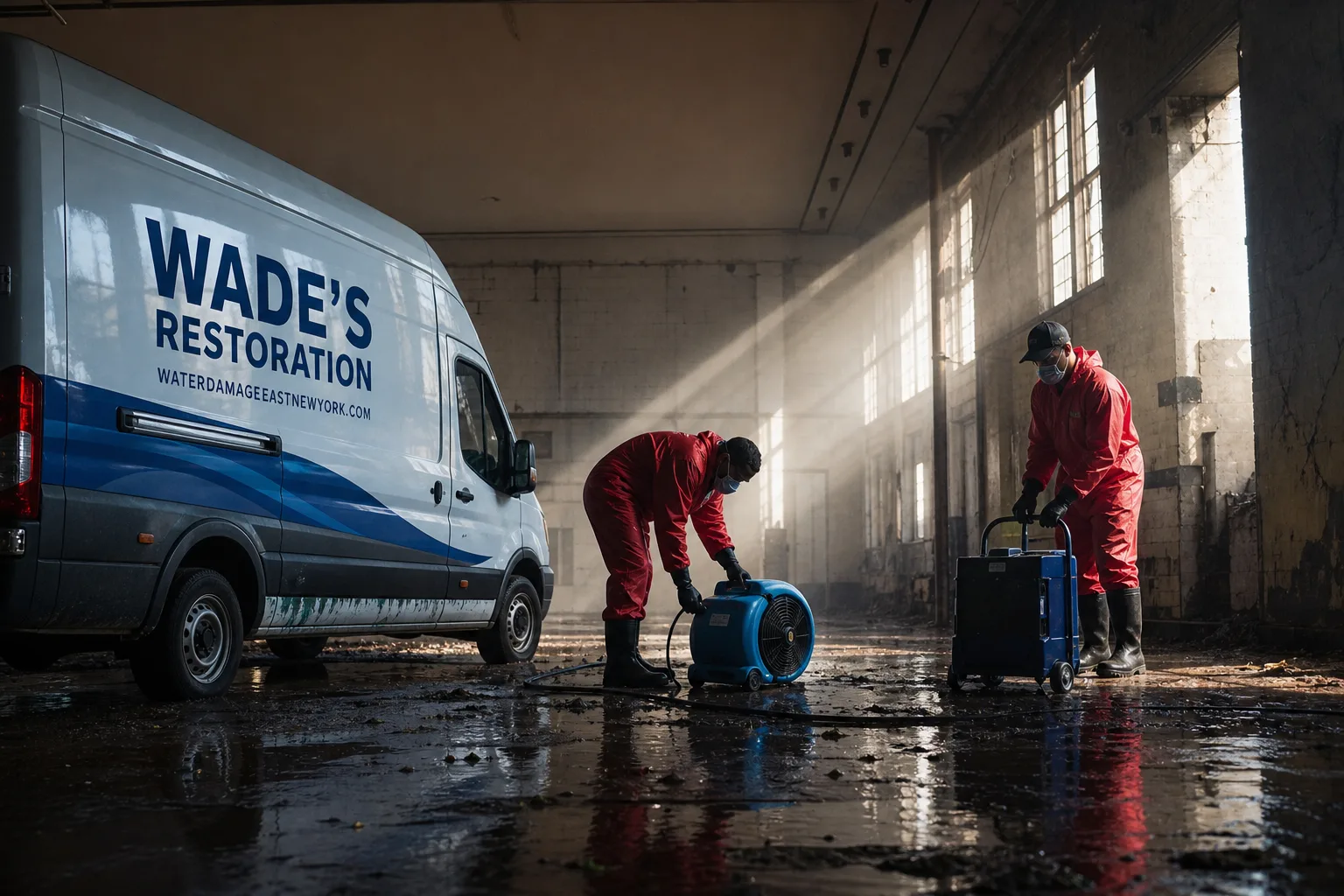
Free visual inspection and a written scope of work before any mitigation begins - photos, moisture readings, and drying logs go in your claim file
The scope we write is the scope we bill. Anything new gets shown to you, in writing, before we touch it.
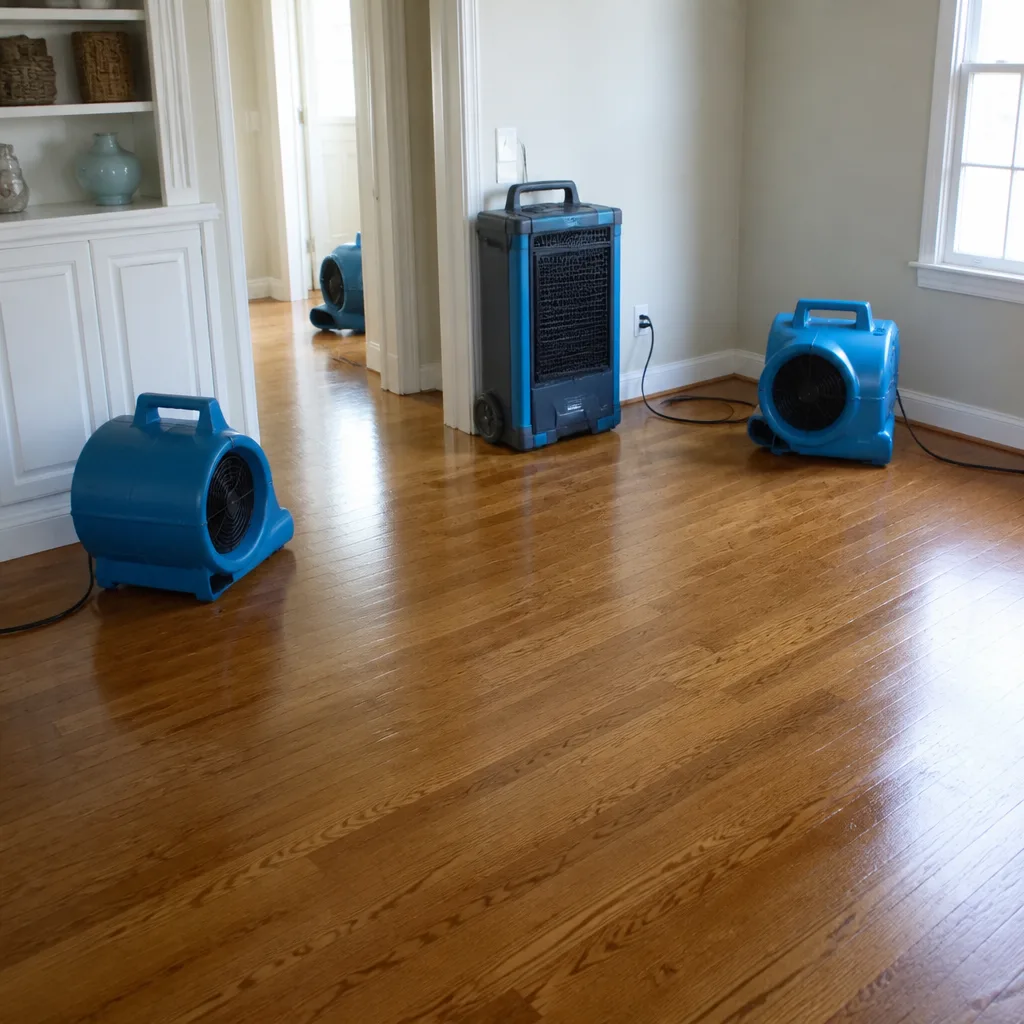
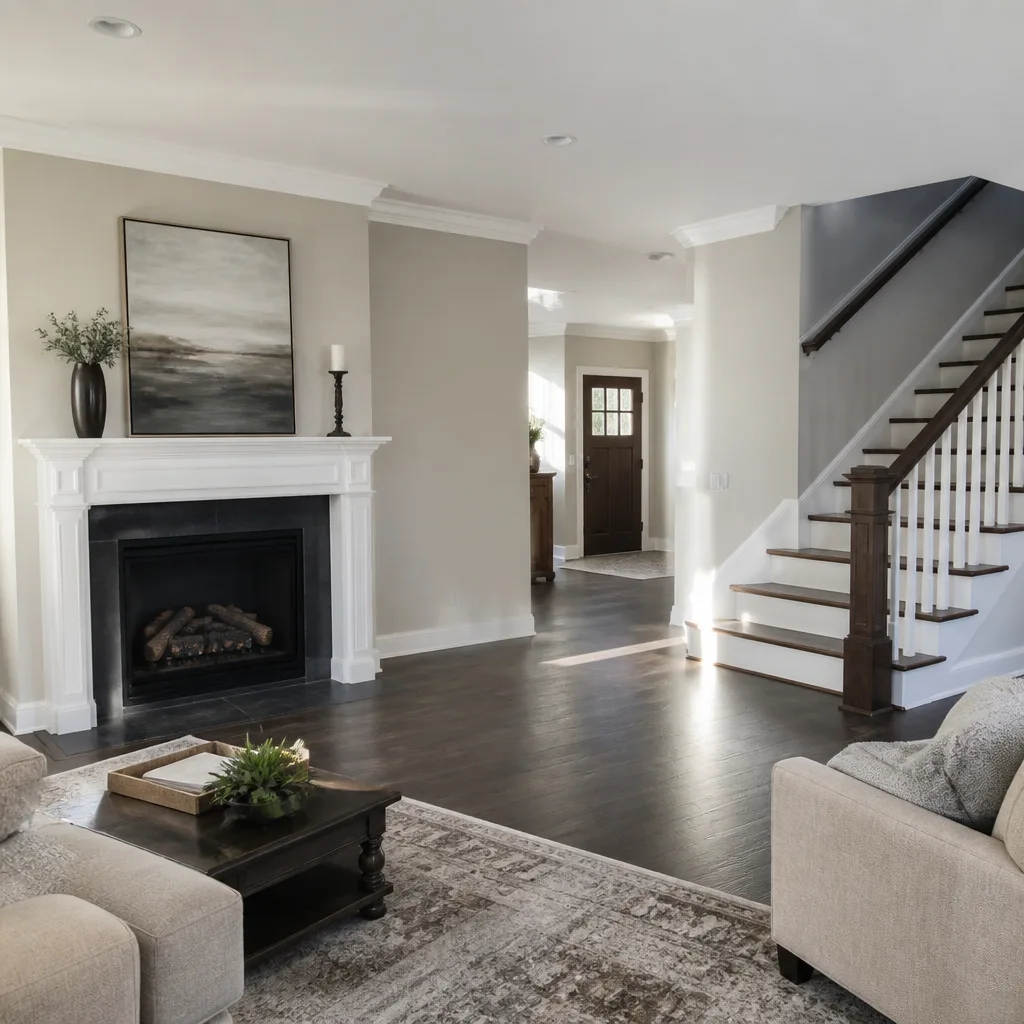

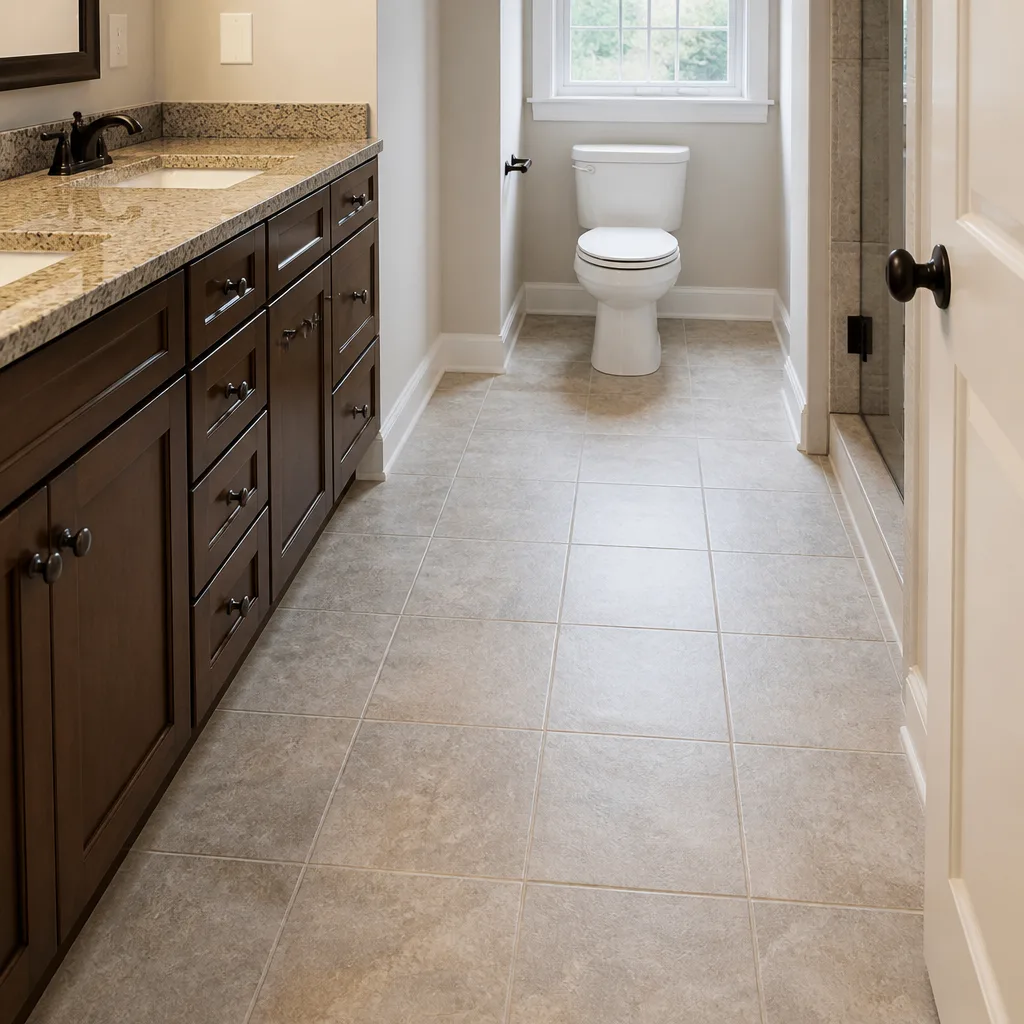
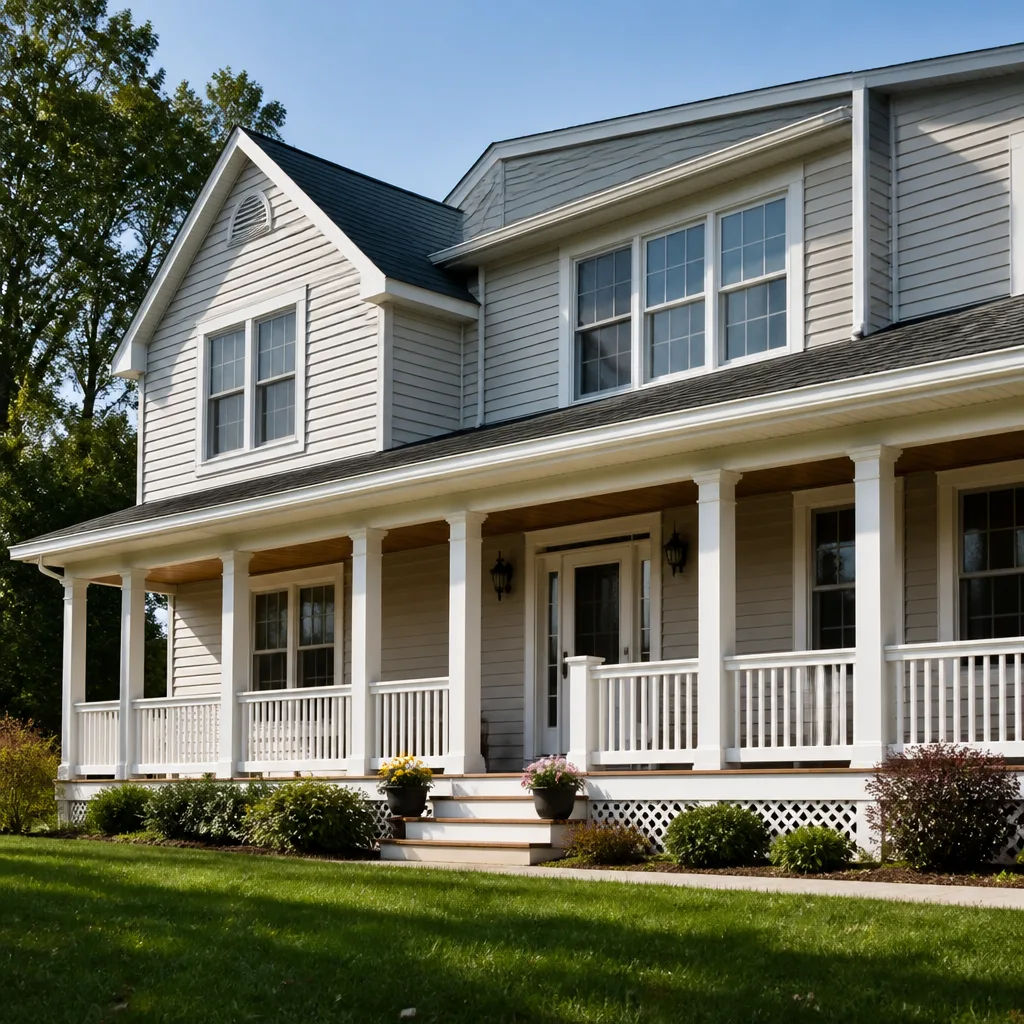
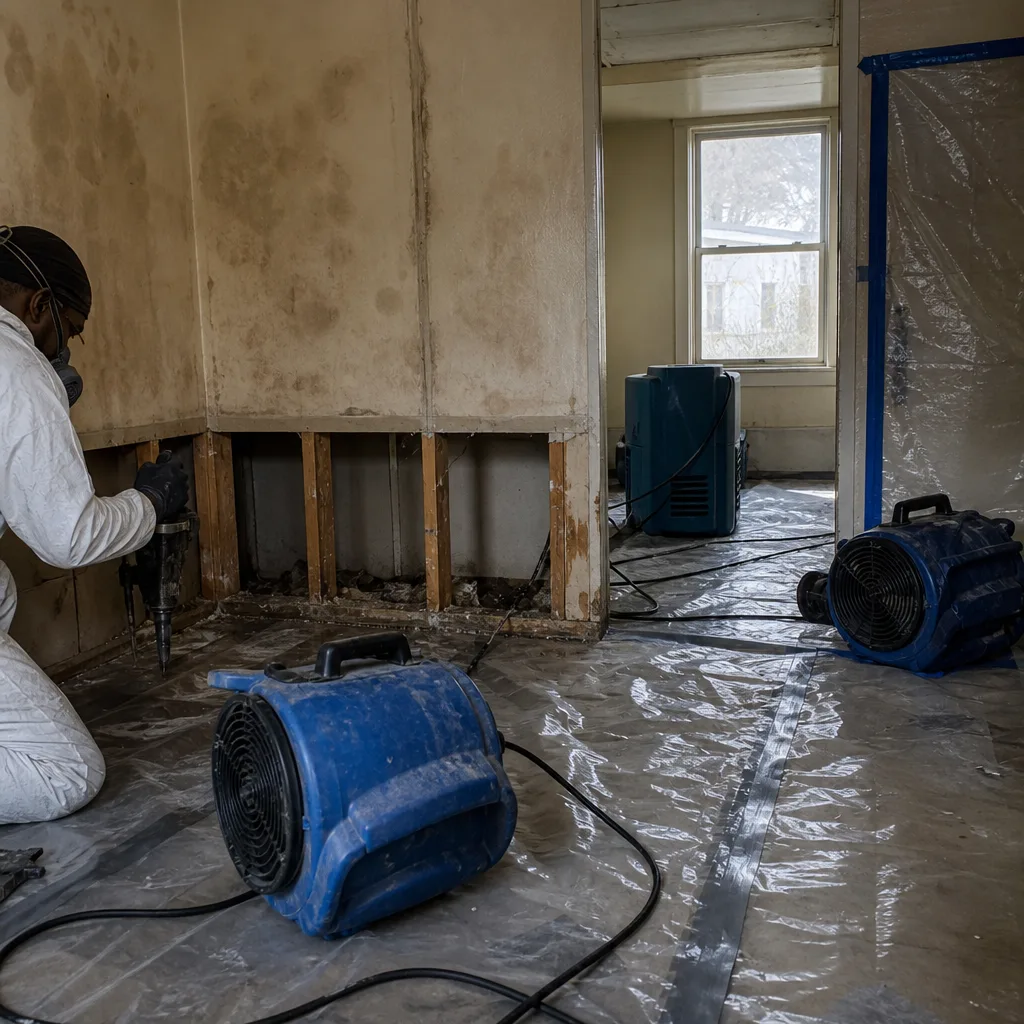 Before
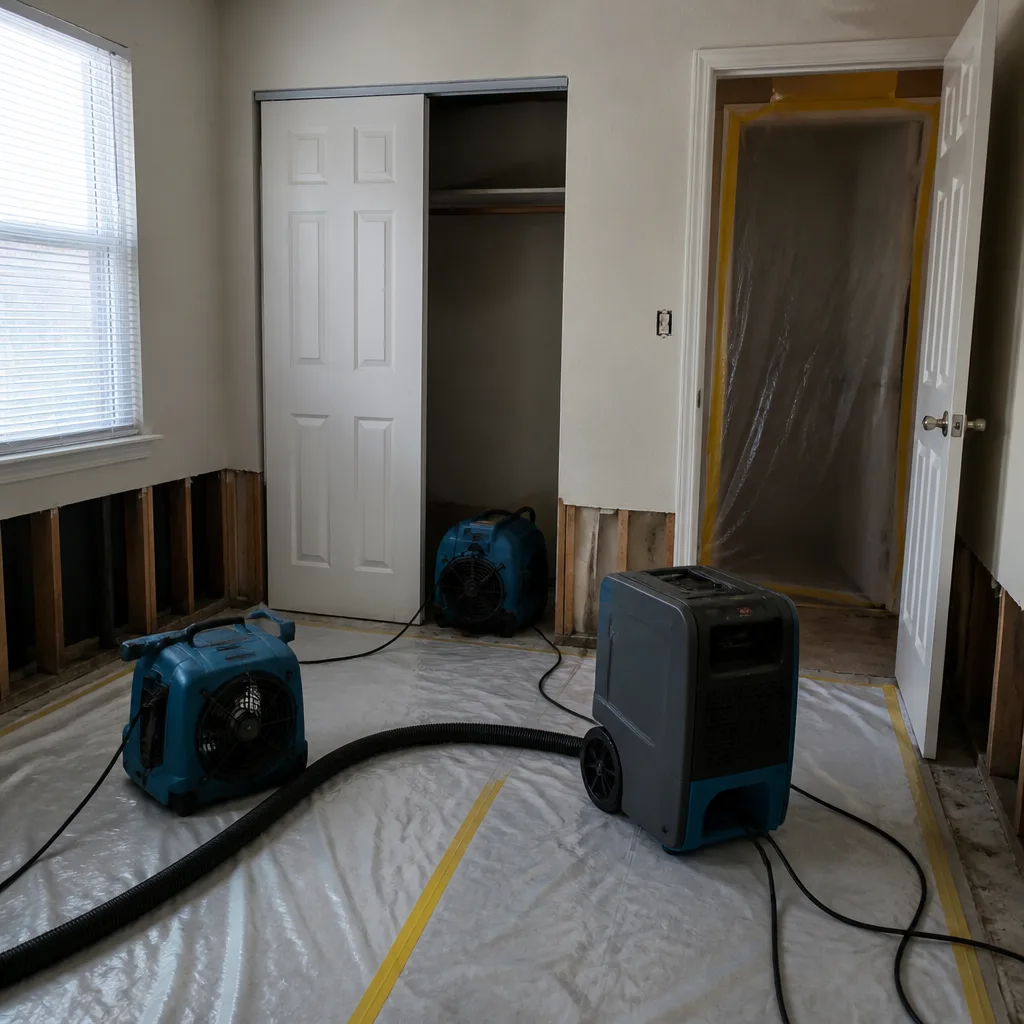 After
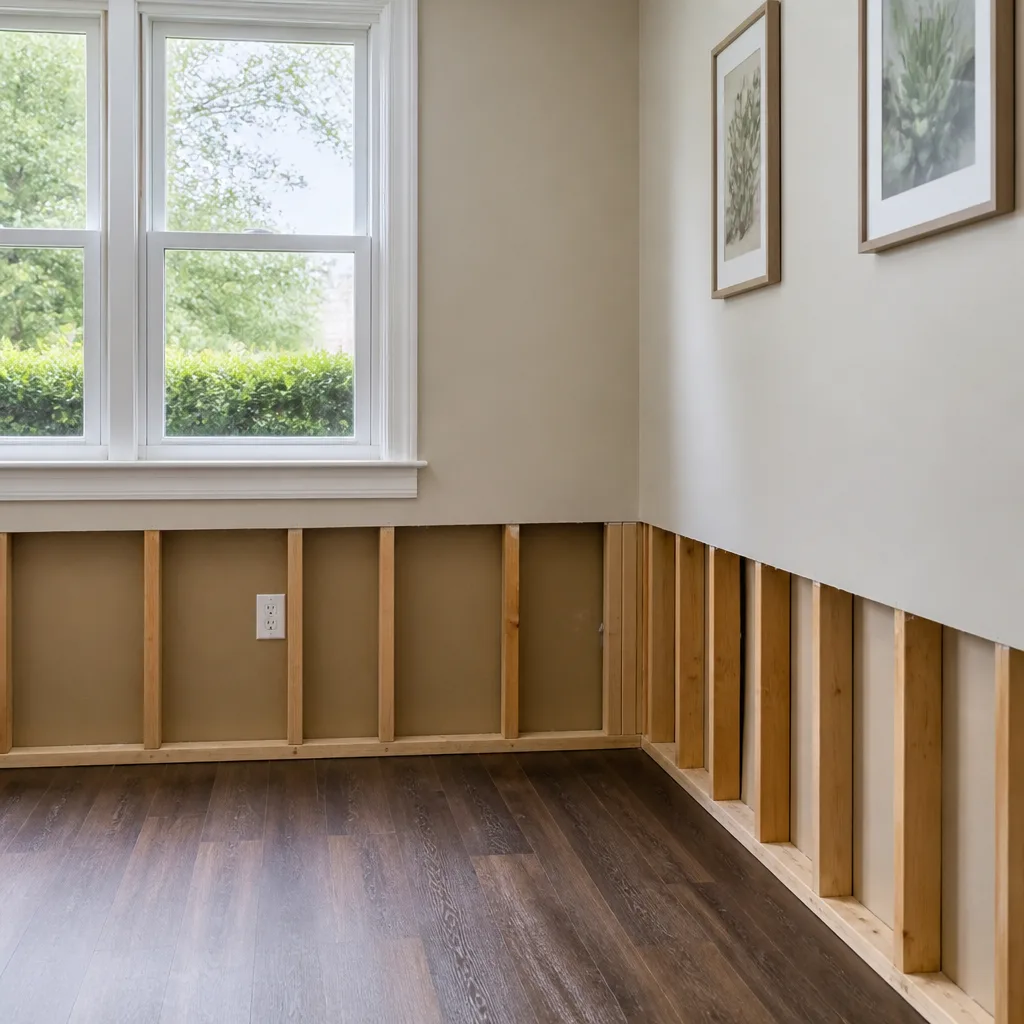
After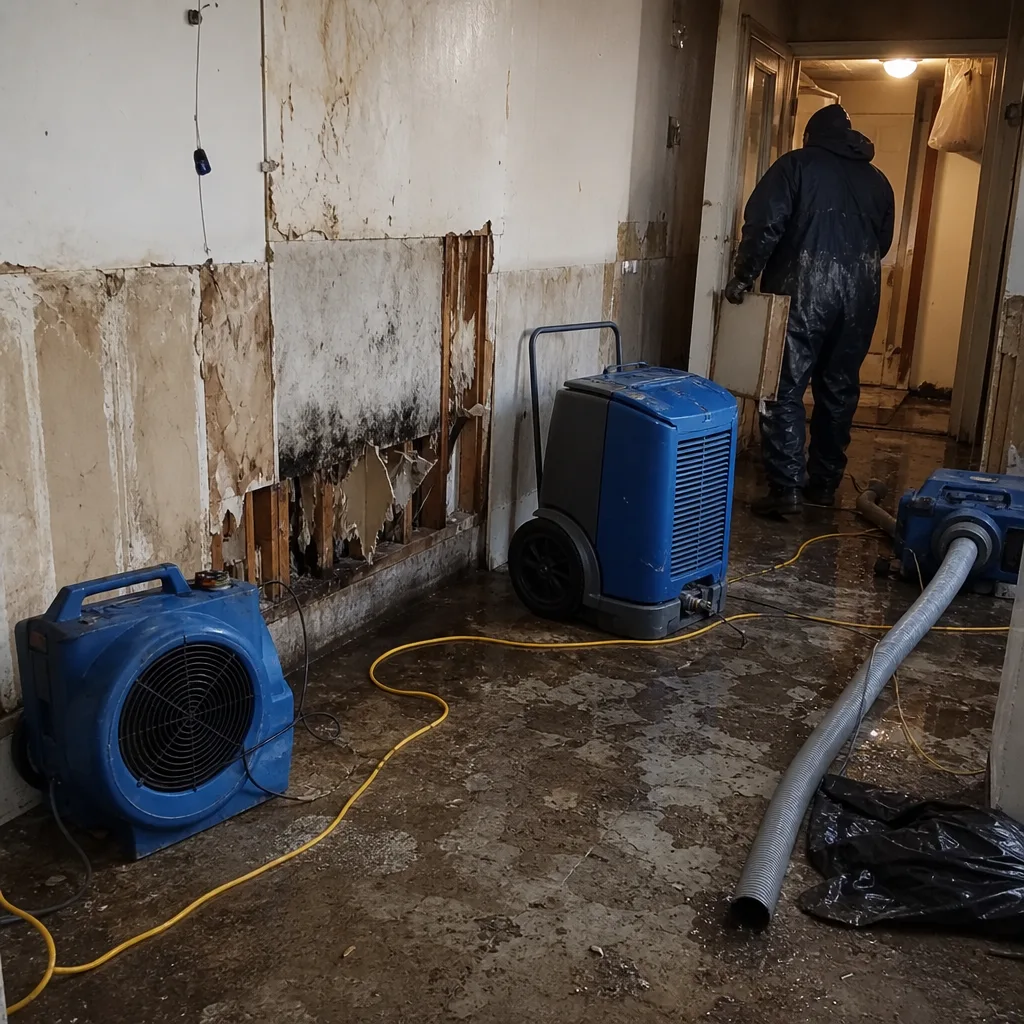 Before
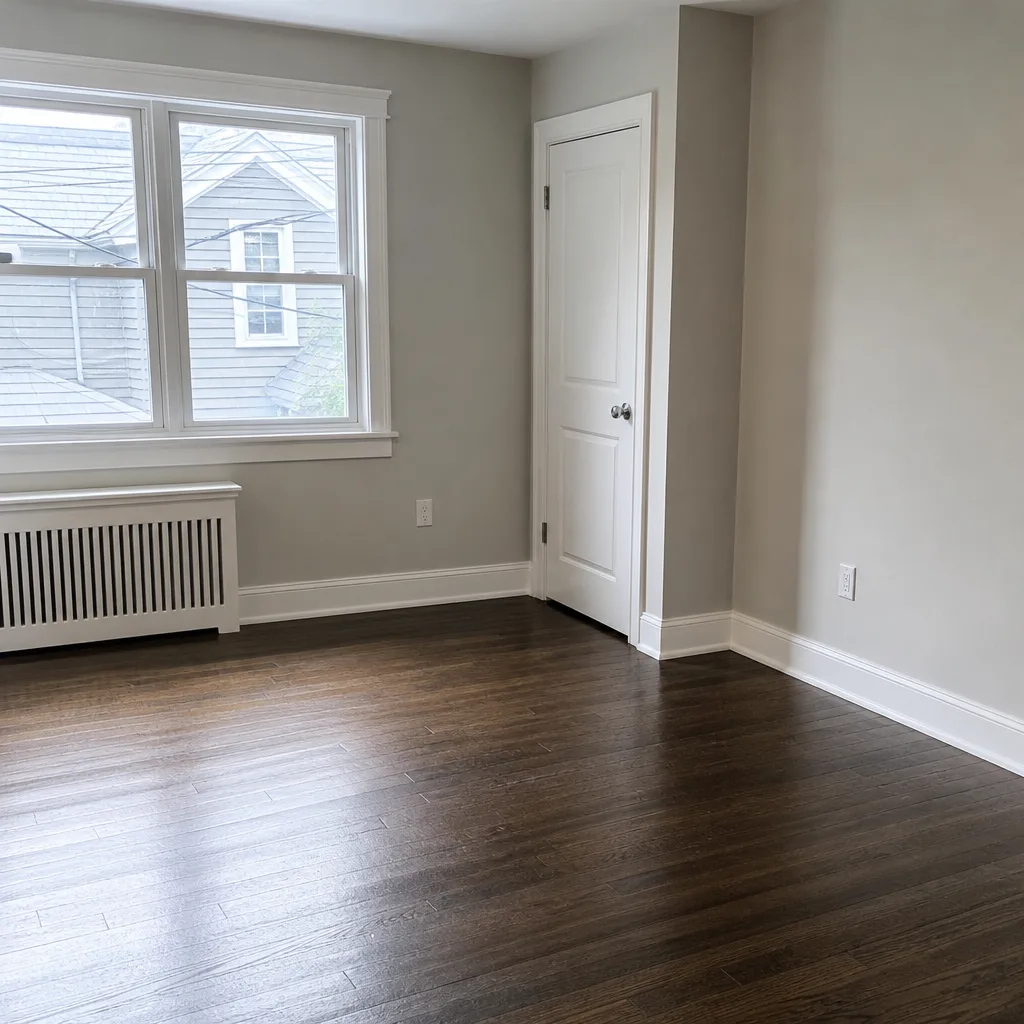 After
After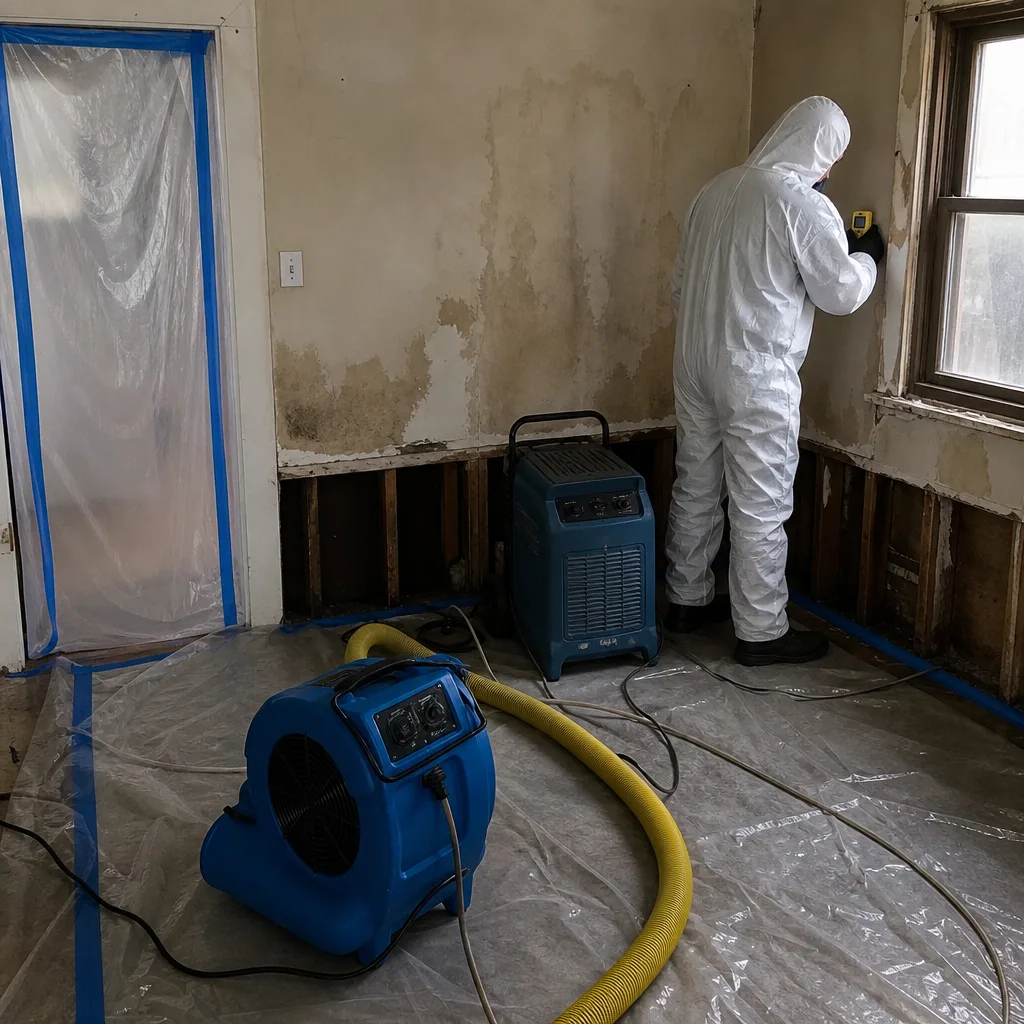 Before
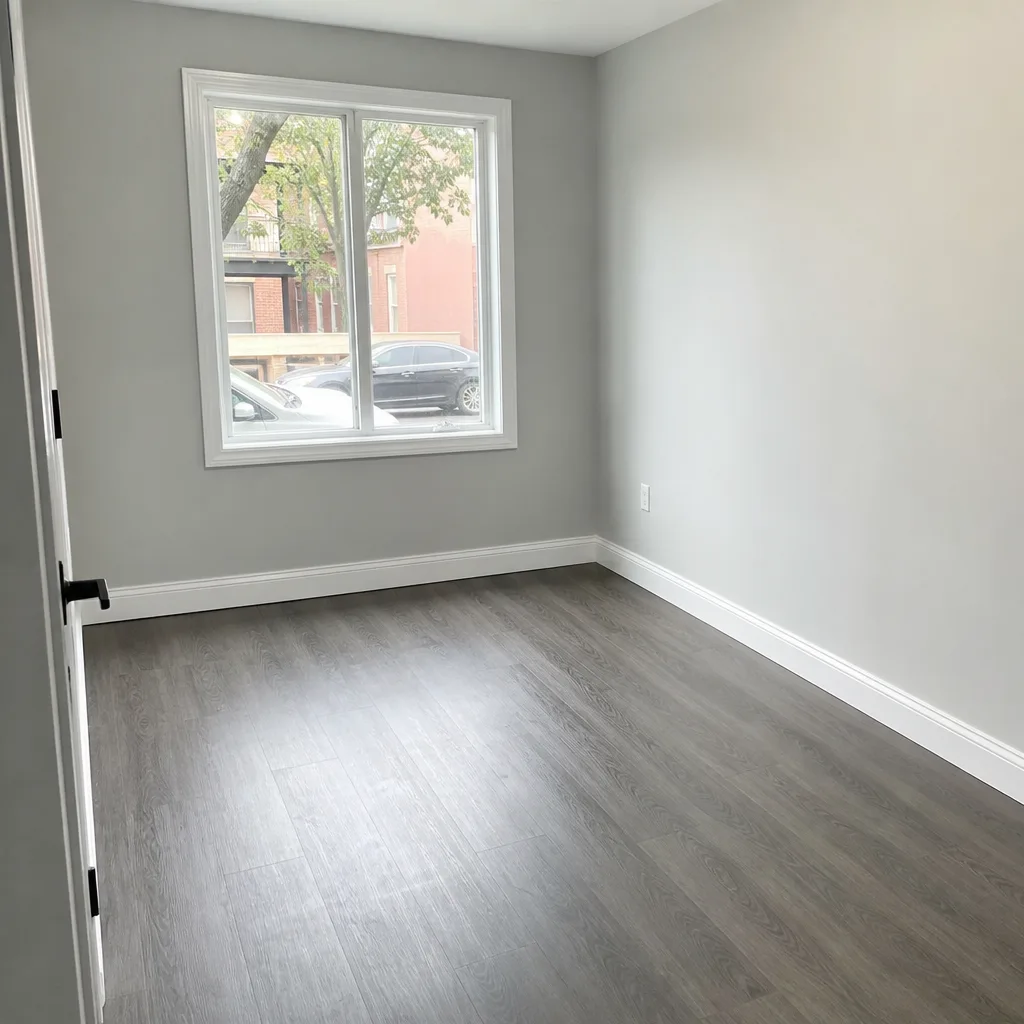 After
After24/7 Emergency Fire & Smoke Damage Restoration in Richmond Hill
Fire and smoke damage in Richmond Hill needs a response that starts within the hour, not the next business day. Soot residue turns acidic within days and etches into brick, glass, and metal permanently, while smoke odor sinks deeper into horsehair plaster and original wood trim the longer it sits. We answer live at (363) 300-2771 around the clock, and Wade’s crew heads out to Richmond Hill neighborhoods immediately. The first visual inspection is free, and because we’re a local owner-operated company rather than a national franchise, the person who answers the phone is the same person accountable for your restoration.
Wade Ferris has watched smoke from a kitchen fire at one rowhouse on 107th Street push through a shared party wall and show up as soot on a neighbor’s bedroom ceiling two days later. That’s Richmond Hill’s reality, and it’s why we treat every fire loss here as a possible multi-unit event from the first knock on the door.
Understanding Fire & Smoke Damage Restoration Severity in Richmond Hill Properties
Not all soot is the same, and Richmond Hill’s housing stock makes certain types worse. Dry soot from a fast-burning kitchen fire brushes off relatively easily if caught early. Wet soot from a slower, smoldering fire or a fire that got knocked down by water creates a sticky, acidic paste that bonds to surfaces and demands alkaline-based cleaning. Protein residue from a cooking fire is nearly invisible but produces the kind of rancid odor that lingers for months if not treated with proper deodorization. Then there’s HVAC-driven soot distribution: forced-air systems in converted two- and three-family homes blow fine soot particles into every room, even ones untouched by flame.
In Richmond Hill, the severity question is complicated by construction. Late-19th and early-20th century attached brick row houses have original horsehair plaster walls, steam or hot-water radiators, and aged framing that smoke penetrates fast. Shared party walls mean the fire never stays in one address. We map smoke migration building-wide, not just room-by-room, because a neighbor’s unit is usually involved even when the fire department never crossed that threshold.
Why Richmond Hill Property Owners Choose Wade’s Restoration
- 45-minute on-the-road commitment: When you call with a live fire or fresh smoke damage, Wade heads out immediately. No call-center delay, no “we’ll get someone there this afternoon.”
- A real person answers, 24/7: Wade himself answers his own phone. At 3 a.m. that’s who you get, not an automated system or an overseas answering service.
- IICRC-certified restoration crews: Our FSRT and OCT-certified technicians understand soot chemistry, odor remediation, and structural drying. You get trained judgment, not a guess.
- Free visual inspection, always: We walk the property, document what we see, give you a plain-English scope before any equipment gets unloaded. No charge for that.
- Direct insurance billing and adjuster communication: Wade talks to your carrier so you don’t have to relay information between two sides. We hand you full documentation logs.
- One crew from board-up to paint: Same team through emergency board-up, soot removal, odor treatment, contents pack-out, and final structural repair. No handoffs, no blaming another crew.
Our Fire & Smoke Damage Restoration Process
Inspection & Assessment
We start with thermal imaging and a room-by-room soot classification. In Richmond Hill’s attached homes, that means checking not just the unit that burned but the party-wall side of every adjacent property, plus the basement ceiling and the shared attic space.
Extraction & Stabilization
We remove standing water from firefighting efforts with truck-mounted and portable extraction units, then stabilize the structure: board-up for broken windows, tarping for roof damage, and shoring where joists or rafters are compromised.
Drying & Dehumidification
Fire plus water equals a moisture problem in a hurry. We run Dri-Eaz and Phoenix air movers with low-grain refrigerant dehumidifiers, and we take moisture readings every single day. You get the full log at the end, not a summary.
Cleaning & Sanitization
Dry soot gets dry-sponged from brick and plaster. Wet soot gets alkaline washing. Hard surfaces get HEPA-vacuumed, then wiped with appropriate agents. We treat all flame-exposed areas with antimicrobials, because firefighting water forces bacteria into plaster and framing.
Smoke Odor Removal & Deodorization
HEPA air scrubbers run throughout the job, and we follow with hydroxyl generators from Phoenix and thermal fogging where needed. For Richmond Hill’s radiator-heated homes, we clean inside radiator fins and treat ductwork if forced air was moving smoke through the building.
Repairs & Restoration
We replace damaged drywall, re-plaster to match historic textures, refinish or replace trim, and repaint. The 90-Day Done Right Promise covers every fire job in writing: if it’s not done right, Wade makes it right.
Need Emergency Fire & Smoke Damage Restoration in Richmond Hill Now?
Crews minutes away, answering live 24 hours a day. The sooner we start, the less it costs.
Working With Your Insurance Company
Insurance claims after a fire feel complicated even in a detached house. In Richmond Hill, where a fire in one unit of a two-family rowhouse nearly always means smoke damage in the attached neighbor’s unit too, you may be dealing with two carriers, two adjusters, two deductibles, and two sets of expectations on the same lot. Wade handles this directly. From the first hour, we photograph all damage room by room, document the pre-loss condition of original finishes, and run moisture mapping that holds up to adjuster scrutiny. We provide estimates written in industry-standard format, and we talk to your carrier directly. You are never stuck as the messenger between us and an adjuster who wants to see a drying log you don’t have.
What We Provide Your Insurer
- Thorough documentation of the loss
- Photos of all damage, room by room
- Moisture readings and drying logs
- A detailed, line-item scope of work
- Direct coordination with your carrier
Built for Richmond Hill’s Loss Calendar
Fire losses in Richmond Hill follow a seasonal rhythm, and we plan for it. January and February bring the deep-freeze losses: space heaters shoved too close to drapes, overloaded extension cords running electric radiators, and frozen-pipe bursts that soak walls before a short in older wiring starts a fire. March through May we see the spring thaw and rain effects: water leaking into basements through fieldstone and brick foundations, reaching aging electrical panels and starting smoldering fires that fill two floors with smoke before anyone notices.
July and August in Richmond Hill mean heavy thunderstorm cloudbursts and, for the low-lying southern blocks near Jamaica Bay, the kind of quick street flooding that stresses old knob-and-tube wiring and corroded junction boxes. September through November brings nor’easter season, and with it the combination of wind-driven water intrusion and failing boiler ignitions in pre-war buildings. The pattern across all of it: attached housing, aging systems, and the absolute certainty that smoke will find the path of least resistance, which usually means the shared party wall.
Fire & Smoke Damage Restoration Across Richmond Hill’s Neighborhoods
We know the blocks off Liberty Avenue between the elevated A train and the commercial stretch: mostly two- and three-family brick rowhouses, built on 20- by 100-foot lots, with shared side walls running the full depth of the building. A kitchen fire in the rear first-floor unit there means smoke that travels up a shared stairwell and through the party wall into the building next door. Our crews know to knock on the neighbor’s door before finalizing any scope, because if you miss the adjacent unit’s soot residue on day one, you’re back in three weeks for a lingering odor complaint.
Over near Lefferts Boulevard, the housing stock shifts to a mix of attached and semi-detached brick homes, many with original tin ceilings and elaborate plaster cornice work. Smoke from even a small fire can etch those surfaces permanently if left untreated. Around Forest Park‘s southern edge, we see slightly larger detached and semi-detached homes, but the construction is still 1920s-era, with balloon framing that lets fire and smoke move vertically through wall cavities in minutes. Down in the low-lying blocks south of Atlantic Avenue, the post-Sandy legacy means many basements were rebuilt with materials that now hide old smoke damage from previous fires: the insurance claims get complicated, and the documentation has to be airtight.
In the blocks bounded by 104th and 111th Streets, the ornate freestanding Victorians and turreted rowhouses stand out. These homes have irreplaceable original wood interior trim, and our contents pack-out and soda blasting methods are calibrated to preserve exactly that. No one’s pressure washing grandma’s 1912 staircase oak.
Specialized Fire & Smoke Damage Restoration Services We Offer in Richmond Hill
Smoke & Soot Removal
Soot from a rowhouse fire near 109th Avenue doesn’t stay in the unit where it started. We clean all exposed surfaces with the right chemistry for each soot type: dry sponges for loose dry soot, alkaline washes for greasy wet soot, and soda blasting for brick and stone that absorbs residue deep into the pores. Richmond Hill’s brick facades and party walls get particular attention, because soot trapped in brick keeps off-gassing odor for months if you don’t go after it properly.
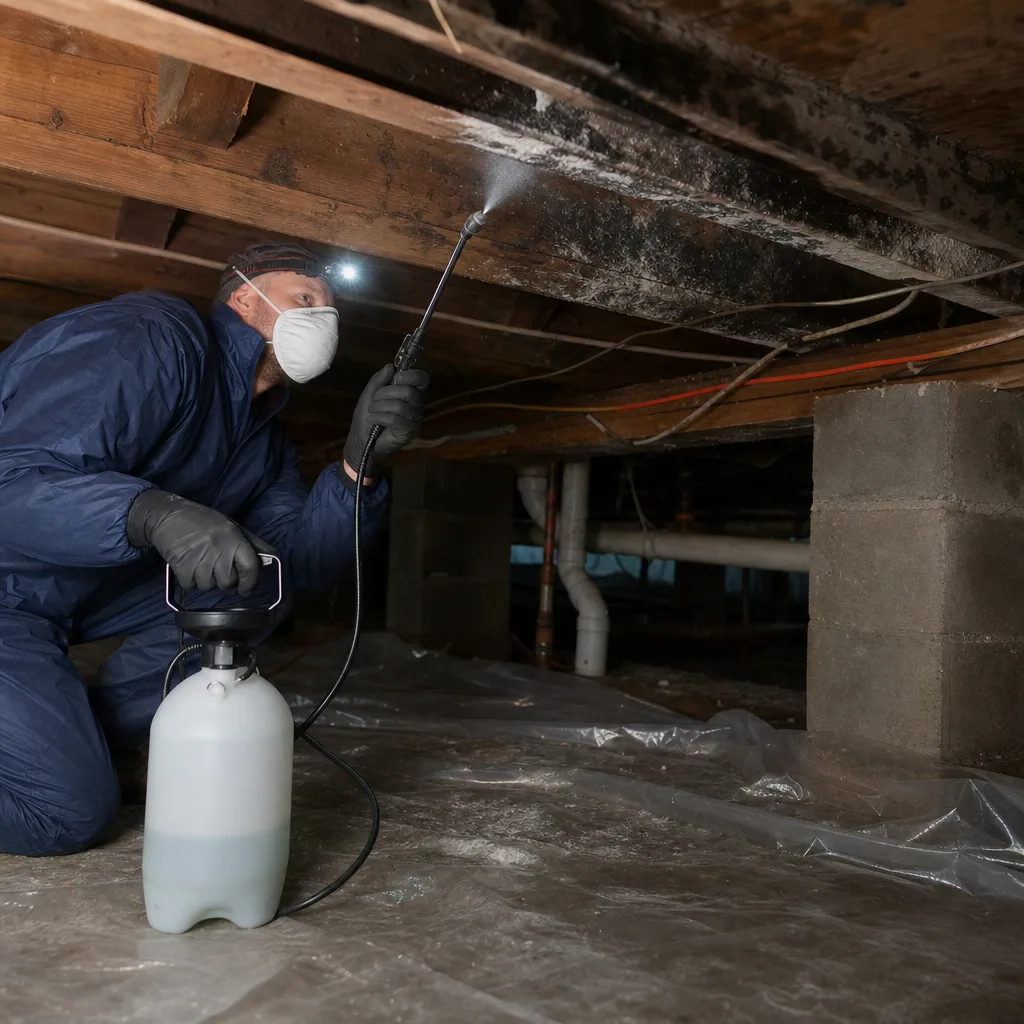
Odor Removal & Deodorization
Smoke odor from a protein fire or a smoldering electrical fire seeps into everything porous, and Richmond Hill’s horsehair plaster and original wood trim soak it up like a sponge. We run HEPA air scrubbers during the entire job, then follow with hydroxyl generators and thermal fogging. For radiator-heated homes, we clean inside every fin. For any forced-air system, we treat the ductwork. The goal is that you walk in six weeks later and smell nothing.
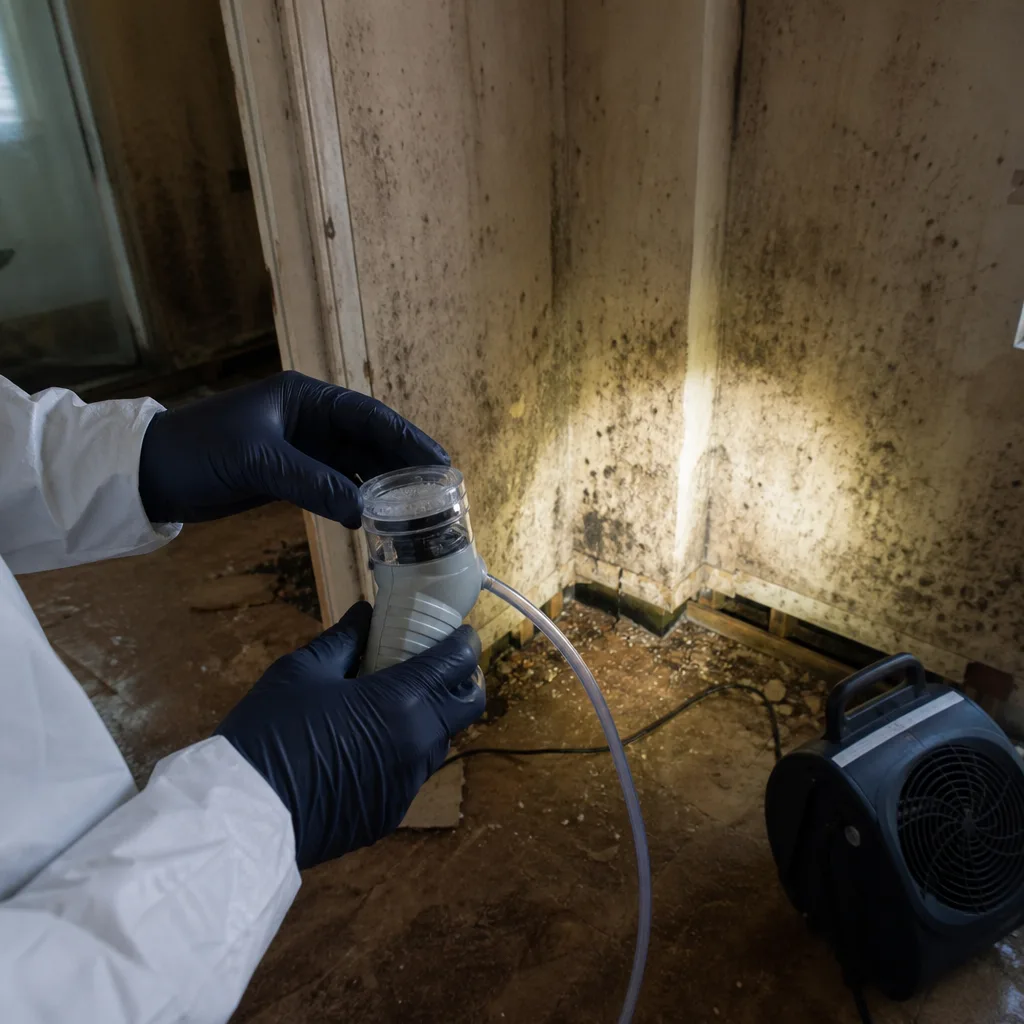
Contents Cleaning & Pack-Out
When the fire is in a two-family Richmond Hill rowhouse, contents cleaning often means handling two households’ worth of belongings at once. We inventory, pack out, and clean everything from clothing to kitchenware to electronics, and we store it until the structure is ready. Every item is documented for your carrier, which matters when two adjusters are reviewing the same pile of kitchenware.
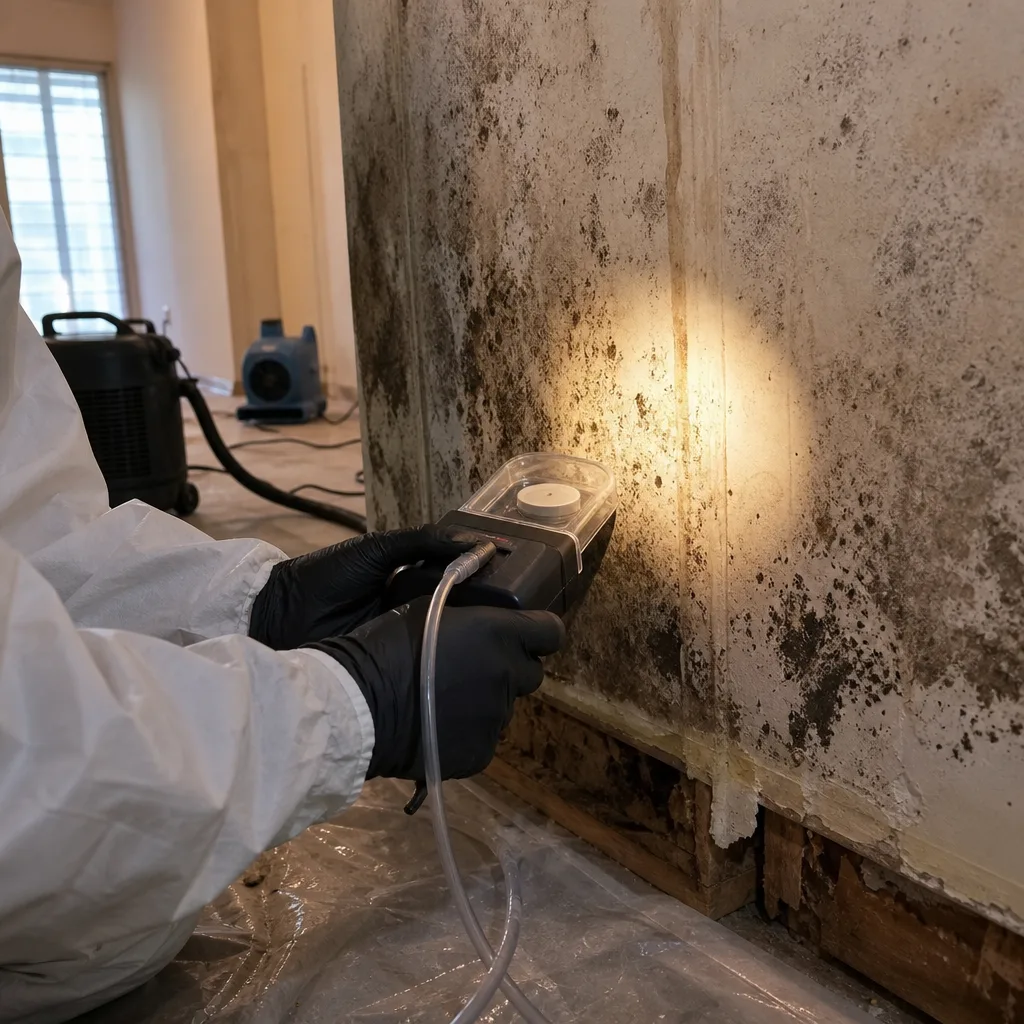
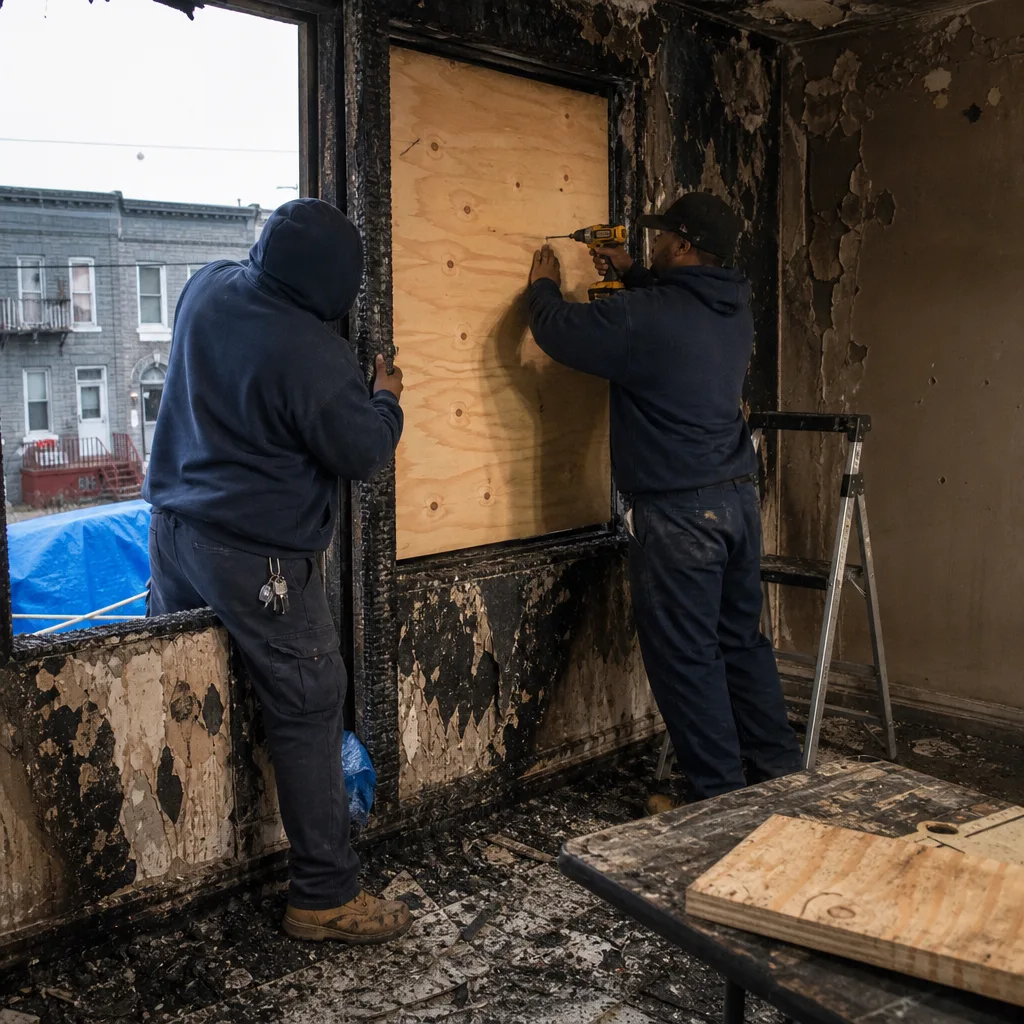
Emergency Board-Up & Tarping
After a fire on Lefferts Boulevard or Liberty Avenue, the building needs to be secure immediately: broken windows, burned door frames, and a hole in the roof invite weather, vandalism, and liability. We board up and tarp within hours of the fire department releasing the scene, often working alongside the building owner, a tenant, and sometimes two different insurance carriers.
What happens when you call
- 1
A real person answersNo phone trees - you reach a local pro.
- 2
You get an upfront price rangeHonest numbers before anyone is dispatched.
- 3
A background-checked tech heads outLicensed & insured, dispatched right away.
- 4
You approve before work beginsNothing starts until you say go.
Fire & Smoke Damage Restoration Costs in Richmond Hill, NY
With a crew equipped to work Richmond Hill’s row-house realities, here’s what you can expect to pay in this market. Smoke and soot removal in a single attached unit after a contained kitchen fire typically runs $1,800 to $4,200. Full odor remediation involving hydroxyl treatment, thermal fogging, and duct cleaning in a two-family home runs $3,500 to $7,500. Contents pack-out and cleaning for one household usually lands between $2,000 and $5,000. Emergency board-up and tarping on a Richmond Hill rowhouse runs $800 to $2,500 depending on the extent of the opening. Structural fire repair-replacing framing, plaster matching, and refinishing original trim-runs $25 to $55 per square foot depending on historic finish requirements and the level of custom millwork.
What moves the price most in Richmond Hill: whether the smoke crossed a party wall into an adjacent unit, whether original plaster and millwork need restoration rather than replacement, and whether the building is a legal two-family or an unpermitted conversion (which complicates the DOB permit side of the repair). Most of these costs are covered under a standard homeowner’s policy, but the deductible allocation between two owners when smoke crosses a party wall depends entirely on documentation. That’s what the free visual inspection provides: a written scope and a path forward before you commit to anything. Call (363) 300-2771 and Wade will walk the property with you himself.
We Also Serve Cities Near Richmond Hill
Our crews respond to Richmond Hill calls and the surrounding neighborhoods daily: Ozone Park, Woodhaven, South Ozone Park, and Howard Beach. If you’re in any of those areas and smoke is pushing through a shared wall for the first time, call us.
Serving Richmond Hill, NY - Our Local Coverage Area
We’re based in the Richmond Hill area and know this community well. Use the map below to see our service coverage - if you’re nearby, we can almost certainly help.
Richmond Hill Fire & Smoke Damage Restoration Questions, Answered
How does fire restoration handle smoke that travels through shared party walls in Richmond Hill’s attached row houses?
We start by treating the party wall as a smoke migration pathway, not a boundary. Our crews inspect, test, and clean the adjacent unit immediately, because smoke and soot push through plaster key gaps, floor joist pockets, and shared attic spaces. Failing to do this on day one is why people call us for a second opinion after another company’s work left odor in a neighbor’s bedroom.
Does Wade’s Restoration coordinate fire damage claims for both owners when smoke migrates into a neighbor’s attached unit?
Yes. Wade talks to both carriers, sometimes in the same afternoon. We photograph both units, document the migration path, and provide separate line-item scopes for each owner’s adjuster. One restoration team handles the full scope, so neither owner gets stuck relaying information between two companies and two insurance adjusters.
What’s the first step after a kitchen fire in a Richmond Hill two-family row house with shared walls?
Call (363) 300-2771 and get a free visual inspection. We document the fire unit and the attached neighbor’s unit, take moisture readings where firefighting water penetrated, and set up containment if soot has already migrated. Do not wait for the adjuster to arrive first; the first 48 hours determine whether odor becomes permanent.
Can you restore original horsehair plaster walls after smoke damage in a pre-war Richmond Hill home without gutting them?
Yes. We clean with dry sponges and HEPA vacuuming first, then assess whether the plaster keys are intact. If the plaster is structurally sound, we treat the surface, seal, skim-coat with lime-based plaster to match the historic texture, and repaint. We only replace plaster when it’s already failing, and we photograph pre-loss condition before touching anything.
How do you handle smoke odor that has absorbed into radiator systems and original wood trim in Richmond Hill homes?
We clean inside every radiator fin with compressed air and brushes, then wipe all exposed metal. For wood trim, we use a combination of dry sponging, alkaline washing where appropriate, and soda blasting on heavily-sooted areas before sealing. The goal isn’t to mask the odor with deodorizing sprays; it’s to remove the residue and treat the air.
How fast can you actually get to a fire in Richmond Hill?
Wade commits to being on the road within 45 minutes of your call, and in most of Richmond Hill we arrive sooner. He answers the phone himself, and if he says he’s coming, he’s coming. There’s no dispatch queue and no appointment window.
Will my insurance cover smoke damage that crossed into my neighbor’s attached unit?
Most standard policies cover fire and smoke damage to your own unit, including damage to shared party walls. Whether your policy covers the neighbor’s unit depends on your liability coverage and the cause of the fire. We document everything so both carriers can determine coverage quickly and accurately. Wade talks to adjusters directly either way.
What should I do in the first 30 minutes after a fire in my Richmond Hill rowhouse?
After the fire department clears the scene, call (363) 300-2771. Do not touch soot-covered surfaces with bare hands; the oils on your skin set soot stains. Do not run ceiling fans or the furnace, which blow soot deeper into the building. Open windows if weather allows, and keep doors closed between fire-damaged rooms and clean areas.
Written by Wade Ferris, Owner at Wade’s Restoration, serving Richmond Hill since 2007.