
Free visual inspection and a written scope of work before any mitigation begins - photos, moisture readings, and drying logs go in your claim file
The scope we write is the scope we bill. Anything new gets shown to you, in writing, before we touch it.

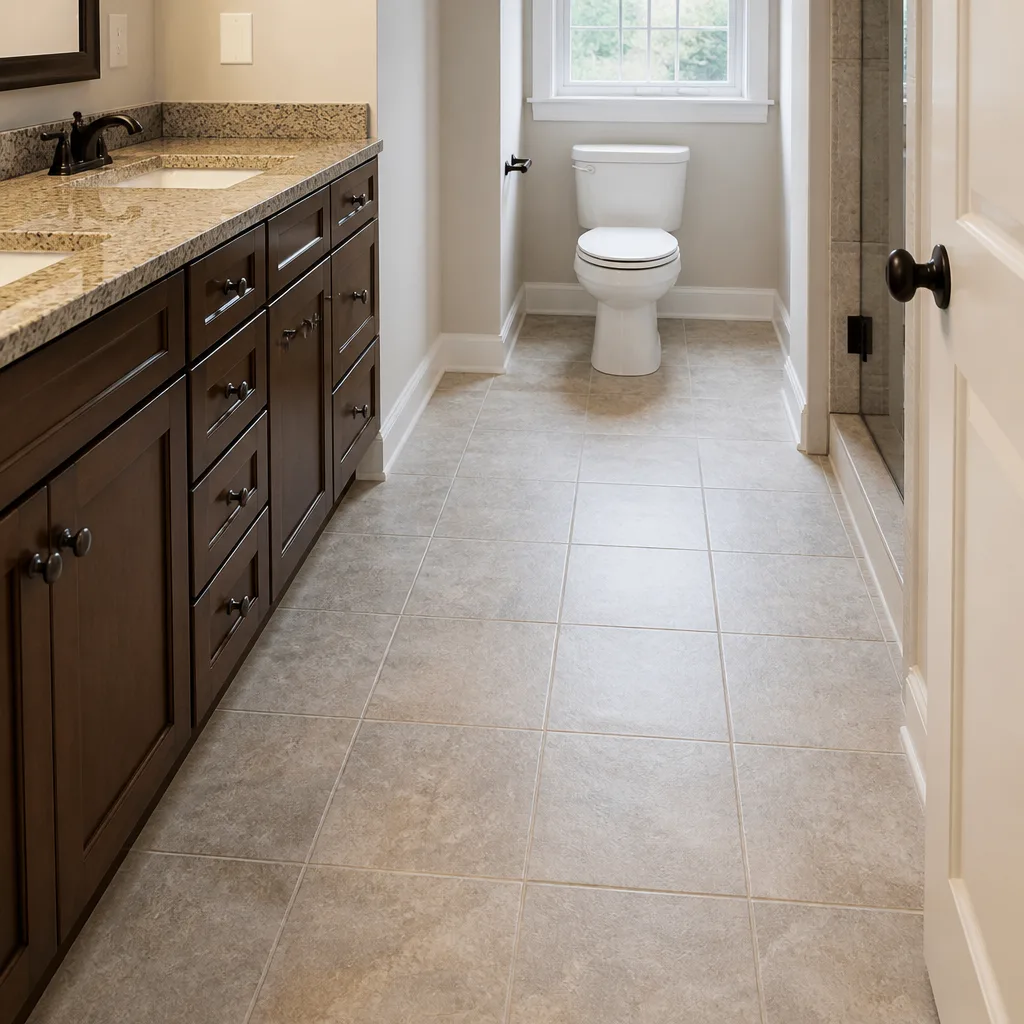
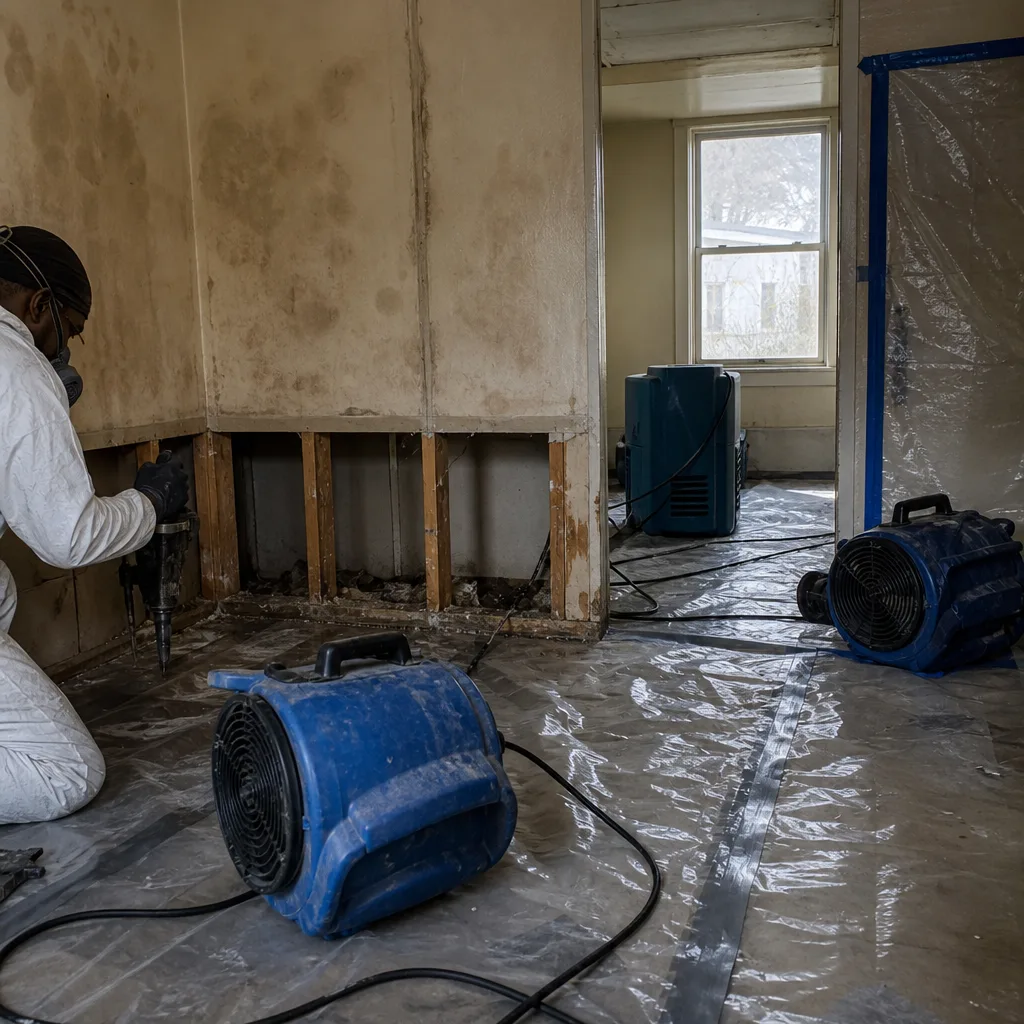 Before
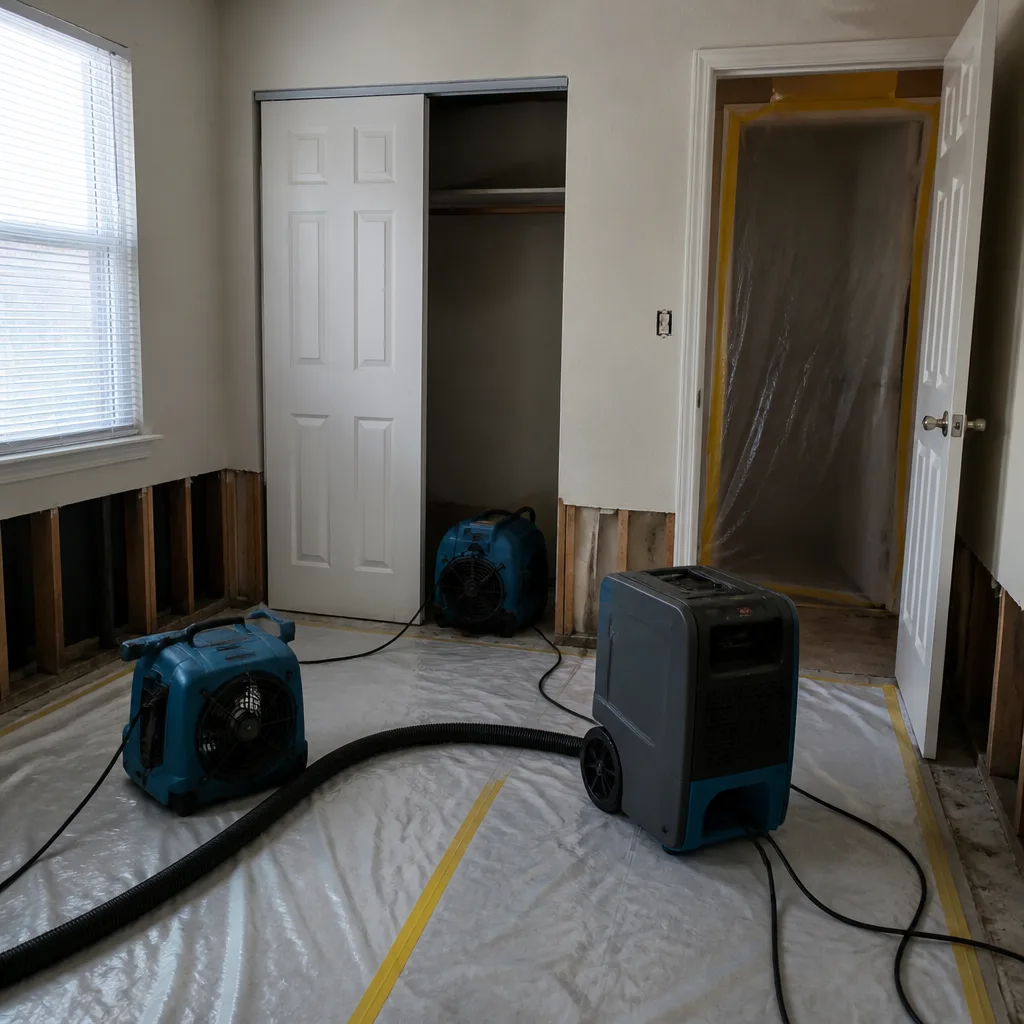 After
After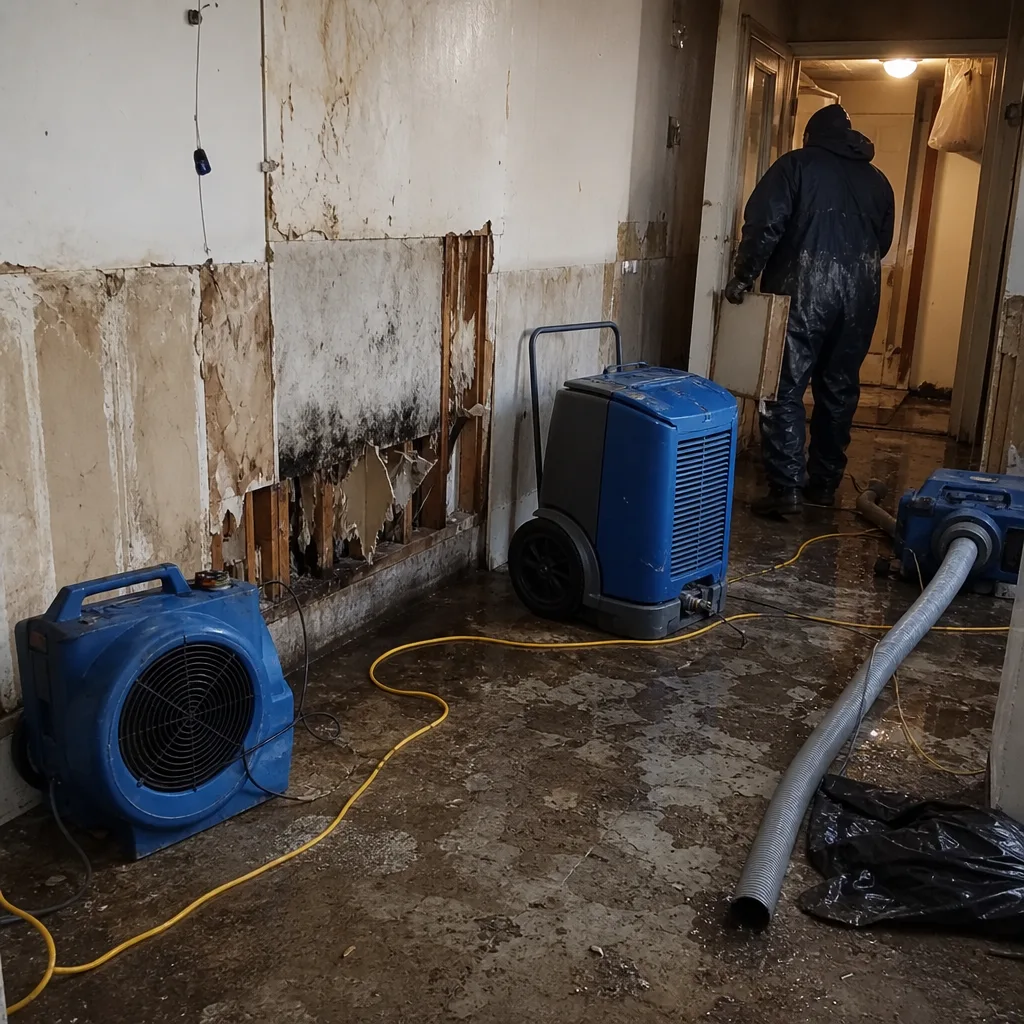 Before
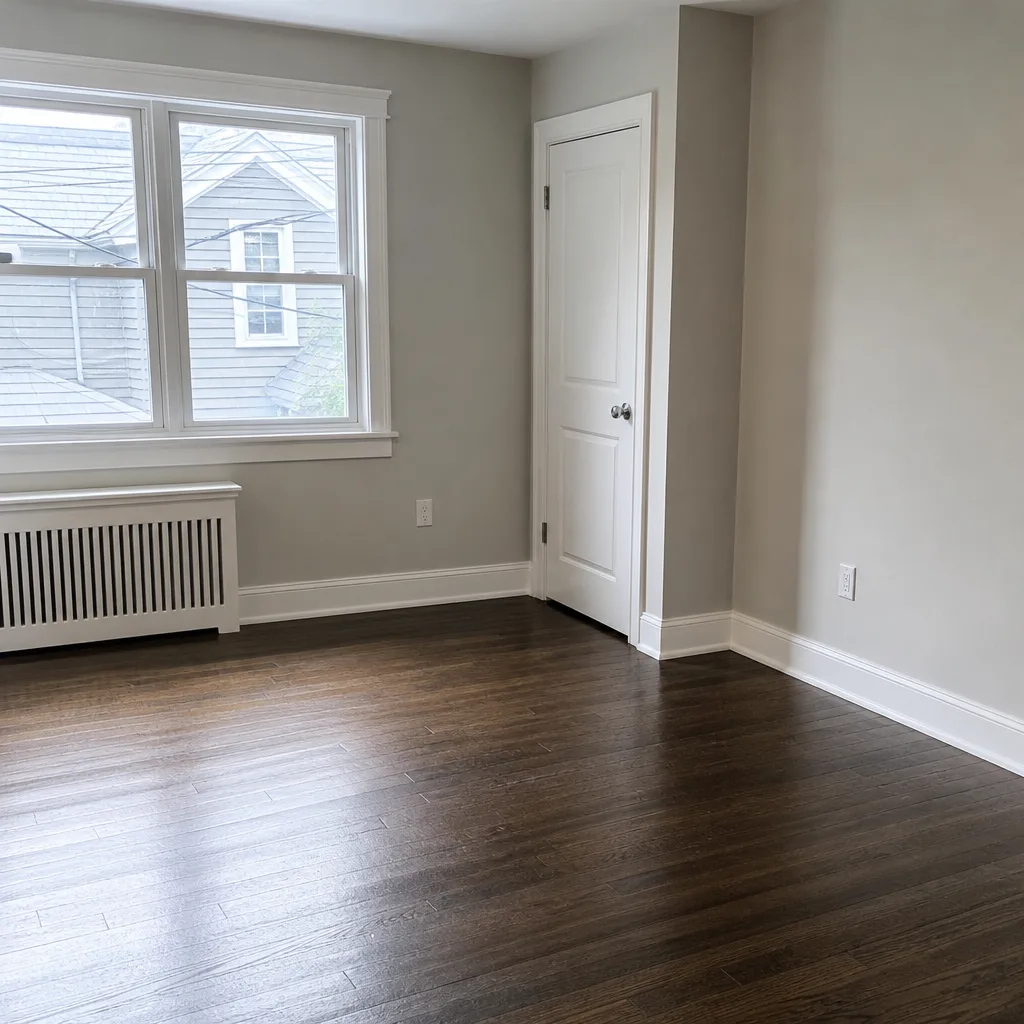 After
After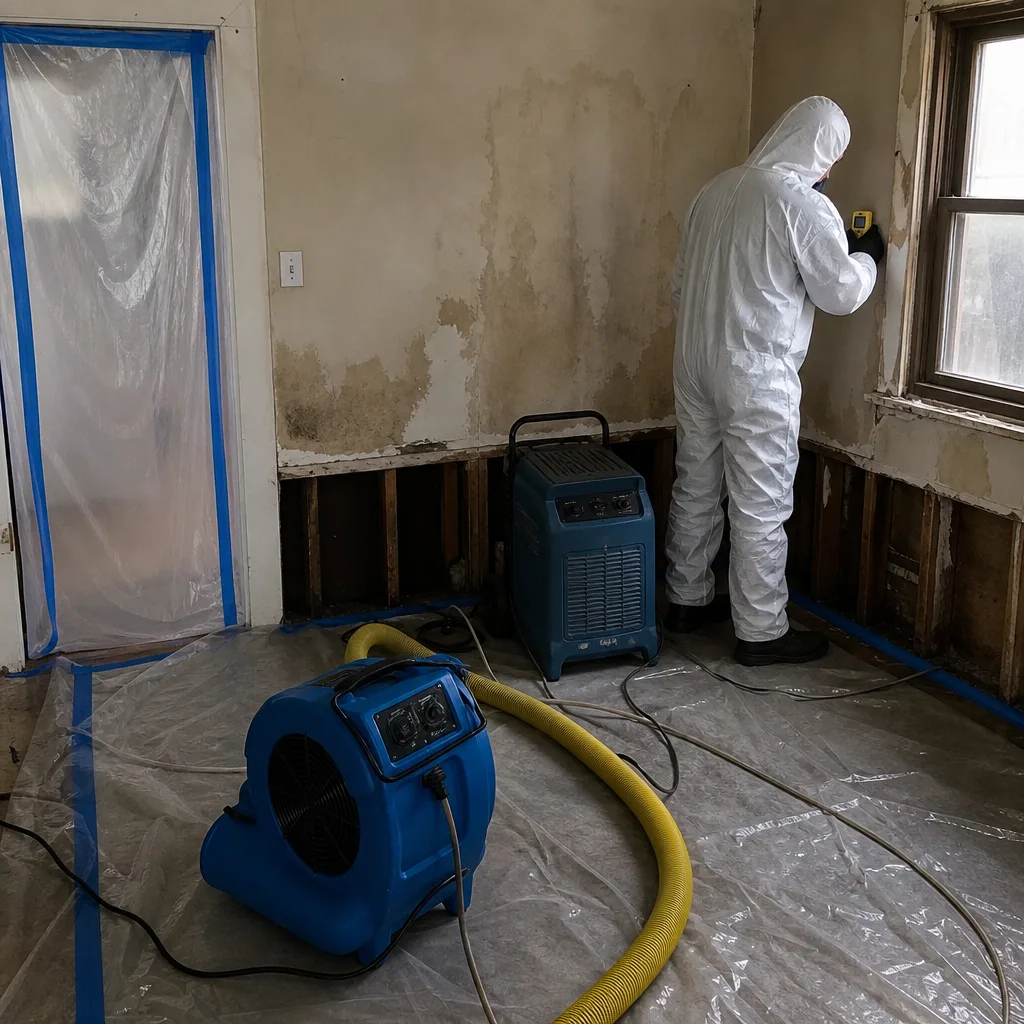 Before
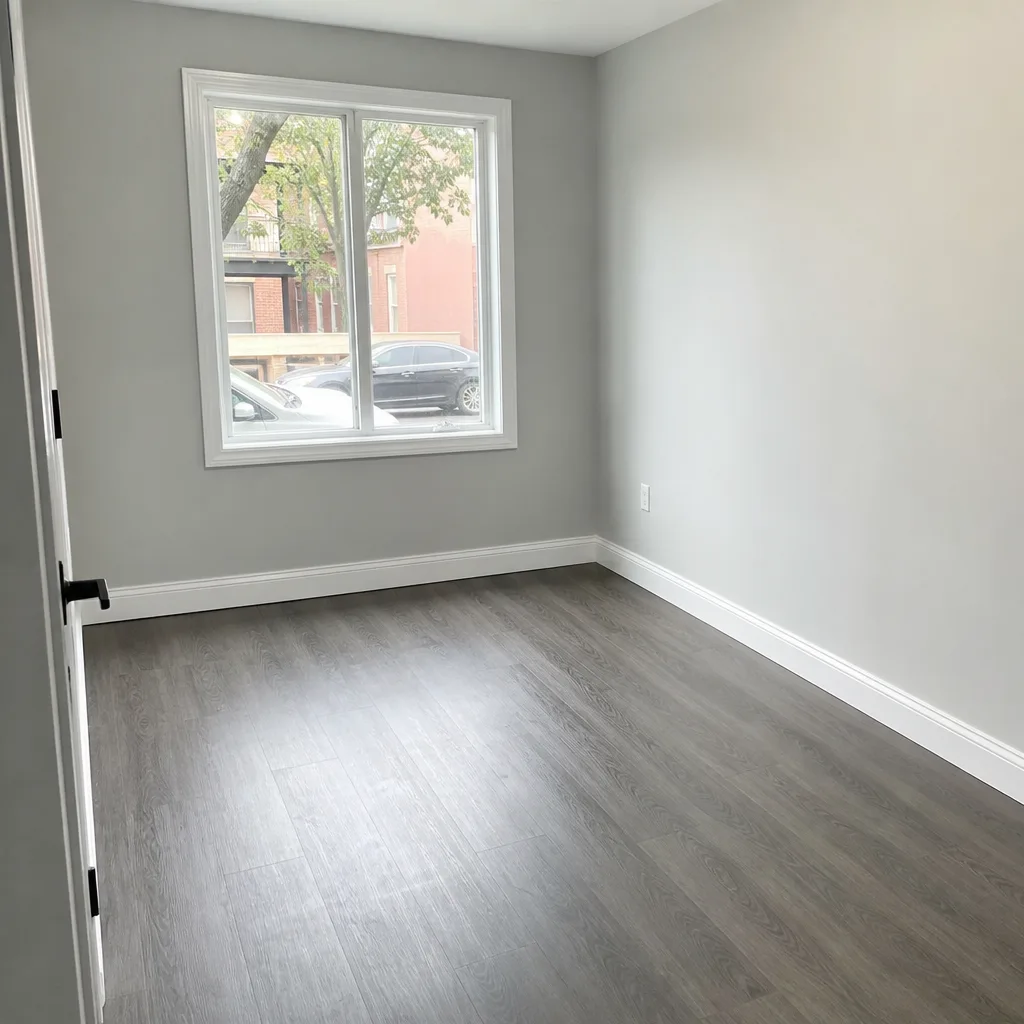 After
After24/7 Emergency Sewage Cleanup in Elmhurst
Sewage backup in Elmhurst can’t wait. A Category 3 water event inside a 1920s brick row house or a converted basement apartment on Justice Avenue moves through shared walls and under footing drains faster than most homeowners realize, and every hour it sits, the contamination footprint and the repair bill both grow. Our crews answer live around the clock and can be on site in Elmhurst within 45 minutes most days. Call (363) 300-2771 now. Wade Ferris answers his own phone, and the first visual inspection and damage assessment is free, no trip charge inside our own county. The first hour decides whether you’re drying a floor or gutting a wall. In Elmhurst’s older attached housing, you don’t get that hour back.
Understanding Sewage Cleanup Severity in Elmhurst Properties
We classify water damage by contamination level. Category 1 is clean water from a supply line. Category 2, grey water, carries soap, detergent, or washing machine discharge. Category 3 is black water: raw sewage, toilet backflow, or street water that has backed up through Elmhurst’s combined sewer system. Black water contains bacteria, viruses, and parasites that are dangerous to touch or breathe near.
Elmhurst’s housing stock makes this classification more urgent than in a modern single-family suburb. The dominant buildings are attached brick construction from roughly 1920 to 1950, with cast-iron waste lines that have been absorbing corrosion for a century. When one of those lines collapses under a two-family on Kneeland Avenue or a three-story walk-up near Whitney Avenue, the sewage rarely stays in the basement where it started. It follows the path of least resistance, which in an attached row is the party wall, the sub-slab fill, and the shared footing drains. A Category 3 backup in one unit becomes a Category 3 intrusion in the next building within hours. That’s why our crews treat every Elmhurst sewage response as a potential multi-unit event from the moment we arrive.
Why Elmhurst Property Owners Choose Wade’s Restoration
- 45-minute response commitment: When sewage is spreading, minutes matter. We commit to getting Wade’s crew on site in Elmhurst within 45 minutes of your call, with extraction equipment ready to run.
- 24/7 live answer: A real human picks up the phone at 3 a.m. Not a voicemail, not an answering service. Wade himself answers his own phone, every day of the year.
- IICRC-certified crews: Our technicians hold IICRC certifications in Water Damage Restoration (WRT) and Applied Microbial Remediation (AMRT), which is the credential that matters for Category 3 sewage work.
- Free visual inspection: Before any work begins, we walk the property with you and show you exactly what we see. You get a written scope before we touch a tool.
- Direct insurance billing: We bill your carrier directly and deal with the adjuster ourselves. You don’t relay messages between two sides.
- One team, extraction to reconstruction: The same crew that extracts the sewage is the crew that rebuilds the wall. No handoffs, no finger-pointing.
Our Sewage Cleanup Process
Inspection & Assessment
We map the source of the backup, identify the water category, and document the full contamination area with photos and thermal imaging. In an Elmhurst attached building, this means checking both sides of the party wall and the shared footing drains immediately.
Extraction & Stabilization
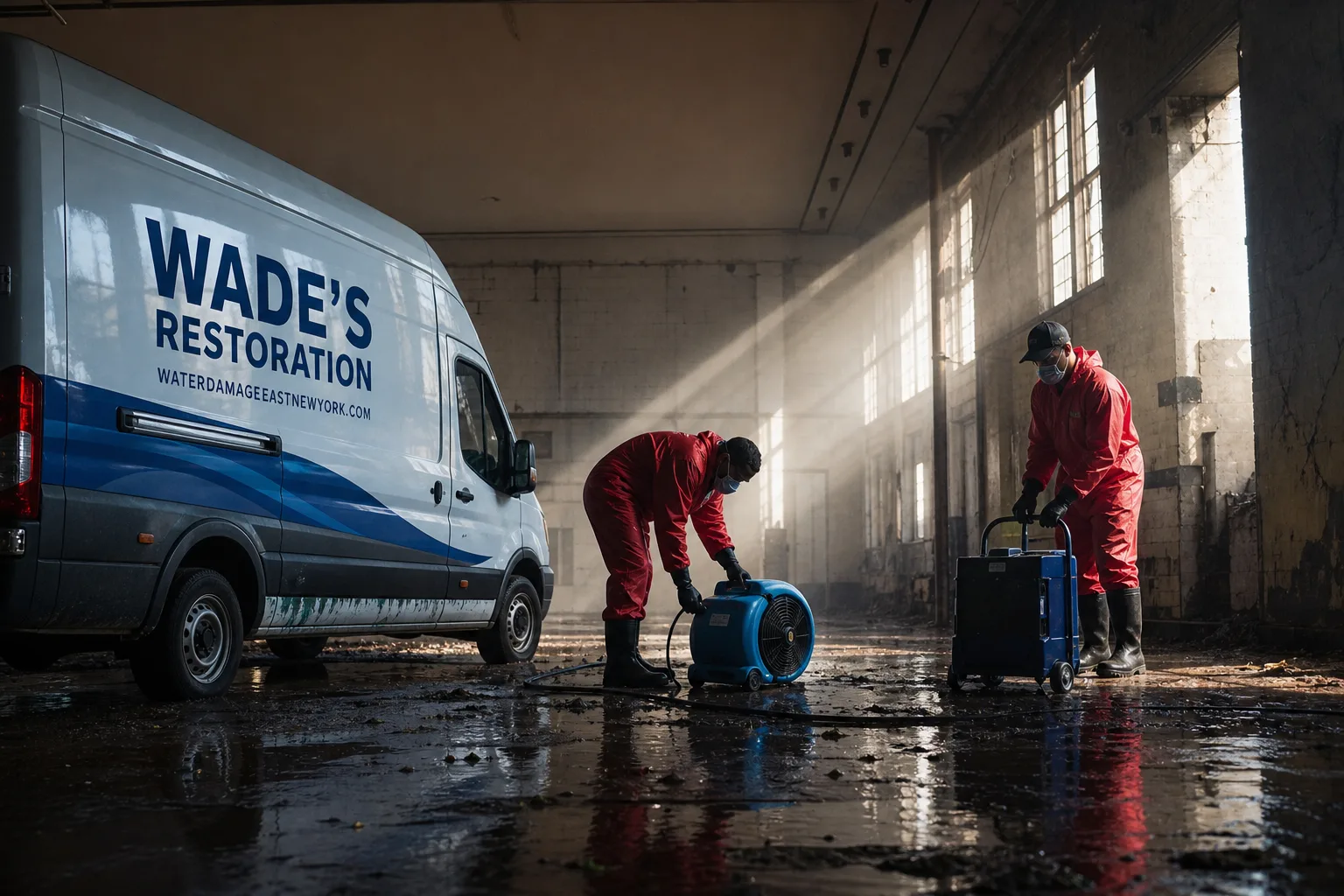
We remove standing black water using truck-mounted extraction systems, then set up containment with negative air to stop airborne bacteria from migrating into clean areas of the home.
Drying & Dehumidification
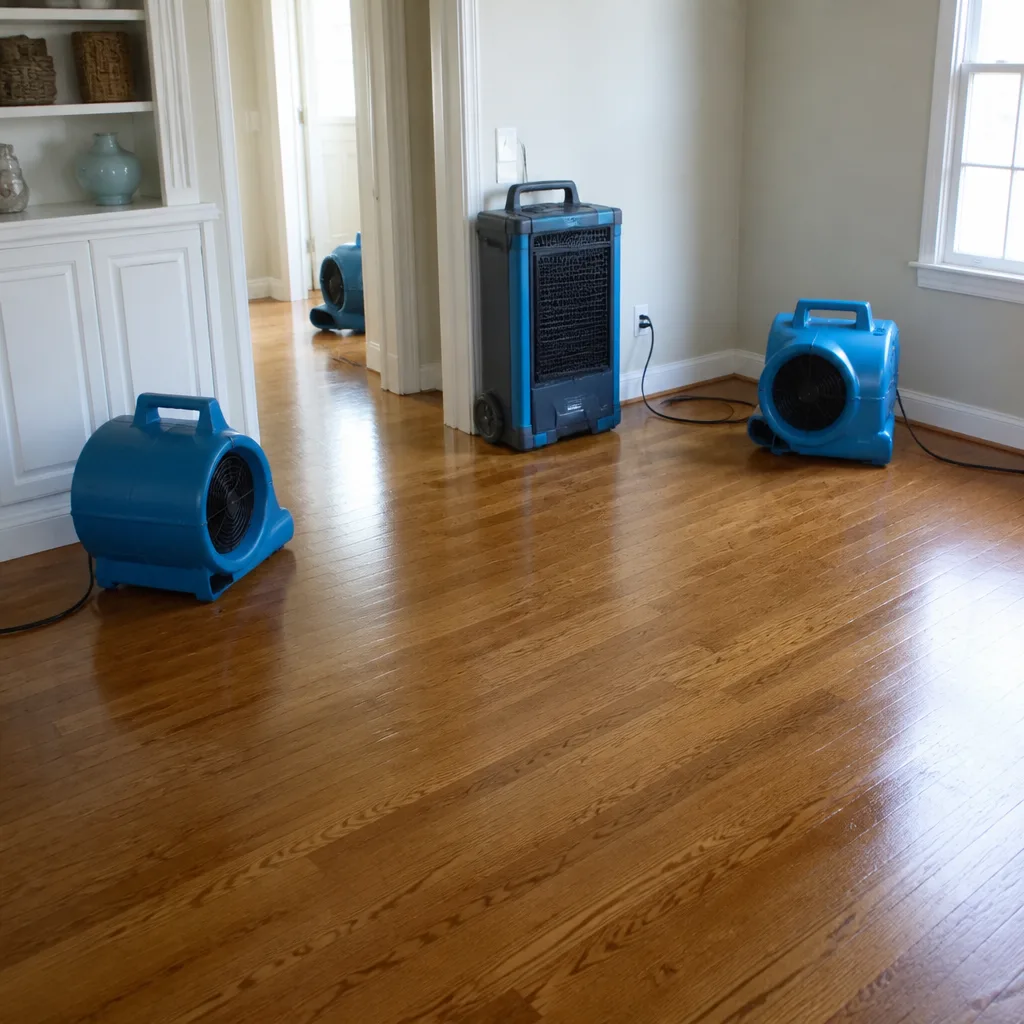
We run professional-grade Phoenix and Dri-Eaz dehumidifiers and air movers, and we place hygrometers throughout the affected area to track moisture levels daily until they reach acceptable standards.
Cleaning & Sanitization
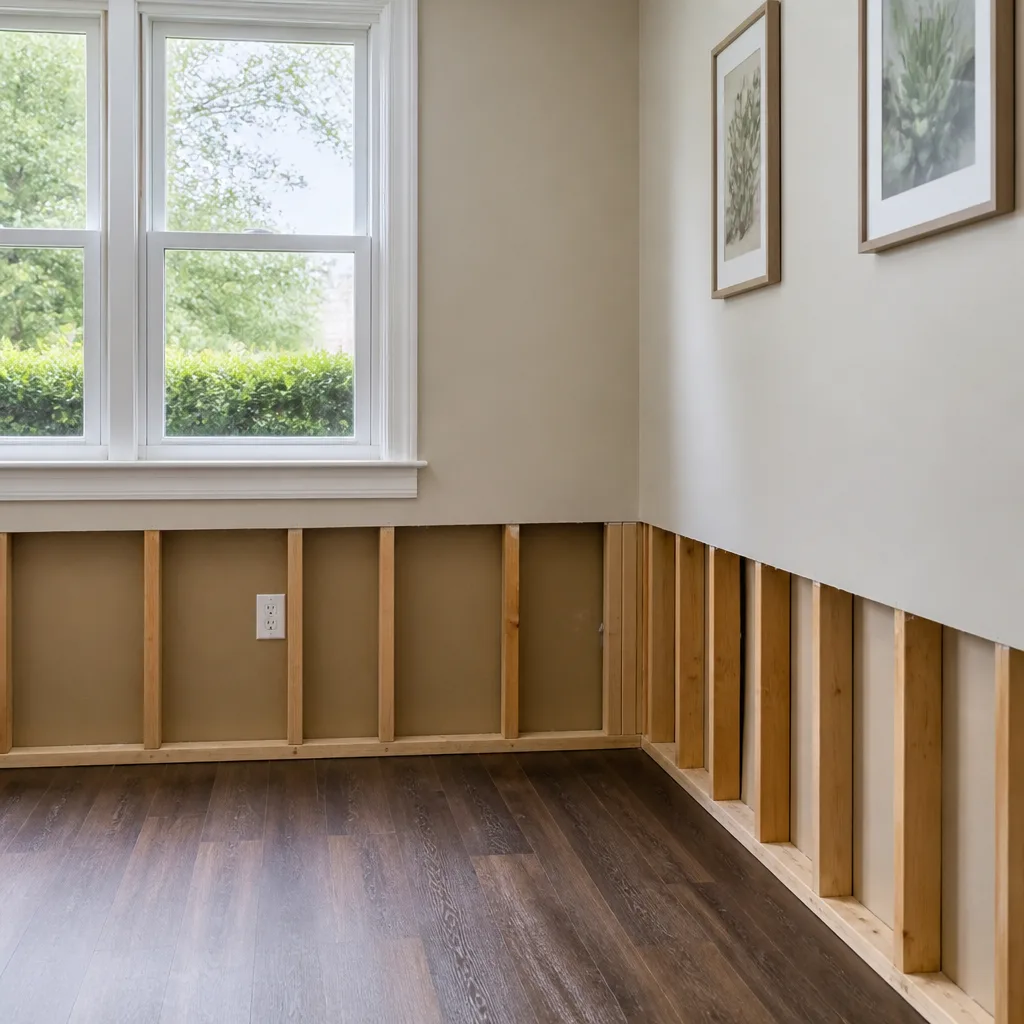
All contaminated surfaces are cleaned with antimicrobial treatments approved for Category 3 water. Saturated porous materials, including carpeting, padding, and drywall, are removed and disposed of according to proper biohazard protocols.
Structural Verification
We inspect the framing, plaster, and masonry that remain for hidden moisture and microbial growth. In 1920s-era Elmhurst basements, we always check behind sheet vinyl, paneling, and old plaster for reservoirs of contamination.
Repairs & Restoration
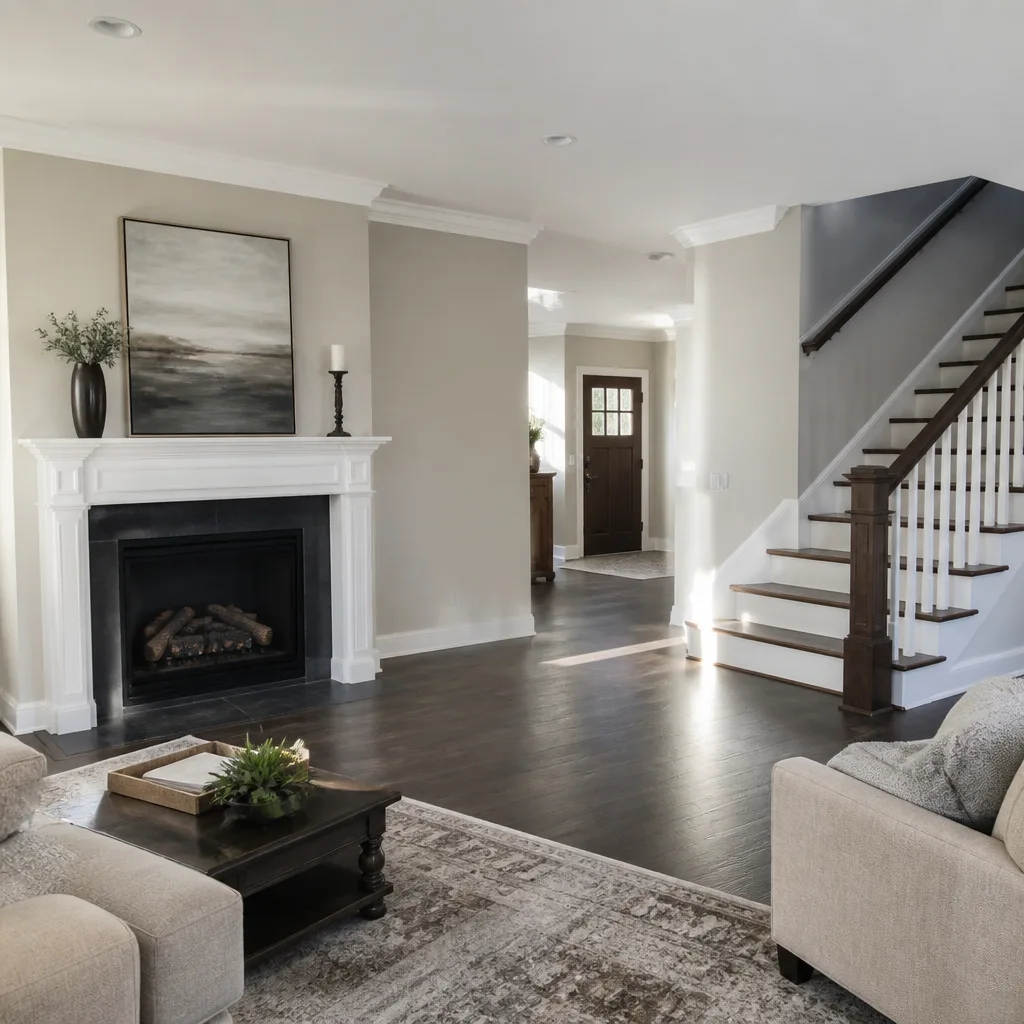
We rebuild the affected space to pre-loss condition, which in an Elmhurst two-family or walk-up often means restoring converted basement units, shared wall assemblies, and the building’s own drainage path so the problem doesn’t repeat next rainstorm.
Need Emergency Sewage Cleanup in Elmhurst Now?
Crews minutes away, answering live 24 hours a day. The sooner we start, the less it costs.
Working With Your Insurance Company
Sewage backup claims in Elmhurst are rarely straightforward, especially when a single event crosses a party wall into a neighboring building. Your carrier and the neighbor’s carrier may both be involved, with different adjusters and different policies. We’ve handled this exact situation dozens of times. From the first hour, we document everything: the source of the intrusion, the full contamination footprint, moisture readings at every stage, and photos of every affected room. We write a detailed, line-item scope of work that matches industry-standard estimating, and we communicate directly with your adjuster so you don’t have to translate what a Category 3 event means over the phone. Wade has been dealing with adjusters on Elmhurst sewage claims since 2007, and he knows what language gets a claim approved.
What We Provide Your Insurer
- Thorough documentation of the loss
- Photos of all damage, room by room
- Moisture readings and drying logs
- A detailed, line-item scope of work
- Direct coordination with your carrier
Built for Elmhurst’s Loss Calendar
Elmhurst sits on flat, nearly fully impervious terrain that funnels storm runoff straight into an aging combined sewer system. That geography has consequences. When a nor’easter or a tropical remnant parks over Queens, the system surcharges, and basements in low-lying blocks fill with diluted sewage in under an hour. We saw this during Hurricane Ida in September 2021, when converted below-grade apartments across Elmhurst flooded faster than any crew could respond. The pattern repeats, in smaller form, several times a year. January deep freezes bring a different failure mode: cast-iron lines under 1920s row houses freeze and crack, then back up when the thaw hits. Spring brings ground saturation that presses into footing drains. Summer thunderstorms dump an inch of rain in twenty minutes onto a surface with no absorption. Every season in Elmhurst has a sewage trigger, and the address is almost always an older building with original plumbing.
Sewage Cleanup Across Elmhurst’s Neighborhoods
Response routes matter. Working in the blocks around Broadway and Queens Boulevard means navigating dense commercial traffic and tight parking on a schedule where minutes count, so our crews stage equipment differently than they do on residential side streets. The attached two-family row houses north of the Long Island Expressway, toward Kneeland Avenue and Hillyer Street, share basements walls that predate modern waterproofing, and a backup there is usually a two-building event before we arrive. Around the low-lying streets near the Grand Avenue and the Newtown Creek side of the neighborhood, combined sewer surcharges hit converted basement units hardest. And in the dense walk-up sections near Elmhurst Avenue and Justice Avenue, we routinely coordinate access with a property manager, a landlord, and an occupant who may be three different parties with three different schedules. Elmhurst is also one of the most linguistically diverse neighborhoods on earth, and on a sewage emergency, our crews are prepared to work with households where no resident speaks English. We keep our scope documentation simple, visual, and explained through whatever channel the family actually understands, because consent and documentation shouldn’t get lost in translation.
Specialized Sewage Cleanup Services We Offer in Elmhurst
Sewage Backup Cleanup
A backed-up waste line in an Elmhurst row house is rarely a one-unit problem. We extract, contain, and sanitize the full contaminated area, including the shared wall cavity and any adjoining cellar that has been affected. Our Sewage Cleanup team handles the multi-owner coordination that these buildings require.
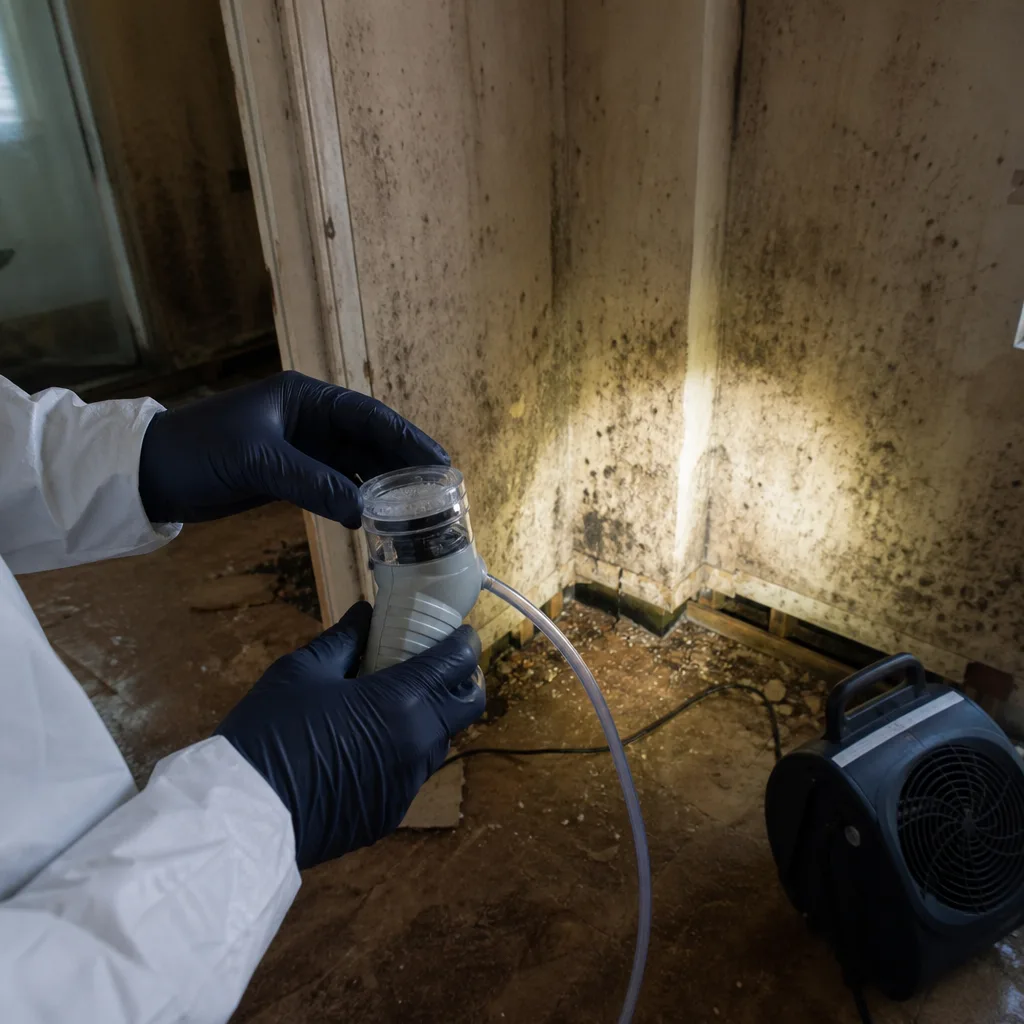
Toilet Overflow Cleanup
A toilet overflow on a second floor of a two-family on 54th Avenue doesn’t stay on that floor. It travels down through the joist bays into the unit below. We trace the full path of the water, remove contaminated drywall and insulation, and dry the structure before anyone reoccupies the space.
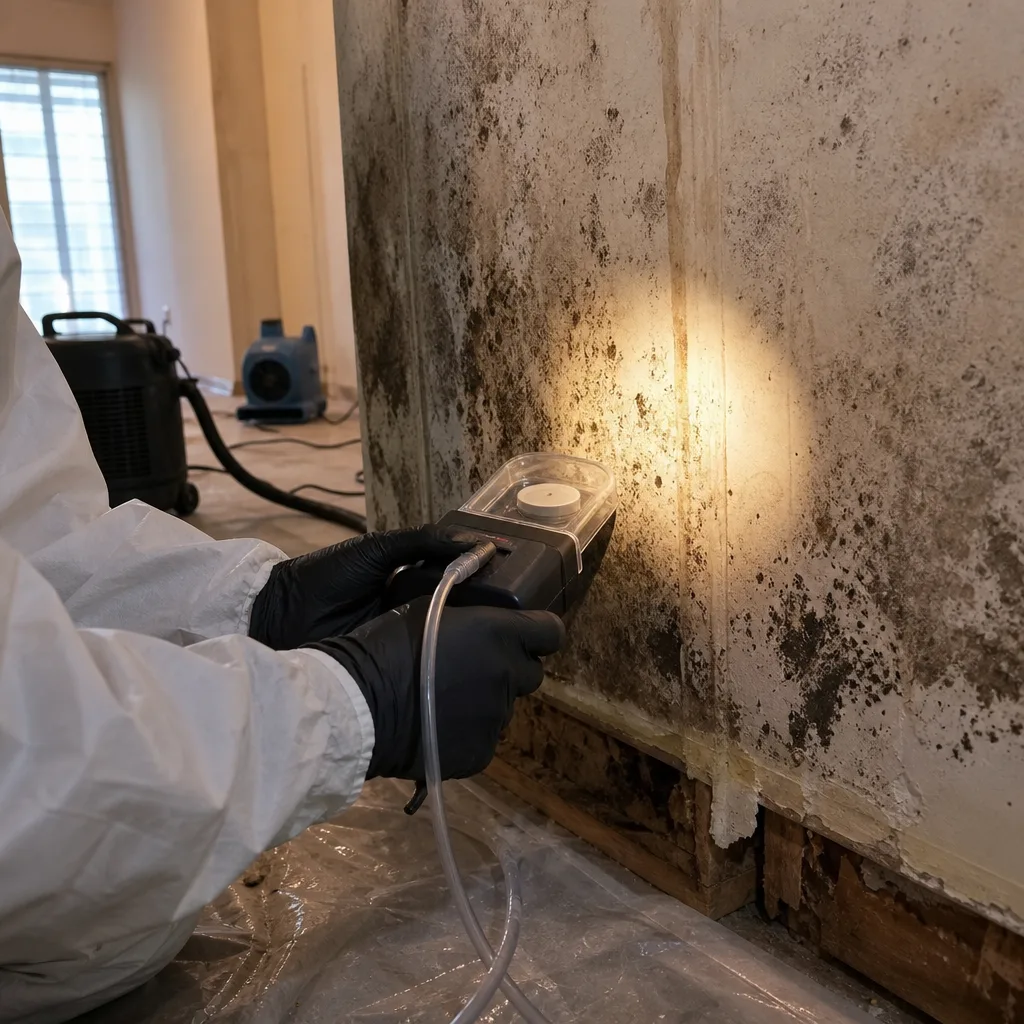
Septic Failure Cleanup
While most of Elmhurst is connected to the municipal combined sewer, a handful of properties in the deeper parts of the neighborhood still run on older private systems. When those fail, the result is surface-level sewage pooling that requires careful removal, soil treatment, and structural drying of the foundation wall.
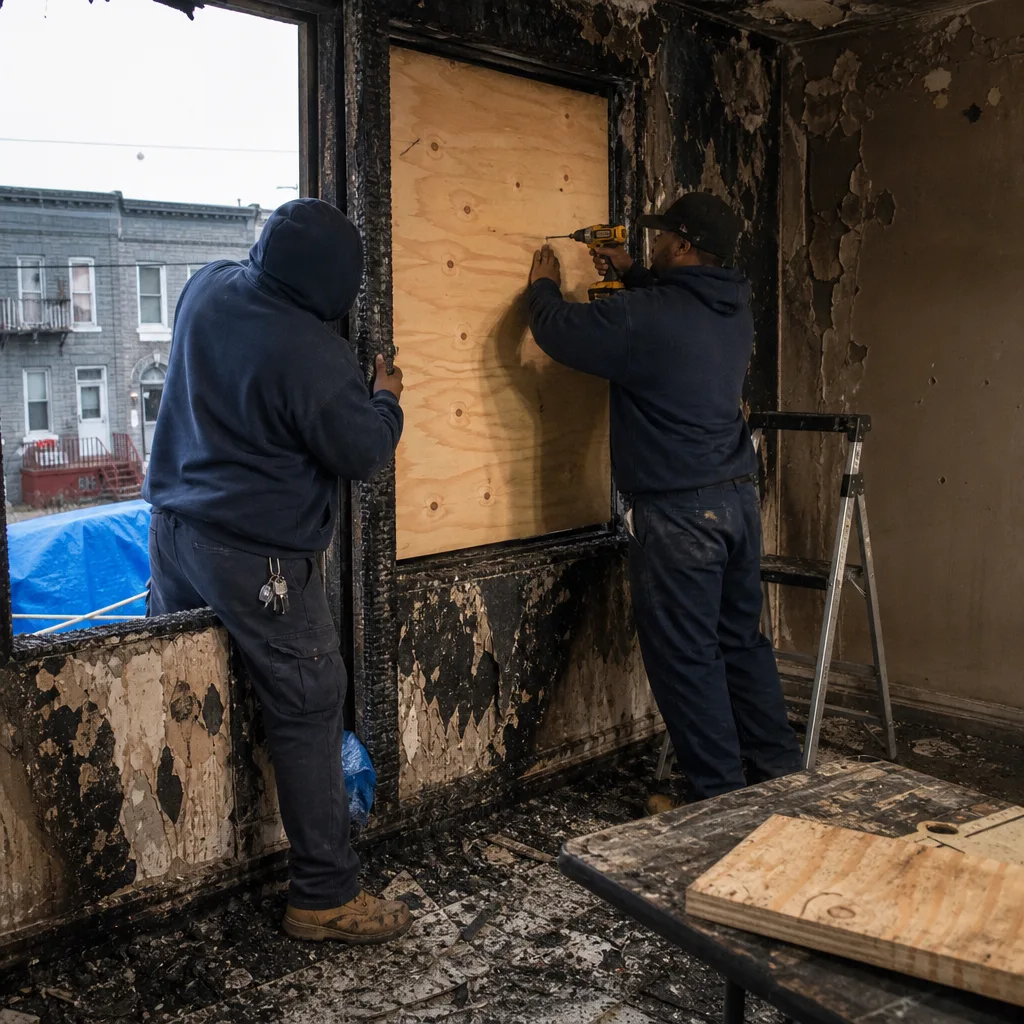
Black Water Extraction
This is the first and most critical step. Standing Category 3 water in a below-grade Elmhurst apartment is a biohazard. We use truck-mounted extraction to remove it fast, then contain the area to keep airborne contamination from spreading into the rest of the building.
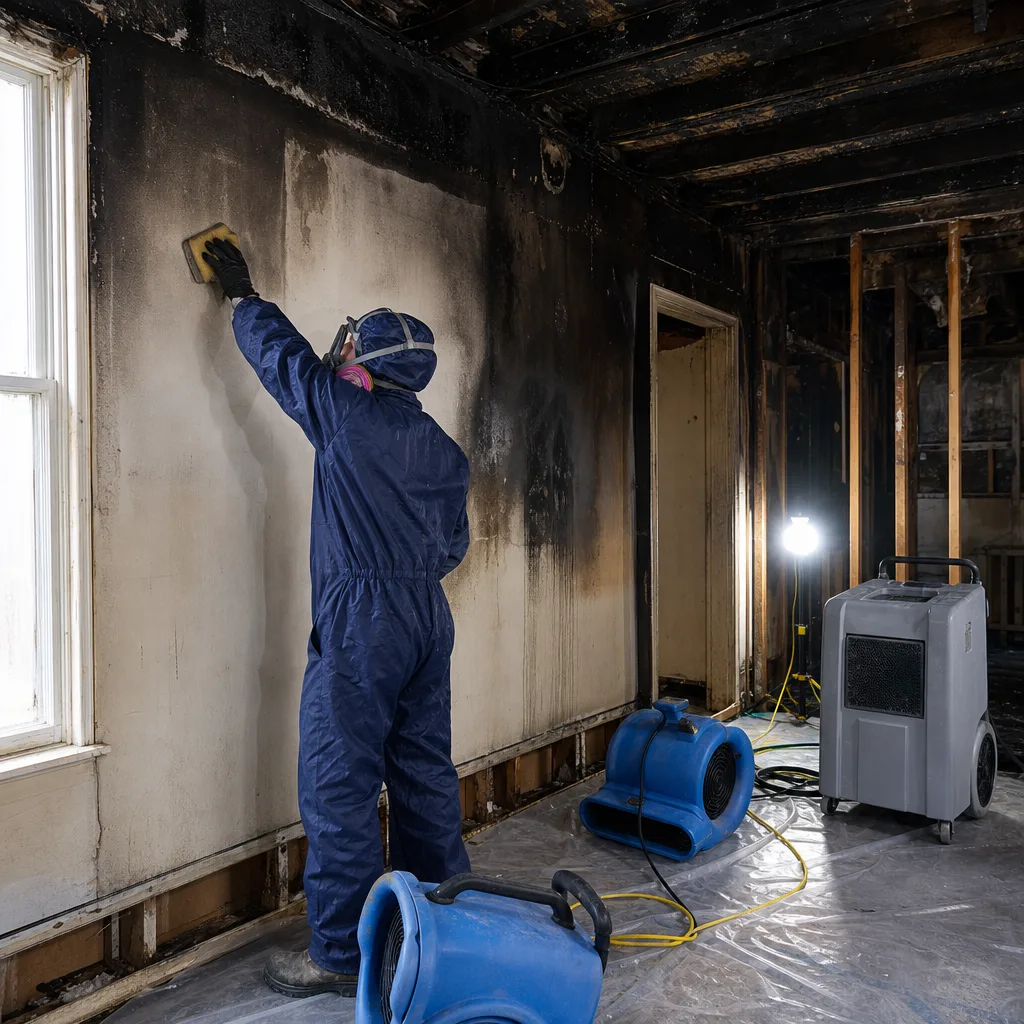
Sanitization & Disinfection
After extraction, every surface in the affected area gets an antimicrobial treatment rated for Category 3 exposure. In 1920s-era basements, that includes plaster and lath behind old wall finishes, not just the visible surfaces.
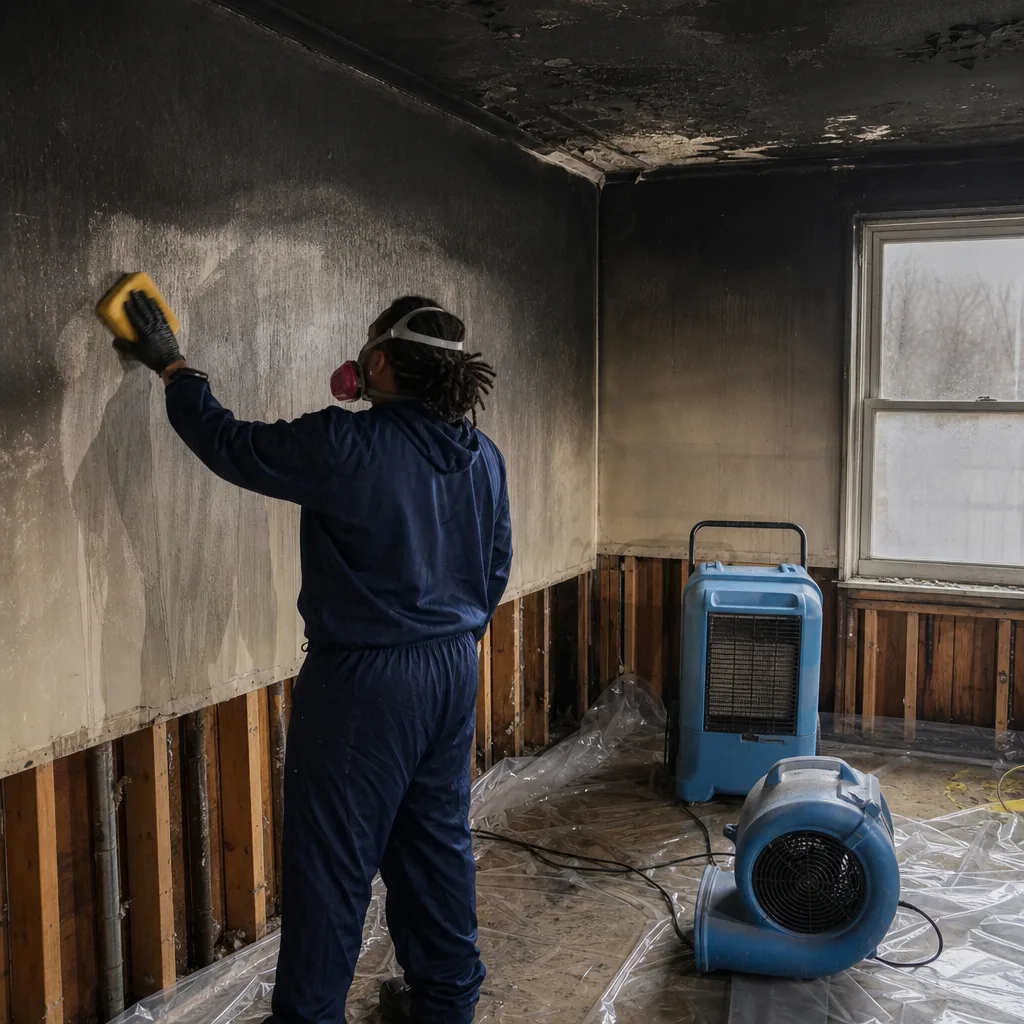
Crawl Space Sewage Removal
Row houses in Elmhurst often have irregular crawl spaces that outside crews skip because they’re awkward to access. We don’t skip them. Sewage in a crawl space under a party wall will keep contaminating the shared structure until it’s physically removed, cleaned, and dried.
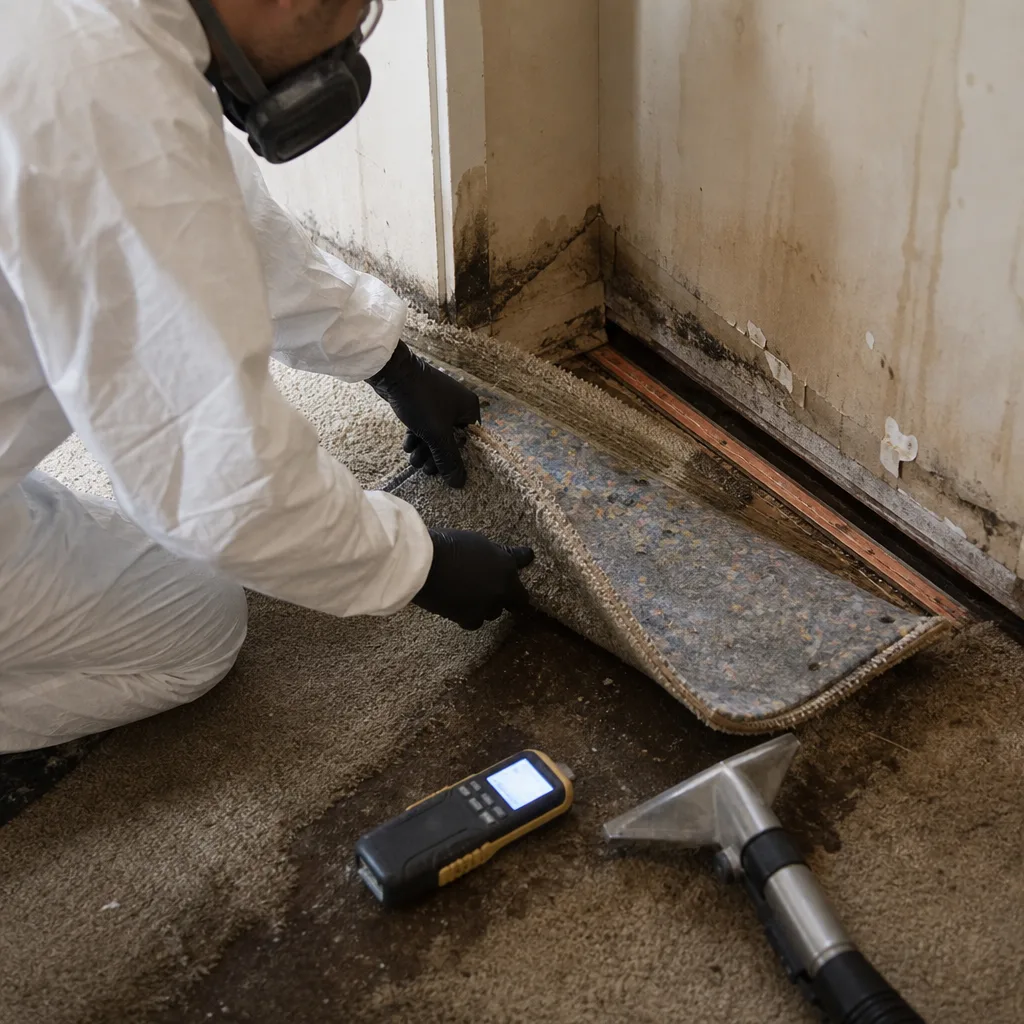
What happens when you call
- 1
A real person answersNo phone trees - you reach a local pro.
- 2
You get an upfront price rangeHonest numbers before anyone is dispatched.
- 3
A background-checked tech heads outLicensed & insured, dispatched right away.
- 4
You approve before work beginsNothing starts until you say go.
Sewage Cleanup Costs in Elmhurst, NY
A sewage cleanup in Elmhurst typically falls between $1,800 and $6,500 for a single-unit backup in an attached row house. A converted basement apartment flooded by a combined sewer surcharge runs higher, usually $4,000 to $12,000, because the water has saturated the entire below-grade envelope and often entered wall cavities shared with the neighboring building. A full gut-and-rebuild of a basement unit after a Category 3 event can hit $18,000 to $35,000 depending on layout and electrical scope. What moves the price: the footprint of contaminated materials that must be removed, whether the party wall is involved, whether multiple units are affected, and whether the building’s own drainage path needs scoping. Insurance usually covers the bulk of a sudden and accidental discharge, but flood-related surcharges may fall under separate coverage. The fastest way to a firm number is a free visual inspection from our Sewage Cleanup in Elmhurst team. Wade will walk the basement with you and put a written scope in your hand before any work begins.
We Also Serve Cities Near Elmhurst
The same attached-brick building patterns and combined sewer vulnerabilities extend into the neighboring Queens communities. Our crews regularly respond to sewage backups in Corona, Ridgewood, Woodhaven, and Richmond Hill.
Serving Elmhurst, NY - Our Local Coverage Area
We’re based in the Elmhurst area and know this community well. Use the map below to see our service coverage - if you’re nearby, we can almost certainly help.
Elmhurst Sewage Cleanup Questions, Answered
How quickly can sewage from a shared drain line spread into the attached home next door during a backup in Elmhurst?
In an Elmhurst row house with an unrepaired party wall breach, Category 3 water can move from one basement into the neighboring cellar in under two hours. The limiting factor isn’t the sewage; it’s the path. Cast-iron waste lines under these 1920s and 1930s buildings often discharge into shared footing drains, and once that drain is overwhelmed, water moves laterally through the common masonry. We’ve arrived on Kneeland Avenue calls where the backup had already crossed the party wall before the homeowner found it. Call (363) 300-2771 the moment you see dark water in your basement; checking the neighbor’s side is part of our standard first-hour assessment.
Does living in a converted below-grade Elmhurst basement change the sewage cleanup process?
Yes, significantly. A converted basement apartment in Elmhurst sits below the street level where the combined sewer runs, which means gravity is already working against you during a surcharge. These units also tend to have finished surfaces like sheet vinyl, paneling, and drywall over original porous walls, all of which trap contaminated moisture. Our process includes checking behind those finishes, removing any Category 3-saturated material, and documenting the full scope for a landlord and tenant who may be two different parties with two different insurance interests.
Can sewage damage from a neighbor’s unit still require us to gut our own basement even if it looks dry?
Yes, and this is one of the most expensive lessons in Elmhurst attached housing. Sewage travels through common masonry walls invisibly, saturating the plaster and lath on your side of the party wall while the finished surface stays dry to the touch. Without antimicrobial treatment and structural drying, that hidden reservoir becomes a mold source that re-contaminates your side for months. We’ve gutted basements on one side of a party wall that looked perfectly fine from the outside, because the moisture readings told a different story.
What does a crew mean by ‘black water’ versus ‘grey water’ when they respond to a basement flood in Elmhurst?
Black water is Category 3 water: it contains raw sewage or street runoff that has backed up through the combined sewer. It’s a biohazard and requires full protective gear, containment, and antimicrobial treatment. Grey water, Category 2, is used water from washing machines or showers that carries some contamination but not sewage. During an Elmhurst surcharge event, the water is almost always Category 3 because the street water and building sewage mix in the same pipe before it backs up into your basement.
Why do Elmhurst sewage jobs sometimes involve two different insurance claims for one flooded basement?
Because the water doesn’t respect property lines. When a backup in one attached building pushes sewage through a shared party wall into the neighbor’s cellar, each owner files a separate claim with their own carrier. Each claim needs its own documentation, its own scope, and its own adjustor conversation. We coordinate both sides from the first hour, so the neighbor’s carrier gets the same moisture logs and photos as yours, and the two claims don’t get tangled into one denied mess.
How long does sewage cleanup and drying take in an Elmhurst row house?
A straightforward single-unit backup in an attached building typically takes three to five days of active drying once the contaminated materials are removed. A multi-unit event involving a party wall can stretch to a week or more because the shared masonry has to be dried from both sides simultaneously. Below-grade basement units at the lower end of a sloping street may take longer if groundwater keeps pressing through the foundation. We place hygrometers and check them daily, and you get the full log when the job closes.
Can my family stay in the home during sewage cleanup?
If the Category 3 water is confined to an unfinished basement and we can set proper containment with negative air, the living areas above usually remain habitable during mitigation. But if the contamination has entered a finished living space, particularly a converted basement apartment, we’ll recommend vacating until the affected area is cleaned and cleared. The determining factor is whether airborne bacteria from disturbed sewage can reach where people sleep and eat.
What should I do in the first 30 minutes after discovering a sewage backup in Elmhurst?
First, don’t touch the water without proper protection. Second, shut off the main water supply to the building if you can reach it safely. Third, call (363) 300-2771. Wade will talk you through exactly what to do and what not to do while his crew is on the way. Don’t run fans, don’t try to extract it with a shop vac, and don’t wait to see if it recedes on its own. In an attached Elmhurst building, waiting is how a one-unit failure becomes a two-building claim.
On a 1920s two-family on Kneeland Avenue, our crew responded to a Category 3 sewage backup from a collapsed cast-iron waste line that flooded a below-grade basement apartment and the neighboring building’s cellar through a breached party wall. We set containment with negative air, extracted standing black water with truck-mounted systems, and logged moisture readings across the shared masonry to map the migration path before running air movers and dehumidifiers in both structures while coordinating separate insurance claims for both owners. That job is exactly the kind of work Elmhurst throws at you, and it is the work Wade’s Restoration has been handling since 2007.
Call (363) 300-2771 any time, day or night, for a free estimate and straight answers. Wade Ferris will answer the phone himself.
Written by Wade Ferris, Owner at Wade’s Restoration, serving Elmhurst since 2007.