
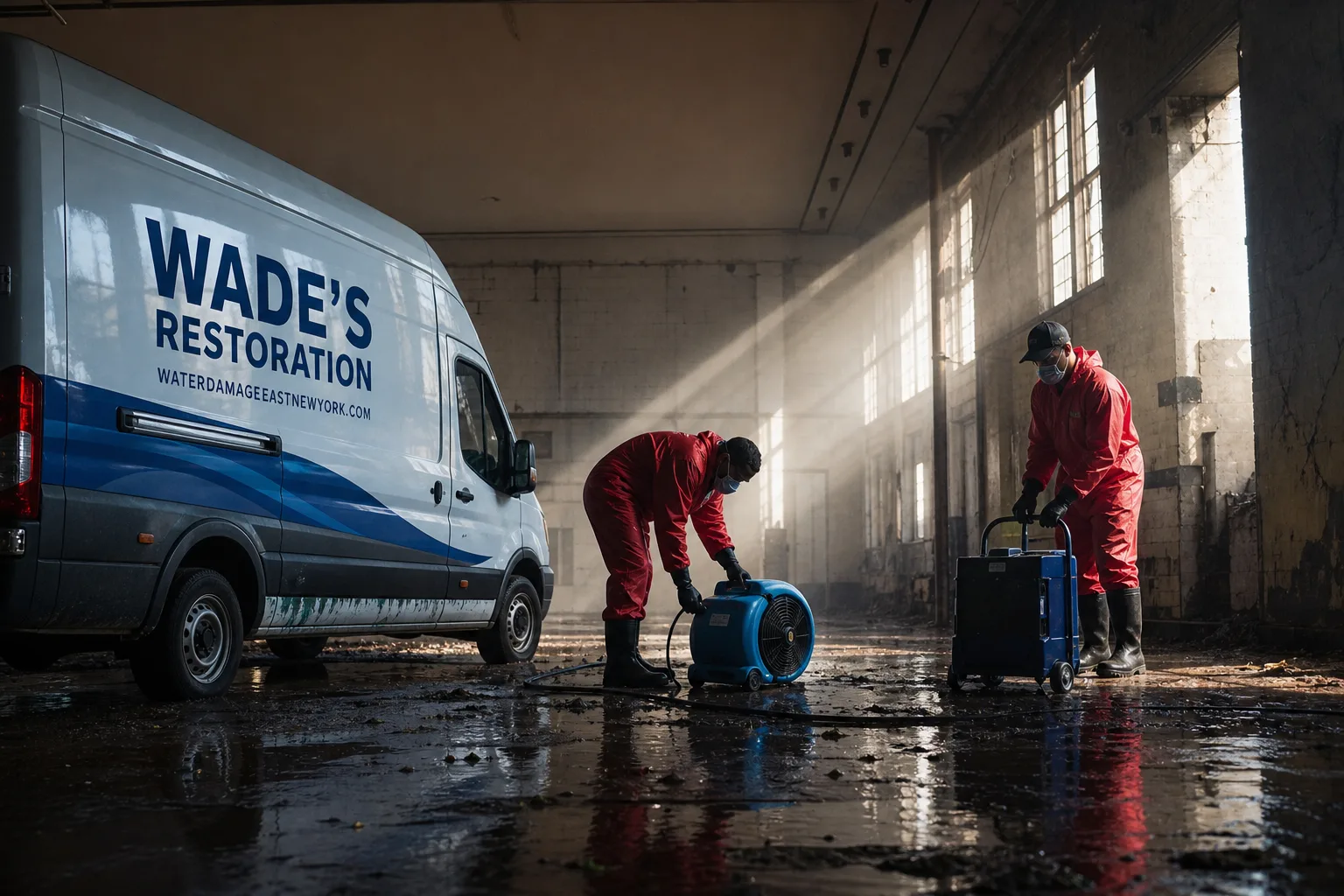
Free visual inspection and a written scope of work before any mitigation begins - photos, moisture readings, and drying logs go in your claim file
The scope we write is the scope we bill. Anything new gets shown to you, in writing, before we touch it.
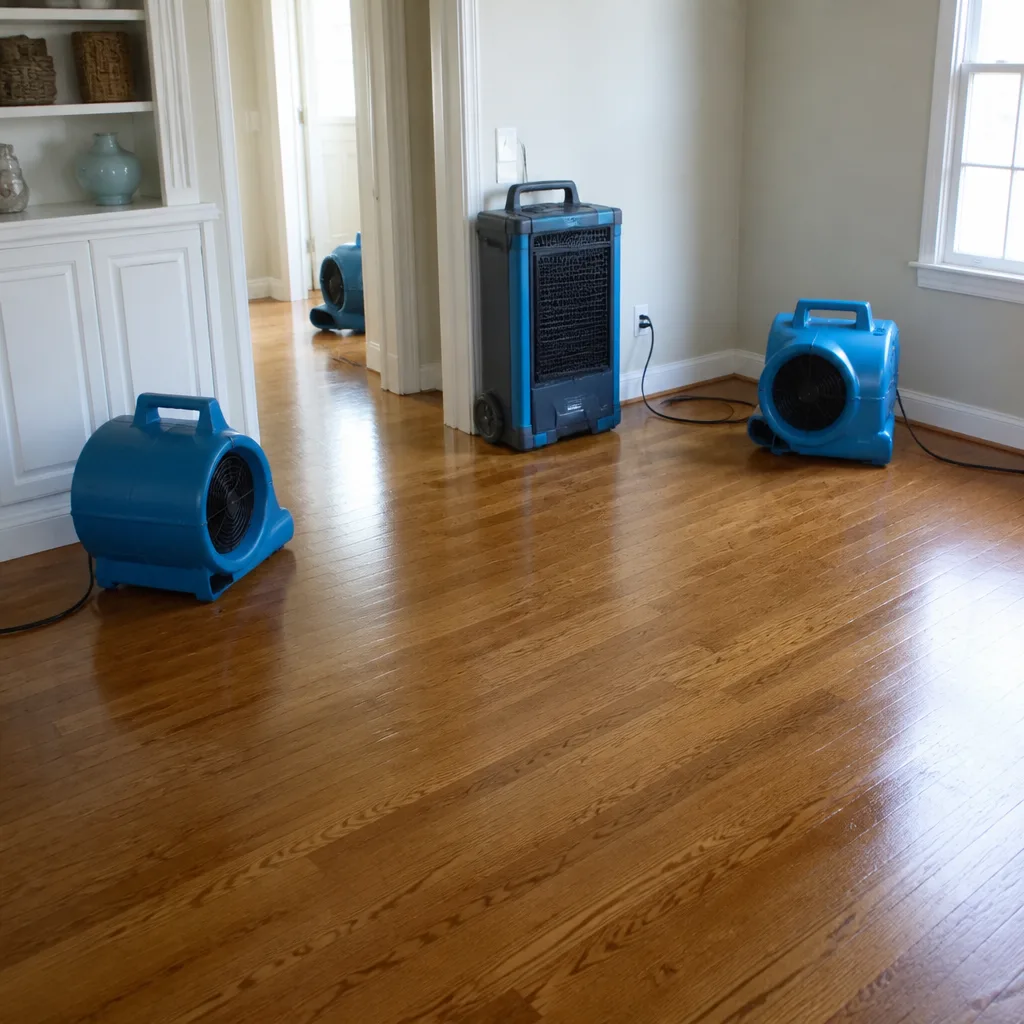
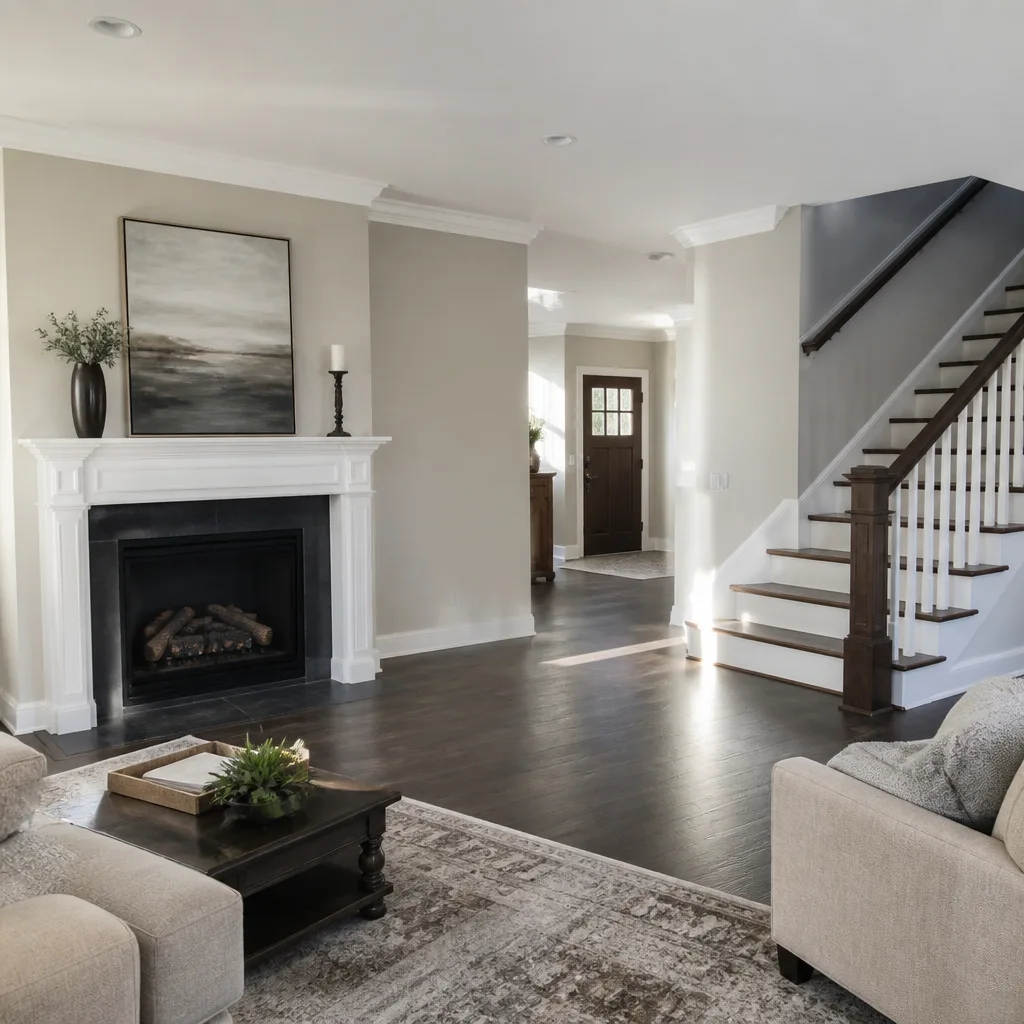
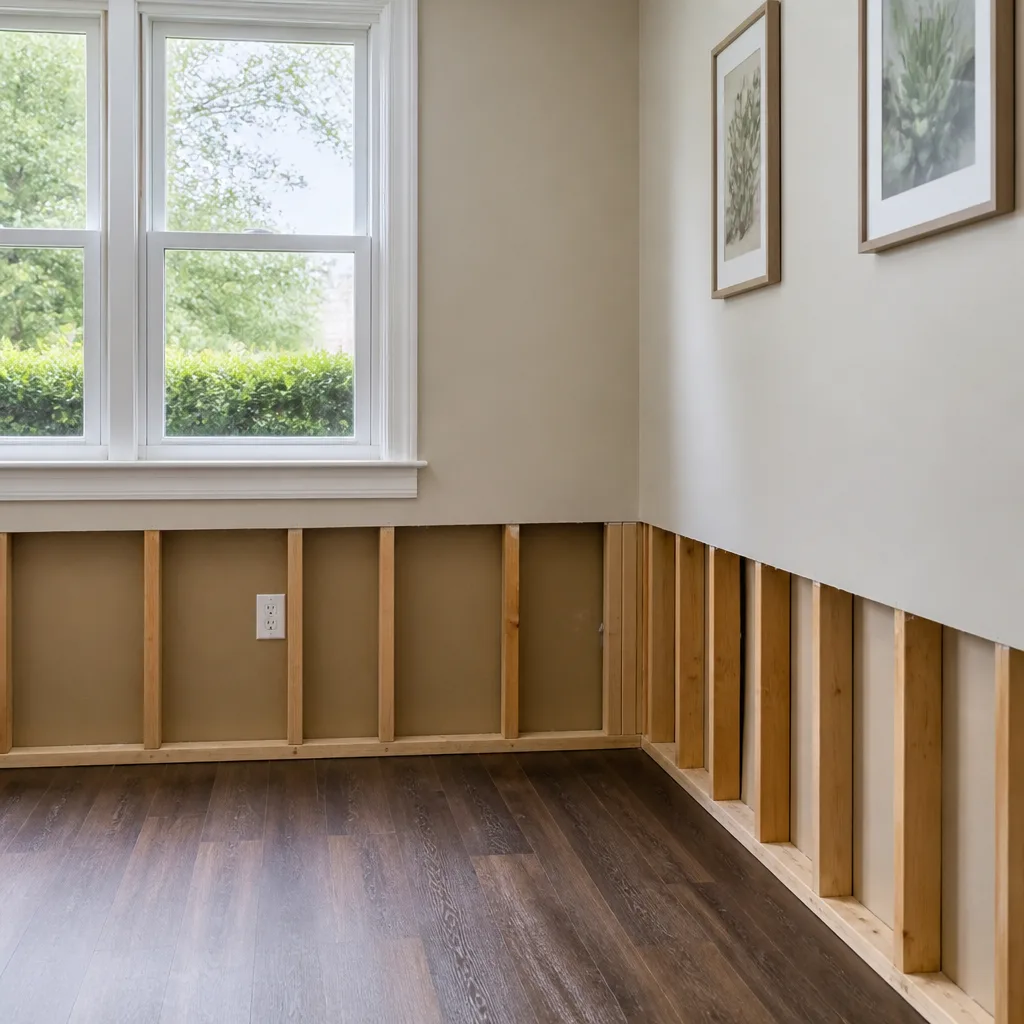

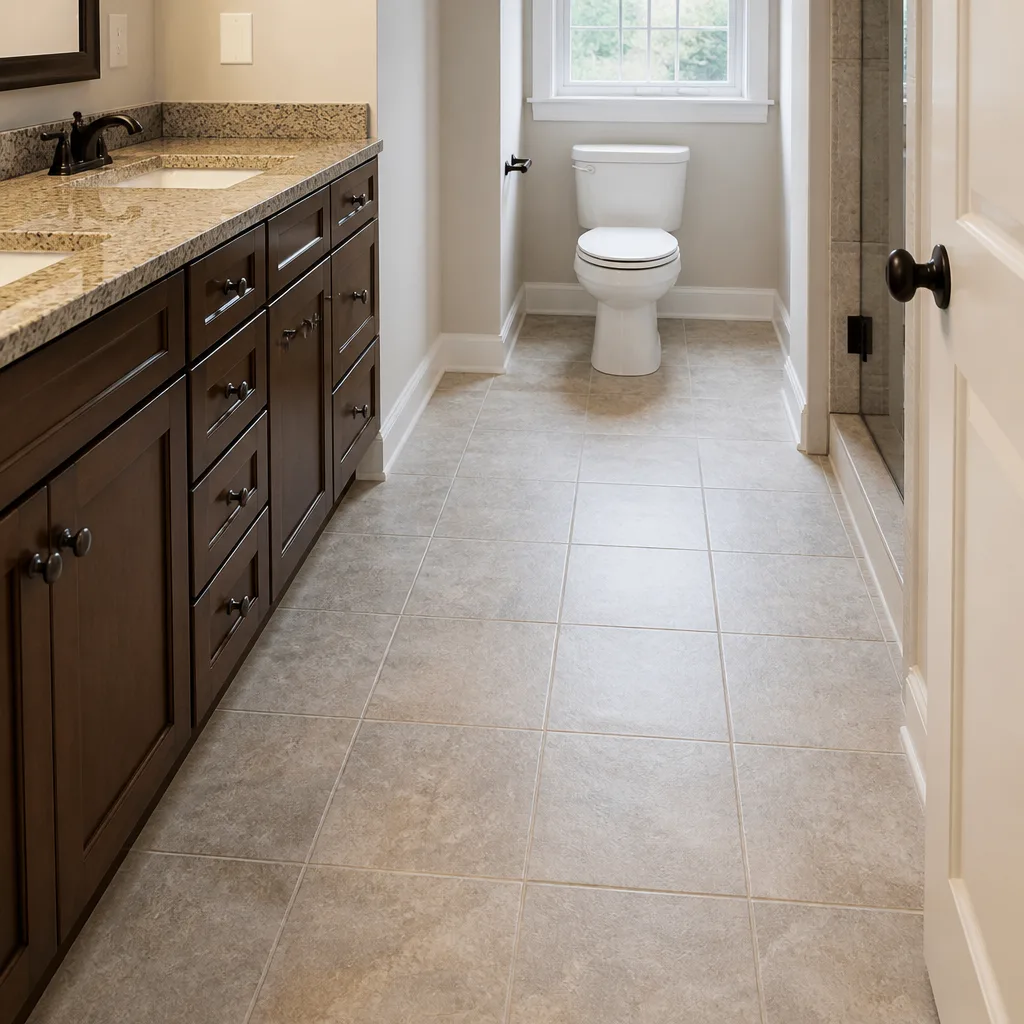
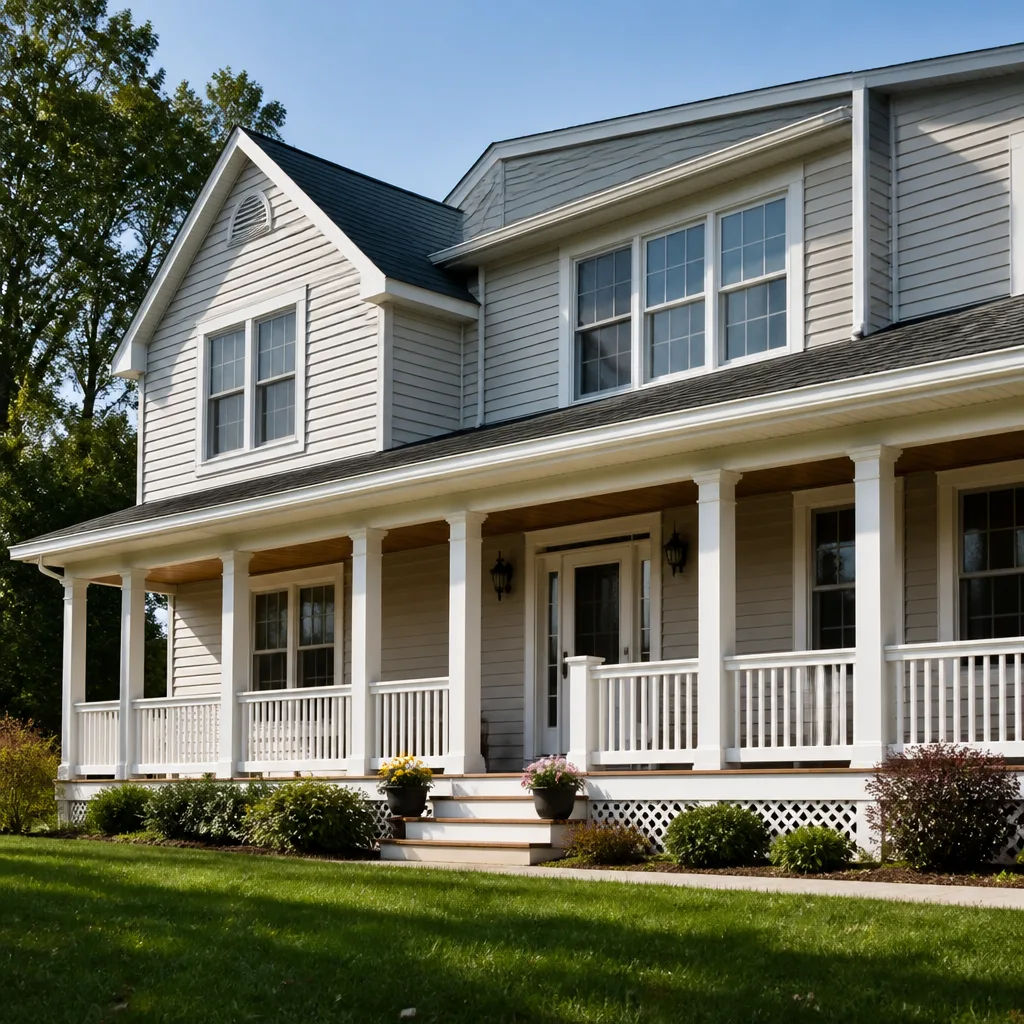
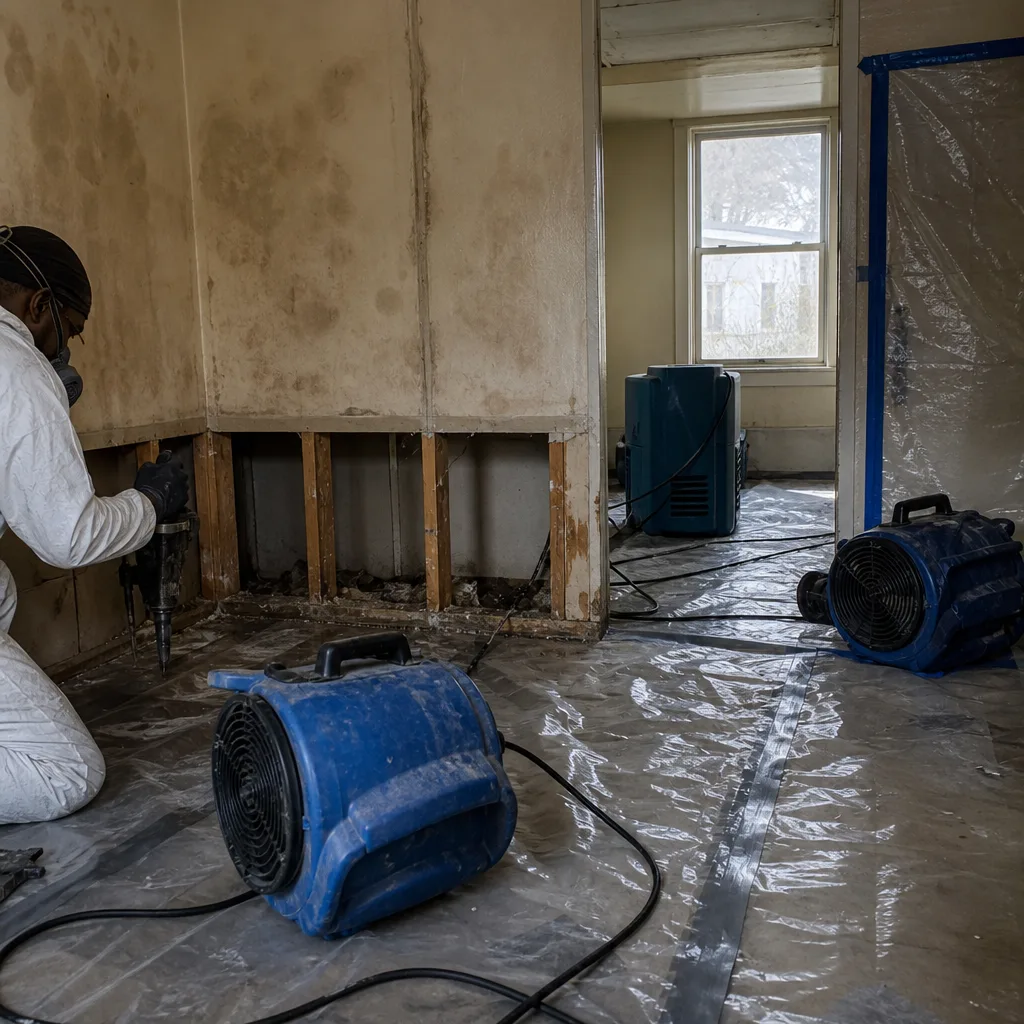 Before
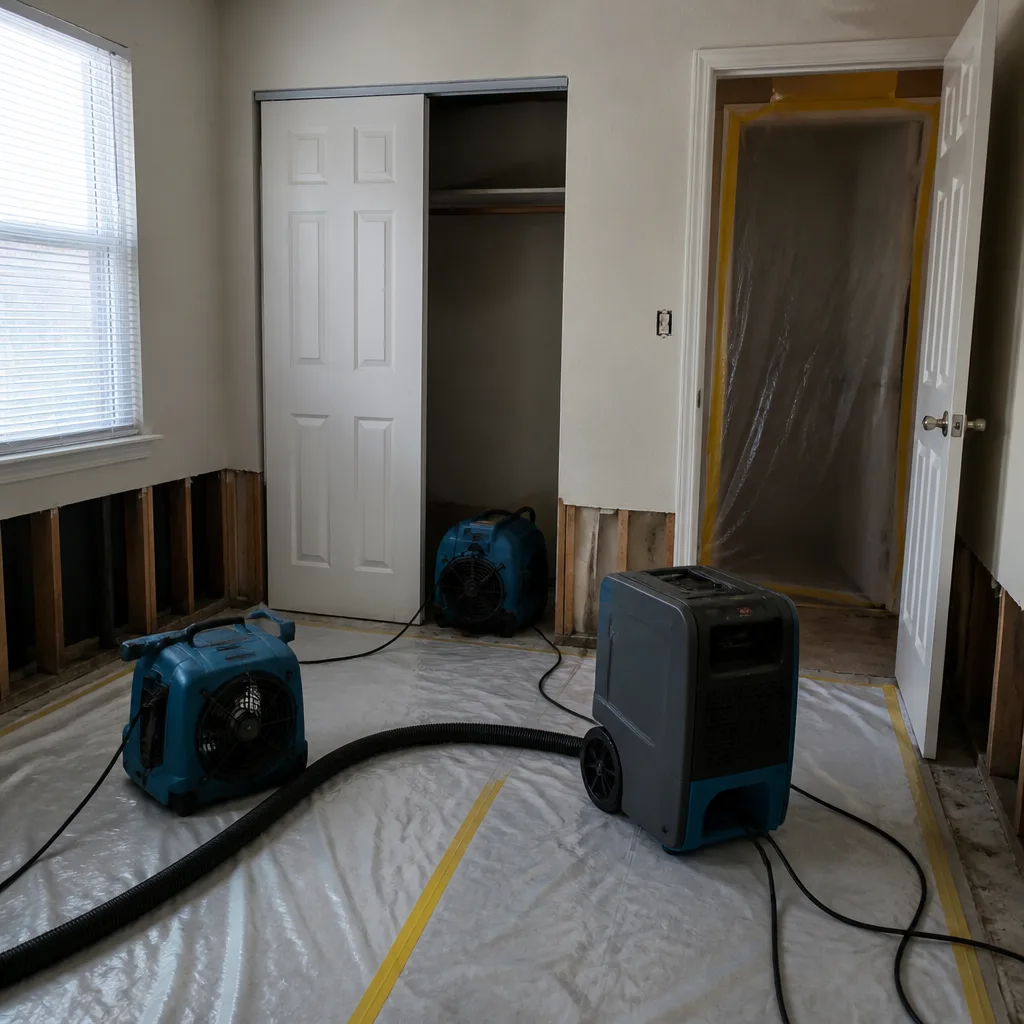 After
After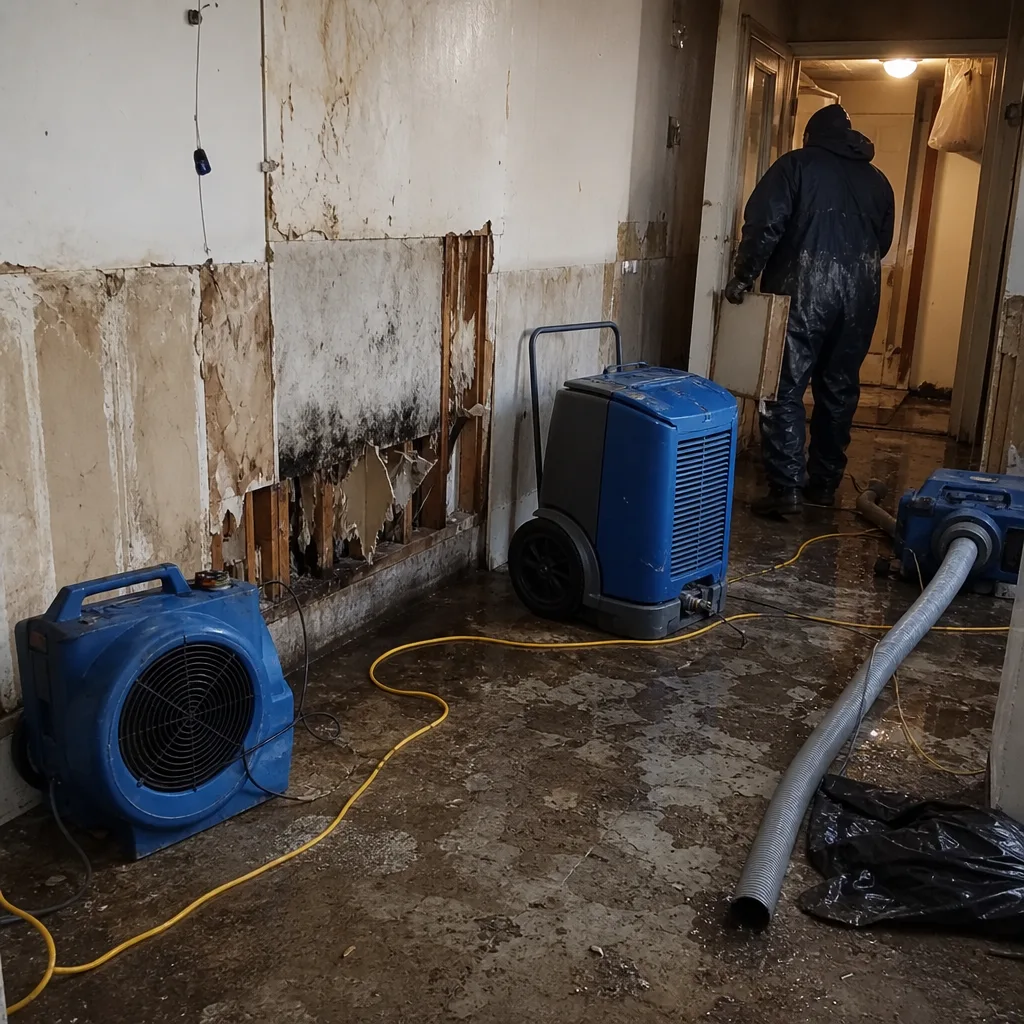 Before
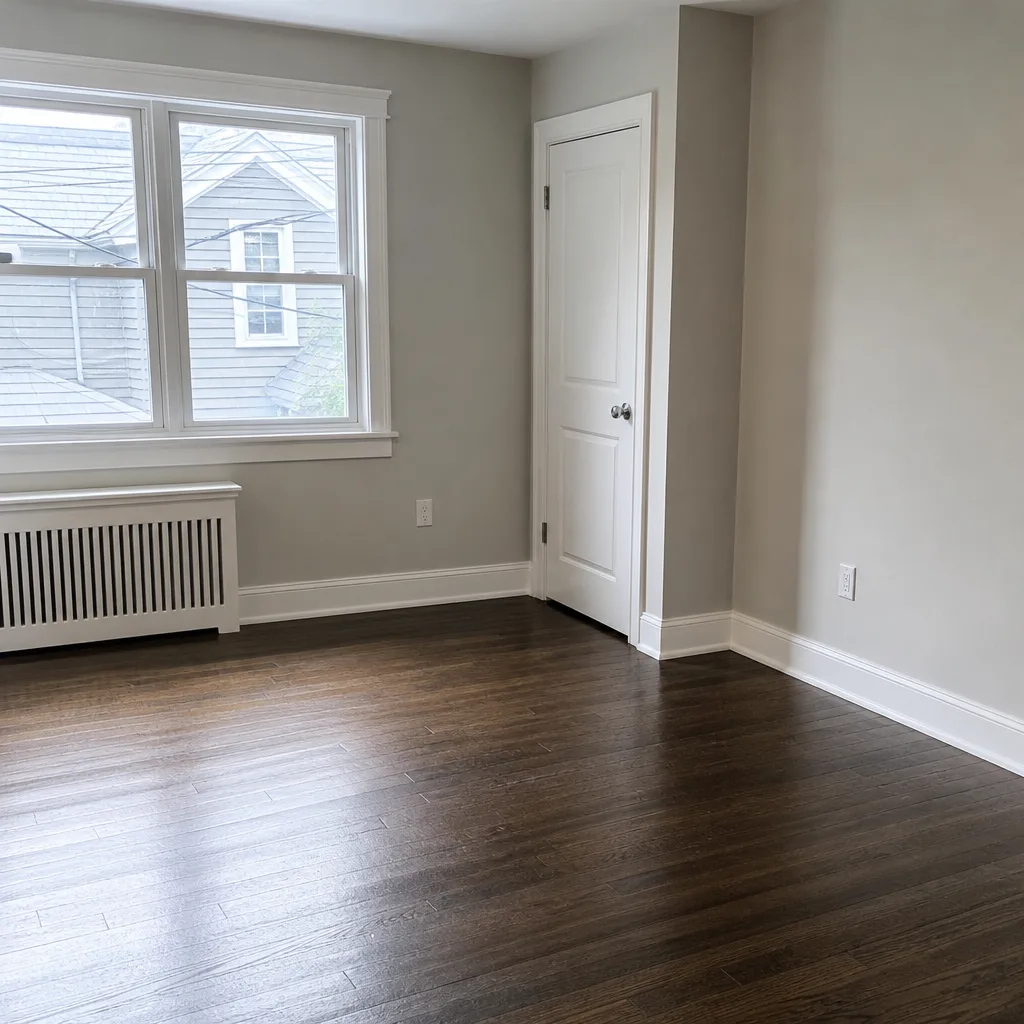 After
After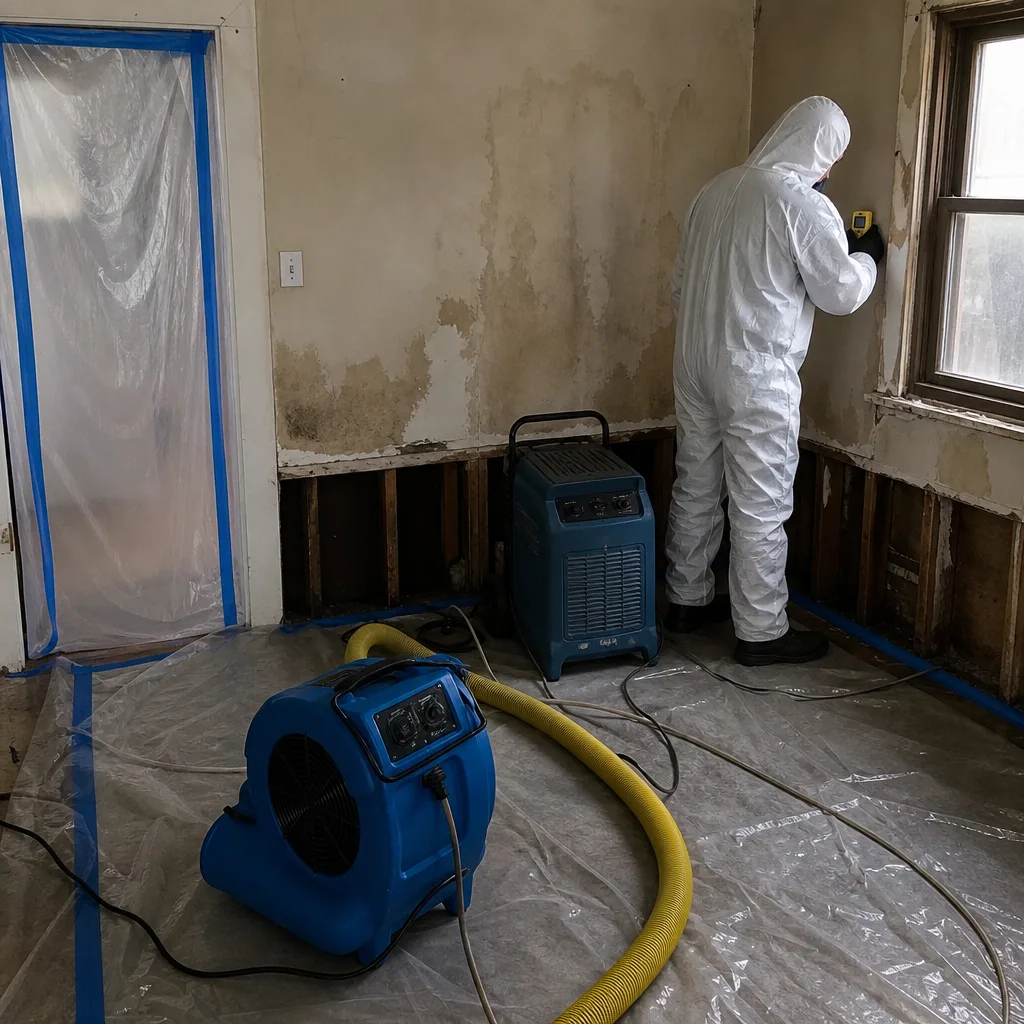 Before
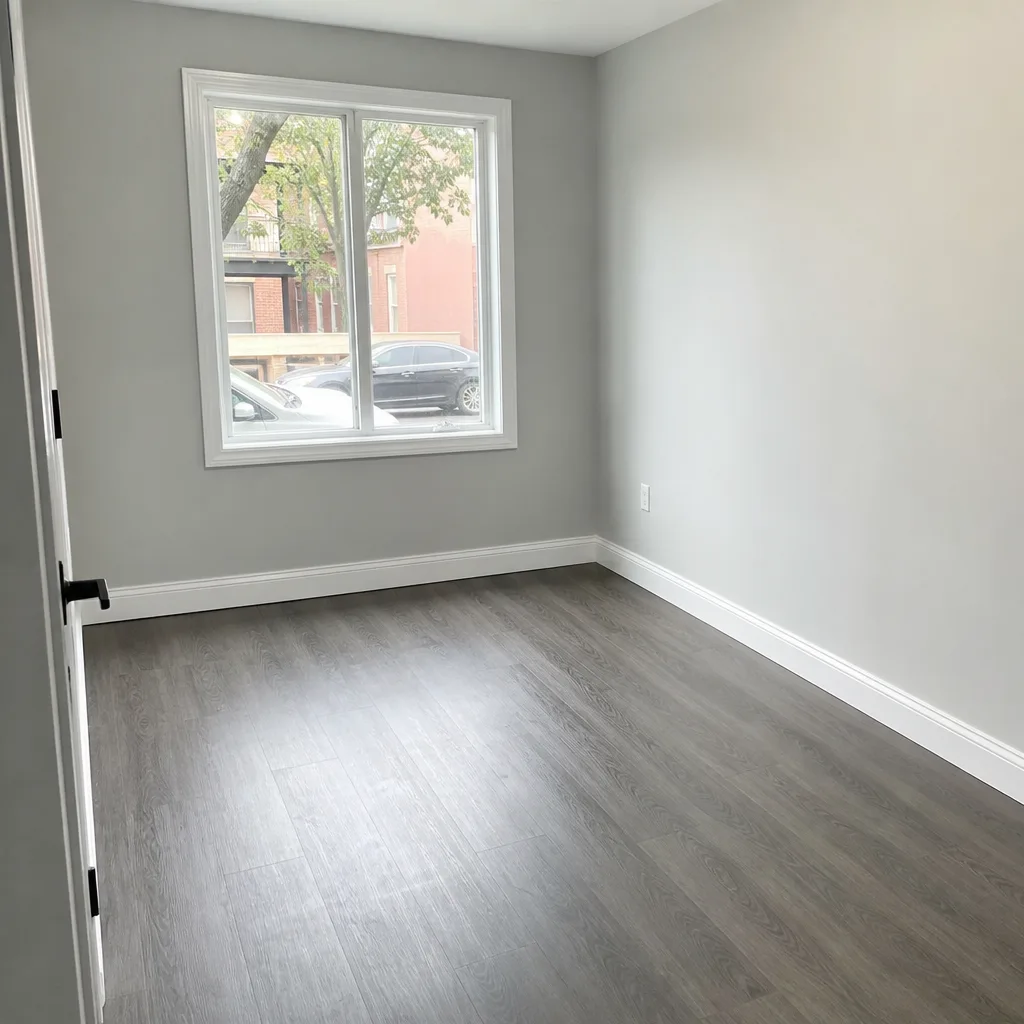 After
After24/7 Emergency Storm & Disaster Restoration in Bushwick
Storm damage in Bushwick doesn’t wait for business hours, and neither do we. When a nor’easter rips a section of roof off a converted loft on Flushing Avenue or a summer thunderstorm sends water pouring through a pre-war tenement’s failed parapet, you need someone who picks up the phone and heads out. Call (363) 300-2771 and you’ll get a live person, every time. Our Storm & Disaster Restoration team covers Bushwick around the clock, with crews staged to reach McKibbin Street, Myrtle Avenue, or Jefferson Street inside the hour. That first hour is the difference between drying out one apartment and replacing flooring, wiring, and drywall across three floors of an attached brick walk-up.
Understanding Storm & Disaster Restoration Severity in Bushwick Properties
Bushwick’s building stock pushes storm damage restoration into territory most companies never see. The pre-war brick tenements from 1880-1930 share party walls, so wind-driven rain entering one roof can travel laterally through old masonry and show up as water damage three apartments down. The converted breweries and factory lofts that define the neighborhood’s eastern edge have concrete subfloors instead of wood joists, which means standard drying protocols fail. Concrete doesn’t absorb water the way wood does; it holds it, spreads it, and hides it. Moisture mapping with thermal imaging and penetrating meters is non-negotiable here, because what looks like a puddle in one bay can actually be a sheet of water migrating through a grandfathered industrial floor drain system across thousands of square feet. The 1977 blackout fires left whole stretches of Bushwick hastily rebuilt with cheaper materials now 45-plus years old and failing under freeze-thaw punishment.
For storm water, we classify every loss by Category: Category 1 is clean rainwater, Category 2 carries contaminants from roofs and gutters, and Category 3 is sewage-mixed flood water. Each category dictates a different level of containment, antimicrobial treatment, and material removal. In attached tenements, we also check party walls for hidden moisture migration before we ever say a job is dry. Severity in this neighborhood is about building age, drain configuration, and shared structure, not just how deep the water got.
Why Bushwick Property Owners Choose Wade’s Restoration
- 45-minute response commitment - Wade Ferris answers his own phone and has extraction running inside the hour for storm damage calls in Bushwick, not a call center promising a callback.
- 24/7 live answer, always - No voicemail, no automated system, no “leave a message and we’ll get back to you within one business day.” You call, a person answers.
- IICRC-certified crews - Our water restoration techs carry WRT (Water Restoration Technician) and FSRT (Fire & Smoke Restoration Technician) certifications, plus AMRT (Applied Microbial Remediation Technician) for Category 3 storm water and contaminated flooding.
- Free visual inspection - Before any work starts, we walk the property with you, show you what we found, and hand you a written scope. No charge for that trip inside Bushwick.
- Direct insurance billing - We bill your carrier directly and hand them the documentation they actually need: photos, moisture logs, line-item scope. You’re never the middleman relaying messages.
- One team from extraction to reconstruction - The same crew that pulls water and tarp your roof is the crew that rebuilds the walls, which means nobody gets to blame another subcontractor for a gap in the work.
Our Storm & Disaster Restoration Process
Inspection & Assessment
We start with a full walk-through, using thermal imaging cameras and penetrating moisture meters to map the actual extent of water migration, including into party walls and under concrete subfloors where storm water hides. Within the first 30 minutes you’ll see what we see and know exactly what needs to happen.
Extraction & Stabilization
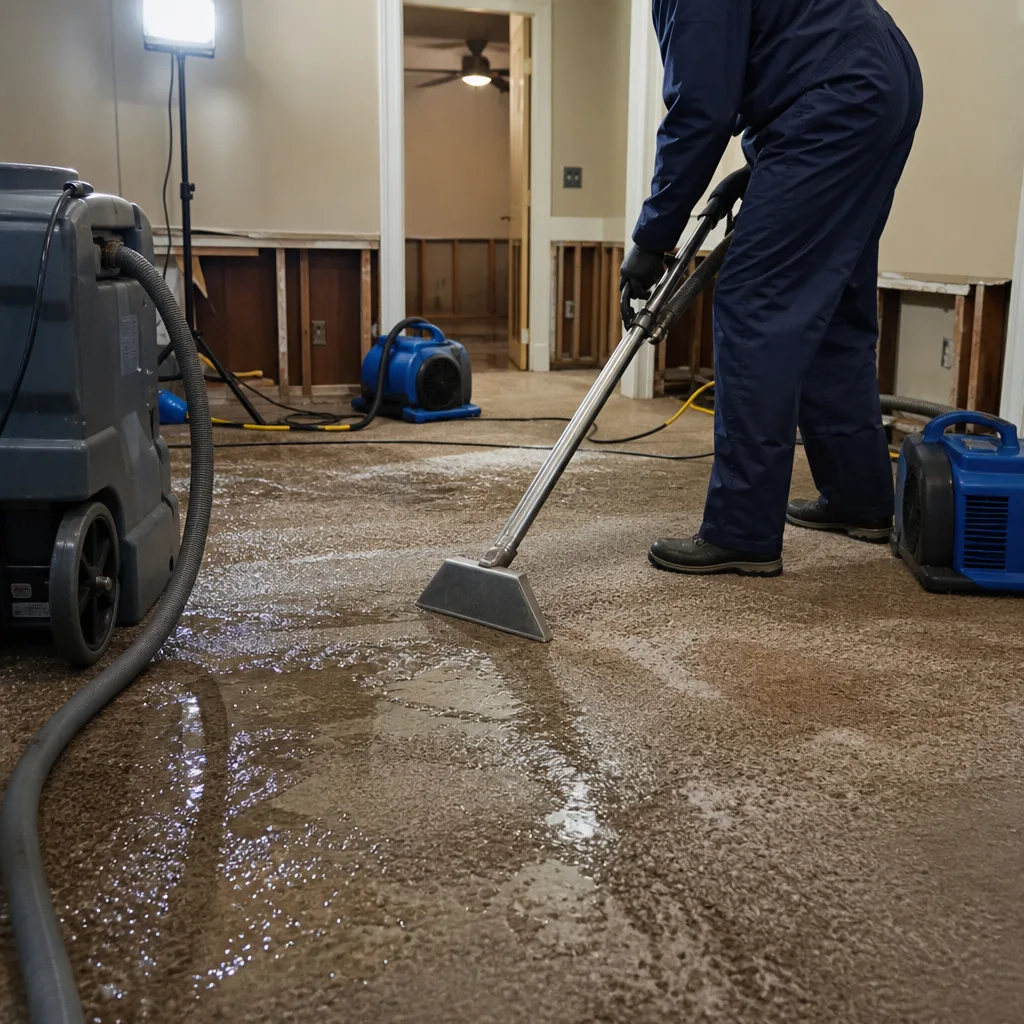
Submersible pumps and truck-mounted extraction units pull standing water fast, before it wicks up drywall or seeps into the masonry of shared walls. If roof damage is the source, we coordinate a tarping crew on the same call to stop water at the source while extraction continues below.
Drying & Dehumidification
Commercial-grade Dri-Eaz dehumidifiers and XPOWER air movers are placed deliberately, not just scattered. In converted lofts with concrete subfloors, we stage equipment in a grid pattern and use hygrometers to track relative humidity across every bay until we hit dry standard, not just dry-looking.
Cleaning & Sanitization
Storm water from roofs and gutters carries contaminants. We treat affected surfaces with EPA-registered antimicrobial agents, HEPA-vacuum accessible cavities, and remove any porous material that absorbed Category 2 or 3 water and can’t be effectively sanitized in place.
Structural Stabilization
In attached tenements, we inspect shared party walls for hidden water migration and open only what needs opening. In converted industrial buildings, we verify that grandfathered drain lines and non-standard plumbing stacks weren’t compromised by storm water before we sign off on the drying phase.
Repairs & Restoration
From replacing storm-damaged drywall and insulation to rebuilding rotted roof decking or restoring original hardwood floors that survived the water, our crews handle the full rebuild. You get one team from first call to final coat of paint and a 90-Day Done Right Promise in writing.
Need Emergency Storm & Disaster Restoration in Bushwick Now?
Crews minutes away, answering live 24 hours a day. The sooner we start, the less it costs.
Working With Your Insurance Company
Storm damage claims get denied or underpaid when the documentation is thin. Wade Ferris has handled insurance restoration in New York City for over 29 years, and he treats the adjuster like a person who needs facts, not a sales pitch. From the first hour we’re on site, we photograph every affected room, log moisture readings daily, and write a line-item scope that matches the exact language your carrier wants to see. Wade communicates with your adjuster directly, so you’re not stuck on hold trying to explain what a Category 2 water loss means or why the drying plan calls for another three days of equipment. Before we touch a wall, you’ll have a written scope and a straight answer about what’s covered.
What We Provide Your Insurer
- Thorough documentation of the loss
- Photos of all damage, room by room
- Moisture readings and drying logs
- A detailed, line-item scope of work
- Direct coordination with your carrier
Built for Bushwick’s Loss Calendar
Bushwick gets hit by different storm losses in a predictable rhythm, and we plan around it. January and February bring deep freezes that burst supply lines in aging tenements and push ice dams into the flat roofs of converted lofts along Flushing and Morgan Avenues, where standing water refreezes and expands every night. Spring thaw pulls groundwater up against 1880s foundations and through brick mortar that hasn’t been repointed in decades, sending water into basements and ground-floor apartments in attached walk-ups. Summer brings flash thunderstorms that dump inches of rain in 45 minutes, overwhelming old roof drains on industrial conversions and sending water over parapet walls into interior stairwells. Fall nor’easters and coastal storms rip roofing off the minimally sloped factory buildings that define so much of Bushwick’s eastern blocks, creating wind-driven rain events that pour through failed seams before anyone can react. Every building era in this neighborhood has a season where it fails.
Storm & Disaster Restoration Across Bushwick’s Neighborhoods
Bushwick’s restoration geography splits roughly along its building stock. Around Maria Hernandez Park and the blocks west of Knickerbocker Avenue, the dominant buildings are 3-5 story attached brick tenements from the 1880s through 1920s. Storm losses here tend to be roof-related water intrusion that migrates down shared party walls, so we spend as much time inspecting neighbors’ adjacent ceilings as the affected unit itself. The blocks east of Broadway, especially along Flushing Avenue and Jefferson Street, hold the converted brewery and factory lofts where restoration gets harder. These buildings have oversized flat roofs, grandfathered industrial plumbing, and concrete subfloors that move water in directions a wood-framed house never would. Around Myrtle Avenue and the Central Avenue corridor, you’ll find a mix of the two, often on the same block. Response routes matter: crews staging near the Flushing Avenue corridor can reach a loft building on Jefferson Street in 15 minutes, while tenement calls near DeKalb and Wyckoff need equipment carried up narrow pre-war stairwells, which changes how we stage air movers and dehumidifiers from the first trip up. We also keep an eye on the blocks around Irving Square Park and the Ridgewood border, where post-1977 rebuilds using cheaper materials are now showing their age under repeated freeze-thaw cycles.
Specialized Storm & Disaster Restoration Services We Offer in Bushwick
Storm Damage Cleanup
Wind-driven rain through a failed roof seam or broken skylight leaves more than a puddle. We remove storm debris, dry saturated drywall and insulation, treat contaminated surfaces, and document everything your adjuster needs. In converted lofts with concrete floors, this service includes moisture mapping across the full slab to catch migration that isn’t visible yet.
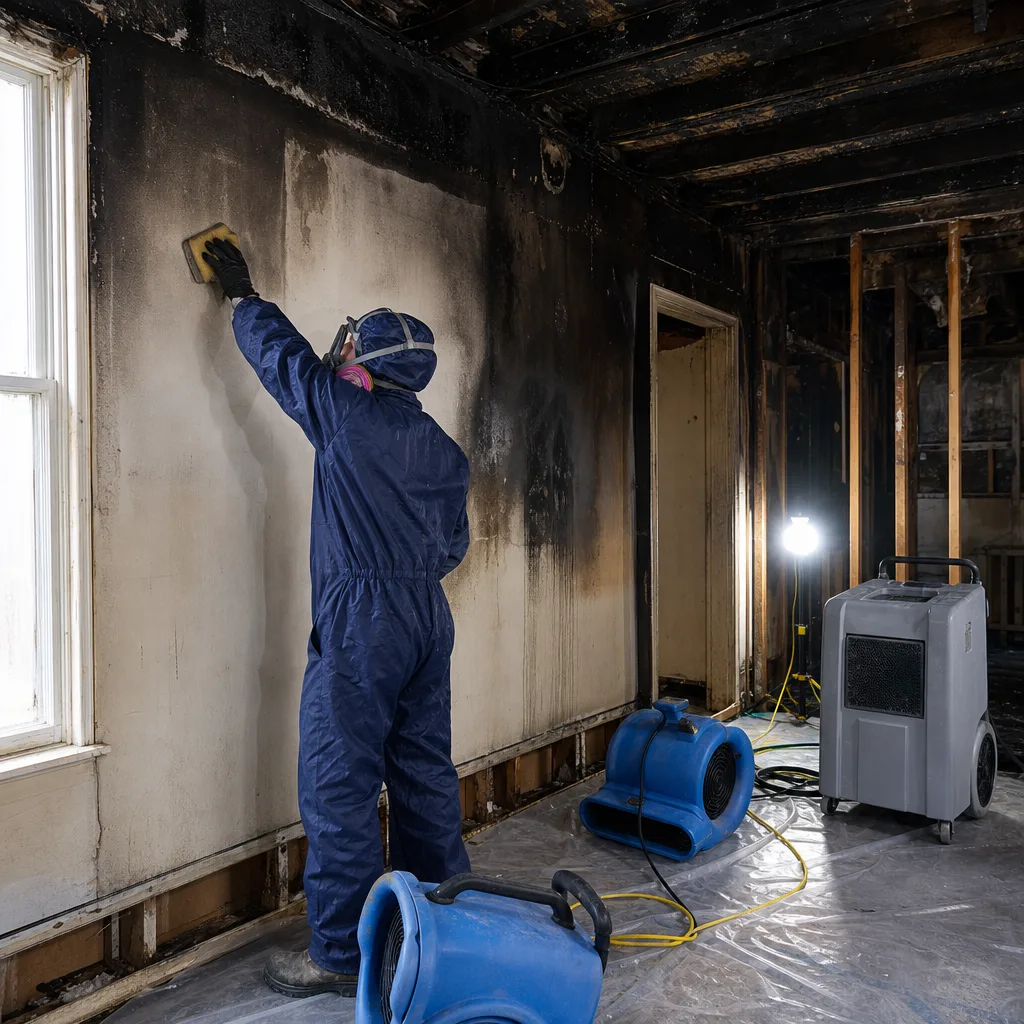
Flood Damage Restoration
When storm water hits Category 3 levels, containing the affected area matters as much as extracting it. We set up physical containment barriers, run HEPA air scrubbers, and remove any porous material that absorbed contaminated water. In Bushwick’s attached tenements, we check party walls and shared basement spaces before declaring anything dry.
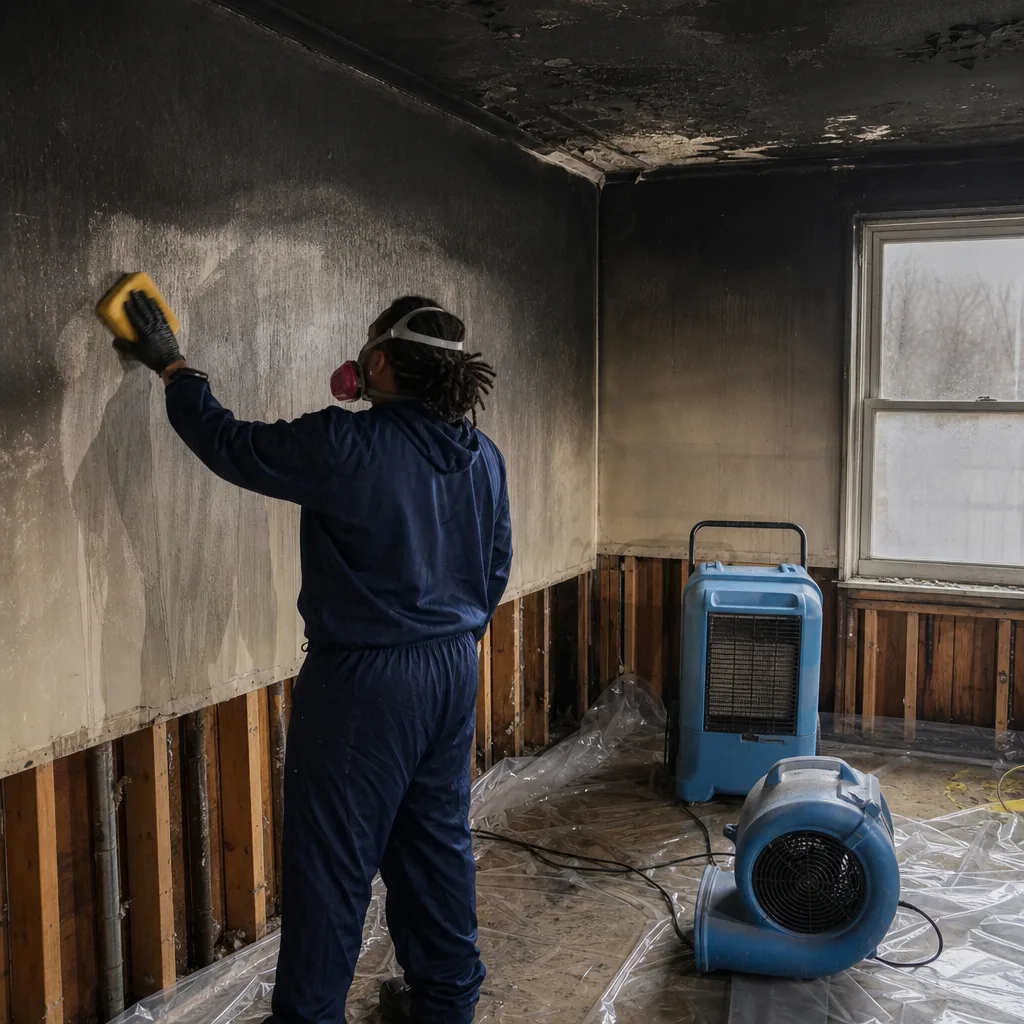
Roof Tarping
Until the source is stopped, drying the interior is a race you can’t win. We coordinate roof tarping crews who can get a sealed membrane over failed seams, missing flashing, or storm-pulled roof sections, often the same day. On Bushwick’s flat industrial roofs, proper tarping means weighted anchoring at the parapet and attention to the low spots where water pools.
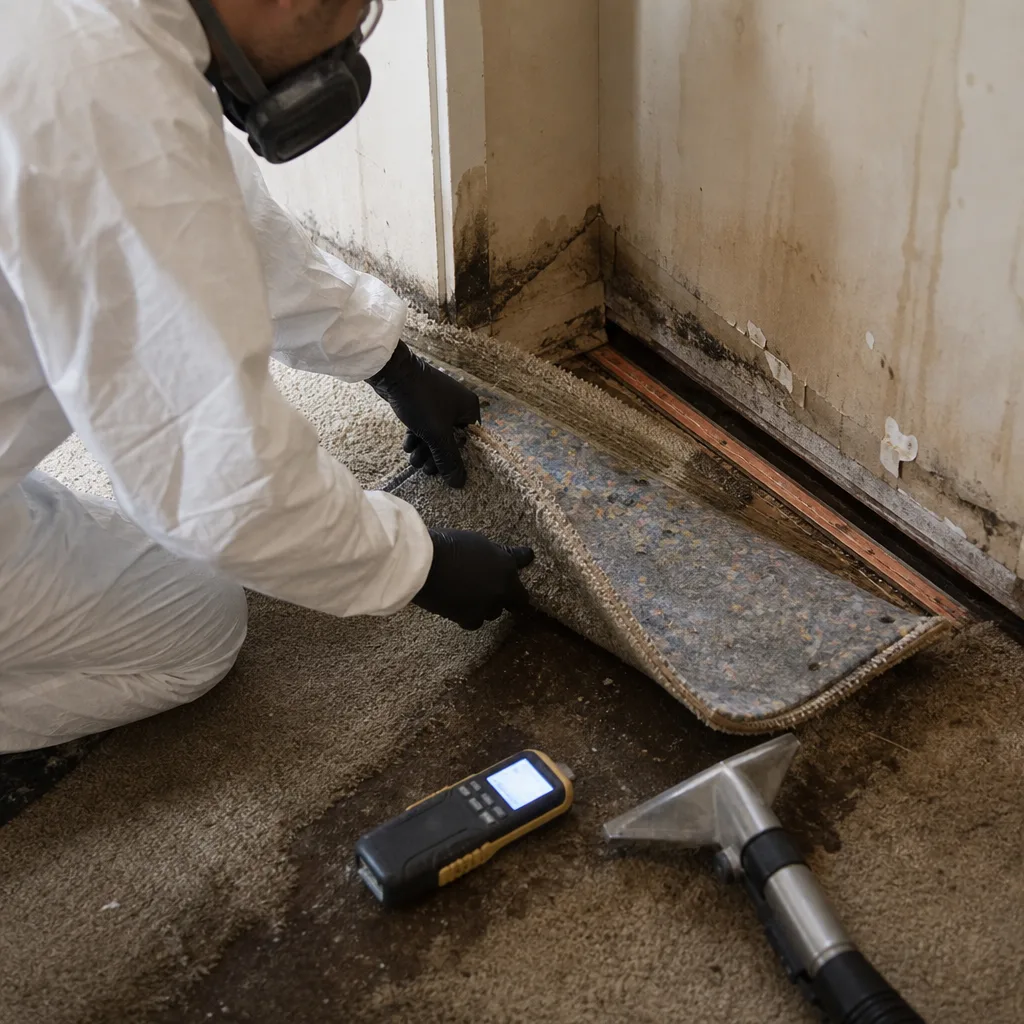
Debris Removal
After a storm knocks a tree into a fire escape on a pre-war walk-up or sends bricks and slate off an aging roof onto a Bushwick sidewalk, the debris has to go before anything else can start. We haul storm-related debris, secure loose materials, and photograph everything for your claim.
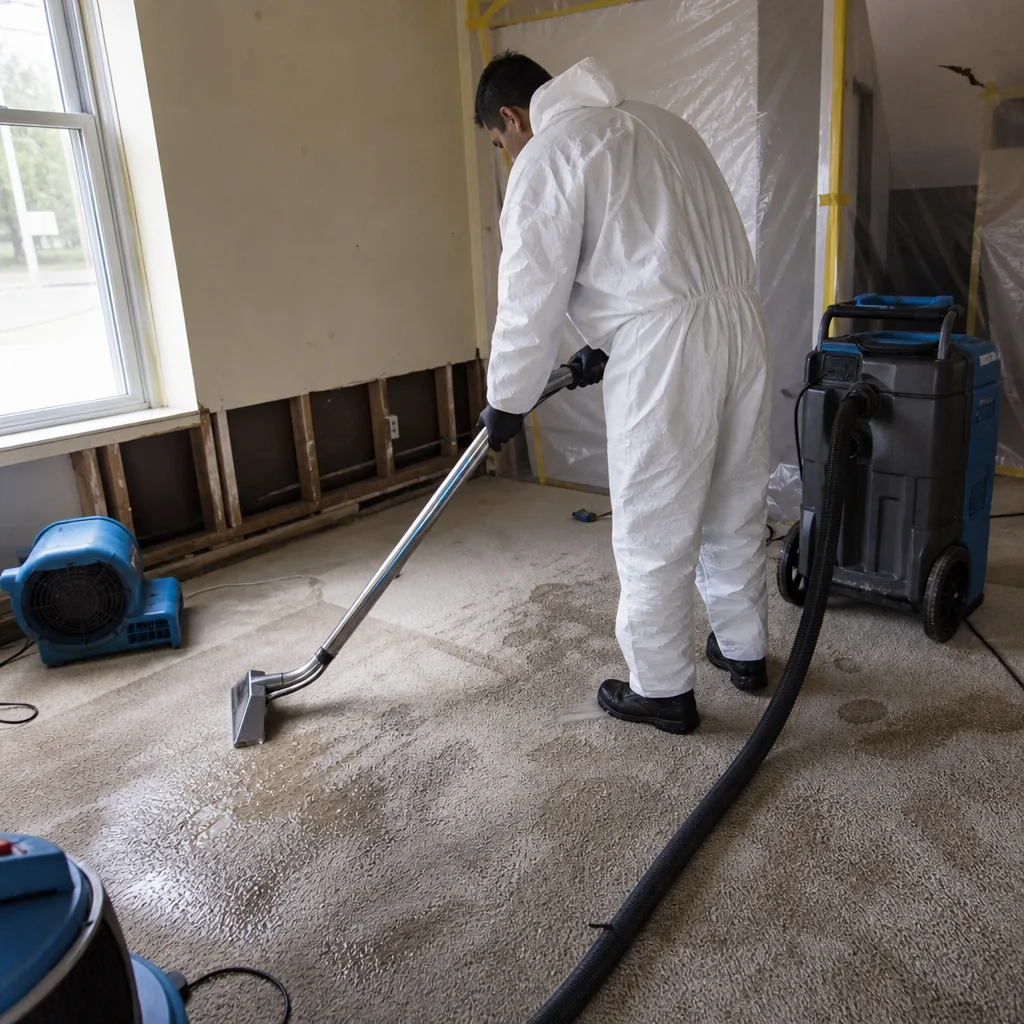
Emergency Board-Up
When a window blows out during a nor’easter or a section of roof fails on a converted loft, we board up openings with weather-rated materials that stop further water intrusion and keep people out. In Bushwick’s attached buildings, a broken front-facing window on a ground-floor unit is also a security problem for the whole building, so we treat board-up as an emergency, not a follow-up appointment.
What happens when you call
- 1
A real person answersNo phone trees - you reach a local pro.
- 2
You get an upfront price rangeHonest numbers before anyone is dispatched.
- 3
A background-checked tech heads outLicensed & insured, dispatched right away.
- 4
You approve before work beginsNothing starts until you say go.
Storm & Disaster Restoration Costs in Bushwick, NY
A storm-related water extraction and drying job in a Bushwick tenement apartment typically runs $2,800-$6,500 depending on how far the water traveled and what materials need removal. In a converted loft with concrete subfloors, plan on $4,500-$12,000 because drying a concrete slab correctly takes longer and the migration pattern is usually bigger than the visible puddle. Roof tarping runs $800-$2,200 as an emergency stop-gap, with costs driven by roof height, parapet access, and how much membrane material the building needs. Full storm damage rebuilds, where drywall replacement meets structural repairs, range $15,000-$65,000 in this market. The fastest path to a firm number is simple: call (363) 300-2771, get a free visual inspection, and we’ll write the scope before you commit to anything. That inspection is on us, inside Bushwick, always.
We Also Serve Cities Near Bushwick
Our restoration crews also cover older attached housing and converted industrial buildings in East New York, Jamaica, Canarsie, and Glendale. Same live answer, same written scope, same 90-Day Done Right Promise. Call (363) 300-2771 and Wade will tell you straight whether he can get to you in time to make a difference.
Bushwick Storm & Disaster Restoration Questions, Answered
How does Bushwick’s mix of pre-war tenements and converted industrial lofts change the storm restoration process?
It changes everything about how we dry a building. In a pre-war tenement, storm water typically moves through wood joists and lathe-and-plaster walls, so we’re drying organic materials that give up moisture relatively predictably. In a converted industrial loft, the concrete subfloor holds water differently, and grandfathered floor drains can carry it across bays before anyone notices. We’ve seen a single roof leak on a Jefferson Street loft building spread across three full bays before the tenant felt damp carpet. That’s why we moisture-map every concrete-floor storm loss and never assume the visible damage matches the actual migration.
Why do the same Bushwick buildings get storm damage every winter?
Flat roofs on converted factories and older tenements accumulate standing water, which freezes and thaws constantly during a New York winter. Each cycle pushes water into seams and flashing failures that never quite fixed. Add aging parapet walls and minimal roof slope, and the same buildings leak in the same places every January. Until the underlying roof geometry is addressed, tarping and interior drying is a patch, not a fix, and we’re honest about that on every job.
What does Bushwick’s 1977 blackout fire history mean for storm restoration today?
After the 1977 blackout fires, large sections of Bushwick were rebuilt quickly, often with lower-grade materials and without the construction quality of the original pre-war brickwork. Those buildings are now 45-plus years old, and the cheaper roof membranes, flashing, and pointing jobs are failing under decades of freeze-thaw cycling. We regularly find storm entries in post-1977 rebuilds that trace back to a single bad seam or a parapet cap that was never properly installed. It means these buildings need more aggressive stabilization work than the 1880s stock, not less.
Can you handle a storm-water loss in a converted factory with concrete floors?
Yes, and we do it constantly in Bushwick. The key difference is that concrete subfloors don’t give up moisture the way wood does, so we use a wider staging of dehumidifiers and air movers, and we track relative humidity in every bay with hygrometers until the slab reaches a verified dry standard, not just a dry-looking surface. We also check any original industrial floor drains, because storm water traveling through those grandfathered pipes can spread far beyond the visible wet area. Last fall we responded to a wind-driven rain event at a converted brewery loft on Jefferson Street. Water was pouring through a failed roof seam and pooling on the concrete subfloor, so our crew set up a containment and used moisture mapping to trace migration across three bays. We deployed Dri-Eaz dehumidifiers and XPOWER air movers, then coordinated a same-day roof tarping crew to stop the source while structural drying progressed.
How fast can you get a tarp on a Bushwick roof to stop storm water?
In most cases, same day. Wade coordinates roof tarping crews alongside the interior mitigation team, so while water is being extracted from your apartment, the tarp is going on the roof. On Bushwick’s flat industrial roofs, we anchor the tarp at the parapet and weight the low spots where water pools, because a poorly secured tarp on a flat roof is no tarp at all. Call (363) 300-2771 and we’ll tell you straight when a crew can be on your roof.
Will my insurance cover storm damage restoration in Bushwick?
Most standard homeowner and co-op policies cover sudden storm-related water intrusion, wind damage, and roof failure, but the claim hinges on documentation and the cause of loss. We photograph everything from the first hour, write a line-item scope in carrier language, and Wade communicates directly with your adjuster. If the claim is denied, we provide the evidence to push back. Call (363) 300-2771 and we’ll help you figure out what your policy actually covers before any work begins.
How long does storm damage drying take in a Bushwick building?
In a pre-war tenement with wood framing, you’re looking at 3-6 days of equipment under normal conditions. In a converted loft with concrete subfloors, it can run 7-14 days because the slab releases moisture slowly and we verify dry standard across every bay, not just where the water was visible. We hand you a written moisture log at job’s end. Ask anyone on your street if their last restoration company did that.
What should I do in the first 30 minutes after storm water enters my Bushwick property?
Shut off power to the affected area if you can do so safely, move what you can out of the water, and call (363) 300-2771. Don’t walk through standing water in a basement with electrical systems nearby, and don’t try to open walls or pull flooring yourself. The goal in the first 30 minutes is to stop the water at the source if it’s safe, document with photos, and get a professional on the way. Every hour that passes pushes water deeper into the masonry, party walls, or concrete slab.
Serving Bushwick, NY - Our Local Coverage Area
We’re based in the Bushwick area and know this community well. Use the map below to see our service coverage - if you’re nearby, we can almost certainly help.
Storm & Disaster Restoration in Bushwick, Done Right
Bushwick’s mix of pre-war tenements, converted industrial spaces, and post-1977 rebuilds means every storm loss is a little different, and the wrong drying plan turns a $4,000 job into a $30,000 rebuild. The neighborhoods around Maria Hernandez Park, Flushing Avenue, Jefferson Street, and Myrtle Avenue need a restoration team that understands attached party walls, grandfathered drains, and flat roofs that pool water every winter. That team is Wade’s Restoration. Wade Ferris puts his name on the truck, his license number on the contract, and his cell number where you can reach him at 2 a.m. when a nor’easter rips through and water is pouring in. To wade is what you do through a flooded basement at two in the morning, and it happens to be his name.
Call (363) 300-2771 now for a free visual inspection and a straight answer about what your storm damage is going to take to fix. If you’re anywhere in Bushwick, we’ll be there fast. If we’re not done right in 90 days, we make it right. In writing.
Written by Wade Ferris, Owner at Wade’s Restoration, serving Bushwick since 2007.