
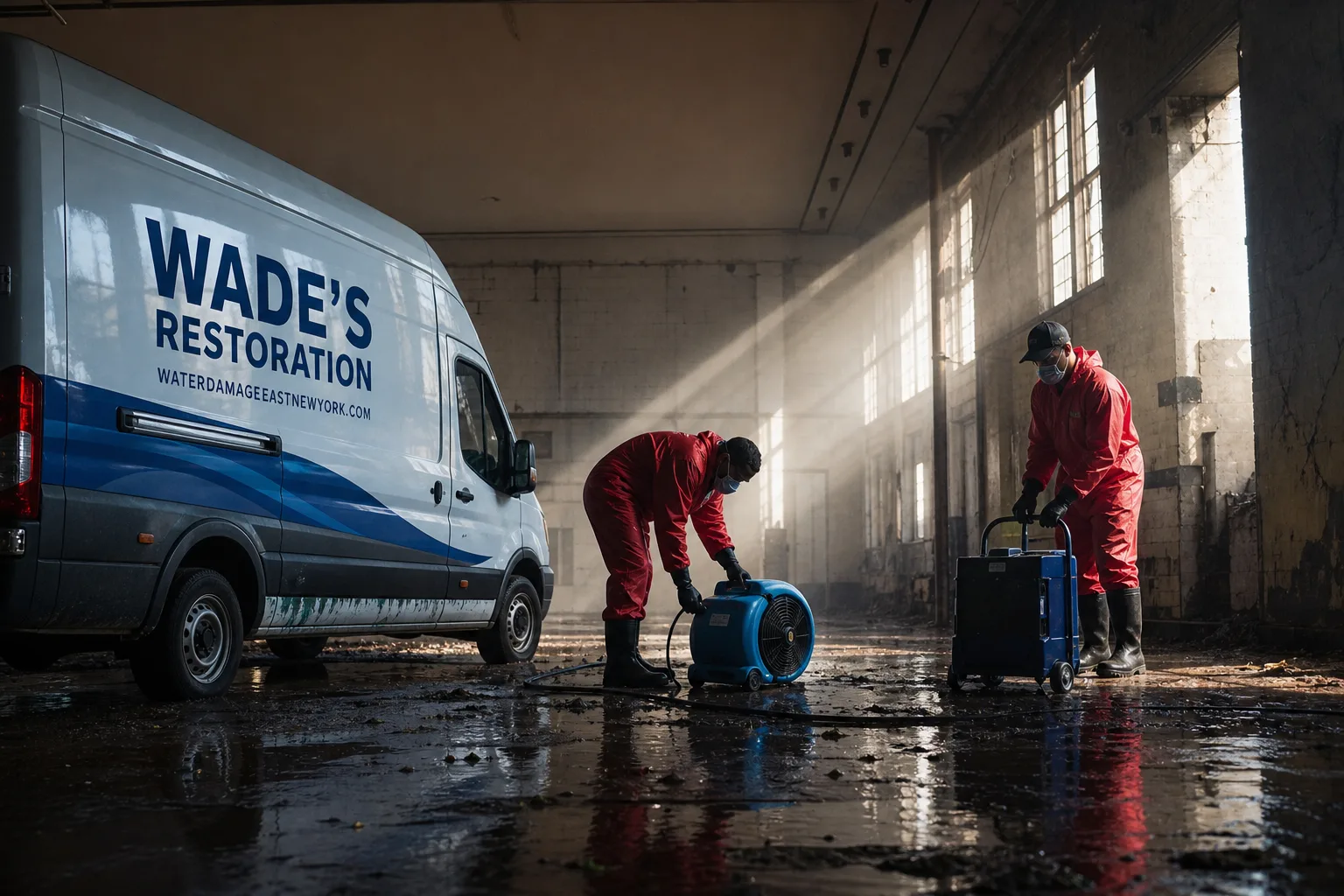
Free visual inspection and a written scope of work before any mitigation begins - photos, moisture readings, and drying logs go in your claim file
The scope we write is the scope we bill. Anything new gets shown to you, in writing, before we touch it.
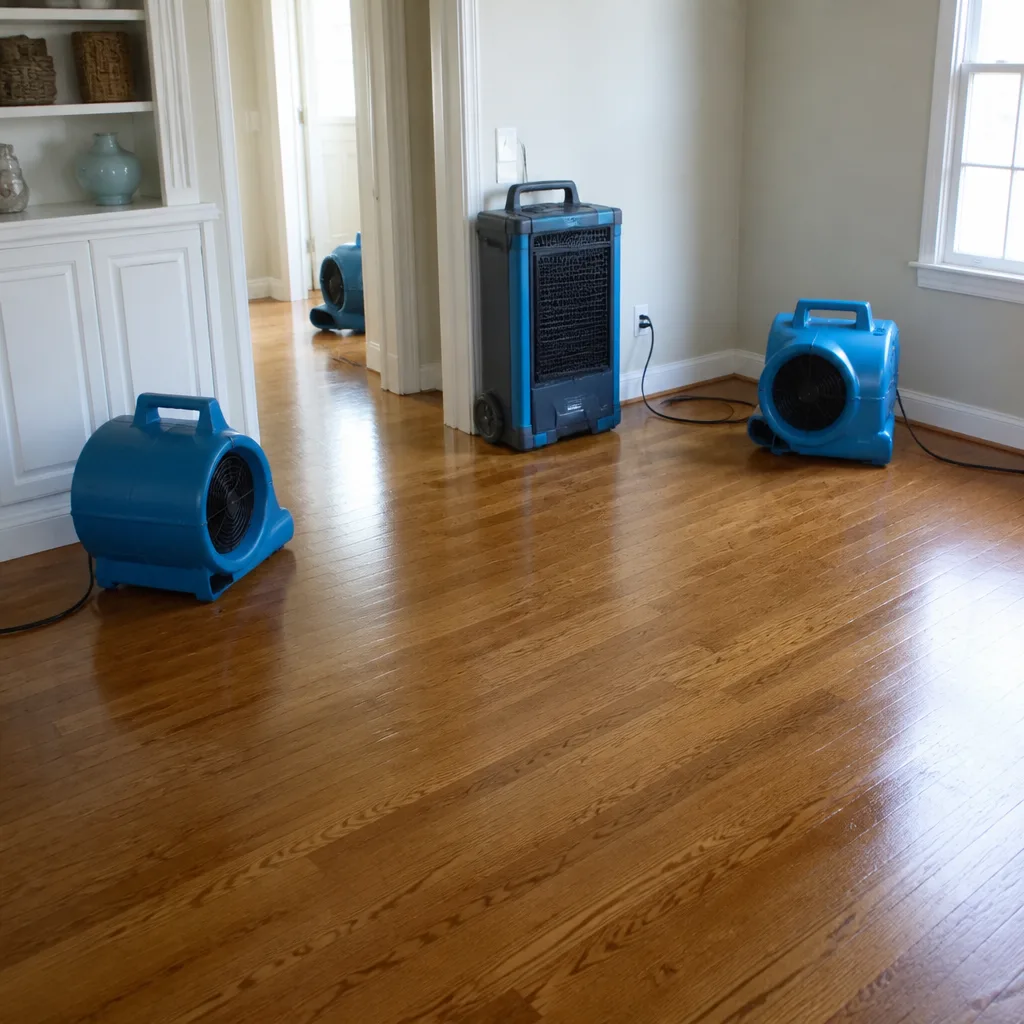
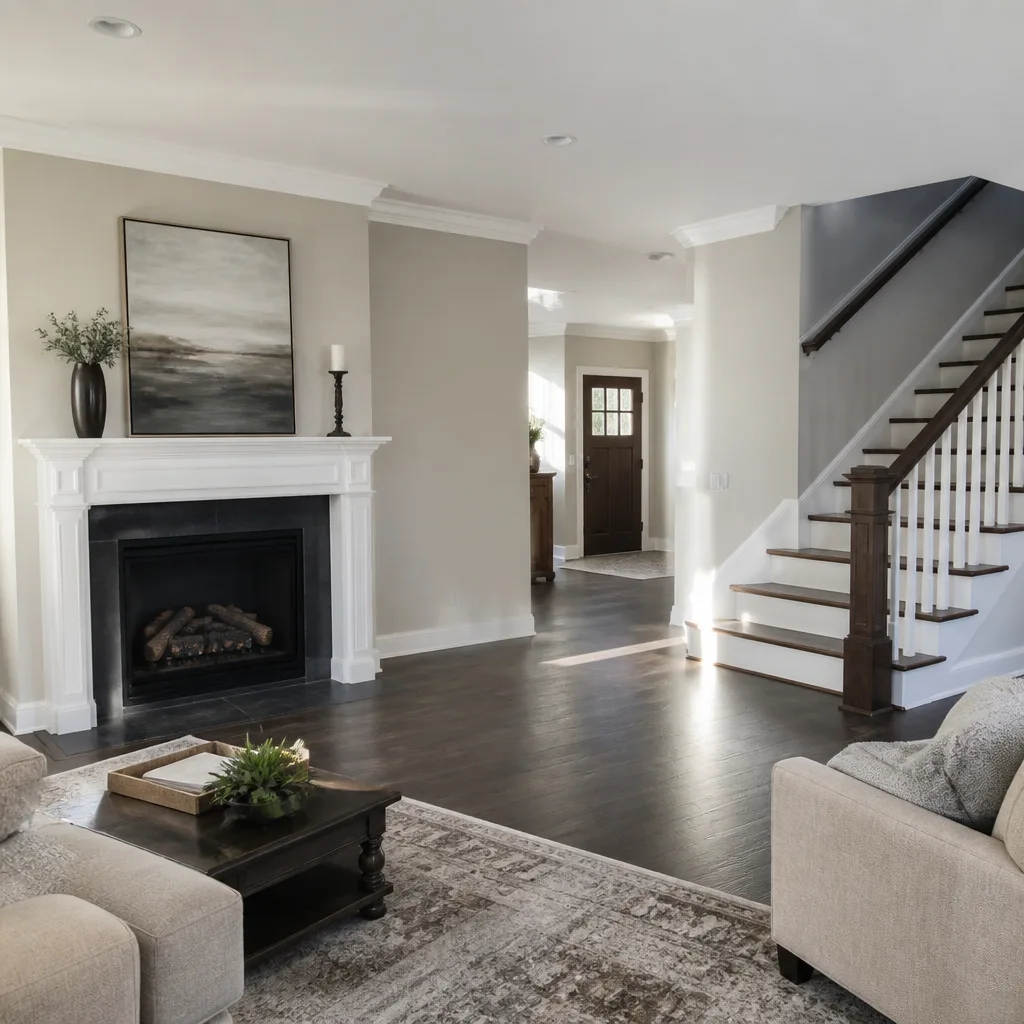
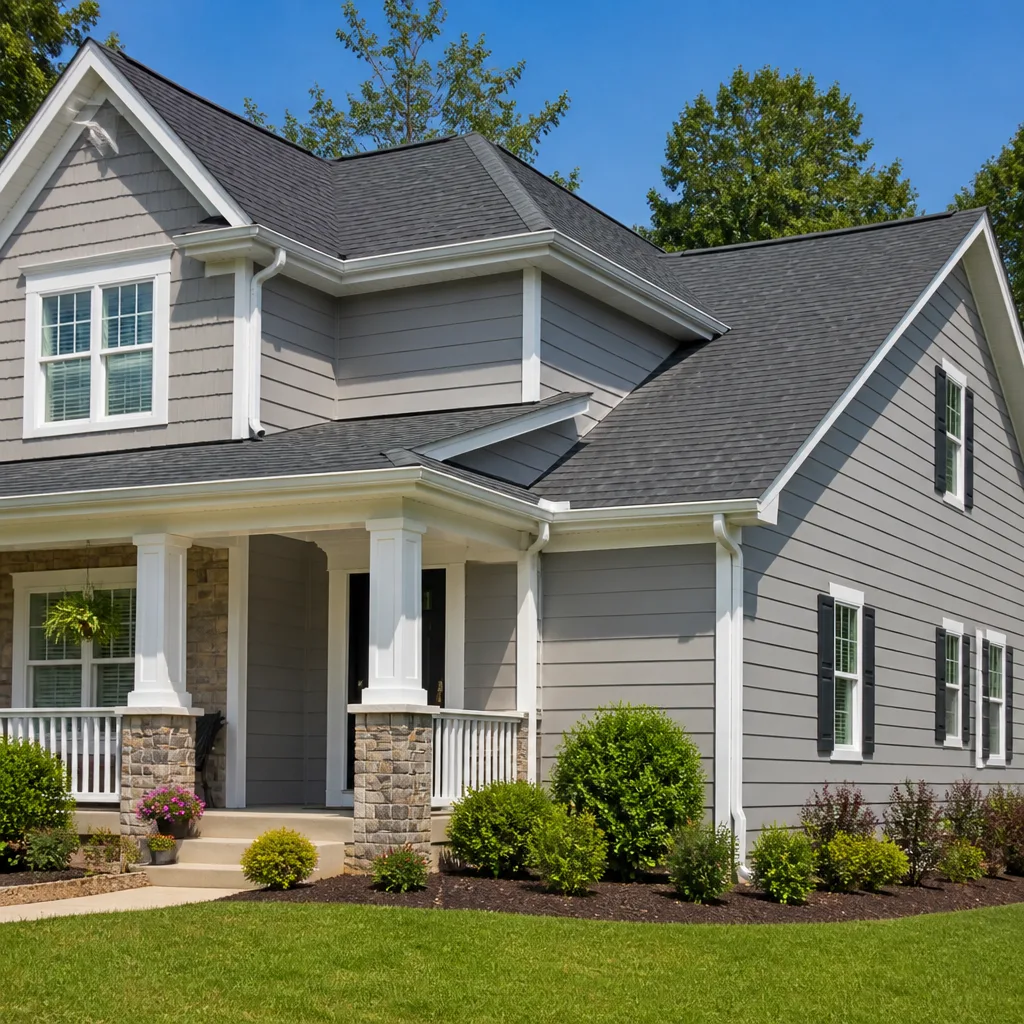
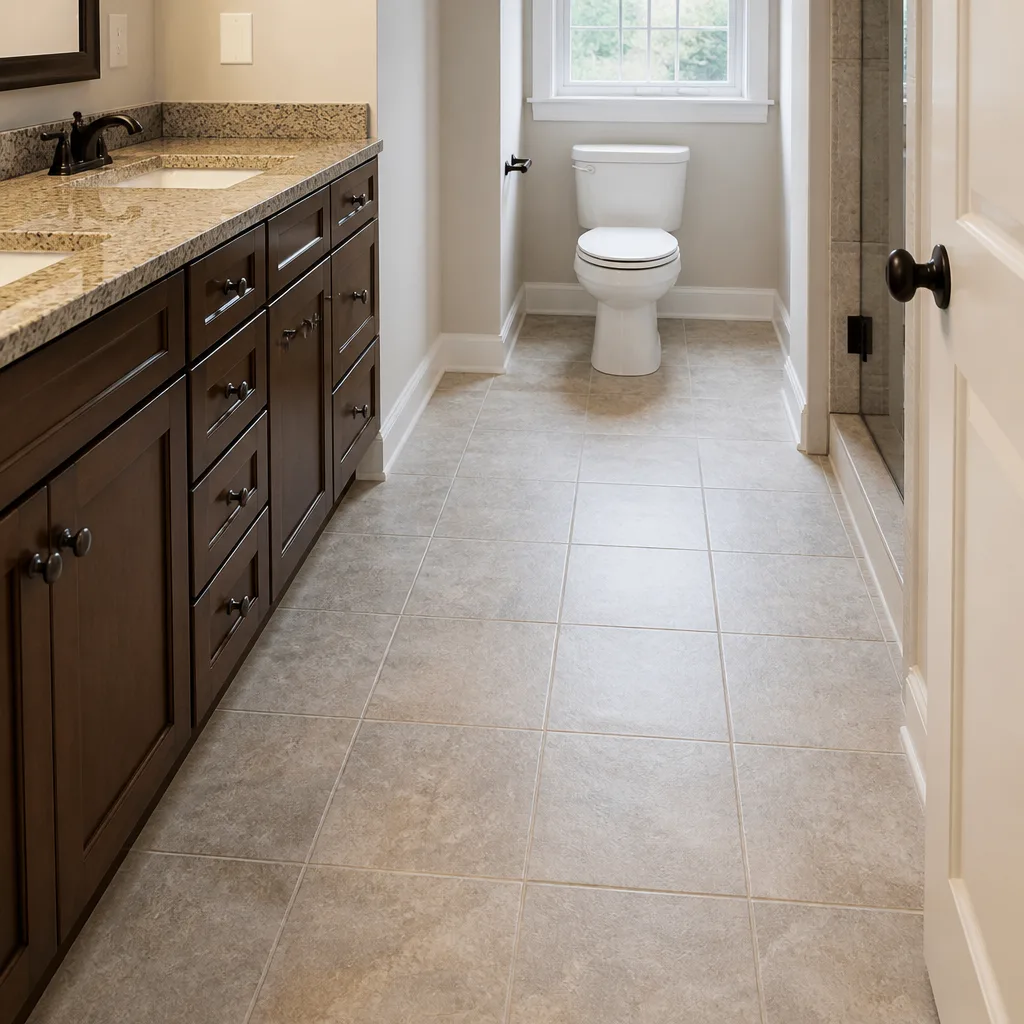
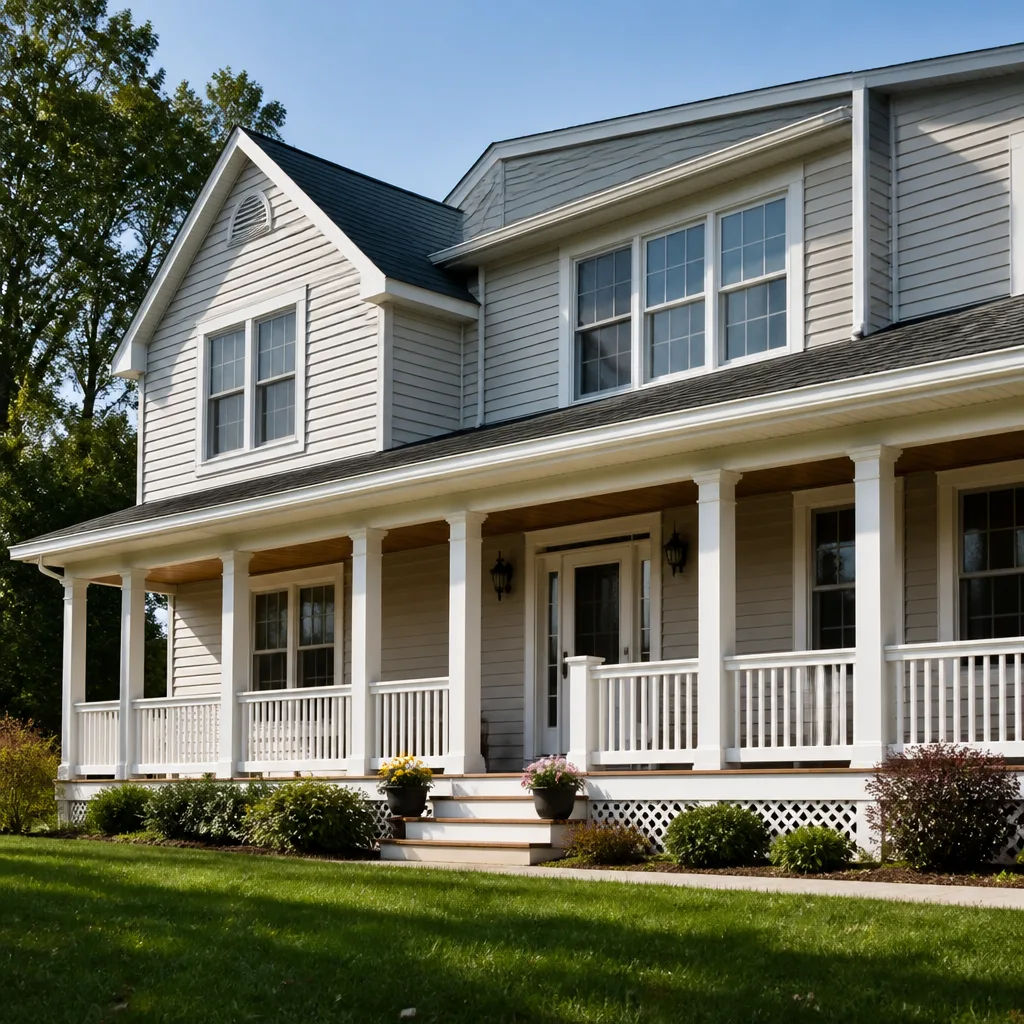
 Before
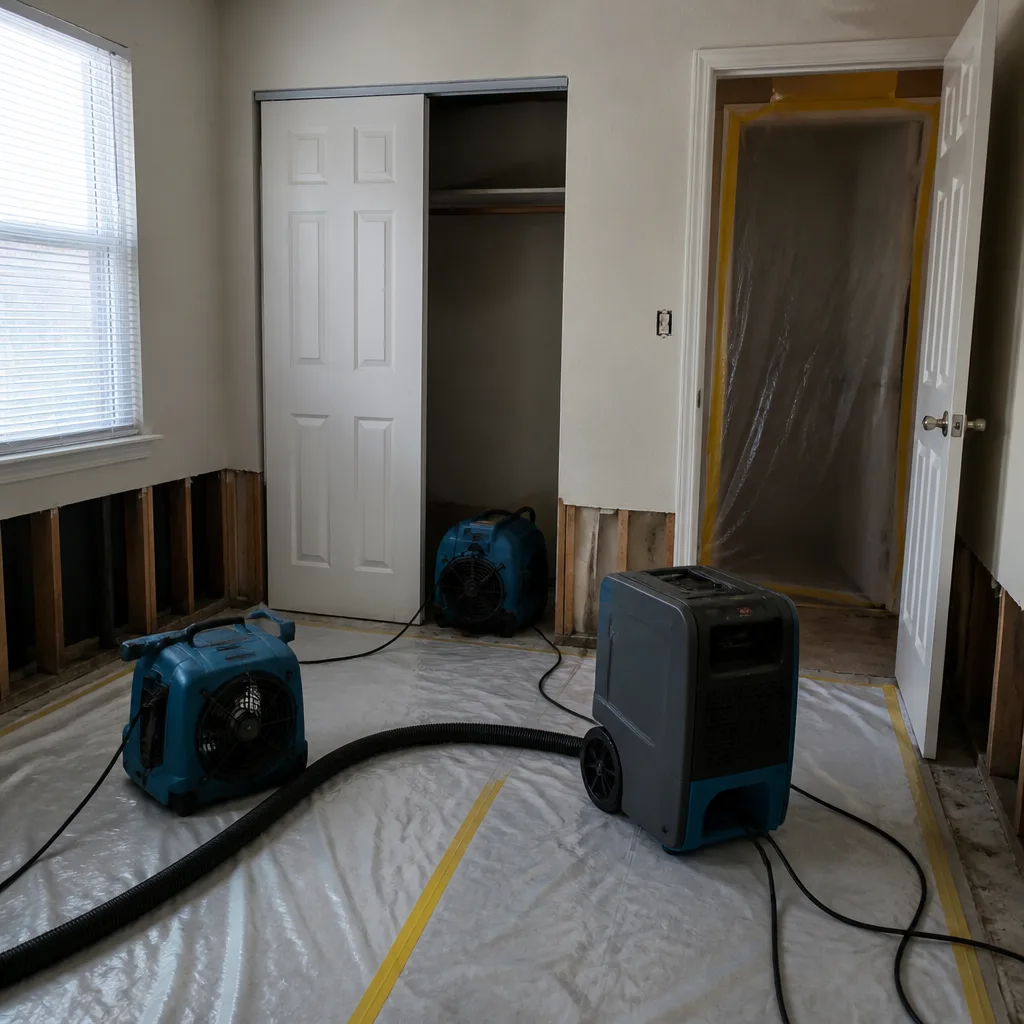 After
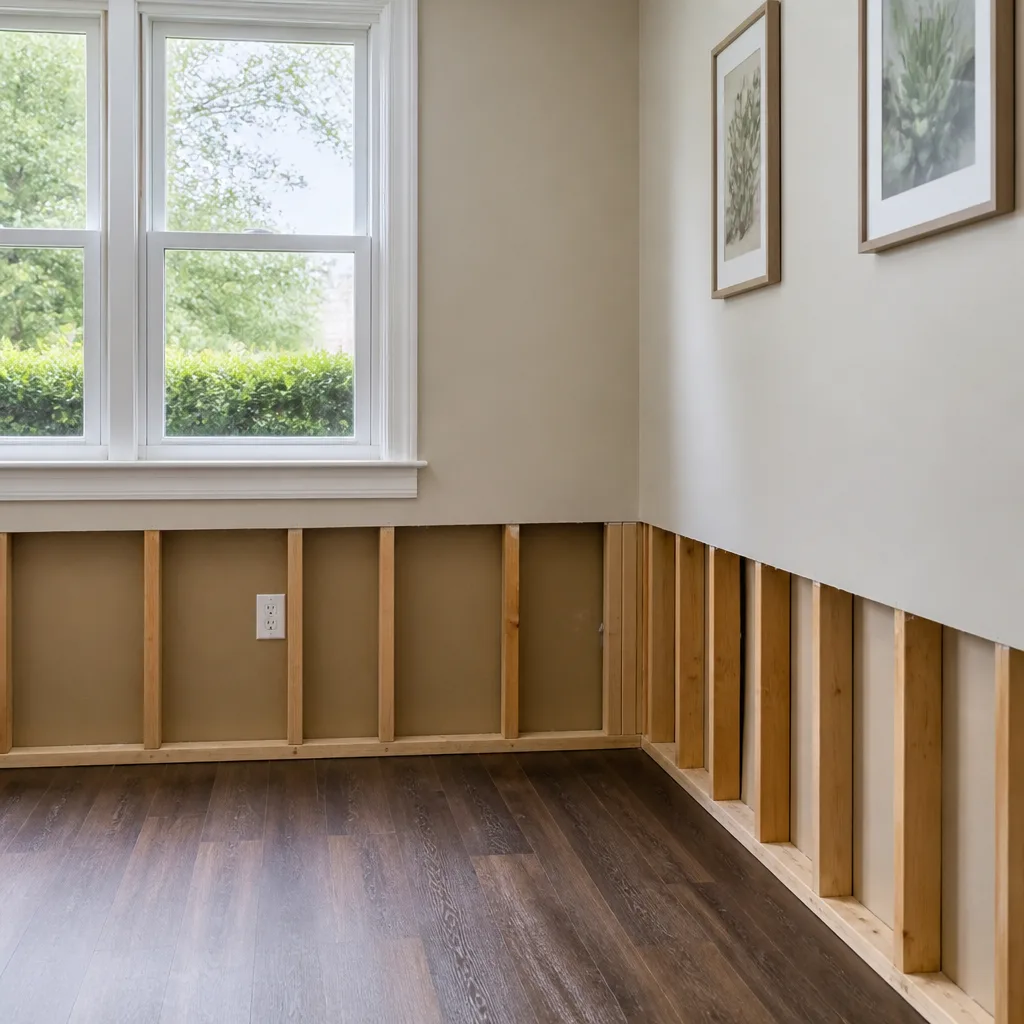
After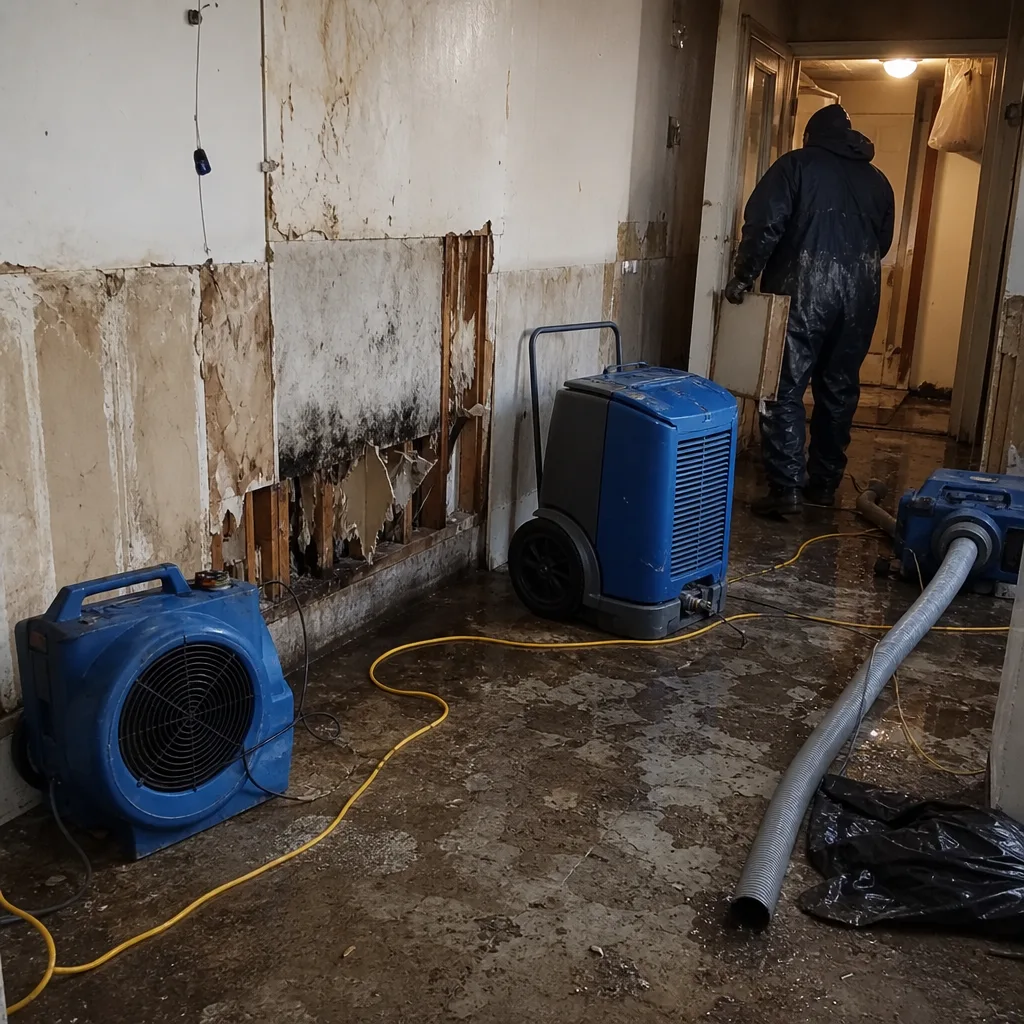 Before
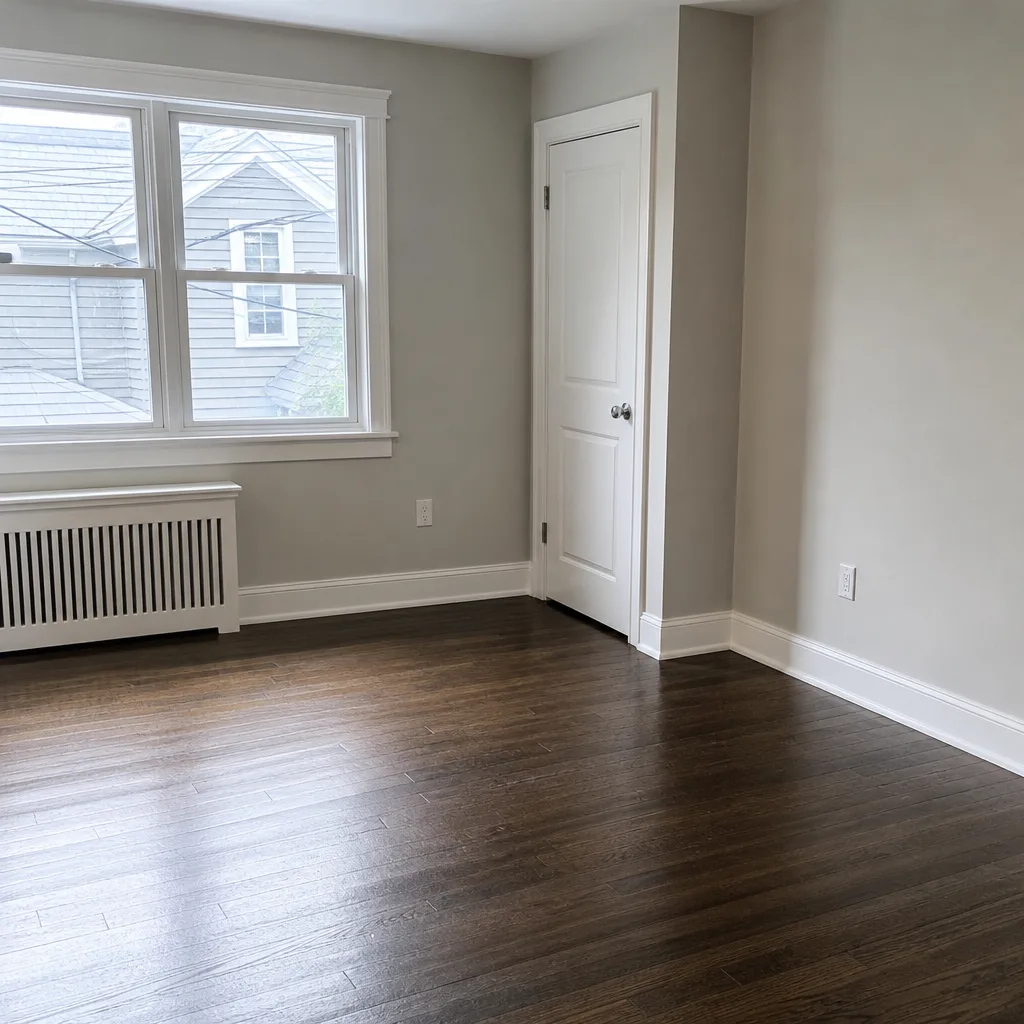 After
After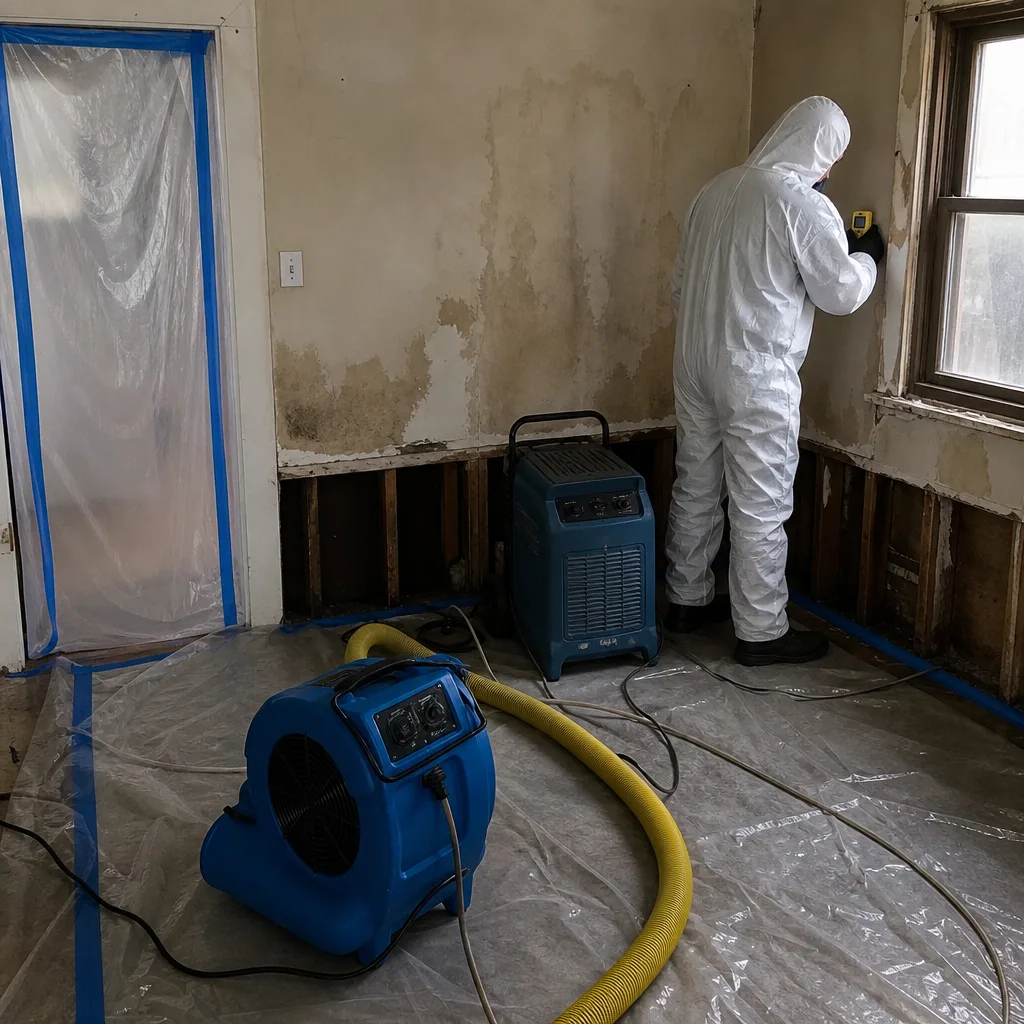 Before
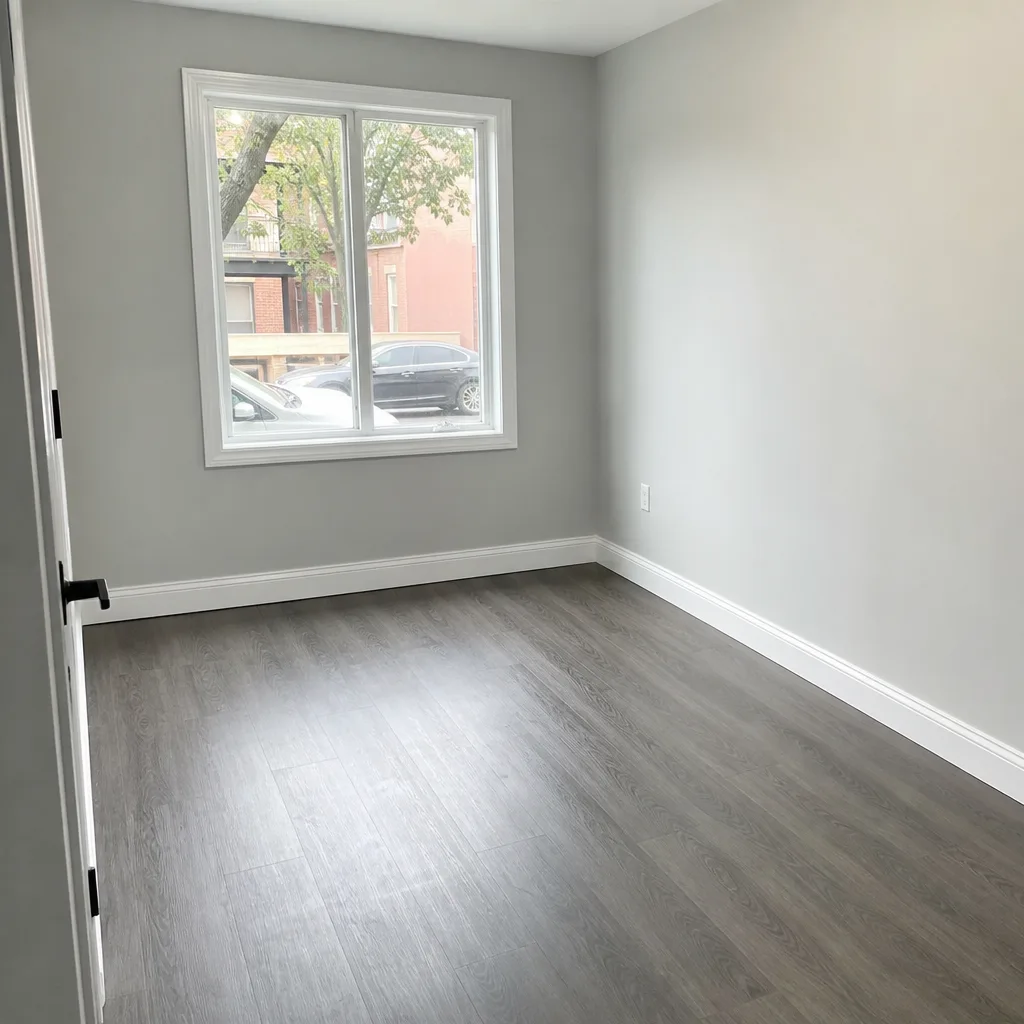 After
After24/7 Emergency Storm & Disaster Restoration in Jamaica
Storm and disaster restoration in Jamaica, NY typically runs $1,200-$6,500 depending on whether you’re dealing with a basement sewage backup, storm-surge flooding, or wind damage to a roof. Most jobs in Jamaica’s row-house stock get a crew on site within 45 minutes, and the real cost driver is almost always how quickly extraction starts. Call (363) 300-2771 the moment you see water moving across a basement floor or hear wind tearing at a roof membrane. The first hour decides whether you’re drying out a basement or rebuilding it.
Wade Ferris answers his own phone. He has been doing this since 2007, and when a nor’easter or a summer thunderstorm hits Jamaica, he is the one coordinating crews into the neighborhood, not a call center in another state. We send our Storm & Disaster Restoration team into Jamaica day and night, because a flooded basement off Hillside Avenue at 3 a.m. does not wait for business hours.
Understanding Storm & Disaster Restoration Severity in Jamaica Properties
Storm damage in Jamaica breaks down into three water categories that change everything about how we work. Category 1 is clean water from a broken supply line or rainwater that hasn’t touched anything contaminated. Category 2 carries detergents, soil, or other mild contaminants. Category 3 is the one we see most in Jamaica after a storm, and it’s the one that worries us: sewage-laden water from combined sewer backups, Jamaica Bay storm surge, or groundwater that has percolated through decades of urban fill.
Jamaica’s housing stock makes this more dangerous than it sounds. Most of the brick row houses and semi-detached homes here were built between the 1920s and 1950s, and many have below-grade basements with shared masonry walls. Water moves laterally through those party walls, which means a Category 3 flood in one basement can wick into the neighbor’s drywall within 48 hours. That’s not a hypothetical. Our crew has moisture-mapped enough walls off Sutphin Boulevard to know exactly how fast it travels. The shallow water table under Jamaica, a leftover from the area’s marshy origins, means groundwater keeps feeding into foundations even after the storm passes and the visible water is gone. If you only extract what you can see, you’re leaving the problem behind the walls.
Why Jamaica Property Owners Choose Wade’s Restoration
- 45-minute response commitment. Wade’s crew stages in the Jamaica area when storms are forecast, so someone is close enough to be on your block fast, not “sometime this afternoon.”
- 24/7 live answer, never an automated system. Call at midnight during a flash flood and Wade himself picks up. No menu. No hold music. No “press 2 for emergencies.”
- IICRC-certified crews. Wade’s people hold WRT and ASD certifications for water damage and structural drying. That’s not a plaque on a wall; it means we document moisture properly, not by touch.
- Free visual inspection. Wade will come look at the damage, tell you what you’re actually dealing with, and write a scope before any contract is signed.
- Direct insurance billing. We bill your carrier directly and hand them the documentation they need. You are not the middleman between us and the adjuster.
- One team from extraction to reconstruction. The same crew that pulls the water out is the crew that hangs the drywall. Nobody hands your house off to a stranger.
Our Storm & Disaster Restoration Process
Inspection & Assessment
Wade walks the property with a thermal imaging camera and a moisture meter. We identify the water category, map how far moisture has traveled into walls and subfloor, and check for hazards like compromised electrical panels before anyone touches a pump.
Extraction & Stabilization
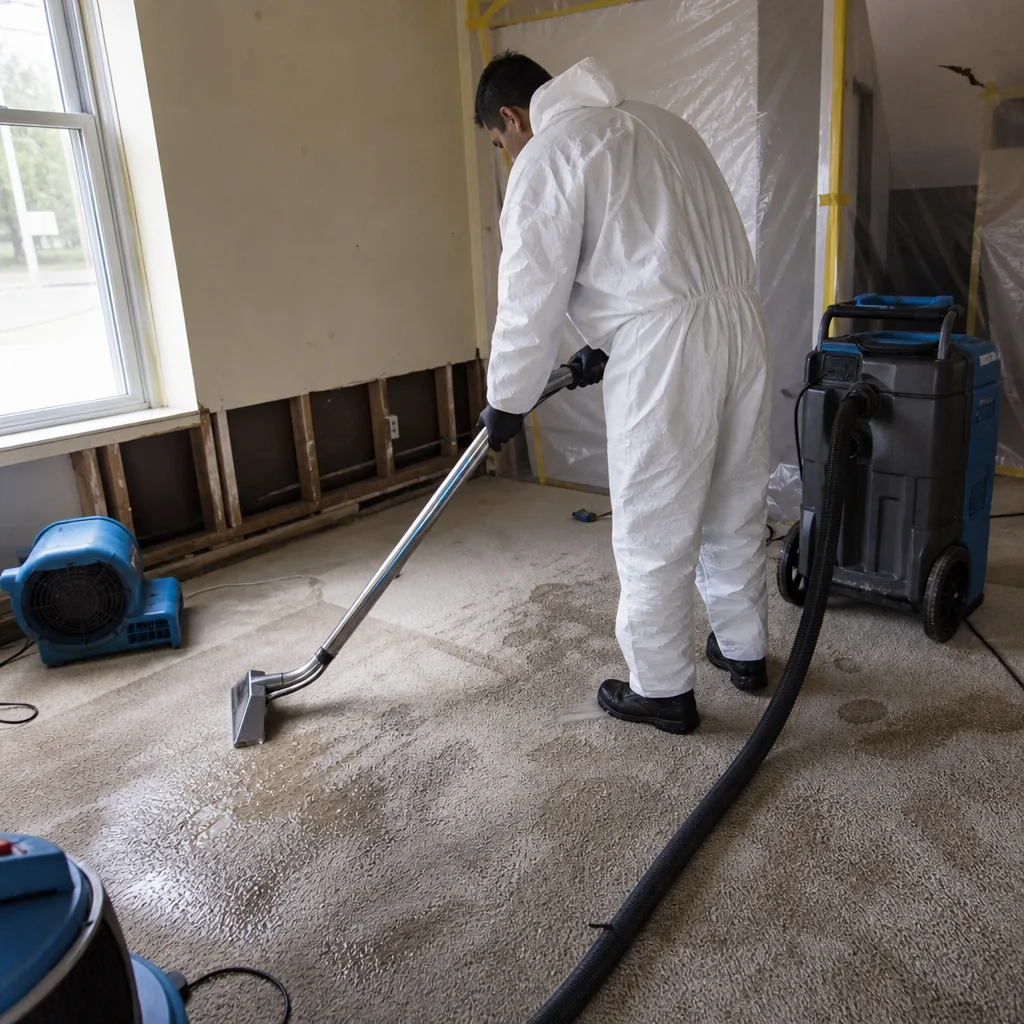
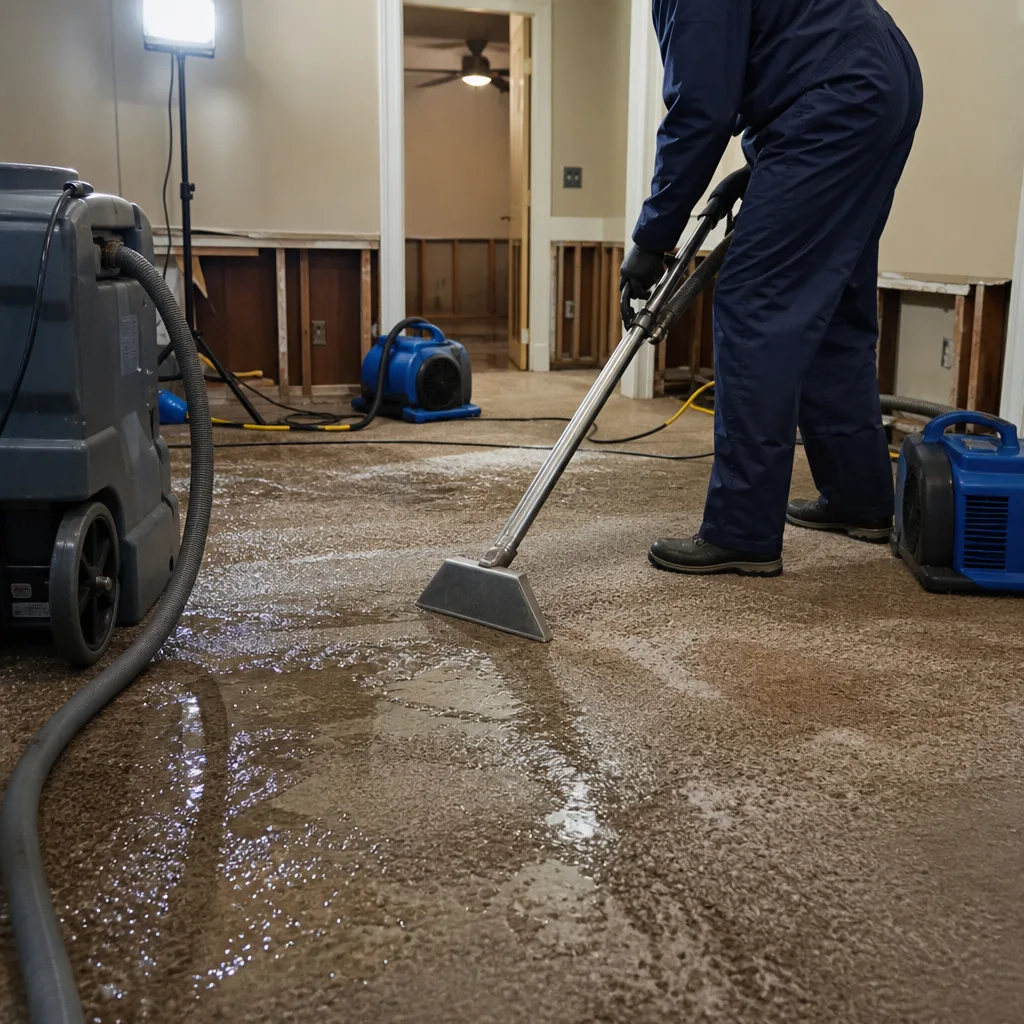
Truck-mounted extraction units pull standing water out of basements, crawl spaces, and wall cavities. If storm winds opened the roof, we board up and tarp immediately to stop the rain from coming in while extraction runs.
Drying & Dehumidification
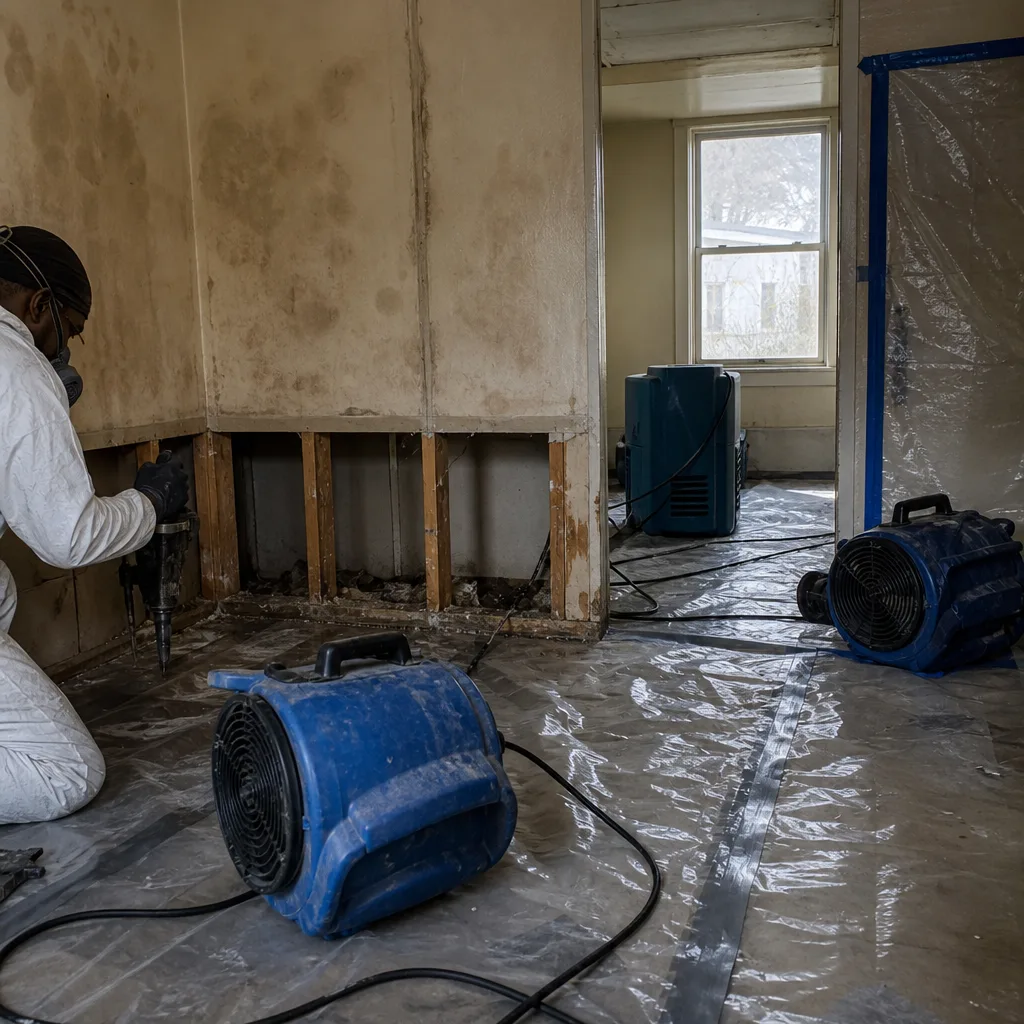
Commercial-grade air movers and dehumidifiers from Dri-Eaz and Phoenix go in, sized to the cubic footage and moisture load of the space. We check moisture readings every 12 hours with hygrometers and adjust equipment placement based on what the numbers say, not a guess.
Cleaning & Sanitization
Once surfaces are dry, we treat affected areas with antimicrobial agents. For Category 3 water, we remove compromised porous materials rather than trying to “clean” them, because drywall and carpet that soaked sewage are not coming back.
Specialty Treatment for Storm Damage
Dense row houses need containment. We set up negative air pressure and HEPA air scrubbers to keep mold spores and contaminants from moving into attached units or the rest of your home while we work.
Repairs & Restoration
We rebuild what we removed: drywall, flooring, baseboards, paint. Because the same crew handled extraction and drying, nobody blames “the other guy” when something doesn’t line up. It’s our work from first pump to final coat.
Need Emergency Storm & Disaster Restoration in Jamaica Now?
Crews minutes away, answering live 24 hours a day. The sooner we start, the less it costs.
Working With Your Insurance Company
We document everything from the first hour because we know your adjuster is going to ask for proof, not story. When Wade’s crew arrives in Jamaica, they photograph every room, every wall, every piece of equipment we place. Moisture readings get logged with dates and times. By the time we’re done, you have a file that shows exactly what happened and exactly what we did about it. That matters in Jamaica, where basement-apartment flooding sometimes triggers disputes over what’s covered and what’s not. We hand your carrier the documentation and talk to the adjuster directly, so you are not relaying messages between two parties who speak different languages. We have handled hundreds of storm claims in Queens and we know what the major carriers ask for.
What We Provide Your Insurer
- Thorough documentation of the loss
- Photos of all damage, room by room
- Moisture readings and drying logs
- A detailed, line-item scope of work
- Direct coordination with your carrier
Built for Jamaica’s Loss Calendar
Jamaica’s storm damage calendar runs all year, but the triggers change with the season. Nor’easters between November and March bring wind damage and coastal flooding to the Jamaica Bay side of the neighborhood, and the same storms dump rain that overwhelms the combined sewer system. January and February freezes crack the older brick and mortar on row houses, then when the thaw arrives, water follows the cracks straight into basements. Spring is basement seepage season, because the water table under Jamaica sits high all year anyway. Summer thunderstorms drop two inches of rain in an hour, and the sewers on streets like Jamaica Avenue and Parsons Boulevard simply cannot take it. The result is the same call we have answered a thousand times: water coming up through a floor drain, soaking drywall, and spreading into the party wall before anyone gets home from work.
Storm & Disaster Restoration Across Jamaica’s Neighborhoods
Jamaica is not one neighborhood. It’s a collection of blocks with different building types and different failure patterns. Around Sutphin Boulevard and the AirTrain corridor, we respond to a lot of basement apartment flooding in older attached homes where the conversion work was never permitted, which adds an entirely different layer to the job. The blocks off Hillside Avenue have brick row houses with shared walls, and we routinely find that a flood in one unit has already wicked into the adjoining property by the time we arrive. Down near South Road and the neighborhoods closer to Jamaica Bay, storm surge during a nor’easter is the main threat. Over in the blocks between Parsons Boulevard and 160th Street, drainage during heavy rain backs up fast in the older combined sewer lines. And in the commercial stretch along Jamaica Avenue, storefronts with basement storage rooms take on water through old foundation mortar that hasn’t been repointed in decades. Our Jamaica service area covers all of it, every block, every housing type.
Specialized Storm & Disaster Restoration Services We Offer in Jamaica
Storm Damage Cleanup
After wind and rain move through Jamaica, we handle the mess: fallen limbs, scattered debris, broken glass from blown-out windows, soaked insulation. We secure the property first, then clean everything that can be saved and remove what can’t. In row-house neighborhoods, cleanup includes checking the shared roof line for damage that affects both sides of the wall.
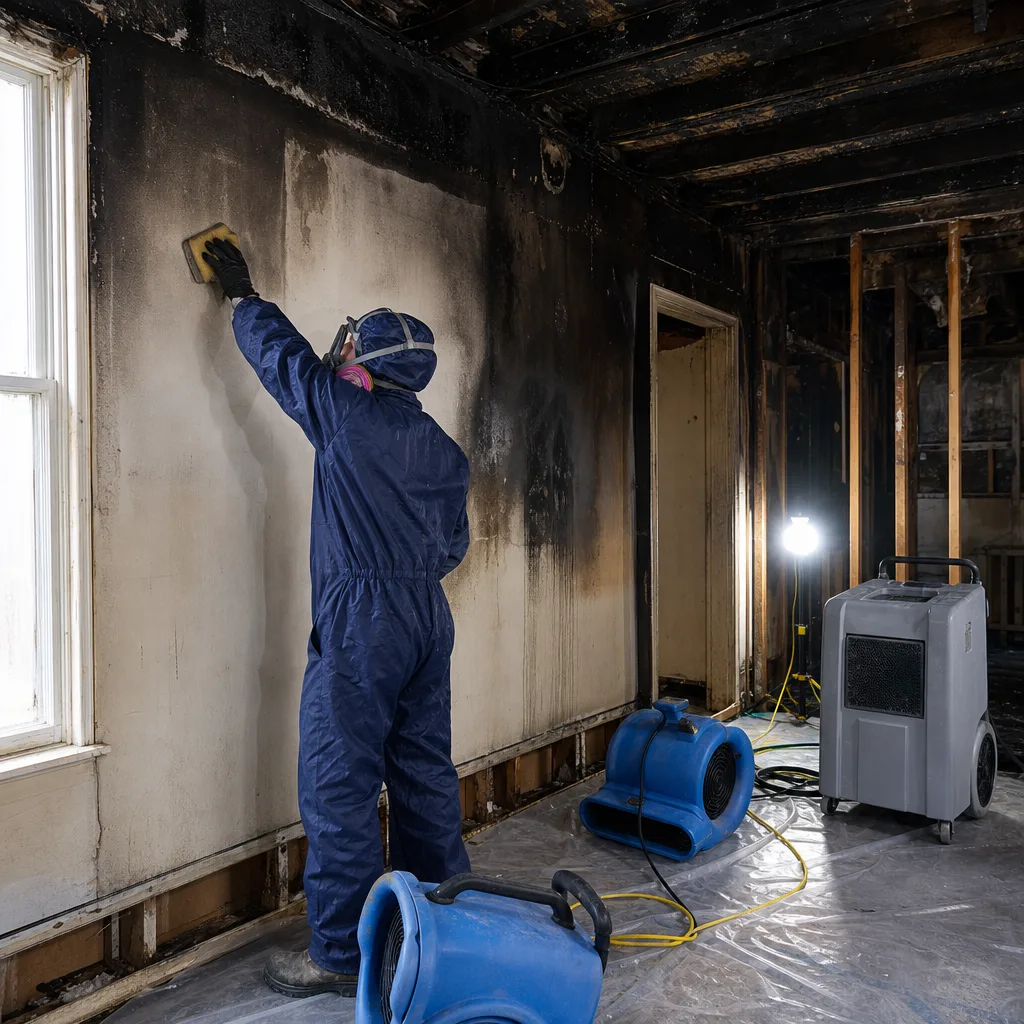
Flood Damage Restoration
Jamaica’s flat topography and former marshland mean standing water is a fact of life here. We extract, dry, and restore basements and ground floors after storm surge, sewer backup, or groundwater seepage. Because we know Jamaica’s water table sits high, we don’t stop at visible water. We check behind walls and under floors before we call it dry.
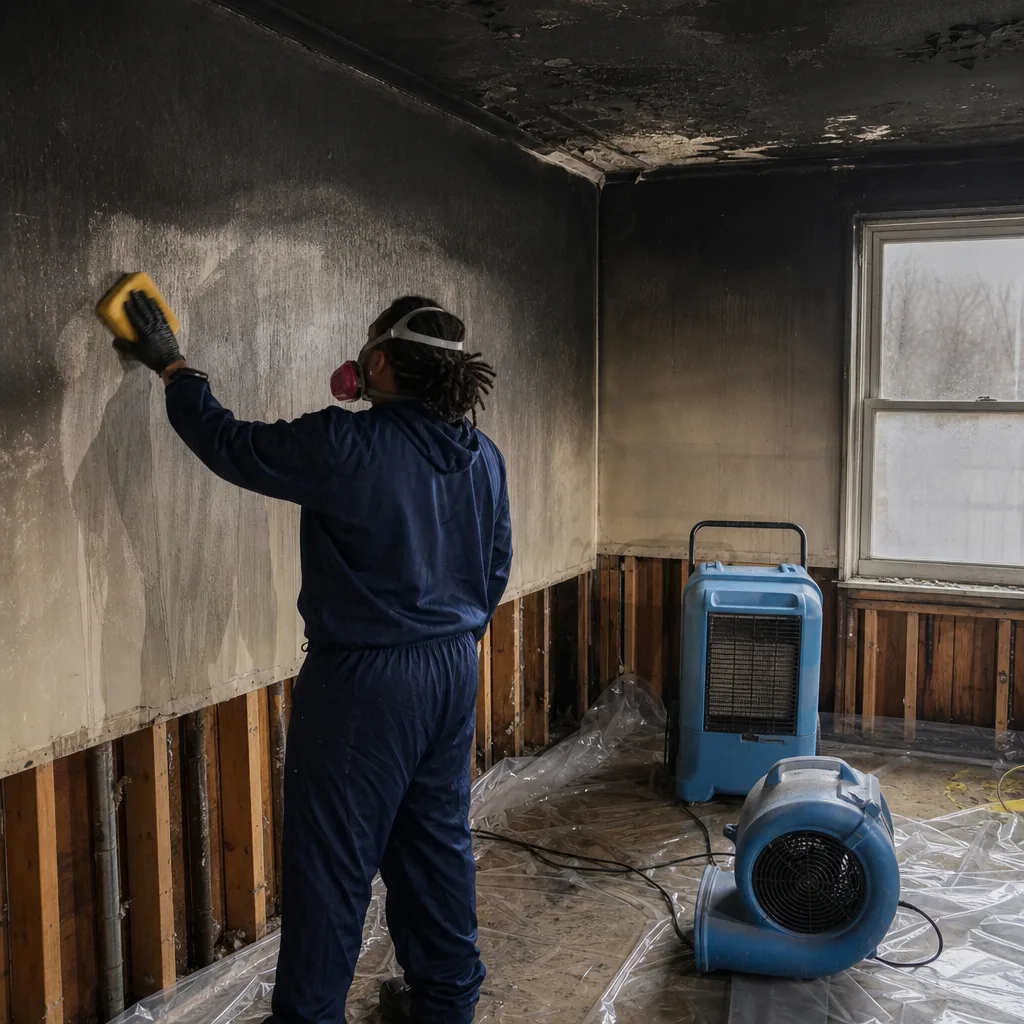
Emergency Board-Up
When a nor’easter punches out a window or a falling branch opens a hole in a roof, the rain keeps coming until the opening is closed. We board up and tarp fast, before the water gets deeper into the structure. On Jamaica’s attached homes, we secure the opening in a way that protects the neighboring unit too, because water on your side is water on their side within a day.
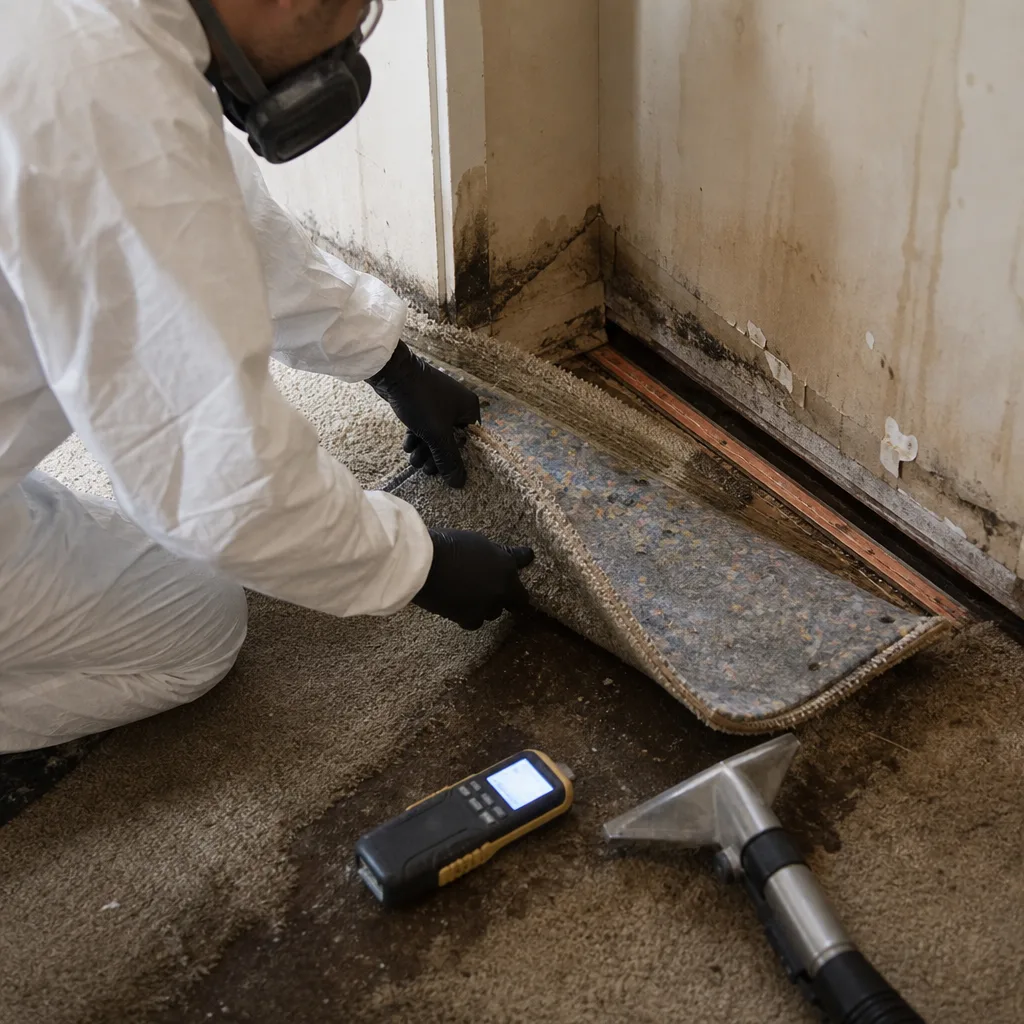
Roof Tarping
Torn shingles, lifted flashing, punctured membranes. A tarp is not a repair, but it stops the bleeding until a roofer can do the permanent work. We tarp low-slope and flat roofs common on Jamaica’s older rowhouses, weighted and secured to survive the next wind event, not just the next calm morning.
Debris Removal
Storm debris in Jamaica doesn’t just sit there; it blocks sidewalk drains, backs water up against foundations, and becomes a liability on a tight lot. We haul it. Branches, construction debris, damaged fencing, whatever the storm left behind. Then we check the drainage path so the next rain doesn’t pool where it shouldn’t.
What happens when you call
- 1
A real person answersNo phone trees - you reach a local pro.
- 2
You get an upfront price rangeHonest numbers before anyone is dispatched.
- 3
A background-checked tech heads outLicensed & insured, dispatched right away.
- 4
You approve before work beginsNothing starts until you say go.
Storm & Disaster Restoration Costs in Jamaica, NY
Jamaica’s market prices run a little tighter than the suburban counties, mostly because the homes are smaller and the access is harder. Water extraction from a flooded basement in a Jamaica row house typically runs $1,200-$2,800, depending on square footage and how much furniture gets in the way. Full drying with equipment placement usually adds another $800-$1,500 over three to five days. If we’re tearing out soaked drywall and replacing it, figure $3,000-$6,500 total for a standard basement apartment. Sewer backup jobs land on the higher end because Category 3 water means we’re removing, not cleaning, porous materials. Emergency board-up runs $350-$700 per opening. Roof tarping is $500-$1,200 depending on roof height and pitch. Wind debris removal is $300-$900 per load. The free visual inspection gives you a firm line-item scope before anything is signed. No trip charge inside the area. Seniors and veterans always get 10% off.
We Also Serve Cities Near Jamaica
We run the same 45-minute response and the same written 90-Day Done Right Promise into Howard Beach, Ozone Park, Woodhaven, and South Ozone Park. Same crew, same equipment, same Wade answering the phone.
Serving Jamaica, NY - Our Local Coverage Area
We’re based in the Jamaica area and know this community well. Use the map below to see our service coverage - if you’re nearby, we can almost certainly help.
Jamaica Storm & Disaster Restoration Questions, Answered
Why does my Jamaica basement stay damp even when it hasn’t rained?
Jamaica sits on former marshland with a shallow water table, which means groundwater pushes up through the slab and in through foundation walls even during dry weeks. The water table doesn’t care about the weather forecast. This is the year-round condition that makes mold and structural drying a constant need here, not a storm-only problem. Wade’s moisture readings across the neighborhood show this pattern consistently. Call (363) 300-2771 and we’ll map exactly where the water is entering.
What happens if my sewer backup floods into an attached neighbor’s basement?
Category 3 water doesn’t recognize property lines. In Jamaica’s attached row houses, a sewage backup on one side will wick through the shared masonry wall into the neighboring unit within 48 hours. We contain and dry both sides, document everything, and coordinate with both property owners on scope. This is exactly why our inspections check party walls with moisture meters, not just the unit that called us first.
Do I need a specialized crew for basement flooding in a dense area like Jamaica?
Yes. Jamaica’s tight clearances, shared walls, and high water table demand a crew that understands row-house construction and lateral moisture movement. A franchise crew that dries a single-family home in the suburbs will miss the water that’s already moved into the adjoining property. Wade’s team works Jamaica every week and knows what the brick, the mortar, and the water table do together.
How fast can you respond to a storm-surge flood near Jamaica Bay?
If you’re in the blocks between Jamaica Bay and the commercial corridor, our crews stage in the area when a storm is forecast. Typical response time inside Jamaica is 45 minutes for emergencies. Call (363) 300-2771 and Wade picks up live, then the crew heads out.
My basement apartment is an informal conversion, will that affect my restoration?
It can. Jamaica has a significant number of below-grade units that were never filed with the Department of Buildings, and a flood in one of those units can escalate into an HPD inspection if the damage becomes visible to the building. We have handled this situation many times off Sutphin Boulevard and around the corridor. We keep the work contained, document everything, and coordinate with the property owner on scope before outside agencies get involved. The restoration itself is straightforward; the compliance side is what needs a steady hand.
Will insurance cover storm and sewer backup damage in Jamaica?
Most homeowners policies cover storm damage from wind and rain, but sewer backup coverage is usually an add-on endorsement. Flood insurance under FEMA’s National Flood Insurance Program is a separate policy, and portions of Jamaica fall within AE flood zones where mortgage lenders require it. We bill carriers directly for storm claims and provide the moisture logs and photo documentation they require. We’ll also tell you honestly what your specific policy likely covers before you commit to work.
How long does drying and remediation actually take in a Jamaica basement?
Three to five days of active drying is typical for a row-house basement in Jamaica, though it depends on how far the water traveled into walls and how quickly extraction started. Groundwater-fed seepage can extend the timeline because the source keeps feeding moisture. We check readings every 12 hours and adjust equipment until the numbers say done. We don’t pack up based on how the floor feels.
What should I do in the first 30 minutes after a flood or storm hits?
Kill the power if you can reach the panel safely and the water is near outlets or appliances. Move whatever small belongings you can. Then call (363) 300-2771. Do not run a shop vac on standing water that might be Category 3; you’re aerosolizing pathogens into the air. Take photos of everything for your carrier. The first 30 minutes decide whether you’re drying a basement or replacing it.
Written by Wade Ferris, Owner at Wade’s Restoration, serving Jamaica since 2007.