
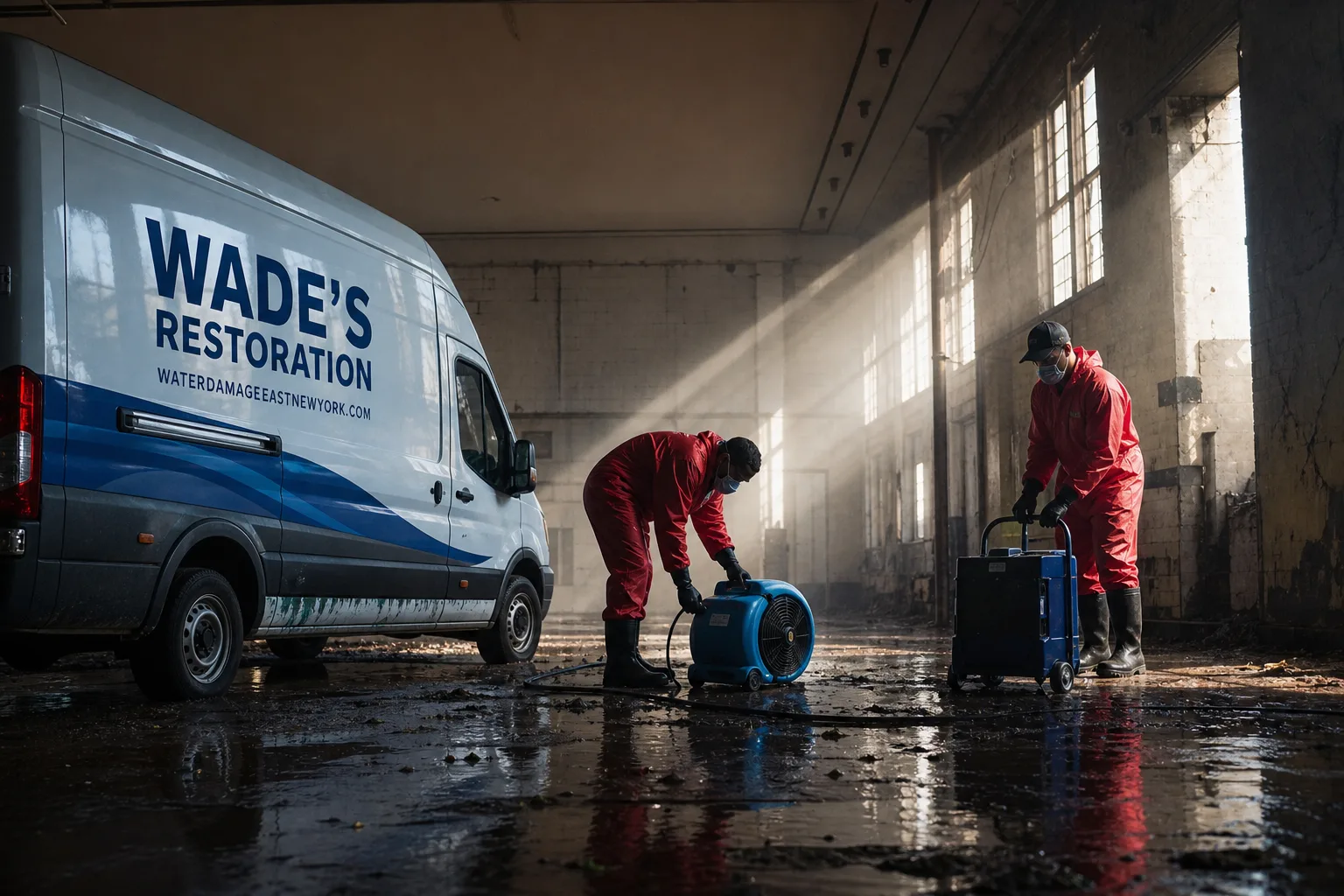
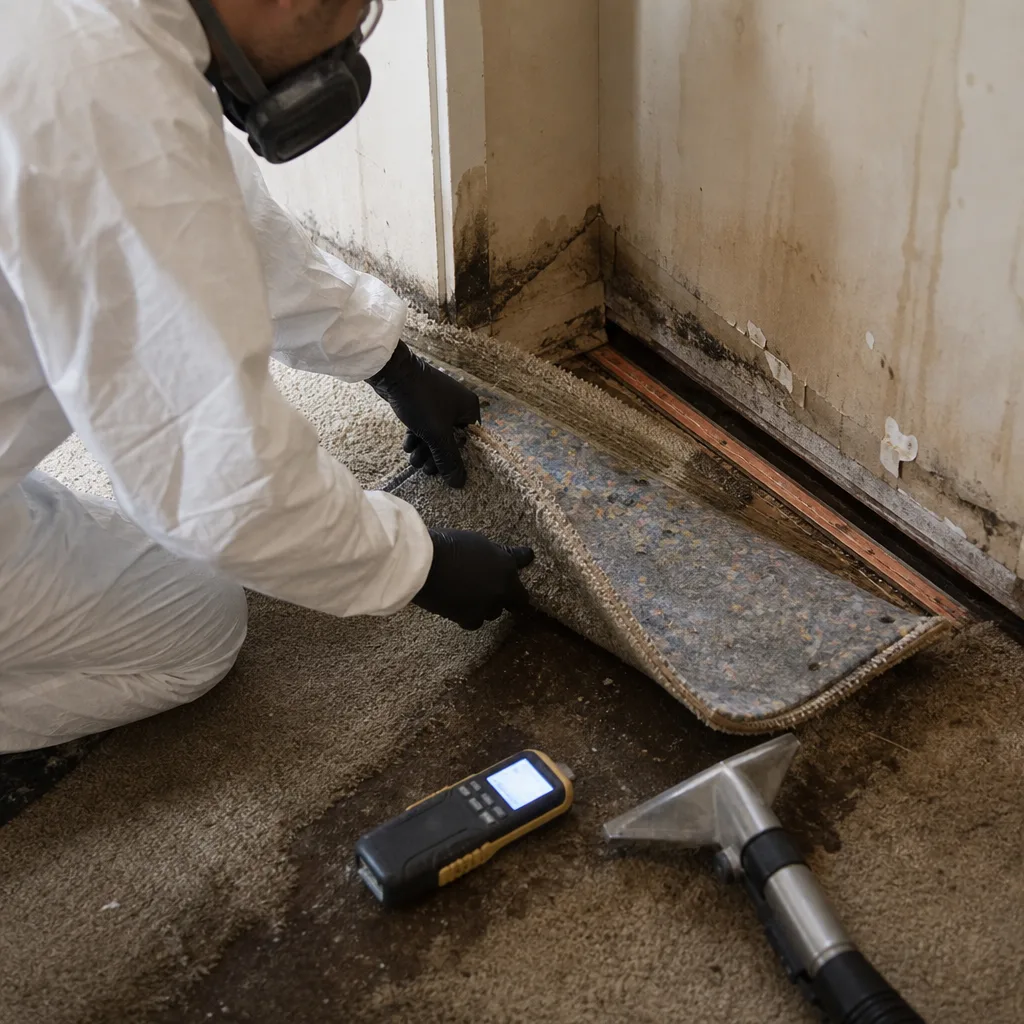
Free visual inspection and a written scope of work before any mitigation begins - photos, moisture readings, and drying logs go in your claim file
The scope we write is the scope we bill. Anything new gets shown to you, in writing, before we touch it.
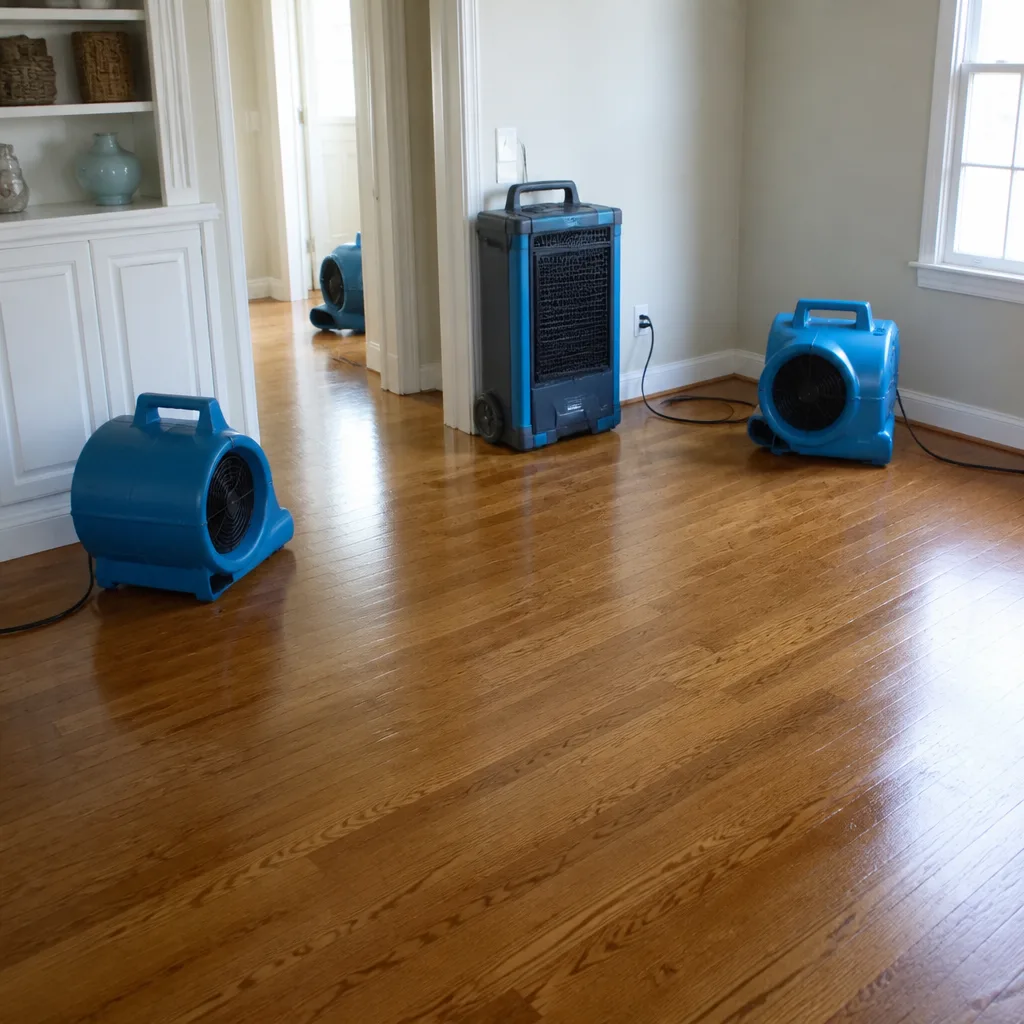

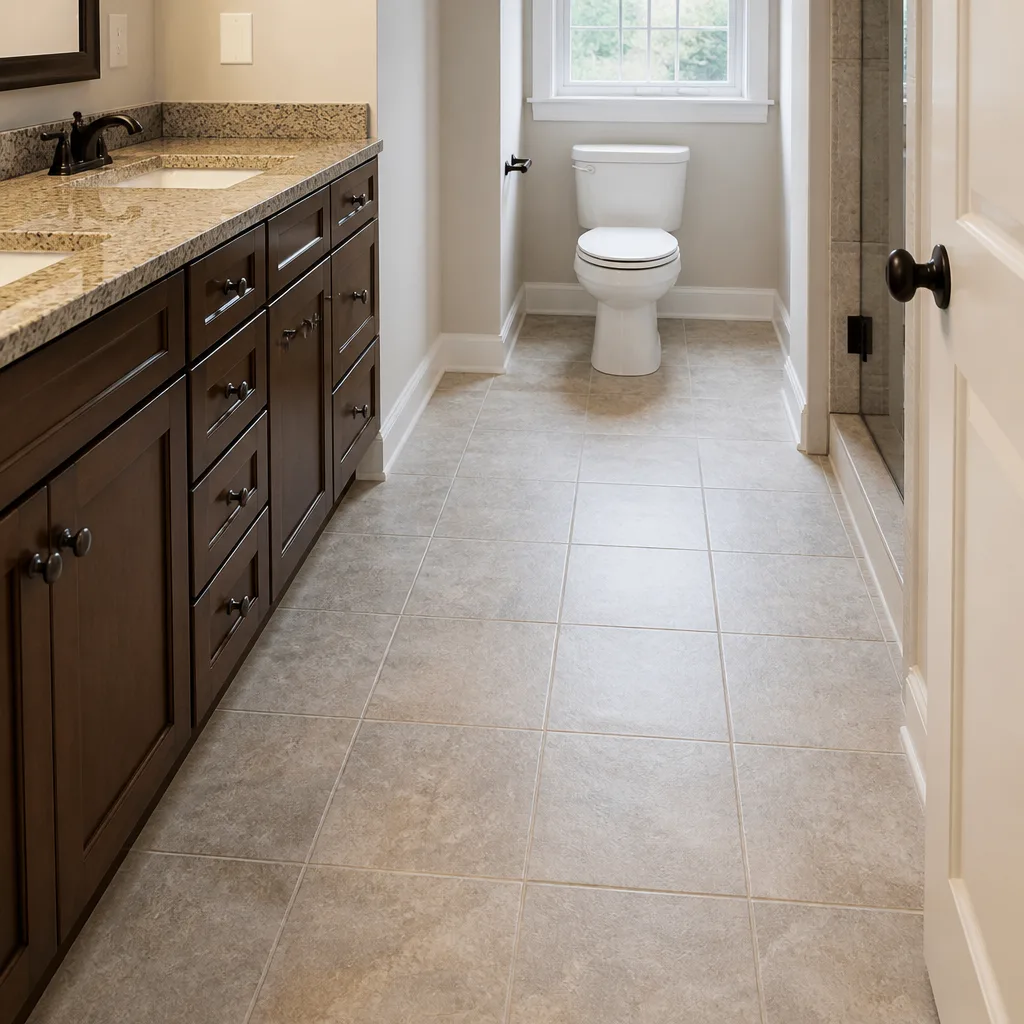
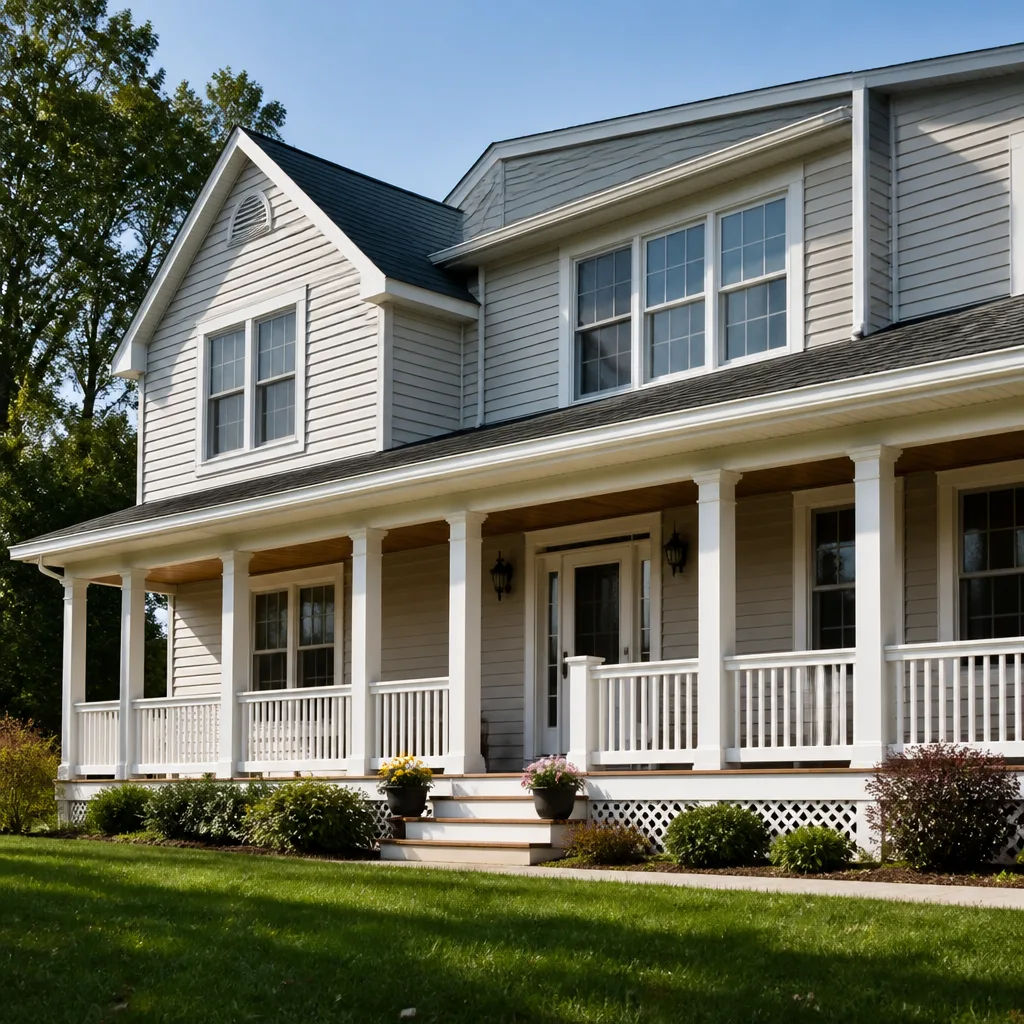
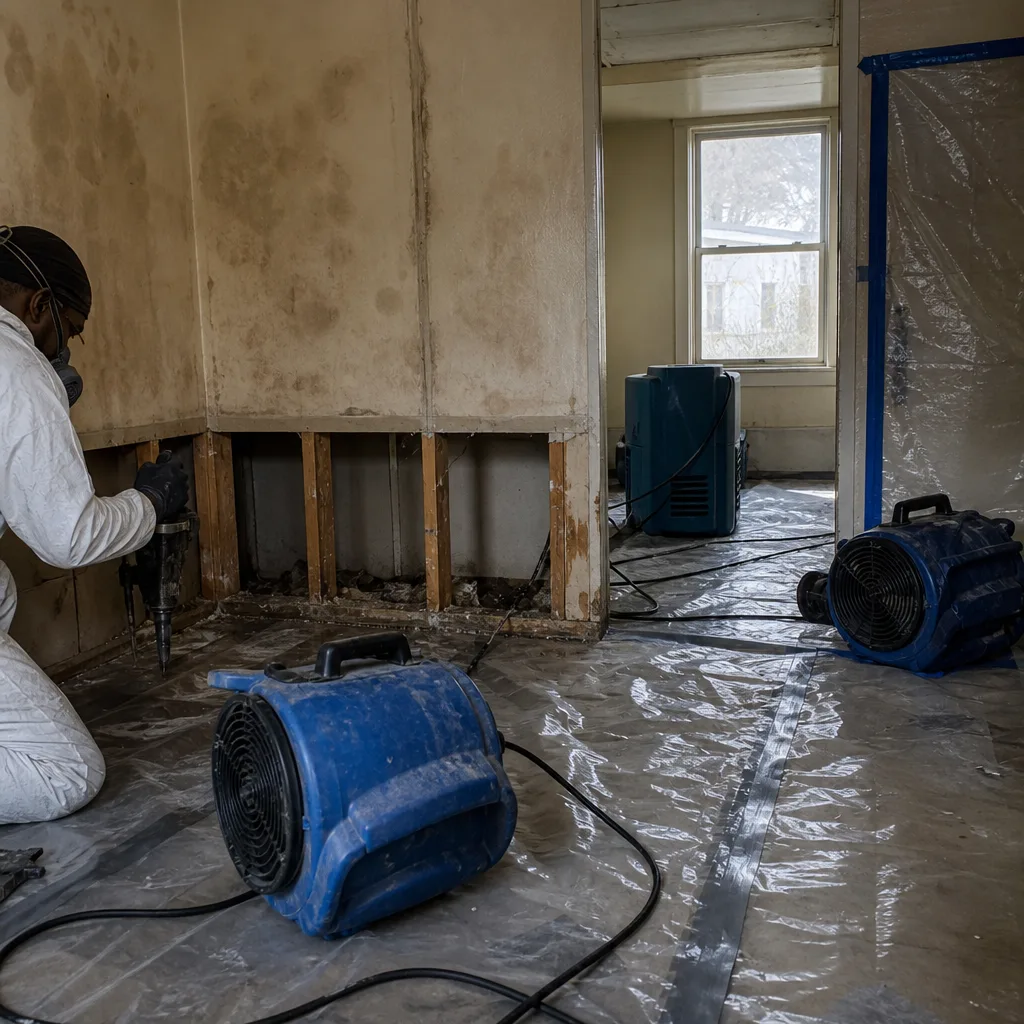 Before
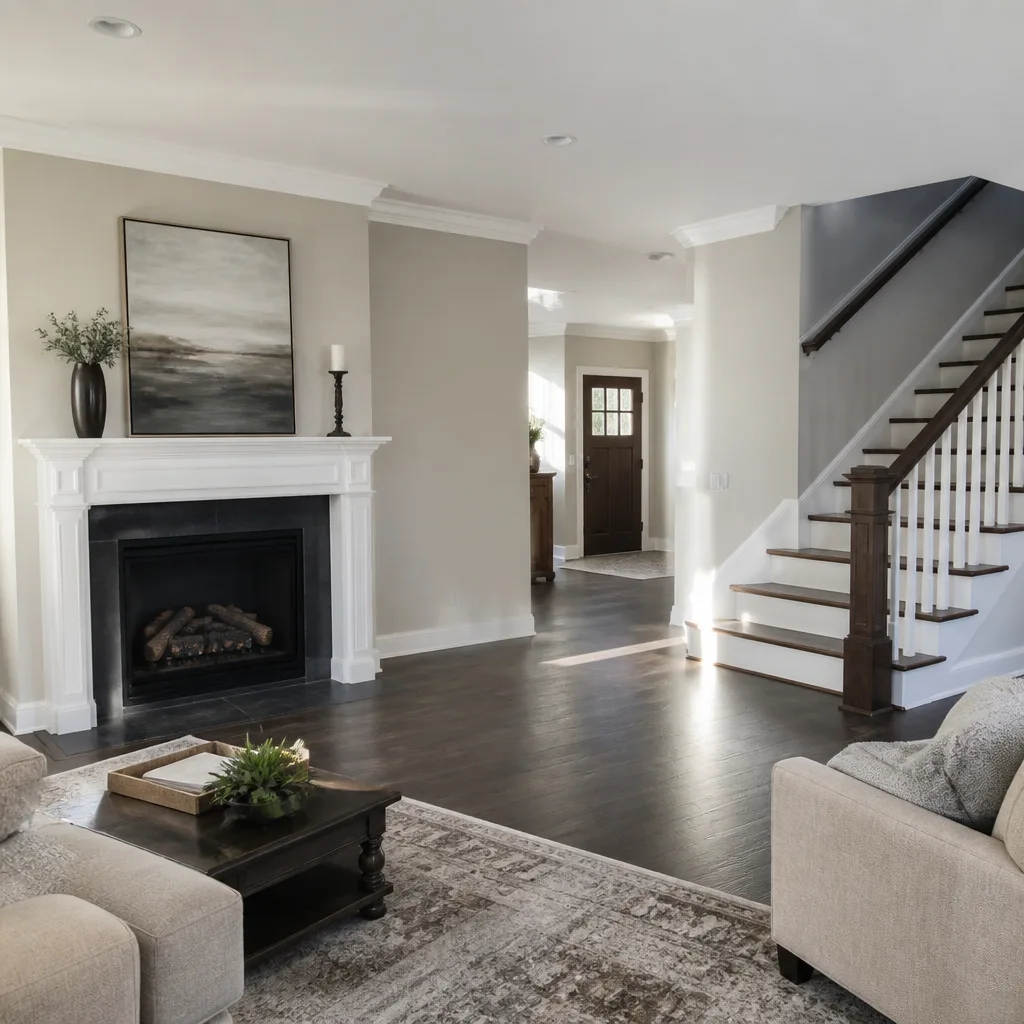
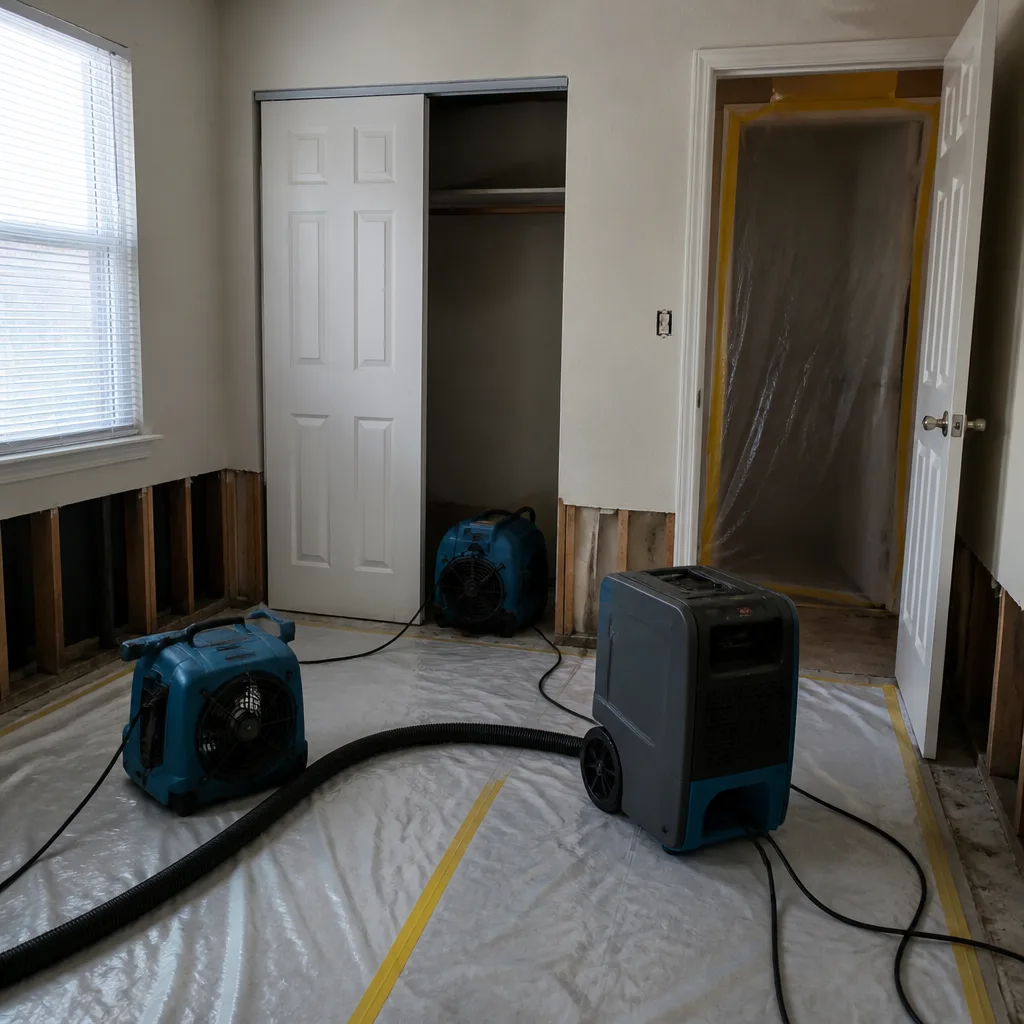 After
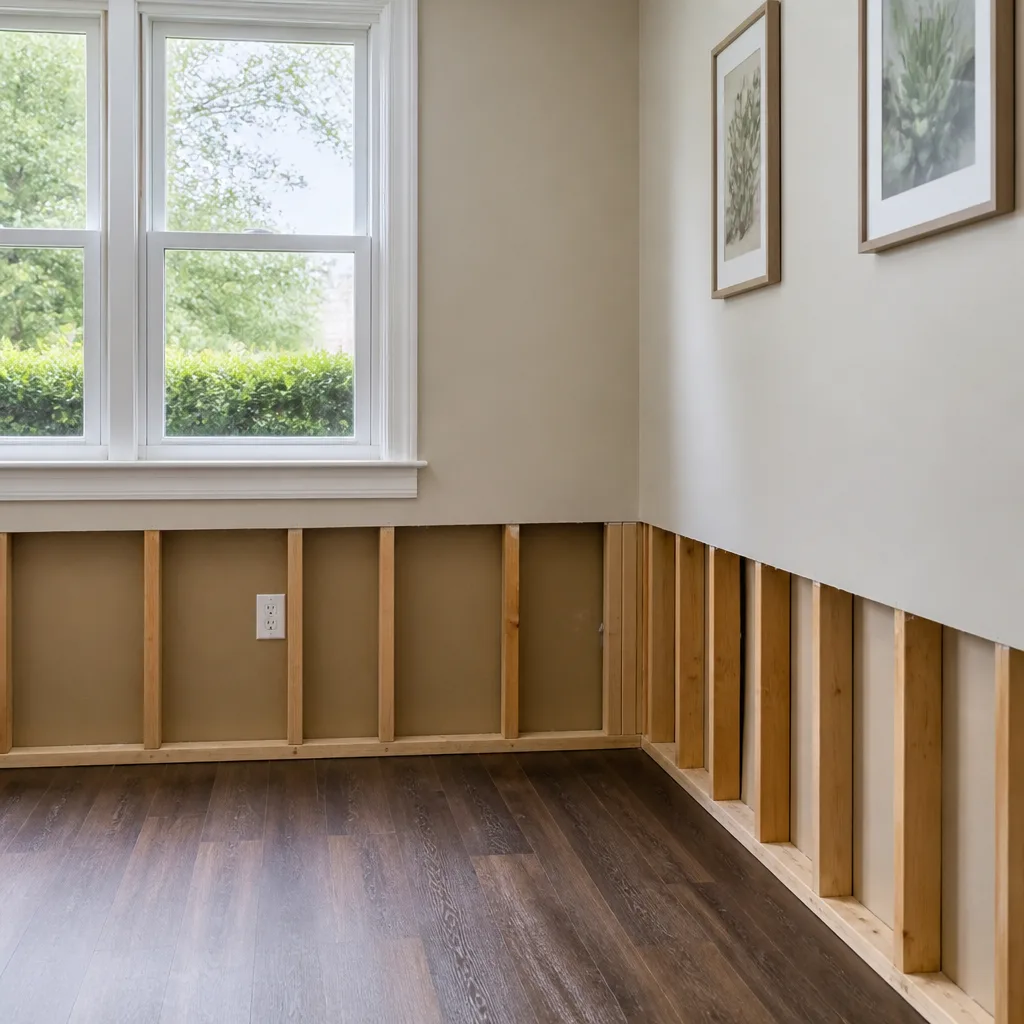
After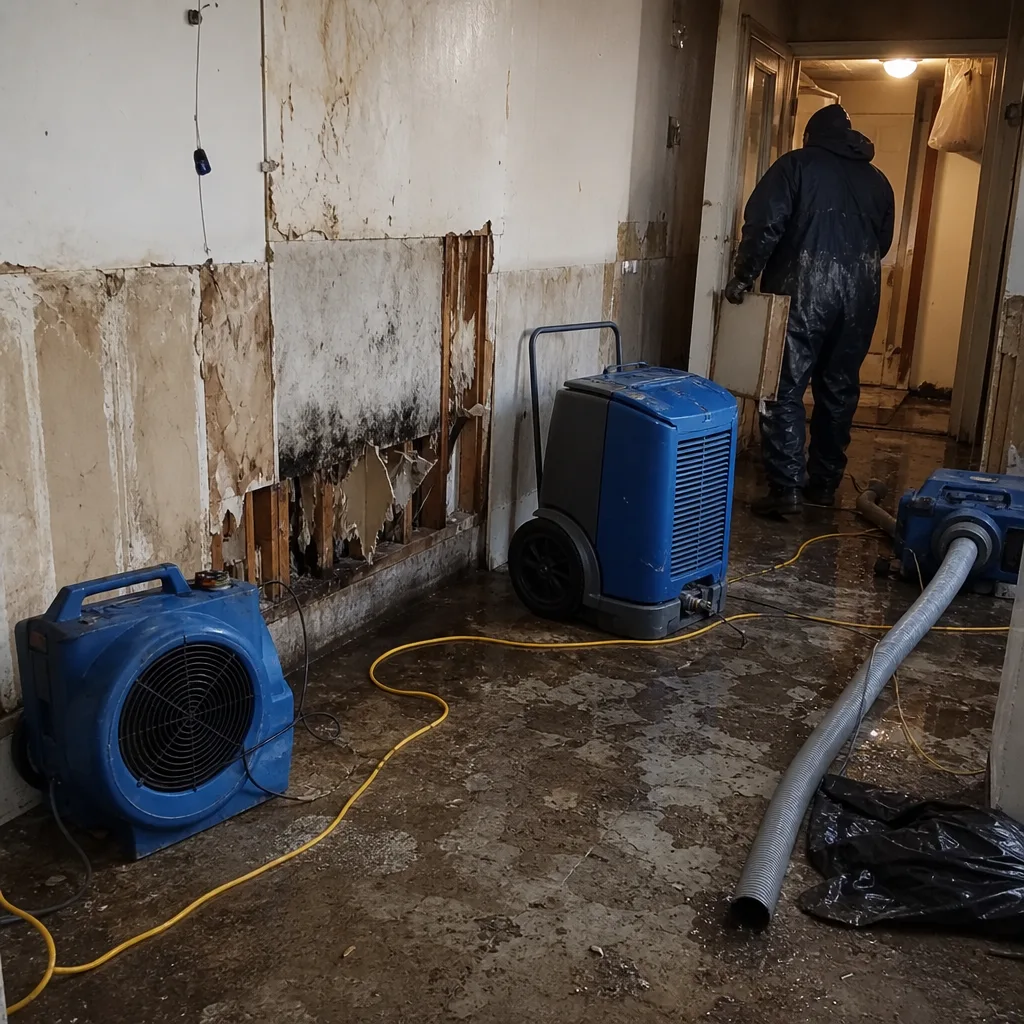 Before
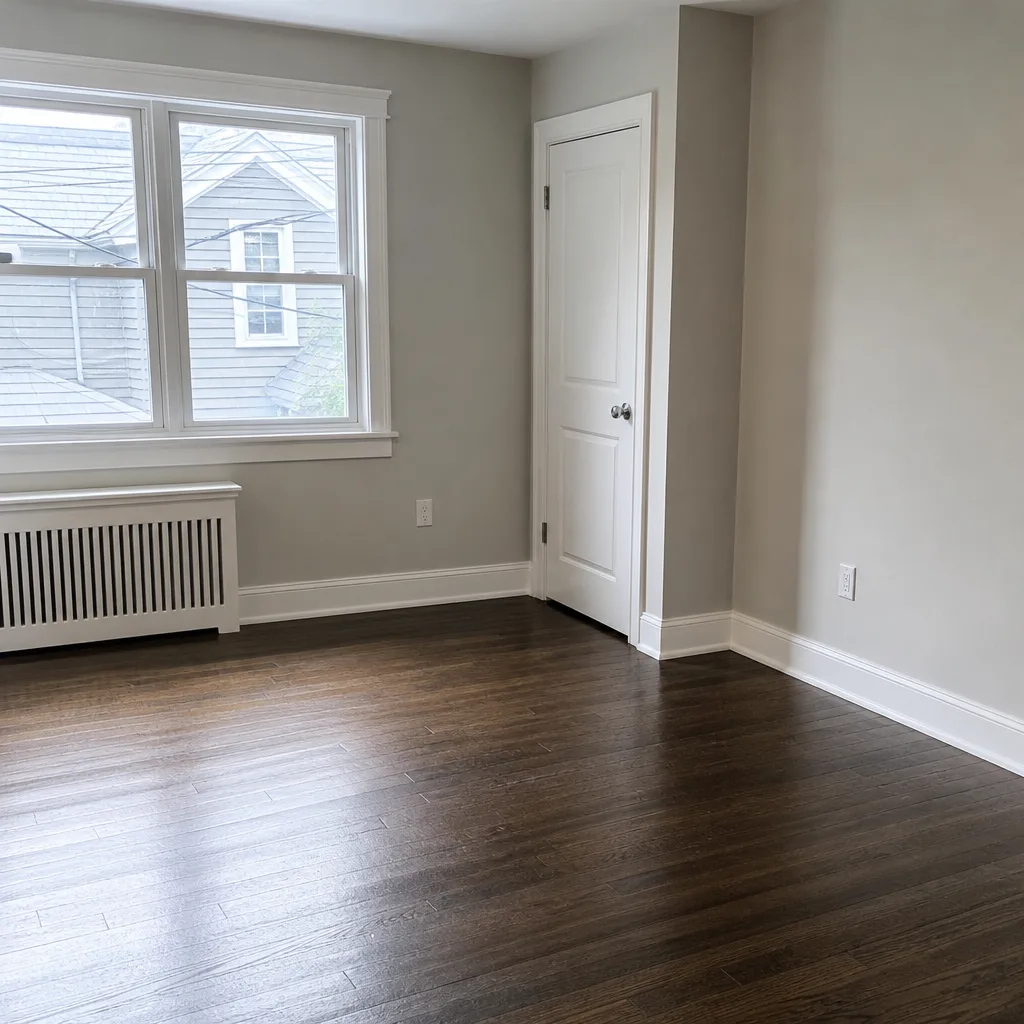 After
After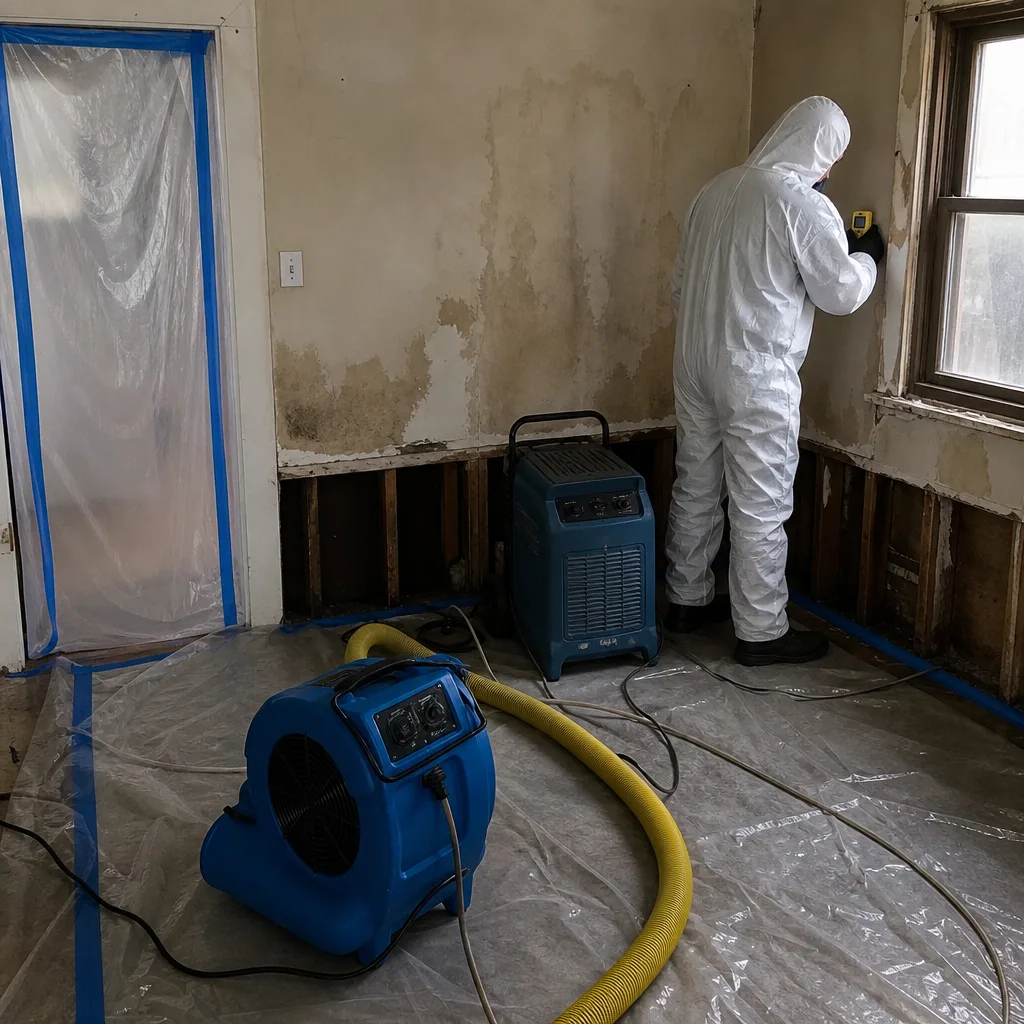 Before
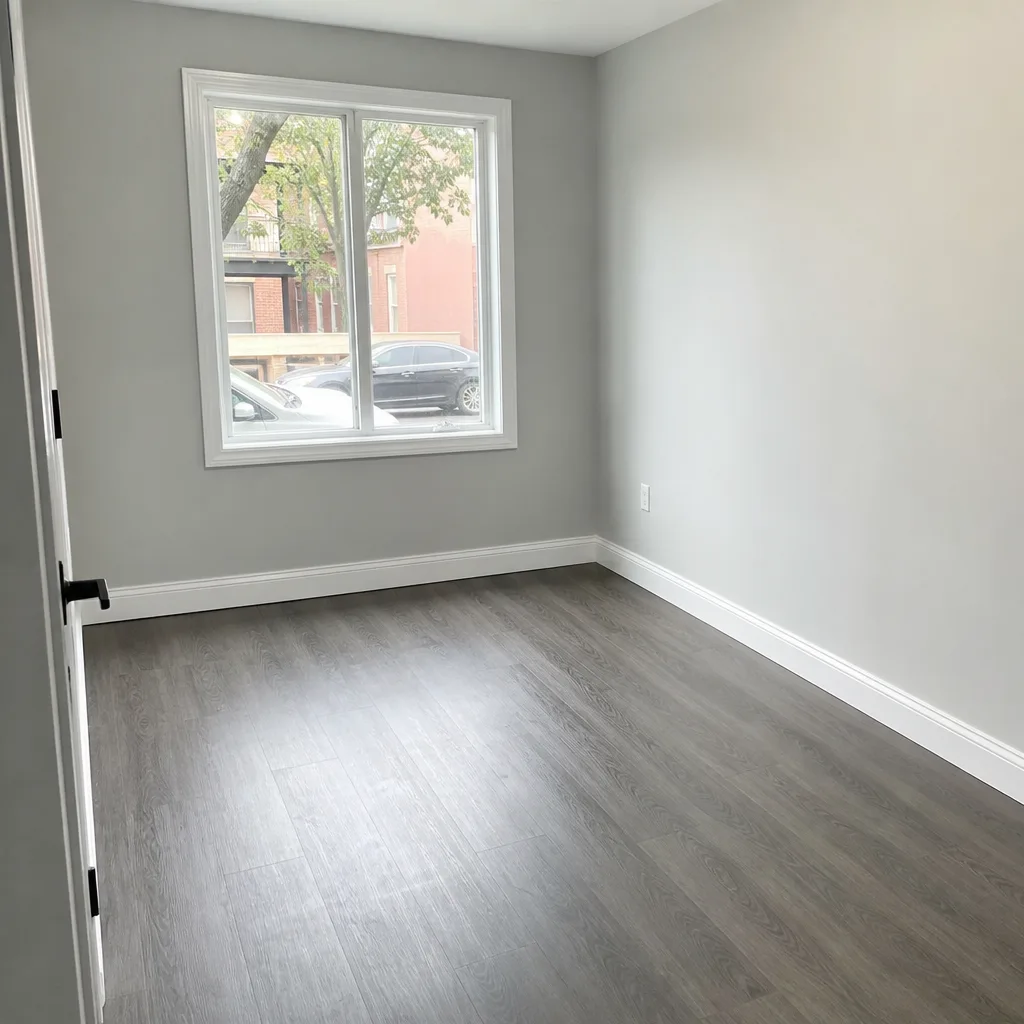 After
After24/7 Emergency Storm & Disaster Restoration in Ridgewood
When a storm tears through Ridgewood, the damage doesn’t wait for business hours, and neither do we. You’ll reach a live person at (363) 300-2771 any hour of any day, and Wade’s crew can be on-site in the neighborhood inside 45 minutes. The first hour after a roof puncture, window blowout, or storm-driven basement flood is when the damage spreads fastest: water wicks through plaster, sewage backs up through floor drains, and wind-driven rain finds every crack in a 1920s brick wall. Call (363) 300-2771 and Wade himself walks you through the first steps before the truck rolls.
Understanding Storm & Disaster Restoration Severity in Ridgewood Properties
Storm damage in Ridgewood isn’t like storm damage in a 1990s subdivision. Your rowhouse was likely built between 1905 and 1935 with original plaster over wood lath, flat parapeted roofs, and a basement that may have been finished decades ago. The severity scale matters here. Category 1 water from roof leaks is clean but time-sensitive; on plaster, it starts breaking down the gypsum within hours and feeds mold in under 48. Category 2 water, gray water from failed sump pumps or household lines, carries bacteria and needs antimicrobial treatment at the source. Category 3 water, what the EPA calls “grossly contaminated,” is what Ridgewood basements get when heavy rain overwhelms New York’s combined sewer system and sewage pushes back through a floor drain. That’s not a mop-and-fan situation. It’s full extraction, containment, sanitizing, and removal of saturated finish materials. Our Storm & Disaster Restoration team runs moisture mapping on every affected surface, from the party wall to the ceiling joists, before we decide what dries and what comes out.
Why Ridgewood Property Owners Choose Wade’s Restoration
- 45-minute response commitment: When a storm drops a tree limb through your roof or leaves a window gone, we’re rolling inside the hour. Not “scheduled” for tomorrow. On the road now.
- 24/7 live answer: You call, a person answers. Usually Wade himself. No answering service, no voicemail tree, no “press 2 for emergencies” runaround. Ever.
- IICRC-certified crews: Wade’s people hold WRT (water damage), ASD (applied structural drying), and FSRT (fire and smoke) certifications. They know what a 1920s rowhouse needs, because Ridgewood is all they work around.
- Free visual inspection: Before any work starts, Wade walks the property with you, points out what’s actually damaged versus what’s fine, and gives you a straight number. Not a phone estimate. A written number from a man standing in your basement.
- Direct insurance billing: We handle the adjuster, the paperwork, the photos, and the moisture logs. We bill your carrier directly where your policy allows. You shouldn’t have to become an insurance expert on the worst day of your month.
- One team from extraction to reconstruction: The same people who pump out your basement are the ones who hang new drywall and match the plaster crown molding. No handoff to a subcontractor you’ve never met. If the work isn’t right, Wade is the one who fixes it.
Our Storm & Disaster Restoration Process
Inspection & Assessment
We arrive, walk the property, and trace the water or storm damage from entry point to the far edge of saturation. Thermal imaging and penetrating meters show us what’s inside your party wall or under the floor before we open anything up. You get a written scope of work before we begin.
Extraction / Stabilization
Standing water comes out with truck-mounted extraction and portable Dri-Eaz or Phoenix pumps. If we’re dealing with storm-driven sewage, the area gets fully isolated with containment before extraction starts so contamination doesn’t travel through your home.
Drying & Dehumidification
Air movers and low-grain refrigerant dehumidifiers go in, sized to the cubic footage and the material type. Ridgewood plaster doesn’t dry like modern drywall; we run longer, monitor daily with a hygrometer, and adjust equipment until we hit dry standard on every surface, including the party wall in the adjacent unit if needed.
Cleaning & Sanitization
Storm-affected surfaces get HEPA-vacuumed and treated with antimicrobials appropriate for the water category. Hard surfaces are cleaned, soft goods assessed for salvageability, and the entire compartment scrubbed to prevent mold from gaining any kind of foothold.
Specialty Treatment for Storm & Disaster Restoration
This is where local knowledge pays off. We probe shared party walls in the adjacent rowhouse, not just your side. We check parapet roof torch-down seams that collect wind damage. We coordinate emergency board-up and tarping so your property is secured from further rain before interior drying begins.
Repairs & Restoration
Plaster patched to match the original profile. Hardwood floors sanded, dried, and refinished if they can be saved. New framing only where demolition took it out. The finished job should look like the storm never happened, not like a chain franchise patched it.
Need Emergency Storm & Disaster Restoration in Ridgewood Now?
Crews minutes away, answering live 24 hours a day. The sooner we start, the less it costs.
Working With Your Insurance Company
Storm and flood claims in Ridgewood get complicated fast. Was the water from wind-driven rain, or backflow through the sewer line? Does your policy cover the roof repair, but not the resulting water damage, or the other way around? Wade’s been dealing with adjusters since 2007, and he handles that conversation for you. We photograph everything from the first hour, log every moisture reading we take, and write scopes of work using the same estimating standards your carrier uses. If your adjuster wants to see the party-wall reading in the unit next door, that’s already in the file. You don’t relay information between two sides. Wade calls your adjuster directly, with the facts in hand.
What We Provide Your Insurer
- Thorough documentation of the loss, including time-stamped photos from first inspection
- Photos of all damage, room by room, including hidden moisture that hasn’t surfaced yet
- Daily moisture readings and drying logs with equipment placement records
- A detailed, line-item scope of work with material quantities and pricing
- Direct coordination with your carrier, so you’re not the middleman
Built for Ridgewood’s Loss Calendar
Ridgewood sits in western Queens, which means the storm season is a real calendar year, not a two-month window. January deep freezes drive water into the mortar joints of aging yellow brick, and when it thaws, you get interior weep that doesn’t show up until the first warm day. March and April bring the spring thaw: saturated soil against century-old foundations, sump pumps running flat out, and ground-water seepage into basements and cellar stairwells. Summer brings the flash thunderstorms that overwhelm combined sewers and push Category 3 back into the lowest floor drain. September and October bring nor’easter remnants with 50-mile-hour wind gusts that strain aging parapet roofs. And in every season, wind, ice, and age work together on the flat roof copings and cornices that have been up there since Coolidge was president. When our team says we know Ridgewood storm damage, it’s because we’ve pulled wet plaster and pumped sewage water out of these exact buildings in every season on the calendar.
Storm & Disaster Restoration Across Ridgewood’s Neighborhoods
Ridgewood isn’t one monotone grid. From the blocks around Fresh Pond Road and Myrtle Avenue, where rowhouse basements run shallower and finished basements are common, to the streets off Catalpa Avenue where the two-story brick run got built a little later and the roofs are showing their age, the storm patterns shift. The blocks near the Ridgewood Reservoir catch wind differently in summer storms, and parapet failures cluster differently there than they do over toward Woodbine Street. Homes along the Brooklyn border where the rowhouses sometimes meet frame construction have different drying profiles. Wade’s people know which blocks have the shared party-wall configuration that hides water. We know which blocks around the Ridgewood Historic District have landmark-protected facades that need DOB sign-off before we even change a window. And we know that a tarp call on a rowhouse off Linden Street is usually a 20-minute job, because the alleys are narrow and ladders go up from the sidewalk, not a driveway. And that matters when rain is still falling.
Specialized Storm & Disaster Restoration Services We Offer in Ridgewood
Storm Damage Cleanup
After wind, rain, and debris have done their work, Ridgewood homes need careful cleanup that doesn’t disturb anything important. We remove water-soaked contents, HEPA-vacuum, clear debris from basements and stairwells, and prepare the building for drying. Party walls get special attention; debris behind a shared wall isn’t just your problem.
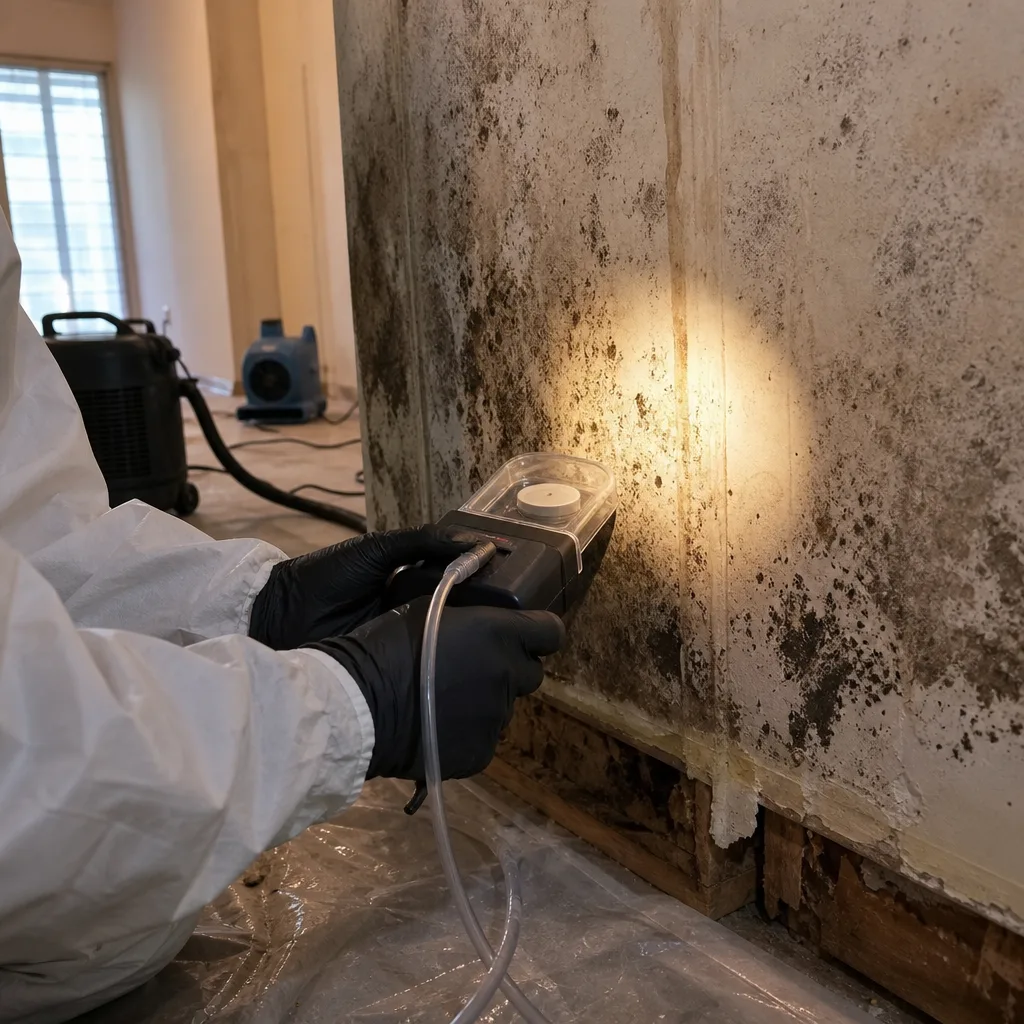
Flood Damage Restoration
Category 3 sewage backups are a known event in Ridgewood’s basement rowhouse units when storms overwhelm sewers. We extract with Dri-Eaz pumps, set containment, remove saturated plaster and flooring, and document everything for your carrier. Then we dry to standard, not to a guess. You get the moisture log at the end, every reading.
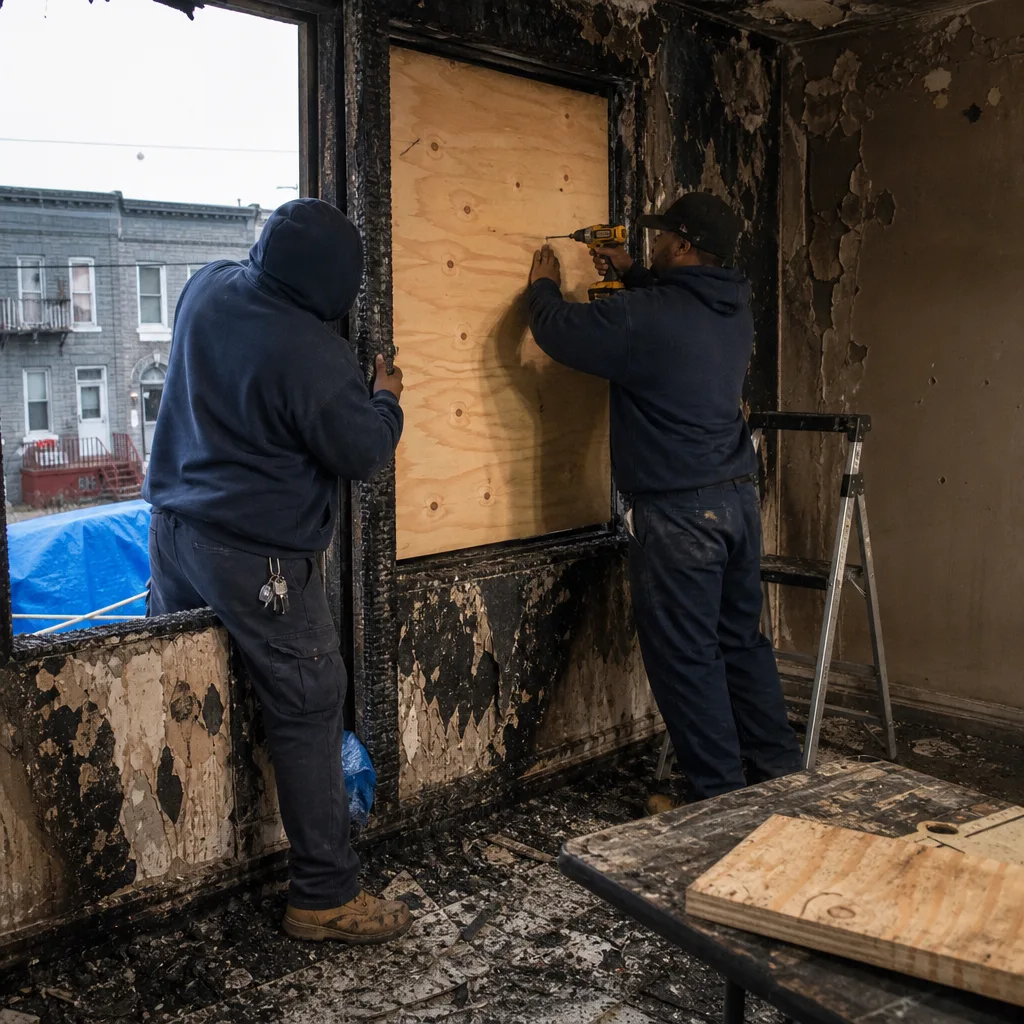
Emergency Board-Up
A broken window or a storm-torn door is an invitation to the next rainfall, and to anyone walking by. We board up with plywood cut to fit the opening, secured properly, and we handle the DOB paperwork if your building is in the historic district. You don’t want a stop-work order on an emergency board-up because it wasn’t filed right.
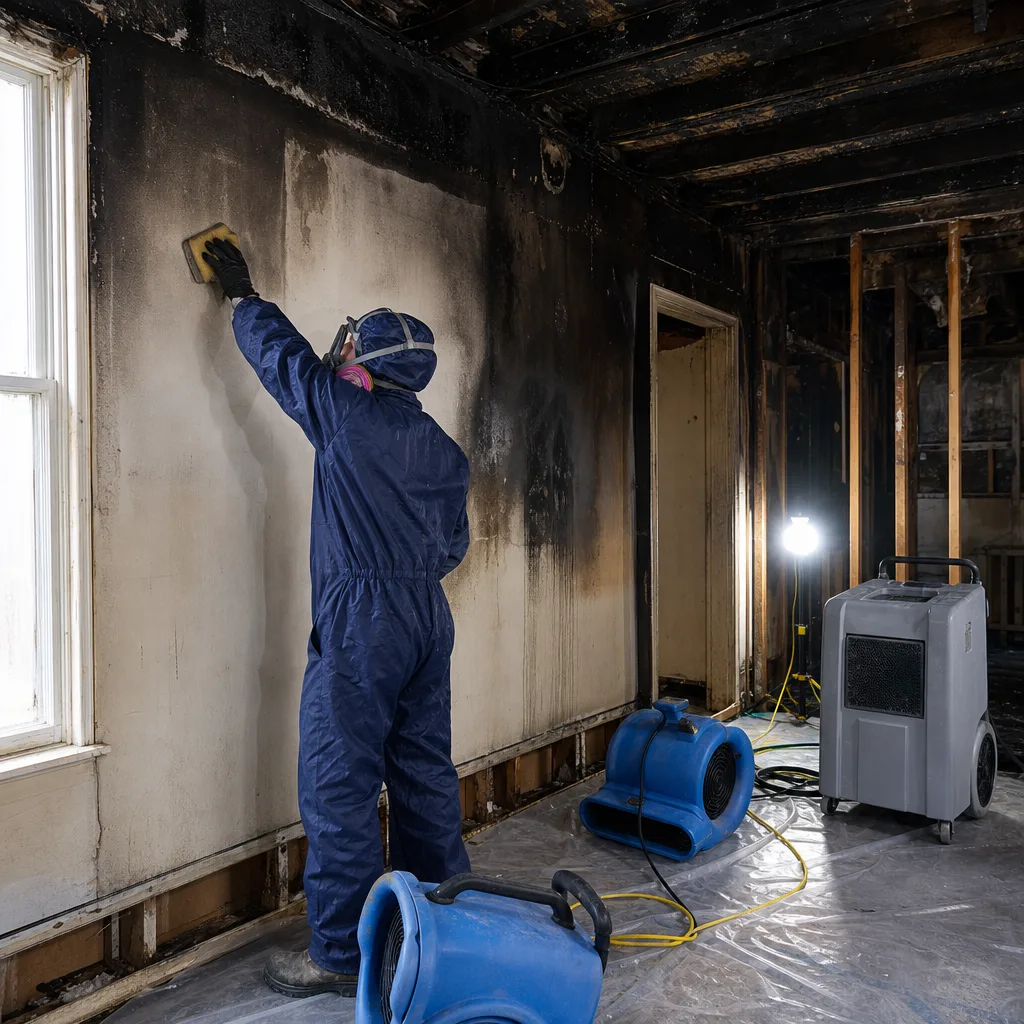
Roof Tarping
Flat parapet roofs on Ridgewood rowhouses are vulnerable where the torch-down membrane meets the parapet wall, and wind gets under the edges. We tarp the roof, anchor it properly for wind, and schedule the full repair. In a wind event, a flapping tarp that wasn’t tied right becomes a projectile. Wade’s crews tie them right.
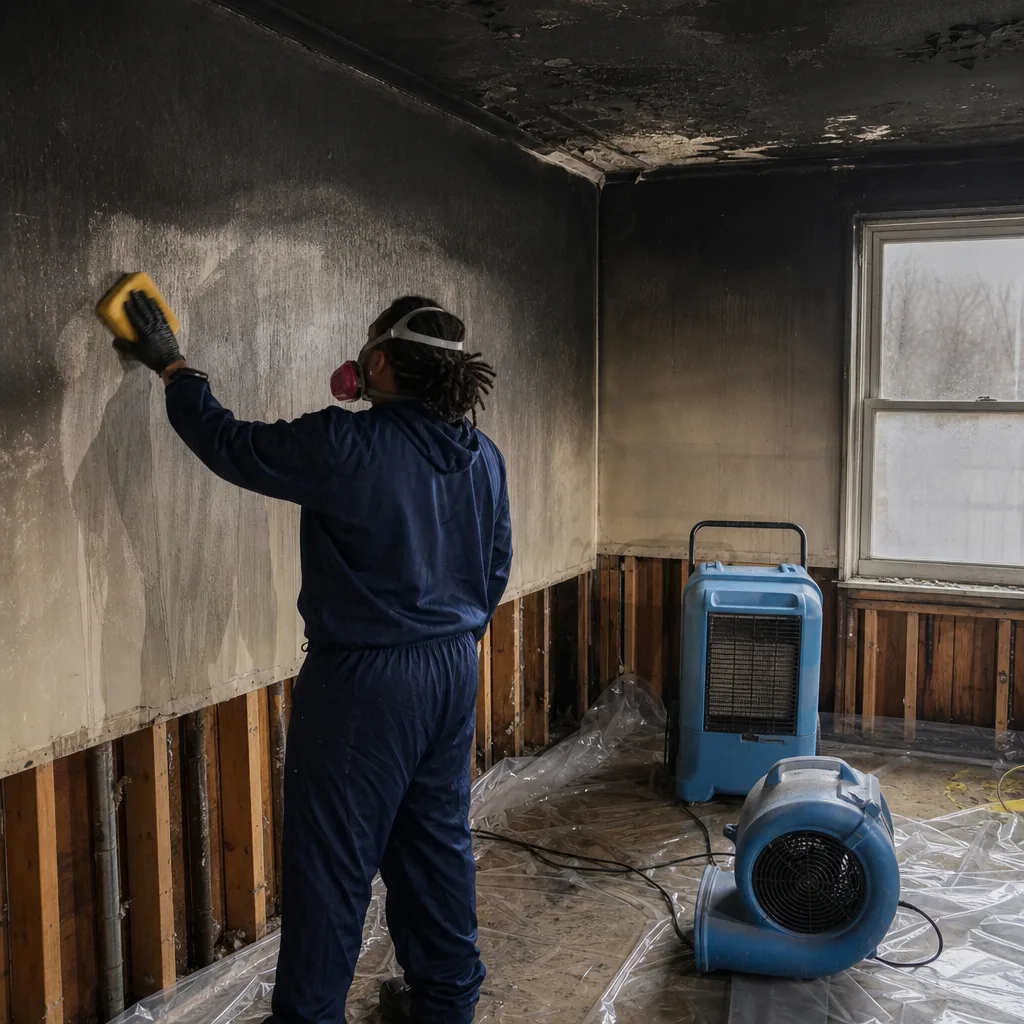
Debris Removal
Storm debris in Ridgewood means roof membrane pieces, broken glass, wet insulation, and sometimes parts of a neighbor’s fence. We haul it, separate what can’t go in normal pickup, and clear the property so the actual restoration work can start.
What happens when you call
- 1
A real person answersNo phone trees - you reach a local pro.
- 2
You get an upfront price rangeHonest numbers before anyone is dispatched.
- 3
A background-checked tech heads outLicensed & insured, dispatched right away.
- 4
You approve before work beginsNothing starts until you say go.
Storm & Disaster Restoration Costs in Ridgewood, NY
Honest numbers for Ridgewood’s market. Emergency board-up on a single window runs $180 to $350, depending on the opening size and whether it’s a ground-floor or upper-floor unit. Roof tarping on a rowhouse flat roof typically runs $400 to $900, including anchored tie-downs. A storm-driven Category 3 sewage cleanup in a Ridgewood basement, pump-out through sanitization and drying, runs $1,800 to $4,500 depending on finished square footage and how much finishes need removal. Full storm restoration including plaster repair, floor refinishing, and material replacement can reach $7,000 to $20,000 on a full rowhouse, which is why your insurance coverage matters so much. The free visual inspection is the first step: Wade walks it, gives you a firm scope and a number in writing, and you decide what to do. That’s the way it always works.
We Also Serve Cities Near Ridgewood
Our Storm & Disaster Restoration crews also serve the neighborhoods and communities around Ridgewood, including Woodhaven, Elmhurst, Ozone Park, and Richmond Hill. Same live answer, same 45-minute response commitment, same owner standing behind the work.
Serving Ridgewood, NY - Our Local Coverage Area
We’re based in the Ridgewood area and know this community well. Use the map below to see our service coverage - if you’re nearby, we can almost certainly help.
Ridgewood Storm & Disaster Restoration Questions, Answered
How does Ridgewood’s shared party-wall construction change the restoration process after a storm?
Party walls transfer moisture between attached rowhouses, so we probe the neighbor’s side even when they see no damage. In Ridgewood’s unbroken rows of attached yellow-brick homes there’s no air gap between buildings, so a roof or window failure on one property can wick moisture invisibly into the adjacent home. We map moisture on both sides of the wall and include any required drying in the neighbor’s unit, which changes both the scope and the insurance conversation. Call (363) 300-2771 if you suspect a party wall issue; our first inspection is free.
What does a Category 3 sewage backup from a storm mean for my Ridgewood basement?
It means full contamination protocols, not simple extraction. Category 3 water carries sewage and bacteria, and in Ridgewood’s combined sewer system, heavy rain routinely pushes it back through basement floor drains. We set containment, pump out with Dri-Eaz extraction, remove saturated finishes, sanitize everything that stays, and dry to standard with daily logging. If the backup touched your basement finishes, don’t re-enter without protective gear. Call (363) 300-2771 and Wade walks you through what to do before the crew arrives.
Why do I need emergency board-up immediately after a window or roof storm failure in Ridgewood?
Because every hour the opening stays exposed is another hour of wind-driven rain, humidity, and access for pests or people. Ridgewood’s rowhouses are close together, so a broken upper-floor window also lets water blow sideways into the wall cavity. Board-up costs $180 to $350 and locks out more damage. We handle the DOB paperwork if your building’s in the Ridgewood Historic District so the emergency board-up doesn’t turn into a violation. Call (363) 300-2771 now.
How do you handle drying a Ridgewood rowhouse with original plaster walls and no wall cavities?
Original plaster over wood lath has no open cavity to circulate air through, so drying takes longer and requires more precise equipment placement. We use hygrometers in the wall and floor material, not just the room air, and we run low-grain dehumidifiers until the readings hit dry standard. Plaster that’s saturated beyond recovery comes out to the lath and gets replaced with like-material, often with mold-resistant board behind if the wall’s open. No guesswork; we hand you the readings at the end.
Do I need a permit for storm restoration work on a landmarked Ridgewood rowhouse?
In many cases, yes. Ridgewood has designated landmark districts, and even emergency board-up or roof tarping can require an LPC/DOB filing. Wade’s team handles the paperwork and knows the local requirements. Skipping the permit is how you end up with a stop-work order and a violation on a building you’re already paying to restore. Ask about permits first, and get the free second opinion on any written estimate you already have.
How fast can someone actually get to my Ridgewood property?
We aim for 45 minutes from the call to the street outside your door. Ridgewood isn’t hard to navigate, and Wade’s crews live and work in western Queens. You call (363) 300-2771, a live person answers, and the truck rolls. If it’s 2 a.m. and your basement’s taking on water, you don’t wait until morning for a callback.
Will my insurance cover storm and flood damage in Ridgewood?
Most HO-3 policies cover storm-driven water entry, wind, and hail, but sewer backup and flood are separate coverages or endorsements. Wade’s team photographs, documents, and writes the scope in the format your carrier expects, and we deal with the adjuster directly. If a claim gets denied or underpaid, we help you work through the supplement process. Get the free visual inspection and we’ll tell you where the coverage questions are before you commit to anything.
What should I do in the first 30 minutes after storm damage in Ridgewood?
Shut off power to any wet area if you can do it safely, move what can be saved to a dry floor, and call (363) 300-2771. Don’t enter standing water in the basement if there’s any chance it’s sewage; that’s Category 3 and it’s not safe without protective gear. Photograph what you can see, but don’t open walls or lift flooring until Wade’s had a look. Then get out of the wet area and wait for the truck. He’ll be there inside the hour.
Written by Wade Ferris, Owner at Wade’s Restoration, serving Ridgewood and western Queens since 2007.