
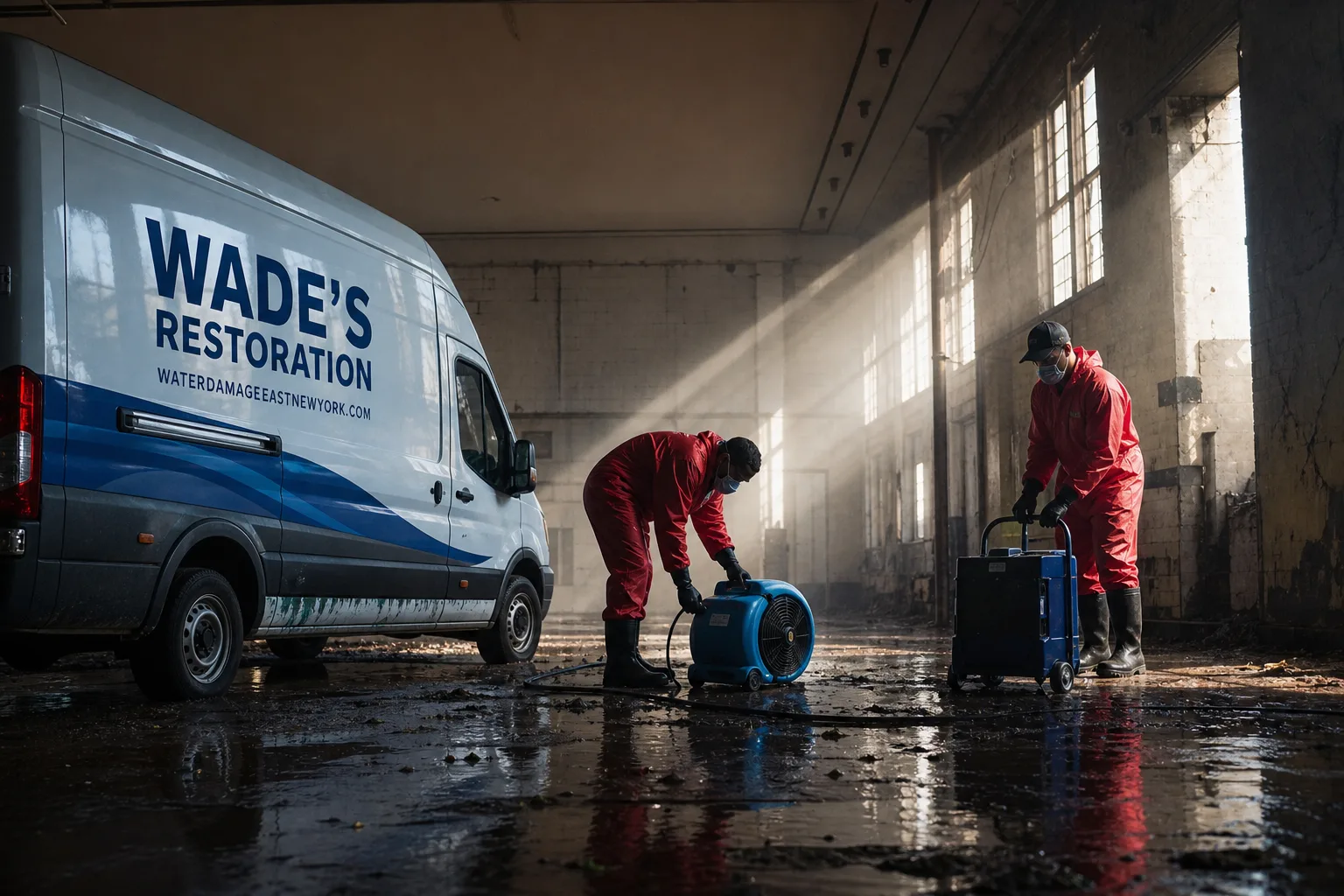
Free visual inspection and a written scope of work before any mitigation begins - photos, moisture readings, and drying logs go in your claim file
The scope we write is the scope we bill. Anything new gets shown to you, in writing, before we touch it.
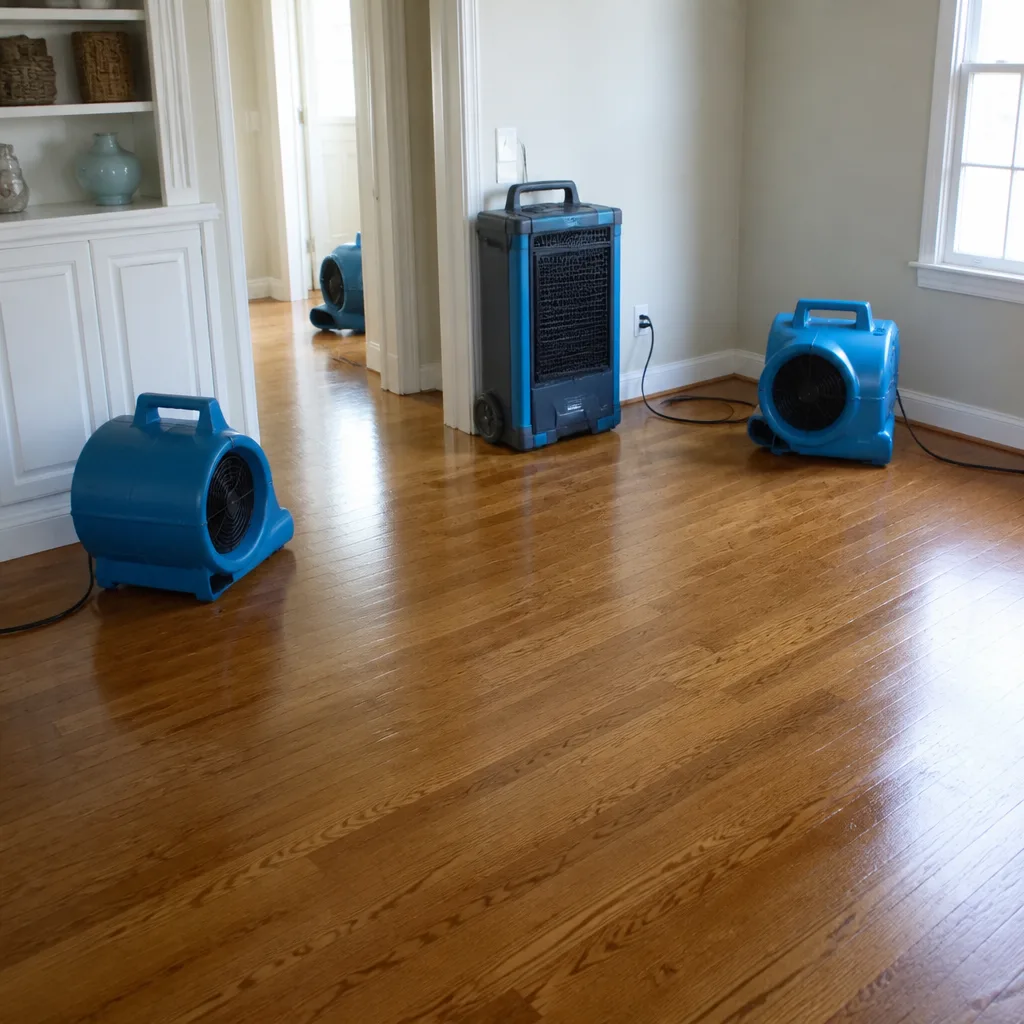
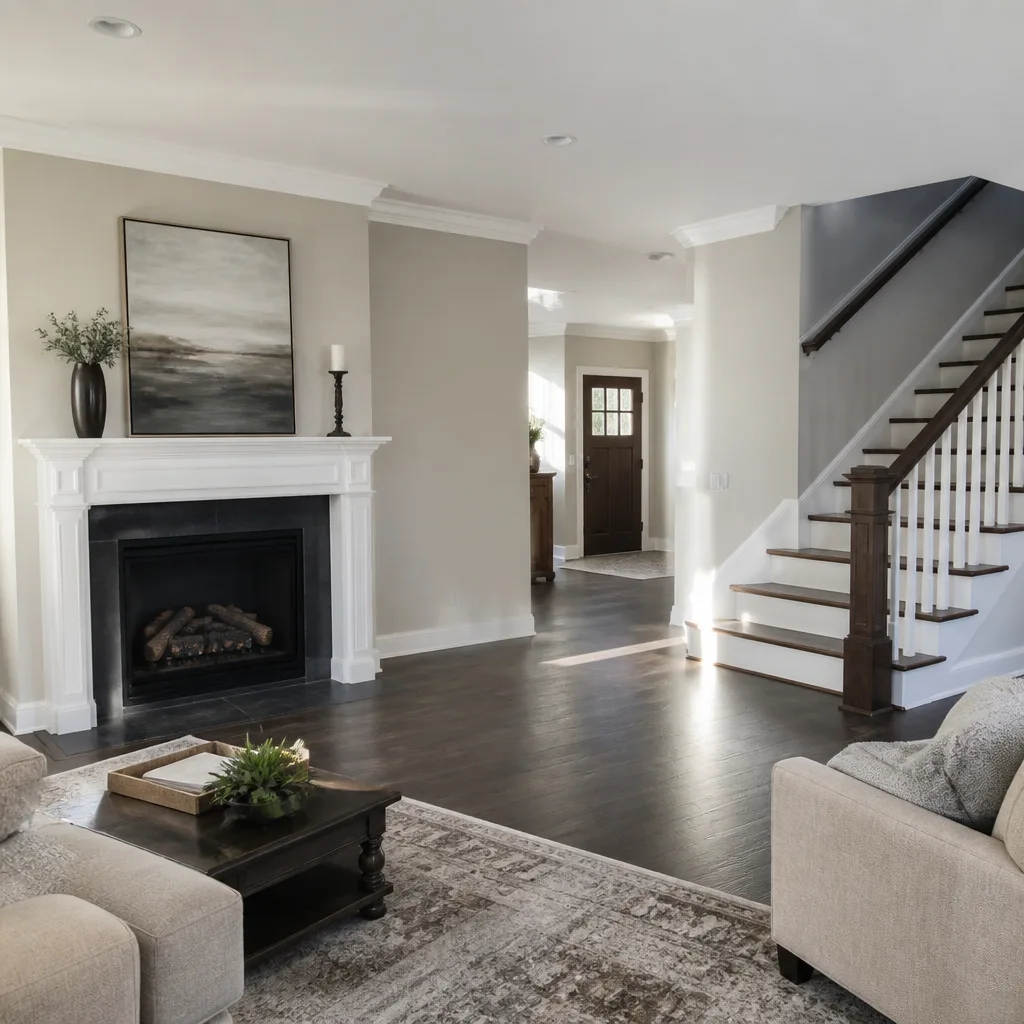
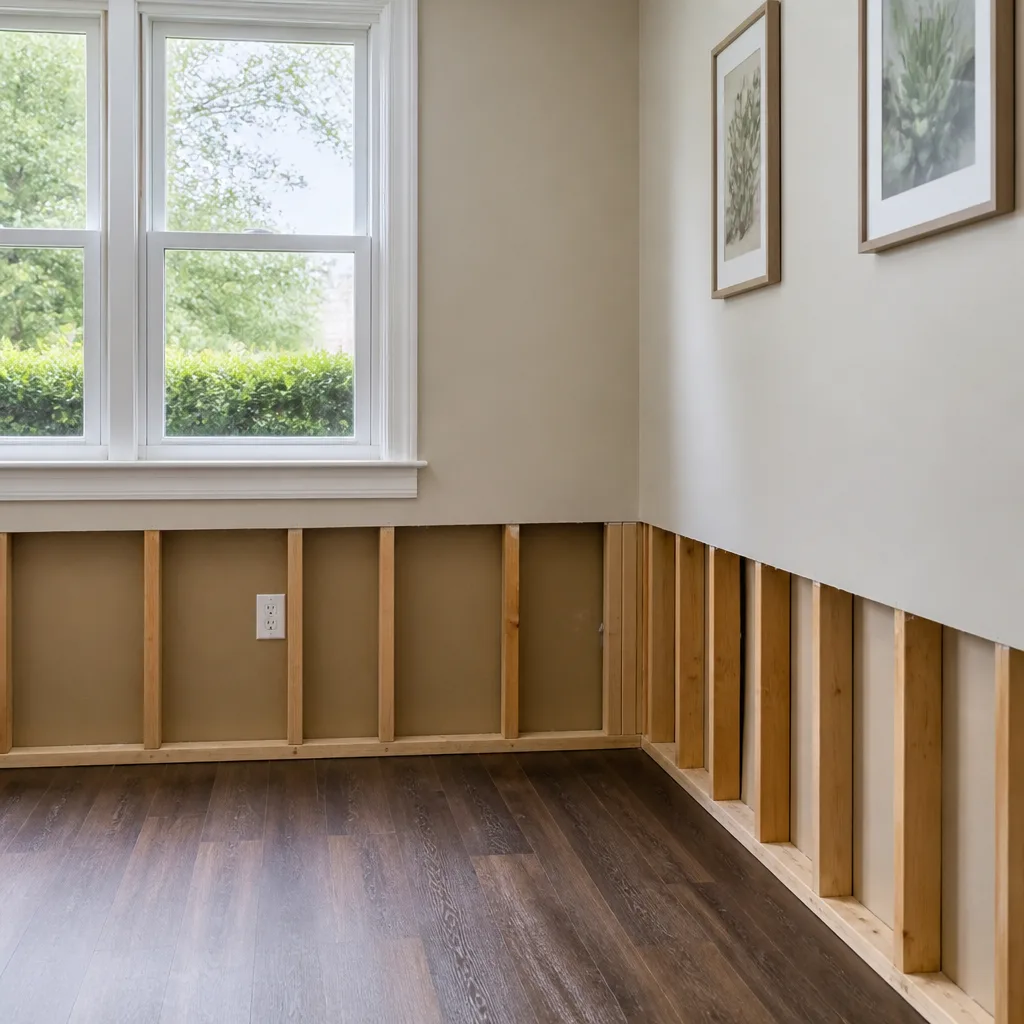
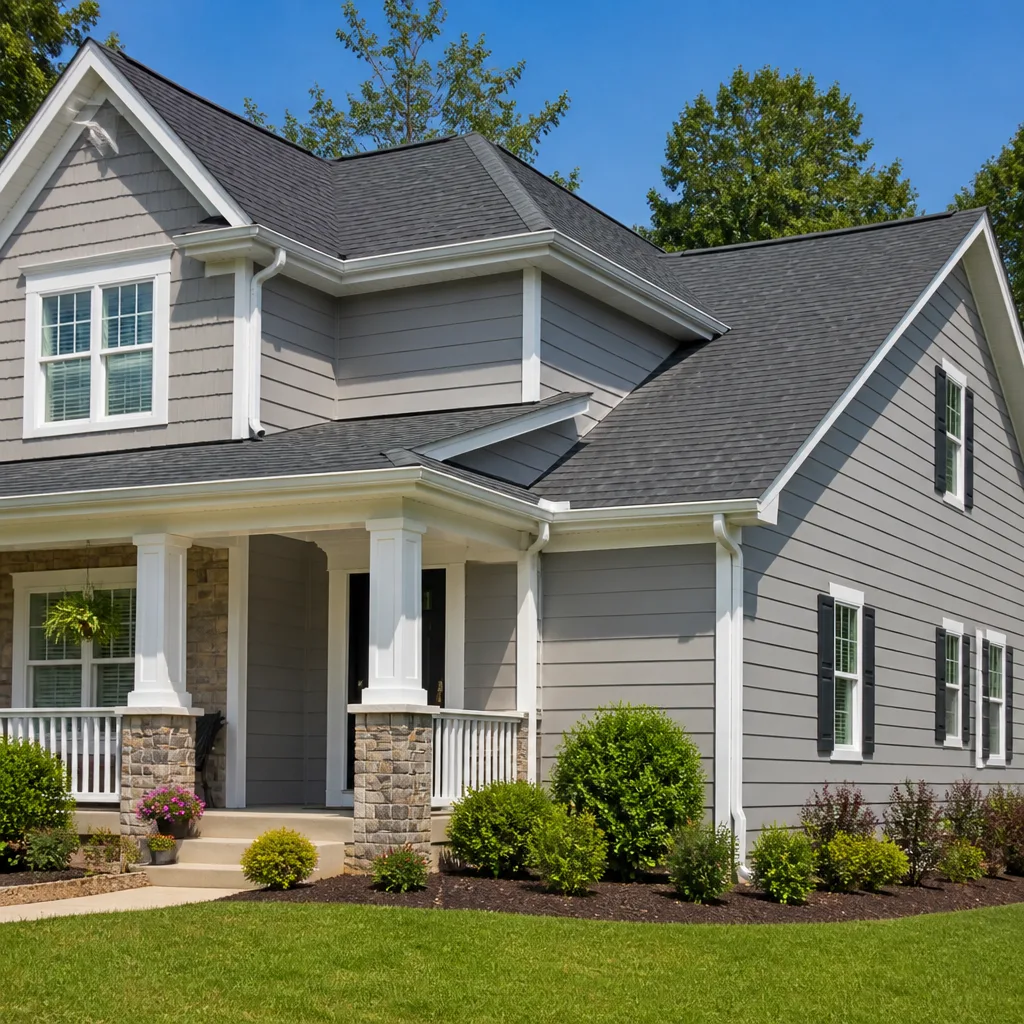
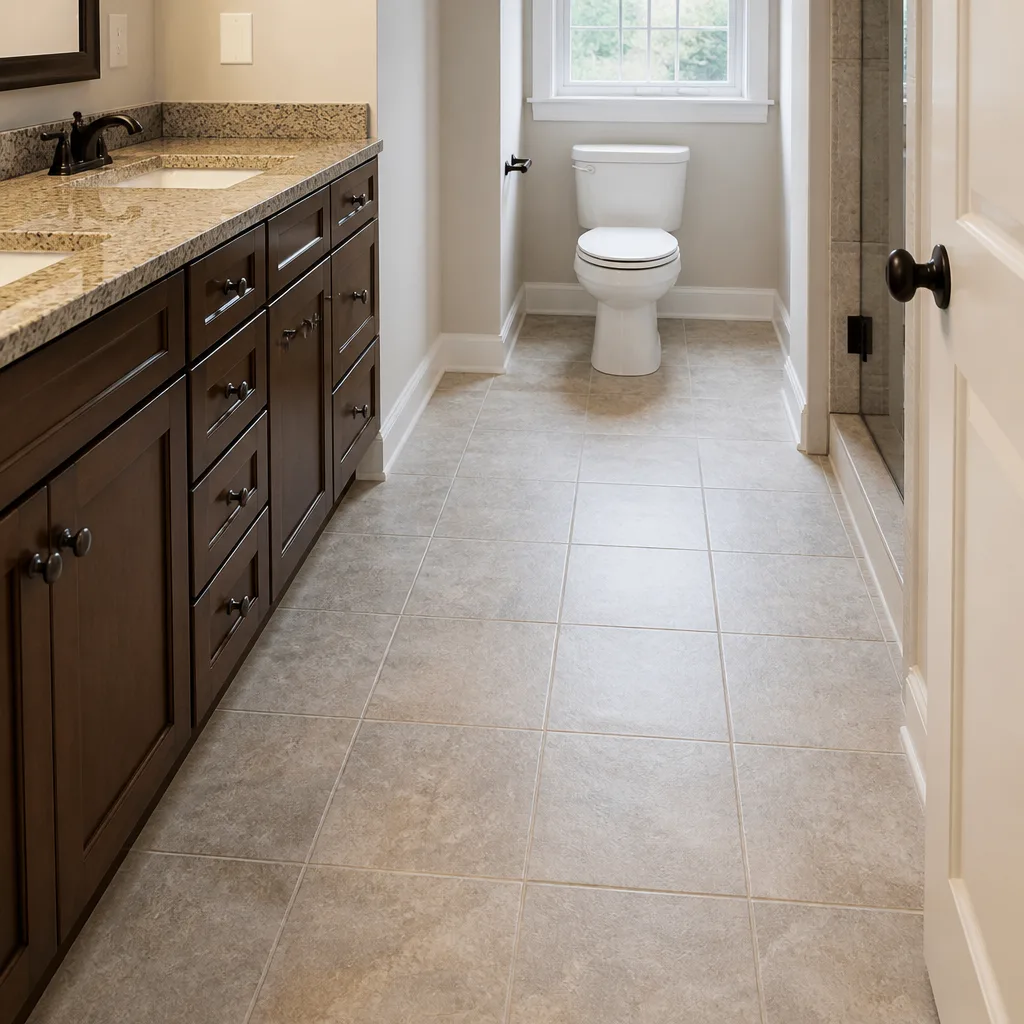
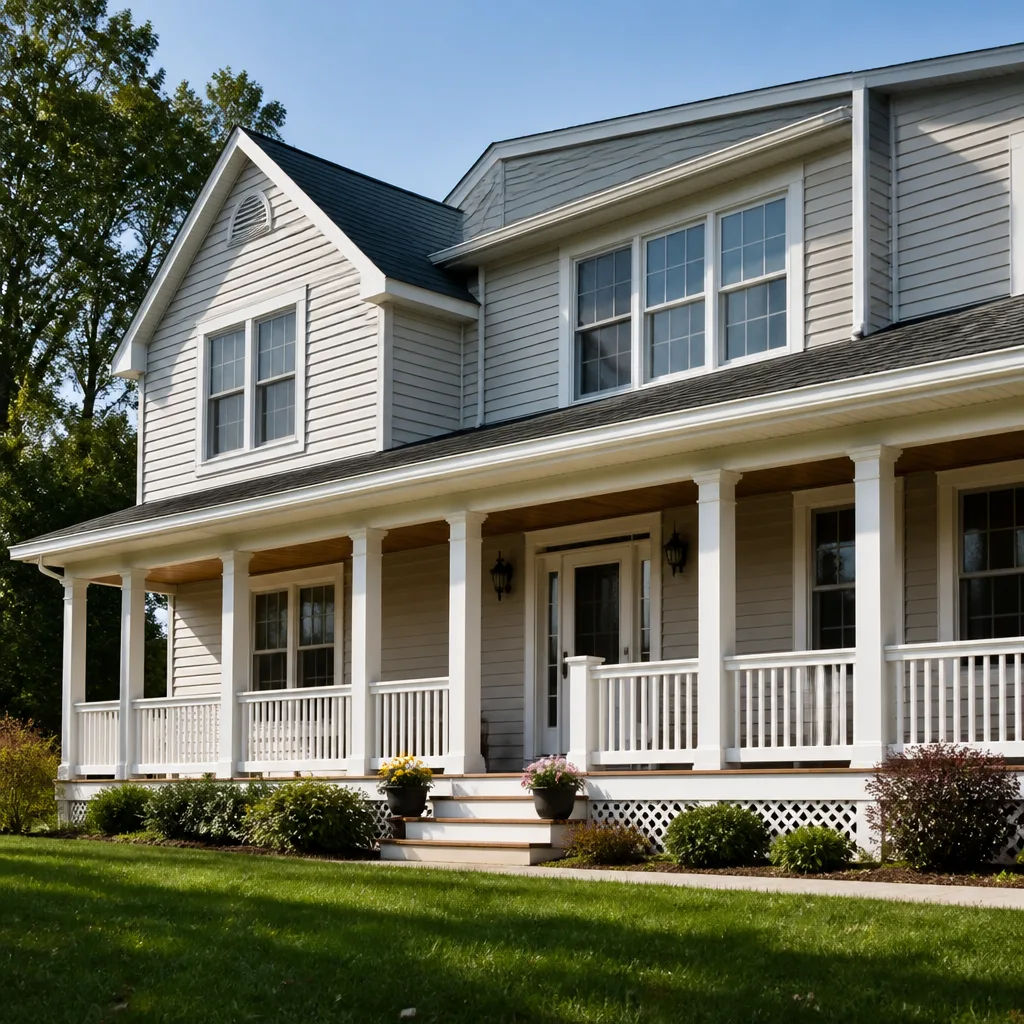
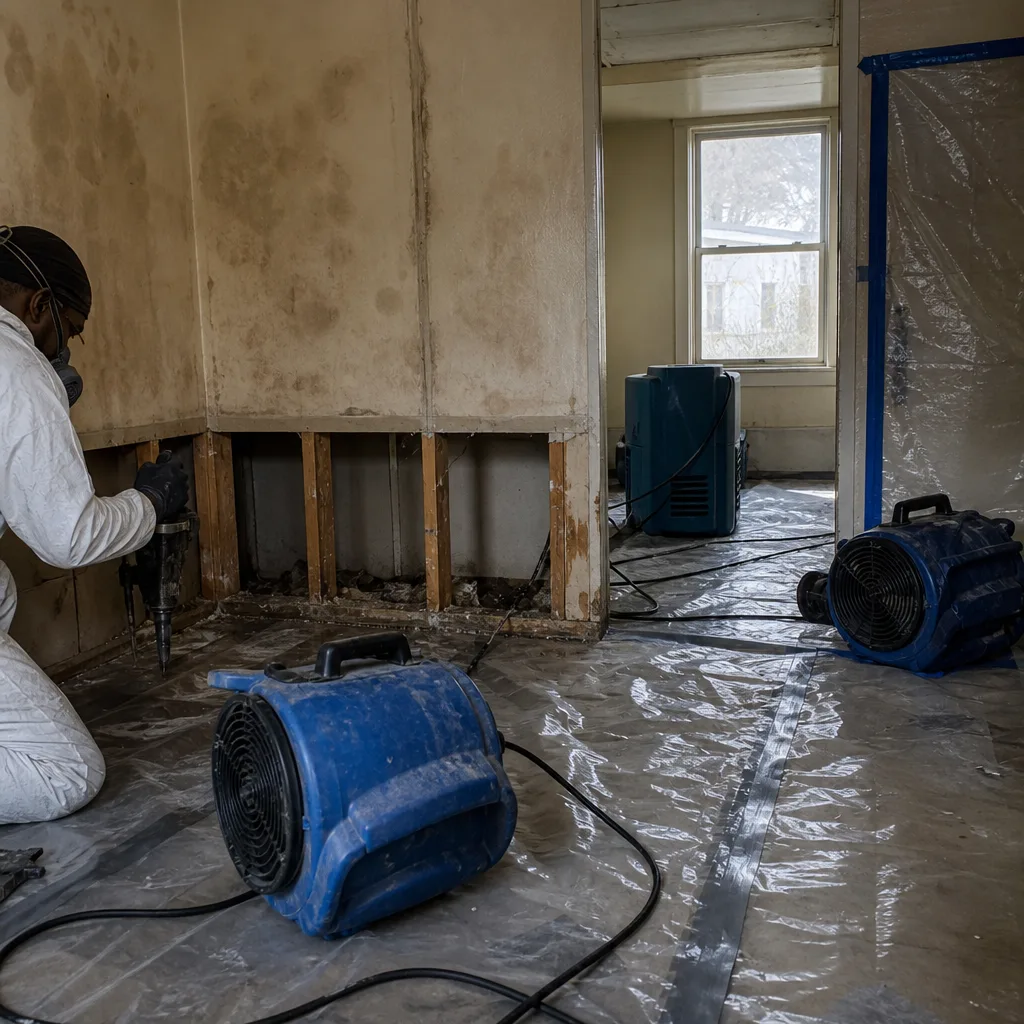 Before
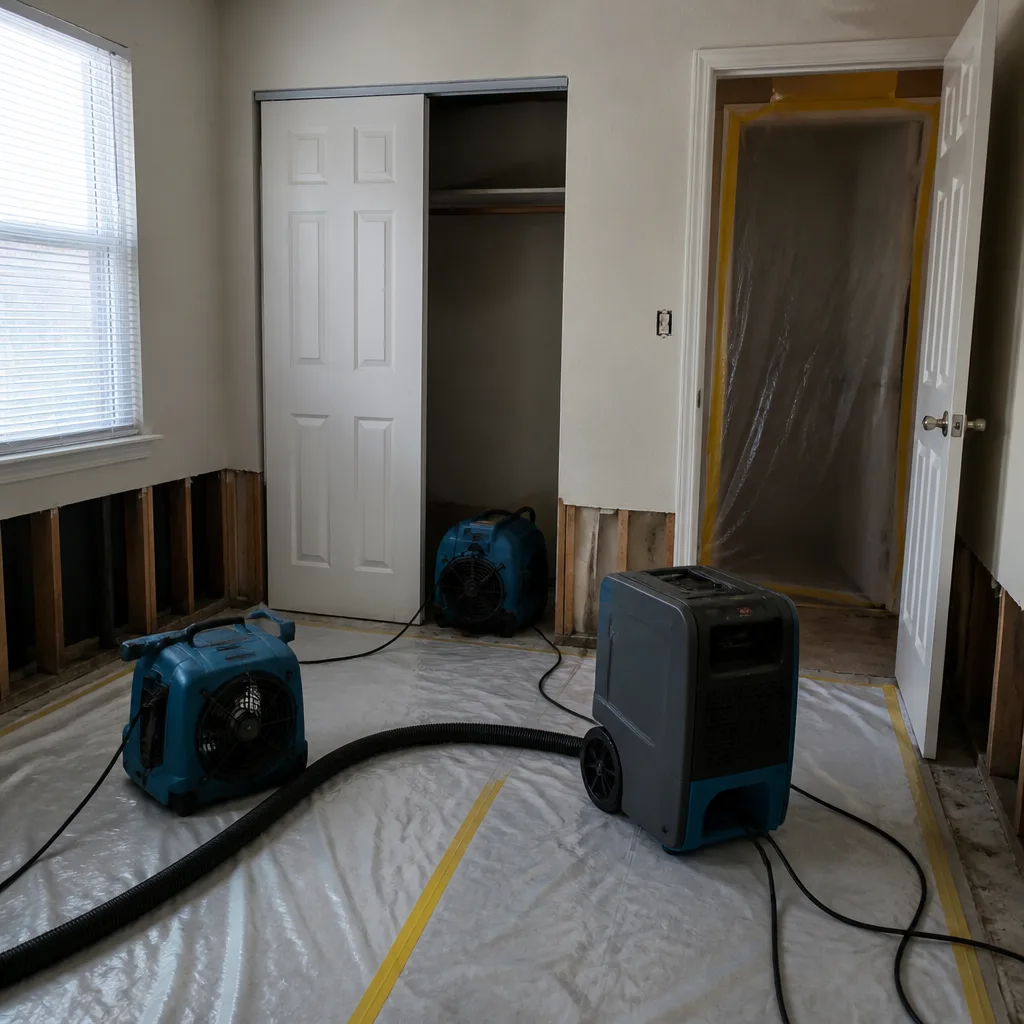 After
After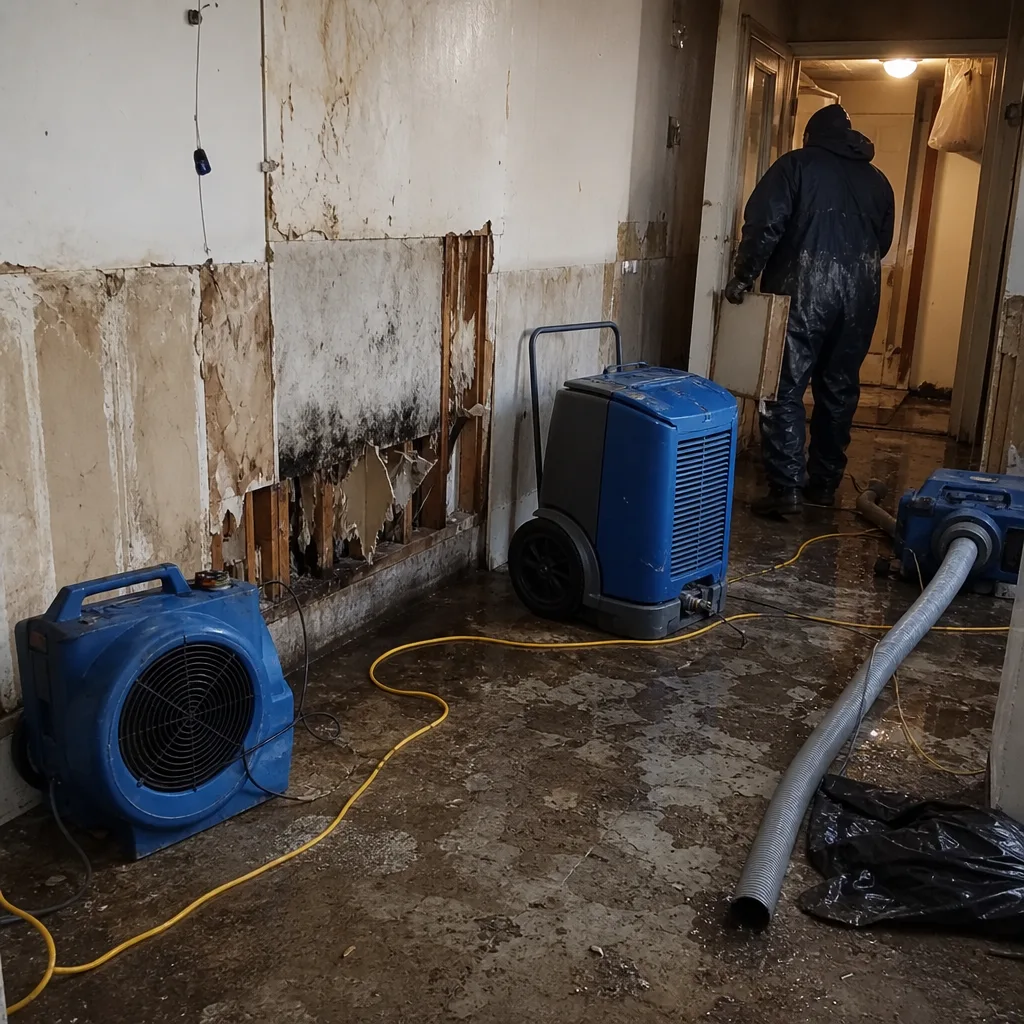 Before
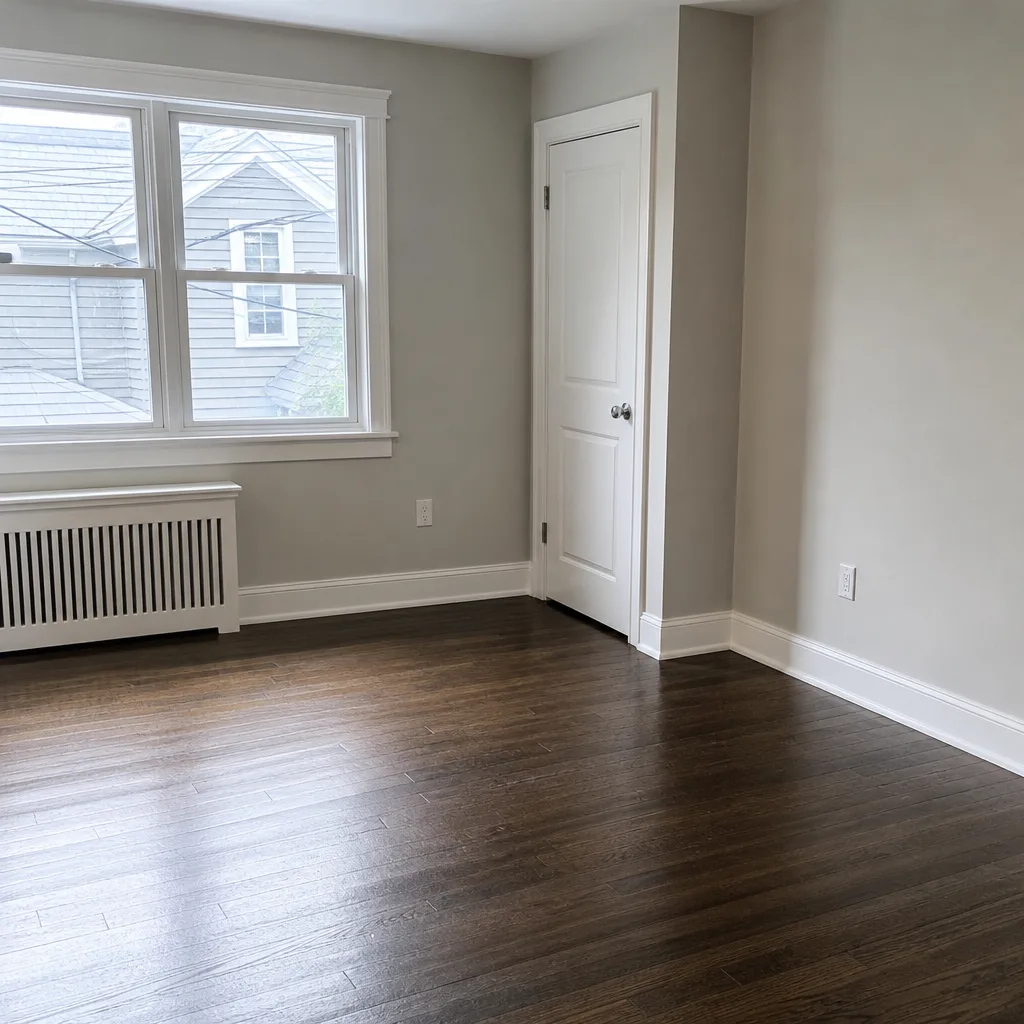 After
After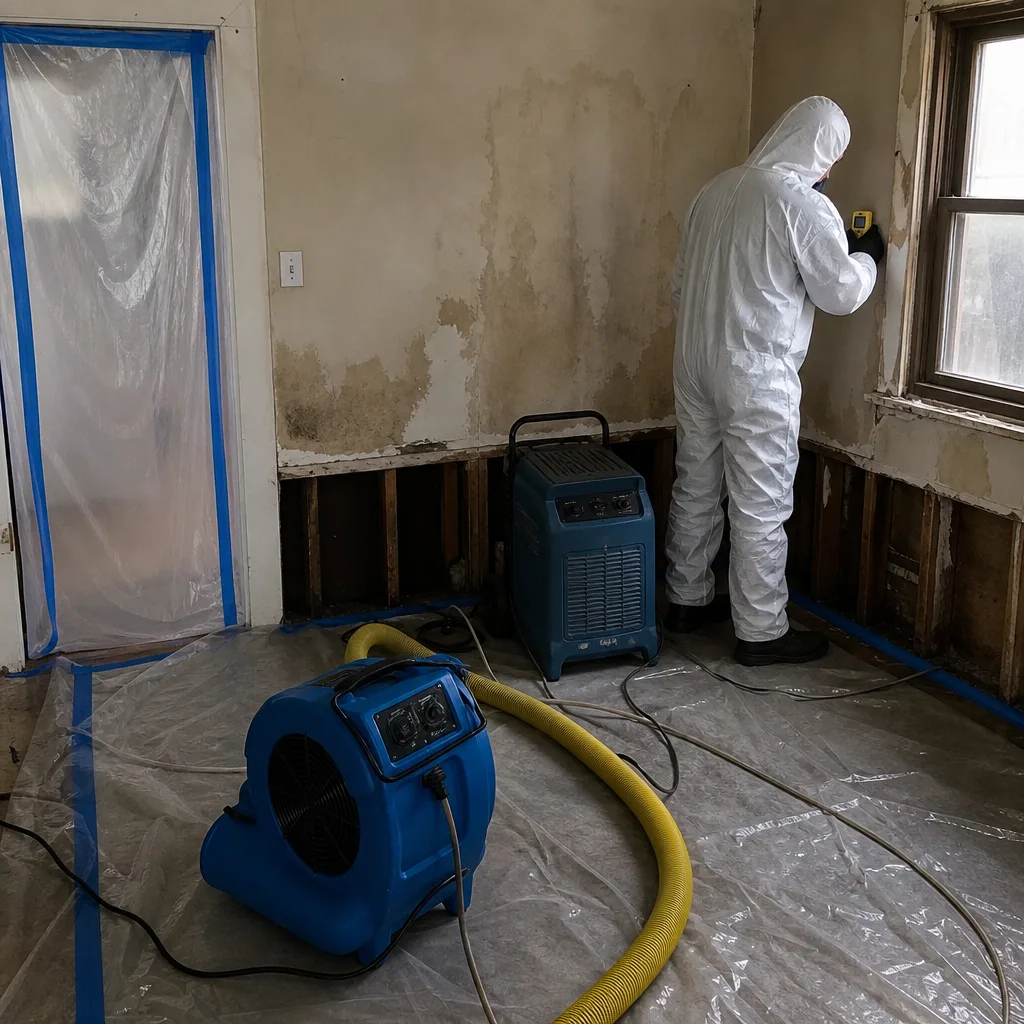 Before
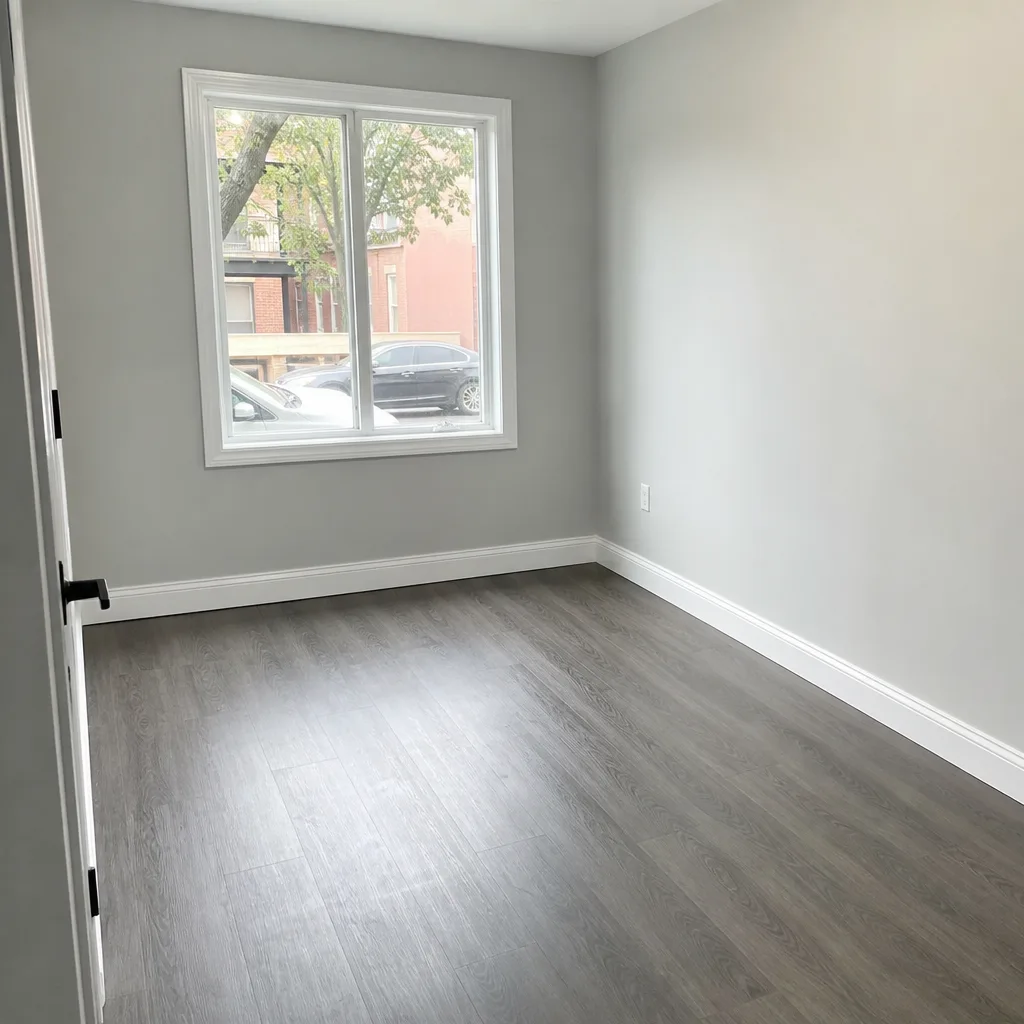 After
After24/7 Emergency Storm & Disaster Restoration in Williamsburg
Storm damage in Williamsburg moves fast. A broken window on Bedford Avenue becomes a flooded loft by morning. A torn roof membrane on a converted factory near the East River lets the next nor’easter pour straight through 14-foot ceilings onto old-growth timber. When water is spreading across thousands of square feet of open floor plate, the first hour determines whether you’re looking at a four-day drying job or a four-month reconstruction. Our crews serve Williamsburg around the clock, and a live person answers the phone every time you call, including Wade himself. If you’re standing in water right now, call (363) 300-2771. We’ll walk you through the first 30 minutes and have extraction running inside the hour.
Understanding Storm & Disaster Restoration Severity in Williamsburg Properties
Not all water is the same, and Williamsburg’s building stock makes the distinctions matter more than anywhere else we work. Category 1 water comes from a clean supply line and is manageable if addressed quickly. Category 2 carries contaminants from appliances or sump overflows, and demands antimicrobial treatment on every surface it touched. Category 3, what you get from East River storm surge or a backed-up sewer, is grossly contaminated and requires containment, removal of saturated porous materials, and full decontamination before anyone lives in the space again. Add in Williamsburg’s heavy timber construction, and you have a compounding problem: Category 1 water that soaks into a 100-year-old Douglas fir beam starts behaving differently within 48 hours, feeding microbial growth that standard moisture meters miss unless you’re mapping the whole structure daily. Our crews carry thermal imaging and penetrating moisture probes specifically because of what they reveal inside old-growth framing, not just on the drywall surface. Severity here is never just about how much water. It’s about where that water went, what it soaked into, and how long it’s been sitting.
Why Williamsburg Property Owners Choose Wade’s Restoration
- Live answer, always: You call, a person picks up. Not an automated system, not a call center. Wade carries his own phone and answers at 2 a.m.
- 45-minute response into Williamsburg: Extraction crews staged near the neighborhood can be on-site and setting up equipment while other companies are still checking voicemail.
- IICRC-certified crews: WRT for water damage, FSRT for fire and smoke, AMRT for mold. The letters matter because the training behind them matters.
- Free visual inspection: Wade or his crew walks the building with you, names what they’re seeing, and tells you what’s urgent and what can wait. No charge for that.
- Direct insurance billing: We document everything from the first hour and work with your adjuster directly. You’re never the one stuck relaying information between two sides.
- One team, start to finish: Same crew that extracts the water handles the drying, the cleaning, and the rebuild. No handoffs to strangers midway through.
Our Storm & Disaster Restoration Process
Inspection & Assessment
We walk every affected area with thermal imaging and moisture meters, mapping where water has traveled, including inside walls and beneath floors. In concrete-slab buildings along the waterfront, we’re also checking for water that ran under slab edges into mechanical rooms. You get a written scope before any equipment rolls in.
Extraction & Stabilization
Truck-mounted extraction units pull standing water from floors, then sub-surface extraction tools go after what’s already seeped into hardwood, subfloor, and structural cavities. For storm damage, this is also where we handle emergency board-up and roof tarping to stop further intrusion.
Drying & Dehumidification
Dri-Eaz and Phoenix air movers with low-grain refrigerant dehumidifiers run continuously, with moisture readings logged daily. In Williamsburg’s converted lofts, we plan for extended dry cycles based on the timber’s moisture absorption profile, not standard sheetrock timelines. You receive the full moisture log at job’s end.
Cleaning & Sanitization
All affected surfaces get antimicrobial treatment appropriate to the water category. HEPA air scrubbers run during and after the cleaning to pull airborne particulates from the space. For Category 3 water, full containment barriers isolate the affected area before anything gets touched.
Specialty Treatment for Storm & Disaster Restoration
Storm restoration in Williamsburg often means preserving what’s original rather than replacing it. We clean and decontaminate existing timber, match custom millwork, and work with refinishers who understand the neighborhood’s pre-war door frames and window casings. Where replacement is unavoidable, we document why and include that in your insurance file.
Repairs & Restoration
The same crew that dried the building does the rebuild. No gap between mitigation and restoration means no second assessment, no repeated walkthroughs, and no arguments about who’s responsible for what. Your 90-Day Done Right Promise covers this entire sequence.
Need Emergency Storm & Disaster Restoration in Williamsburg Now?
Crews minutes away, answering live 24 hours a day. The sooner we start, the less it costs.
Working With Your Insurance Company
Storm and flood claims get messy when the documentation is thin. We’ve seen Williamsburg homeowners fight their own carrier for months because nobody logged daily moisture readings or photographed the subfloor before it was opened. That doesn’t happen on our jobs. We photograph every affected room from the first hour, document the condition of materials before removal, and keep daily moisture logs that establish exactly how long drying took and why. Our estimates follow industry-standard pricing lines so your adjuster can process them without back-and-forth. And Wade talks to the adjuster directly, relaying what’s needed in language the carrier accepts. You shouldn’t be the go-between. You get one phone call from us when it’s handled.
What We Provide Your Insurer
- Thorough documentation of the loss
- Photos of all damage, room by room
- Moisture readings and drying logs
- A detailed, line-item scope of work
- Direct coordination with your carrier
Built for Williamsburg’s Loss Calendar
Williamsburg takes storm damage on a schedule, and after 17 years of working these blocks we know exactly what each season brings. January and February are the freeze-thaw months, when flat tar-and-gravel rooftops on the pre-war tenements and converted factories pond water, freeze overnight, and split at the membrane seams. Every late-winter thaw sends a wave of ceiling-leak calls from buildings near McCarren Park, and trust us when we say that a February membrane failure left untarped becomes a collapsed ceiling by March. Spring brings the nor’easter season, heavy rain driving sideways into rooftop bulkheads and skylights on the newer waterfront towers. Summer is thunderstorm flash flooding, the kind that overwhelms drainage on low-lying streets and pushes Category 3 water into basement boiler rooms and ground-floor commercial spaces along the East River. And while hurricane season peaks in September, the Sandy flood-zone blocks along Kent Avenue and Franklin Street stay on our radar year-round. Knowing the calendar means we pre-stage equipment and answer faster when the call comes.
Storm & Disaster Restoration Across Williamsburg’s Neighborhoods
Williamsburg is not one neighborhood but a patchwork of building types, each with its own failure mode when storms hit. The waterfront blocks, the old industrial corridor running north-south along Kent Avenue and Wythe Avenue near the East River, sit in FEMA Flood Zone AE and carry the direct memory of Sandy’s 2012 surge. Those converted factories and warehouses have large undivided floor plates and ground-level entries that take floodwater straight off the street. Around Grand Street and the Broadway corridor, the pre-war brick tenements with their cast iron and original galvanized supply lines fail differently: freeze-thaw cycles stress old pipes, storms drive water through aging parapet caps, and roof drains clog after every heavy rain. In the South Williamsburg blocks near the Williamsburg Bridge and Flushing Avenue, narrow rowhouses built for working families in the late 1800s hide water in party walls and under layers of hand-laid flooring. Then there’s the newer high-rise stock rising along the waterfront, modern curtain-wall glass and sleek lobbies, whose storm problems tend to be drainage and mechanical-system failures rather than structural water intrusion. Each area needs a different approach, and we plan routes and equipment staging around those differences.
Specialized Storm & Disaster Restoration Services We Offer in Williamsburg
Storm Damage Cleanup
After a storm blows through Williamsburg, the damage is usually a mix of water intrusion, debris, and broken glass or framing. We clear the debris with an eye to what’s salvageable, because in a converted loft the interior trim, built-ins, and custom shelving are often worth saving. Cleanup here means protecting what’s worth keeping before you start throwing things away.
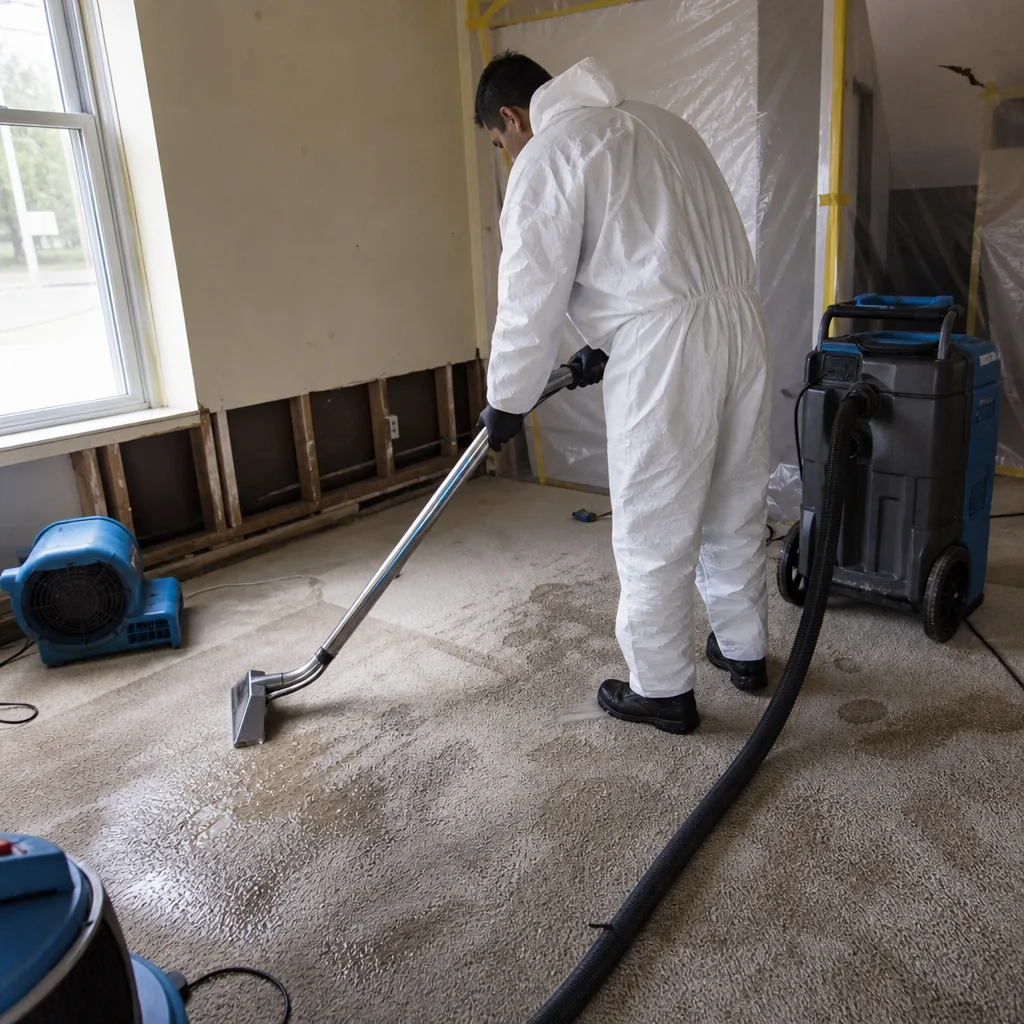
Flood Damage Restoration
For flood water specifically, especially anything rising from East River surge or sewage backup, we treat the entire affected area as contaminated and contain it before extraction even begins. In Williamsburg’s ground-floor commercial spaces near the waterfront, that means isolating the flooded zone and protecting the dry retail or residential space behind it. We also know which building departments and flood-zone rules apply to this neighborhood and document everything to those standards.
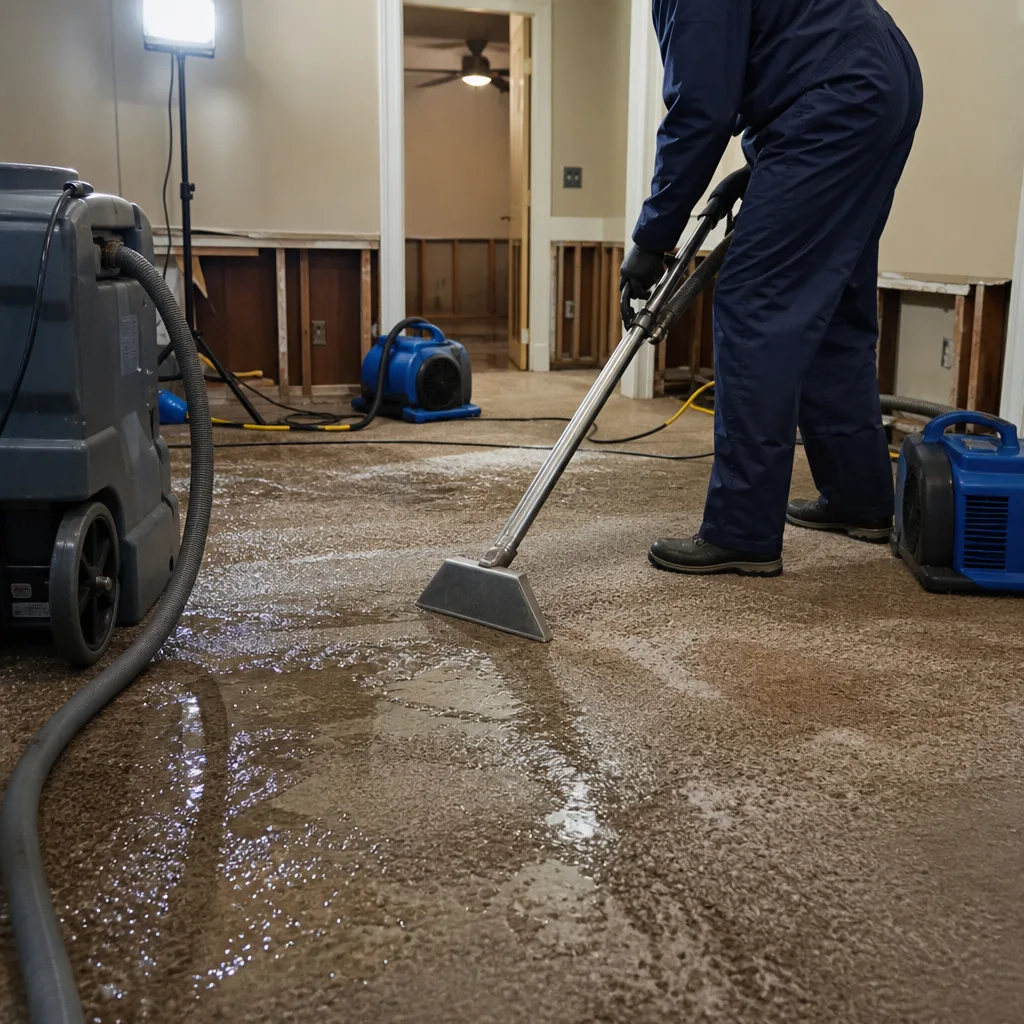
Emergency Board-Up
Broken storefront glass on Bedford Avenue or a blown-out window on the fourth floor of a converted factory needs securing immediately, before rain or people make everything worse. We board up with plywood cut to fit the opening, anchored cleanly, and we don’t leave debris in the sidewalk. For mixed-use buildings, we work the hours that minimize disruption to tenants while still securing the structure.
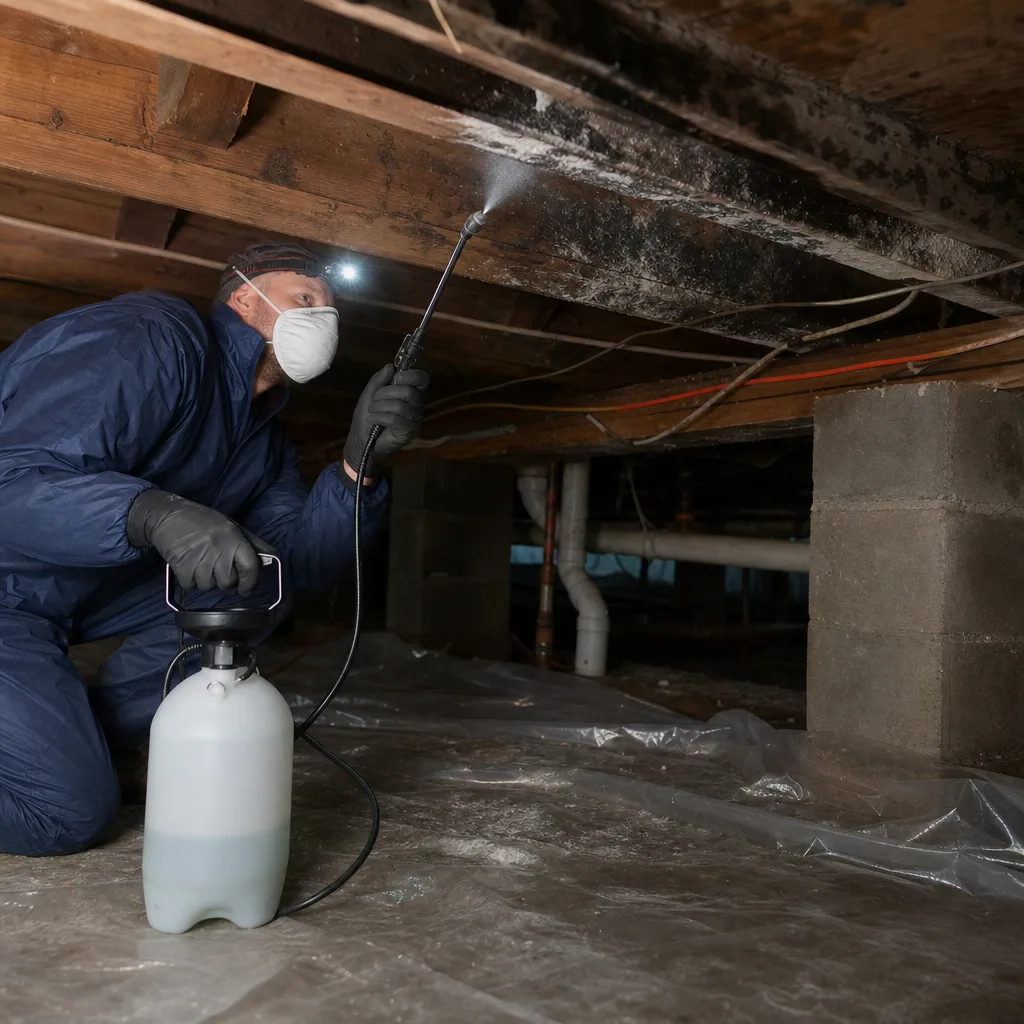
Roof Tarping
Flat tar-and-gravel roofs dominate Williamsburg’s older stock, and when they fail, water has a straight path down into timber framing. We tarp failed sections with weighted edges and sealed seams, sized to hold through the next storm. The goal is stopping additional water while the permanent repair gets scoped and scheduled. Every day without a tarp on a breached Williamsburg roof means deeper water in the structural timber.
Debris Removal
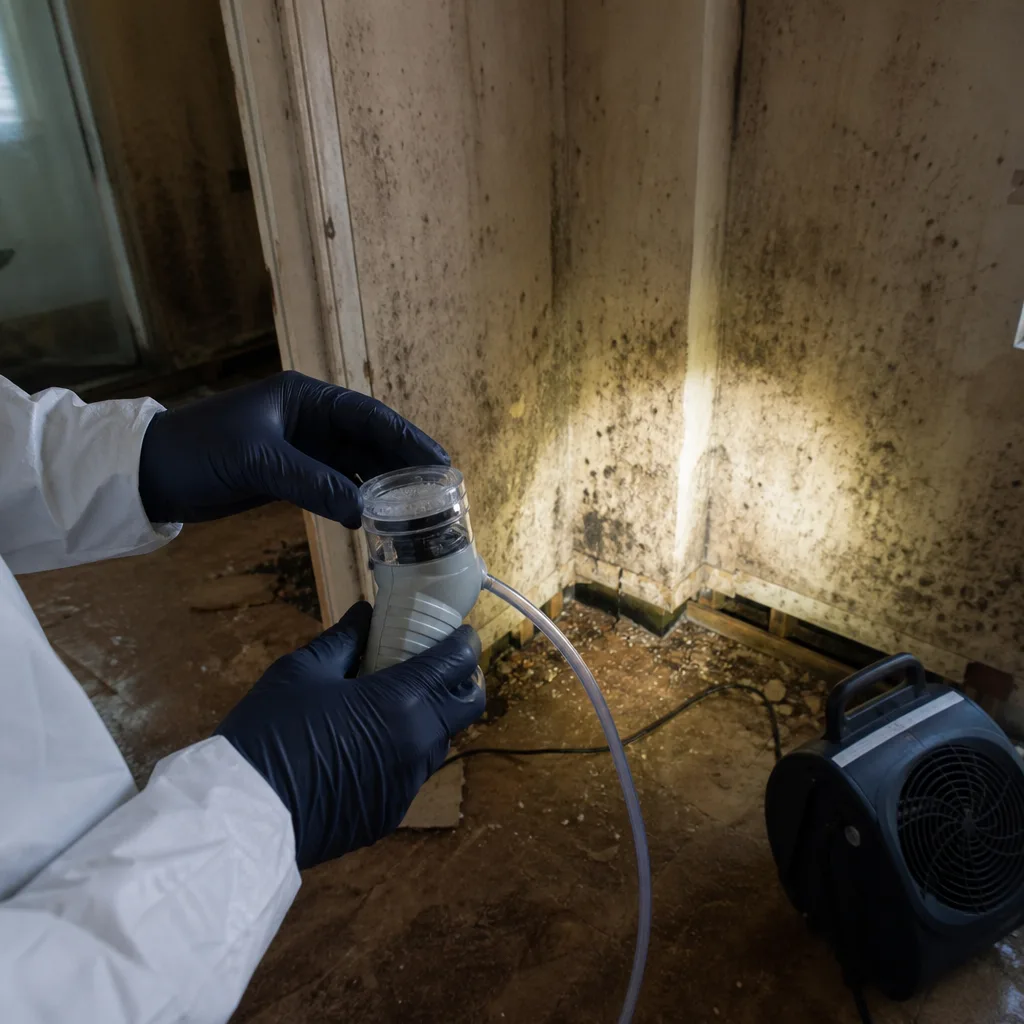
Storm debris in Williamsburg ranges from fallen tree limbs in McCarren Park-adjacent streets to roofing membrane torn loose on the waterfront towers. We remove it safely, separate what can be documented for insurance from what’s simply disposed, and we don’t leave piles on the curb for a week. If the debris includes building materials, we photograph everything before it leaves the property.
What happens when you call
- 1
A real person answersNo phone trees - you reach a local pro.
- 2
You get an upfront price rangeHonest numbers before anyone is dispatched.
- 3
A background-checked tech heads outLicensed & insured, dispatched right away.
- 4
You approve before work beginsNothing starts until you say go.
Storm & Disaster Restoration Costs in Williamsburg, NY
Here’s what this work actually costs in Williamsburg. Water extraction and drying in a standard apartment or modern condo runs $2,500 to $5,500 depending on square footage and how far the water traveled. In a converted loft with heavy timber, that same event runs $6,000 to $12,000 because drying cycles run longer and containment has to cover vast open floor plates. Roof tarping on a Williamsburg flat roof typically lands between $800 and $1,800, with emergency mobilization adding to that range. Emergency board-up for broken glass or a blown door runs $450 to $1,100 per opening, including materials and securing the property. Full storm restoration including drywall, flooring, and finishes on a single unit runs $8,000 to $22,000 and up depending on the structure’s age and what’s salvageable. What moves the price most is the building’s construction type and how long before water was discovered. The free visual inspection turns all of this from a phone guess into a written line-item scope before any work starts. Call us at (363) 300-2771 and we’ll tell you, in writing, what your specific situation costs.
We Also Serve Cities Near Williamsburg
Beyond Williamsburg, we serve East New York, Jamaica, Canarsie, and Glendale, along with the rest of the NYC metro area. If you’re just outside the neighborhood and need storm damage help, call the same number and we’ll get someone headed your way.
Serving Williamsburg, NY - Our Local Coverage Area
We’re based in the Williamsburg area and know this community well. Use the map below to see our service coverage - if you’re nearby, we can almost certainly help.
Williamsburg Storm & Disaster Restoration Questions, Answered
Why does water damage in Williamsburg loft buildings take longer to dry than in standard NYC apartments?
Old-growth Douglas fir and heart pine timbers absorb water deeply and release it slowly, unlike modern drywall and steel. A ceiling leak that a drywall-and-steel building might dry out in 48 to 72 hours can require 7 to 10 days of active drying in a heavy-timber Williamsburg loft. Crews who pull equipment after three days leave hidden moisture that becomes mold in two to four weeks. We plan for the extended cycle from day one, with daily moisture logs to prove the timber is actually returning to dry standard, not just looking dry on the surface.
What special steps do you take for flood restoration in waterfront buildings near the East River?
We treat all East River floodwater as potentially Category 3 contaminated regardless of how it entered the building, because storm surge carries sewage, fuel, and street runoff. That means full containment barriers before extraction, removal of saturated porous materials, antimicrobial treatment on every affected surface, and HEPA air scrubbing during and after the work. In ground-floor spaces near Kent Avenue and Franklin Street, we also check where water ran under slab edges into mechanical rooms and elevator pits, which is where hidden contamination lives long after the visible floor is dry.
Can you restore the original wood doors and custom finishes common in Williamsburg carriage-house conversions after a storm?
Yes, and this is what separates a restoration company from a demolition crew. Original wood doors, carved casings, built-in shelving, and custom millwork absorb water and warp if not handled carefully during drying. We dry them in place where possible, with controlled air movement and gradual dehumidification to avoid the cracking that comes from stripping moisture out too fast. When refinishing is needed, we work with finishers who understand pre-war wood species and historical finishes. Tear-out is always the last option, never the first.
How do you handle emergency board-up for broken windows in Williamsburg’s mixed-use loft buildings without disrupting tenants?
We anchor plywood from the inside where possible, which avoids blocking sidewalks with ladders in high-foot-traffic areas like Bedford Avenue, and all work gets scheduled around commercial tenant hours. Each opening is measured, cut, and sealed so it holds through wind and rain, and we clean the area before leaving. For residential conversions, we coordinate with the building manager so residents know what’s happening and when crews will be on site. No one comes home to a surprise.
What’s the biggest mistake crews make when doing water mitigation in a 19th-century converted factory?
Underestimating the drying time in the heavy timber and pulling equipment too early. A converted factory in Williamsburg has old-growth structural beams that can hold moisture for weeks after the surface looks dry, and standard moisture meters read only the surface. A crew that doesn’t map moisture through the timber depth and log daily readings will declare the job done, remove the air movers, and hand the owner a mold problem 60 days later. That’s exactly why we hand over the full moisture log at the end of every job: so you can see the numbers, not just take our word for it.
How fast can you actually get to my Williamsburg building when I call?
If you’re standing in water, we’re on the road within the hour, and we’re calling you back while the crew is mobilizing. Wade answers his own phone and coordinates the response directly. For non-emergency storm damage like a slow roof leak or water staining, we’ll schedule the free inspection at the next available slot, usually same day or next morning depending on call volume.
Will my insurance cover storm damage and water extraction in a Williamsburg loft building?
Most homeowner, co-op, and condo policies cover sudden and accidental storm damage, including water extraction and structural drying, subject to your specific policy terms and flood endorsements. Buildings in FEMA Flood Zone AE, which includes much of the Williamsburg waterfront, typically require separate flood insurance for surge events. We document everything to insurance standards from the first hour, including photos, moisture logs, and line-item scopes, and Wade coordinates with your adjuster directly so you’re not the one caught in the middle. Bring us your policy documents and we’ll tell you what’s covered before work begins.
What should I do in the first 30 minutes after a storm damages my Williamsburg property?
Call us at (363) 300-2771. Then, if it’s safe to do so without entering standing water or touching electrical panels, shut off the water main or the affected circuit. Move small valuables and electronics out of wet areas. Take photos of everything before anyone moves anything. Don’t use a shop vac on contaminated water, and don’t plug in fans near wet surfaces. We’ll talk you through the rest on the phone while the crew is on the road.
Storm damage in Williamsburg doesn’t wait, and neither do we. If water is moving, a roof is open, or glass is broken somewhere in the neighborhood, call (363) 300-2771 right now. A live person answers. A local crew shows up. And the work is covered by the 90-Day Done Right Promise, in writing, on every storm and water restoration job we do. Our Storm & Disaster Restoration team has been doing this work across Williamsburg long enough to know exactly what these buildings need, and Wade backs every job with his own name.
Written by Wade Ferris, Owner at Wade’s Restoration, serving Williamsburg since 2007.