
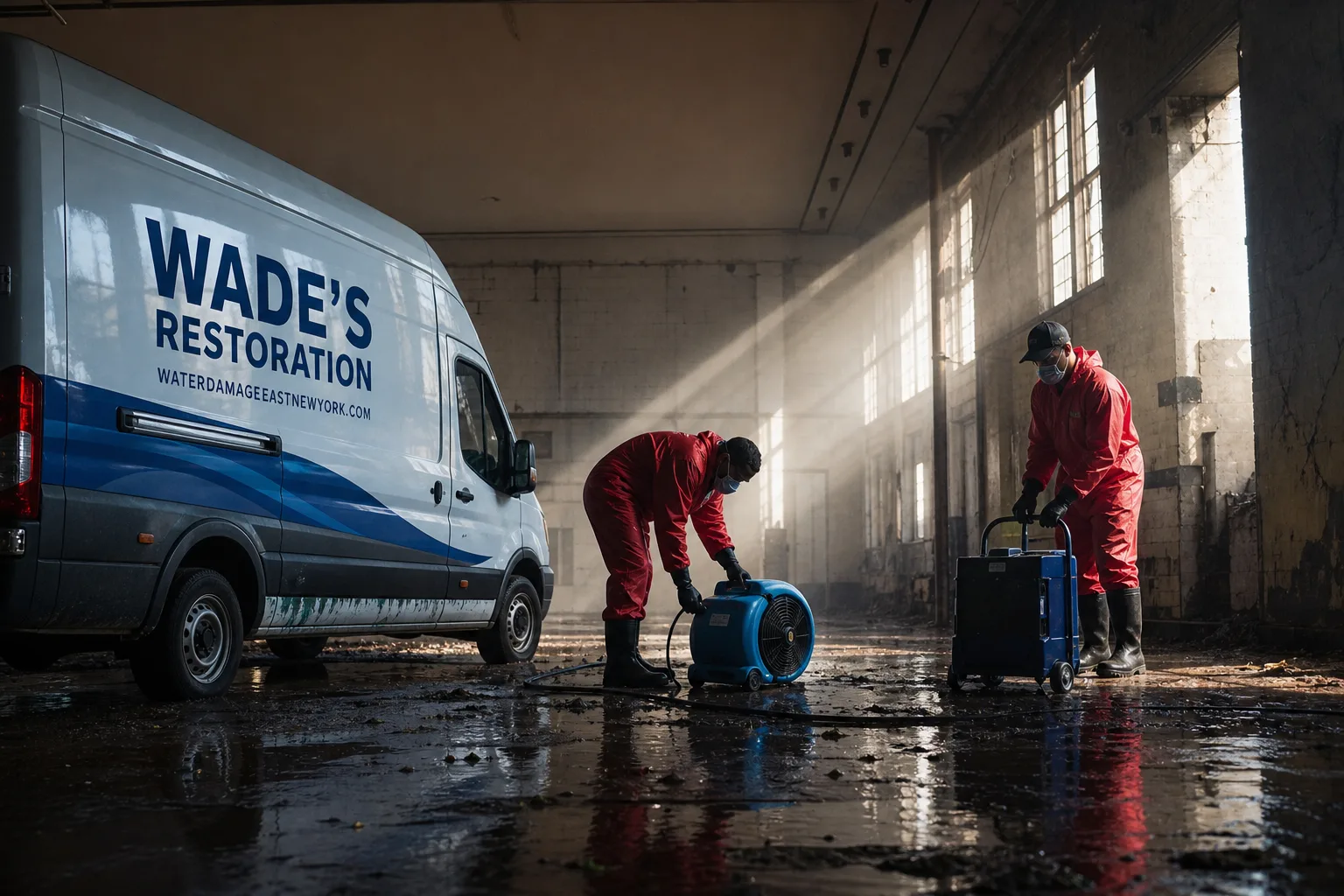
Free visual inspection and a written scope of work before any mitigation begins - photos, moisture readings, and drying logs go in your claim file
The scope we write is the scope we bill. Anything new gets shown to you, in writing, before we touch it.
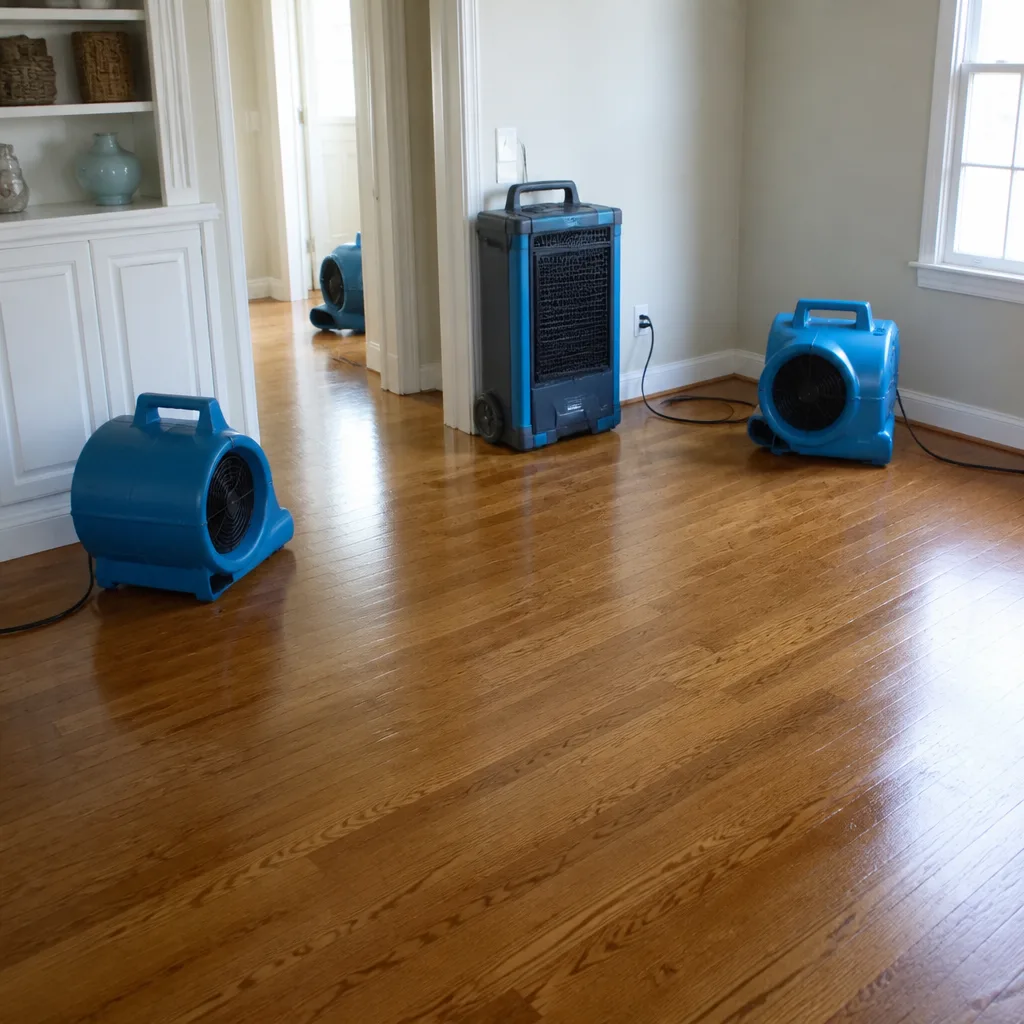
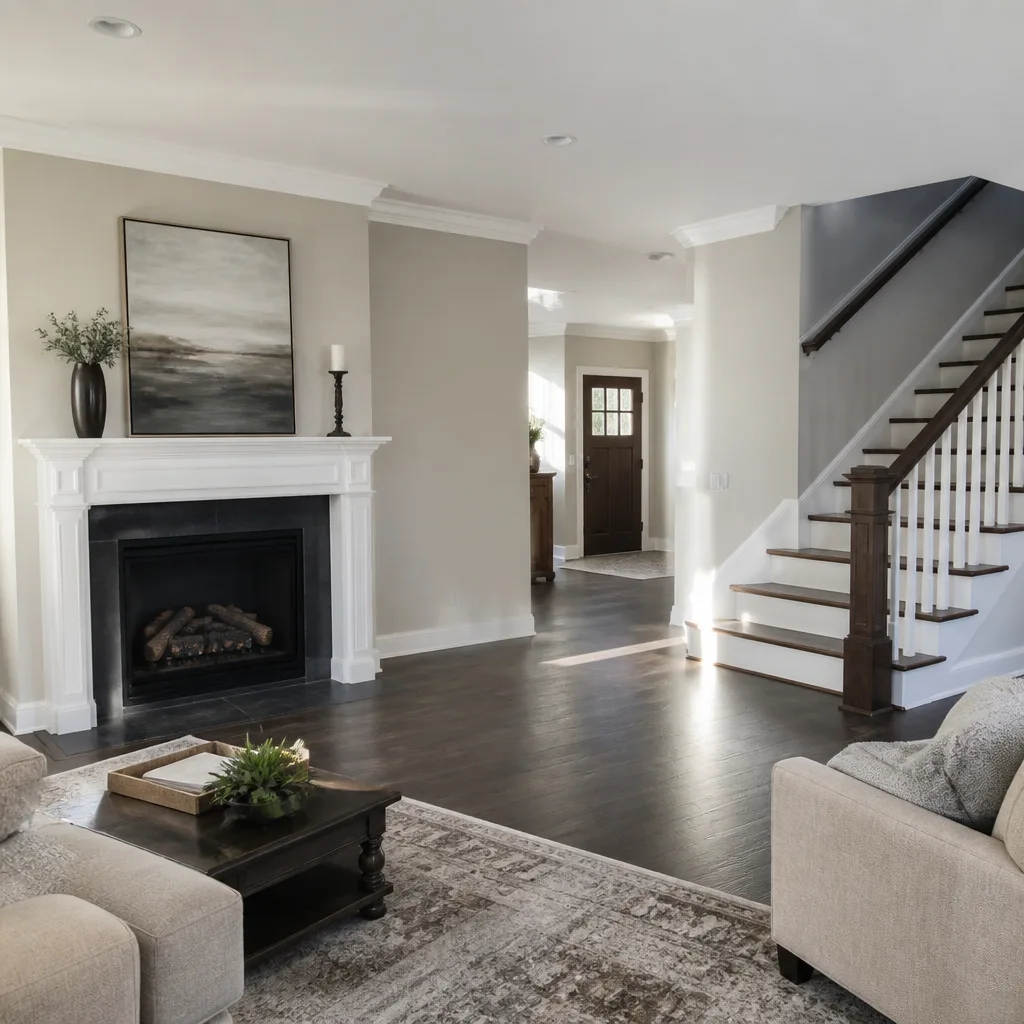
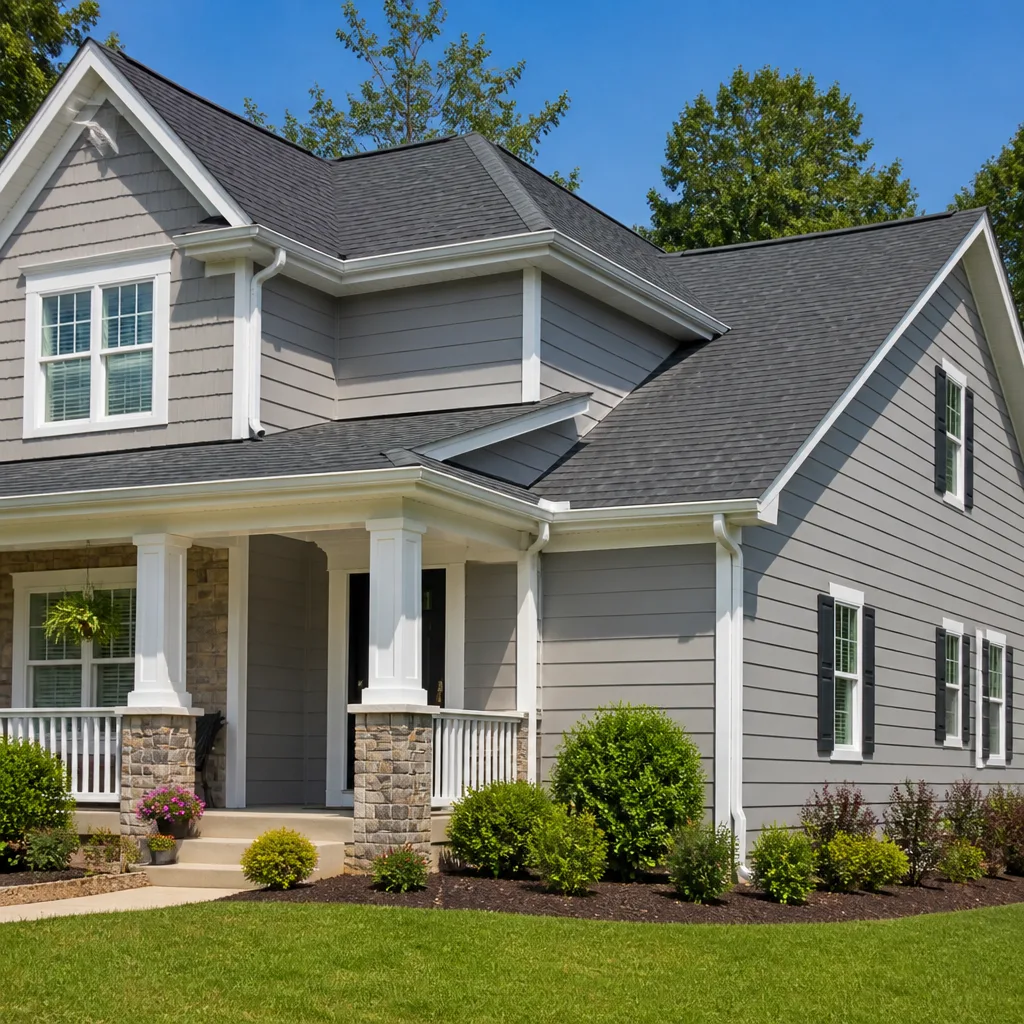
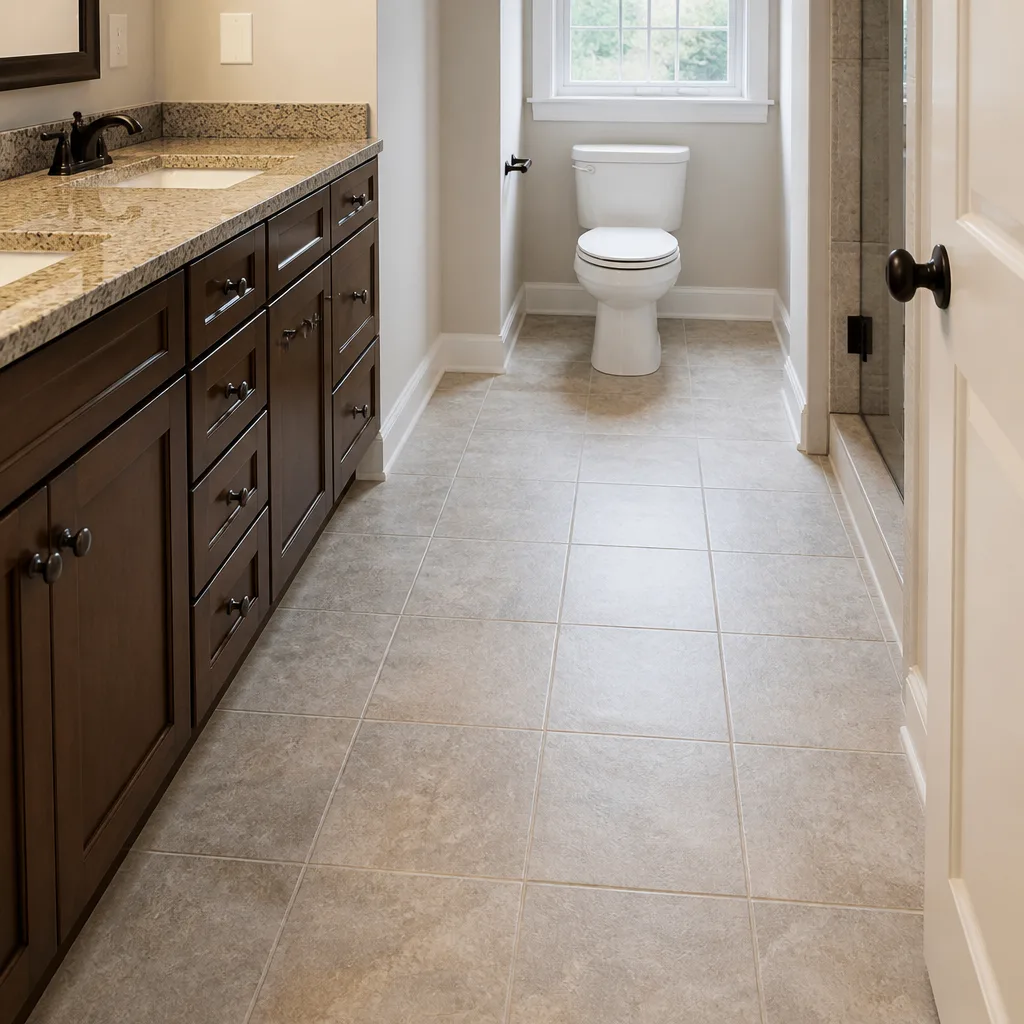
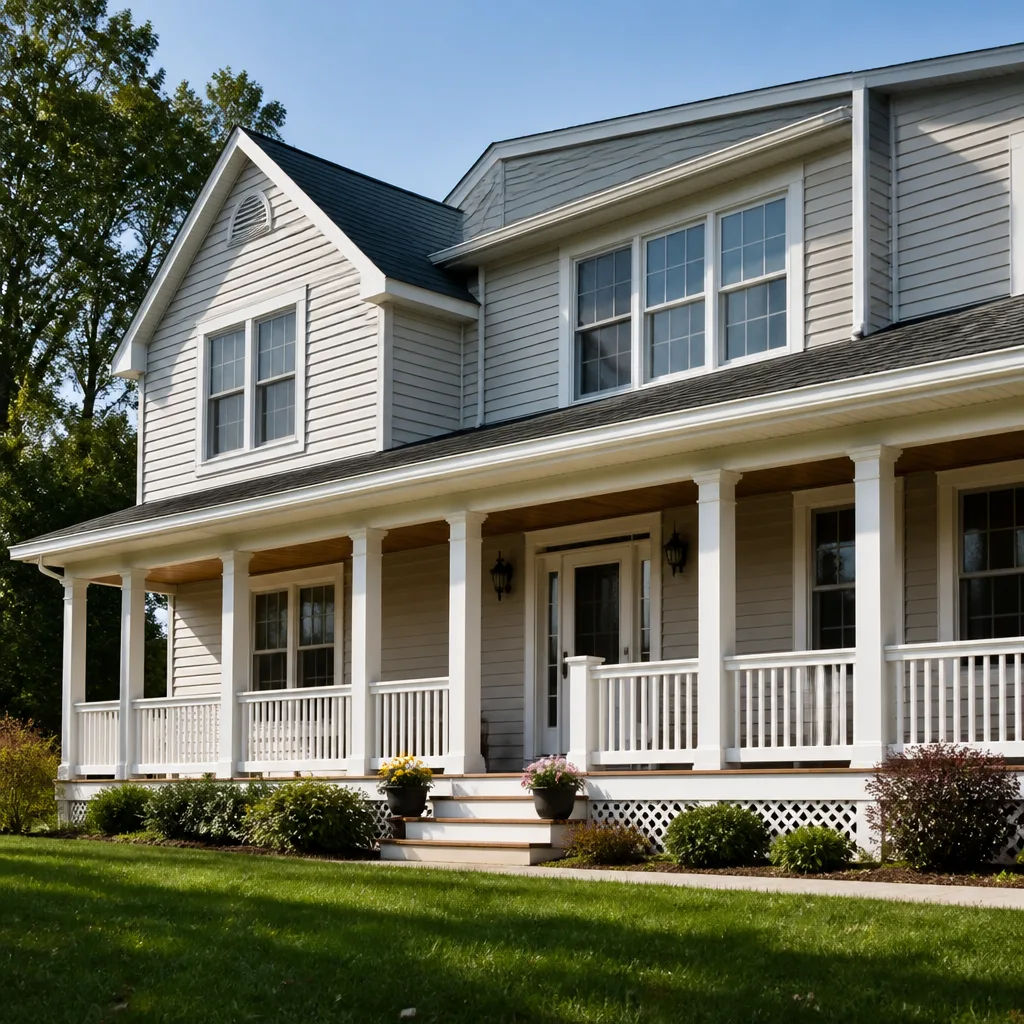
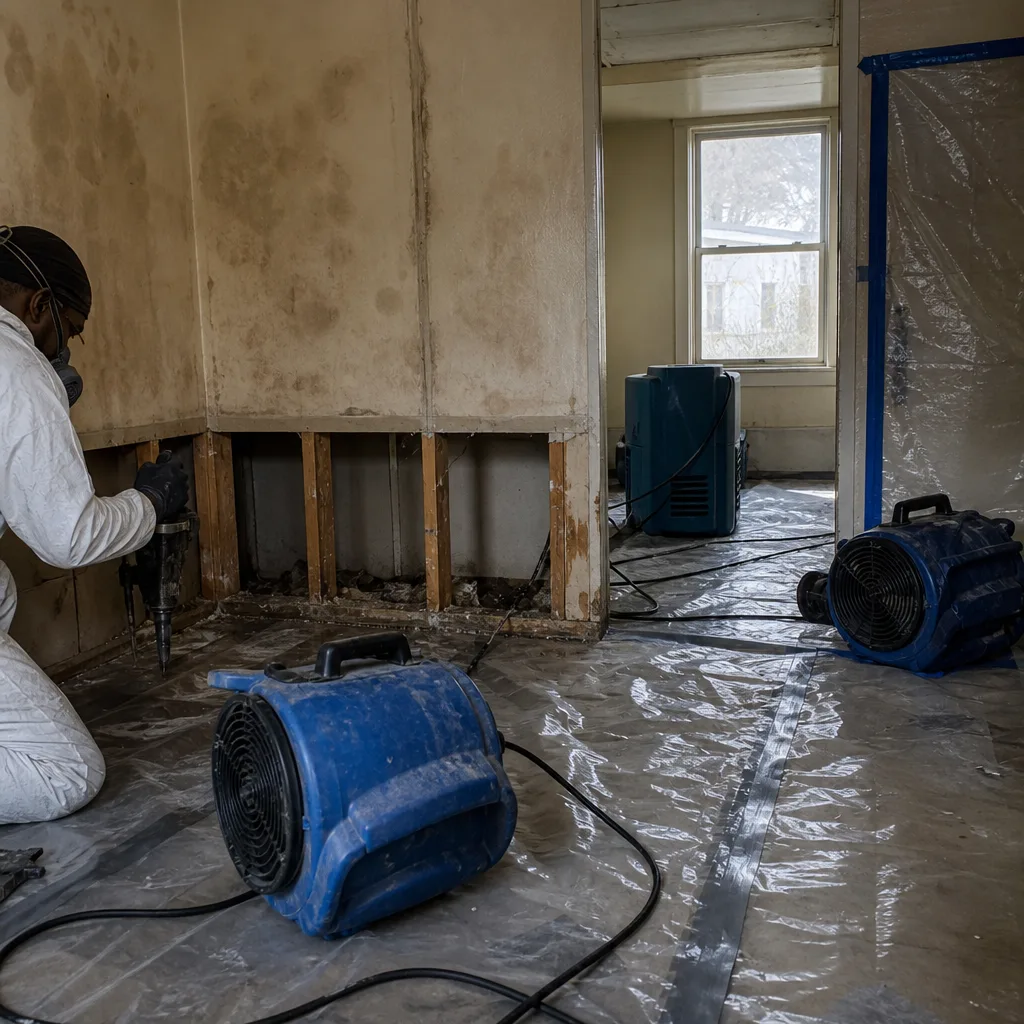 Before
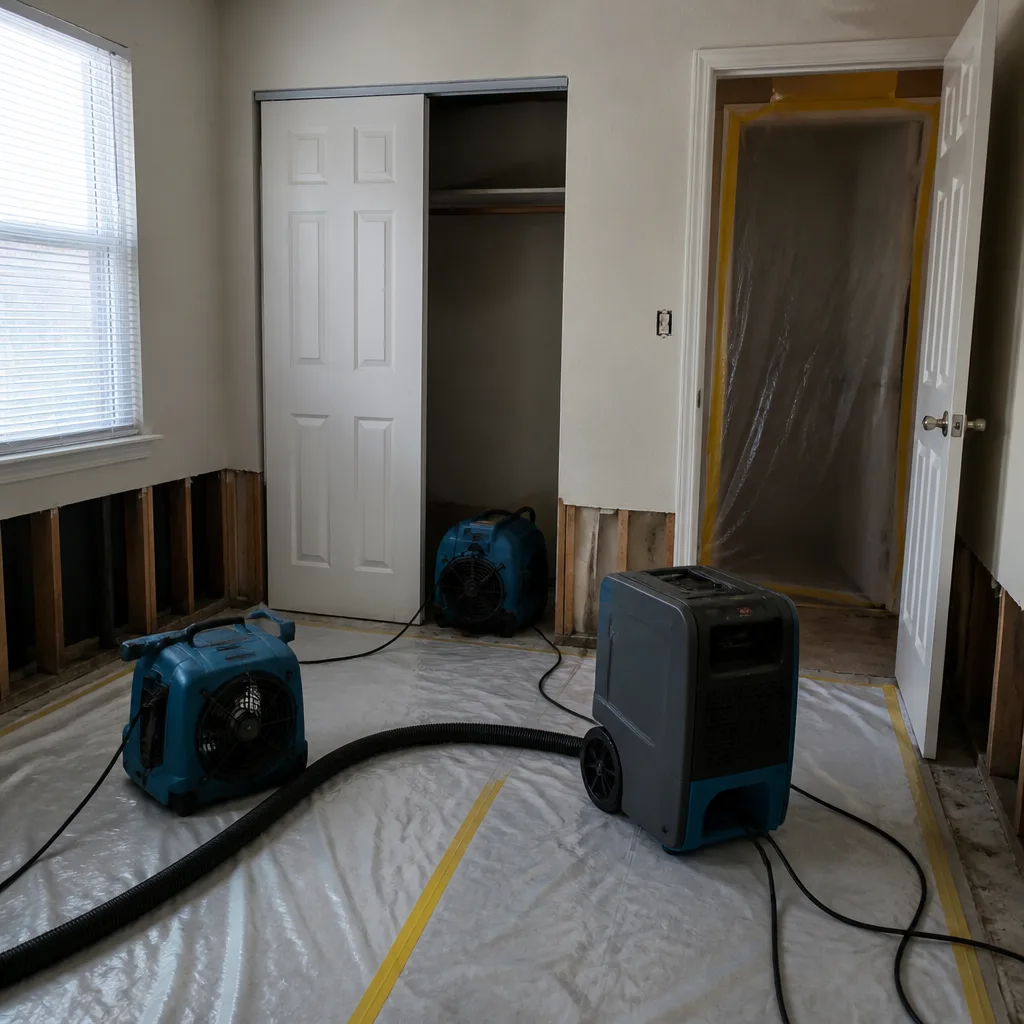 After
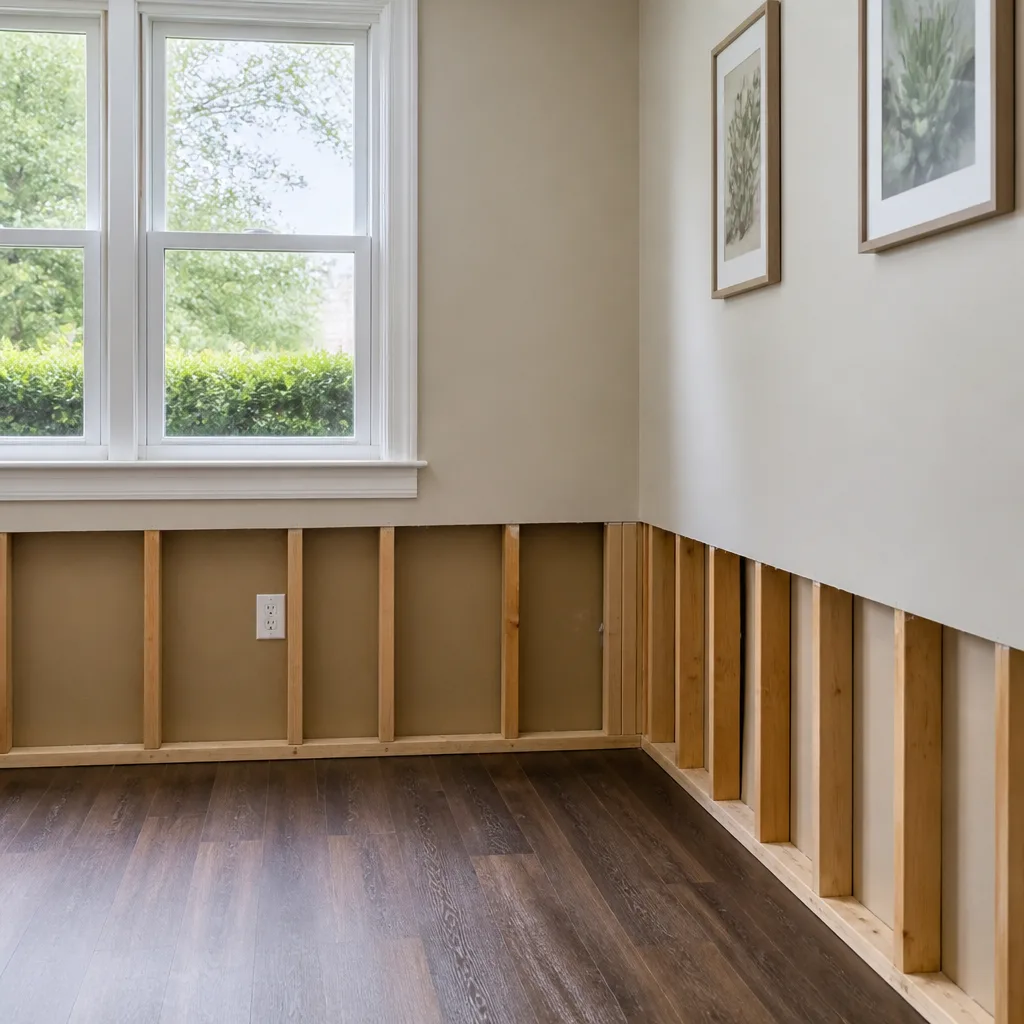
After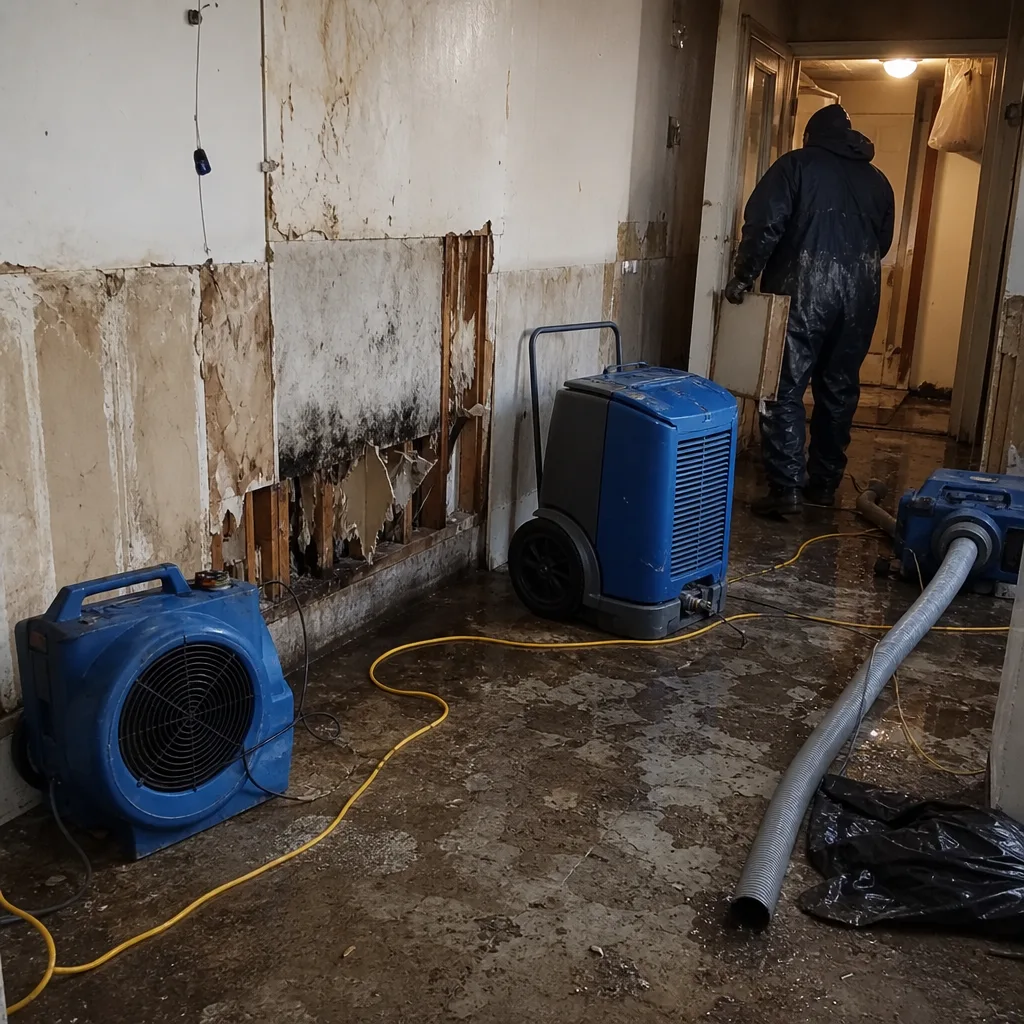 Before
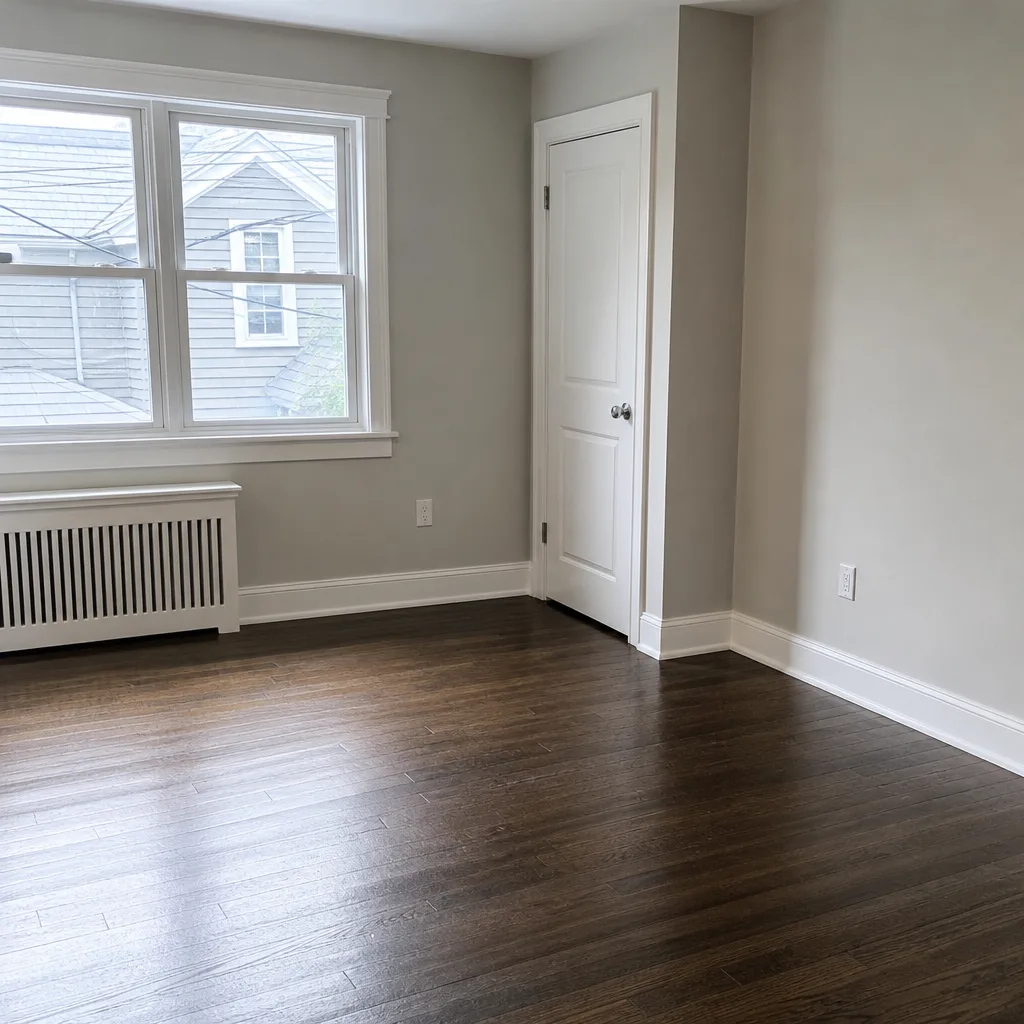 After
After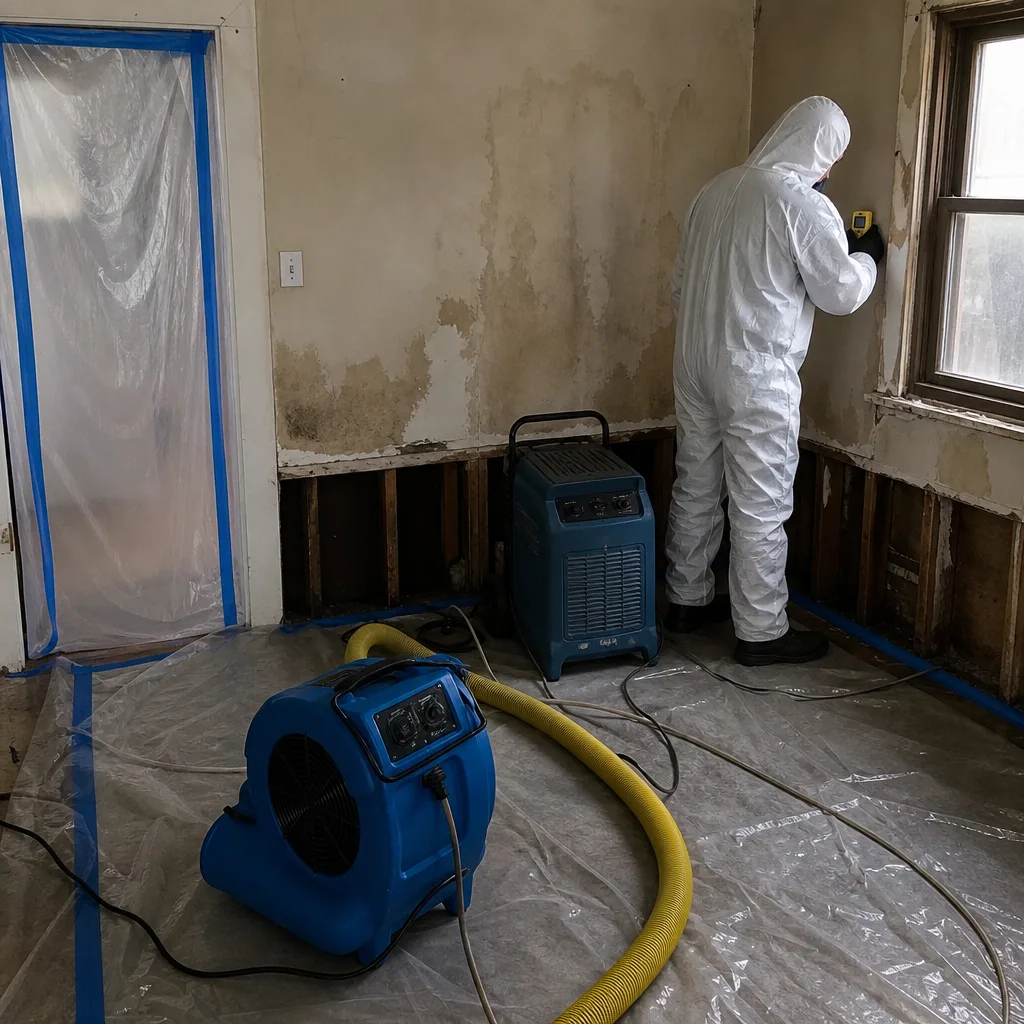 Before
 After
After24/7 Emergency Fire & Smoke Damage Restoration in Greenpoint
Fire and smoke damage in Greenpoint won’t wait until morning, and neither do we. When a fire hits a prewar rowhouse on India Street or a converted loft on Franklin Avenue, every hour of delay lets soot and corrosive residue work deeper into plaster, wiring, and framing. Call (363) 300-2771 right now and you’ll reach a live person, not a queue. Wade Ferris answers his own phone, and he can have a crew heading toward your block inside an hour. We’ll do a free visual inspection first, tell you straight what needs to happen, and start board-up and soot stabilization the same day. Because here’s what most homeowners don’t know until it’s too late: smoke damage compounds fast, and what’s cleanable on day one becomes a tear-out by day five.
Understanding Fire & Smoke Damage Restoration Severity in Greenpoint Properties
Most of Greenpoint’s housing stock dates from the 1890s through the 1920s, and it doesn’t behave like a modern build during a fire loss. The brick tenements and narrow rowhouses off McGuinness Boulevard share party walls, which means smoke doesn’t stay inside your unit. It migrates through shared floor joists, chimney voids, and electrical chases into the neighbor’s side. That’s not a rare worst-case scenario. It’s the standard condition on a Greenpoint fire job, and it changes the restoration playbook entirely. You’re not just cleaning the rooms that burned. You’re pressure-testing the entire envelope.
Soot residue type matters too. A hot, fast-burning fire produces a fine, dry soot that settles into every pore. A smoldering fire, the kind that happens when old knob-and-tube wiring arcs behind a wall, produces a greasy, protein-rich residue that bonds to surfaces and requires aggressive chemical treatment. Worse, original plaster-and-lath walls hold heat differently than drywall, trapping smoke inside the plaster matrix. Cleaning only the surface means the odor comes back. We’ve torn open walls on Greenpoint jobs and found the plaster smelled like campfire six inches in.
The fire severity scale in Greenpoint requires classifying water too. The water used to extinguish the fire, combined with what a burned pipe releases, is rarely clean. On blocks near Newtown Creek, that water can pick up a petroleum sheen from the underground plume. A standard Category 1 clean water extraction suddenly becomes a Category 3 contaminated loss requiring hazmat handling. And that’s a level of local knowledge most restoration outfits simply don’t have.
Why Greenpoint Property Owners Choose Wade’s Restoration
- 45-minute response commitment: Wade heads out himself, not a dispatch center. From a live answer to wheels moving, you’re looking at under an hour in Greenpoint.
- 24/7 live answer, always a person: No voicemail, no answering service, no “press 2 for emergencies.” Wade’s cell rings, and Wade picks up.
- IICRC-certified crews: Our teams hold FSRT (Fire & Smoke Restoration Technician) and WRT (Water Restoration Technician) certifications, and that matters when your insurer asks for credentials.
- Free visual inspection: We look at the loss, tell you what’s actually needed, and hand you a written scope. No charge for that.
- Direct insurance billing: We coordinate with your adjuster from day one, with photo documentation and line-item estimates that speak your carrier’s language.
- One team from extraction to reconstruction: The same crew that stabilizes the loss is the crew that rebuilds it. Wade doesn’t hand off to strangers.
Our Fire & Smoke Damage Restoration Process
Inspection & Assessment
We walk the full property, including the shared voids on rowhouse jobs. Thermal imaging with Dri-Eaz equipment shows where heat and smoke actually traveled. You get a written scope before any work starts.
Board-Up & Stabilization
Emergency board-up and tarping secures the property against weather and unauthorized entry. In Greenpoint, this matters immediately: exposed interiors on a low-lying peninsula take on damp air fast.
Water Extraction & Contamination Control
Firefighting water gets extracted with pumps and truck-mounted units. If the water shows a sheen from the oil plume, it’s classified and manifested as hazmat waste before it leaves your property. Never flushed down a floor drain.
Drying & Dehumidification
Phoenix dehumidifiers and XPOWER air movers run until moisture readings stabilize. On plaster-and-lath walls, we monitor daily because those old materials release moisture slowly and unevenly.
Soot, Smoke & Odor Removal
HEPA scrubbers pull particulate from the air while we clean surfaces according to residue type. Thermal fogging and ozone treatment follow, then air sampling to verify the odor is actually gone.
Repairs & Restoration
From repointing fire-damaged brick to replacing lath and plaster with historically appropriate materials, we rebuild to match the street. The job isn’t done until the neighbor can’t tell there was a fire.
Need Emergency Fire & Smoke Damage Restoration in Greenpoint Now?
Crews minutes away, answering live 24 hours a day. The sooner we start, the less it costs.
Working With Your Insurance Company
We’ve sat across from enough adjusters to know what moves a claim forward: documentation from minute one. When Wade’s crew arrives, we start photographing before we touch anything. Every room, every surface, every water stain and soot line gets recorded in sequence. We produce a detailed line-item scope of work using the same estimating software your insurer uses, which cuts down on the back-and-forth that slows everything down. Wade talks directly to your adjuster, so you don’t have to relay technical answers you shouldn’t be expected to know. That direct communication is the difference between a claim that pays out in weeks and one that drags for months.
What We Provide Your Insurer
- Thorough documentation of the loss
- Photos of all damage, room by room
- Moisture readings and drying logs
- A detailed, line-item scope of work
- Direct coordination with your carrier
Built for Greenpoint’s Loss Calendar
Greenpoint’s fire season doesn’t follow a neat pattern because the housing stock itself is the variable. January deep freezes burst aging supply lines in prewar buildings, and the water that follows an electrical fire wets every floor below. Spring thaw pushes groundwater into basements that sit below the water table on the peninsula’s low-lying blocks, and that moisture finds old wiring. Summer brings the toaster-oven fires and overloaded extension cords in converted lofts where the electrical was added decades after the building went up. Nor’easters batter the waterfront blocks, and storm surge from the East River has already shown what it can do. Every one of these produces a fire or smoke loss that requires more than a quick wipe-down, and every one follows Greenpoint’s own rules: old materials, shared walls, contaminated water.
Fire & Smoke Damage Restoration Across Greenpoint’s Neighborhoods
Greenpoint reads differently block by block, and the restoration work changes with it. The historic district around Milton Street and Noble Street holds some of the oldest rowhouses in the neighborhood, built tight to property lines with original brick party walls that date to the 1880s. A fire in one of those means smoke on both sides of the wall and plaster that has to be handled as lead-contaminated. Over on Manhattan Avenue, the commercial storefronts with residential units above carry a different risk profile: a restaurant fire below can push greasy soot up through floor voids into apartments that never saw open flame. The loft conversions along West Street and the Kent Avenue corridor are newer on the inside but often rely on single-stair egress and older sprinkler retrofits, so a fire here spreads fast before containment. Down near Newtown Creek and the industrial blocks off Green Street, the petroleum plume is the wildcard: any water moving through subsurface areas needs hazmat assessment before it’s extracted. That’s four different fire-damage playbooks within less than a square mile, and knowing which one applies is what local means.
Specialized Fire & Smoke Damage Restoration Services We Offer in Greenpoint
Smoke & Soot Removal
Soot on a prewar Greenpoint wall isn’t just surface dirt. The dry soot settles into plaster pores, and the greasy soot from a smoldering fire bonds like lacquer. We identify the residue type first, then choose the cleaning method that won’t drive the soot deeper into the surface. HEPA air scrubbers run throughout so you’re not breathing particulate while we work.
Contents Cleaning & Pack-Out
When a Greenpoint loft fire burns through original hardwood and the tenant’s belongings are covered in soot, we pack out the contents to a secure facility for cleaning, inventory, and storage. Every item gets photographed and catalogued before it leaves. Textiles get ozone and thermal treatment. Furniture gets soda-blasted when appropriate. And anything that can’t be restored gets noted for your insurer with a replacement value attached.
Emergency Board-Up & Tarping
A vacant, exposed fire-damaged building on a Greenpoint street will get worse fast. Rain drives in, squatters find it, and scavengers strip it. We board windows and doors with heavy plywood, seal roof openings with tarp, and secure the property the same day we’re called. On the historic district blocks, we take steps to board without further damaging original window surrounds and cornices the insurance company would otherwise have to replace.
What happens when you call
- 1
A real person answersNo phone trees - you reach a local pro.
- 2
You get an upfront price rangeHonest numbers before anyone is dispatched.
- 3
A background-checked tech heads outLicensed & insured, dispatched right away.
- 4
You approve before work beginsNothing starts until you say go.
Fire & Smoke Damage Restoration Costs in Greenpoint, NY
Actual numbers matter, so here they are. A straightforward smoke and soot cleaning in a single-family Greenpoint rowhouse typically runs $2,500 to $6,500. Full fire damage restoration including structural repairs, plaster replacement, and contents cleaning in a prewar building commonly lands between $18,000 and $45,000, and larger loft conversions or commercial storefronts can run higher. The petroleum-contamination factor near Newtown Creek adds $1,500 to $4,000 for hazmat handling and disposal, a line item you won’t see on a Williamsburg invoice. What moves the price: how deep the smoke went, whether shared walls are involved, whether original plaster can be saved, and whether the water from firefighting is classified as Category 3. We’ll give you a written scope and a firm price before work begins, and your insurer gets the same numbers we give you. Call (363) 300-2771 for a free inspection and the exact figure for your loss.
We Also Serve Cities Near Greenpoint
Just across the line, our crews respond to fire and smoke losses in East New York, Jamaica, Canarsie, and Glendale. The housing stock is different in each, but the standard of work isn’t. Same live answer, same written scope, same team.
Serving Greenpoint, NY - Our Local Coverage Area
We’re based in the Greenpoint area and know this community well. Use the map below to see our service coverage - if you’re nearby, we can almost certainly help.
Greenpoint Fire & Smoke Damage Restoration Questions, Answered
Does the Greenpoint oil spill affect how you handle water from a fire hose or burst pipe?
Yes, and it’s the single most important local factor on a Greenpoint restoration job. The underground petroleum plume beneath the neighborhood can contaminate groundwater, and on blocks near Newtown Creek or the waterfront, extracted water can carry a visible sheen. That water is classified as contaminated waste, not clean stormwater. We test for hydrocarbons, and if present, the water is manifested and hauled for hazmat disposal. Pumping it into the sewer without that protocol is a DEP violation and a contamination event waiting to happen. Any restoration contractor working Greenpoint should be doing this on every subsurface extraction. Most don’t even know to look.
Can smoke damage spread from my rowhouse to my neighbor’s unit through the shared wall?
It can and it often does, even when the fire never touched the wall. Party walls in Greenpoint’s rowhouses are penetrated by shared floor joists, gaps around electrical boxes, and unsealed chases that act like chimneys for smoke and soot. We inspect the neighbor’s side on every rowhouse fire, even a small one, because recurring odor complaints six months later are almost always traced to a shared void nobody opened. That inspection is part of our standard scope, and we coordinate with the neighbor’s insurer when needed.
What’s different about fire cleanup in a prewar Greenpoint tenement versus a newer building?
The biggest difference is what’s in the walls. Original plaster-and-lath holds heat and smoke inside the material itself, so surface cleaning isn’t enough. On top of that, most prewar Greenpoint buildings have multiple layers of lead paint, and sanding or demolishing burned plaster without containment spreads lead dust through the entire narrow building. We run HEPA air scrubbers, set up negative air containment when needed, and handle the plaster like the hazardous material it legally is. A newer drywall build doesn’t have those same hazards, though it does show heat damage differently and often requires more drywall replacement than a plaster wall would.
When should we pack out contents after a fire in a Greenpoint loft?
Pack out contents whenever soot has reached them and on-site cleaning would take too long. In a loft conversion, that’s almost always. The open floor plates in converted industrial buildings let smoke travel farther and coat more square feet of belongings than a compartmentalized rowhouse would. We inventory every item with photos before anything leaves, clean off-site at our facility, and return everything with a manifest your insurer can use. Contents that can’t be restored get catalogued with replacement values for the claim.
Your crew mentioned ‘category 3 water’ from the fire, what does that mean here?
Category 3 water is grossly contaminated: sewage, floodwater, or in a Greenpoint fire loss, water that’s mixed with whatever the fire compromised. Firefighting water that ran through a burned bathroom, a ruptured drain line, or a basement already wet from the water table is Category 3. Here’s the Greenpoint twist: water in basements near Newtown Creek can pick up petroleum hydrocarbons from the plume, which pushes the classification even further into hazmat territory. We test, classify, and handle disposal accordingly. It changes the containment requirements, the PPE our crew wears, and the cost, and it’s not something a generic restoration provider flags correctly.
How fast can you actually get to a Greenpoint address?
Forty-five minutes is our commitment, and realistically it’s often faster because Wade lives close enough that Greenpoint isn’t a drive, it’s a neighborhood. The truck rolls with air movers, dehumidifiers, HEPA scrubbers, and containment supplies already loaded. The inspection starts the moment we arrive. Board-up and stabilization can start that same hour when it’s needed.
Are you certified for fire damage work specifically?
Yes. Our lead technicians hold IICRC FSRT (Fire & Smoke Restoration Technician) and WRT (Water Restoration Technician) certifications, and we’re affiliated with the RIA. The FSRT certification covers the chemistry of soot, residue identification, odor removal, and contents cleaning, and it’s the credential your insurer looks for when approving a fire restoration scope.
What should I do in the first 30 minutes after a fire in my Greenpoint home?
Call us. That’s the first thing, because every hour of delay lets soot bond deeper into plaster and wood. After that: don’t walk through the soot any more than necessary, don’t turn on ceiling fans or the HVAC system, and don’t try to wipe soot off walls with water. Keep everyone out of rooms where the ceiling or structure looks compromised. Board-up isn’t something to postpone, especially on Greenpoint’s low-lying blocks where damp air moves in fast. Call (363) 300-2771 and Wade will tell you exactly what to do before the crew gets there.
Written by Wade Ferris, Owner at Wade’s Restoration, serving Greenpoint with hands-on fire and smoke restoration since 2007.