
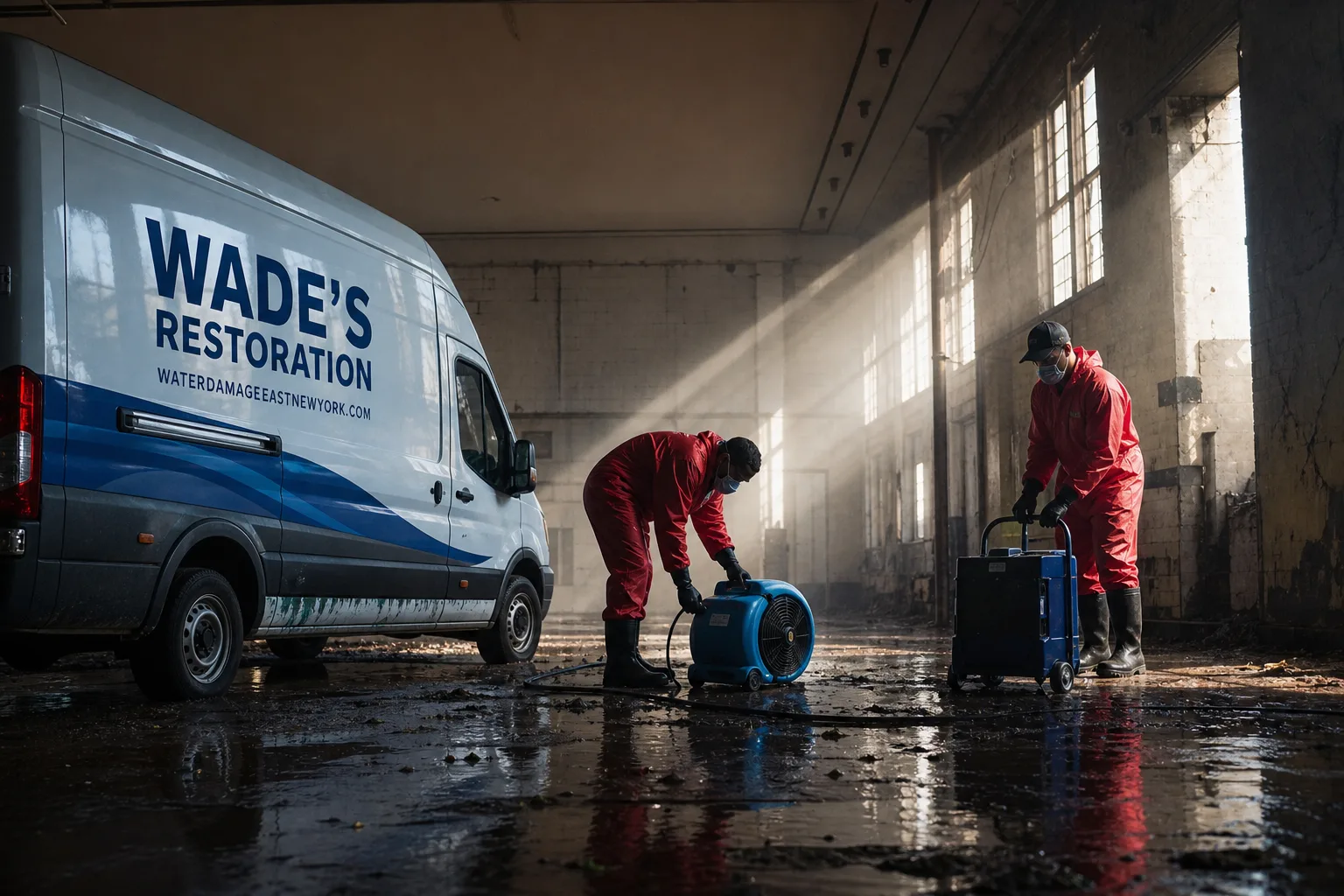
Free visual inspection and a written scope of work before any mitigation begins - photos, moisture readings, and drying logs go in your claim file
The scope we write is the scope we bill. Anything new gets shown to you, in writing, before we touch it.
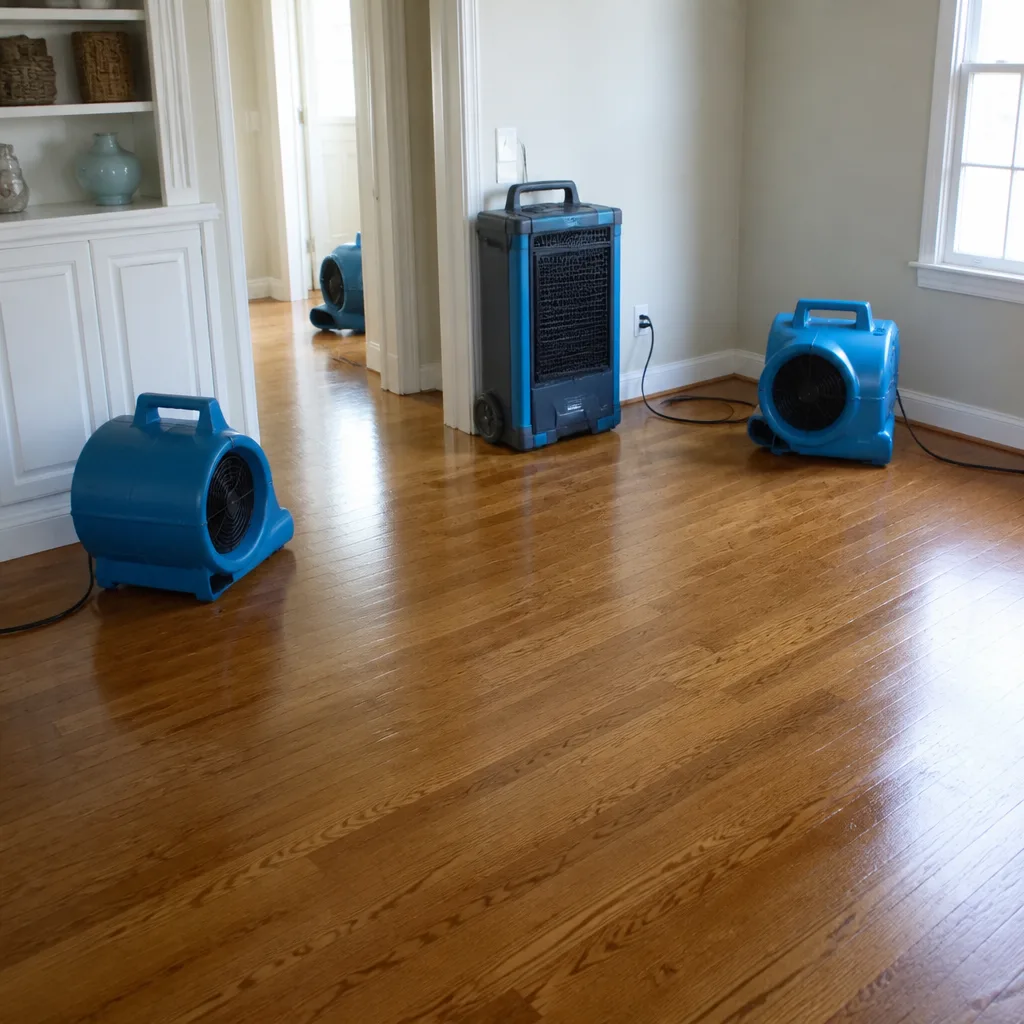
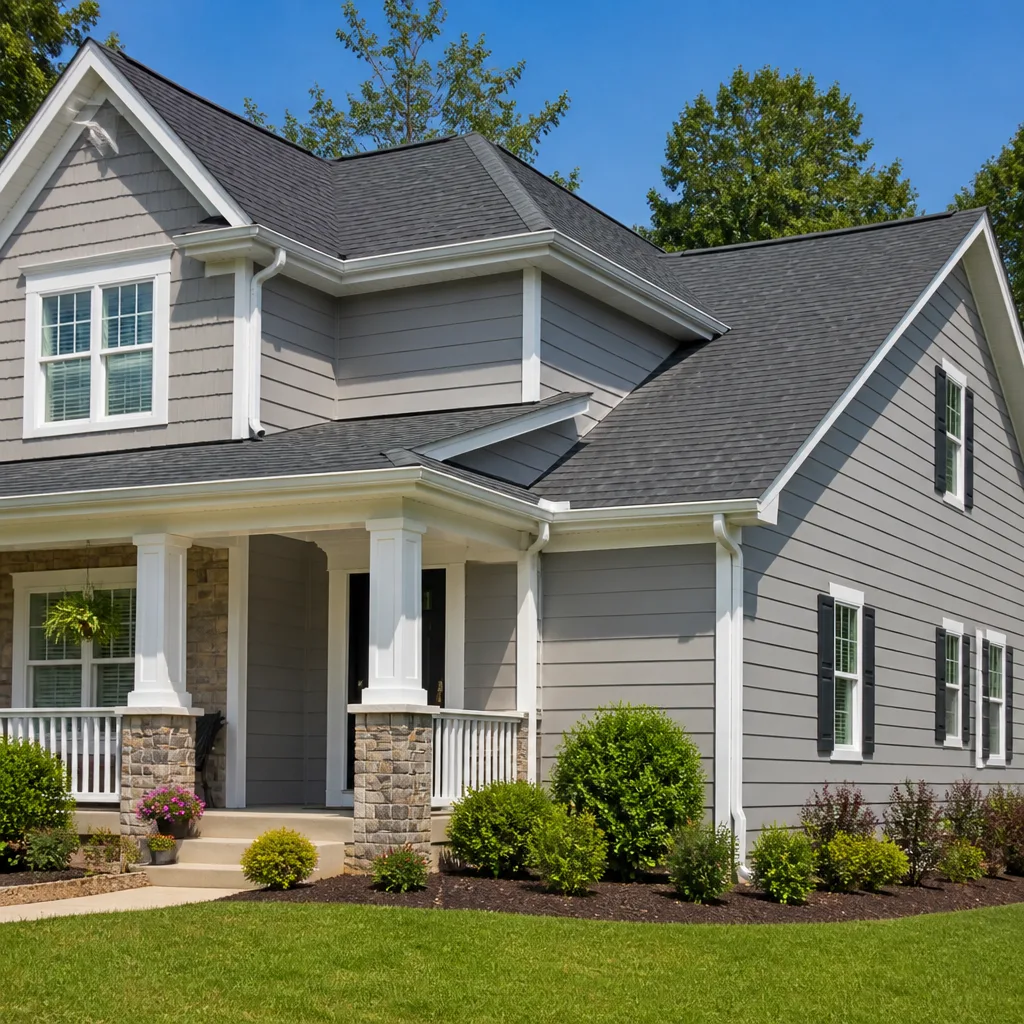
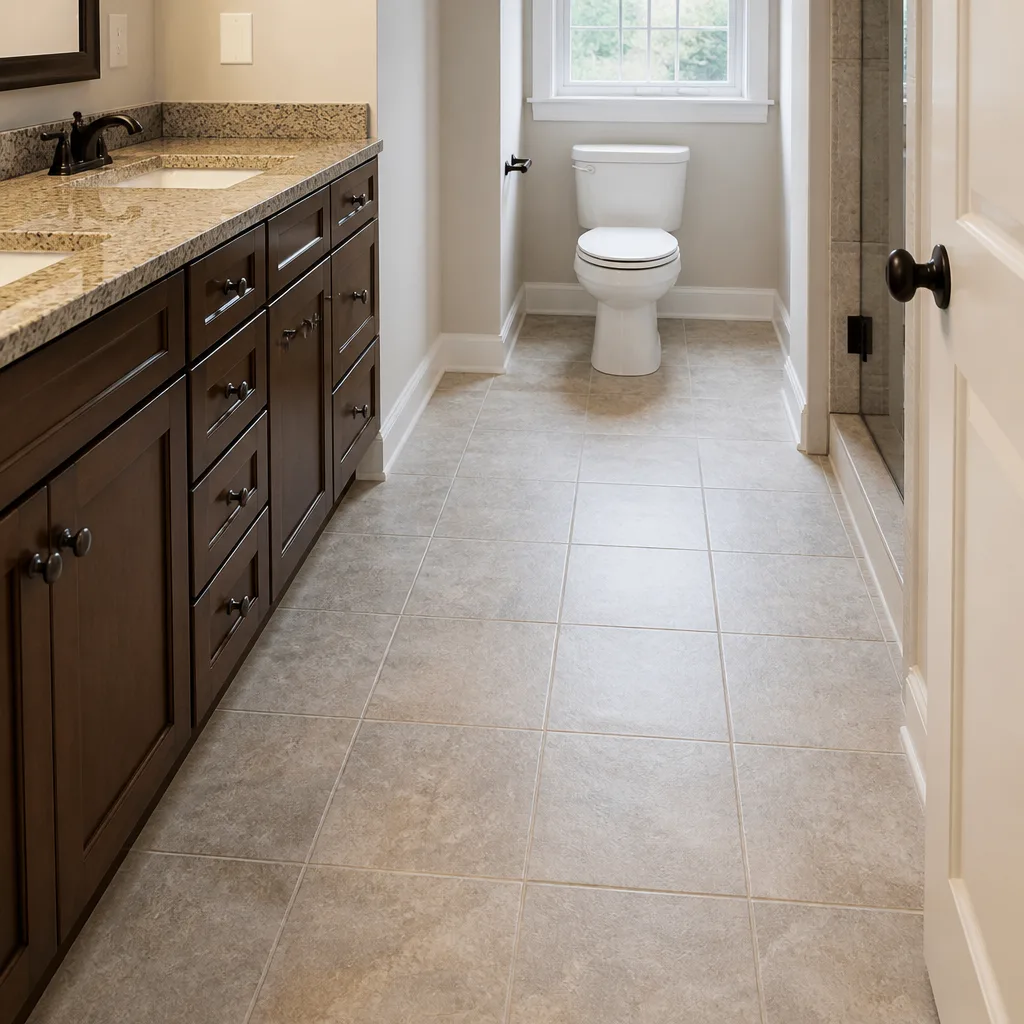
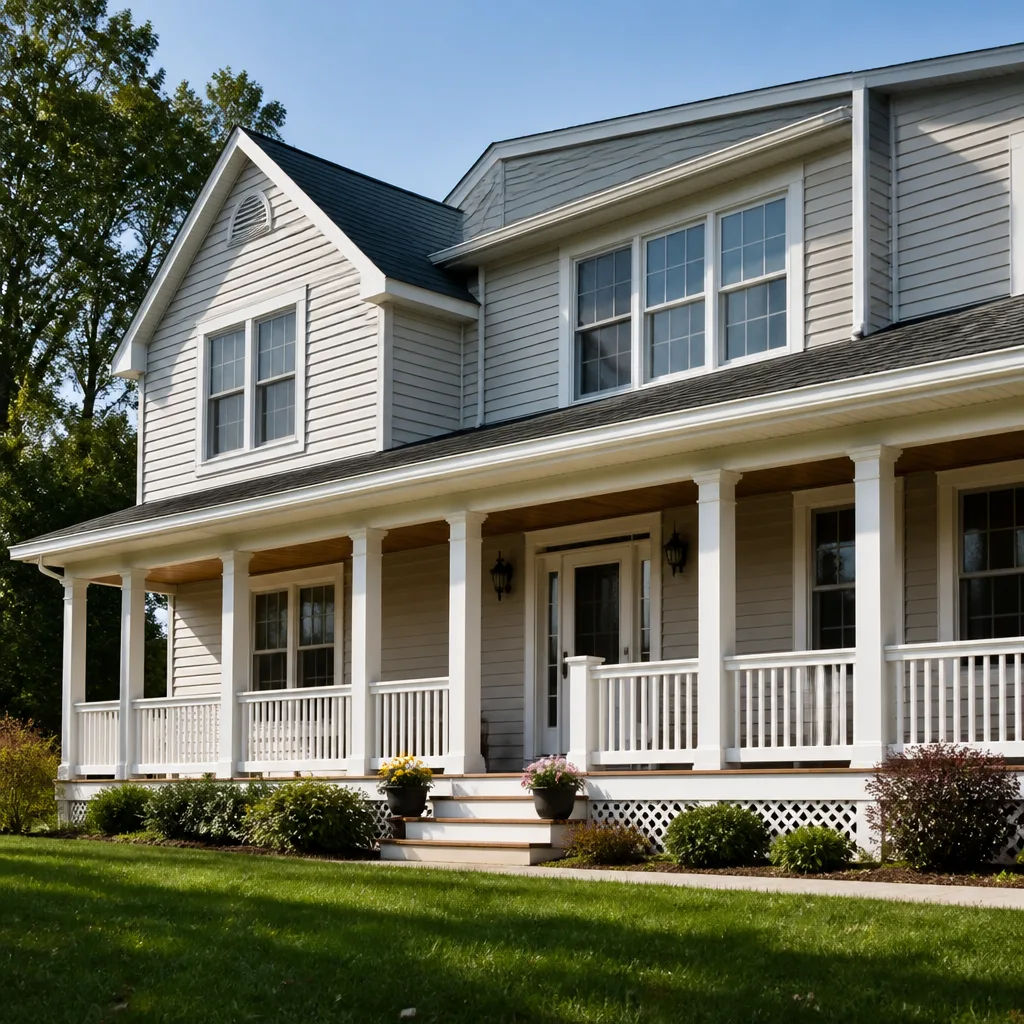
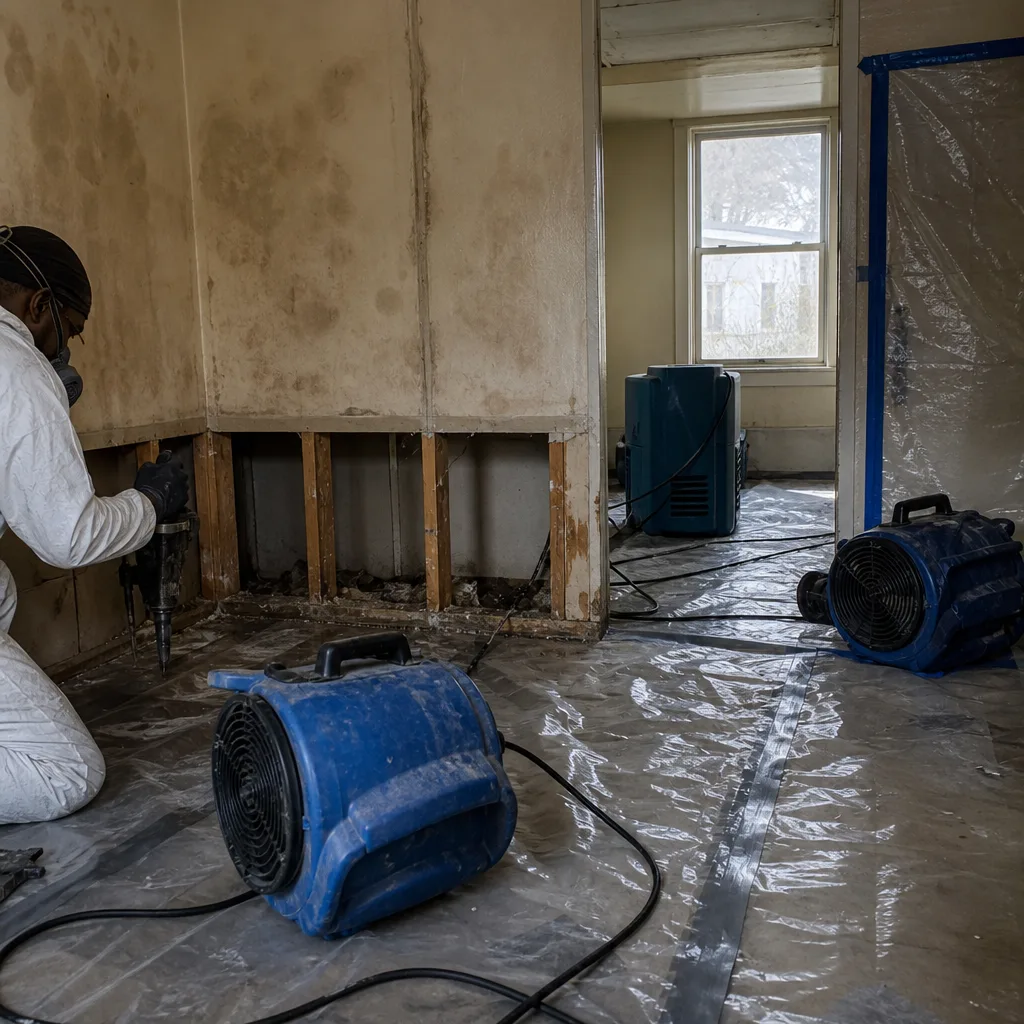 Before
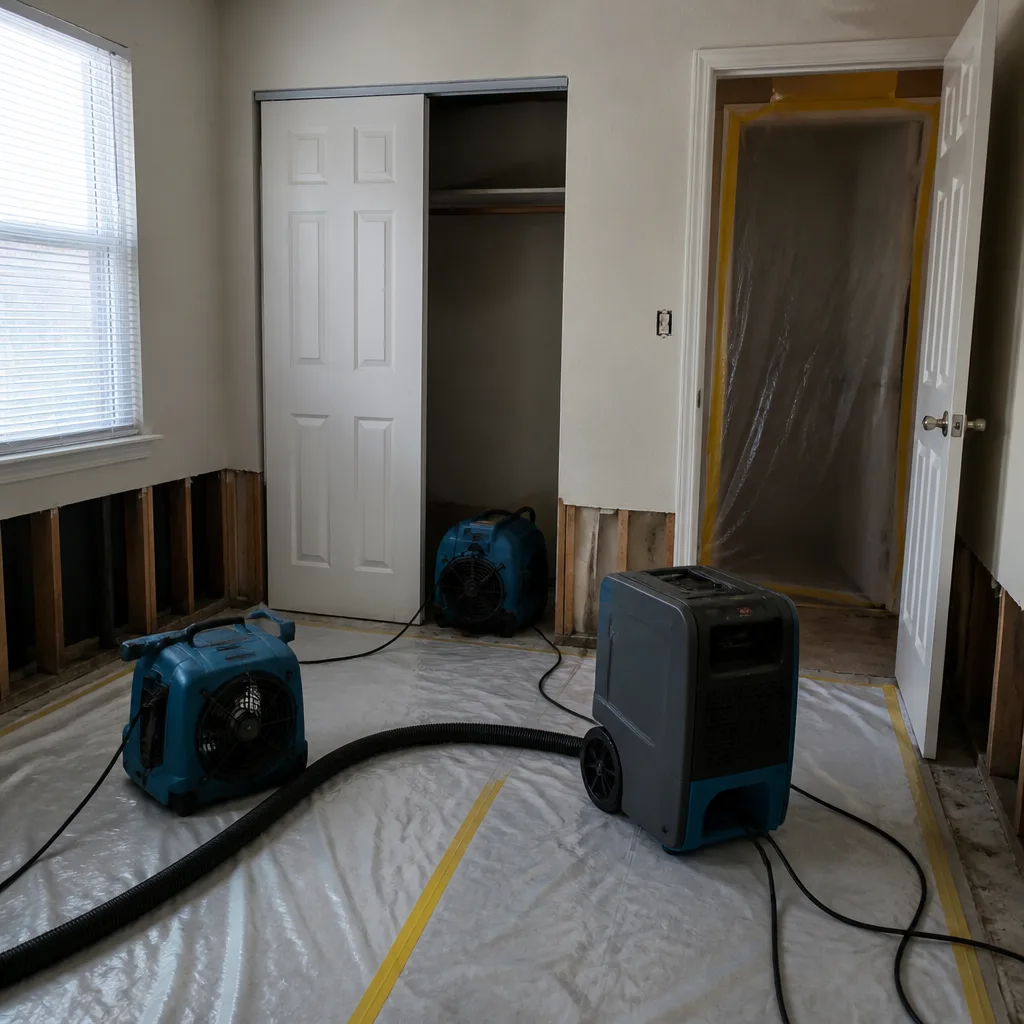 After
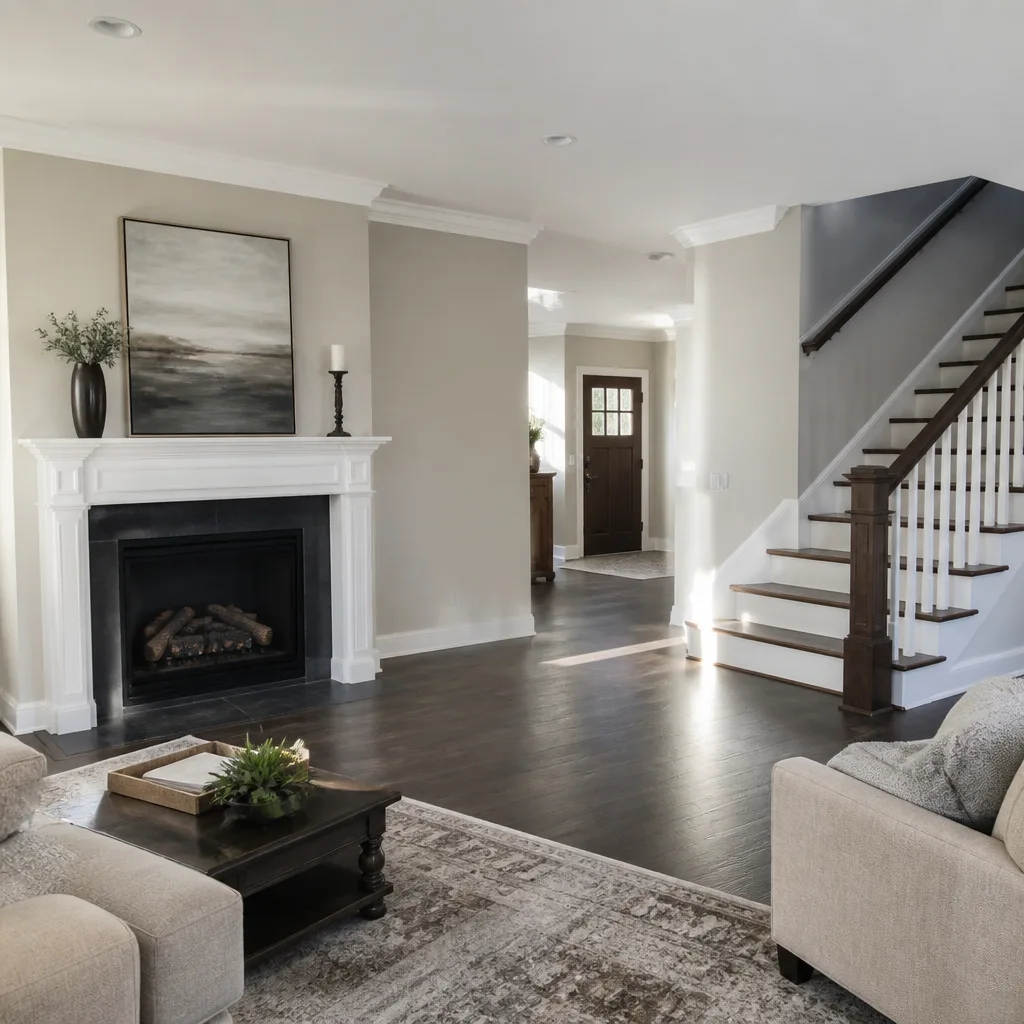
After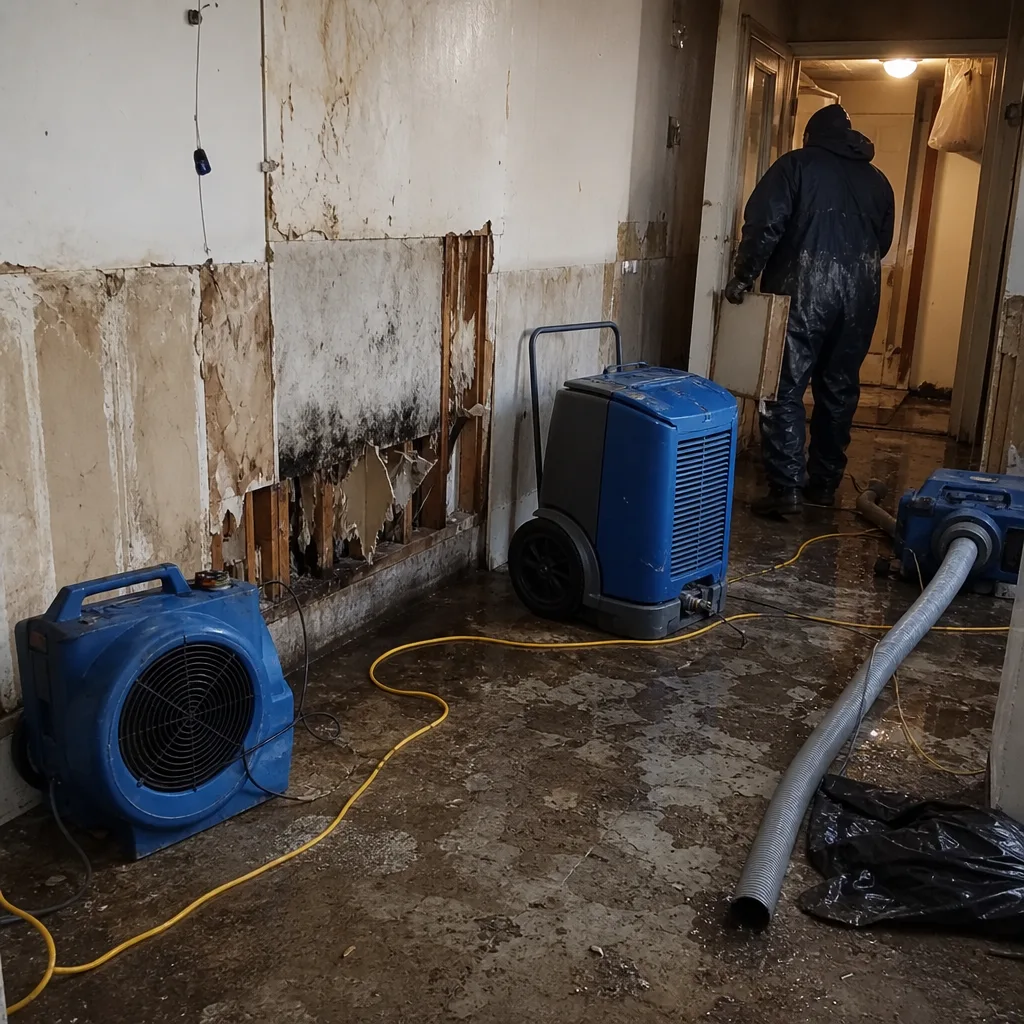 Before
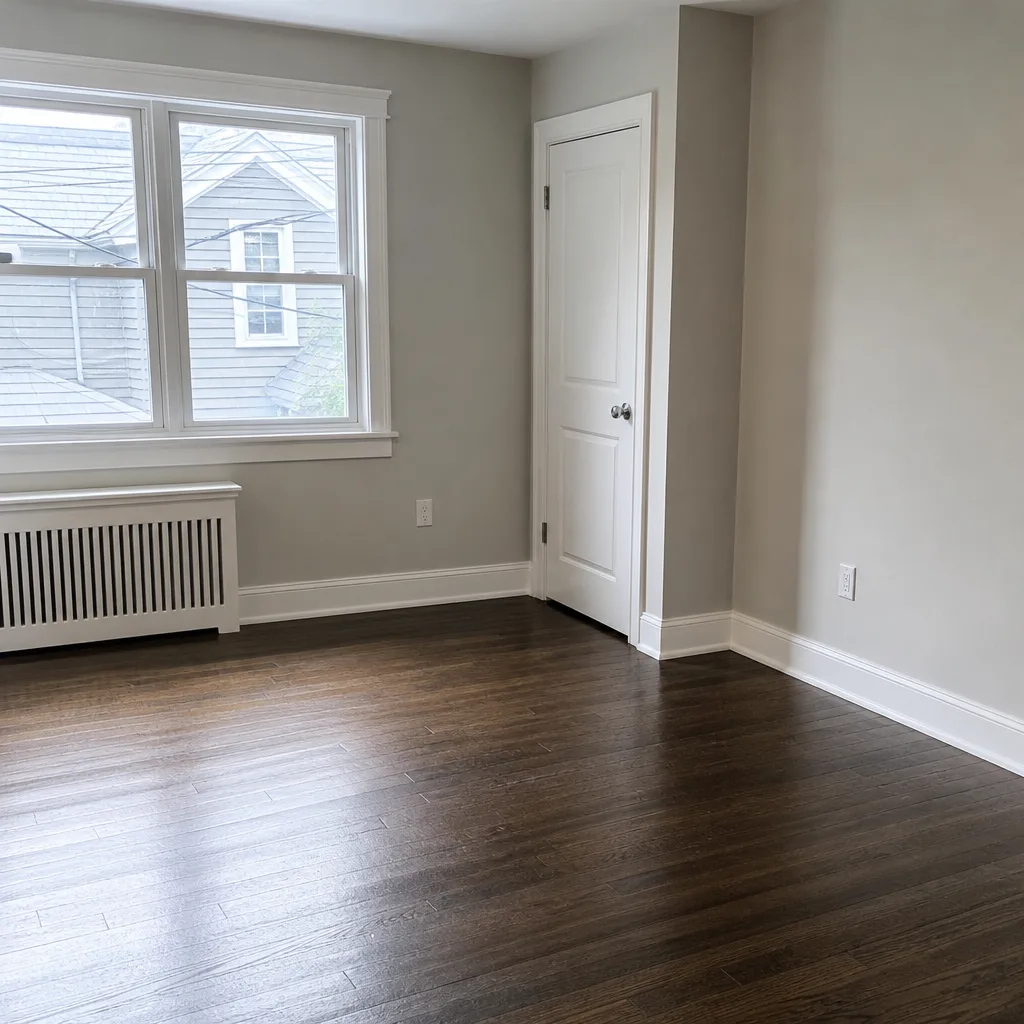 After
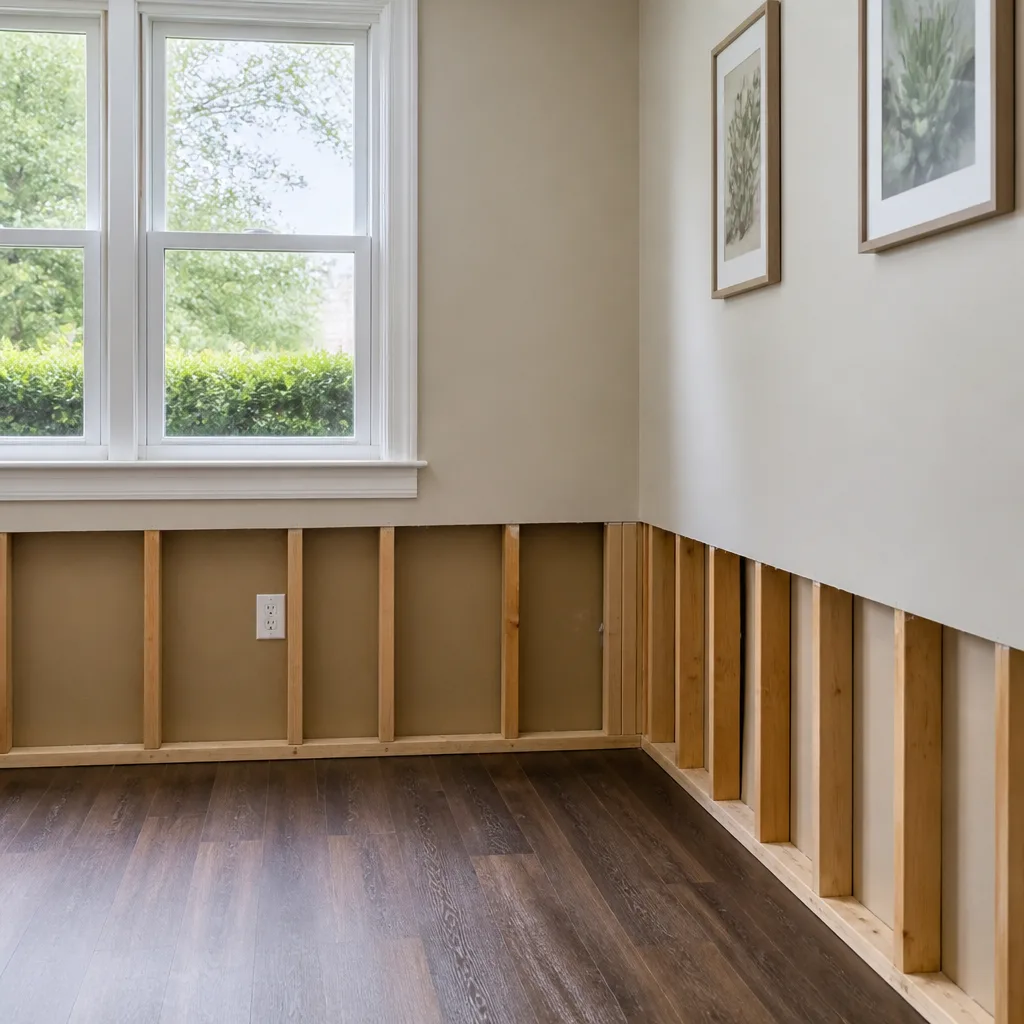
After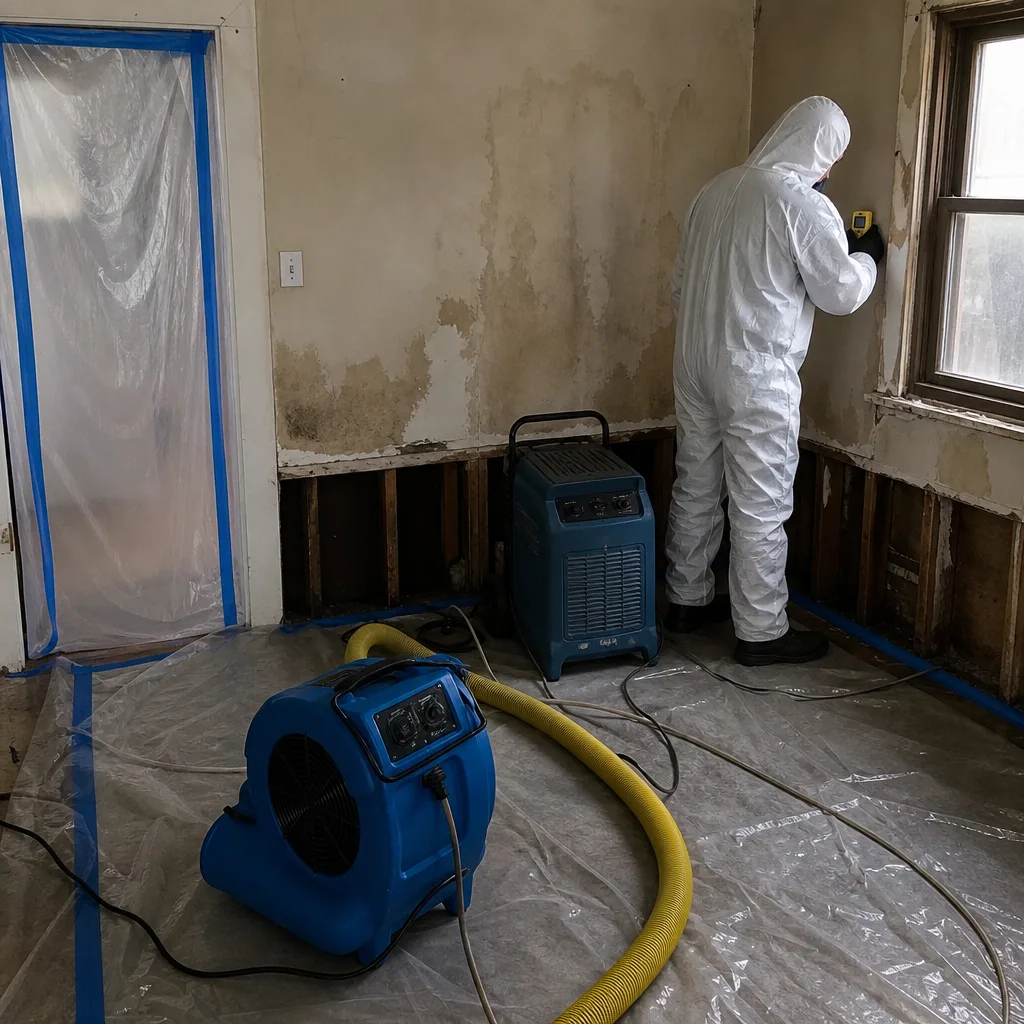 Before
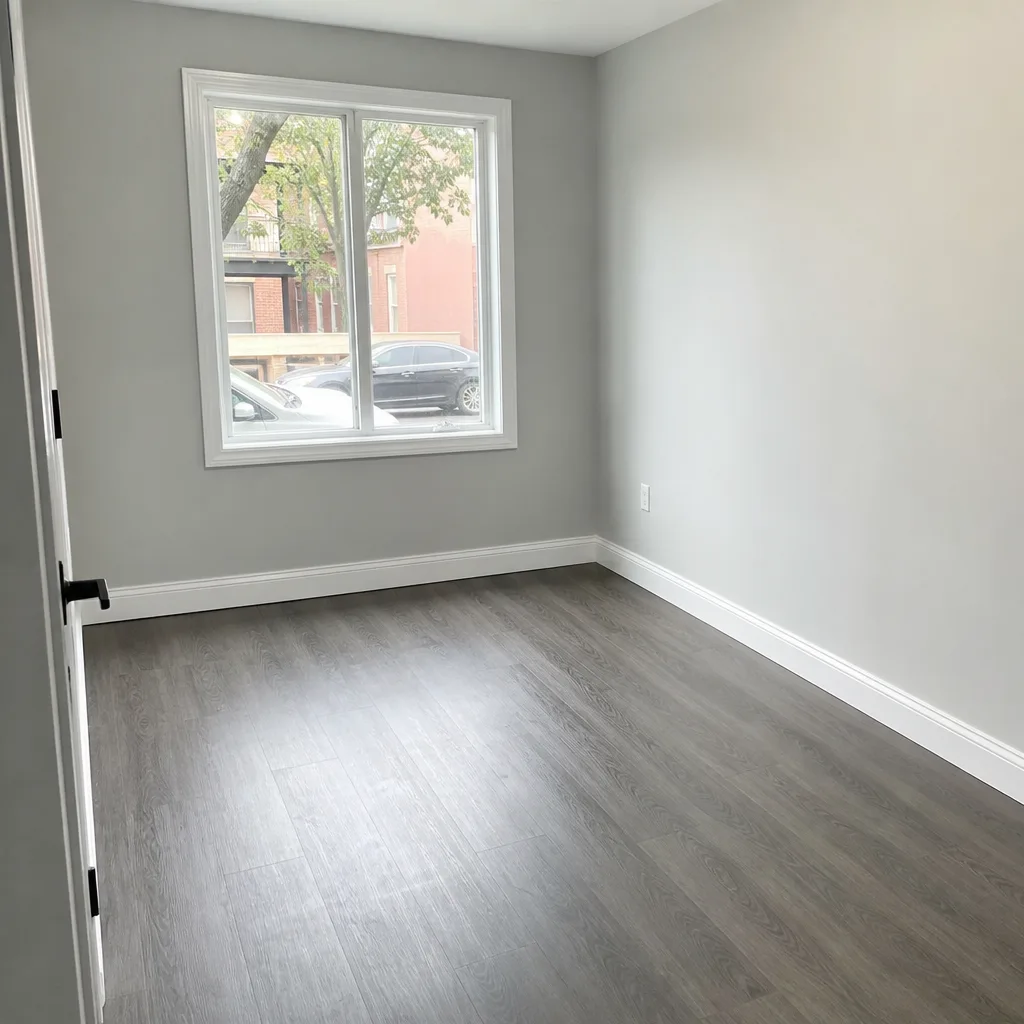 After
After24/7 Emergency Fire & Smoke Damage Restoration in Ridgewood
Fire and smoke damage in a Ridgewood rowhouse needs a response that understands how these brick attached homes behave when heat, soot, and odor move through them. That’s what we do at Fire & Smoke Damage Restoration from Wade’s Restoration, and we answer the phone at (363) 300-2771 any hour, any day. Wade Ferris takes calls himself, and his crew can be inside the hour for a free visual inspection of your property. The first hour after a fire matters because acidic soot keeps working into plaster, brick, and finished surfaces long after the flames are out, and smoke odor is doing the same thing through shared walls you cannot see.
Understanding Fire & Smoke Damage Restoration Severity in Ridgewood Properties
Most Ridgewood homes were built between 1905 and 1935, attached two- and three-story yellow-brick rowhouses with plaster walls, flat parapeted roofs, and below-grade basement units. After a fire, the severity of restoration is not just about what burned. It is about what smoke touched and where it went. There is dry soot, oily soot, and protein-based residue, and each behaves differently on original plaster, aged brick, and softwood framing. In a shared-wall building, smoke follows the path of least resistance: through joist bays, around electrical penetrations, up pipe chases, and into the neighbor’s side. That means a small kitchen fire in one unit can leave soot film in an apartment three doors down. Wade’s team uses thermal imaging and hygrometers to map where heat and moisture went, then builds a scope that accounts for the materials these homes are made of, not a generic checklist from a national template. This is Ridgewood work, and it is a specific kind of work.
Why Ridgewood Property Owners Choose Wade’s Restoration
- 45-minute response commitment. A fire does not wait for Monday morning, and neither do we. Wade heads out fast for Ridgewood calls.
- 24/7 live answer. You call (363) 300-2771 and a human picks up, including Wade himself at 2 a.m. No voicemail, no answering service, no runaround.
- IICRC-certified crews. Our technicians hold IICRC FSRT and OCT certifications for fire and smoke restoration and odor control, and the work follows IICRC S700 standards for fire and smoke damage.
- Free visual inspection. Wade walks the damage with you and tells you what actually needs to happen, not what a sales script says to sell.
- Direct insurance billing. We bill your carrier directly and handle the adjuster conversation, so you are not the middleman between two parties.
- One team from first board-up to final coat. We do not hand you off to a third crew after demolition. The same people who tarp the roof and board the windows are the ones who rebuild the wall and repaint the ceiling.
Our Fire & Smoke Damage Restoration Process
Inspection & Assessment
Wade or a senior tech walks the entire property, including the basement and any shared wall spaces. We document what burned, what got hot, and where smoke traveled, including into neighboring units if the building is attached. Photos and notes start the insurance file that same hour.
Emergency Board-Up & Tarping
We secure open windows, doors, and roof penetrations so weather and animals stay out. In Ridgewood, this often means tarping a flat parapeted roof where fire department ventilation cut through. Securing the shell also prevents further soot from entering through open voids.
Soot & Debris Removal
Soot is acidic and etches surfaces fast. We remove loose debris, then use HEPA vacuums and specialized chemistry matched to the soot type: dry soot gets dry-sponged, oily soot gets solvent-based cleaning, and protein residue gets enzyme treatment. Aged plaster and yellow brick require low-moisture methods so we do not drive contamination deeper into porous material.
Deodorization & Air Scrubbing
Smoke odor lives in porous surfaces, not just the air. We run HEPA air scrubbers and carbon-filtered air movers to capture airborne particles, then treat wall cavities, joist bays, and party wall assemblies. Thermal fogging or ozone treatment follows where appropriate, but only after containment is sealed so odor does not migrate into neighboring units.
Contents Cleaning & Pack-Out
Furniture, clothing, books, and personal items get inventoried, photographed, and cleaned on site or packed out to our facility. In a Ridgewood basement apartment, that often means rescuing belongings from a space that also took water from the fire suppression effort. We use Ultrasonic cleaning and dry-cleaning for soft goods.
Structural Repair & Restoration
This is where the job becomes a rebuild. We replace charred framing, repair plaster or lath, restore original wood trim where possible, and match finishes to the home’s period. If the property is in the Ridgewood Historic District, we coordinate with the NYC Landmarks Preservation Commission before touching exterior elements.
Need Emergency Fire & Smoke Damage Restoration in Ridgewood Now?
Crews minutes away, answering live 24 hours a day. The sooner we start, the less it costs.
Working With Your Insurance Company
Fire claims in Ridgewood are often complicated by the fact that damage crosses property lines through shared walls. Your neighbor’s insurer may get involved, and the last thing you want is to be the one explaining retrofits to two adjusters. Wade deals with the adjuster directly. He has done it for almost two decades. From the first hour, we photograph every surface, log every reading, and write a line-item scope that matches how insurers actually pay claims. If the carrier disputes something, we do not just shrug and charge you the difference; we walk them through the documentation and fight the claim properly. The less you have to translate between us and them, the faster the file closes.
What We Provide Your Insurer
- Thorough documentation of the loss
- Photos of all damage, room by room
- Moisture readings and drying logs
- A detailed, line-item scope of work
- Direct coordination with your carrier
Built for Ridgewood’s Loss Calendar
Ridgewood’s fire season is not a season; it is a list of recurring failures in old building systems. January and February bring space heaters pushed too hard in uninsulated brick homes, extension cords daisy-chained across basement apartments, and overloaded circuits in pre-war panels that were never designed for modern demand. Spring reveals what winter ice did to flat roofs, and when water gets into rowhouse parapets, it follows the same paths smoke later will. Summer thunderstorms bring electrical strikes and power surges that fry wiring in 100-year-old plaster walls. And year-round, the city’s aging combined sewer infrastructure means a heavy rain can back up into below-grade basement units, creating sewage-category contamination that complicates an already bad fire scene. Add in the fact that many Ridgewood homes still have original cloth-insulated wiring, and the pattern is clear: the building stock itself creates predictable fire and smoke scenarios. Knowing this calendar means we arrive already understanding what probably happened before we open the door.
Fire & Smoke Damage Restoration Across Ridgewood’s Neighborhoods
Response routes in Ridgewood change depending on where you are. The blocks along Catalpa Avenue and the streets running north toward the Queens border are dense rowhouse rows where attached walls mean every fire scene has potential cross-property concerns. Over by Myrtle Avenue, the mix shifts toward more mixed-use buildings, with commercial storefronts below residential units, and that means coordinating with business owners who cannot afford a 30-day closure. The streets east of Fresh Pond Road include some of the neighborhood’s oldest stock, with original plaster and trim that are worth saving, not just gutting. South toward the border with Bushwick, many buildings have below-grade units that take water from the fire department’s hoses just as fast as they took smoke from the fire. The Ridgewood ZIP codes, 11385 and 11386, cover a small geography with a huge density of attached construction. That density is the defining feature of restoration work here.
One true local insight matters more than any other in Ridgewood: fire and smoke damage often travels through shared party walls and roof structures. The virtually unbroken rows of early-20th-century attached yellow-brick rowhouses sharing party walls mean restoration here must routinely address hidden soot migration and odor in neighboring properties even when only one address had the fire. Wade’s crew was called to a 1912 brick rowhouse on Catalpa Avenue after a basement electrical fire. Smoke had pushed through the party wall into the adjacent unit, leaving soot on the neighbor’s plaster walls and a heavy odor in their first-floor apartment. We set up containment, ran air movers and HEPA scrubbers, and performed smoke and soot removal on both sides, including cleaning the shared structural brick with dry-ice blasting to avoid moisture damage. The neighbor’s pre-loss condition was restored without opening their walls.
Specialized Fire & Smoke Damage Restoration Services We Offer in Ridgewood
Smoke & Soot Removal
In Ridgewood’s attached rowhouses, soot removal is rarely a one-unit job. We inspect both sides of the party wall, plus joist bays and ceiling voids, for soot that traveled beyond the fire room. Dry methods come first on original plaster and aged brick, because wet cleaning can drive contamination deeper and create a mold problem in already fragile early-1900s interiors.
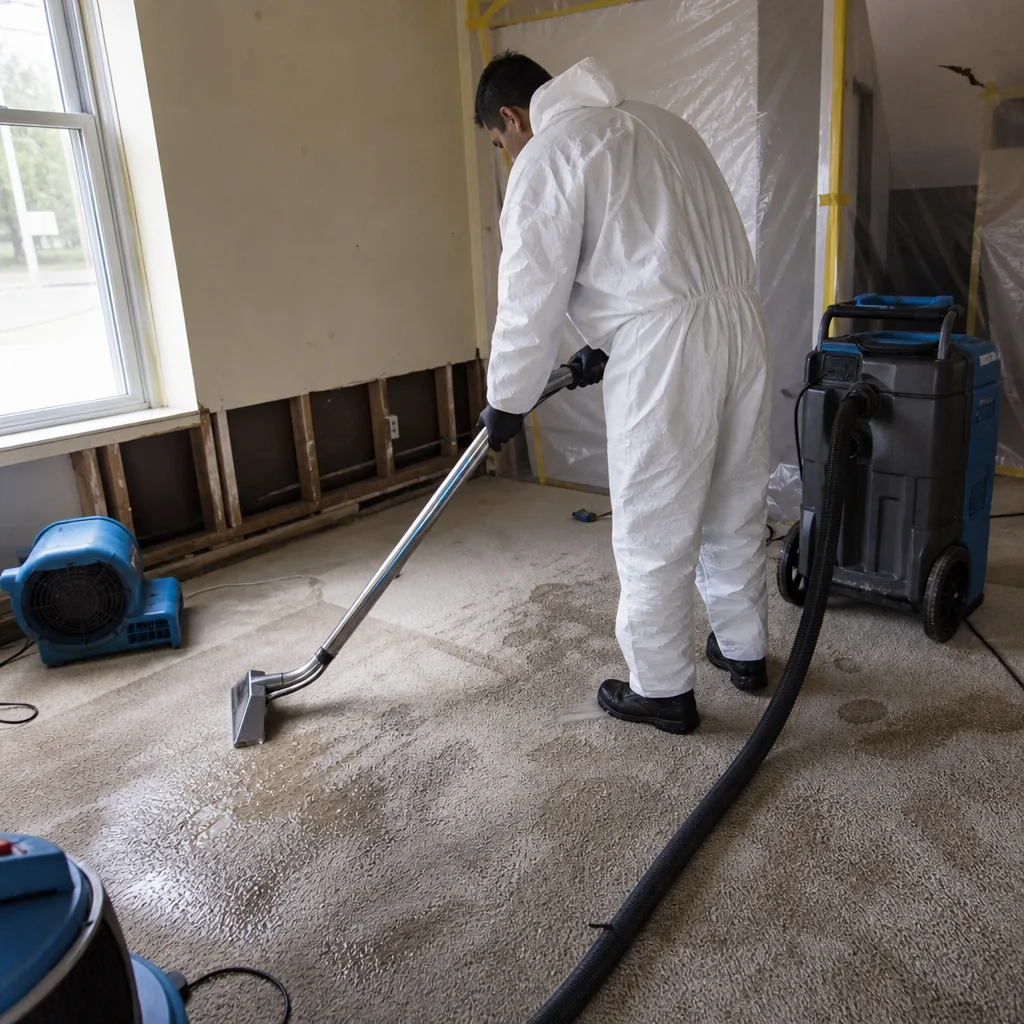
Odor Removal & Deodorization
Persistent smoke smell almost never comes from the air; it comes from porous materials that absorbed gases during the fire. In a shared-wall building, that often means treating the neighbor’s side too. We use hydroxyl generators, thermal fogging, and in severe cases, dry-ice blasting on structural brick to remove odor without saturating it. If the neighbor reports no visible damage but smells smoke, they need a probe through the party wall assembly anyway.
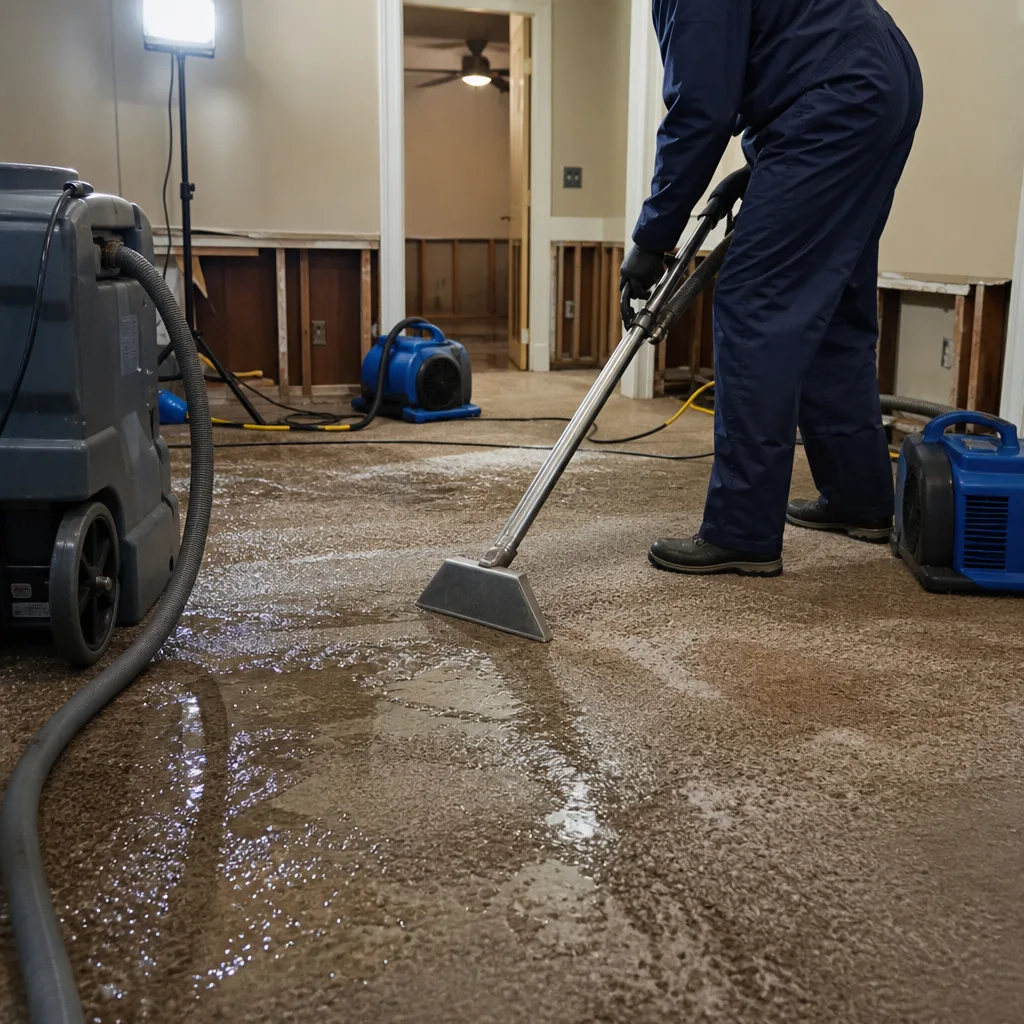
Structural Fire Repair
When framing is charred, plaster is compromised, or a roof needs re-framing, we do the rebuild in-house. In the Ridgewood Historic District, structural fire repair that touches exterior walls or original rooflines requires NYC Landmarks Preservation Commission approval. We have done that dance, we know the paperwork, and we coordinate it before any stop-work order shows up. Interior work proceeds while permitting runs, so the job does not stall.
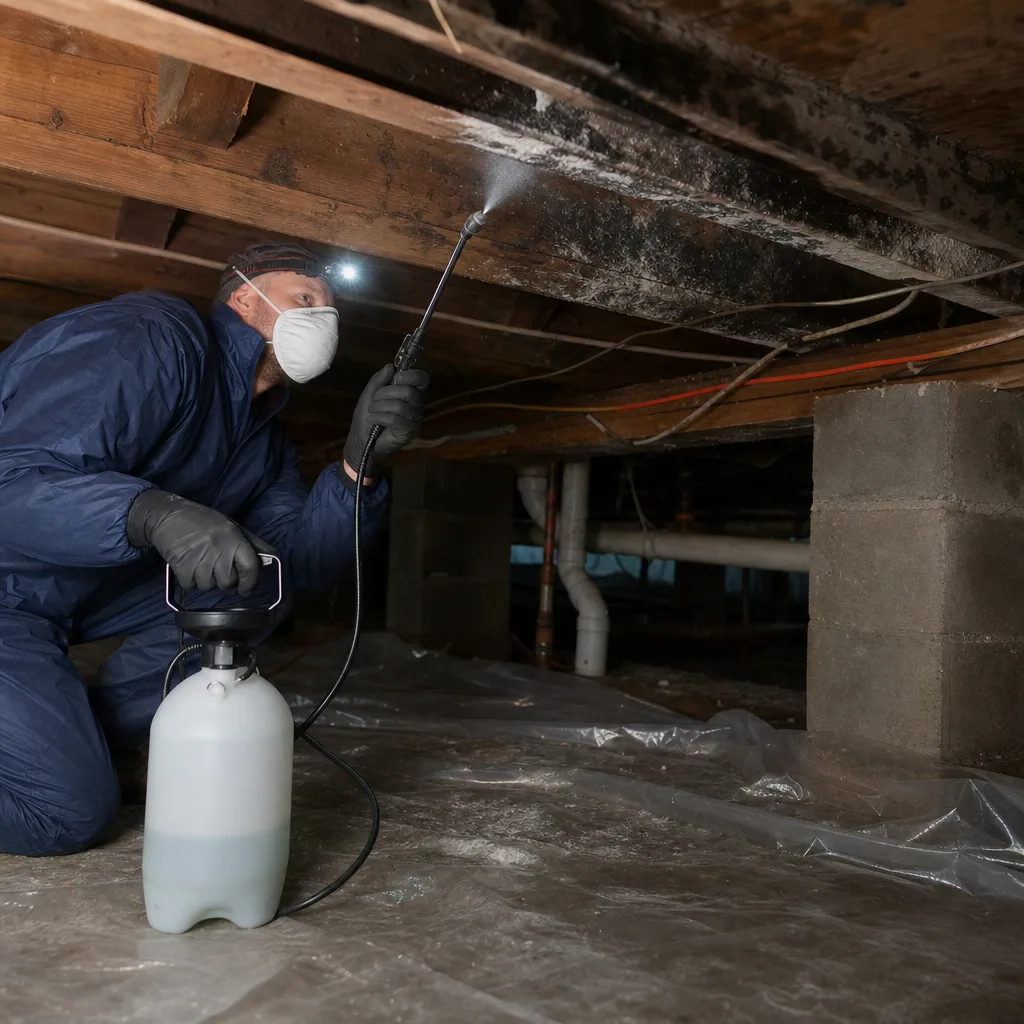
Emergency Board-Up & Tarping
Flat parapeted roofs are standard in Ridgewood, and a fire department ventilation cut leaves a hole that can turn a fire scene into a water damage scene in one rainstorm. We board and tarp the day of the event, then secure the building against theft and weather until the rebuild starts. No gaps. No sagging blue tarps that leak into the neighbor’s side.
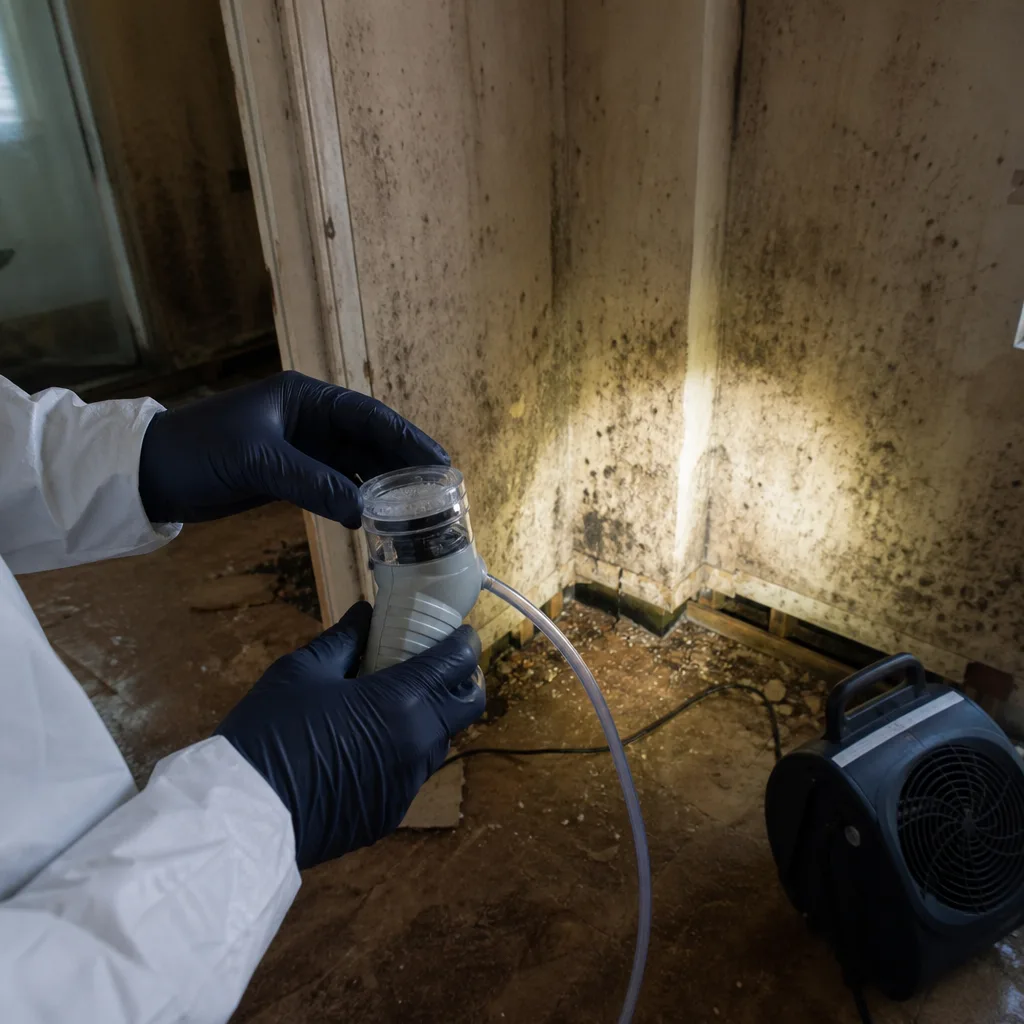
Contents Cleaning & Pack-Out
When soot has contaminated a packed basement apartment in a Ridgewood rowhouse, there is no shortcut. Every item gets inventoried, photographed, and cleaned or packed out. We have cleaned heirloom furniture that survived two generations and clothing that absorbed smoke through an entire closet. Some things cannot be saved, and we tell you that honestly before charging you to try.
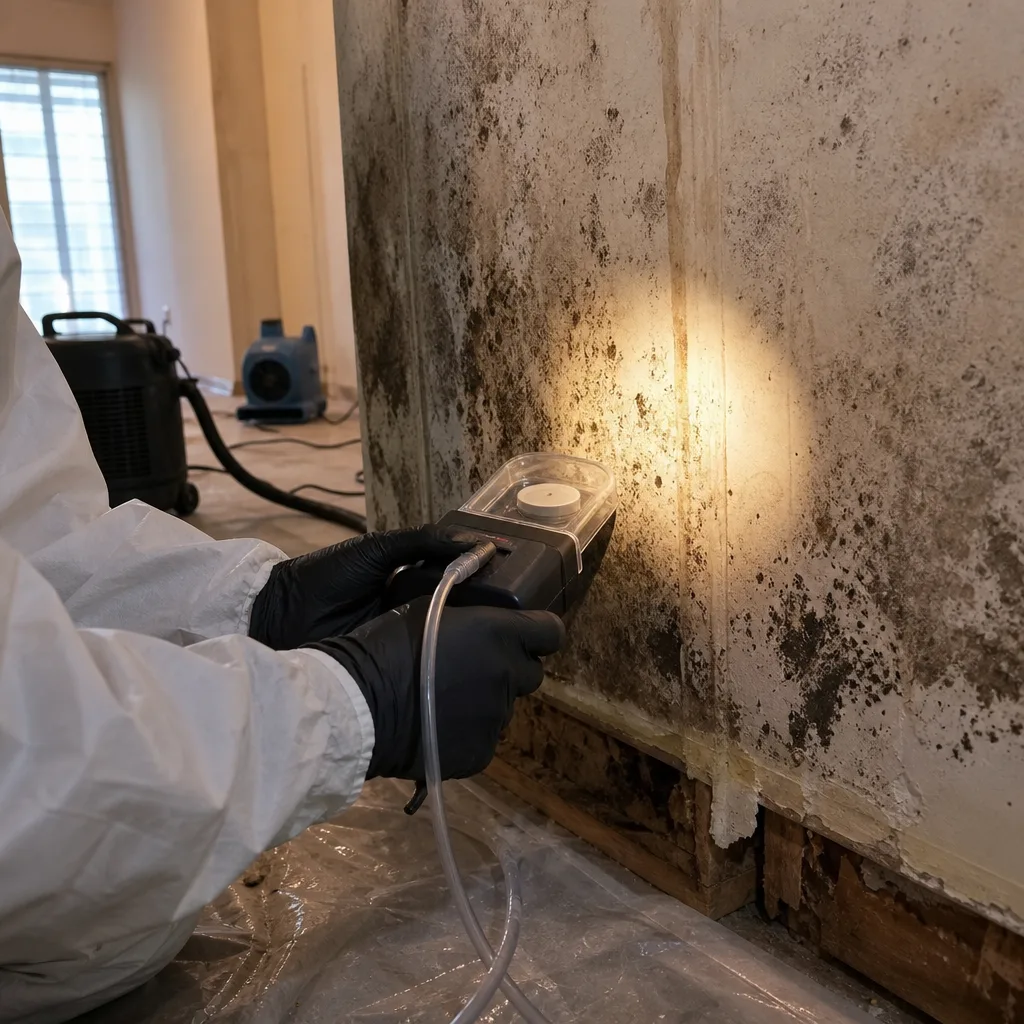
What happens when you call
- 1
A real person answersNo phone trees - you reach a local pro.
- 2
You get an upfront price rangeHonest numbers before anyone is dispatched.
- 3
A background-checked tech heads outLicensed & insured, dispatched right away.
- 4
You approve before work beginsNothing starts until you say go.
Fire & Smoke Damage Restoration Costs in Ridgewood, NY
A small contained kitchen fire with light soot in one room of a Ridgewood rowhouse typically runs $2,500 to $6,000 for cleaning, deodorization, and repainting. A basement fire with smoke migration into a neighboring unit, structural repair, and contents cleaning generally falls between $12,000 and $35,000. Full reconstruction after a significant fire, including roof framing, plaster restoration, and period-correct trim, ranges from $40,000 to $120,000 depending on the size of the building and the extent of the historic fabric that must be preserved or replicated. What moves the price: whether smoke crossed a party wall, whether original plaster can be saved or must be replaced, whether the Department of Buildings or Landmarks is involved, and what the insurance adjuster will actually approve. Call (363) 300-2771 for a free visual inspection and a written scope before any money changes hands.
We Also Serve Cities Near Ridgewood
Wade’s Restoration crews are on the road every day across western Queens. We serve Woodhaven, Elmhurst, Ozone Park, and Richmond Hill with the same live 24/7 answer and the same one-team approach. The building stock changes a little across those neighborhoods, but the work ethic does not.
Serving Ridgewood, NY - Our Local Coverage Area
We’re based in the Ridgewood area and know this community well. Use the map below to see our service coverage - if you’re nearby, we can almost certainly help.
Ridgewood Fire & Smoke Damage Restoration Questions, Answered
How does fire and smoke damage affect the shared brick walls in Ridgewood rowhouses?
Shared brick party walls absorb smoke gases during a fire and can hold odor for months if not treated properly. The aged yellow brick and failing mortar joints in Ridgewood’s 1905-1935 rowhouses are porous, which means soot and odor can travel through them into the neighboring unit, even when there is no visible opening. Dry-ice blasting is often the best method because it removes soot without saturating the brick with moisture.
Do I need to worry about smoke odor traveling to my neighbor’s rowhouse if the fire was only in my unit?
Yes. In attached rowhouses with shared party walls and continuous joist bays, smoke travels through the wall assembly, around electrical penetrations, and through any gap in the structure. The neighbor may smell smoke while showing no visible damage. We routinely probe party-wall spaces on both sides, and if the odor is present, we clean both units. The alternative is a neighbor who complains for a year and an insurance claim that drags on the same length of time.
What special permitting does structural fire repair require in the Ridgewood Historic District?
Any exterior structural work, roof replacement, or significant facade repair in the Ridgewood Historic District requires NYC Landmarks Preservation Commission approval in addition to standard Department of Buildings permits. Interior work can usually proceed while LPC review happens, but touching the street-facing facade without approval will get you a stop-work order. We prepare the LPC submittal as part of our structural repair scope, and we coordinate directly with the commission so the rebuild does not stall.
Can you clean the original plaster walls after a fire without removing them?
Often yes, but it depends on how deep the smoke penetrated. Original lime-based plaster in Ridgewood’s pre-war homes is porous, and dry-cleaning methods come first: dry sponges, HEPA vacuuming, and specialized chemical agents matched to the soot type. If the plaster is cracked from heat or has absorbed water from fire suppression, it may need stabilization or partial replacement. We save original plaster wherever possible because it is part of the house’s value and character.
How do you handle contents cleaning when soot has contaminated a packed basement apartment in a Ridgewood rowhouse?
Every item gets inventoried, photographed, and evaluated. Soft goods go to a textile cleaning facility using ultrasonic or dry-cleaning methods. Hard items get cleaned on site or packed out to our facility. In a crowded basement apartment, this can mean hundreds of individual items, but the alternative, replacing everything, is usually more expensive and emotionally awful for the owner. We document it all for the insurer so the claim reflects reality, not guesswork.
How quickly can you actually get to my Ridgewood home after a fire?
If you live in Ridgewood and call (363) 300-2771, you will talk to a live person, frequently Wade himself. He can typically have a crew at your door within 45 minutes for a fire scene. If the fire was just extinguished, we secure the building and start documentation that same visit. If it has been a few days, the urgency is different but still real because soot keeps etching surfaces and odor keeps absorbing into plaster and wood.
Will my insurance cover fire and smoke restoration in a Ridgewood rowhouse?
Most homeowners policies cover fire and smoke damage, including soot and odor treatment. What gets complicated in Ridgewood is cross-property damage: if smoke traveled through a party wall into the neighbor’s unit, two carriers may be involved, and they will argue about whose policy pays. We handle both adjusters, provide photo documentation and line-item scopes, and work the claim so you are not stuck arbitrating between insurance companies.
What should I do in the first 30 minutes after a fire in my Ridgewood home?
After the fire department says the building is safe, call us at (363) 300-2771. Do not walk through heavy soot if you can avoid it; soot is acidic and will stain carpet and finishes further with every step. Turn off the HVAC if you can reach it safely so smoke is not being blown through every room. Do not wipe down walls with water, because in an old rowhouse with plaster and porous brick, that pushes soot deeper and adds moisture. Wait for us to document everything first; your insurer will want that photographic record.
Written by Wade Ferris, Owner at Wade’s Restoration, serving Ridgewood, NY since 2007.
If you have fire or smoke damage in a Ridgewood rowhouse, do not wait for the smell to fade on its own; it will not. Call (363) 300-2771 now for a free visual inspection and a straight answer about what needs to happen next. Wade answers the phone himself.