
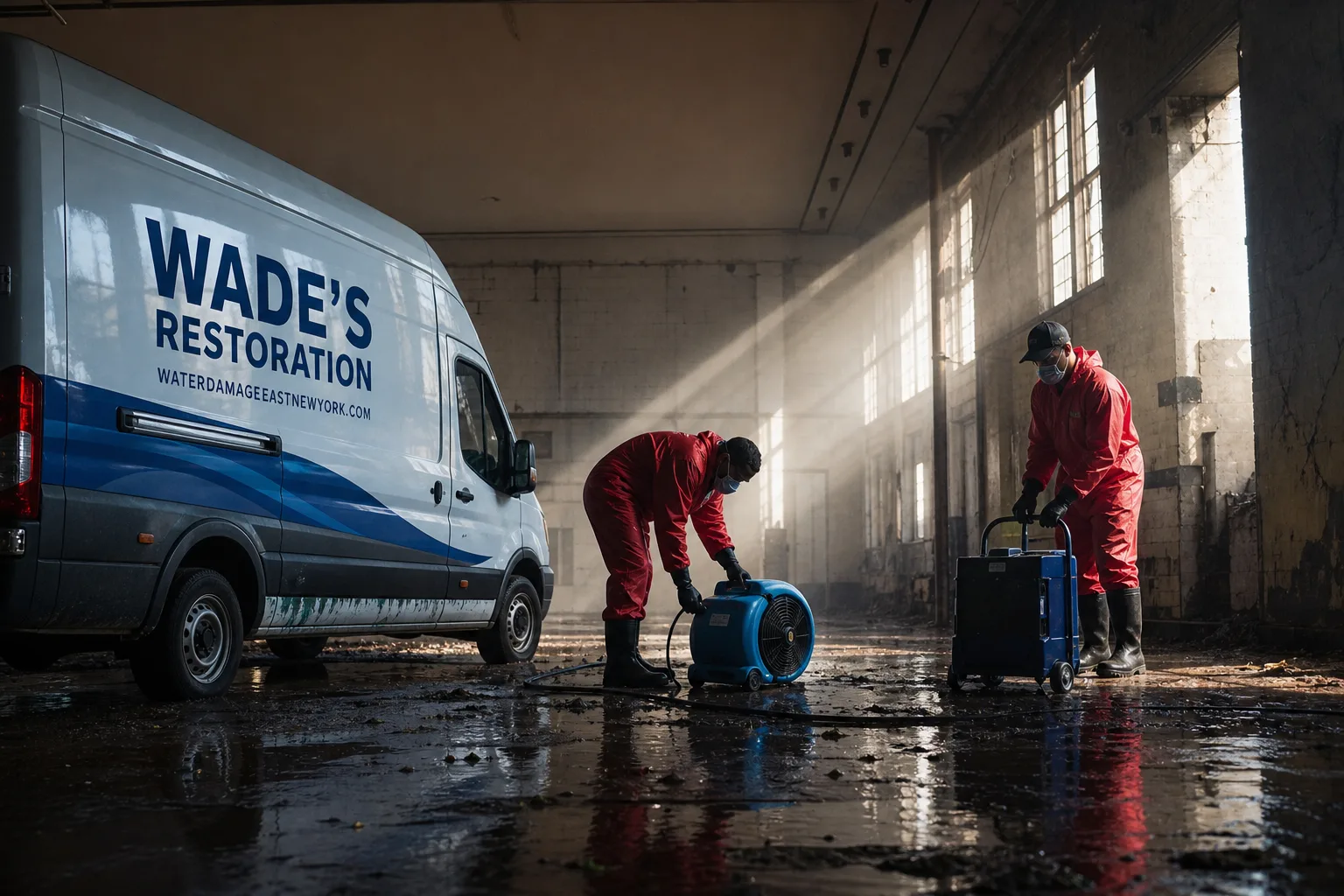
Free visual inspection and a written scope of work before any mitigation begins - photos, moisture readings, and drying logs go in your claim file
The scope we write is the scope we bill. Anything new gets shown to you, in writing, before we touch it.
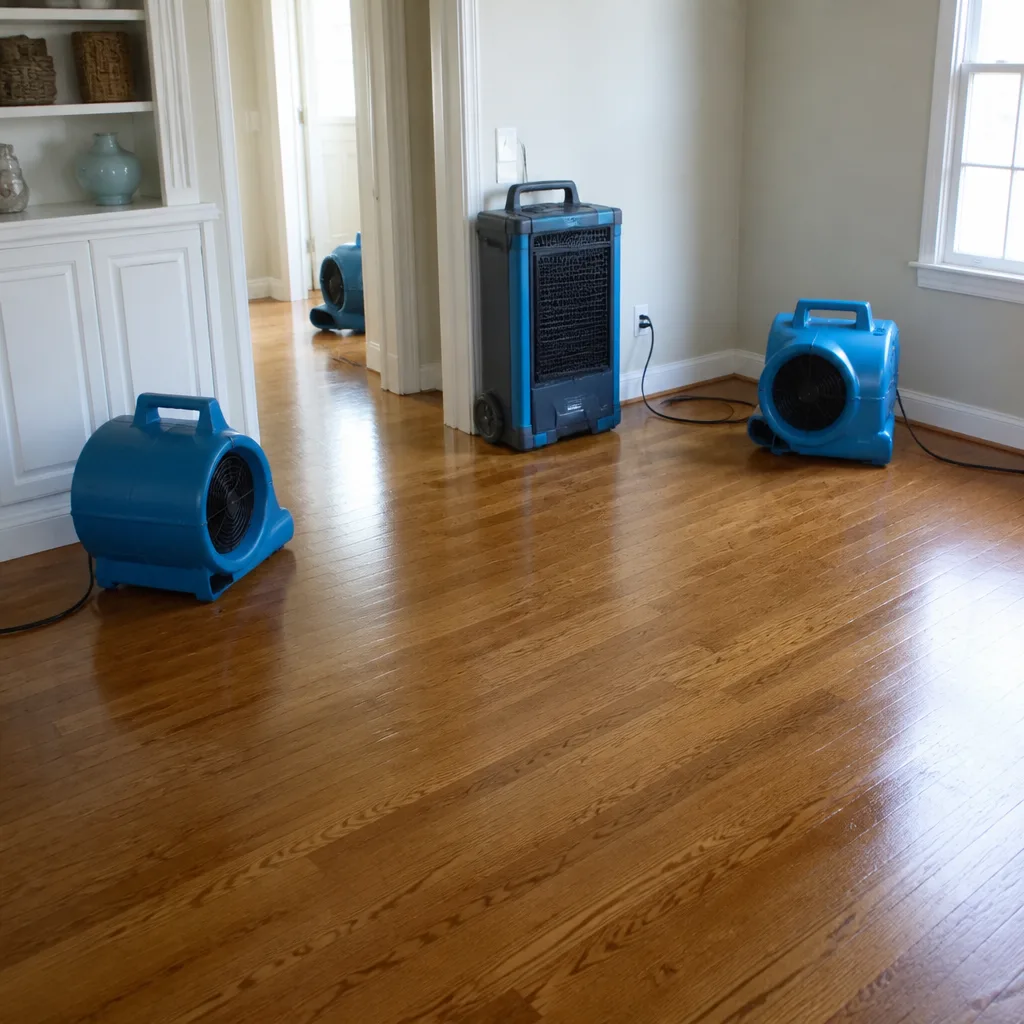
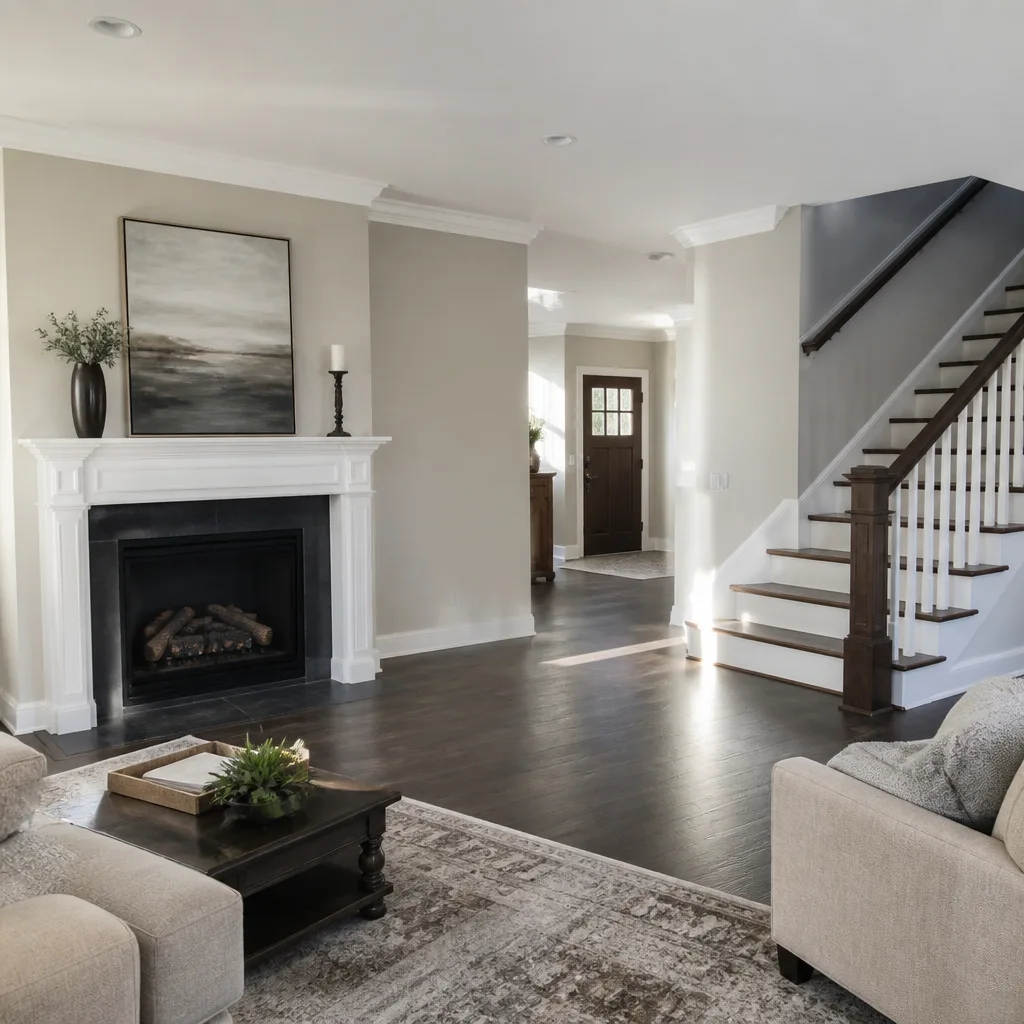
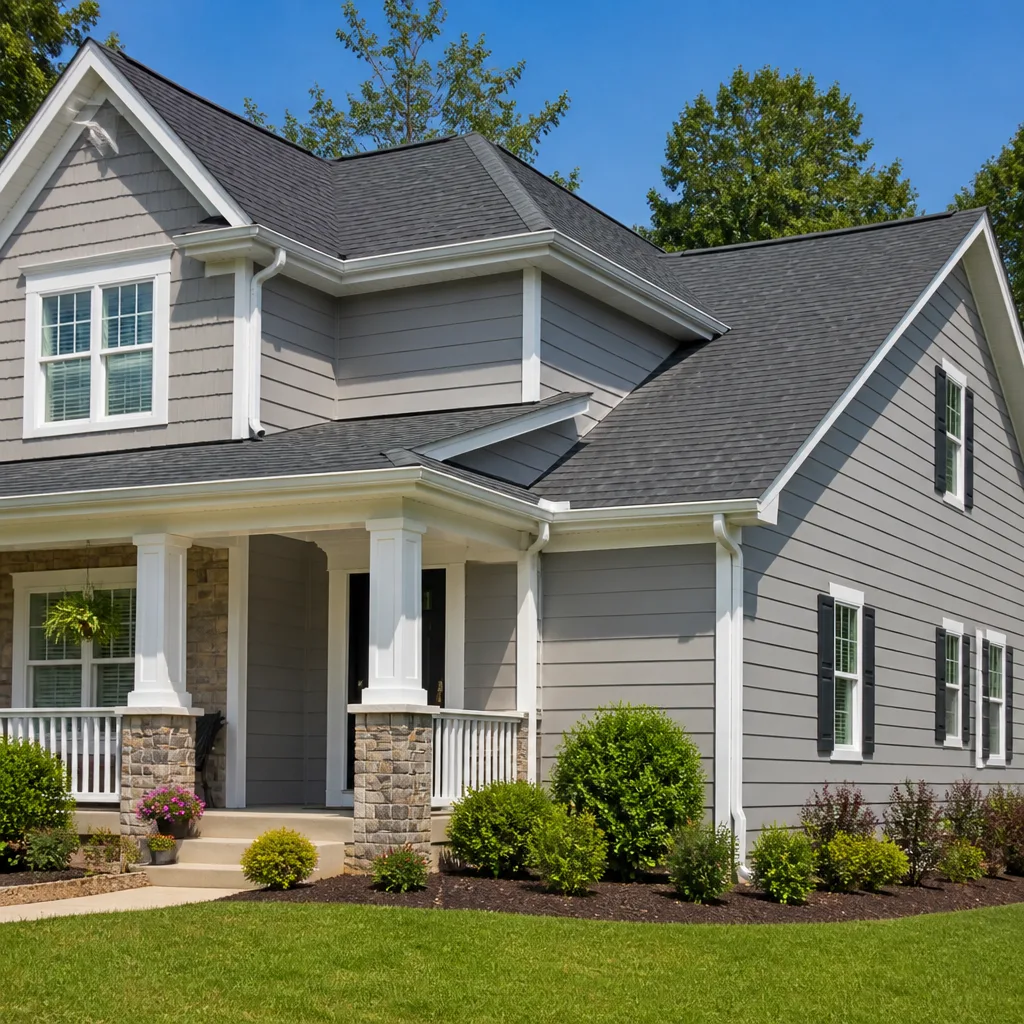
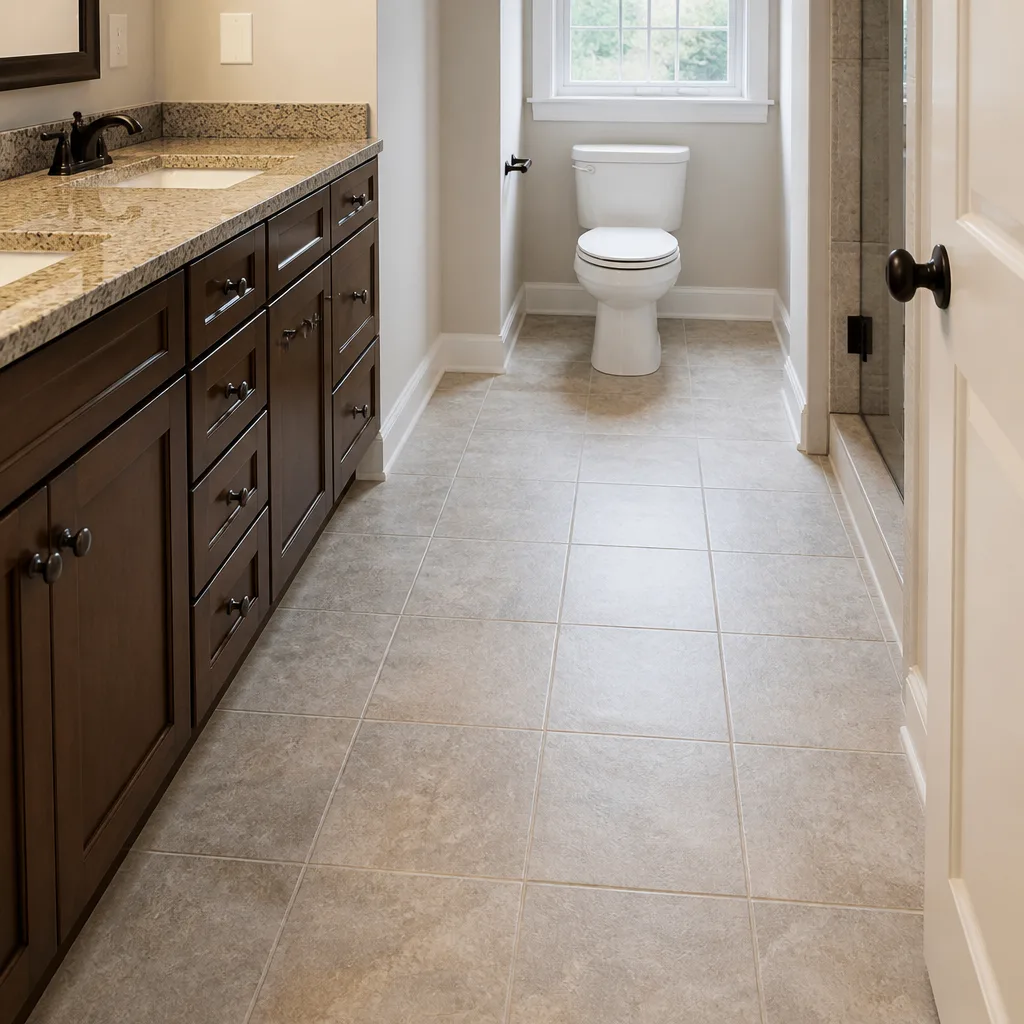
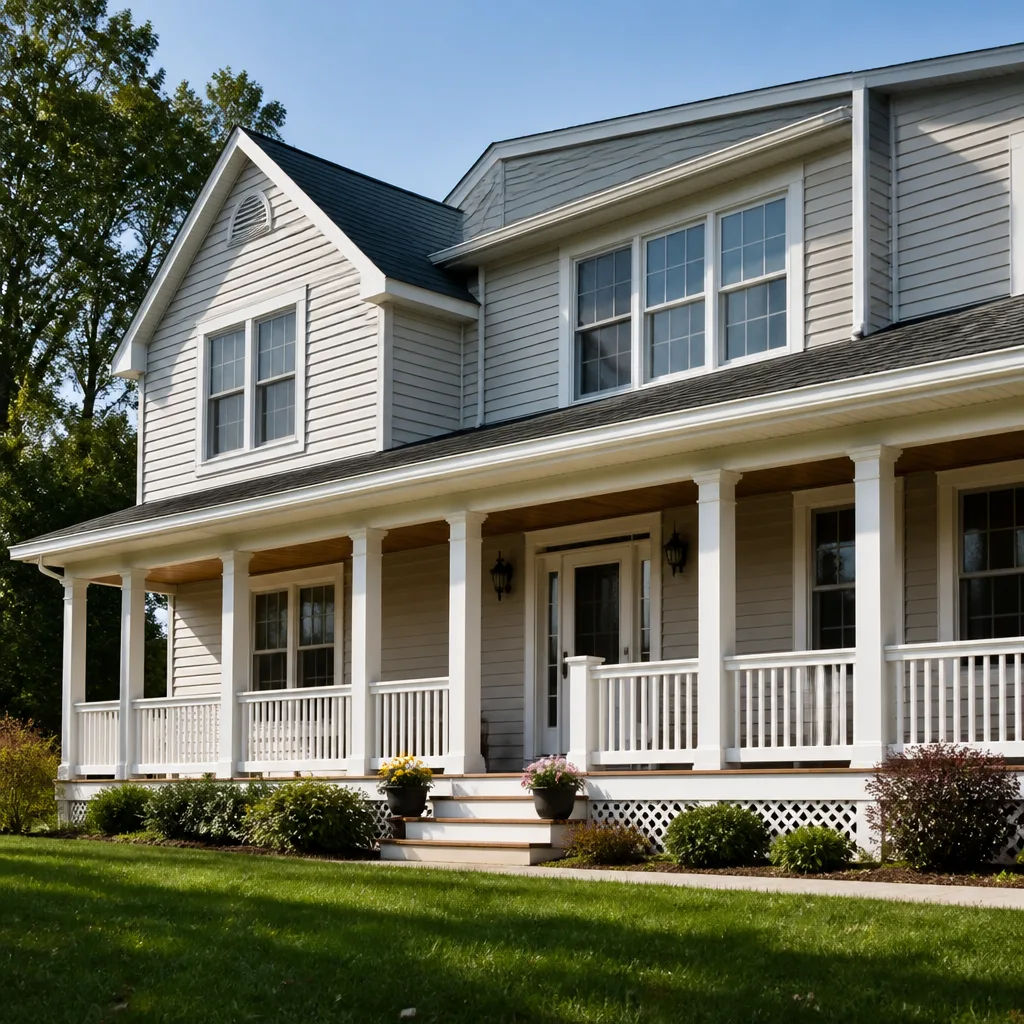
 Before
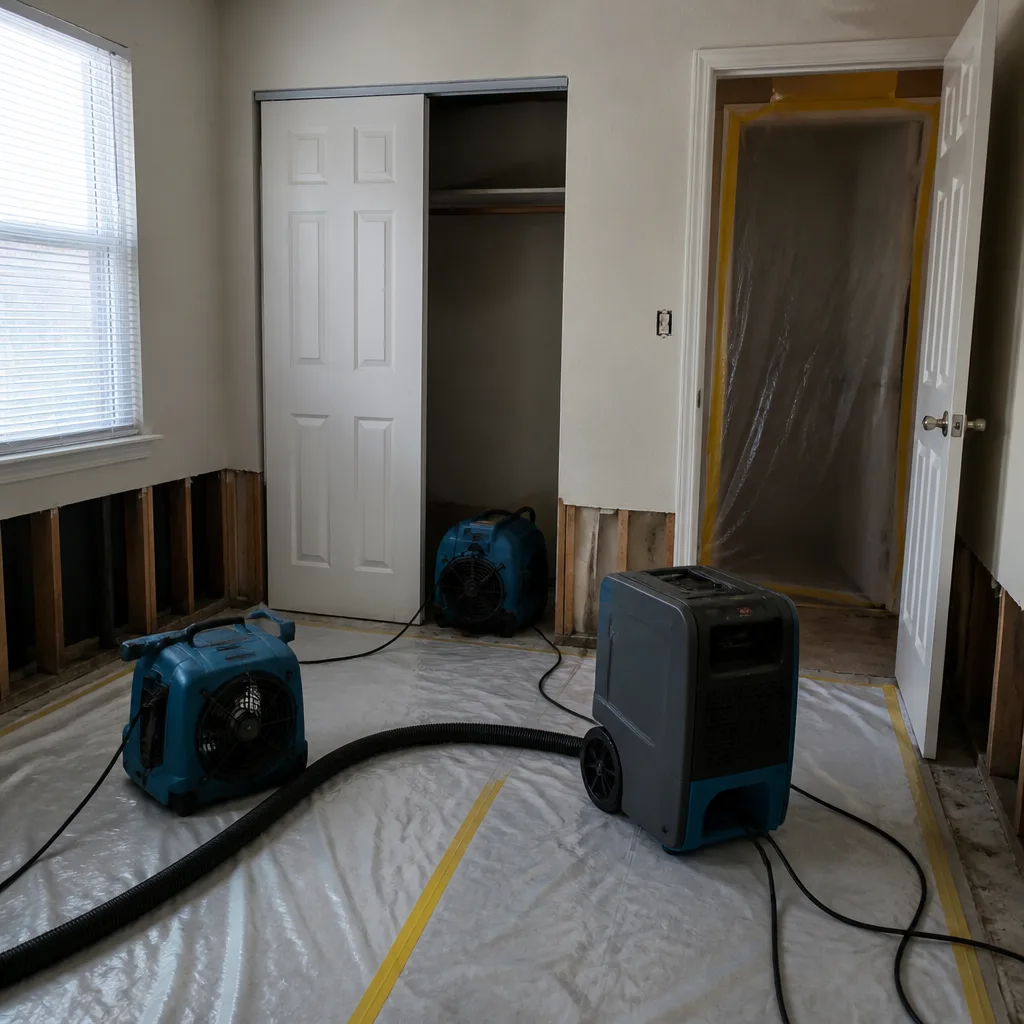 After
After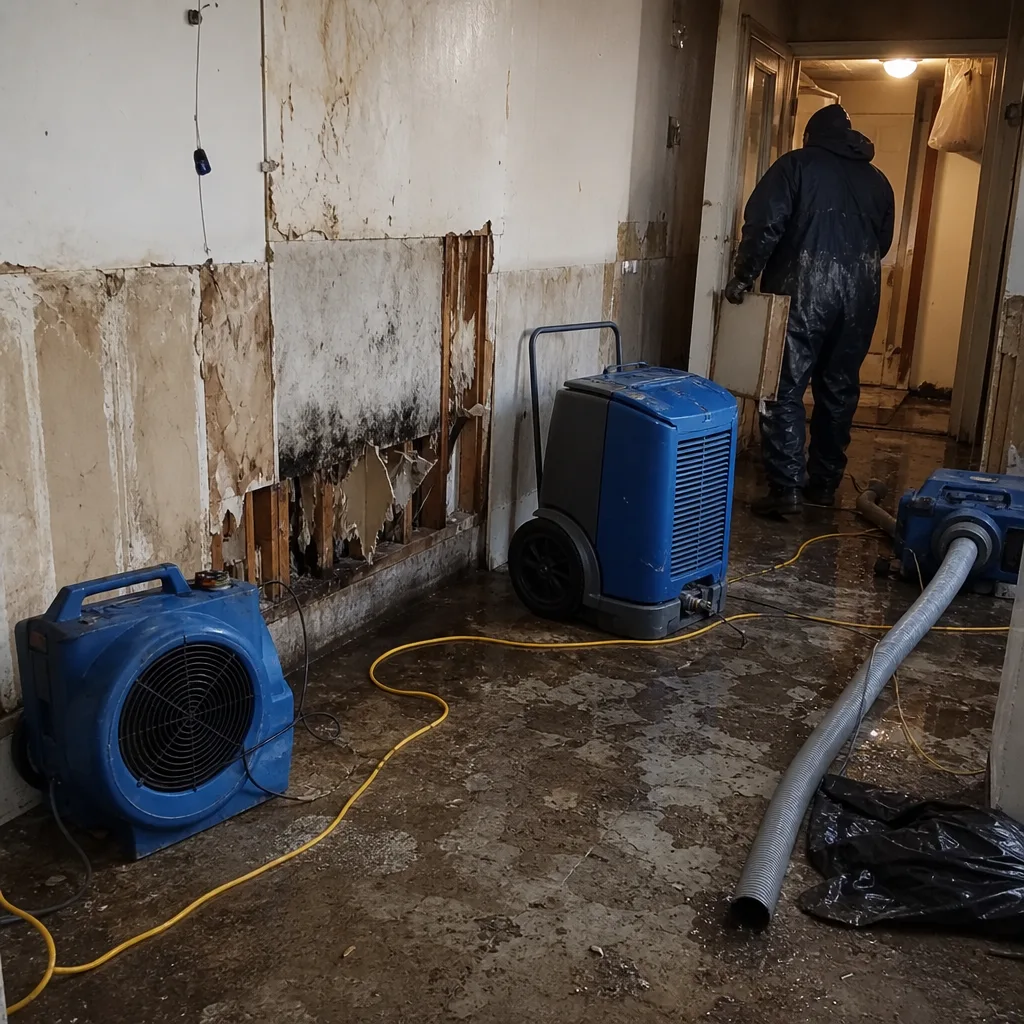 Before
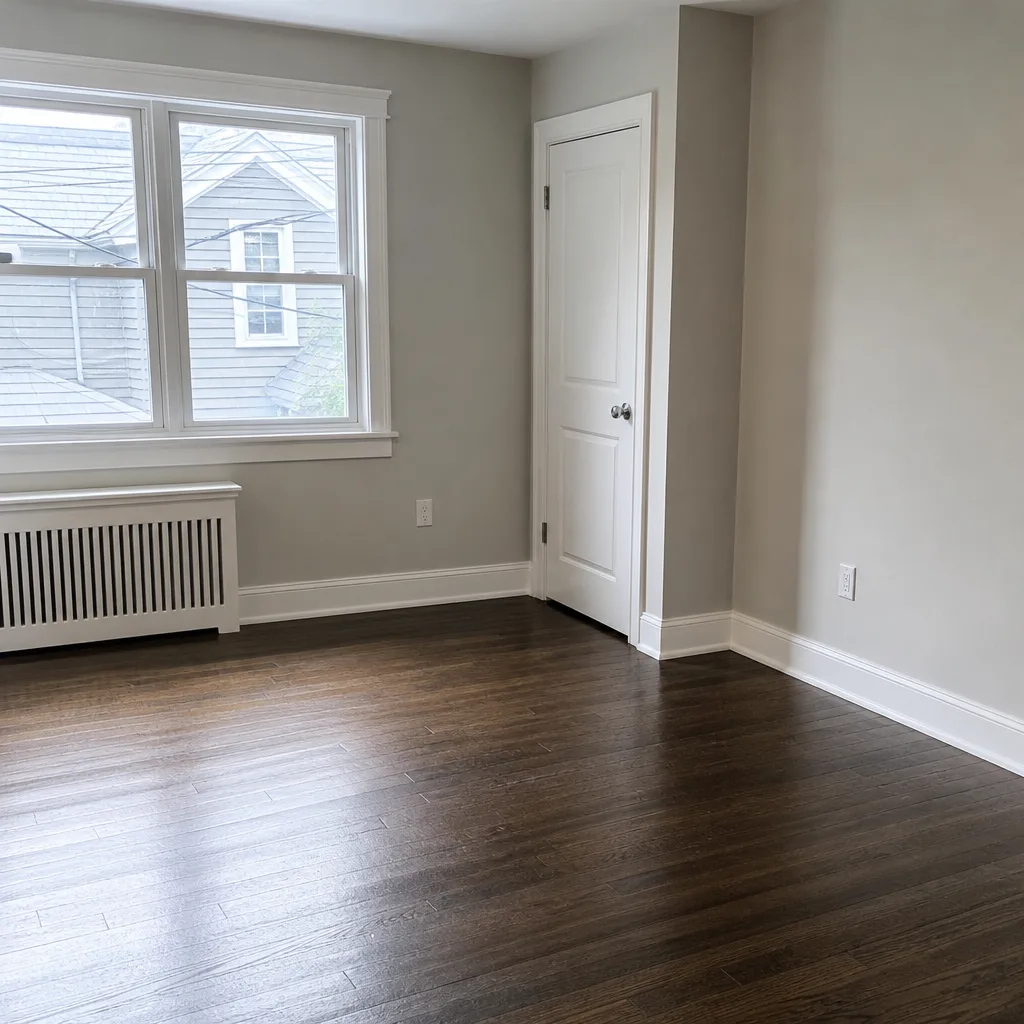 After
After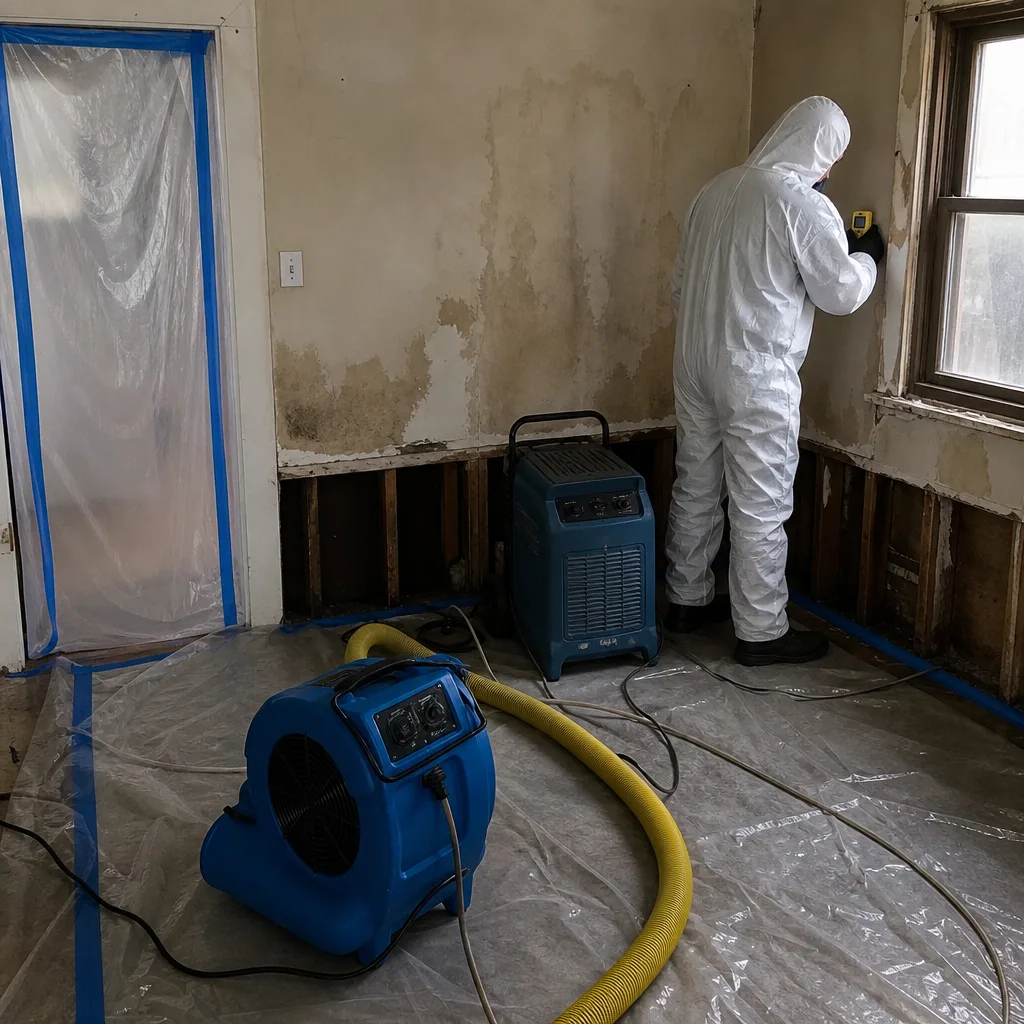 Before
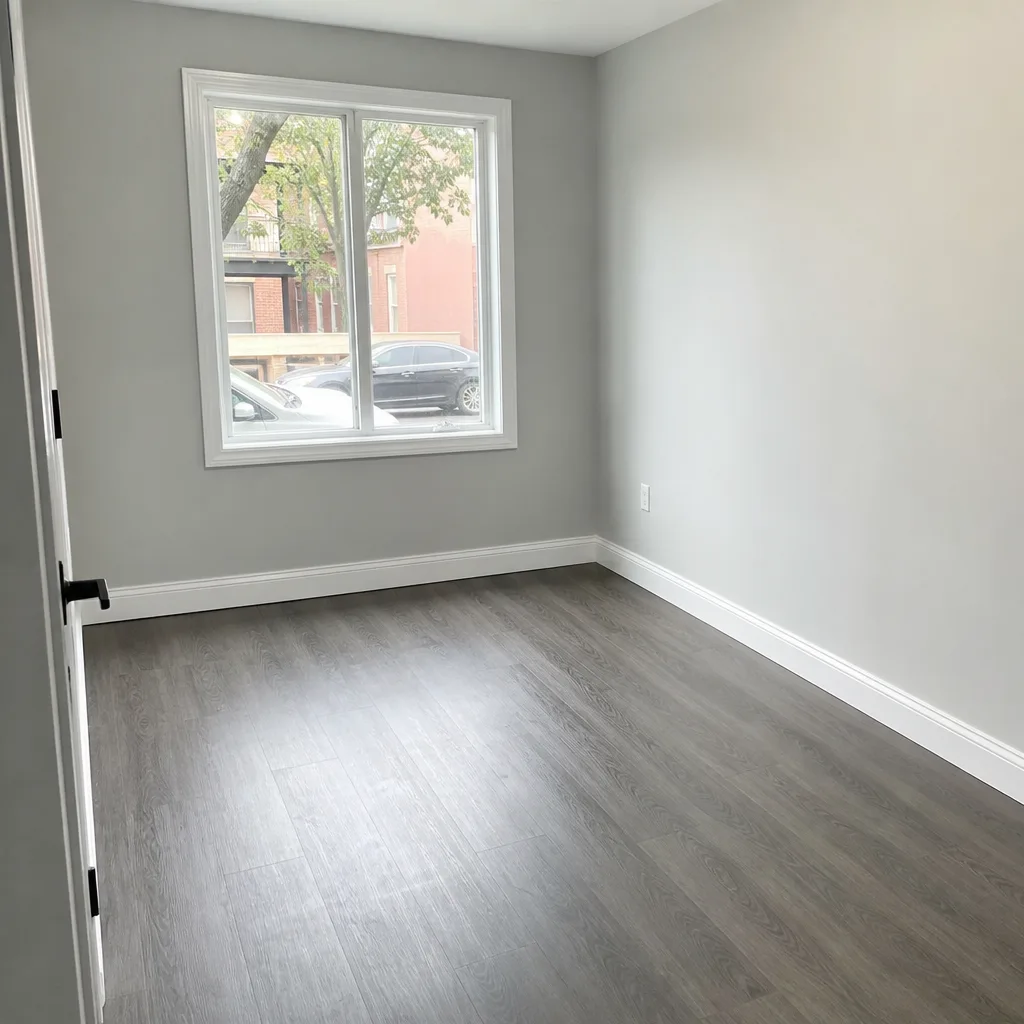 After
After24/7 Emergency Mold Remediation in Elmhurst
If you’re seeing or smelling mold in your Elmhurst home, you want someone on site today, not at the end of the week. We answer the phone live around the clock and Wade’s crew heads into Elmhurst neighborhoods like the 45th Avenue corridor or Broadway blocks within the hour, often faster. Mold doesn’t wait, and in these attached brick row houses, neither can you. Call (363) 300-2771 right now for a free visual inspection. The first hour matters because, in Elmhurst’s humid summer air, a damp basement can go from musty to blooming within 48 hours. One call from you, and we’re rolling.
Understanding Mold Remediation Severity in Elmhurst Properties
Mold in Elmhurst is not a one-size problem. In a 1930s two-family off Justice Avenue, we might find surface mold from a slow bathroom leak that a simple cleaning and air-scrubber pass resolves in a day. In a converted basement apartment off Roosevelt Avenue, we’re often looking at Category 3 water from a combined sewer backup, where mold has colonized drywall, base trim, and subflooring, and requires full containment plus removal of every porous surface down to the framing. The difference comes down to moisture source, duration, and what’s behind the walls. In attached row houses, what looked like a small patch on one wall often traces back through a party wall from the neighbor’s side. That’s why we do moisture mapping with thermal imaging before we write a scope, not after. Elmhurst’s stock of 1920s to 1950s brick buildings, with cast-iron waste lines and flat roofs draining to interior scuppers, produces a specific signature of mold problems: burst supply lines in the deep freeze, slow condensation around below-grade walls, and the dreaded sewer-backup basement event after a hard rain. Each one needs a different containment plan and a different conversation with the owner.
Why Elmhurst Property Owners Choose Wade’s Restoration
- 45-minute response commitment: When you call, Wade or one of his senior techs is moving toward Elmhurst within the hour, and often inside 45 minutes for an active water-to-mold situation.
- 24/7 live answer, always a real person: No answering service, no robot. Call at 2 a.m. and Wade himself picks up. He’s the owner, and his cell phone is the dispatch line.
- IICRC-certified crews, WRT and AMRT credentials: The people we send are trained in water damage restoration and applied microbial remediation, and they run the job to that standard, not a franchise script.
- Free visual inspection, no charge for the first look: If you’re not sure whether it’s mold or just staining, we come out and look. No trip charge inside our own county, and no push to sell you work you don’t need.
- Direct insurance billing and adjuster communication: Wade talks to your adjuster himself, sends them the moisture log and the photo file, and keeps you out of the middle of the paperwork.
- One crew from containment to reconstruction: We don’t hand you off to a sub after the mold is removed. The same team that sets containment also hangs the new drywall, which means the rebuild actually gets done.
Our Mold Remediation Process
Inspection & Assessment
We start with a walkthrough and moisture mapping, including behind baseboards and inside wall cavities in suspect areas. In Elmhurst’s attached buildings, that means checking the party wall side, not just the visible wall.
Containment Setup
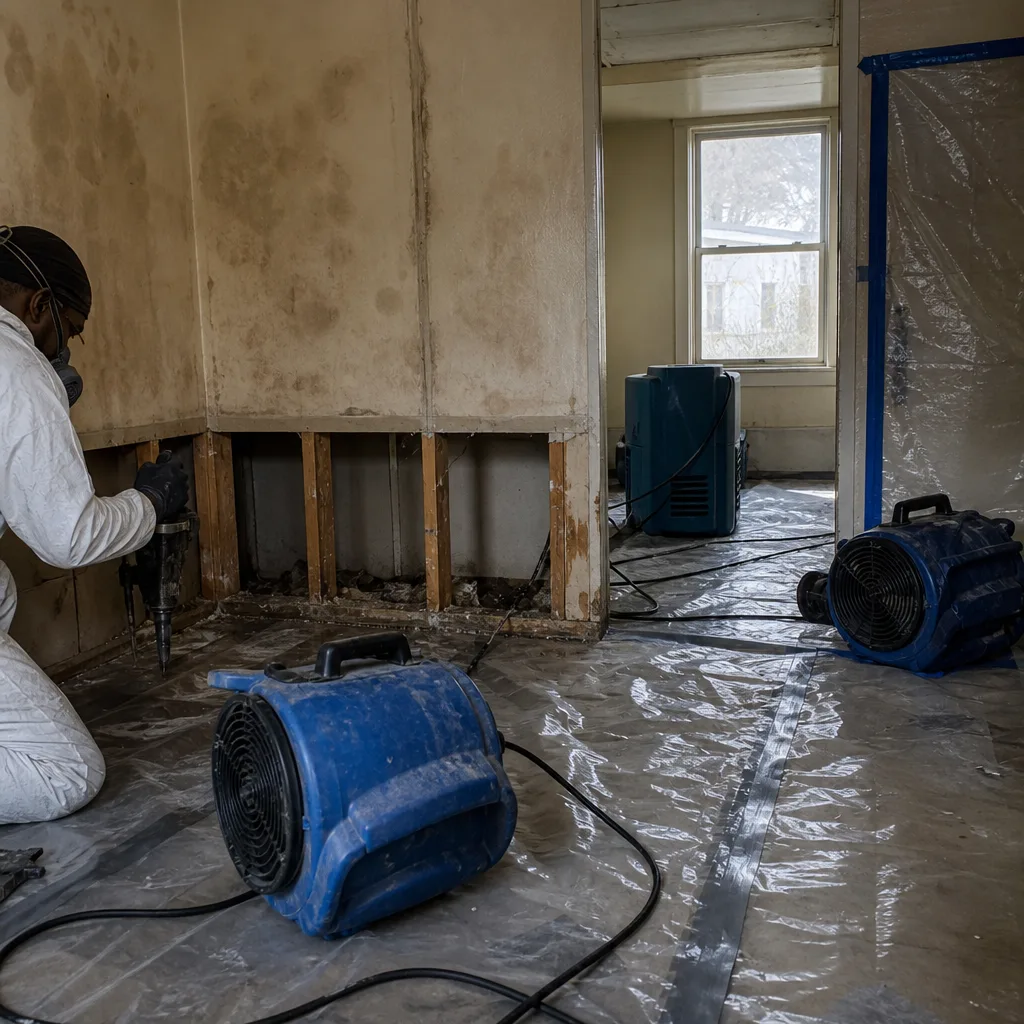
We seal off the affected rooms with 6-mil poly and run HEPA air scrubbers to pull mold spores from the air. In row houses, this step is what stops mold from migrating into the neighbor’s unit through shared wall voids.
Drying & Dehumidification
Heavy commercial dehumidifiers and air movers from Phoenix and Dri-Eaz run continuously until moisture readings in wood and drywall drop back to normal baseline. We record daily moisture readings and hand you the complete log at the end.
Cleaning & Sanitization
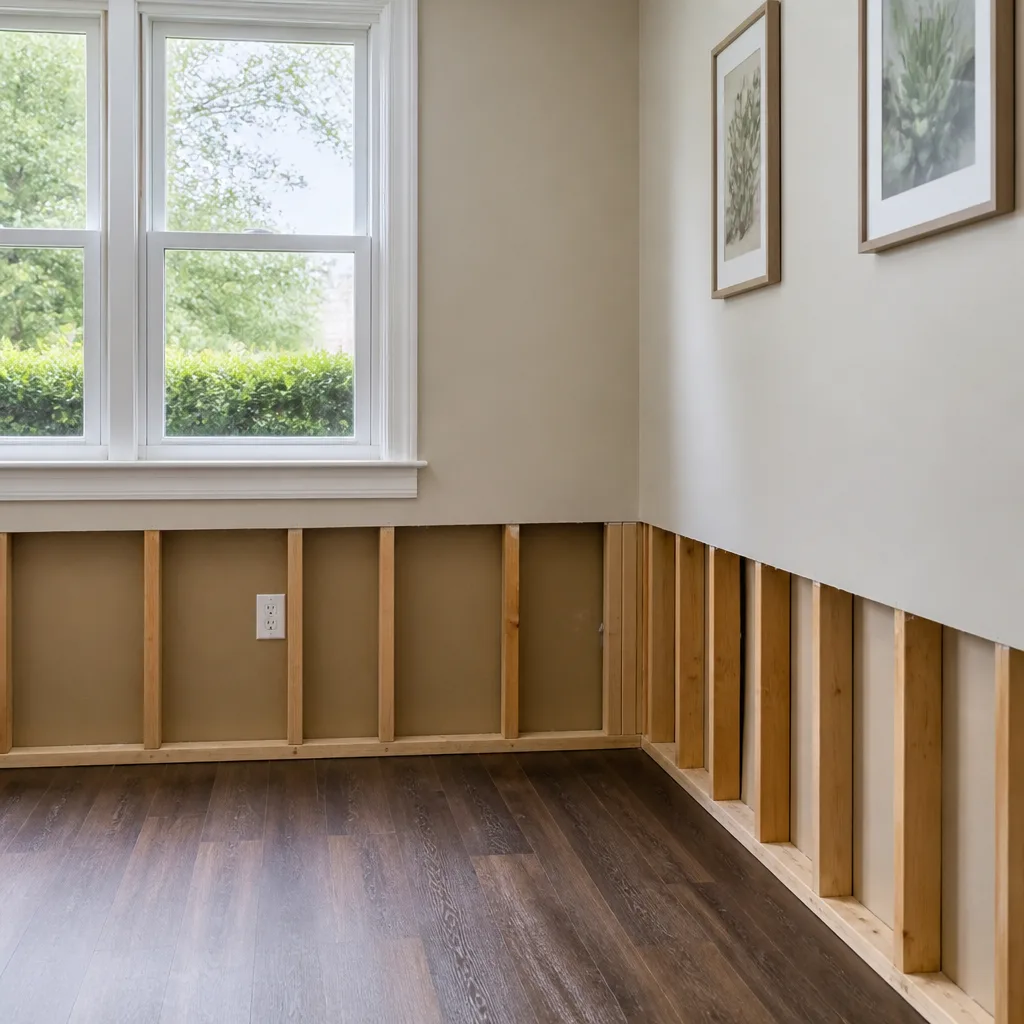
Affected framing, studs, and non-porous surfaces get scrubbed and treated with an EPA-registered antimicrobial. Porous materials that can’t be saved, saturated drywall, carpet pad, insulation, get bagged and removed under containment.
Air Quality Restoration & Clearance
We run scrubbing cycles and then re-test the air before taking containment down. If you want third-party clearance testing, we’ll coordinate it with a local lab and give you the written results, while using our own IFA-standard protocols throughout.
Repairs & Restoration
After the mold is gone and everything’s dry, we rebuild what we removed, drywall, baseboards, flooring, paint, so you’re not left staring at exposed studs while another contractor gets around to you.
Need Emergency Mold Remediation in Elmhurst Now?
Crews minutes away, answering live 24 hours a day. The sooner we start, the less it costs.
Working With Your Insurance Company
Mold remediation claims in Queens are won or lost in the first 48 hours of documentation. If the water source that caused the mold is a covered loss, like a burst pipe or a backed-up sewer, the remediation work is frequently covered as part of the water loss claim. We start your file the moment we arrive, photograph every affected room before we tear anything out, and give your adjuster a line-item scope with moisture readings attached. Wade will speak directly with your carrier’s adjuster, so you’re not stuck repeating the same explanation to five different people. If mold grew because of a slow, long-standing leak that no one noticed, insurers often push back. In those cases, having a written moisture log and a documented timeline of when you called us matters a great deal.
What We Provide Your Insurer
- Thorough documentation of the loss
- Photos of all damage, room by room
- Moisture readings and drying logs
- A detailed, line-item scope of work
- Direct coordination with your carrier
Built for Elmhurst’s Loss Calendar
Elmhurst’s mold season is predictable once you understand the neighborhood’s plumbing and drainage. In January and February, the deep freeze bursts supply lines in unheated basements and knee walls in 1920s-era two-families, and the mold shows up a week later, behind cabinets and under floorboards. Spring thaw brings groundwater seepage through old fieldstone foundations and terrace-level crawl spaces. But the big one here is summer and early fall: heavy thunderstorm downpours and tropical remnants that overload the combined sewer system along Roosevelt Avenue, Queens Boulevard, and the low blocks west of Junction Boulevard. When that system backs up into converted basement apartments, the water recedes but the mold doesn’t. In Elmhurst flat, paved, nearly zero permeable ground, floodwater arrives fast and carries whatever the sewer carried. We plan our staffing around those rain events because we know which blocks call first. If you live in a below-grade unit in this zip code, a dehumidifier running year-round is not a luxury. It’s the cheapest mold prevention you can buy.
Mold Remediation Across Elmhurst’s Neighborhoods
Elmhurst runs from the elevated 7 line over Roosevelt Avenue south to the LIRR tracks, and the building stock shifts block by block. Up near Elmhurst Avenue and 45th Avenue, you’ve got three-story walk-ups and two-family brick houses set close together, where flat-roof drains are shared and a clog on one roof leaks into two units. Over by Broadway and Justice Avenue, the rowhouses are older, some pre-WWI, with wood-framed additions and shallow cellars that hold humidity all summer. Down toward the Queens Center side of Woodhaven Boulevard, we see more 1950s brick apartment buildings with converted below-grade storage rooms and laundry rooms, the kind that flood first during a sewer backup. The big apartment complexes along 57th Avenue and the blocks north of the Long Island Expressway service road are a different animal: multiple units per floor, chases and pipe runs that carry water vertically, and a property management office between us and the unit owner on every job. Knowing which kind of building we’re walking into before we arrive changes what we bring and whether we need to coordinate with one owner or a board.
Specialized Mold Remediation Services We Offer in Elmhurst
Mold Inspection & Testing
If you smell mustiness but can’t see anything, we start with moisture mapping and visual inspection from the basement slab to the top-floor ceiling. In Elmhurst’s attached homes, that includes checking the shared wall line with a moisture meter, because mold from a neighbor’s leaking kitchen often shows up on your side first. We can take air samples and surface swabs, or coordinate with a local lab if you want independent testing before you call your insurance company.
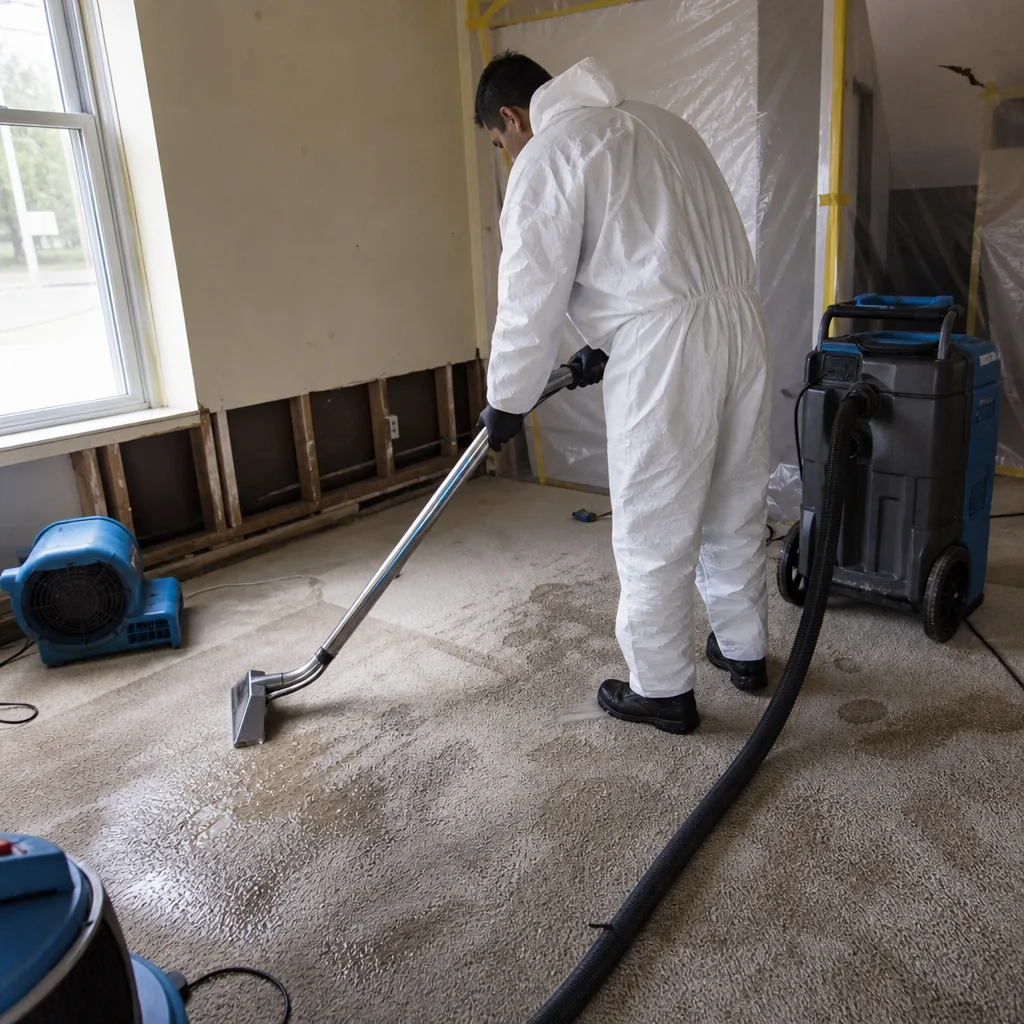
Mold Removal
After containment goes up, we remove the moldy materials, cut out the saturated drywall, bag it, and haul it out. In a row house basement on 44th Avenue or 48th Avenue, that often means working in a space too narrow for two people to pass, so our crews are used to hand-carrying debris out through tight side alleys. This is what our Mold Remediation team does all day, every day, in these exact buildings.
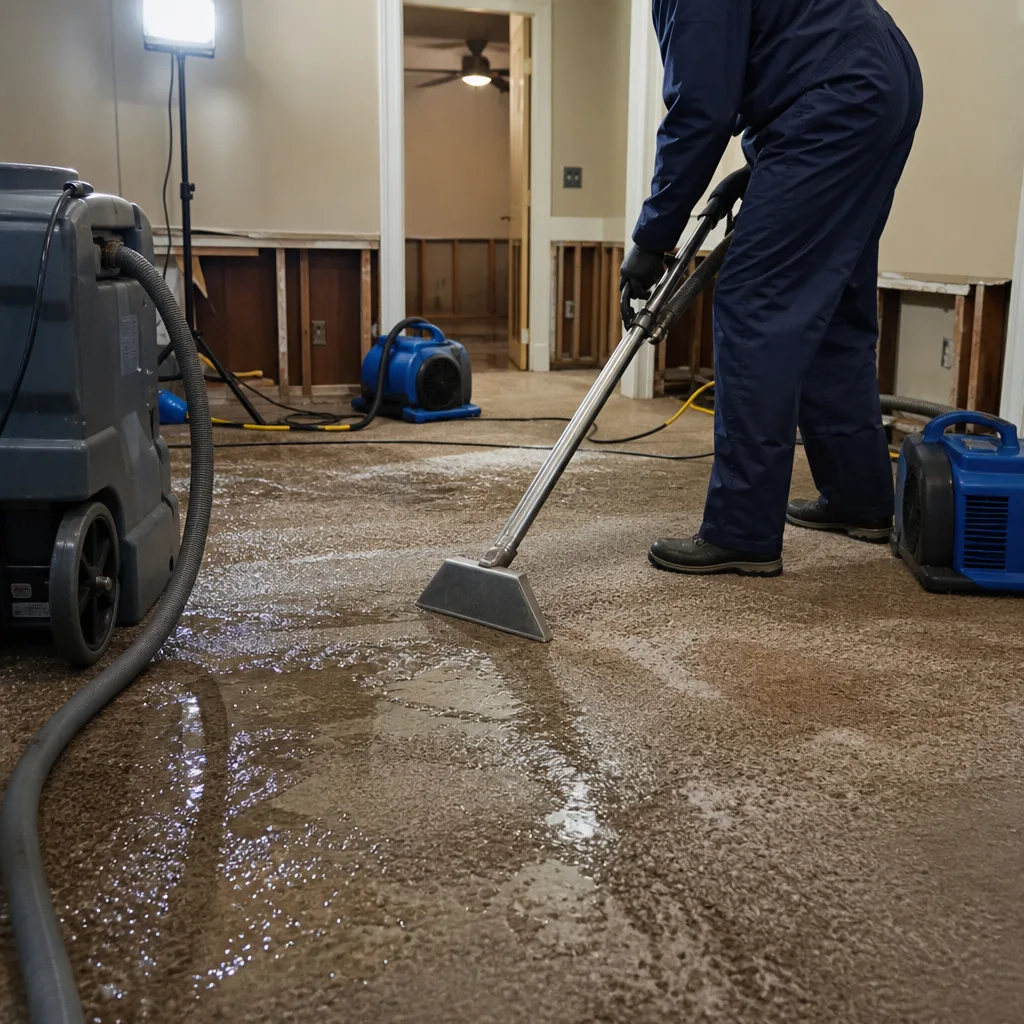
Black Mold Remediation
The Stachybotrys demand more careful containment and a more conservative removal approach, no shortcuts on the negative-air setup or the PPE. In Elmhurst’s damp sub-basements, where standing water has sat for days after a sewer backup, black mold grows fast on gypsum and paper-backed insulation. We treat it as what it is: a hazardous material removal, not a wipe-down with bleach.
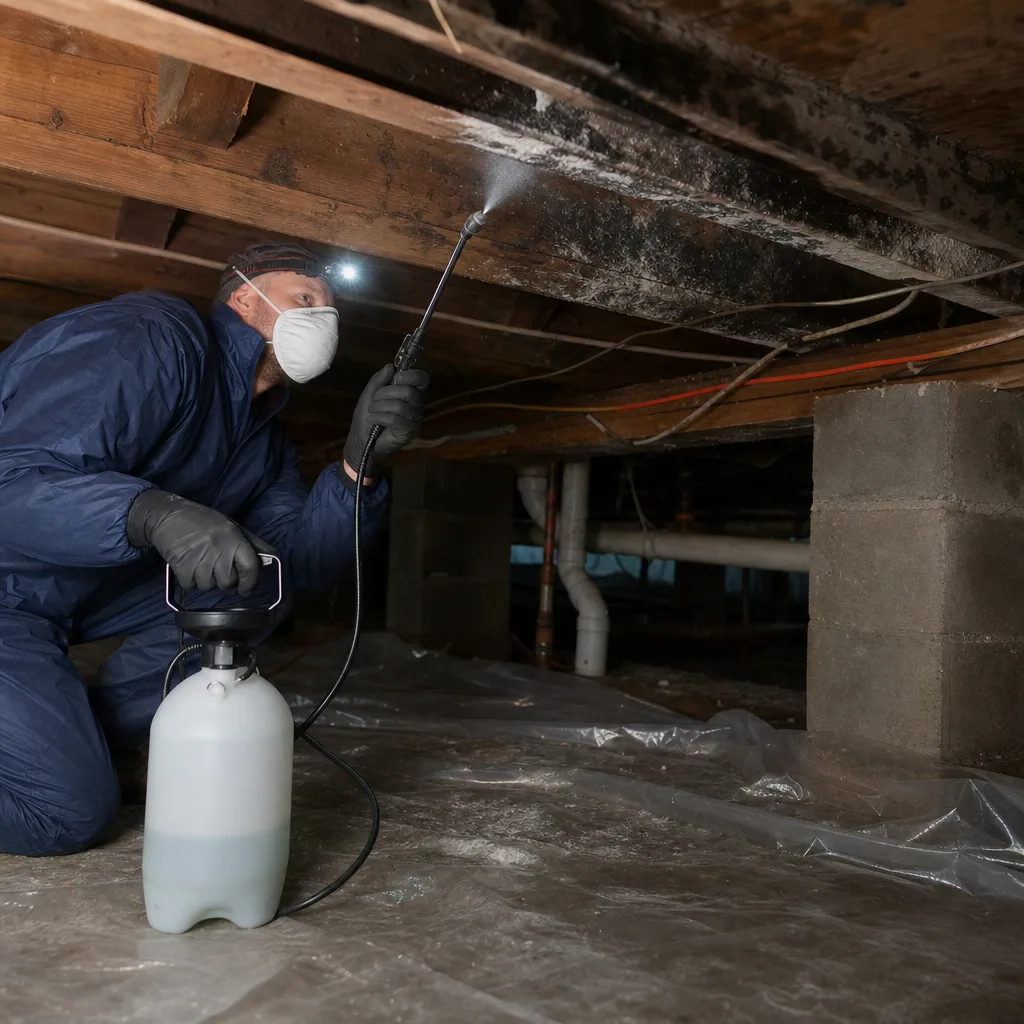
Air Quality Restoration
After physical removal, we run HEPA air scrubbers and assess the air exchange across the affected rooms and any connected spaces, including the shared wall void in row houses. We’ll keep scrubbing until the air clears, and if an occupant has asthma or an immune concern, we’ll work with your property to establish a clearance benchmark before we drop containment.
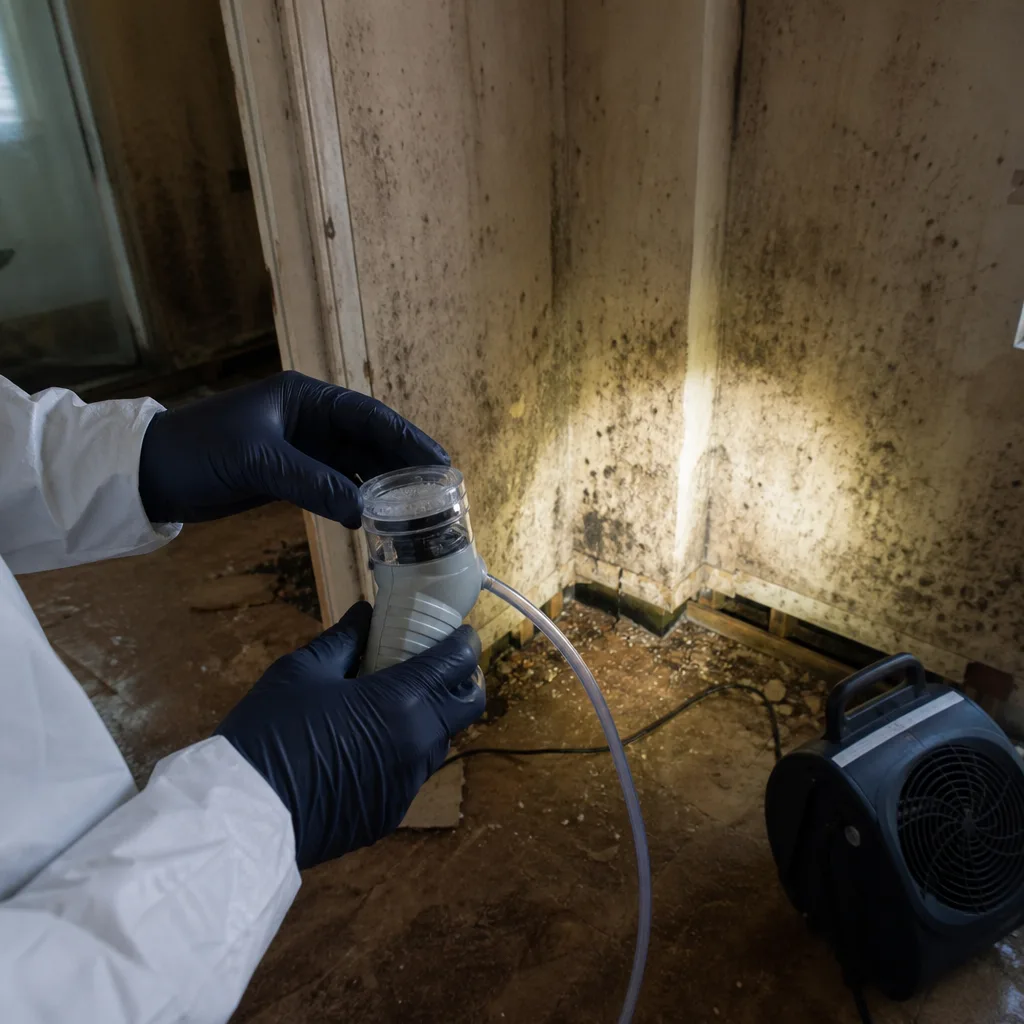
Moisture & Humidity Control
Mold removal in Elmhurst is half a job if you don’t correct the moisture source. We address the leak, the seepage path, or the condensation driver. In below-grade units, that often means installing a drainage system, repairing a sump, or sealing the foundation wall from the inside. We’d rather fix the cause once than remediate the same basement twice. Serving Mold Remediation in Elmhurst for years has taught us that the moisture problem is the mold problem.
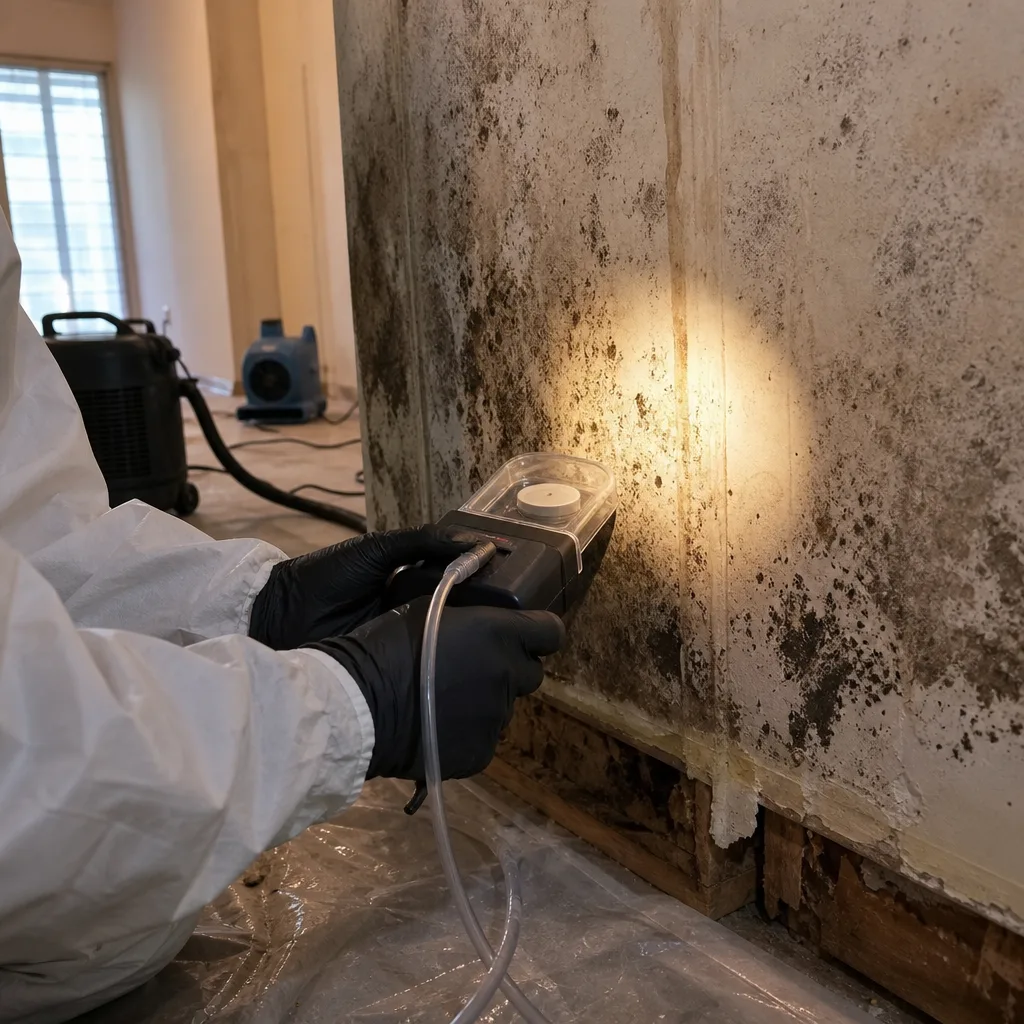
What happens when you call
- 1
A real person answersNo phone trees - you reach a local pro.
- 2
You get an upfront price rangeHonest numbers before anyone is dispatched.
- 3
A background-checked tech heads outLicensed & insured, dispatched right away.
- 4
You approve before work beginsNothing starts until you say go.
Mold Remediation Costs in Elmhurst, NY
For a small contained mold patch in one Elmhurst bathroom, expect to pay $450-$900. A full basement remediation in a converted below-grade unit with floor removal, containment, and air scrubbing runs $2,500-$6,500, depending on square footage and how much drywall must come out. Black mold remediation with full containment and clearance testing typically starts around $3,000 and can reach $8,000 in a large attached rowhouse with shared-wall contamination. If the mold source is a covered water loss, your insurer pays most of it; if it’s a long-term seepage issue, you’re likely out of pocket. Our free visual inspection costs nothing and gives you a written scope with real numbers before any work starts. Call (363) 300-2771 and we’ll come look.
We Also Serve Cities Near Elmhurst
Wade’s Restoration crews run the same routes through Corona, Ridgewood, Woodhaven, and Richmond Hill. If you’re on the border along the LIE or down near Forest Park, we’re already in your neighborhood most weeks. Same live answer, same 45-minute response.
Elmhurst Mold Remediation Questions, Answered
How quickly can mold start in a flooded Elmhurst basement after a combined sewer backup?
Mold can begin colonizing within 24 to 48 hours after floodwater recedes, especially in humid summer air. Elmhurst’s below-grade apartments are stone and masonry, which hold moisture, and gypsum drywall wicks water upward. If water sat overnight, you’re already inside the window. Call us the moment you see standing water so we can start extraction and drying before mold becomes the bigger fight.
Do we need special permission to remediate mold in an Elmhurst row house if the water source came from a neighbor’s unit?
Yes, in practice, you do. When mold spreads through a shared party wall, we need access to the neighbor’s side to correct the moisture source, and often the neighbor’s insurance company becomes involved in the scope. We handle the coordination: we document the shared-wall condition, contact the adjacent owner or property manager, and get the written agreements in place before mitigation begins. Without that, you’d remove mold on your side and it would come right back.
What category of water typically causes mold in Elmhurst basements that backup from the street sewer?
Category 3, the worst category. That’s water containing sewage, bacteria, and whatever the combined sewer was carrying when it backed up through your floor drain or toilet. Any porous material that absorbed Category 3 water, carpet, drywall, insulation, particleboard, is considered contaminated and should be removed, not just dried. Our crews treat these Elmhurst basement backups as full contamination jobs, with the same PPE and disposal protocols as a sewage cleanup.
How do you handle mold remediation when the occupant of an Elmhurst basement apartment doesn’t speak English?
We’ve worked in Elmhurst enough to know this isn’t rare. We were called to a converted basement apartment on 45th Avenue after Hurricane Ida, where standing water had receded but mold was blooming on drywall and behind baseboards. Our techs set up containment and ran air movers and dehumidifiers, but the real challenge was language: the tenant spoke only Mandarin, the landlord was unreachable, and we had to use a translation service to explain the mold-remediation consent forms before we could remove the saturated sheetrock. We pay for translation services on the job. It’s part of doing the work right in Elmhurst, not an add-on.
Why is mold more likely to recur in an Elmhurst apartment building after a standard remediation?
Because standard remediation in a multi-unit attached building often treats only the visible mold in the unit that called. The moisture source, a slow leak in a shared wall cavity, a roof drain pipe running down the chase, a seepage path in the sub-basement, remains. Mold grows back within weeks. In Elmhurst’s dense attached housing, remediation without shared-wall containment and without tracing the moisture back to its actual source is a temporary patch. That’s why we moisture-map across the party wall line and refuse to call the job done until readings stay dry.
How long does mold remediation take in a typical Elmhurst home?
A small contained job, one bathroom or a closet, is usually a one-day removal, plus another day or two of drying and air-scrubbing. A full basement rental unit with Category 3 backup and shared-wall contamination runs 3 to 7 days from containment to clearance. Reconstruction time depends on how much we removed, but we’re usually the crew doing that too, so there’s no gap between trades.
Can we stay in our Elmhurst home during mold remediation?
In most cases, yes, if the affected area is properly contained and the rest of the home tests clear. The exception is if mold has spread through the HVAC system or occupied multiple rooms, or if someone in the household has a respiratory condition or compromised immune system. We’ll tell you straight during the inspection whether staying is safe. If not, we don’t sugarcoat it.
What should I do in the first 30 minutes after I discover mold in my Elmhurst home?
Don’t disturb it. Don’t wipe it, don’t run a fan, don’t peel back drywall to see how deep it goes. That releases spores into the air. Turn off the HVAC so it doesn’t circulate, close doors to the affected room, and call us at (363) 300-2771. We’ll talk you through what’s safe to check and get a crew headed your way fast.
Mold Remediation Claims in Elmhurst’s Dense Buildings
Here’s the part nobody prepares you for: in Elmhurst’s row of attached brick houses, your mold problem is rarely just yours. We routinely set containment across shared walls while moisture mapping reveals how a neighbor’s slow plumbing leak has fed hidden mold in two other units, requiring coordinated access and multi-owner sign-offs before mitigation can begin. The scope of work becomes a three-party agreement instead of a one-house job. Your insurance company wants to see your documentation. Their insurance company wants ours. The landlord, if there’s a rental unit involved, needs to agree before we open walls. This is not the work a national call-center franchise does well, because it requires someone who knows the buildings, knows the players, and has the patience to see it through. Wade deals with adjusters directly, and he’s been doing shared-wall remediations in Queens long enough that he handles the awkward conversations so you don’t have to. Remediation without shared-wall containment allows airborne mold to migrate into adjacent units, triggering multi-unit recurrence. Ignoring below-grade living spaces during moisture mapping misses hidden mold in sub-basements that floods from combined sewer backups. And failing to secure translated consent stalls mitigation while mold keeps growing. We do none of those things.
Serving Elmhurst, NY - Our Local Coverage Area
We’re based in the Elmhurst area and know this community well. Use the map below to see our service coverage - if you’re nearby, we can almost certainly help.
Why Permits and Codes Matter on Elmhurst Remediation Jobs
Reconstruction after mold removal in Elmhurst, like hanging new drywall, running new electric, patching a roof drain, usually requires a permit from the NYC Department of Buildings. In attached buildings, the DOB also wants to see fire-stopping restored along the party wall line after we open it. That’s not a technicality; it’s what keeps a fire in one unit from moving into the next. We pull permits when they’re required, schedule the inspections, and make sure the rebuild matches what the DOB approved. A correct wind rating on an exterior door or roof repair isn’t just about storms; it’s about keeping the envelope tight so moisture never gets a second chance inside. Whether you’re in a private two-family near Elmhurst Park or a managed building off Grand Avenue, we handle the paperwork as part of the job.
Written by Wade Ferris, Owner at Wade’s Restoration, serving Elmhurst since 2007. Wade answers his own phone at (363) 300-2771.