
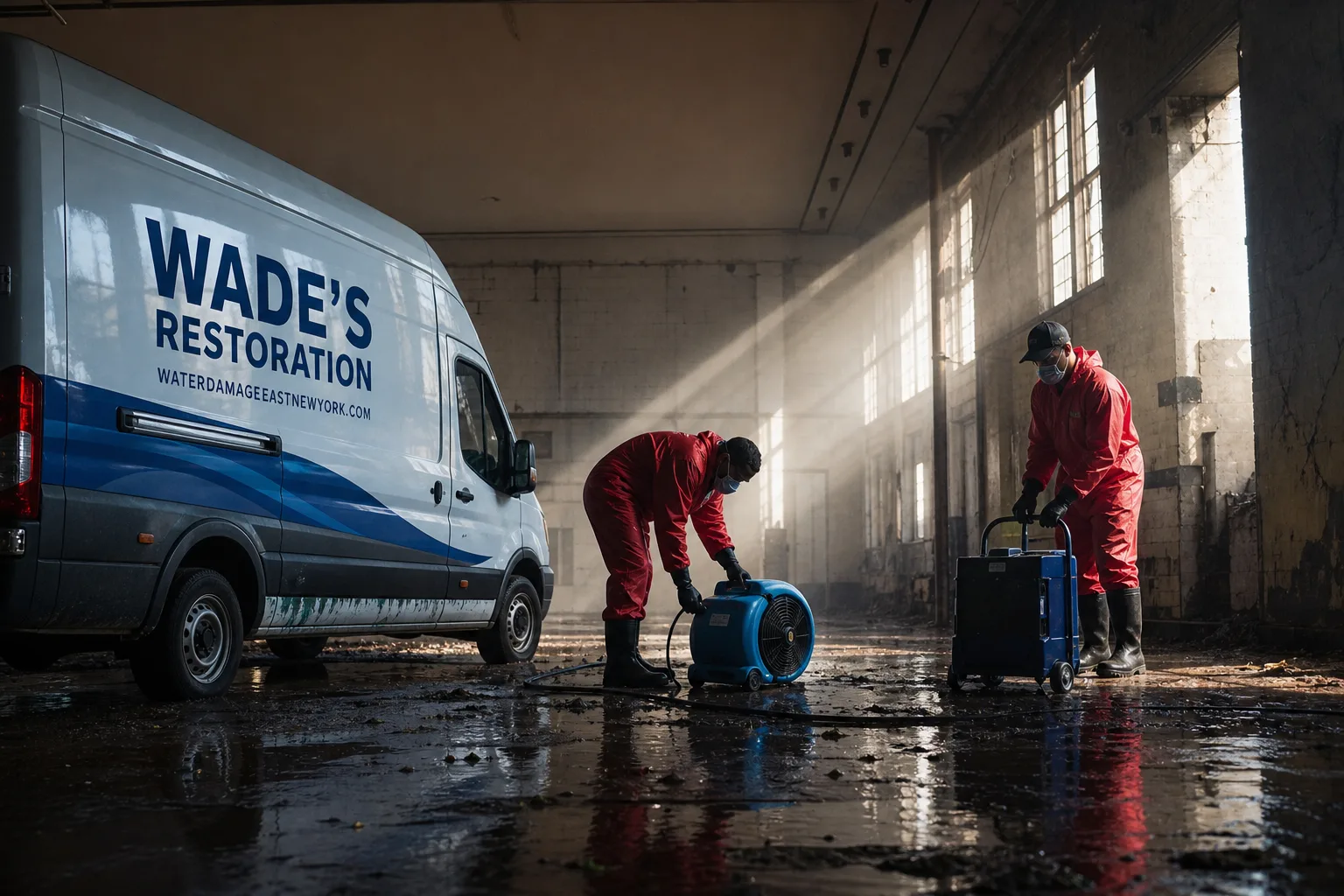
Free visual inspection and a written scope of work before any mitigation begins - photos, moisture readings, and drying logs go in your claim file
The scope we write is the scope we bill. Anything new gets shown to you, in writing, before we touch it.
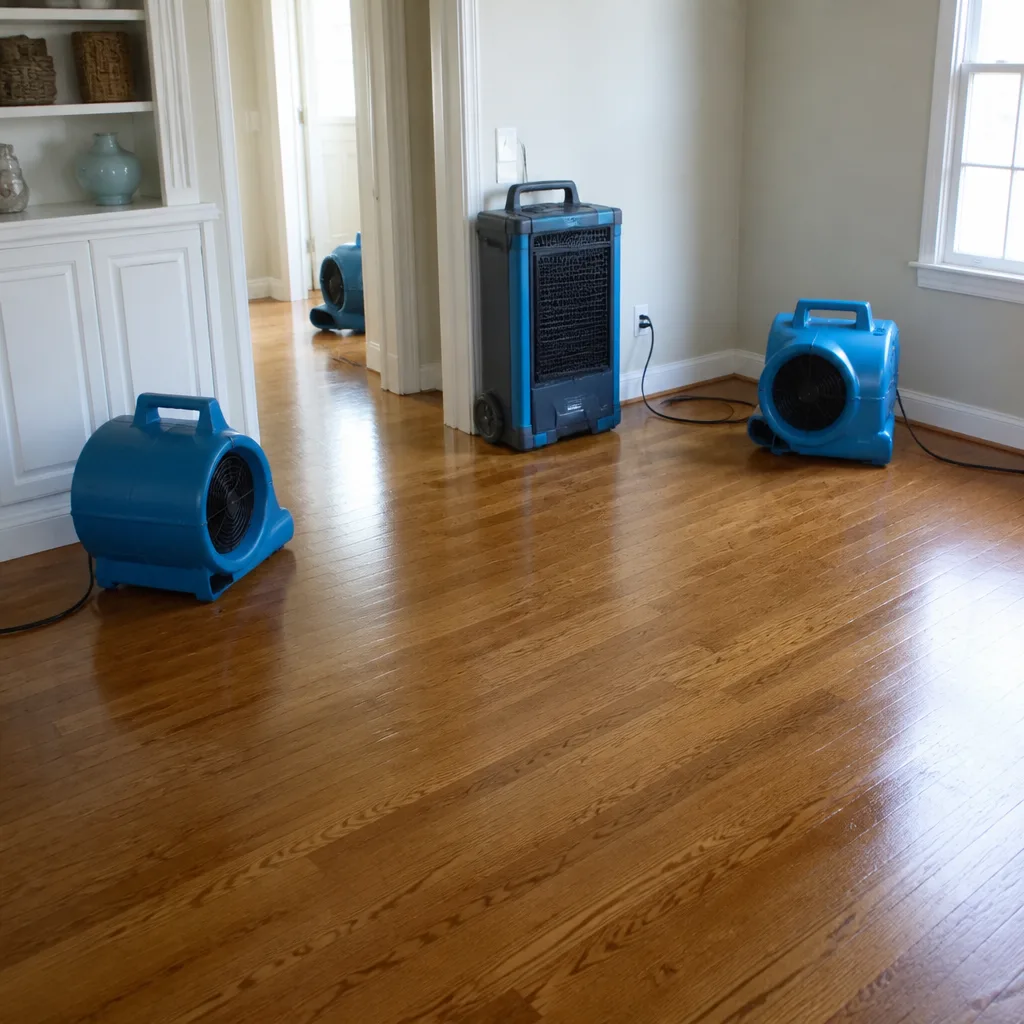
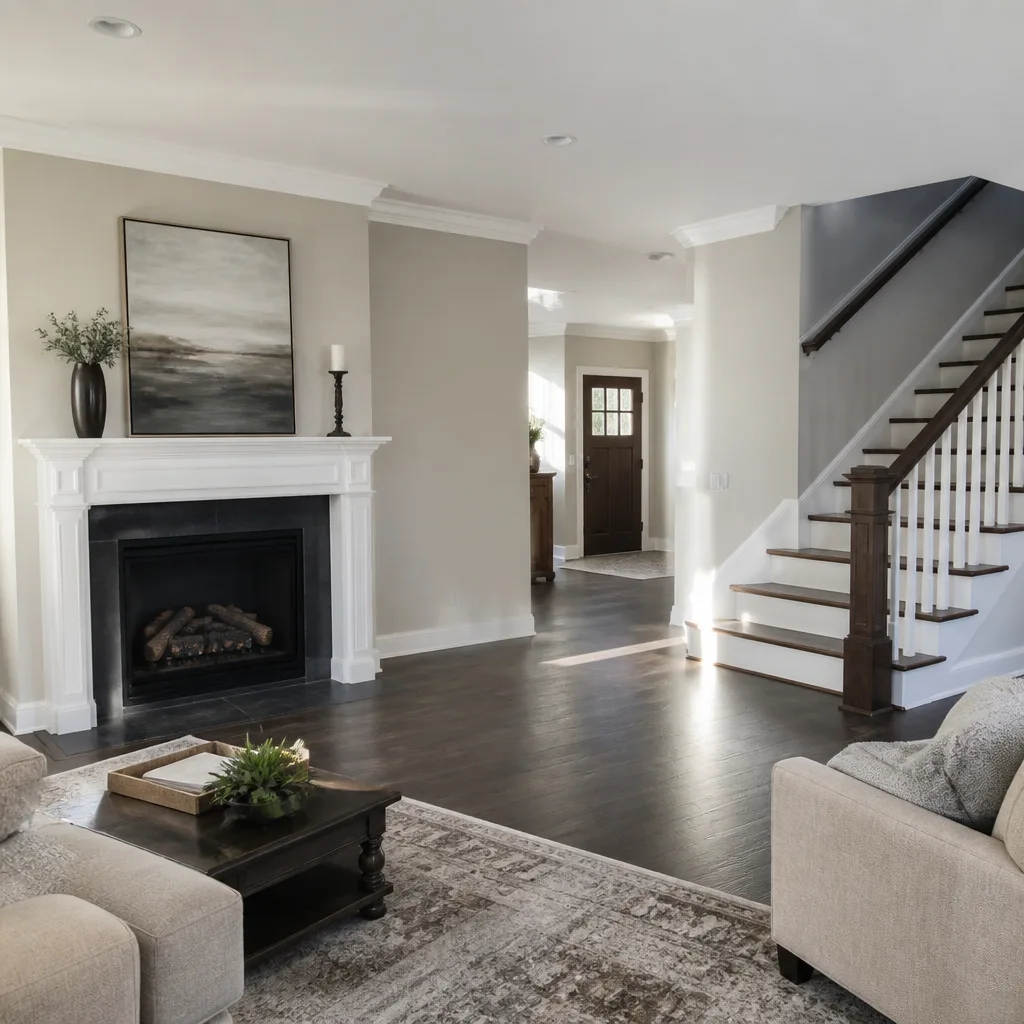
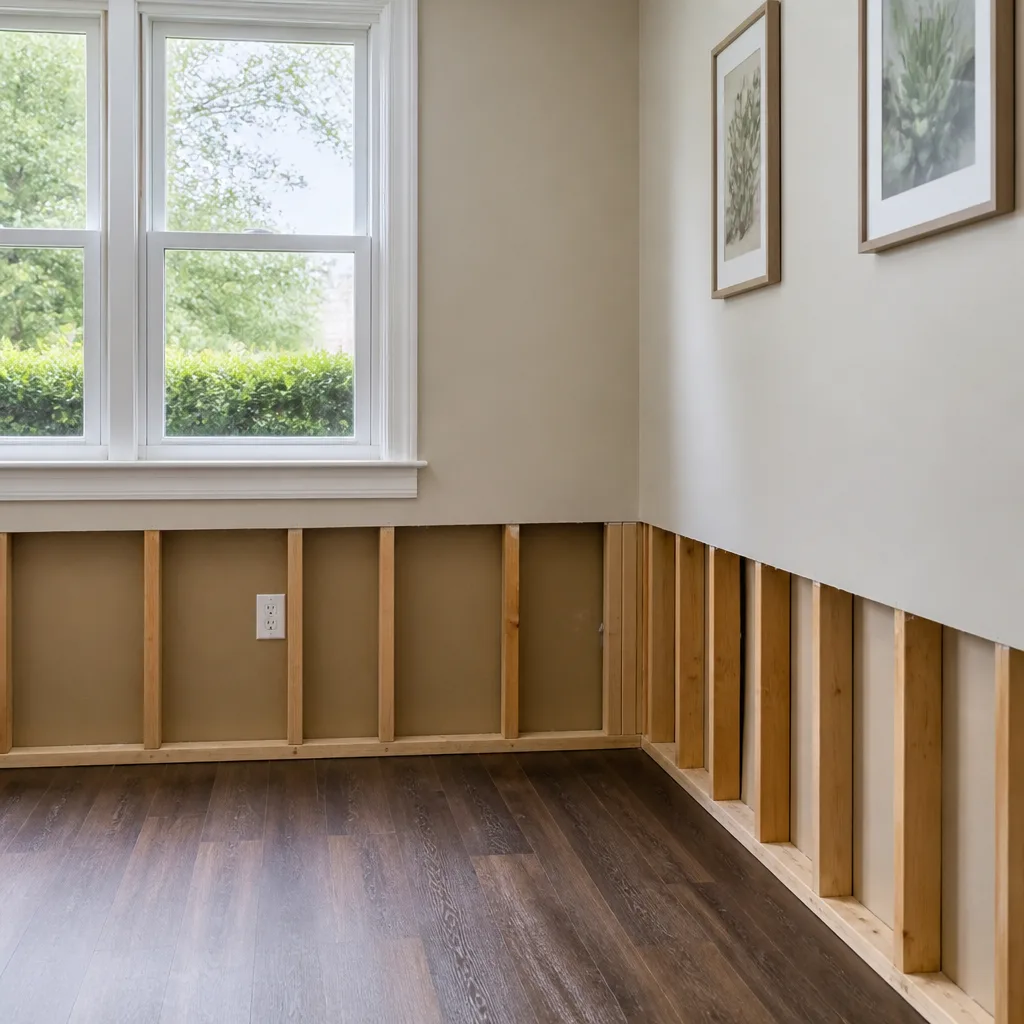
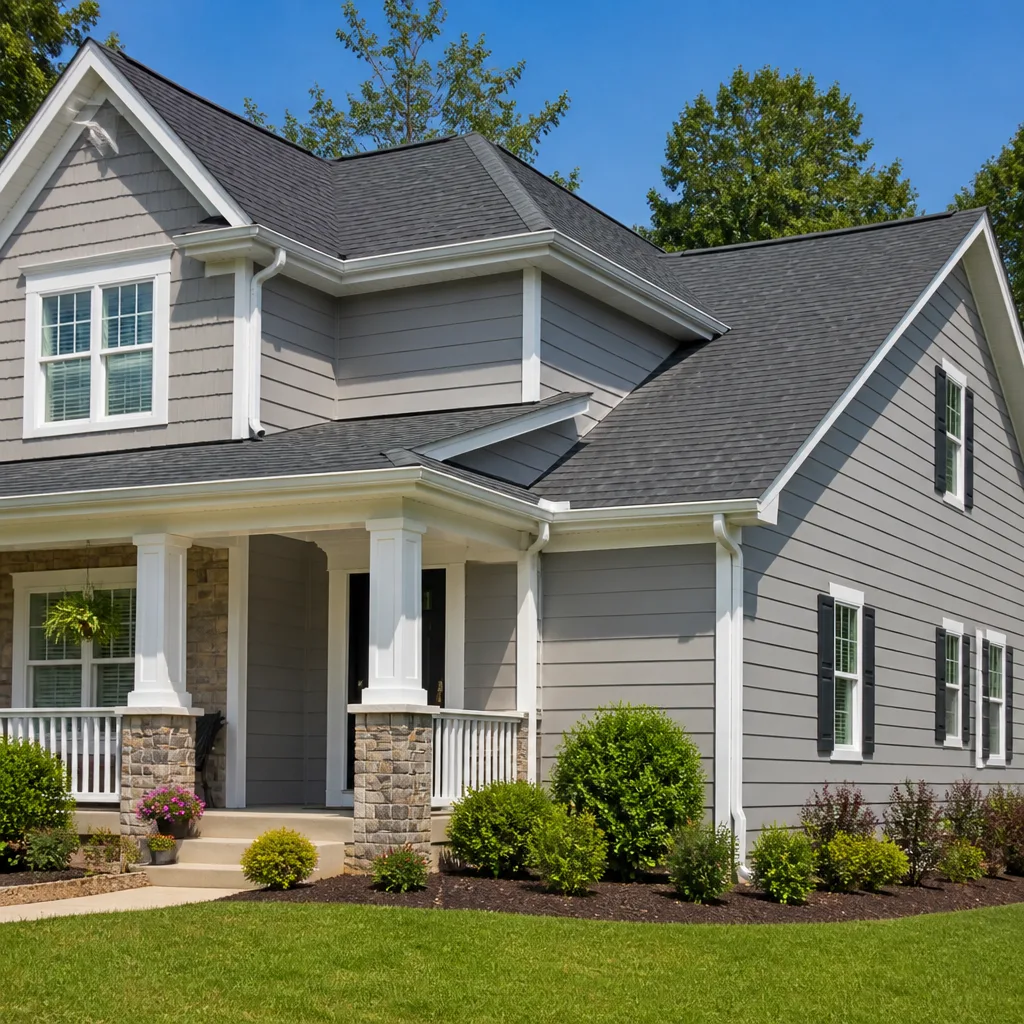
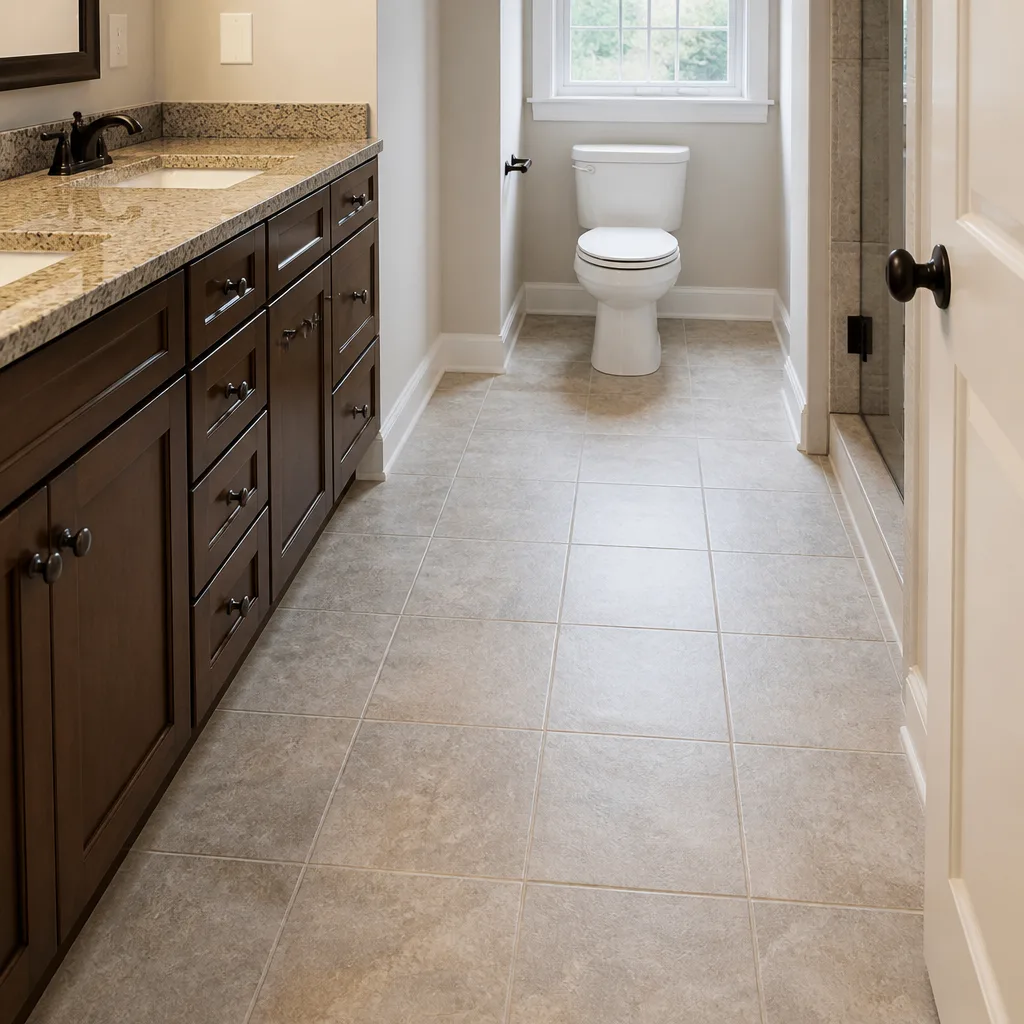
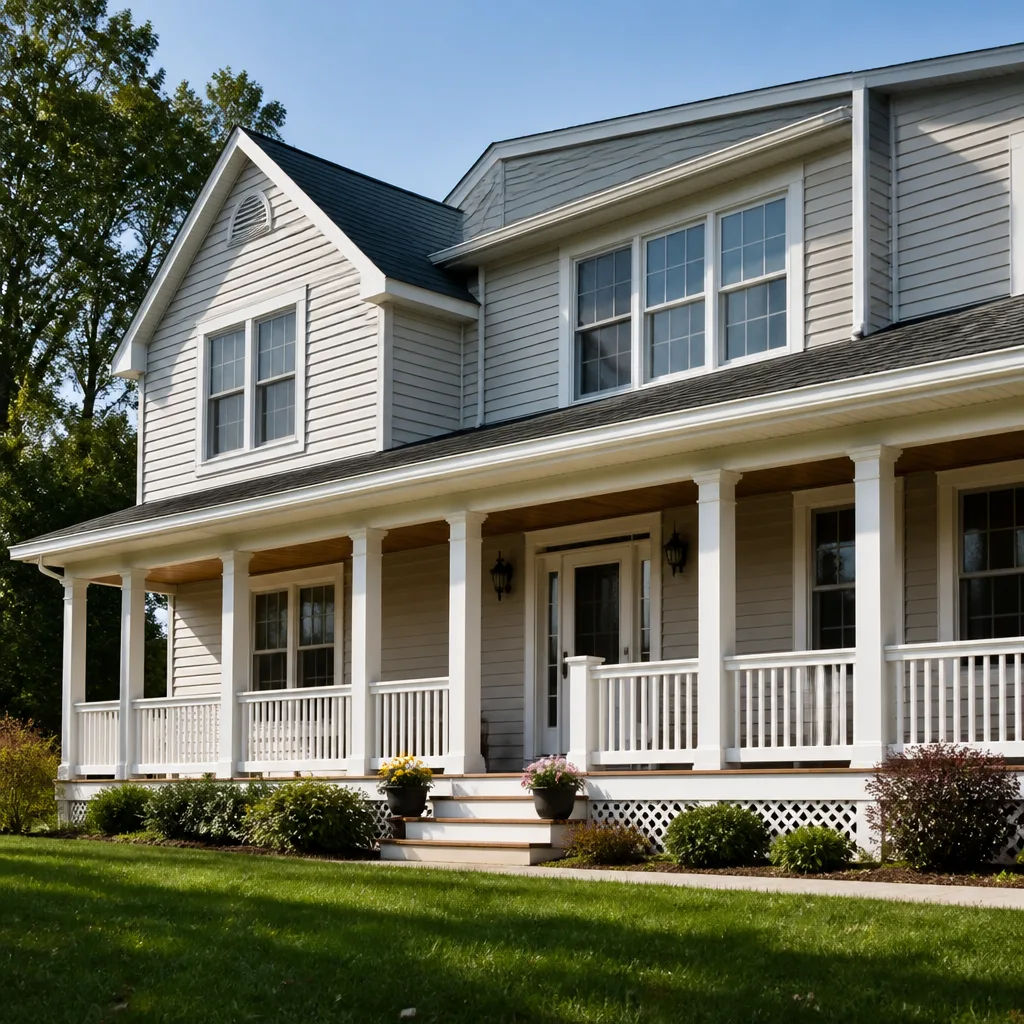
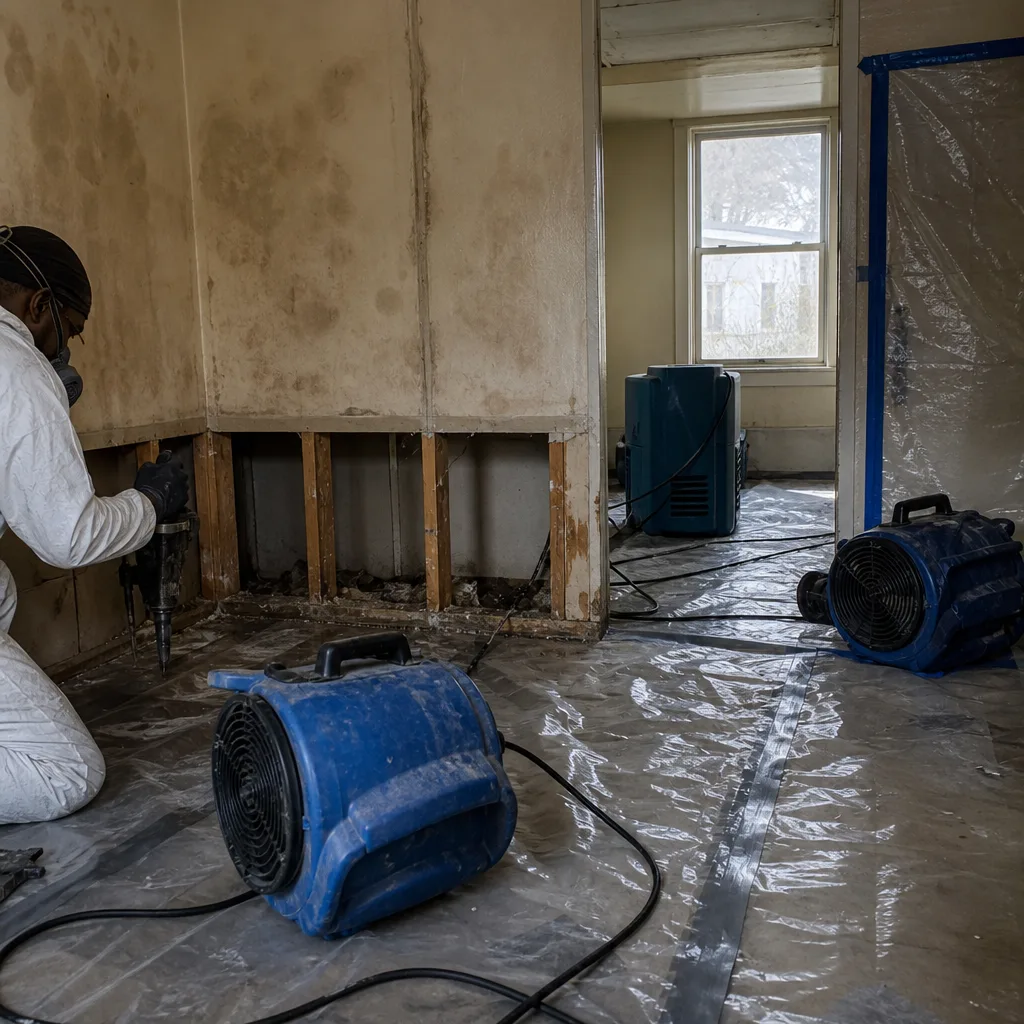 Before
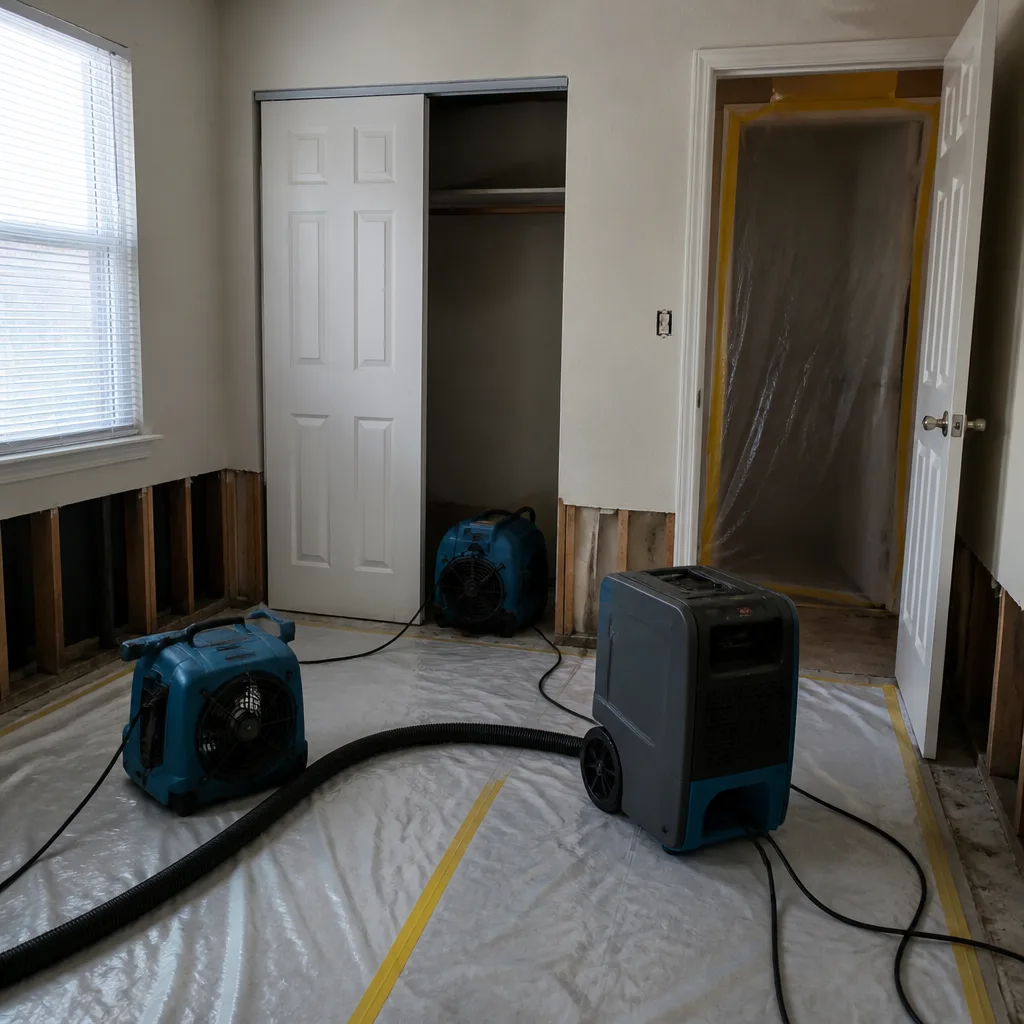 After
After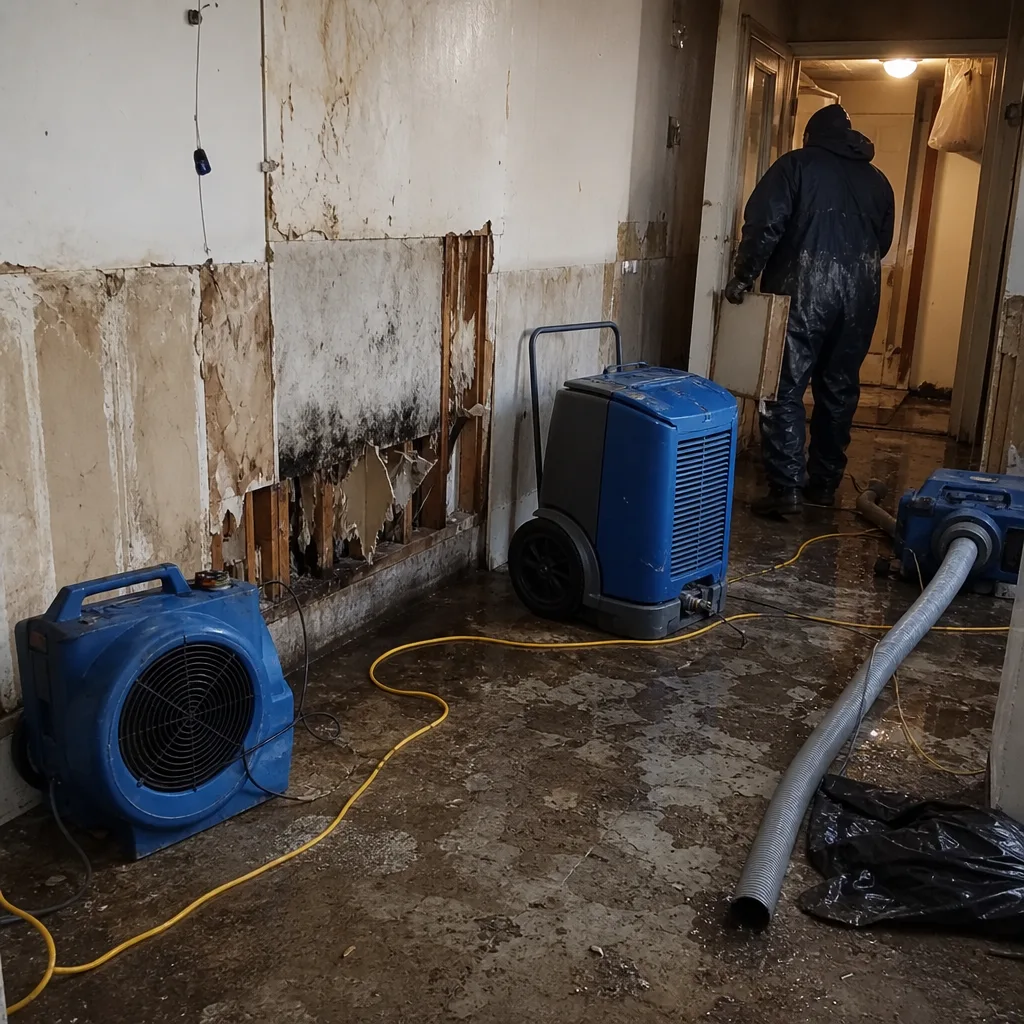 Before
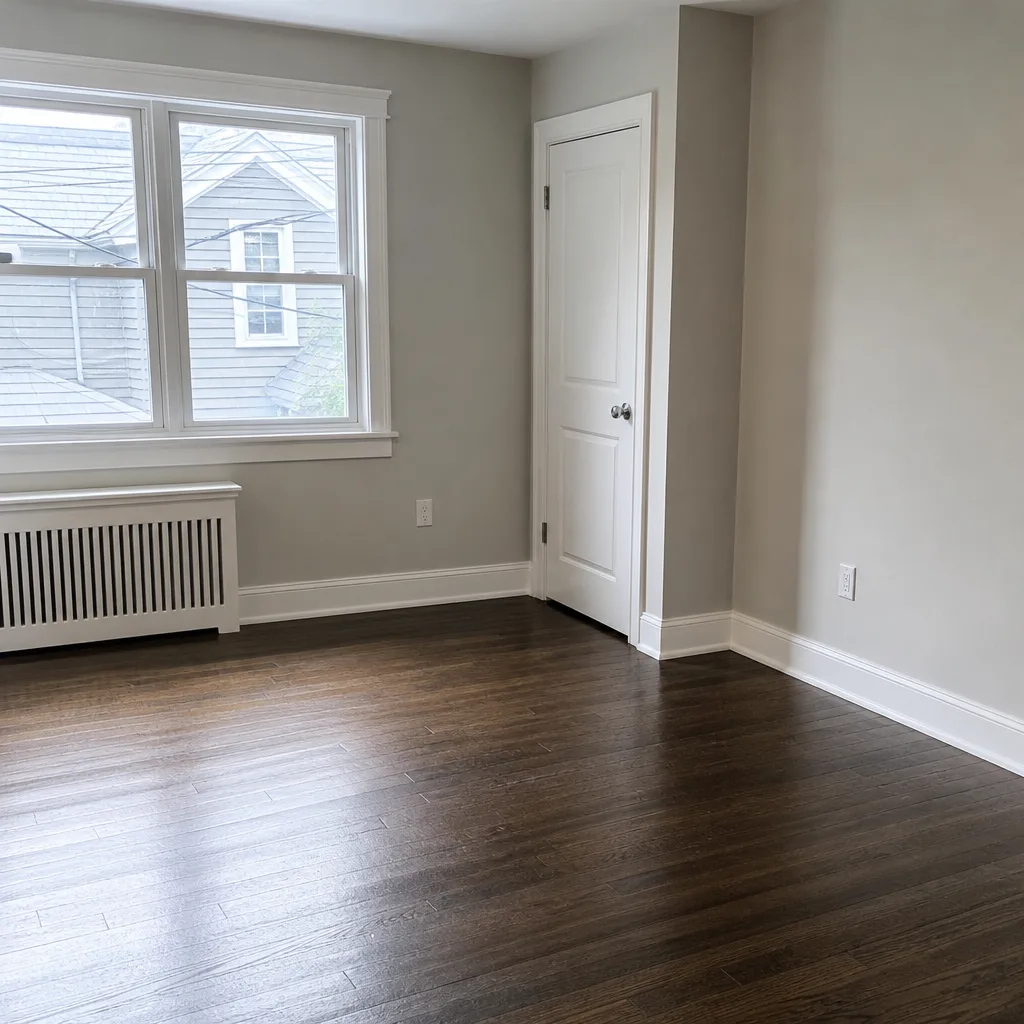 After
After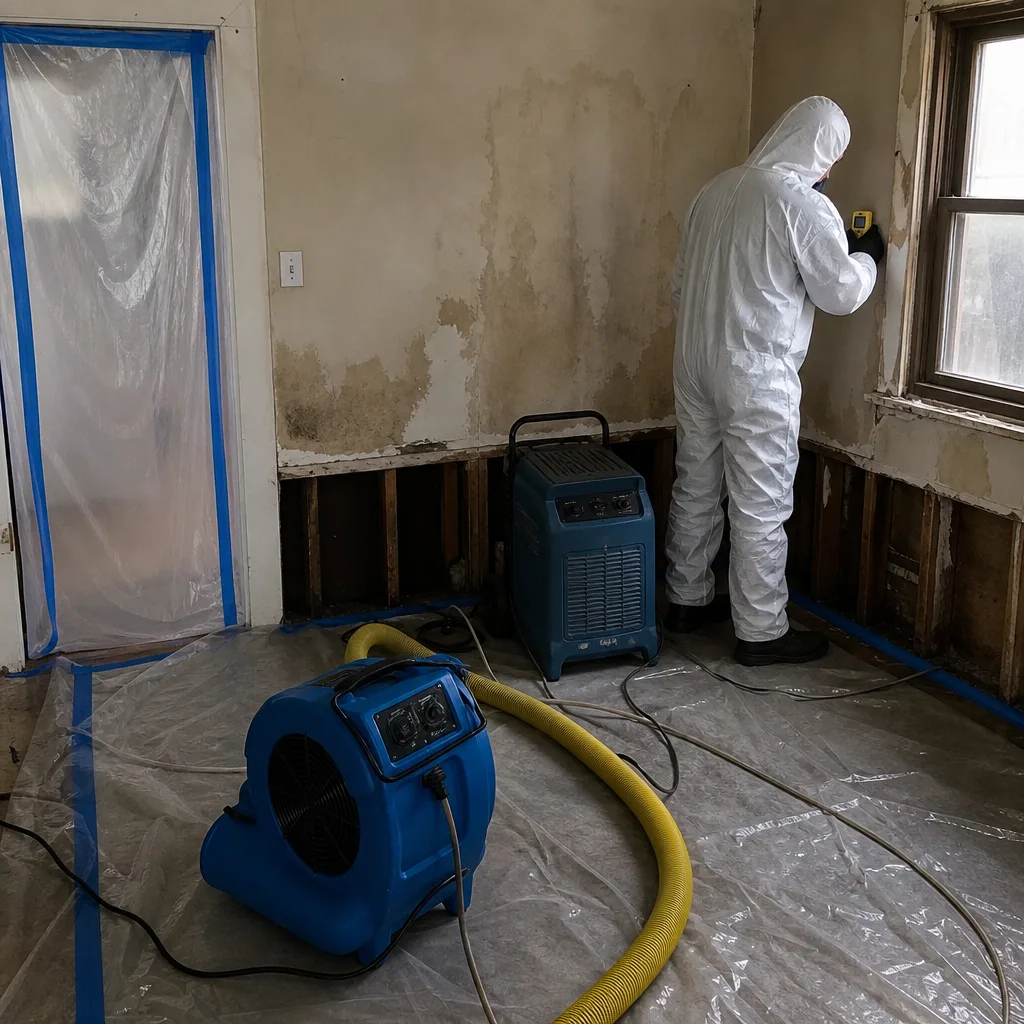 Before
 After
After24/7 Emergency Reconstruction & Cleanup in East Flatbush
When a sewer backflow, fire, or storm tears through an East Flatbush rowhouse at 3 a.m., you need a crew that answers the phone and moves. Wade’s Restoration has live, local response around the clock. Call (363) 300-2771 any hour and Wade or one of his senior techs picks up, not a call center. We run crews into East Flatbush neighborhoods the same hour, often arriving within 45 minutes. The first hour after category-3 water or smoke exposure decides whether you’re facing a cleanup or a full gut. A free visual inspection tells you what’s real before any money changes hands. With our Reconstruction & Cleanup team, one crew handles everything from sewage extraction to the final coat of paint, so you’re never juggling three vendors while your basement walls stay wet.
Understanding Reconstruction & Cleanup Severity in East Flatbush Properties
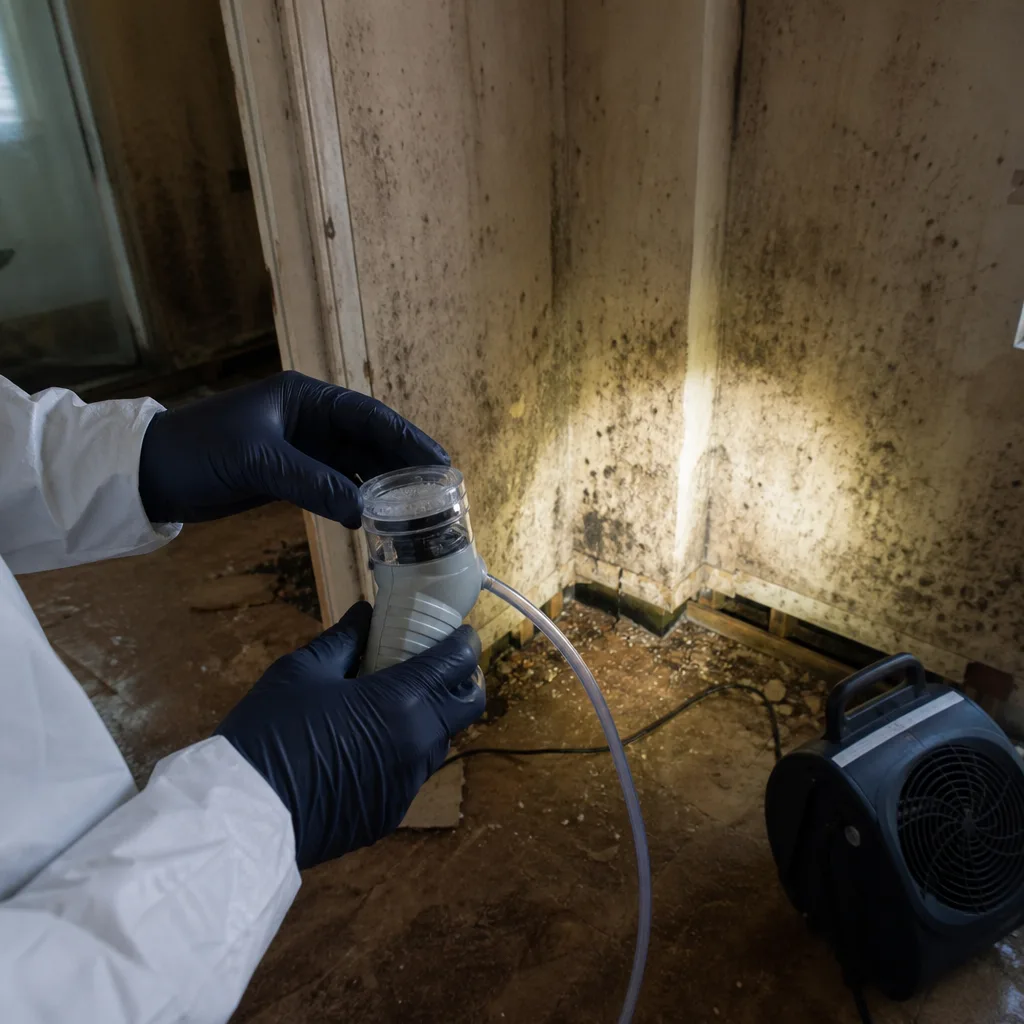
East Flatbush’s housing stock was built dense and proud between the 1920s and 1940s. Attached brick two-families with plaster-and-lath walls, flat roofs, and finished basements dominate the side streets off Church Avenue, Utica Avenue, and Nostrand. That construction shape changes how damage behaves. For water losses, we classify by contamination: Category 1 is clean supply water, Category 2 carries detergents or biological contaminants, and Category 3 is black water, meaning sewage, street backflow, or floodwater that sat. In East Flatbush, combined sewer surcharges during nor’easters and summer downpours push raw sewage back through basement floor drains, which means Category 3 is the default, not the exception. For fire losses, we map soot residue by type: wet smoke from smoldering fires clings to plaster and brick; dry smoke from fast-burning materials travels into wall cavities and behind trim. Both require containment and HEPA air scrubbing before reconstruction starts. Mold from hidden moisture behind brick envelopes is routinely underestimated in this neighborhood; plaster holds water far longer than modern drywall, and the brick releases it slow. What looks dry on a surface reading can still be 20% moisture content an inch deep.
Why East Flatbush Property Owners Choose Wade’s Restoration
- 45-minute response commitment: When a sewer line backs into a finished basement on Rutland Road, we’re on site fast enough that flooring and baseboards survive.
- 24/7 live answer, a real person: Wade answers his own phone. No voicemail, no answering service, no “your call is important to us.” Just a person.
- IICRC-certified crews: Our techs carry WRT, FSRT, and AMRT credentials, and they apply the standards to every East Flatbush job, not just the big ones.
- Free visual inspection: You’ll get a straight read on what’s actually involved before you commit to anything.
- Direct insurance billing: We bill your carrier and talk to the adjuster ourselves, so the claim doesn’t stall while paperwork sits on your kitchen table.
- One team, extraction to reconstruction: No handoff between mitigation and rebuild. The same crew that removed the sewage hangs the new drywall.
Our Reconstruction & Cleanup Process
Inspection & Assessment
We document everything: thermal imaging, moisture mapping with hydrosensors, and a room-by-room photo record. In East Flatbush’s attached brick homes, we check adjacent walls even when the homeowner says the damage stopped at one room. Water travels sideways through shared masonry.
Extraction/Stabilization
For black-water losses, we set containment around the affected below-grade unit, remove standing sewage with truck-mounted extraction, and cut contaminated drywall and flooring. We work around DOB basement legalization requirements, because half the finished basements in East Flatbush exist in a gray zone.
Drying & Dehumidification
Dri-Eaz and Phoenix dehumidifiers, XPOWER air movers, and daily moisture readings. On plaster-and-lath houses, drying takes longer than drywall homes, and we log every reading so the insurance carrier sees exactly when the structure hit target dryness.
Cleaning & Sanitization
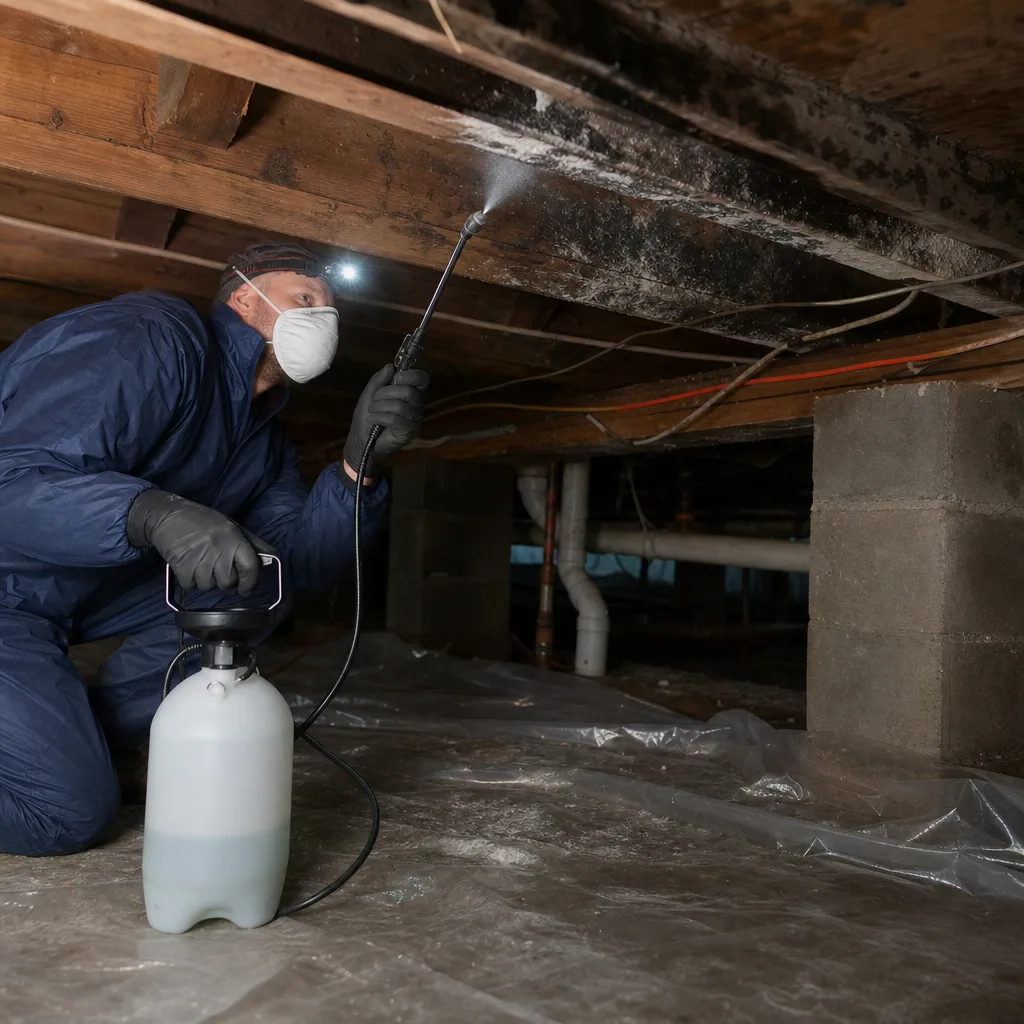
HEPA air scrubbing, antimicrobial treatment on masonry, and surface cleaning specific to the damage. Post-construction cleanup gets the same rigor; forgotten sewage residue in brick wicks back through new drywall in months, so we treat before we build.
Specialty Treatment
For East Flatbush’s flat-roofed two-families with parapet walls, we check interior roof drains before assuming membrane failure. A clogged drain behind the parapet is the most common misdiagnosed cause of ceiling damage on these blocks. We’ll open it, clear it, and document the cause.
Repairs & Restoration
Full-service reconstruction: drywall, flooring, trim, paint, and structural repairs, matched to the home’s original character where possible. For 1920s row houses, that means real plaster repair, not just drywall patches that look wrong on a 100-year-old wall.
Need Emergency Reconstruction & Cleanup in East Flatbush Now?
Crews minutes away, answering live 24 hours a day. The sooner we start, the less it costs.
Working With Your Insurance Company
Insurance claims are where the good East Flatbush contractors separate from the ones who leave you holding a half-wrecked house. Our crews document from the first hour: photos of every room, moisture readings in writing, and a scope that matches the industry-standard estimating software your carrier uses. Wade talks to the adjuster directly, so you’re not the middleman between a frustrated agent and a restoration foreman. When the loss involves a converted basement apartment without DOB permits, which is common on blocks all through East Flatbush, we document pre-loss condition and help you navigate the legalization process without stalling the claim. The adjuster gets exactly what they need to approve the reconstruction, and you get a straight answer about what’s covered and what isn’t.
What We Provide Your Insurer
- Thorough documentation of the loss
- Photos of all damage, room by room
- Moisture readings and drying logs
- A detailed, line-item scope of work
- Direct coordination with your carrier
Built for East Flatbush’s Loss Calendar
In East Flatbush, the disaster calendar runs on Brooklyn weather and 1920s plumbing. January deep freezes burst supply lines in unheated crawl spaces and along exterior brick walls. Spring thaw seeps through aging foundation mortar and finds its way into finished basements on Lenox Road and Snyder Avenue. Summer convective downpours overwhelm combined sewers, and nor’easters in fall and winter push raw sewage back through floor drains across the neighborhood. These are not hypotheticals; they’re annual events. Combine that with the fact that many East Flatbush basements are finished and occupied, and a single backflow event becomes a full reconstruction project with family displaced. We plan around that calendar: extraction crews staged during storm warnings, dehumidifiers on trucks through January, and extra containment supplies in spring. The patterns are predictable, and that predictability means we can move faster when they happen. Dispatch and scheduling are coordinated from our New York City office, with crews serving East Flatbush locally.
Reconstruction & Cleanup Across East Flatbush’s Neighborhoods
East Flatbush isn’t one neighborhood. It’s a web of blocks with distinct building types and distinct loss patterns. Around Church Avenue, the commercial corridor runs through dense attached brick two-families; water losses there mean shared walls and complicated insurance questions when one side of a twin floods and the other stays dry. Up near Rugby and Remsen Village, semi-detached homes sit on slightly larger lots, but they share the same 100-year-old sewer laterals, and backflow events don’t care about lot lines. Over by Brooklyn College and the 2 and 5 train corridors, mid-century apartment buildings and small attached homes mix together, which changes the access logistics for our equipment. And along Kings Highway, the higher-traffic blocks see more stormwater runoff overwhelming the combined sewers during summer downpours. We know the response routes: Flatbush Avenue for north-south runs, Church for east-west, and Nostrand as the backup when Flatbush is jammed. Thirty-minute response in this borough is about knowing which blocks the sanitation trucks block at 7 a.m. and which alleys actually connect through.
On a stretch of Church Avenue in East Flatbush, our crew responded to a nor’easter sewer backflow that left a finished basement apartment under inches of raw sewage. We set containment around the entire below-grade unit, then used our moisture mapping equipment and performed structural drying after removing contaminated drywall and flooring. Because the space was a converted basement with no DOB permits, we worked with the homeowner to document pre-loss condition and scope of work for insurance while coordinating with a local expeditor on the legalization process.
Specialized Reconstruction & Cleanup Services We Offer in East Flatbush
Full-Service Reconstruction
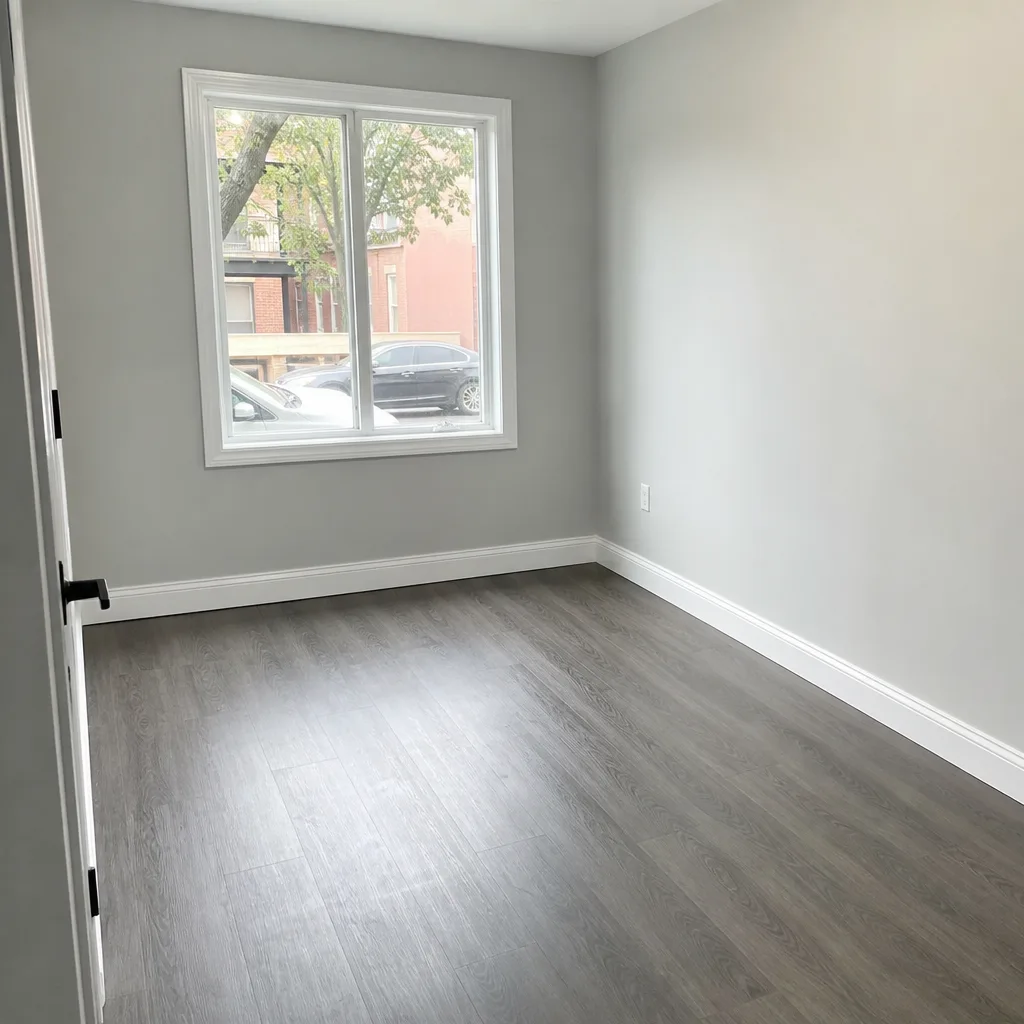
After a category-3 loss in an East Flatbush two-family, reconstruction means more than hanging drywall. We rebuild to current NYC code where required, match existing plaster profiles where code allows, and handle the DOB paperwork that follows any structural change in a legalized or pending-legalization basement. The goal is a rebuilt space that passes inspection and holds up to the next nor’easter.
Drywall & Flooring Repair
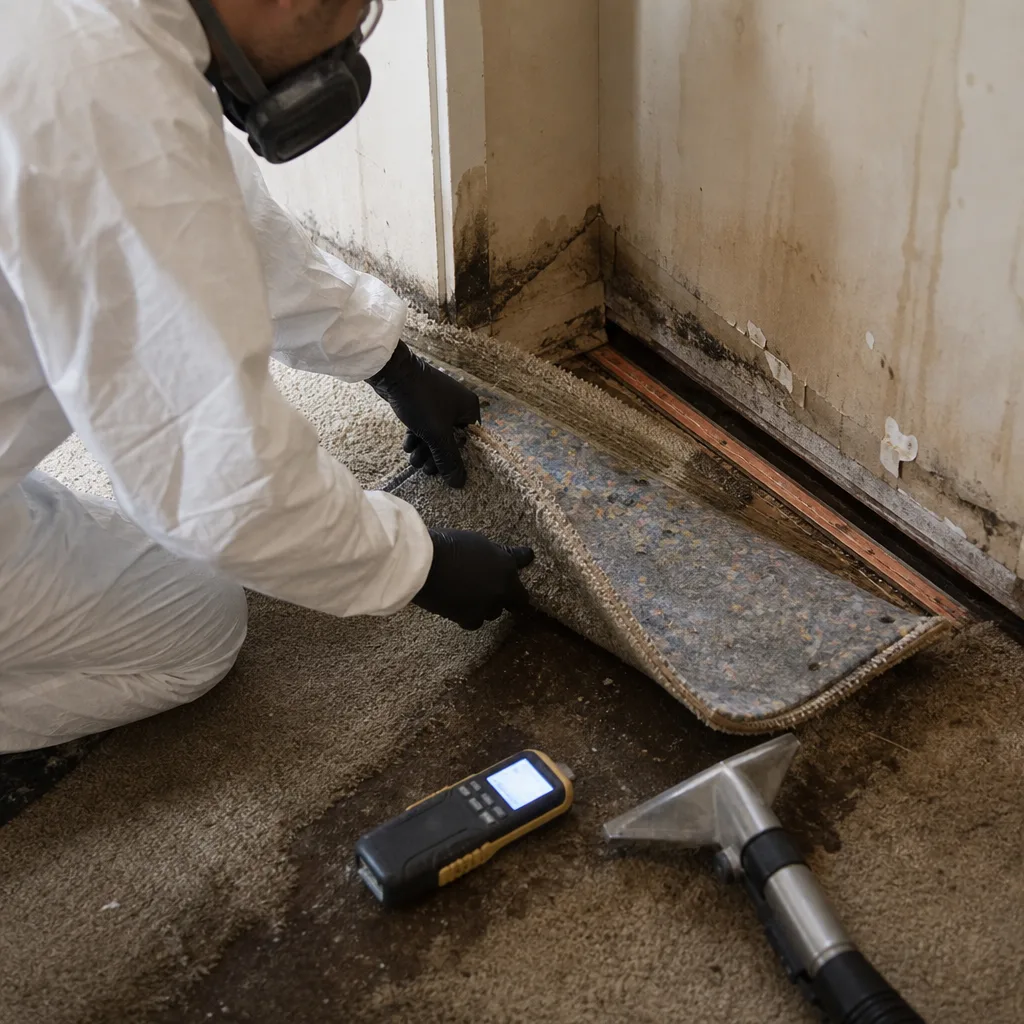
Plaster repair in a 1930s row house is a different trade from drywall patching in a 1990s renovation. We do both, but we don’t pretend they’re the same. For plaster homes, we cut out damaged sections, install like-material lath and plaster where the insurance scope allows, and match the original wall profile so the repair doesn’t look like a patch. For flooring, we handle hardwood, tile, and the vinyl plank common in East Flatbush basement apartments. Subfloor drying comes first; laying flooring over wet subfloor is how you get mold under new planks in six months.
Contents Restoration & Pack-Out
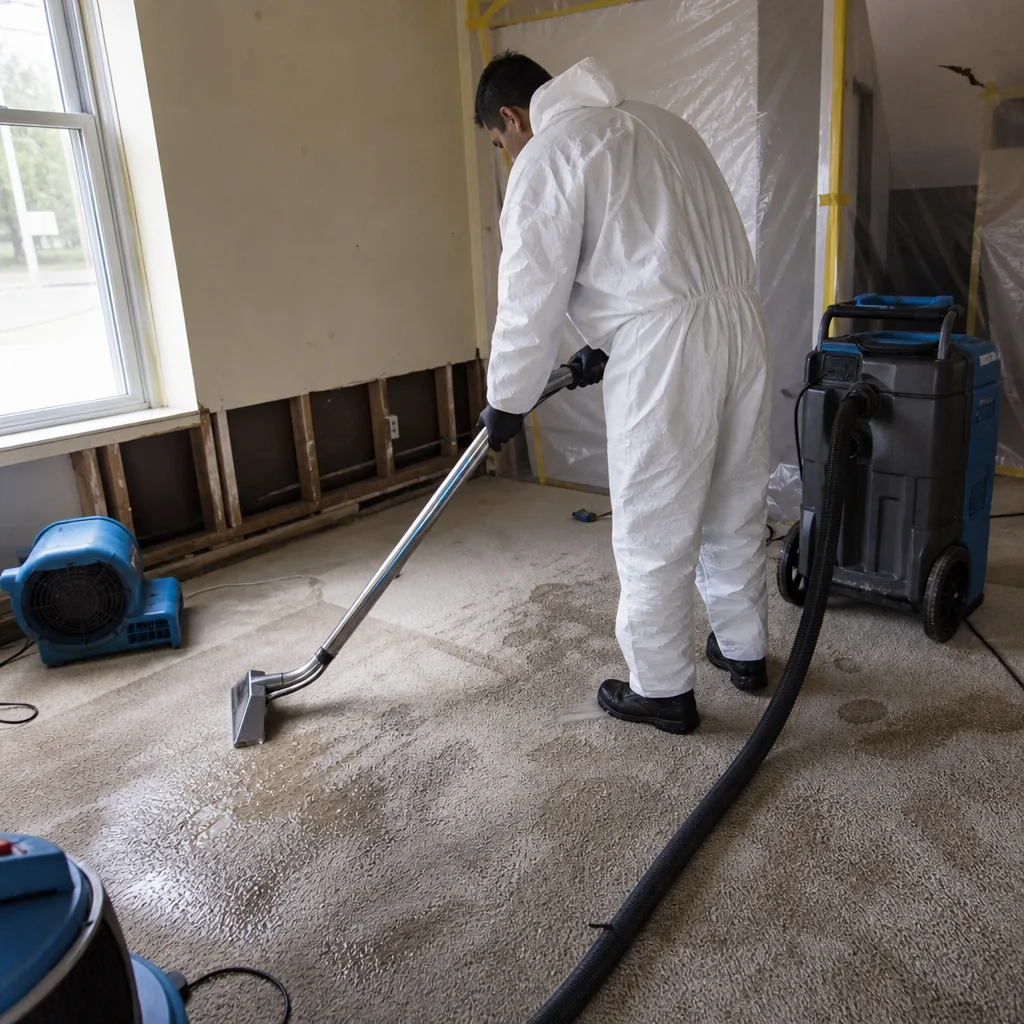
When a basement apartment floods with sewage, the family’s belongings are contaminated. We pack out, inventory, clean, and store contents in a climate-controlled facility while the rebuild proceeds. For East Flatbush’s multi-generational households, the pack-out list is long: furniture, clothing, documents, family photos. We photograph everything before it leaves the house, so the insurance claim includes contents restoration right alongside the structural work.
Carpet & Upholstery Cleaning
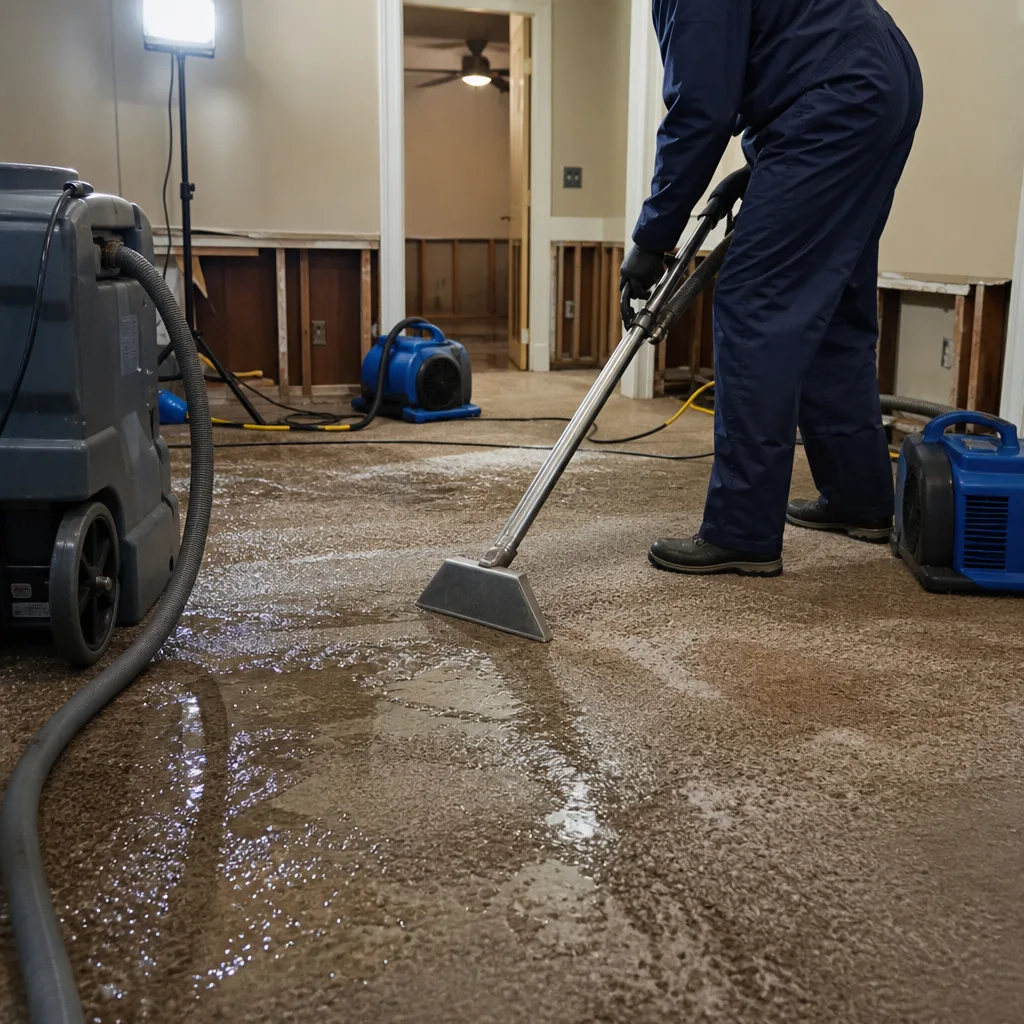
Category 1 water losses from a burst supply line in an East Flatbush laundry room can often be handled with extraction and professional cleaning rather than full carpet replacement. We clean and deodorize carpet, rugs, and upholstered furniture on site, using truck-mounted extraction when accessible. If the carpet is over a basement slab with a vapor barrier issue, we’ll tell you before we spend money cleaning something that should be replaced.
Post-Construction Cleanup
After a reconstruction, the dust is everywhere: inside cabinets, in the ductwork, on every brick ledge. We run HEPA air scrubbing for a full cycle before and after the final cleaning, then wipe every surface. In East Flatbush’s older homes, construction dust settles into original woodwork and masonry pores; a rushed cleanup leaves it there, and it comes back looking like gray film for months. We do it once, thoroughly.
What happens when you call
- 1
A real person answersNo phone trees - you reach a local pro.
- 2
You get an upfront price rangeHonest numbers before anyone is dispatched.
- 3
A background-checked tech heads outLicensed & insured, dispatched right away.
- 4
You approve before work beginsNothing starts until you say go.
Reconstruction & Cleanup Costs in East Flatbush, NY
Straight numbers for East Flatbush. A small drywall and flooring repair after a clean-water leak in one room runs $1,200 to $3,800. A full basement apartment rebuild after a category-3 sewer backflow: $28,000 to $65,000, depending on square footage, finish level, and permit work required. Contents pack-out and cleaning adds $2,500 to $8,000 for a typical basement unit. Post-construction cleanup alone runs $800 to $2,200. Plaster repair costs 40% to 70% more than drywall replacement per square foot, and East Flatbush’s homes have a lot of plaster. What moves the price: whether DOB legalization is required, whether asbestos abatement is triggered in older materials, and how fast the damage was addressed in the first hours. Insurance covers most of these costs when the loss is sudden and accidental; a free inspection gives you a written scope and a realistic number before you decide anything. Call (363) 300-2771 for that inspection; no trip charge inside our own county.
We Also Serve Cities Near East Flatbush
Our crews work throughout the surrounding area: East New York, Jamaica, Canarsie, and Glendale. The same 45-minute response and the same equipment, whether the call comes from a semi-detached on Snyder Avenue or a two-family on the Canarsie line.
Serving East Flatbush, NY - Our Local Coverage Area
We’re based in the East Flatbush area and know this community well. Use the map below to see our service coverage - if you’re nearby, we can almost certainly help.
East Flatbush Reconstruction & Cleanup Questions, Answered
How does East Flatbush’s 1920s brick construction change the drying plan after a sewer backflow in my basement?
Brick and plaster hold moisture far longer than modern drywall, so the drying plan for an East Flatbush home runs 5 to 10 days longer than a newer construction equivalent. We take moisture readings daily and keep dehumidifiers running until the brick envelope drops below 15% moisture content. Pulling equipment early based on how the surface feels is exactly how hidden mold blooms behind plaster six months after the rebuild.
My attached two-family has a finished basement apartment used by family. Does that affect restoration permits after category 3 water?
Yes. Many East Flatbush basements were converted to living space without DOB permits, and a category-3 loss in those units forces the permit question. We work with homeowners and their insurance to document pre-loss condition and, where needed, coordinate with a local expeditor on the legalization process. Skipping that step risks a stop-work order or having remediation ordered undone, which doubles the scope. Call (363) 300-2771 and we’ll walk you through what applies to your specific basement.
What’s the difference between a roof membrane failure and a clogged interior roof drain in East Flatbush’s flat-roofed two-families?
A clogged interior roof drain behind a parapet wall lets water pool and seep through the masonry, causing ceiling damage that looks exactly like a failed membrane. The difference matters for insurance: drainage maintenance is usually a different coverage line than roof replacement. We check the drain first on every flat-roofed East Flatbush home before we write a reconstruction scope, because misdiagnosing it changes the claim and the cost.
How long before mold starts in an East Flatbush basement after sewage backs up?
Mold starts colonizing within 24 to 48 hours in Brooklyn’s humid summers, faster if the basement is finished with drywall and carpet, which hold moisture. Category-3 water accelerates it because sewage introduces organic material. Extraction within the first few hours and containment with HEPA scrubbing are the only ways to prevent a mold remediation from being added to the reconstruction scope.
What should I document for insurance when my East Flatbush semi-detached home needs reconstruction after a category 3 loss?
Photos of every room, before any cleanup starts. Your policy number, the date and time the loss occurred, and any receipts for emergency work. Then call us. We document the rest: thermal imaging, moisture logs, extraction and drying records, and a line-item scope. The more complete the file, the fewer adjuster questions, and the faster the reconstruction gets approved.
How fast can someone actually get to East Flatbush for a sewer backflow?
Forty-five minutes or less, in most cases. We keep crews staged near the neighborhood during storm warnings, and our trucks run Flatbush Avenue and Church Avenue every day. When you call (363) 300-2771, you’re talking to a person who can put a truck in motion immediately, not a dispatcher reading a script in another state.
Do I really need full reconstruction, or just a thorough cleaning after a basement flood?
Depends on the water category and how long it sat. Clean-water leaks that are extracted within hours often need only drying and cleaning. Category-3 sewage means drywall, insulation, and flooring downstream of the backflow have to come out, because sanitizing porous materials contaminated with black water is not reliable. The free inspection tells you which scenario you’re in, with a written scope either way.
Will my insurance cover reconstruction after a sewer backflow in East Flatbush?
Most homeowners policies cover sudden and accidental sewer backflow, subject to your specific policy limits and endorsements. The catch in East Flatbush is the basement legalization issue and the age of the systems; insurers sometimes dispute whether the cause was sudden or long-term drainage failure. We document the event and coordinate with your adjuster directly, which usually resolves the coverage question faster than you can on your own. Call (363) 300-2771 for a straight read on your situation.
Written by Wade Ferris, Owner at Wade’s Restoration. Locally owned, owner-operated, and answering calls in East Flatbush 24 hours a day.