
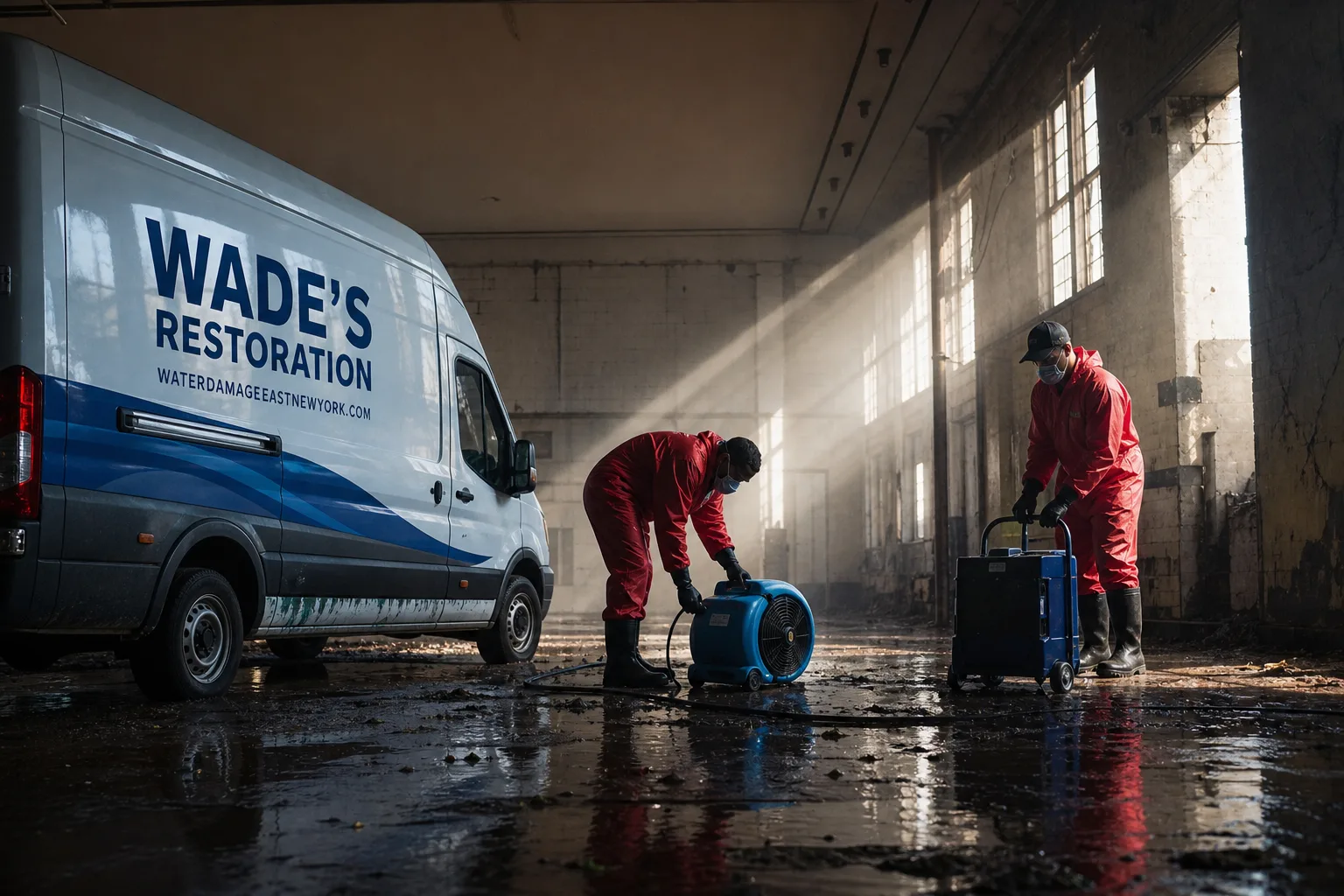
Free visual inspection and a written scope of work before any mitigation begins - photos, moisture readings, and drying logs go in your claim file
The scope we write is the scope we bill. Anything new gets shown to you, in writing, before we touch it.
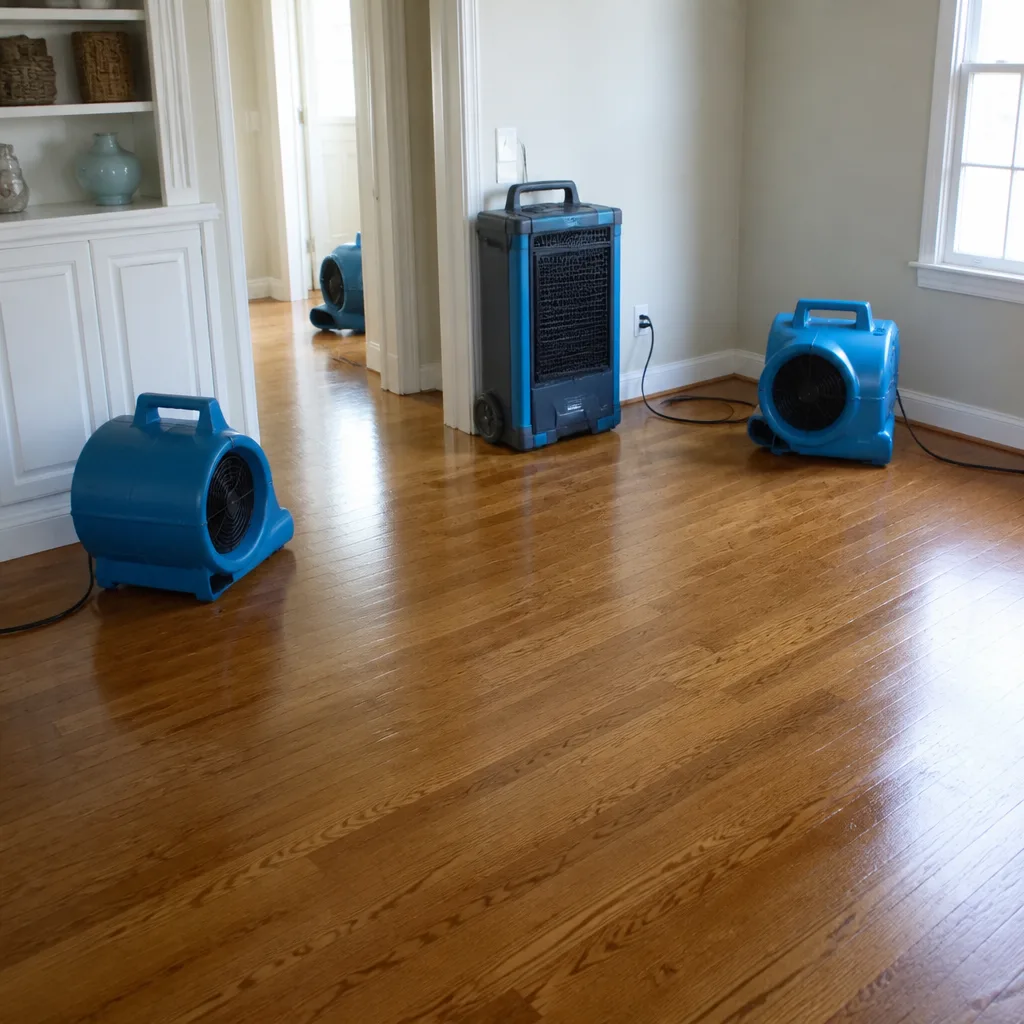
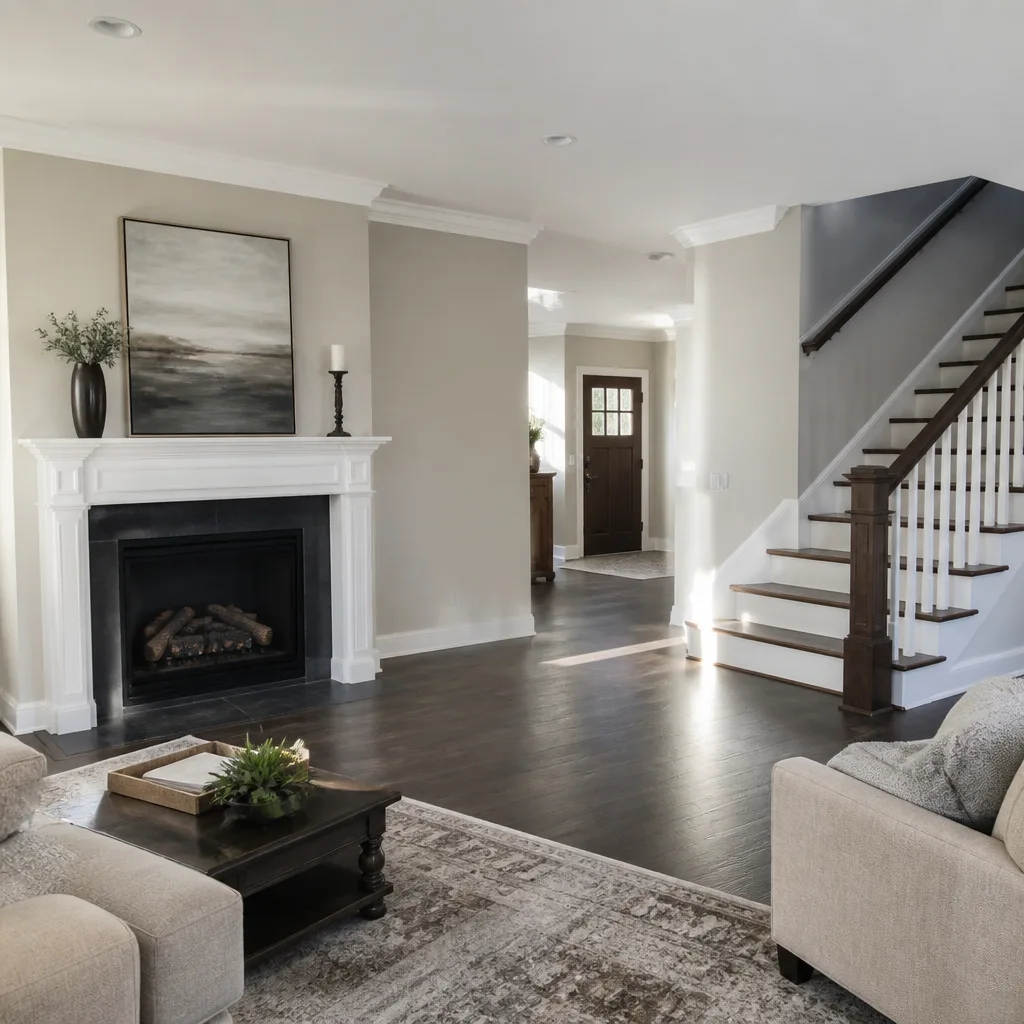

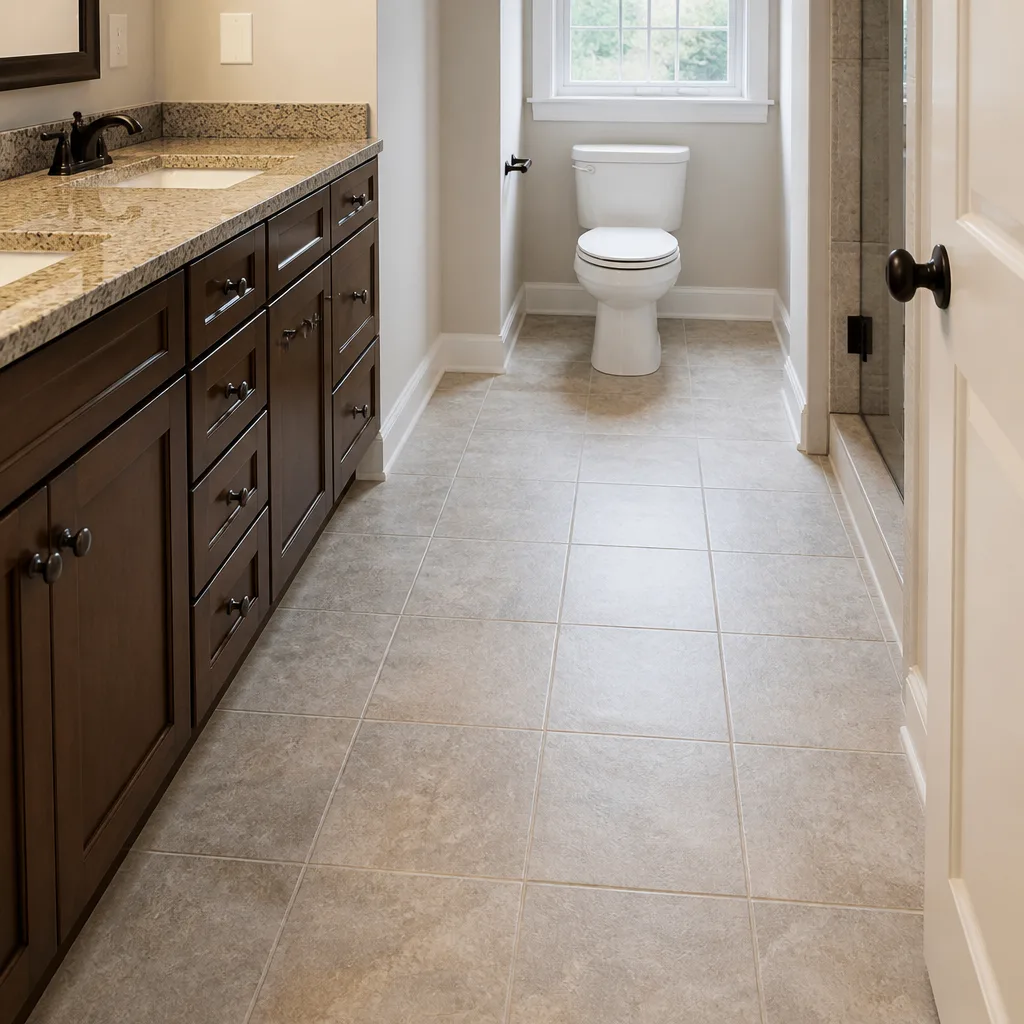
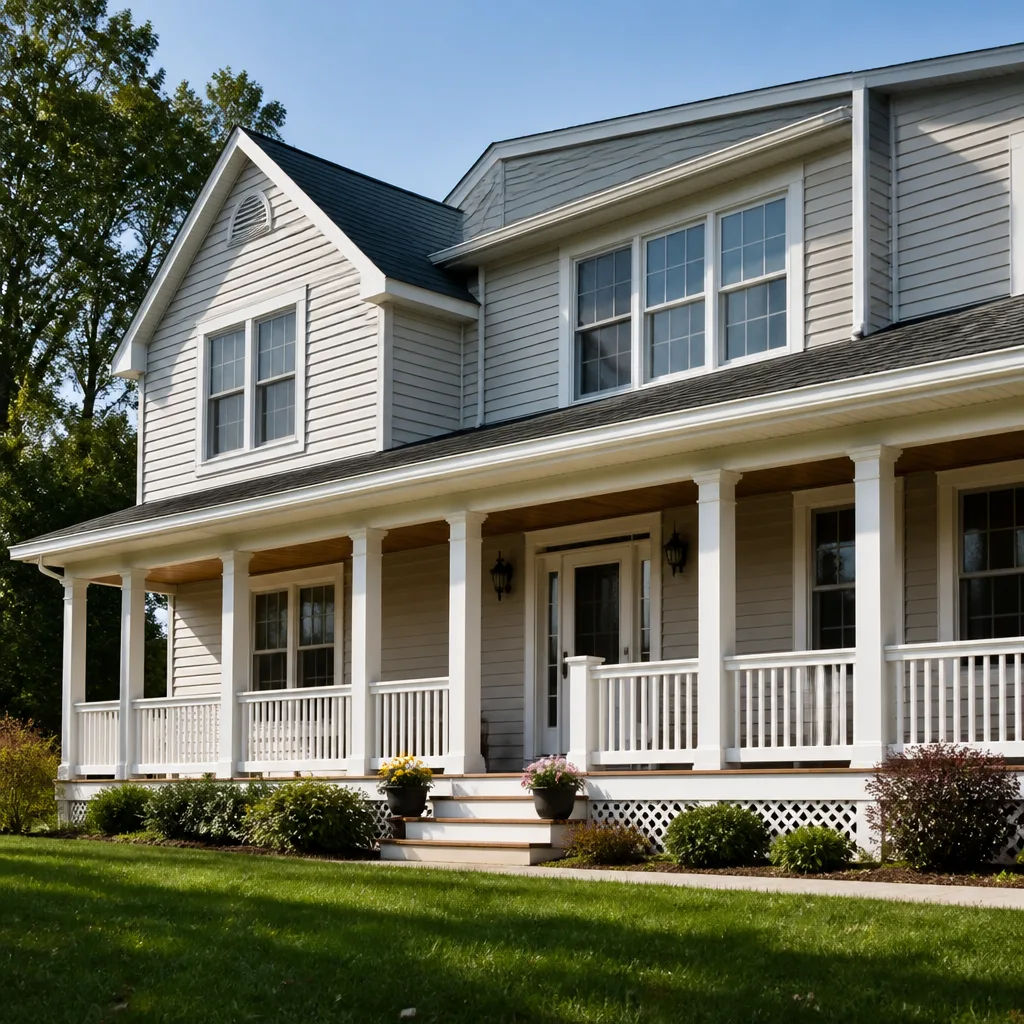
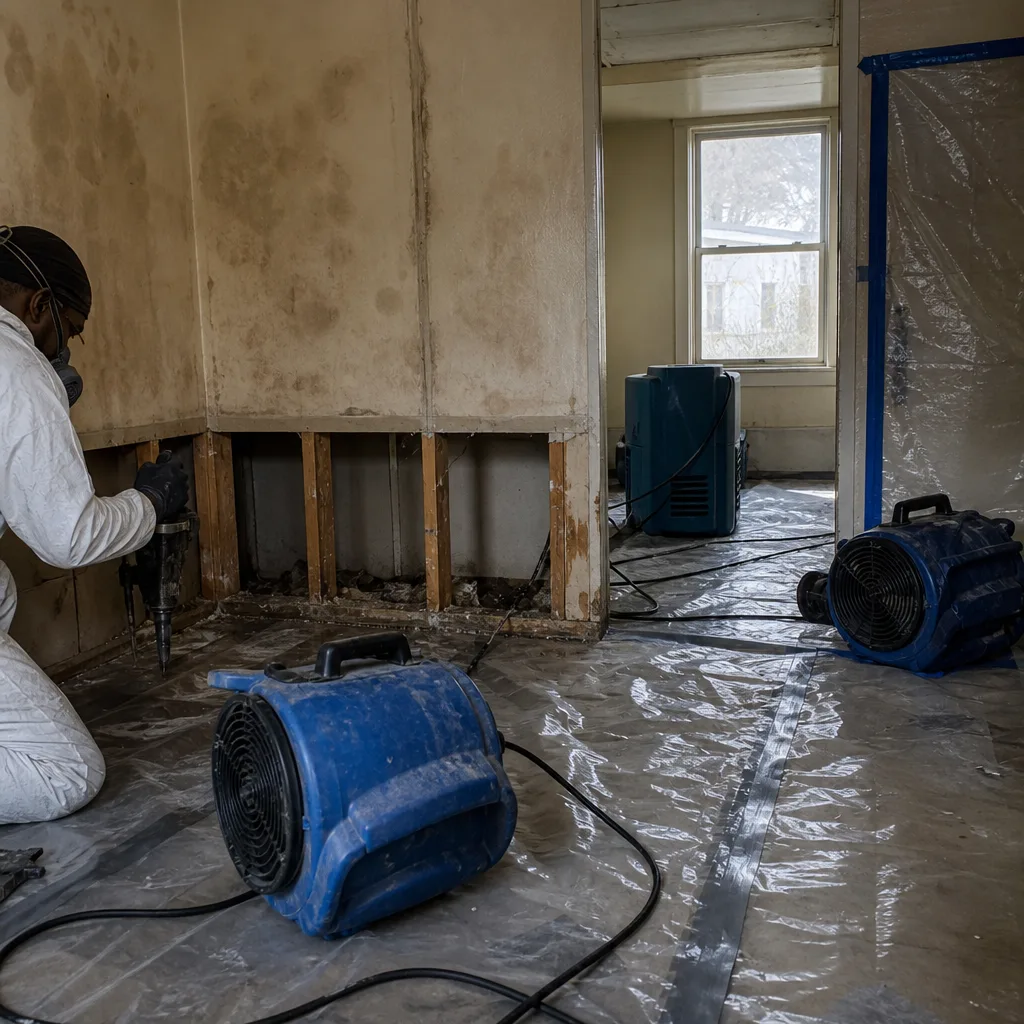 Before
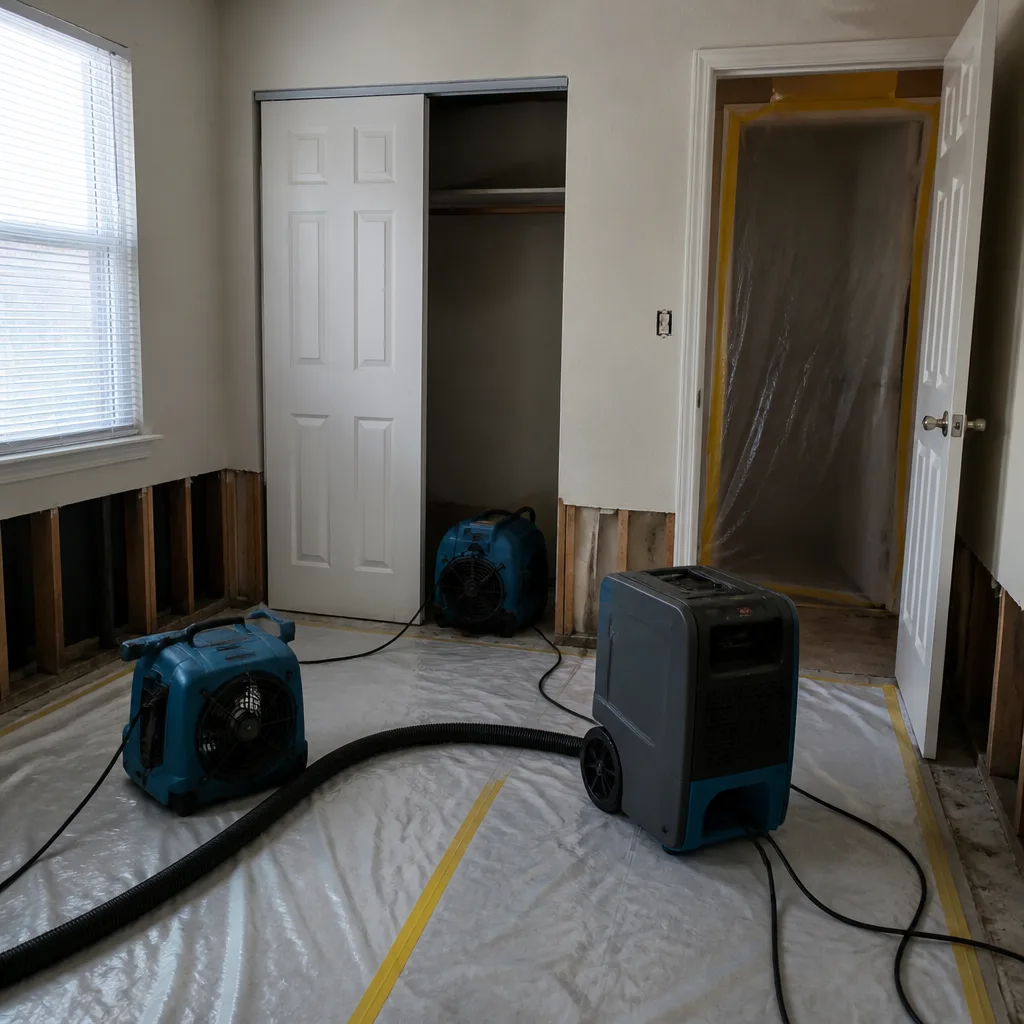 After
After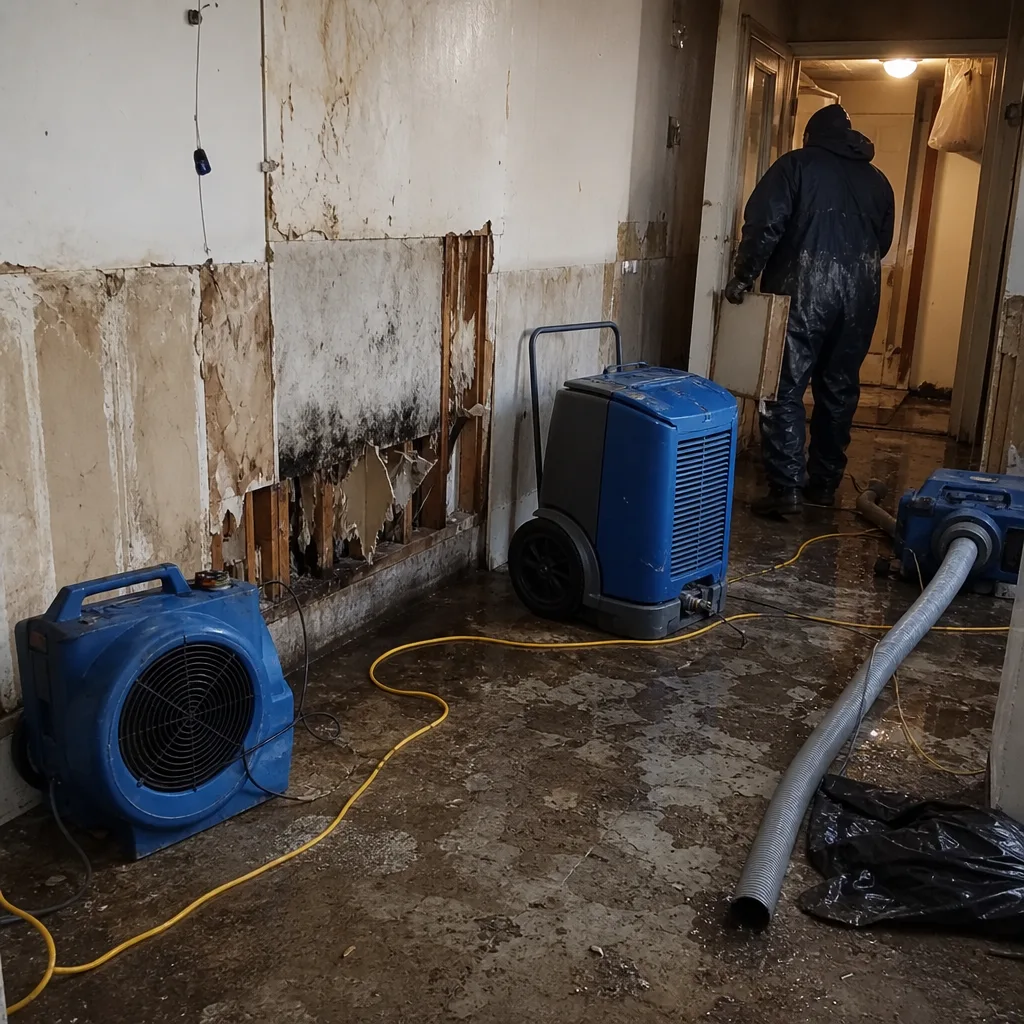 Before
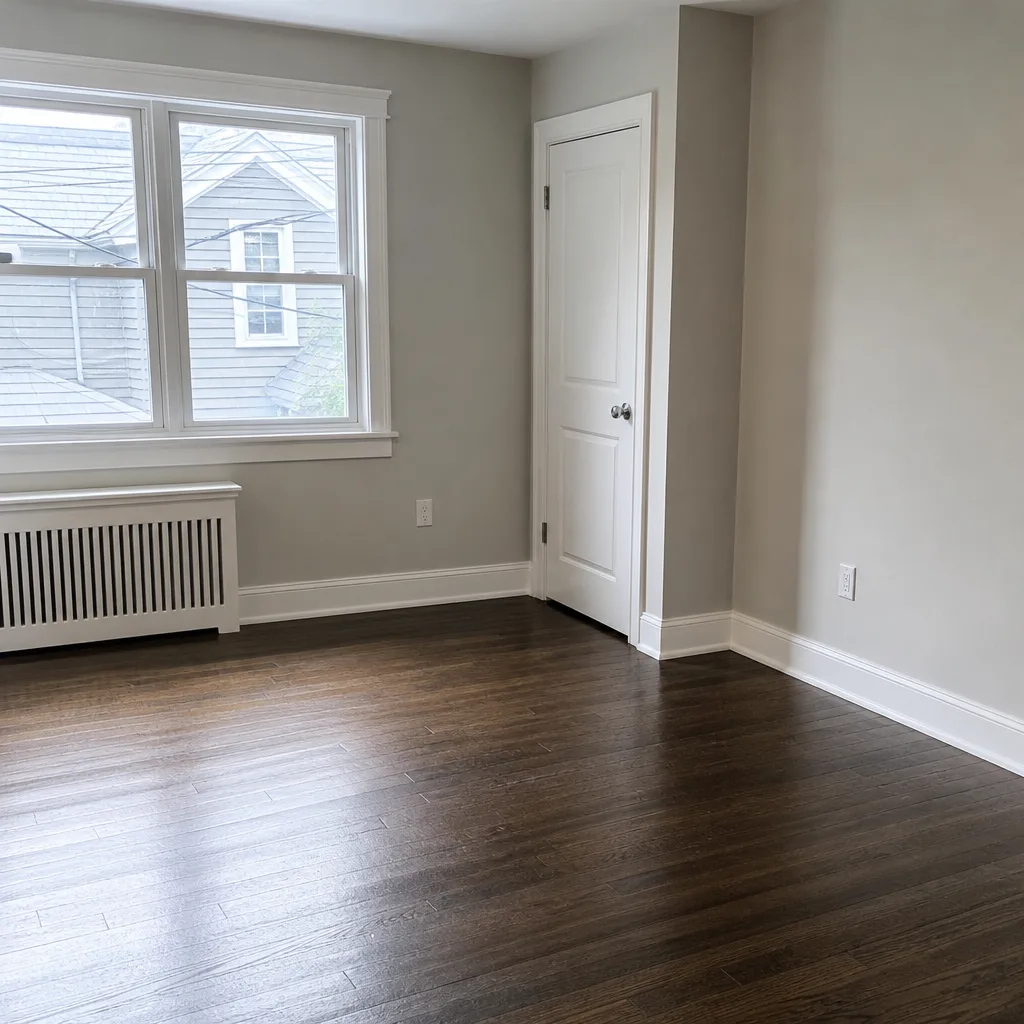 After
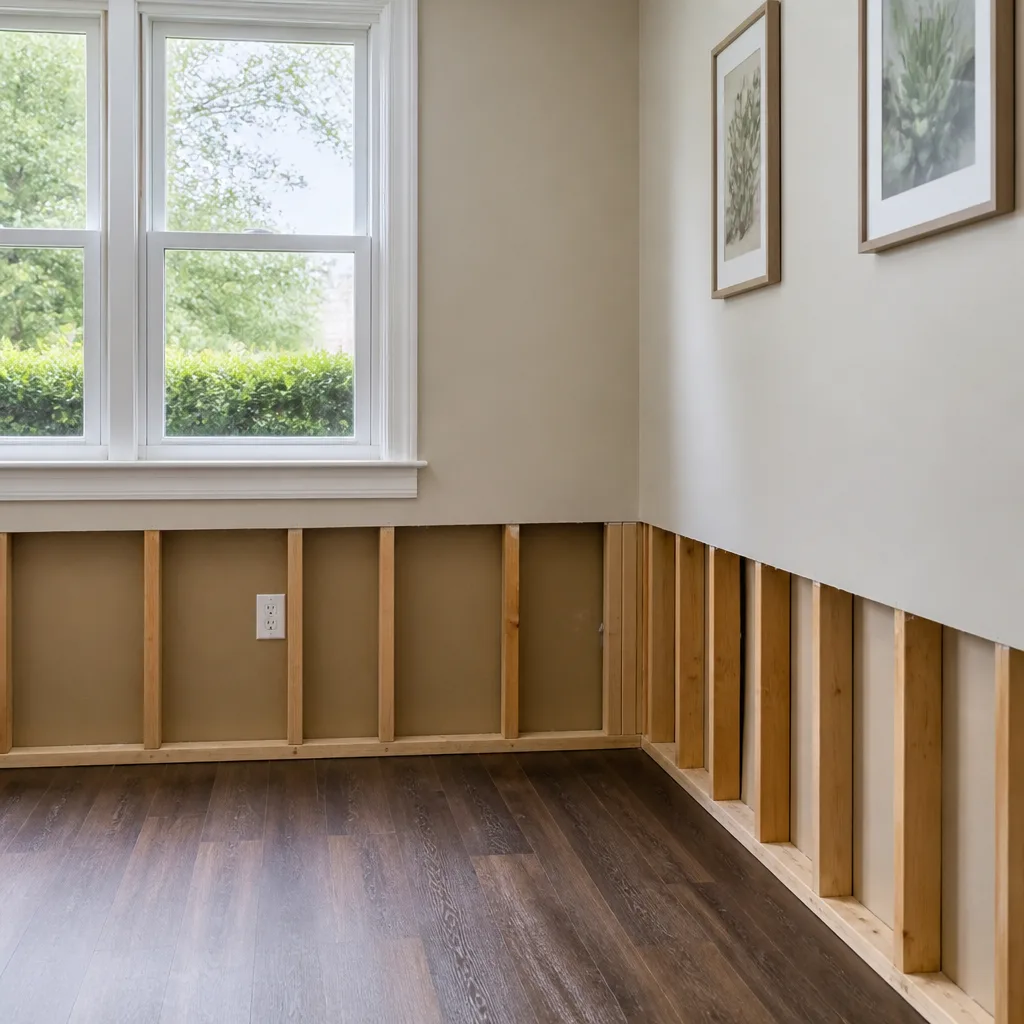
After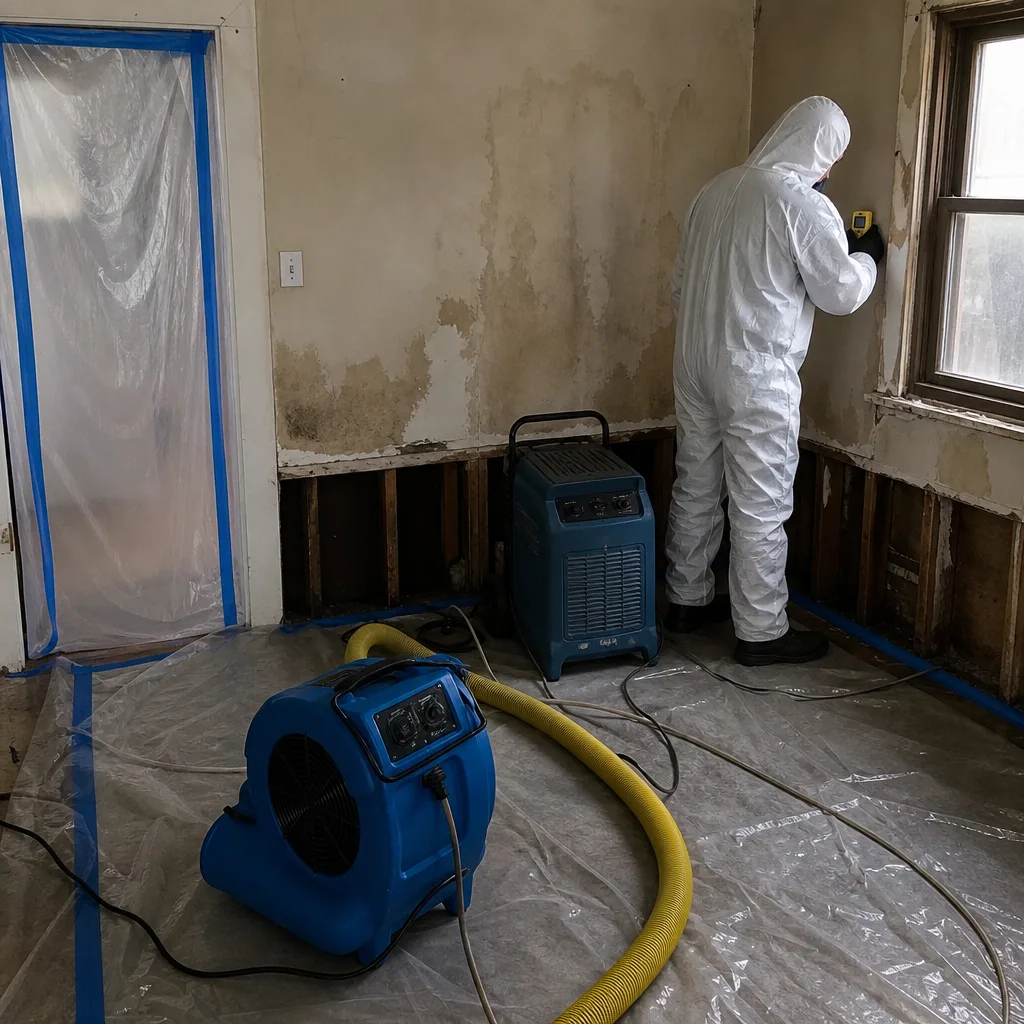 Before
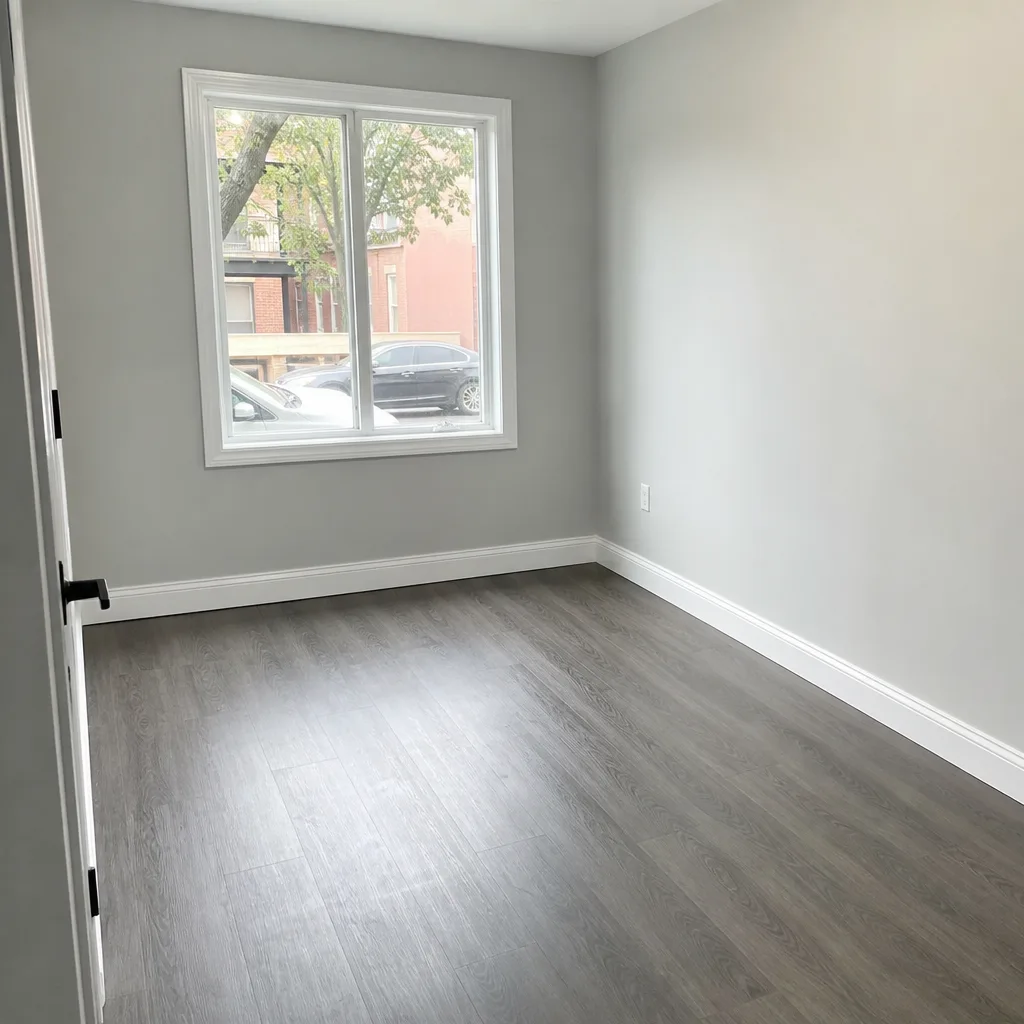 After
After24/7 Emergency Mold Remediation in East Flatbush
Mold in East Flatbush moves fast. Attached brick two-families built in the 1920s through 1940s hold moisture behind original plaster-and-lath walls, and the longer that water sits, the deeper the contamination runs. If you’re seeing dark spots along baseboards, smelling something musty near the basement stairs, or dealing with a flooded floor drain that backed up sewage, call (363) 300-2771 right now. Wade Ferris answers his phone around the clock, and crews can reach most East Flatbush blocks inside 45 minutes. We start with a free visual inspection, set up containment if mold is active, and give you a straight answer about what needs to come out and what can stay. The first hour matters because mold spores from disturbed growth get into air ducts, behind radiators, and into the joist bays before anyone opens a wall. Waiting doesn’t make it cheaper. It makes it bigger.
Understanding Mold Remediation Severity in East Flatbush Properties
East Flatbush mold jobs break into three severity levels, and the building stock writes the rules. Level one is surface growth: condensation-fed mold on bathroom ceilings, window sills, and closet walls in the back bedrooms of semi-detached brick homes where parapet walls block cross-ventilation. Level two is water-event mold: growth after a roof drain clog behind the parapet wall, a supply-line burst, or a basement seepage event, where mold has moved into porous material but hasn’t spread into framing. Level three is contamination: Category 3 black-water backups through basement floor drains that saturate carpet, subfloor, and the plaster-and-lath walls above the flood line. Here’s the East Flatbush catch: those original plaster walls hide moisture longer than drywall ever will. A moisture meter reading on a plaster surface can look dry while the lath behind it is holding a fungal reservoir. East Flatbush’s brick envelope also releases moisture slowly. If remediation stops at the visible drywall patch without probing the plaster, you’ll get recurrence within months. Containment, air scrubbing with HEPA filtration, and post-remediation clearance testing are not optional on these jobs. They’re the difference between done and done right.
Why East Flatbush Property Owners Choose Wade’s Restoration
- 45-minute response commitment to East Flatbush blocks. From Church Avenue up through Rutland Road, we keep crews staged to reach you fast. Wade doesn’t route calls through a call center in another state.
- Live answer, 24 hours a day, seven days a week. Wade answers his own phone. Not a voicemail box. Not an answering service. A person who knows restoration.
- IICRC-certified crews trained for WRT, ASD, and AMRT work. Mold remediation demands more than a spray bottle of bleach. Our people carry the certifications that matter.
- Free visual inspection with photo documentation. Before anything gets touched, we give you a straight read on scope. No obligation, no trip charge inside our county.
- Direct insurance billing and adjuster coordination. Wade talks to your carrier so you’re not relaying messages back and forth. We hand over moisture logs, photos, and a line-item scope.
- One crew from initial extraction through final repairs. No handing you off to a different company mid-job. The same people who set containment are the ones who hang the new drywall or patch the plaster.
Our Mold Remediation Process
Inspection & Assessment
We walk every affected room with thermal imaging and moisture meters. In East Flatbush’s plaster-walled homes, surface readings don’t tell the full story, so we probe behind baseboards, around window returns, and along joist bays. You get a written scope before any work begins.
Containment & Air Control
Before we disturb mold, we seal the work area with 6-mil polyethylene and set up negative air pressure with HEPA air scrubbers. This keeps spores from migrating into adjacent rooms or up through the open staircase of a two-family home.
Source Removal & Cleaning
Removing mold at the root means cutting out damaged plaster, lath, or drywall. For plaster-and-lath walls where moisture wicked upward, we remove material well beyond the visible line. Hard surfaces get HEPA vacuuming and antimicrobial treatment with professional-grade solutions.
Drying & Dehumidification
Phoenix air movers and dehumidifiers run until structural materials reach pre-loss moisture levels. We take daily readings. At the end, you get the full drying log. Almost nobody in this trade hands over the actual numbers. Wade does.
Air Quality Restoration
HEPA air scrubbers run continuously during remediation, and if your home’s air quality was compromised, we extend the process. Post-remediation clearance testing gives you proof the air is safe for the family.
Repairs & Restoration
We re-lath and plaster, match trim profiles to the original 1920s and 1930s details, and make the space look like nothing happened. If the job touched an informal basement apartment, we coordinate with DOB before we close anything up.
Need Emergency Mold Remediation in East Flatbush Now?
Crews minutes away, answering live 24 hours a day. The sooner we start, the less it costs.
Working With Your Insurance Company
Insurance claims for mold in East Flatbush get complicated quickly, especially when the loss started as a sewage backup or a roof drain clog that the adjuster wants to call a maintenance issue instead of a covered event. We document from the first hour. Photos of standing water, moisture readings from the moment we arrive, daily drying logs, and a line-item scope of work that matches the carrier’s software. Wade speaks directly to your adjuster. You never play telephone tag between a claims department and a restoration crew. If the carrier pushes back, the documentation we hand over is the leverage that moves the claim. For covered losses, we bill your insurer directly. For out-of-pocket work, you get the written estimate before anything starts, not after.
What We Provide Your Insurer
- Thorough documentation of the loss from first response
- Photos of all damage, room by room
- Moisture readings and daily drying logs
- A detailed, line-item scope of work
- Direct coordination with your carrier’s adjuster
Built for East Flatbush’s Loss Calendar
East Flatbush mold losses hit on a schedule that mirrors Brooklyn’s combined sewer infrastructure. In January and February, deep freezes burst supply lines in unconditioned basements under 1920s row houses. The water saturates finished basement floors, and because those below-grade spaces have poor air movement, mold sets in within three to five days if drying doesn’t start immediately. Spring thaws push groundwater through foundation cracks in the semi-detached brick homes along the lower blocks of the neighborhood, and that seepage feeds mold behind wood paneling and under tile. Summer brings the worst of it: convective downpours overwhelm the combined sewer, raw sewage backs up through basement floor drains, and category-3 black water spreads across basements that are often finished with carpet and drywall. Fall nor’easters don’t hit East Flatbush as hard as coastal Brooklyn, but roof drains clogged with leaves behind parapet walls send water into ceiling cavities, where mold grows before anyone sees a stain. Every season here has a mold vector. Wade has seen them all since 2007.
Mold Remediation Across East Flatbush’s Neighborhoods
East Flatbush stretches across distinct pockets with different building fingerprints, and remediation scope changes with each one. The blocks around Church Avenue and Utica Avenue hold dense attached brick two-families, many with occupied basement units and original plaster-and-lath construction. Mold there is often discovered late, after a tenant reports a smell or a family member notices staining on a shared wall. Around Kings Highway and Flatbush Avenue, the commercial stretches sit on top of basement spaces that see seepage from the older supply lines running under the sidewalk. And in the residential grid around Remsen Avenue and East 51st Street near SUNY Downstate, the semi-detached homes with shared parapet walls create a repeated call pattern: ceiling mold in the top-floor apartment, traced back to a clogged interior roof drain in the common wall. The blocks around Newkirk Avenue’s subway stop see more tenant turnover, which means some basements have had water issues for months or years before anyone calls. Each of these East Flatbush micro-markets shapes how we stage equipment, where we set containment, and how long drying actually takes.
Specialized Mold Remediation Services We Offer in East Flatbush
Mold Inspection & Testing
We don’t guess. In East Flatbush’s plaster-and-lath homes, visible mold is often the smallest part of the problem. Our inspection walks every room with thermal imaging and moisture meters, probes behind baseboards and under window returns, and maps where moisture has wicked into the building envelope. If testing makes sense for your situation, we collect air and surface samples and send them to an independent lab. You get the results and the interpretation in plain English.
Black Mold Remediation
Stachybotrys chartarum, the mold people call black mold, grows where water sits for days or weeks on cellulose-heavy materials. In East Flatbush, the most common source is sewage backups saturating basement sheetrock and subfloor, followed by roof drain clogs that keep ceiling cavities wet for weeks before detection. Black mold remediation means full containment, negative air pressure, and removal of contaminated material well beyond the visible line. Cleaning the surface isn’t enough. The porous material has to go.
Air Quality Restoration
After mold removal, the air itself needs treatment. Spores drift into HVAC registers, closet cavities, and the gaps behind radiators in 1920s and 1930s homes. We run HEPA air scrubbers continuously during remediation, then assess whether duct cleaning or extended air exchange makes sense. Post-remediation clearance testing proves the spore counts inside your home match or beat the outdoor baseline. That documentation matters when you sell the house or when a basement tenant has asthma.
What happens when you call
- 1
A real person answersNo phone trees - you reach a local pro.
- 2
You get an upfront price rangeHonest numbers before anyone is dispatched.
- 3
A background-checked tech heads outLicensed & insured, dispatched right away.
- 4
You approve before work beginsNothing starts until you say go.
Mold Remediation Costs in East Flatbush, NY
Straight numbers, because East Flatbush homeowners deserve to know before they call. Mold inspection and testing runs $300 to $600 depending on the number of samples. Visible surface mold remediation on a single wall or ceiling typically falls between $800 and $2,500. Full black mold remediation after a basement sewage backup, including containment, demolition, antimicrobial treatment, drying, and clearance testing, usually runs $3,500 to $12,000 in East Flatbush depending on how many rooms are affected and whether the plaster-and-lath walls require removal or can be treated in place. Air quality restoration adds $500 to $1,800 when duct cleaning and extended air scrubbing are needed. Insurance covers a meaningful share when the mold traces to a covered water loss with documentation from day one. The free visual inspection gives you a firm written scope, so the number you see is the number you plan around. Call (363) 300-2771 and Wade will walk the space with you. No charge for the second opinion if you already have an estimate from someone else.
We Also Serve Cities Near East Flatbush
The same 45-minute response and direct insurance billing applies when you’re just across the neighborhood line. We regularly handle mold remediation in East New York, Jamaica, Canarsie, and Glendale, with the same crew and the same 90-Day Done Right Promise on every job.
East Flatbush Mold Remediation Questions, Answered
Why does mold keep coming back in my East Flatbush brick row house even after remediation?
Mold keeps returning because the moisture source never got fully addressed, not because the cleaning failed. In East Flatbush’s attached brick homes, water wicks into plaster-and-lath walls and the slow-drying brick itself. A contractor who removes the visible drywall but doesn’t probe the plaster or identify the leak or condensation source is setting up recurrence. We trace moisture first, remove contaminated material to a margin beyond the visible line, and run drying until pre-loss moisture levels are documented. Call (363) 300-2771 for an inspection that starts with the moisture, not the mold.
My basement flooded with sewage from the floor drain - is that a different mold risk than clean water?
Yes, and it’s a serious one. Sewage backup is Category 3 water: it carries bacteria, viruses, and pathogens along with it. Porous materials like carpet, drywall, and insulation that get saturated with Category 3 water have to be removed and disposed of, not dried in place. Mold risk is also higher because sewage leaves behind organic matter that feeds growth within days. This is the dominant basement scenario across East Flatbush when the combined sewer surcharges. Call (363) 300-2771 immediately if your floor drain has backed up. The faster we extract and remove the contaminated material, the less the job costs.
Do I need a permit for mold remediation in an East Flatbush basement apartment that isn’t legal?
You may. Many East Flatbush basements in 1920s and 1930s two-families were converted informally into occupied apartments. If remediation requires structural work in one of those spaces, you’re likely looking at DOB oversight, and skipping it risks a stop-work order and a stalled insurance claim. We coordinate with DOB on legalization before pulling permits for the work. That’s a conversation most restoration companies avoid. It’s a conversation we’ve had many times in East Flatbush. Call (363) 300-2771 and Wade will walk you through what applies to your building.
How fast does mold grow after a roof drain clog causes ceiling damage in a flat-roofed row house?
Mold can establish within 48 to 72 hours in the warm, dark ceiling cavity above a damp plaster ceiling. In East Flatbush’s flat-roofed attached homes, the clogged interior roof drain behind the parapet wall is the culprit far more often than a failed roof membrane. Water pools, saturates the wood framing and the plaster below, and mold starts colonizing before the stain even shows. If you see bubbling paint or a brown ring on a top-floor ceiling, call (363) 300-2771 that day.
Can you test my air after mold removal to prove the house is safe for my family?
Yes. Post-remediation clearance testing collects air samples inside the remediated area and compares spore counts to an outdoor baseline taken at the same time. If indoor counts are at or below outdoor levels and no visible mold or moisture remains, you get a written report confirming the space is cleared. We can also test before starting, so you know exactly what you’re dealing with. Call (363) 300-2771 to schedule testing in East Flatbush.
How fast can someone actually get to my East Flatbush home?
We commit to a 45-minute response for East Flatbush calls. Wade or a crew member answers live, 24 hours a day. If it’s an active sewage backup or a fresh flood, getting extraction running in the first hour prevents the damage from spreading. Call (363) 300-2771 now, and someone is on the road.
Will insurance cover mold remediation in my East Flatbush home?
It depends on what caused the moisture, and how well it’s documented. If mold traces to a sudden, covered water loss like a burst pipe or a storm-related sewage backup, your carrier may cover the remediation and repairs. If the moisture is a long-term seepage or maintenance issue, they may deny it. The documentation we provide, starting at the first inspection, is built to support your claim. Wade talks directly to the adjuster. Call (363) 300-2771 with your policy details and we’ll tell you what to expect.
What should I do in the first 30 minutes after I find mold or water damage in East Flatbush?
First, don’t disturb the area. Scrubbing or opening walls releases spores into the air and drives them into adjacent rooms. Second, shut off the water source if there’s an active leak. Third, move furniture and belongings away from the wet area if you can do it without spreading contamination. Fourth, call (363) 300-2771 immediately. Containment and drying start on our end, and your actions in the first 30 minutes change the size of the job.
Written by Wade Ferris, Owner at Wade’s Restoration, serving East Flatbush and surrounding Brooklyn neighborhoods since 2007.
Serving East Flatbush, NY - Our Local Coverage Area
We’re based in the East Flatbush area and know this community well. Use the map below to see our service coverage - if you’re nearby, we can almost certainly help.
Call Wade’s Restoration for Mold Remediation in East Flatbush
You’ll speak to Wade, not a script. He’ll ask what you’re seeing, what it smells like, and how long it’s been going on. Then he’ll tell you straight whether this is an emergency or something we can schedule. Both paths start with a free inspection. If you’ve got a written estimate from another company, bring it. Wade will give you a second opinion for free. If we do the work, you get the 90-Day Done Right Promise in writing. If it’s not right, Wade comes back and makes it right. Call (363) 300-2771 now.