
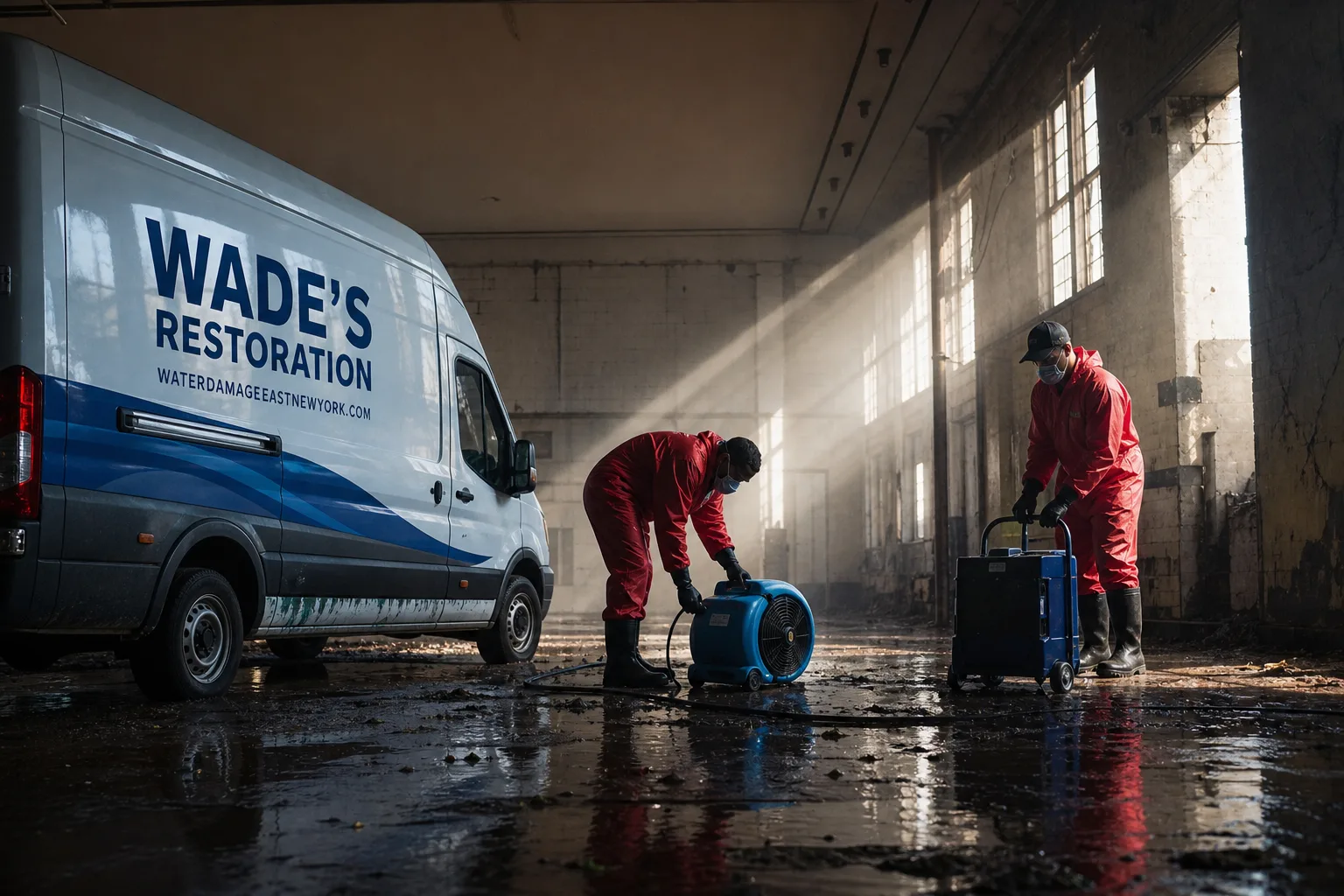
Free visual inspection and a written scope of work before any mitigation begins - photos, moisture readings, and drying logs go in your claim file
The scope we write is the scope we bill. Anything new gets shown to you, in writing, before we touch it.
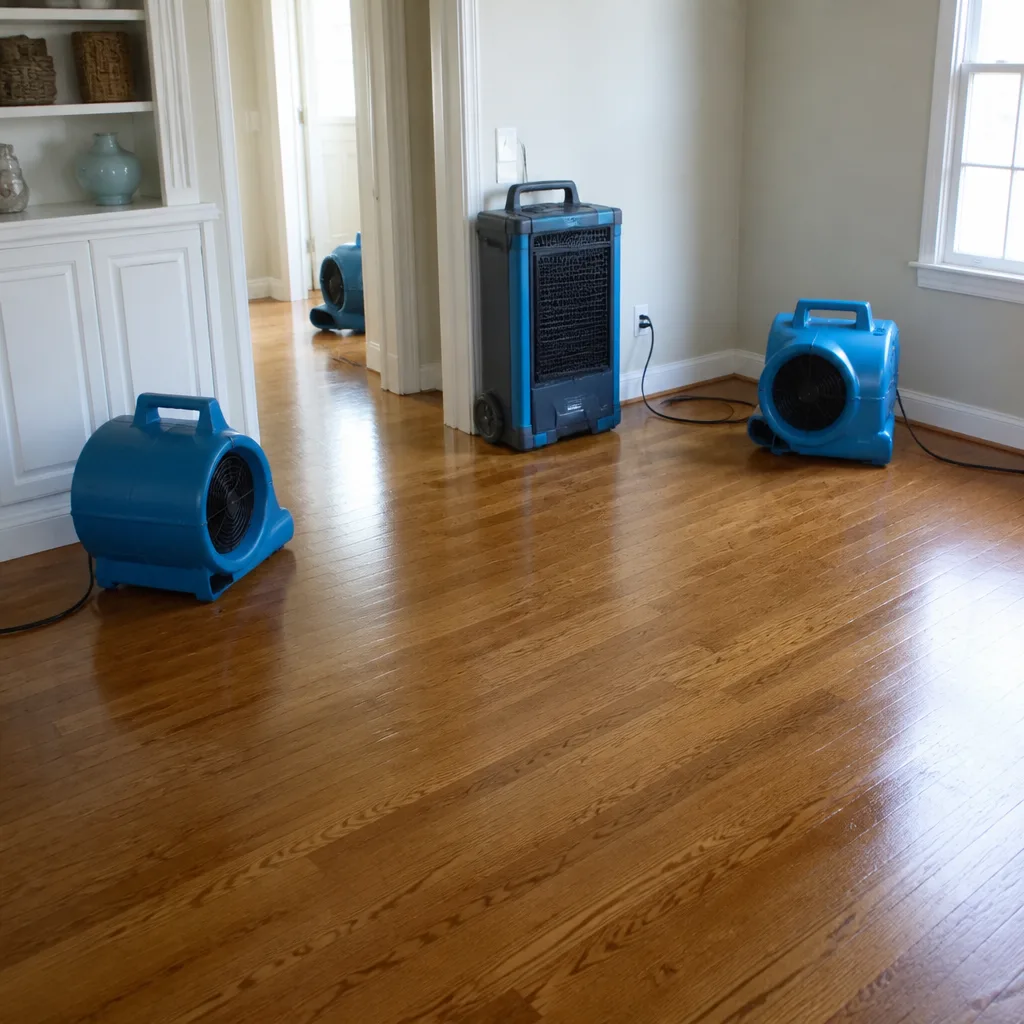
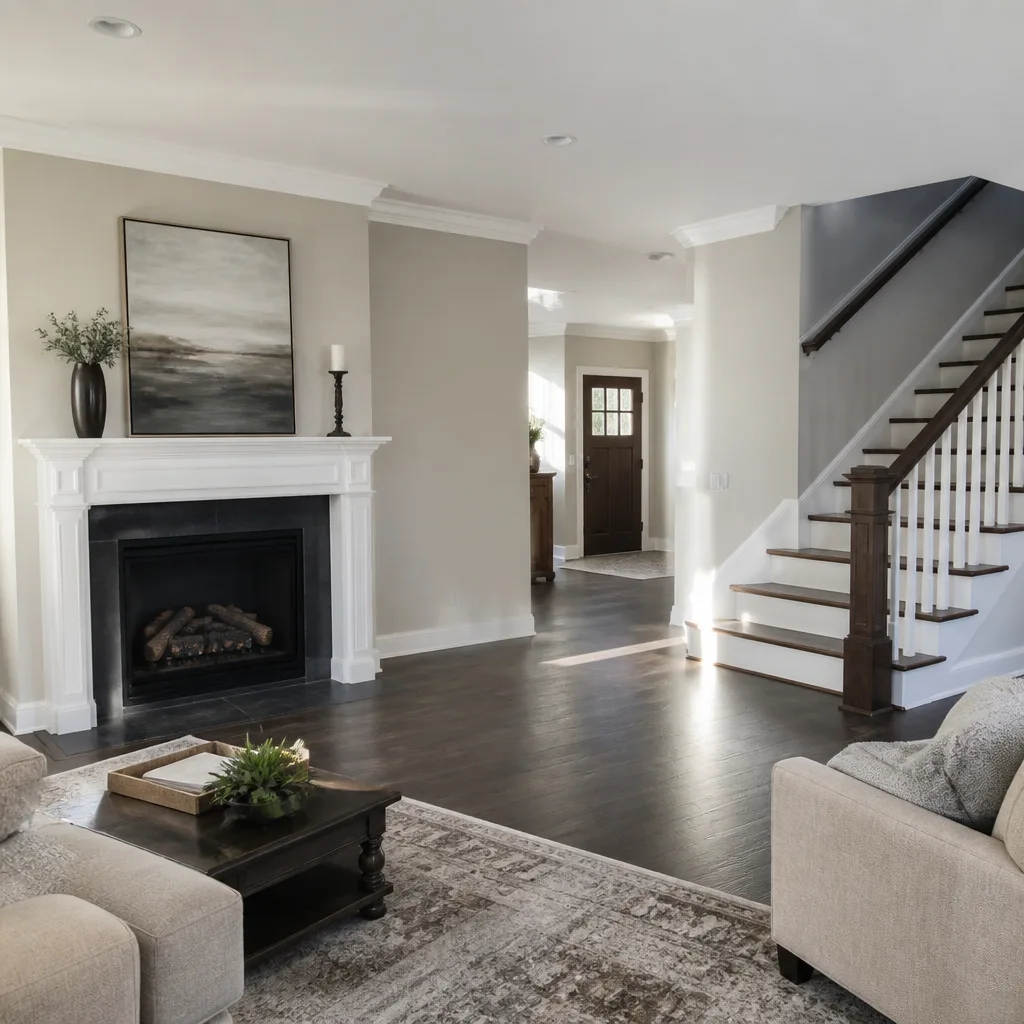
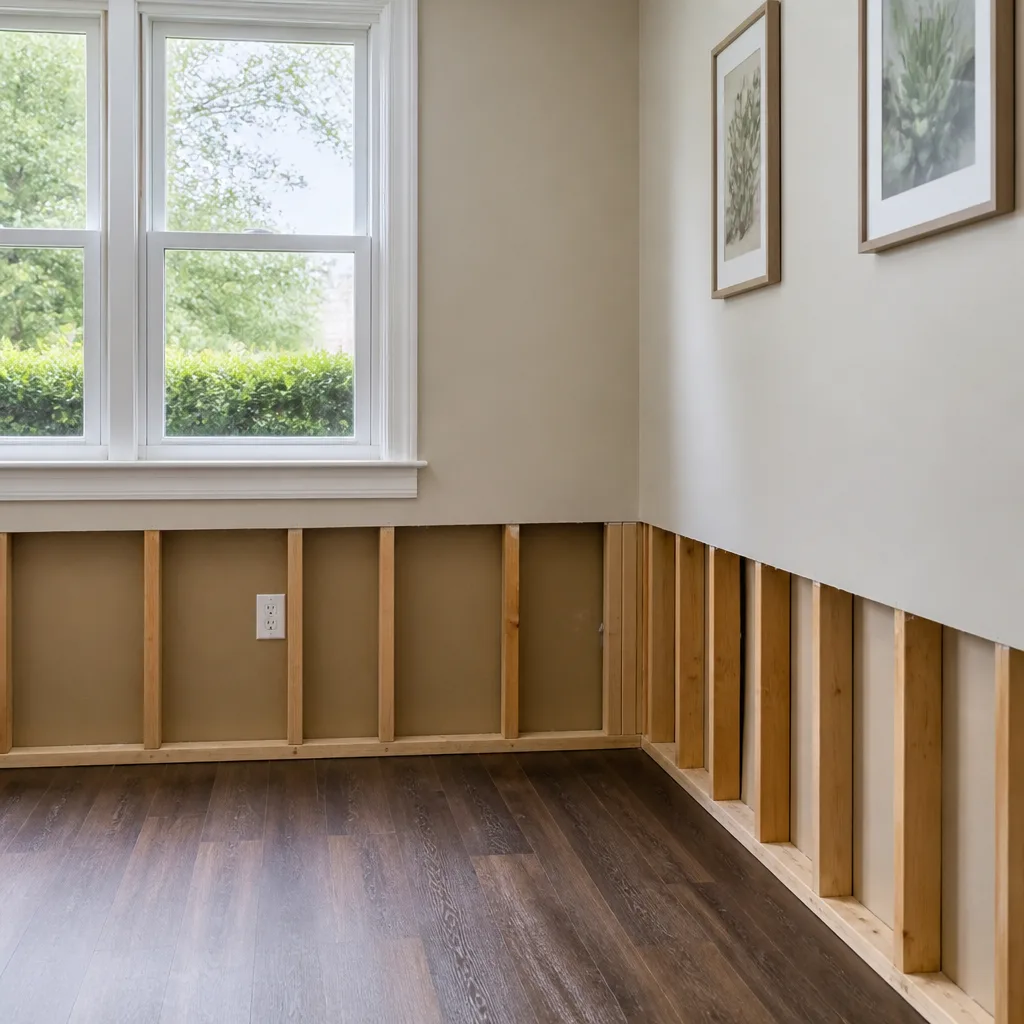
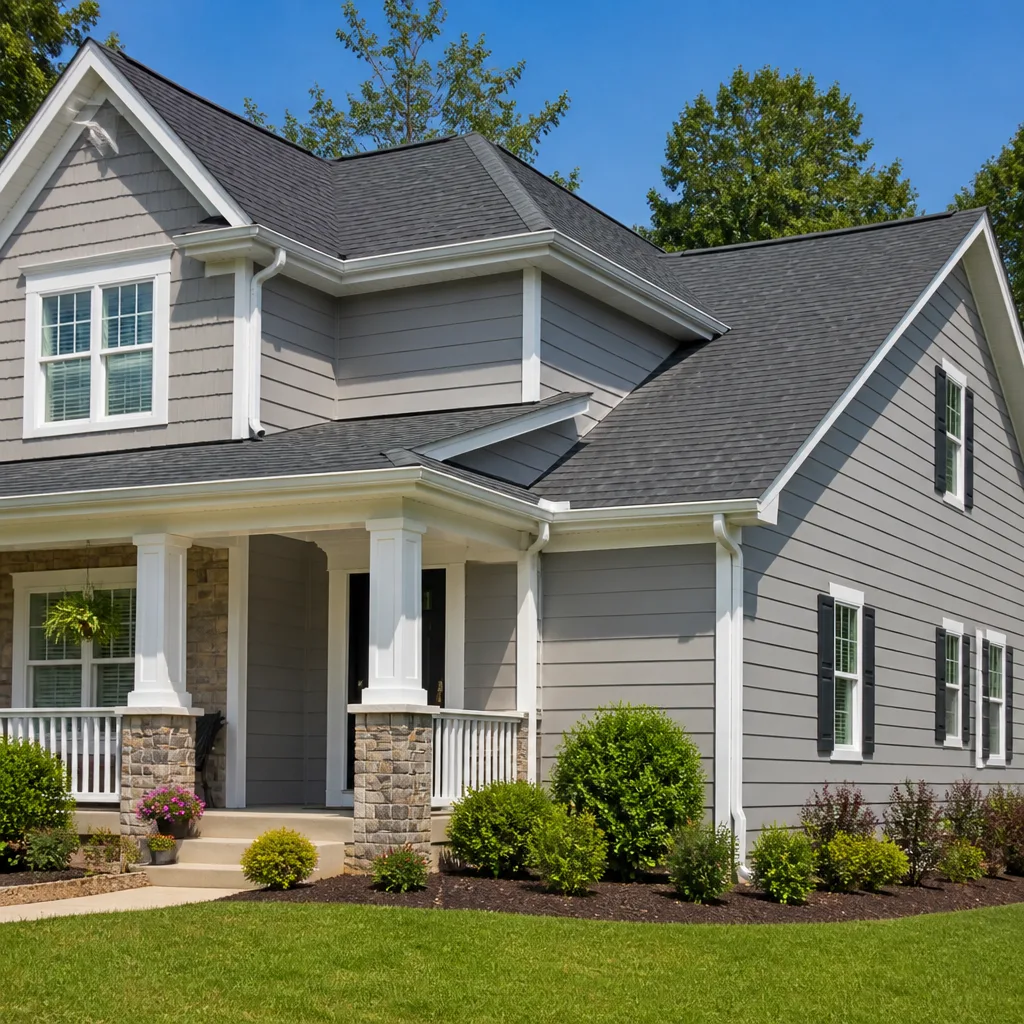
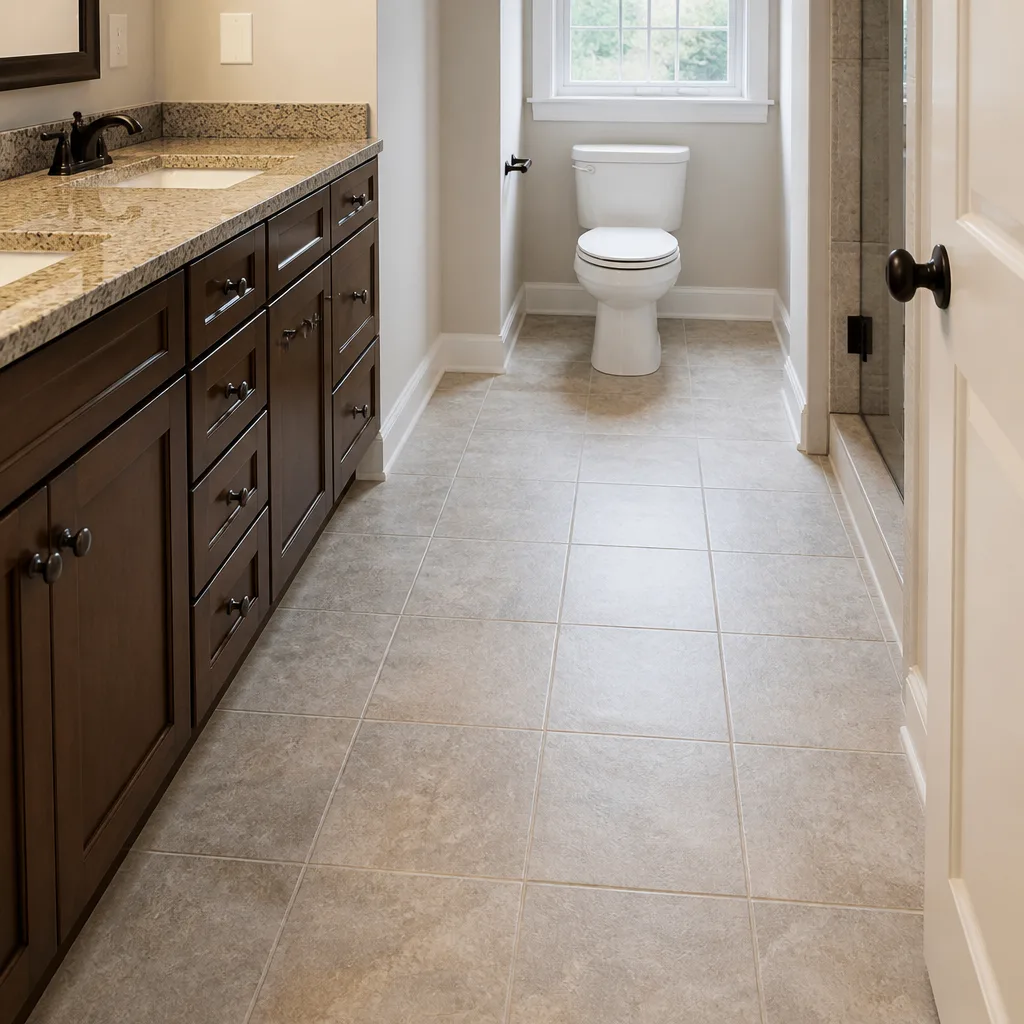
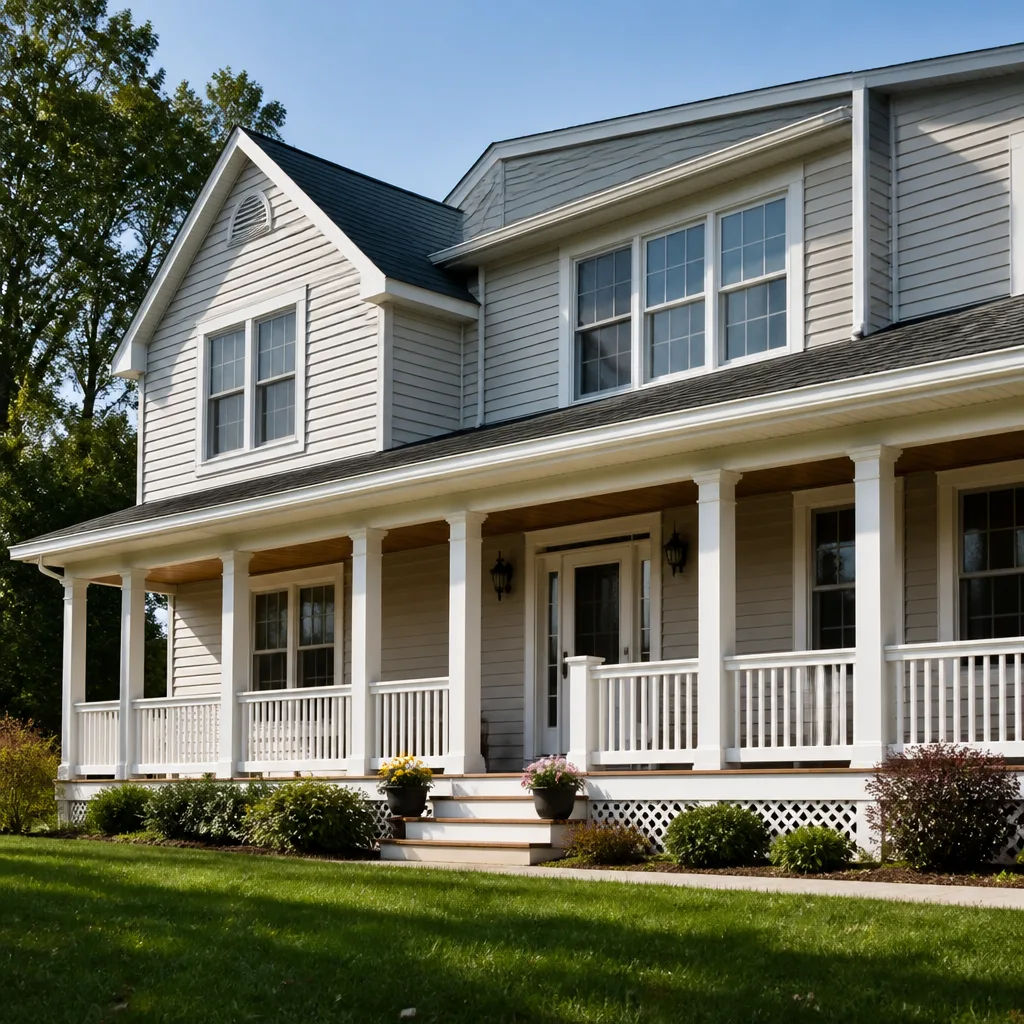
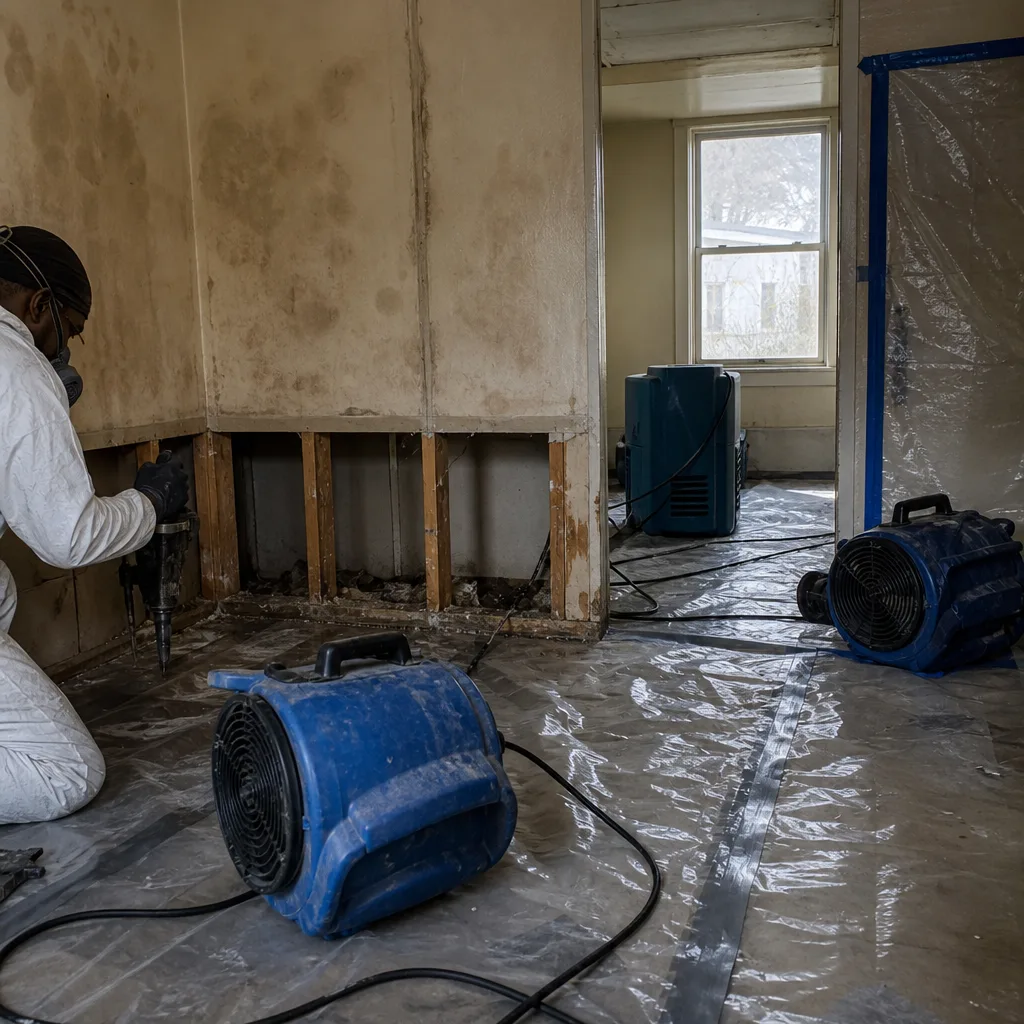 Before
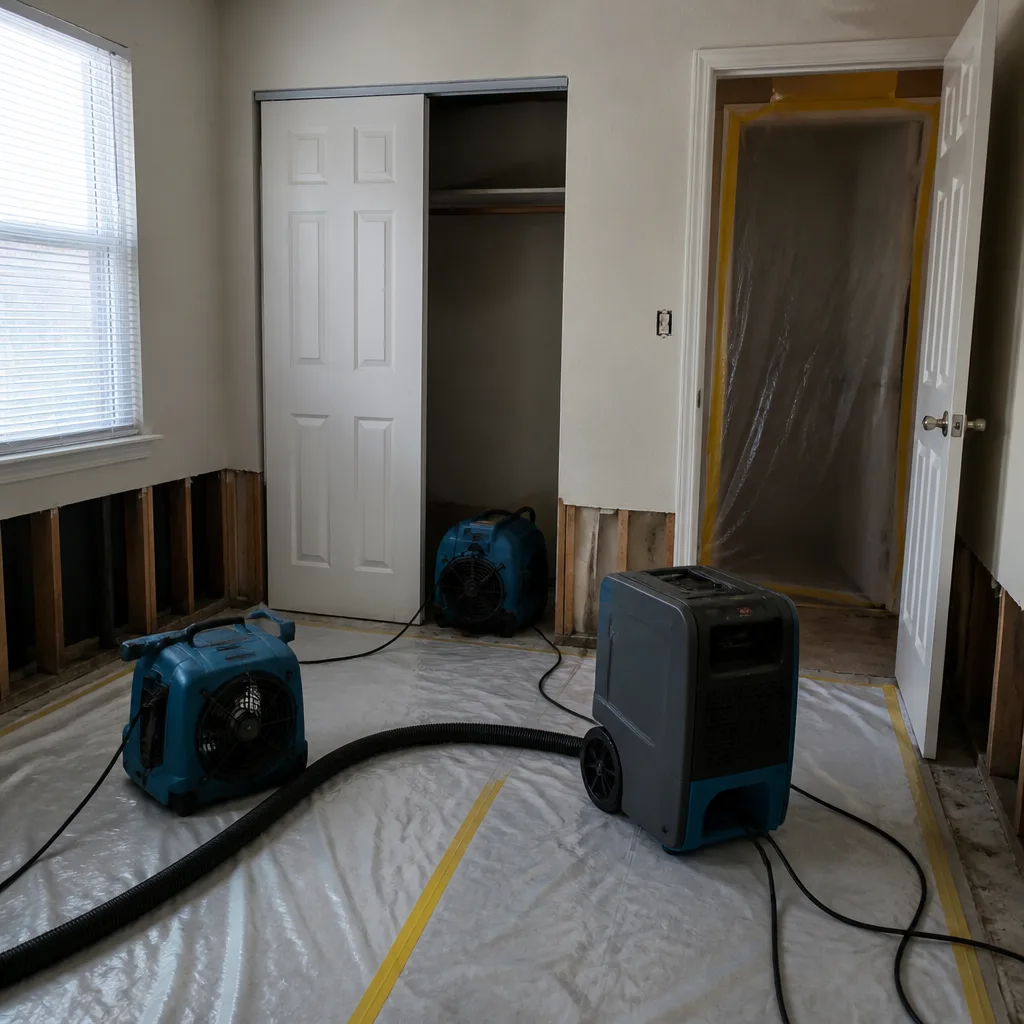 After
After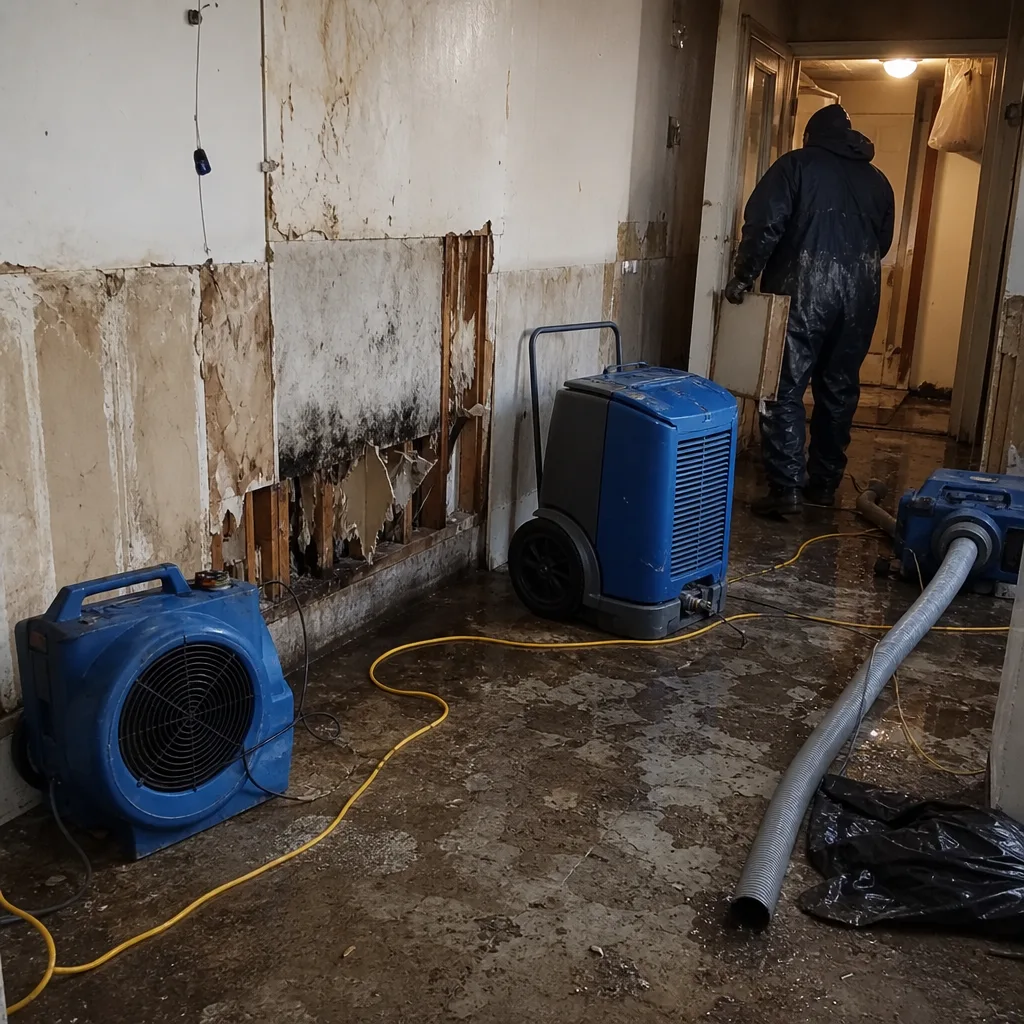 Before
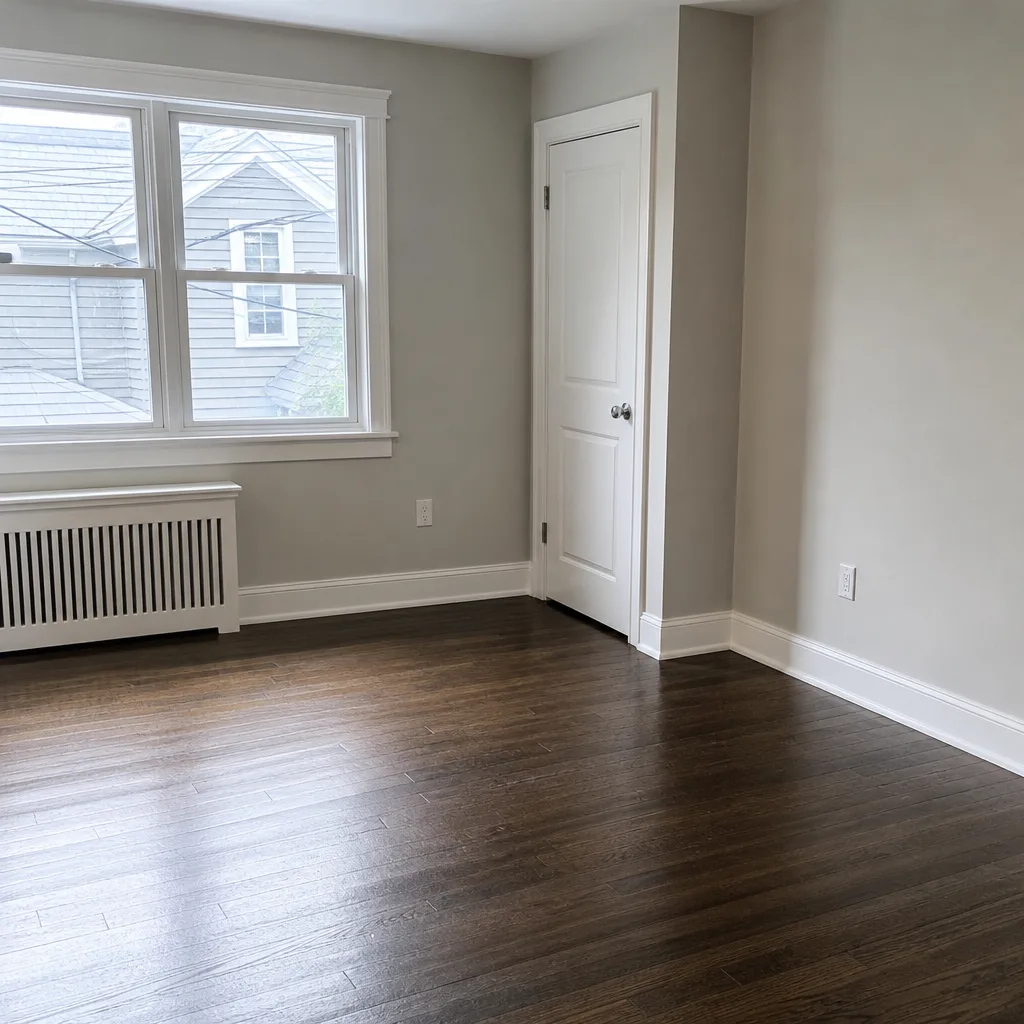 After
After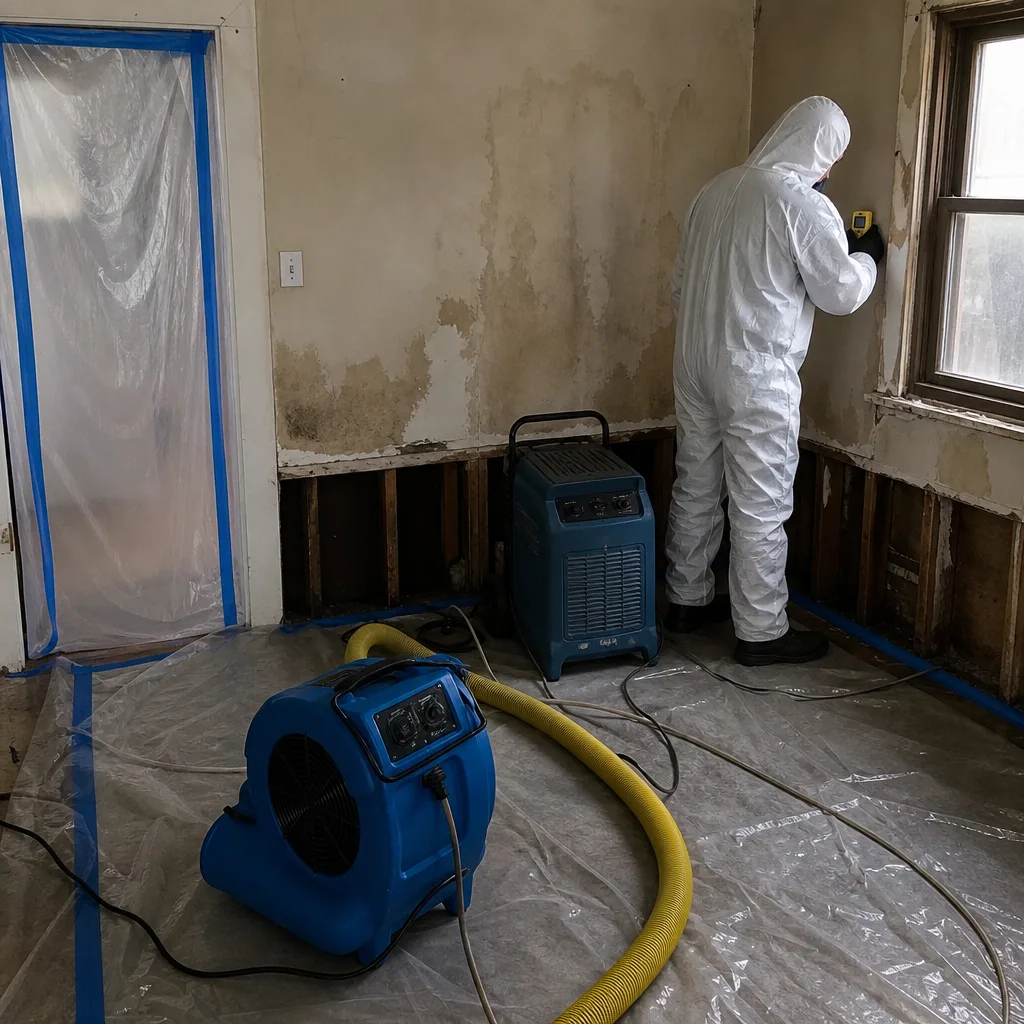 Before
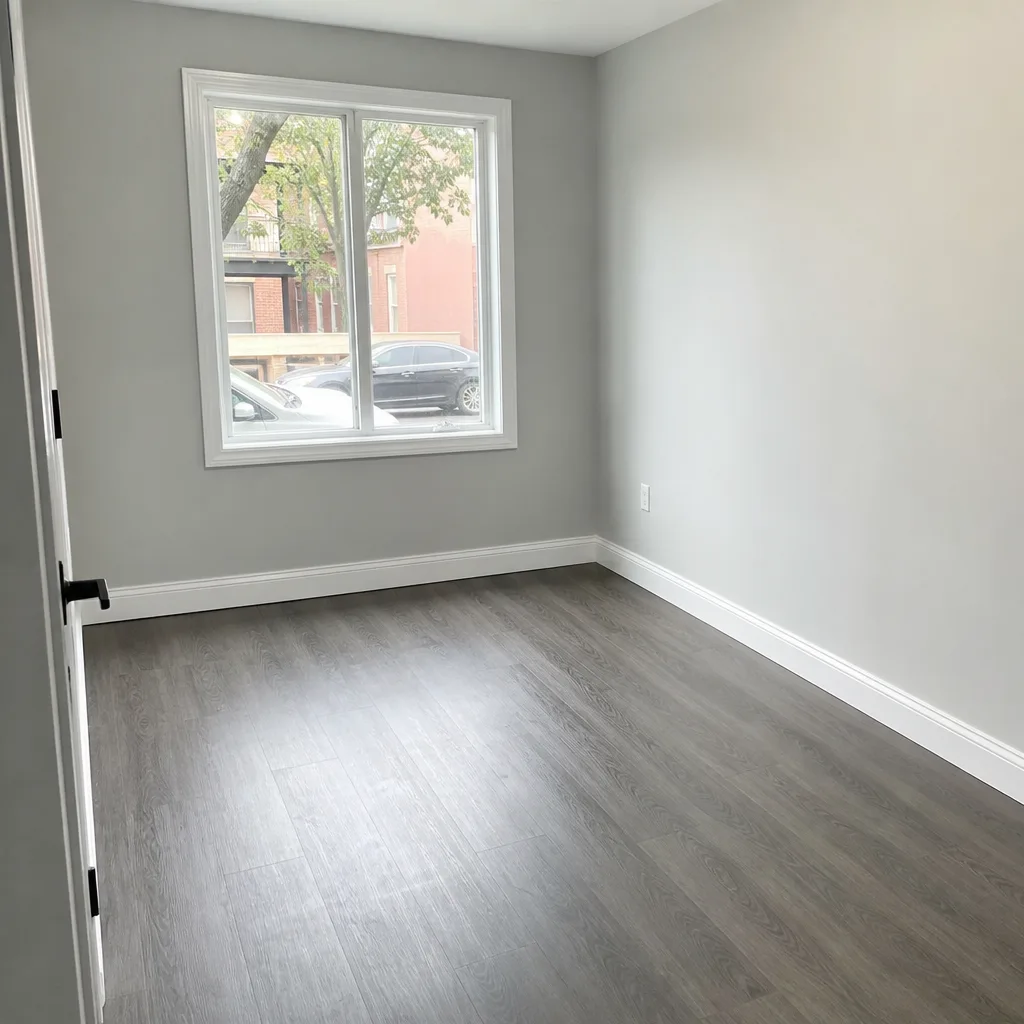 After
After24/7 Emergency Reconstruction & Cleanup in Greenpoint
Reconstruction and cleanup in Greenpoint after a flood, sewage backup, or fire typically runs $3,500-$18,000 depending on how far moisture migrated behind walls and whether petroleum contamination from the legacy oil spill is present. We answer live at (363) 300-2771, any hour, and Wade heads out himself. Greenpoint’s attached brick rowhouses and pre-war tenements don’t give you time to wait: hidden moisture crosses party walls fast, and the longer water sits, the more layers of the building you end up tearing out. The first call gets a visual inspection on site, usually within the hour, at no charge inside the county.
Understanding Reconstruction & Cleanup Severity in Greenpoint Properties
Most Greenpoint buildings were put up before 1930. That means original plaster-and-lath walls over wood lath, cast-iron drain stacks that have been corroding for 70+ years, and multiple layers of lead paint under newer finishes. When a water loss happens here, the damage category rarely stays simple. Category 1 water from a burst supply line turns into Category 3 fast if it contacts a sewage line or contaminated groundwater rising from beneath the slab. On blocks near Newtown Creek and the East River, the water table is so high that basement seepage carries hydrocarbons from the underground oil plume, and moisture mapping with thermal imaging often shows wet cavities behind surfaces that look dry. We run a full day-one assessment with hygrometers and moisture meters because in attached housing, the wall you can’t see is the one that tells you how big the job actually is.
Why Greenpoint Property Owners Choose Wade’s Restoration
- 45-minute response commitment. Greenpoint is our territory. When you call, Wade is on the road, not calling a dispatcher in another state.
- 24/7 live answer, a real person. No voicemail trees at two in the morning. Wade answers his own phone.
- IICRC-certified crews. WRT, FSRT, and AMRT certifications backed by the training to match the mess we’re walking into.
- Free visual inspection. We look before you commit, and we tell you if the problem is smaller than you think. No charge for that.
- Direct insurance billing. Continuous documentation, photographic records, and line-item scopes your adjuster can actually read. The goal is a claim that settles clean because the paperwork is bulletproof.
- One team from extraction to reconstruction. Wade’s crew does the whole job, so when the water damage stops being extraction and starts being drywall, the same people who did the drying rebuild the wall.
Our Reconstruction & Cleanup Process
Inspection & Assessment
We walk the entire property, not just the wet room. Thermal imaging and moisture meters map migration across floors, ceilings, and through party walls. You get a written scope before any demolition starts.
Extraction & Stabilization
Standing water comes out with truck-mounted and portable extraction units. On Greenpoint blocks near the creek, we test extracted water for petroleum sheen before disposal so nothing leaves the property improperly manifested. We brace plaster ceilings and cover contents while wet.
Drying & Dehumidification
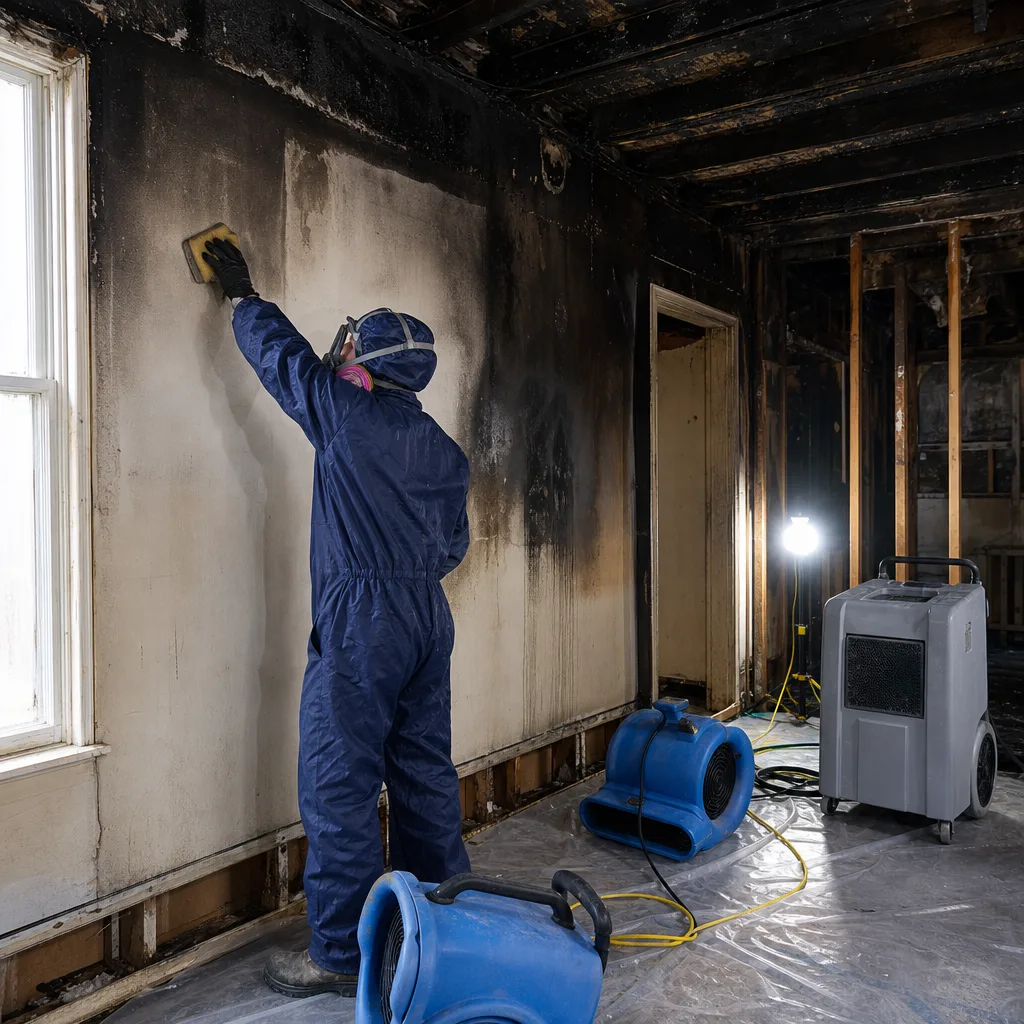
Commercial-grade air movers and dehumidifiers run around the clock, but we adjust the aggressiveness for plaster walls. Old plaster hates sudden drying. We dial in a slower, controlled dry cycle with daily moisture readings that keep the plaster from cracking while still hitting drying targets.
Cleaning & Sanitization
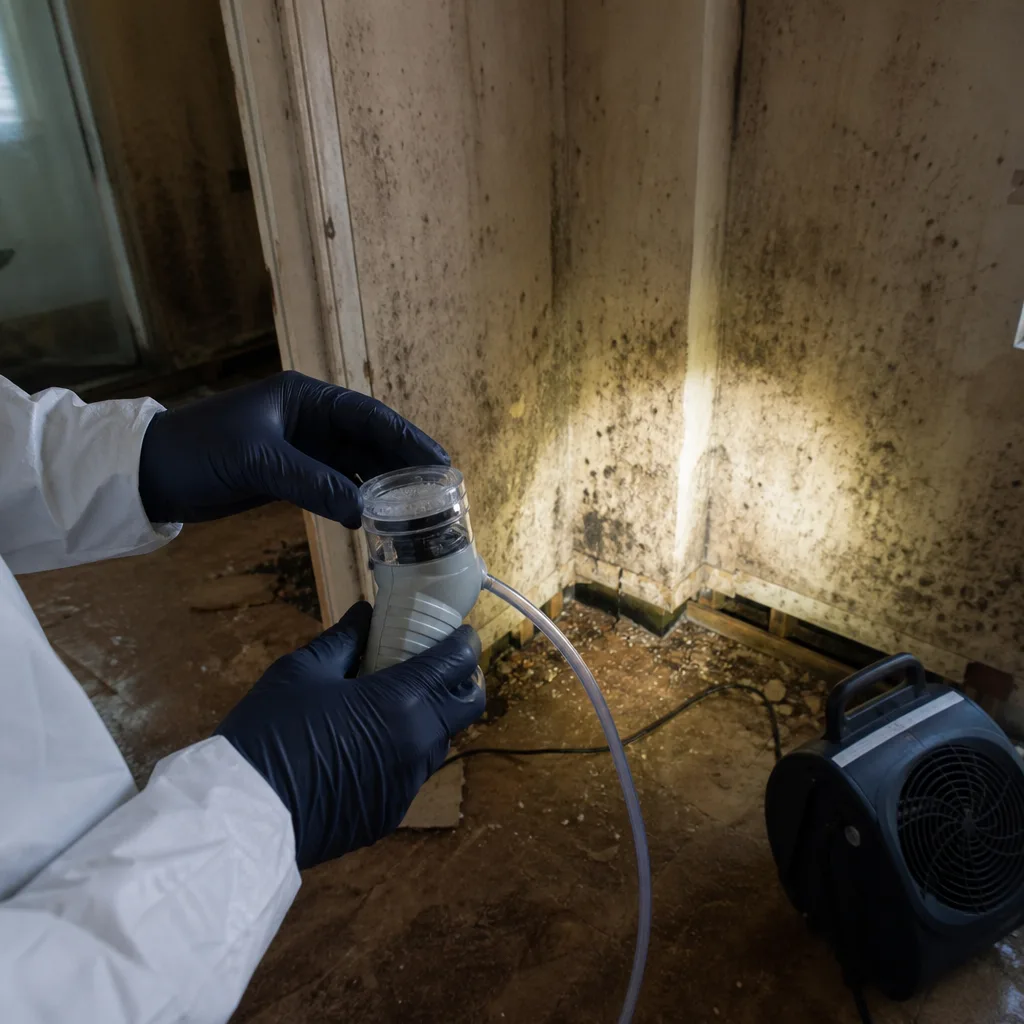
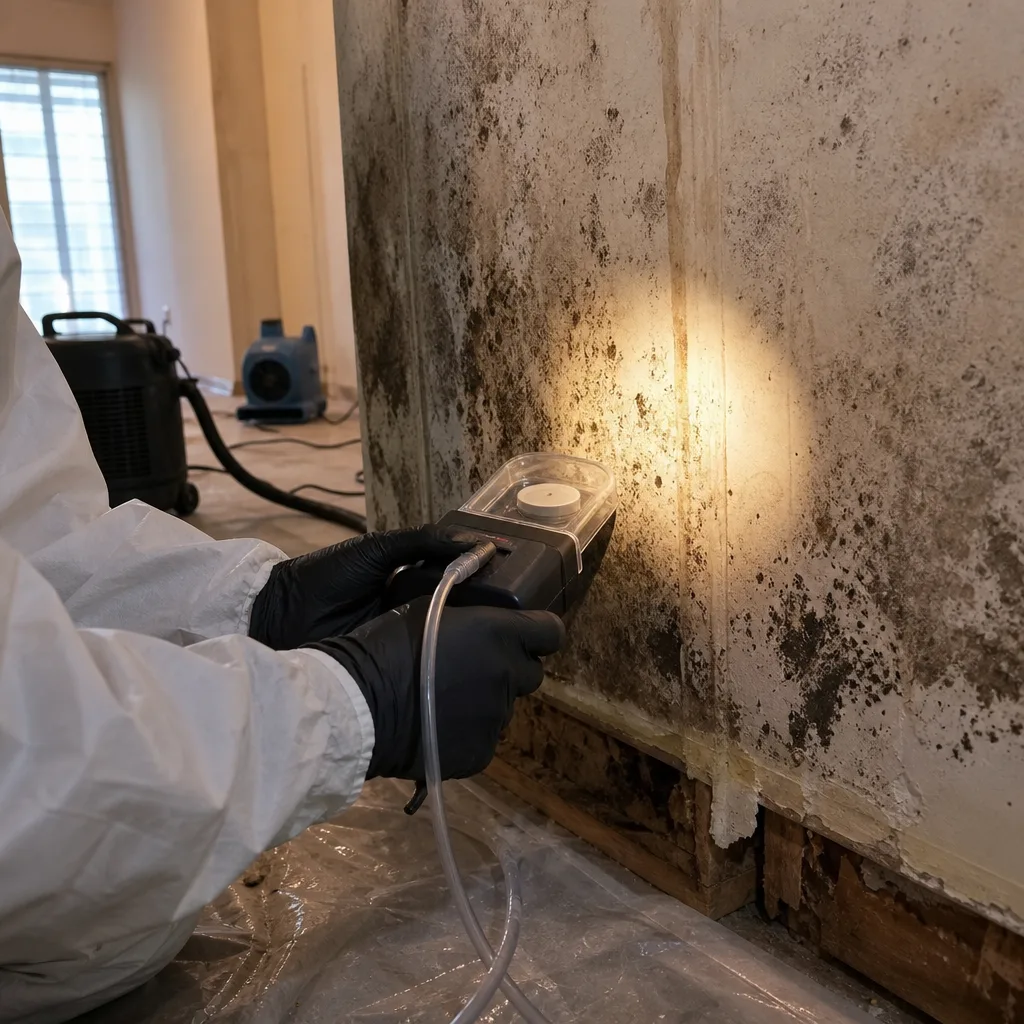
HEPA scrubbers and antimicrobial treatments address mold and bacteria on affected surfaces. Contents that can be saved get cleaned, and anything porous that absorbed sewage or petroleum groundwater gets documented and removed.
Specialty Treatment for Greenpoint Losses
Petroleum contamination from the oil spill plume means baseline testing before we dry. If lead paint is exposed during drywall removal, we coordinate abatement before rebuilding. Multi-unit losses get party-wall inspections and neighbor notification as part of the scope.
Repairs & Restoration
The same crew that did the drying handles the rebuild: drywall replacement, flooring repair, trim, and paint. We restore the home to pre-loss condition, and if it’s not done right, our 90-Day Done Right Promise says Wade makes it right. In writing.
Need Emergency Reconstruction & Cleanup in Greenpoint Now?
Crews minutes away, answering live 24 hours a day. The sooner we start, the less it costs.
Working With Your Insurance Company
We don’t make you carry paperwork between your adjuster and our crew. Wade deals with the insurance company directly. From the first hour on site, we photograph everything room by room, log moisture readings daily, and write a scope that matches industry-standard estimating software. If your adjuster has questions, they call us, not you. That’s less stress for you and a faster settlement. We also hand you the full moisture log at the end of the job, so there’s never a question about whether the drying was complete.
What We Provide Your Insurer
- Thorough documentation of the loss
- Photos of all damage, room by room
- Moisture readings and drying logs
- A detailed, line-item scope of work
- Direct coordination with your carrier
Built for Greenpoint’s Loss Calendar
Greenpoint gets hit differently depending on the season. January and February deep freezes burst supply lines in unheated hallways and rear extensions, sending water down through multiple floors of tenements before anyone notices. Early spring thaws push groundwater up through basement slabs on low-lying blocks near the East River, and because the water table here is always high, seepage becomes a chronic issue from March through May. Summer thunderstorms overwhelm the combined sewer system, backing sewage into basement drains on older sidestreets where the pipes haven’t been upgraded since the tenement era. Nor’easters in the fall push storm surge into waterfront blocks, and the saltwater intrusion corrodes whatever cast iron is still hanging on. Year-round, the housing stock itself is the wildcard: original plumbing, shared walls, and aged foundations mean a small leak in one unit is a multi-unit problem within 48 hours.
Reconstruction & Cleanup Across Greenpoint’s Neighborhoods
Serving Greenpoint means knowing that a call from Franklin Street is different from a call on a waterfront block in the north end. The corridor along Manhattan Avenue and Franklin Street is dense with attached brick rowhouses, where sewage backups move laterally from unit to unit through shared drain lines, so we send crew members with extra moisture mapping equipment and extra patience for neighbor conversations. The blocks around McGolrick Park and Humboldt Street have more wood-frame houses with original plaster ceilings, which means slower drying cycles and more plaster repair work. Down near the old industrial waterfront by West Street and the East River, converted loft buildings hide cast-iron drain stacks that often fail catastrophically, dropping a century of corrosion onto the floors below. Up around Newtown Creek and the aptly named North Henry Street, every wet basement gets tested for the petroleum sheen because that’s where the oil spill plume is most likely to contaminate the water we pull out. Wherever we’re working, Wade is the one who walks the job first and the one who checks the work before we leave.
Specialized Reconstruction & Cleanup Services We Offer in Greenpoint
Full-Service Reconstruction
When the damage runs deeper than drying can fix, Reconstruction & Cleanup means we rebuild the whole affected area. Structural drying on a flood-damaged basement in Greenpoint often reveals rotted floor joists, compromised sill plates, and termite damage that had been hiding for years. We address the water loss first, then bring the building back with framing, drywall, insulation, and finish work.
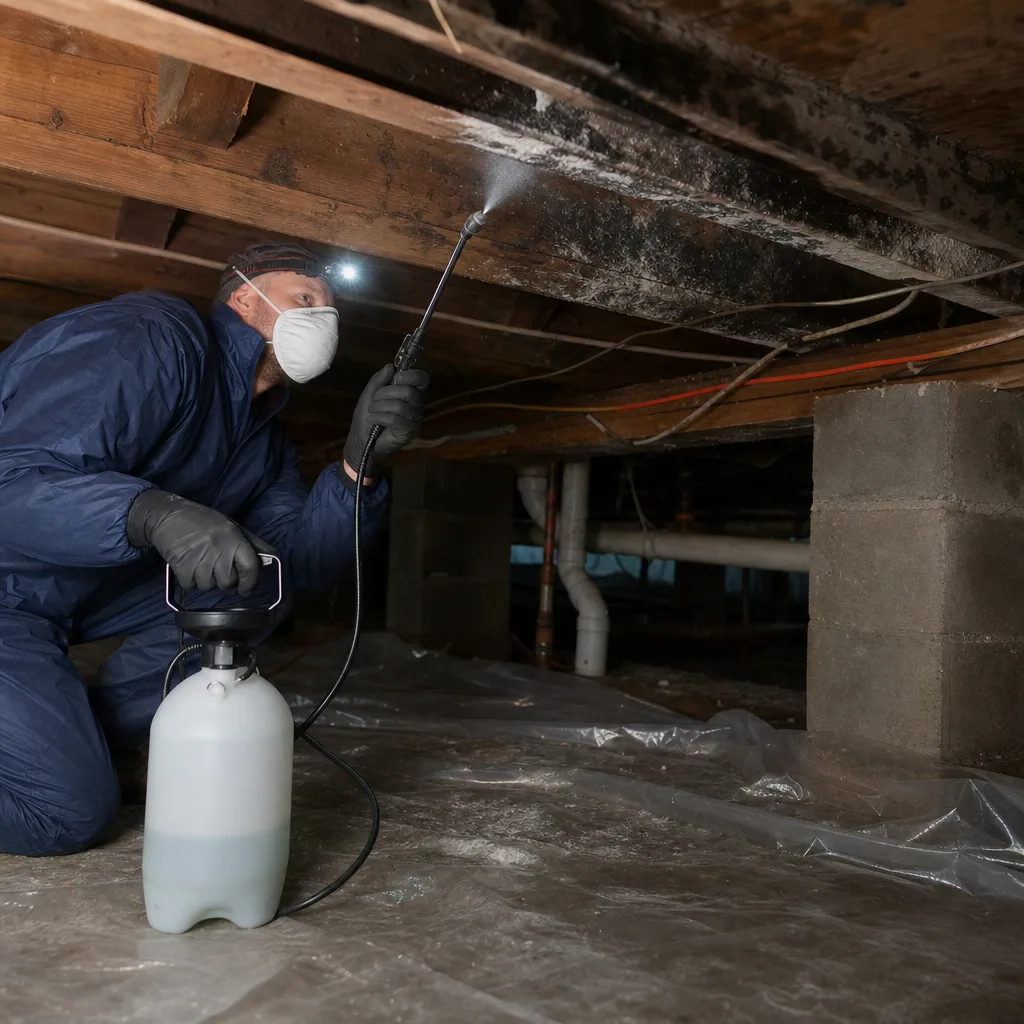
Drywall & Flooring Repair
In Greenpoint’s older rowhouses, drywall replacement usually means coordinating around lead paint and plaster. We remove damaged drywall cleanly, check for hidden moisture inside the stud bays, and replace with modern moisture-resistant board in basements and bathrooms. Flooring repair often means salvaging the original strip flooring where possible and replacing sections where water warping made it unworkable.
Contents Restoration & Pack-Out
When a unit is too damaged to stay in, we document, pack, and move contents to a secure facility for cleaning and storage. For Greenpoint’s older homeowners, this is often the most sensitive part of the job: family photos, heirloom furniture, and irreplaceable items need handling with care. We use a photo-documented inventory system so nothing goes missing, and everything that can be saved is cleaned and returned.
Carpet & Upholstery Cleaning
After a Category 1 water loss, carpet and upholstered furniture can often be saved with professional extraction and anti-microbial treatment. We use heated extraction units and drying systems to pull contaminated water out of fibers. If the water carried sewage or petroleum, we’ll tell you plainly: that carpet shouldn’t come back.
Post-Construction Cleanup
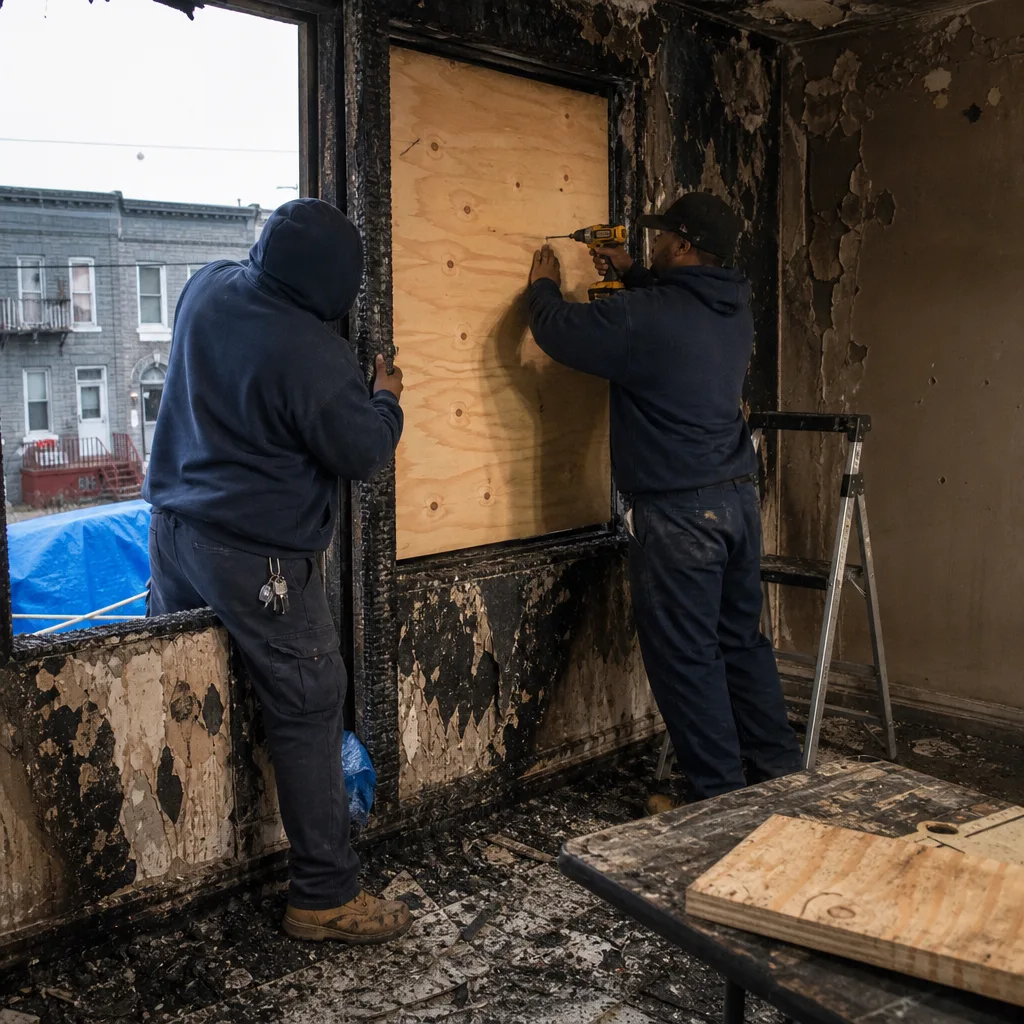
When repairs are done, the last thing we want is to leave you sweeping drywall dust for weeks. Our post-construction cleanup includes HEPA vacuuming of all surfaces, damp-wiping of windows and trim, and removal of construction debris. In Greenpoint’s tight buildings, we’re careful about where we stage dumpsters and how we move debris down narrow stairwells and through shared hallways.
What happens when you call
- 1
A real person answersNo phone trees - you reach a local pro.
- 2
You get an upfront price rangeHonest numbers before anyone is dispatched.
- 3
A background-checked tech heads outLicensed & insured, dispatched right away.
- 4
You approve before work beginsNothing starts until you say go.
Reconstruction & Cleanup Costs in Greenpoint, NY
What does a loss in Brooklyn actually cost? Wet drywall removal and replacement in one room of a Greenpoint rowhouse typically runs $1,800-$4,200 when there’s no structural damage. A basement sewage backup on a low-lying block, including extraction, Category 3 water handling, sanitization, and drying, lands between $6,000 and $14,000 depending on square footage and how far the contamination spread. Full reconstruction after a fire or major flood that damaged multiple rooms and structural elements starts around $18,000 and goes up from there. What moves the price most is hidden moisture migration through shared party walls, lead paint abatement, and whether the water pulled petroleum from the underground plume. We give you a free visual inspection, not a guess over the phone, and then put the scope in writing before any work starts. We’re fully licensed and insured with the industry’s highest credentials (IICRC, RIA), and we offer direct billing to your insurance carrier. Call Wade at (363) 300-2771 to start the process.
We Also Serve Cities Near Greenpoint
Our crews serve the neighborhoods and cities around Greenpoint, including East New York, Jamaica, Canarsie, and Glendale. If you’re in one of those areas and dealing with water, fire, or mold damage, call the same number and Wade heads out.
Serving Greenpoint, NY - Our Local Coverage Area
We’re based in the Greenpoint area and know this community well. Use the map below to see our service coverage - if you’re nearby, we can almost certainly help.
Greenpoint Reconstruction & Cleanup Questions, Answered
How does the Greenpoint oil spill change basement water extraction after a flood?
The Greenpoint oil spill changes the classification and disposal of any water we pump out of a flooded basement. Below the asphalt of Greenpoint lies a decadal-long underground hydrocarbon plume from the historical Greenpoint oil spill, where an estimated 17-30 million gallons of petroleum seeped into the soil and groundwater. When a basement flood or sewage backup pulls that contaminated groundwater, what looks like a routine Category 1 water loss must be reclassified and the extracted water manifested as hazardous waste before it leaves the property. This step is never required in neighboring Williamsburg or Long Island City, and crews that skip it violate hazmat disposal rules. We test for petroleum sheen on every basement job near Newtown Creek and the East River, and if it’s present, we handle the entire disposal chain correctly, with documentation for your insurance claim. Call (363) 300-2771 for an exact assessment; estimates are free.
Why do party-wall leaks in Greenpoint rowhouses become multi-unit reconstruction jobs?
In Greenpoint’s attached brick rowhouses, party walls are shared structural elements between units, and a burst pipe or sewage backup in one unit pushes water into the neighboring unit through those walls long before any stain appears on the surface. By the time you see dampness on your side, the water has often been sitting in the wall cavity for 24-48 hours, which is enough time for mold to start. Reconstruction then requires opening the wall on both sides, drying the shared cavity, and coordinating with your neighbor, their insurance, and sometimes their mortgage company. Wade manages that coordination so you’re not relaying messages between two sides. Call us as soon as you suspect a leak, and we’ll start moisture mapping the wall before demolition happens.
When should original plaster-and-lath walls in a Greenpoint tenement be removed instead of dried in place?
Plaster-and-lath walls in pre-war Greenpoint tenements can sometimes be dried in place, but only when the moisture hasn’t reached the wood lath behind the plaster and the wall hasn’t been contaminated by sewage or petroleum. If the water carried sewage, the plaster is porous and will hold bacteria and odor indefinitely, no matter how long you dry it. If the water was Category 1 or 2, we run in-wall moisture readings over several days. If the moisture levels drop steadily, we can often save the original plaster, which preserves the historic character of the unit. If the readings plateau or climb, the lath is wicking water from the floor below or the neighboring unit, and the wall has to come out. We make the call based on data, not guesswork, and we’ll show you the readings before any demo happens.
What does reconstruction near Newtown Creek require that the same job in Williamsburg does not?
Reconstruction near Newtown Creek requires environmental sampling and hazardous waste handling that jobs in Williamsburg never need. On blocks near Newtown Creek, restoration crews pumping out flooded basements occasionally pull water carrying a visible petroleum sheen, a direct legacy of the underground ExxonMobil plume. What looks like a standard Category 1 water loss must be reclassified to Category 3, and the extracted water manifested as contaminated waste before it leaves the property. Additionally, drywall removal near the creek often exposes soil with petroleum vapors, which requires vapor barrier and venting coordination. Wade’s Restoration is one of the few companies in Greenpoint that tests for this on every job and handles the full compliance chain from extraction to final documentation.
How long do we keep drying logs and moisture readings for a Greenpoint insurance claim on an older rowhouse?
We keep drying logs and moisture readings for every Greenpoint job indefinitely, and you get a complete copy in writing at the end of the job. For insurance claims on older rowhouses, the adjuster will ask for daily moisture readings from the time we start drying until the equipment comes out. Most companies take a reading or two and then disappear. Wade takes moisture readings every single day and hands you the full log, which is the single strongest piece of evidence in a claim where the insurance company questions whether the drying was done properly. If your adjuster needs the log in a different format or wants to talk through the numbers, Wade gets on the phone with them directly.
Can I stay in my Greenpoint home during reconstruction, or do I need to move out?
It depends on what happened and how many rooms are affected. For a wet drywall repair in one room without sewage or petroleum, most people stay home, and we set up containment with plastic sheeting and negative air pressure to keep the work area isolated. If the job involves multiple floors, sewage backup, or lead paint abatement, we’ll recommend temporary relocation, and your insurance policy may cover it under loss of use. Wade will be straight with you about whether the air quality is safe or whether it’s time to pack a bag. We never push you to stay or leave based on what’s easier for us.
What certifications does Wade’s Restoration hold for Greenpoint reconstruction work?
Wade’s Restoration is IICRC-certified with WRT (Water Restoration Technician), FSRT (Fire and Smoke Restoration Technician), and AMRT (Applied Microbial Remediation Technician) certifications on staff. We’re also RIA-affiliated and recognized by the IFA. On the equipment side, we run Dri-Eaz dehumidifiers, Phoenix air movers, and XPOWER extraction units, all commercial-grade and maintained for Greenpoint’s older buildings where power is limited and stairwells are narrow. Wade can produce every certification in writing before you sign anything.
What should I do in the first 30 minutes after water damage in Greenpoint?
In the first 30 minutes after water damage, kill the power to the affected area if you can do it safely, shut off the water source, move valuables up off the floor, and call (363) 300-2771. Don’t use a shop vac on sewage or on water that might carry petroleum from the oil spill, because that aerosolizes what you’re trying to remove and spreads contamination further. Don’t tear out drywall yourself until you know what’s behind it, because Greenpoint’s older walls hide wiring, lead paint, and sometimes structural surprises. Wade’s crew arrives within the hour to start extracting water, mapping moisture, and setting up the right way, not the quick way. Every minute the water sits, it crosses another square foot of building materials you’ll have to replace.
Written by the team at Wade’s Restoration, serving Greenpoint for over 29 years.