
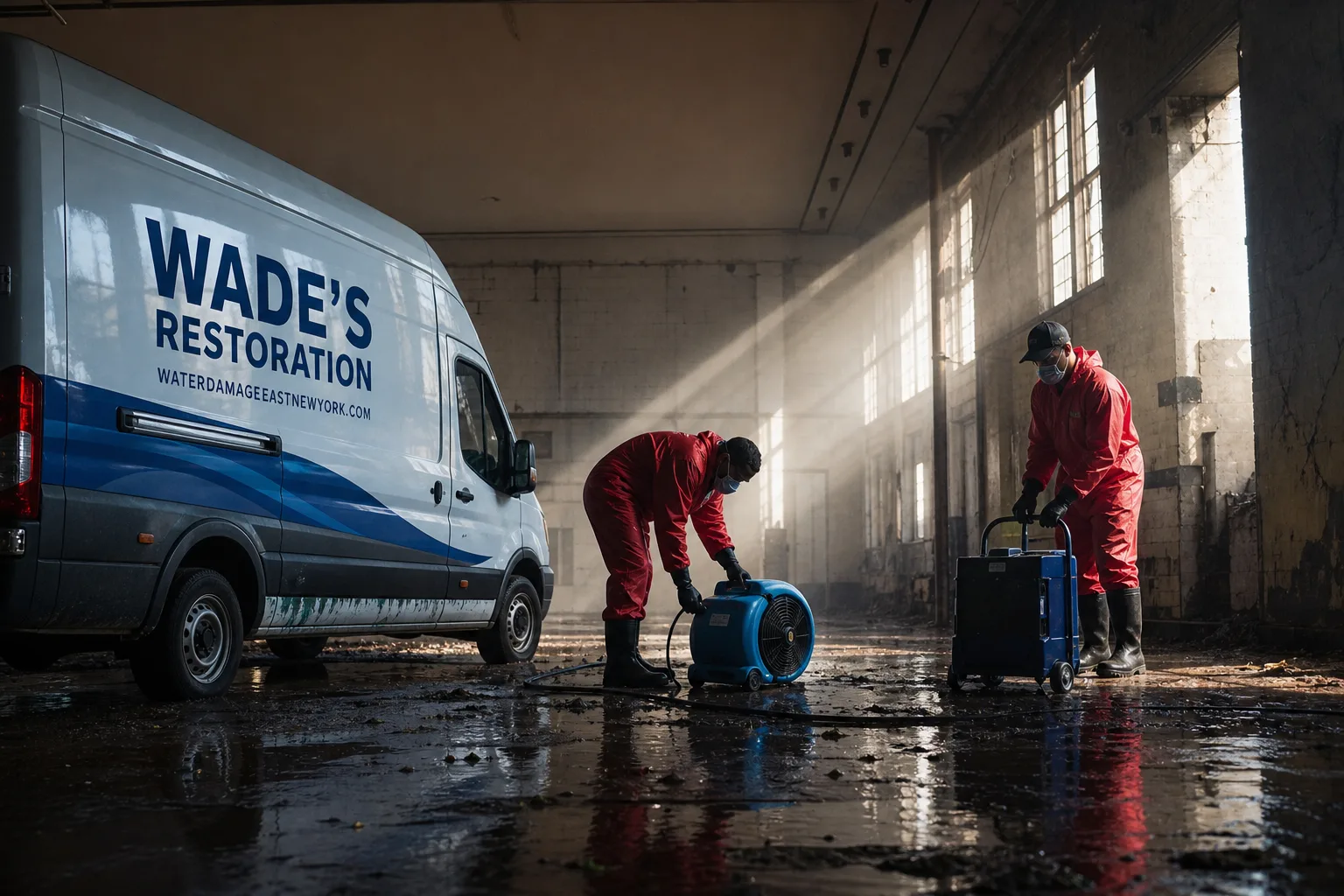
Free visual inspection and a written scope of work before any mitigation begins - photos, moisture readings, and drying logs go in your claim file
The scope we write is the scope we bill. Anything new gets shown to you, in writing, before we touch it.
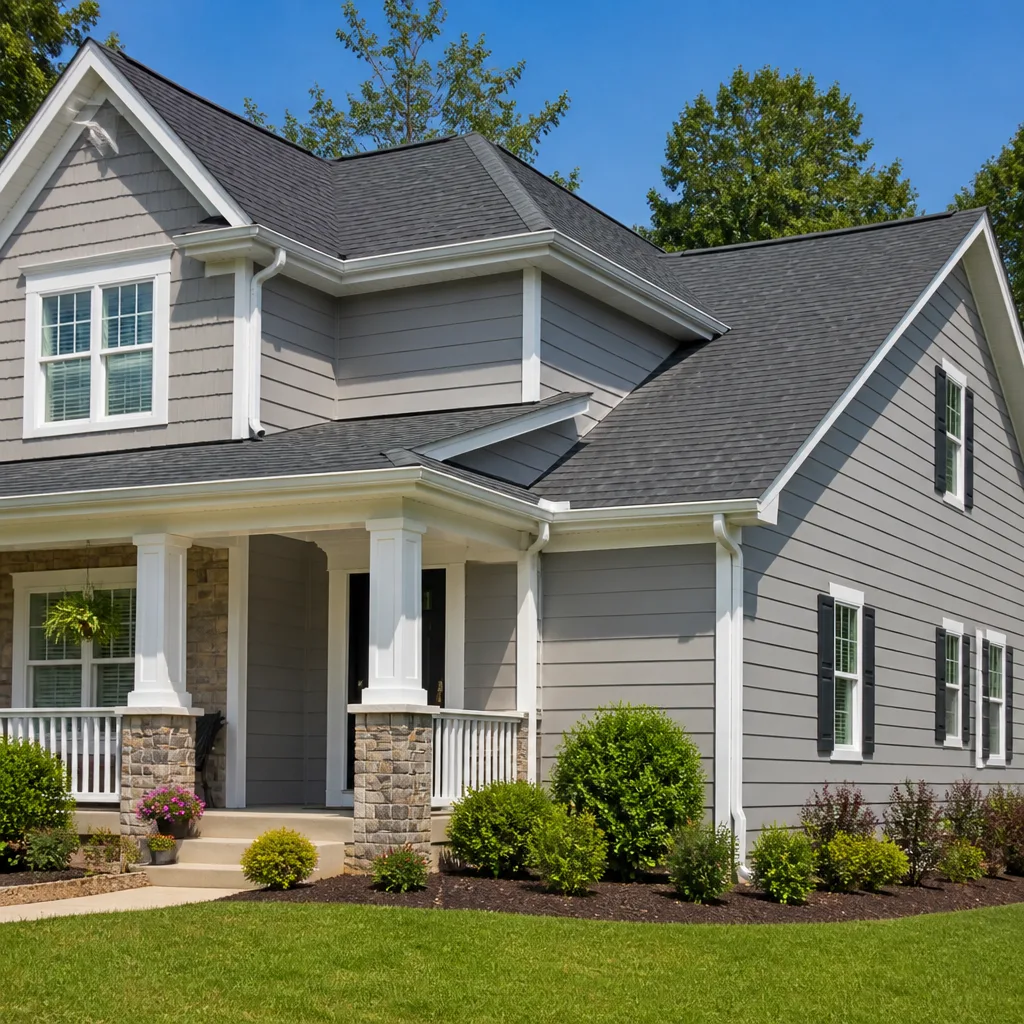
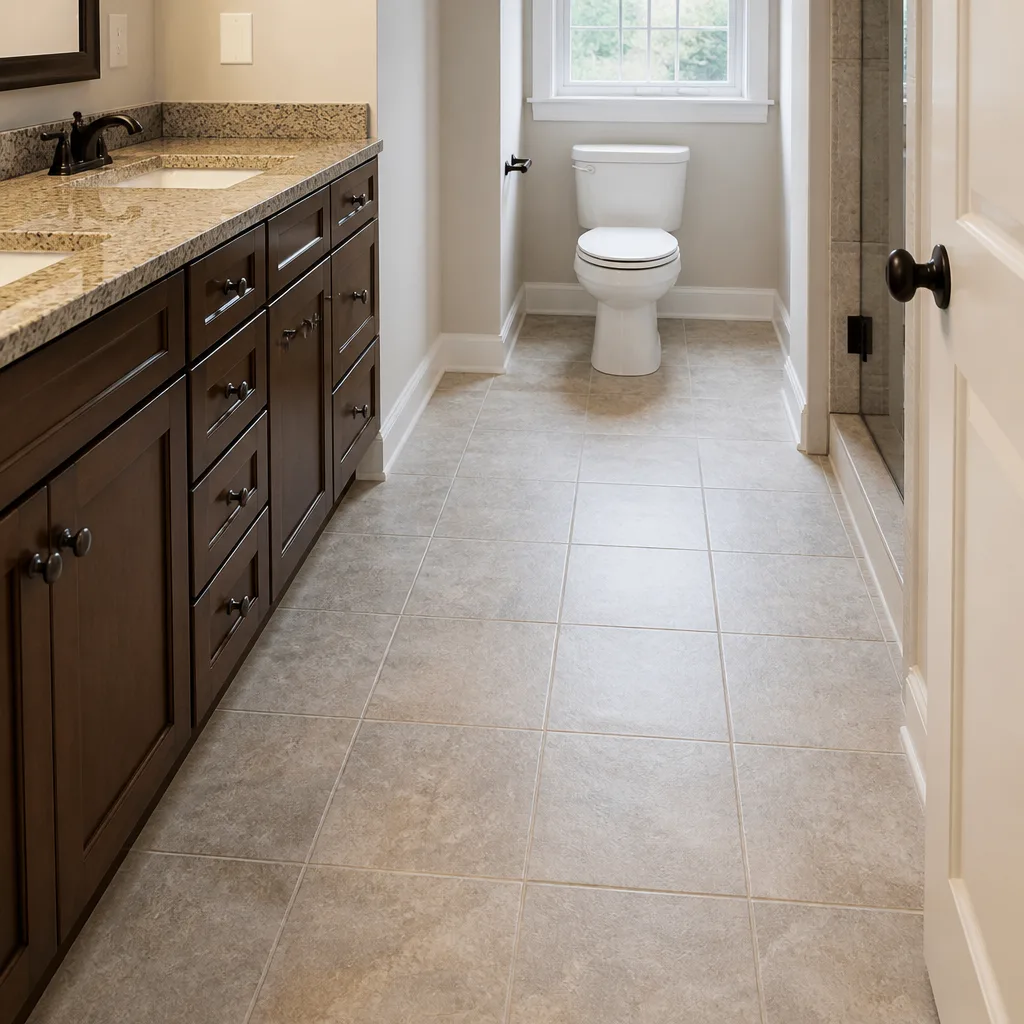
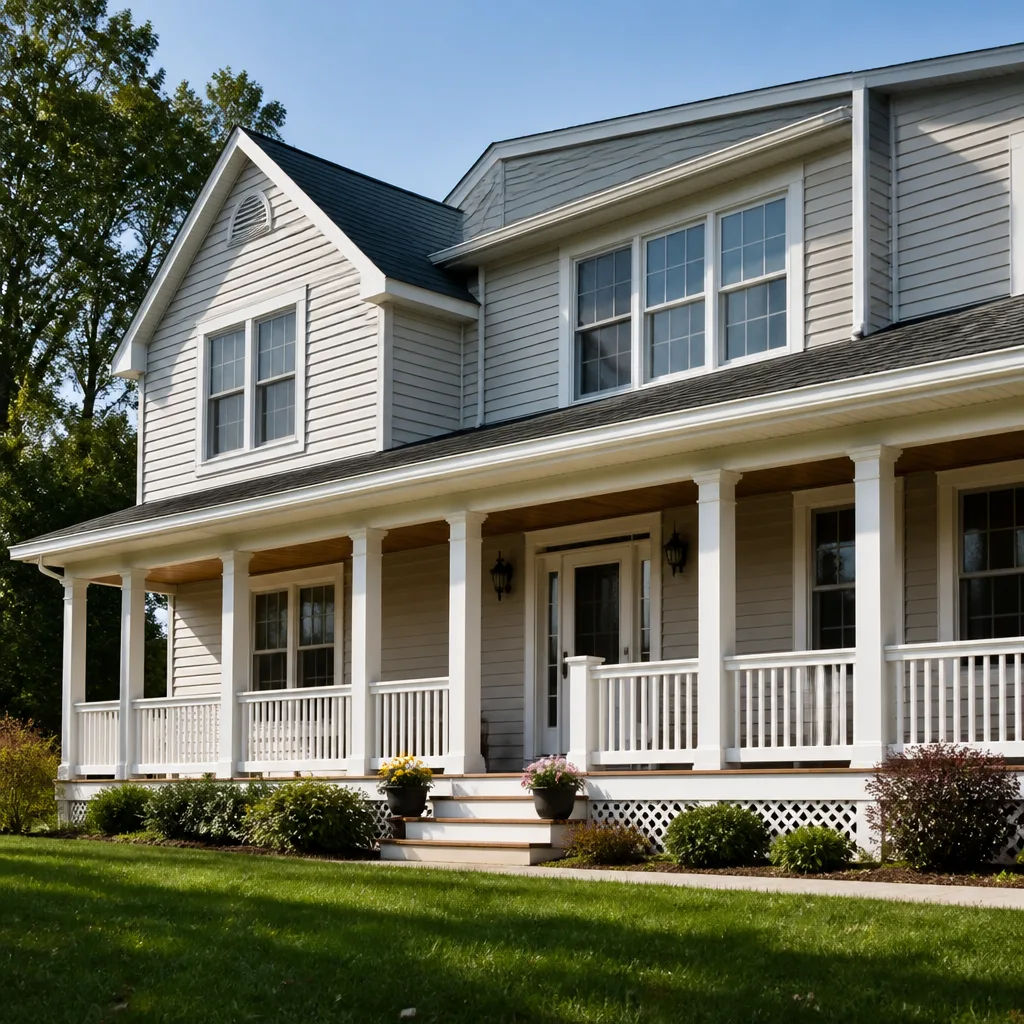
 Before
 After
After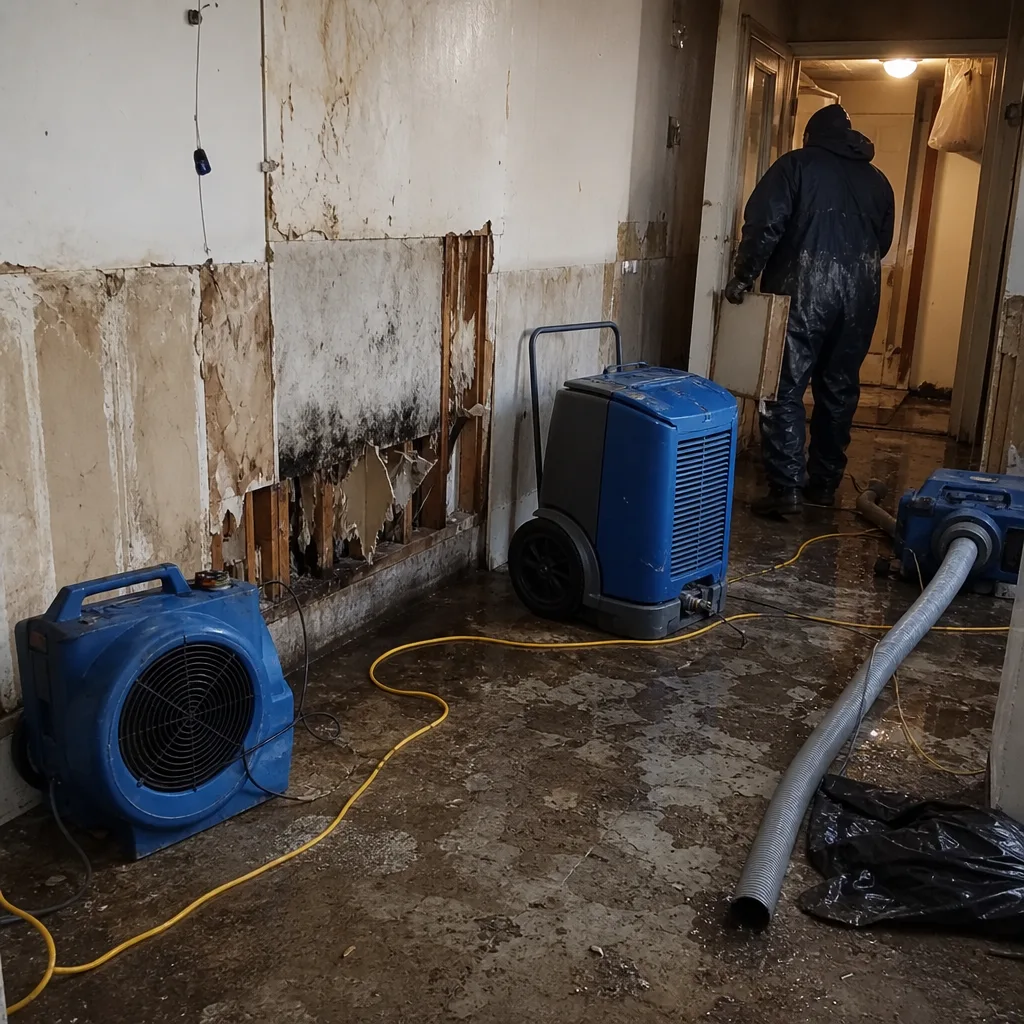 Before
 After
After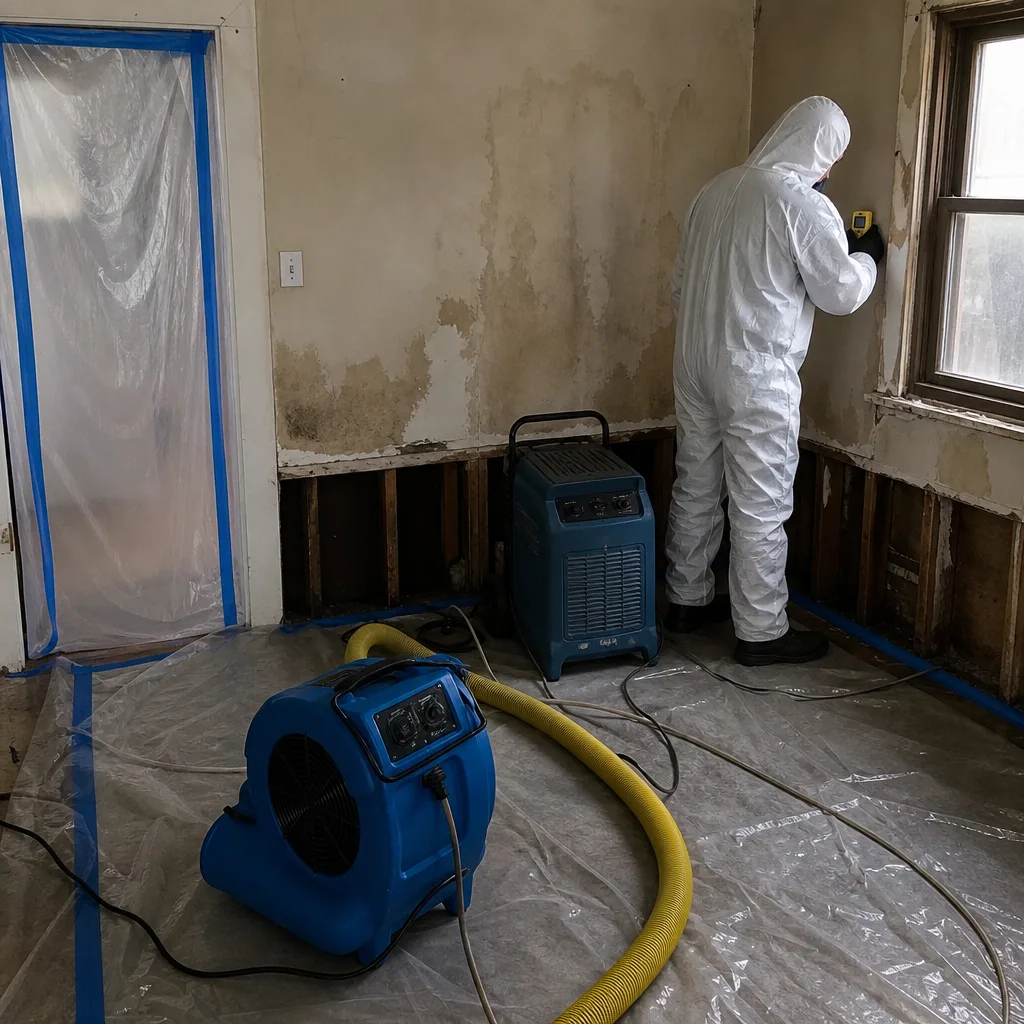 Before
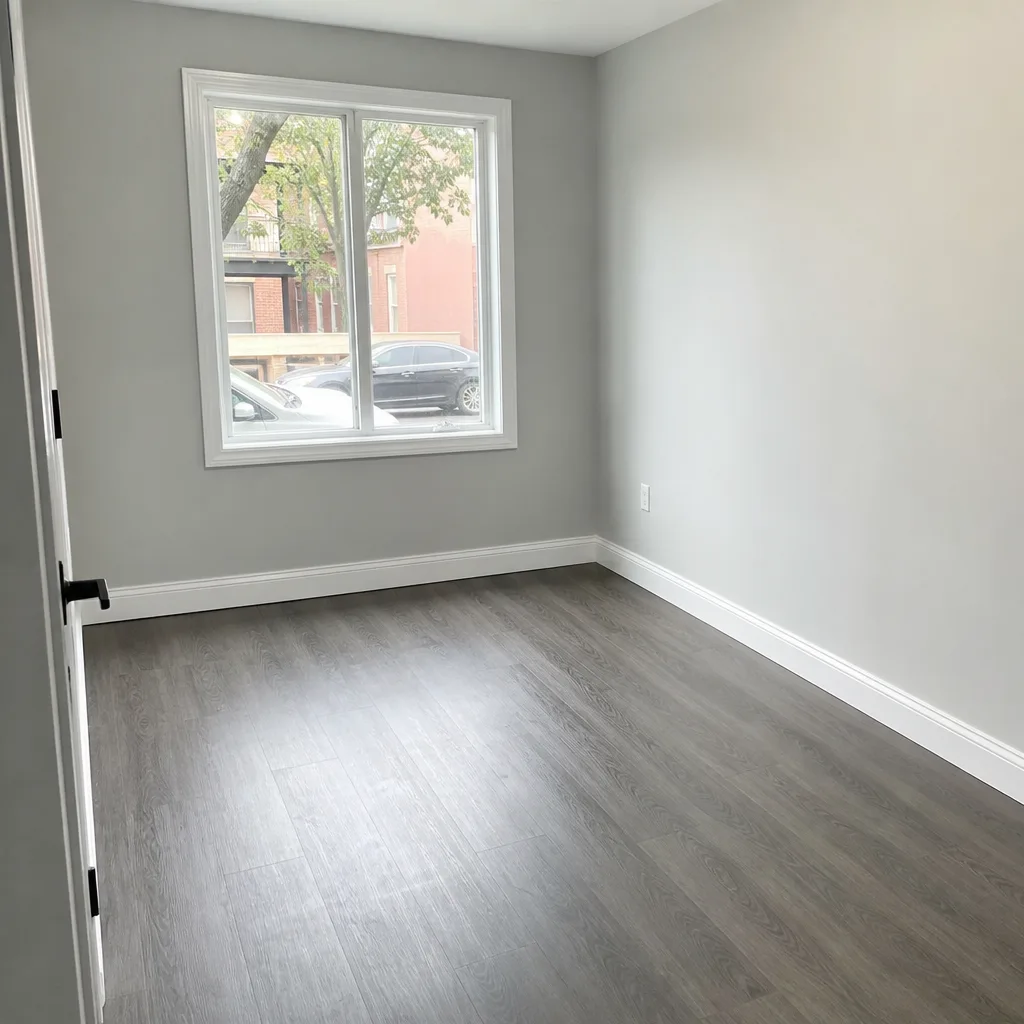 After
After24/7 Emergency Mold Remediation in Greenpoint
Mold doesn’t wait for business hours, and neither do we. If you’ve found black spots spreading across a Greenpoint basement wall or caught that musty smell in a pre-war rowhouse, call (363) 300-2771 right now. Wade Ferris answers his own phone, day or night, and can have a crew at your door inside 45 minutes. The first hour matters because mold colonies double in size every 24 to 48 hours once moisture takes hold. In Greenpoint’s attached rowhouses, that clock starts before you even see the stain. We do free visual inspections, take moisture readings on the spot, and tell you straight what you’re dealing with. No answering service, no call center, no runaround.
Understanding Mold Remediation Severity in Greenpoint Properties
Mold remediation is classified by the source of the water that fed it. Clean water from a burst supply pipe leaves one kind of contamination. Category 3 water, which is what you get from a sewage backup or flooding from Newtown Creek, carries bacteria, pathogens, and in parts of Greenpoint, petroleum residue from the underground plume. That changes everything about how we contain the space, what gets removed versus dried, and how the extracted water gets manifested before it leaves the property. Greenpoint’s housing stock makes containment harder than it looks on paper. Most buildings here went up before 1930, meaning plaster-and-lath walls, balloon framing, and shared party walls between attached units. When moisture gets behind one side of a party wall, it migrates into the adjoining row house before anyone sees a stain. Moisture mapping matters more here than in detached suburban homes because the failure mode is hidden, and the neighbor’s side of the wall is not your problem until it becomes a claim against you. We run thermal imaging and hygrometers on every job, and we hand you the full moisture log when we’re done. Almost nobody in the trade does that.
Why Greenpoint Property Owners Choose Wade’s Restoration
- 45-minute response commitment. Wade heads out as soon as you call, and crews reach most Greenpoint blocks within the hour. That speed is the difference between a $1,200 remediation and a $9,000 tear-out.
- 24/7 live answer. You get a real person on the line, not a queue. Wade answers his own cell at 2 a.m. because flooding and mold do not respect business hours.
- IICRC-certified crews. Our people hold WRT, FSRT, and AMRT credentials. That means they know the difference between a Category 1 water loss and a Category 3 sewage contamination, and they treat them differently.
- Free visual inspection. You’re not committed to anything by having us look. We tell you what we found, what it costs to fix, and what can wait.
- Direct insurance billing. We deal with the adjuster directly. You are not stuck relaying information between two sides. We document everything from the first hour and hand your carrier what they need.
- One team from extraction to reconstruction. You do not get passed between subcontractors. The same crew that sets up containment is the crew that rebuilds the wall, and Wade is on the job himself.
Our Mold Remediation Process
Inspection & Assessment
We start with a visual inspection, thermal imaging, and moisture readings across the affected area and the party walls. In Greenpoint, we test for petroleum contamination in any below-grade water because the plume changes what we’re legally allowed to do with extracted moisture.
Containment Setup
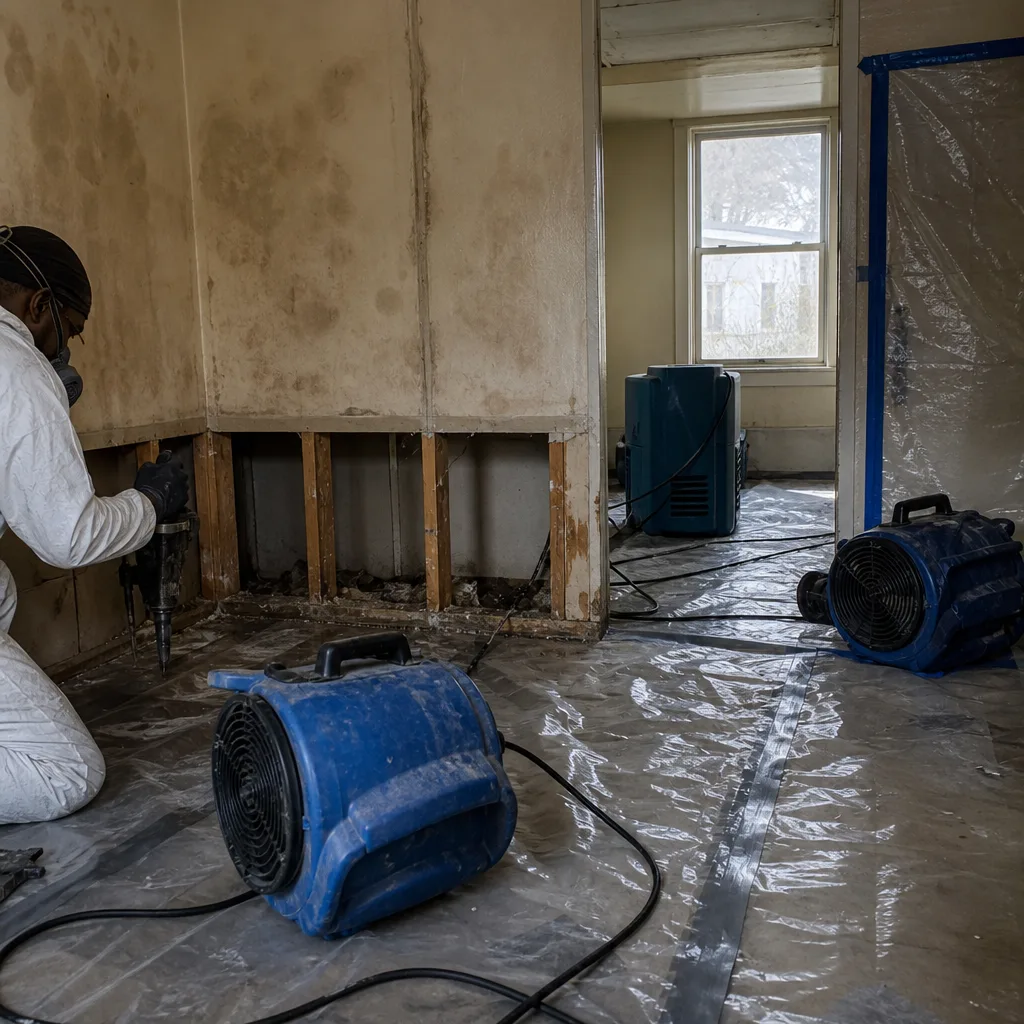
Before anything moves, we seal the work area with 6-mil polyethylene and set up negative air pressure with HEPA-filtered air scrubbers. In pre-war tenements with shared walls, containment includes checking the adjoining unit for mold spores that may have migrated through framing.
Drying & Dehumidification
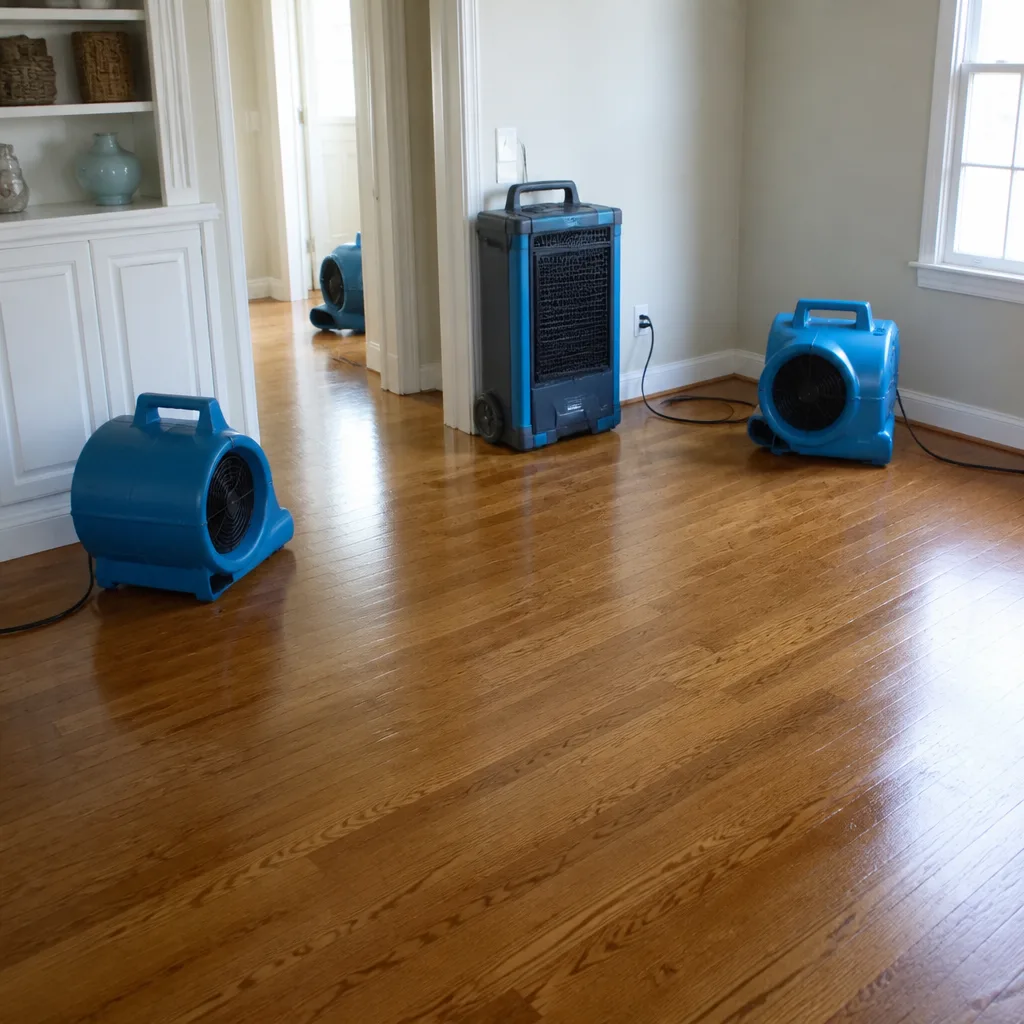
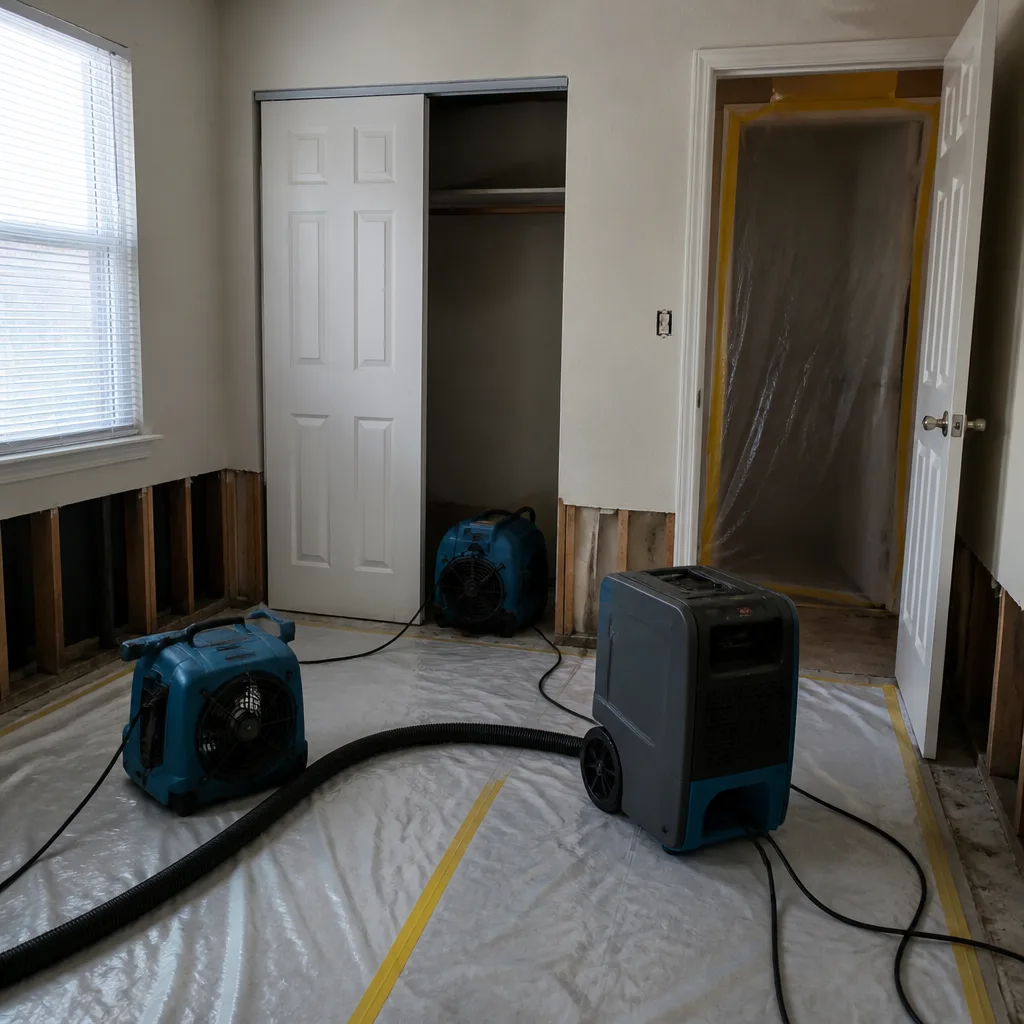
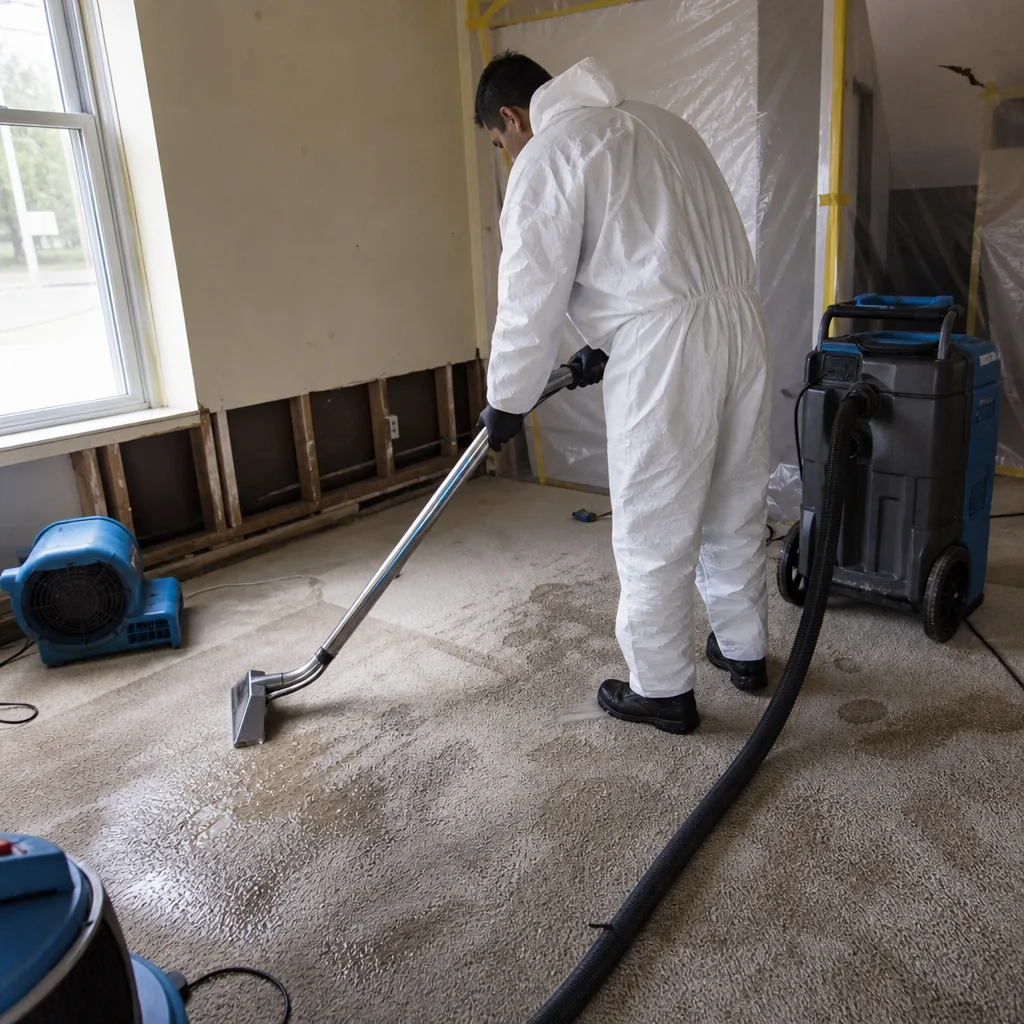
We place Dri-Eaz dehumidifiers and XPOWER air movers to pull moisture from plaster, framing, and masonry. Daily moisture readings are logged, and you get the complete log at the end of the job. Structural drying continues until every reading is below the threshold that supports mold growth.
Cleaning & Sanitization
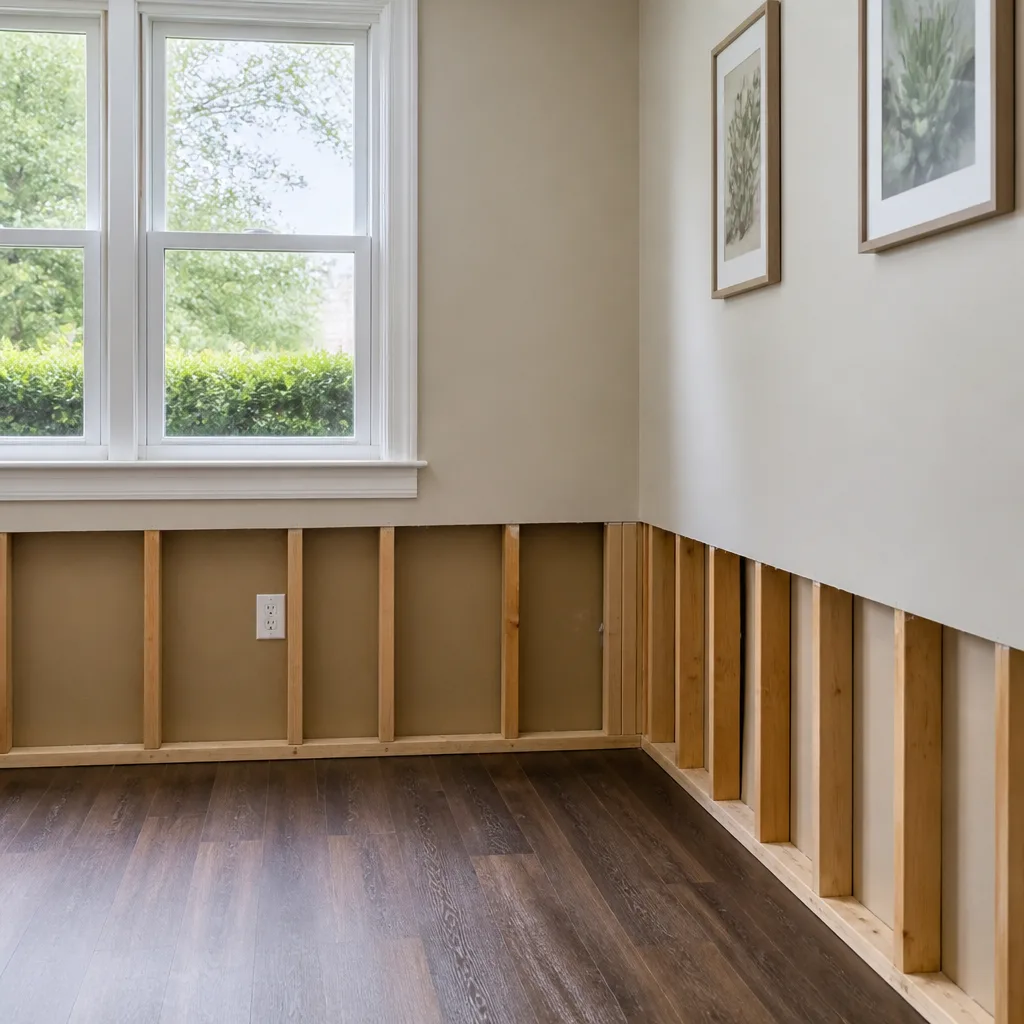
Porous materials that cannot be fully dried and cleaned are removed. Non-porous surfaces get HEPA vacuuming and antimicrobial treatment. We follow IICRC S520 standards for mold remediation, which means we do not just spray bleach over the problem and call it done.
Moisture & Humidity Control
Greenpoint’s high water table means mold will come back unless the moisture source is addressed. We identify the leak, the seepage path, or the humidity problem, and we fix it: crawl space encapsulation, vapor barriers, dehumidifier installation, regrading, or plumbing repair.
Repairs & Restoration
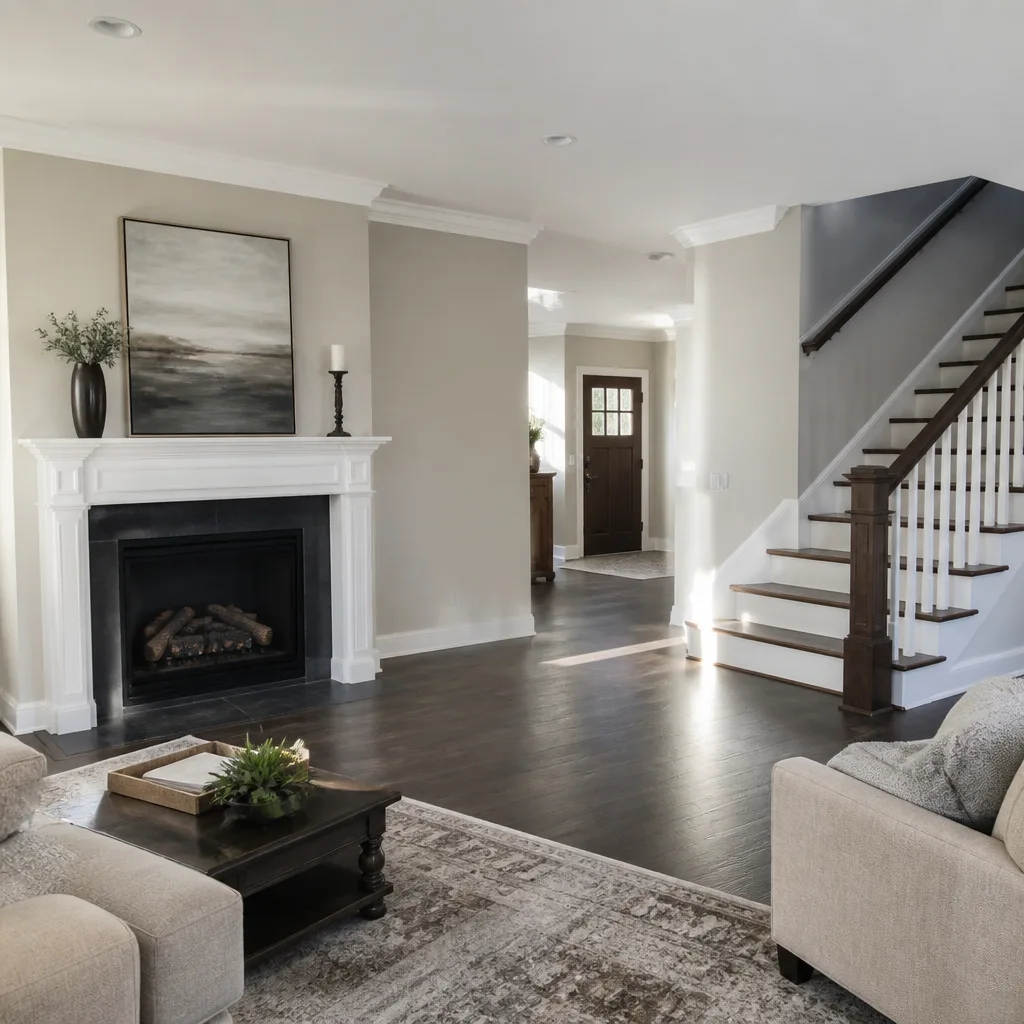
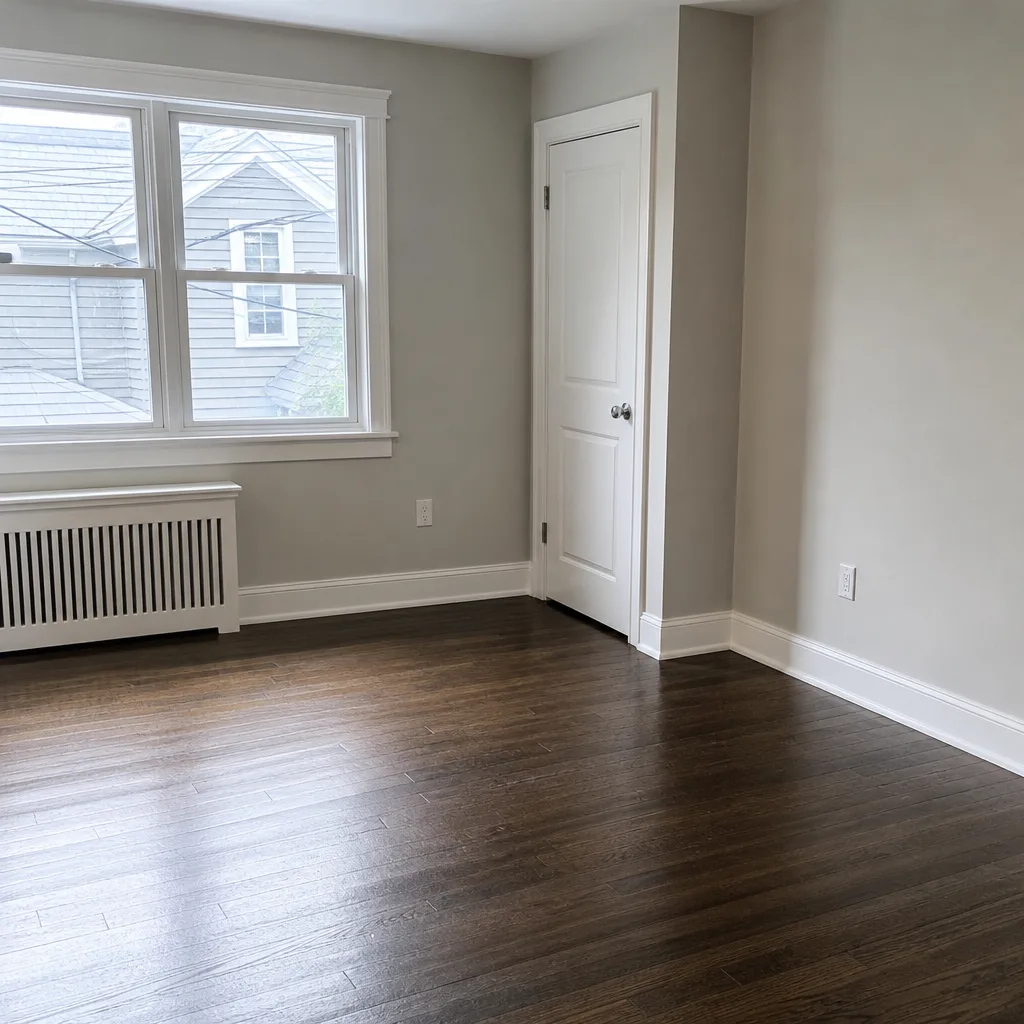
We replace what was removed: drywall, insulation, flooring, trim. If the building has lead paint, we do not disturb those surfaces. We work around them or bring in lead-safe protocols. The goal is pre-loss condition, nothing less.
Need Emergency Mold Remediation in Greenpoint Now?
Crews minutes away, answering live 24 hours a day. The sooner we start, the less it costs.
Working With Your Insurance Company
Mold remediation claims in Greenpoint are easier when the documentation is airtight from day one. We photograph every affected surface before anything moves. We log moisture readings daily. We write a line-item scope of work your adjuster can actually read. And we communicate with your carrier directly, so you never have to explain the difference between Category 2 and Category 3 water to a claims representative. The most common insurance pushback we see is the argument that mold is a maintenance issue, not a covered loss. That is why the first-hour documentation matters: when we can show a sudden event like a burst pipe or sewer backup caused the moisture, coverage is far more likely. If you get a denial, ask us to send your adjuster our drying logs. More than a few denials have turned into approvals once the data was on the table.
What We Provide Your Insurer
- Thorough documentation of the loss
- Photos of all damage, room by room
- Moisture readings and drying logs
- A detailed, line-item scope of work
- Direct coordination with your carrier
Built for Greenpoint’s Loss Calendar
Greenpoint’s mold season never really ends. The low-lying peninsula sits between the East River and Newtown Creek, meaning the water table is high enough that basements weep through masonry even on dry weeks. January deep freezes burst supply lines in uninsulated pre-war plumbing. When the thaw hits in March, those same basements fill with seepage, and the mold follows within days. Summer thunderstorms overwhelm the combined sewer system, backing it up into basements on Franklin Street and Manhattan Avenue. Nor’easters push storm surge toward the waterfront blocks. Every one of those events leaves behind elevated humidity and wet building materials, and in Greenpoint, the building materials are often plaster and lath over century-old framing that soaks up moisture like a sponge. The pattern is predictable. The fix is not waiting until you see the mold.
Mold Remediation Across Greenpoint’s Neighborhoods
Greenpoint is not one housing type. It is a patchwork of building styles, and each one fails differently. Along Manhattan Avenue, the commercial storefronts with residential units above put mold remediation crews against a clock: the shop below reopens in the morning, which means containment and air scrubbing have to run overnight without disrupting business. On Milton Street and Noble Street, the attached rowhouses share party walls, so a sewage backup in one basement becomes a hidden moisture event in the unit next door. Over near McGuinness Boulevard, the former industrial loft buildings converted to residential use have open floor plans and exposed brick, which looks great until moisture gets trapped behind the brick and every wall becomes a substrate for mold growth. Near Transmitter Park and the East River waterfront, we see more storm-surge-related issues: saltwater intrusion, petroleum residue, and flooding that requires hazmat consideration before any drying begins. The blocks around Newtown Creek carry the heaviest contamination burden. We have pumped basements near the creek and watched extracted water carry a visible petroleum sheen. That is not ordinary water. It can not go down the drain.
Specialized Mold Remediation Services We Offer in Greenpoint
Mold Inspection & Testing
We inspect the visible surfaces, then trace moisture through walls, ceilings, and floors using thermal imaging and hygrometers. In Greenpoint’s attached rowhouses, the inspection must extend to the party wall and the adjoining unit’s side. A mold problem that looks contained to one room can have spread through the wall cavity before it ever showed up on your paint. Testing includes air and surface sampling when needed, with results from a third-party lab. No inflated scares, no unnecessary testing. We tell you what we found and what it means.
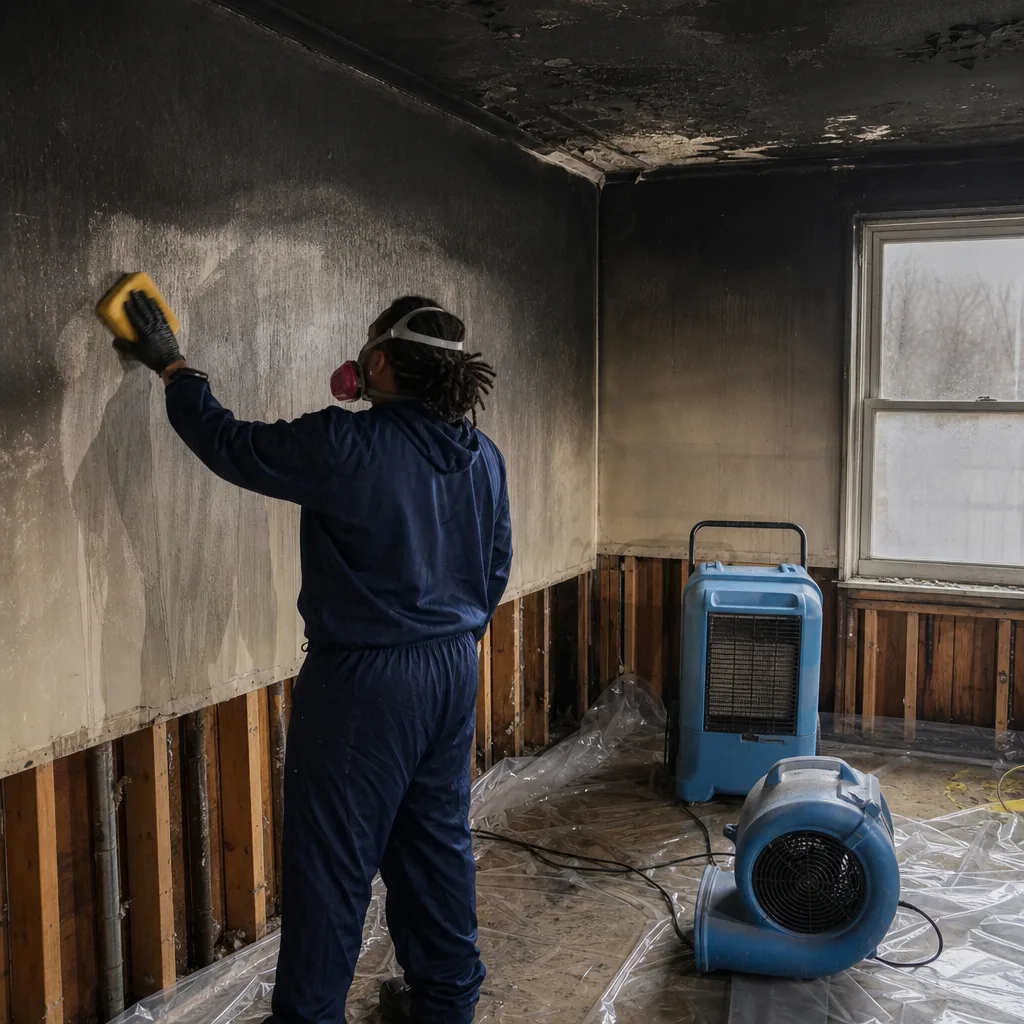
Moisture & Humidity Control
Greenpoint’s high water table means your mold problem is not solved until the moisture source is. If we dry the visible mold without fixing the seepage, we are selling you a temporary fix. We install crawl space encapsulation, vapor barriers, basement dehumidifiers, and drainage corrections. We also advise on ventilation for pre-war kitchens and bathrooms that were never designed for modern moisture loads. This is the part of Mold Remediation that prevents the next call.
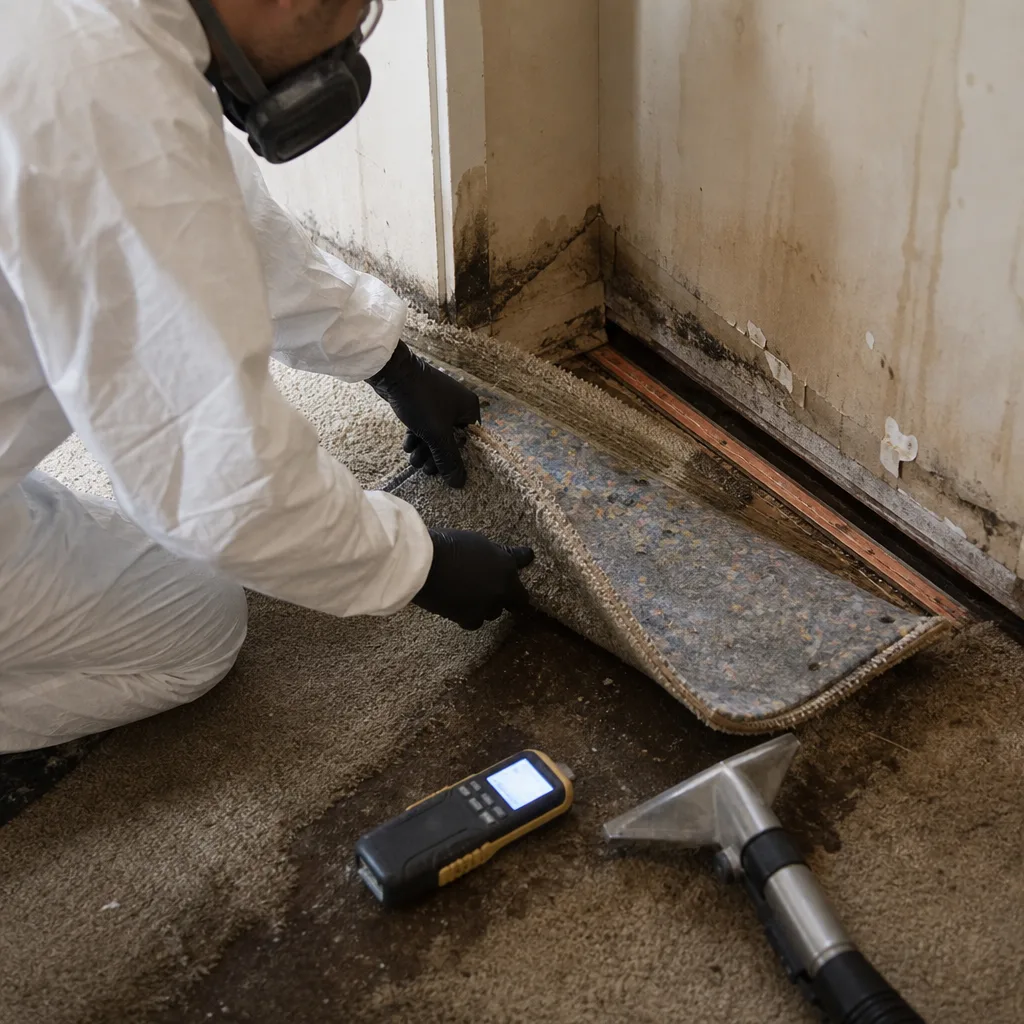
Black Mold Remediation
Stachybotrys chartarum, what people call black mold, gets attention because it can produce mycotoxins. Not every dark spot is black mold, and we do not pretend to diagnose health effects. We do what remediation professionals are trained to do: contain the area, remove the affected materials, clean the remaining surfaces, and dry everything to a level that cannot support regrowth. In Greenpoint’s older buildings, black mold often hides behind plaster walls and under original wood floors where slow leaks have been feeding it for years. Those jobs take longer, and they cost more, but cutting corners on black mold in a building where units share air cavities is not an option.
What happens when you call
- 1
A real person answersNo phone trees - you reach a local pro.
- 2
You get an upfront price rangeHonest numbers before anyone is dispatched.
- 3
A background-checked tech heads outLicensed & insured, dispatched right away.
- 4
You approve before work beginsNothing starts until you say go.
Mold Remediation Costs in Greenpoint, NY
A typical mold remediation job in Greenpoint runs $1,800 to $6,500 for a standard basement or bathroom issue. Small contained jobs, like mold behind a single wall from a plumbing leak, start around $1,200. A full basement with sewage backup involvement and petroleum contamination near Newtown Creek can exceed $9,000, because the extracted water requires hazmat disposal and the demolition scope grows fast. Mold inspection and testing on its own runs $350 to $700, depending on the number of samples and whether we test the party wall. Moisture and humidity control, like crawl space encapsulation or a vapor barrier install, ranges $2,500 to $7,000. What moves the price: how much surface area is affected, whether the moisture source is still active, whether the building has lead paint that requires lead-safe protocols, and whether the water is Category 3. Call (363) 300-2771 and we will give you a free visual inspection and a written scope before any work starts. No charge for the visit inside our county.
We Also Serve Cities Near Greenpoint
Beyond Greenpoint, Wade’s crews regularly handle mold remediation in East New York, Jamaica, Canarsie, and Glendale. Each of those areas has its own building stock and its own failure patterns, and we approach each job the same way: find the moisture, fix the moisture, remove the mold, prove it with documentation. If you own property in any of these neighborhoods, call us and we will head out.
Serving Greenpoint, NY - Our Local Coverage Area
We’re based in the Greenpoint area and know this community well. Use the map below to see our service coverage - if you’re nearby, we can almost certainly help.
Greenpoint Mold Remediation Questions, Answered
Does the Greenpoint oil spill affect mold remediation in my building?
Yes, it can, if you have below-grade moisture or groundwater intrusion. Greenpoint sits atop an estimated 17 to 30 million gallons of petroleum hydrocarbons from the decades-old spill. When basements near Newtown Creek flood or seep, the water can carry petroleum residue. That water cannot be pumped into the sewer without environmental compliance steps, and any porous material it touched usually needs removal, not drying. We test for sheen and odor on every below-grade job, and we manifest contaminated water as waste when required.
How do you handle mold in a shared wall between two Greenpoint rowhouses?
We treat the party wall as a bridge, not a barrier. Mold in one unit’s wall cavity can travel through the framing into the adjoining unit before anyone sees visible staining. We moisture-map both sides, set up containment on our side, and check the neighbor’s side if accessible. The remediation often involves opening the wall from the affected unit, drying the shared cavity, and treating both sides of the framing. In some cases, we coordinate with the adjoining owner to prevent a recurring cross-contamination cycle.
Why does my Greenpoint basement get mold so quickly after water damage?
Greenpoint’s geography is working against you. The neighborhood sits on a low peninsula between the East River and Newtown Creek, with one of the highest water tables in Brooklyn. Even a small leak leaves moisture in masonry and framing that never fully evaporates on its own. Within 48 hours, mold spores that were already present in the air settle into that damp material and start growing. The fix is aggressive structural drying with dehumidifiers and air movers, not open windows and hope.
What does Category 3 water mean for mold removal in Greenpoint?
Category 3 water is grossly contaminated, usually from sewage backups or flooding from Newtown Creek. It contains bacteria, sewage, and in parts of Greenpoint, petroleum residue from the underground plume. Materials saturated with Category 3 water, like drywall, insulation, and carpet, typically need to be removed rather than dried. Drying them in place just gives mold a head start. We follow IICRC S500 standards and treat Category 3 losses as removal jobs, not drying jobs.
Can mold remediation on a Greenpoint loft building disturb lead paint?
It can if we are not careful, and that is exactly what we avoid. Most of Greenpoint’s buildings went up before 1930, which means original layers of lead paint are common. We do not sand, scrape, or aggressively demolish surfaces with suspect paint without lead-safe protocols. Where possible, we work around those surfaces, use wet removal methods, and contain the area. On a recent Milton Street rowhouse, we restored a basement after a sewage backup without disturbing the lead-paint hazards in the stairwell or trim, and the job passed clearance testing.
How fast can you get to Greenpoint for a mold emergency?
Crews are on call around the clock, and we reach most Greenpoint addresses within 45 minutes. Wade answers his own phone 24/7, and he heads out as soon as the call comes in. Speed matters because every day of unaddressed moisture grows the mold colony and expands the scope of work. Call (363) 300-2771 and someone is on the road.
Will my insurance cover mold remediation in Greenpoint?
It depends on the source of the water and your policy language. Sudden events that are covered perils, like a burst pipe or sewer backup, are far more likely to trigger mold coverage than a long-term leak the insurer can class as maintenance. We document everything from the first hour, provide drying logs, and communicate directly with your adjuster. A strong claim file is often the difference between a payout and a denial, and we build that file on every job.
Can we stay in our home during mold remediation?
In most cases, yes, for small and medium jobs where containment is properly set up. We seal the work area, run negative air pressure with HEPA scrubbers, and keep the rest of the home protected. For large-scale black mold jobs or Category 3 losses, especially in Greenpoint buildings with shared ventilation, better to relocate for the duration. We will tell you honestly which applies to your situation before any work starts.
Wade’s Restoration handles mold remediation across Greenpoint with the same approach we have used since 2007: show up fast, tell the truth, document everything, and stand behind the work with a 90-Day Done Right Promise. If it is not done right, we make it right, in writing. Call (363) 300-2771 for a free visual inspection and a written scope before any work begins. Ask anyone on your street. They probably know someone we have helped.
Written by Wade Ferris, Owner at Wade’s Restoration, serving Greenpoint with mold remediation, water damage restoration, and rebuilding since 2007.