
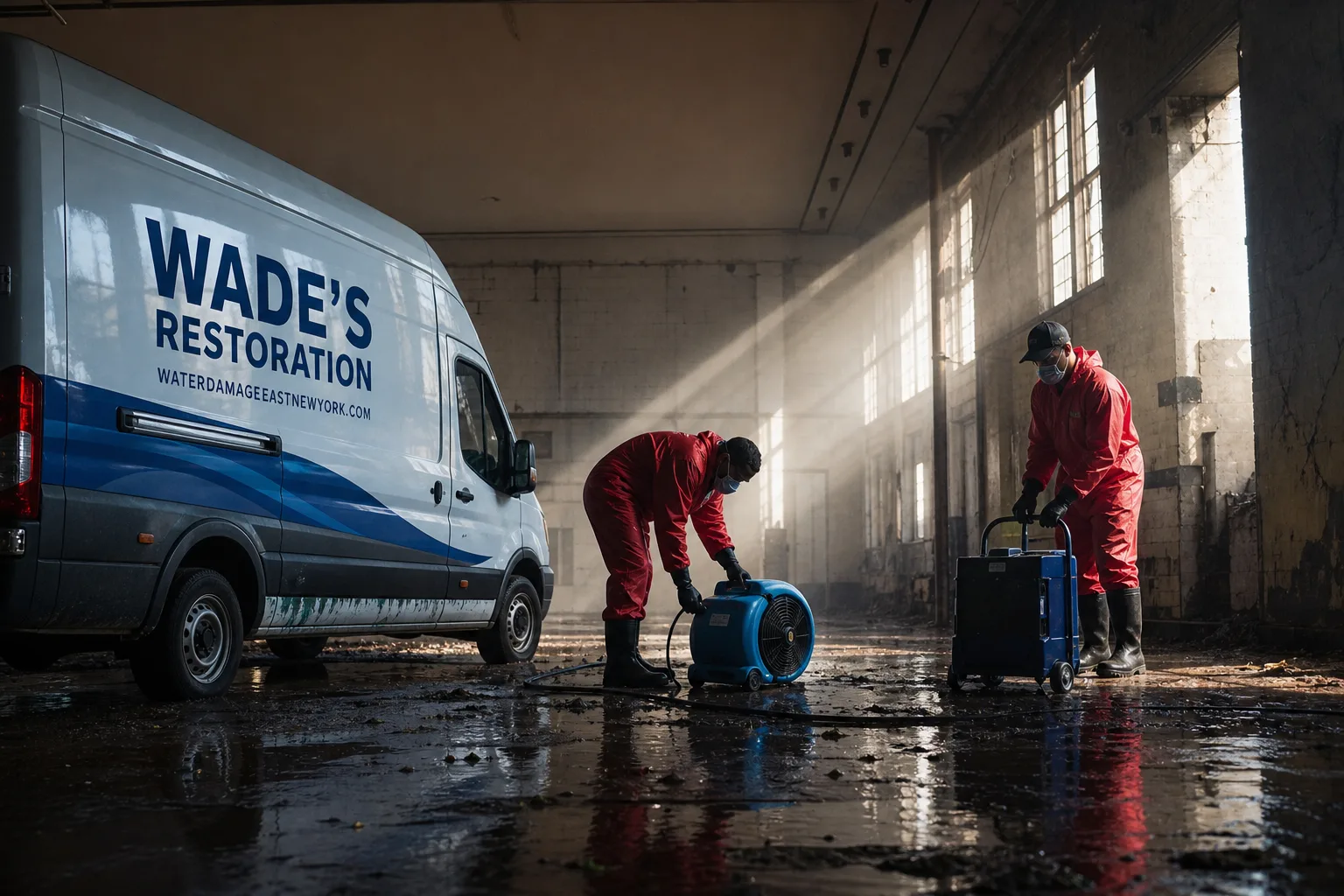
Free visual inspection and a written scope of work before any mitigation begins - photos, moisture readings, and drying logs go in your claim file
The scope we write is the scope we bill. Anything new gets shown to you, in writing, before we touch it.
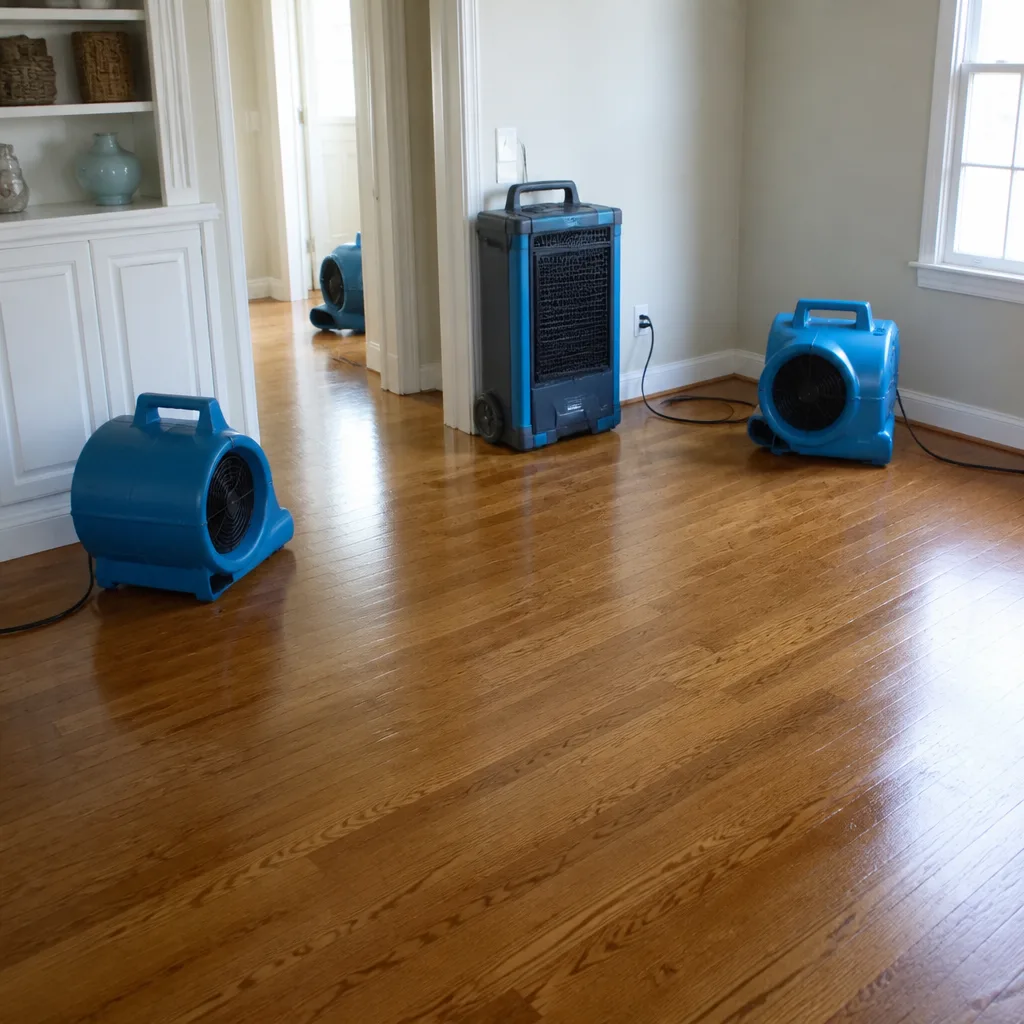


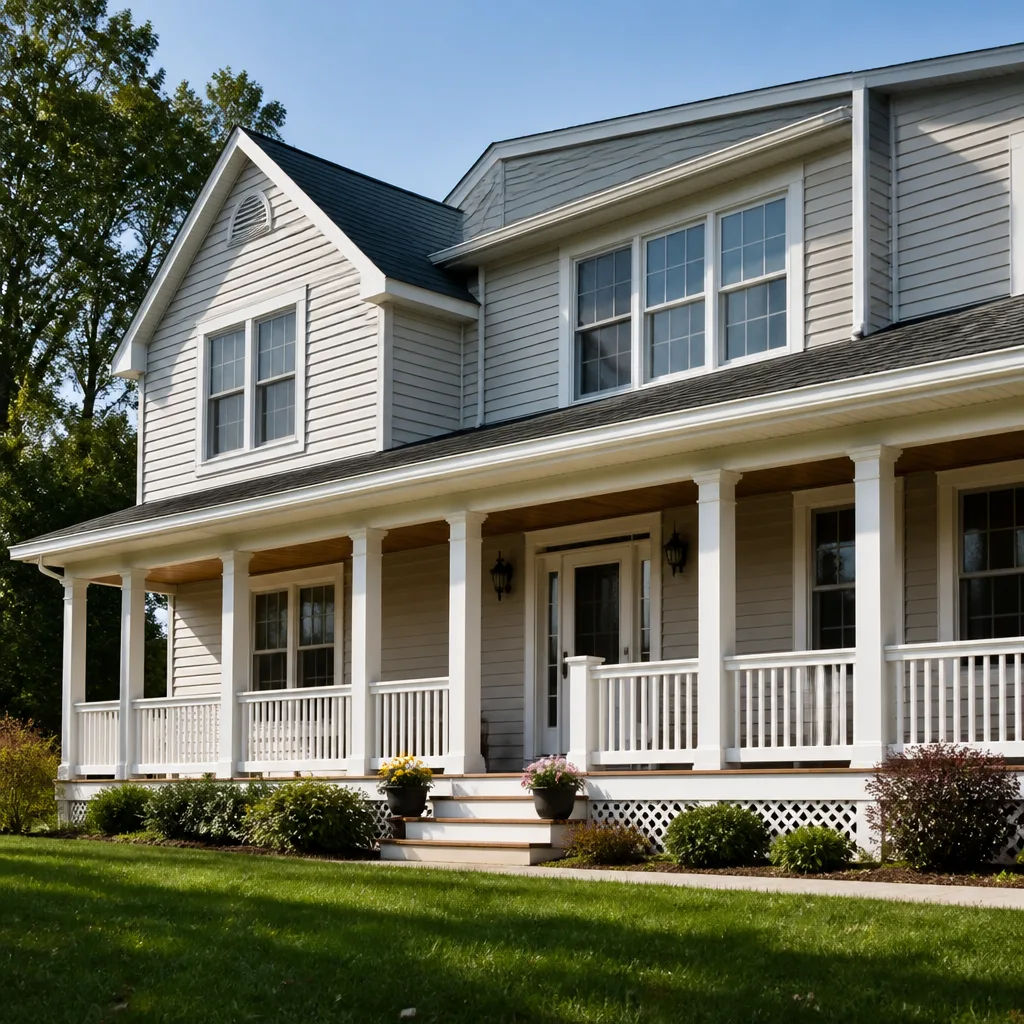
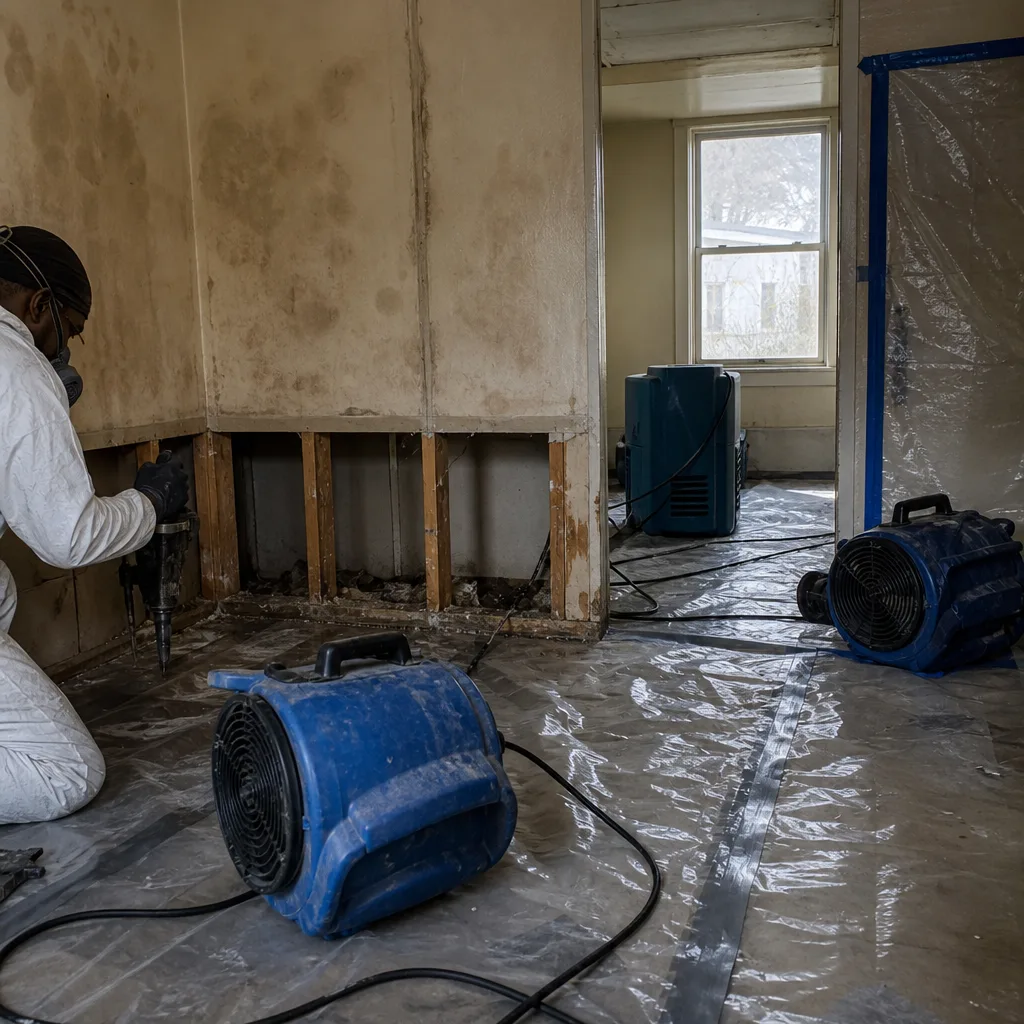 Before
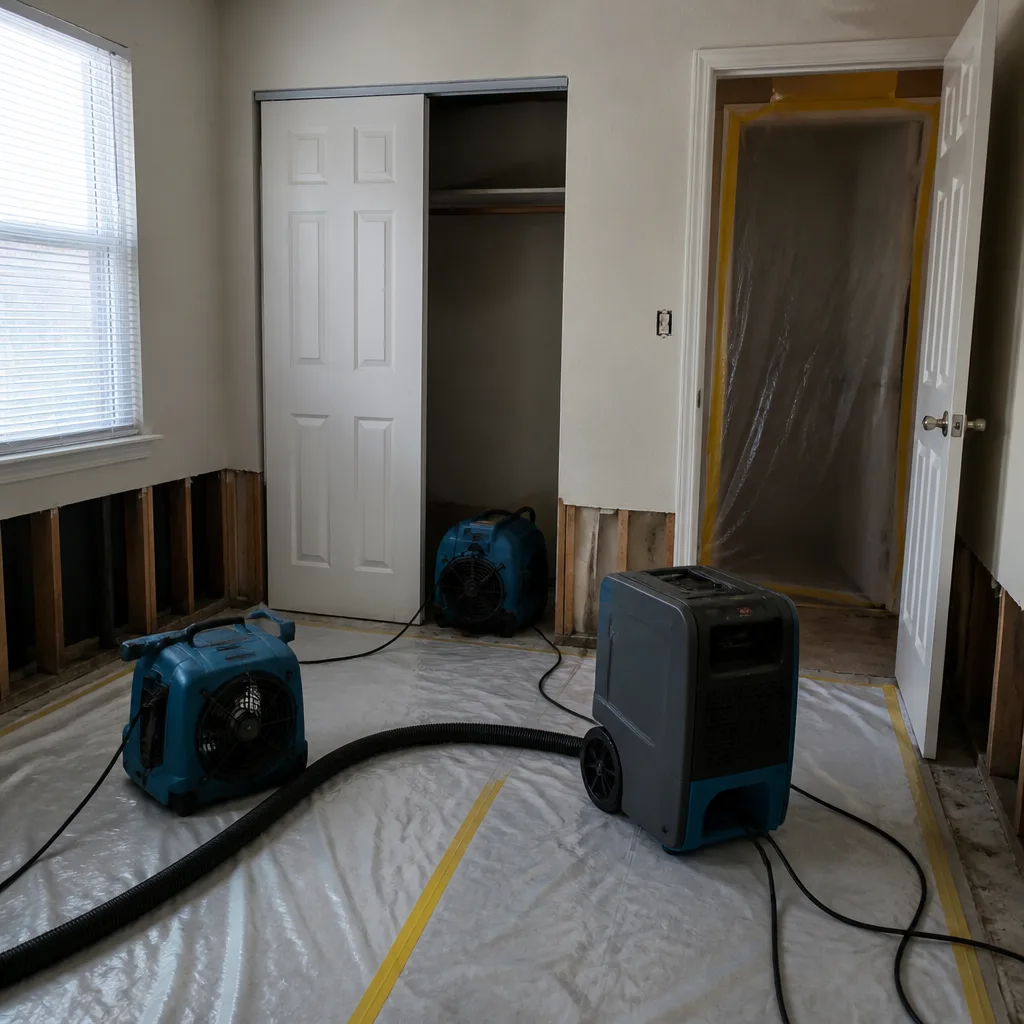 After
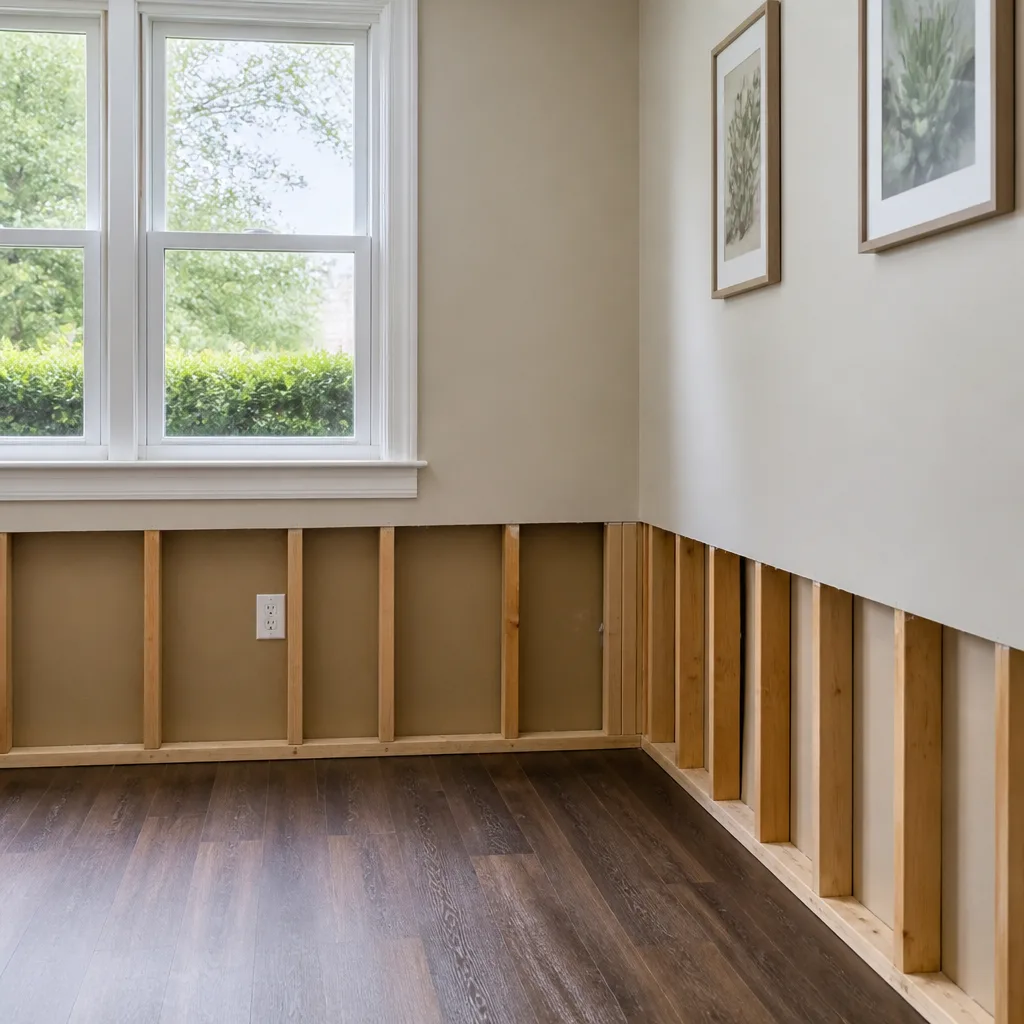
After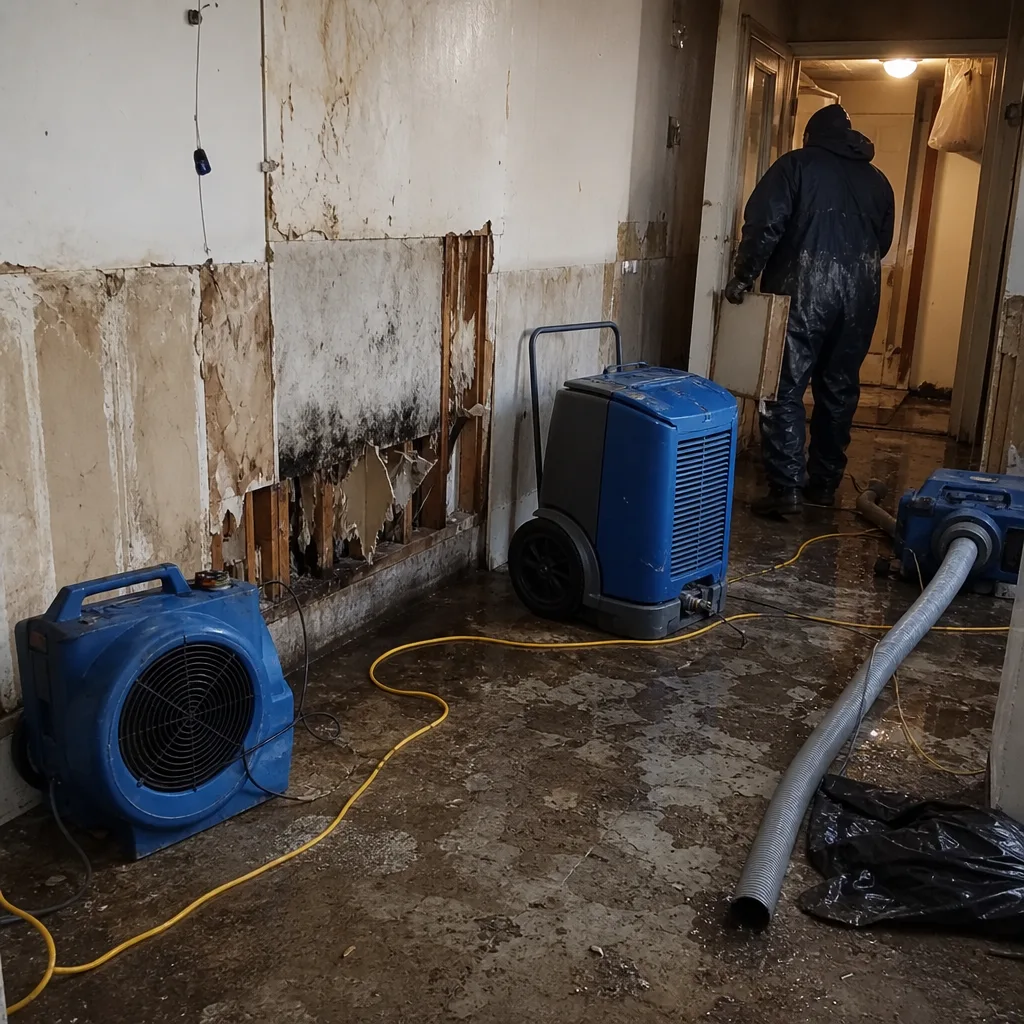 Before
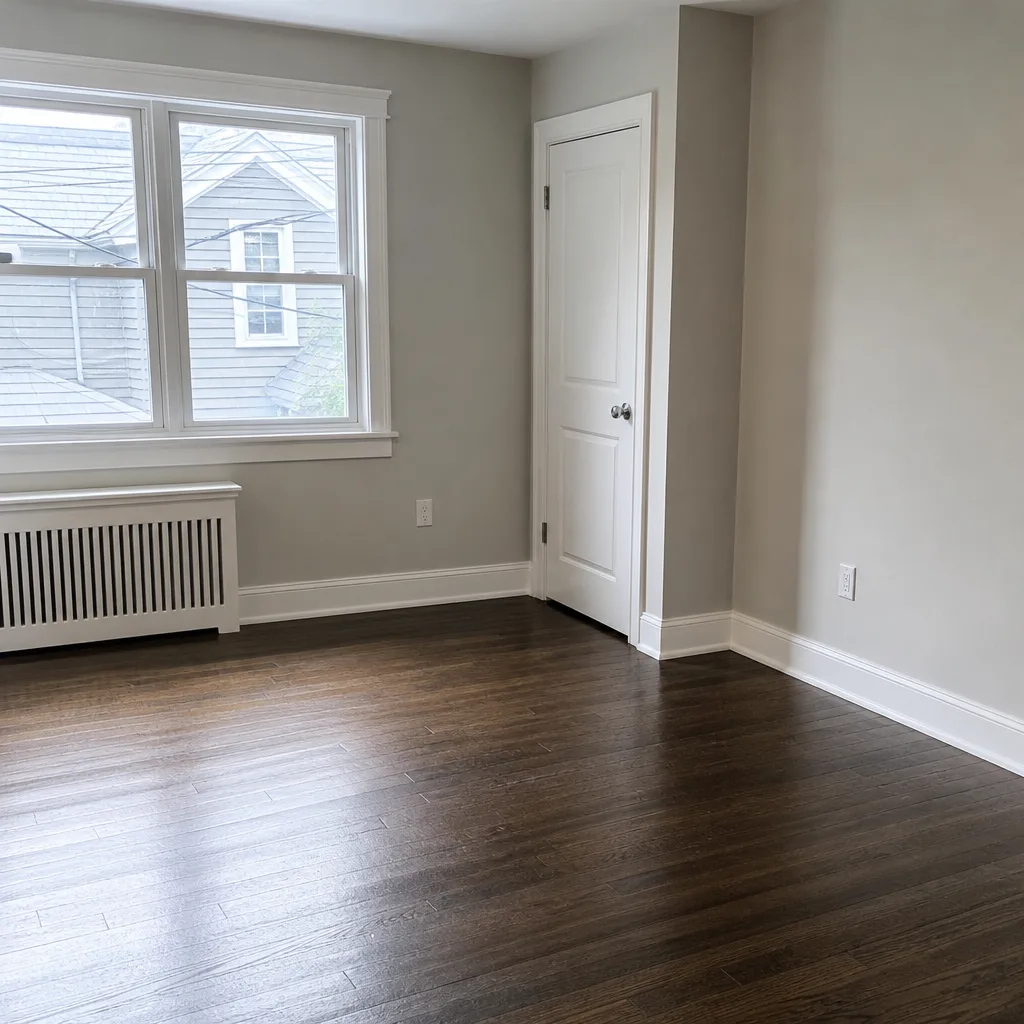 After
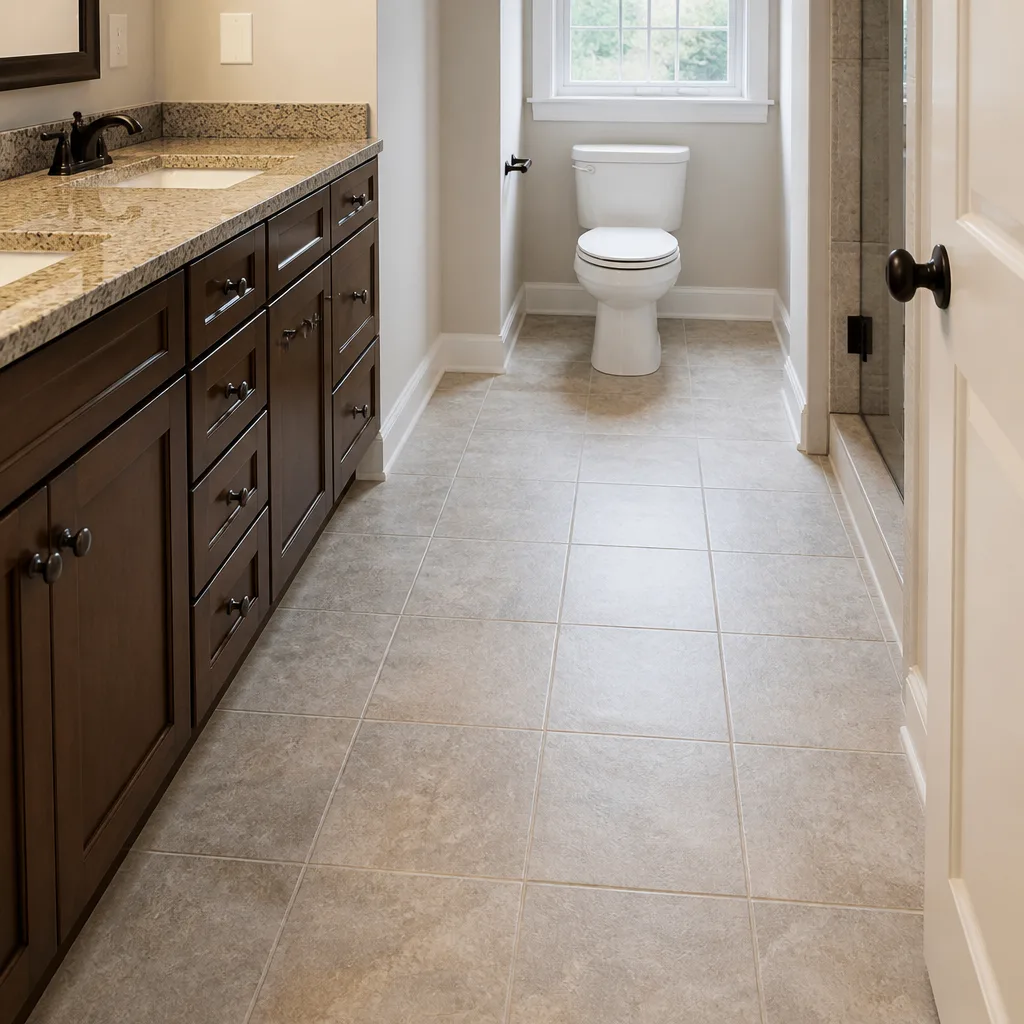
After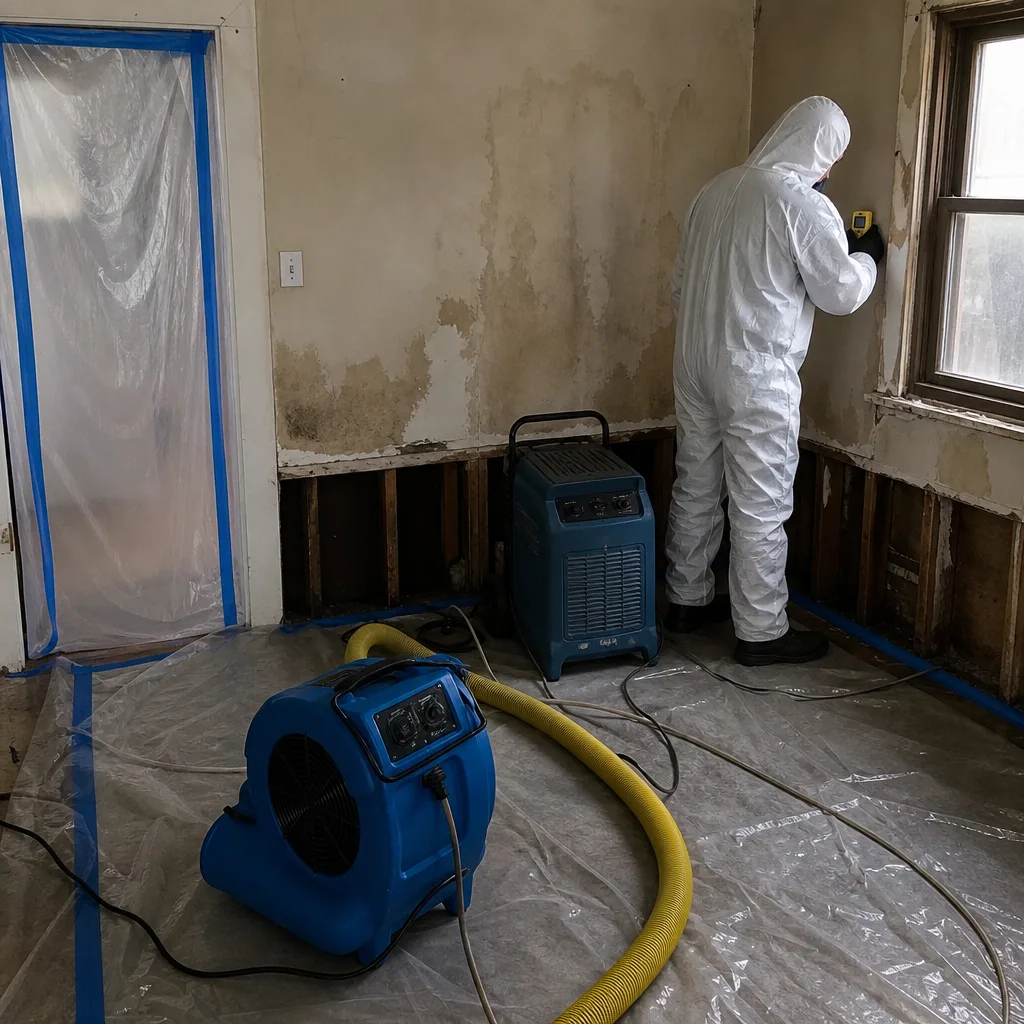 Before
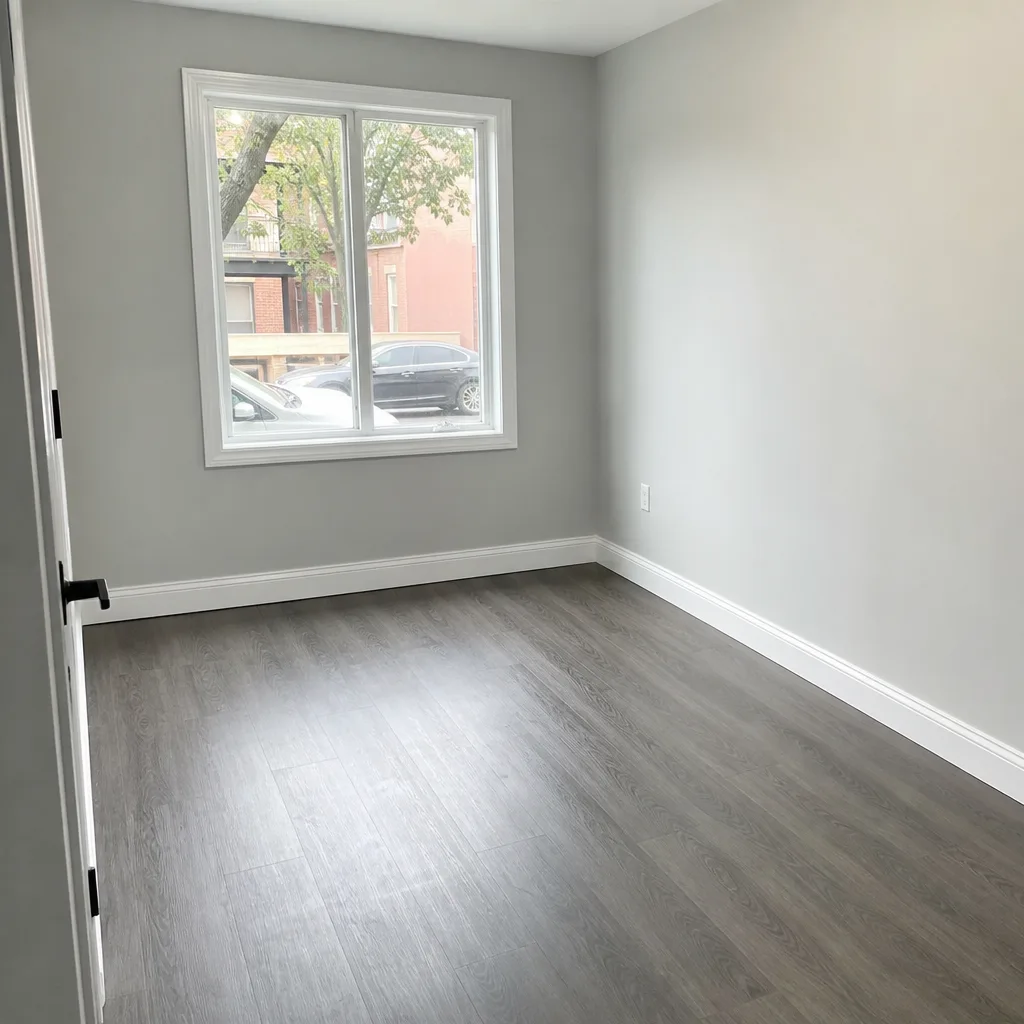 After
After24/7 Emergency Water Damage Restoration in Richmond Hill
Water damage in Richmond Hill moves fast, and the first hour determines whether you’re dealing with a cleanup or a rebuild. Our crews are on call around the clock, and we can typically have extraction equipment running in your home within 45 minutes of your call to (363) 300-2771. Burst pipes, sewer backups, roof leaks, and flooded basements don’t wait for business hours, and neither do we.
If you’ve got water where it shouldn’t be right now, shut off the water source if you can do so safely, kill the power in affected areas, and call us. The call is free, the visual inspection is free, and a live person answers every time. No answering service, no voicemail, no “press 3 for emergency.”
Understanding Water Damage Restoration Severity in Richmond Hill Properties
Not all water damage is the same, and Richmond Hill’s older housing stock makes that distinction matter more than in most neighborhoods. The water itself falls into three categories: Category 1 comes from a clean source like a burst supply line; Category 2 contains significant contamination from sources like washing machine overflows or sump pump failures; Category 3 is grossly contaminated, carrying sewage, bacteria, and pathogens. In a Richmond Hill sewer backup, you’re almost always dealing with Category 3, which changes everything about how the space gets cleaned, sanitized, and dried.
Beyond the water category, the building materials themselves change the equation. Richmond Hill’s late-19th and early-20th century row houses often have original horsehair plaster over wood lath, which holds moisture differently than drywall and requires slower, more controlled drying to prevent washoff and cracking. Moisture mapping with thermal imaging and hygrometers is essential here, because water wicks through old masonry and lath far beyond the visible stain. We document moisture levels daily and hand you the full log at completion, so you know the drying was done right, not just done fast.
Why Richmond Hill Property Owners Choose Wade’s Restoration
- 45-minute response commitment. When water is spreading through a party wall, every minute counts. We arrive fast and start extraction immediately.
- A real person answers, 24/7. Wade himself answers his own phone. No call center, no automated system, no runaround.
- IICRC-certified crews. Our technicians hold WRT (Water Damage Restoration Technician) and ASD (Applied Structural Drying) certifications, with RIA affiliation backing their work.
- Free visual inspection. We assess the damage before you commit to anything. You’ll get a written scope and a firm price before work starts.
- Direct insurance billing. We bill your carrier directly and present documentation in industry-standard format that adjusters accept without friction.
- One team from extraction to reconstruction. You won’t get bounced between subcontractors. The same faces handle the whole job.
Our Water Damage Restoration Process
Inspection & Assessment
We arrive, walk the property, and map moisture levels with thermal imaging and hygrometers. In Richmond Hill’s attached row houses, this includes checking the party wall and adjacent property, because water doesn’t respect property lines.
Extraction & Stabilization
Standing water comes out immediately using truck-mounted extraction units and submersible pumps. For sewer backups, we establish containment first to prevent cross-contamination of unaffected areas.
Drying & Dehumidification
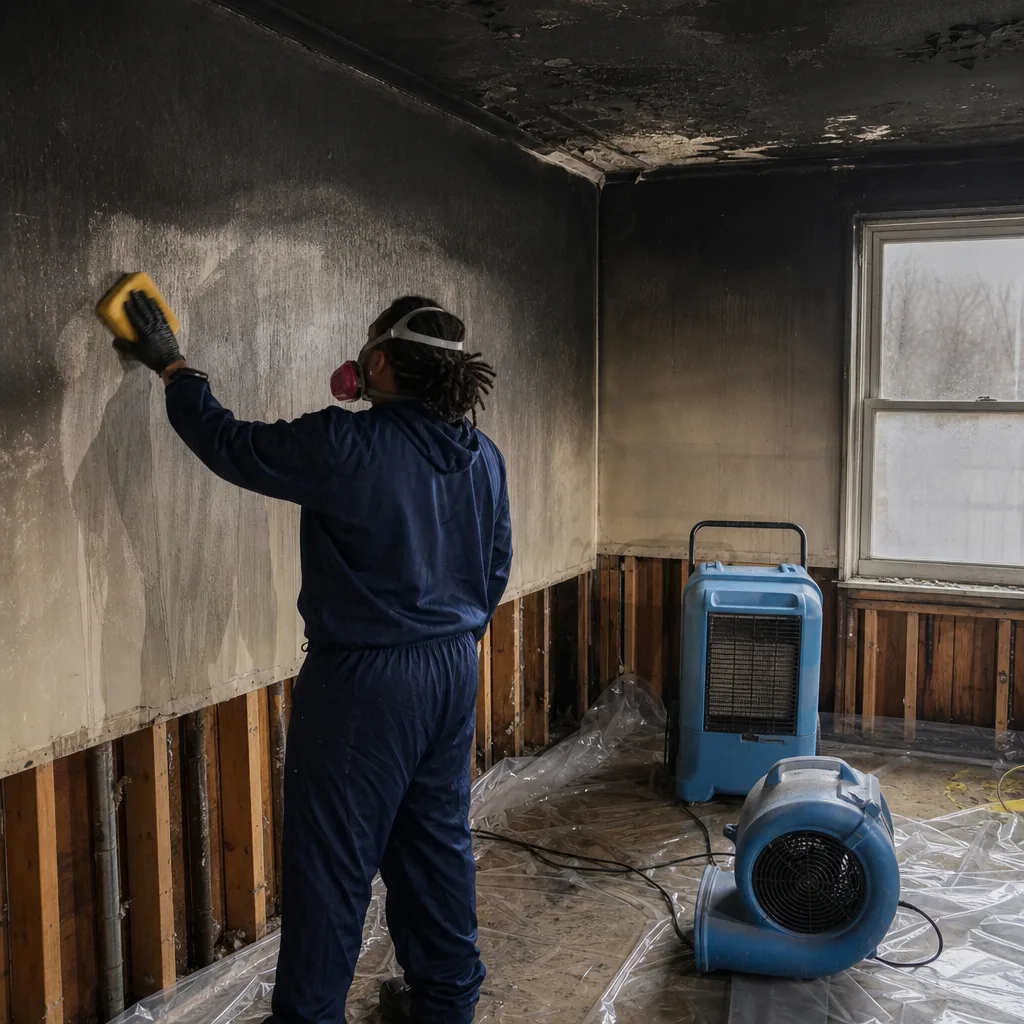
We place Dri-Eaz dehumidifiers and Phoenix air movers in a calculated layout for your specific room geometry and building materials. Horsehair plaster and old masonry dry slower than drywall and need controlled airflow to avoid cracking.
Cleaning & Sanitization
We clean, disinfect, and deodorize all affected surfaces with treatments appropriate to the water category. Category 3 water requires antimicrobial treatment and disposal of porous materials that can’t be fully sanitized.
Moisture Verification
Daily moisture readings continue until every affected material reaches its dry standard. You get the full drying log. We don’t pull equipment early just because the visible water is gone.
Repairs & Restoration
Once the space is dry and verified, we handle the reconstruction, whether that’s new plaster, baseboards, flooring, or full basement refinishing. One crew, one accountability point, one written warranty.
Need Emergency Water Damage Restoration in Richmond Hill Now?
Crews minutes away, answering live 24 hours a day. The sooner we start, the less it costs.
Working With Your Insurance Company
Insurance claims are where Richmond Hill homeowners get taken advantage of most. National franchises quote one price on the phone and another when the adjuster is on the line. We do it differently. From the first hour on site, we’re building the documentation file your carrier needs. Photos of every room, moisture readings, drying logs, a line-item scope of work, all delivered in the format adjusters recognize. Wade communicates with your adjuster directly, so you’re not stuck relaying information between two parties who aren’t talking to each other.
You won’t be the middleman. You’ll be the homeowner who gets a straightforward answer and a documented job.
What We Provide Your Insurer
- Thorough documentation of the loss
- Photos of all damage, room by room
- Moisture readings and drying logs
- A detailed, line-item scope of work
- Direct coordination with your carrier
Built for Richmond Hill’s Loss Calendar
Richmond Hill’s water damage seasons follow a predictable pattern, and we plan for it. January and February bring deep freezes that burst aging galvanized supply lines in uninsulated exterior walls and crawl spaces. When the thaw hits in March, the ground saturates and basement seepage rises, especially in the low-lying southern sections near the Jamaica Bay watershed. Summer cloudbursts overwhelm the neighborhood’s combined sewer system, sending backups into basement drains and floor-level fixtures. Nor’easters in the fall and winter push storm surge and heavy rain against the same infrastructure.
The common thread is the age of the plumbing. Many Richmond Hill homes still run on original galvanized pipe, which corrodes from the inside out and eventually fails at the threads. If your home hasn’t been re-piped, the question isn’t whether a supply line will fail, but when. And when it does, in an attached row house, the water doesn’t stop at your wall.
Water Damage Restoration Across Richmond Hill’s Neighborhoods
We respond to every corner of Richmond Hill, and the loss patterns shift block by block. Along the attached row house corridors off Liberty Avenue and 101st Avenue, burst pipes and sewer backups routinely involve both sides of a party wall, meaning we’re setting containment and running drying logs for two addresses before the first day is done. Over by Lefferts Boulevard, the mix of storefront-above apartments and semi-detached homes means commercial-residential coordination and careful handling of shared basements. The blocks between Atlantic Avenue and Jamaica Avenue hold some of the oldest housing stock in the neighborhood, with original lath-and-plaster walls that demand slower drying protocols to preserve the finishes.
South of Liberty Avenue, toward the 11418 and 11419 zip codes, the grades slope toward Jamaica Bay and the combined sewer flooding that so many residents remember from Hurricane Sandy. Basement water removal there often means addressing not just the water, but the sewer line itself, and knowing which basement has already been remediated once and remains vulnerable. Near Forest Park, the homes shift to larger detached and semi-detached configurations, but the plumbing age stays about the same. The pattern holds: old pipes, shared walls, and low-lying drainage. That’s what we train for.
Specialized Water Damage Restoration Services We Offer in Richmond Hill
Emergency Water Extraction
When a pipe bursts in a Richmond Hill basement at 2 a.m., the water is already wicking into the masonry and the neighbor’s side of the party wall. We get pumps and extraction units running fast, removing standing water before it saturates plaster, flooring, and framing. The goal in the first hour is simple: stop the spread.
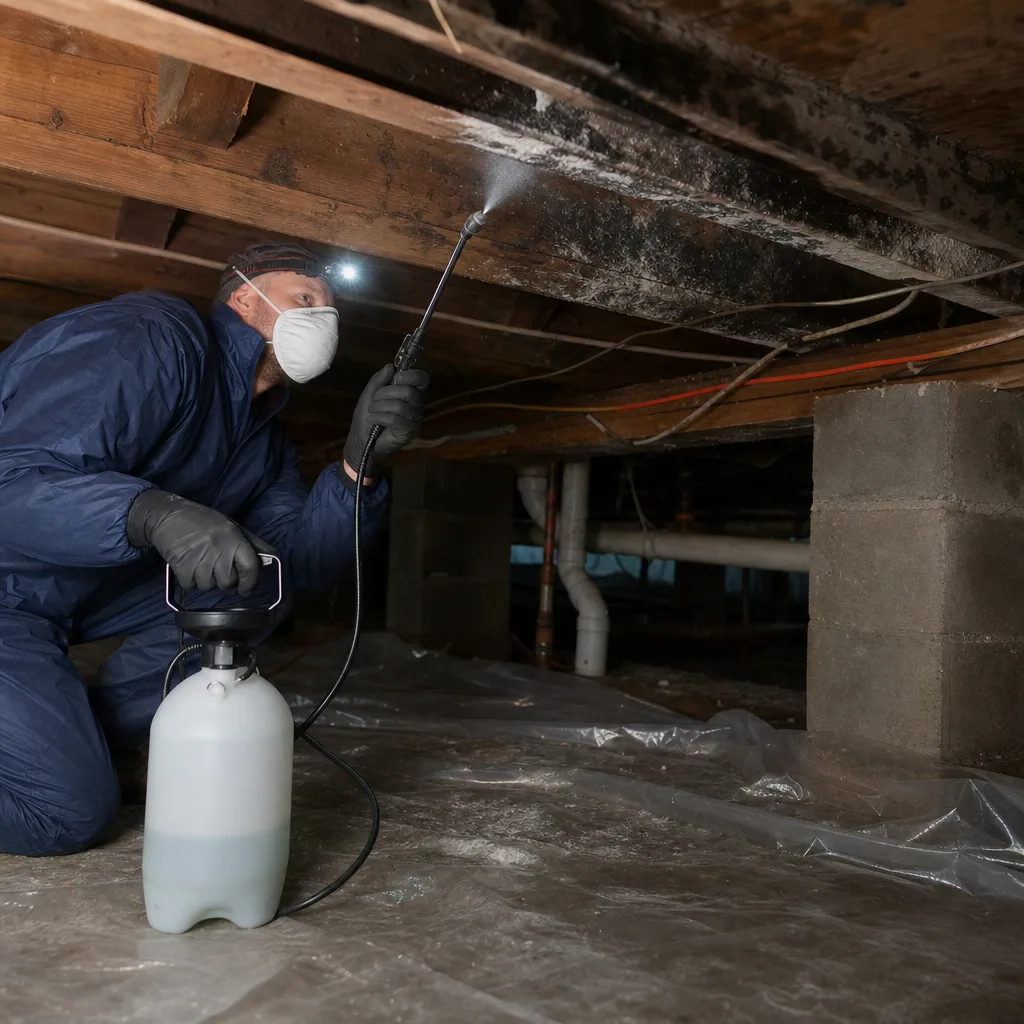
Structural Drying & Dehumidification
Extraction is step one. Drying the structure is where the real work happens. We place Dri-Eaz dehumidifiers and XPOWER air movers in a layout calculated for your room volume and materials. Old plaster, wood lath, and masonry dry slower than drywall and need patience. We take daily moisture readings and give you the log. If it’s not dry, we don’t leave.
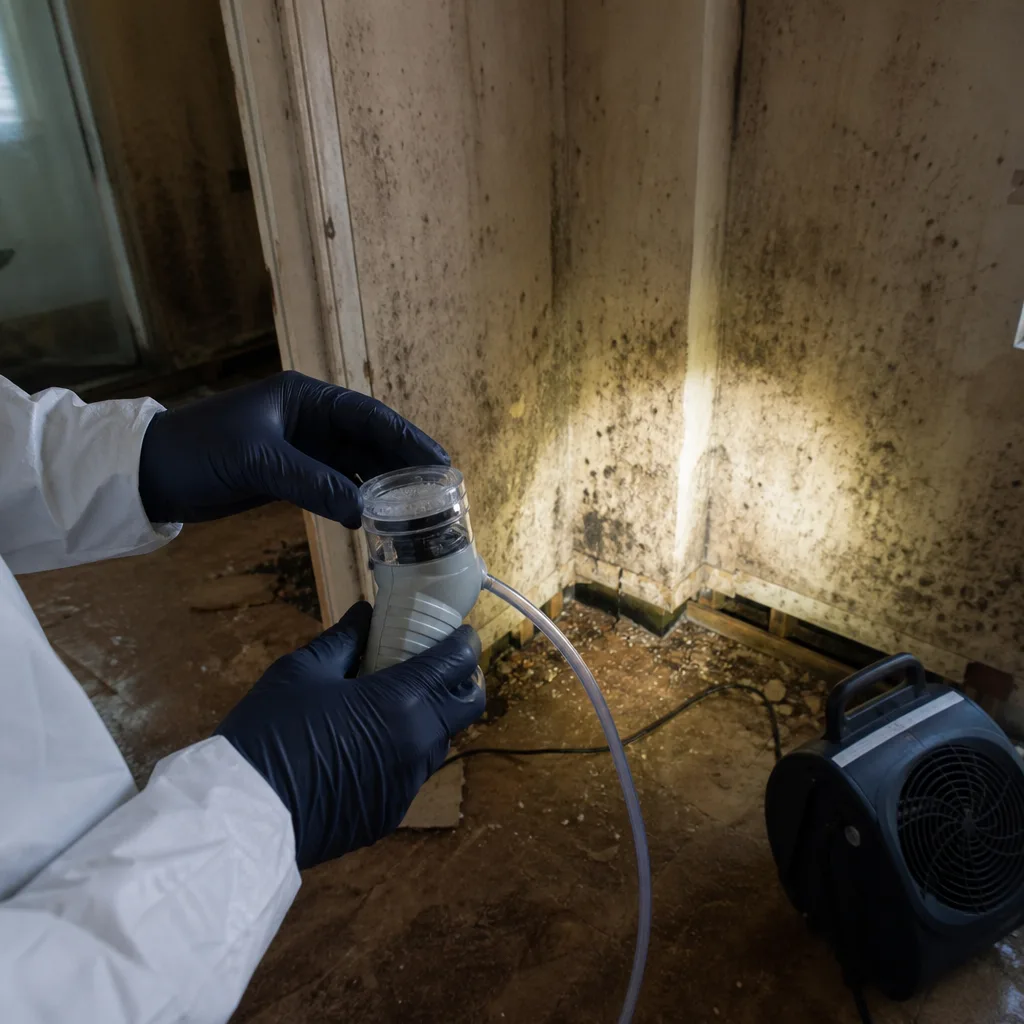
Flood Cleanup
Richmond Hill’s southern sections sit in FEMA flood zones that caught significant water during Sandy, and the combined sewer system still backs up during heavy rain events. Flood cleanup here means Category 3 water, which carries sewage and pathogens. We set containment, remove contaminated materials, sanitize, and dry. This is not a job for a shop vac.
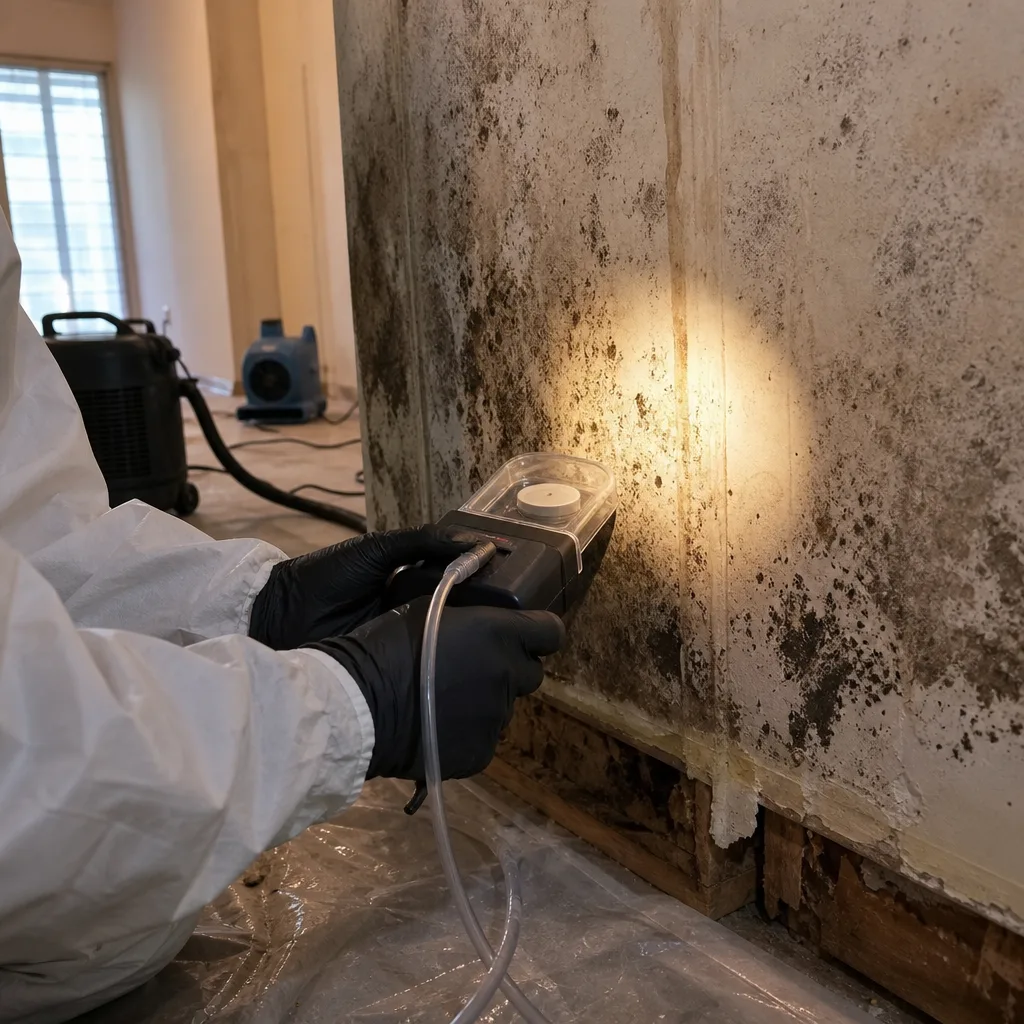
Burst Pipe Restoration
Most burst pipe calls in Richmond Hill involve original galvanized supply lines that have finally corroded through. The water damage is often extensive by the time anyone notices, and in attached homes, it’s already through the party wall. We handle the full restoration: extraction, drying, plaster repair, flooring, and coordination with your neighbor’s insurance if needed.
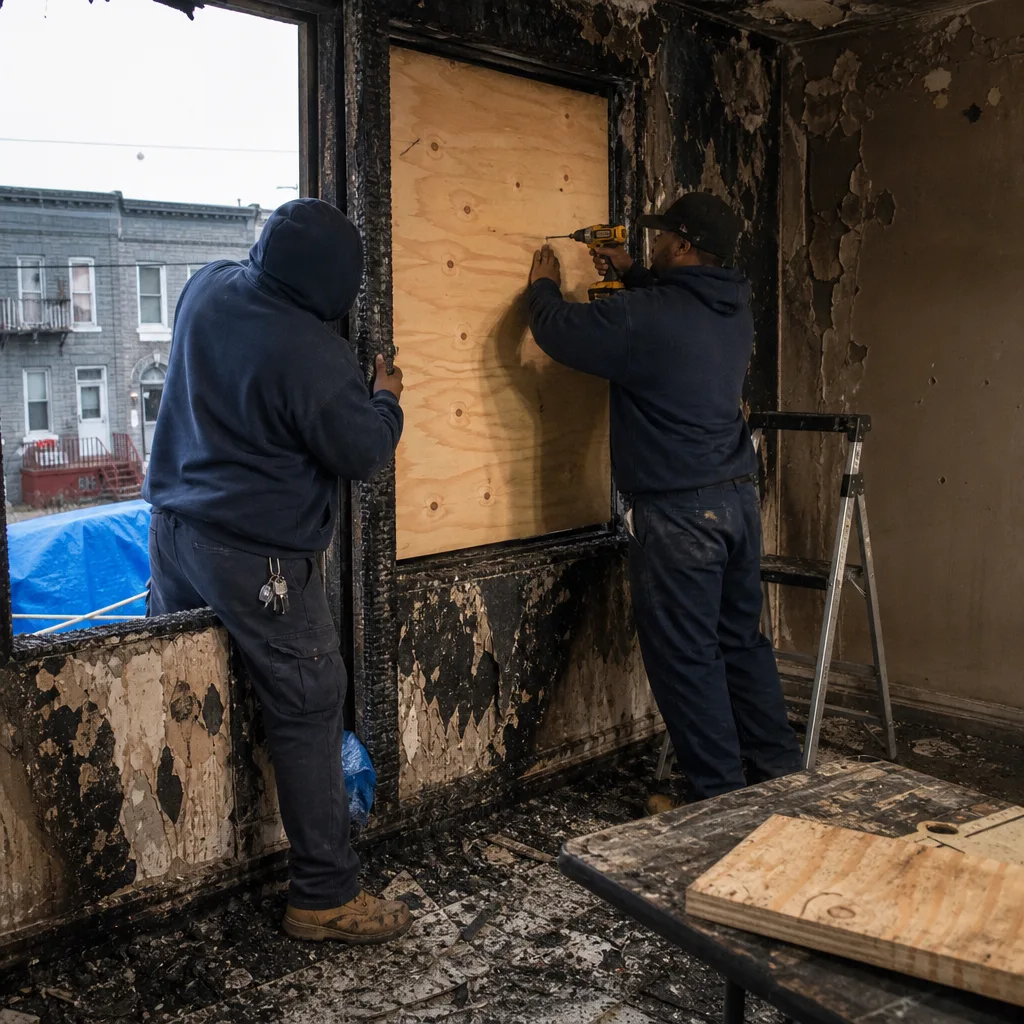
Basement Water Removal
Richmond Hill basements flood from three sources: sewer backups during heavy rain, groundwater seepage through old fieldstone or brick foundations, and burst supply lines. We identify the source, remove the water, dry the space, and tell you honestly what needs to happen to keep it from happening again. Sometimes that’s a sump pump. Sometimes it’s a backwater valve. Sometimes it’s a re-pipe.
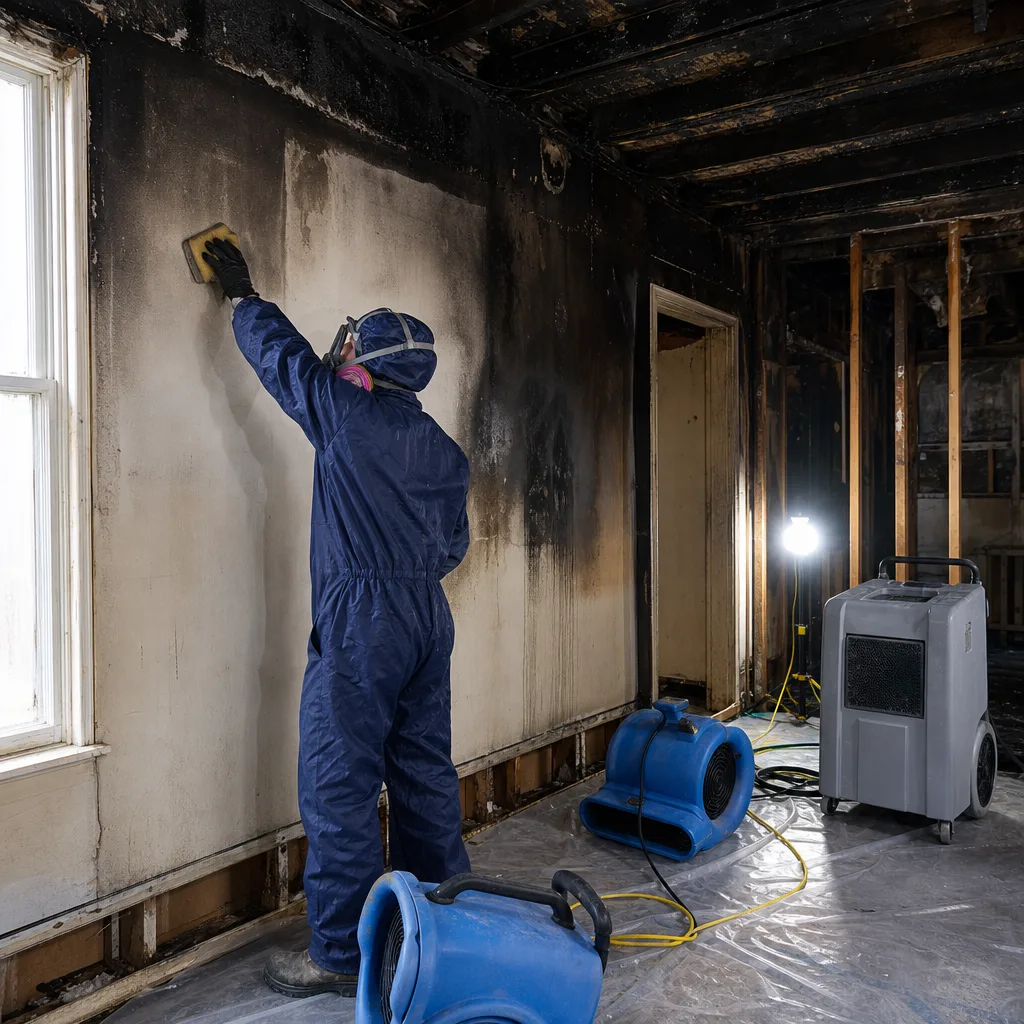
Ceiling & Roof Leak Water Damage
A roof leak in a Richmond Hill row house often runs through multiple floors before anyone sees the stain on the ceiling below. By the time it shows, the damage is already done inside the wall cavity. We dry the affected materials, map the moisture path, and repair the finishes, coordinating with your roofer if needed.
What happens when you call
- 1
A real person answersNo phone trees - you reach a local pro.
- 2
You get an upfront price rangeHonest numbers before anyone is dispatched.
- 3
A background-checked tech heads outLicensed & insured, dispatched right away.
- 4
You approve before work beginsNothing starts until you say go.
Water Damage Restoration Costs in Richmond Hill, NY
Water damage restoration in Richmond Hill runs a wide range because the scope depends entirely on what got wet, for how long, and what category of water we’re dealing with. A straightforward Category 1 extraction and drying in a small basement typically runs $1,800 to $3,200. A Category 3 sewer backup involving containment, removal of contaminated materials, and full sanitization lands between $4,000 and $8,000. When party walls are involved and we’re drying both sides of an attached row house, you’re looking at $6,000 to $12,000 across the two claims.
What moves the price: the water category, whether structural wood or plaster needs replacement, how long the water sat before we arrived, and whether permits are required for multi-unit work. Insurance covers most of these costs when the loss is sudden and accidental, which is why we document everything from hour one. The free visual inspection gives you a firm, written scope before you commit to anything. Call (363) 300-2771 and we’ll tell you exactly what you’re looking at.
We Also Serve Cities Near Richmond Hill
We serve Water Damage Restoration in Richmond Hill and surrounding communities including Ozone Park, Woodhaven, South Ozone Park, and Howard Beach. Crews are stationed throughout the area, and our response time doesn’t change at the neighborhood line.
Serving Richmond Hill, NY - Our Local Coverage Area
We’re based in the Richmond Hill area and know this community well. Use the map below to see our service coverage - if you’re nearby, we can almost certainly help.
Richmond Hill Water Damage Restoration Questions, Answered
If my Richmond Hill row house has water damage, does my neighbor’s insurance have to get involved?
If water from your unit has wicked through the shared party wall and damaged your neighbor’s plaster, flooring, or belongings, their insurance typically covers their side, and yours covers your side. The key is documentation. We map moisture on both sides of the wall, produce separate drying logs for each property, and coordinate with both carriers. Failing to document both sides upfront is how disputes start.
Why does my Richmond Hill basement keep flooding even after a minor rainstorm?
The most common cause in Richmond Hill is the combined sewer system. During heavy rain, stormwater and sewage share the same pipes, and the system backs up into the lowest drains, which are usually in your basement. Some properties also have old fieldstone foundations that let groundwater seep in. The fix depends on the cause: a backwater valve for sewer backups, a sump pump for groundwater, or both. Call us and we’ll tell you what you’re actually dealing with, and what it’ll cost to fix.
Can my original horsehair plaster walls be saved after a burst pipe?
In most cases, yes. Horsehair plaster can survive water exposure if it’s dried correctly, which means controlled airflow and gradual moisture reduction. Aggressive drying with too much heat or air movement can cause the plaster to wash off the wood lath. We have experience with Richmond Hill’s pre-WWI plaster and we adjust our drying protocols accordingly. Where the plaster is too far gone, we match the original texture and finish as closely as possible.
What is the difference between Category 1 and Category 3 water in a Richmond Hill sewer backup?
Category 1 water is clean, like a burst supply line. Category 3 water is grossly contaminated, carrying sewage, bacteria, and pathogens. A sewer backup is almost always Category 3. That means containment, antimicrobial treatment, and disposal of porous materials like carpet, drywall, and insulation that can’t be fully sanitized. Call us at (363) 300-2771 and we’ll assess what category you’re dealing with.
Do I need a DOB permit to dry out my two-family Richmond Hill home after a leak?
For pure drying work, typically not. But if the job involves structural repairs, electrical changes, or work in a multi-unit building that triggers DOB oversight, permits come into play. We know the DOB requirements for Richmond Hill’s attached and two-family housing stock, and we handle the paperwork. Unpermitted work catches up with you when you sell or refinance.
How fast can someone actually get here?
We target a 45-minute arrival in Richmond Hill. Crews are stationed locally and on call around the clock. When you call (363) 300-2771, a live person picks up. Not an answering service. Not a callback queue.
Will insurance cover my water damage restoration?
If the loss is sudden and accidental, most homeowner policies cover water damage restoration. Sewer backups often require a specific endorsement, which many Richmond Hill homeowners didn’t know they needed until the water showed up. We document everything from the first hour and present your claim in the format carriers accept. We’ll bill your insurer directly and coordinate with the adjuster.
What should I do in the first 30 minutes after discovering water damage in Richmond Hill?
Shut off the water source if you can do it safely. Kill power to affected areas at the breaker. Move what you can to dry ground. Take photos for your records. Then call us. Don’t wait until morning. In attached row houses, the water is already moving through the party wall.
Written by Wade Ferris, Owner at Wade’s Restoration, serving Richmond Hill since 2007.