
Free visual inspection and a written scope of work before any mitigation begins - photos, moisture readings, and drying logs go in your claim file
The scope we write is the scope we bill. Anything new gets shown to you, in writing, before we touch it.
 Before
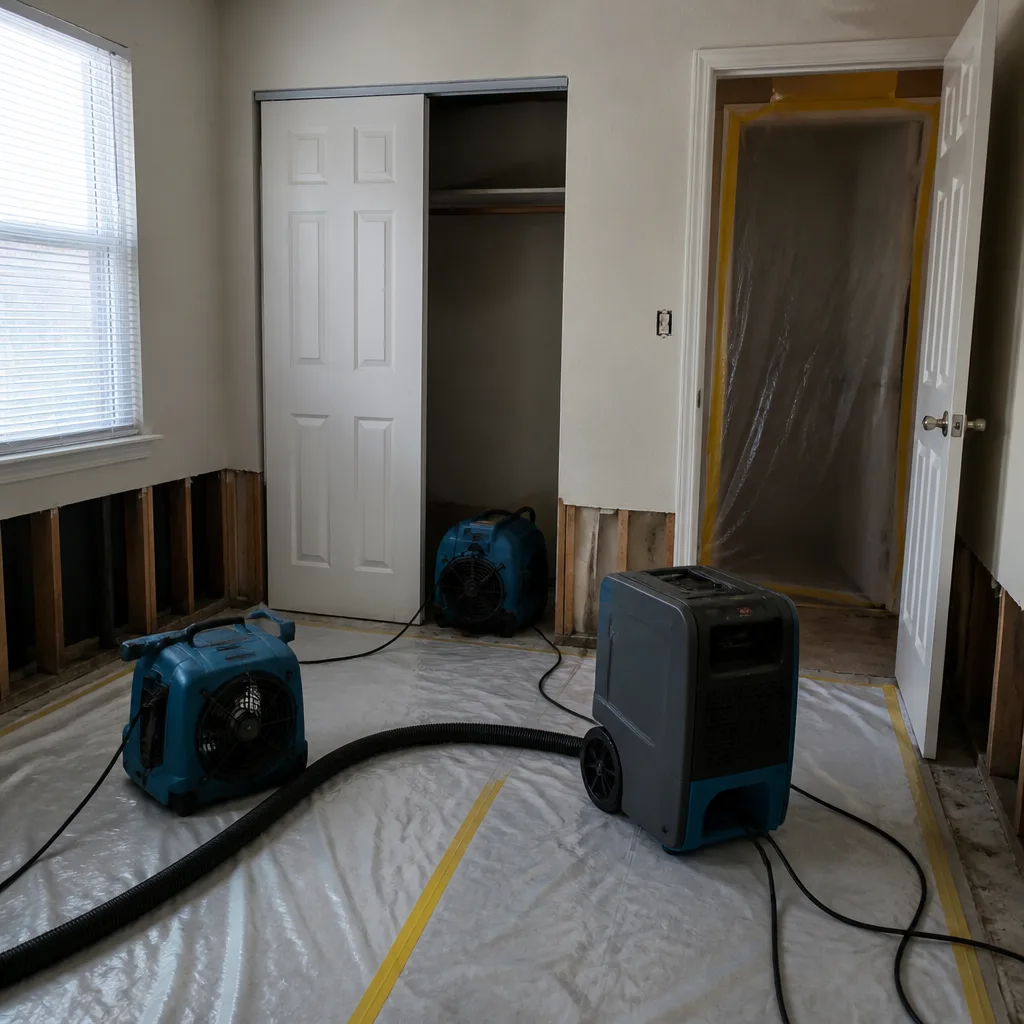 After
After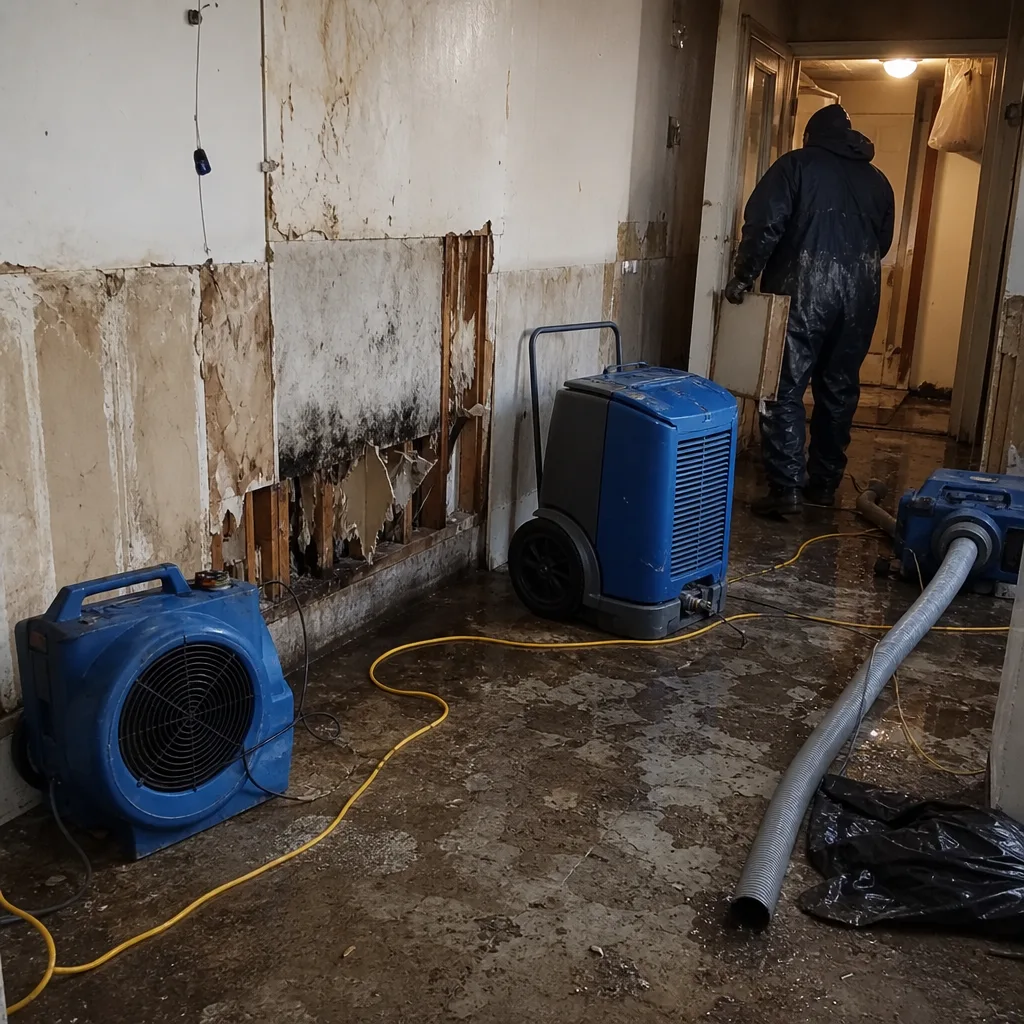 Before
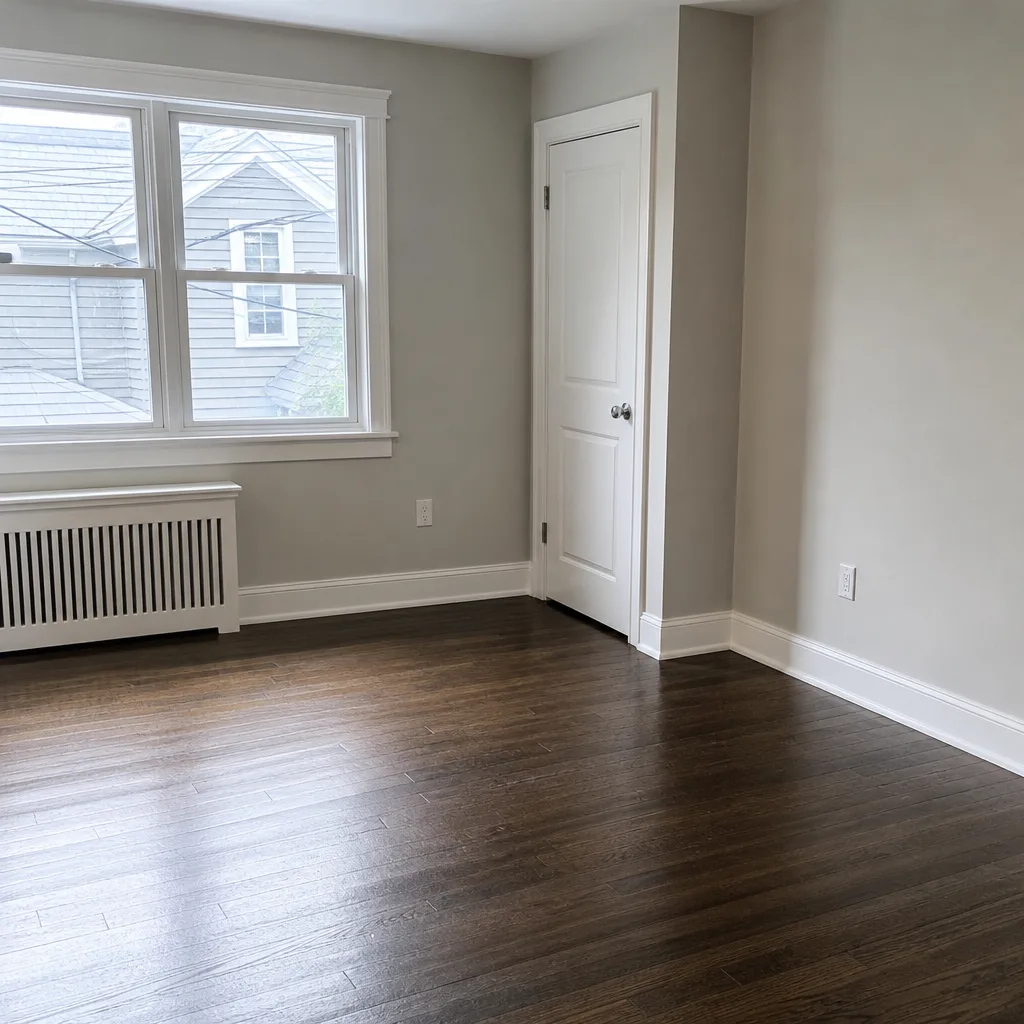 After
After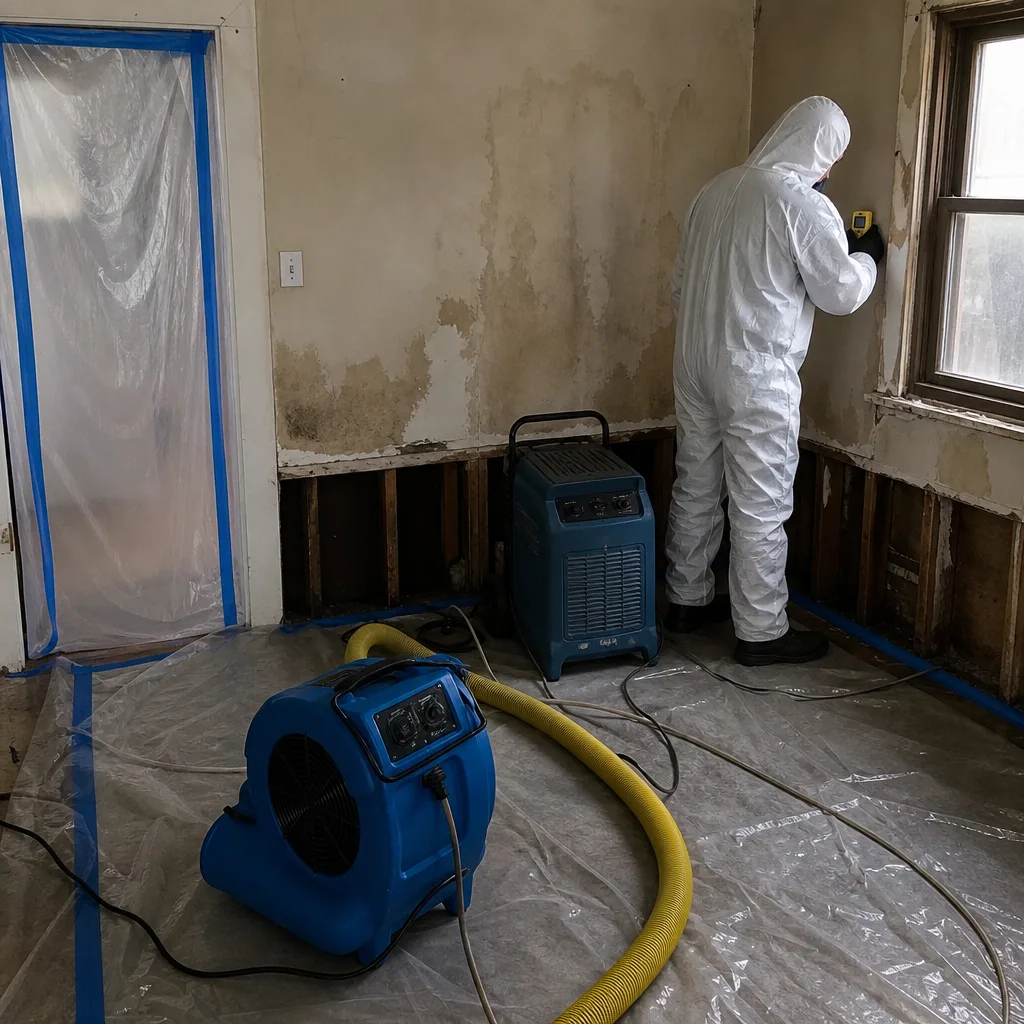 Before
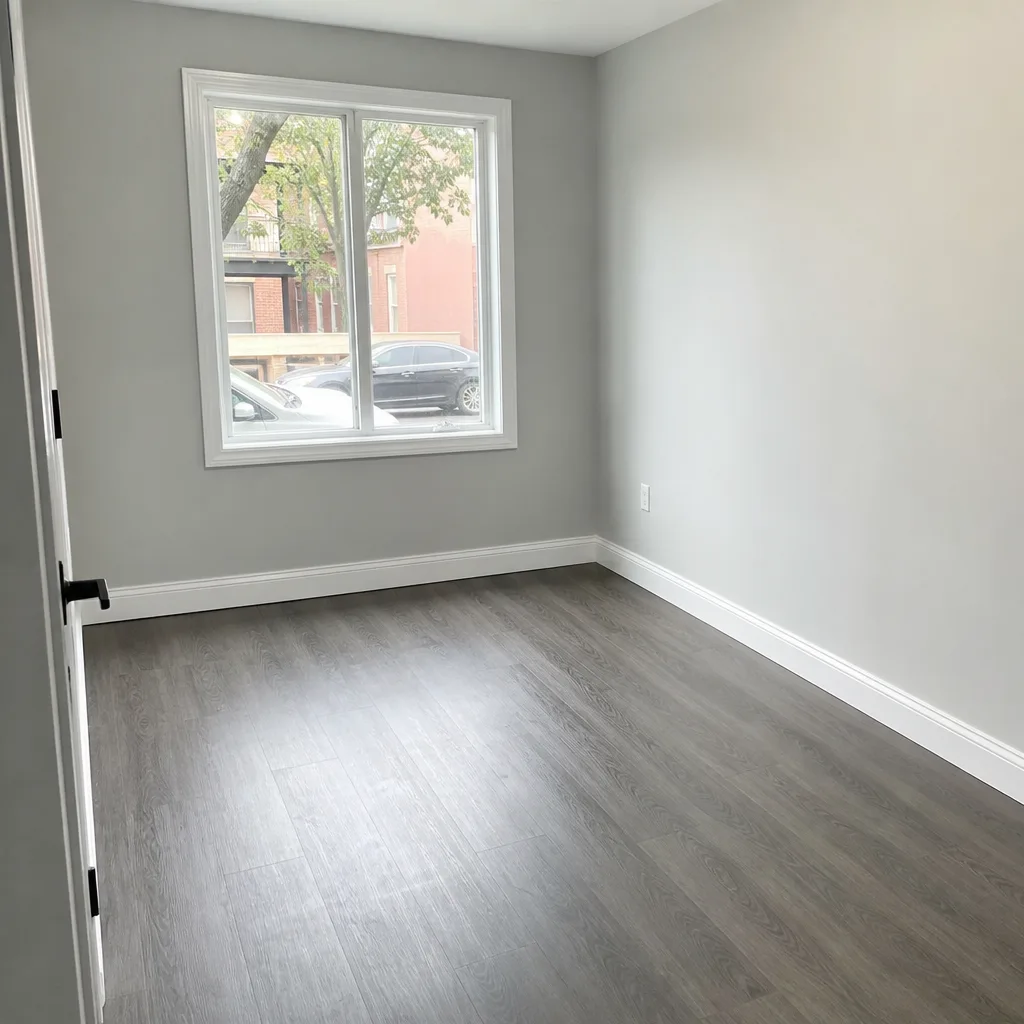 After
After24/7 Emergency Fire & Smoke Damage Restoration in Corona
If you’ve had a fire in Corona, the smoke is already working its way through walls, joist bays, and ductwork while you read this. Fire & Smoke Damage Restoration in Corona means getting someone on site fast, because soot turns from a dusting into an etched, corrosive film within hours, and smoke odor that’s allowed to sit for days can become permanent. Call Wade’s Restoration at (363) 300-2771 right now and Wade or his crew will be on the road to your block. He answers his own phone, 24 hours a day, and he’ll give you a straight answer about what he’s seeing before he ever asks for a signature.
The first hour after a fire in Corona matters on these blocks. Densely packed row houses off Roosevelt Avenue, Junction Boulevard, and Northern Boulevard mean smoke from your kitchen fire can already be in your neighbor’s unit through shared wall cavities. Wade’s Restoration has been running fire jobs in Corona long enough to know that the real scope of a loss here is rarely confined to one address. That’s why we arrive fast, walk the boundary walls, and document what we find before containment goes up. The sooner we start, the less this costs you, and the less likely your adjuster will be fighting a claim from the attached unit next door three weeks from now.
Understanding Fire & Smoke Damage Restoration Severity in Corona Properties
Not all fire damage is equal, and Corona’s housing stock makes severity harder to assess than in a detached suburban home. We categorize smoke residue by type: dry smoke from fast-burning paper and wood leaves a fine, powdery soot that’s comparatively simple to lift. Wet smoke from smoldering synthetics, upholstery, and plastics produces a sticky, smeary residue that requires aggressive chemical cleaning and usually means more contents are unsalvageable. Protein smoke from a kitchen fire on Roosevelt Avenue is nearly invisible but clings to every surface and carries an odor that persists for weeks without proper thermal fogging or ozone treatment.
In Corona’s pre-war attached brick row houses from the 1920s through the 1950s, smoke travels like water. Shared attic spaces, common masonry party walls, and decades of informal basement conversions all create channels for soot migration that a detached-home crew would never think to check. We routinely find elevated soot readings in a neighbor’s finished basement when the fire was two doors down. That means severity classification here isn’t just about what burned. It’s about where the smoke went, and in Corona, it almost always went somewhere you didn’t expect.
Why Corona Property Owners Choose Wade’s Restoration
- 45-minute response commitment: From the moment you call, Wade is on the road. He knows Corona’s blocks, and he gets to your door before the insurance company picks up the phone.
- 24/7 live answer, always a real person: No automated trees, no call center. You call, Wade answers, and he is the one who shows up or sends the crew he trained himself.
- IICRC-certified crews: Wade holds the FSRT (Fire and Smoke Restoration Technician) designation, and his crew follows IICRC S700 fire damage and S500 water damage standards on every job, whether it’s a small kitchen fire or a multi-unit row house loss.
- Free visual inspection, written scope first: Wade walks the loss with you, explains what he sees, and puts the scope in writing before any work begins. No pressure, no upsell, no obligation.
- Direct insurance billing: Wade deals with your adjuster directly, sends the photos, the moisture readings, the line-item scope, and handles the back-and-forth so you don’t have to be the messenger between two parties.
- One team from emergency to rebuild: We board up on day one, clean and deodorize through the middle, and run the structural repairs ourselves. You don’t get handed off to a subcontractor you’ve never met.
Our Fire & Smoke Damage Restoration Process
Inspection & Assessment
We walk the entire structure, including the adjacent unit when walls are shared, and use thermal imaging to find heat and smoke pathways you can’t see. On a tight block off 37th Avenue, we map soot deposition room by room before any equipment is placed.
Stabilization & Board-Up
We secure the property immediately with board-up and tarping, because a fire-damaged row house in Corona with an open window or compromised roof becomes a liability block-wide. This also prevents further weather damage and keeps out anyone who shouldn’t be inside.
Water Extraction & Drying
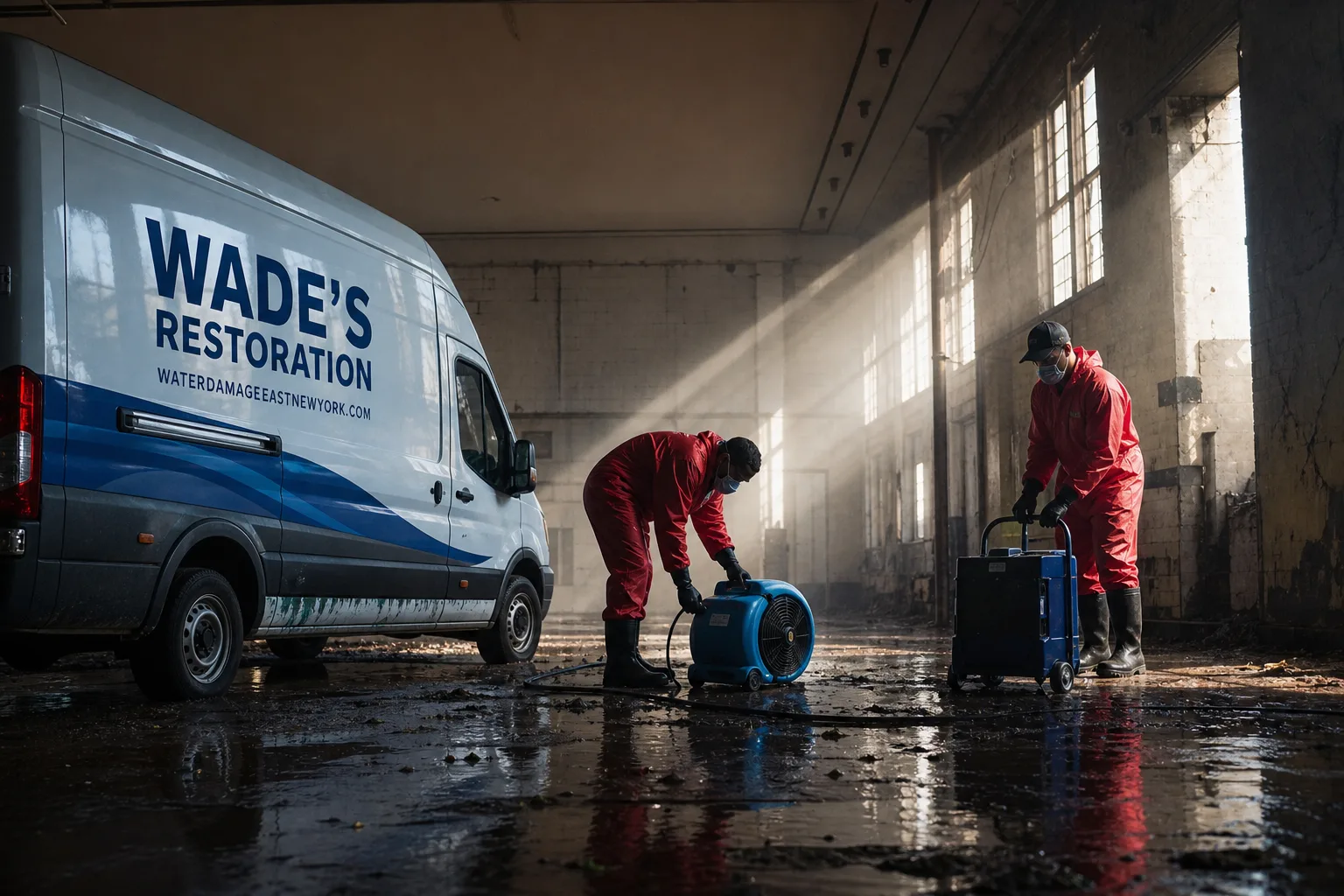
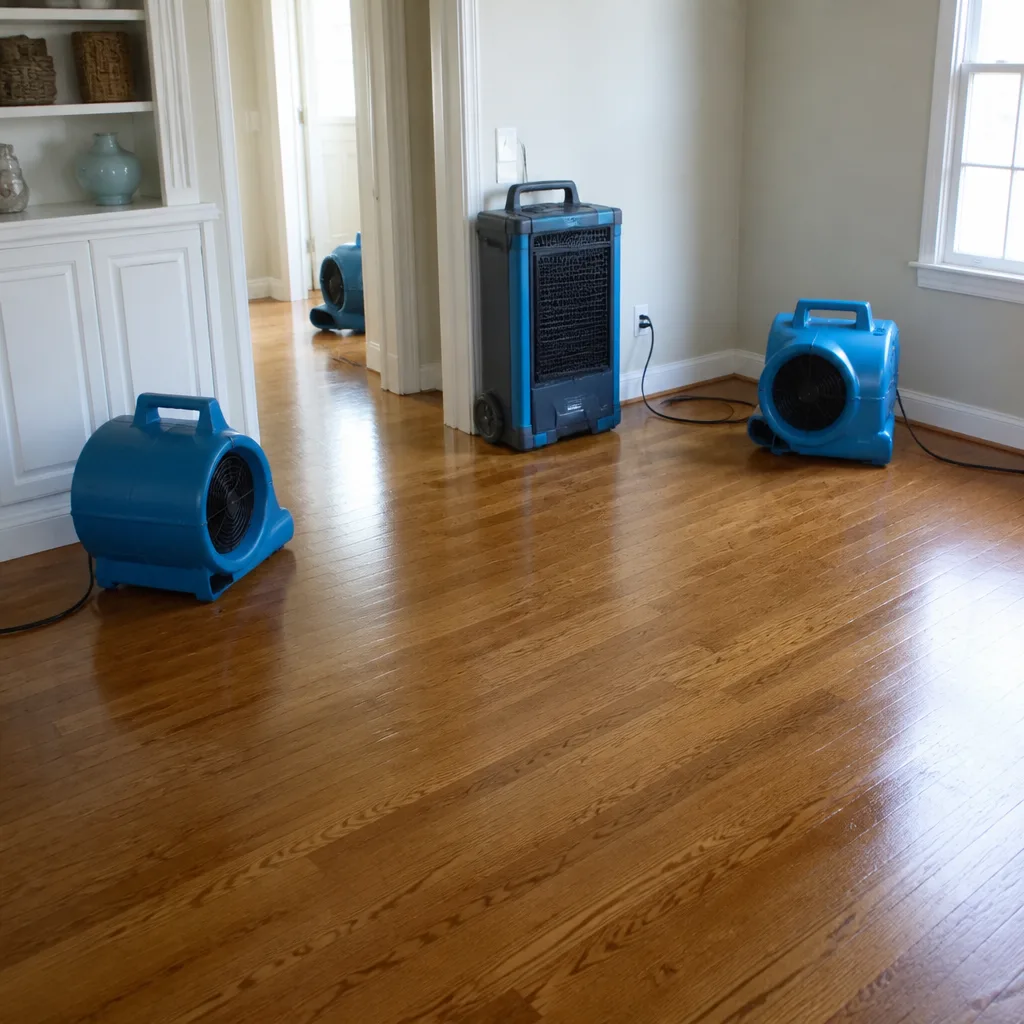
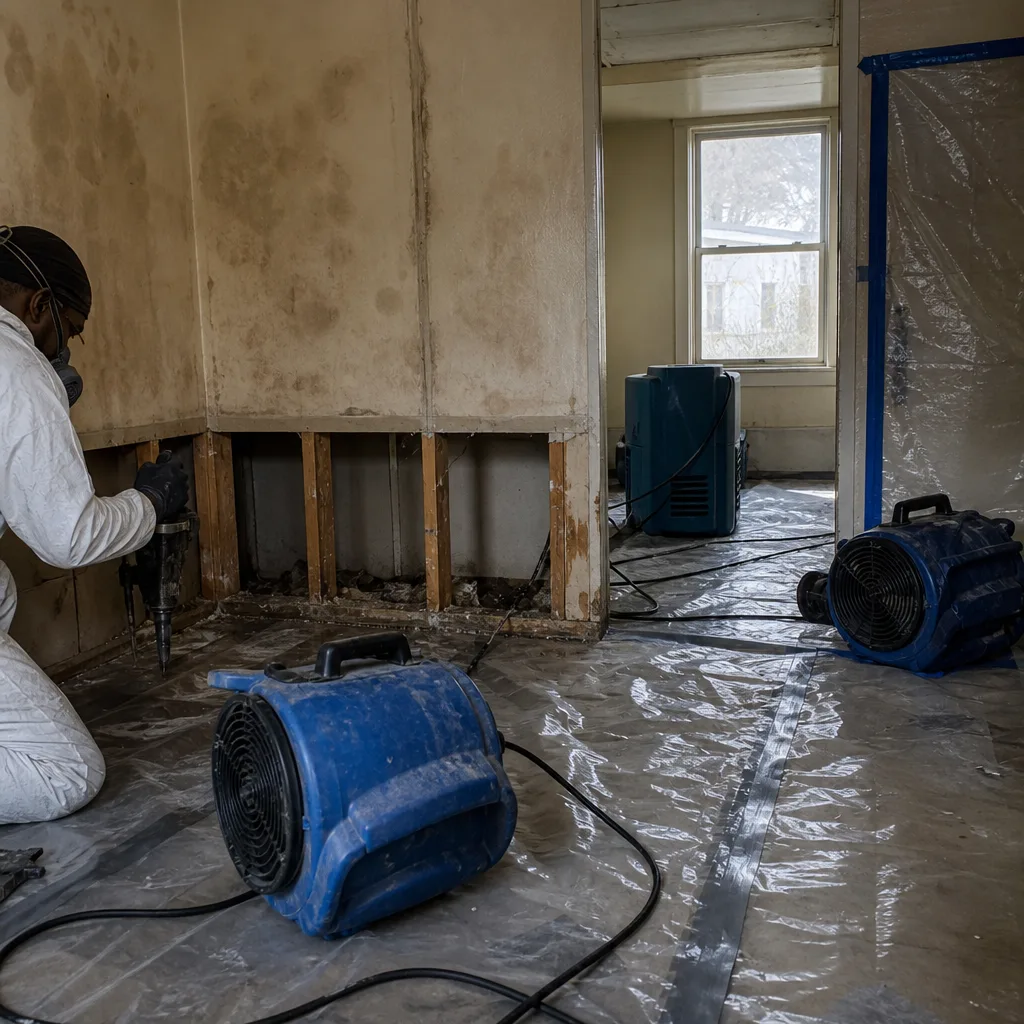
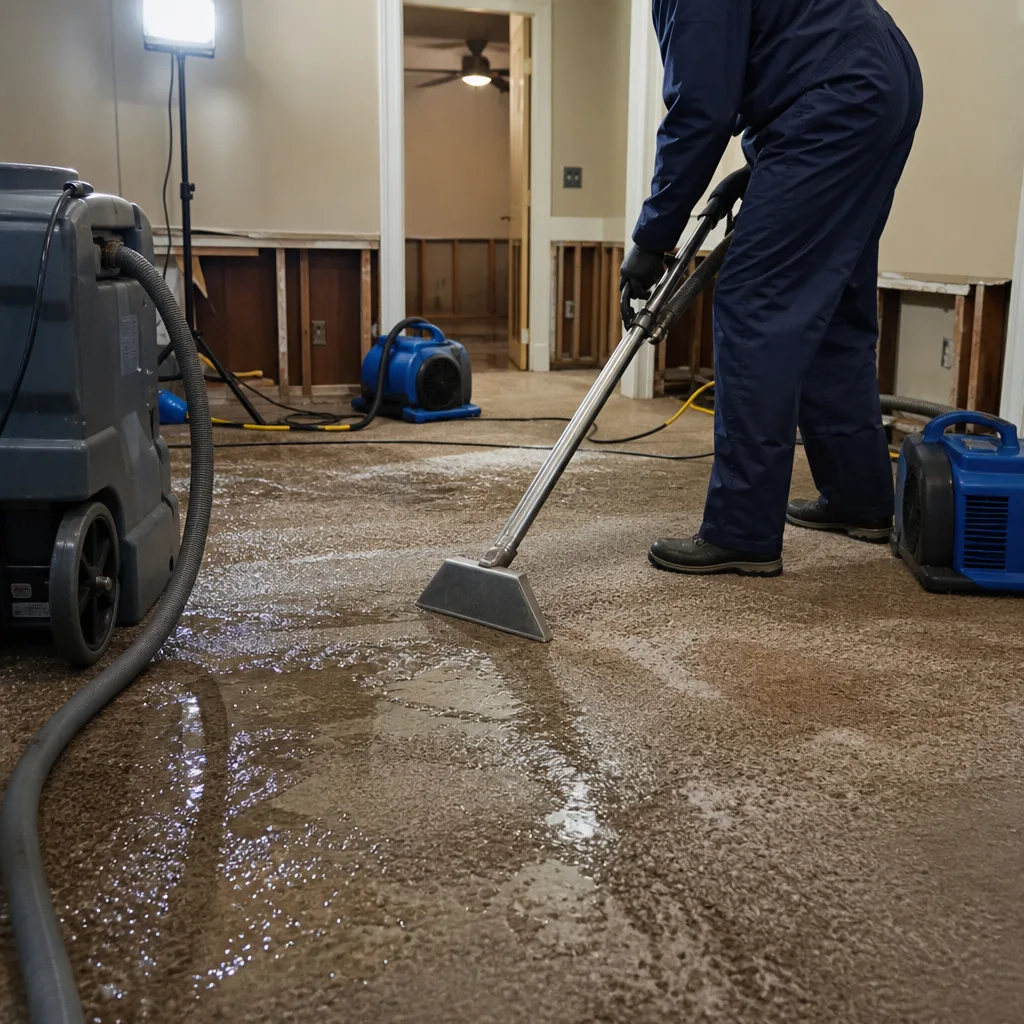
Fire suppression water is often the hidden cost of a fire. We use Dri-Eaz and Phoenix air movers, dehumidifiers, and hygrometers to dry everything that got soaked, including the masonry walls that hold moisture long after the surface looks dry.
Cleaning & Sanitization
HEPA vacuuming, dry and wet chemical sponge cleaning, and antimicrobial treatments remove soot residue from every surface. Contents are sorted on site: what we can clean, what goes to pack-out, and what’s a total loss, documented with photos for your carrier.
Odor Removal & Deodorization
In Corona’s attached housing, odor doesn’t respect property lines. We run HEPA air scrubbers with activated carbon filtration and use thermal fogging or ozone treatment where appropriate to neutralize smoke molecules, not just mask them. We treat the neighbor’s unit when the carrier requires it.
Repairs & Restoration
From drywall and flooring to structural framing and finish work, Wade’s crew rebuilds what the fire took. This is where the 90-Day Done Right Promise applies: if it’s not right, we make it right, in writing.
Need Emergency Fire & Smoke Damage Restoration in Corona Now?
Crews minutes away, answering live 24 hours a day. The sooner we start, the less it costs.
Working With Your Insurance Company
Fire claims in Corona are rarely single-policy events. When a kitchen fire in a 1930s attached brick row house pushes smoke into the neighbor’s unit, you’re now dealing with two homeowners, two carriers, and one shared wall. Wade has handled enough of these to know that the difference between a smooth claim and a three-month fight comes down to documentation from the first hour. He photographs everything before anything moves, logs moisture readings along the common parging line, and writes scopes that spell out what was damaged by fire, what was damaged by suppression water, and what was already in poor condition on a 90-year-old building. Then he talks to the adjusters directly, so you’re not caught translating between two insurance companies and your neighbor.
What We Provide Your Insurer
- Thorough documentation of the loss
- Photos of all damage, room by room
- Moisture readings and drying logs
- A detailed, line-item scope of work
- Direct coordination with your carrier
Built for Corona’s Loss Calendar
Fire season in Corona doesn’t follow a clean annual schedule. Winter brings space heaters running overloaded circuits in pre-war row houses that still have original knob-and-tube wiring in spots, and cooking fires spike around holidays when kitchens are working harder than they have all year. Summer is thunderstorm season, and with Corona’s flat topography and NYC’s combined sewer system, a lightning strike can knock out power to a block, leaving candles and generators running in basements that were never ventilated for them. Nor’easters in the fall and spring take down limbs and power lines, and aging building systems do the rest.
The common thread here is that most Corona fires start in kitchens, and most of the damage after the fire is water. The FDNY does what they have to do to stop the fire, and that means a lot of water in a building where the basement may be a converted rental unit with sheetrock and laminate floors that were never permitted. Wade’s Restoration plans for that reality on every job: we photograph the pre-loss condition as best we can, document all fire suppression water damage separately from fire damage, and work the claim the way an adjuster actually reads it.
Fire & Smoke Damage Restoration Across Corona’s Neighborhoods
Corona is not one neighborhood. It’s a grid of blocks with distinct building patterns, and emergency response routes change block by block. Along Junction Boulevard, we deal with commercial storefronts below residential units, which means a fire in a ground-floor kitchen can put smoke into apartments above through the same chase that carries plumbing and electrical. Response there means coordinating with a landlord, a commercial tenant, and residential tenants, all with different insurance interests.
East of 111th Street toward Flushing Meadows, the attached brick row houses along 34th and 35th Avenues share masonry party walls that are nearly a century old, and smoke travels through those walls in ways that surprise even experienced adjusters. We treat every job there as potentially two-unit. West side blocks near Elmhurst have narrower lots, and some homes there are frame construction, which burns faster and leaves different soot patterns than brick. Over by Northern Boulevard, mixed-use buildings with auto shops and bodegas on the ground floor create entirely different fire profiles, where chemical residues from oils and solvents complicate the cleaning chemistry. Knowing which block you’re on tells us what we’re walking into before we arrive.
Specialized Fire & Smoke Damage Restoration Services We Offer in Corona
Fire Damage Cleanup
We remove charred building materials, clean soot from every surface, and salvage what can be saved. Corona’s attached homes mean we’re often cleaning shared basement walls and attic spaces too, not just your interior.
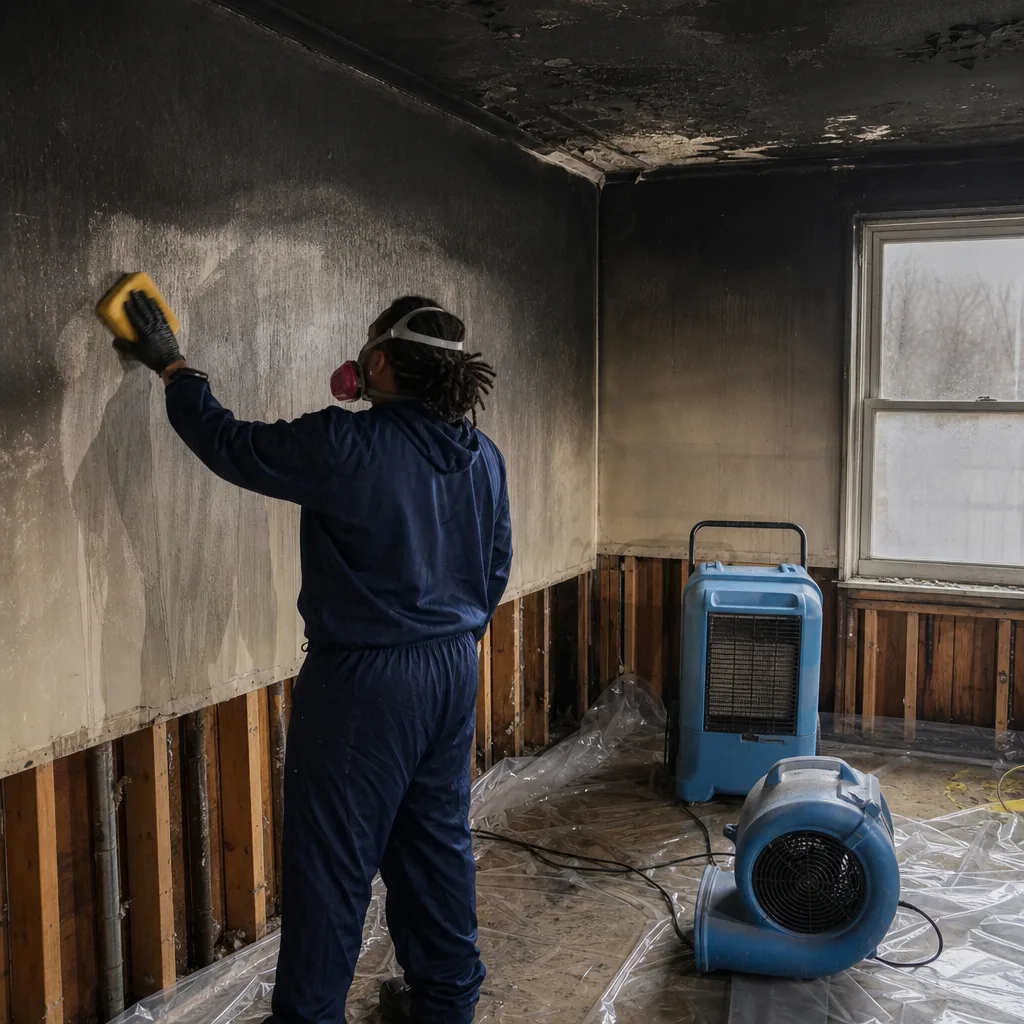
Smoke & Soot Removal
Soot etches glass, corrodes metal fixtures, and permanently stains painted surfaces if left too long. We use chemical sponges, HEPA vacuums, and solvent cleaning specific to the residue type on your walls and ceilings. In row houses, we check vents and ductwork because smoke moves through those channels just as fast as it moves through wall cavities.
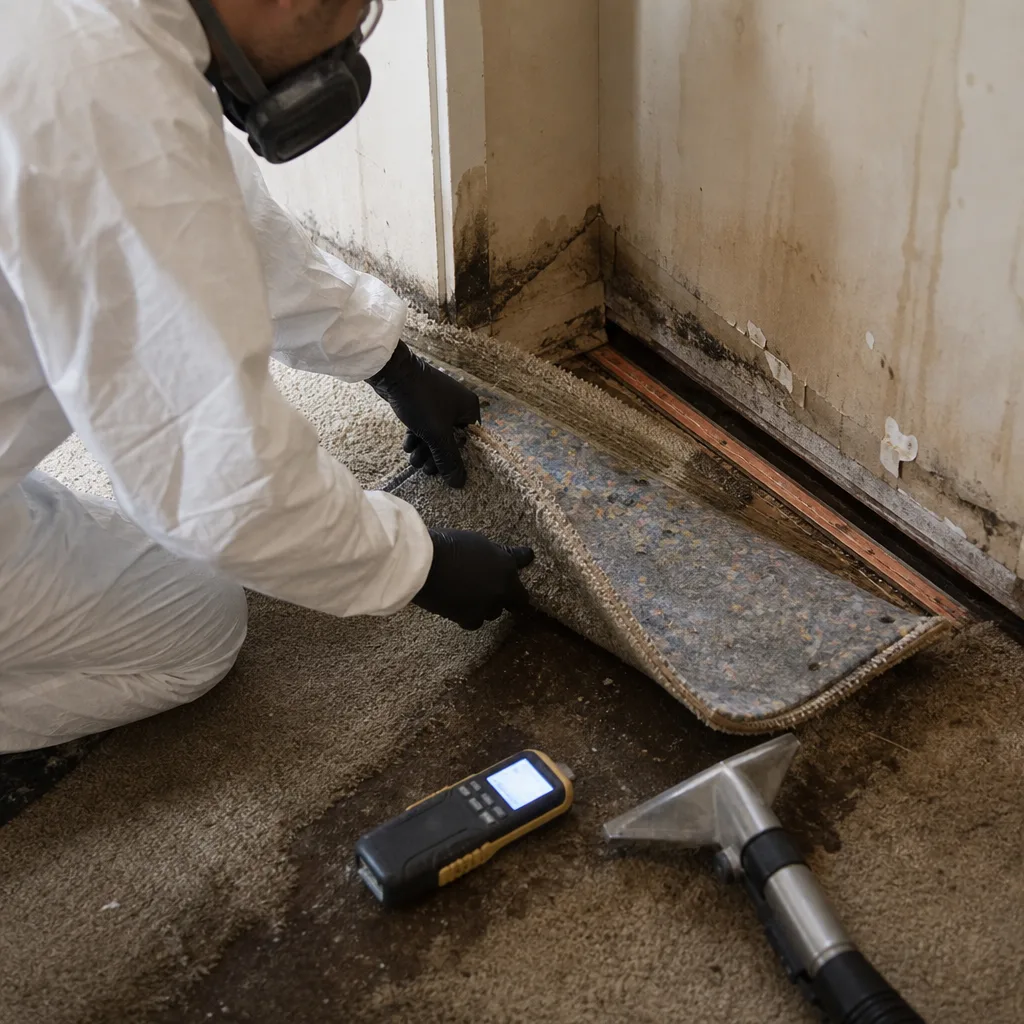
Odor Removal & Deodorization
This is where we spend the most time in Corona’s attached housing. Smoke odor that embeds in shared masonry, old plaster, and basement finishes doesn’t go away by opening windows. We run HEPA air scrubbers from XPOWER with carbon filtration, use thermal fogging where the structural framing is exposed, and treat the adjacent unit when necessary. If there is an open chase between units on a block like 102nd Street, we will find it and close it.
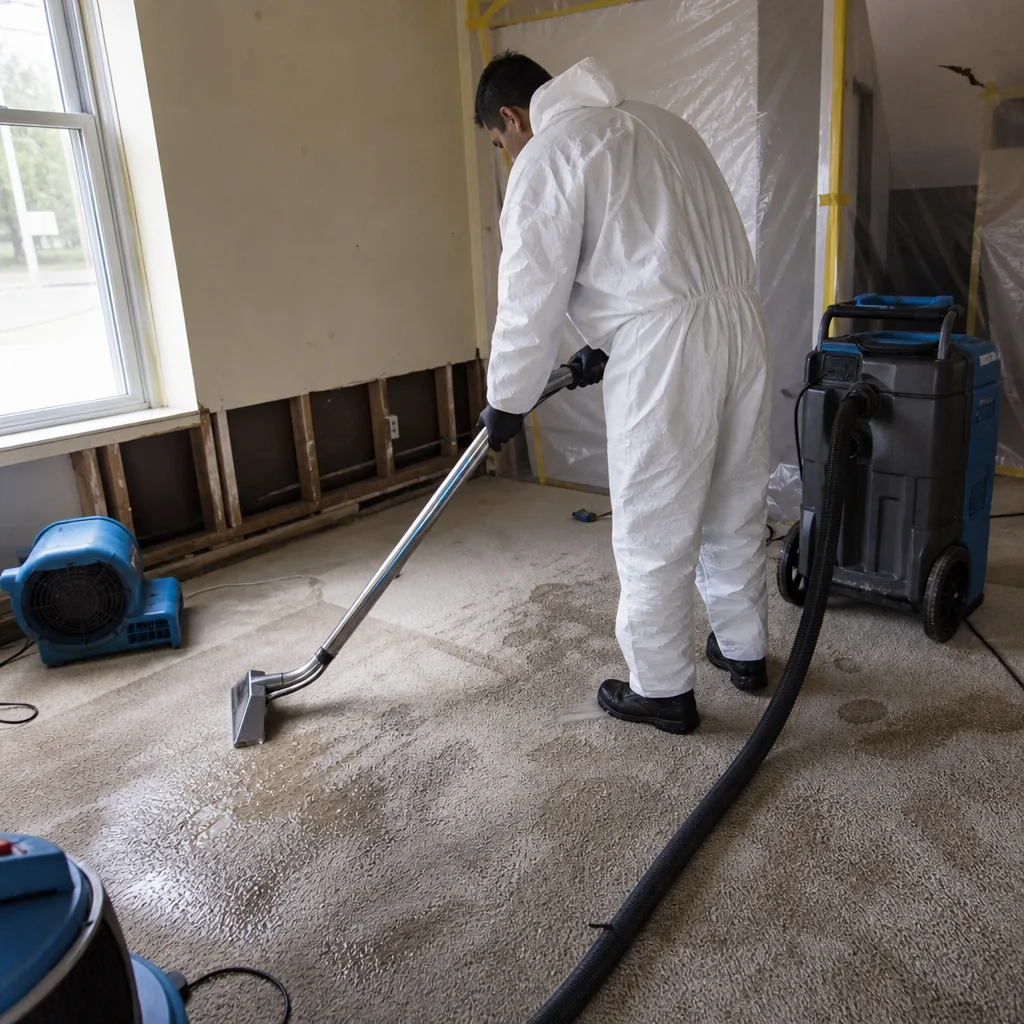
Contents Cleaning & Pack-Out
Your furniture, clothes, dishes, and electronics all carry smoke residue. We inventory everything, photograph it, pack it out to our cleaning facility when needed, and return what’s salvageable with a detailed list for your adjuster. On a Corona row house job, we’ve had contents from a second floor that looked fine until we opened drawers and found soot had worked into every crevice through the walls.
Emergency Board-Up & Tarping
A fire-damaged attached home in Corona is a security issue for the entire block. We board up broken windows, tarp the roof, and lock the property down within hours, so the building is safe, your neighbors aren’t exposed, and no one can get inside. This also stops rain from adding water damage to fire damage.
What happens when you call
- 1
A real person answersNo phone trees - you reach a local pro.
- 2
You get an upfront price rangeHonest numbers before anyone is dispatched.
- 3
A background-checked tech heads outLicensed & insured, dispatched right away.
- 4
You approve before work beginsNothing starts until you say go.
Fire & Smoke Damage Restoration Costs in Corona, NY
A small kitchen fire cleanup in a Corona row house, with soot cleaning and odor treatment in one or two rooms, typically runs $2,500 to $6,000. A moderate fire involving a full floor with smoke throughout the unit and some contents cleaning runs $8,000 to $18,000. A serious multi-room fire with structural damage, pack-out, and extensive odor mitigation easily reaches $25,000 to $60,000 or more, and when the adjacent unit is involved, each carrier pays its own portion based on wall-to-wall documentation. Emergency board-up alone runs $400 to $1,500 depending on how many windows and what roofing condition we’re dealing with. The variables are square footage, residue type, how long the smoke sat before we arrived, and whether the basement was a converted rental with unpermitted finishes, which changes the valuation conversation with your adjuster. Call (363) 300-2771 for a free visual inspection and Wade will put a real number in writing before any work starts.
We Also Serve Cities Near Corona
Wade’s Restoration runs crews throughout this part of Queens. We cover Elmhurst to the west, Ridgewood to the southwest, Richmond Hill to the south, and Woodhaven to the southeast. If your block is on the border of any of these, the same crews and the same 45-minute response commitment apply. Call and we’ll be there.
Serving Corona, NY - Our Local Coverage Area
We’re based in the Corona area and know this community well. Use the map below to see our service coverage - if you’re nearby, we can almost certainly help.
Corona Fire & Smoke Damage Restoration Questions, Answered
How does smoke from a Corona row house fire get into the attached neighbor’s unit, and what does that mean for my claim?
Smoke travels through shared wall cavities, attic spaces, basement chases, and any opening in the common masonry party wall, and in Corona’s 1920s through 1950s row houses, those openings are everywhere: electrical cutouts, plumbing channels, floor joist pockets. This means your neighbor’s unit may have soot and odor damage even if no flame ever touched it. What it means for your claim is that your carrier and the neighbor’s carrier now both have an interest in the same wall, and you need documentation of exactly where the smoke went before anyone starts cleaning, or you end up in a fight over who pays for what. Wade’s Restoration maps migration before containment goes up, so both carriers get the same facts at the same time.
Do I need to worry about Category 1/2/3 water after a kitchen fire in a Corona row house?
Yes. Fire suppression water starts as Category 1 (clean), but by the time it runs through a 1930s building’s framing, old plaster, accumulated dust, rodent debris, and fire residue, it’s contaminated enough to classify as Category 2, and if it sat in a basement that had sewage backup before the fire, it’s Category 3. We treat the water based on what it picked up on the way down, not what the firefighter’s hose delivered. Corona’s older housing stock makes Category 2 assumptions the safe default even when the source looked clean.
Will my neighbor’s insurance cover the smoke damage in my unit if the fire started in their Corona row house?
Usually yes, through their liability coverage, but only if the neighbor is legally liable, which means negligence has to be established, and that process can be slow and combative. In practice, the fastest path is often filing through your own policy and letting your carrier subrogate against the neighbor’s carrier. That’s a decision you should make with your adjuster, but having documented proof that the smoke came through the shared wall makes either path cleaner. We document boundary conditions on every Corona job where walls are shared, specifically because this question always comes up.
How do I handle a converted basement rental with fire damage when the tenant had unpermitted finishes in Corona?
This is one of the most common scope-of-work fights in Corona. Your adjuster may argue that unpermitted finishes aren’t covered, and your tenant may argue that their possessions and improvements were damaged by your fire. The resolution usually depends on what was documented before the loss, what can be shown to have been damaged directly by fire or suppression water, and what the lease says. Wade photographs the pre-loss condition as soon as he arrives, documents what was burned versus what was water-damaged versus what was already in poor shape, and writes the scope to separate those categories cleanly. That separation is what keeps the claim moving.
Why do restoration crews knock on neighbors’ doors before setting up containment on a Corona fire job?
Because in attached row houses, the neighbor’s wall is part of your job. We knock to check for smoke migration, moisture intrusion, or odor complaints before we seal anything off, because if we miss it, the neighbor discovers it a week later, and now you have a second claim, a second adjuster, and a neighbor who’s angry. On a block off Roosevelt Avenue, our crew knocked on the adjacent unit’s door after a kitchen fire and found elevated moisture along the common parging line, not from the fire itself but from the suppression water that had wicked through the historic masonry. We documented that boundary condition for both carriers, then ran HEPA air scrubbers on both sides while drying proceeded only where the parging stayed dry. That ten minutes at the neighbor’s door saved everyone involved weeks of fighting.
How fast can someone actually get to my Corona home after I call?
Wade’s response commitment is 45 minutes, and in Corona, he’s often faster because our dispatch is coordinated from the New York City office and we know the streets. Call (363) 300-2771 and a real person answers, right then. No queue, no answering service, no “we’ll have someone call you back.” If it’s an emergency, Wade heads out himself.
Can I stay in my Corona home during fire damage restoration?
That depends on the extent of the fire, the amount of water used to put it out, whether structural framing was compromised, and whether smoke penetrated your living spaces. If the damage is contained to one room and there’s no electrical hazard, you can often stay with proper containment and air filtration running. If there’s widespread smoke odor, open framing, or a basement with electrical concerns, you may need to relocate temporarily. Your carrier typically covers additional living expenses in that scenario. Wade will tell you straight what he’d tell a neighbor, and the decision is yours.
What should I do in the first 30 minutes after a fire in Corona?
Call (363) 300-2771 first, because the cleanup clock starts the moment the fire is out, and soot becomes more difficult to remove with every hour. Don’t touch anything, don’t wipe surfaces, and don’t turn on your HVAC system, because air movement pushes soot and odor into rooms that weren’t affected yet. If you have to enter, wear a mask and gloves, and limit your time inside. Take photos from the doorway, then let us do the walkthrough. The most expensive mistakes we see are homeowners “cleaning up” before the adjuster arrives, which can actually spread contamination and undermine the claim.
Written by Wade Ferris, Owner at Wade’s Restoration, serving Corona and the surrounding Queens neighborhoods since 2007. Call (363) 300-2771 any time, day or night, and you’ll get Wade himself.