
Free visual inspection and a written scope of work before any mitigation begins - photos, moisture readings, and drying logs go in your claim file
The scope we write is the scope we bill. Anything new gets shown to you, in writing, before we touch it.
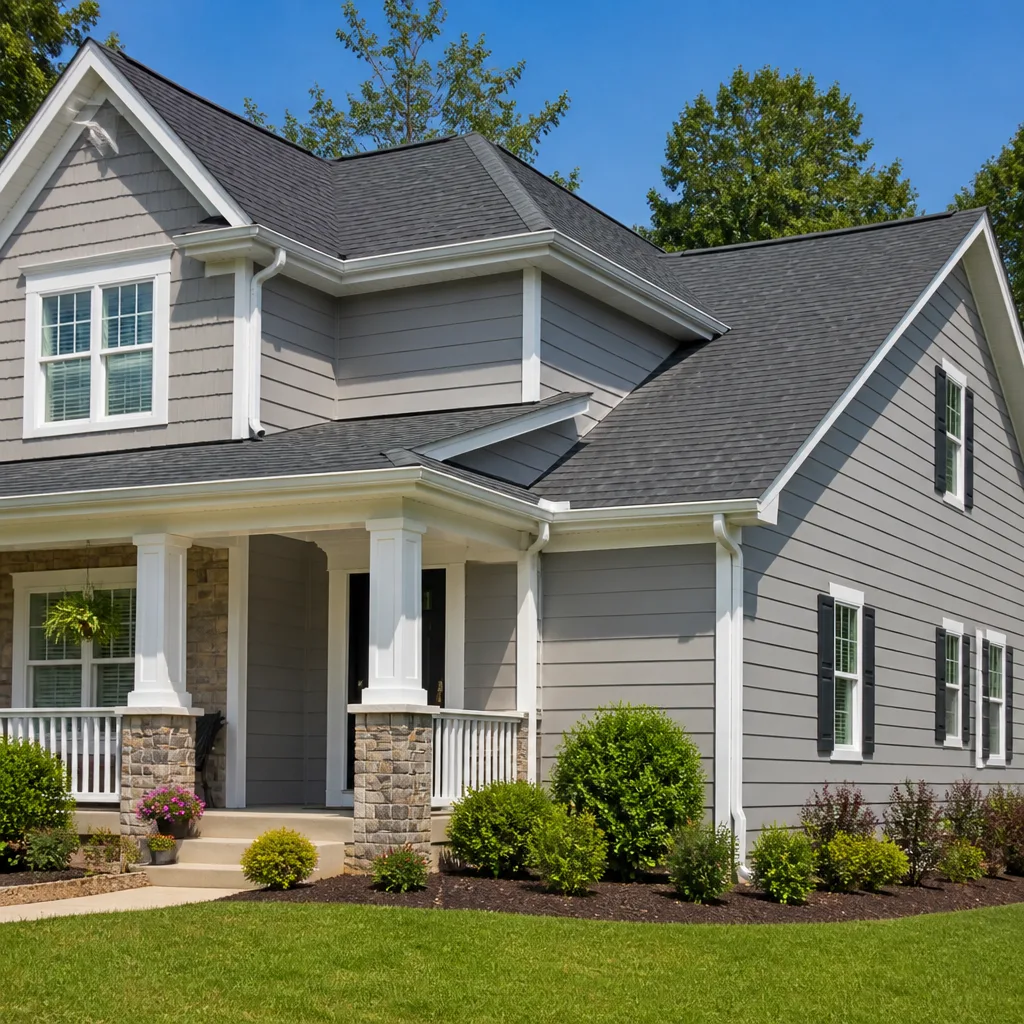
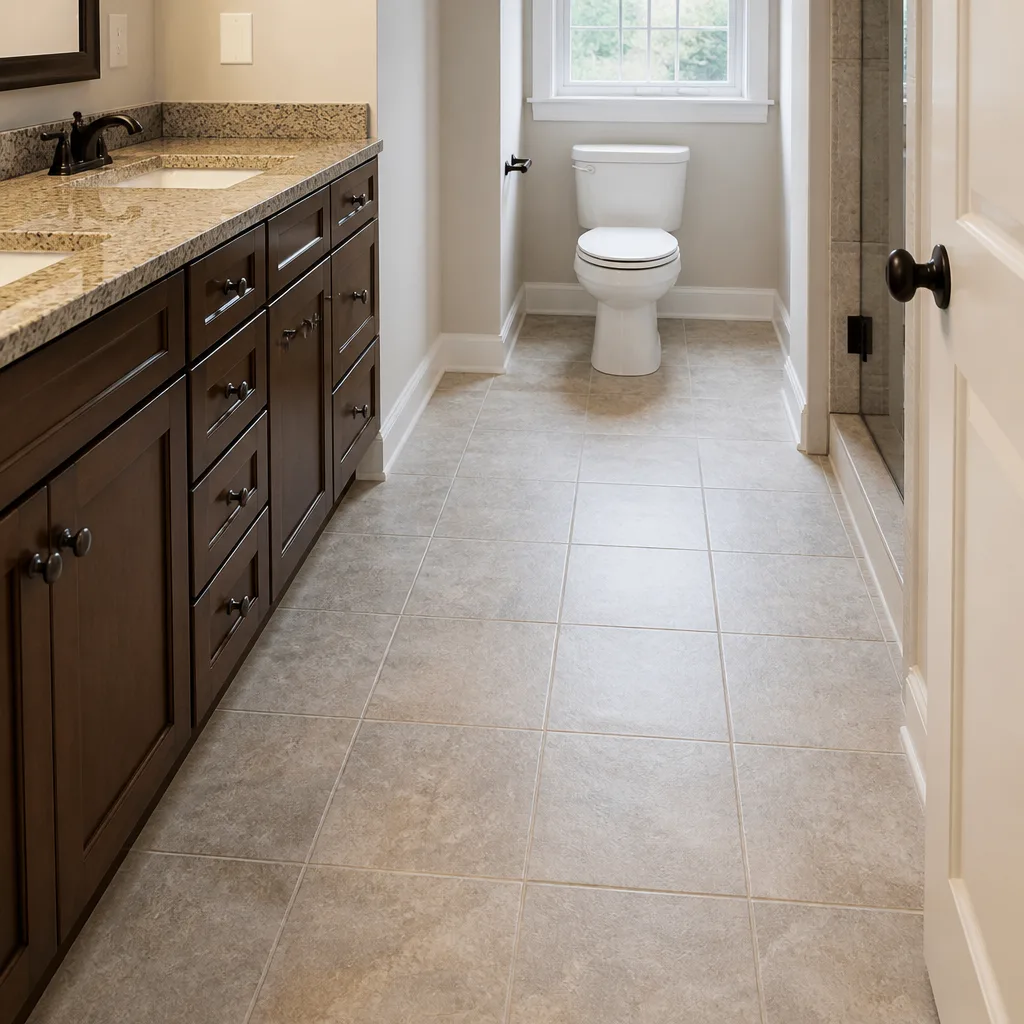
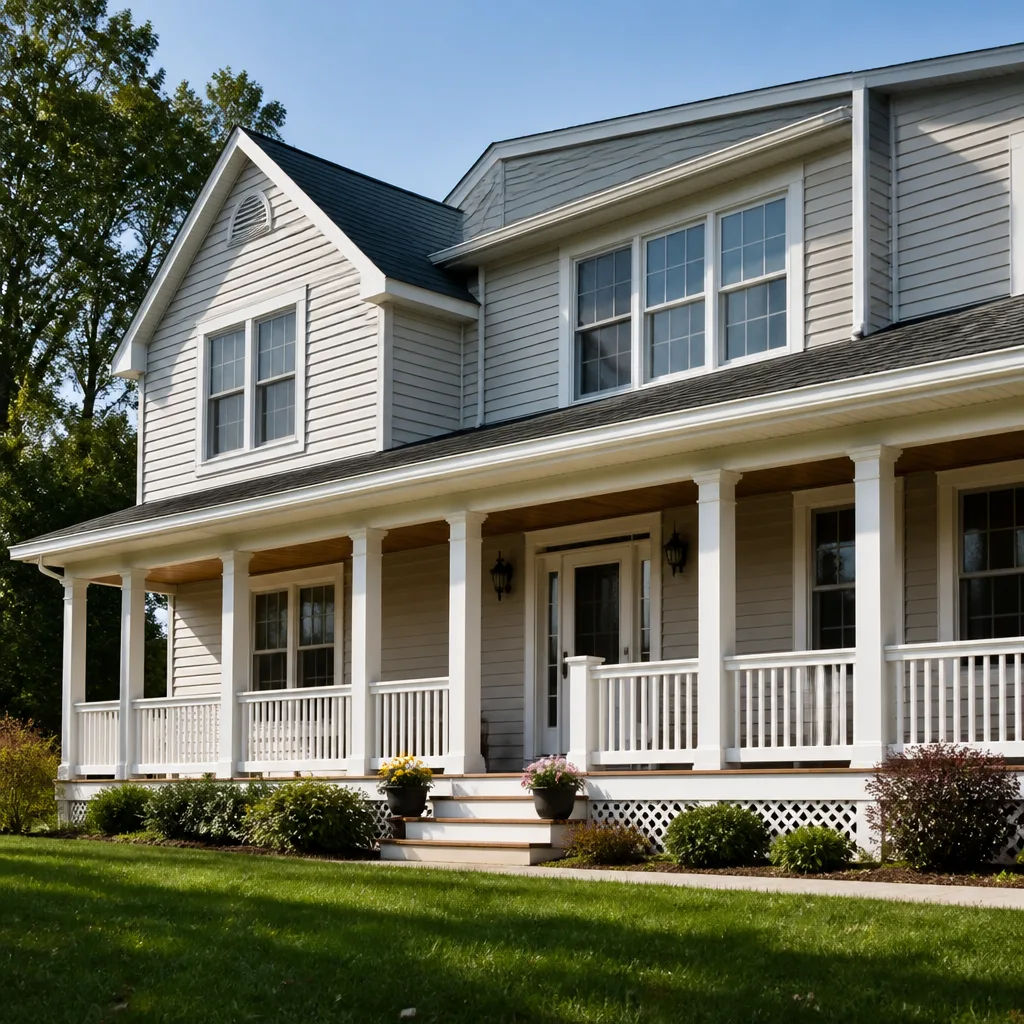
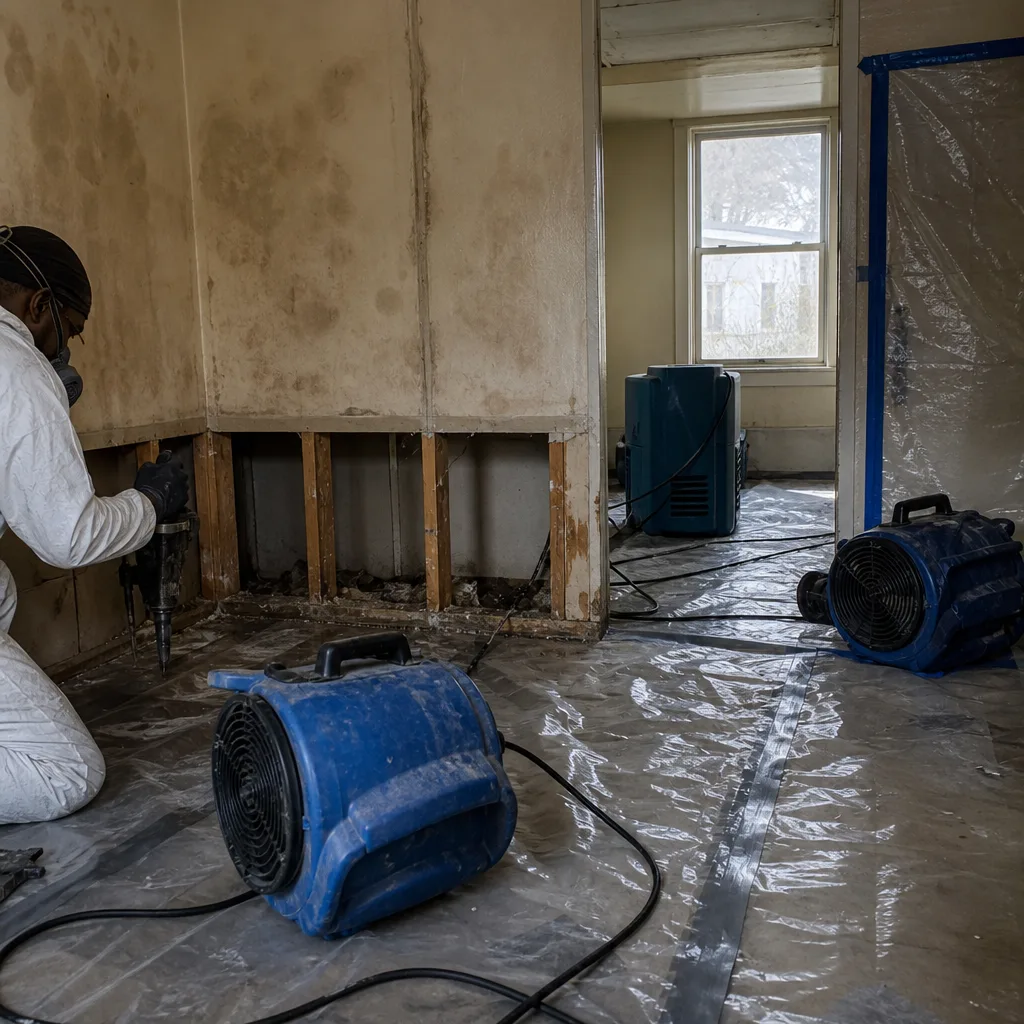 Before
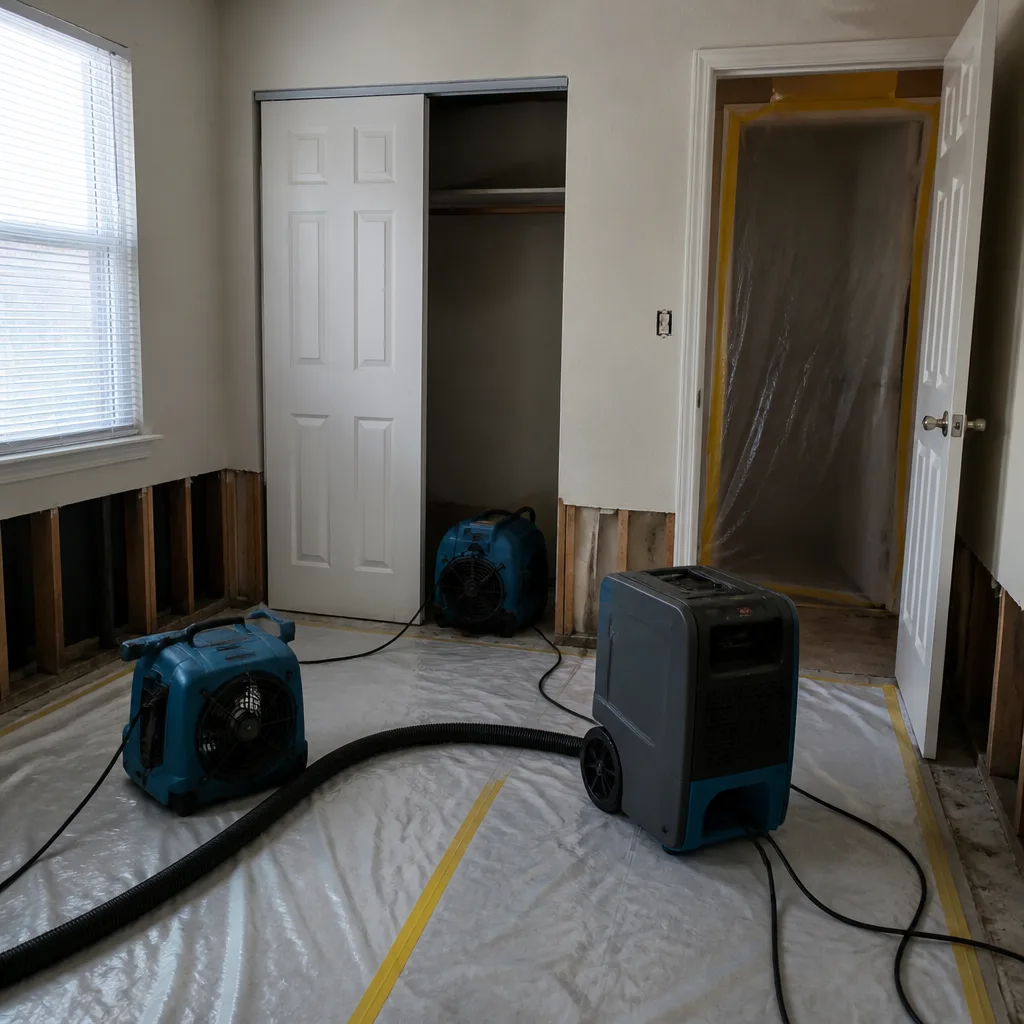 After
After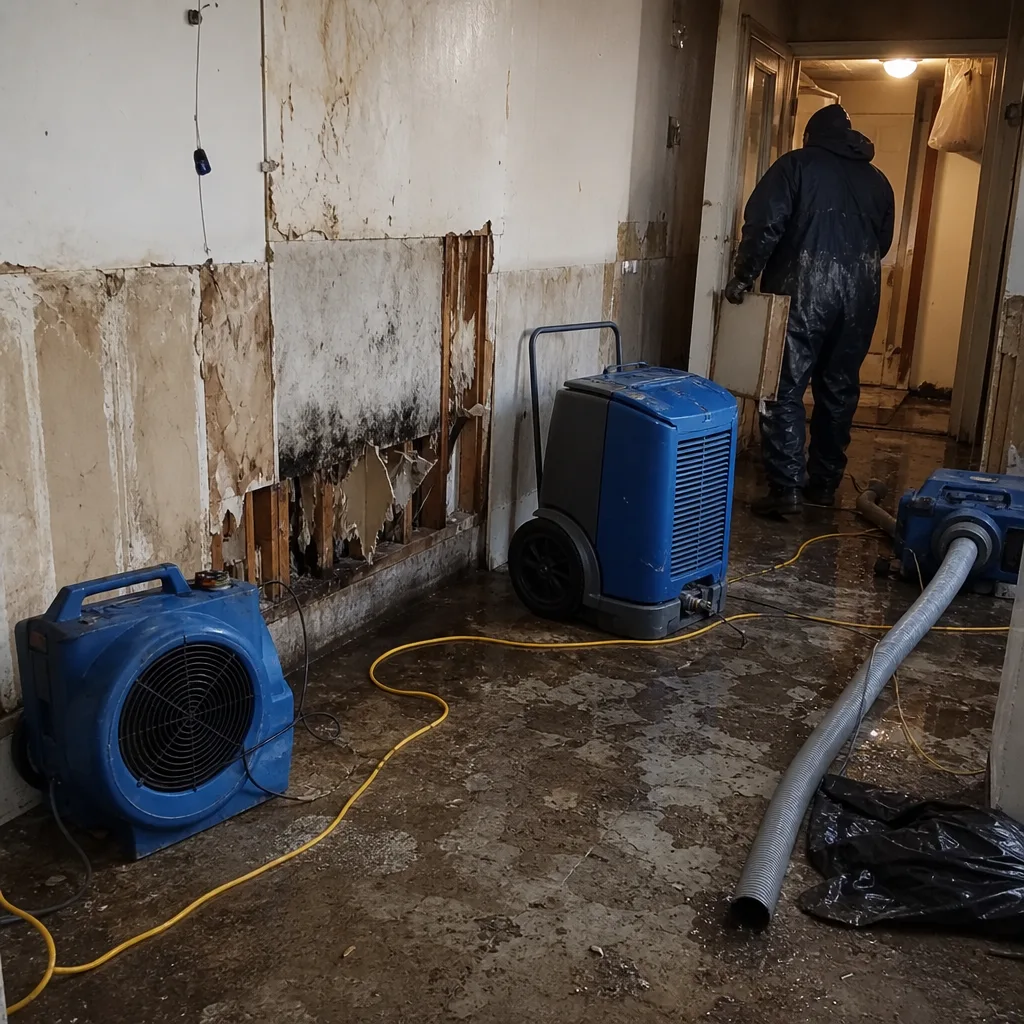 Before
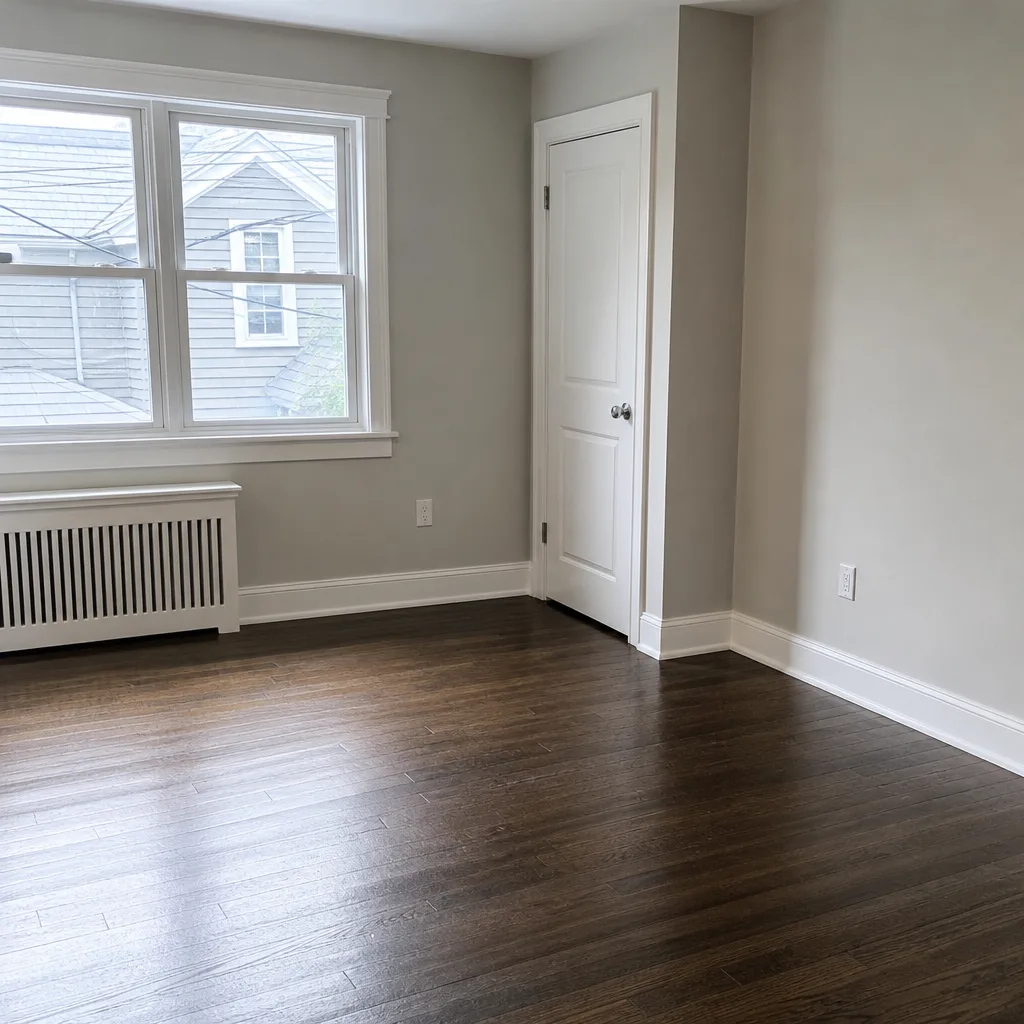 After
After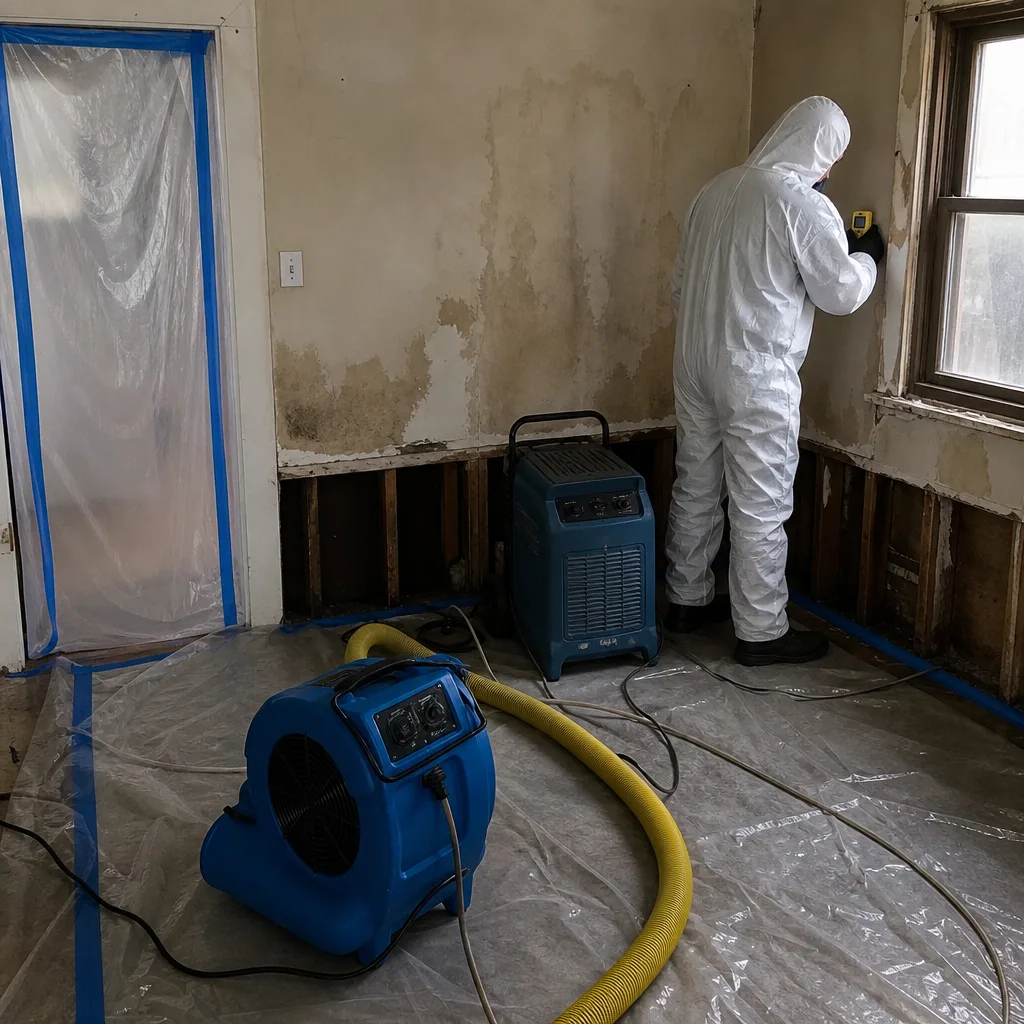 Before
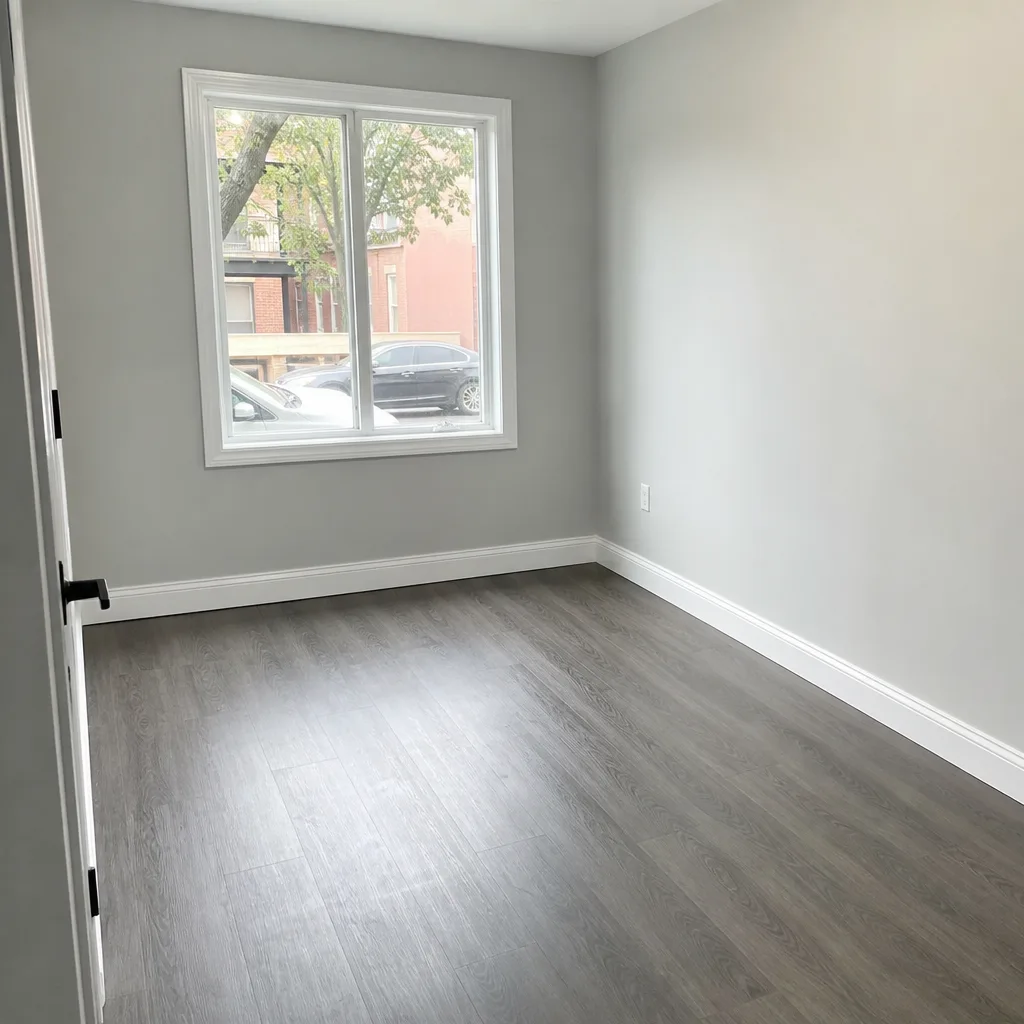 After
After24/7 Emergency Fire & Smoke Damage Restoration in East New York
Fire damage in East New York moves fast, and so do we. A kitchen fire in one attached brick row house doesn’t stay in one house for long. Smoke pushes through shared party walls, soot settles into every room, and fire suppression water soaks into old plaster before you’ve even caught your breath. Call (363) 300-2771 right now and Wade’s Restoration will have a crew on the road to your block, not sitting in a queue. We answer live, 24 hours a day, and we’ll walk you through the first thirty minutes while the truck is moving.
The first hour after a fire is when most of the permanent damage gets locked in. Soot turns acidic as it sits and etches into painted walls, appliance finishes, and tile grout. Water from the fire department finds its way through floor joists and into the basement below. In East New York, where most homes are pre-war brick row houses with shared walls, that first hour also determines whether your neighbor’s unit can be saved or has to be gutted. We treat every fire as a multi-unit loss until proven otherwise. That’s just how attached housing works here.
Understanding Fire & Smoke Damage Restoration Severity in East New York Properties
Not all fire damage is the same, and the difference matters a lot when you’re deciding what to throw away and what to save. We classify smoke residue by type. Dry, powdery soot from fast-burning paper and wood cleans up relatively easily with dry sponges and HEPA vacuuming. Wet, sticky soot from burning plastics and synthetics requires chemical degreasers and often leaves permanent staining if it sits for more than a day. Protein residues from kitchen fires are nearly invisible but cling to every surface and produce the stubborn odor that lingers for months in cabinets and ductwork.
East New York’s housing stock makes this classification work harder than it does in newer construction. The two- and three-story brick row houses built between 1910 and 1945 have lathe-and-plaster walls, original hardwood floors, and plumbing chases that were never fire-stopped. Smoke migrates through those chases like they’re hallways. A stove fire on the first floor of a New Lots Avenue rowhouse can leave odor residue in the third-floor bathroom of the attached unit two doors down. We run containment on both sides of every party wall, every time.
Fire suppression water creates a second emergency inside the first. Those same row houses have cast-iron drain stacks and galvanized supply lines that are already at the end of their service life. Add hundreds of gallons of water from a fire hose and you get hidden moisture behind original plaster, under hardwood, and inside wall cavities. That moisture breeds mold within 48 to 72 hours. The lead-paint protocols required on every pre-1978 structure in East New York slow the drying process, which is exactly why we take moisture readings daily and hand you the log at job’s end.
Why East New York Property Owners Choose Wade’s Restoration
- 45-minute response commitment. When you call from East New York, Wade’s crew is already in the area or close to it. We don’t route you to a regional call center. You talk to a person who knows these blocks.
- 24/7 live answer, no automated system. Wade answers his own phone. You call at 3 a.m. after a stovetop fire and you get Wade, not a voicemail tree and not an answering service reading from a script.
- IICRC-certified crews with FSRT and OCT credentials. Fire & Smoke Restoration Technician and Odor Control Technician certifications mean we know the chemistry of soot, smoke, and odor, not just the marketing of it.
- Free visual inspection. Before we write a single line item on a scope, we walk the loss with you and show you what we’re seeing: where the smoke went, where the water pooled, what the neighbor’s side looks like.
- Direct insurance billing. We bill your carrier directly, and Wade talks to the adjuster himself. You’re never the one relaying information between two sides.
- One team from board-up to final coat of paint. The same crew that tarped your roof on night one is the crew that rebuilds your kitchen. No handoffs, no “that’s the other department.”
Our Fire & Smoke Damage Restoration Process
Inspection & Assessment
We walk the entire structure, not just the room where the fire started. That means both sides of every shared party wall, the basement, the attic, and the adjacent units if the building is attached. We use thermal imaging to find heat-damaged framing and moisture trapped where you can’t see it. You get a written scope before any work starts.
Emergency Board-Up & Stabilization
Before anything else, we secure the property. Board-up on broken windows, tarping on roof damage, and temporary fencing if structural integrity is compromised. In East New York, where row houses sit tight against the sidewalk, this means working fast and keeping the street clear while we do it.
Smoke & Soot Removal
We start with HEPA vacuuming on every horizontal surface, then dry sponge cleaning on painted walls and ceilings. Wet soot gets treated with alkaline degreasers and agitation. We run hydroxyl generators for persistent smoke odor and set up containment to keep soot from spreading through stairwells and common areas.
Water Removal & Structural Drying
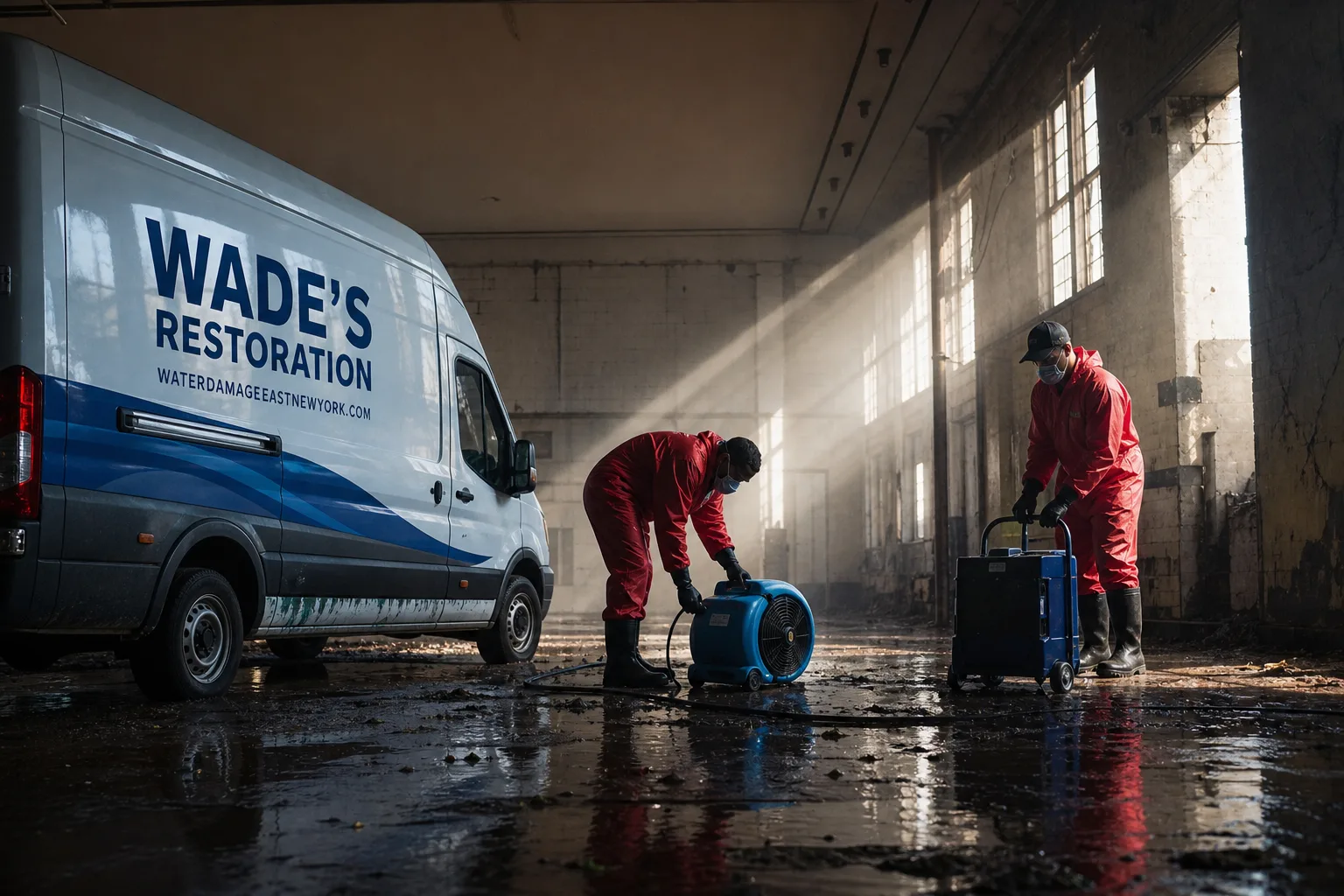
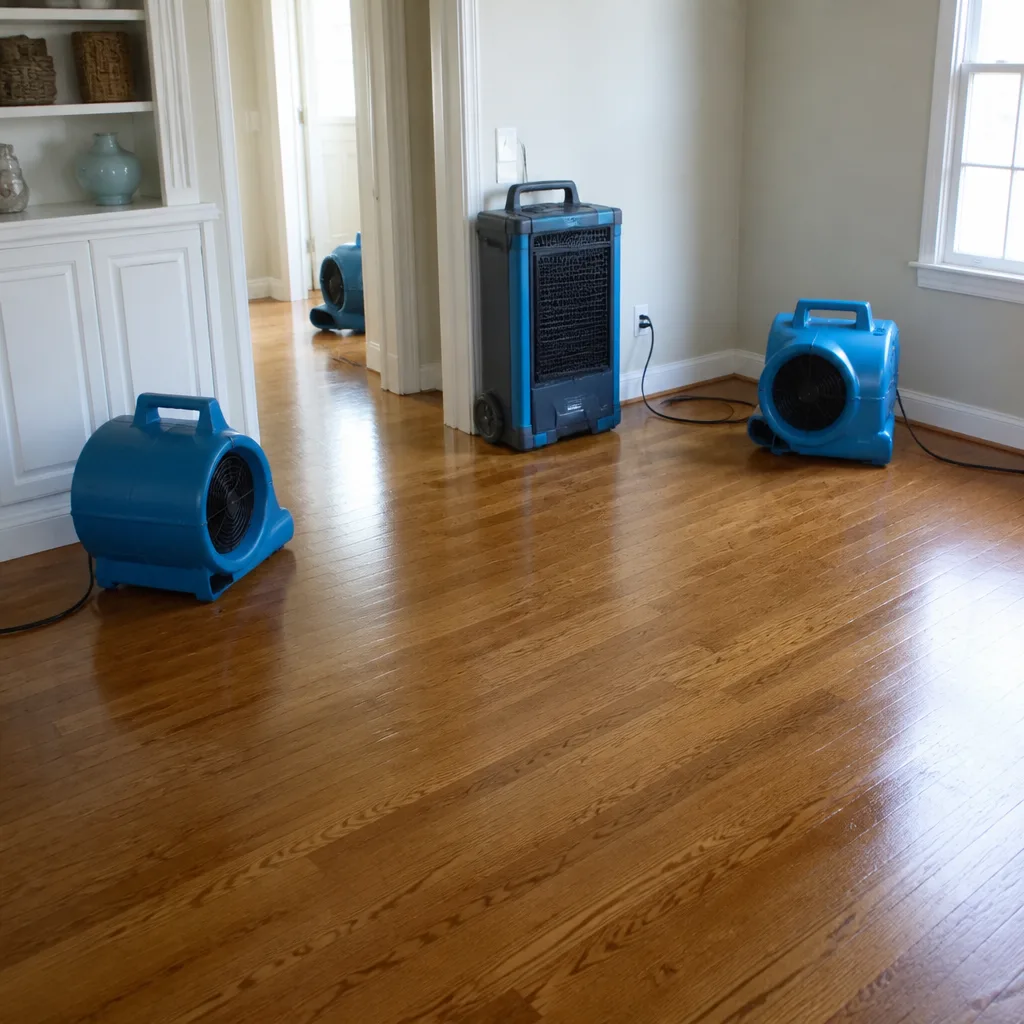
Fire suppression water gets extracted and the structure gets dried. In East New York rowhouses, that means Dri-Eaz air movers and Phoenix dehumidifiers positioned to chase moisture through wall cavities, under hardwood floors, and into the shared plumbing chases. Daily moisture readings, documented in a log you keep.
Contents Cleaning & Pack-Out
Salvageable contents get packed out, inventoried, and cleaned off-site. Textiles get laundered with odor-neutralizing treatments. Hard goods get ultrasonically cleaned. Electronics get evaluated for smoke corrosion. Everything comes back documented, and nothing disappears into a warehouse without a manifest.
Repairs & Reconstruction
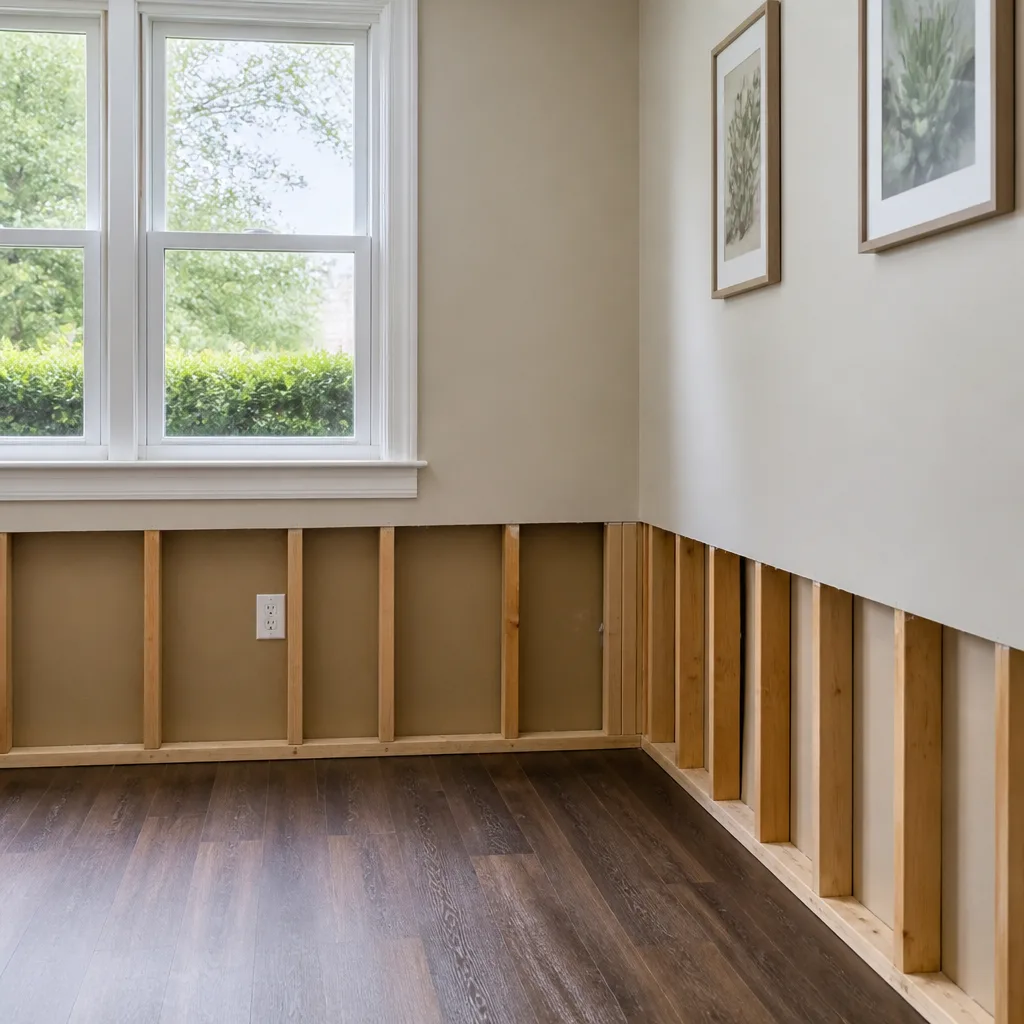
The last step is putting your house back together. Wall framing, drywall or plaster repair, flooring, trim, paint, and fixture replacement. We manage the whole thing in-house, which means the same crew that did the cleanup knows exactly where the studs were wet and where the smoke had traveled. No surprises during rebuild.
Need Emergency Fire & Smoke Damage Restoration in East New York Now?
Crews minutes away, answering live 24 hours a day. The sooner we start, the less it costs.
Working With Your Insurance Company
Fire claims in East New York are complicated enough without you having to become an expert in insurance adjusting. We’ve been handling them since 2007, and we’ve learned that the difference between a smooth claim and a fight is documentation from hour one. We photograph everything before we move anything. We log every moisture reading. We write scopes the way adjusters expect to see them: line-item, specific, and defensible.
Wade talks to your adjuster directly. He’s walked enough fire losses in Brooklyn to speak their language, and he’s not afraid to push back when a carrier tries to lowball the soot cleaning or skip the pack-out. The 90-Day Done Right Promise applies on every fire job too. If it’s not done right, we make it right. In writing, on every contract, before we start.
What We Provide Your Insurer
- Thorough documentation of the loss
- Photos of all damage, room by room
- Moisture readings and drying logs
- A detailed, line-item scope of work
- Direct coordination with your carrier
Built for East New York’s Loss Calendar
East New York sees fire and smoke losses through every season, but the patterns change with the weather. January and February bring space-heater fires in older row houses where the original heating systems can’t keep up, and deep freezes burst supply lines in walls that haven’t been opened since the Truman administration. When a frozen pipe lets go inside a wall, the water damage looks like a fire loss once the water’s gone: soaked plaster, buckled floors, and mold behind the lath if it’s not dried fast.
Spring and summer in East New York mean cooking fires. Backyard grills pushed against brick walls, grease fires on old gas stoves, and overloaded extension cords running window AC units in buildings with outdated electrical panels. The low-lying southern tier near the Belt Parkway and Spring Creek also catches the worst of the nor’easter season, and when heavy rain backs up NYC’s combined sewer system, first-floor units in those brick row houses take on sewage-laden water that requires full Category 3 contamination protocols before any fire restoration can even begin.
Fire & Smoke Damage Restoration Across East New York’s Neighborhoods
We work every block in East New York, and each pocket of the neighborhood has its own rhythm. The row houses along New Lots Avenue and Livonia Avenue are some of the tightest attached brick in Brooklyn, with shared chimneys and party walls that run unbroken from basement to roof. A fire in one of those buildings doesn’t respect the property line, and we scope it accordingly from the first walkthrough.
Over by Linden Houses and Boulevard Houses, the NYCHA complexes, we deal with multi-floor smoke migration through stairwells and corridor systems. Smoke from a second-floor kitchen fire travels up through the building in minutes, and odor removal has to account for common areas as well as the unit of origin. The blocks near Gateway Center and the Belt Parkway tend to have a mix of attached frame and brick construction, where wind-driven rain and flood exposure add water damage on top of fire damage during coastal storms. And the older stock up around Pitkin Avenue and Sutter Avenue has some of the most original plaster and trim work we see anywhere in Brooklyn, which requires a lighter touch during soot removal and a lot more patience during drying.
Specialized Fire & Smoke Damage Restoration Services We Offer in East New York
Emergency Board-Up & Tarping
We board up and tarp fire-damaged buildings fast, because a broken window or open roof on a narrow East New York street is an invitation for further damage and unauthorized entry. Fire department ventilation cuts in the roof need tarping before the next rain storm. Windows blown out by heat need plywood before the elements and the neighborhood opportunists get inside. We’ve boarded up row houses where the front door was 15 feet from the sidewalk and the only access was a rear alley barely wide enough to walk through. We handle the tight access without blocking your neighbors.
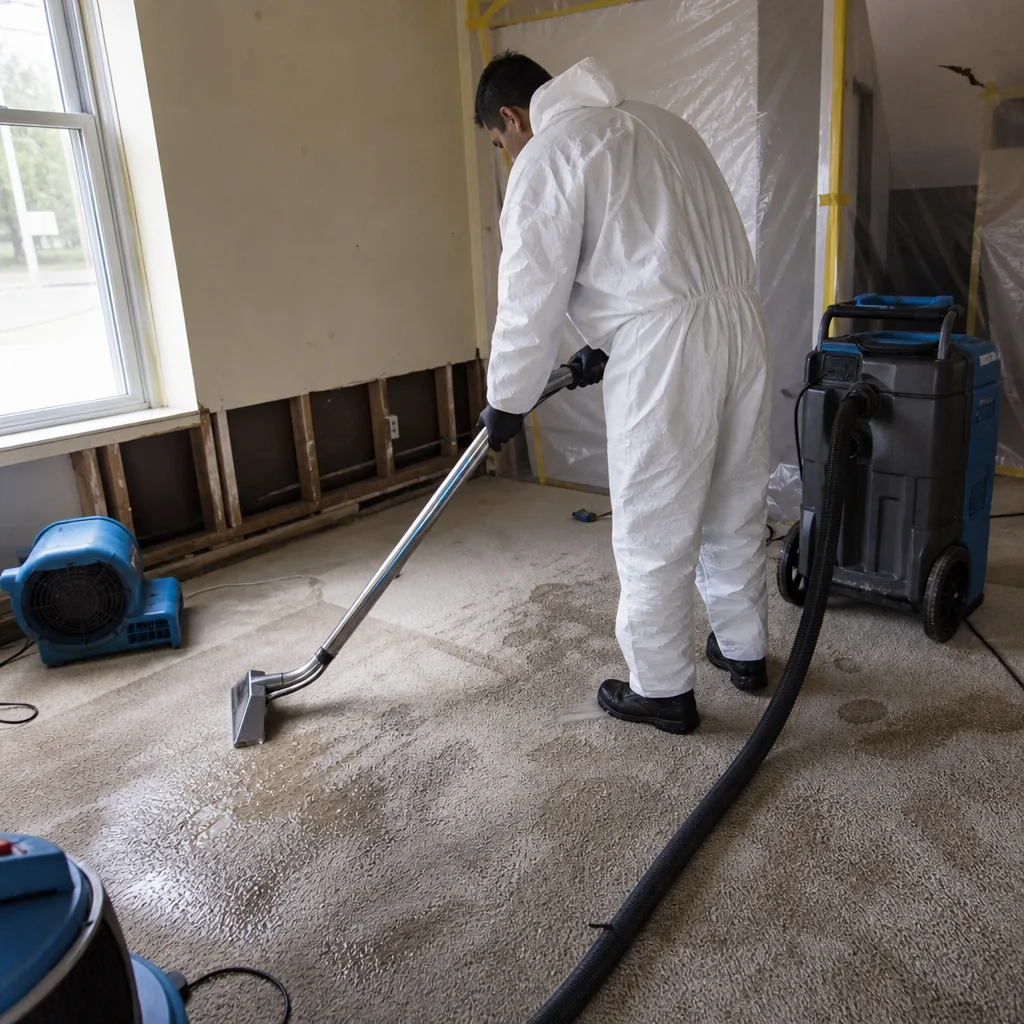
Smoke & Soot Removal
Soot removal in East New York is a chemistry problem first and a cleaning problem second. The difference between greasy protein soot from a kitchen fire and dry wood soot from a mattress fire determines everything about the cleaning method, the chemicals used, and how much of the room has to be packed out. We test residue type on-site before we touch a wall. Then we use dry sponges, HEPA vacuums, and chemical degreasers in the right order so we don’t smear soot deeper into painted plaster.
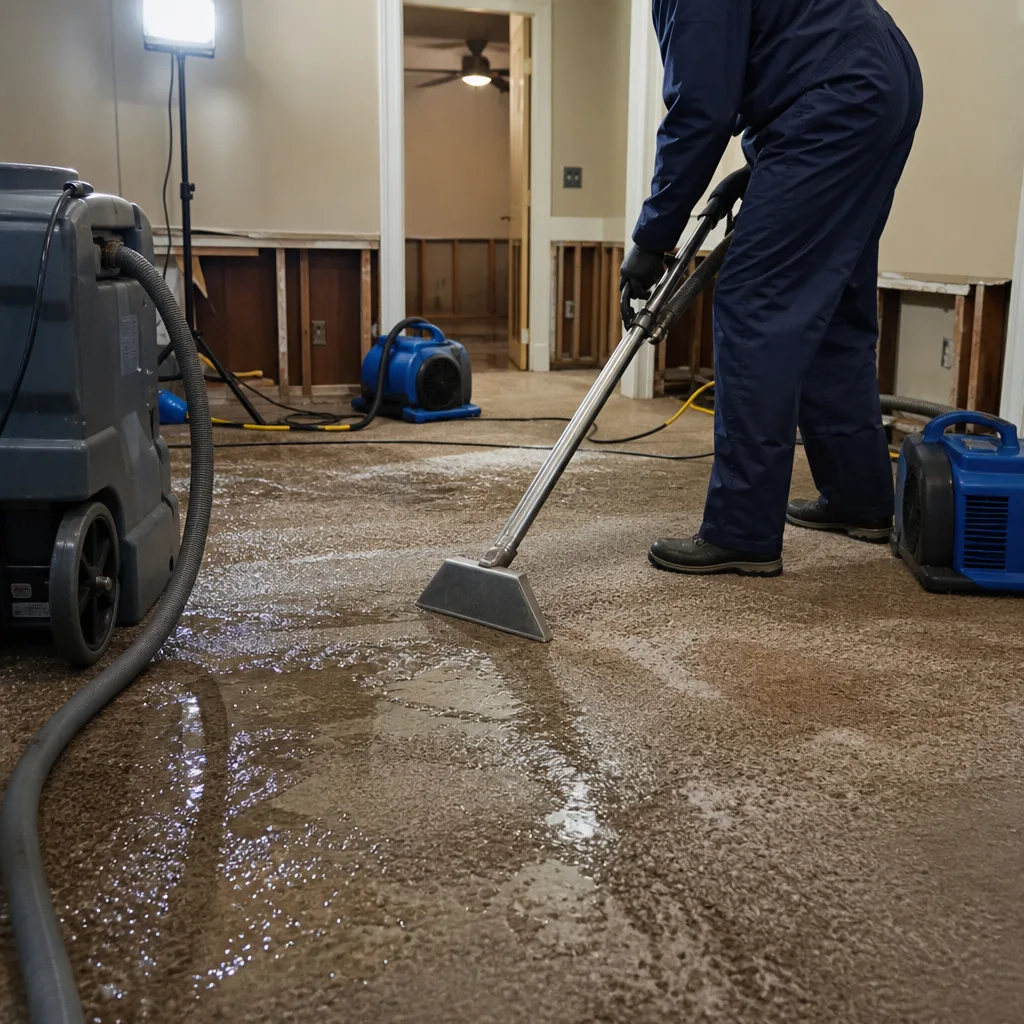
Odor Removal & Deodorization
Smoke odor in a brick row house doesn’t leave on its own. It hides in the plaster, in the floorboards, in the ductwork, and in the shared wall cavities connected to the neighbor’s unit. We use hydroxyl generators rather than ozone, because hydroxyl is safe for occupied spaces while it neutralizes odor molecules. We also treat the source: the charred studs, the scorched subfloor, the smoke-impregnated insulation. Deodorizing over un-remediated char is just perfume, and we don’t do perfume work.
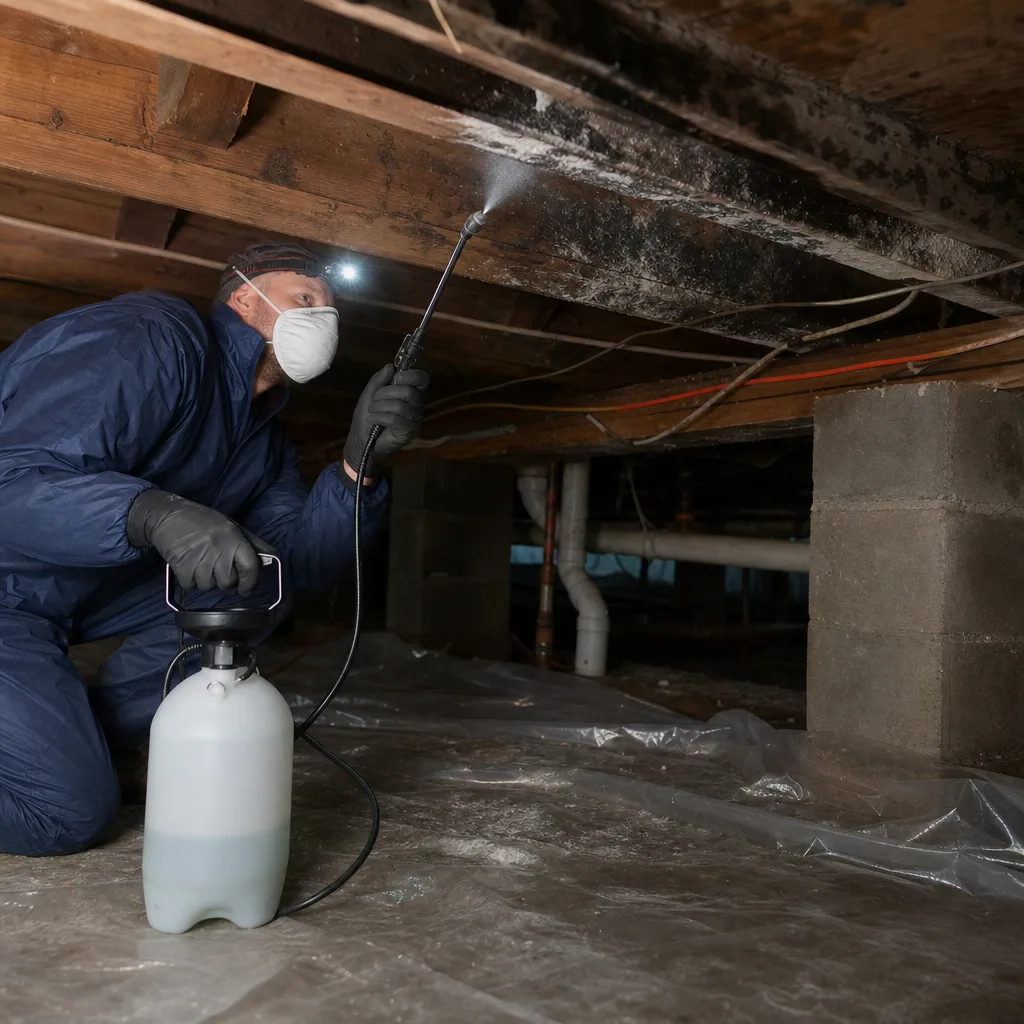
Contents Cleaning & Pack-Out
Your furniture, clothes, and kitchenware absorb smoke and need more than a wipe-down. We pack out salvageable contents, inventory everything with photos, and clean them at our facility using ultrasonic baths for hard goods and commercial laundering for textiles. In East New York row houses, we often pack out the neighbor’s contents too, when smoke migration through the party wall has contaminated belongings on the other side of the building. Everything comes back documented, and your adjuster gets a manifest they can actually use.
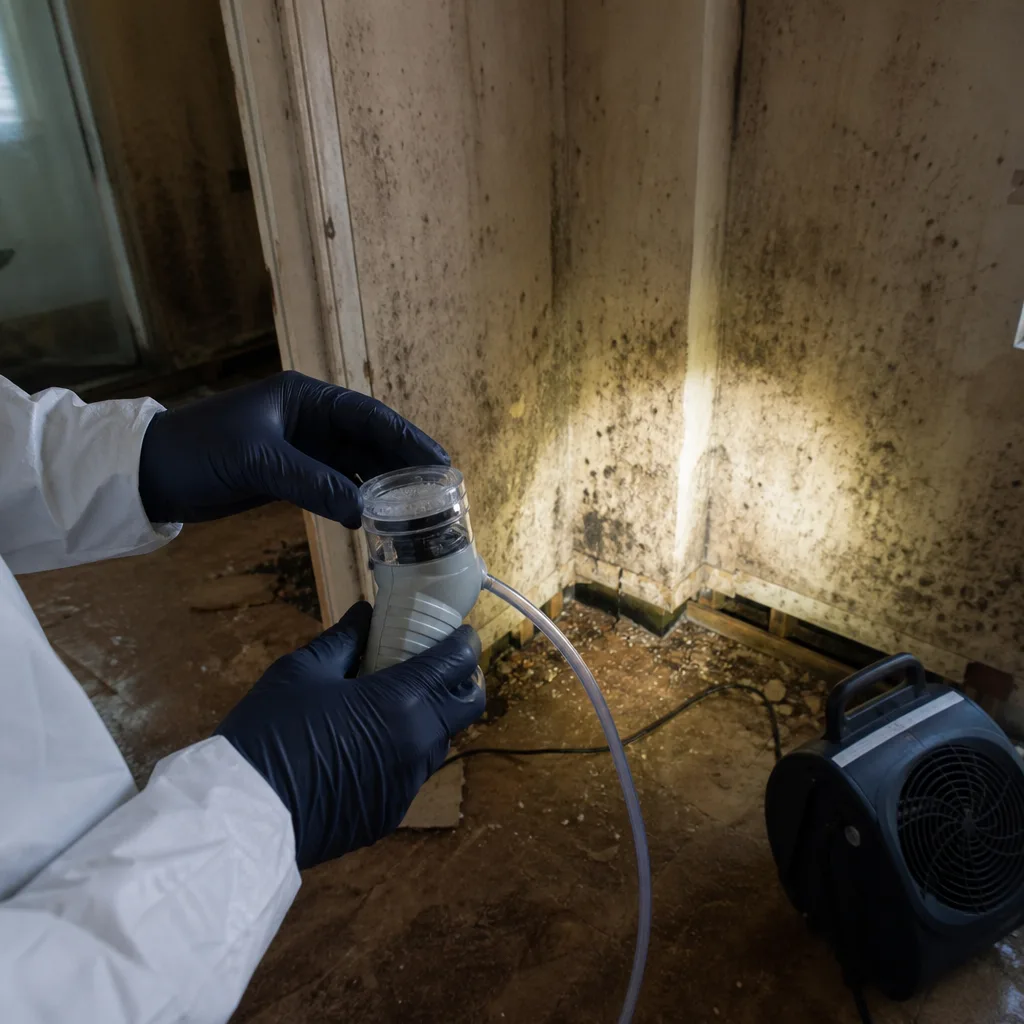
Structural Fire Repair
After the cleanup, the rebuild begins. In pre-war East New York row houses, that means matching plaster, salvaging original trim where we can, and replacing charred framing without disturbing lead-painted surfaces we’re not required to touch. We rebuild to code, coordinate with your carrier on the scope, and use the same crew from demolition through finish work. No subcontracted guessing games.
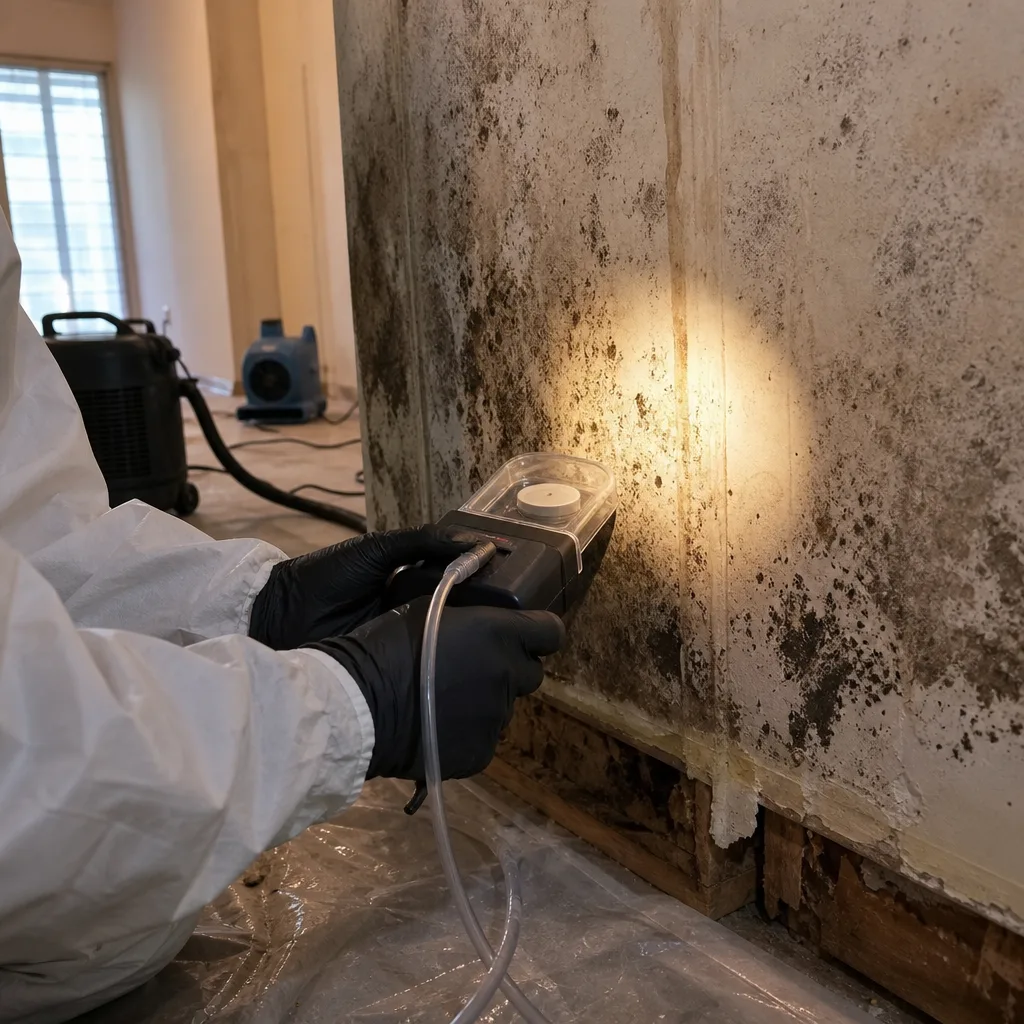
What happens when you call
- 1
A real person answersNo phone trees - you reach a local pro.
- 2
You get an upfront price rangeHonest numbers before anyone is dispatched.
- 3
A background-checked tech heads outLicensed & insured, dispatched right away.
- 4
You approve before work beginsNothing starts until you say go.
Fire & Smoke Damage Restoration Costs in East New York, NY
Let’s talk real numbers for East New York. Emergency board-up and tarping on a standard two-story row house typically runs $600 to $1,500 depending on how many windows, the roof condition, and whether we’re working off a ladder or a lift. Smoke and soot removal in a single-unit kitchen fire usually falls between $2,500 and $6,000, but when smoke has migrated through shared party walls into adjacent units, the scope easily doubles or triples because you’re treating two or three homes, not one.
Full fire restoration including structural repair, contents cleaning, and odor removal on a serious East New York rowhouse fire typically lands between $15,000 and $45,000 depending on the square footage, the age of the building, and how much of the original plaster and flooring can be salvaged. Lead-paint containment adds cost because every pre-1978 surface we disturb requires certified handling, and those protocols are mandatory on nearly every job in this neighborhood. Most of this is insurance-covered. The free visual inspection gives you a real number on paper before you decide anything, and a free second opinion if you’ve already got an estimate from someone else. We don’t charge for the trip inside our own county, and we never will.
We Also Serve Cities Near East New York
Wade’s Restoration runs fire and smoke jobs throughout eastern Brooklyn and into Queens. If you’re in Jamaica, Canarsie, Glendale, or East Flatbush, you get the same 24/7 live answer, the same 45-minute response, and the same crew that knows attached brick housing. Call (363) 300-2771 and you’ll talk to a person who knows these neighborhoods.
Serving East New York, NY - Our Local Coverage Area
We’re based in the East New York area and know this community well. Use the map below to see our service coverage - if you’re nearby, we can almost certainly help.
East New York Fire & Smoke Damage Restoration Questions, Answered
How fast can you get to my row house in East New York?
We typically arrive within 45 minutes for fire and smoke emergencies in East New York. Wade’s crew works throughout eastern Brooklyn, so we’re almost always close by when a call comes in from New Lots Avenue, Linden Boulevard, or anywhere else in the neighborhood. The sooner you call, the sooner we’re on-site, and the first hour after a fire is when soot does most of its permanent damage. Call (363) 300-2771 and we’re on the road while you’re still on the phone.
How does fire damage spread between attached row houses in East New York?
Fire and smoke spread through shared party walls that were never fire-stopped, through common plumbing chases, and through any gap in the brick where joists run continuous from one unit to the next. In a 1920s East New York rowhouse, the chase that holds the cast-iron drain pipes typically runs open from basement to roof, and smoke rises through it like a chimney. We treat every attached fire as a multi-unit loss until we’ve inspected both sides of every shared wall.
Why is lead-paint disturbance a concern during fire restoration in East New York?
Nearly every structure in East New York predates 1978, which means lead paint is present somewhere in the walls, trim, or window frames. When fire charring and fire suppression water force us to remove plaster or framing, we’re required by law to follow lead-safe work practices: containment, HEPA filtration, specific cleanup procedures, and certified handling. This slows drying and adds cost, but skipping it puts your family and your neighbors at risk, and it’s non-negotiable on our jobs.
What happens when fire suppression water soaks into old plaster walls in East New York?
Old plaster walls soak up water like sponges and dry very slowly, especially in the tight, shared-wall construction of East New York row houses. Without aggressive structural drying, hidden moisture turns to mold within 48 to 72 hours behind original plaster and under hardwood floors. We take moisture readings daily with penetrating meters, run Dri-Eaz air movers and Phoenix dehumidifiers until the numbers hit dry standard, and hand you the complete log at the end of the job.
Do we need to worry about sewers backing up after a fire in East New York?
Yes, in the low-lying southern sections of East New York, the combined sewer system backs up during heavy rainfall, and fire suppression runoff can overwhelm local drains. If sewage-laden water enters a first-floor unit or basement after a fire, we shift into full Category 3 contamination protocols: extraction, disposal of porous materials, sanitization, and air scrubbing. This is common enough in the blocks near Spring Creek and the Belt Parkway that we check for it on every fire job, not just the obvious ones.
How fast can you board up a fire-damaged row house on a narrow East New York street?
We can usually board up and tarp within hours of arrival, even on the narrowest blocks. East New York side streets and alley-load layouts require working off ladders and staging equipment carefully so we don’t block your neighbors or the street. We’ve boarded up storefronts and row houses where the only access was a rear alley barely wide enough for a hand truck. It’s not fast work on the narrow blocks, but it’s fast enough to keep the building secure before nightfall.
Can we stay in our home during fire restoration in East New York?
It depends on the scope. A small kitchen fire with localized soot cleanup often allows you to stay while we work. A fire that spread smoke through shared party walls or required structural repair usually means displacement, because you can’t live in a unit with open walls, hydroxyl generators running, and lead-paint containment in place. We’ll tell you straight on the walkthrough what’s livable and what isn’t, and your adjuster gets the same information we give you.
What should we do in the first 30 minutes after a fire in East New York?
Call the fire department first if you haven’t already. Then call us at (363) 300-2771. Don’t touch soot-covered surfaces with bare hands because the oils on your skin set the soot. Don’t run the HVAC system because it spreads smoke through the ductwork. Don’t try to clean walls yourself. And check on your neighbors on both sides, because in an East New York row house, their unit may already have smoke odor migrating through the shared wall. We’ll be there within 45 minutes to start the real work.
Fire damage in East New York doesn’t give you time to shop around. Smoke moves through shared walls, water soaks into old plaster, and soot etches into surfaces with every hour that passes. One call to (363) 300-2771 brings Fire & Smoke Damage Restoration done right, by a local owner who puts his name on the truck and his number in your phone. Serving East New York with crews who know these blocks, these buildings, and these insurance companies. Call now, before the damage gets deeper.
Written by Wade Ferris, Owner at Wade’s Restoration, serving East New York since 2007.