
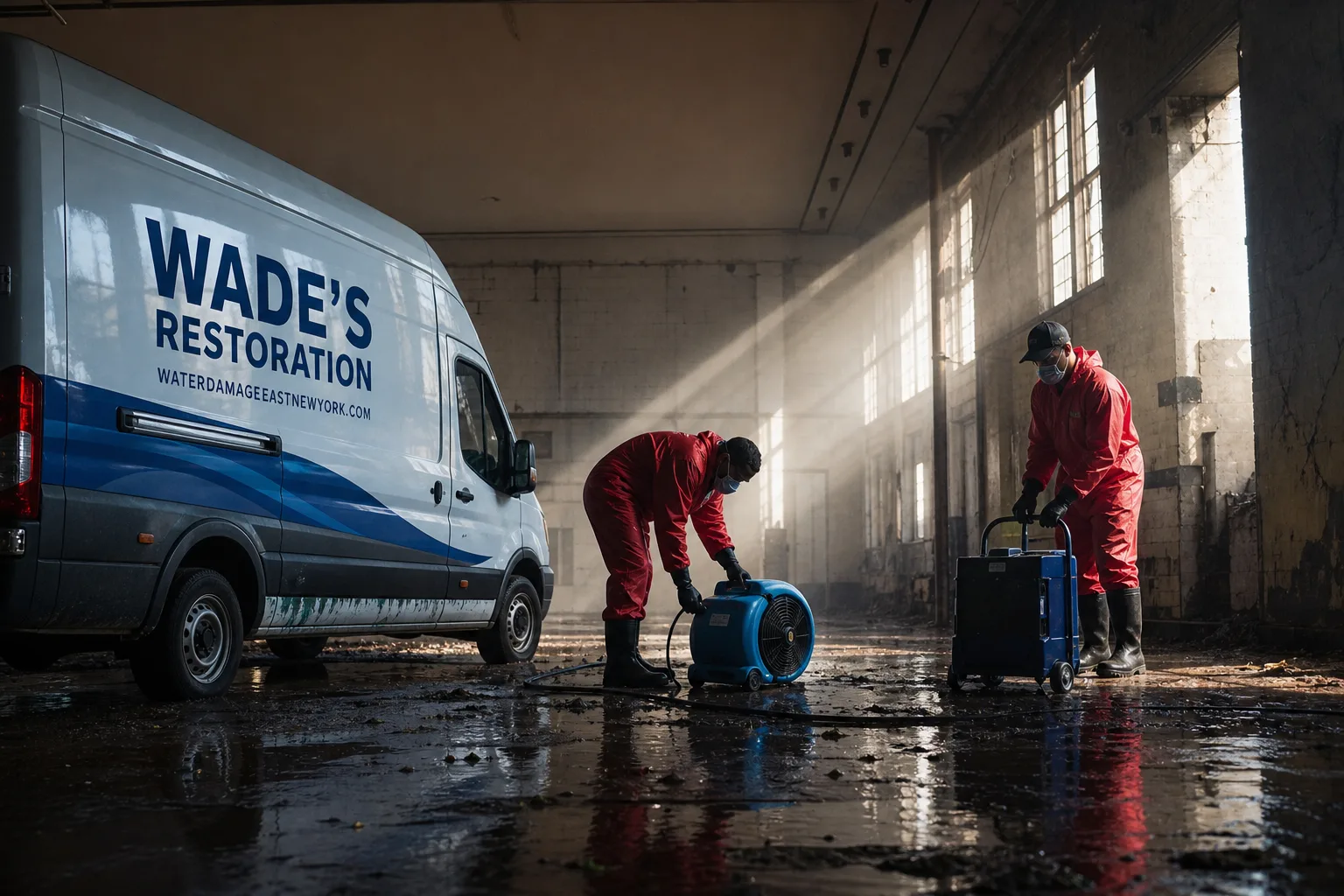
Free visual inspection and a written scope of work before any mitigation begins - photos, moisture readings, and drying logs go in your claim file
The scope we write is the scope we bill. Anything new gets shown to you, in writing, before we touch it.
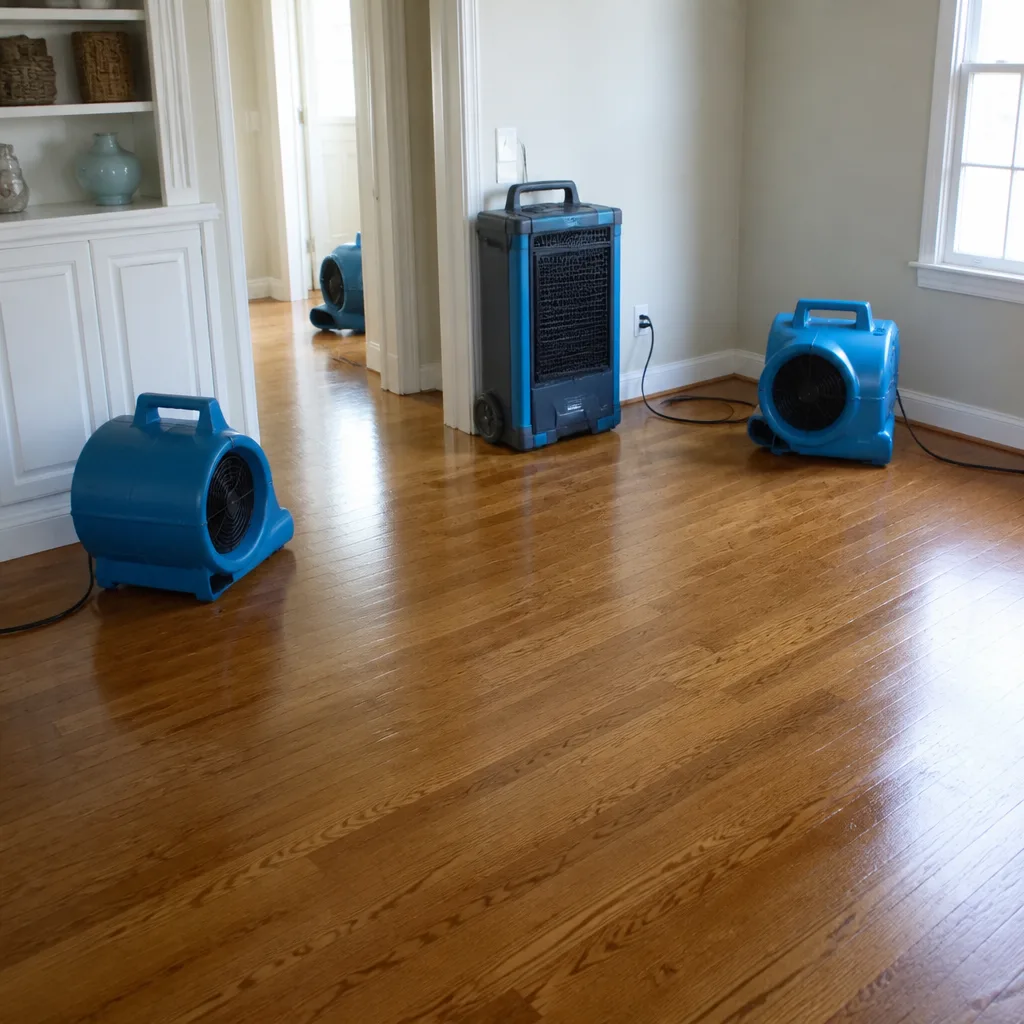
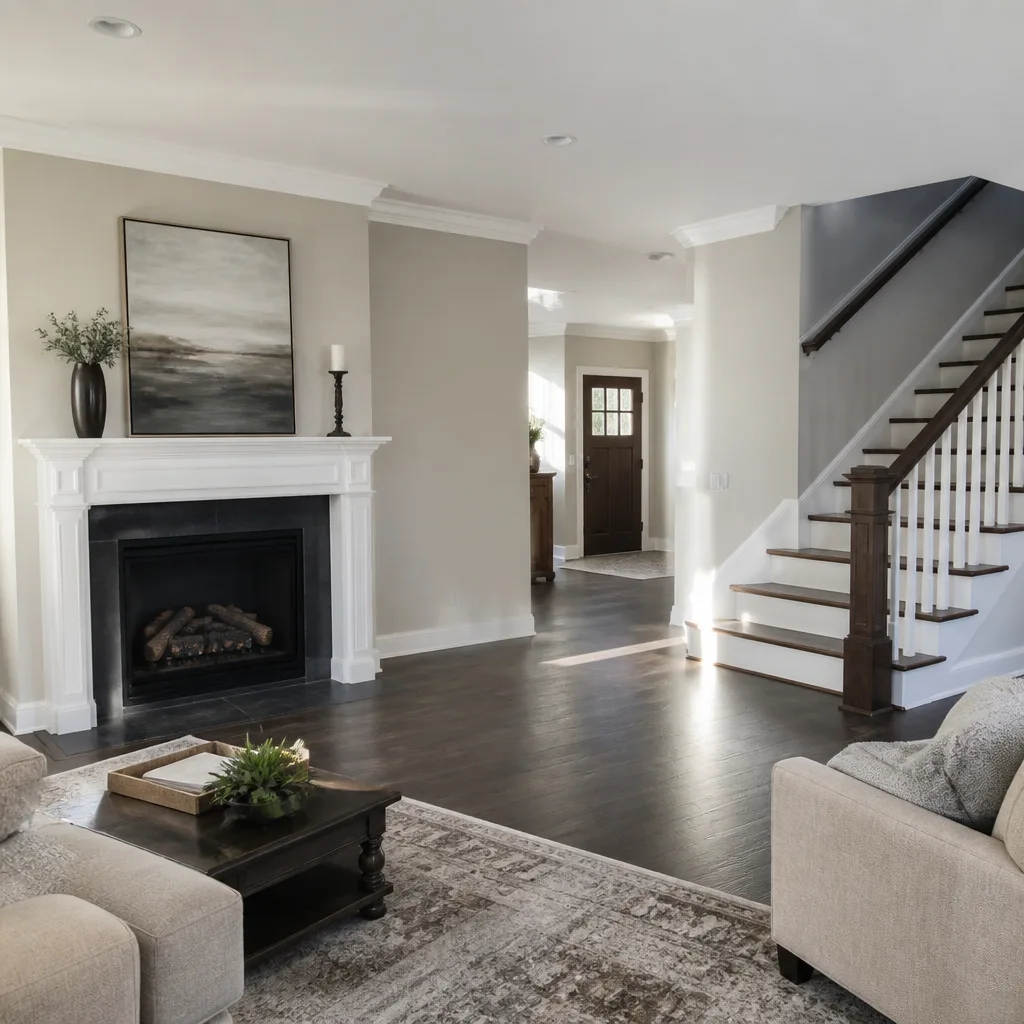
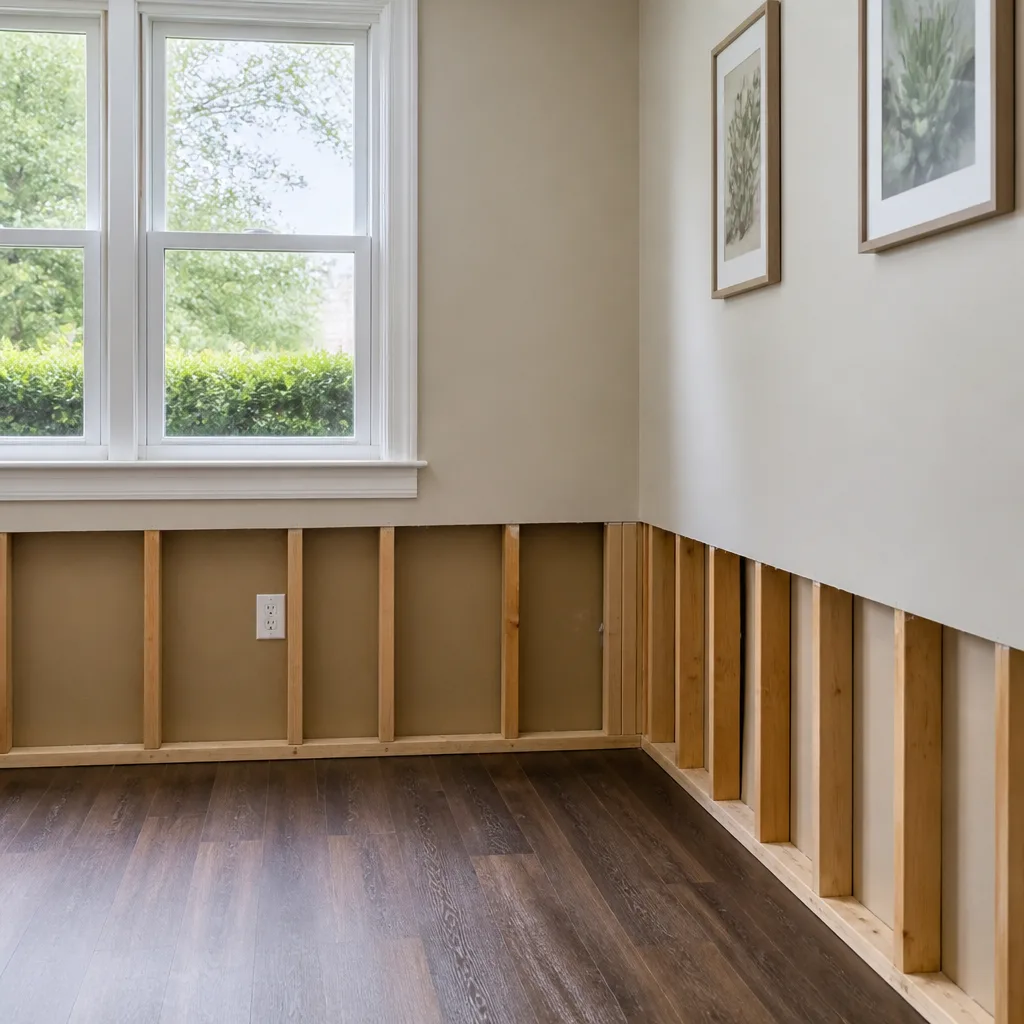
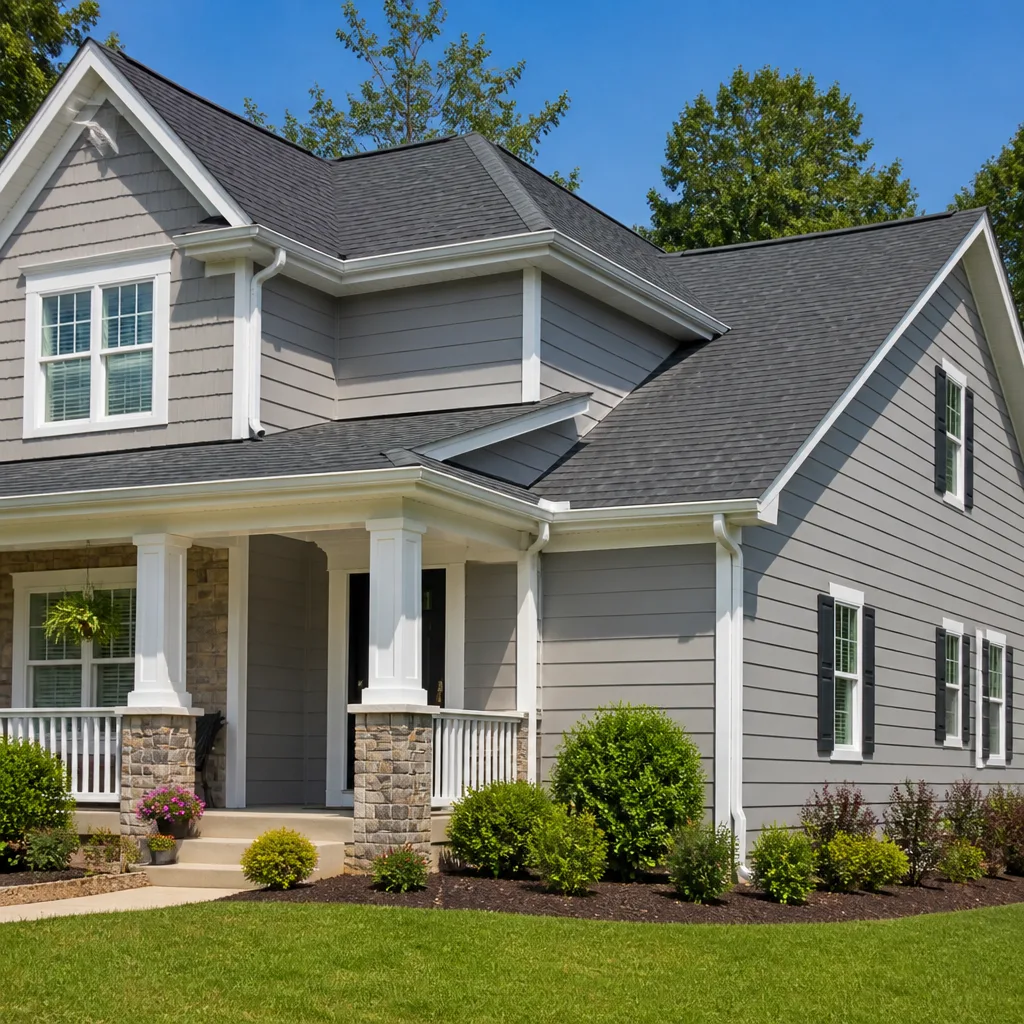
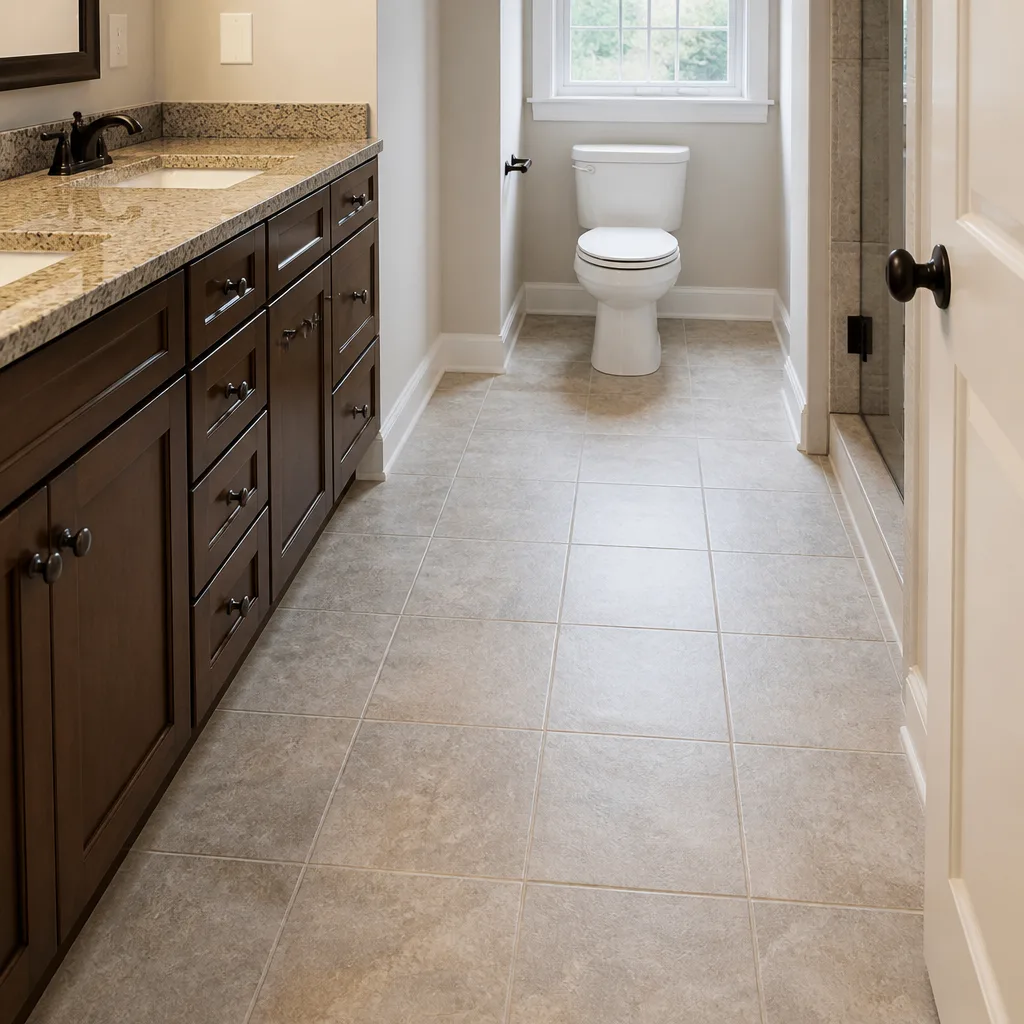
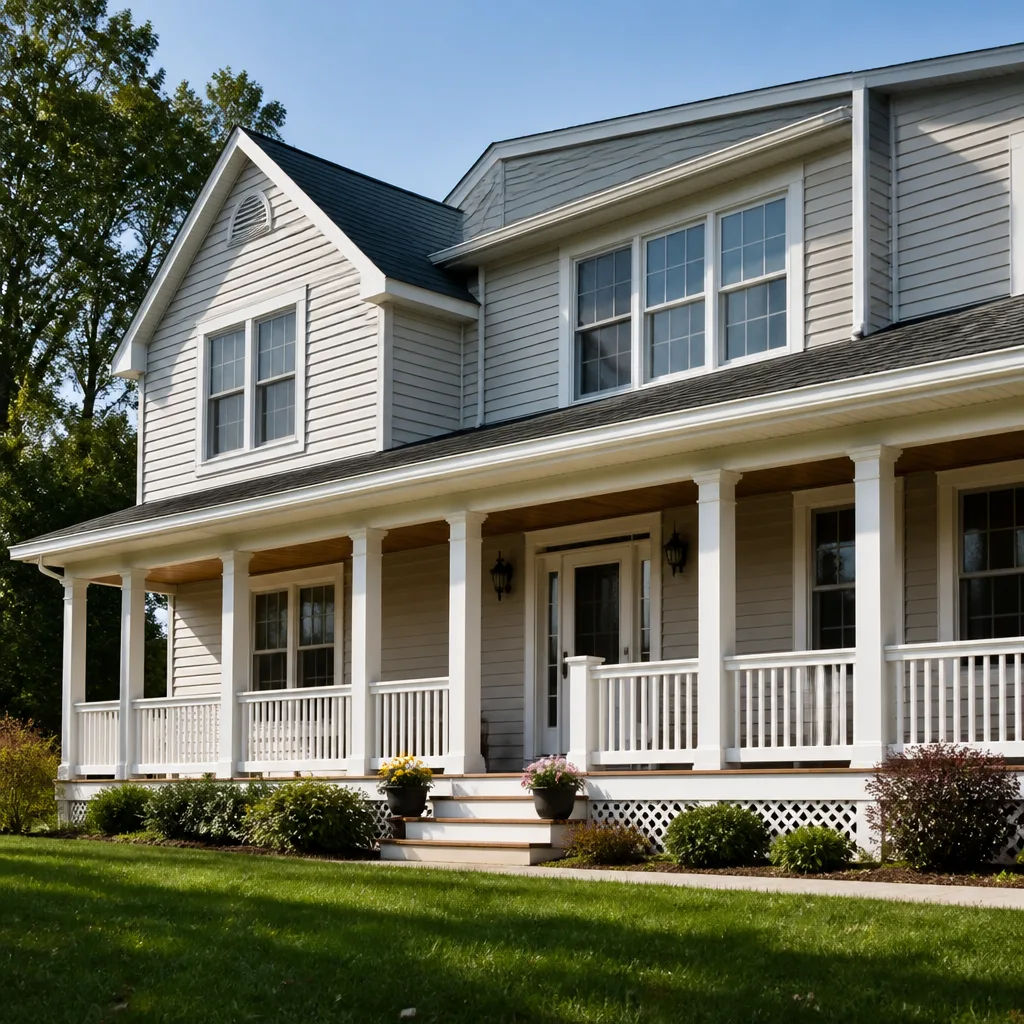
 Before
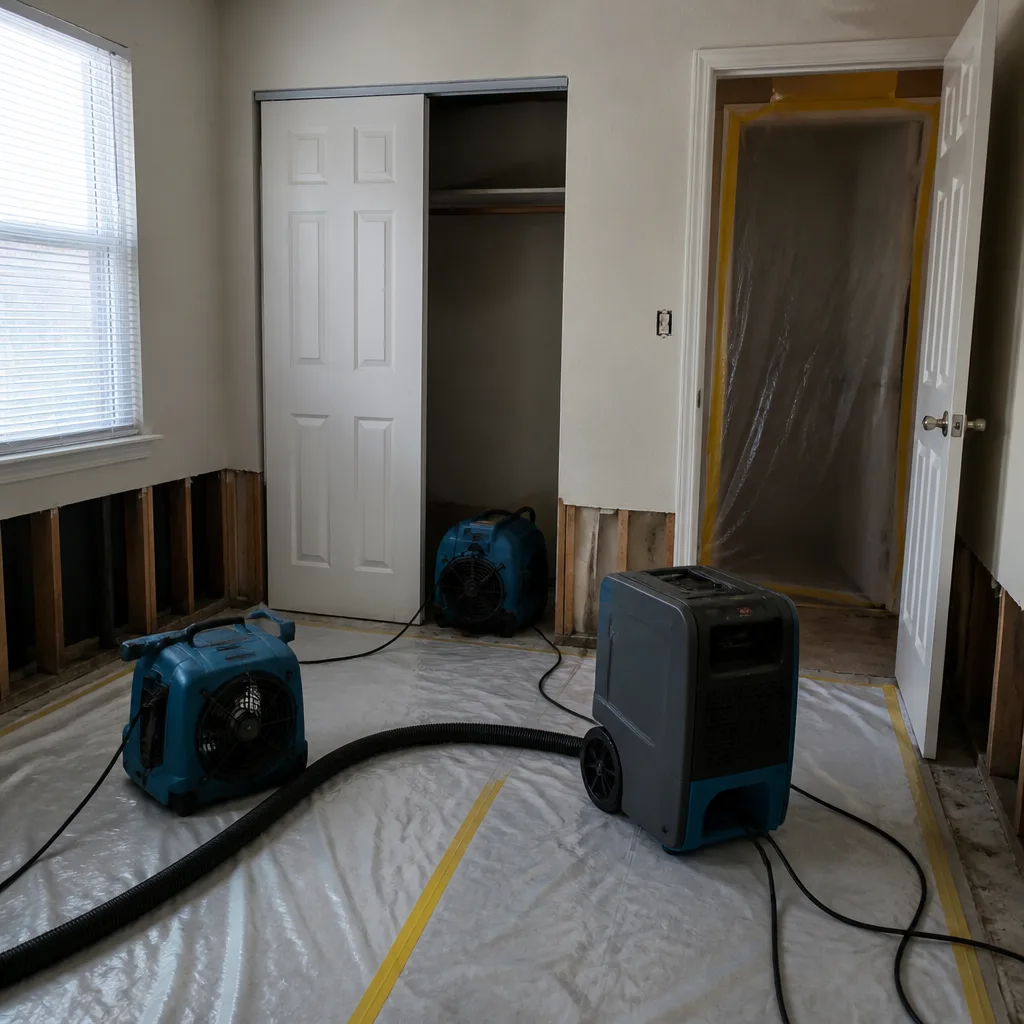 After
After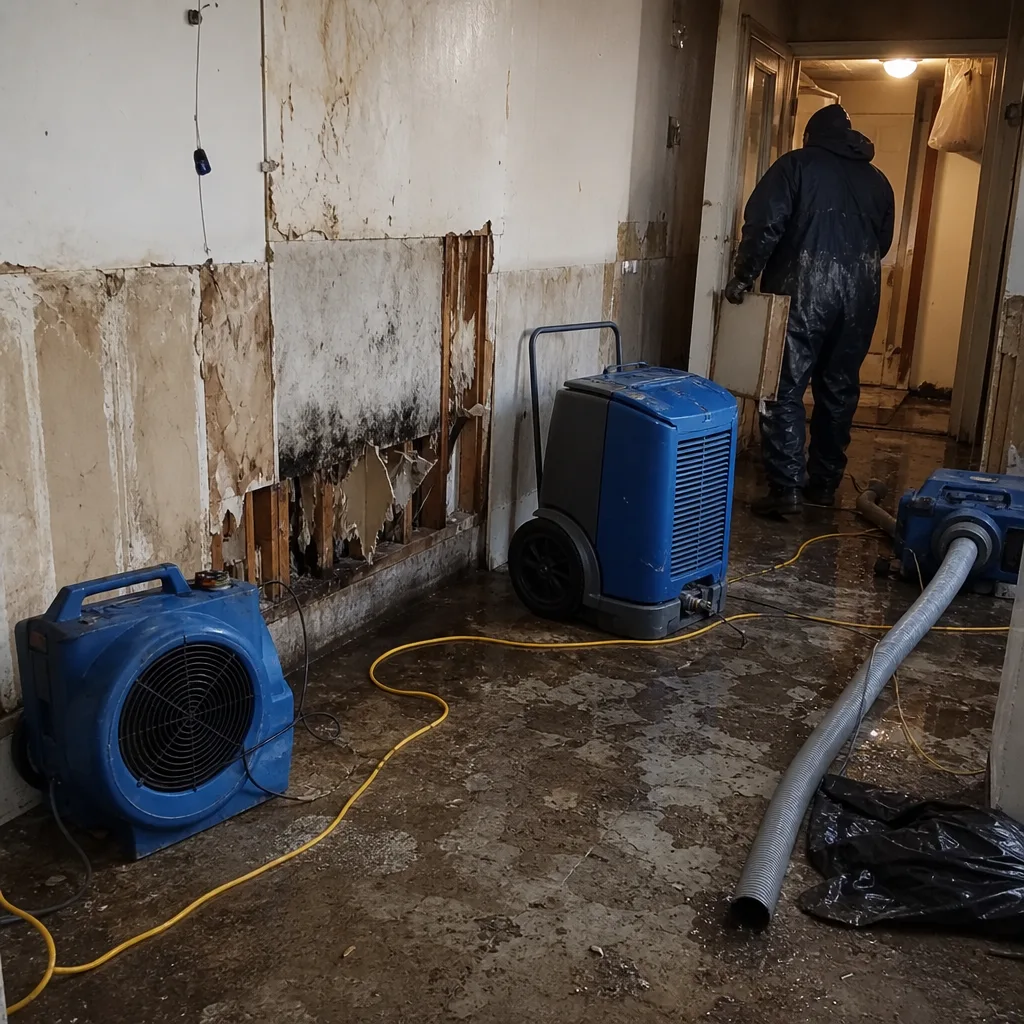 Before
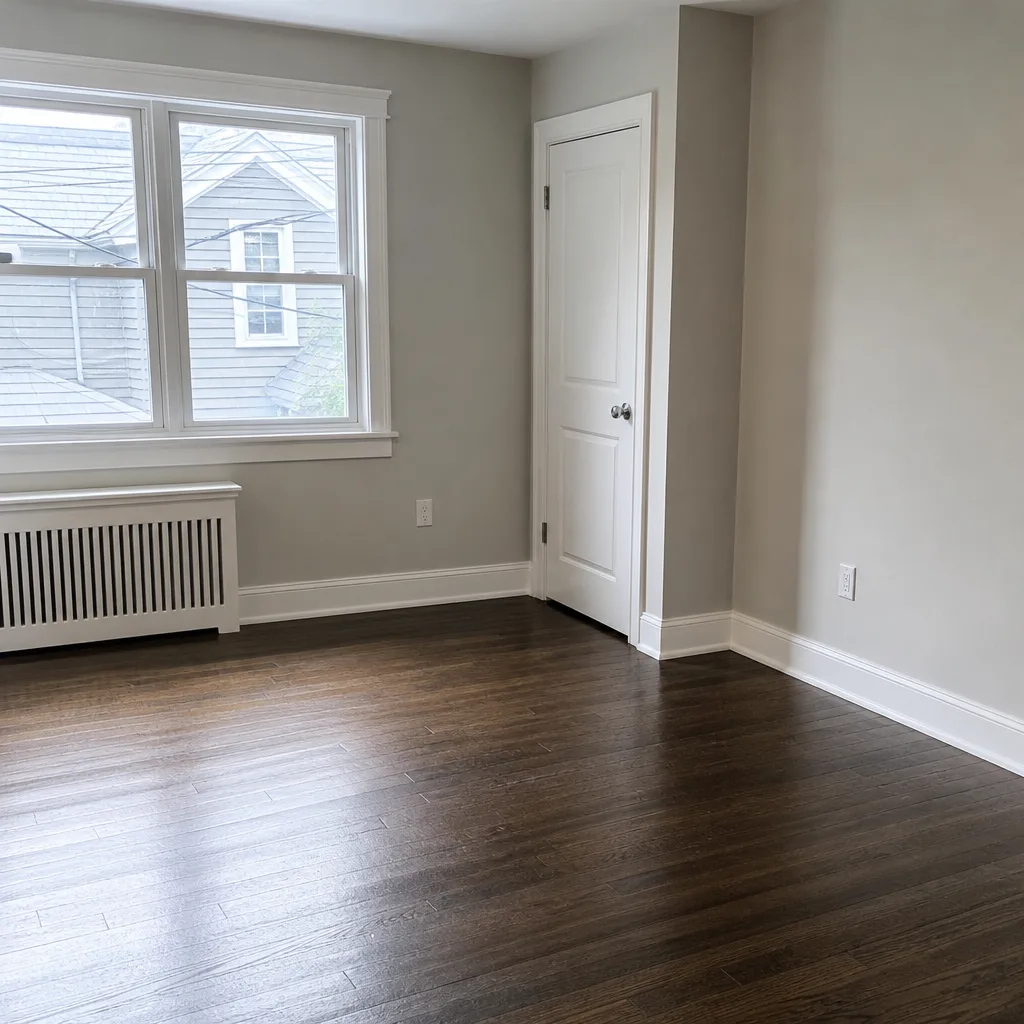 After
After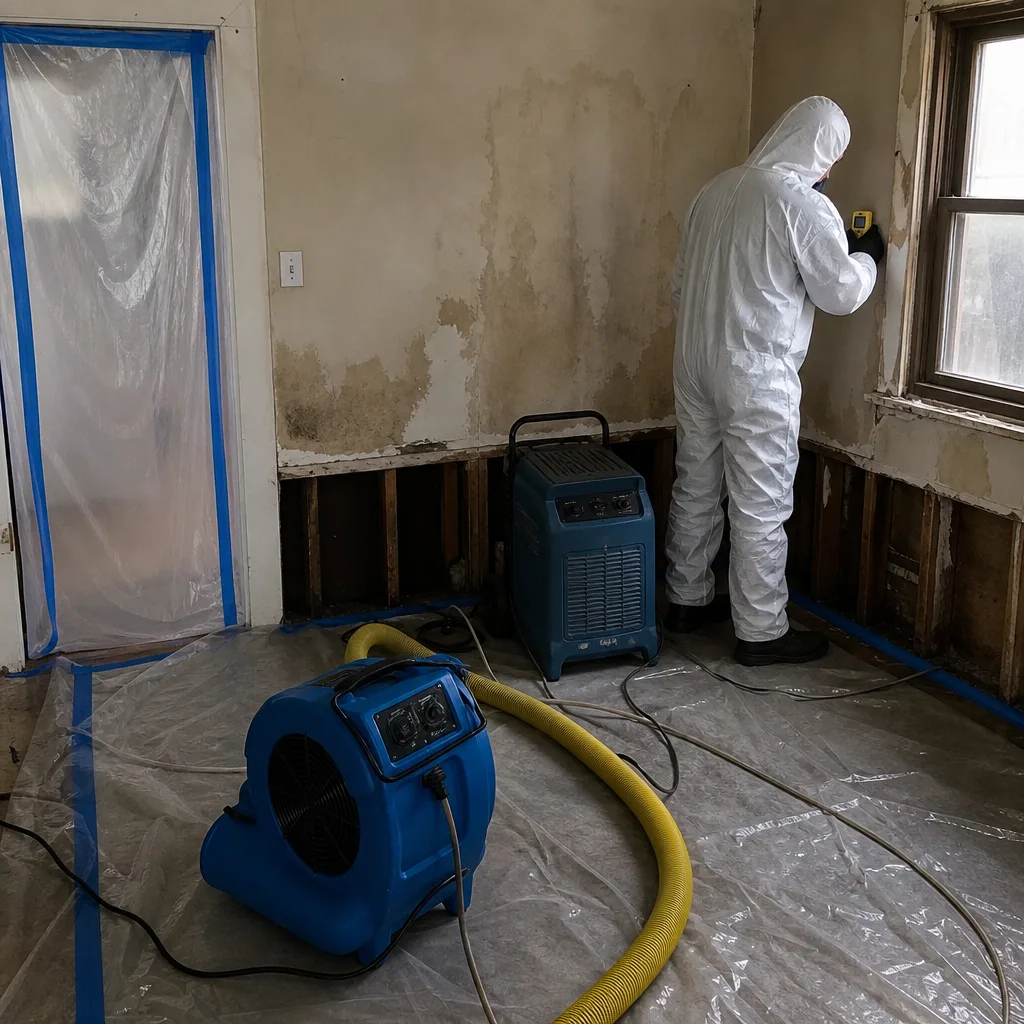 Before
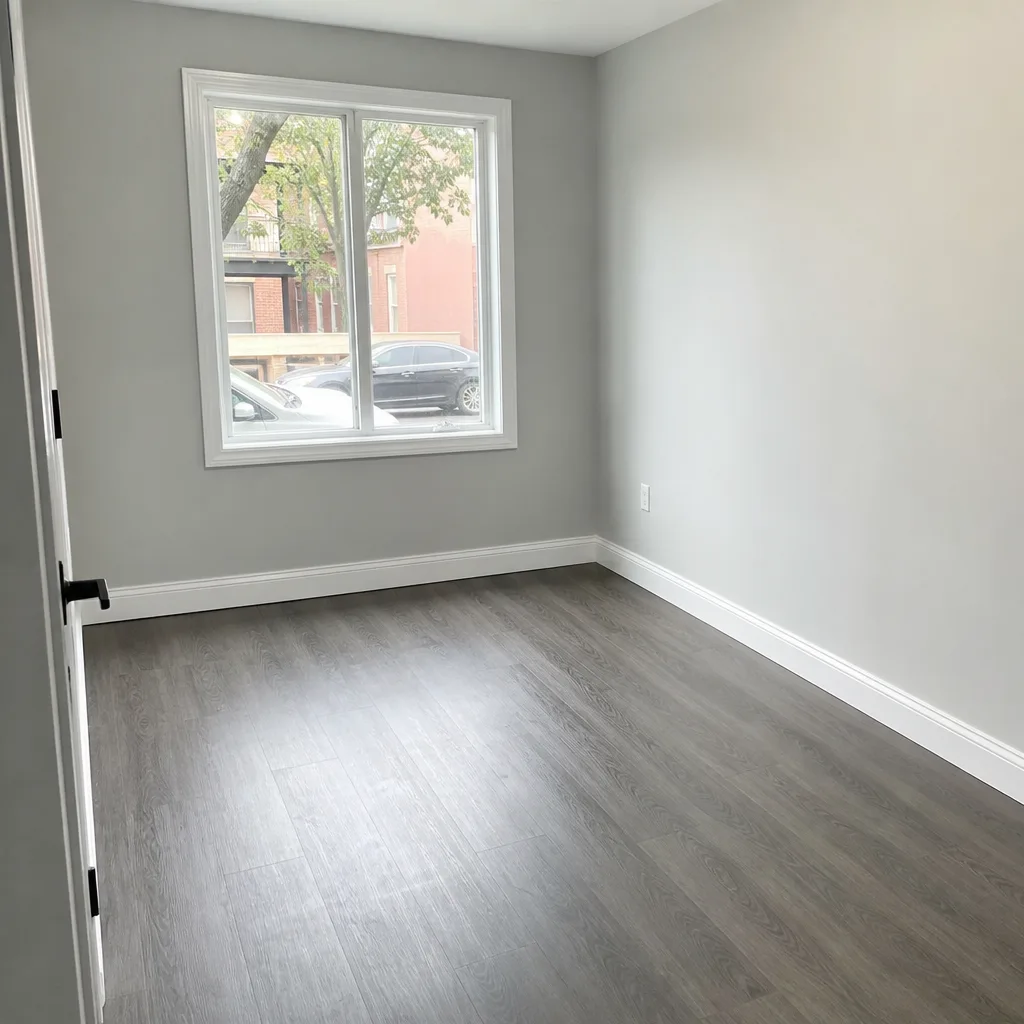 After
After24/7 Emergency Mold Remediation in Glendale
Mold remediation in Glendale typically costs between $1,800 and $6,500, with black mold in shared rowhouse walls pushing jobs toward the upper end. Our crews answer live around the clock and can have containment set up inside two hours of your call. If you’re staring at a spreading dark patch on a basement wall near Myrtle Avenue or smelling that musty odor drifting up from a crawl space, call (363) 300-2771 right now. The first hour is when containment decisions are made. Wait, and mold spores ride your air handler through the whole house and into the shared attic above your neighbor’s unit.
We don’t route you to a call center. Wade Ferris answers his own phone. He’s been running this company since 2007, and he’ll tell you straight whether you need full remediation or a targeted cleaning. You’ll know the name of the person rolling up in front of your rowhouse before the truck arrives.
Understanding Mold Remediation Severity in Glendale Properties
Not every mold call in Glendale is a hazmat job. We classify what we find into three readiness levels, and that classification drives everything: containment scope, drying method, and whether we need to open walls at all. A surface patch on a bathroom ceiling from a leaky vent stack is Level 1: local containment, HEPA scrubbing, antimicrobial treatment, done. Mold that’s penetrated plaster over wood lath behind a finished basement wall is Level 2: full room containment, negative air pressure, and structural drying with moisture mapping to find every hidden pocket. Level 3 is what we see most often in this neighborhood: black mold that started in one attached unit and traveled through the shared party wall or continuous attic space into another home. That requires multi-property coordination, NYC Department of Buildings sign-off when we cut into shared structural elements, and clearance testing before anyone moves back in.
The typical Glendale rowhouse makes this harder than it should be. Original plaster-and-lath absorbs water like a sponge and releases it slowly, so the moisture reading two weeks after a leak can still be high enough to feed mold. Add in cast-iron drain lines from the 1930s that fail without warning, and you have a housing stock that hides mold behind walls for months before anyone notices.
Why Glendale Property Owners Choose Wade’s Restoration
- 45-minute response commitment from the Glendale area. Wade’s crew stages from the New York City office and knows the side streets off Myrtle and Cypress Avenues, so we get there fast when a rowhouse wall is weeping.
- 24/7 live answer, every time. You call, a person picks up. Not a recording, not a call center in another state. It’s Wade or one of his crew.
- IICRC-certified, RIA-affiliated, IFA-recognized. Our people carry the certifications that matter for water damage, mold remediation, and structural drying. The letters mean they’ve trained on plaster, lath, and shared-wall complexities, not just drywall and concrete.
- Free visual inspection with no pressure. We’ll come look before you commit to anything. You’ll get a straight answer about whether you’re looking at a $400 cleaning or a $9,000 wall-open remediation.
- Direct insurance billing and adjuster communication. Wade talks to your carrier directly. You’re not the messenger between two sides while mold keeps growing.
- One team from containment to reconstruction. We don’t remediate and then hand you a phone number for a different company to rebuild. Same crew, same truck, same person accountable for the finished job.
Our Mold Remediation Process
Inspection & Assessment
We start with thermal imaging and a hygrometer sweep across every affected room, plus the shared walls and attic access. In Glendale rowhouses, we never stop at the unit that called us. We check adjacent units because your mold might be their mold, and their leak might be feeding yours.
Containment & Air Control
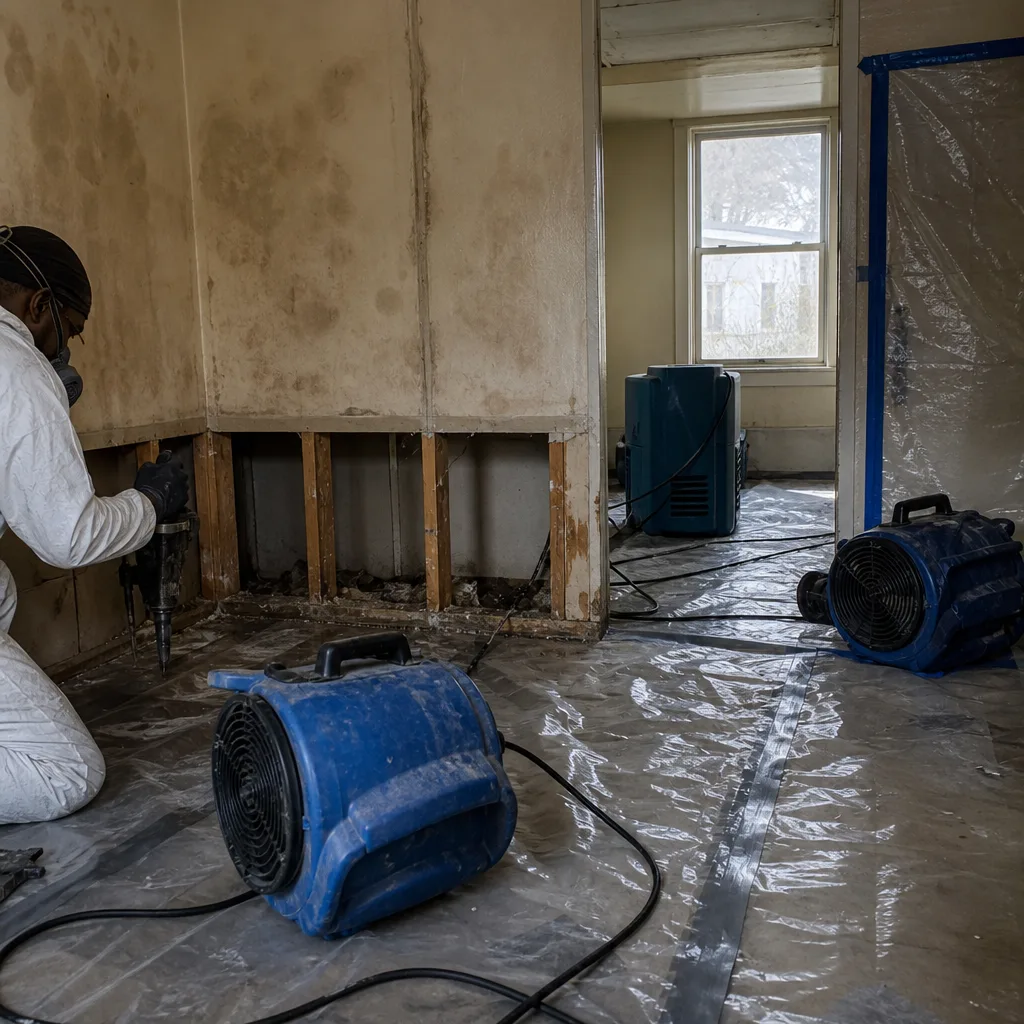
Before we remove anything, we seal the work area with 6-mil poly and run HEPA-filtered negative air scrubbers. This keeps spores from riding your air handler into other rooms or through the shared attic into a neighbor’s home.
Drying & Dehumidification
Plaster-and-lath walls dry slowly, so we run Dri-Eaz and Phoenix dehumidifiers longer than a drywall job would require. Daily moisture readings go into a log you get at the end. Almost nobody hands the homeowner the drying log. We do.
Cleaning & Antimicrobial Treatment
Porous materials that can’t be salvaged get bagged and removed under containment. Surfaces that can be saved get HEPA vacuuming, wiping, and a registered antimicrobial treatment rated for the category of water or mold we’re dealing with.
Moisture & Humidity Control
Mold comes back when the moisture source stays fixed but the conditions return. We map your basement, attic, and crawl space humidity, then recommend the fix so this doesn’t happen again. In Glendale, that often means addressing original cast-iron drain lines and improving basement ventilation.
Repairs & Restoration
After clearance testing passes, we rebuild what we opened. Plaster patching, lath repair, new trim, fresh paint. We match the character of a 1930s rowhouse, not just slap drywall over it. The job isn’t done until the room looks like it did before, minus the mold.
Need Emergency Mold Remediation in Glendale Now?
Crews minutes away, answering live 24 hours a day. The sooner we start, the less it costs.
Working With Your Insurance Company
Mold remediation is one of the messiest things to get covered, because every policy has different exclusions and dollar caps. The worst position you can be in is calling your adjuster after the fact with nothing but a phone photo and a receipt. We fix that from the first hour. When we arrive, we document everything: the source of the moisture, the extent of visible growth, the moisture readings behind walls, and the exact square footage of affected material. That record is what your adjuster needs to see, and it’s built to the same software and standards their own field estimators use.
Wade talks to the adjuster directly. You don’t have to explain why a plaster wall reads high on a moisture meter or why the shared attic means your neighbor’s unit is part of the scope. Let him handle it. It’s his job, and he’s had seventeen years of practice.
What We Provide Your Insurer
- Thorough documentation of the loss
- Photos of all damage, room by room
- Moisture readings and drying logs
- A detailed, line-item scope of work
- Direct coordination with your carrier
Built for Glendale’s Loss Calendar
Mold in Glendale doesn’t happen on a random schedule. It follows the weather and the aging plumbing in these prewar rowhouses. January and February bring deep freezes that burst supply lines in unheated basements, soaking original plaster and lath, then furnace heat dries it just enough to hide the moisture while mold spreads behind the wall. Spring thaw saturates the ground around foundations on streets like 69th Place and Cooper Avenue, pushing seepage through cracks into finished basements. The late-summer thunderstorms that roll through Queens overwhelm the combined sewer mains under these tightly packed blocks, sending sewage backups into whole rows of basements in a single night. That’s category 3 water, and it demands full hazardous-material protocol if you don’t want black mold to follow the sewage.
And then there’s the shared attic problem. A roof leak at 68-12 69th Place can send moisture into the continuous attic space, and the first homeowner knows about it is mold bloom in a third-floor bedroom. By then, the neighbor two doors down has it too. This isn’t a seasonal issue. It’s a rowhouse issue, and it runs all four seasons.
Mold Remediation Across Glendale’s Neighborhoods
Glendale isn’t one housing type. It’s a patchwork, and each pocket has its own mold profile. The blocks around Myrtle Avenue are the densest, with attached brick rowhouses sharing full-height party walls, which means every remediation has to start with a neighbor conversation. Over by Forest Park, the houses get slightly bigger and the lots slightly wider, but the construction is still 1920s masonry, with the same plaster-and-lath interiors and the same slow-drying behavior.
On 69th Place and the streets running toward Cooper Avenue, we see the most cast-iron sewer line failures and the most category 3 basement backups after heavy rain. The basements sit closer to the combined sewer mains, and when the system backs up, these blocks flood first. Near Atlas Park, finished basements are common, which means mold hides behind drywall over plaster, out of sight until the smell gives it away. East of 80th Street, semi-detached frames start to appear, and their crawl spaces create a different problem: high humidity trapped under the house, feeding mold up through floor joists. Every one of these patterns needs a different containment plan, a different drying strategy, and a different scope of work. That’s why we send a real assessment, not a phone estimate, before anyone touches your walls.
Specialized Mold Remediation Services We Offer in Glendale
Mold Inspection & Testing
When you smell something musty but can’t see anything, or when you’re buying a rowhouse and the home inspector flags a suspicious corner, we come in to find out what’s actually there. Thermal imaging finds moisture behind glendale’s plaster walls, air sampling identifies spore types and concentrations, and surface testing confirms whether that dark patch is cosmetic staining or active growth. You get a straight answer, not a scare tactic.
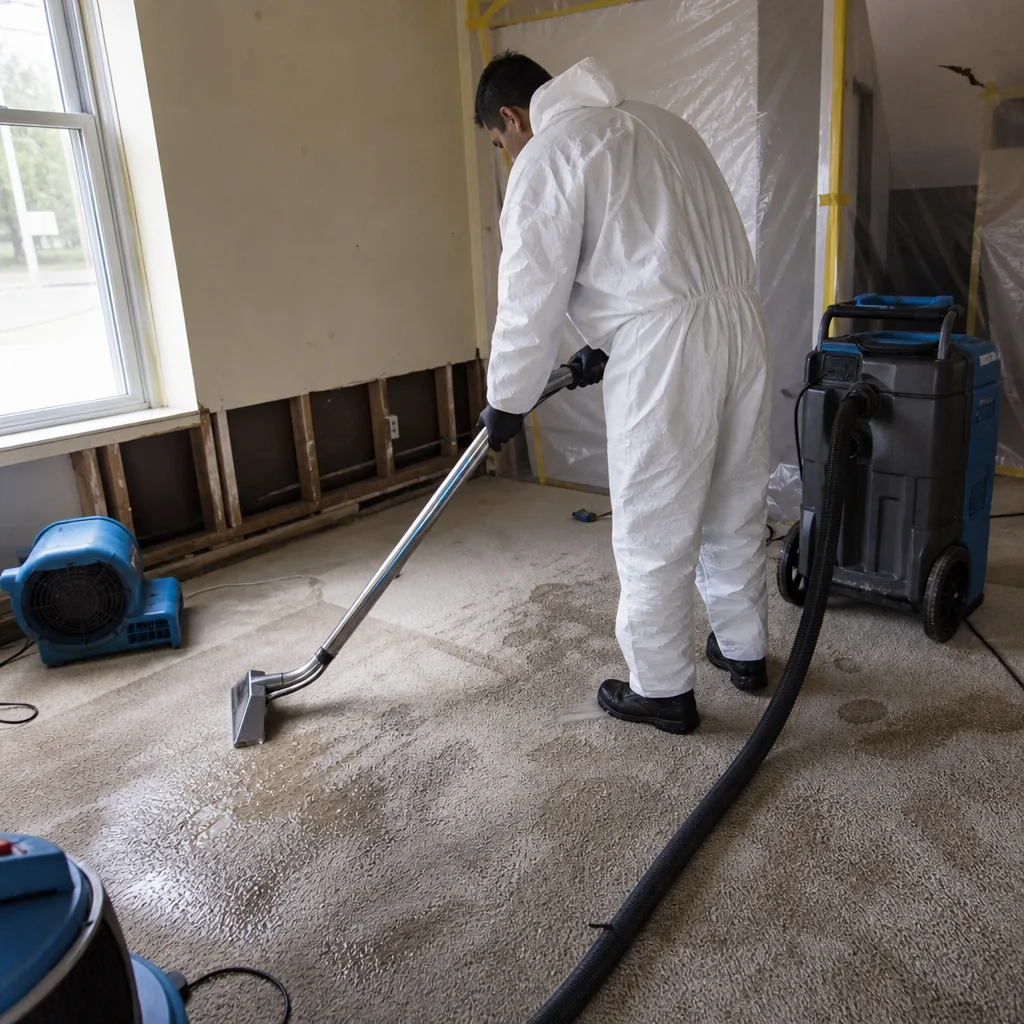
Mold Removal
We remove mold that’s feeding on surfaces like finished basement drywall, floor joists, or subflooring. The process always starts with containment and always ends with clearance testing. We don’t just spray something and hand you a bill. We remove the affected material, dry the structure, treat the cavity, and verify the air is clean.
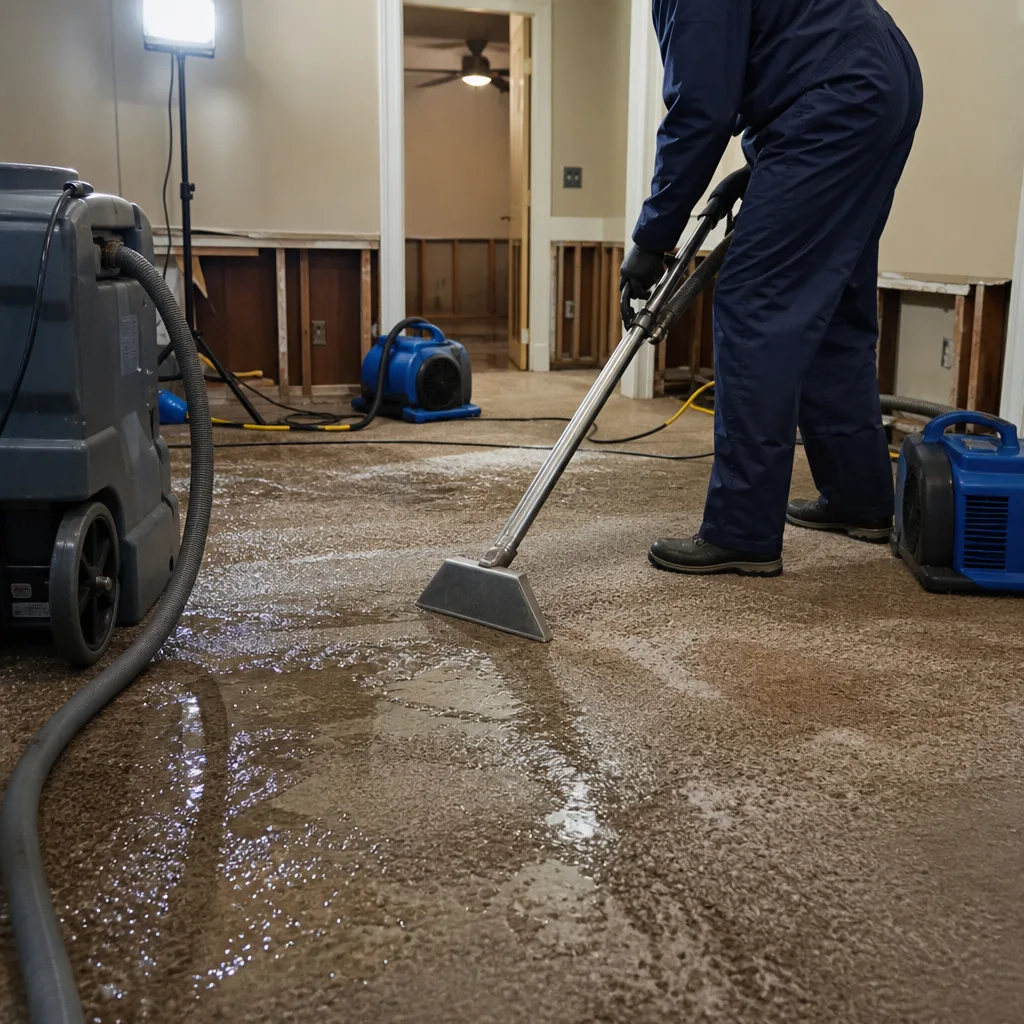
Black Mold Remediation
The black mold we pull out of Glendale rowhouses is usually Stachybotrys, and it’s usually been growing for months behind a wall or under a floor before anyone sees it. That’s not a job for bleach. We work under full containment with HEPA air scrubbing, remove all porous materials that tested positive, treat the adjoining structural members with antimicrobial agents, and run clearance testing twice before we seal the walls back up. When the black mold is in a party wall, we work with your neighbor’s schedule, not yours.
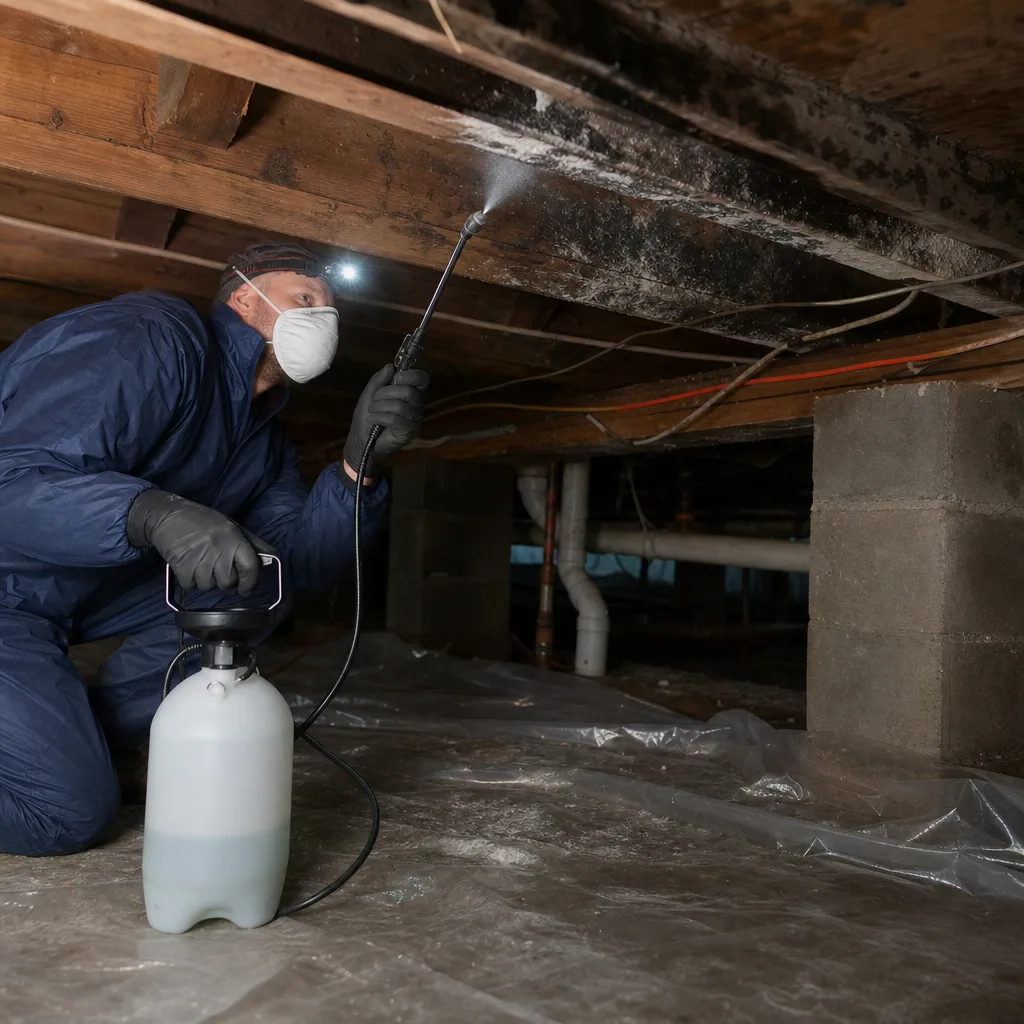
Air Quality Restoration
After remediation, the air needs to be clean, not just visibly free of mold. We run HEPA-filtered air scrubbers through the affected rooms and, when needed, clean the HVAC duct runs. This is the step people skip and regret, because one moldy vent can re-seed a freshly cleaned room inside a week.
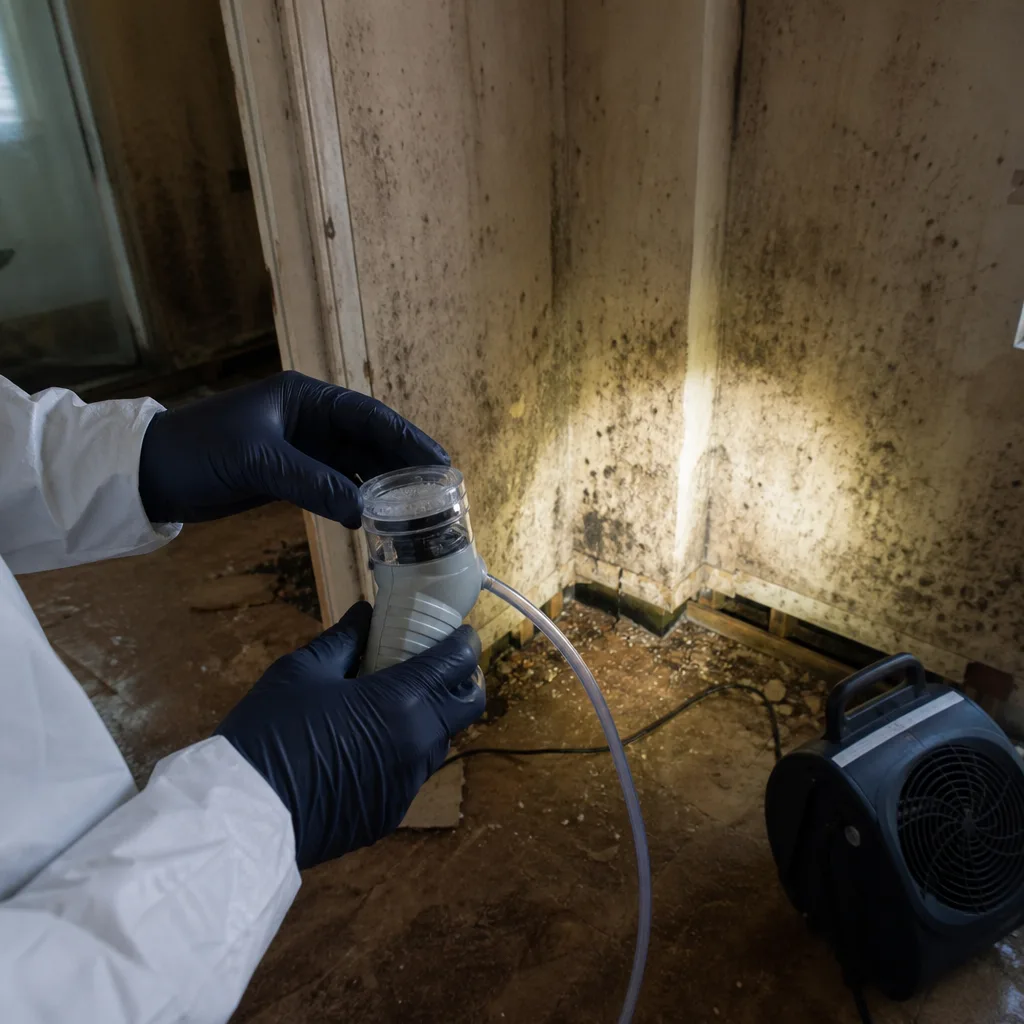
Crawl Space Treatment
The crawl spaces under Glendale’s semi-detached frame houses get ignored for decades until the floorboards start cupping or the house smells like a cellar. We treat the moisture source: drainage, vapor barrier, dehumidification, and treatment of any mold feeding on the joists. When the crawl space is sealed and dry, the rest of the house stops smelling like it.
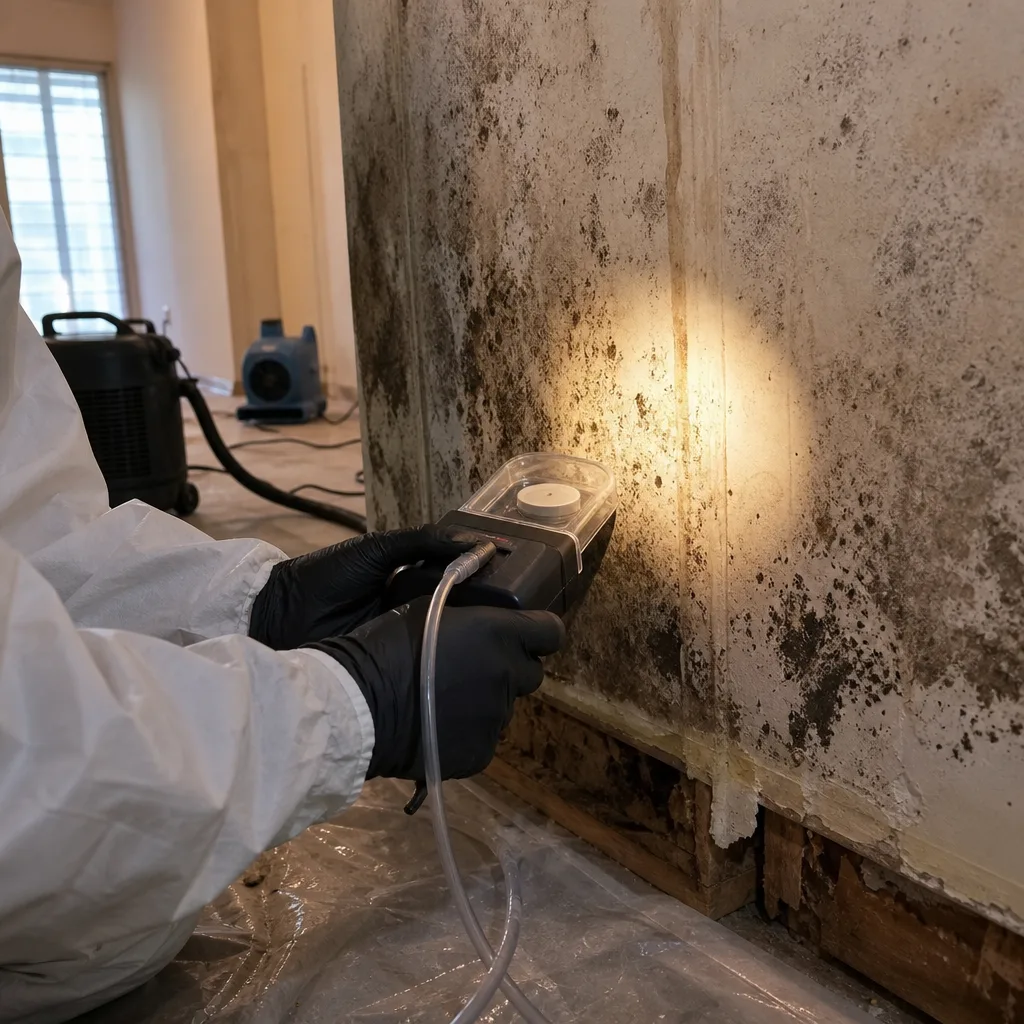
Moisture & Humidity Control
Every mold remediation we complete in Glendale ends with a conversation about the moisture that caused it. We map your basement and attic humidity, identify the leak or condensation source, and recommend the fix that fits the house. Old rowhouses breathe differently than new builds, and controlling humidity in a 1930s brick shell is a different job than a modern sealed box.
Our Mold Remediation team handles everything from small bathroom patches to multi-property contamination. When you call about a Glendale address, you’ll talk to someone who knows this neighborhood’s housing stock well enough to tell you which walls are plaster and which are drywall from the address alone.
What happens when you call
- 1
A real person answersNo phone trees - you reach a local pro.
- 2
You get an upfront price rangeHonest numbers before anyone is dispatched.
- 3
A background-checked tech heads outLicensed & insured, dispatched right away.
- 4
You approve before work beginsNothing starts until you say go.
Mold Remediation Costs in Glendale, NY
Let’s talk real numbers. For a contained mold patch on a single bathroom wall in a Glendale rowhouse, expect to pay between $1,200 and $2,000 for removal, treatment, and repainting. A finished-basement remediation with containment, structural drying, and drywall replacement runs $3,500 to $6,500. A black mold situation inside a shared party wall, with multi-property containment, NYC Department of Buildings coordination, and clearance testing for two households, can range from $8,000 to $15,000. That’s the honest range for this neighborhood, and it’s shaped by the materials these rowhouses are built from.
What moves the price? Whether we open walls or just treat surfaces. Whether the shared attic or a neighbor’s unit is involved. Whether we’re pulling permits and coordinating with the DOB. Whether your insurance carrier covers the loss or you’re paying out of pocket. The fastest way to a real number is the free visual inspection. We’ll tell you what you’re looking at and write a line-item scope before any work starts. No phone-y ballpark. No surprise at the door. And if you’ve got a written estimate from someone else, bring it. Wade gives a free second opinion.
We’ve served Glendale property owners through enough of these to know what insurance will cover and when to push back on a lowball adjuster estimate. You’re not in this alone, and you’re not the one who has to fight the carrier. That’s what you’re hiring us for.
We Also Serve Cities Near Glendale
If you’re in East New York, Jamaica, Canarsie, or East Flatbush, we handle mold remediation there too. Same team, same 24/7 live answer, same owner picking up the phone. Call (363) 300-2771 and tell us where you are.
Glendale Mold Remediation Questions, Answered
How fast can you get to a Glendale address for a mold emergency?
We can typically have a crew at your Glendale rowhouse within 45 minutes of your call. Wade picks up the phone 24/7, and he’ll tell you immediately whether someone needs to start containment today or if a next-day assessment will do.
How do you handle mold remediation in a Glendale rowhouse when the infestation has spread into the attached neighbor’s unit?
We treat both properties as one job. That means containment in both units, moisture mapping across the shared party wall, and coordination with both homeowners and both insurance carriers. We’ve done this enough times on this block to know the conversation with the neighbor opens better when a real person shows up with a moisture meter, not a sales pitch.
Why does mold remediation in Glendale require NYC Department of Buildings coordination more often than in detached-home suburbs?
Because when mold has penetrated a shared party wall or structural member, any cutting into that wall involves a shared structural element. The DOB wants a permit and sometimes a structural check before we open anything that both homes depend on. Skipping that step can trigger a stop-work order and put you and your neighbor in a legal knot. We handle the permitting and coordination as part of the job.
What category of water from a Glendale sewer backup requires black mold remediation?
Category 3, or black water, includes sewage and storm-water backups that carry pathogens. If a combined sewer main backed up into your basement after a storm, the water is category 3. You need full PPE, containment, and comprehensive antimicrobial treatment. Skipping the category-3 protocol is how black mold moves in.
How do you dry plaster-over-wood-lath walls in a 1920s Glendale house without tearing them all out?
We dry them slowly, with daily moisture readings. Plaster releases water slower than drywall, so the drying window runs longer, and the dehumidifiers stay running after the surface looks dry. When we can save the original plaster, we do. When the plaster has lost its key and the lath is rotten, we open it up. Either way, we verify with a moisture meter before we seal anything closed.
Can mold spread through the shared attic spaces in Glendale rowhouses even if there is no water damage in my unit?
Yes. The continuous attic spaces in attached rowhouses on streets like 69th Place and Cooper Avenue act as one long chamber. Moisture and mold spores from a roof leak two doors down can travel through that space and colonize your top-floor ceiling without any leak on your side. That’s why we always check the attic and the adjacent unit when we get a mold call in an attached home. If you’ve got mold and no obvious water source, this is usually the answer.
How long does mold remediation take in a typical Glendale rowhouse?
Most single-property jobs complete in 3 to 7 days from containment to clearance testing, assuming no shared-wall or multi-unit complexity. A job involving a party wall, a neighbor’s unit, or category 3 water can stretch to two or three weeks when you include DOB coordination and clearance testing. We’ll give you a schedule in writing after the assessment.
What should I do in the first 30 minutes after I find mold in my Glendale home?
Don’t tear into the wall, don’t spray bleach, and don’t run a fan on it. Close the door to the room if you can, turn off the HVAC so spores don’t get pulled through the returns, and call (363) 300-2771. Take a photo with your phone for your own record, but leave the wall alone. Opening it up yourself is how you turn a $1,500 surface job into a $6,000 airborne-spore problem.
The Glendale Mold Problem No Generic Restoration Company Ever Mentions
Here’s the thing about mold in this neighborhood that most companies won’t tell you because they’re working from a national playbook. Glendale’s rowhouses are attached. Thirty percent of the wall you share with your neighbor is the same sandwich of plaster, lath, and brick, and when water gets into that wall on either side, the mold doesn’t care whose house it is. It grows where the moisture is. So the question isn’t just what we do inside your unit. It’s whether we’re checking the unit next door, because if we don’t, the mold comes back in three months, and now you’ve got an angry neighbor who thinks you’re the one who caused it.
We solved this on a black mold job on 69th Place not long ago. A 1930s brick rowhouse came to us with a failed cast-iron drain line weeping category 3 water behind the original plaster-and-lath basement wall. We set up full containment, ran structural drying with Dri-Eaz dehumidifiers and air movers, and the moisture mapping came back elevated in the adjoining unit’s side of the shared party wall. So we talked to the neighbor, expanded the scope, and completed antimicrobial treatment and pack-out of affected contents in both basements. That’s what an actual Glendale mold remediation looks like. It’s never just one house. It’s the building.
If you hire someone without local experience, you’re hiring someone who doesn’t know that. They’ll treat your unit, pack up their equipment, and six months later the mold is back because the neighbor’s leak is still feeding your wall. This is the stuff that only shows up in a company that works this neighborhood every week and knows the rowhouse construction.
Serving Glendale, NY - Our Local Coverage Area
We’re based in the Glendale area and know this community well. Use the map below to see our service coverage - if you’re nearby, we can almost certainly help.
Free Visual Inspection. Free Second Opinion. No Trip Charge in Our County.
If you’ve got mold, or you think you’ve got mold, call (363) 300-2771. We’ll come out and look. If you’ve already got an estimate from another company, bring it. Wade will give you his honest read on whether the scope is right, too big, or missing the shared wall entirely. The inspection is free. The second opinion is free. There’s no trip charge inside our county. Senior or veteran? Take 10% off, always.
The mold is already there. It’s not waiting for you to be ready. Call today, get a real answer, and know what you’re dealing with before it gets worse.
Written by Wade Ferris, Owner at Wade’s Restoration, serving Glendale mold remediation with documented moisture logs, direct adjuster communication, and a 90-Day Done Right Promise in writing.