
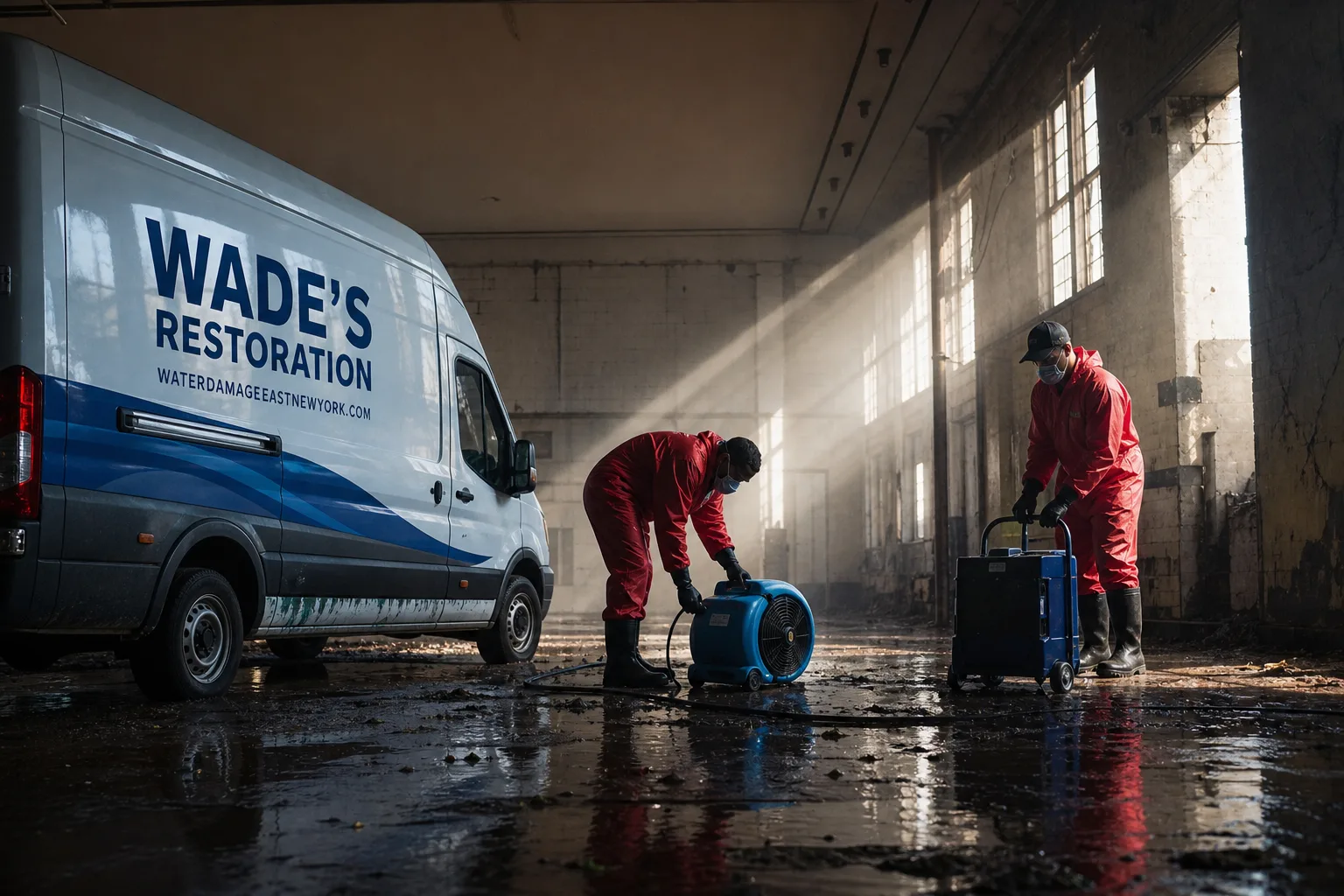
Free visual inspection and a written scope of work before any mitigation begins - photos, moisture readings, and drying logs go in your claim file
The scope we write is the scope we bill. Anything new gets shown to you, in writing, before we touch it.

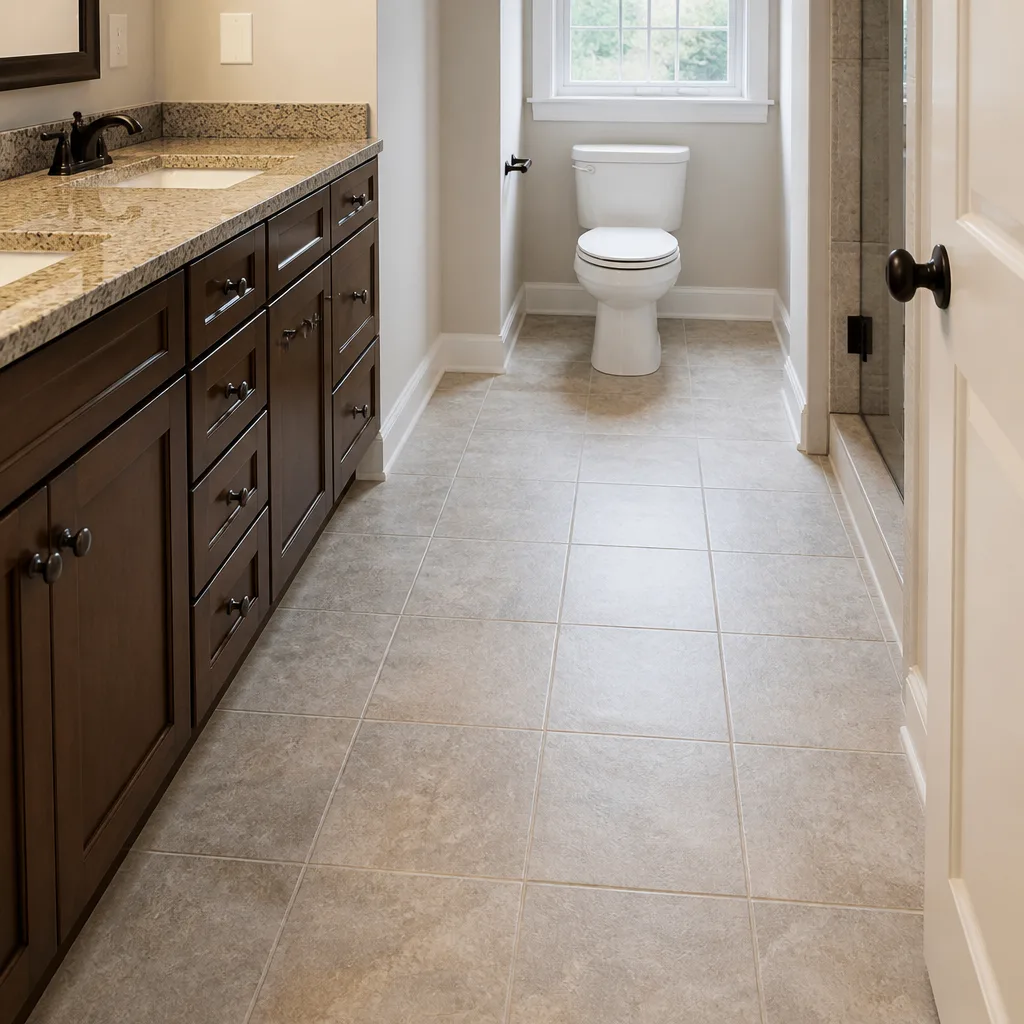
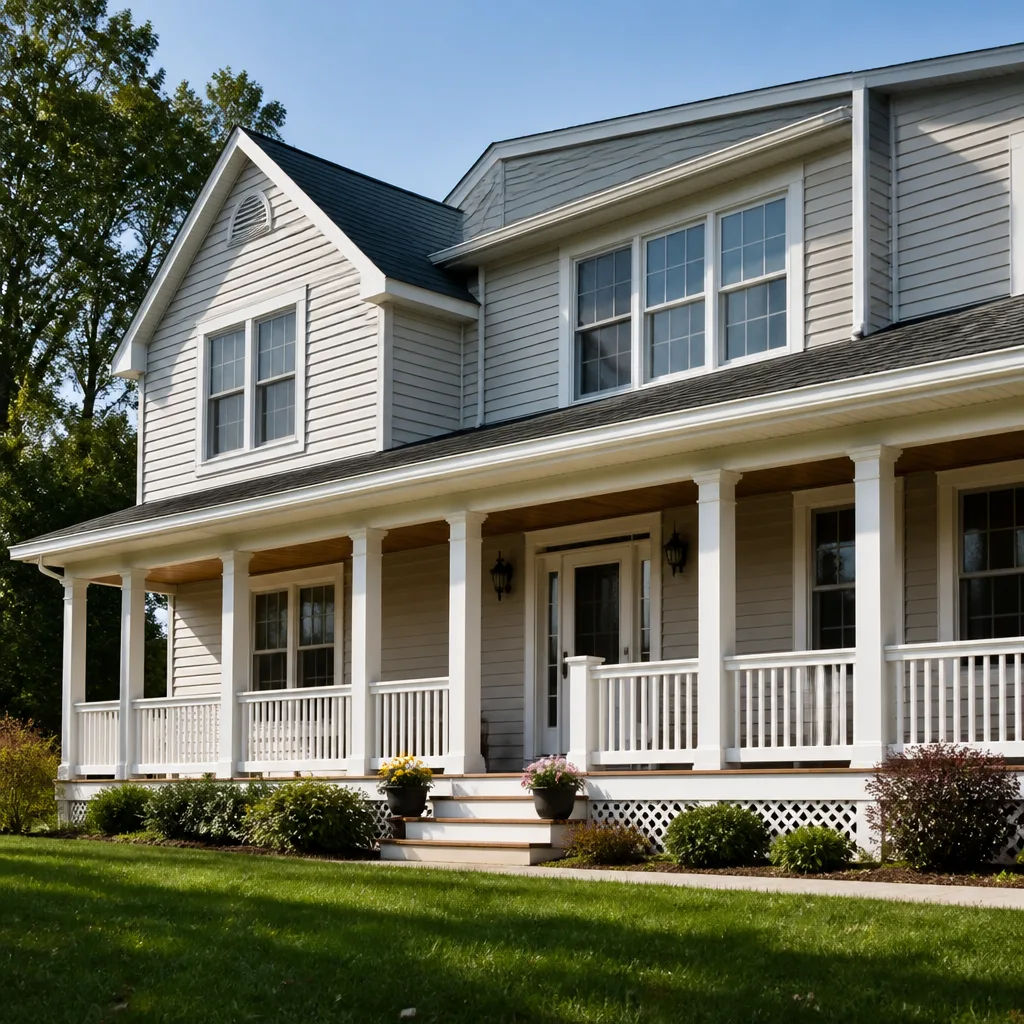
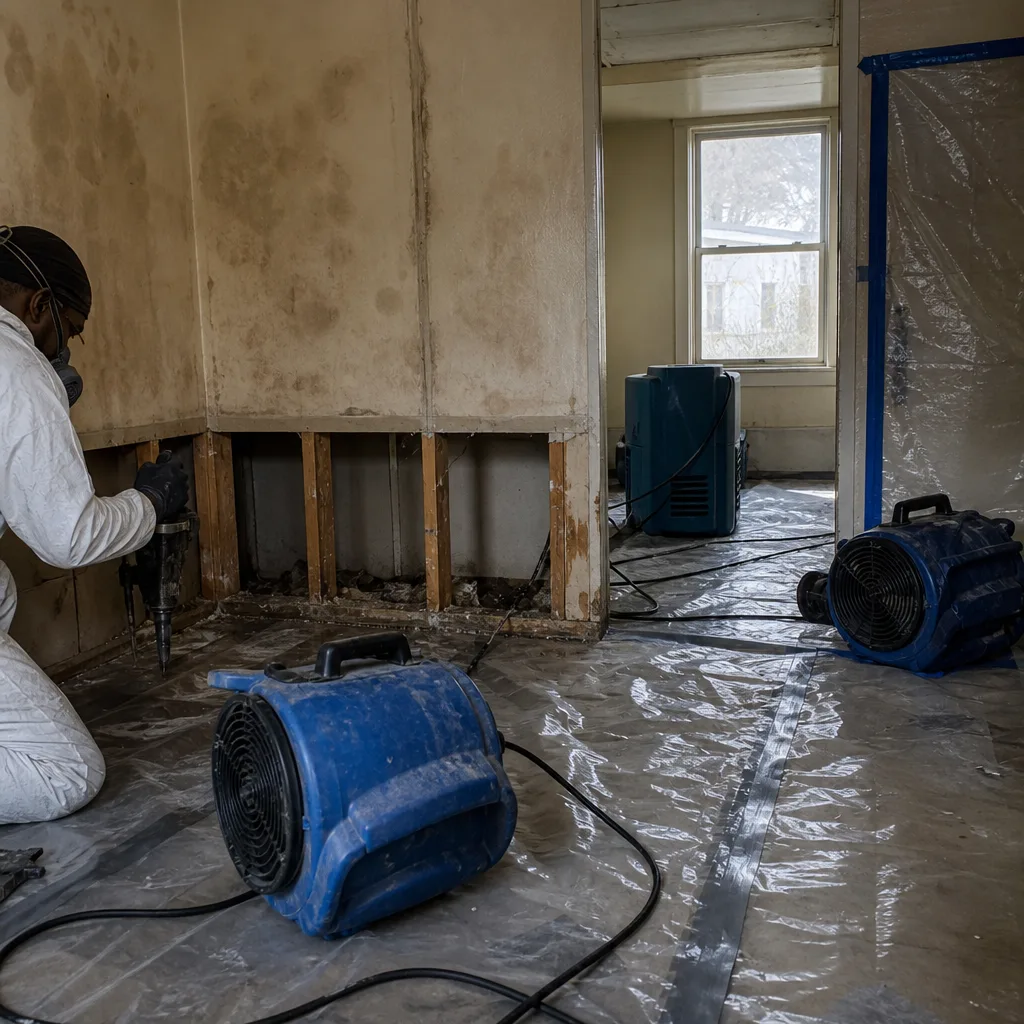 Before
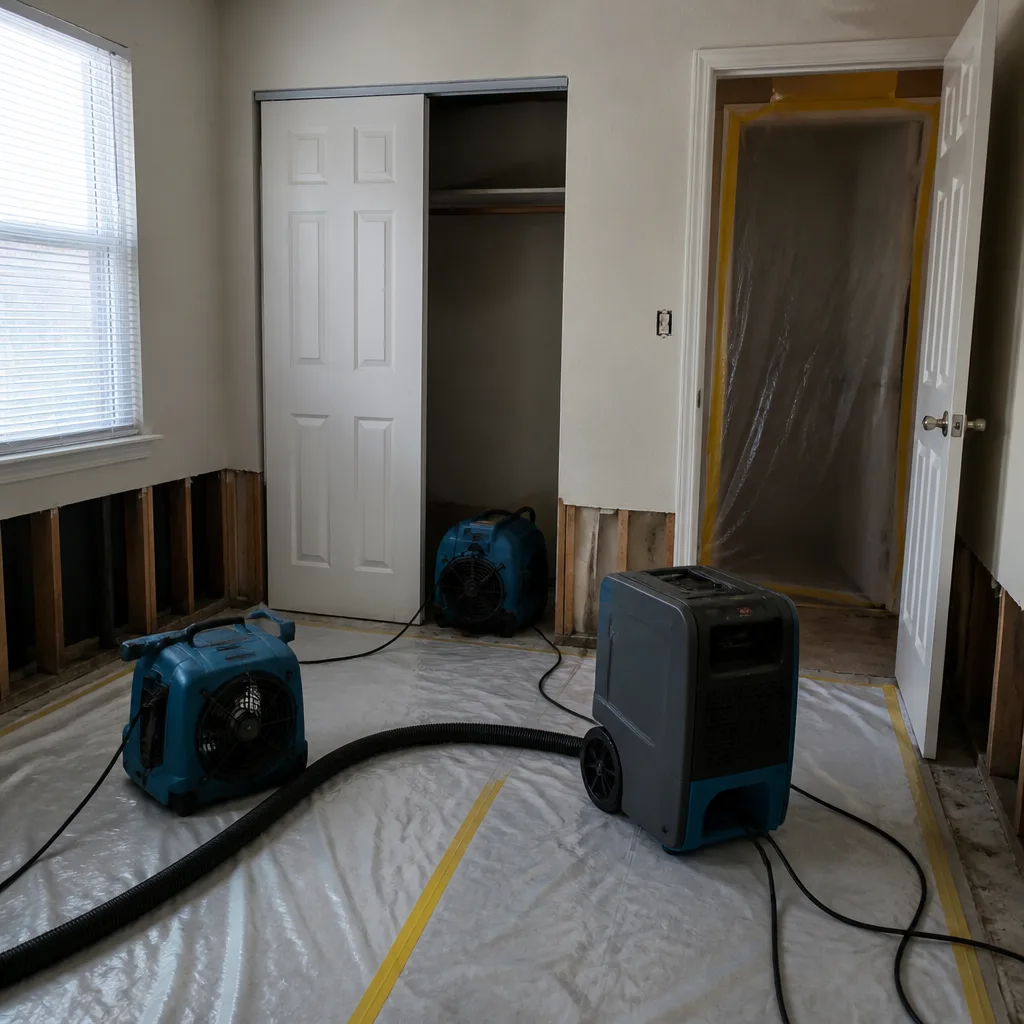 After
After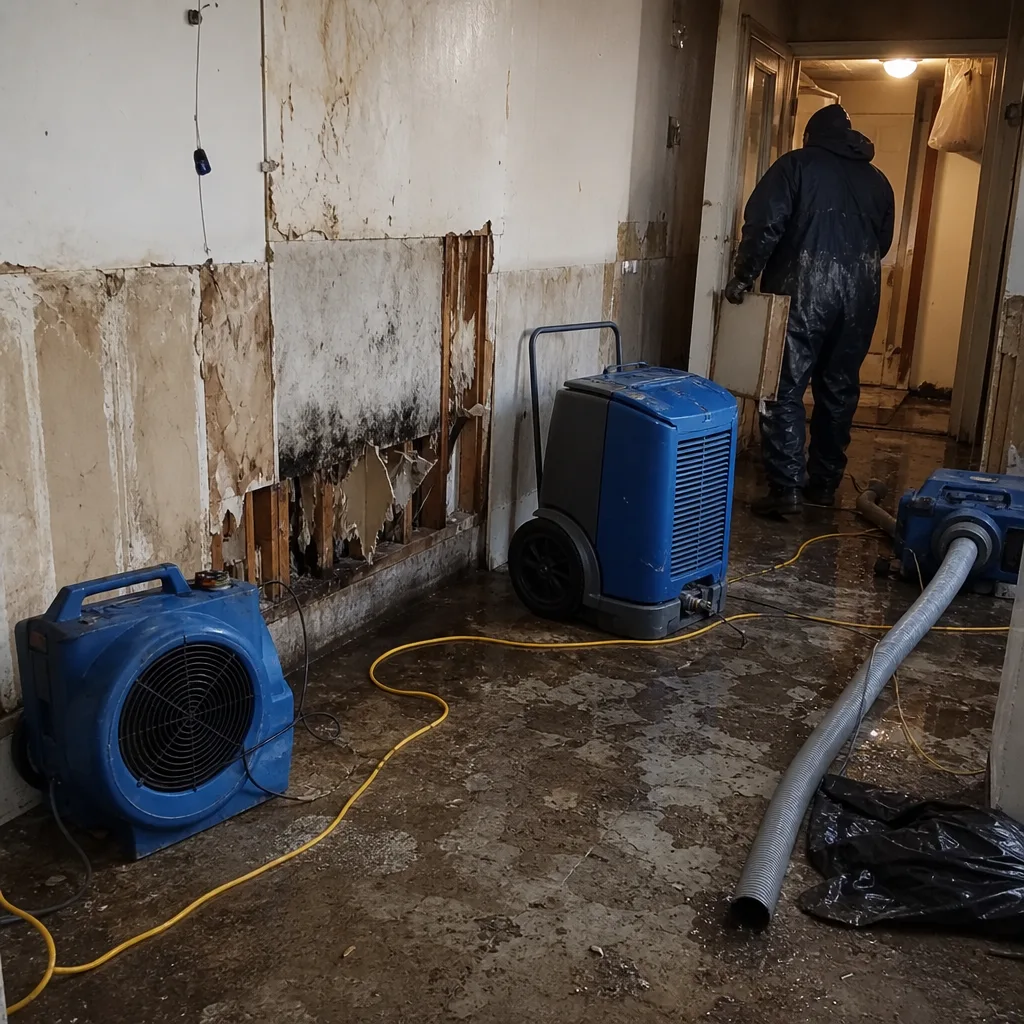 Before
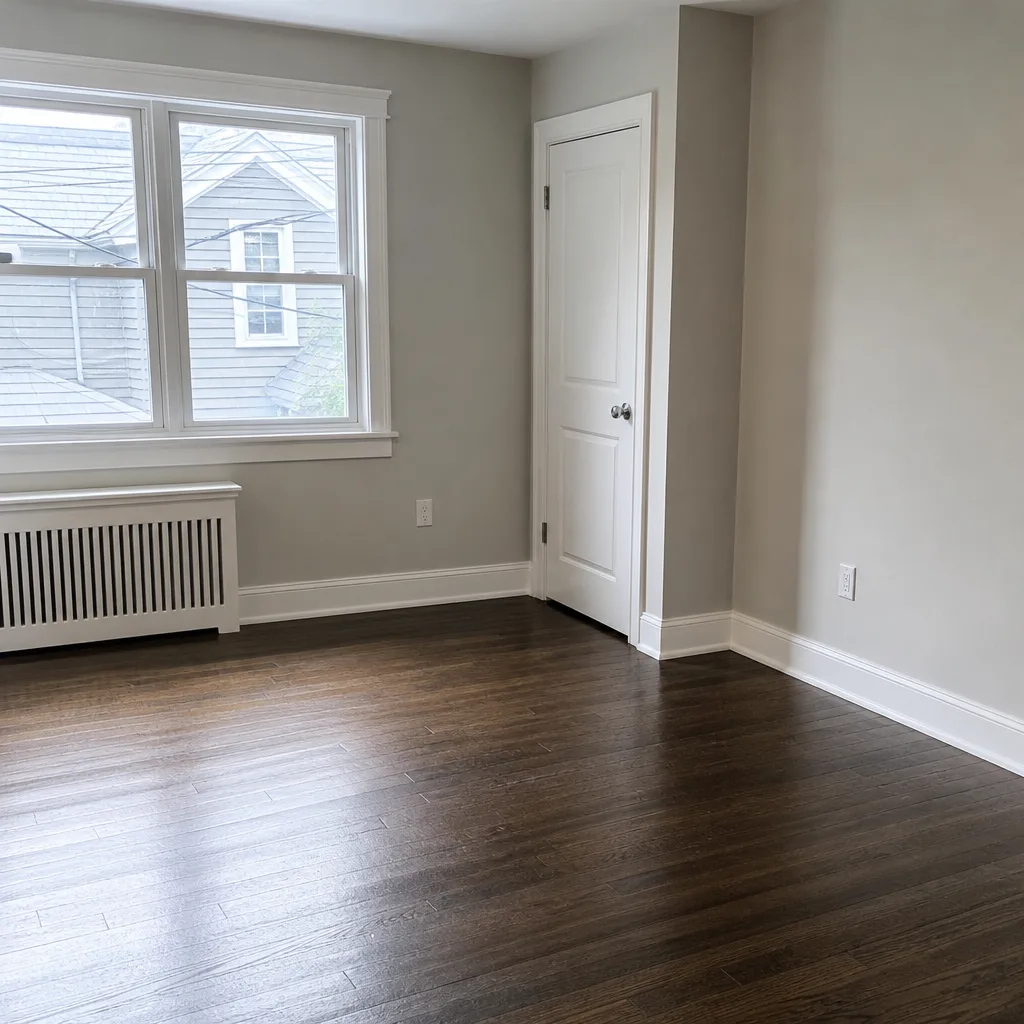 After
After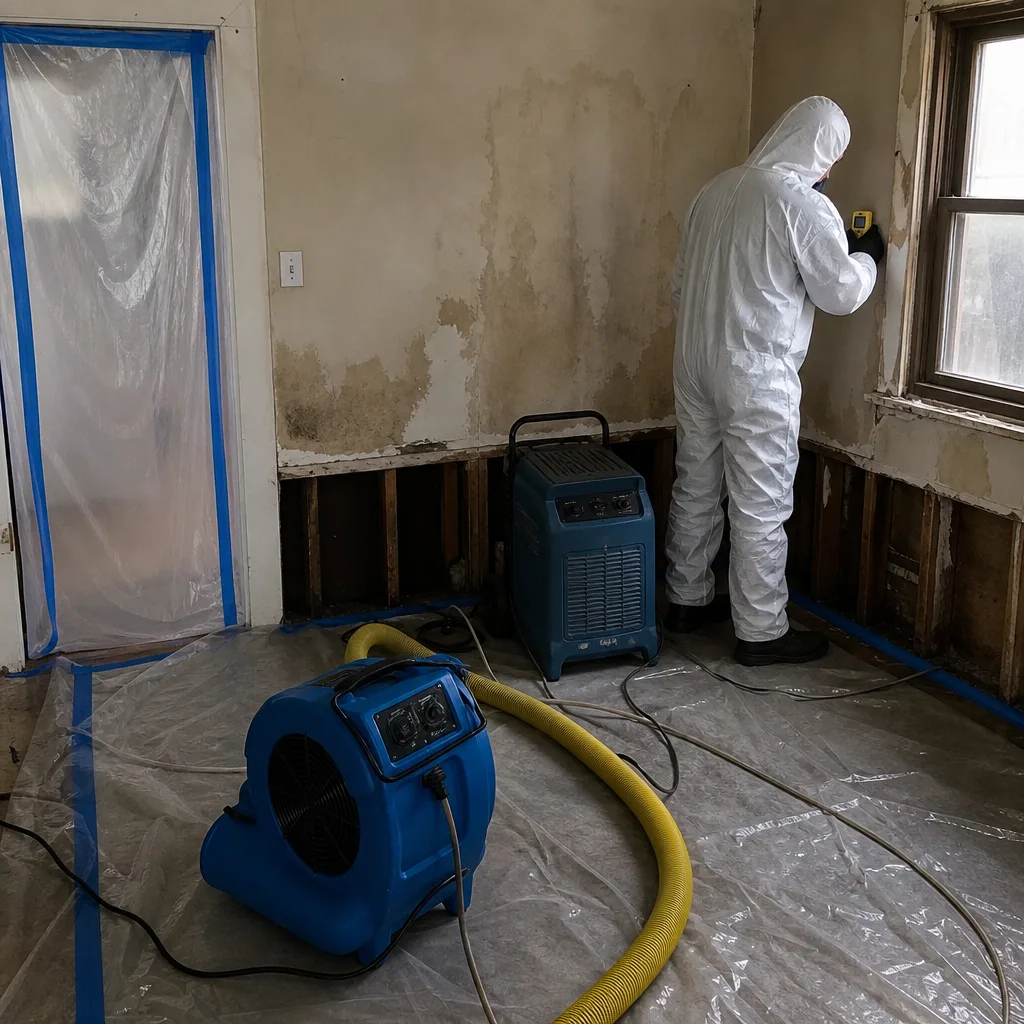 Before
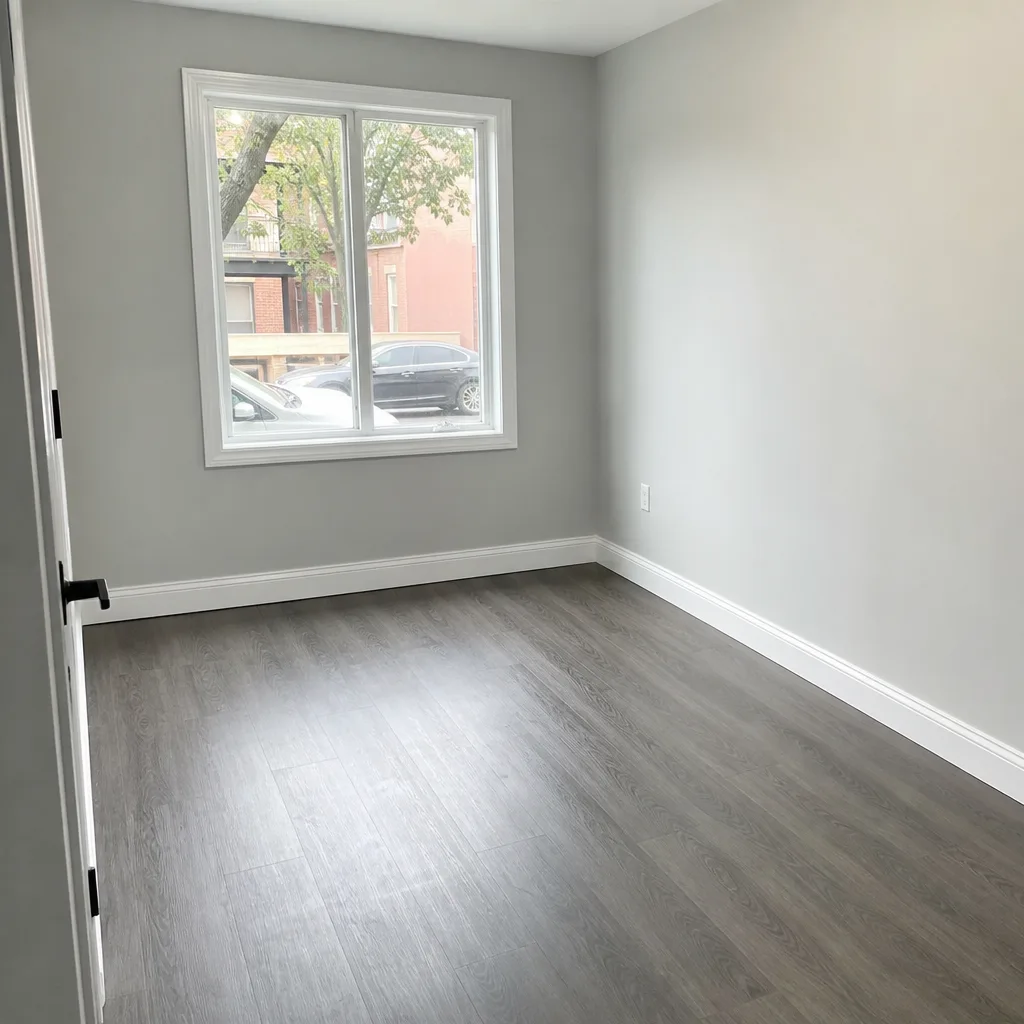 After
After24/7 Emergency Mold Remediation in Spring Creek
Mold remediation in Spring Creek doesn’t wait for business hours. If you’ve found black spots spreading behind drywall or caught that musty smell in a ground-floor unit, call (363) 300-2771 right now. We answer live, 24 hours a day, and Wade’s team can be inside your building within 45 minutes for a free visual inspection. The first hour matters here more than almost anywhere else in Brooklyn. Spring Creek sits on reclaimed wetland fill at the edge of Jamaica Bay, and once moisture gets into a slab or behind a wall, it doesn’t dry out on its own. It sits there, feeds the spores, and spreads. We’ve been doing Mold Remediation long enough to know that what looks like a small patch on the surface is usually hiding a bigger colony in the cavity behind it. Wade Ferris answers his own phone, and he’ll tell you straight what you’re dealing with before anyone steps into your home.
Understanding Mold Remediation Severity in Spring Creek Properties
Mold severity in Spring Creek breaks down differently than it does in drier, higher-ground parts of Brooklyn, and you need a contractor who understands that. We classify by moisture source, square footage of colonization, and whether the water sat long enough to penetrate porous materials. The shallow water table under this neighborhood means groundwater wicks upward through concrete slabs after any major storm, keeping hidden mold colonies active for weeks. In the 46 mid-rise towers of Starrett City, built in the early 1970s on HUD financing, the original mechanical chases and plumbing stacks are now 50 years old. Cast iron waste lines corrode. Condensate drains clog. Around Jamaica Bay, repeated wet-dry cycles mean mold colonizes behind vinyl baseboards and under slab flooring long before you see it on the surface. We use containment barriers, HEPA air scrubbers, moisture mapping, and daily hygrometer readings to establish which areas are actually contaminated and which are just wet. In this neighborhood, surface-dry drywall frequently hides a wet cavity that still reads 20%+ moisture at the stud line.
Why Spring Creek Property Owners Choose Wade’s Restoration
- 45-minute response commitment: When mold is active, every hour lets it spread further behind walls and under flooring. Wade’s crew heads to Spring Creek the moment you hang up.
- 24/7 live answer, always a real person: No voicemail, no answering service, no call center in another state. Wade himself picks up when he’s not already on a job.
- IICRC-certified crews, AMRT specialized: Applied Microbial Remediation Technician certification means we know how to contain and remove a colony without cross-contaminating your living space.
- Free visual inspection: Wade comes out, looks at what you’re seeing, takes initial moisture readings, and tells you whether you need remediation or just ventilation improvements. No charge for that.
- Direct insurance billing: We bill your carrier directly and hand you the same documentation we send them. You’re never in the middle relaying information.
- One team from containment to reconstruction: Mold remediation often means cutting out drywall and rebuilding. Wade’s crew does both, so you’re not coordinating two different companies while your walls are open.
Our Mold Remediation Process
Inspection & Assessment
We walk the unit, document visible mold, and take moisture readings at the drywall, slab, and baseboard with thermal imaging and hygrometers. In Spring Creek ground-floor units, we always check the slab itself, not just the walls above it.
Containment Setup
We seal off the affected rooms with HEPA-filtered negative air pressure so spores don’t spread to your living areas during removal. This step is non-negotiable when the colony is behind kitchen cabinets or inside wall cavities.
Drying & Dehumidification
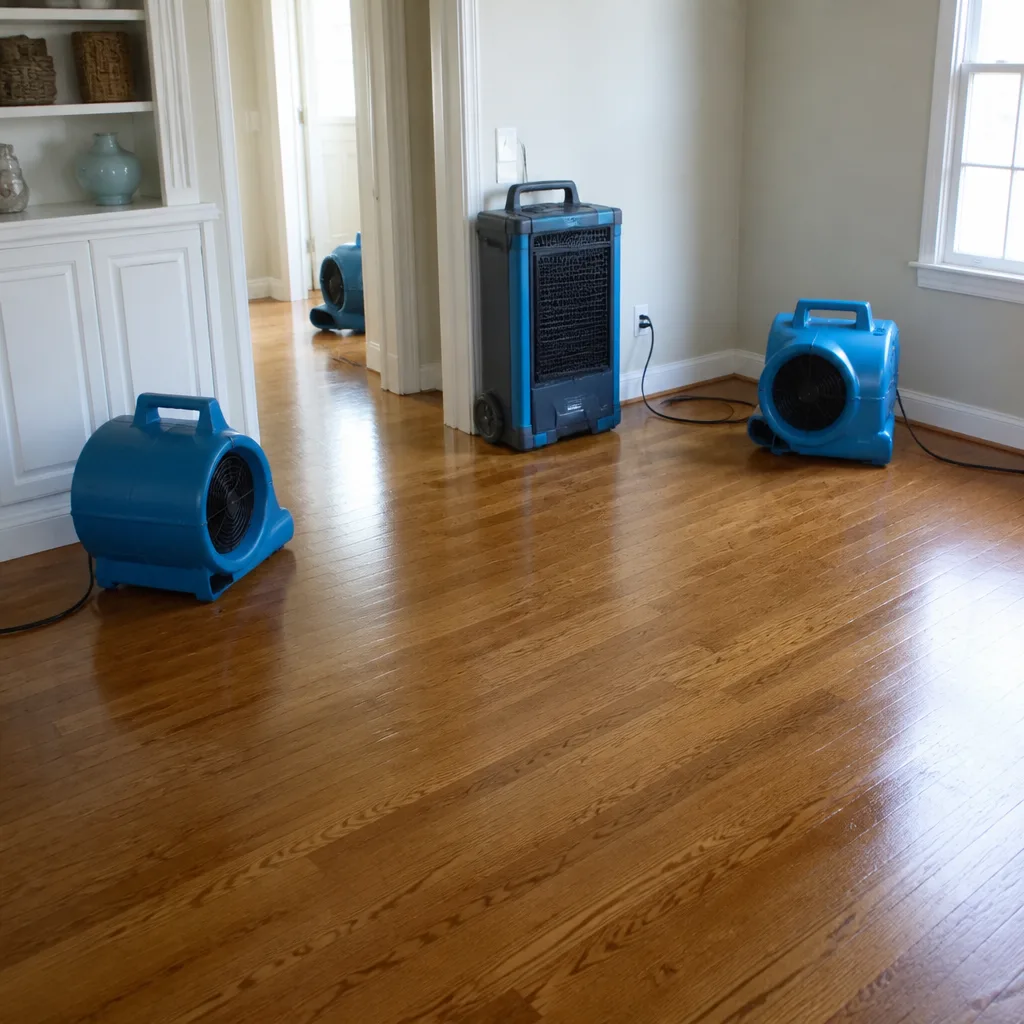
This is where Spring Creek jobs differ from the rest of Brooklyn. Because the fill under the slabs holds water for weeks, we run Dri-Eaz dehumidifiers and XPOWER air movers for extended cycles, often 10 to 16 days instead of the standard 72 hours.
Cleaning & Sanitization
We treat remaining surfaces with antimicrobials, HEPA-vacuum all framed cavities, and remove contaminated insulation or drywall that can’t be saved. Every surface gets documented before and after.
Treated Specialty Treatment
Spring Creek’s salt-air environment and shallow water table mean we treat to a higher standard than inland Brooklyn requires. That includes slab sealants, crawl space encapsulation, and humidity-control retrofits on problem walls.
Repairs & Restoration
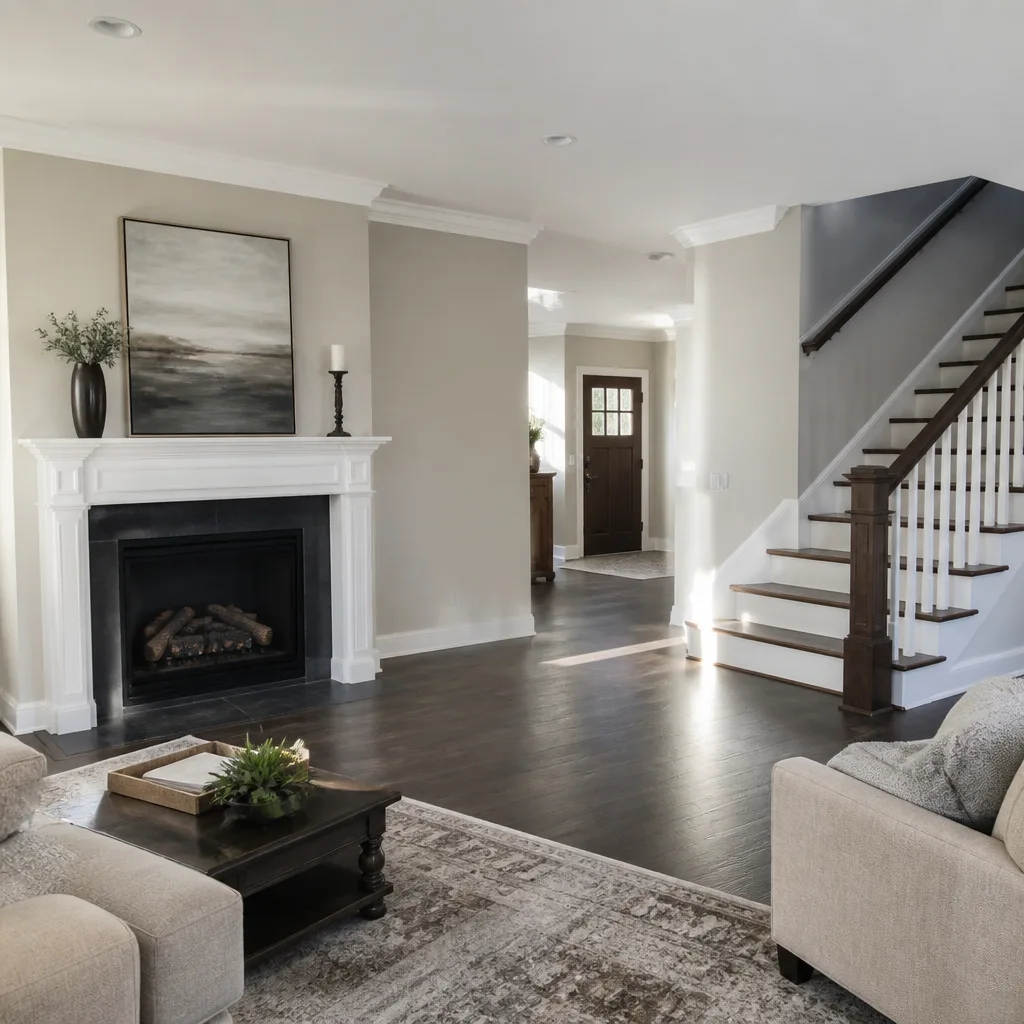
Once air clearance testing passes, we rebuild what we removed, prime and paint, and leave you with a unit that’s dry, documented, and under our 90-Day Done Right Promise in writing.
Need Emergency Mold Remediation in Spring Creek Now?
Crews minutes away, answering live 24 hours a day. The sooner we start, the less it costs.
Working With Your Insurance Company
Most Spring Creek mold claims start with a covered water event: a nor’easter storm surge, a burst supply line in a tower chase, a failed appliance connection. Your carrier wants documentation that proves the mold is a direct result of that covered loss, and they want it from a credentialed contractor. We handle that from the first hour. Wade’s team documents the initial condition with photos and moisture mapping, then keeps a daily drying log that shows your unit needed extended dehumidification because of Spring Creek’s saturated fill, not because anyone delayed. Those logs are the difference between an approved claim and a denied one. Wade talks to your adjuster directly, walks them through the readings, and answers their questions in their language. You shouldn’t have to become an insurance negotiator while mold is spreading in your apartment.
What We Provide Your Insurer
- Thorough documentation of the loss
- Photos of all damage, room by room
- Moisture readings and drying logs
- A detailed, line-item scope of work
- Direct coordination with your carrier
Built for Spring Creek’s Loss Calendar
Spring Creek gets hit on a schedule, and the mold here follows the storms. Nor’easters between November and April push Jamaica Bay water into ground-floor units at Spring Creek Towers, and that water sits in the slab for weeks after the streets dry. Summer brings the opposite problem: high humidity off the bay, temperatures in the 80s and 90s, and air-conditioned units where condensation forms on cold supply lines inside wall chases. That’s a perfect incubator for hidden colonies, and it’s why ground-floor and below-grade units see mold behind drywall with no visible water source at all. Spring thaw saturates the fill, and groundwater wicks upward through cracks in the slab. By the time you smell it or see the staining, the cavity behind the drywall has been feeding on that moisture for months. Our Spring Creek restoration team tracks the loss calendar so we know what’s coming before you do.
Mold Remediation Across Spring Creek’s Neighborhoods
Spring Creek isn’t a uniform neighborhood, and the mold patterns shift block by block. In the Starrett City complex along Pennsylvania Avenue and Seaview Avenue, the 46 towers share a common challenge: 50-year-old mechanical systems, vertical utility chases that run the height of each building, and concrete slab construction that holds moisture deep. We regularly respond to ground-floor units there where the drywall reads normal at eye level but 28%+ at the baseboard. Along Flatlands Avenue toward East New York, the older attached row houses have shared party walls and damp basements that weren’t sealed for modern humidity control. Units facing Jamaica Bay’s shoreline on the south edge of the neighborhood take the worst of the storm surge, and the buildings closest to the water need slab remediation after every significant coastal event. Even the commercial pads along Erskine Street and Vandalia Avenue have their own pattern: flat roofs, failed membrane details, and water that travels down interior walls before it shows on the ceiling. We know the response routes through Spring Creek’s blocks because Wade runs them every week.
Specialized Mold Remediation Services We Offer in Spring Creek
Mold Inspection & Testing
Before you call your insurance company or start tearing out drywall, get a real inspection. We use moisture meters and thermal imaging to find colonies that aren’t visible yet. In Spring Creek’s slab-on-grade units, that means checking the slab itself, not just the walls. A visual inspection is free, and you’ll get straight answers about whether you’re looking at surface mildew or something structural.
Mold Removal
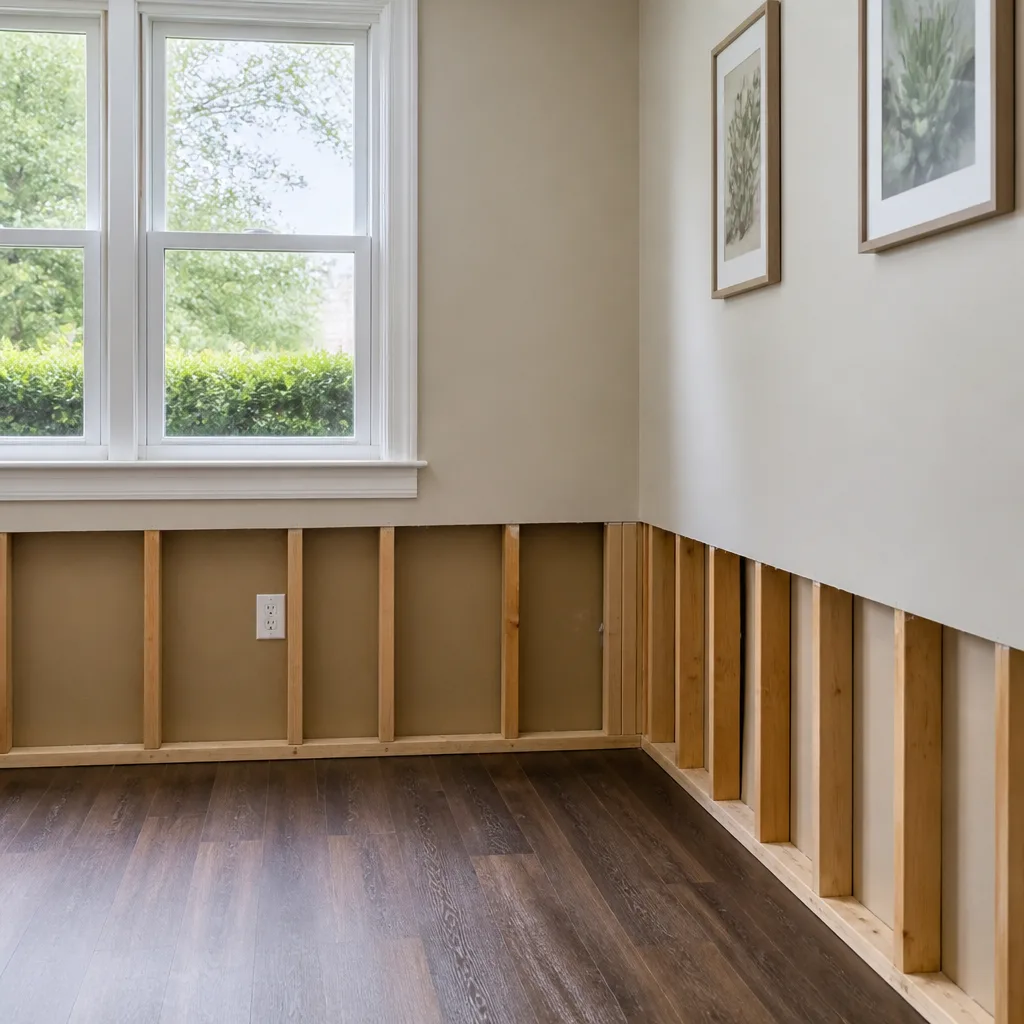
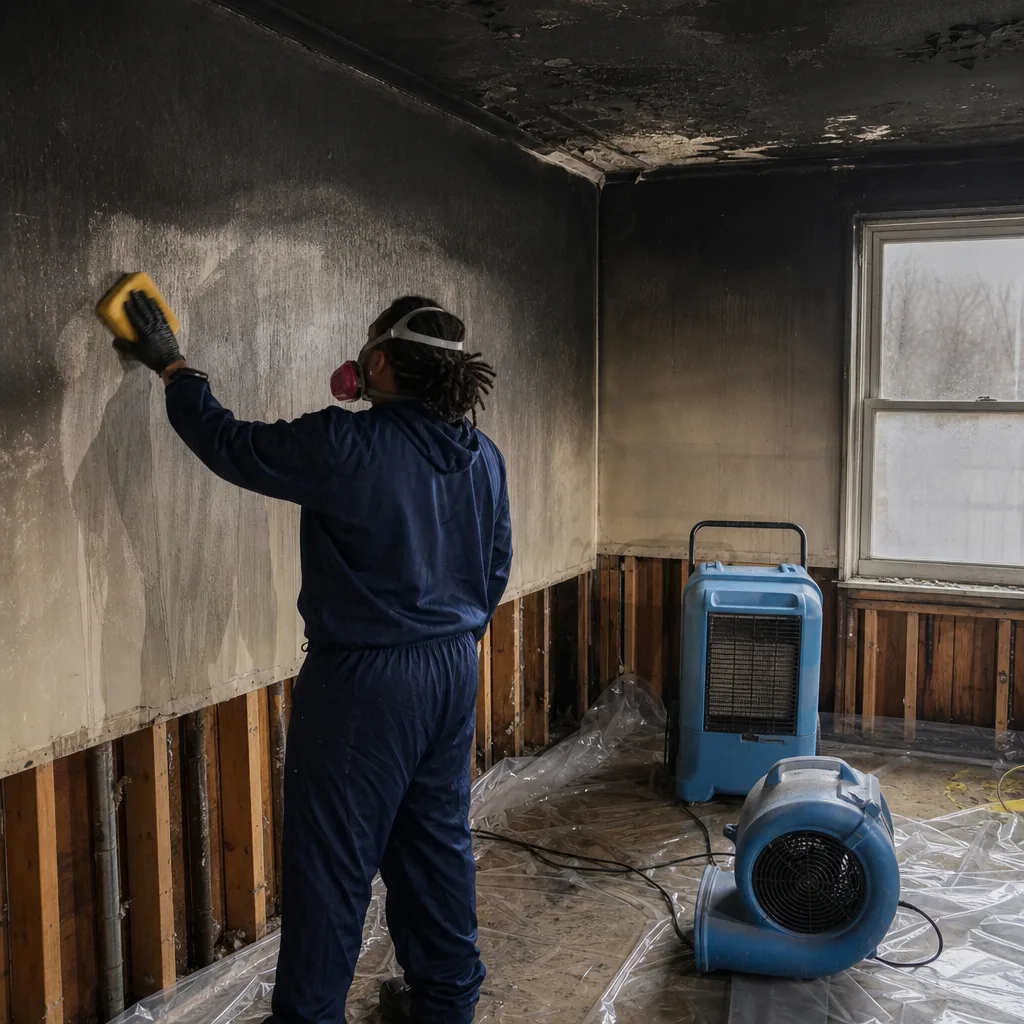
Removal in Spring Creek means full containment, air scrubbing, and cutting out contaminated materials down to the studs when necessary. We work in occupied towers where neighbors live 10 feet from the containment zone, so HEPA filtration and negative pressure aren’t optional. The goal is a unit that passes independent air clearance testing when we’re finished.
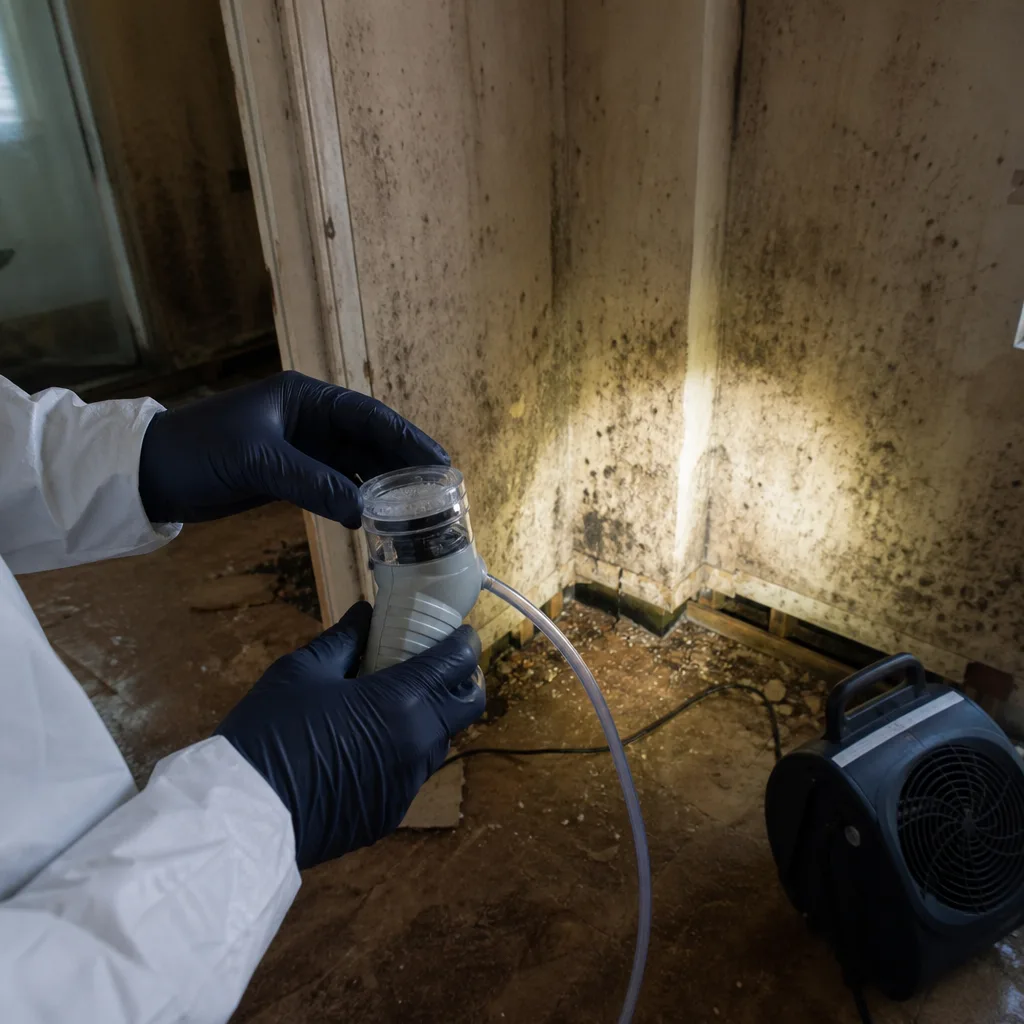
Black Mold Remediation
Stachybotrys, the mold people call black mold, loves the prolonged damp that Spring Creek’s shallow water table creates. It needs chronic moisture to colonize, and a slab that keeps wicking groundwater is exactly that. We handle it as a full containment job, not a spot treatment, because black mold behind a baseboard is usually evidence of a colony that’s been growing for months.
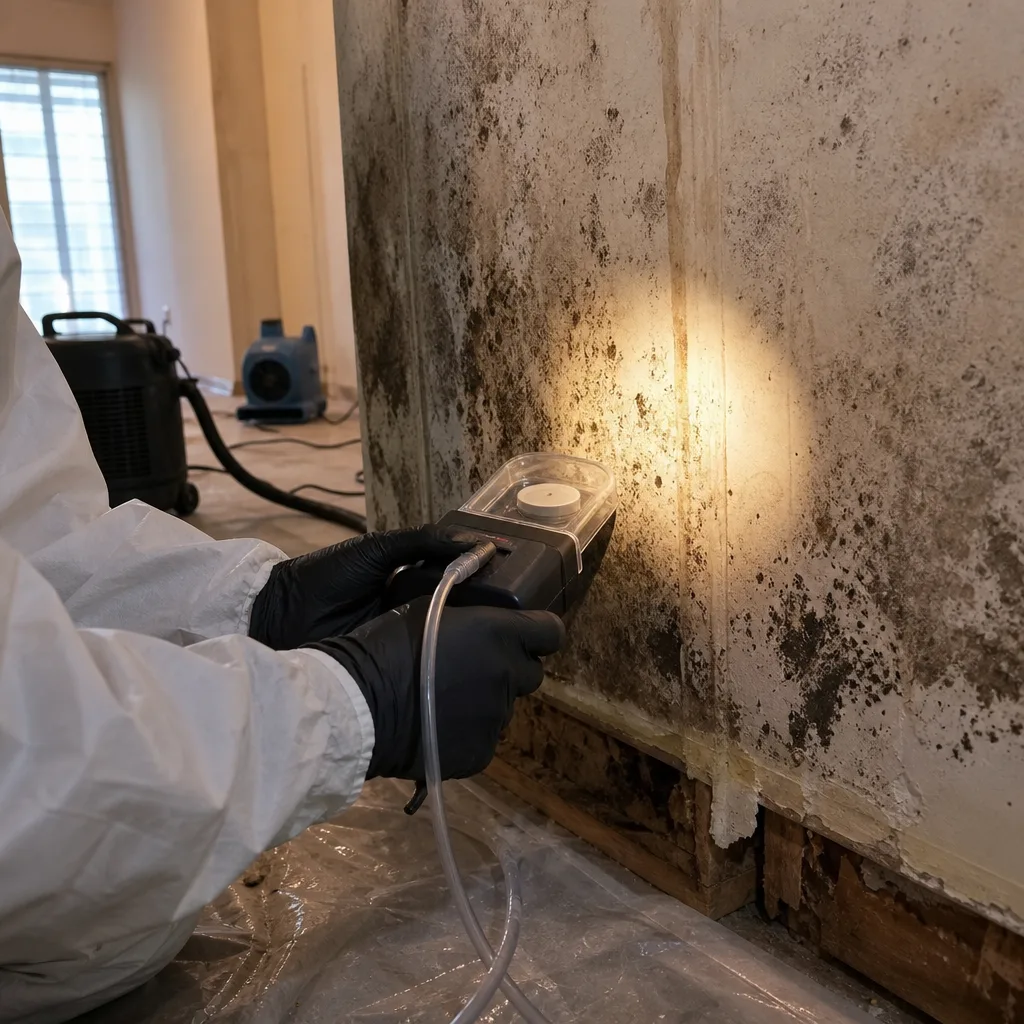
Air Quality Restoration
After physical removal, your indoor air still carries spores until it’s been scrubbed clean. We run HEPA air scrubbers for the duration of the job and longer when outdoor humidity at the Jamaica Bay shoreline keeps driving spore counts up. Final air clearance testing proves the unit is safe before we say the job is done.
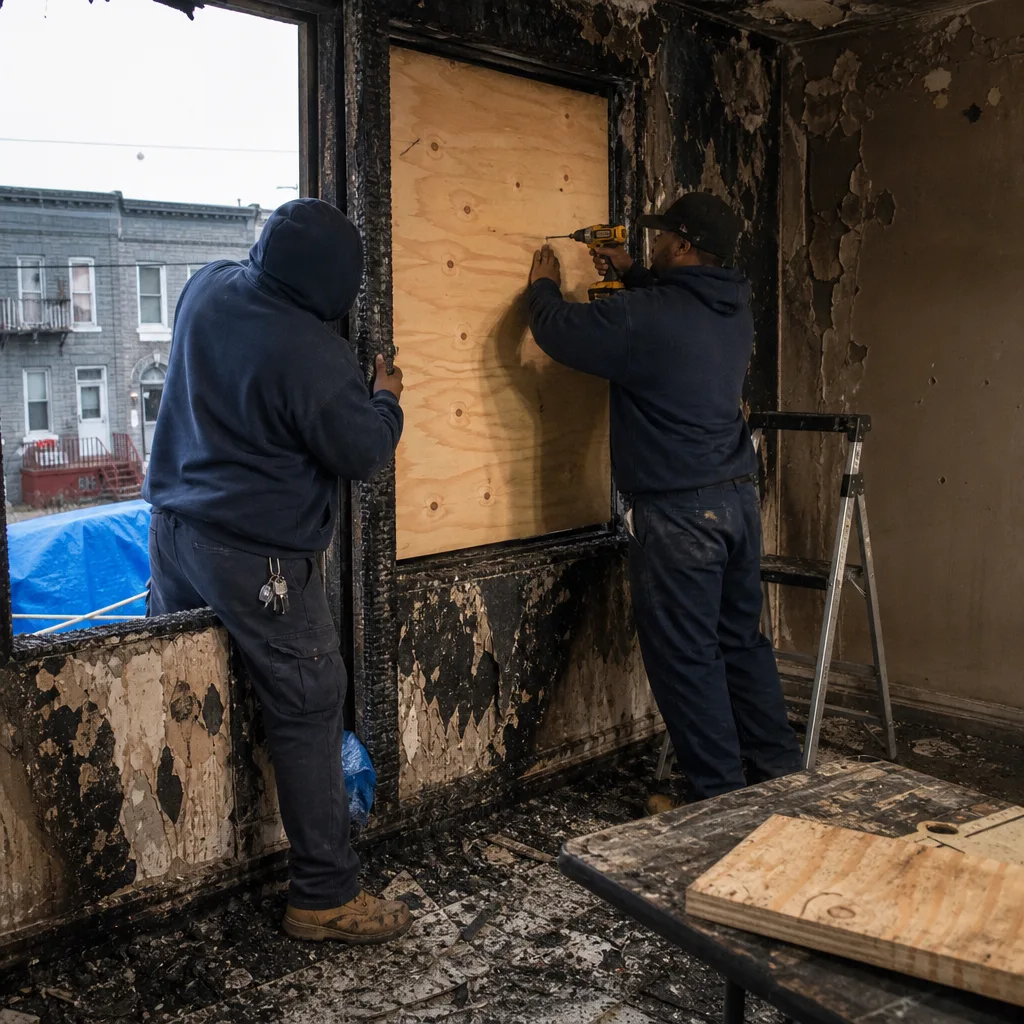
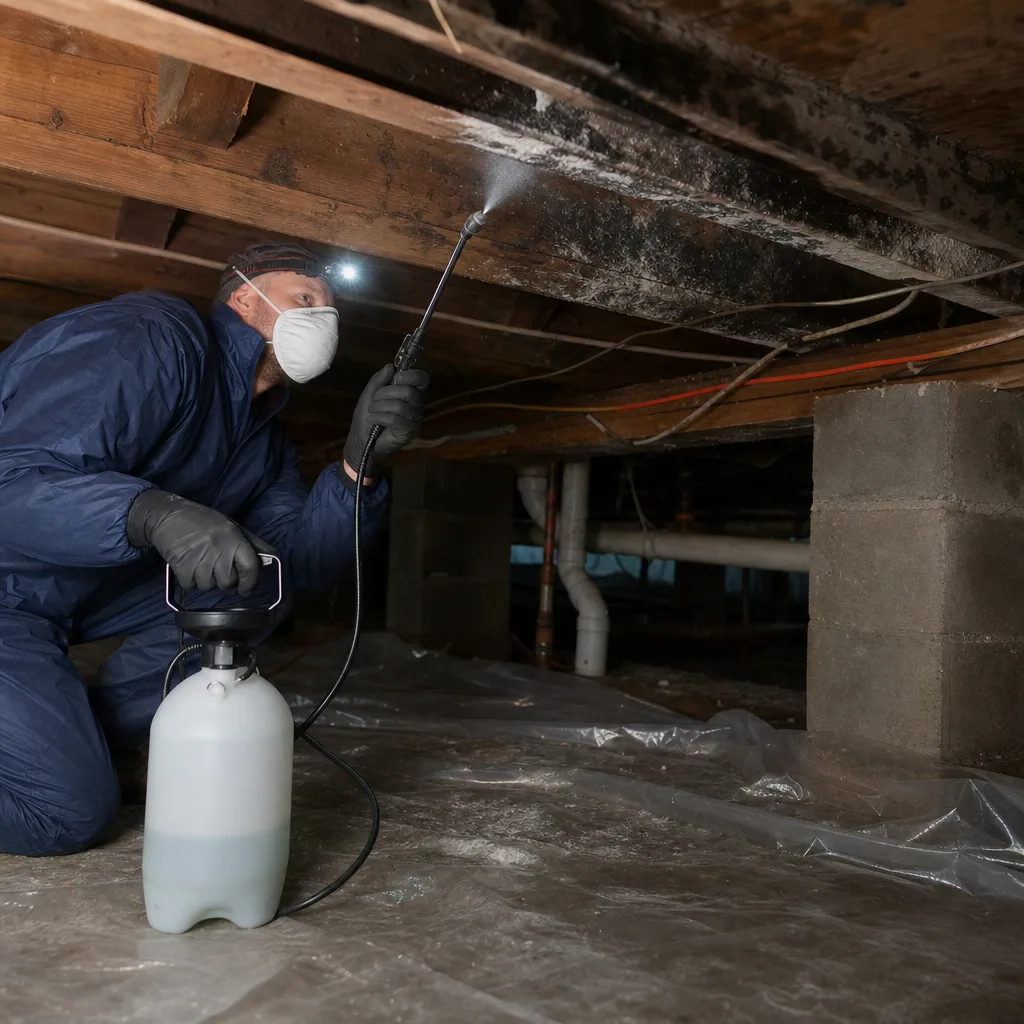
Crawl Space Treatment
Homes around Spring Creek with crawl spaces below the floor joists face a double problem: the shallow water table keeps the ground damp, and trapped humidity from the bay creates a mold incubator underneath your living space. We treat framing, install vapor barriers, and add mechanical dehumidification where the space needs it.
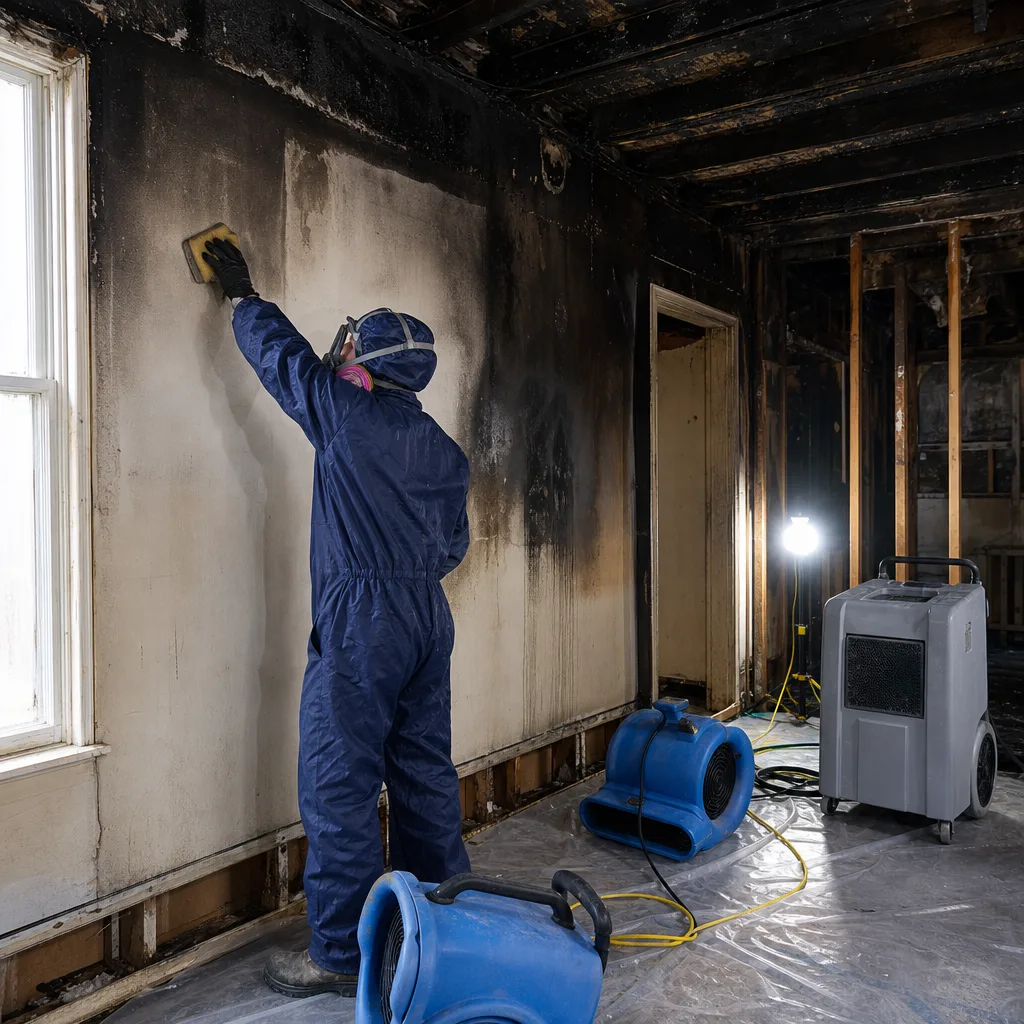
Moisture & Humidity Control
In Spring Creek, controlling moisture is the real remediation. If the humidity stays above 60% in a ground-floor unit, mold will come back no matter how clean we leave it. We assess your unit’s ventilation, recommend dehumidification where it’s needed, and treat the slab and wall cavities so they don’t reabsorb groundwater.
What happens when you call
- 1
A real person answersNo phone trees - you reach a local pro.
- 2
You get an upfront price rangeHonest numbers before anyone is dispatched.
- 3
A background-checked tech heads outLicensed & insured, dispatched right away.
- 4
You approve before work beginsNothing starts until you say go.
Mold Remediation Costs in Spring Creek, NY
A standard mold remediation in Spring Creek starts around $1,800 to $3,200 for a contained bathroom or closet colony, and you’ll see $4,500 to $8,500 for a ground-floor unit where the mold has spread behind drywall across multiple rooms. Jobs in Starrett City towers that require full containment, slab treatment, and extended structural drying run $9,000 to $16,500 depending on square footage and how long the moisture source has been active. The big variable in Spring Creek, and the reason out-of-area contractors routinely underbid, is the saturated fill under the slabs. It extends drying from days to weeks, and that means more dehumidifier days, more monitoring, and a bigger scope of restoration at the back end. Insurance covers most mold when it traces to a covered water event, but you’ll want a contractor who understands the flood-zone documentation requirements before the adjuster starts asking questions. Call (363) 300-2771 for a free inspection and a written scope that covers the real work, not the flattering version that goes out the window after day three.
We Also Serve Cities Near Spring Creek
Wade’s Restoration covers the neighborhoods around Spring Creek too: East New York to the north, Jamaica to the northeast, Canarsie to the south, and Glendale to the west. Each has its own building stock and its own moisture patterns, and Wade treats them as the specific places they are.
Serving Spring Creek, NY - Our Local Coverage Area
We’re based in the Spring Creek area and know this community well. Use the map below to see our service coverage - if you’re nearby, we can almost certainly help.
Spring Creek Mold Remediation Questions, Answered
How long does mold remediation actually take in Spring Creek Towers after a nor’easter?
In a Spring Creek Towers unit after a nor’easter pushed bay water into a ground-floor apartment, expect remediation to run 14 to 21 days, not the 3 to 5 days a typical Brooklyn job takes. The slab under your floor keeps wicking groundwater long after the drywall starts to feel dry on the surface. We run structural drying for up to 16 days, with daily moisture logs, before we start rebuilding. Cutting that timeline short is exactly how hidden mold colonies come back.
Does mold remediation in Spring Creek trigger NYC flood-zone permitting?
It can, and this is where Spring Creek is different from every other Brooklyn neighborhood. Because these properties sit in FEMA Flood Zone AE, any repair that crosses NYC’s “substantial improvement” threshold requires full Department of Buildings permitting and possibly FEMA-compliant elevation work. If a contractor quotes you a simple mold job without checking whether the scope crosses that line, they’re setting you up for a stop-work order. Wade’s team knows the thresholds and plans the paperwork before we plan the demo.
Why do ground-floor units in Spring Creek get mold behind drywall even with no visible water?
Groundwater. Spring Creek sits on reclaimed marshland, and the water table sits just a few feet below your slab. Any sustained rain, nor’easter, or spring thaw saturates that fill, and moisture wicks upward through the concrete by capillary action. The drywall at eye level looks fine, but the cavity behind the baseboard is reading 25% to 35% moisture, and that’s been feeding mold for months. It’s not a leak. It’s the ground you’re built on.
Can you remediate mold in a Starrett City tower without shutting down my apartment for weeks?
Yes, in most cases you can stay in the unit during containment. We install HEPA-filtered negative pressure barriers around the affected area, so the living spaces stay isolated from the work zone. That said, if the colony has spread across multiple rooms or into the slab, you’ll want to plan for a partial relocation during the most invasive phases. We’ll tell you straight during the free inspection what your specific job will require.
What’s the difference between Category 2 and Category 3 water in a Spring Creek basement?
Category 2 water is contaminated but not sewage: think washing machine overflow, dishwasher discharge, or sump pump failure. Category 3 water is grossly unsanitary: sewage backups, Jamaica Bay storm surge that carries marine organisms and street runoff, or any water that’s been sitting long enough to breed. In Spring Creek after a coastal flood, assume the water in your unit is Category 3. That means full decontamination after drying, not just a mop and fan.
Will my insurance cover mold remediation in Spring Creek?
If the mold traces back to a covered water event, like a burst supply line or a nor’easter that pushed water into your ground-floor unit, most policies will cover the remediation and the restoration of the damaged materials. What your carrier won’t cover is mold from chronic neglect or long-term humidity you didn’t address. The documentation makes the difference, and we generate that from the first day: moisture logs, photos, daily readings, and a clear scope. Call (363) 300-2771 and we’ll walk you through what your policy likely covers before anyone starts tearing anything out.
Do I really need full mold remediation or just a cleaning?
If the mold is on the surface of a non-porous material, a HEPA vacuum and antimicrobial wipe-down will often handle it. If it’s behind drywall, under vinyl flooring, or inside a wall cavity, cleaning the visible surface is pointless. The colony will keep growing, and you’ll be calling someone again in six months. In Spring Creek’s slab-on-grade units, any visible mold at the baseboard usually means the cavity behind it is worse. That’s why the free inspection matters: we’ll tell you which situation you’re in and show you the moisture readings that prove it.
I found mold in the last 30 minutes. What do I do right now?
First, don’t disturb it. Don’t scrub it, don’t spray bleach on it, don’t pull off the baseboard to see how far it goes. Spores spread when you disturb a colony, and bleach drives moisture deeper into porous materials to feed the roots. Close the door to the affected room, turn off any fans or HVAC that could circulate air through the unit, and call (363) 300-2771. We’ll have someone there within 45 minutes to contain it before it spreads further.
Written by Wade Ferris, Owner at Wade’s Restoration, serving Spring Creek since 2007.