
Free visual inspection and a written scope of work before any mitigation begins - photos, moisture readings, and drying logs go in your claim file
The scope we write is the scope we bill. Anything new gets shown to you, in writing, before we touch it.
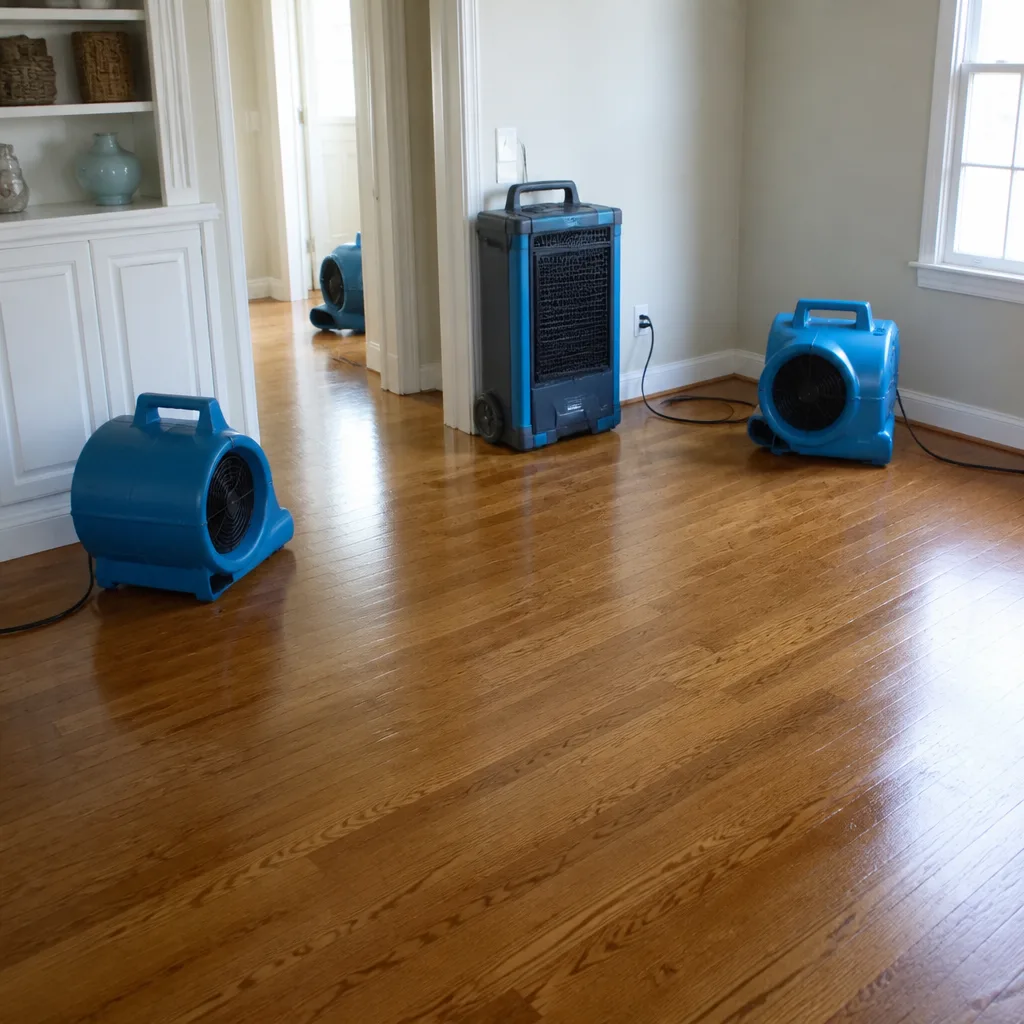
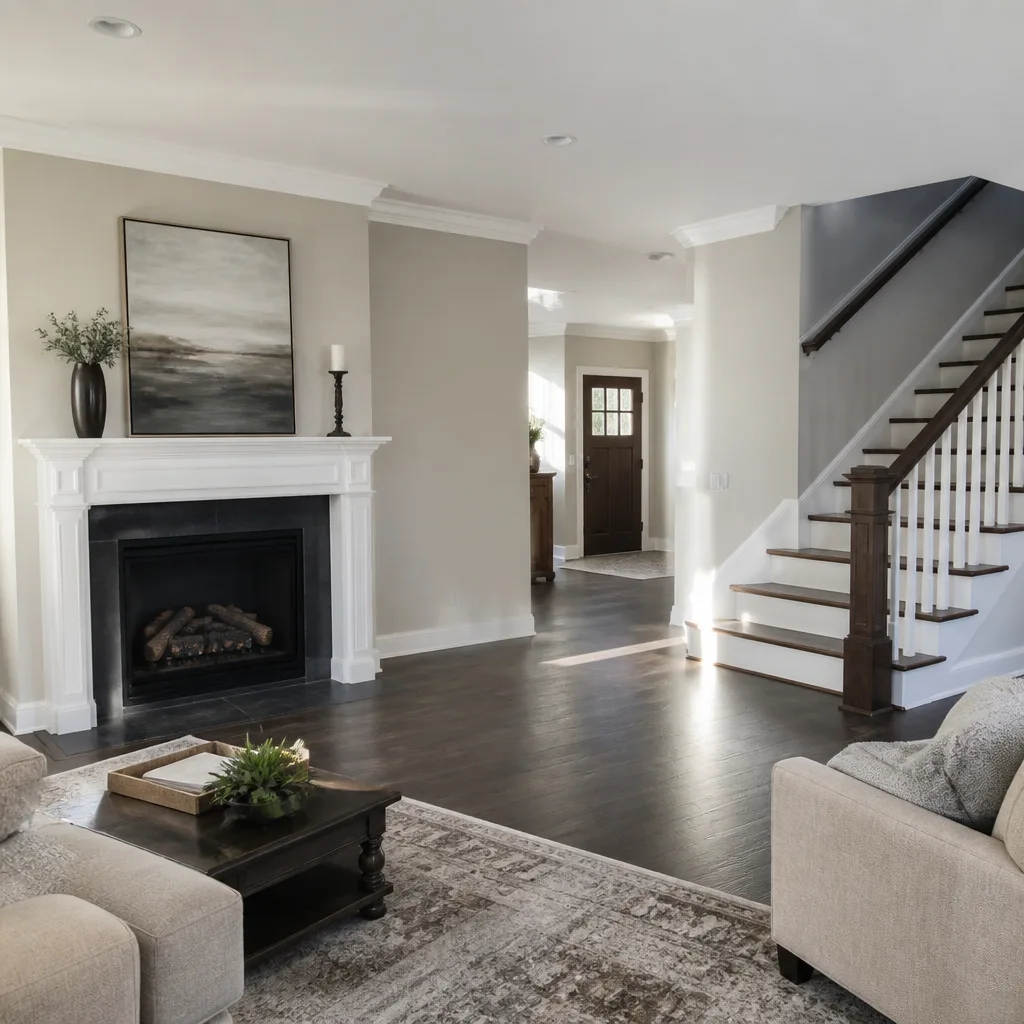
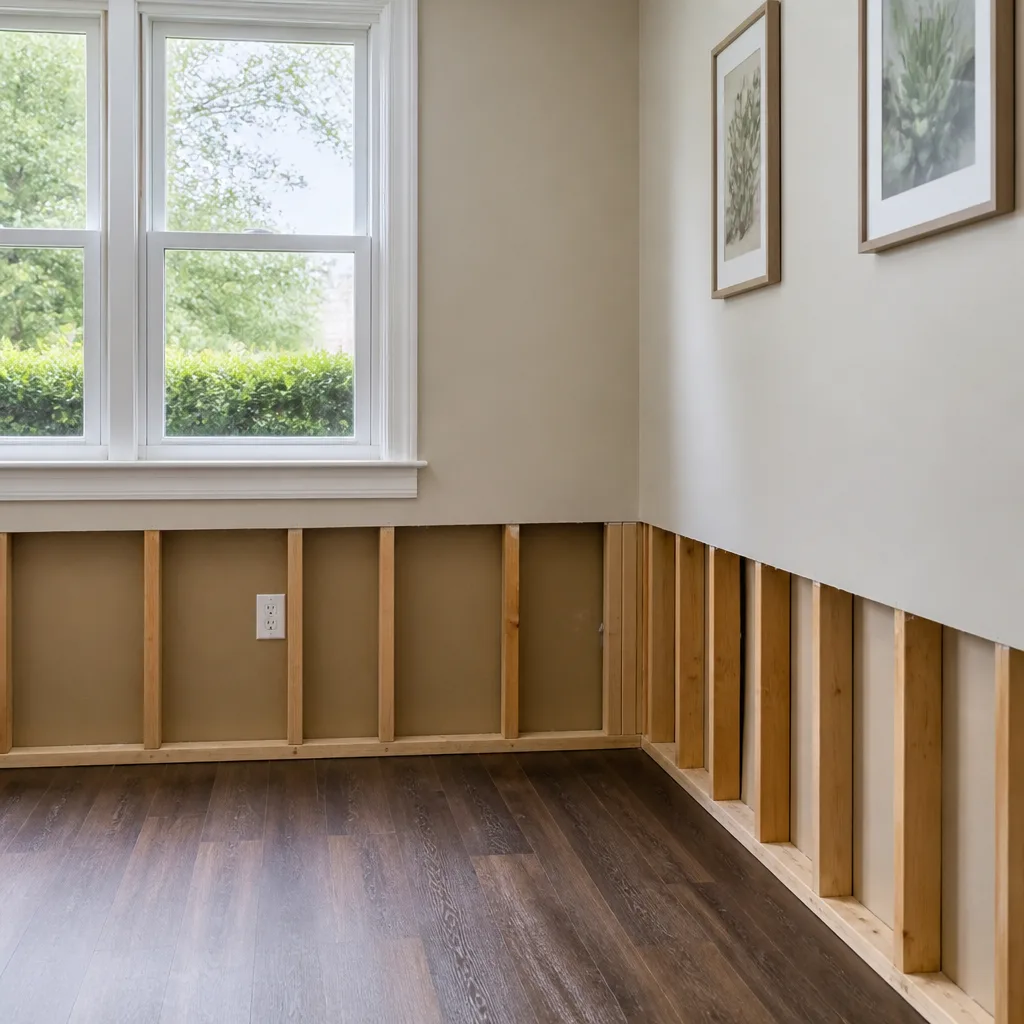
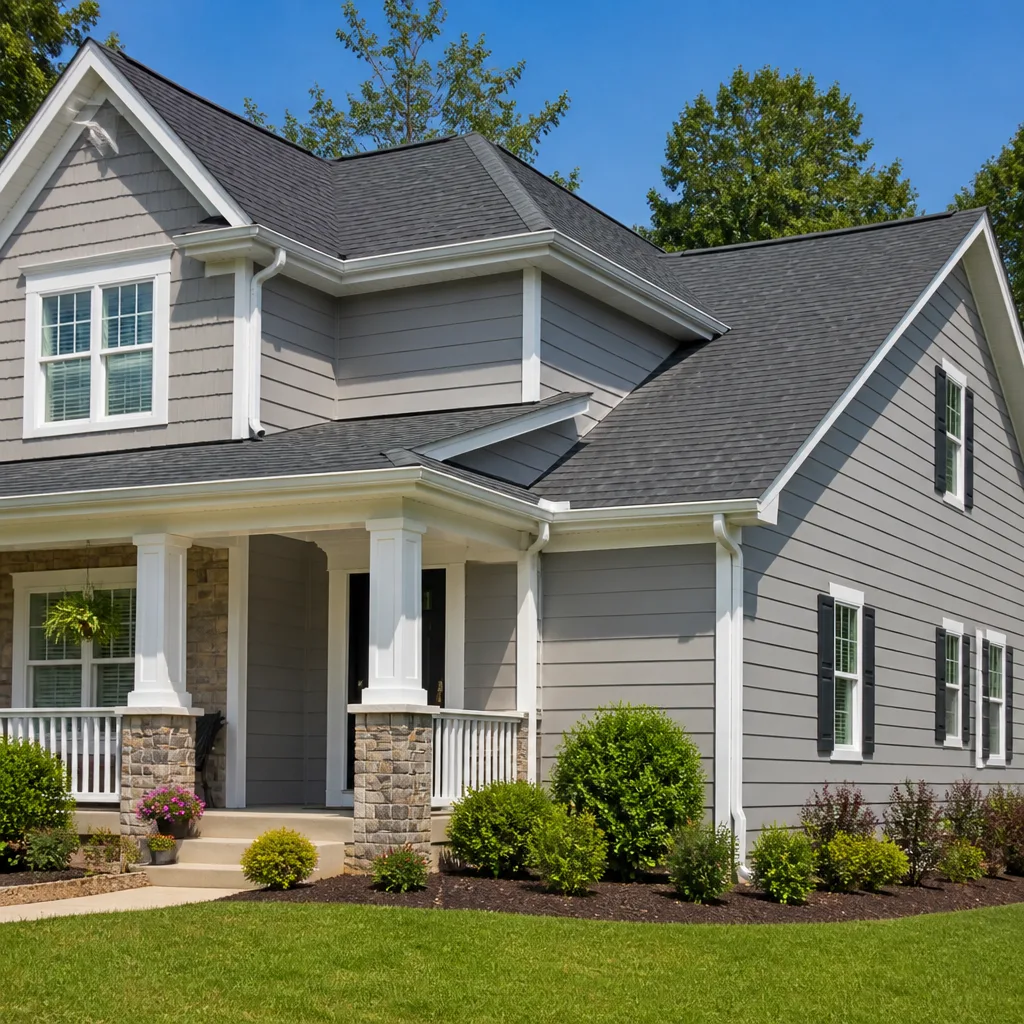
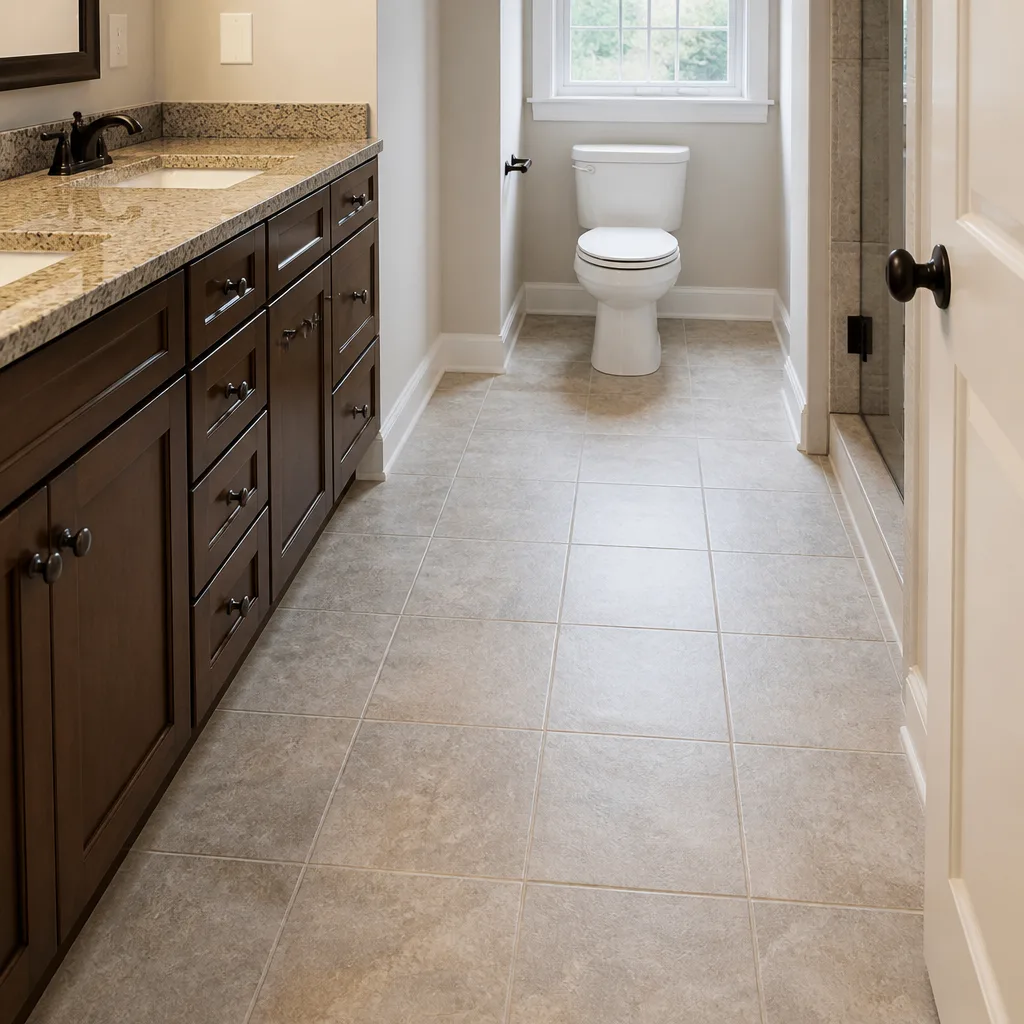
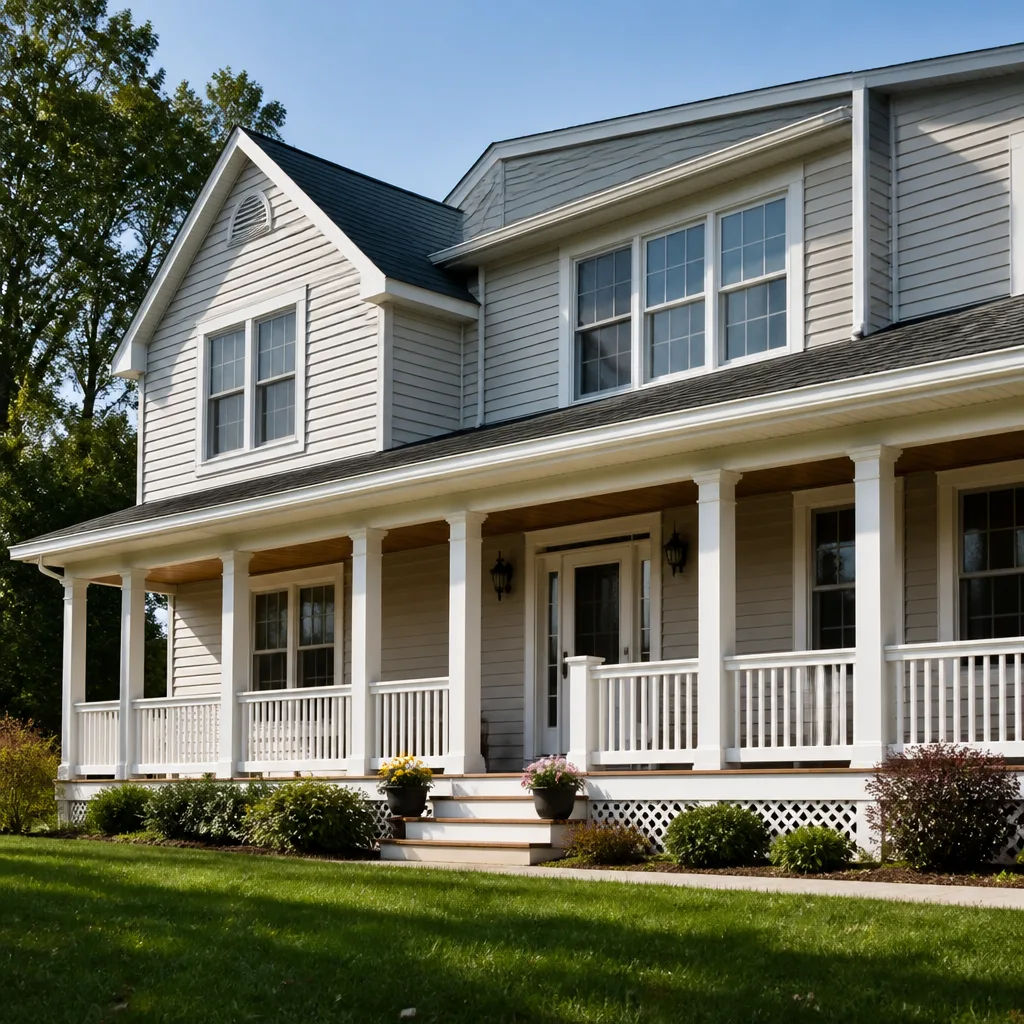
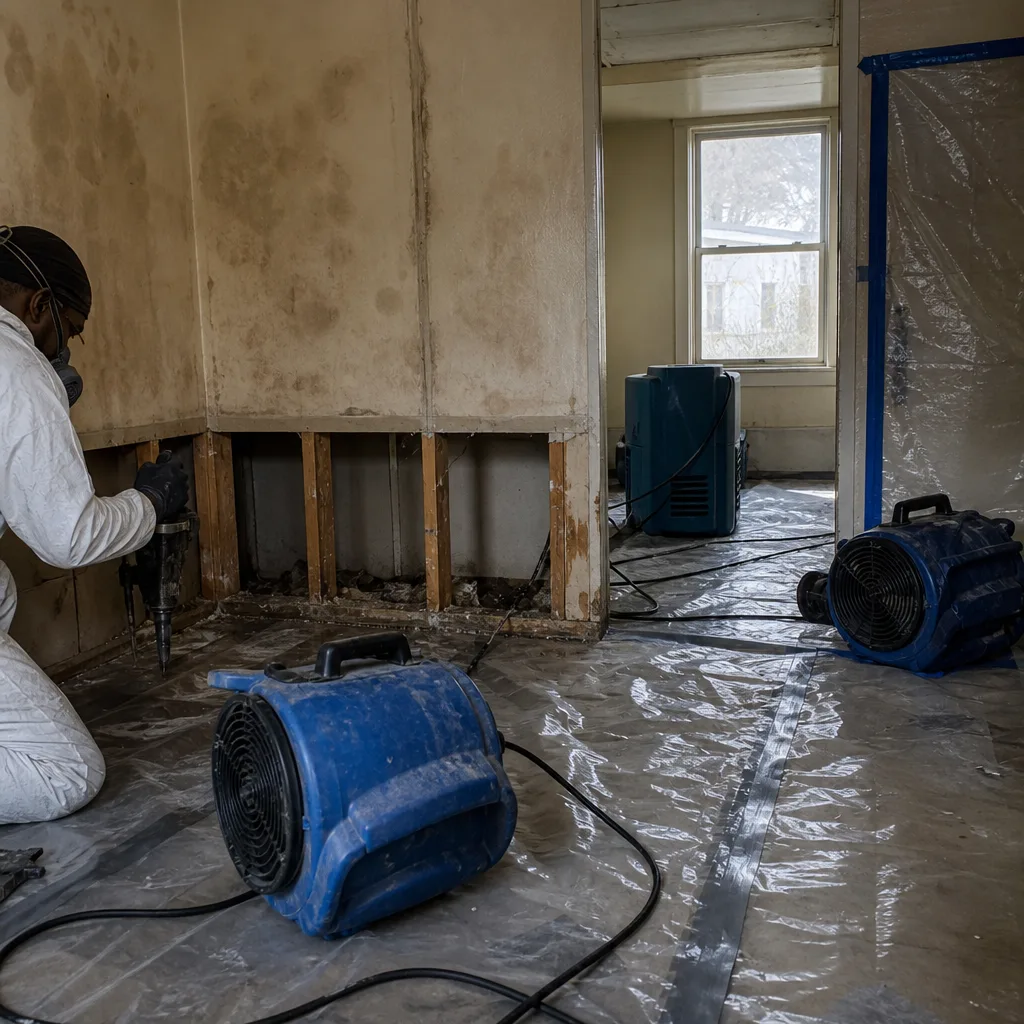 Before
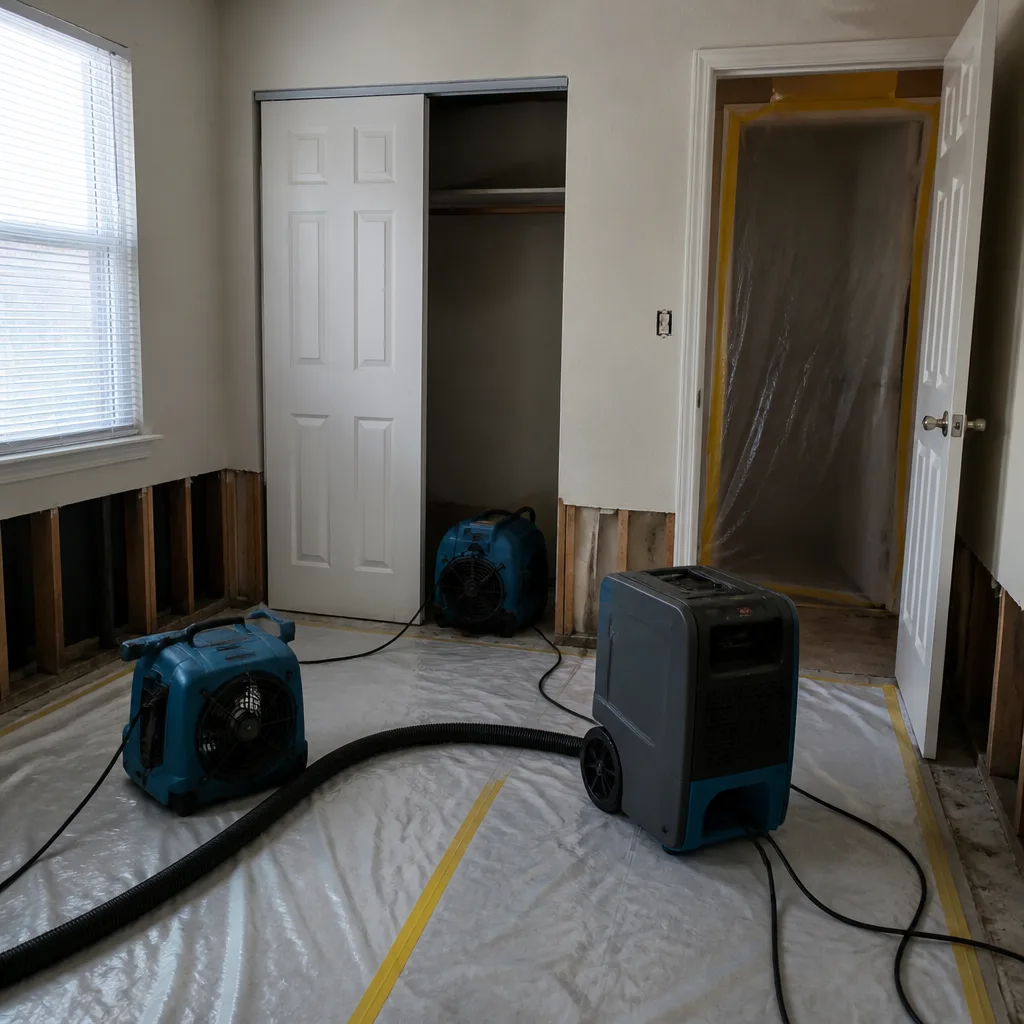 After
After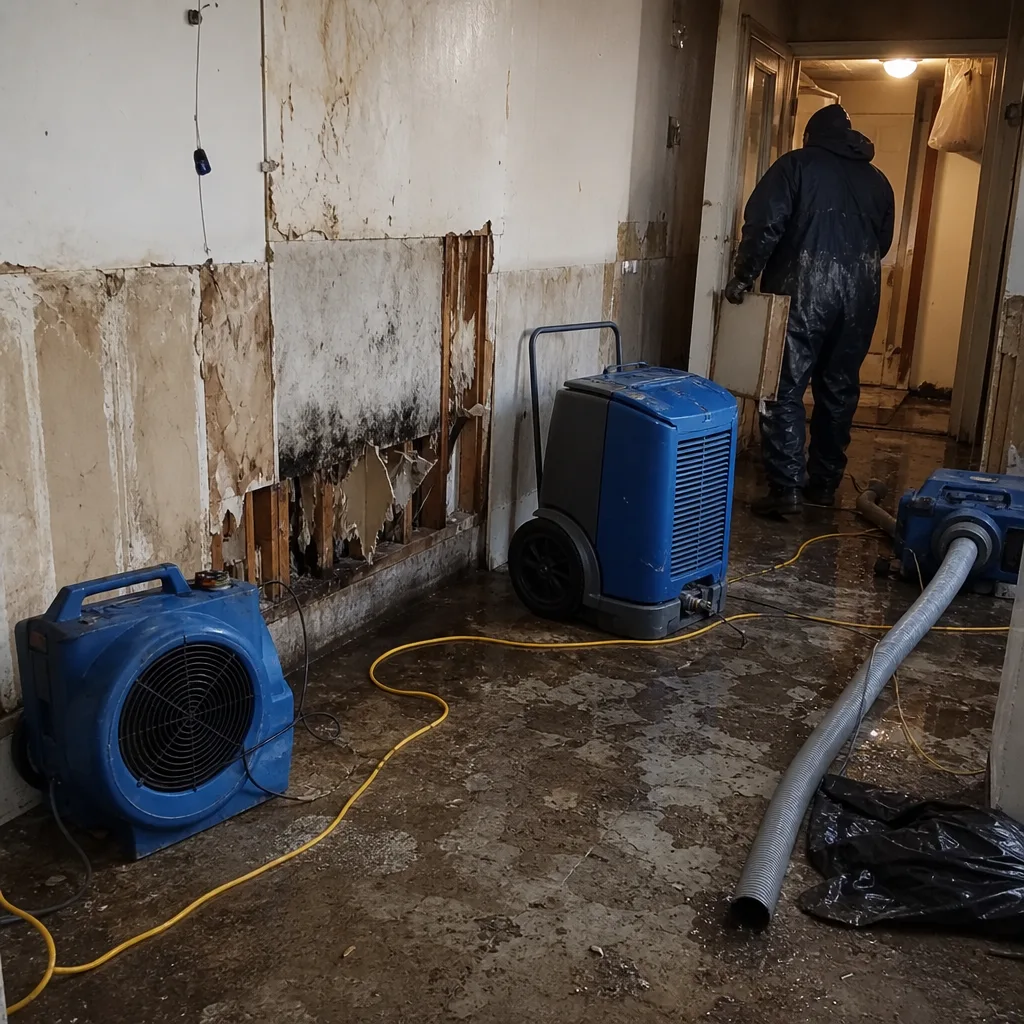 Before
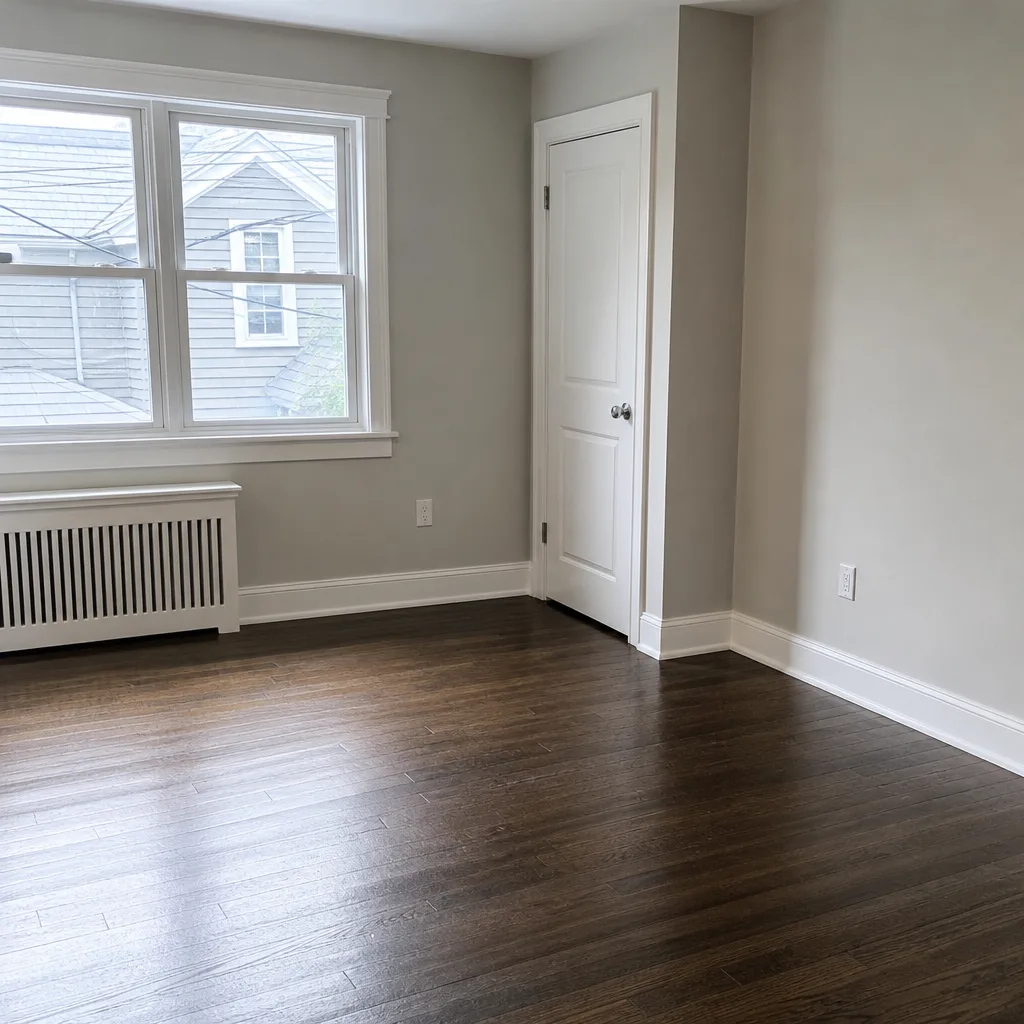 After
After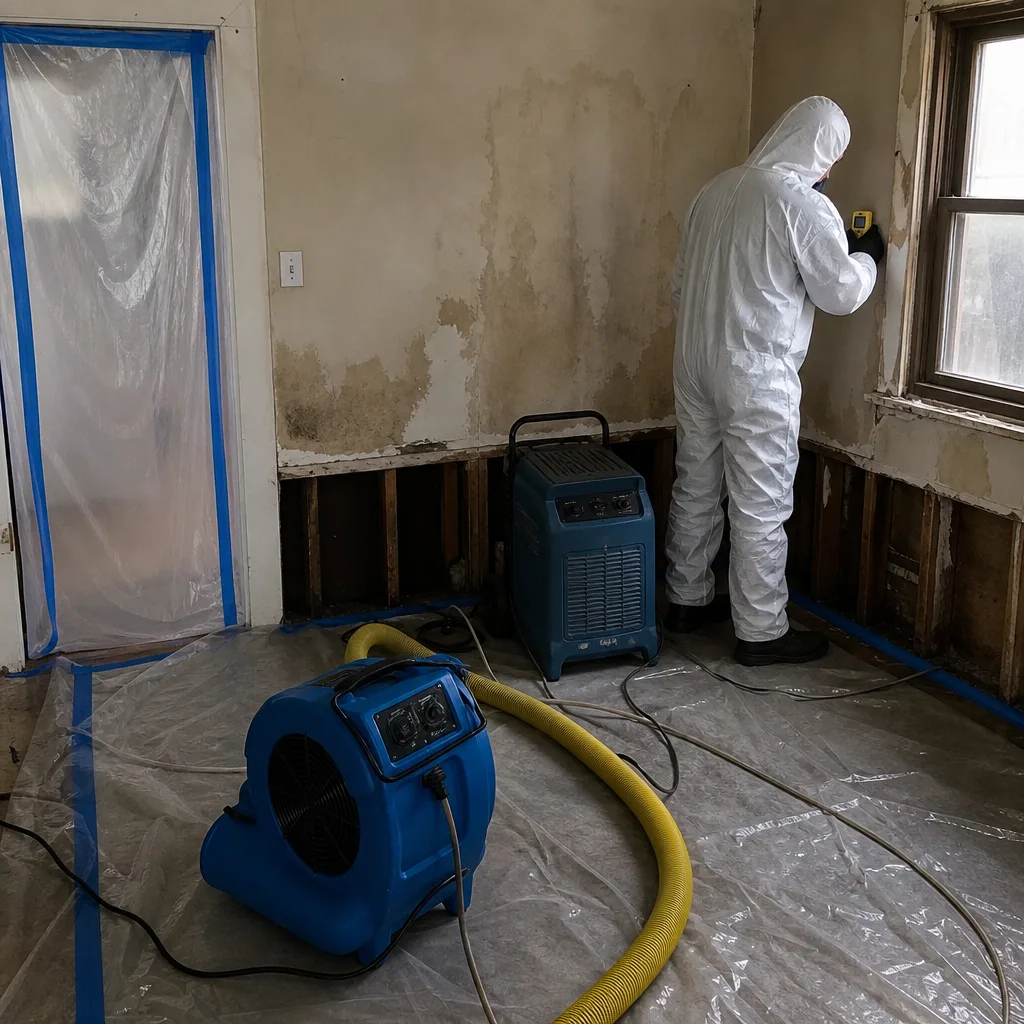 Before
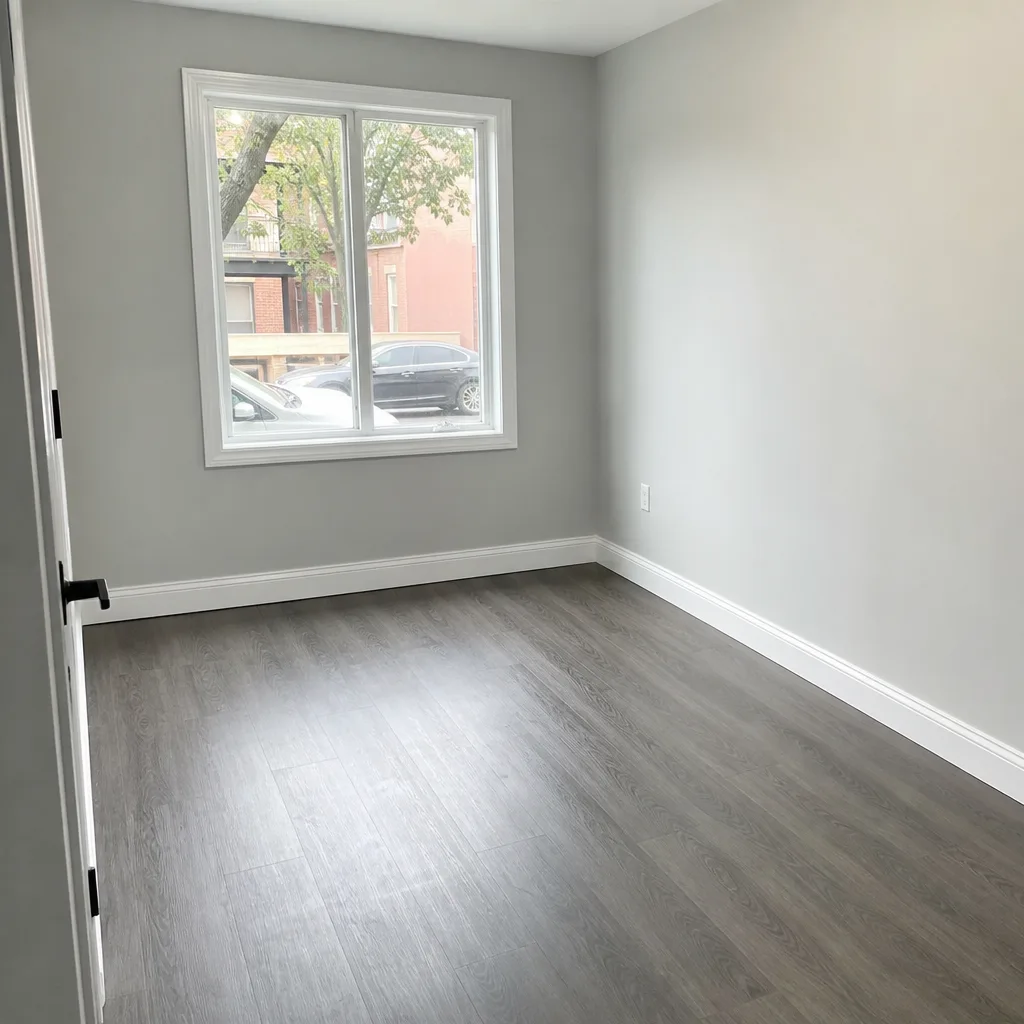 After
After24/7 Emergency Storm & Disaster Restoration in Corona
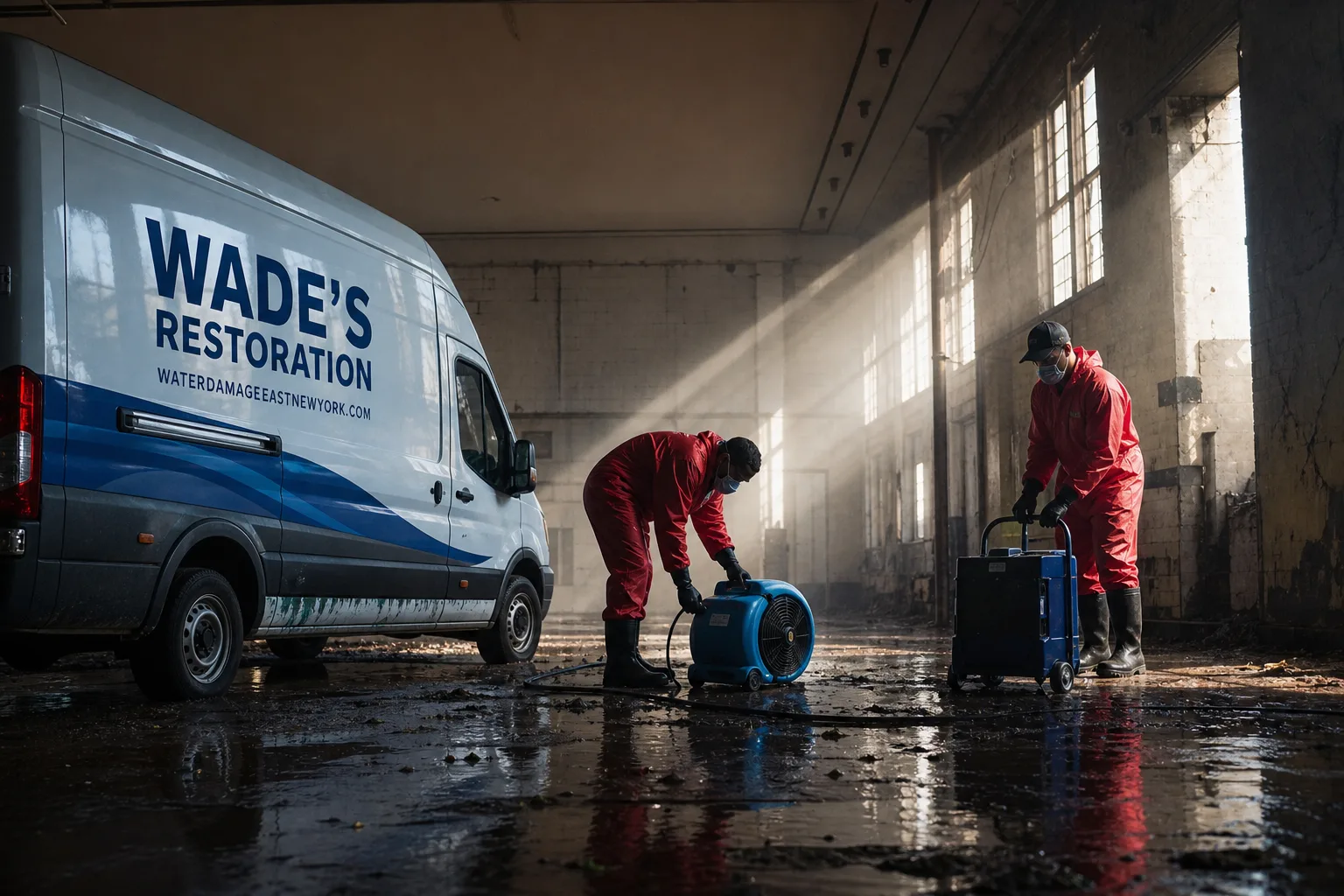
Storm and disaster restoration in Corona means moving fast when water, wind, or sewage breaches a home built before 1950. Most calls Wade’s Restoration gets from Corona start with a flooded basement, a collapsed ceiling, or a branch through a flat roof, and the first call usually comes in after hours. We answer live at (363) 300-2771 around the clock, and Wade heads out with a crew that knows the tight alleys and attached row houses of Corona better than any national chain ever will. The first hour after a storm opens a roof or backs up a combined sewer decides whether you’re drying studs or tearing them out.
In Corona, that first hour matters more than it does in detached-home neighborhoods. Your foundation wall is probably your neighbor’s foundation wall. Water doesn’t respect property lines, and neither does the mold that follows it. A free visual inspection gets us inside fast, and the sooner we map the moisture, the less the job costs. Storm damage doesn’t wait for business hours, and we don’t either.
Understanding Storm & Disaster Restoration Severity in Corona Properties
Storm damage in Corona rarely stays in one room. The neighborhood’s attached and semi-detached brick row houses from the 1920s through the 1950s share masonry foundation walls and floor systems block after block. When a nor’easter surcharges the combined sewer and pushes Category 3 water, the term professionals use for sewage-contaminated black water, up through a basement floor drain, that water doesn’t stop at the property line. It wicks through shared foundation block, travels along parging, and finds its way into the adjacent basement within hours. We see it constantly around Roosevelt Avenue and Junction Boulevard, where the blocks are tightest and the sewer infrastructure is oldest.
Category 1 water from a burst supply line is a different animal, easier to dry and less dangerous to touch. Category 2 carries contaminants from washing machines or sump failures. But Corona’s real severity comes from combined sewer overflows during summer convective storms and coastal nor’easters, events that push raw sewage into basements that were never designed to handle it. The flat topography of Queens gives water nowhere to run, and NYC’s combined storm and sanitary sewers surcharge under heavy rain, sending whatever was in the pipe back up through floor drains. Moisture mapping and structural drying aren’t optional here. They’re the difference between a two-day dryer job and a full gut of a finished basement.
Why Corona Property Owners Choose Wade’s Restoration
- 45-minute response commitment. Wade or a crew member is on the road toward your Corona block within 45 minutes of your call, with extraction equipment loaded and a plan forming before we see the damage.
- 24/7 live answer, no automated system. You call, a person picks up. Often it’s Wade himself, and he’ll tell you what to do in the first 30 minutes before anyone arrives.
- IICRC-certified crews. The people Wade sends into your home carry WRT, FSRT, and AMRT certifications from the IICRC, the industry’s standard-setting body for water, fire, and mold work.
- Free visual inspection. Before any equipment comes off the truck, we walk the loss with you, explain what we’re seeing, and give you a straight answer about what needs to happen.
- Direct insurance billing. We document everything from the first hour and bill your carrier directly, so you’re not floating thousands on a credit card waiting for a check.
- One team from extraction to reconstruction. The same crew that pulls water out of your basement is the one that rebuilds it. No handoffs to strangers, no scope gaps between contractors.
Wade’s Restoration has been owner-operated since 2007, and Wade Ferris still answers his own phone. That’s not a slogan. It’s how the business runs, and it’s why Storm & Disaster Restoration customers in Corona trust us with keys, access, and the phone number to their adjuster. The 90-Day Done Right Promise, written into every contract, means if it’s not done right, Wade comes back and makes it right. He’s going to run into you again on Saturday, and he knows it.
Our Storm & Disaster Restoration Process
Inspection & Assessment
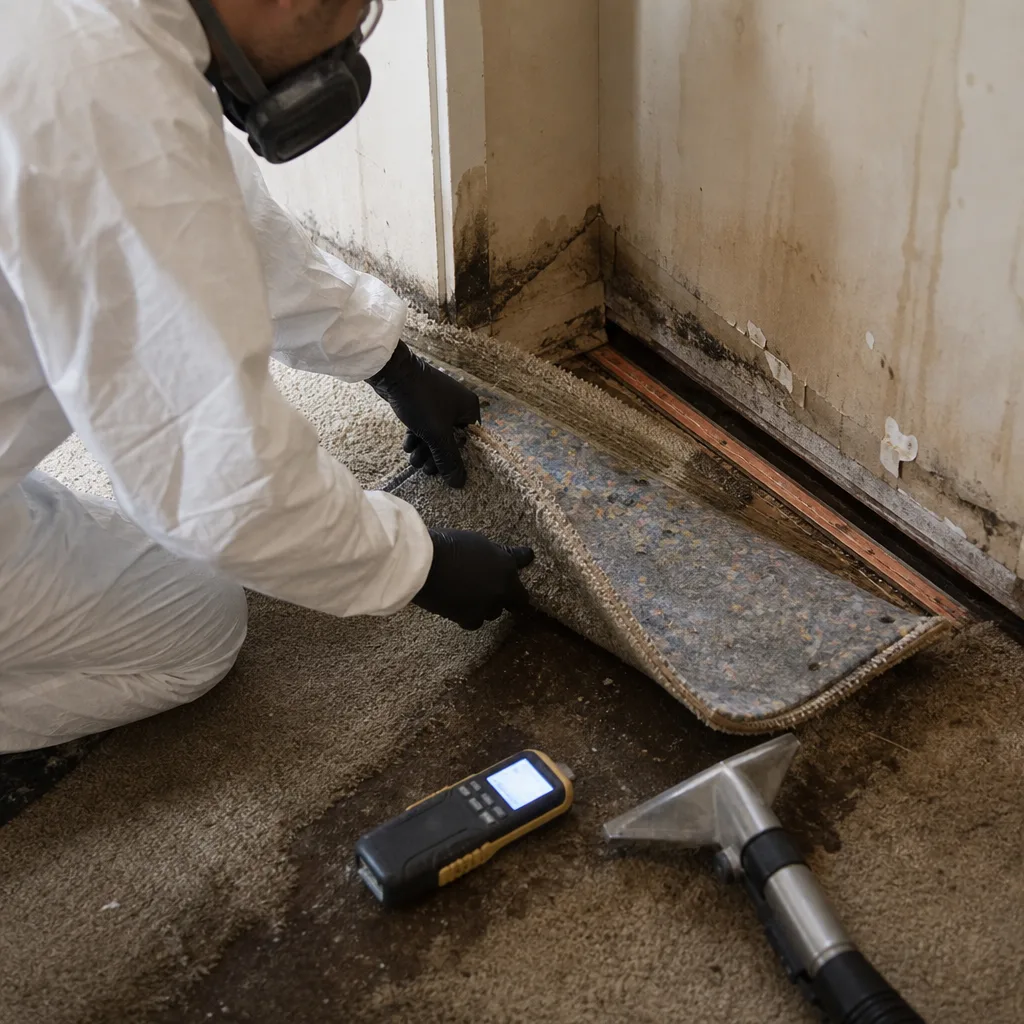
We start by mapping the full extent of the loss, including adjacent properties where shared walls are involved. Thermal imaging and moisture meters show us what’s wet behind the drywall before we touch a single stud.
Extraction/Stabilization
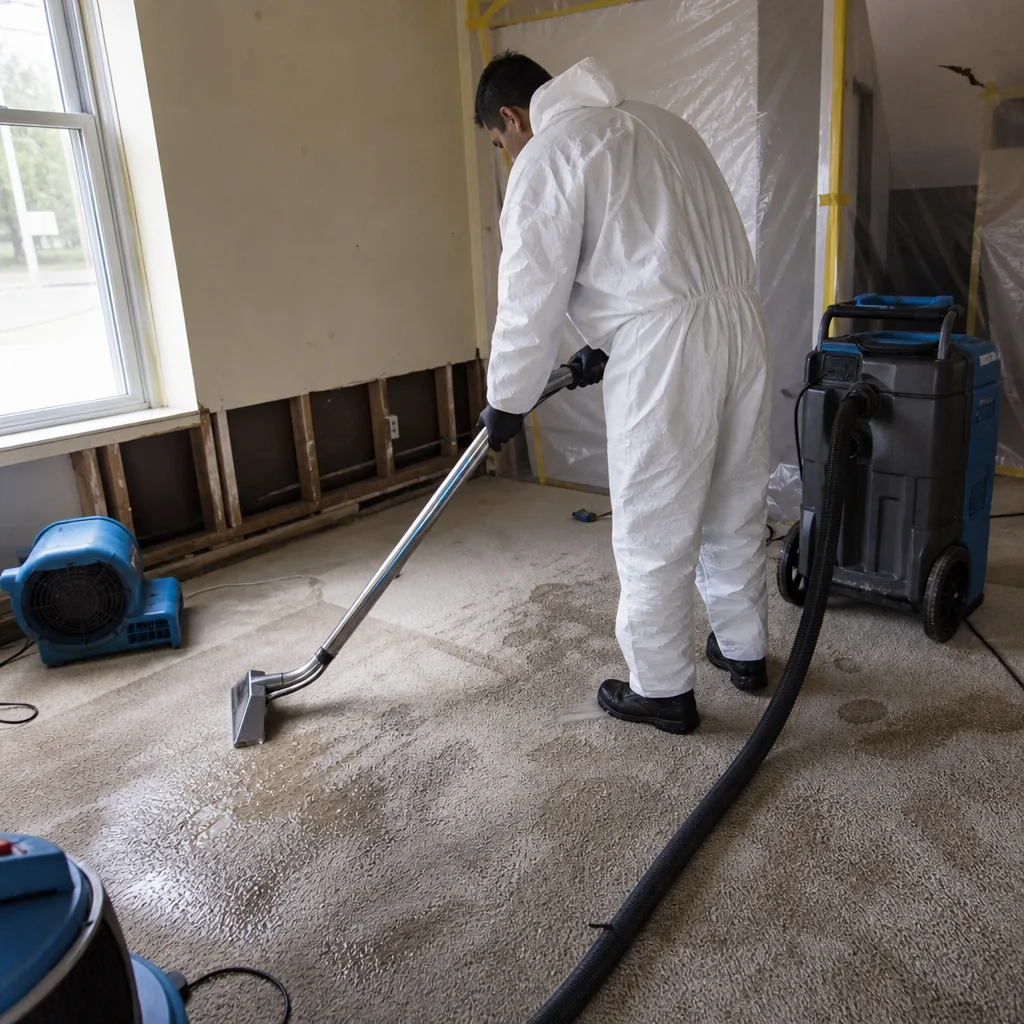
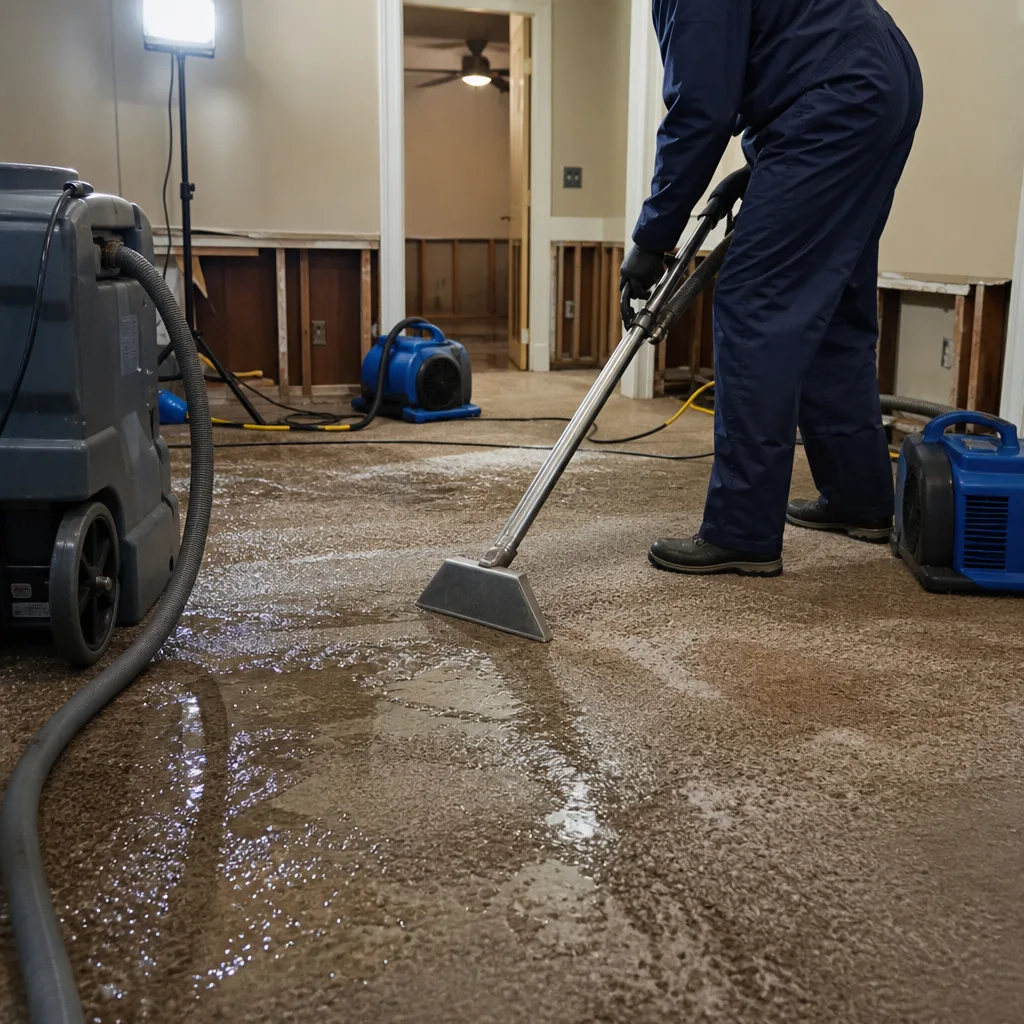
Water comes out first. High-volume extraction units and truck-mounted vacuums pull standing water fast, while our crew sets up containment to stop contaminated air from moving through the rest of your home and into neighboring units.
Drying & Dehumidification
Dri-Eaz dehumidifiers and XPOWER air movers run around the clock, with daily hygrometer readings tracking the moisture curve. In Corona’s attached housing, we also monitor the shared foundation wall on both sides of the property line, because drying one side of a wet wall is a recipe for a dispute with your neighbor.
Cleaning & Sanitization
For Category 3 black water events, antimicrobial treatment is non-negotiable. We’re not just drying a basement. We’re making a former sewage contact zone safe for people to live in again, including spaces where children sleep and families cook.
Specialty Treatment
Storm and disaster work in Corona often means board-up of broken windows, roof tarping over open sheathing, and debris removal from tight alley access points. We secure the building envelope before we do anything else, so the storm doesn’t keep doing damage while we work.
Repairs & Restoration
When the drying logs plateau and the hygrometers hold steady for three straight days, reconstruction begins. New drywall, flooring, trim, paint. We rebuild what the storm took, and the crew doing the finish work is the same crew that did the extraction.
Need Emergency Storm & Disaster Restoration in Corona Now?
Crews minutes away, answering live 24 hours a day. The sooner we start, the less it costs.
Working With Your Insurance Company
Storm and disaster restoration claims in Corona get complicated fast. When a sewer backup spreads into two or three attached properties, you’ve got multiple homeowners, multiple carriers, and multiple adjusters trying to figure out who pays for what. Wade’s Restoration handles that directly, documenting the loss from the first hour with photos, moisture logs, and line-item scopes that speak the language adjusters expect. Wade talks to your carrier so you don’t have to sit on hold during the worst week of your year. The documentation we produce, including daily drying logs and a full moisture map, is the same documentation that gets claims approved faster and disputes resolved in your favor.
What We Provide Your Insurer
- Thorough documentation of the loss
- Photos of all damage, room by room
- Moisture readings and drying logs
- A detailed, line-item scope of work
- Direct coordination with your carrier
Built for Corona’s Loss Calendar
Corona’s storm and disaster losses follow a predictable rhythm. January and February bring deep freezes that burst supply lines in unheated basements and uninsulated exterior walls, especially in the 1920s and 1930s brick rows where plumbing runs through exterior masonry. March and April are thaw season, when saturated ground and flat topography push groundwater against foundation walls that have been holding back the water table for a century. July and August are the combined sewer overflow months, when intense convective thunderstorms dump an inch of rain in an hour and the sanitary sewer backs up through floor drains into finished basement apartments. September through November is nor’easter season, bringing wind-driven rain that finds every open mortar joint and missing shingle on flat and low-slope roofs. We built our process around this calendar because Corona’s loss pattern is as regular as the tides.
Storm & Disaster Restoration Across Corona’s Neighborhoods
Corona’s geography changes block by block. Around Northern Boulevard and 111th Street, the mix of attached brick houses and small commercial buildings means crews navigate narrow storefront setbacks while residents wait upstairs, often in apartments that sat above the flood zone. Down near LeFrak City and the Long Island Expressway, the large residential complexes have their own access constraints, service elevators, loading docks, and property managers who need documentation before we move a single fan. Over near Flushing Meadows Corona Park, post-war semi-detached housing sits on slightly larger lots, but the basements are finished rental units now, and the same combined sewer mains serve the whole area. The blocks around Roosevelt Avenue and Junction Boulevard are the tightest in the neighborhood, with row houses that share both side walls and a foundation, and alley-load access so narrow that a box truck blocks the whole lane. We know which blocks we can stage a truck on without getting a 311 call, and which alleys need a smaller van. In Corona, that local route knowledge is the difference between hitting the 45-minute mark and sitting in traffic while your basement keeps filling.
Specialized Storm & Disaster Restoration Services We Offer in Corona
Storm Damage Cleanup
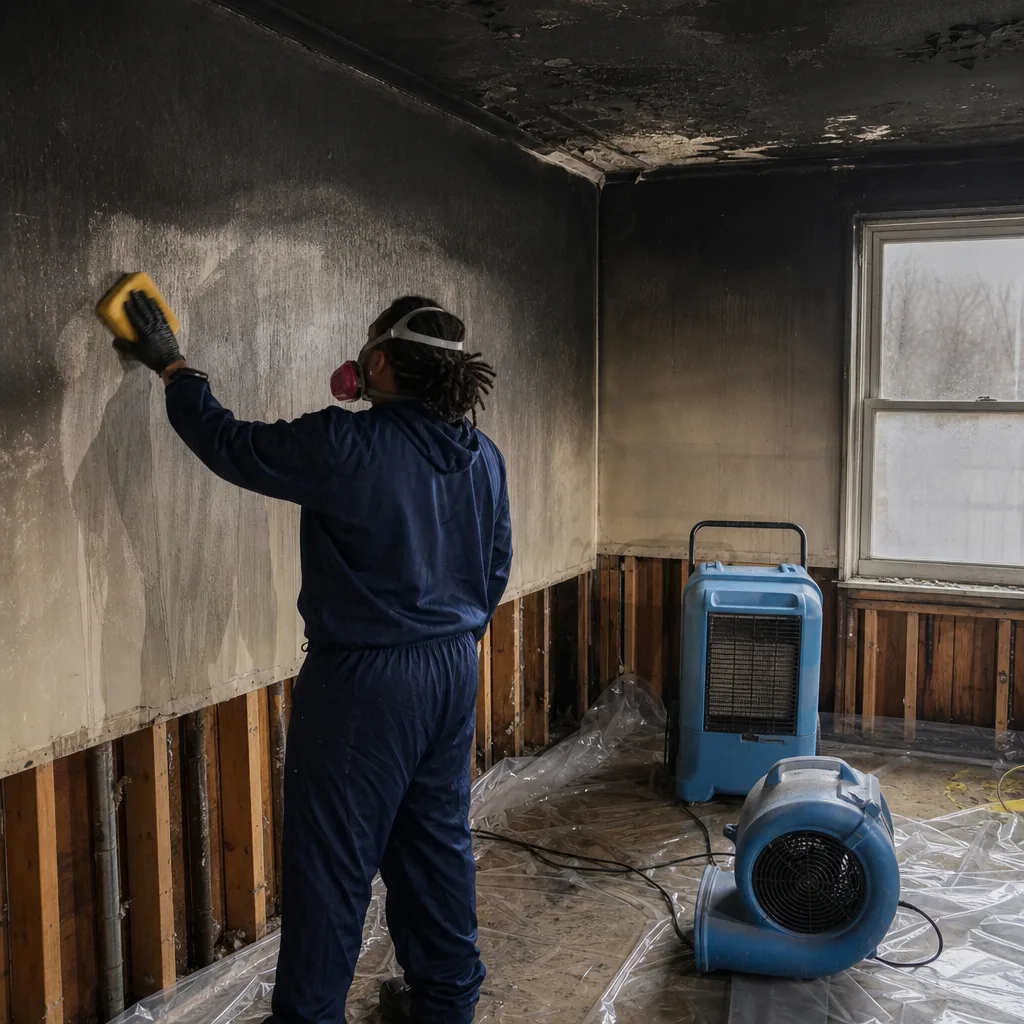
Wind-driven rain, fallen trees, and failed flat roofs all leave the same signature on Corona homes: saturated drywall, pooled water on floor systems, and debris wedged against the building. Our cleanup crews remove the water, cut out the damaged material, and dry the structure before mold has a chance to establish. In attached housing, we always check the shared wall before we call the job dry.
Flood Damage Restoration
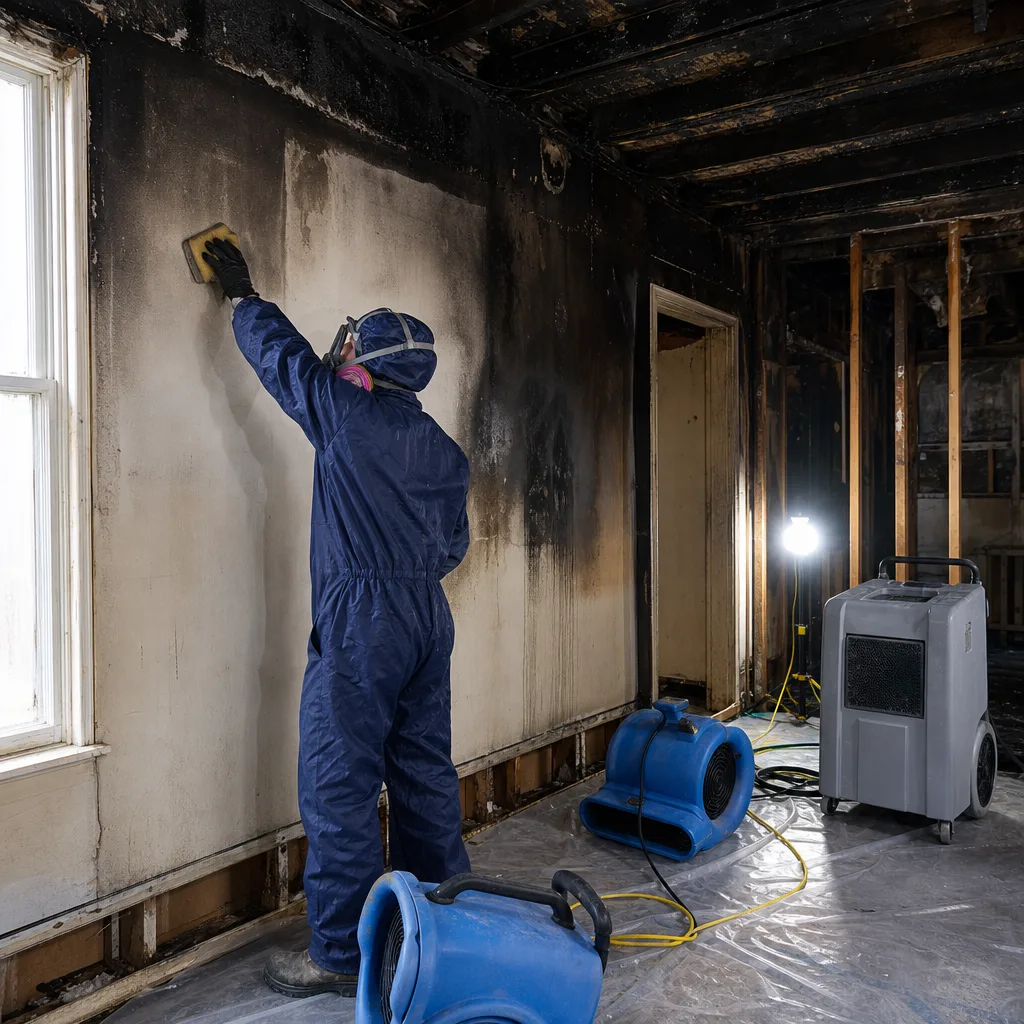
Flood restoration in Corona most often means combined sewer overflows, not overland flooding from rivers. That’s Category 3 water, and it demands full containment, antimicrobial treatment, and air scrubbing with HEPA filtration. We’ve handled more black water events in Corona basements than we can count, many in the converted apartments that line the blocks near Junction Boulevard.
Emergency Board-Up
After a storm blows out a window or knocks a branch through a wall, the opening needs to be secured before the next band of weather arrives. We board up broken glass, damaged doors, and compromised openings with plywood, screws, and a weather seal that holds until permanent repairs happen. On row houses where the only access is a tight alley off Roosevelt Avenue, we bring a smaller vehicle and carry materials to the opening by hand.
Roof Tarping
Flat and low-slope roofs on Corona’s pre-war rows don’t survive high winds well. A tarp buys you time until permanent roofing work can be scheduled, keeping rain out of the interior and your insurance claim from growing. We secure tarps with furring strips and nails, not just sandbags, because a tarp that blows off in the next storm is worse than no tarp at all.
Debris Removal
Fallen branches, torn-off flashing, and storm-thrown debris get in the way of drying and rebuilding. Our crews clear the work area, haul the debris, and photograph everything for your claim. In Corona’s dense blocks, we also coordinate with neighbors whose property the debris may have crossed, because that’s how claims get settled without fights.
What happens when you call
- 1
A real person answersNo phone trees - you reach a local pro.
- 2
You get an upfront price rangeHonest numbers before anyone is dispatched.
- 3
A background-checked tech heads outLicensed & insured, dispatched right away.
- 4
You approve before work beginsNothing starts until you say go.
Storm & Disaster Restoration Costs in Corona, NY
Storm damage restoration in Corona runs the same range as the rest of Queens, but with one local wrinkle: shared-wall losses often split costs across two or three insurance policies, and we build our scopes to match. A straight Category 1 water extraction and dry-out in a Corona basement runs $1,800 to $3,500. Add Category 3 sewage contamination, and the antimicrobial treatment, containment, and material removal push that to $4,500 to $9,000. Full flood restoration with reconstruction of a finished basement apartment typically lands between $12,000 and $28,000 depending on finishes and square footage. Emergency board-up runs $350 to $900 per opening. Roof tarping on a flat row house roof is $500 to $1,400 depending on size and access. Debris removal runs $300 to $1,200 per load. Every dollar of this gets documented for your carrier, and we offer a Free Second Opinion on Any Written Estimate. Ask anyone on your street what the last storm cost them. They’ll tell you the national chain quoted one number on the phone and a different one at the door. We don’t work that way.
Call (363) 300-2771 for a free visual inspection and a line-item scope before any equipment moves. No trip charge inside our own county. Senior and Veteran 10% discount, always.
We Also Serve Cities Near Corona
Wade’s Restoration crews cover the neighborhoods around Corona too, including Elmhurst, Ridgewood, Richmond Hill, and Woodhaven. If you’re in one of those neighborhoods and you’ve got a storm loss, call the same number, (363) 300-2771. Same 45-minute response commitment, same team, same written promise.
Serving Corona, NY - Our Local Coverage Area
We’re based in the Corona area and know this community well. Use the map below to see our service coverage - if you’re nearby, we can almost certainly help.
Corona Storm & Disaster Restoration Questions, Answered
How does your crew handle a sewer backup that has already spread into my attached neighbor’s basement in Corona?
We knock on the neighbor’s door before we stage any equipment, explain what we’re seeing, and take moisture readings on their side of the shared wall. In attached row houses near Roosevelt Avenue and Junction Boulevard, contamination rarely stops at the party line, and the only way to dry the block properly is to treat both sides as one loss. We coordinate the two or three separate insurance carriers on one scope of work and run containment at every affected stairwell. Call (363) 300-2771 and we’ll sort it out from the first hour.
My Corona row house basement was illegally converted into an apartment. Will that affect my storm damage claim?
Claims involving unpermitted basement conversions are a constant friction point with adjusters in Corona, where decades of dense settlement produced thousands of below-grade rental units. What’s covered versus what’s not depends on the policy and the specifics of the loss, but a documented moisture log and a detailed line-item scope of work give your adjuster what they need to distinguish storm damage from pre-existing conditions. We don’t report your basement to anyone. We dry it, clean it, and give you the documentation to fight for what the policy owes.
What’s different about storm damage restoration in Corona’s attached brick row houses compared to detached homes?
The party wall changes everything. In a detached home, you dry your four walls and you’re done. In a Corona row house, your foundation wall holds up your neighbor’s house too, and water moves through the block, the parging, and the floor system into the adjacent unit within hours. An experienced Corona restoration crew checks the neighbor’s side of the wall before calling any job dry, and a large portion of our work here involves coordinating two or three homeowners and two or three insurance carriers on a single loss event.
How fast do you respond to a Category 3 black water event in Corona’s combined sewer overflow zones?
We respond within 45 minutes to Category 3 calls in any part of Corona, including the combined sewer overflow zones that stretch across the flat blocks around Northern Boulevard and Roosevelt Avenue. Black water carries sewage-borne pathogens, and every hour it sits in a finished basement increases the contamination zone and the cost of restoration. Call (363) 300-2771 the moment you see water coming up through the floor drain. The first 30 minutes matter more than the next 30 hours.
Can you handle emergency board-up for a row house where the only access is through a narrow alley off Roosevelt Avenue?
Yes. We bring a smaller vehicle for tight alley access, carry materials by hand where a truck can’t fit, and coordinate with neighbors so we’re not blocking the only path to their door. Corona’s row-house alleys are some of the tightest in Queens, and crews that don’t know the neighborhood end up with parking enforcement on site while the rain keeps coming through the opening. We know which alleys work and which ones need a different approach before we leave our shop.
How long does drying and remediation take after a storm loss in Corona?
A typical Category 1 water loss in a Corona basement dries in 3 to 5 days with proper equipment and daily monitoring. Category 3 black water losses run 5 to 10 days because decontamination and material removal are part of the scope. Reconstruction after the dry-out adds 1 to 3 weeks depending on finishes. Wade hands you the full moisture log at the end of every job, so you can see exactly what the drying curve looked like, day by day.
What certifications do your storm and disaster restoration crews hold?
Our crews carry IICRC certifications including WRT for water damage restoration, FSRT for fire and smoke restoration, and AMRT for applied microbial remediation. We’re also RIA-affiliated and IFA-recognized, and our equipment inventory includes Dri-Eaz dehumidifiers, Phoenix air movers, XPOWER drying systems, and B-Air and Injectidry specialty equipment. The credentials matter because improper storm restoration in attached housing creates liability for the neighbors too.
What should I do in the first 30 minutes after a storm floods my Corona basement?
Cut power to the basement if it’s safe to reach the breaker, photograph everything for your claim, and call (363) 300-2771. Do not enter standing water if it may be in contact with electrical outlets or appliances, and do not try to pump Category 3 sewage water yourself. In Corona’s attached housing, also knock on your neighbor’s door and check their basement, because if the water traveled through the shared wall, their claim clock started at the same time yours did.
Written by Wade Ferris, Owner at Wade’s Restoration, serving Corona and the surrounding neighborhoods. Founded in 2007, locally owned and owner-operated, with a published address and license number. The 90-Day Done Right Promise, in writing on every storm restoration contract. Call (363) 300-2771 and a real person answers, 24 hours a day.