
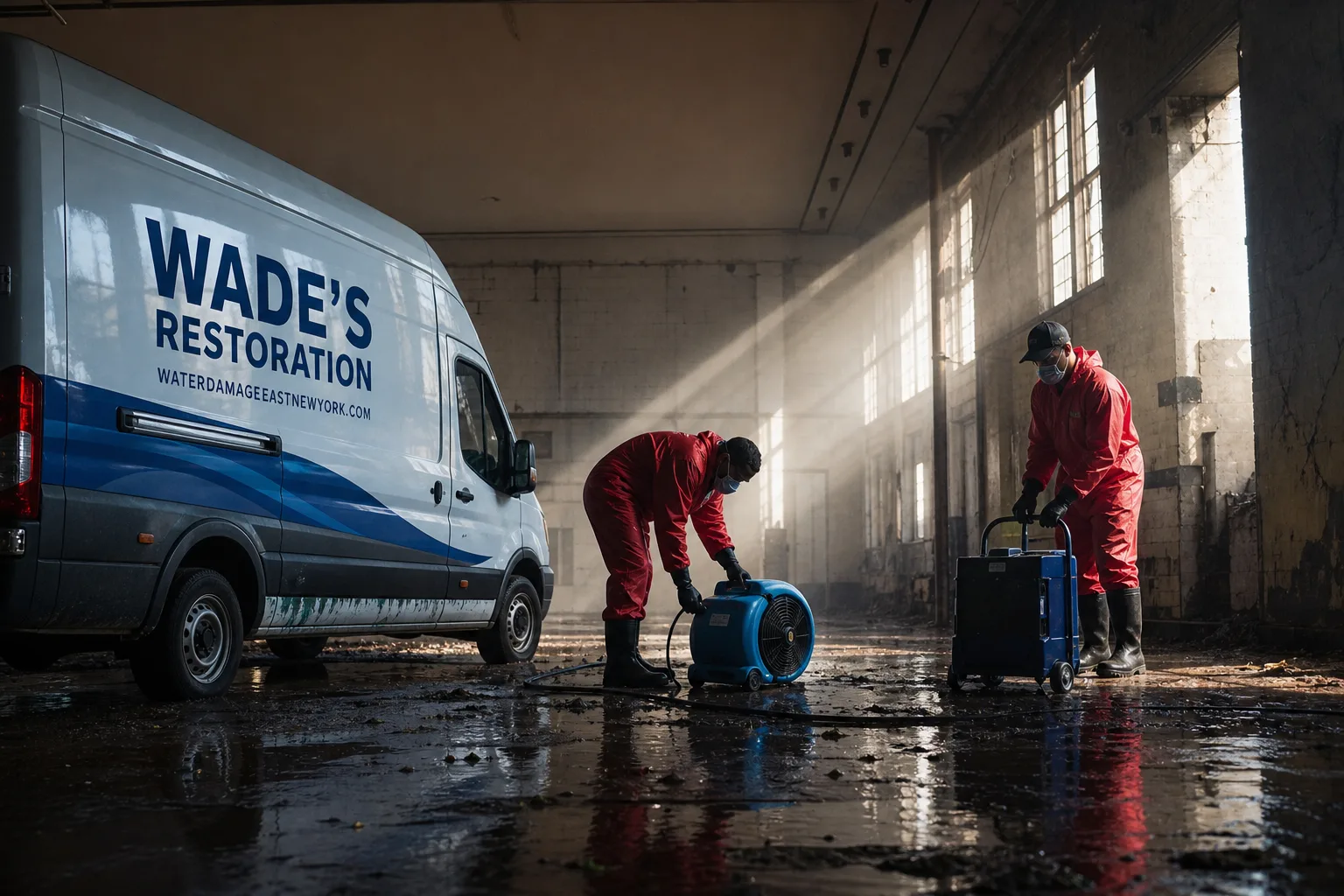
Free visual inspection and a written scope of work before any mitigation begins - photos, moisture readings, and drying logs go in your claim file
The scope we write is the scope we bill. Anything new gets shown to you, in writing, before we touch it.
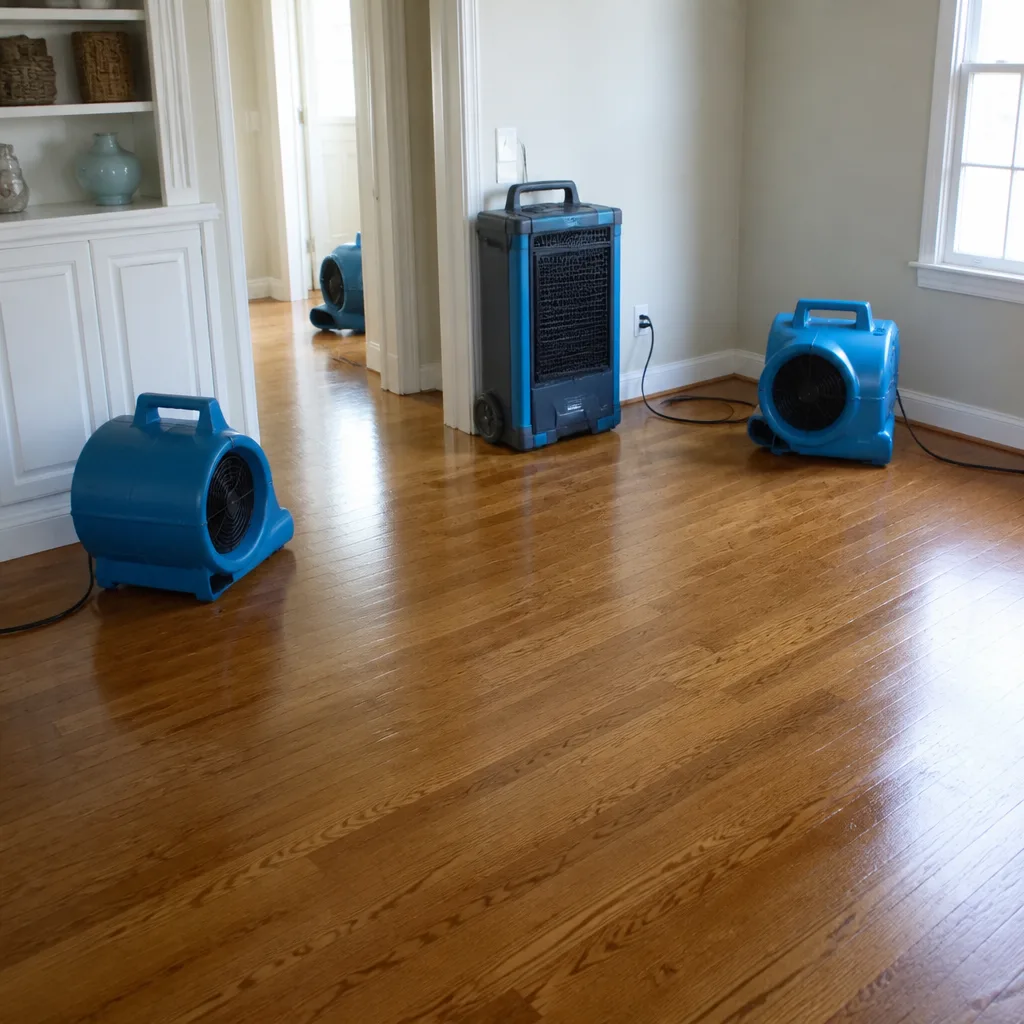
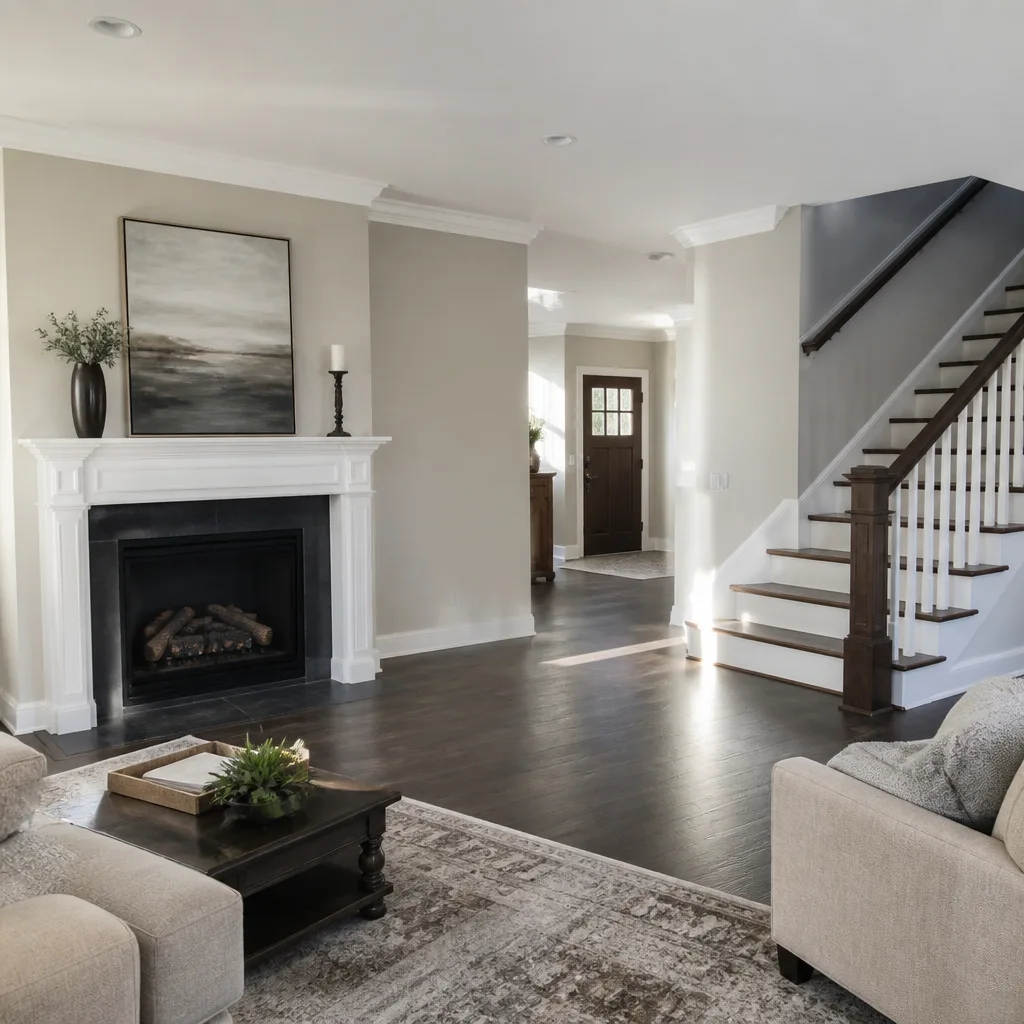

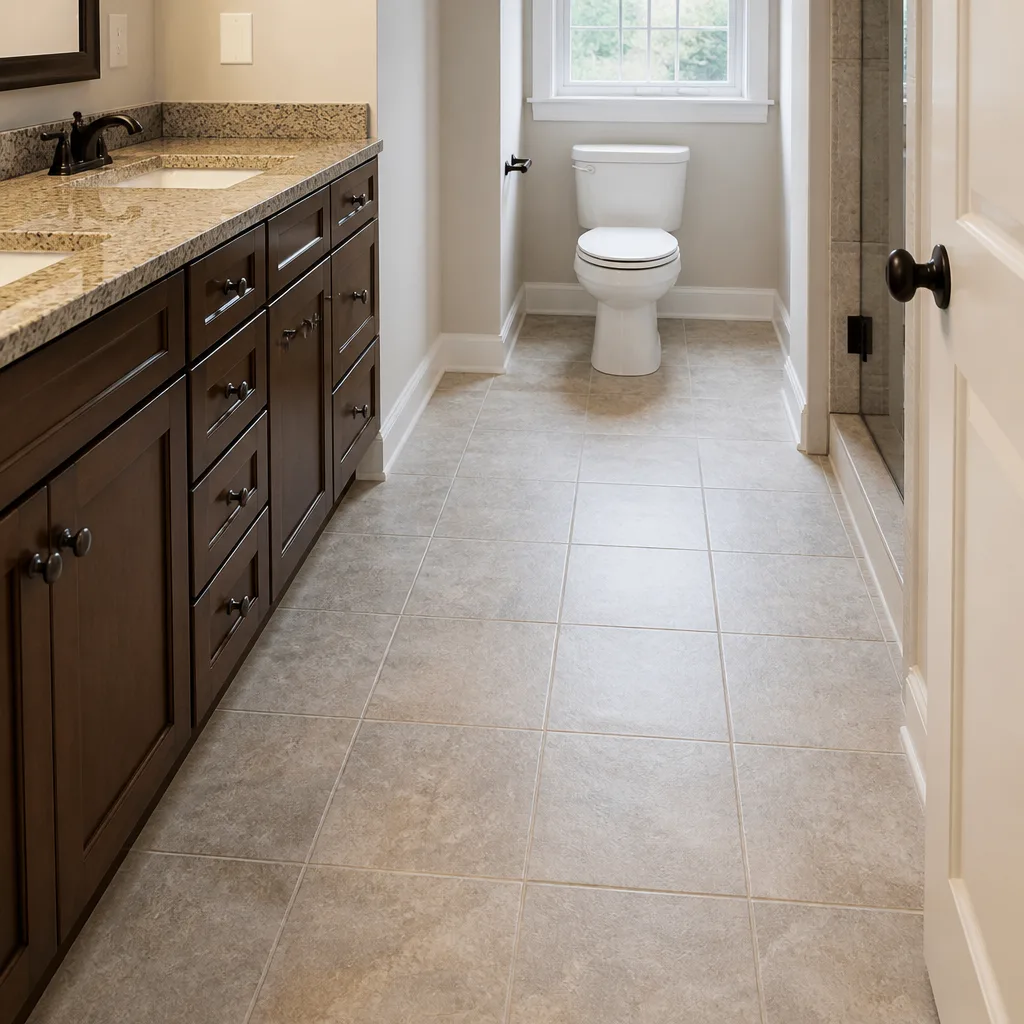
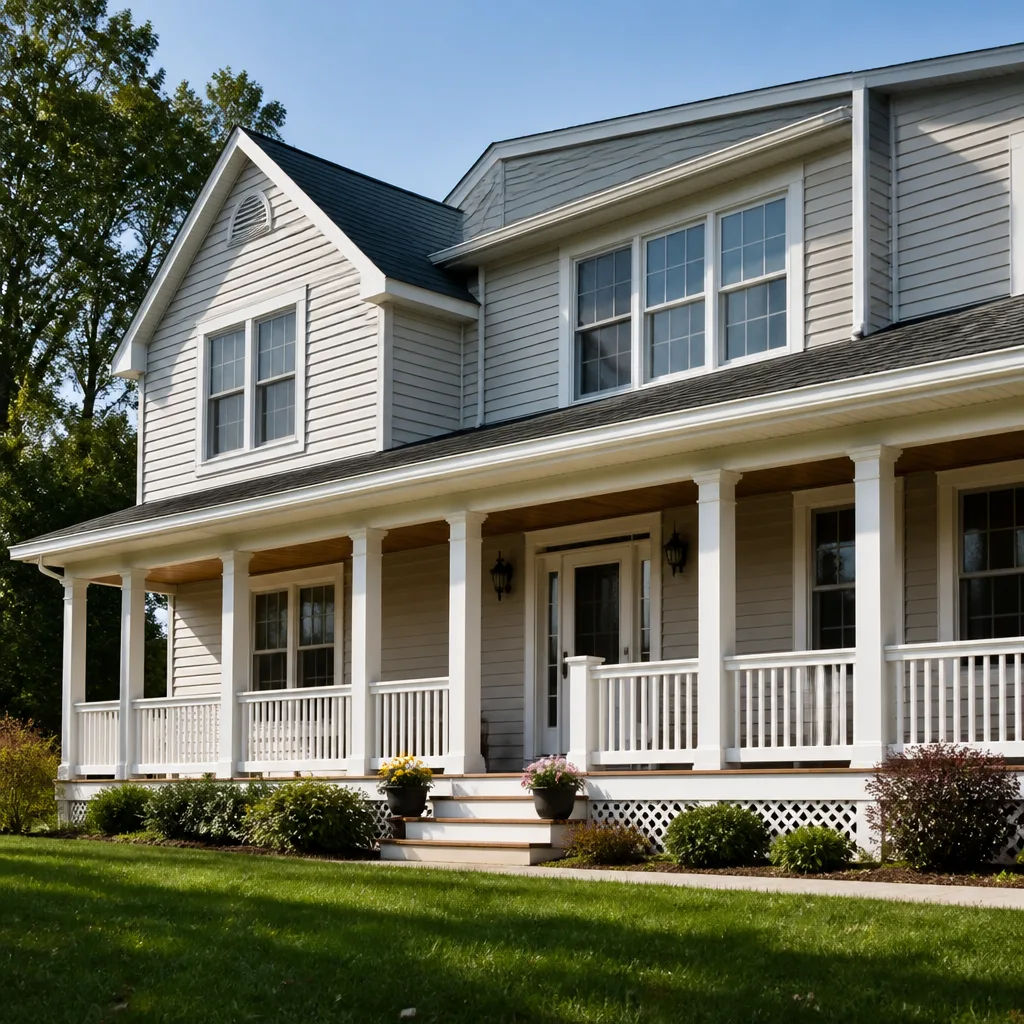
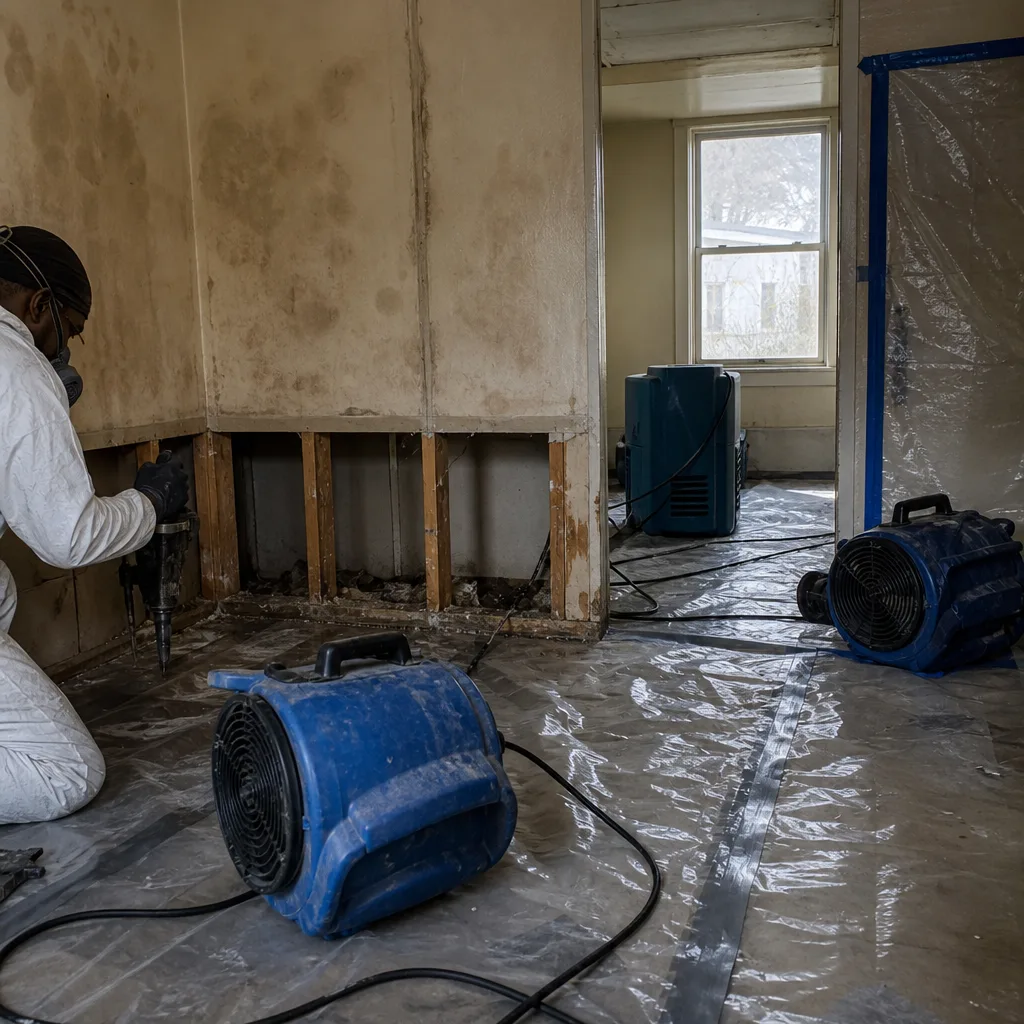 Before
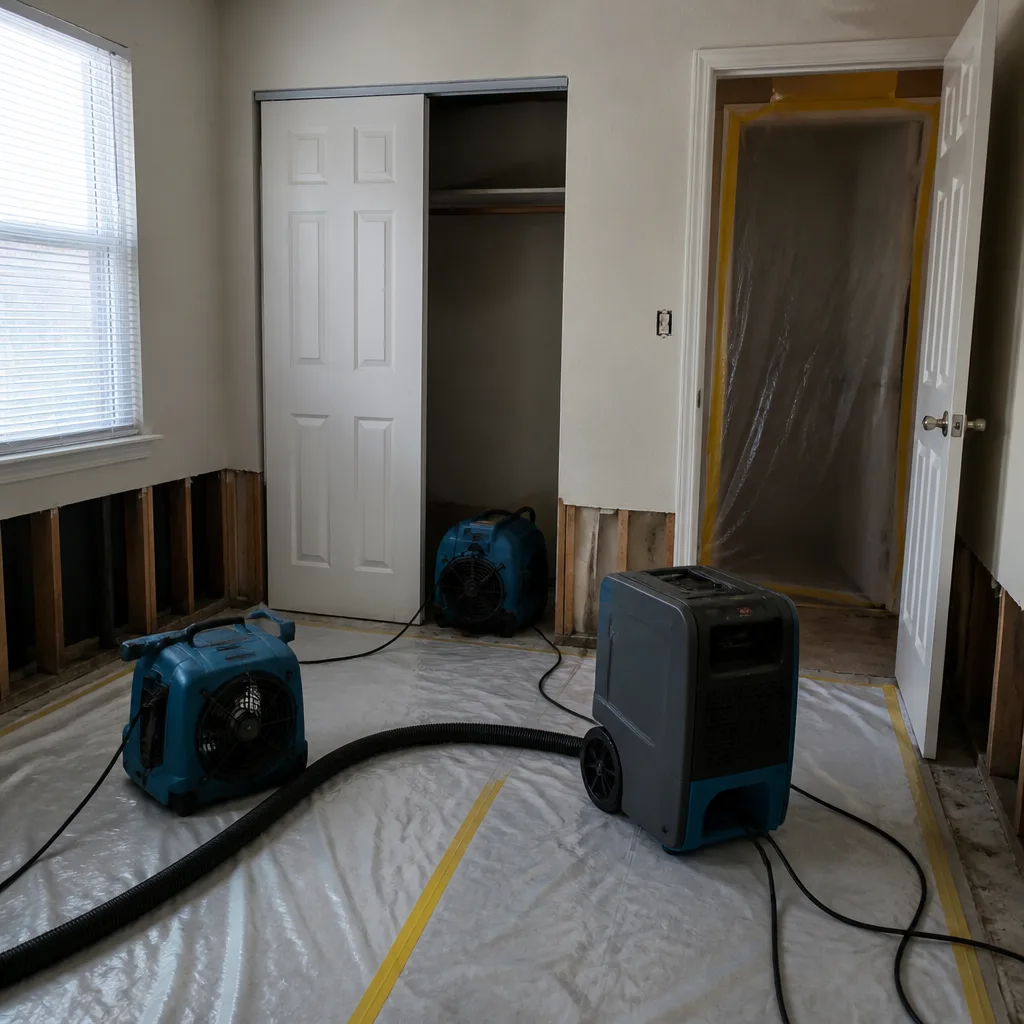 After
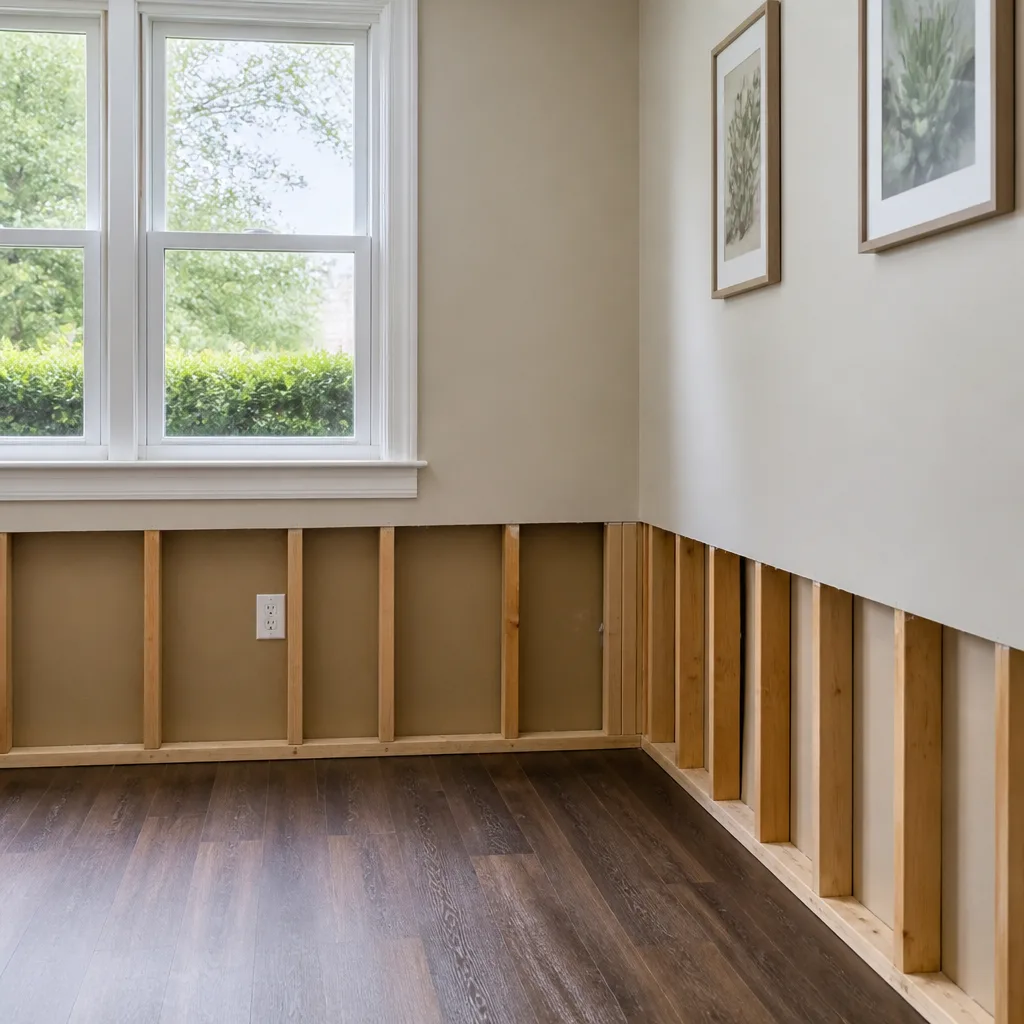
After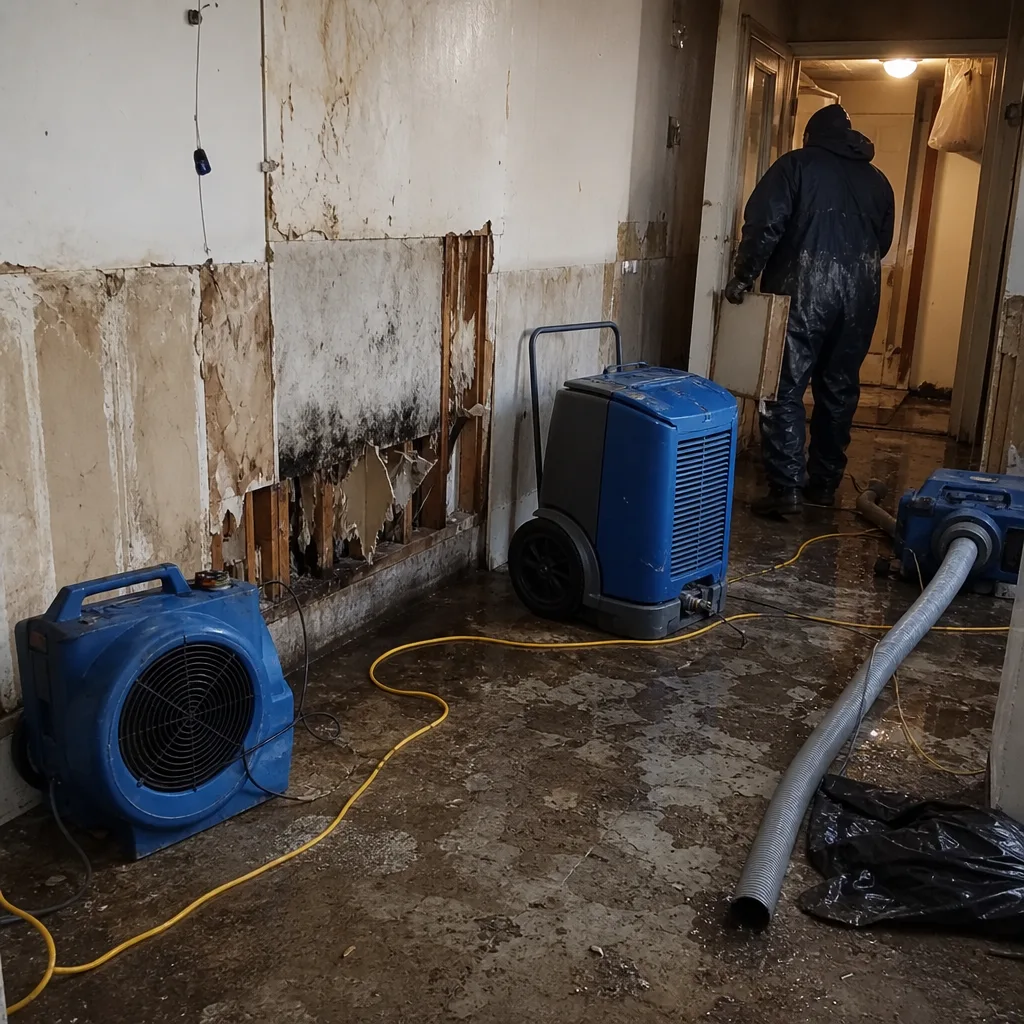 Before
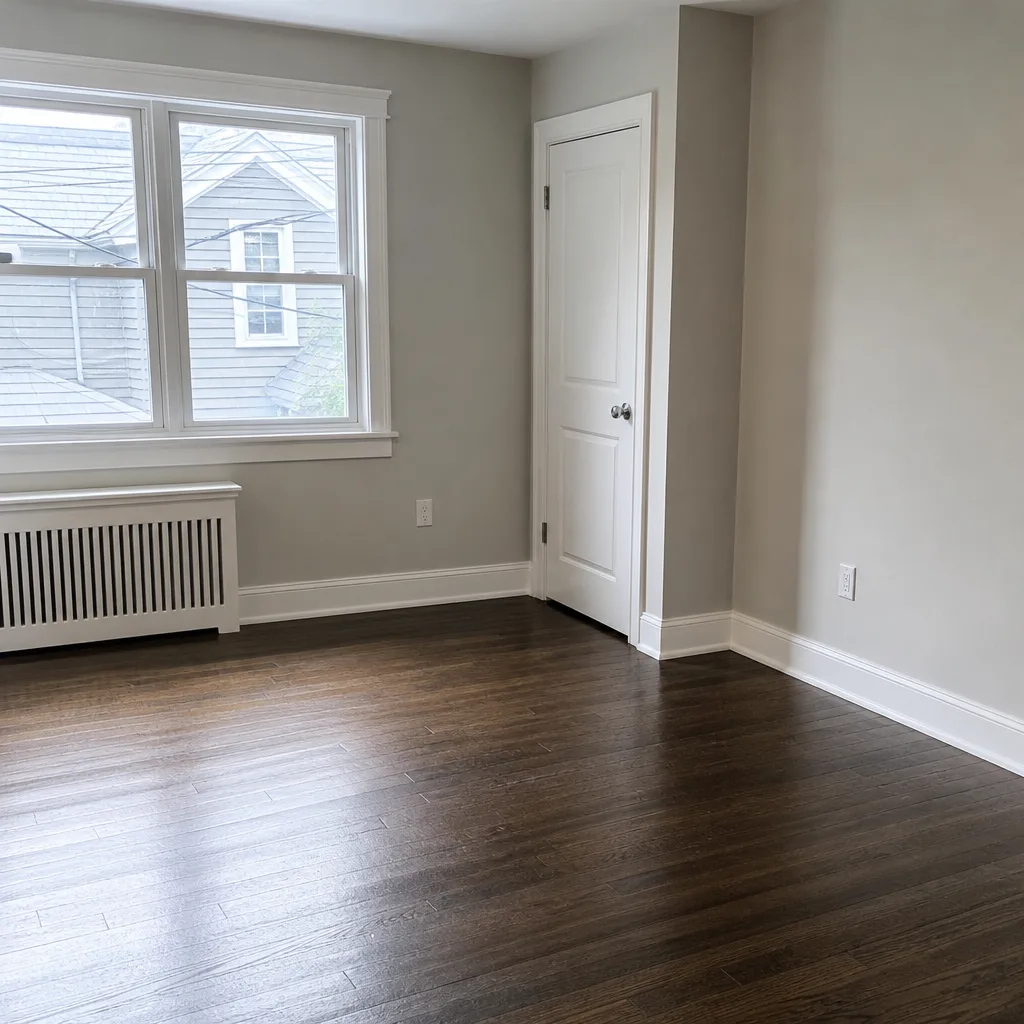 After
After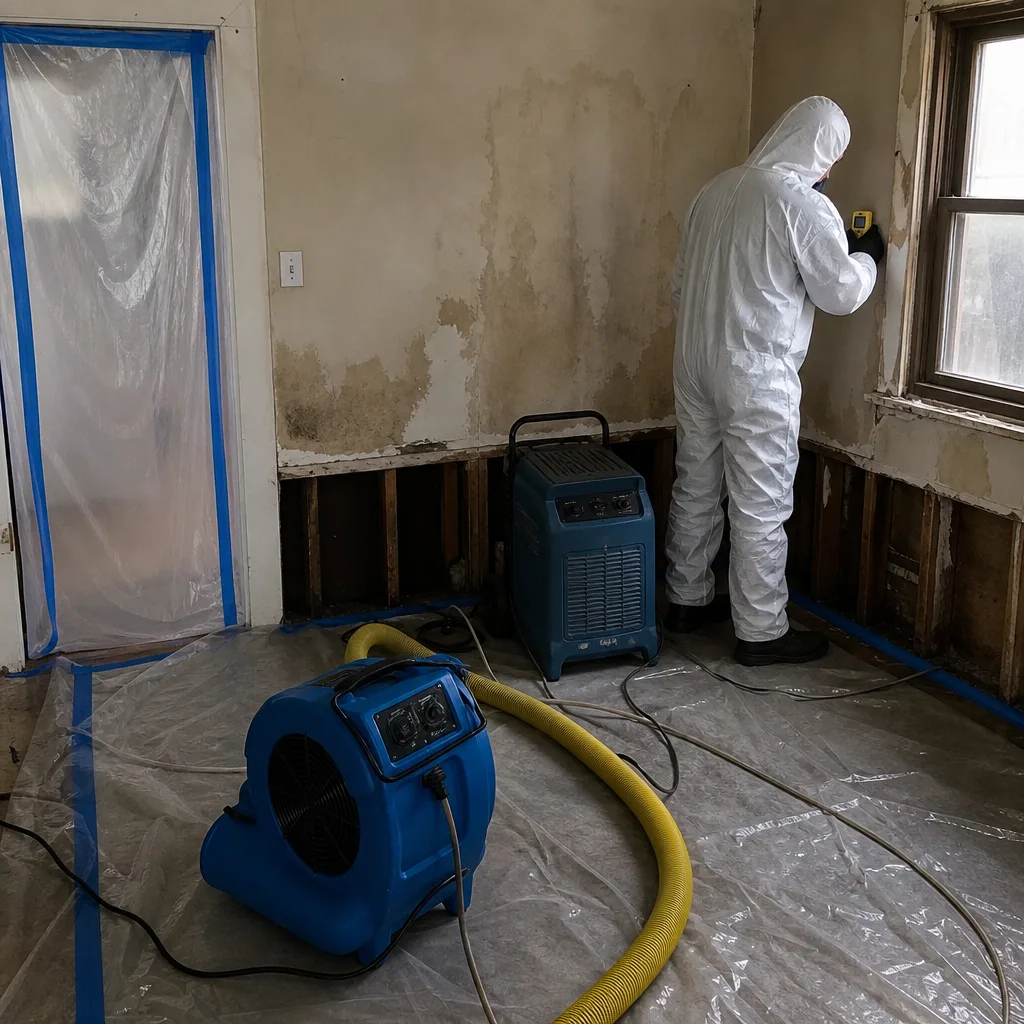 Before
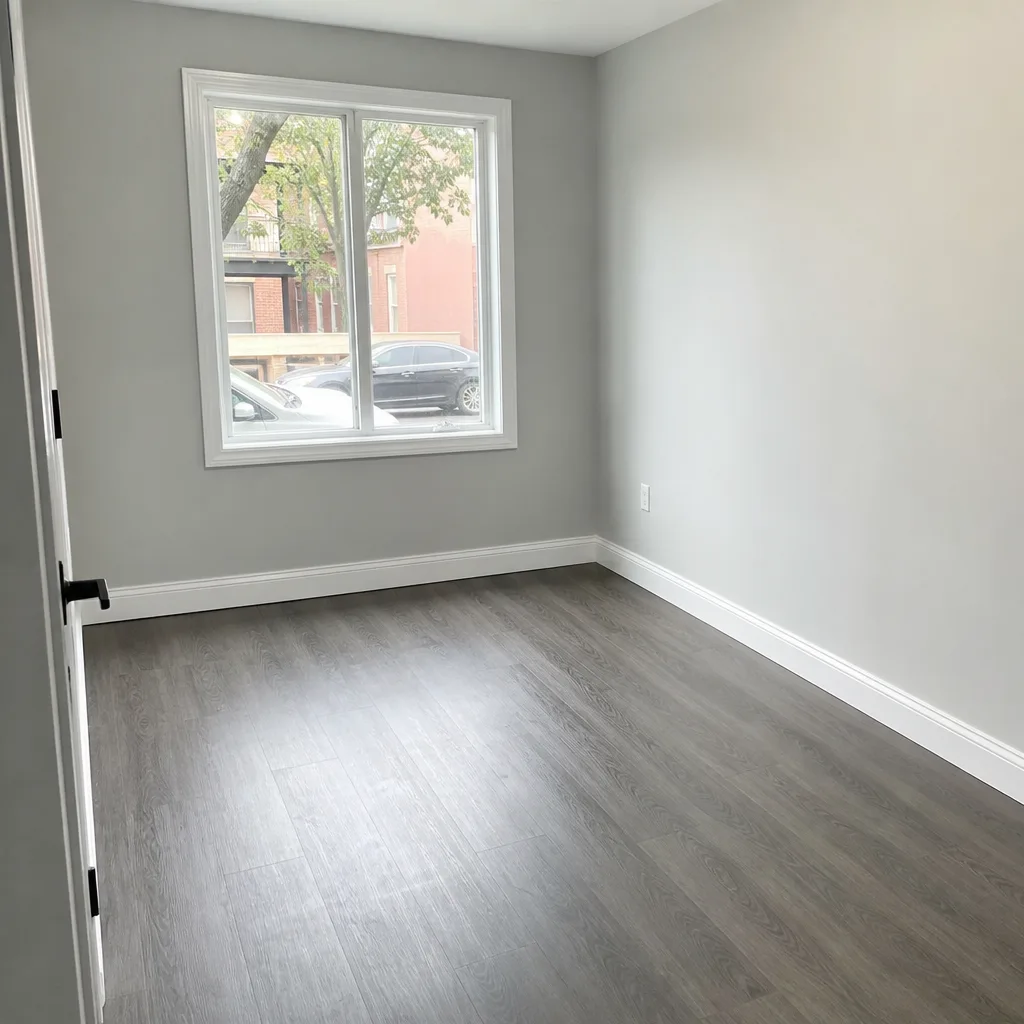 After
After24/7 Emergency Water Damage Restoration in East New York
Water damage in East New York doesn’t wait for business hours, and neither do we. A burst pipe in a 1920s row house near Atlantic Avenue at 2 a.m. needs extraction running before the water wicks into the plaster walls and the neighbor’s side of the party wall. Call (363) 300-2771 and Wade Ferris answers. Not a call center. Not a recording. We can have crews on site in East New York inside the hour, with submersible pumps, Dri-Eaz extraction units, and moisture meters in hand. The first hour is the difference between drying out an entryway and gutting a basement. Water moves horizontally through brick and mortar fast, especially in the attached housing stock that dominates East New York. Every minute it sits, the cost climbs. Wade’s Restoration is built for this specific neighborhood’s buildings, and we’re awake when the pipe lets go.
Understanding Water Damage Restoration Severity in East New York Properties
The water that comes into your home is not all the same. Restoration professionals classify it in three categories. Category 1 is clean water, straight from a supply line or a faucet. Category 2 is grey water, carrying soap, food particles, or other contaminants from washing machines and dishwashers. Category 3 is saturated with sewage, fecal matter, or floodwater from outside. In East New York, the combined sewer system makes Category 3 losses far more common than people expect. When rain overwhelms the system near the Spring Creek corridor, sewage-laden water pushes up through floor drains and toilets into first-floor units and basements. That is not a drying job. That requires full containment, antimicrobial treatment, and often disposal of affected porous materials. The age of East New York’s housing stock complicates every assessment. Cast-iron drain stacks from the 1930s and 1940s corrode from the inside out. The leak stays hidden behind original plaster until a wall is soft to the touch or a ceiling stains through. By then, moisture has saturated the lath, migrated into joists, and often crossed into the attached property next door. Our moisture mapping catches what a visual inspection misses, which matters more in East New York than almost anywhere else in Brooklyn.
Why East New York Property Owners Choose Wade’s Restoration
- Wade answers his own phone, day or night. You talk to the owner on the first call. He’s been doing this since 2007 and he’s the one who makes the decisions.
- Crews inside East New York within the hour. We stage equipment in the area, so we’re not fighting Brooklyn traffic from another borough when your basement is filling.
- IICRC-certified technicians, WRT and ASD codes. The people Wade sends are trained to the industry’s highest standard and carry the credentials to prove it.
- Free visual inspection, no charge in our own county. Wade will walk the affected area, take readings, and give you a straight answer before any money changes hands.
- Direct insurance billing and adjuster communication. We hand your carrier the full file: photos, moisture logs, line-item scope. You don’t play messenger.
- One team from extraction to reconstruction. Same crew, same owner, same truck, from the first pump to the final coat of paint. No handoffs to strangers.
Our Water Damage Restoration Process
Inspection & Assessment
Wade walks the property with a thermal imaging camera and hygrometer. He maps the moisture in walls, floors, and ceilings, and checks the attached units. You get a written scope of work before anything else happens.
Extraction / Stabilization
We pull standing water with portable and truck-mounted extraction units. In a typical East New York basement, that means hundreds of gallons out before drying even begins.
Drying & Dehumidification
Dri-Eaz air movers and Phoenix dehumidifiers run continuously. We take moisture readings every day, right down to the specific wood and plaster surfaces, and track drying progress on a log you get at the end.
Cleaning & Sanitization
Category 2 and 3 losses get antimicrobial treatment on all affected framing and masonry. HEPA-filtered air scrubbers run during the process to control airborne contaminants.
Specialty Treatment
For East New York’s pre-1978 brick row houses, this is where lead-safe work practices come in. We contain the work area, control dust, and handle any lead-paint-disturbing demolition under EPA RRP standards.
Repairs & Restoration
We rebuild what was torn out: drywall, plaster, flooring, trim, paint. The scope is agreed to in writing before the first hammer swing, and the 90-Day Done Right Promise covers the work.
Need Emergency Water Damage Restoration in East New York Now?
Crews minutes away, answering live 24 hours a day. The sooner we start, the less it costs.
Working With Your Insurance Company
The insurance side of a water loss in East New York is where homeowners get ground down, usually because they’re stuck translating between a carrier that wants minimal documentation and a contractor who never gets the full picture. We handle it differently. From the first hour, we document everything: the standing water, the saturated materials, the moisture readings before and after drying. We write estimates in the format carriers expect, then Wade talks to your adjuster directly. Not an office assistant. The owner. If your carrier pushes back on a line item, Wade explains the technical rationale. That direct conversation, with a 29-year veteran of the restoration trade, resolves most disputes before they become delays.
What We Provide Your Insurer
- Thorough documentation of the loss
- Photos of all damage, room by room
- Moisture readings and drying logs
- A detailed, line-item scope of work
- Direct coordination with your carrier
Built for East New York’s Loss Calendar
East New York’s water damage season doesn’t pause. January and February bring deep freezes that snap galvanized supply lines in unheated rear extensions and cellar stairwells, especially in the row houses between Pitkin and New Lots Avenues where original plumbing runs through uninsulated exterior walls. Spring starts with thaw and heavy rainfall, and the southern blocks near the Belt Parkway sit low enough that groundwater presses up through foundation cracks and into below-grade floors. Summer brings flash thunderstorms that overwhelm the combined sewer system, sending Category 3 water up through basement drains in the blocks served by old combined laterals. Fall nor’easters push storm surge and rain through the Spring Creek and Jamaica Bay corridor, flooding first-floor units in the lower-lying blocks that Hurricane Sandy hit in 2012. Understanding when your house is most vulnerable is half the job. We know this calendar because we work it every year.
Water Damage Restoration Across East New York’s Neighborhoods
The work changes block by block in East New York. Around Linden Houses and the surrounding mid-century NYCHA complexes, the losses trend toward aging mechanical systems in multi-family buildings: riser leaks, failed circulator pumps, and long-running drain stack failures that have been leaking behind kitchen walls for months before anyone notices. The attached brick row houses between Pitkin Avenue and Sutter Avenue are the ones where party-wall moisture transfer turns a single-unit loss into a two-unit claim most often. Those 1920s to 1940s structures share common walls with no modern fire-stopping, and water follows the mortar joints. Down near New Lots Avenue and the blocks approaching the Belt Parkway, we see more flood-related losses and more Category 3 contamination events from the combined sewer system backing up. The terrain drops toward Jamaica Bay, and the water moves downhill faster than the drains can handle it. Boulevard Houses and the public housing footprint along Stanley Avenue have their own pattern: dense occupancy, common corridors, and system failures that impact multiple households at once. A restoration company that treats all of East New York the same is leaving money on the table, and leaving moisture in the walls.
Specialized Water Damage Restoration Services We Offer in East New York
Emergency Water Extraction
Standing water in an East New York basement needs truck-mounted extraction immediately, not a shop vac. We move hundreds of gallons per hour and get the floor dry enough to start structural drying the same night. Speed here determines whether your original hardwood or subfloor survives.
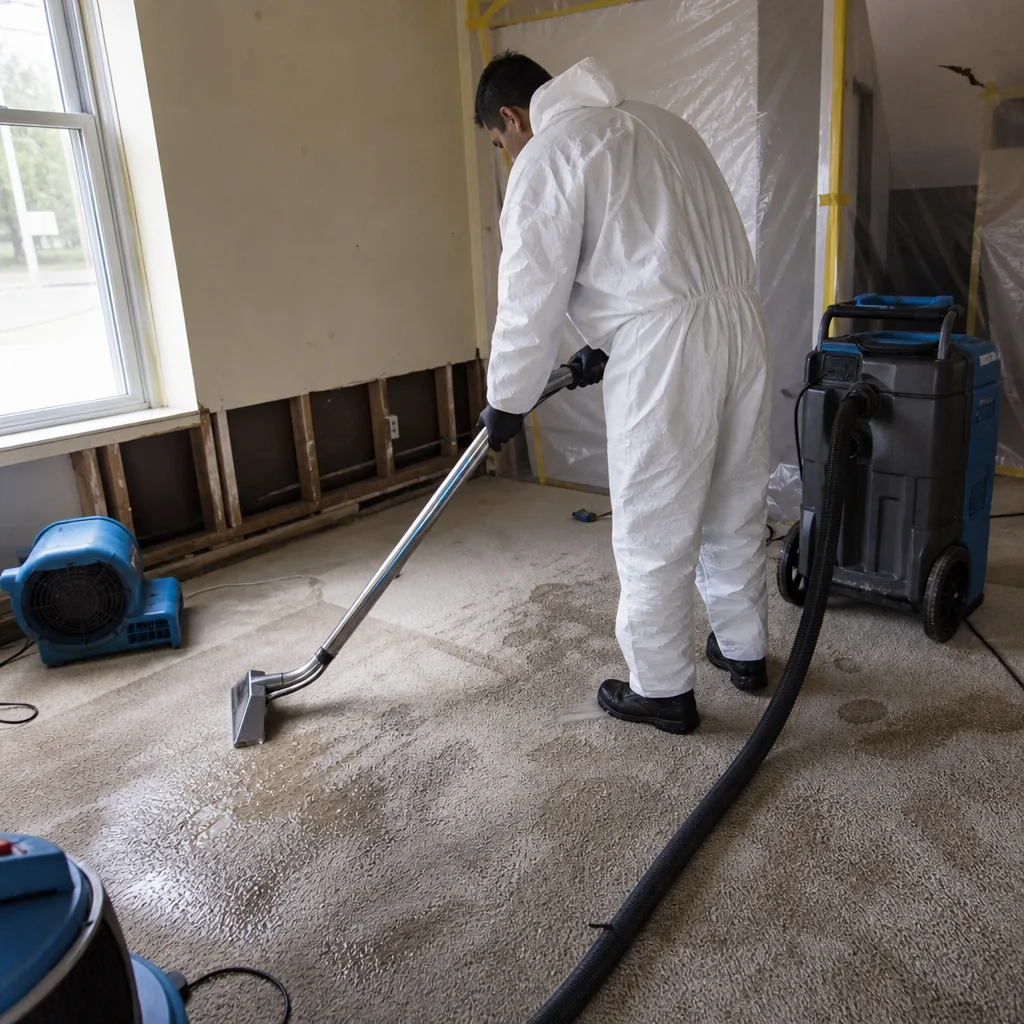
Structural Drying & Dehumidification
Brick row houses hold moisture differently than wood-frame homes. Our Dri-Eaz and Phoenix equipment runs on a drying plan built specifically for your wall assembly: plaster over brick, wood lath, or drywall over framing. Daily readings track progress to a specific drying standard, not a guess.
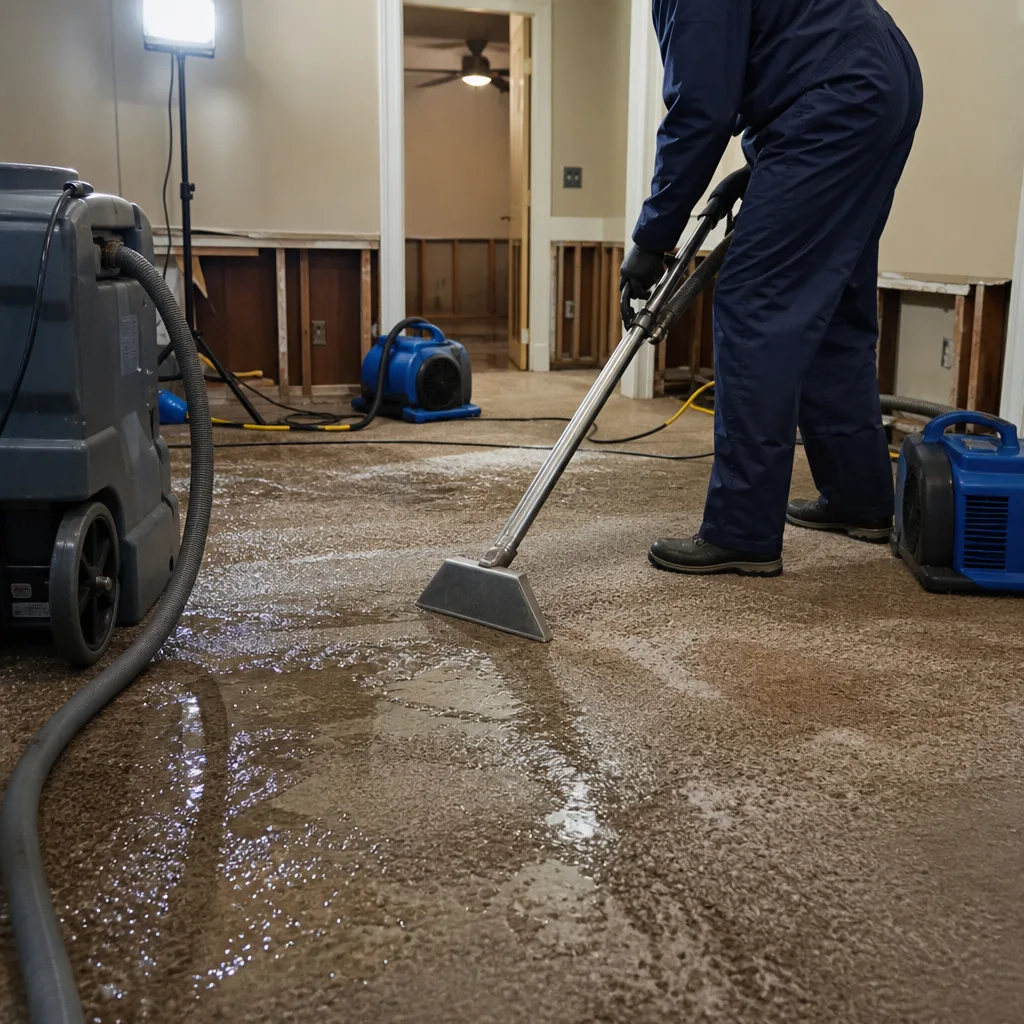
Flood Cleanup
Floodwater from the Jamaica Bay corridor or a backed-up combined sewer carries contaminants beyond what shows in a photo. We remove the water, strip the affected porous materials, sanitize the hard surfaces, and verify with moisture readings that the structure can dry in place before we rebuild.
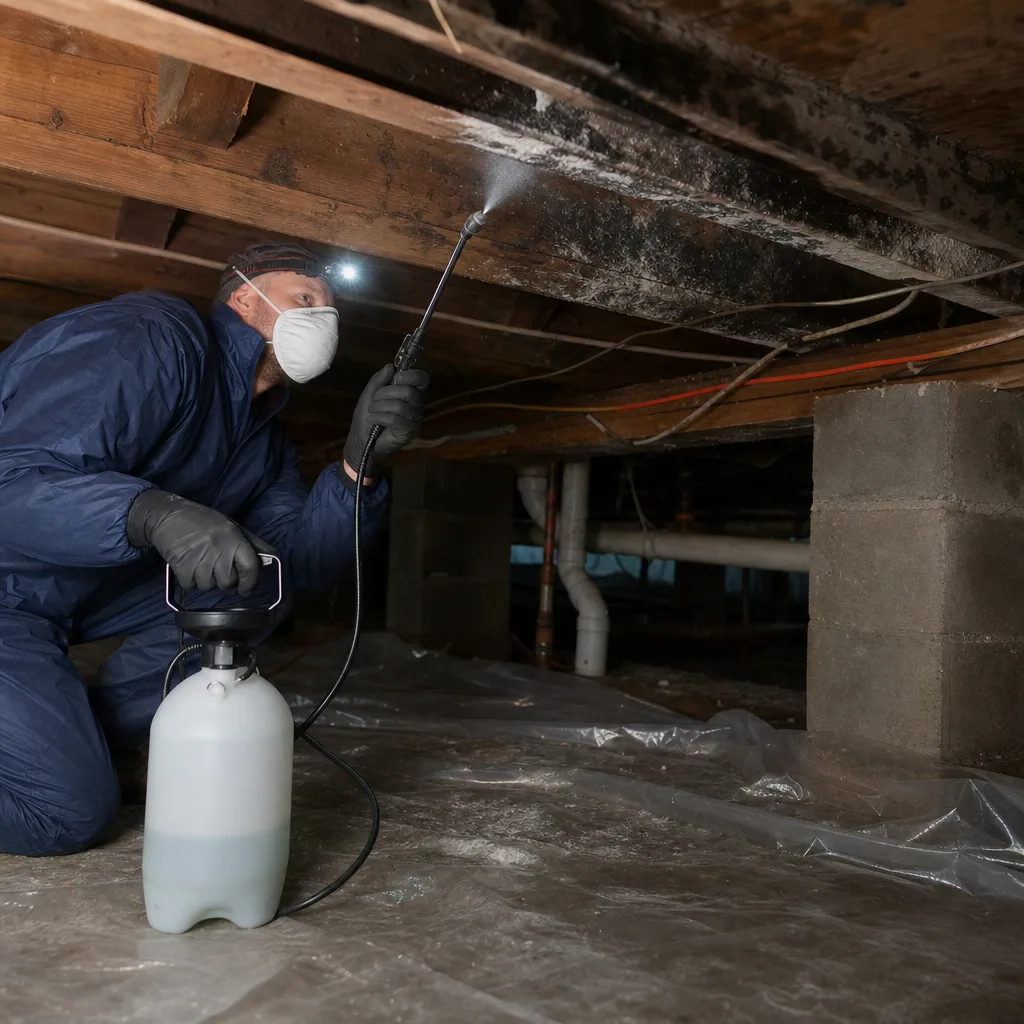
Burst Pipe Restoration
A frozen supply line in an unheated extension or a rotted galvanized riser in a 1930s wall can flood three floors before anyone notices. We find the source, stop it, extract, and then open exactly the walls that need opening, in East New York’s tight row house clearances.
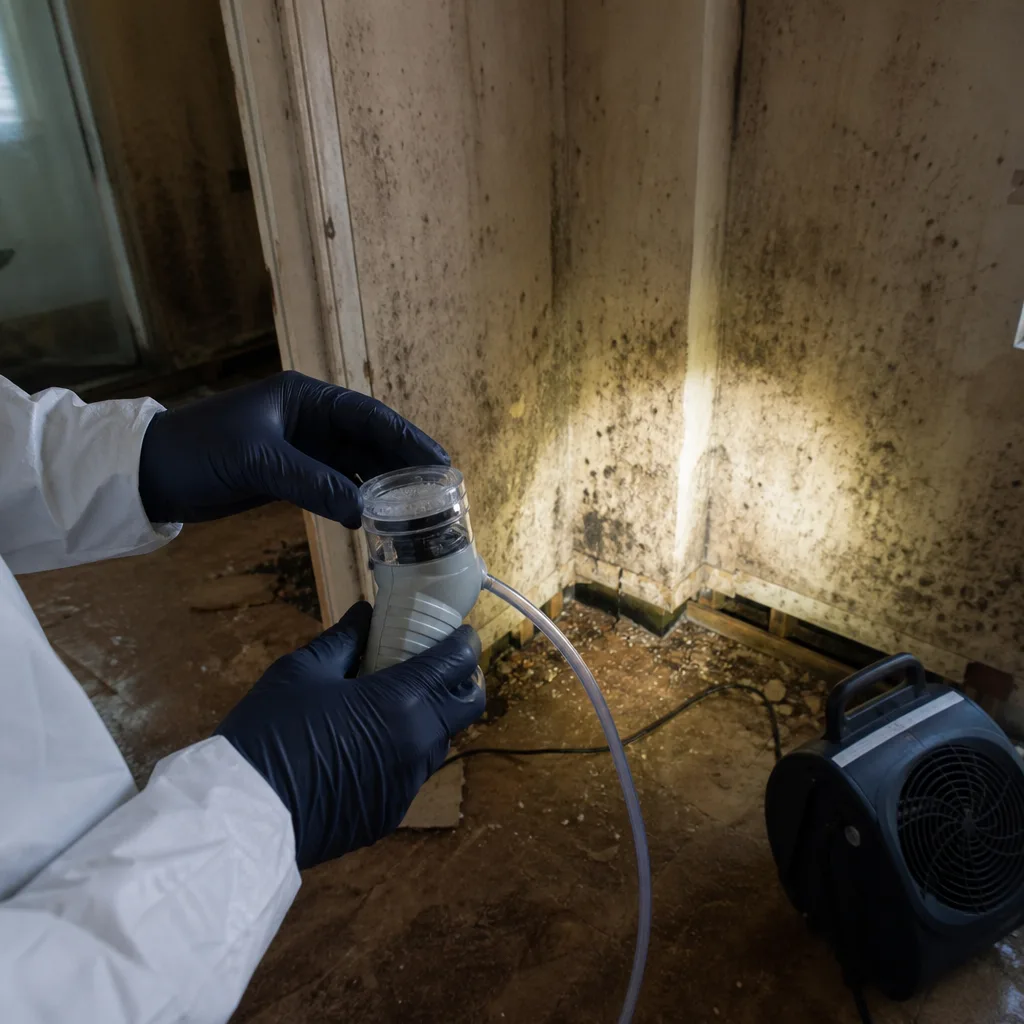
Basement Water Removal
East New York basements are prone to recurring groundwater seepage through foundation walls, and sewer backups through floor drains. We remove the water fast, then assess whether the problem is one-time or chronic. You need to know the difference before you rebuild.
What happens when you call
- 1
A real person answersNo phone trees - you reach a local pro.
- 2
You get an upfront price rangeHonest numbers before anyone is dispatched.
- 3
A background-checked tech heads outLicensed & insured, dispatched right away.
- 4
You approve before work beginsNothing starts until you say go.
Water Damage Restoration Costs in East New York, NY
A straightforward emergency water extraction with structural drying in a single-family East New York row house typically runs $2,800 to $5,400. Basement flooding from a combined sewer backup, with Category 3 contamination protocols, full containment, and disposal of saturated materials, adds significant cost: expect $6,000 to $12,000, depending on how much drywall, flooring, and cabinetry has to come out. Burst pipe restoration that requires opening walls, drying inside cavities, and then re-plastering or drywalling falls in the $4,500 to $9,000 range for a single-room loss. The price moves on a few things: how long the water sat, what category it is, whether it crossed into a neighboring unit through a party wall, and whether the affected area has lead paint that triggers regulated work practices. Insurance covers most of these losses in East New York, but you want a firm written scope before any work begins. Call (363) 300-2771 and Wade comes out, takes readings, and gives you a number in writing, free.
We Also Serve Cities Near East New York
We work throughout the surrounding Brooklyn and Queens neighborhoods including East New York proper, Jamaica, Canarsie, Glendale, and East Flatbush. If you’re nearby and water is moving through your house, call (363) 300-2771. We’ll be on the road.
East New York Water Damage Restoration Questions, Answered
How do you handle water damage that spreads from one East New York row house into an attached neighbor’s unit?
We knock on both neighboring doors before we even write the scope. That’s standard for us in East New York because the shared party walls in these 1920s to 1940s row houses have no fire-stopping, and moisture moves through the mortar joints into the adjacent dwelling within hours. We map the moisture on both sides of the wall, document what crossed, and coordinate with both owners and their carriers. We don’t dry one side and hope the other side dries itself.
Is sewage backup from the combined sewer system in East New York always a Category 3 water loss?
Yes. When the combined sewer backs up into a drain, a toilet, or a floor in East New York, that water is carrying raw sewage and it is a Category 3 contamination event, full stop. You don’t treat that as a clean-water loss with a mop and a fan. It requires containment, personal protective equipment, removal of saturated porous materials like carpet and drywall, and antimicrobial treatment on the structure left behind. Call (363) 300-2771 immediately if this happens.
Why do you need to knock on my neighbors’ doors when the leak is in my East New York row house?
Because the water usually doesn’t stay on your side. The shared party wall between attached row houses is made of brick and mortar with no modern barrier. Water from a burst pipe, a shower leak, or a rotted drain stack wicks through that wall and raises the moisture content in the adjacent unit’s plaster and framing. If you only dry your side, the neighbor’s property stays wet and grows mold behind the wall. You find out six months later when they open up for a renovation. We check both sides at the start so the claim handles the full extent of the loss, not half of it.
How quickly can you start emergency water extraction in East New York, given the parking and access constraints?
Inside an hour from your call, most of the time. We keep equipment staged in the area, and Wade’s crews know the streets and the parking realities: tight blocks near Pitkin Avenue, double-park realities on New Lots, the access alleys behind the row houses. We arrive prepared to carry equipment through a narrow gangway if that’s what the job requires. Call (363) 300-2771 and we’ll be moving water the same hour.
What lead paint protocols do you follow when opening walls in East New York’s pre-1978 row houses?
Virtually every building we work in here was built before 1978, and most row houses in East New York predate 1950. That means any wall we open or disturb likely involves lead paint. We work under EPA RRP rules: work area containment, dust control with HEPA equipment, worker certification, and cleanup verification. You won’t find us chipping into 1930s plaster without the plastic up and the HEPA scrubber running.
Can I stay in my East New York home during water damage restoration?
For a Category 1 clean-water loss like a supply line burst, yes, you can usually stay, especially if the affected area is a basement. For Category 3 sewage backup or floodwater, we recommend relocating during the containment and demolition phase, at least until the affected area is sanitized and the air scrubbers have run. The contaminants in sewage-laden water are airborne during cleanup, and older adults and people with respiratory conditions shouldn’t be breathing that.
How long does structural drying take in an East New York row house?
Most single-unit drying projects finish in three to five days. That’s with continuous dehumidifier and air mover operation, daily moisture readings, and a drying target based on the specific materials. Plaster over brick dries slower than drywall over wood framing, and a shared party wall with moisture on both sides can extend the timeline. We give you the drying log at the end, so you can see the numbers drop day by day.
What should I do in the first 30 minutes after discovering water damage in my East New York home?
Shut off the water source if you can do it safely. Cut power to the affected area if water is rising near outlets or appliances. Move anything valuable that can be lifted. Then call (363) 300-2771. Don’t run a household fan on it. Don’t open walls yourself. Don’t wait for morning. Water moving through brick and plaster is doing damage every minute it sits.
Serving East New York, NY - Our Local Coverage Area
We’re based in the East New York area and know this community well. Use the map below to see our service coverage - if you’re nearby, we can almost certainly help.
When the Pipe Bursts, Call Someone You’ll See Again
East New York is a neighborhood where people know each other. You buy bread from the same bakery, catch the L train at the same stop, stand next to the same parents at school pickup. Wade’s Restoration is built on that kind of accountability. Wade Ferris lives the work, answers his own phone, and writes his name on the contract. If the drying isn’t done right, he hears about it at the corner store. The 90-Day Done Right Promise is in writing on every water, fire, and mold restoration job: if it’s not done right, we make it right, and one call brings Wade back. No national franchise. No rotating subcontractors. Just a local owner, his crew, and a published address. Call (363) 300-2771 for a free inspection and a straight answer on what you’re facing.
Written by Wade Ferris, Owner at Wade’s Restoration, serving East New York and surrounding Brooklyn neighborhoods.