
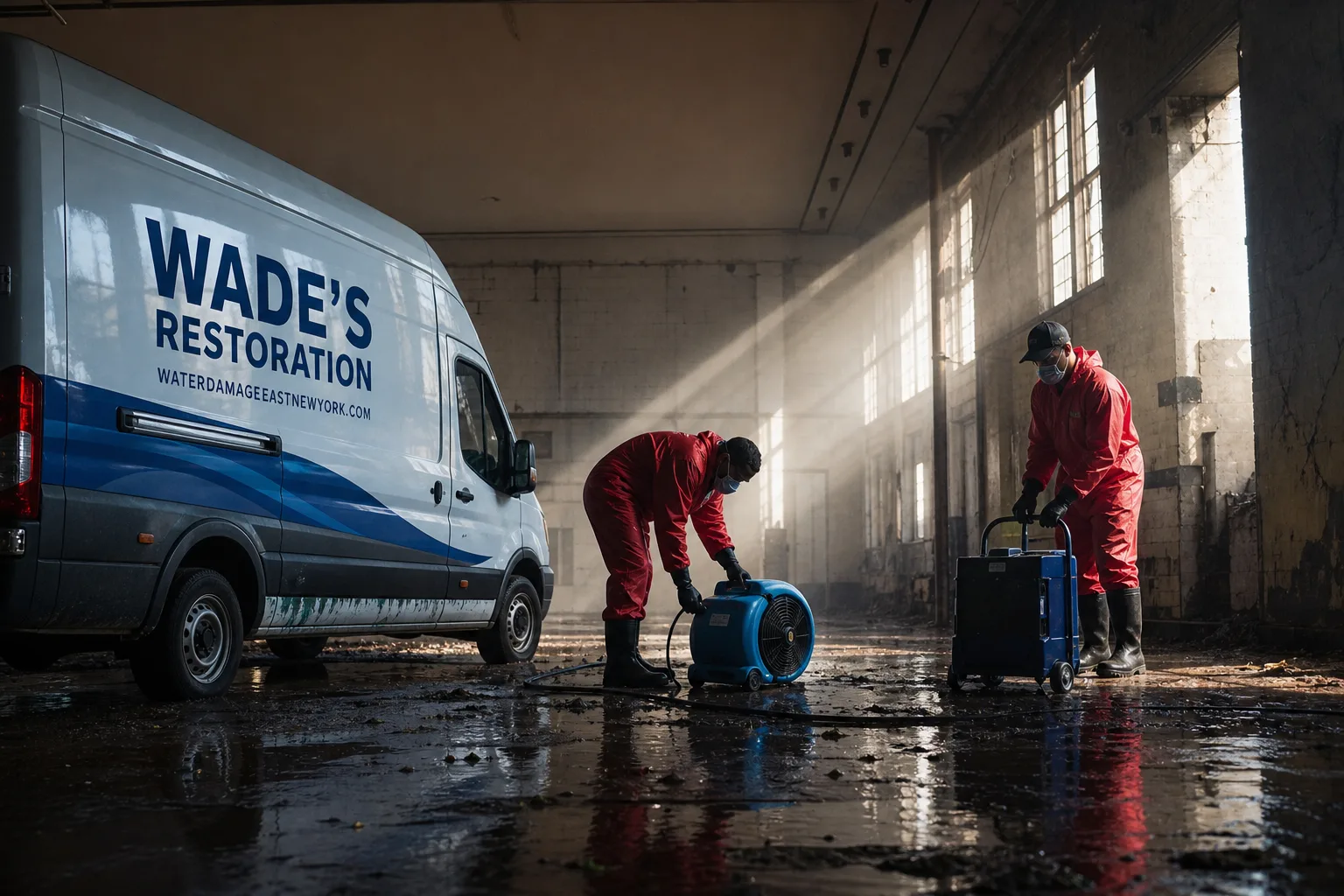
Free visual inspection and a written scope of work before any mitigation begins - photos, moisture readings, and drying logs go in your claim file
The scope we write is the scope we bill. Anything new gets shown to you, in writing, before we touch it.
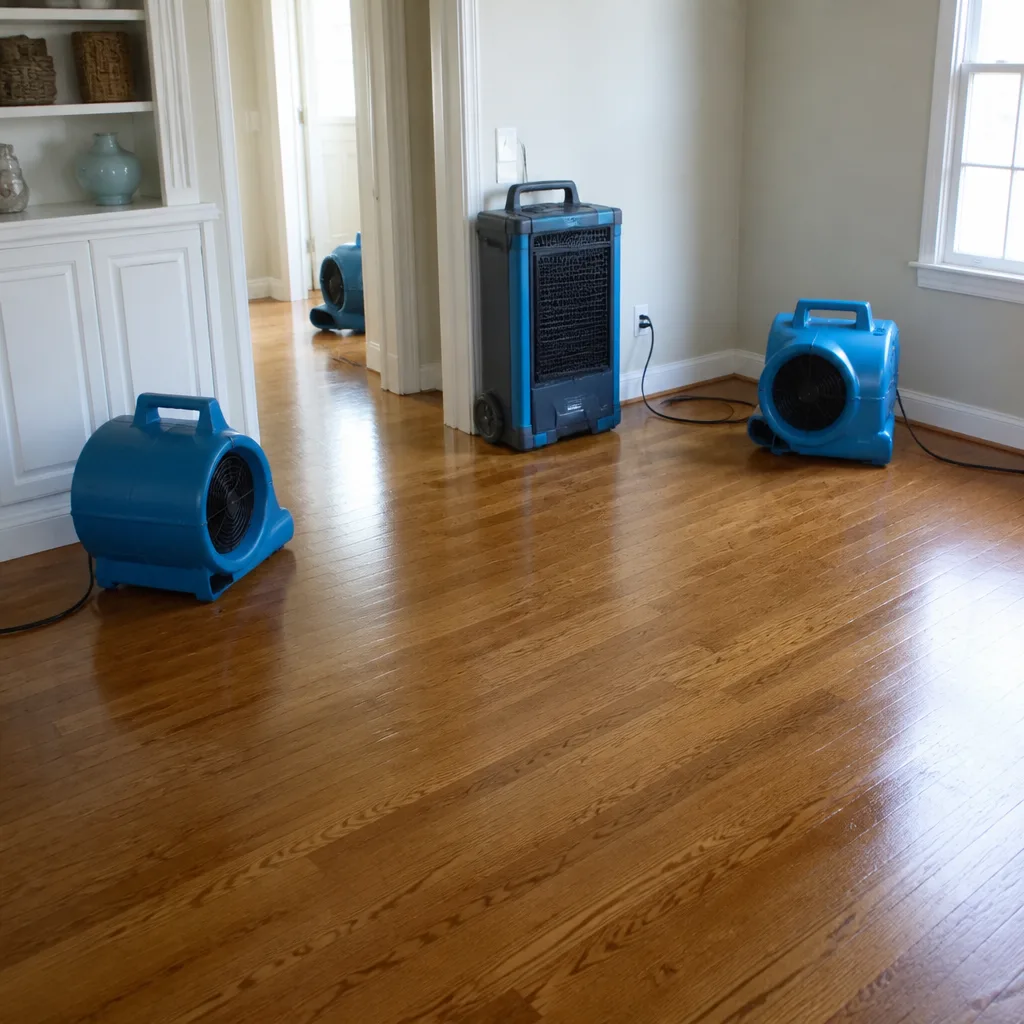
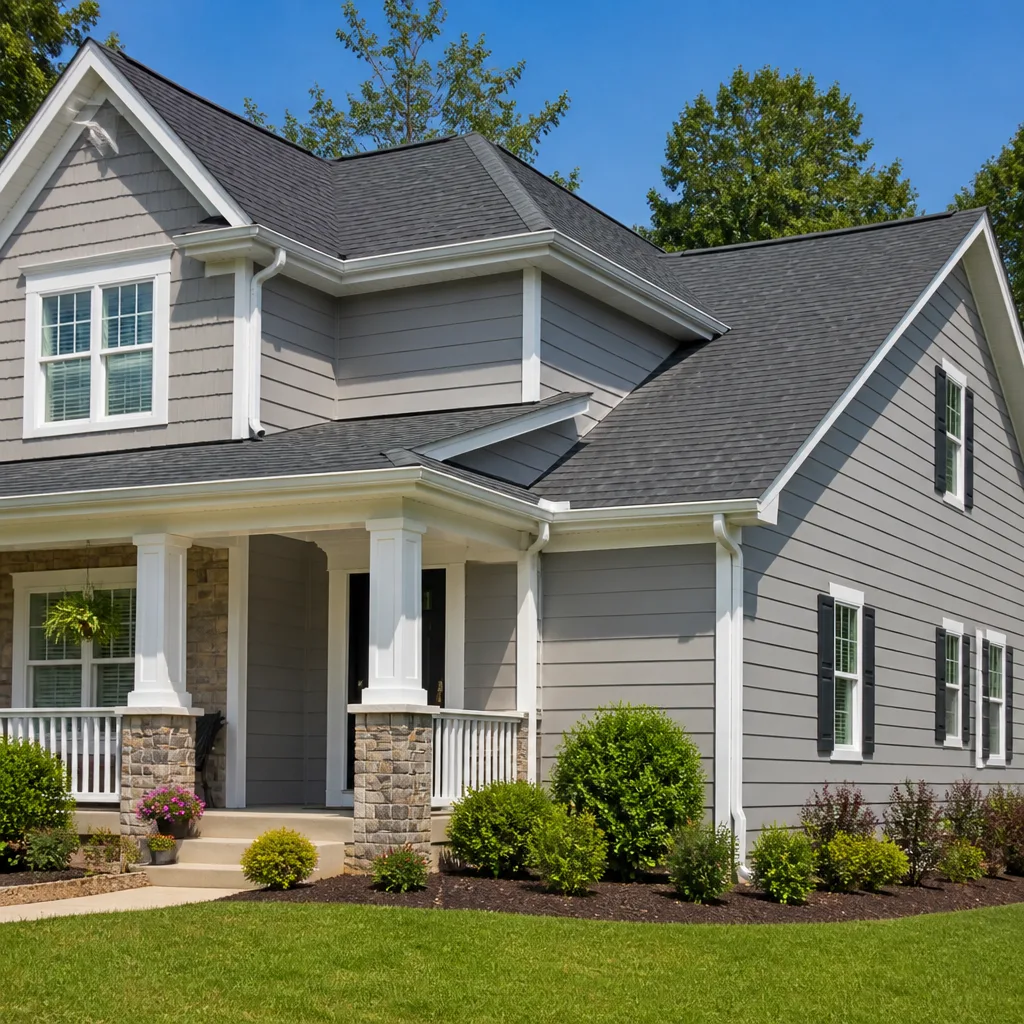
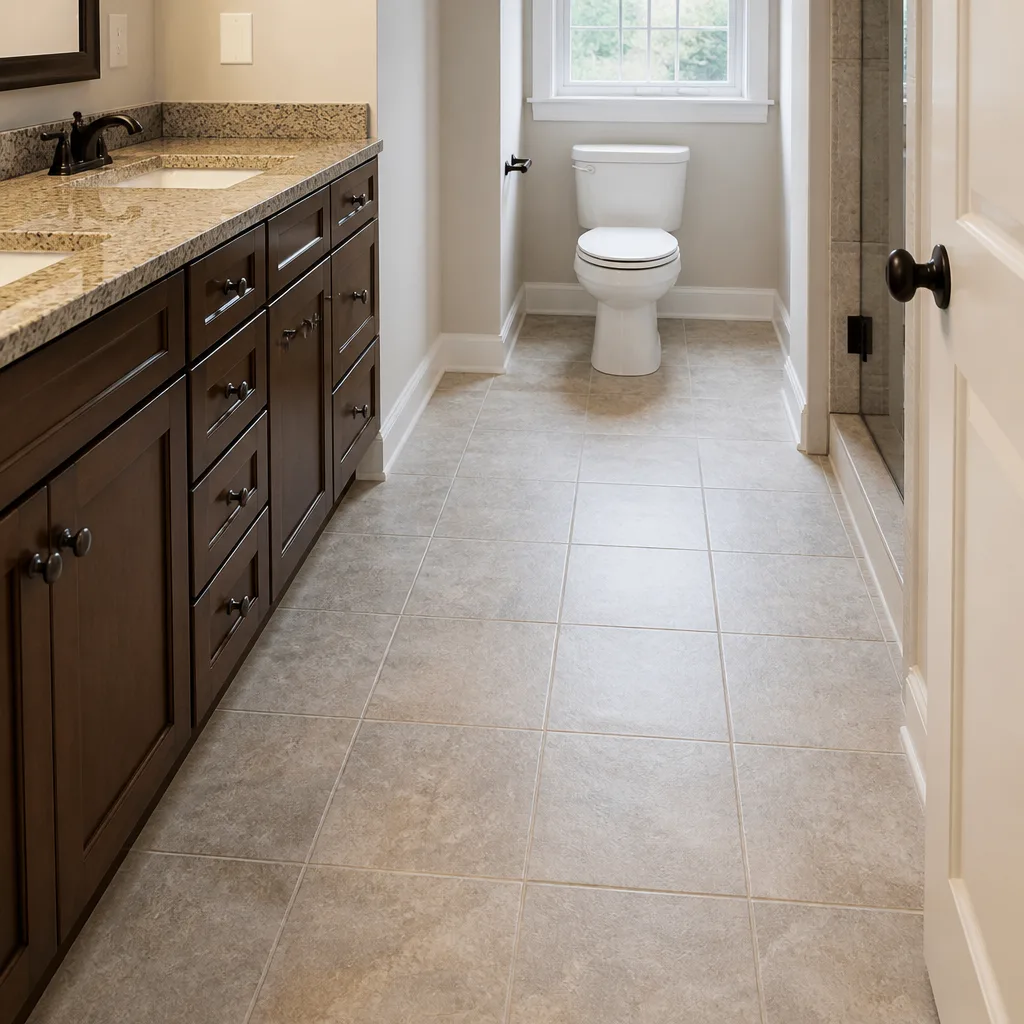
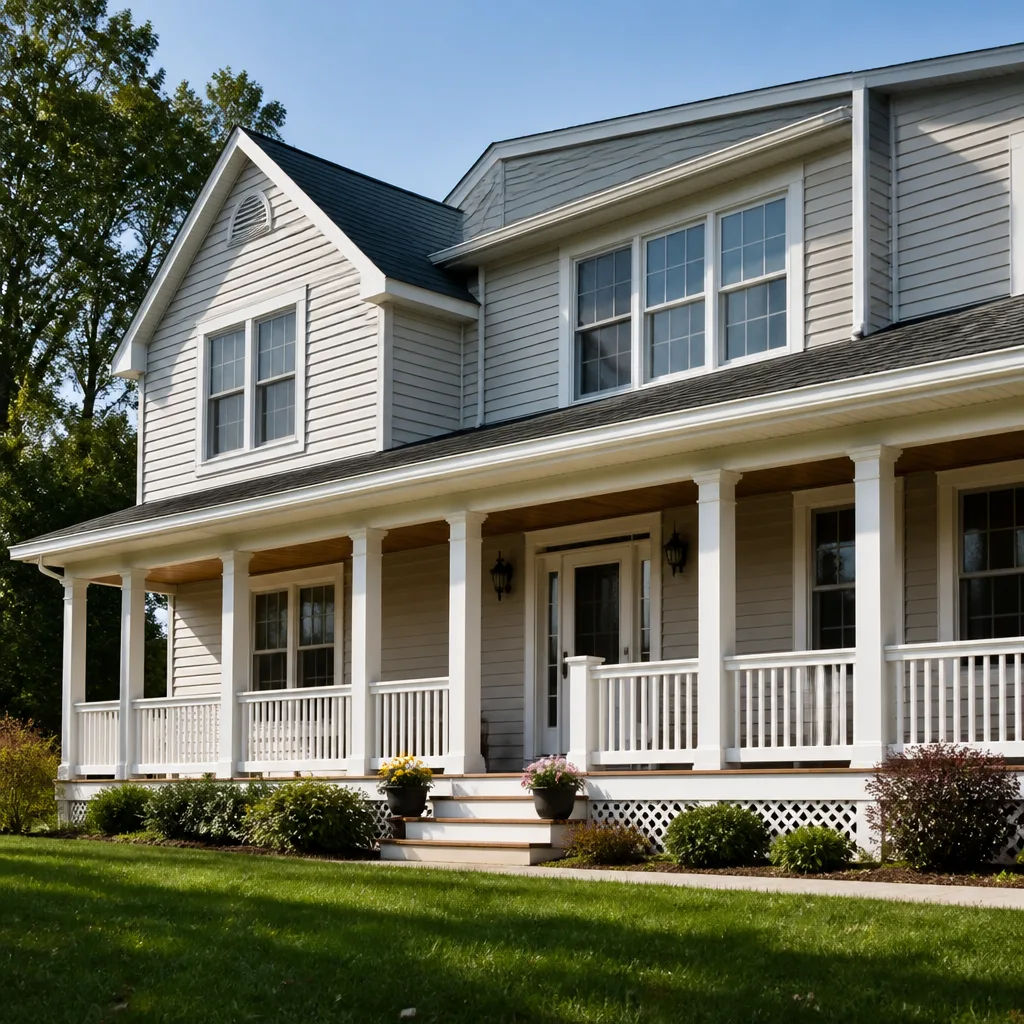
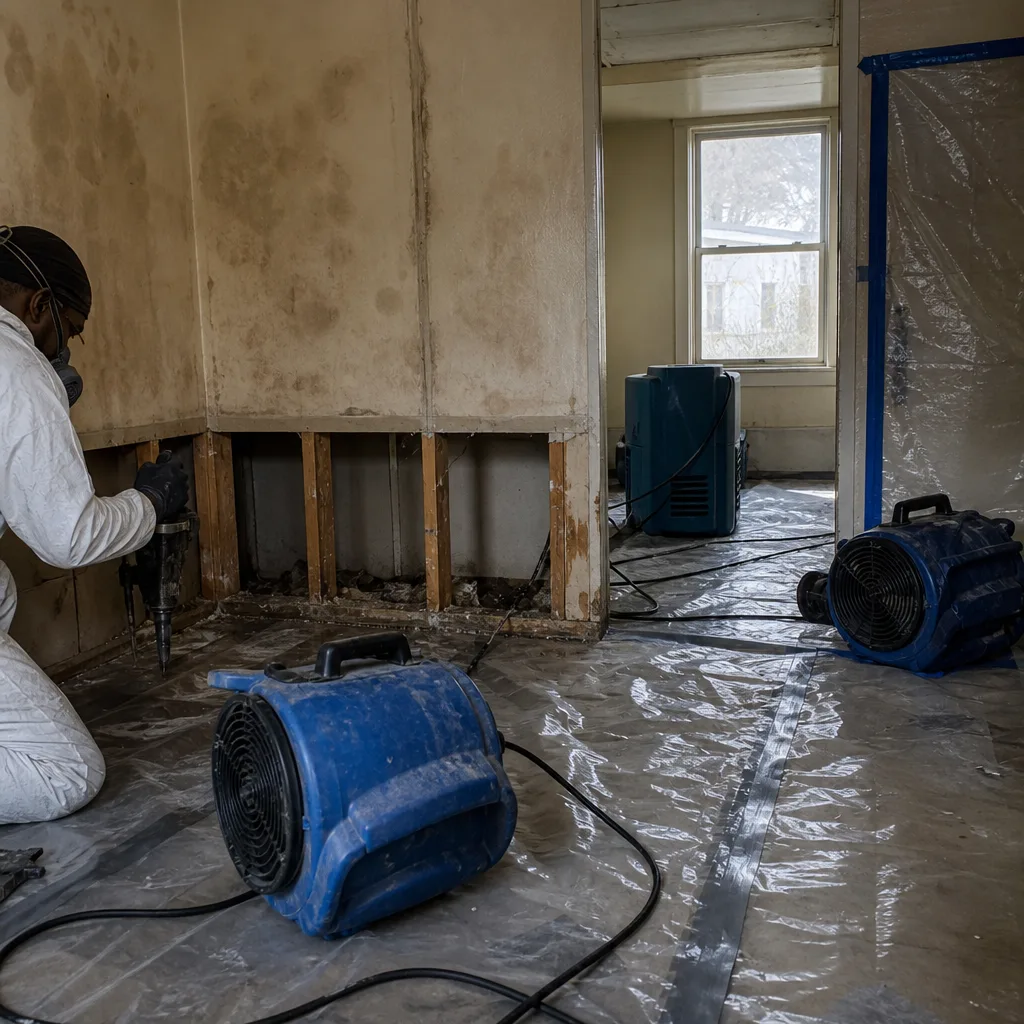 Before
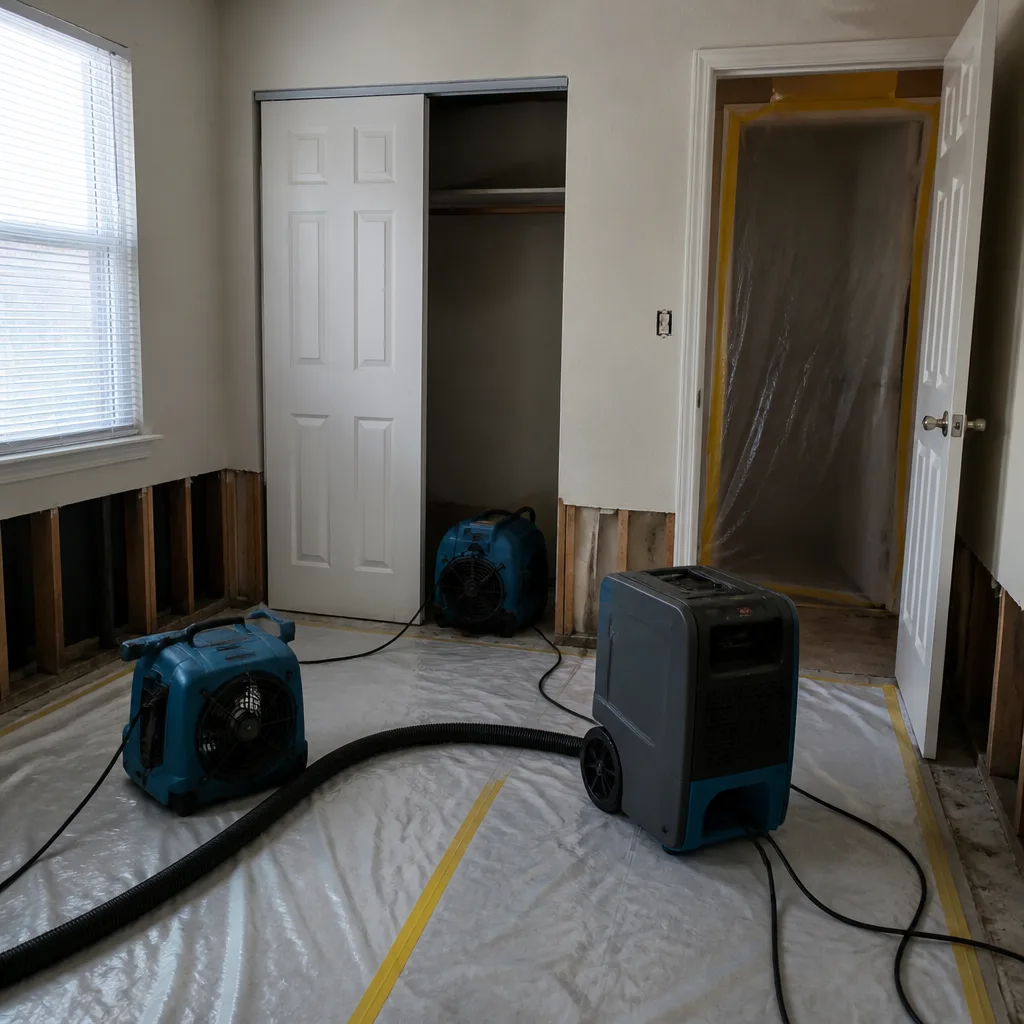 After
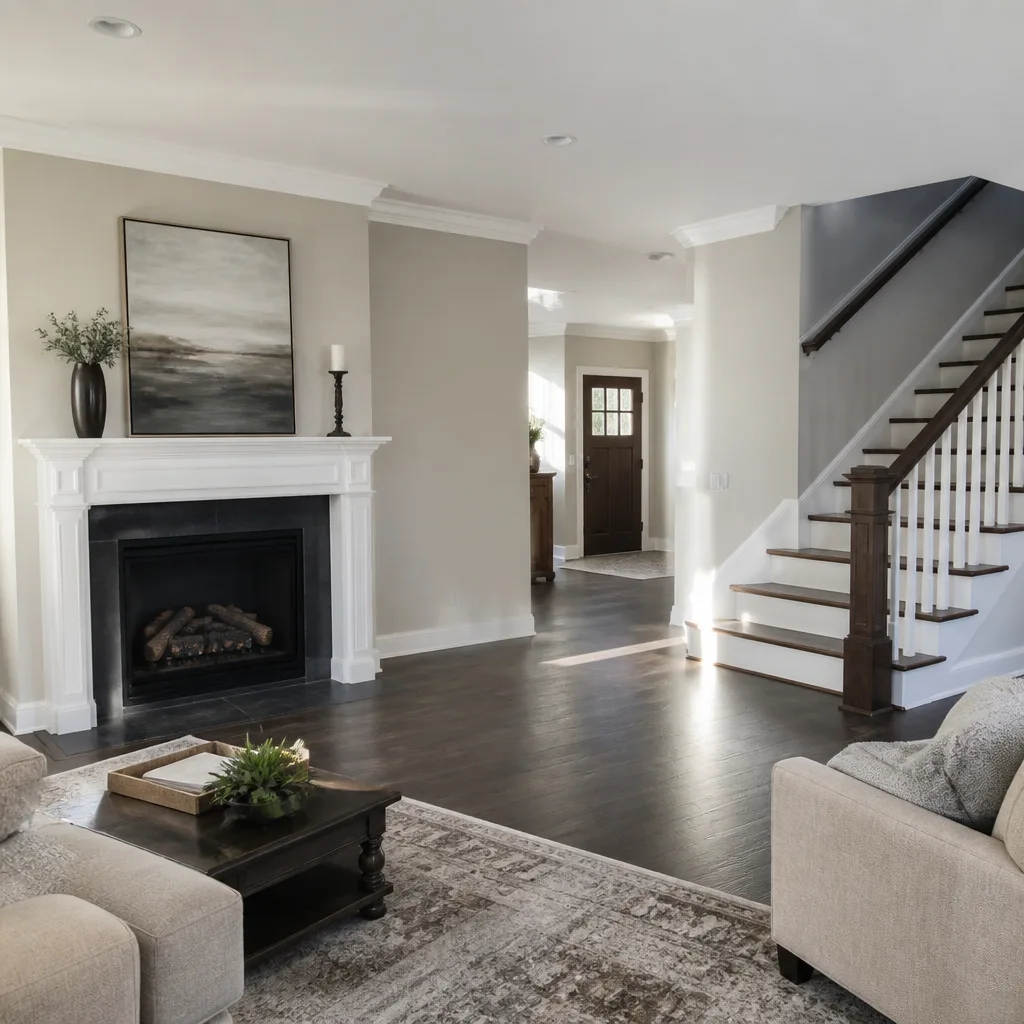
After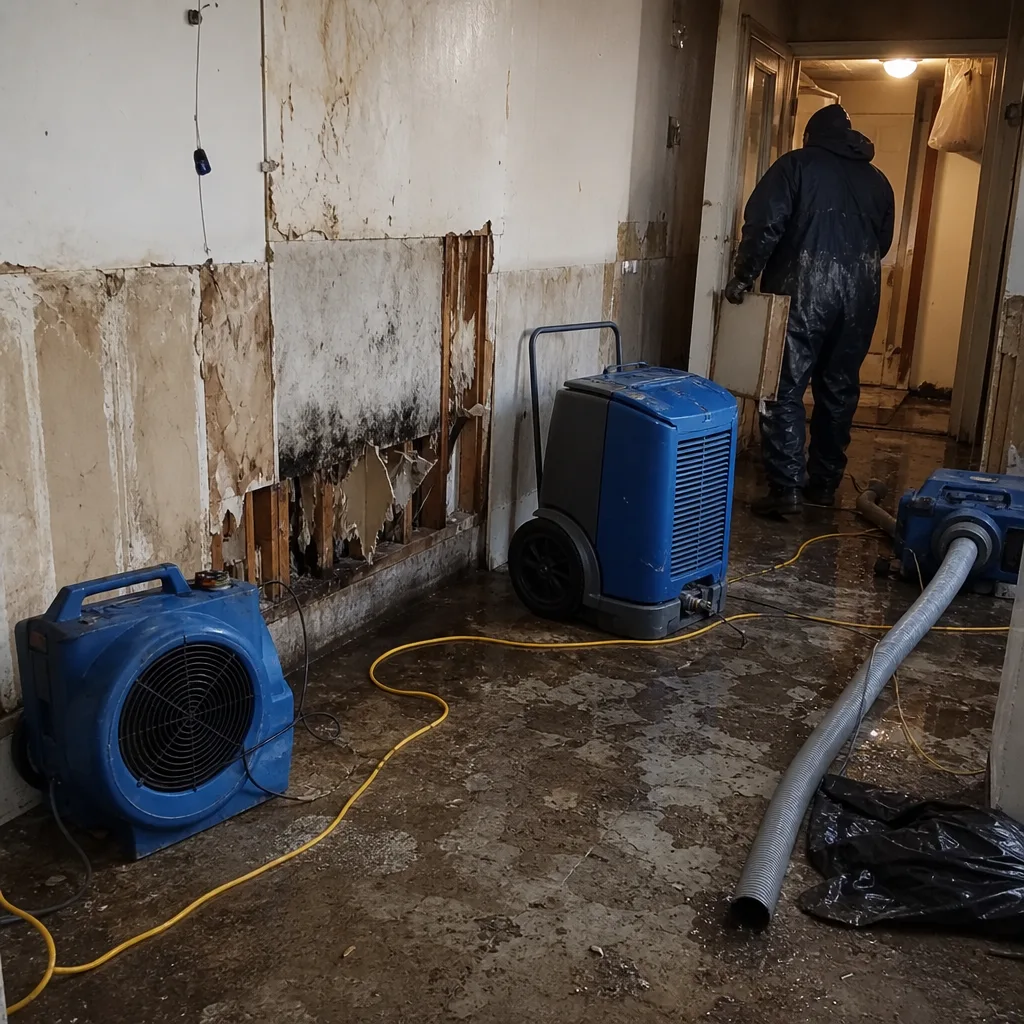 Before
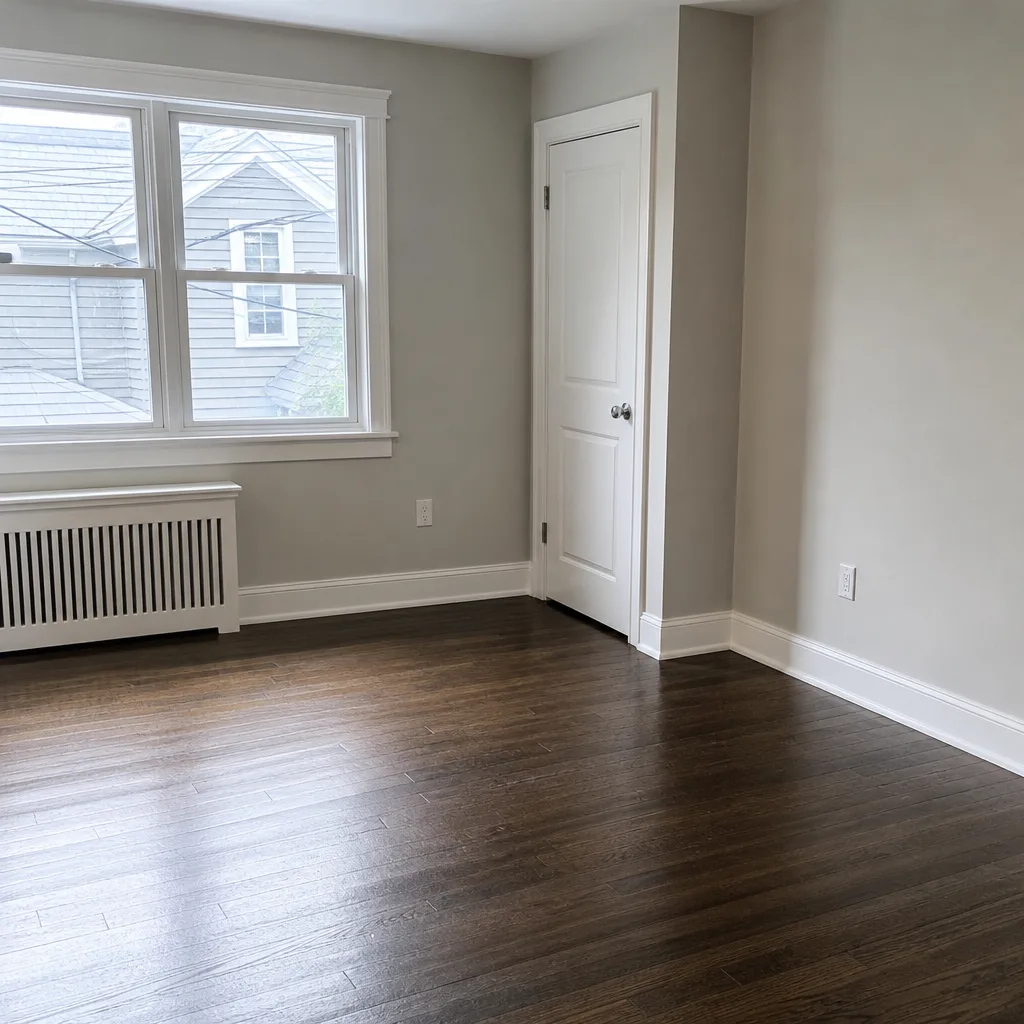 After
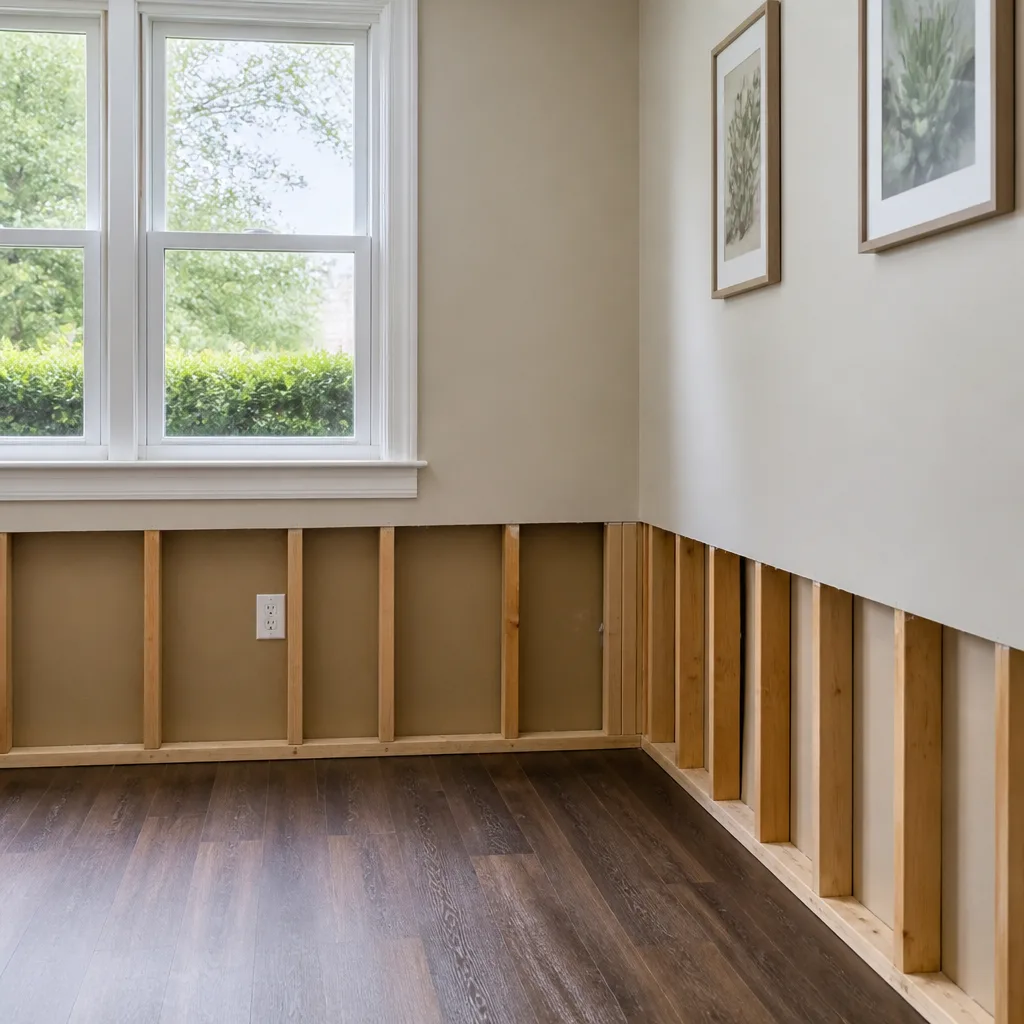
After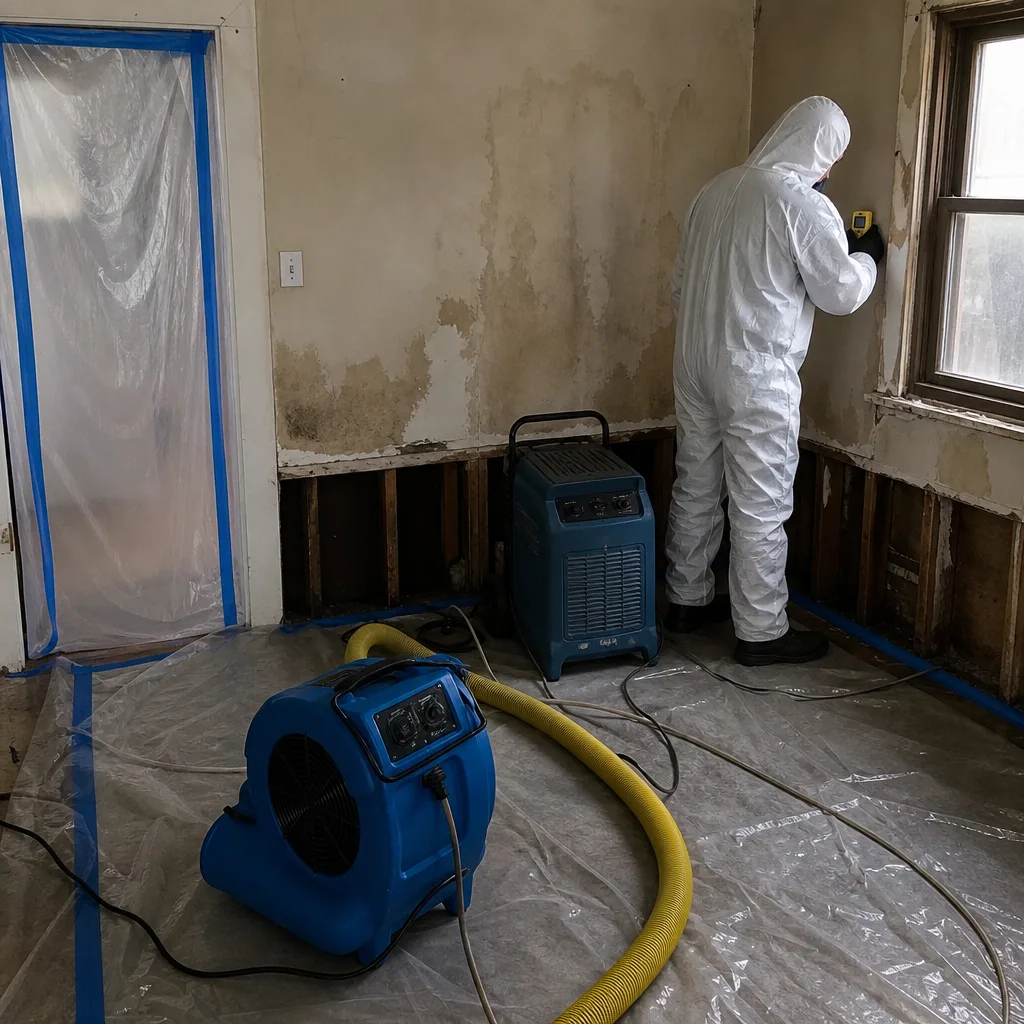 Before
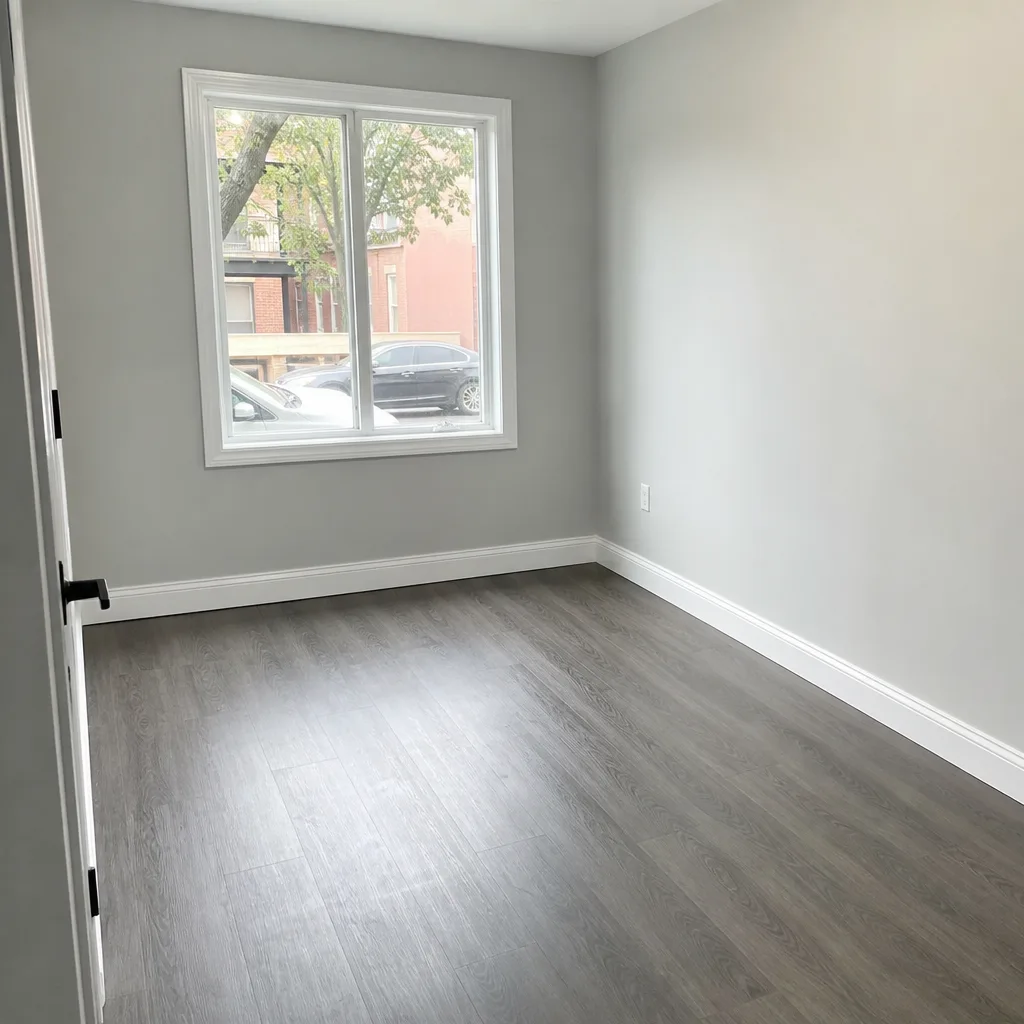 After
After24/7 Emergency Water Damage Restoration in Glendale
Water damage in a Glendale rowhouse doesn’t wait for business hours, and neither do we. A burst cast-iron pipe or sewer backup inside a shared party wall is spreading through plaster and lath right now, and every hour it sits wet, the repair bill climbs. Wade Ferris answers his own phone at (363) 300-2771, around the clock, and he can have a crew heading into Glendale inside the hour. The first hour is when extraction makes the difference between drying out a wall cavity and gutting it to the studs. Call now, and we’ll walk you through exactly what to do before we arrive.
Understanding Water Damage Restoration Severity in Glendale Properties
Not all water is equal, and in Glendale’s pre-WWII attached housing, severity climbs faster than in detached homes. Clean water from a burst supply line is Category 1 at the source, but once it soaks through original plaster and wood lath, it picks up decades of dust, lead paint residue, and whatever’s living inside a 90-year-old wall cavity. Within 48 to 72 hours, stagnant moisture in those wall assemblies turns Category 2, and any water that has passed through a sewer or flooded basement floor carries Category 3 pathogens requiring full containment and hazmat protocol. In Glendale’s tight attached rows, a Category 1 leak left alone for a weekend becomes a Category 3 cleanup by Monday, because the moisture has nowhere to go except sideways into the neighbor’s lath.
Moisture mapping is how we find it. Thermal imaging and penetrating meters tell us where water has actually traveled behind plaster, not just where you saw it. Structural drying in a 1920s rowhouse runs slower than in a modern drywall house because the materials absorb and hold water differently. That is why we take readings daily and hand you the log at the end. You should know your own wall is actually dry, not just hope so.
Why Glendale Property Owners Choose Wade’s Restoration
- 45-minute response commitment. From the time you call Wade to the time a truck is rolling toward your block, not to an answering service. He lives this.
- A real person answers, 24/7. No voicemail, no national call center, no “press 1.” Wade’s cell rings, and Wade picks up. At 2 a.m., that matters.
- IICRC-certified crews, WRT and ASD certified. The people Wade sends know structural drying theory and apply it to plaster-over-lath rowhouse assemblies most crews have never touched. RIA-affiliated and IFA-recognized.
- Free visual inspection. Before any work starts, you see what we see, and you get a straight answer. There is no trip charge inside our own county.
- Direct insurance billing. We document everything from the first hour, photograph room by room, and deal with your adjuster directly so you are not the middleman.
- One team, start to finish. Extraction, drying, demolition, rebuild. You will not get handed off to a sub nobody knows. Wade’s name is on every job.
Our Water Damage Restoration Process
Inspection & Assessment
We arrive, walk the property, and map the moisture with thermal imaging and penetrating meters. In attached Glendale rowhouses, that means checking the shared attic and party wall, not just the room where water showed up. We do not start work until you have seen the scope in writing.
Extraction / Stabilization
Standing water comes out first, using truck-mounted and portable extraction units sized to fit down narrow Glendale alleys and through rowhouse doorways. If the source is a live burst pipe, we isolate it immediately. Salvageable contents are moved to a safe zone and documented.
Drying & Dehumidification
We place Dri-Eaz air movers and Phoenix dehumidifiers strategically to force airflow through wall cavities and under floors. In plaster-over-lath assemblies, drying days run longer than in drywall, so we adjust equipment daily based on hygrometer readings, not on a calendar schedule. The drying log is updated every single day.
Cleaning & Sanitization
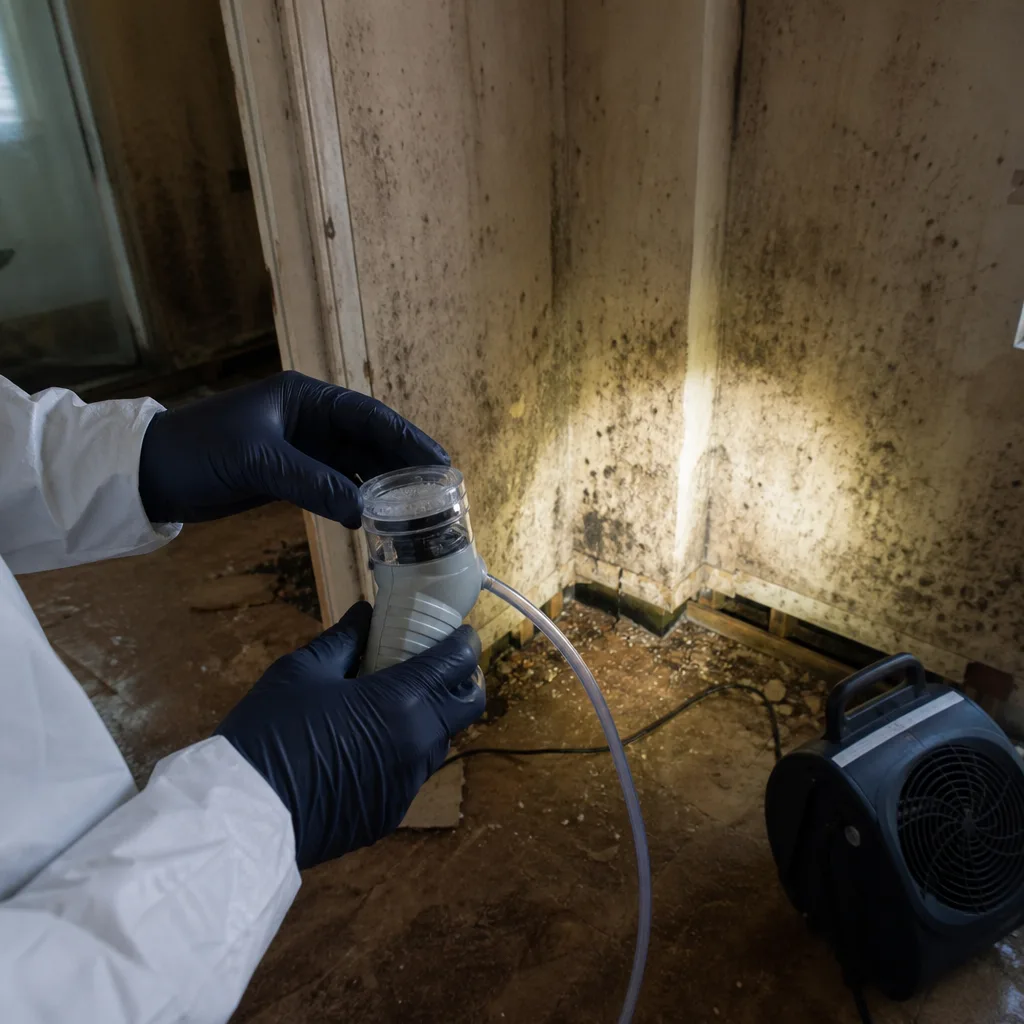
Category 2 and 3 water requires antimicrobial application and HEPA air scrubbing to pull contaminated particulates out of the air. We test for lead paint and asbestos before cutting into original plaster, because in a 1930s rowhouse, disturbing that wall without testing is a dust hazard to everyone in the attached row.
Specialty Treatment for Glendale Rowhouse Conditions
Shared wall cavities and continuous attics need containment that spans more than one address. We set up barriers to prevent cross contamination, run air scrubbers in both units where damage has traveled, and coordinate with the neighbor so nobody is left holding water damage they did not cause.
Repairs & Restoration
Once drying targets are met, the rebuild starts. Plaster repair, lath replacement, electrical and plumbing fixes, paint and finish. One crew, one standard, and the 90-Day Done Right Promise on every water, fire, and mold job. If it is not done right, Wade makes it right, in writing.
Need Emergency Water Damage Restoration in Glendale Now?
Crews minutes away, answering live 24 hours a day. The sooner we start, the less it costs.
Working With Your Insurance Company
Insurance adjusters expect restoration documentation that holds up. We provide it from the first hour. Photographs before anything moves, moisture readings at every stage, a line-item scope of work, and drying logs that show progressive dry-down in writing. Wade deals with the adjuster directly, so you are never trapped relaying information between your carrier and a crew that is already gone. When your adjuster has questions about a reading or a repair line, they call us, and they get answers from the person who actually took the reading. For water damage claims in Glendale’s attached housing stock, that direct line is the difference between a covered loss and a denied line item.
What We Provide Your Insurer
- Thorough documentation of the loss
- Photos of all damage, room by room
- Moisture readings and drying logs
- A detailed, line-item scope of work
- Direct coordination with your carrier
Built for Glendale’s Loss Calendar
Glendale’s water damage season runs all twelve months, but the causes shift. January deep freezes in Queens split cast-iron and early galvanized supply lines running through uninsulated exterior walls on 1920s rowhouse frames. When the thaw comes, those splits open full force, and finished basements get it first. Spring brings roof-ice-dam leaks, the kind that travel through the continuous attic spaces above attached homes and drip into two or three addresses before anyone sees a stain on their ceiling. Summer thunderstorms overwhelm Glendale’s aging combined sewer infrastructure, and entire blocks on the low-lying streets see black water back up through floor drains in a single evening. Late-summer nor’easters rattle roof flashing and leak through flat-roof penetrations that have not been touched since the Eisenhower administration. This is the calendar we work from, and it means we know what your damage is likely to be before we park the truck. Glendale’s losses follow patterns, and we read them. For broader guidance, our Water Damage Restoration team covers the full service line.
Water Damage Restoration Across Glendale’s Neighborhoods
Glendale is not one uniform grid. The blocks around Myrtle Avenue run dense with 1920s brick attached rowhouses, two and three stories, most retaining original plaster and lath. Those are the jobs where a burst pipe in one unit is already wetting the neighbor’s wall before we arrive. Over near Cooper Avenue, you see more semi-detached frames from the same era, with narrower side alleys that test extraction equipment and demand portable units over truck-mounted rigs slicing down a driveway. The streets off Cypress Hills Street back up against the cemetery side, where drainage patterns push groundwater into basements during heavy summer storms. Down by the 88th Street corridor, the rowhouses sit shoulder to shoulder with shared attic runs that carry moisture in ways a detached homeowner never thinks about. When we serve Water Damage Restoration in Glendale, we are routing crews to these different patterns every day, and they know what each block brings.
Specialized Water Damage Restoration Services We Offer in Glendale
Emergency Water Extraction
Standing water in a Glendale finished basement wants to wick up into drywall returns, under vinyl flooring, and through the floor decking into the joist bays below. We extract with truck-mounted and portable units sized for tight alley access, then start the drying plan before we leave. Speed here is the cheapest insurance you will ever buy.
Structural Drying & Dehumidification
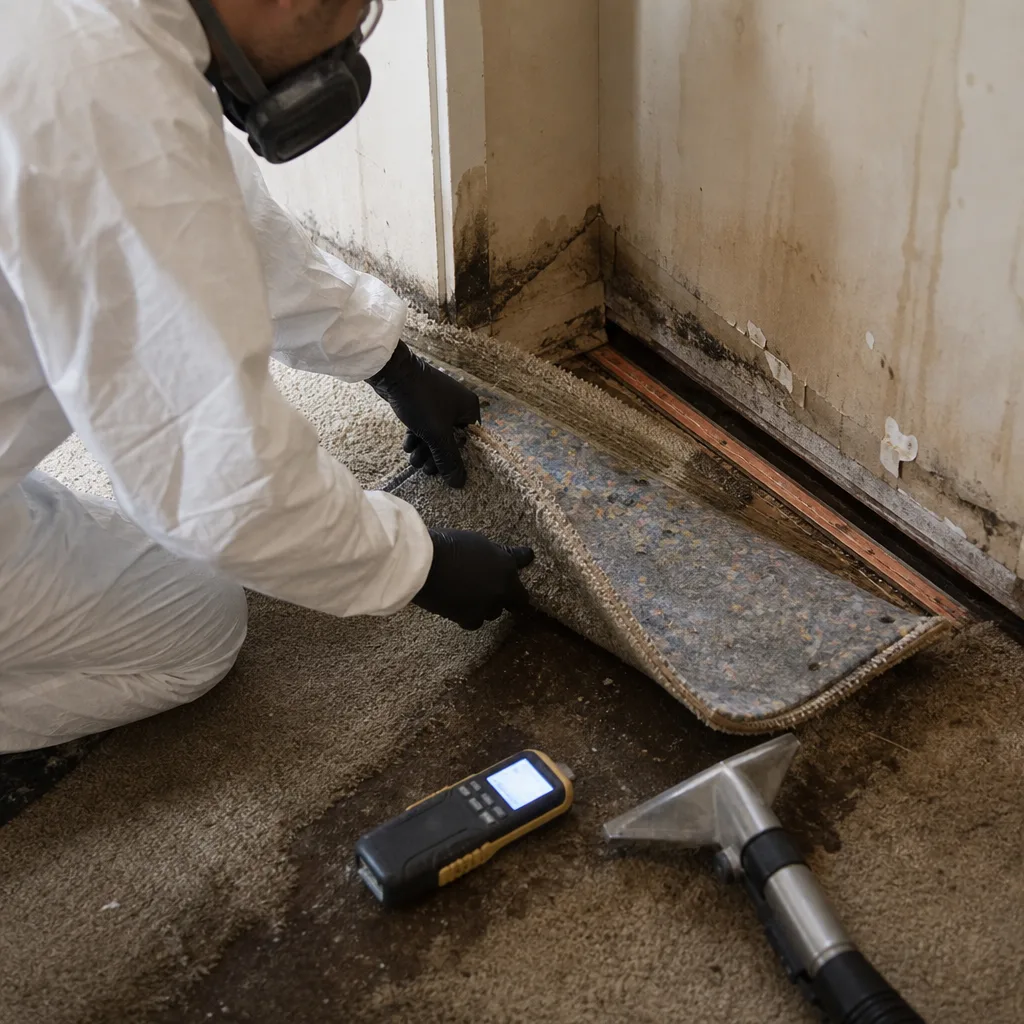
Plaster over wood lath holds water longer than drywall, and in Glendale’s attached homes, that moisture travels sideways into shared wall cavities. We push air into every void, monitor with daily hygrometer readings, and adjust equipment placements until your walls read dry, not just look dry. You get the full drying log at the end.
Flood Cleanup
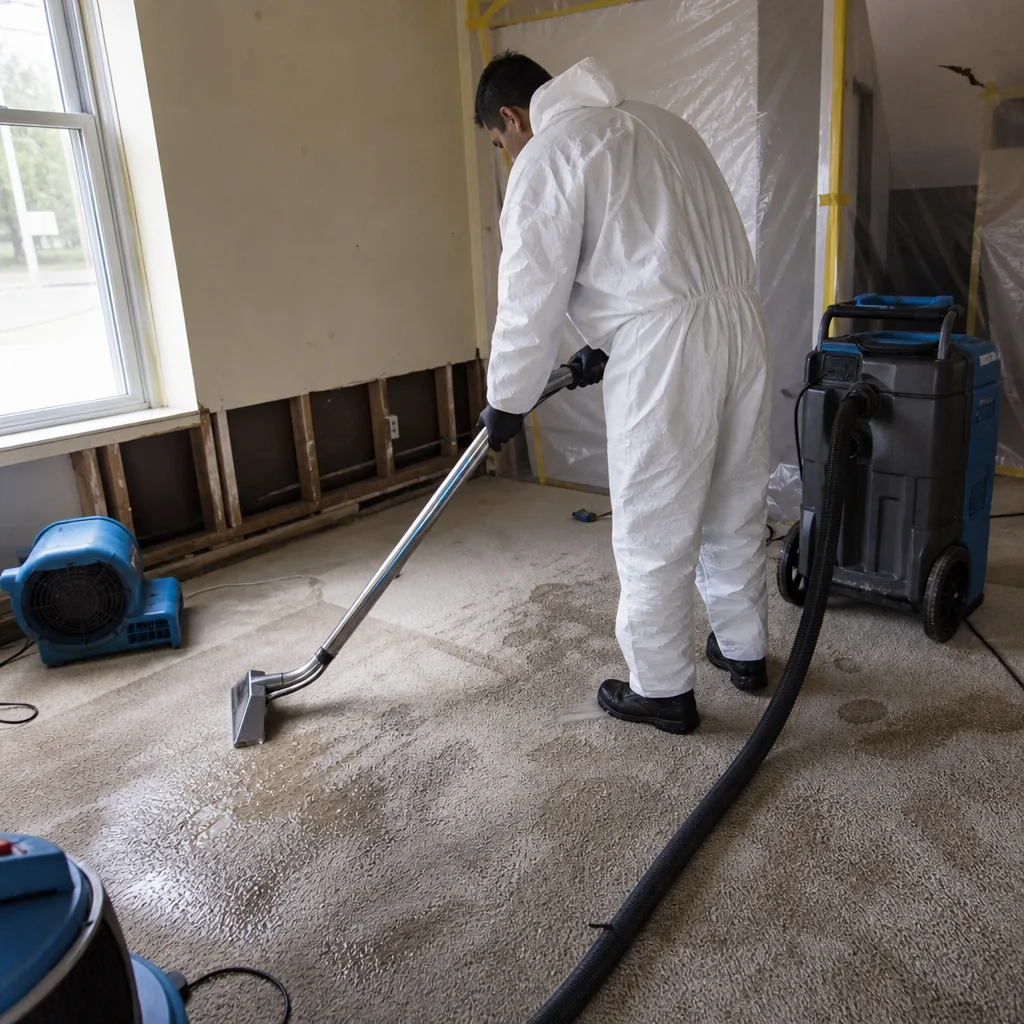
When Glendale’s combined sewers back up during a summer storm, the water in your basement is Category 3. That means full containment, HEPA air scrubbing, antimicrobial treatment, and careful removal of contaminated porous materials before drying even starts. Half measures here leave biohazards behind.
Burst Pipe Restoration
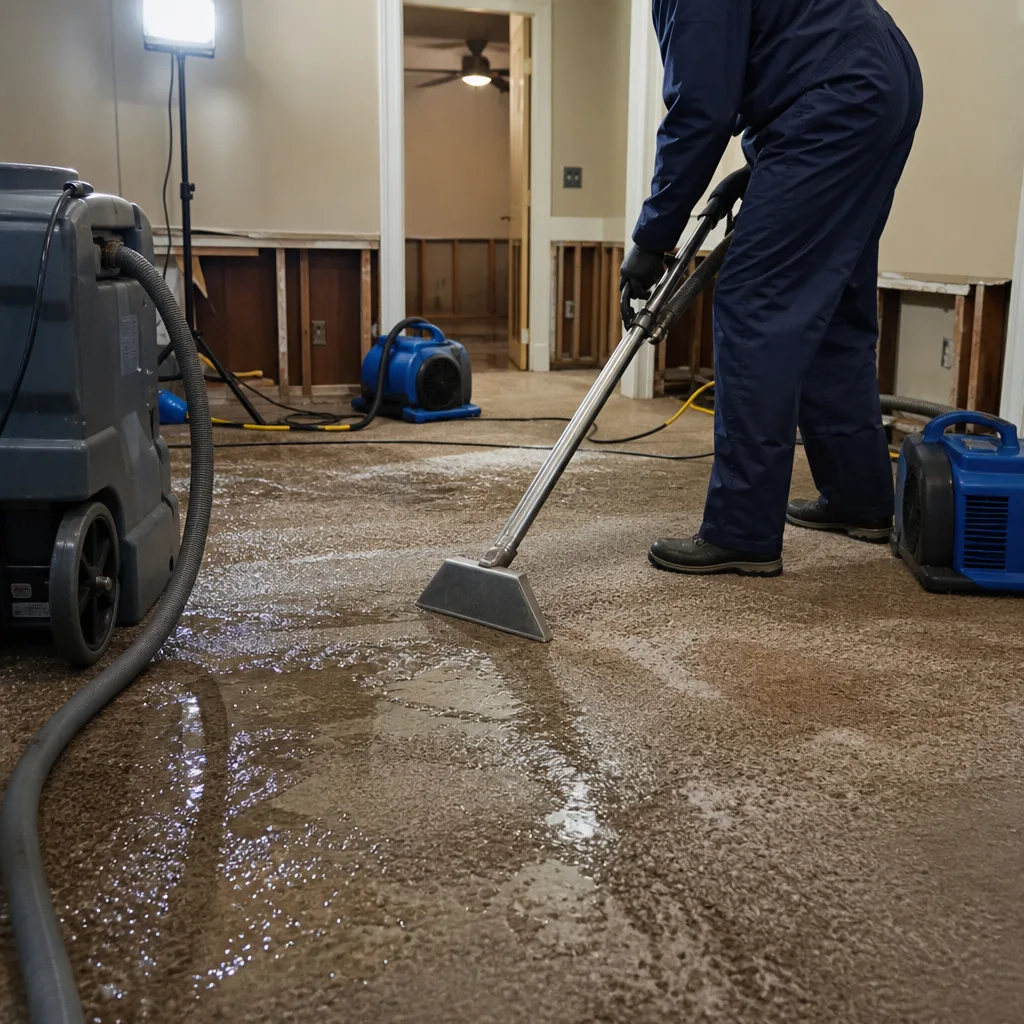
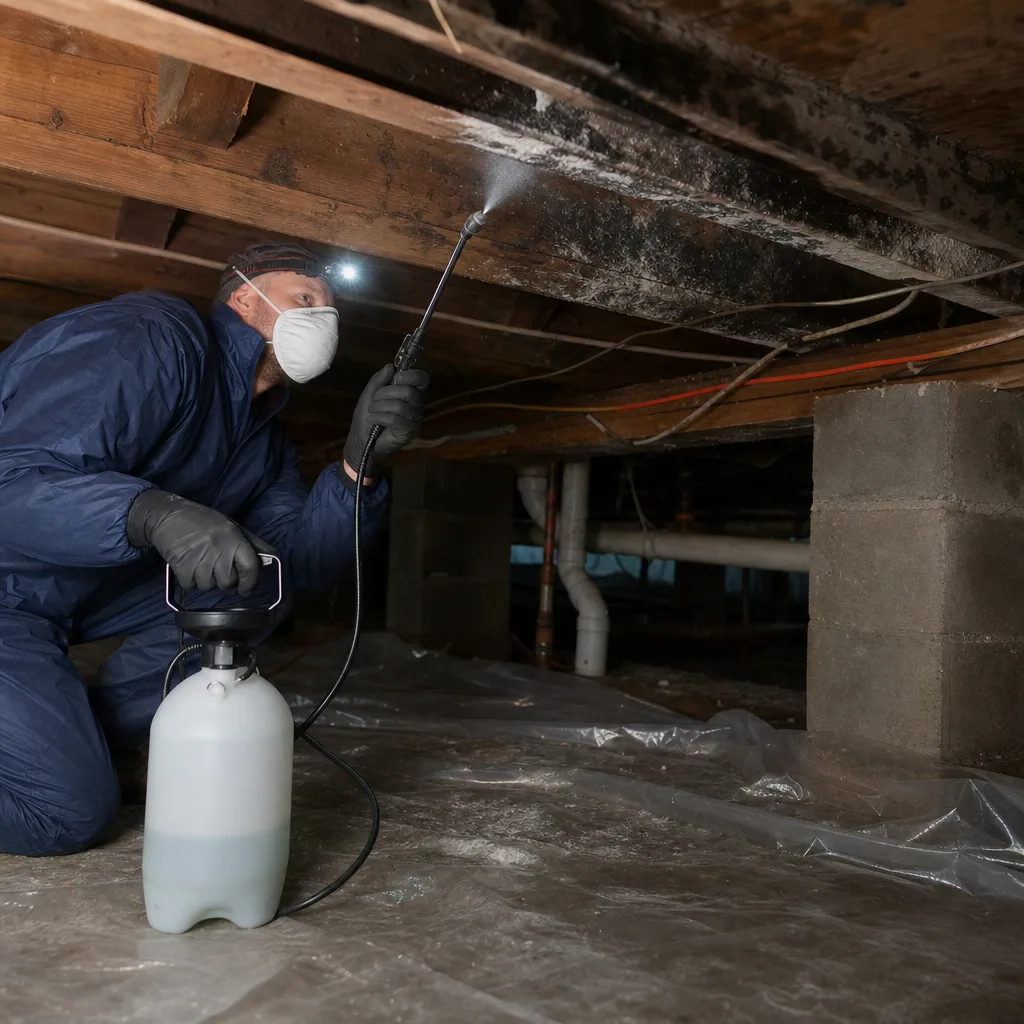
Cast-iron and early galvanized pipes in Glendale’s pre-war housing were built to last fifty years and have now lasted ninety. When they go, they go inside walls. We find the exact leak point with thermal imaging, stop the source, and dry both sides of the affected wall before mold gets a foothold in the lath.
Basement Water Removal
Finished basements in Glendale rowhouses are small, tight, and full of belongings. We move and document contents before extraction, dry the floor assembly thoroughly, and tell you straight what can be saved and what cannot. No overselling, no padding a scope.
What happens when you call
- 1
A real person answersNo phone trees - you reach a local pro.
- 2
You get an upfront price rangeHonest numbers before anyone is dispatched.
- 3
A background-checked tech heads outLicensed & insured, dispatched right away.
- 4
You approve before work beginsNothing starts until you say go.
Water Damage Restoration Costs in Glendale, NY
A typical water damage restoration job in Glendale runs between $2,800 and $8,500, with smaller extractions and drying on the lower end and full Category 3 sewer cleanups plus rebuild work reaching higher. A simple burst pipe extraction with structural drying in a small basement might land around $2,800 to $4,200. A Category 3 sewer backup requiring full containment, removal of contaminated drywall and flooring, antimicrobial treatment, and rebuild can run $7,000 to $15,000 or more depending on square footage and finish level. What moves the price: how long the water sat before we arrived, what category it is, how much plaster and lath we must open, and how far moisture traveled through the shared attic or party wall. Most homeowner policies cover sudden accidental discharge and sewer backup with an endorsement, but the documentation has to be right. Call (363) 300-2771 for a free visual inspection and a written scope. No trip charge inside our own county, and a free second opinion on any written estimate you have in hand.
We Also Serve Cities Near Glendale
Wade’s Restoration crews respond daily across East New York, Jamaica, Canarsie, and East Flatbush, carrying the same rowhouse expertise into every attached-home block in the Queens and Brooklyn border neighborhoods. If your neighbors are calling us, so can you.
Serving Glendale, NY - Our Local Coverage Area
We’re based in the Glendale area and know this community well. Use the map below to see our service coverage - if you’re nearby, we can almost certainly help.
Glendale Water Damage Restoration Questions, Answered
How do you handle water damage that has traveled through the shared attic space into my neighbor’s rowhouse?
We treat it as one continuous damage event. That means containment is set up in both units, moisture mapping is done on both sides of the party wall, and drying equipment is placed to dry the shared cavities from both addresses. We document everything separately for each property so each homeowner’s insurance claim is accurate and complete. The neighbor gets their own drying log, their own scope, and their own adjuster communication. Nobody gets stuck with a blurry shared claim.
What does a category 3 sewer backup in a Glendale finished basement actually require for cleanup?
Full hazmat protocol. Category 3 water carries sewage, bacteria, and pathogens that require physical removal of all contaminated porous materials, including drywall, carpet, pad, and sometimes flooring. The space must be contained with plastic barriers, HEPA air scrubbers run during the entire process, and all remaining structural surfaces treated with antimicrobial agents. We test and verify with moisture and surface readings before any rebuild starts. This is not a mop-and-fan job, and any company that treats it like one is leaving a biohazard in your home.
Why do original plaster walls in Glendale rowhouses slow down the drying process?
Plaster is dense, non-porous, and layered over wood lath strips that trap moisture in small air pockets between the plaster keys and the framing. Water saturates the lath, wicks along the framing, and the thick plaster layer prevents it from evaporating quickly. In drywall, moisture moves through the gypsum and dries in a few days. In plaster-over-lath assemblies, drying can take five to ten days, sometimes longer in cold weather. That is why daily hygrometer readings and adjusted equipment placement matter more here than anywhere else.
Can you dry a shared party wall without opening up my neighbor’s side?
Sometimes. If the moisture reading on the neighbor’s side stays within safe limits and there is no Category 3 contamination, we can often dry the wall cavity from the affected unit by directing airflow through the framing and monitoring both sides daily. But if the readings show moisture migrating into the neighbor’s lath or their side shows elevated levels, we need access to their side to set up proper drying. We coordinate directly with the neighbor, do a free visual inspection on their side, and manage their documentation too. The goal is to dry the wall correctly, not just dry your half.
What should a Glendale homeowner do immediately after a water leak before a restoration crew arrives?
First, shut off the water source if you can safely do so. Second, kill power to any affected circuits at the breaker if water is near electrical outlets or appliances. Third, move small valuables and electronics out of the water path if it is safe to walk there. Fourth, call us at (363) 300-2771. Do not use a shop vac on Category 3 sewer water, do not open walls yourself in a pre-war rowhouse without lead and asbestos testing, and do not wait to see if it dries on its own. It will not. The sooner extraction starts, the more of your home we save.
How fast can you actually get to a Glendale address?
We commit to a 45-minute response, meaning someone is on the phone with you immediately and a truck is rolling toward your block inside that window, 24/7. In practice, for most Glendale addresses we are on site faster. Wade answers his own phone, so there is no dispatch call center adding delay. If you call at 2 a.m., you get Wade at 2 a.m., and a crew follows close behind.
Does insurance cover water damage in an attached rowhouse, and who deals with the adjuster?
Most homeowner policies cover sudden and accidental water damage, and many cover sewer backup with an endorsement. The documented cause, category, and timeline are what determine coverage, which is why we photograph everything from the first hour and produce a line-item scope your adjuster can actually use. Wade deals with the adjuster directly. You do not sit on hold with your carrier, you do not relay messages, and you do not get stuck between a crew that wants to start and an adjuster who wants more photos. We handle it, and it is in writing.
What certifications do the crews have, and does it matter for a rowhouse job?
Our crews are IICRC-certified in water damage restoration and applied structural drying, with RIA affiliation and IFA recognition. In a 1920s Glendale rowhouse, it matters enormously. Certifications mean the techs understand how moisture moves through plaster and lath, not just drywall. They know to test for lead and asbestos before cutting into original materials. They know how to set containment in attached structures. The certification is not a badge on a website. It is the difference between drying your wall correctly and gutting it unnecessarily.
Written by Wade Ferris, Owner at Wade’s Restoration, serving Glendale and the surrounding Queens and Brooklyn neighborhoods since 2007. Wade answers his own phone. Call (363) 300-2771.