
Free visual inspection and a written scope of work before any mitigation begins - photos, moisture readings, and drying logs go in your claim file
The scope we write is the scope we bill. Anything new gets shown to you, in writing, before we touch it.
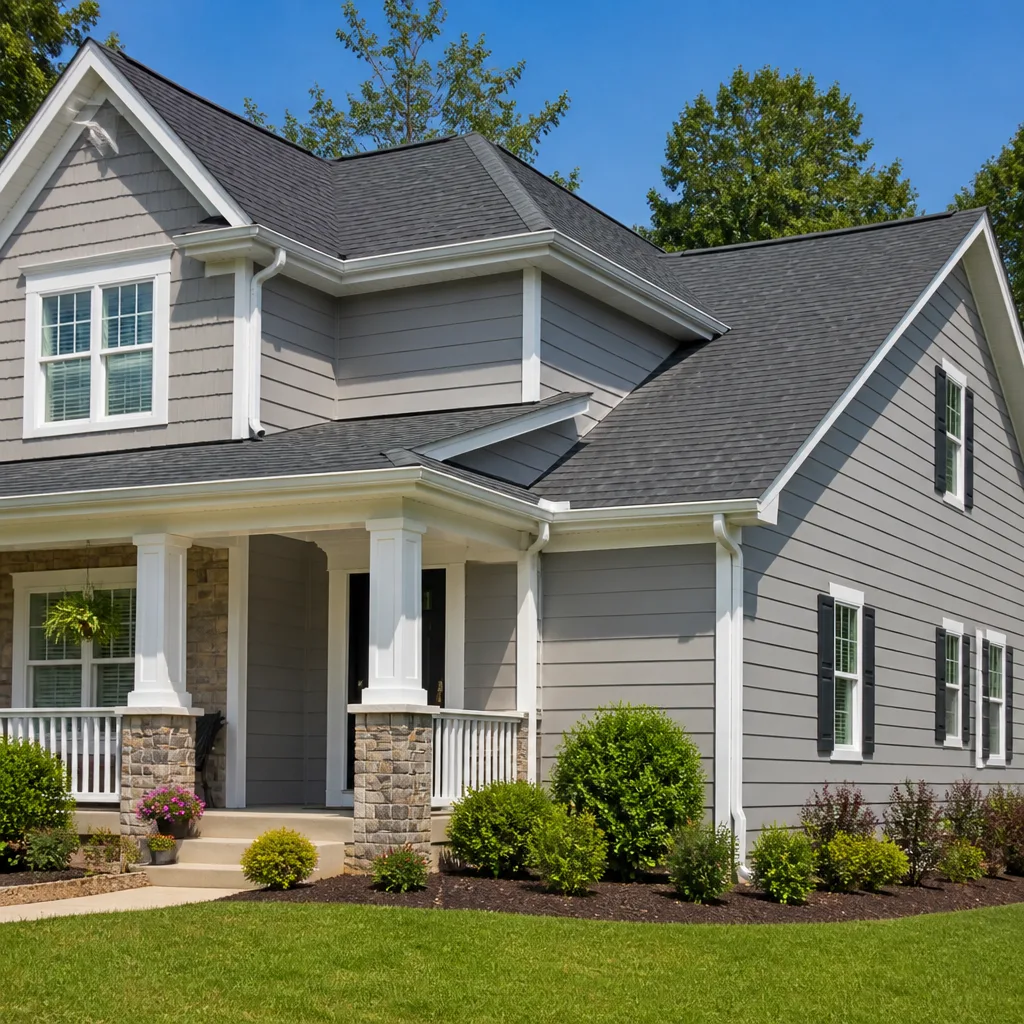
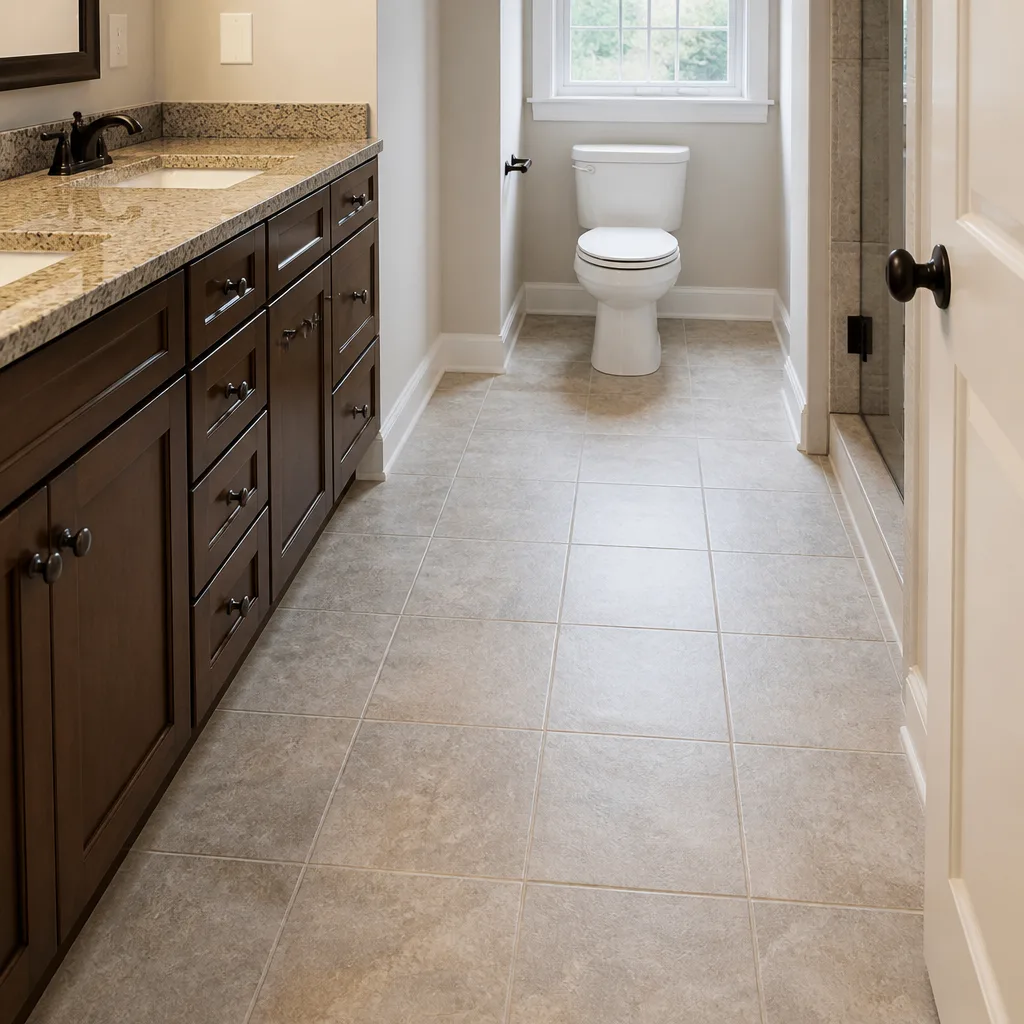
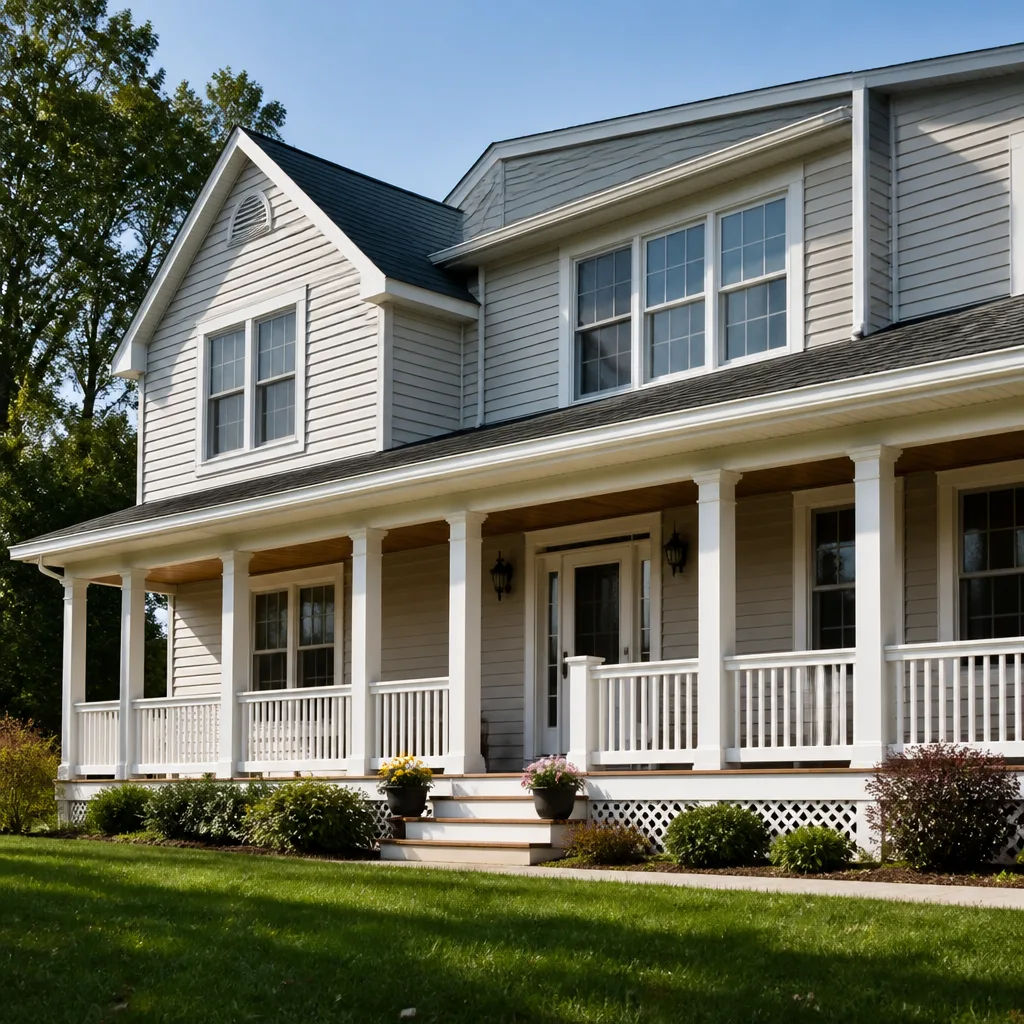
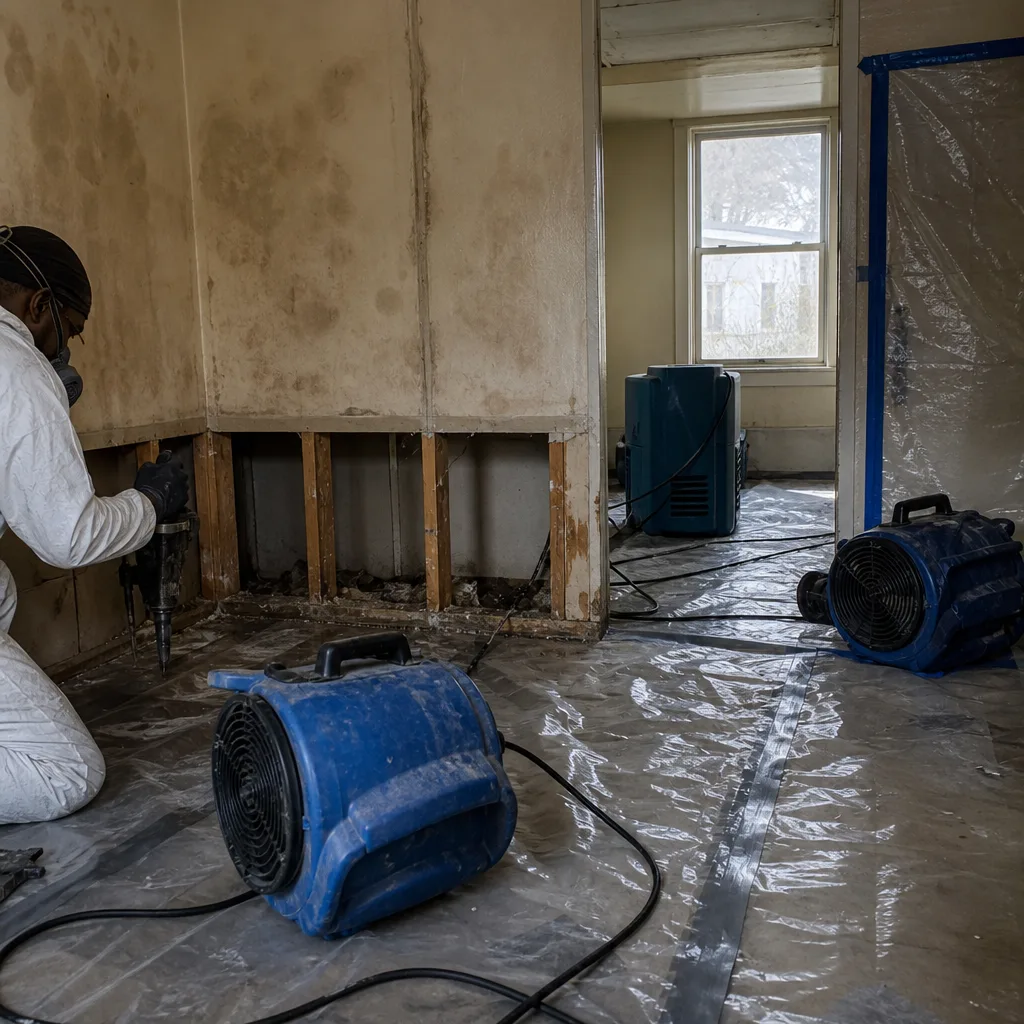 Before
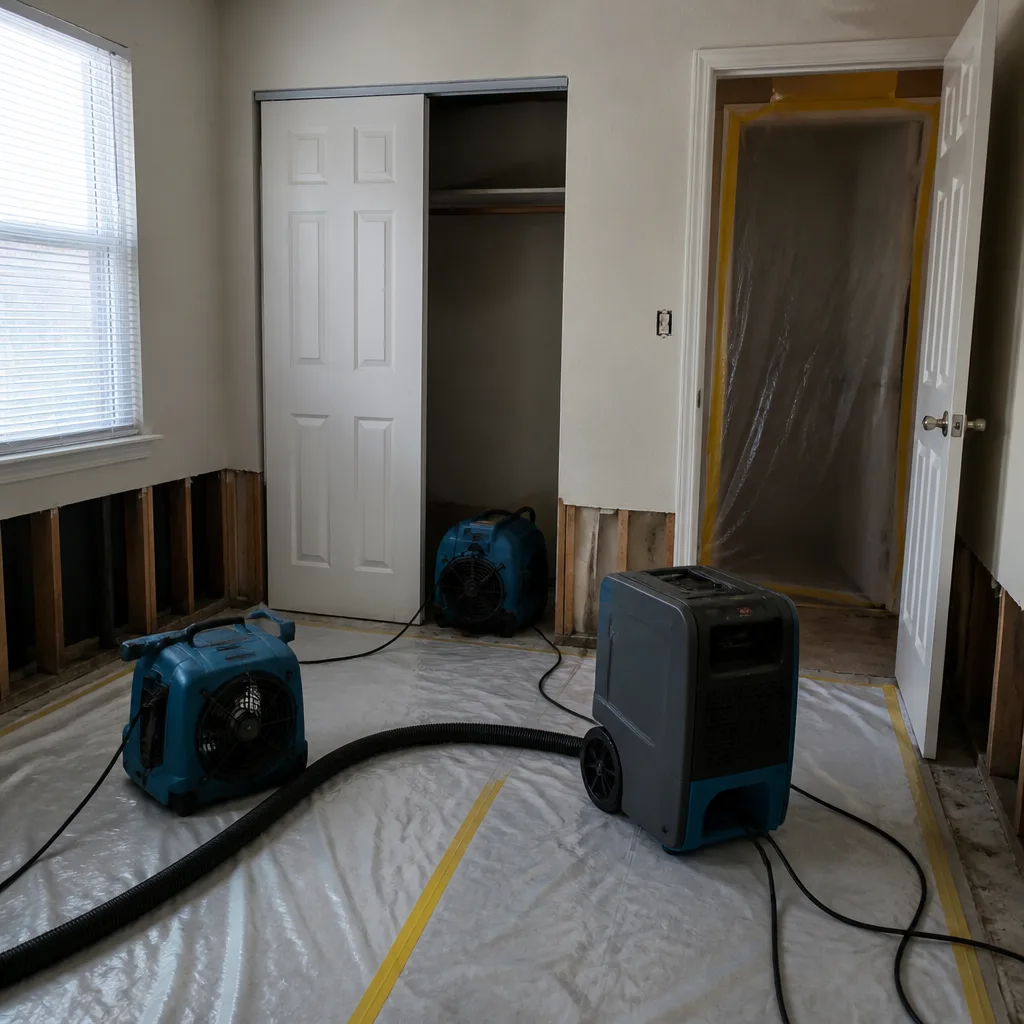 After
After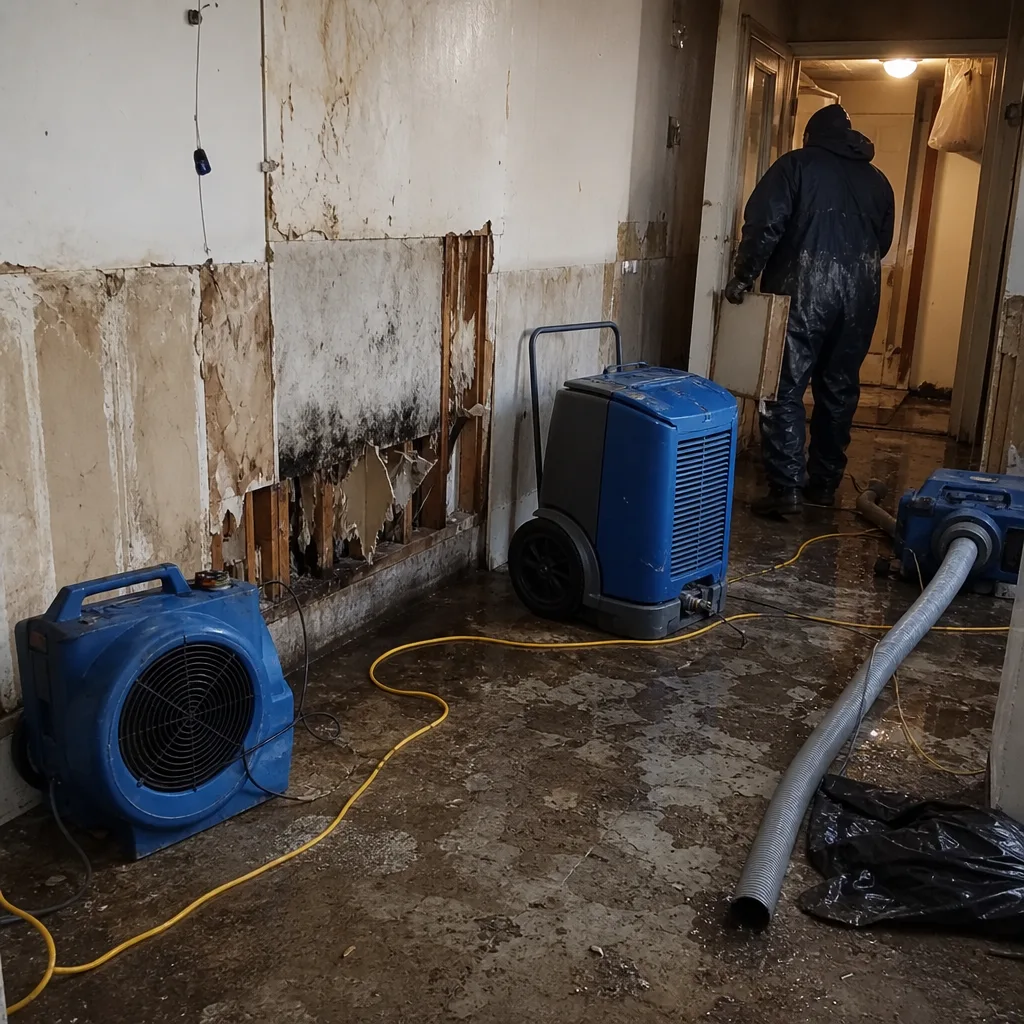 Before
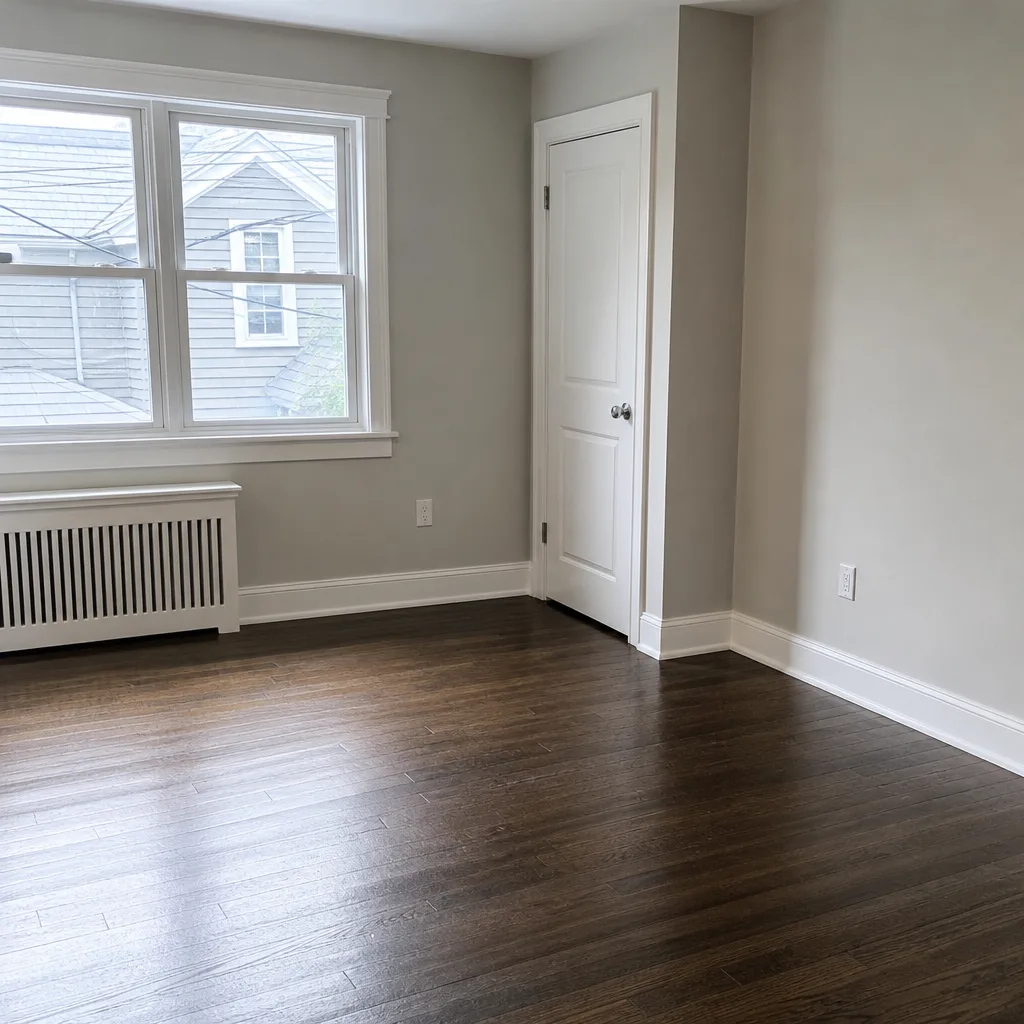 After
After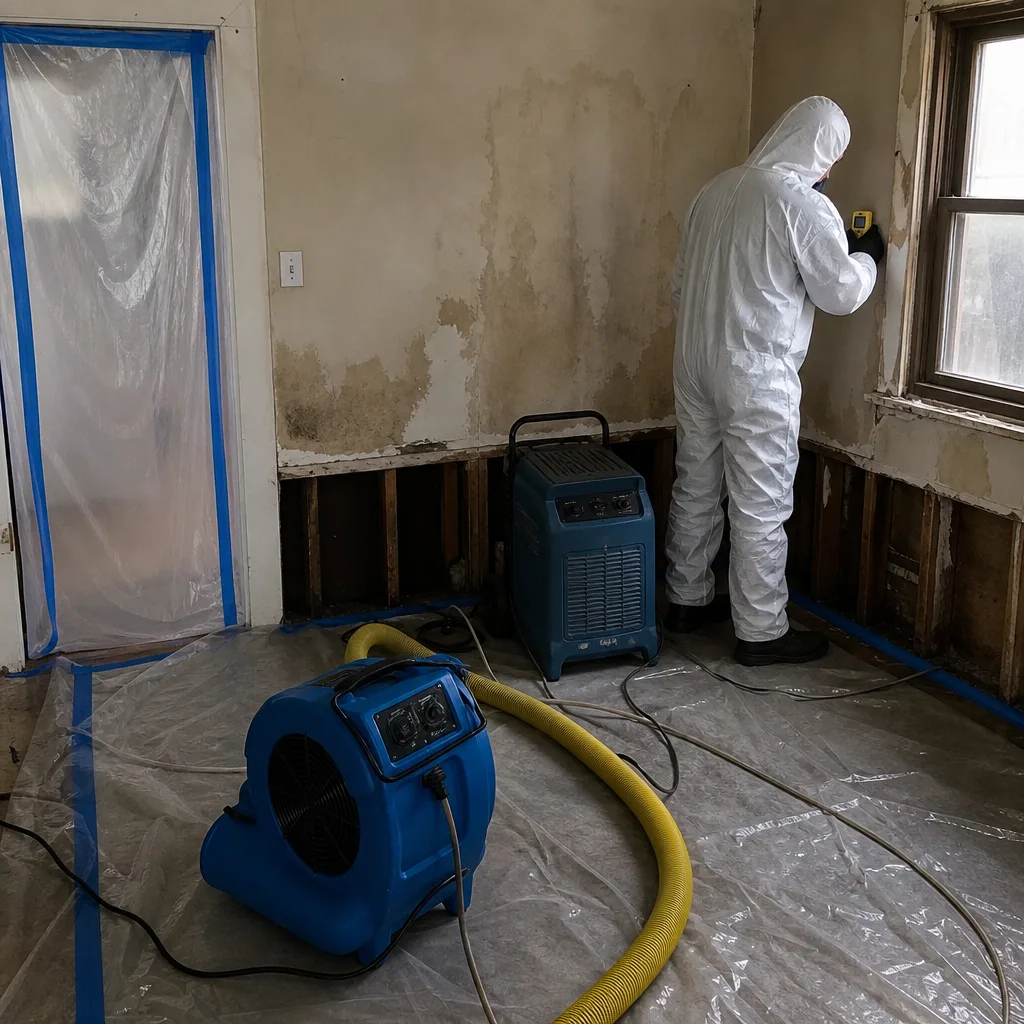 Before
 After
After24/7 Emergency Water Damage Restoration in Ridgewood
Water damage inside a Ridgewood rowhouse moves fast, and the first hour usually decides whether you’re dealing with a dry-out or a gut renovation. When a supply line lets go at 2 a.m. on Cornelia Street or a sewer backup fills a finished basement on Fresh Pond Road, you need someone who answers the phone and gets equipment running before the water reaches the party wall. Call (363) 300-2771 and you’ll get a live person, not a script. Wade heads out with extraction pumps, thermal imaging, and the kind of urgency that matters when water is wicking through 100-year-old plaster and brick.
We cover all of Ridgewood, from the rowhouse blocks north of Myrtle Avenue down to the Glendale border, with crews that know these buildings. Every Water Damage Restoration call in Ridgewood starts with a free visual inspection, because you shouldn’t have to commit to a scope before someone has actually looked at the damage. The sooner we start extraction, the less demolition you’re facing – and the less the whole thing costs.
Understanding Water Damage Restoration Severity in Ridgewood Properties
Not all water is the same, and in Ridgewood the difference matters more than in most places. We classify every job by water category before touching anything. Category 1 is clean water – a burst supply line, a radiator overflow, a failed water heater. Category 2 is gray water, meaning it’s been through appliances, fixtures, or sat long enough to grow bacteria. Category 3 is the one that scares us on these blocks: sewage, either from a combined sewer overflow backing up through a basement floor drain or a waste line failing inside a shared wall. That water carries pathogens, and it requires full containment, antimicrobial treatment, and oftentimes removal of porous materials that soaked it up.
Ridgewood’s circa 1905-1935 attached rowhouses complicate every one of those categories. The yellow brick that built this neighborhood is beautiful, but it’s porous, and after a century of freeze-thaw cycles those mortar joints have opened up. Water moves through masonry by capillary action – it doesn’t care about your property line. We use moisture mapping and thermal imaging to find where the water actually went, not just where it pooled. In a two-family attached house on Putnam Avenue, we’ll run drying equipment in both units before the neighbor even sees a stain.
Why Ridgewood Property Owners Choose Wade’s Restoration
- 45-minute response commitment – Wade or one of his crew is on the road to your Ridgewood block within 45 minutes of your call, with extraction equipment on the truck.
- 24/7 live answer – No call center, no “leave a message and we’ll get back to you.” A real person answers, day or night, including Wade himself.
- IICRC-certified crews – Our techs hold WRT (Water Damage Restoration Technician) certification from the IICRC, and they work these rowhouses daily.
- Free visual inspection – We come out, look at the damage, and give you a straight assessment. No charge for that.
- Direct insurance billing – We bill your carrier directly and deal with the adjuster, so you’re not the one stuck in the middle.
- One team from extraction to reconstruction – The same crew that pulls the water also does the drying, the trim, the plaster, and the floors. No handoffs.
Our Water Damage Restoration Process
Inspection & Assessment
We start by identifying the water category, mapping the moisture, and checking party walls on both sides. Thermal cameras show us what the naked eye can’t, especially in shared masonry assemblies.
Extraction/Stabilization
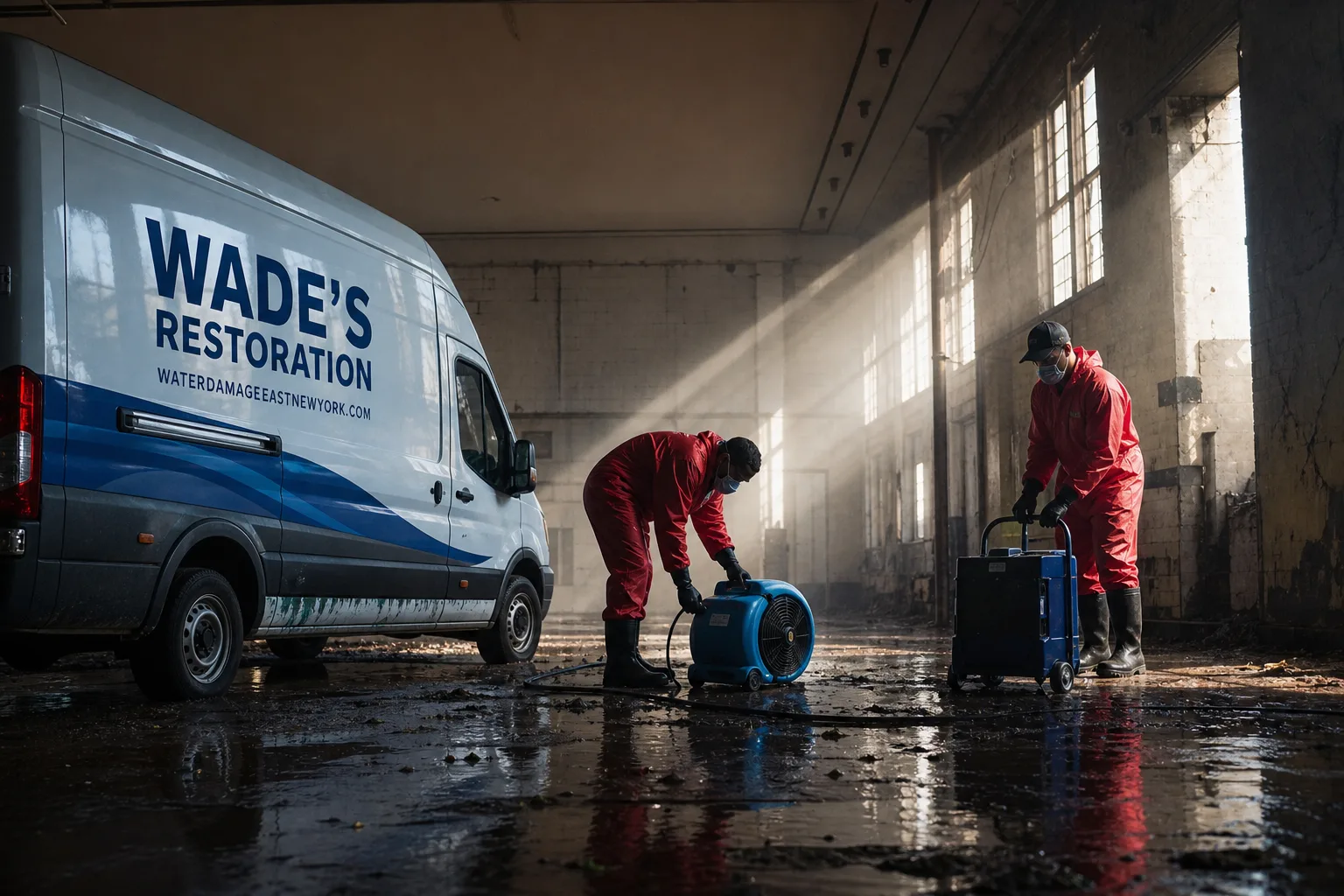
We pull standing water fast, using truck-mounted pumps and XPOWER extractors. The goal is to stop the water from migrating further into plaster, framing, or the neighbor’s side of the wall.
Drying & Dehumidification
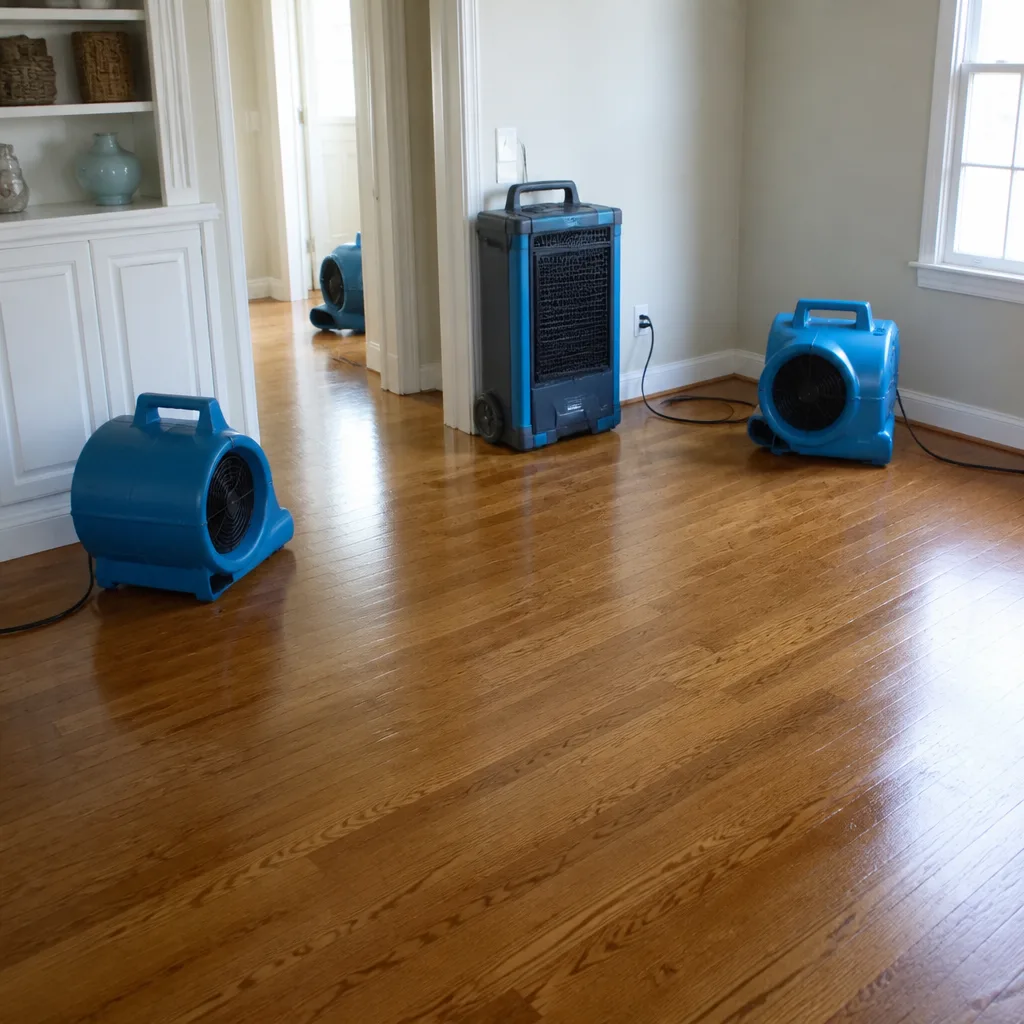
We set up containment where needed and run Dri-Eaz dehumidifiers with air movers. Moisture readings are taken daily, and you get the full log at the end – almost nobody in this trade hands that over.
Cleaning & Sanitization
After drying, we clean and sanitize affected surfaces. For category 3 water, that means antimicrobial treatment and removal of saturated porous materials before any rebuild.
Party-Wall Containment
In Ridgewood’s attached rowhouses, we don’t just dry your side. We coordinate access, inspect the adjacent property, and run drying into both cavities when the wall has wicked water across the lot line.
Repairs & Restoration
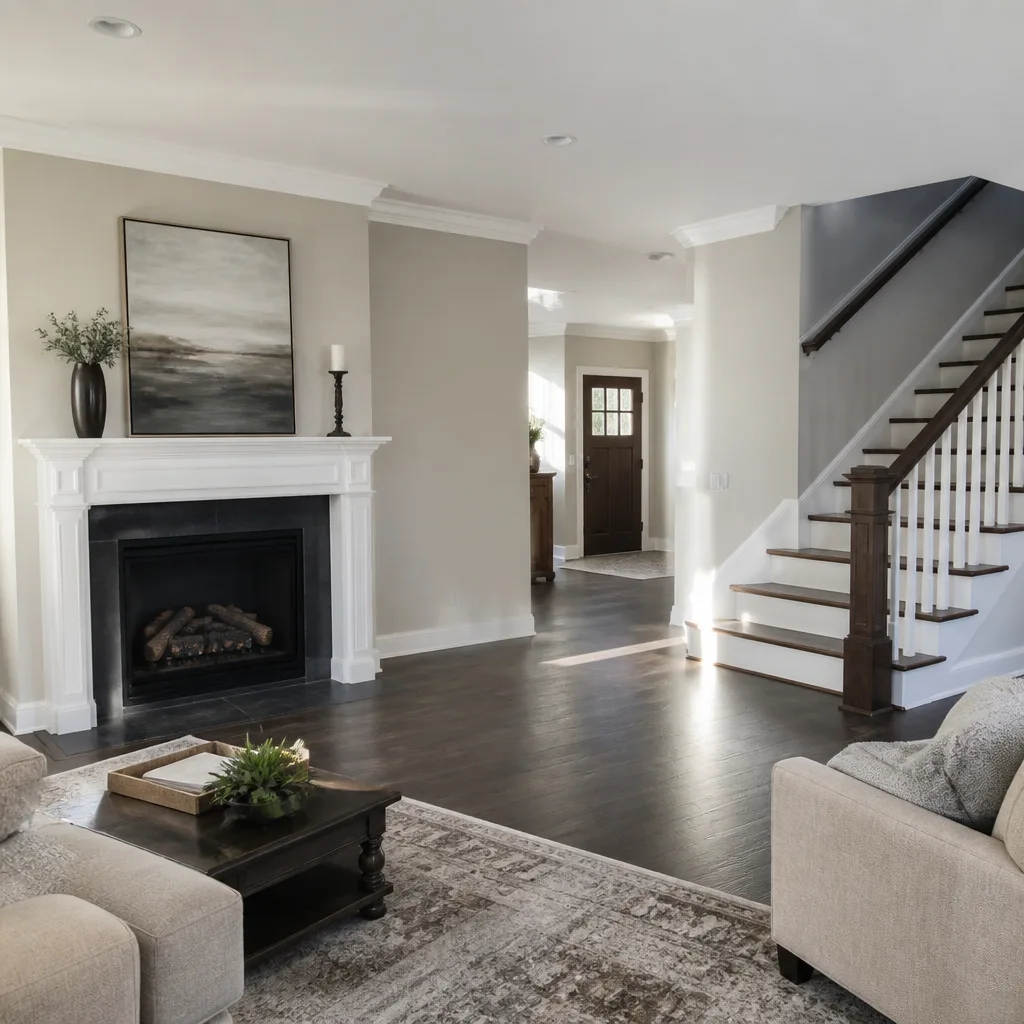
From plaster repair to full basement rebuilds, we restore your home to where it was – or better. Every job carries the 90-Day Done Right Promise in writing.
Need Emergency Water Damage Restoration in Ridgewood Now?
Crews minutes away, answering live 24 hours a day. The sooner we start, the less it costs.
Working With Your Insurance Company
Insurance companies want documentation, and honestly, so do you. We start building the claim file from the first hour: photos of every affected room, moisture readings before and during drying, and a line-item scope of work that your adjuster can read without calling us six times for clarification. Wade talks to adjusters directly. You shouldn’t have to translate drying logs or explain why a party wall inspection was necessary. If your carrier needs a second opinion or another look, we coordinate it. Most Ridgewood homeowners we work with never have to play middleman between their insurer and the restoration crew.
What We Provide Your Insurer
- Thorough documentation of the loss
- Photos of all damage, room by room
- Moisture readings and drying logs
- A detailed, line-item scope of work
- Direct coordination with your carrier
Built for Ridgewood’s Loss Calendar
Ridgewood’s water damage seasons line up with its architecture. January and February deep freezes burst supply lines in original galvanized piping that’s been in these walls since the Coolidge administration – the same pipes that run through unheated party-wall cavities and basement ceilings. Spring brings thaw and the first heavy rains, which push groundwater up through these old masonry foundations and into below-grade basement units. Summer thunderstorms, especially the flash-flood evenings in July and August, overload the combined sewer system and send category 3 water back up through basement floor drains on blocks from the historic district down toward the cemetery. Then there are nor’easters in the fall, testing flat parapeted roofs that were never designed for modern rainfall volumes. None of this surprises us. We’ve worked every block pattern in this neighborhood, and we know what fails, where, and when.
Water Damage Restoration Across Ridgewood’s Neighborhoods
North of Myrtle Avenue, the historic district rowhouses on streets like Cornelia and Onderdonk have original plaster ceilings and ornate trim that were never meant to get wet – when they do, we dry them in place instead of ripping them out, because replacing a 1920s plaster cove ceiling with drywall is a loss you can’t undo. Between Myrtle and Forest, the tighter attached rows on Catalpa and Putnam mean a single burst pipe can touch four units before anyone notices, so we always inspect the buildings on both sides of the loss. Down toward the Glendale border, the semi-detached houses and larger corner properties have different basement configurations – deeper, with old floor drains that are the first place combined sewer overflow shows up. Over by Ridgewood Reservoir and the verdant edges of Highland Park, the yards slope, and our pumps have to move water uphill to the street. Each stretch of this neighborhood has its own failure pattern; we don’t treat Ridgewood like one generic map.
Specialized Water Damage Restoration Services We Offer in Ridgewood
Emergency Water Extraction
When a pipe bursts in a Ridgewood rowhouse, the water doesn’t pool politely. It runs down into the basement, soaks the floors above, and starts working its way through the party wall. We show up within 45 minutes with truck-mounted extraction and XPOWER pumps, pulling standing water before it saturates plaster, framing, or the neighbor’s side of the shared wall.
Structural Drying & Dehumidification
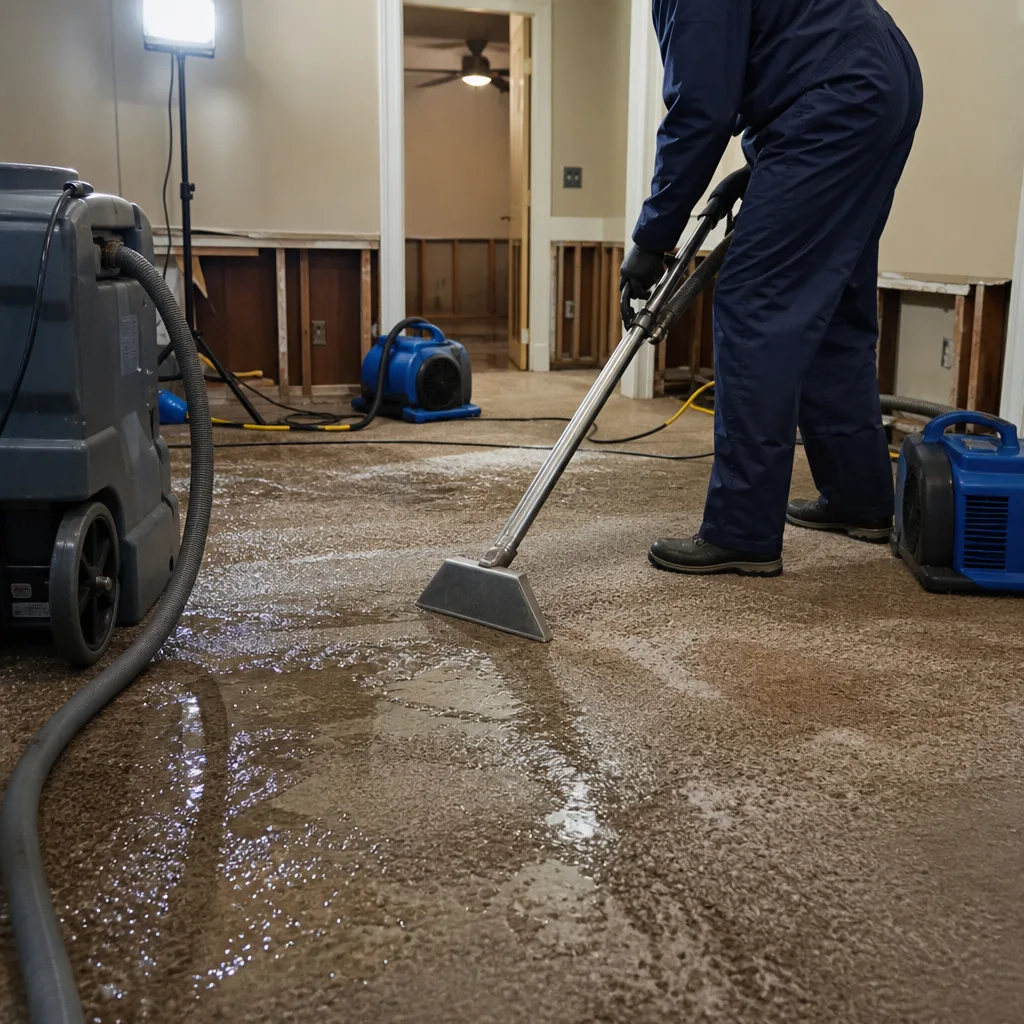
Drying a Ridgewood rowhouse isn’t like drying a freestanding suburban house. The masonry holds moisture, and that means drying takes longer and requires more gear. We run Dri-Eaz dehumidifiers and air movers strategically – into wall cavities, behind baseboards, and through access holes into party-wall assemblies – and we take moisture readings every single day until the wood and brick hit dry standard. You get the log.
Flood Cleanup
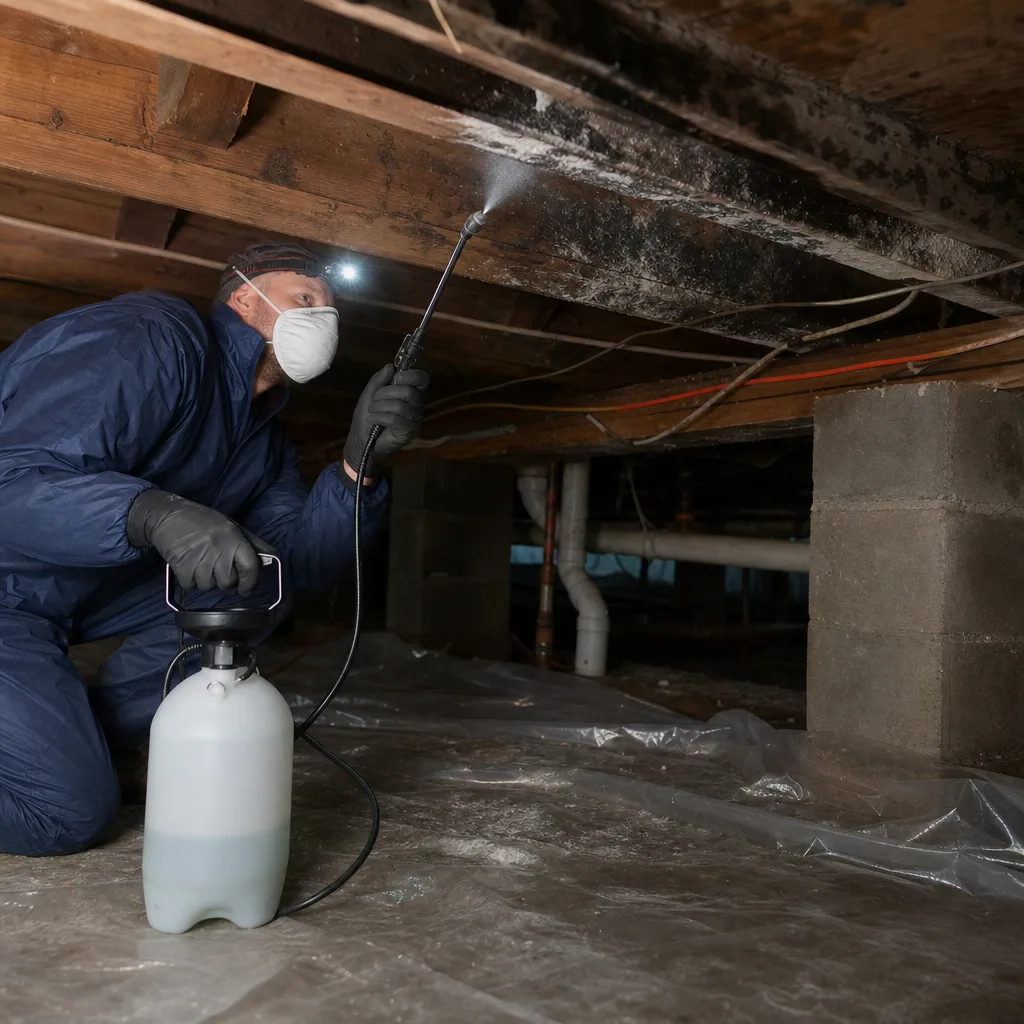
Flooding in Ridgewood usually means one of two things: a combined sewer overflow in the basement or surface water coming down a sloped driveway during a nor’easter. Both can carry category 3 contamination. We contain, extract, sanitize, and dry – and we don’t cut corners on antimicrobial treatment just because the water looked clear by the time we got there.
Burst Pipe Restoration
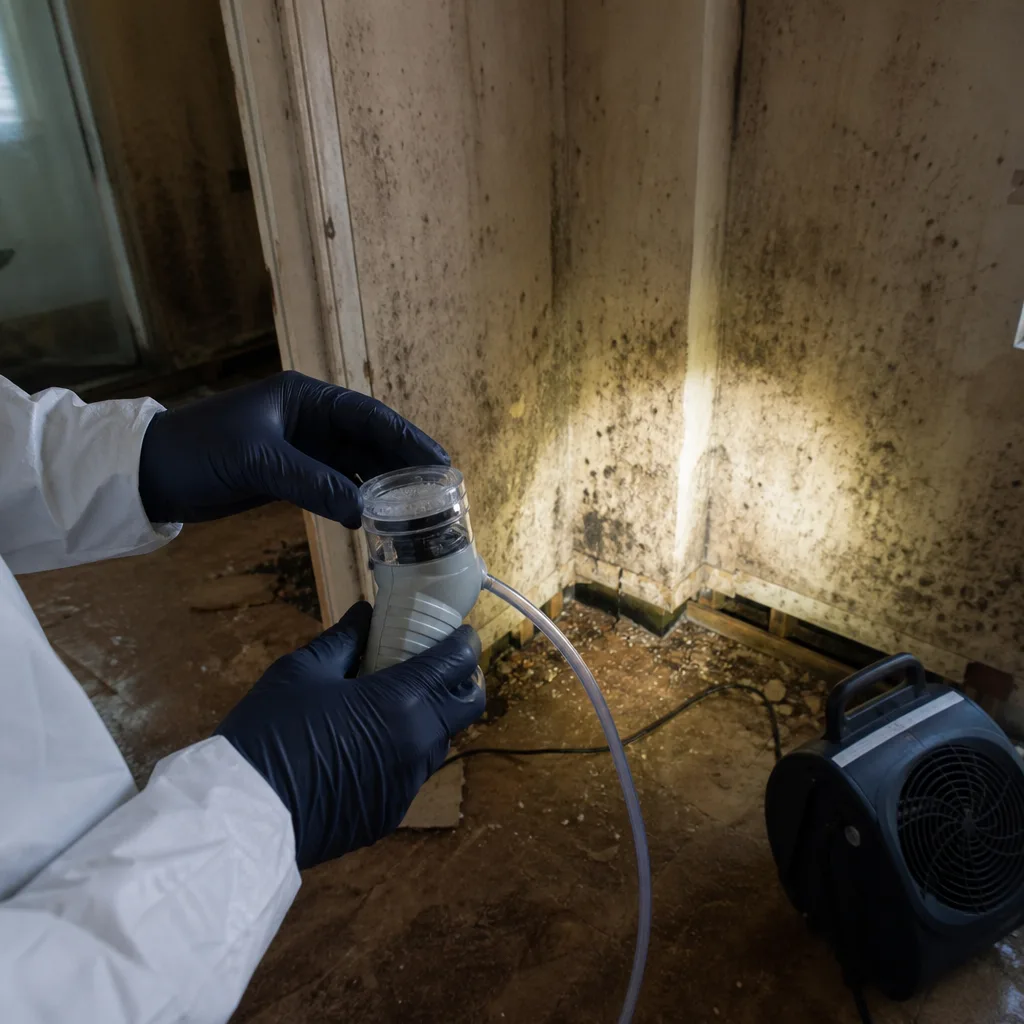
Burst pipes in these old rowhouses are rarely simple. The failed section is often original galvanized or early copper buried in a party-wall cavity, and the water has been traveling along the joists before anyone saw a stain. We find the full extent of the water’s path, dry the structure, and repair what’s needed. If you want to replace the old piping while the wall is open, we’ll do that too – it’s the smart time to do it.
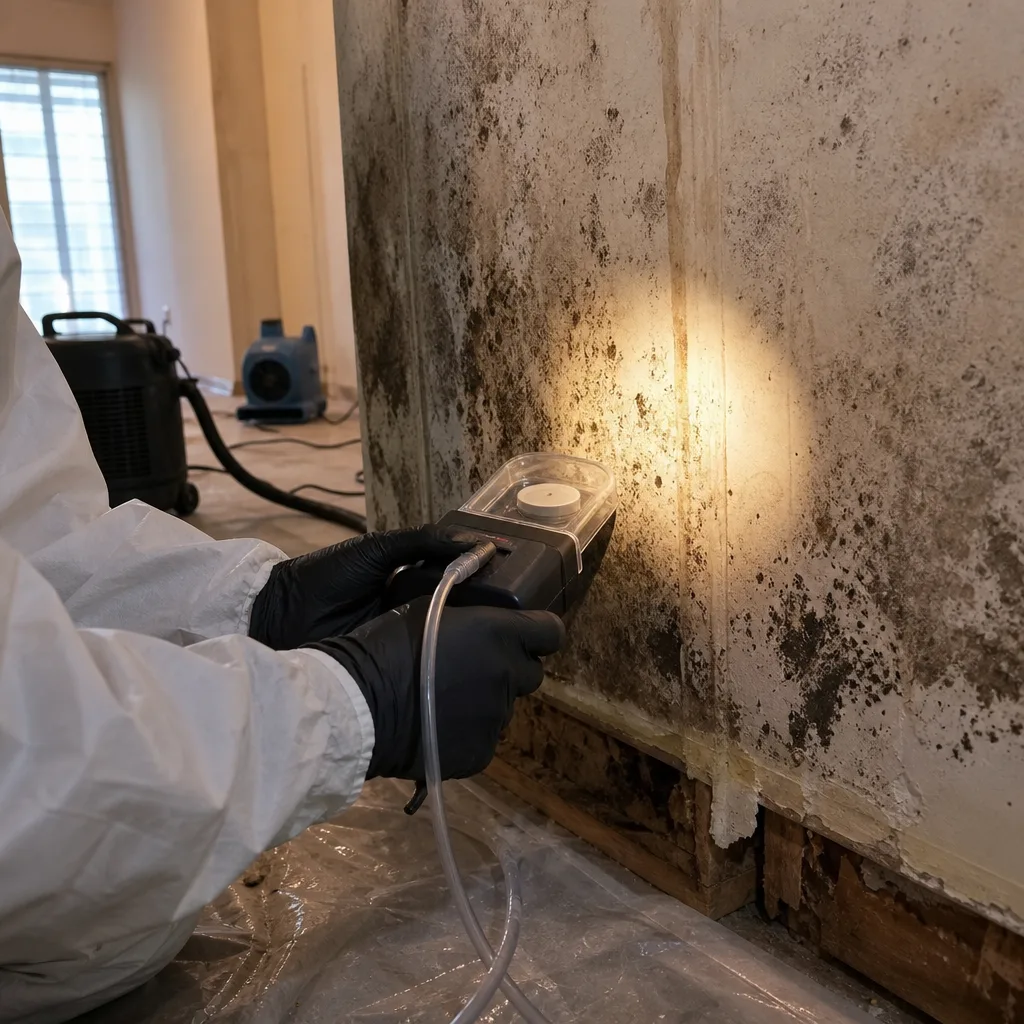
Basement Water Removal
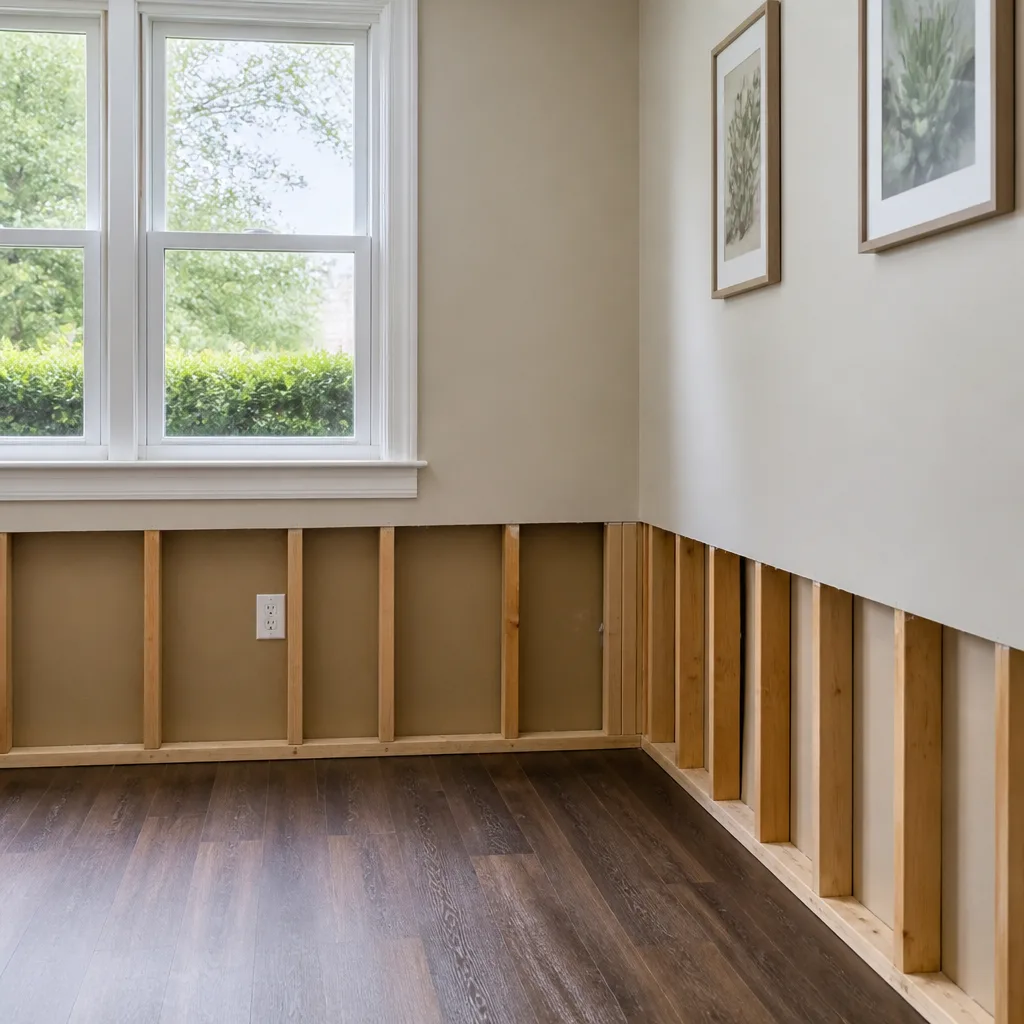
Finished basements are common in Ridgewood’s attached homes, and they’re usually below grade, which means every drop of water that enters has to be pumped or extracted. We remove the water, pull the saturated drywall or paneling where it can’t be saved, and dry the remaining structure. Then we deal with the cause, whether that’s a failed sump, a cracked foundation drain, or a floor drain that backed up during the last storm.
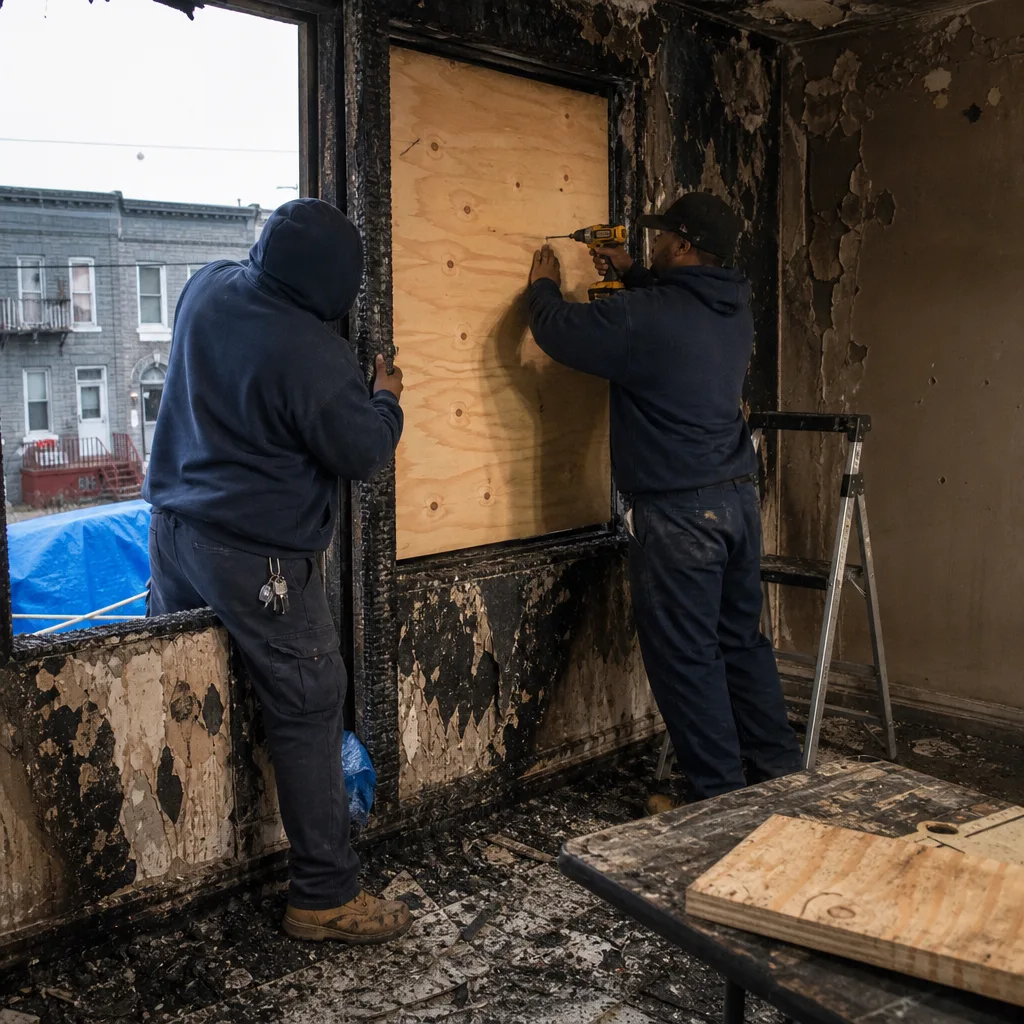
Ceiling & Roof Leak Water Damage
Flat parapeted roofs on Ridgewood’s pre-war rowhouses leak at the seams after decades of patching. The water runs down through plaster ceilings, often pooling above the original plaster and lath. We dry those ceiling assemblies in place where possible, because once original plaster is pulled down, it’s never the same.
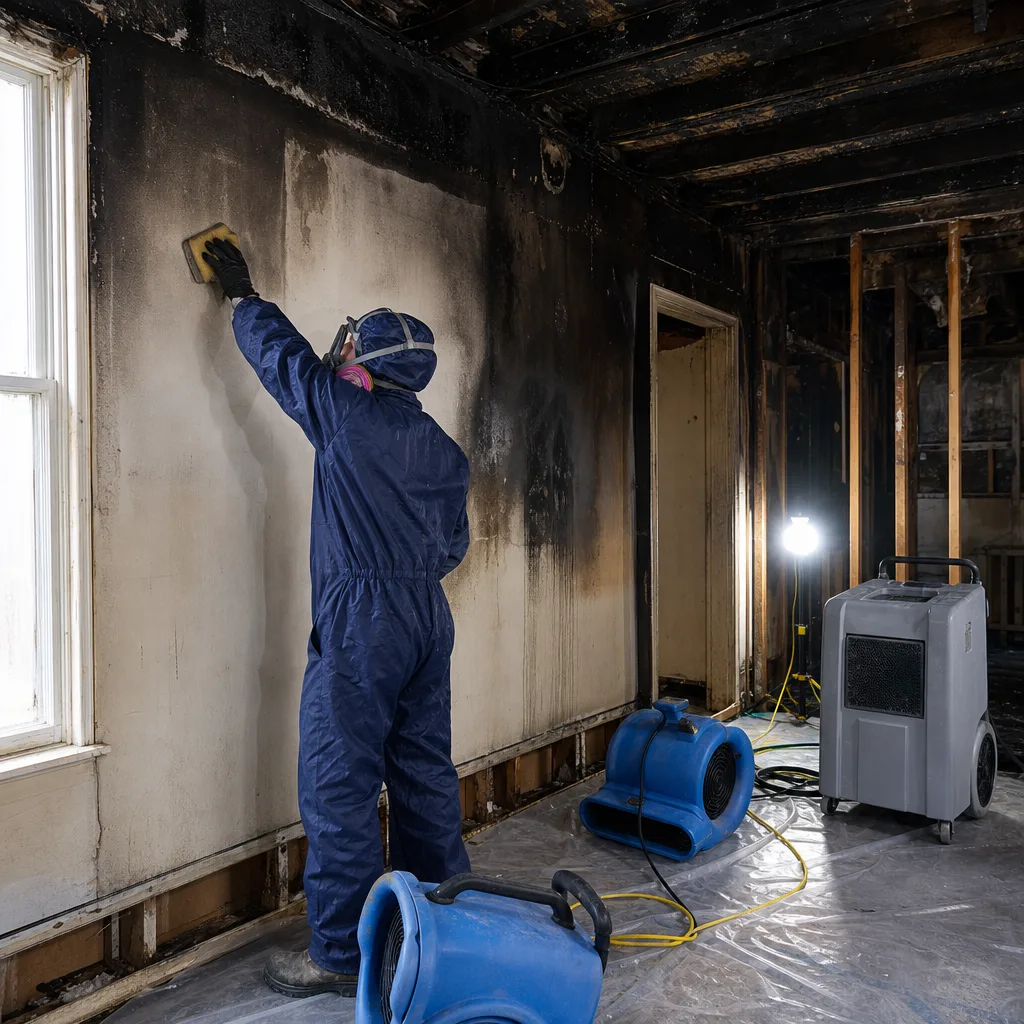
What happens when you call
- 1
A real person answersNo phone trees - you reach a local pro.
- 2
You get an upfront price rangeHonest numbers before anyone is dispatched.
- 3
A background-checked tech heads outLicensed & insured, dispatched right away.
- 4
You approve before work beginsNothing starts until you say go.
Water Damage Restoration Costs in Ridgewood, NY
Here are straight numbers for the Ridgewood market. Emergency water extraction in a typical rowhouse basement runs $600-$1,500, depending on how many inches of water and how much finish material has to be pulled. Structural drying with containment and daily monitoring typically lands between $1,800 and $4,200 for a two-room loss. Burst pipe restoration, including dry-out, plaster repair, and basic cosmetic work, runs $3,500-$9,000 depending on the finish level of the affected rooms. A category 3 basement backup with full containment, antimicrobial treatment, and finishing runs $8,000-$20,000 – the spread depends on how much of your finished basement has to come out. Insurance covers most water damage claims, especially burst pipes covered by standard homeowners policies; sewer backup usually requires an endorsement, which plenty of Ridgewood homeowners don’t have when they need it. Our free visual inspection gets you a firm scope before you commit to anything.
We Also Serve Cities Near Ridgewood
We work throughout western Queens and the surrounding areas, including Woodhaven, Elmhurst, Ozone Park, and Richmond Hill. If you’re a few blocks over the Ridgewood line, call us – we’re likely minutes away.
Serving Ridgewood, NY - Our Local Coverage Area
We’re based in the Ridgewood area and know this community well. Use the map below to see our service coverage - if you’re nearby, we can almost certainly help.
Ridgewood Water Damage Restoration Questions, Answered
How fast can you actually get to my Ridgewood rowhouse?
We commit to 45 minutes from your call to a crew being on the road, and in Ridgewood we’re usually knocking on your door inside half an hour. Wade answers his own phone, and he doesn’t wait for a call center to route anything. Call (363) 300-2771 and find out.
How do you dry a party wall without opening both sides when the neighbor won’t cooperate?
We drill small access ports into the wall cavity from your side and inject air movers and a dehumidifier to dry the shared masonry assembly from within. If the neighbor cooperates, we’ll do the same from their side for faster results. If they don’t, we can usually get the wall dry from one side – it just takes a few days longer. Call (363) 300-2771 to talk through your specific situation.
My finished basement in a Ridgewood rowhouse flooded from a sewer backup. Is it always category 3 water?
If the water came up through a floor drain during heavy rain, it is almost certainly category 3 – combined sewer overflow carries sewage, and that requires full containment, antimicrobial treatment, and disposal of saturated porous materials. We don’t treat it like a clean-water flood. Call (363) 300-2771 and we’ll assess what you’re dealing with.
Can you save the original plaster walls in a landmarked Ridgewood rowhouse after a ceiling leak?
In most cases, yes. We dry plaster in place using controlled heat and air movement rather than demolition. The key is getting to it before the plaster delaminates from the lath. Once the keys break and the plaster starts sagging, it’s much harder to save. If you call us the day you see the stain, you have a good shot.
How do you handle moisture that has wicked into the neighbor’s side of a shared rowhouse wall?
We inspect both sides. With the neighbor’s permission, we run drying equipment in both units and coordinate the process. Without permission, we can dry from your side using directed air movement into the cavity. Either way, we document everything – including moisture readings from both sides – because insurance companies sometimes argue about cross-property damage.
Does Ridgewood Historic District status affect how you perform water damage restoration?
Yes. If your rowhouse is within the Ridgewood Historic District or individually landmarked, any exterior work and many interior changes require NYC Department of Buildings or Landmarks Preservation Commission approval. We handle the restoration of original fabric carefully, preserve what’s salvageable, and coordinate any permits needed so you don’t get hit with a stop-work order. Call (363) 300-2771 for details on your block.
How long does drying take in these old brick rowhouses?
Three to five days for a contained loss is typical, but party-wall drying and below-grade masonry can stretch a job to a week or more. We’ll give you a straight answer after the first day of readings, and you’ll see the daily moisture log yourself.
What should I do in the first 30 minutes after I discover water damage?
Shut off the water supply if the leak is from a pipe or appliance. Kill power to the affected area if water has reached outlets or the electrical panel. Move anything portable out of the water. Then call (363) 300-2771. Do not use a shop vac on a sewer backup, and do not open walls yourself – you’ll spread contaminated water and make the restoration harder.
Written by Wade Ferris, Owner at Wade’s Restoration, serving Ridgewood since 2007.