
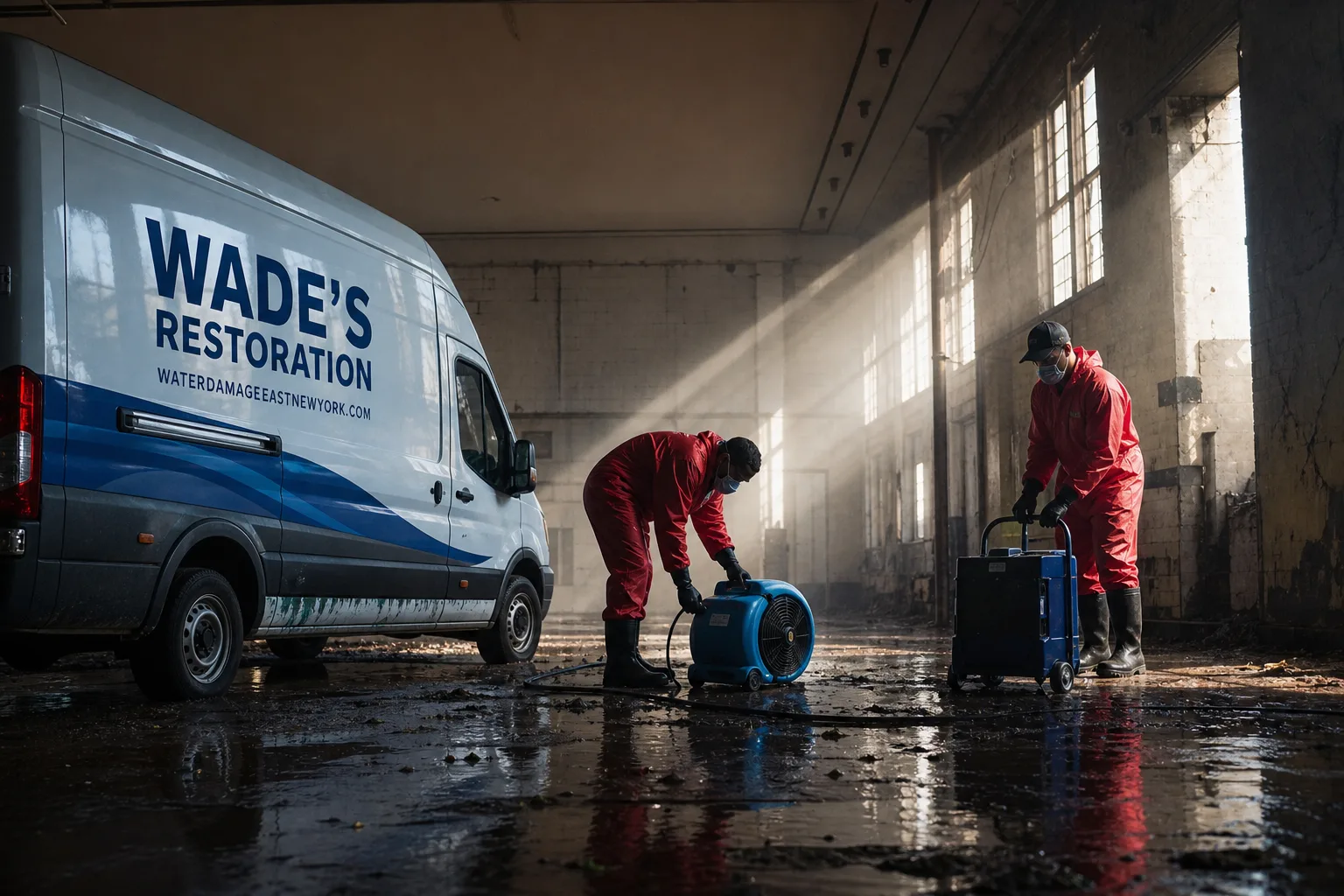
Free visual inspection and a written scope of work before any mitigation begins - photos, moisture readings, and drying logs go in your claim file
The scope we write is the scope we bill. Anything new gets shown to you, in writing, before we touch it.
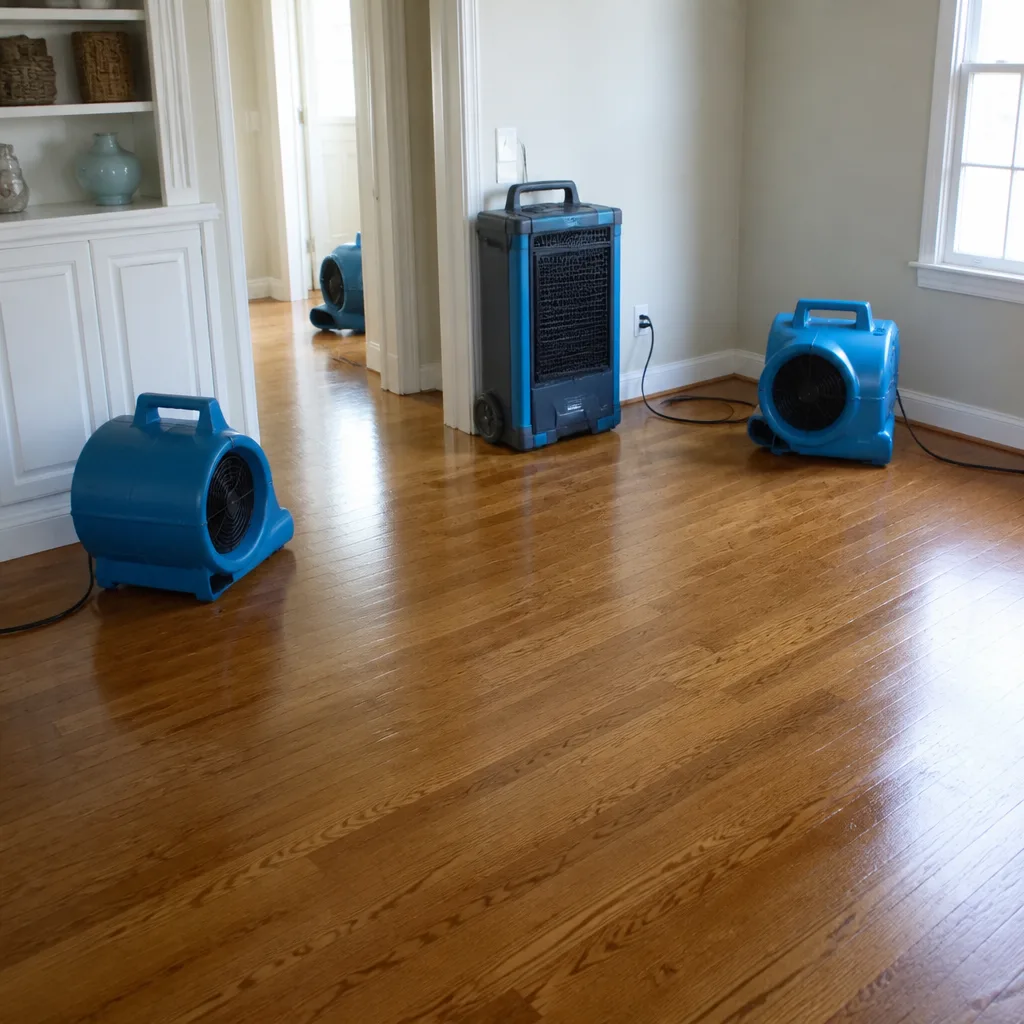
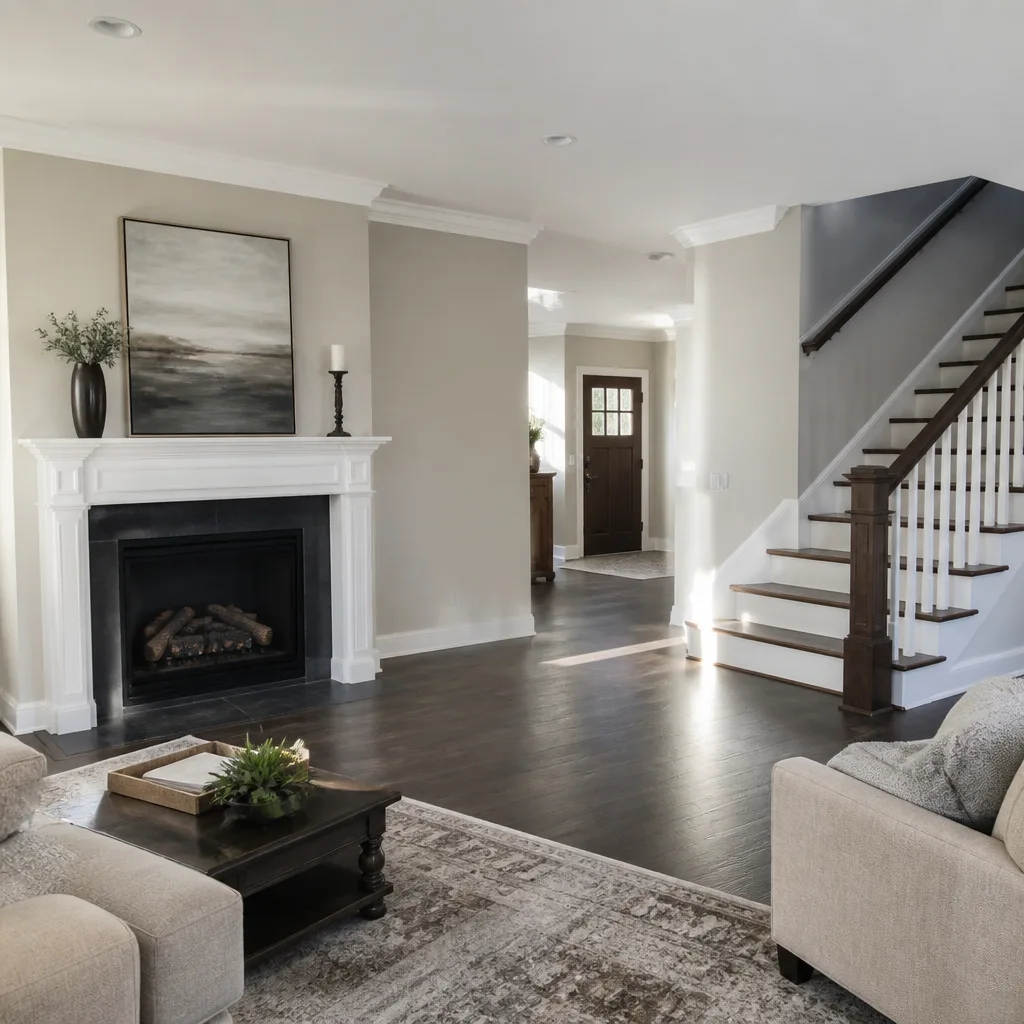
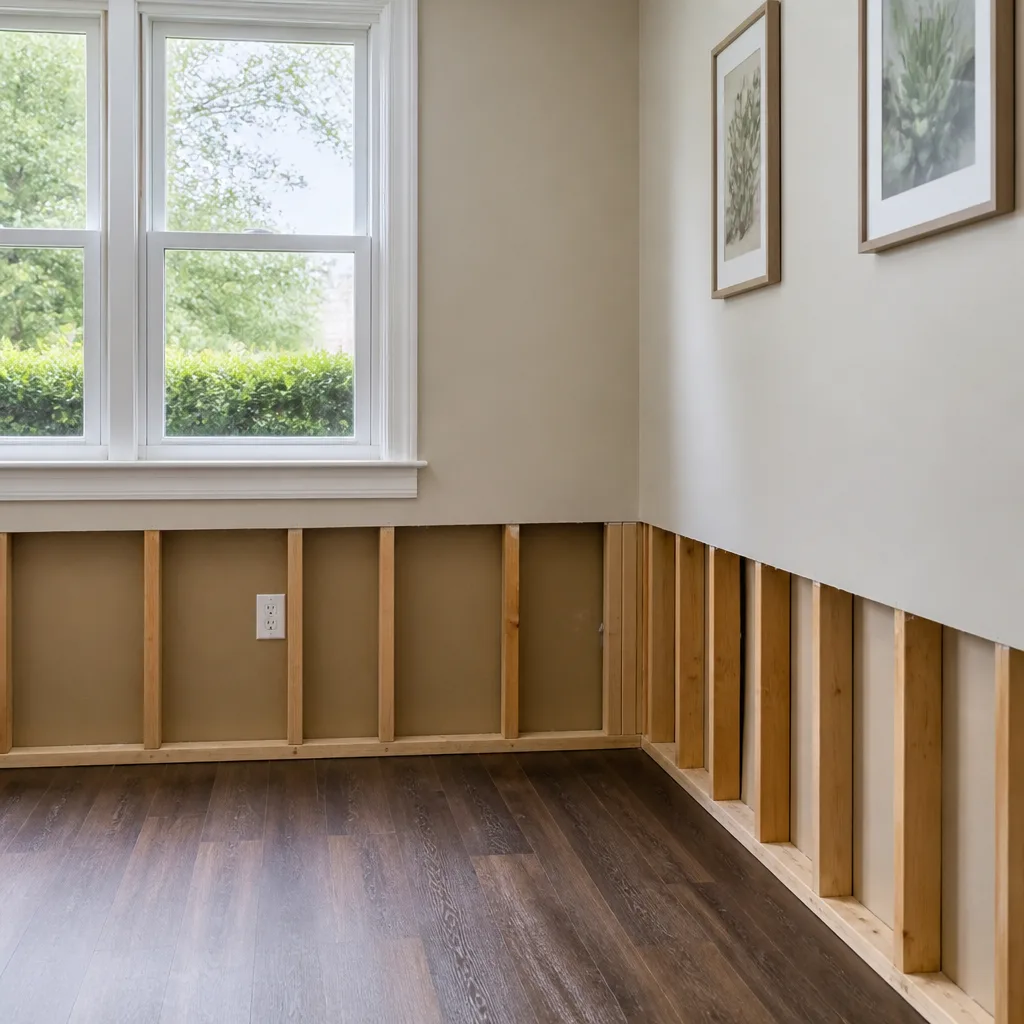

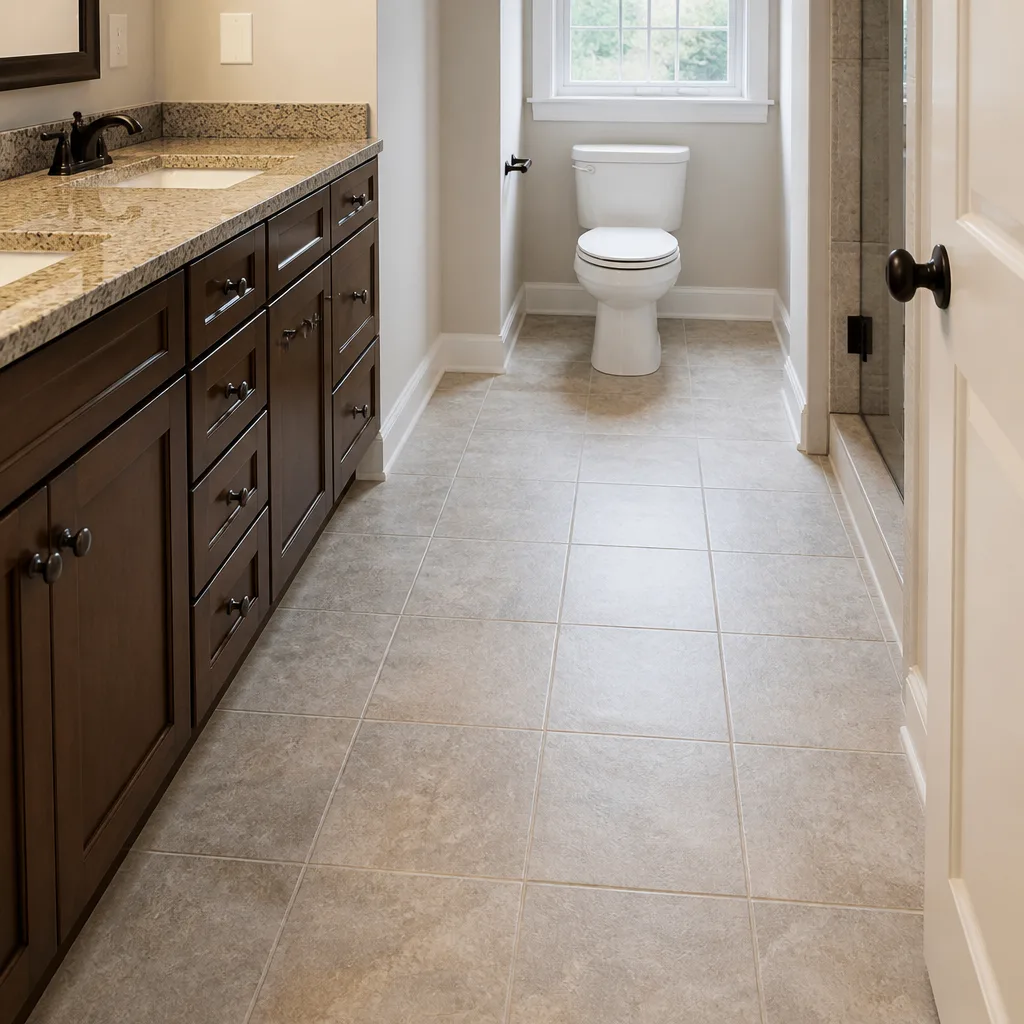
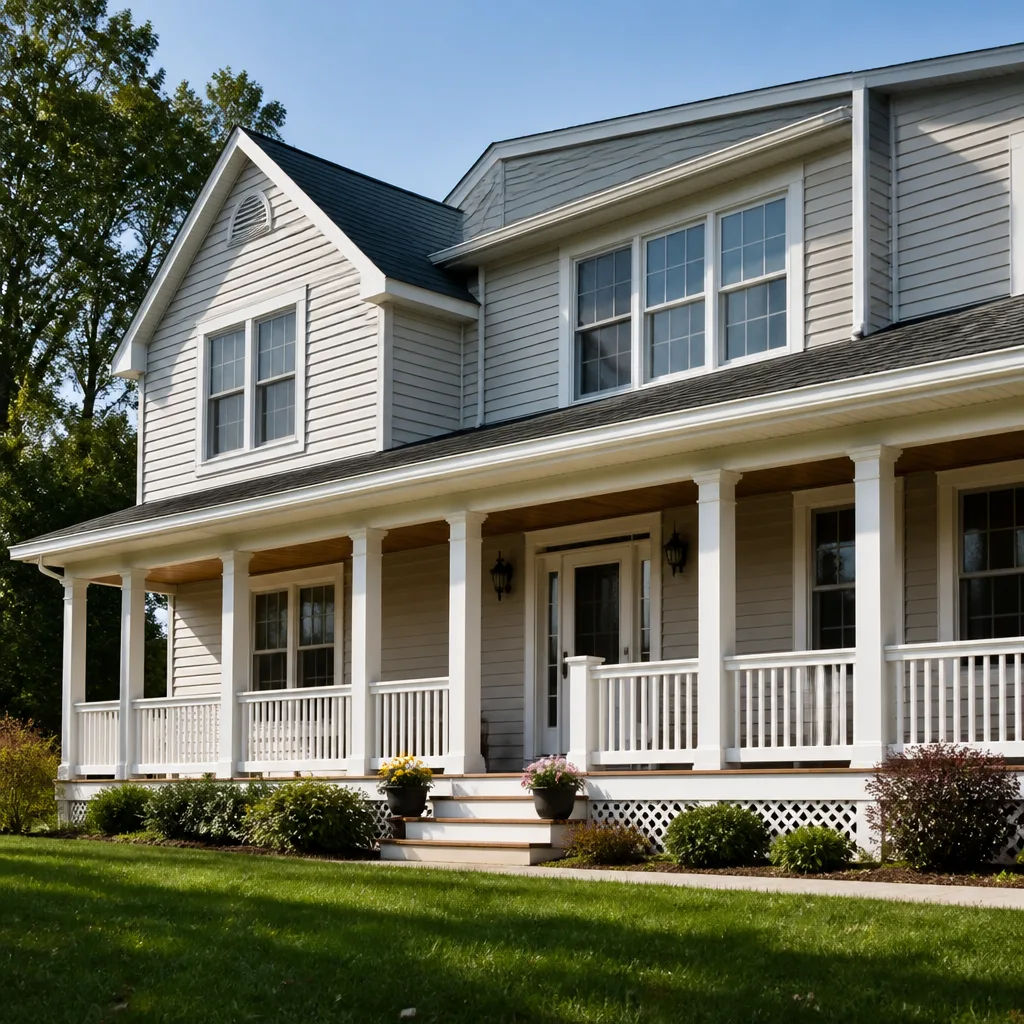
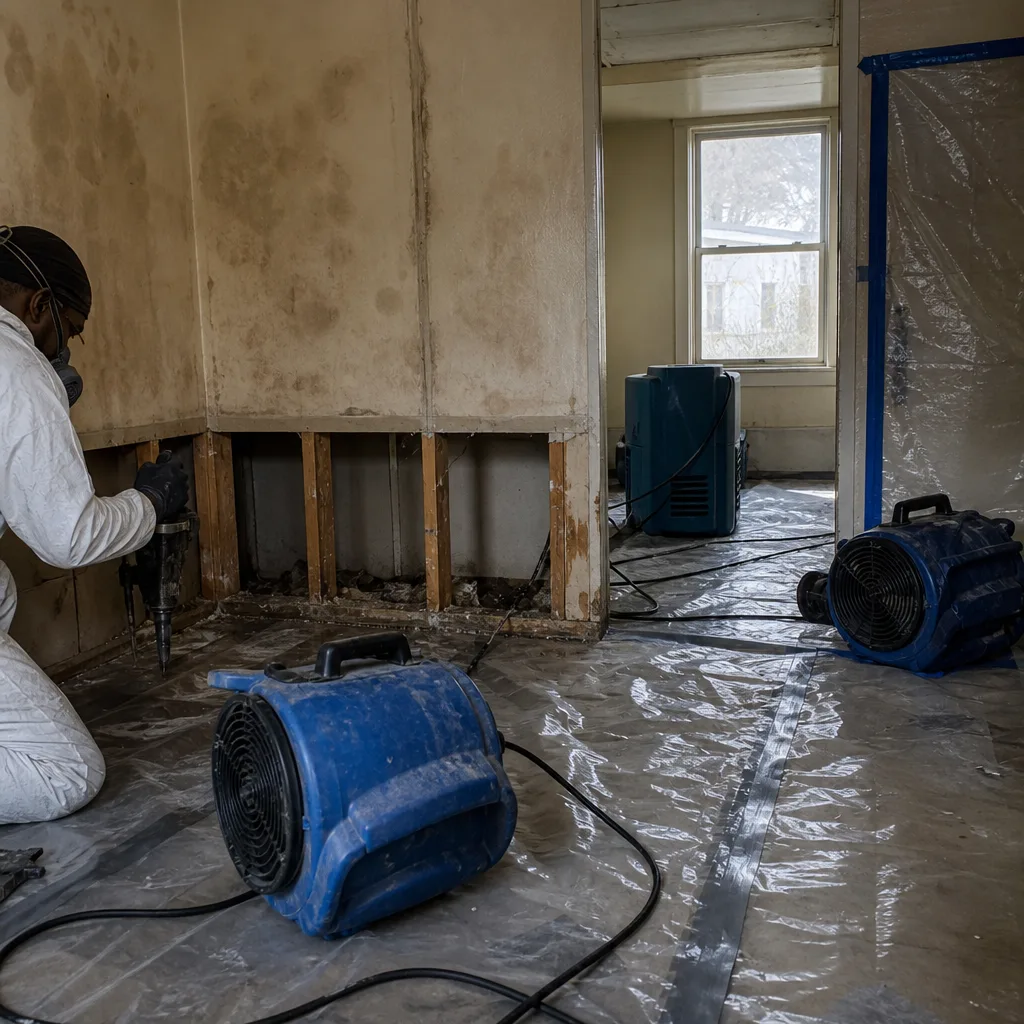 Before
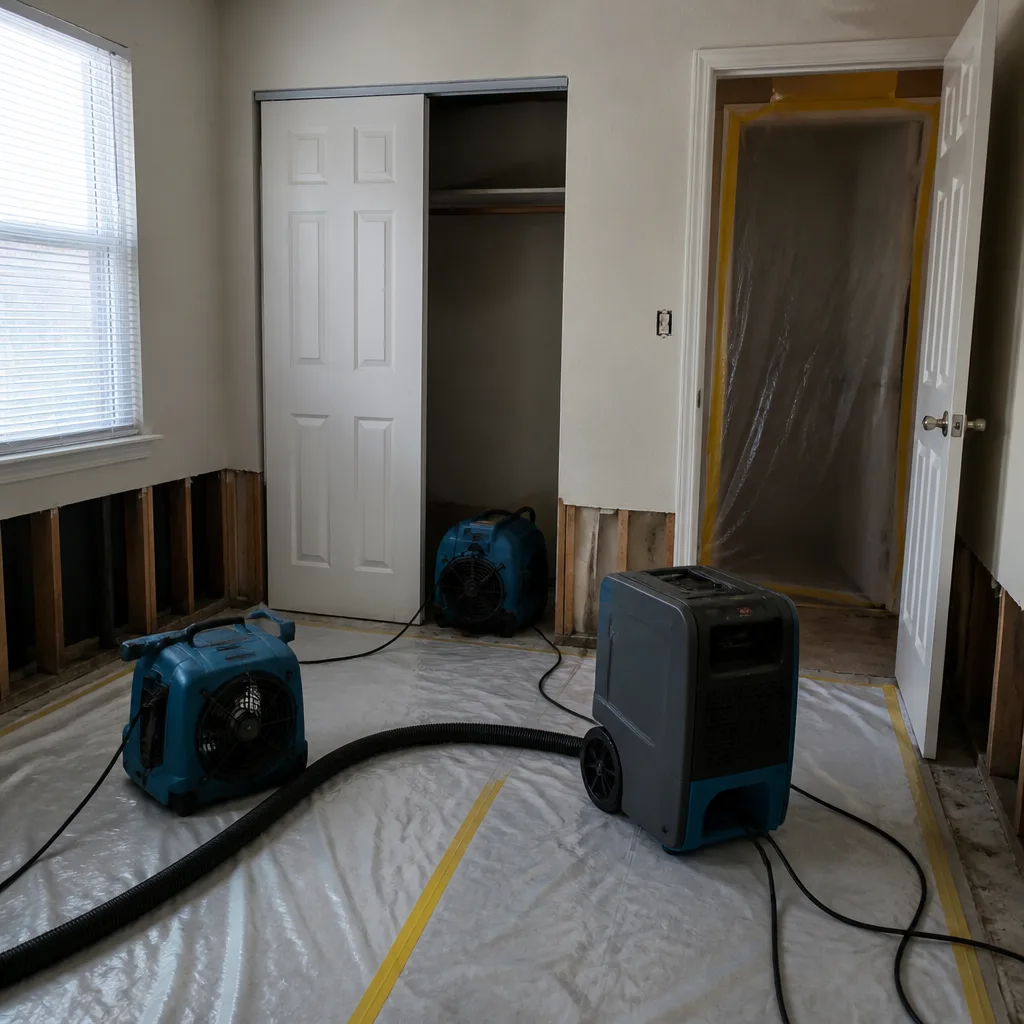 After
After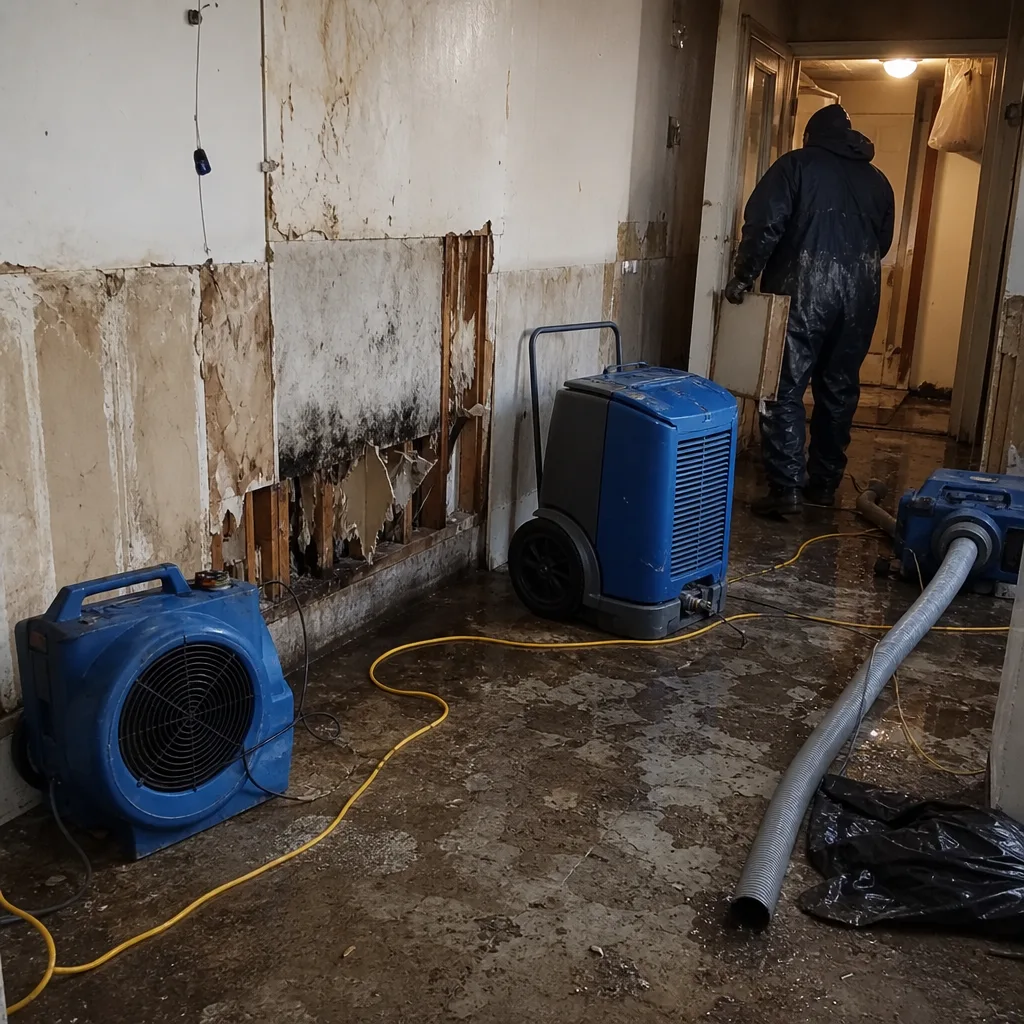 Before
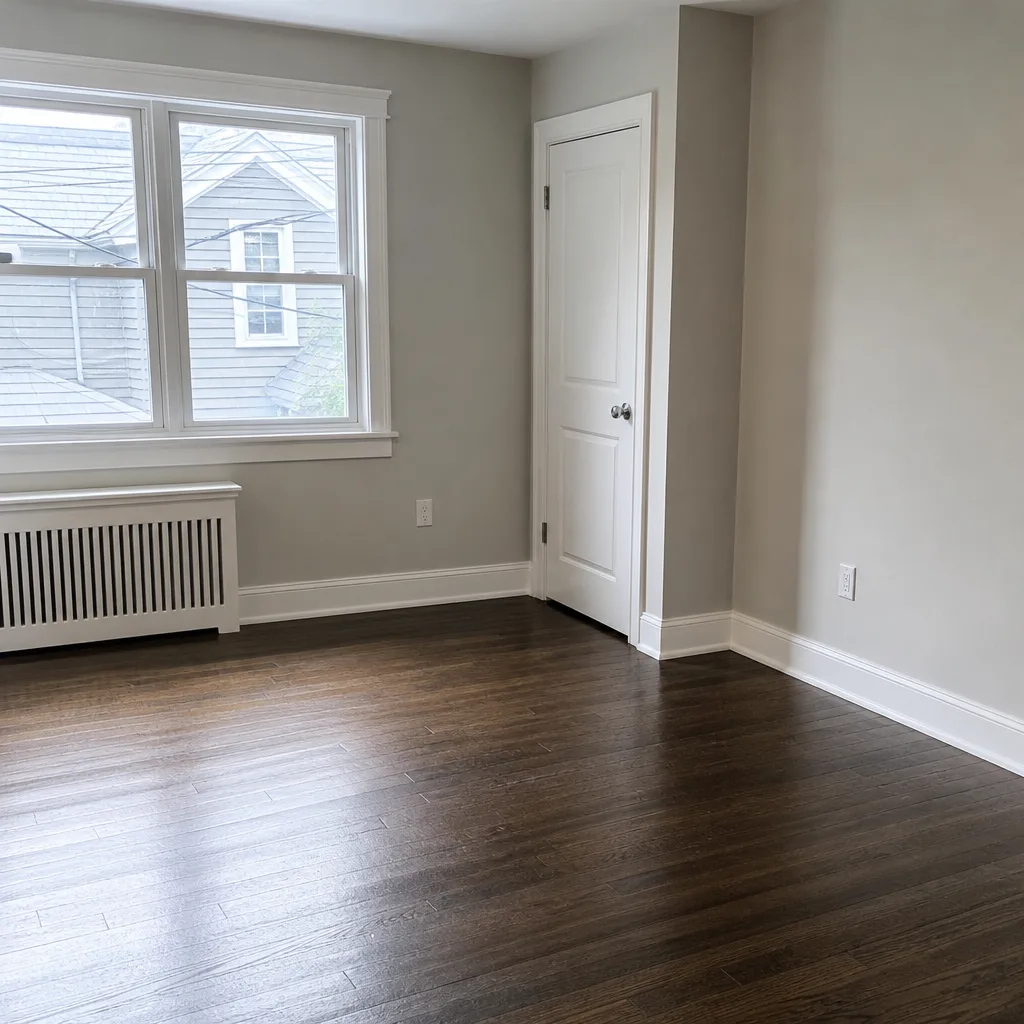 After
After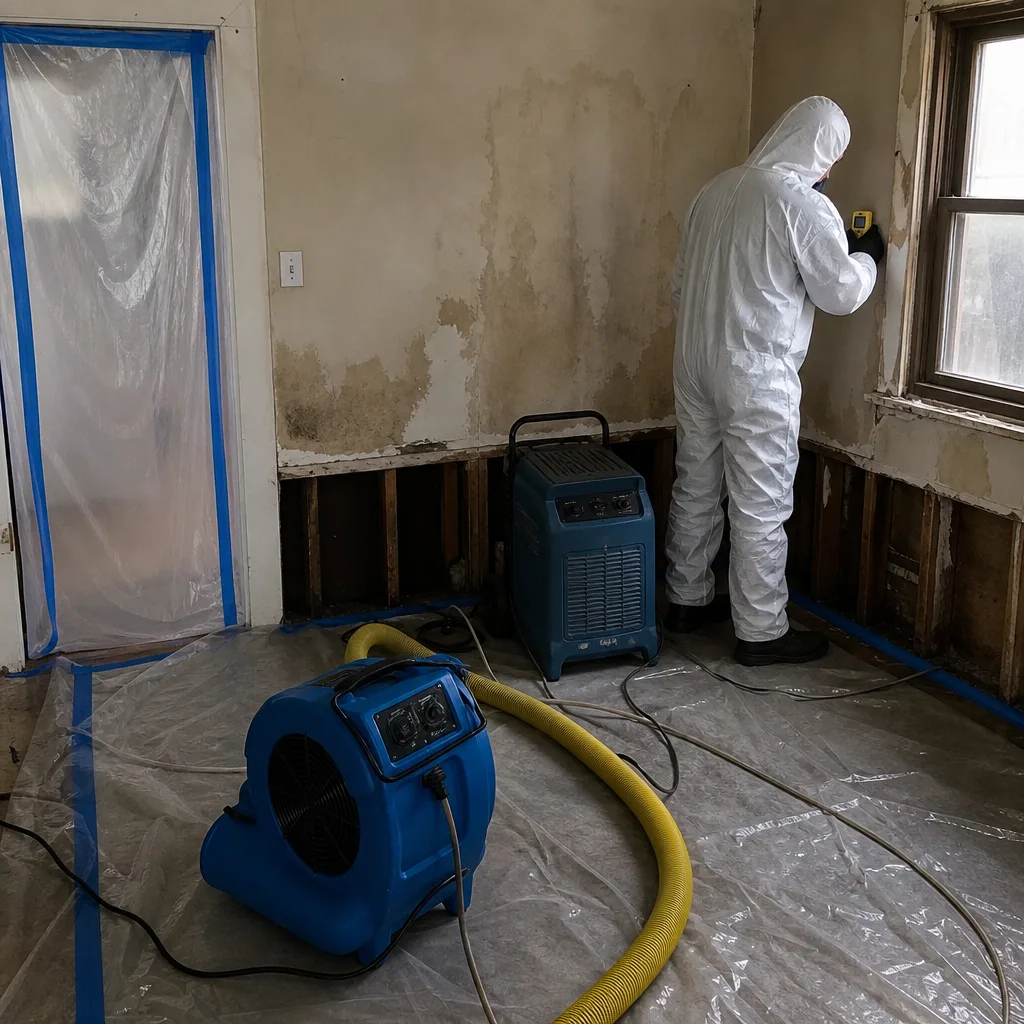 Before
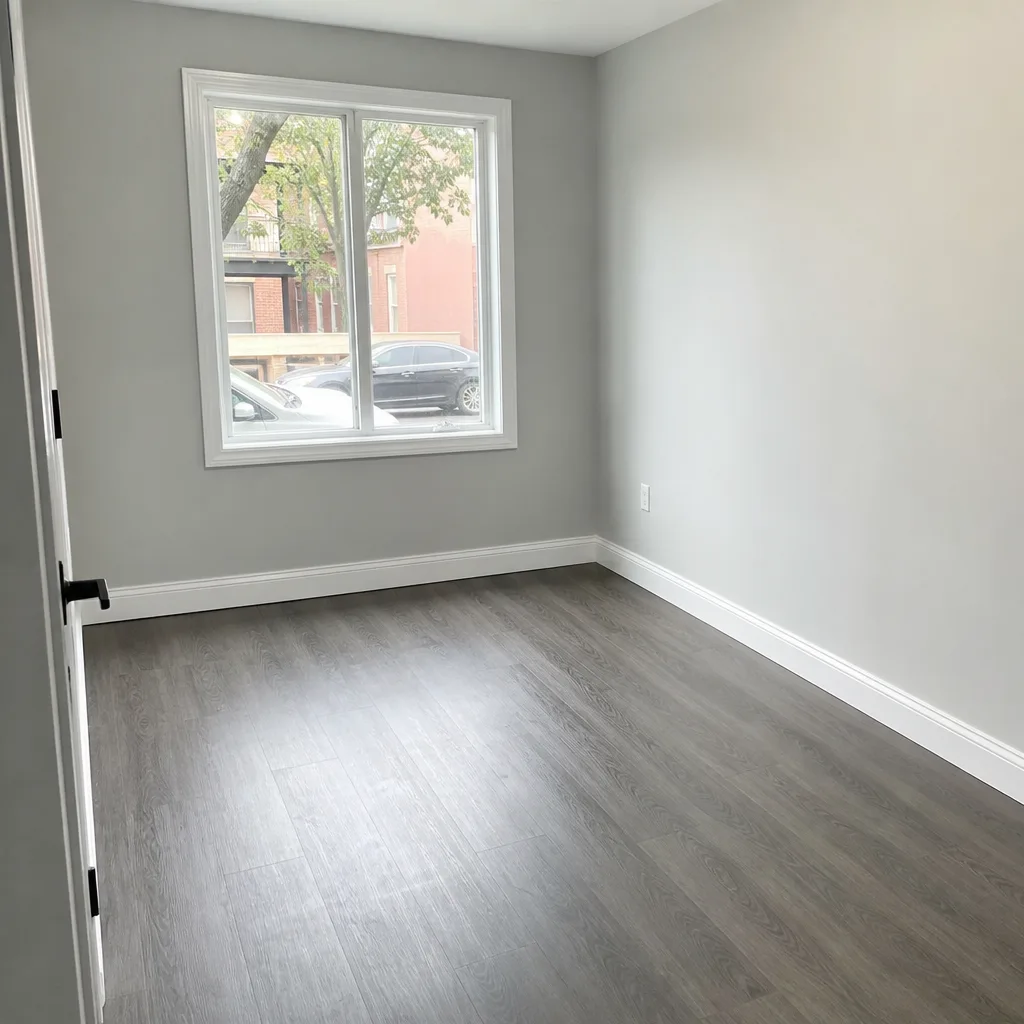 After
After24/7 Emergency Biohazard & Crime Scene Cleanup in Williamsburg
Biohazard and crime scene cleanup in Williamsburg needs to happen fast, and it needs to be done by people who understand this neighborhood’s buildings. A trauma scene, an unattended death, or a blood release inside a converted loft on Kent Avenue or a pre-war tenement on South 4th Street can’t wait until business hours. Wade’s Restoration answers live around the clock at (363) 300-2771, and Wade himself is on the road for Williamsburg calls, not a call center. The first hour matters because blood and bodily fluids wick into wood, grout, and plaster fast, and in Williamsburg’s old-growth timber and brick buildings, that means contamination can move further than you’d think before anyone starts cleaning. We do a free visual inspection, walk the scene with you, and put a written scope in your hands before any work begins.
Understanding Biohazard & Crime Scene Cleanup Severity in Williamsburg Properties
Not all biohazard releases are the same, and Williamsburg’s building stock makes the severity question more complicated than in a standard drywall-and-steel apartment. A blood spill on a sealed concrete floor in a new waterfront tower is one thing. A decomposition event in a fifth-floor walk-up on Wythe Avenue, where the original heart pine flooring sits directly on heavy timber joists with no subfloor barrier, is something else entirely. Blood, tissue, and bodily fluids follow gravity and capillary action. They soak into the soft grain of old-growth pine, wick along structural timbers, and can contaminate the ceiling of the commercial space below without a single visible drop on that floor’s surface. That’s why our crews do moisture mapping and take moisture readings before we decide how much flooring comes out, not after. Williamsburg’s converted factory lofts also share open floor plates: an 8,000 to 15,000 square foot undivided space means airborne pathogens travel further, faster, unless containment is set correctly from the front door to the freight elevator. A scene like that is not a mop job. It’s a Category 3 contamination event requiring full containment, controlled demolition, and structural drying.
Key Takeaways: Biohazard Cleanup in Williamsburg
- Blood and fluids in converted lofts can travel along structural timber to the unit below.
- Open floor plates mean airborne pathogen containment must cover the entire floor, not one room.
- Old-growth pine subfloor often requires removal down to the joists, not just surface cleaning.
- Moisture readings determine whether timber can be saved or must be removed.
- Wade Ferris answers his own phone at (363) 300-2771, 24 hours a day.
Why Williamsburg Property Owners Choose Wade’s Restoration
- Owner on site, not a franchise crew. Wade Ferris answers his own phone and heads out to Williamsburg jobs himself. You’ll see the same face from the estimate to the final walkthrough.
- 24/7 live answer, never an answering service. A real person picks up at (363) 300-2771 at 2 a.m. the same way they do at 2 p.m.
- IICRC-certified crews with WRT and AMRT credentials. We’re trained for water damage restoration and applied microbial remediation, plus RIA-affiliated and IFA-recognized.
- Free visual inspection and a written scope before work starts. You know what’s being removed, what’s being cleaned, and what it costs, in writing, up front.
- Direct insurance billing and adjuster coordination. We document everything, send photos and moisture logs to your carrier, and talk to the adjuster so you don’t have to relay information between two sides.
- One crew from containment to reconstruction. We don’t clean a scene and then hand you to a sub. The same team handles the structural drying, subfloor replacement, and finish work.
Our Biohazard & Crime Scene Cleanup Process
Inspection & Assessment
We walk the scene with you, identify the extent of contamination, and use moisture mapping and thermal imaging to trace where fluids have traveled beyond what’s visible. In Williamsburg lofts, that usually means checking the unit below for ceiling contamination.
Containment & Stabilization
We seal the affected area from the front door to the hallway or freight elevator, set up negative air pressure with HEPA-scrubbed air scrubbers, and stop any active contamination from spreading through the open floor plate or shared building systems.
Removal of Contaminated Materials
Blood-soaked flooring, drywall, or insulation gets removed and double-bagged as regulated medical waste. In converted lofts, that often means taking out heart pine flooring down to the heavy timber joists, which is more involved than pulling a section of subfloor in a standard apartment.
Cleaning & Sanitization
We apply hospital-grade antimicrobial treatments to all affected surfaces, including the timber framing, masonry walls, and any materials that can be salvaged. Air scrubbers with HEPA filtration run throughout the process to remove airborne pathogens.
Structural Drying of Heavy Timber
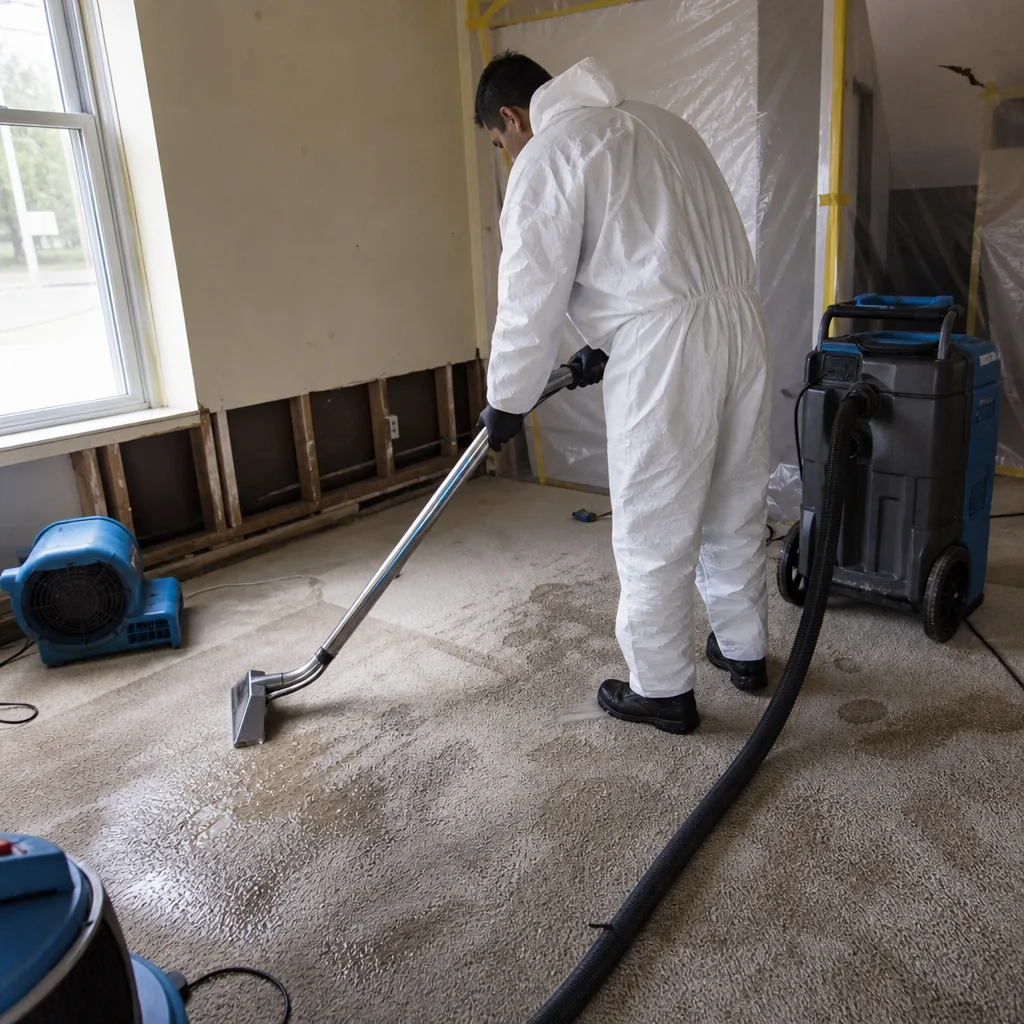
Williamsburg’s old-growth Douglas fir and heart pine hold moisture deep in the grain. We run desiccant dehumidifiers like the Phoenix line and take daily moisture readings until timber reaches the safe moisture content, usually 16% or below. This can take 7 to 10 days in a heavy-timber loft, and we hand you the drying log when it’s done.
Repairs & Restoration
Once materials are dry and verified clean, we replace flooring, patch plaster, repaint, and restore the unit to pre-loss condition. The 90-Day Done Right Promise applies to every restoration job, in writing.
Need Emergency Biohazard & Crime Scene Cleanup in Williamsburg Now?
Crews minutes away, answering live 24 hours a day. The sooner we start, the less it costs.
Working With Your Insurance Company
Most biohazard and trauma cleanup in Williamsburg is covered by homeowners or commercial insurance, but the claim lives or dies on documentation. We start photographing from the first hour, before anything gets moved. Our techs document all damage room by room, run moisture readings during every visit, and keep a daily drying log that shows exactly where the contamination was and when the materials reached safe levels. We send that directly to your adjuster and talk to them on the phone, so you’re not the one stuck translating between a lab report and a coverage question. If you’ve already gotten a written estimate from another company, bring it in. We’ll give you a free second opinion on it, no charge.
What We Provide Your Insurer
- Thorough documentation of the loss
- Photos of all damage, room by room
- Moisture readings and drying logs
- A detailed, line-item scope of work
- Direct coordination with your carrier
Built for Williamsburg’s Loss Calendar
Biohazard cleanup in Williamsburg doesn’t follow a season the way water damage does, but the conditions that create these scenes do. Winter is the biggest driver: January deep freezes burst aging supply lines in pre-war tenements, and when a pipe fails inside a converted loft, the water release is rarely clean. A Category 3 water event, the kind that carries sewage or ground contaminants, can create the same biohazard conditions as a trauma scene, requiring the same containment, antimicrobial treatment, and structural drying protocols. Spring thaw brings basement seepage into the old warehouse foundations along the East River, and summer humidity does something specific to Williamsburg’s heavy timber buildings: it makes any organic residue left behind in wood grain go active again. A job that looked “good enough” in March can bloom into odor and fungal growth by July. That’s why we don’t leave a scene until the moisture log says the timber is dry, not just the floor surface. And on the waterfront blocks that took storm surge during Sandy, ground-floor and basement spaces remain flood-prone, with all the sewage and biological contamination that comes with East River water.
Biohazard & Crime Scene Cleanup Across Williamsburg’s Neighborhoods
Williamsburg’s neighborhoods each have their own building patterns, and that changes how we work. North Williamsburg, around Bedford Avenue and Wythe Avenue, is dense with converted pharmaceutical and sugar factories from the late 1800s. Those buildings have the heaviest timber framing, the widest open floor plates, and the hardest containment challenges. When a scene happens on an upper floor, we’re checking the unit below immediately, because the subfloor doesn’t stop fluids. South Williamsburg, south of Broadway, is mostly 5 to 6 story brick tenements built between the 1880s and the 1920s. The rooms are smaller, the framing is lighter, and containment is more straightforward, but the plaster walls and original cast iron plumbing create their own issues: old pipes collect contamination in the bends, and plaster wicks moisture vertically. The East River waterfront from North 9th Street down to the Williamsburg Bridge holds the newer glass-and-steel towers, where sealed concrete floors actually help contain a scene, but shared ventilation systems can carry odors if air scrubbers aren’t set up correctly at the start. Along Grand Street, the mix of ground-floor retail and residential above means a biohazard in one space often affects a business below, and the landlord wants answers fast. We know the freight elevator routes, the narrow stairwells, and the building superintendents across this neighborhood.
Specialized Biohazard & Crime Scene Cleanup Services We Offer in Williamsburg
Our Biohazard & Crime Scene Cleanup team handles the full range of scene work in Williamsburg, tailored to this neighborhood’s old timber buildings and open loft layouts.
Trauma & Unattended Death Cleanup
Unattended deaths in Williamsburg lofts are among the hardest jobs we do, because decomposition fluids have time to saturate flooring before anyone notices. On a fifth-floor walk-up in a repurposed pharmaceutical loft on Wythe Avenue, our techs responded to a scene where fluids had soaked the original heart pine flooring. We ran moisture mapping and traced contamination 15 feet into the adjacent unit, set containment from the front door to the freight elevator, removed flooring down to the heavy timber joists, applied antimicrobial treatment, and ran structural drying with desiccant dehumidifiers for nine days until the drying logs showed 16% moisture content. The landlord avoided a building-wide evacuation, and both units came back to pre-loss condition.
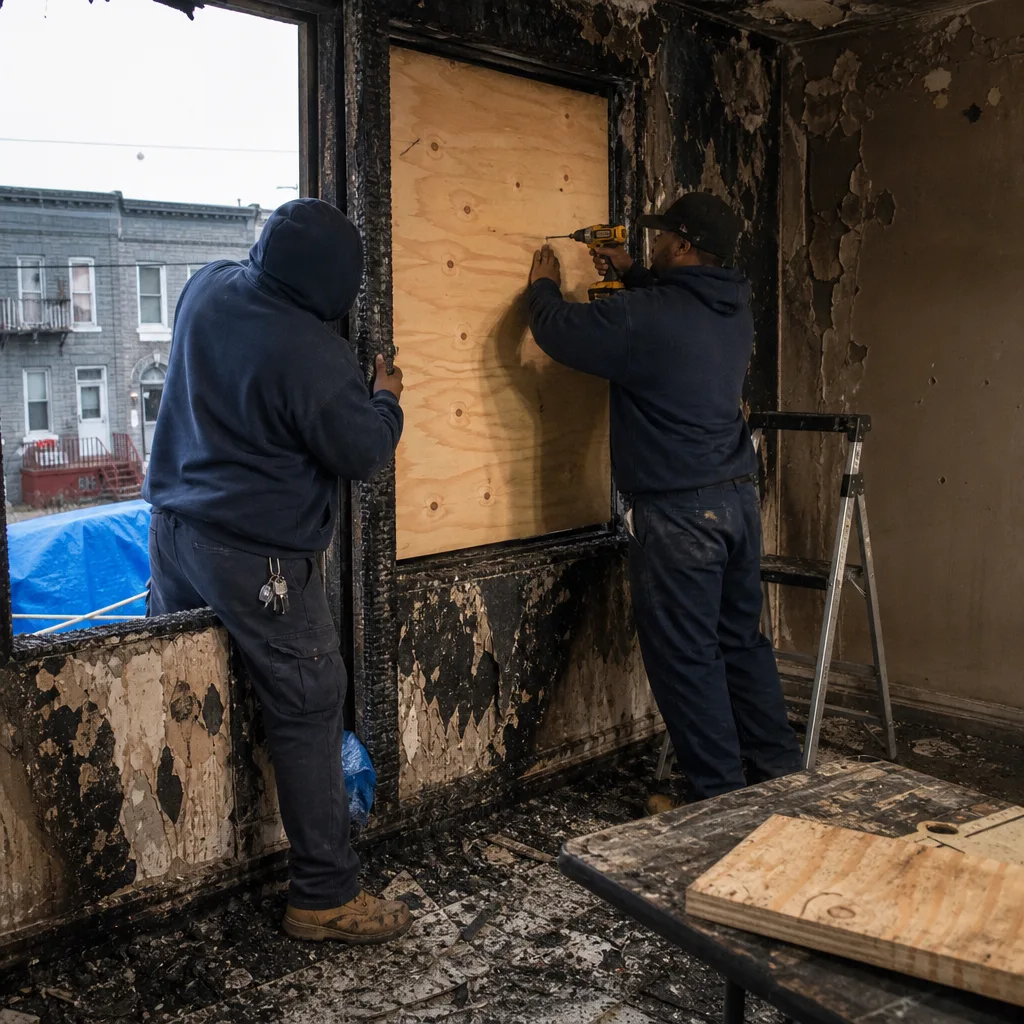
Blood & Bodily Fluid Cleanup
Blood cleanup in a Williamsburg tenement is different from a loft. In a tenement, we’re usually dealing with tile, linoleum, or old plank flooring over a fir subfloor. In a loft, blood can run into the gaps between wide heart pine boards and pool on the joists below. That means subfloor removal, not just surface wiping. We use IICRC-approved bloodborne pathogen protocols, bag all contaminated material as regulated medical waste, and run HEPA air scrubbers throughout the process. No charge for the inspection, and we’ll tell you honestly if hard surface disinfection is enough or if flooring has to come out.
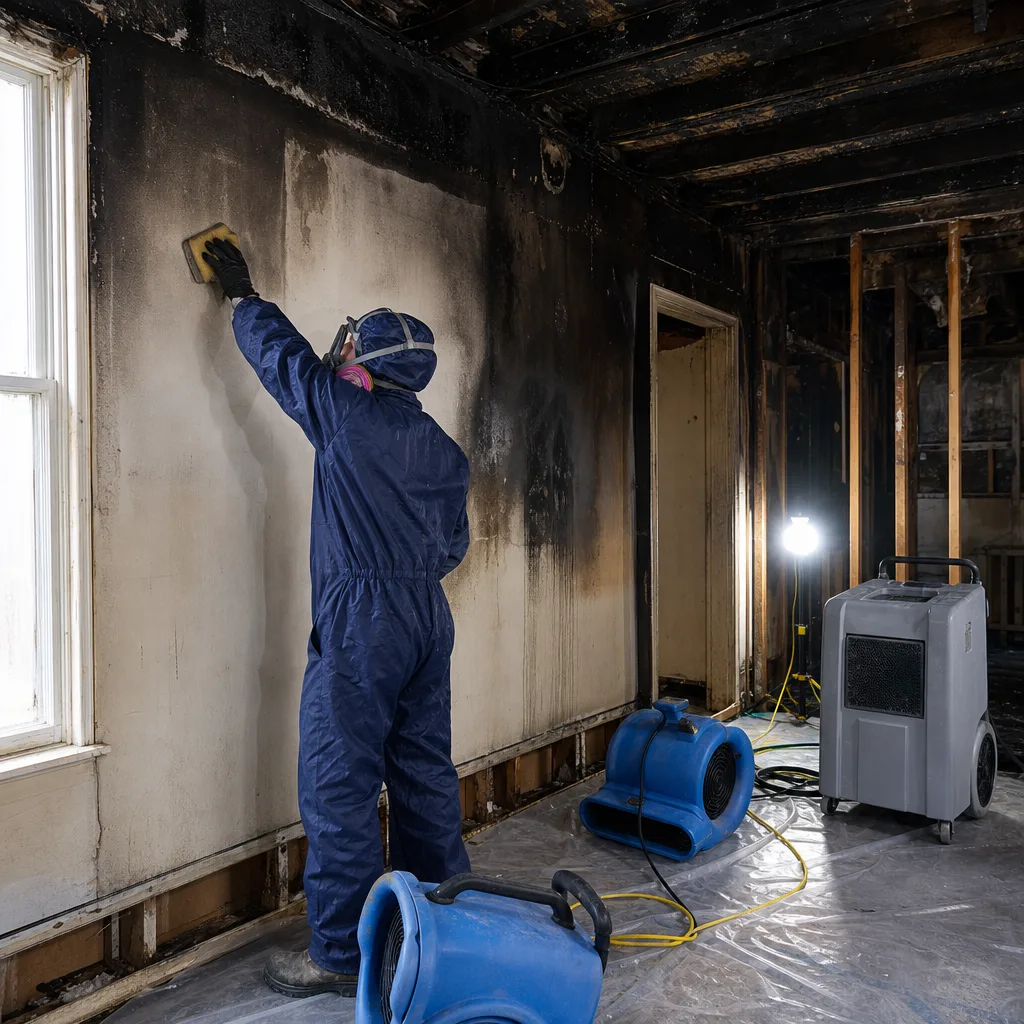
Infectious Disease Disinfection
When infectious disease decontamination is needed in a Williamsburg apartment with window-unit AC and no central ventilation, we don’t treat it like a hospital room with a functioning HVAC system. We seal the room, run standalone HEPA air scrubbers, and apply EPA-registered disinfectants with proper dwell times. For lofts with central air, we coordinate with building management to shut down shared ductwork before we start, so one unit’s decontamination doesn’t push airborne pathogens into a neighbor’s space. This matters on the open floor plates in North Williamsburg, where air moves freely between units through old factory duct runs.
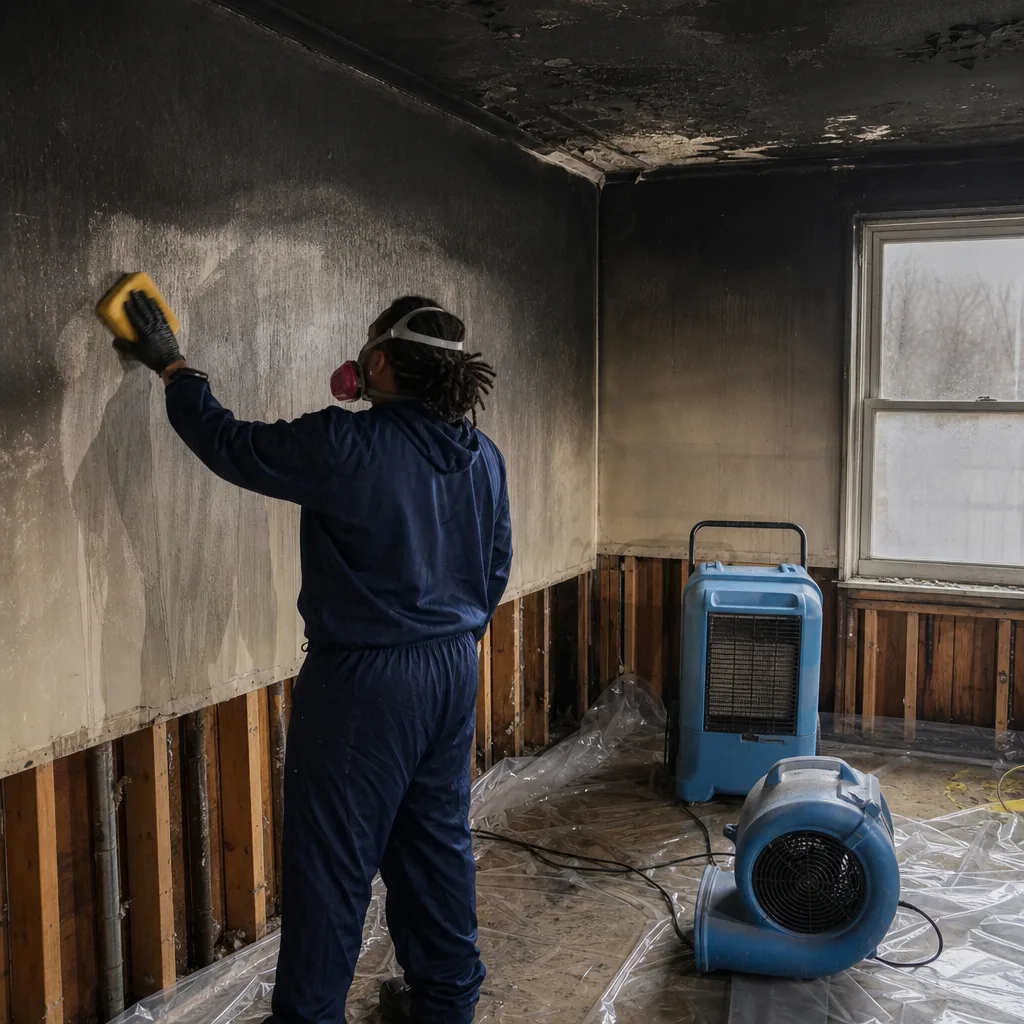
Hoarding Cleanup
Hoarding cleanup in a Williamsburg loft with exposed timber and shared freight elevator access is a logistical job as much as a cleaning job. Debris has to be removed through freight elevators or down narrow stairwells, and the weight of accumulated material on old timber framing can be a structural concern. We work with compassion, not judgment, and we separate salvageable items from biohazardous waste. The process always includes a plan for debris removal that doesn’t block the shared hallway or draw unwanted attention to the unit.
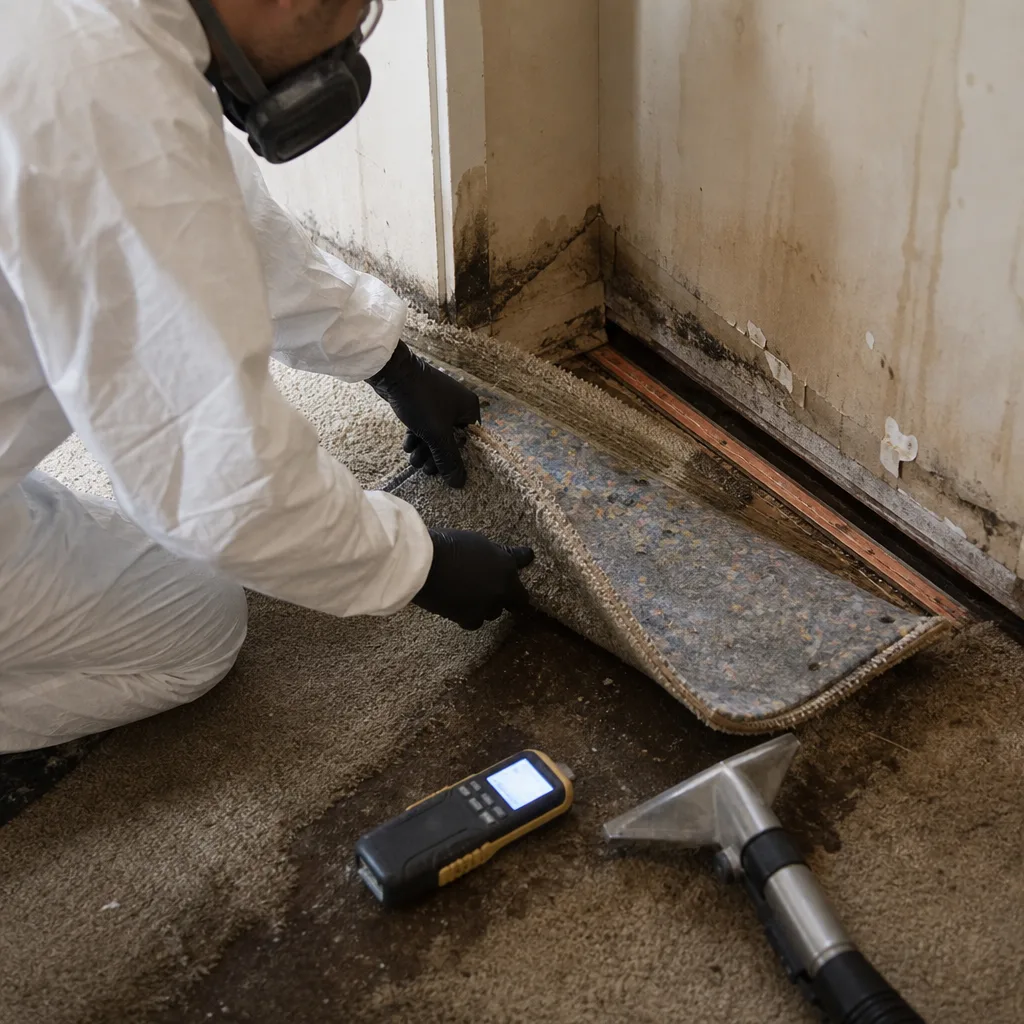
Tear Gas & Chemical Cleanup
Tear gas residue sticks to every porous surface, and in Williamsburg’s brick and timber buildings, that means deep cleaning of exposed beams, plaster, and old wood floors. We neutralize the chemical compounds, run carbon filtration, and seal or repaint surfaces where residue can’t be fully removed. This is specialized work that most cleaning crews won’t touch, but it’s part of what we do.
What happens when you call
- 1
A real person answersNo phone trees - you reach a local pro.
- 2
You get an upfront price rangeHonest numbers before anyone is dispatched.
- 3
A background-checked tech heads outLicensed & insured, dispatched right away.
- 4
You approve before work beginsNothing starts until you say go.
Biohazard & Crime Scene Cleanup Costs in Williamsburg, NY
What should you expect to pay? Here are honest ranges for Williamsburg’s market, based on the work we’ve done in this neighborhood:
- Blood cleanup in a single room with hard surface flooring: $600-$1,500
- Trauma or unattended death cleanup in a standard tenement apartment: $1,500-$4,000
- Unattended death cleanup in a converted loft with subfloor contamination and structural drying: $4,000-$12,000+
- Infectious disease disinfection of a full unit: $1,200-$3,500
- Hoarding cleanup with biohazardous material removal: $2,000-$10,000+
The biggest cost driver in Williamsburg is whether fluids have reached the subfloor or structural timber. If we can save the flooring, the job is cheaper. If the heart pine has to come out down to the joists, that’s controlled demolition, drying, and replacement, and the price reflects that. Most of these jobs are covered by insurance, and we bill your carrier directly. If you’re paying out of pocket, we’ll walk the scene, show you what’s necessary versus what’s optional, and put a firm number in writing before we start. No charge for the inspection, and a free second opinion on any written estimate you’ve already received.
We Also Serve Cities Near Williamsburg
Wade’s Restoration crews regularly travel to nearby areas including East New York, Jamaica, Canarsie, and Glendale. If you’re in one of those neighborhoods and need biohazard or crime scene cleanup, call the same number: (363) 300-2771.
Serving Williamsburg, NY - Our Local Coverage Area
We’re based in the Williamsburg area and know this community well. Use the map below to see our service coverage - if you’re nearby, we can almost certainly help.
Williamsburg Biohazard & Crime Scene Cleanup Questions, Answered
How do you set containment in a Williamsburg loft where the front door opens directly into a 2,000-square-foot living space?
We build a containment barrier that seals off the entire affected zone, not just one room, using negative air pressure and HEPA-filtered exhaust to keep airborne pathogens from moving through the open floor plan. In a 2,000-square-foot loft, that typically means running a containment wall from the entry door to the nearest hallway or freight elevator access, sealing all vents and doorways, and keeping the area under negative pressure until the cleaning is complete.
Can hard surface disinfection save the original heart pine floors in a Williamsburg loft after a biohazard release?
Sometimes, but not always. If fluids have pooled on the surface and been caught quickly, antimicrobial treatment and HEPA air scrubbing can salvage the flooring. But if blood or decomposition fluids have wicked into the gaps between boards or saturated the subfloor, the pine has to come out. We take moisture readings at multiple depths before we recommend either path, and we’ll show you the numbers. Call (363) 300-2771 for an on-site assessment at no charge.
How long does a trauma cleanup typically take in a converted industrial building versus a standard Williamsburg tenement?
In a standard tenement apartment with smaller rooms and modern finishes, a trauma cleanup usually takes 1 to 2 days. In a converted industrial loft with heavy timber framing and an open floor plate, the same scene can take 7 to 10 days because of the structural drying requirement. Old-growth Douglas fir and heart pine release moisture very slowly, and pulling a crew out before the timber is dry means hidden contamination resurfaces later as odor or mold.
What do you do when infectious disease decontamination is needed in a Williamsburg apartment with window-unit AC and no central ventilation?
We seal the room and run standalone HEPA air scrubbers to create negative pressure, then apply EPA-registered disinfectants with the correct dwell times. Window units get their filters replaced and interiors cleaned. Without central ventilation, there’s no shared ductwork cross-contamination risk, but the room itself needs longer air scrubber run time because there’s no mechanical air exchange to help clear aerosolized particles.
How does hoarding cleanup differ in a Williamsburg loft with exposed timber and shared freight elevator access?
The exposed timber absorbs odors and biological residues from accumulated materials, so the structural wood itself often needs antimicrobial treatment and sealing after debris removal. The freight elevator access means we have to coordinate removal windows with building management, often during off-hours, so we’re not blocking other tenants. Weight distribution on old timber framing also matters: we don’t pile debris in one spot on a floor that’s already been carrying excess load for years.
Will insurance cover biohazard or crime scene cleanup in Williamsburg?
In most cases, yes. Homeowners, renters, and commercial policies typically cover trauma scene cleanup, unattended death remediation, and infectious disease disinfection when the cause is a covered event. We document the scene from the first hour, take photos before anything moves, and send the adjuster a line-item scope with moisture readings. We bill the carrier directly and talk to the adjuster ourselves, so you’re not stuck in the middle. Call (363) 300-2771 and we’ll walk the claim path with you.
How fast can you actually get to a Williamsburg address?
Wade heads out as soon as you call. For emergency biohazard scenes in Williamsburg, we’re typically on site within 45 minutes to an hour, depending on traffic and where you are in the neighborhood. A real person answers at (363) 300-2771 at any hour, and Wade himself takes the call, not a dispatcher at an office three states away.
What should I do in the first 30 minutes after discovering a biohazard scene?
First, call 911 if the scene involves a death, a crime, or the possibility that whoever is inside may still be alive. Then call us at (363) 300-2771. Don’t touch anything, don’t attempt to clean blood or fluids yourself, and don’t run fans or open windows, because moving air can spread airborne pathogens through a loft or apartment. Close the door to the affected area if you can do so without touching contaminated surfaces, and wait for our crew.
Written by Wade Ferris, Owner at Wade’s Restoration, serving Williamsburg and the surrounding boroughs since 2007.