
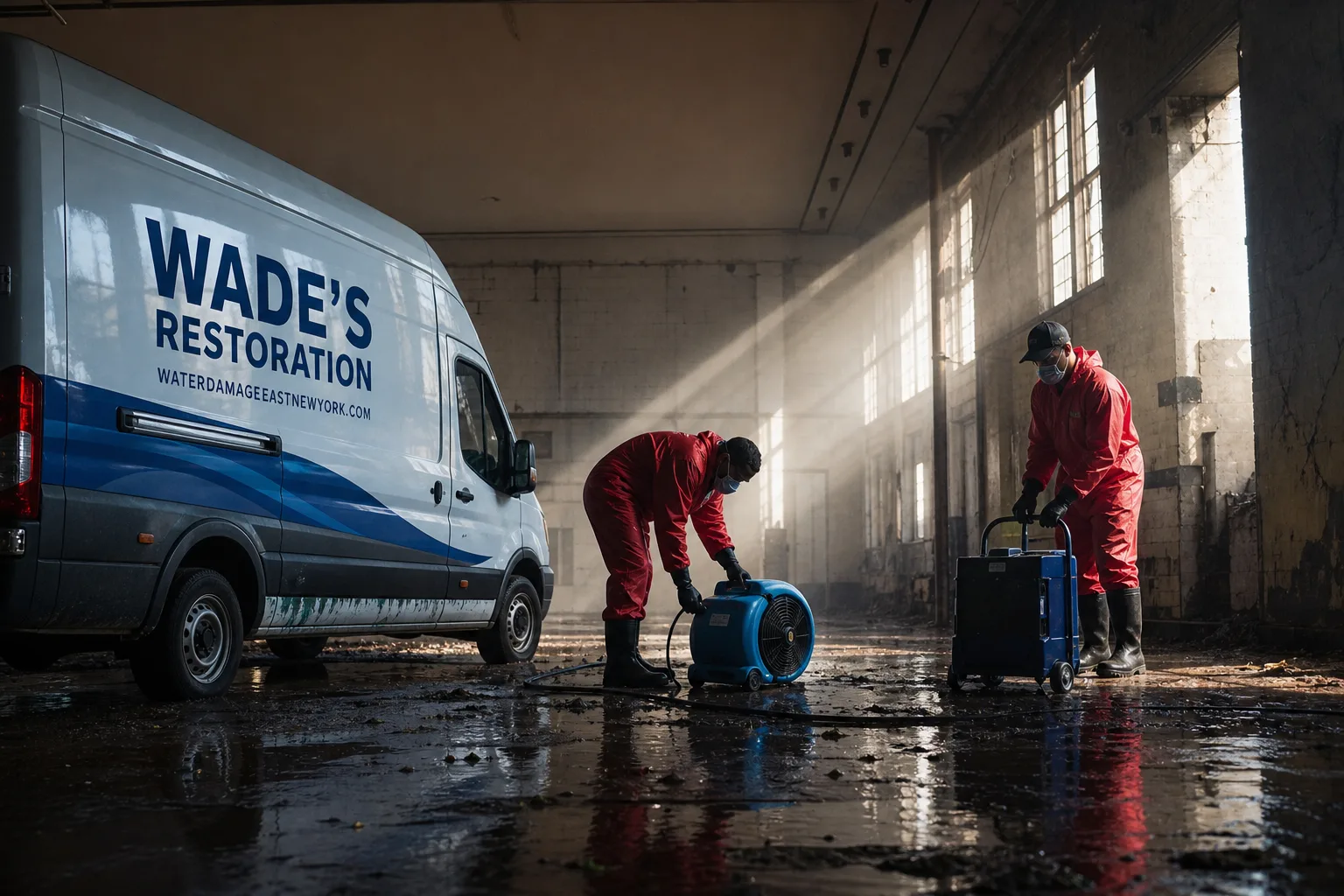
Free visual inspection and a written scope of work before any mitigation begins - photos, moisture readings, and drying logs go in your claim file
The scope we write is the scope we bill. Anything new gets shown to you, in writing, before we touch it.
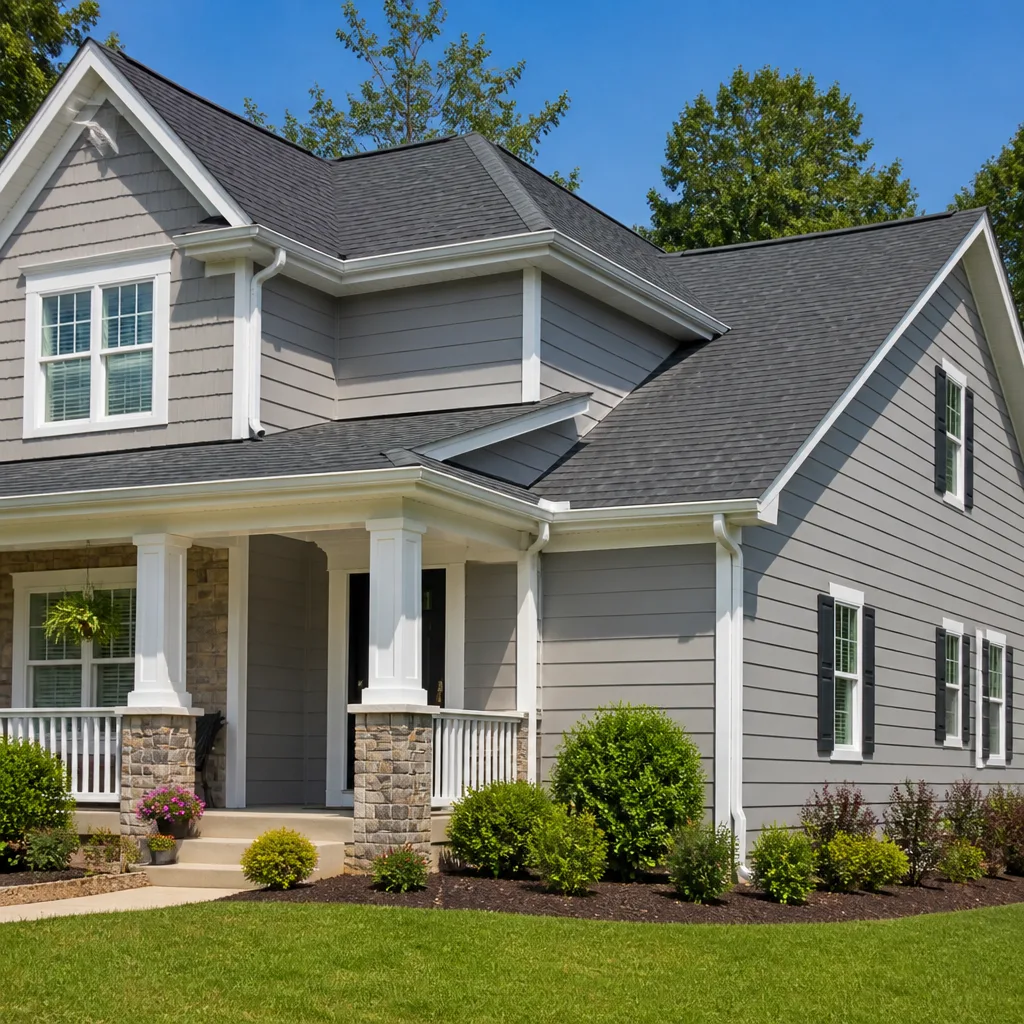
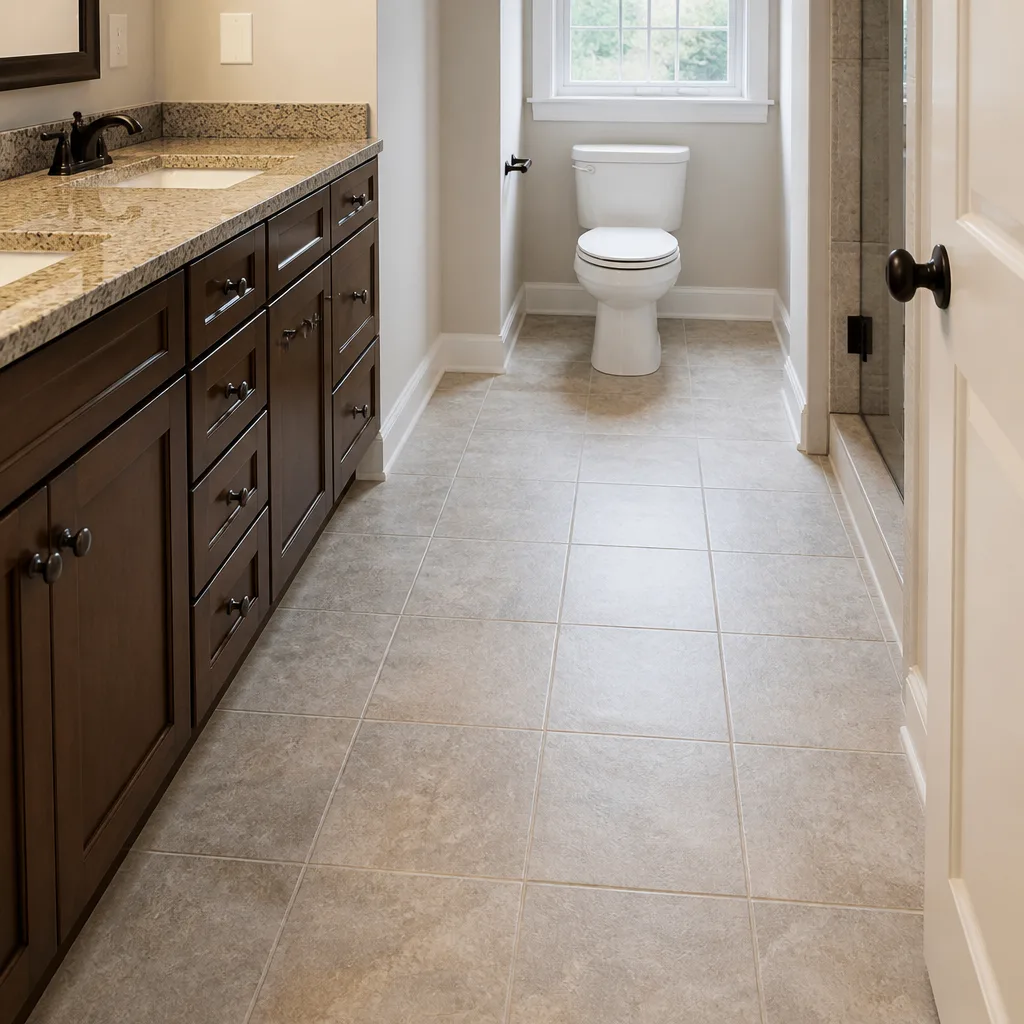
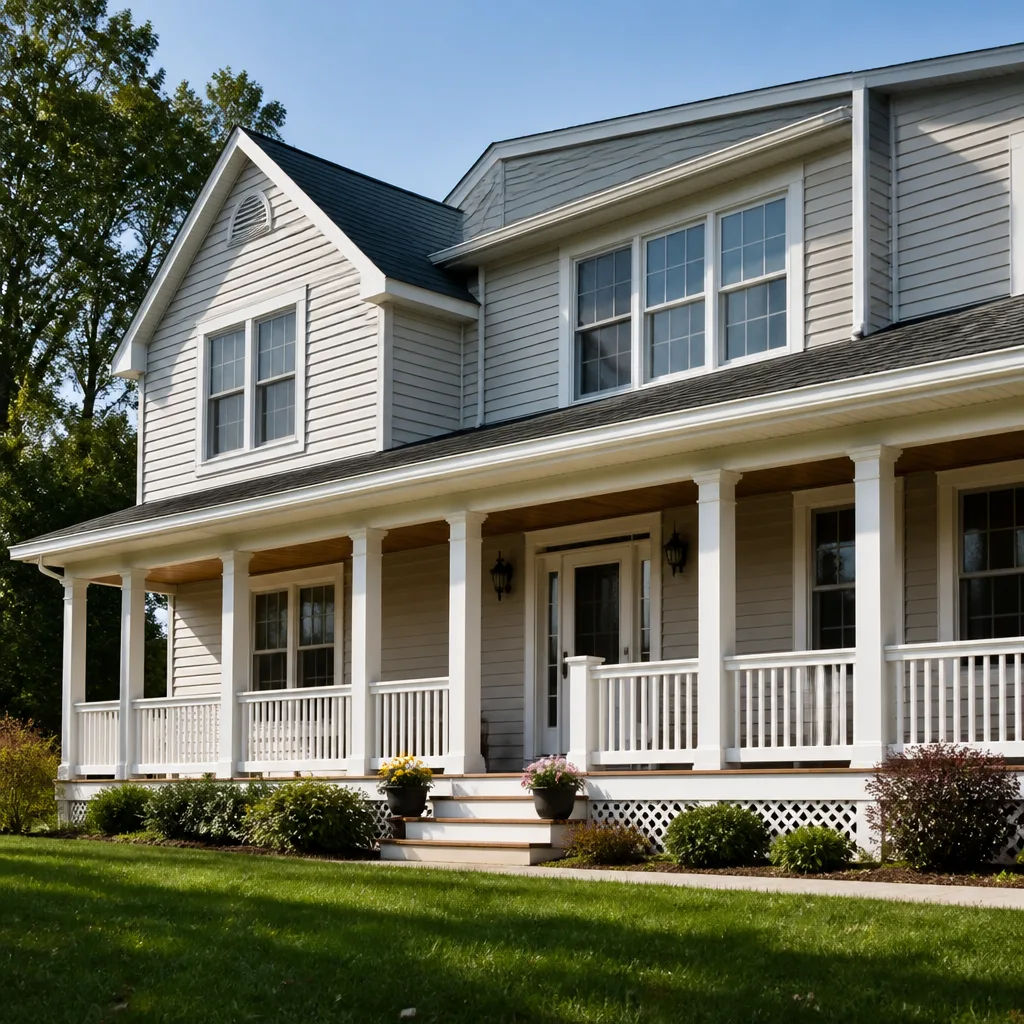
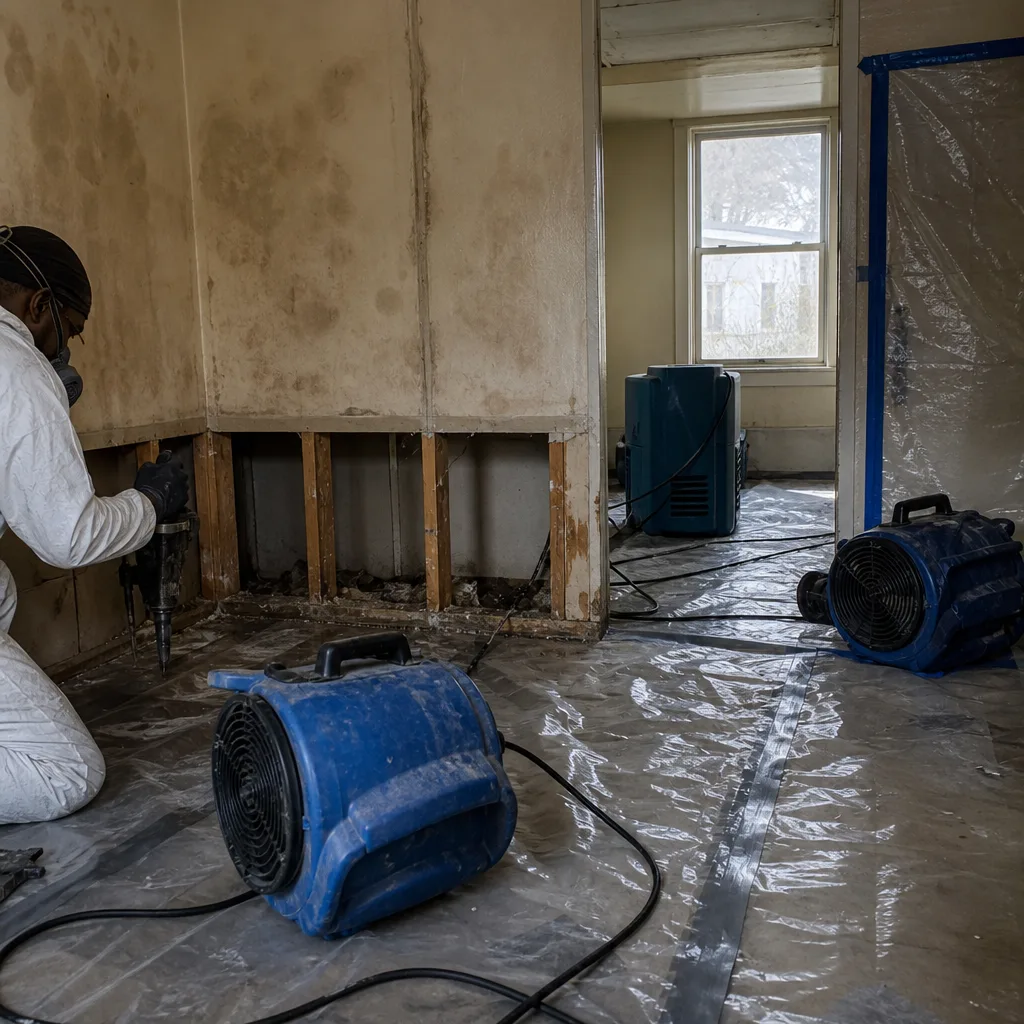 Before
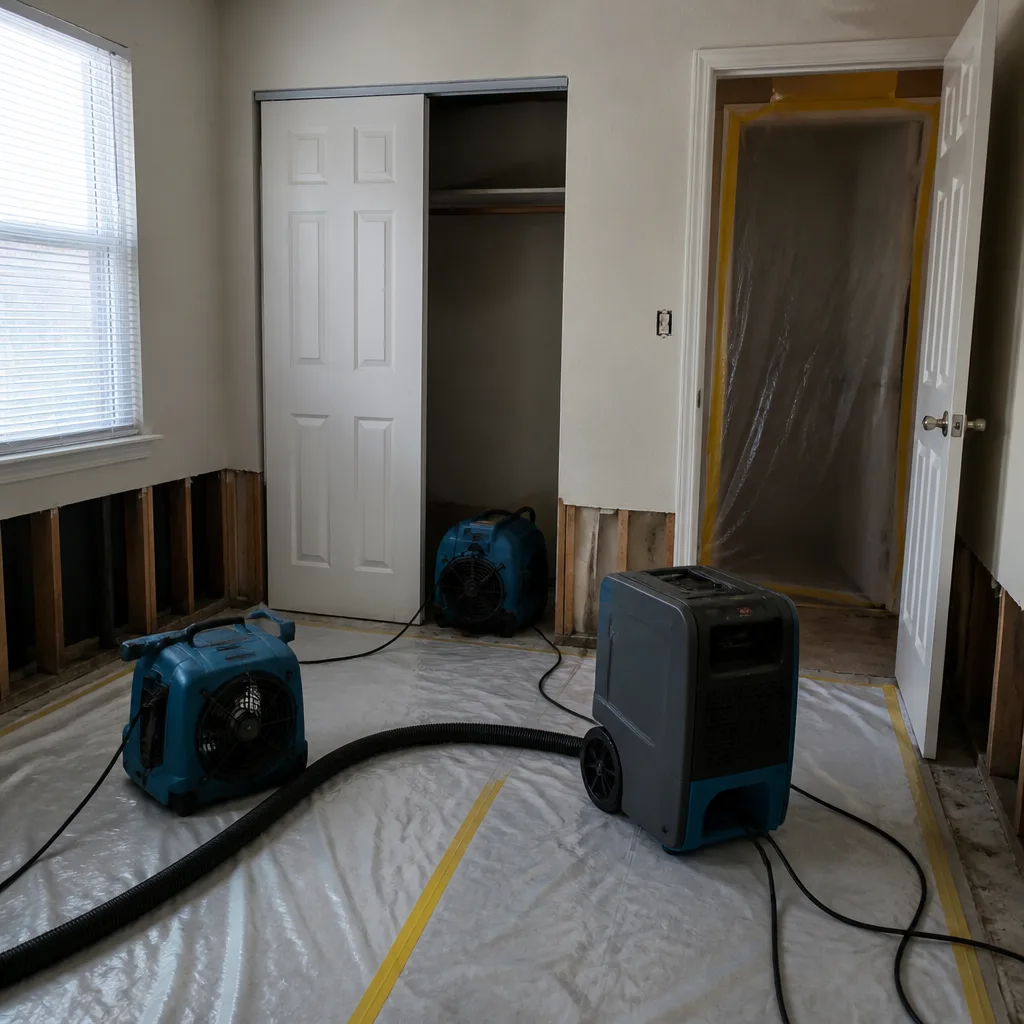 After
After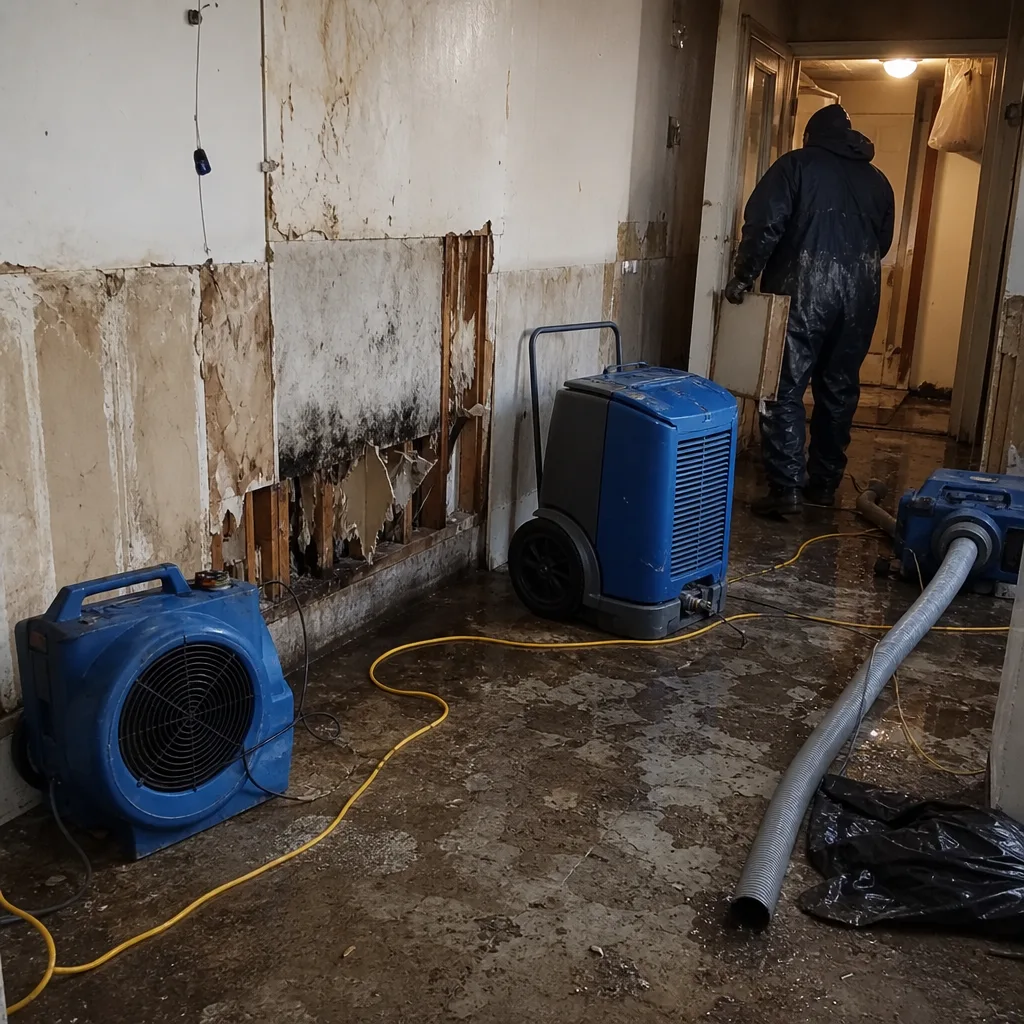 Before
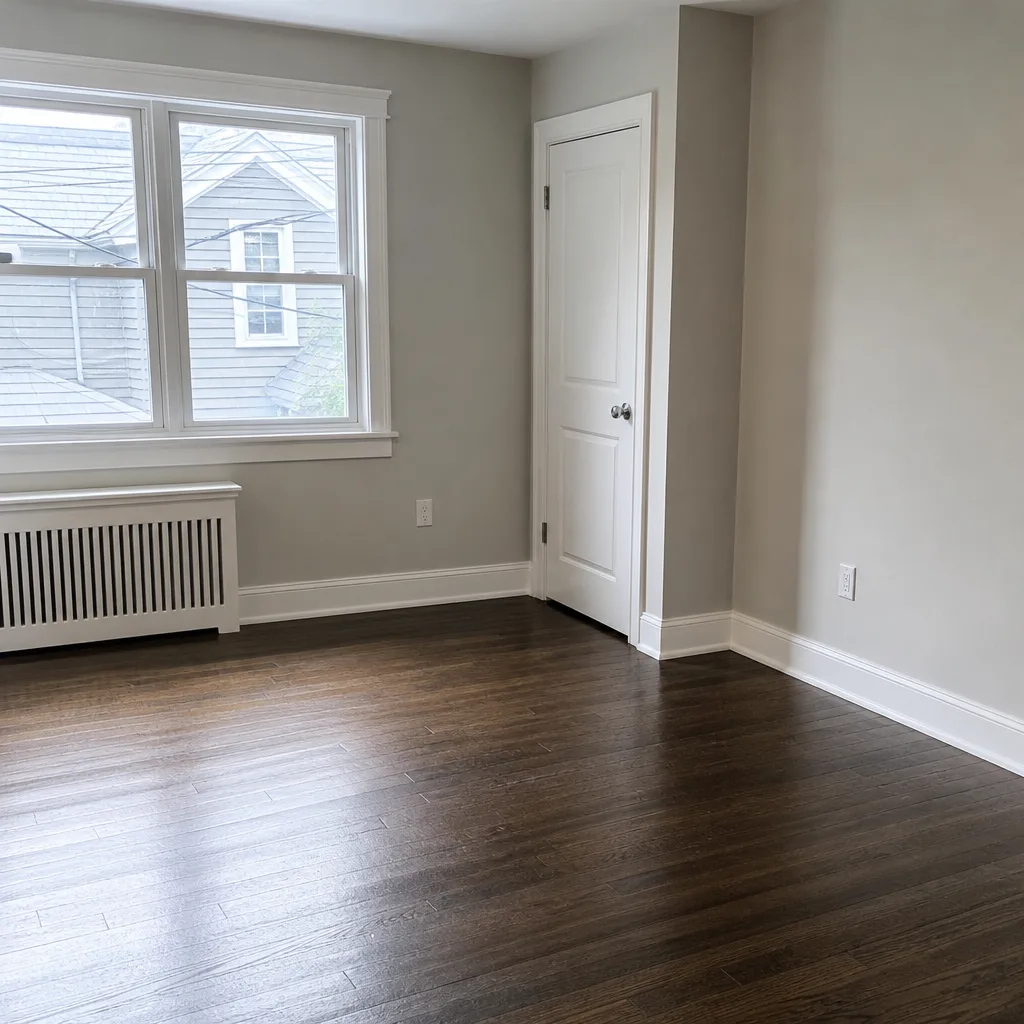 After
After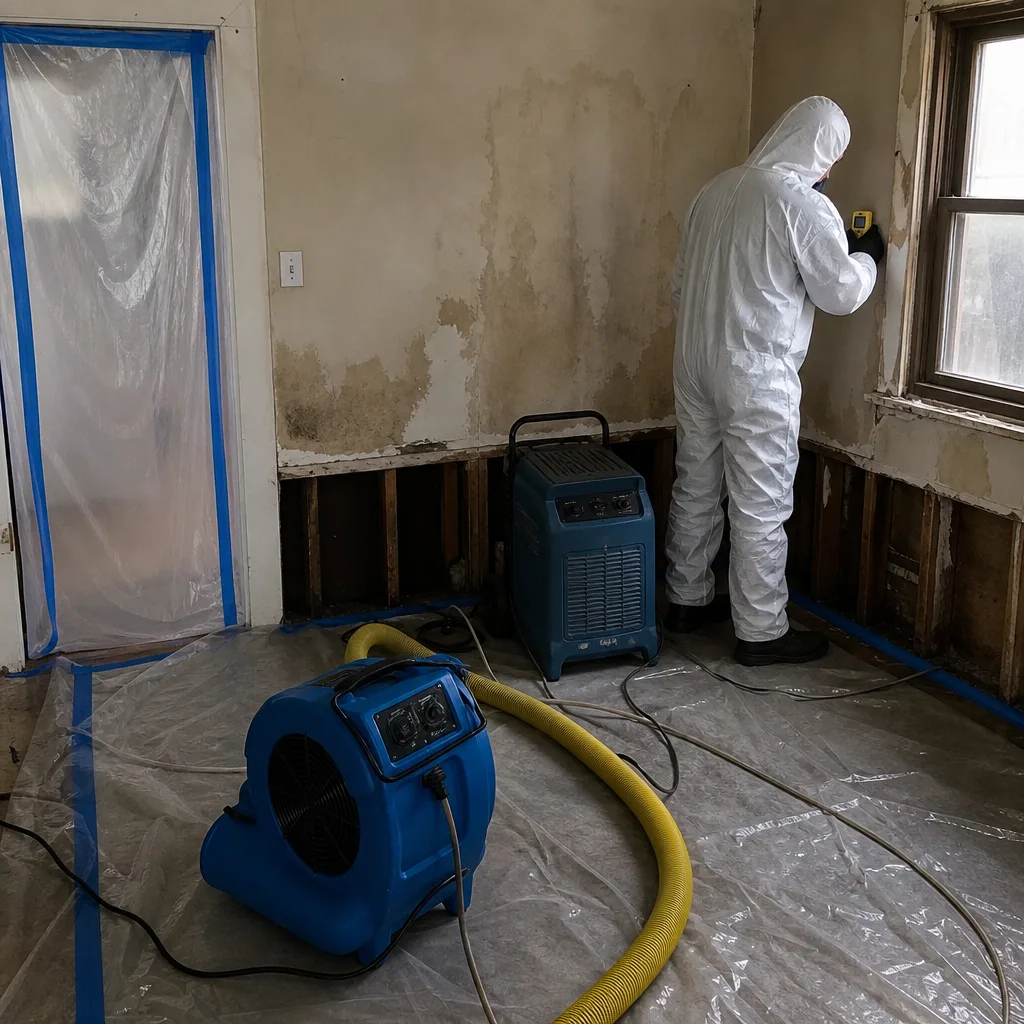 Before
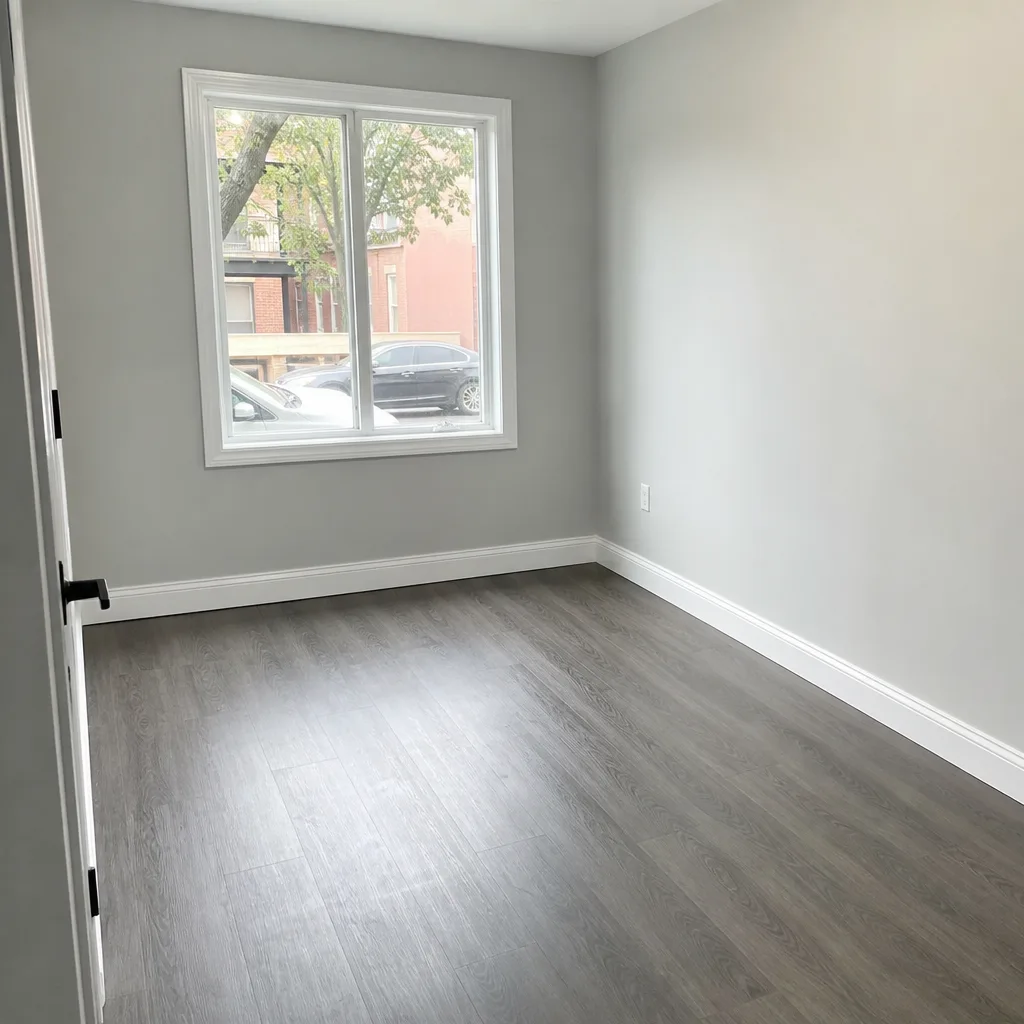 After
After24/7 Emergency Water Damage Restoration in Williamsburg
Water in a Williamsburg loft or pre-war tenement spreads across old-growth timber and open floor plates faster than almost anywhere else in New York City. If you’ve got a burst pipe, a roof leak, or a backing-up drain right now, call (363) 300-2771. Wade Ferris answers his own phone, day or night. He’ll have extraction running inside the hour in most of Williamsburg, and the first visual inspection costs you nothing. The first 60 minutes decide whether you’re looking at a drying job or a mold remediation and timber replacement project. Don’t wait on a national call center to route you through a queue. Call the number. A real person picks up.
Understanding Water Damage Restoration Severity in Williamsburg Properties
Williamsburg’s restoration work is different because the buildings are different. A converted pharmaceutical factory on Wythe Avenue with exposed timber joists and 14-foot ceilings does not dry like a Sheetrock-and-steel condo in a post-2005 waterfront tower. We classify water by contamination level as a matter of course: Category 1 is clean supply water, Category 2 carries significant contamination (think washing machine overflow or sump failure), Category 3 is grossly unsanitary, from sewage or outside floodwater. But in Williamsburg, classification is only half the fight. The real variable is the substrate. Old-growth Douglas fir and heart pine absorb water deeply and release it over many days. Moisture mapping across an undivided 3,000-square-foot floor plate is not optional here. It’s the only way to know what’s actually wet under the surface. Our IICRC-certified crews hold WRT and ASM credentials and document moisture readings daily until the structural timbers return to pre-loss condition, not just until the drywall looks fine. That distinction is the difference between a clean job and a callback six months later with mold behind the baseboards.
Why Williamsburg Property Owners Choose Wade’s Restoration
- 45-minute response commitment across Williamsburg. From the waterfront blocks to the Lorimer Street corridor, Wade’s crew is minutes out, not hours. The clock matters when water is still moving through an open loft floor.
- A live person answers, 24/7. No answering service, no voicemail tree, no “press 2 for emergencies.” Wade Ferris answers his own cell. Ask anyone who’s called at 3 a.m. with a burst supply line.
- IICRC-certified techs, trade-specific training. WRT for water restoration, FSRT for fire and smoke, AMRT for mold. These aren’t generic laborers with a truck. They know heavy-timber drying and cast iron plumbing failures.
- Free visual inspection, no trip charge in the county. You get an honest look and a straight answer before you commit to anything. No charge for that, ever.
- Direct insurance billing and adjuster communication. Wade deals with your carrier directly. You are not the relay between two sides. That’s been the company’s standard since 2007.
- One crew, from first extraction to final trim. The same people who pull water out of your floor are the ones who put your baseboards back on. No handoffs, no “that’s a different department.”
Our Water Damage Restoration Process
Inspection & Assessment
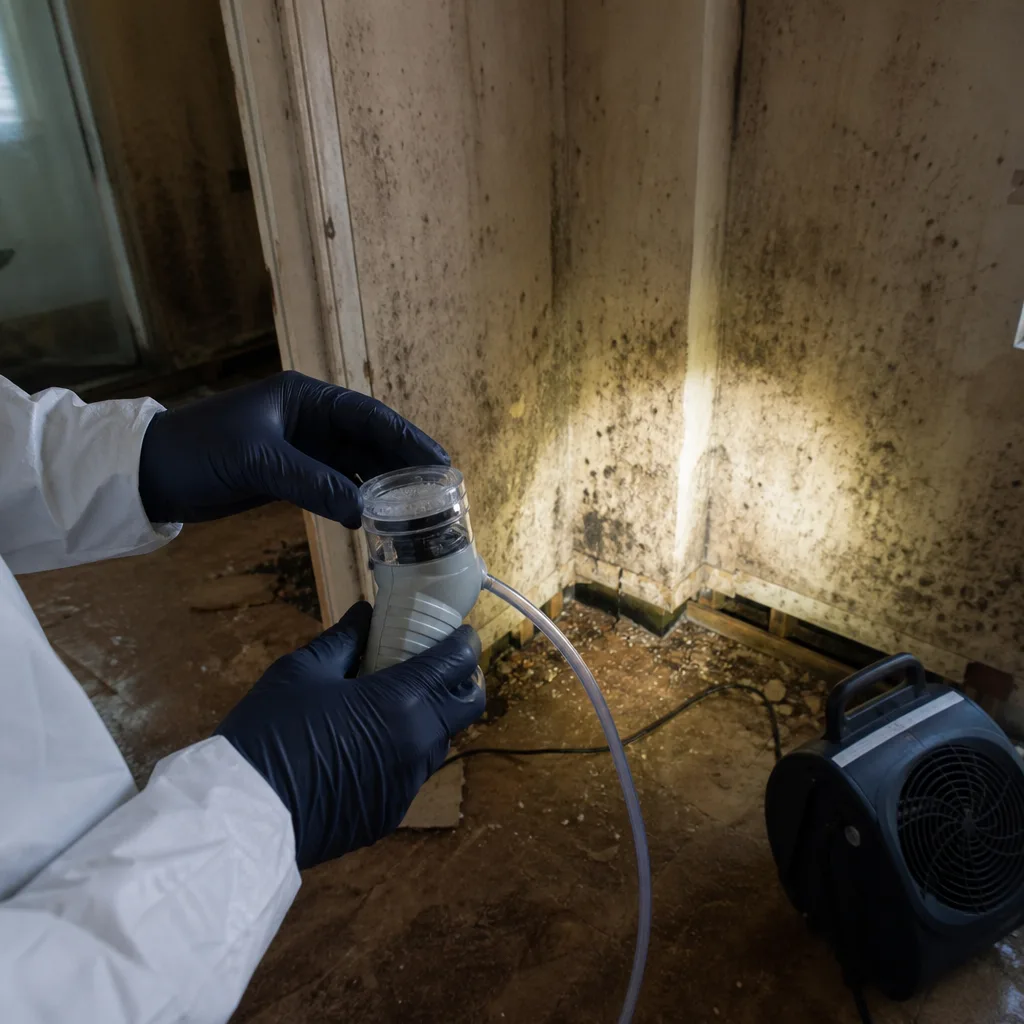
We map the full extent of water migration with thermal imaging and penetrating moisture meters. In a Williamsburg loft, that means checking the structural timbers, not just the visible flooring. You get a written scope before any work starts.
Extraction & Stabilization
Truck-mounted and portable extraction units pull standing water from flooring, wall cavities, and subfloor. We set containment early when the floor plate is open, so humidity doesn’t spread into adjacent spaces or custom finishes.
Drying & Dehumidification
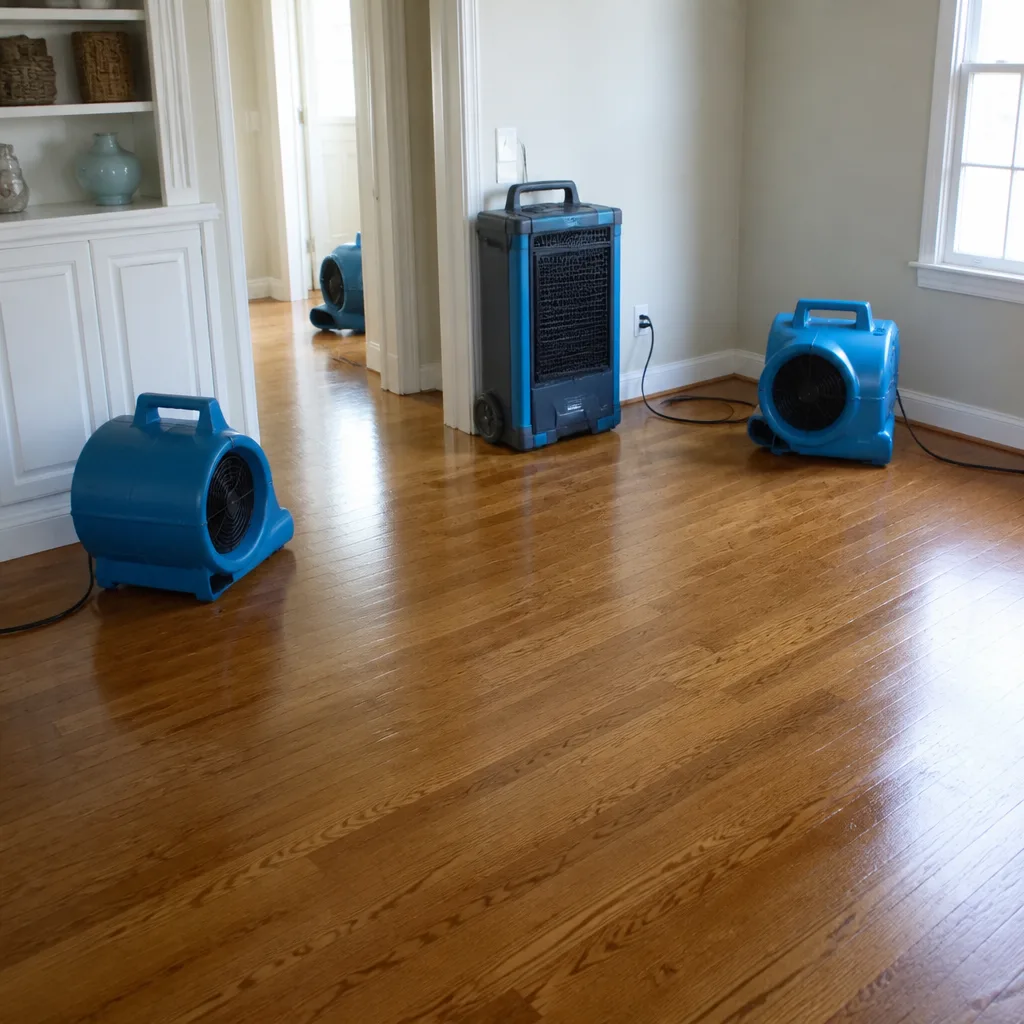
Dri-Eaz air movers, Phoenix desiccant dehumidifiers, and XPOWER axial fans run continuously. We log moisture readings daily and hand you the full log at the end of the job. In heavy-timber buildings, expect a longer cycle, monitored to the board.
Cleaning & Sanitization
HEPA air scrubbers run during and after drying to pull airborne particulates. We apply antimicrobial treatments to exposed timbers and framing where the water category demands it. Category 2 and 3 water get aggressive treatment here, not a quick wipe-down.
Specialty Timber & Finish Treatment
This is the step generic restoration crews skip. Old-growth wood that has absorbed water gets targeted drying, antimicrobial application, and careful moisture equalization to prevent cupping, checking, and future mold. Original doors and custom trim are assessed for restoration, not automatic replacement.
Repairs & Restoration
From replacing rotted timber sections to refinishing hardwood and reinstalling trim, we close the job out to pre-loss condition. The 90-Day Done Right Promise is in writing on every water restoration contract. If it’s not done right, Wade makes it right.
Need Emergency Water Damage Restoration in Williamsburg Now?
Crews minutes away, answering live 24 hours a day. The sooner we start, the less it costs.
Working With Your Insurance Company
Water damage in Williamsburg means insurance is almost always in the room. We handle that side directly. From the first hour on-site, we document everything your adjuster will need: room-by-room photos, moisture readings, drying logs, and a line-item scope of work in industry-standard format. Wade talks to your adjuster directly. You are not stuck translating between a restoration crew and a claims department. That matters especially in Williamsburg, where complex claims on converted lofts and pre-war buildings often trigger higher scrutiny. Our documentation has the detail to hold up under adjuster review. You pay your deductible. We do the paper.
What We Provide Your Insurer
- Thorough documentation of the loss
- Photos of all damage, room by room
- Moisture readings and drying logs
- A detailed, line-item scope of work
- Direct coordination with your carrier
Built for Williamsburg’s Loss Calendar
Williamsburg’s water damage calls follow a pattern any long-time resident would recognize. January and February bring deep freezes that snap aging galvanized supply lines inside uninsulated pre-war walls, flooding entire floor plates before anyone notices. A single burst pipe above a 2,000-square-foot loft in an old candy factory on Kent Avenue can run for hours before the first drip hits the floor below. Late winter and early spring shift the problem upward: flat tar-and-gravel roofs across the neighborhood hold snowmelt and rain in shallow ponds, and the freeze-thaw cycle opens membrane splits every March and April. By summer, thunderstorms dump inches of water in under an hour, overwhelming old combined drains in basement-level units near the BQE. Hurricane Sandy is not ancient history here. FEMA Flood Zone AE still covers much of the East River frontage, and every nor’easter season brings a fresh round of ground-floor and basement floodwater calls. Knowing the calendar means we know what to expect when your call comes in, and we stock equipment accordingly.
Water Damage Restoration Across Williamsburg’s Neighborhoods
North Williamsburg lofts along Berry Street, Wythe Avenue, and Kent Avenue are the heavy-timber core of our work. These former sugar refineries and pharmaceutical plants have old-growth floor systems and open plates that make containment and drying a completely different discipline than standard apartment work. South Williamsburg’s pre-war brick tenements, many with original cast iron risers and galvanized branch lines, produce a steady stream of burst pipe and chase-wall leak calls. The blocks around Marcy Avenue and Broadway run on original infrastructure that has outlived its design life several times over. Grand Street, with its mix of old commercial spaces and newer residential conversions, sees water migrating between party walls and shared floor systems, which complicates every drying plan. Along the waterfront near Domino Park, post-2005 towers have modern mechanical systems but still take on storm water at ground level and in subgrade parking. Each pocket of Williamsburg has its own loss signature, and we plan each job accordingly.
Specialized Water Damage Restoration Services We Offer in Williamsburg
Emergency Water Extraction
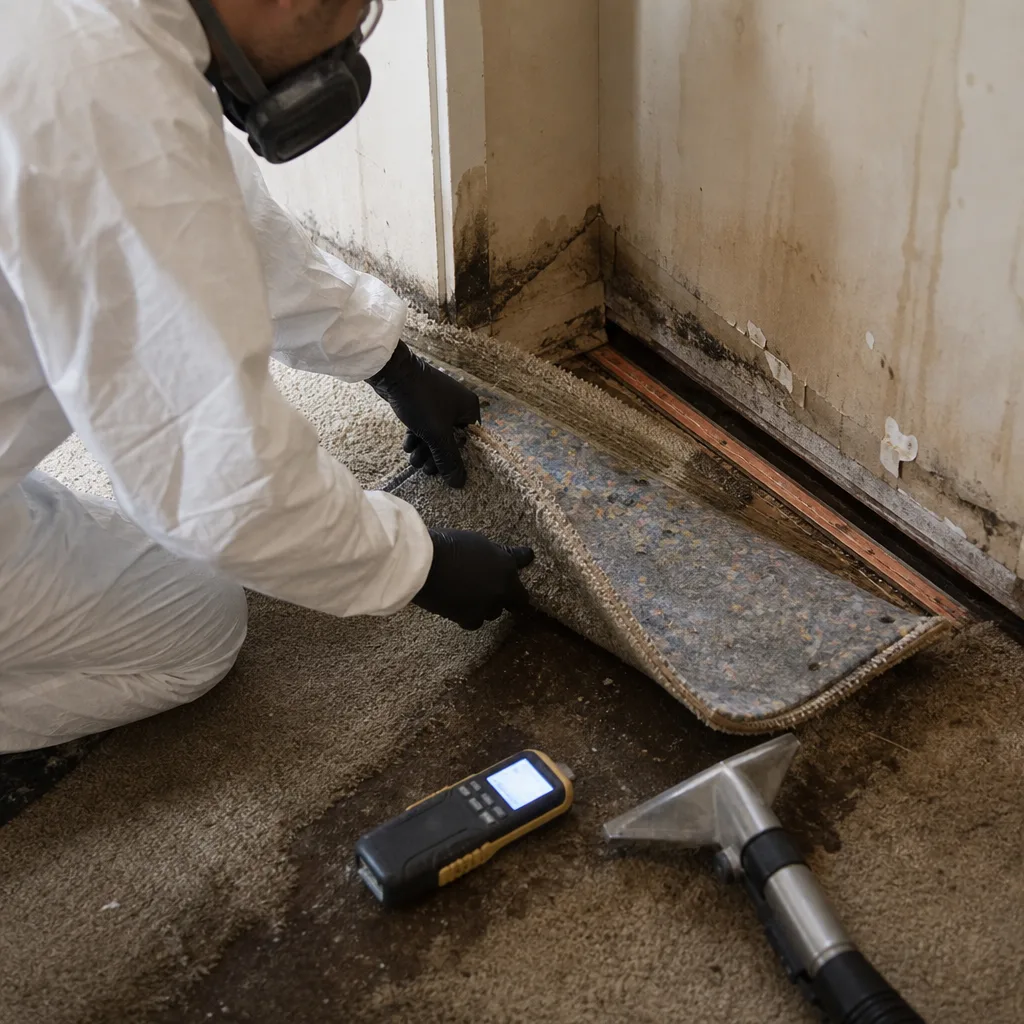
Standing water in a Williamsburg loft is an emergency because every hour it sits in old-growth flooring adds to the moisture load inside the wood. We extract using truck-mounted units and self-priming portable extractors, getting water out of floor cavities and off the structural timbers before drying even starts. For flooding from a failed supply line on an upper floor, we also address the water that has already migrated down through the joist bays into the unit below.
Structural Drying & Dehumidification
This is the service that separates a real Williamsburg restoration from a cosmetic one. Dri-Eaz air movers and Phoenix desiccant dehumidifiers run around the clock, while we take daily moisture readings from timber, subfloor, and wall cavities. In a heavy-timber loft, a drying cycle that a standard building would finish in 48 to 72 hours often runs 7 to 10 days. We don’t stop until the readings are right, not when the surface looks dry. You get the full moisture log at the end.
Flood Cleanup
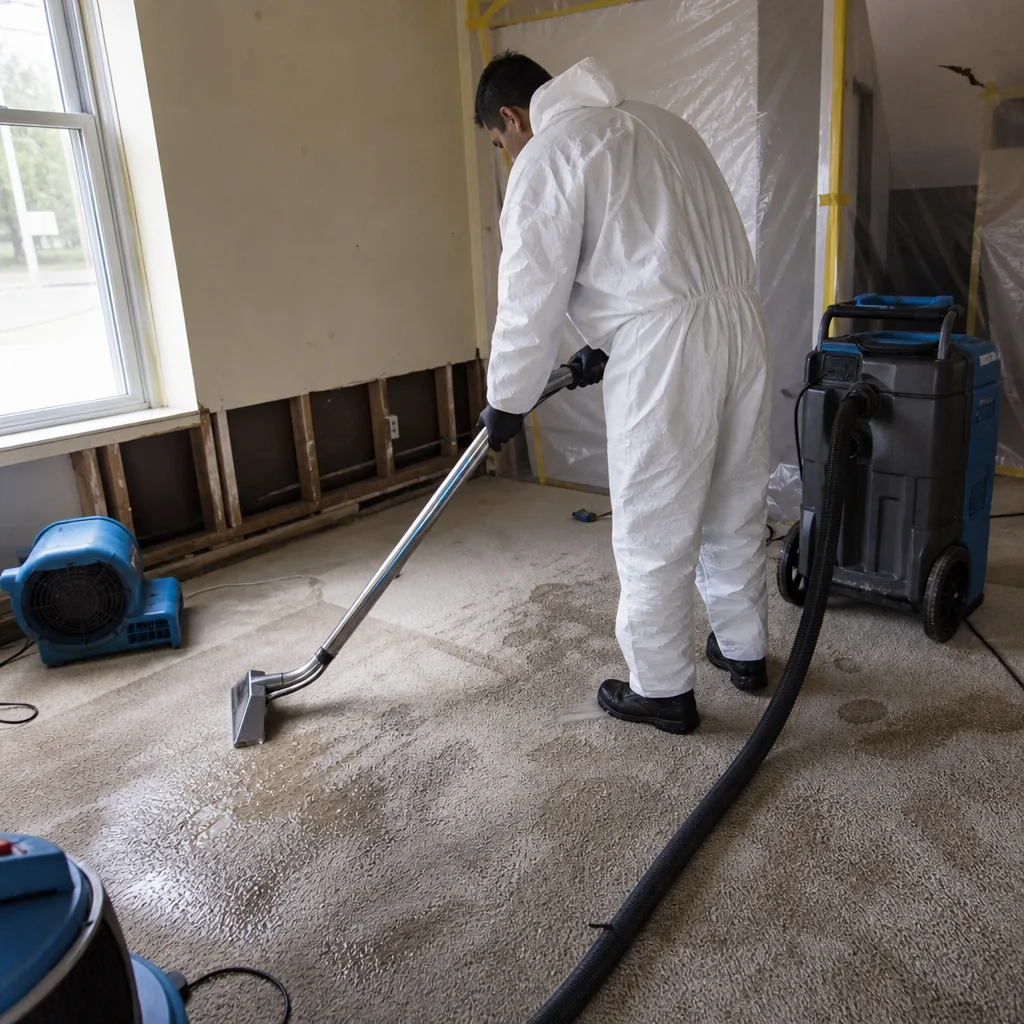
When the East River storm surge or a summer thunderstorm pushes Category 3 water into ground-floor and basement units, cleanup has to be aggressive and contained. We set up proper containment before disturbing contaminated materials, pump out the water, remove saturated debris, and treat surfaces with antimicrobials appropriate for floodwater exposure. Sandy taught this neighborhood what happens when floodwater is treated like clean water. We don’t make that mistake.
Burst Pipe Restoration
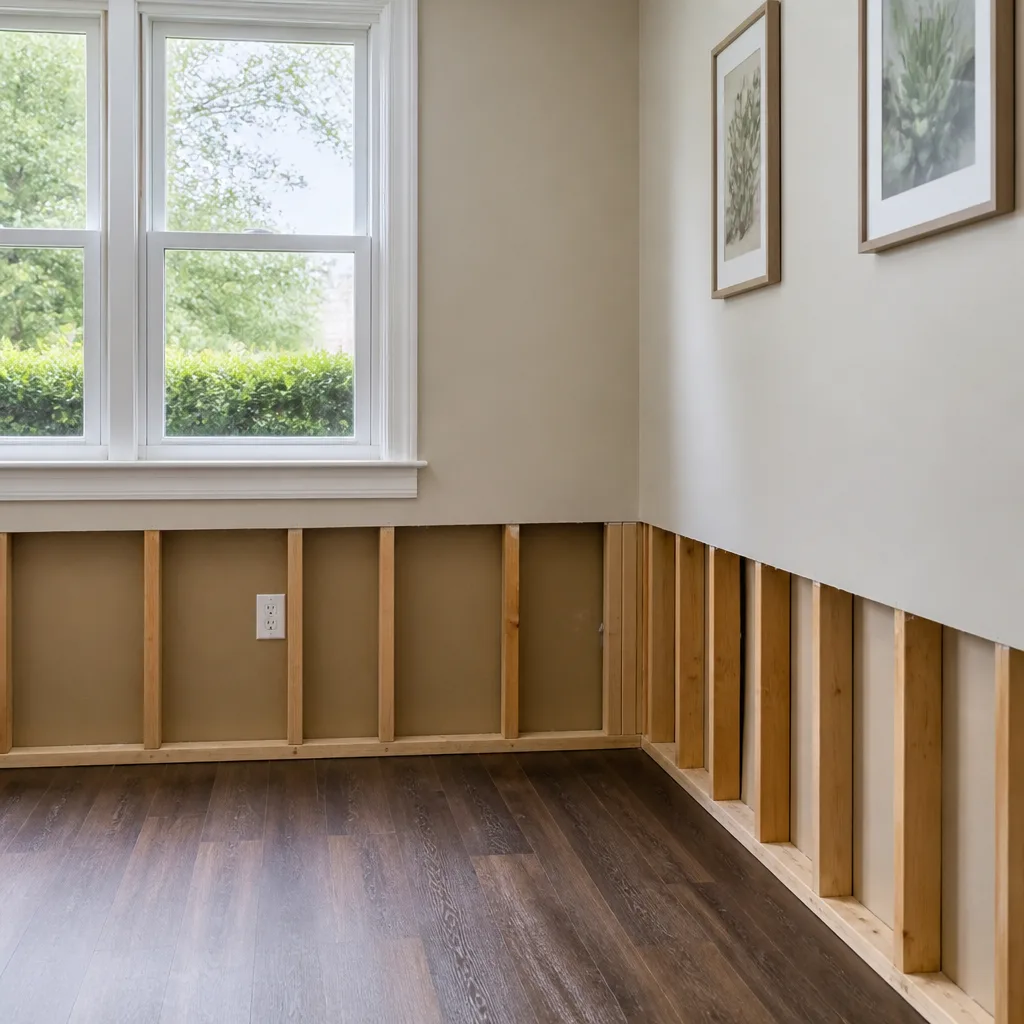
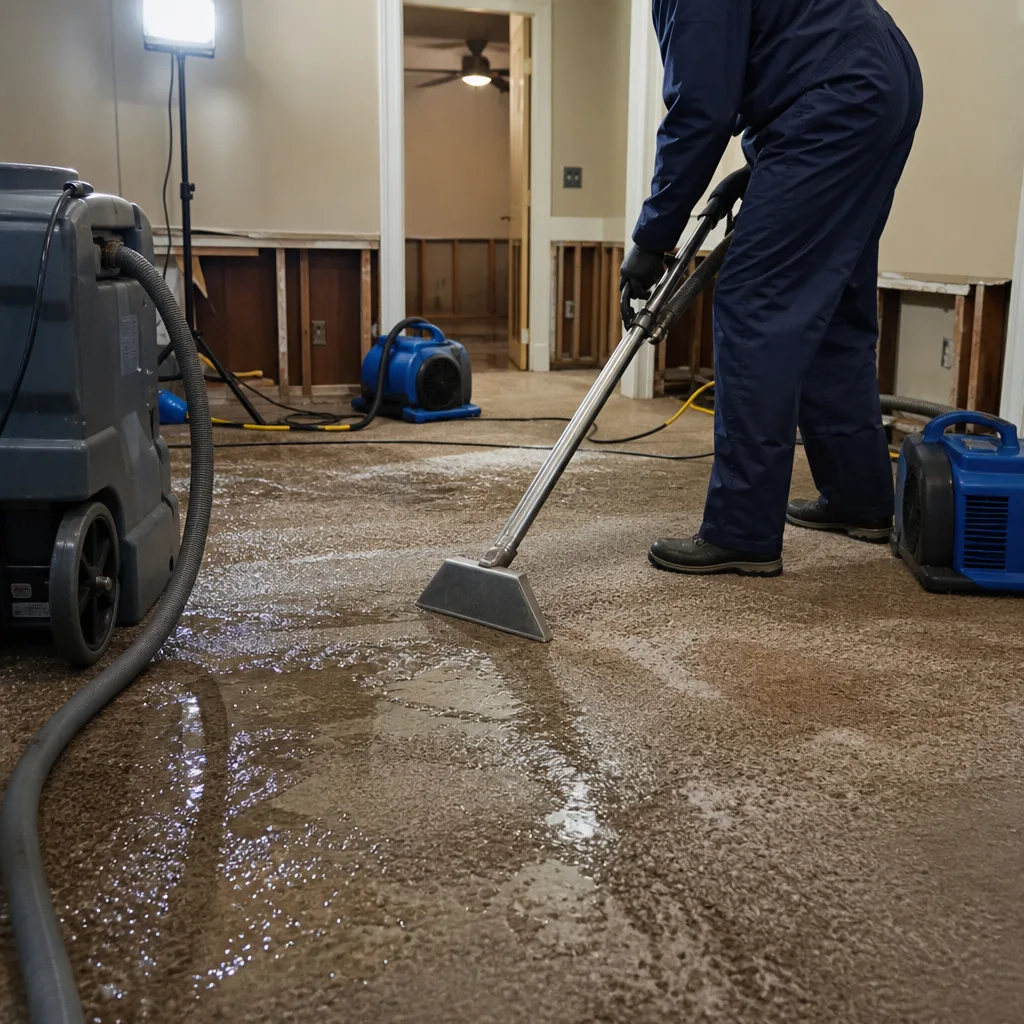
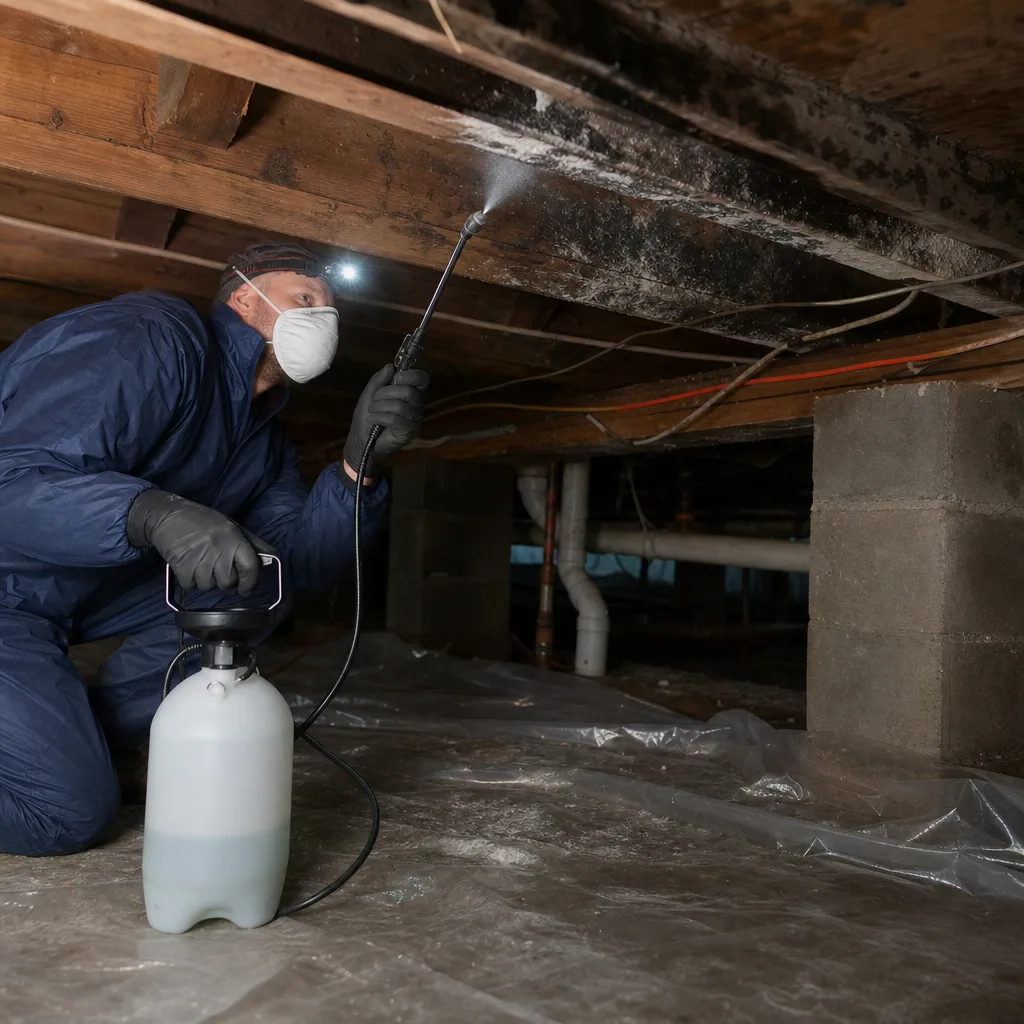
A burst galvanized line inside a pre-war wall dumps water into cavities, subfloors, and the ceiling of whatever is below. We open the affected wall or ceiling, extract what’s accessible, dry the cavity to below moisture threshold, and repair or coordinate the plumbing repair as part of the restoration. The goal is to restore the surfaces and prevent the kind of hidden, long-term moisture that becomes a mold problem in an unventilated pre-war cavity.
Ceiling & Roof Leak Water Damage
Flat roof failures are a Williamsburg constant. Water ponds on tar-and-gravel roofs, finds a membrane split, and by the time it shows up as a stain on your ceiling it has traveled through insulation and possibly multiple framing bays. We dry from the interior, identify the migration path through the roof assembly, and work with your roofer or property manager to make sure the source is closed before we finish the interior restoration. Drying a ceiling without fixing the roof above it is a waste of your money.
For the full picture of what we do and where we do it, see our Water Damage Restoration service page or the dedicated Water Damage Restoration in Williamsburg city page.
What happens when you call
- 1
A real person answersNo phone trees - you reach a local pro.
- 2
You get an upfront price rangeHonest numbers before anyone is dispatched.
- 3
A background-checked tech heads outLicensed & insured, dispatched right away.
- 4
You approve before work beginsNothing starts until you say go.
Water Damage Restoration Costs in Williamsburg, NY
Straight numbers for Williamsburg. Emergency water extraction on a standard apartment or small loft typically runs $700 to $1,800. A burst pipe restoration with wall opening, drying, and repairs lands between $2,500 and $6,500 depending on how far the water traveled. Structural drying of a heavy-timber loft floor after a ceiling leak commonly runs $4,000 to $9,000 because of the extended drying cycle and equipment count. Flood cleanup after Category 3 water in a basement or ground-floor unit starts around $3,500 and goes up from there based on contamination and square footage. What moves the price: the age of the plumbing, the thickness of the original flooring, whether containment is needed, and how long the water sat before anyone found it. Insurance covers most sudden and accidental losses. You’ll know exactly where you stand because the visual inspection is free, and you get a written line-item scope before any work starts.
We Also Serve Cities Near Williamsburg
Wade’s Restoration crews work the whole borough and beyond. We regularly handle water damage restoration in East New York, Jamaica, Canarsie, and Glendale. Same live-answer phone, same 45-minute response commitment, same written scope before any work begins.
Williamsburg Water Damage Restoration Questions, Answered
How long does it take to dry out a Williamsburg loft with old-growth timber after a ceiling leak?
Plan on 7 to 10 days of active drying for a ceiling leak that has saturated old-growth Douglas fir or heart pine floor systems in a Williamsburg loft. A modern drywall-and-steel building might dry in 48 to 72 hours, but old-growth wood releases moisture far more slowly. We log daily moisture readings and keep air movers and desiccant dehumidifiers running until the structural timbers return to pre-loss condition. Stopping early is how hidden mold becomes a call six months later. Call (363) 300-2771 to have us assess your specific loft.
What happens to water from a burst galvanized pipe in a Williamsburg pre-war tenement?
A burst galvanized line inside a pre-war wall often carries Category 2 water by the time it reaches your ceiling, because galvanized pipe interiors accumulate rust and sediment over decades. That means antimicrobial treatment is mandatory, not optional. We open the wall or ceiling, extract what’s visible, dry the cavity through to the brick, and treat the surfaces to prevent mold growth in the unventilated space. You get the moisture log and a written scope upfront.
Why does a flat roof leak in Williamsburg cause ponding and interior damage every spring?
Flat tar-and-gravel roofs are the default across Williamsburg’s pre-war and converted industrial stock, and they drain poorly by design. Snowmelt and March rains pond in low spots, the freeze-thaw cycle opens membrane splits, and water migrates through the roof assembly into ceiling cavities below. By the time you see a stain, the water has usually traveled through insulation and multiple framing bays. We dry from the interior, map the migration path, and coordinate with a roofer to close the source before the interior restoration is finished.
Can you restore original wood doors and custom trim after water damage in a Williamsburg carriage house?
Yes, and we try to restore before we replace. Original carriage-house doors and custom millwork in Williamsburg are typically old-growth wood that responds well to careful drying, moisture equalization, and targeted refinishing. Replacement is only necessary when the wood has rotted through or buckled beyond dimensional recovery. Wade will give you an honest read on what’s salvageable and what isn’t, and you’ll see it in the written scope before work begins.
Does Hurricane Sandy risk mean Williamsburg waterfront buildings need special flood cleanup?
Yes. Buildings in FEMA Flood Zone AE along the East River frontage are exposed to Category 3 storm surge water, which carries sewage, fuel, and salt. Flood cleanup there requires full containment, aggressive antimicrobial treatment, and often removal of saturated lower-wall sections that standard drying will not recover. If your ground-floor or basement unit took on river water, treat it as contaminated until proven otherwise. Call us and we’ll assess it properly.
How fast can you actually get to a Williamsburg property for a water emergency?
We commit to a 45-minute response across Williamsburg, and typically Wade’s crew is on-site faster than that for active water flow. The call is answered live by Wade Ferris himself, not an answering service. He dispatches from the New York City office, and the crew closest to your block heads straight out. For a burst pipe on an upper floor, that response window often means the difference between drying a floor and replacing it.
Can I stay in my Williamsburg home during the drying process?
In most cases, yes, for single-room water damage with proper containment. For a whole open loft plate with multiple air movers and desiccant dehumidifiers running around the clock, it can get loud and warm, and many clients choose to stay elsewhere for a few days. For Category 3 floodwater or sewage, you should not stay in affected areas until we’ve completed extraction, contamination removal, and sanitization. Wade will give you a straight answer at the inspection, not a scripted one.
What should I do in the first 30 minutes after discovering water damage in Williamsburg?
Shut off the water source if you can do so safely. Kill power to affected areas if water has reached outlets or fixtures. Move small valuables and electronics out of the wet zone. Then call (363) 300-2771. Do not use a shop vac on Category 2 or 3 water. Do not turn on fans and hope for the best in a heavy-timber building. The first hour determines the scope. Call now.
In a North Williamsburg loft conversion on Berry Street, our crew responded to a burst cast iron supply line above a 2,400-square-foot open floor. We set up containment and ran 14 Dri-Eaz air movers and two Phoenix desiccant dehumidifiers, but moisture mapping showed the old-growth heart pine subfloor held readings above 20% for nine days. We logged every moisture reading in drying logs, applied antimicrobial treatment to exposed timbers, and only cleared the space after the structural timbers reached pre-loss condition. No hidden moisture, no callback.
Serving Williamsburg, NY - Our Local Coverage Area
We’re based in the Williamsburg area and know this community well. Use the map below to see our service coverage - if you’re nearby, we can almost certainly help.
Call Wade’s Restoration for Water Damage in Williamsburg
If water is moving through your Williamsburg loft, tenement, or waterfront unit right now, call (363) 300-2771. Wade Ferris answers his own phone, day or night. You’ll get a straight answer, a free visual inspection, and a written scope before any work begins. The 90-Day Done Right Promise is stamped on every water restoration contract. If it’s not done right, Wade makes it right. No charge for the inspection, no trip charge in the county, and a Senior & Veteran 10% discount always applies. Call (363) 300-2771 now.
Written by Wade Ferris, Owner at Wade’s Restoration, serving Williamsburg since 2007.