
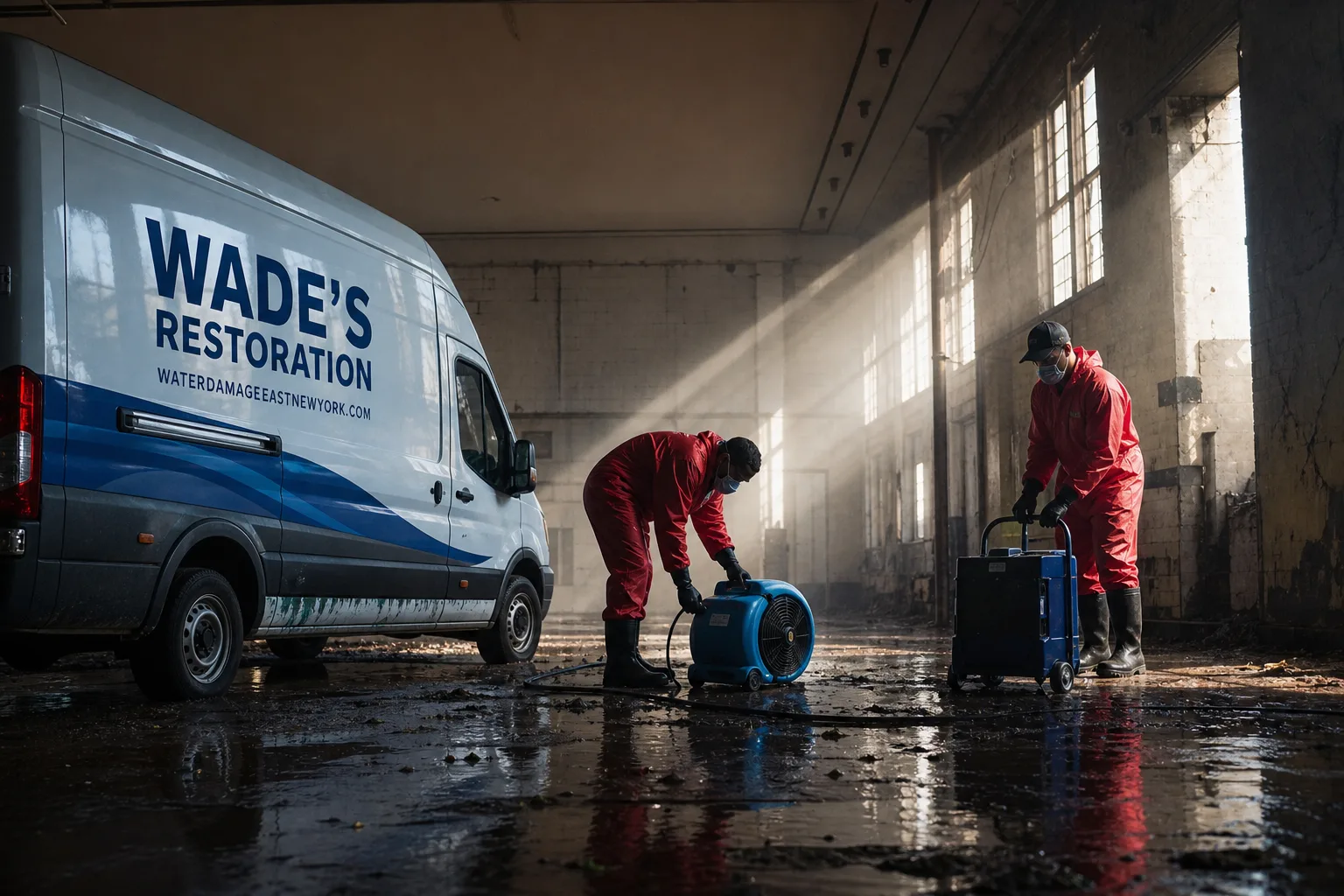
Free visual inspection and a written scope of work before any mitigation begins - photos, moisture readings, and drying logs go in your claim file
The scope we write is the scope we bill. Anything new gets shown to you, in writing, before we touch it.
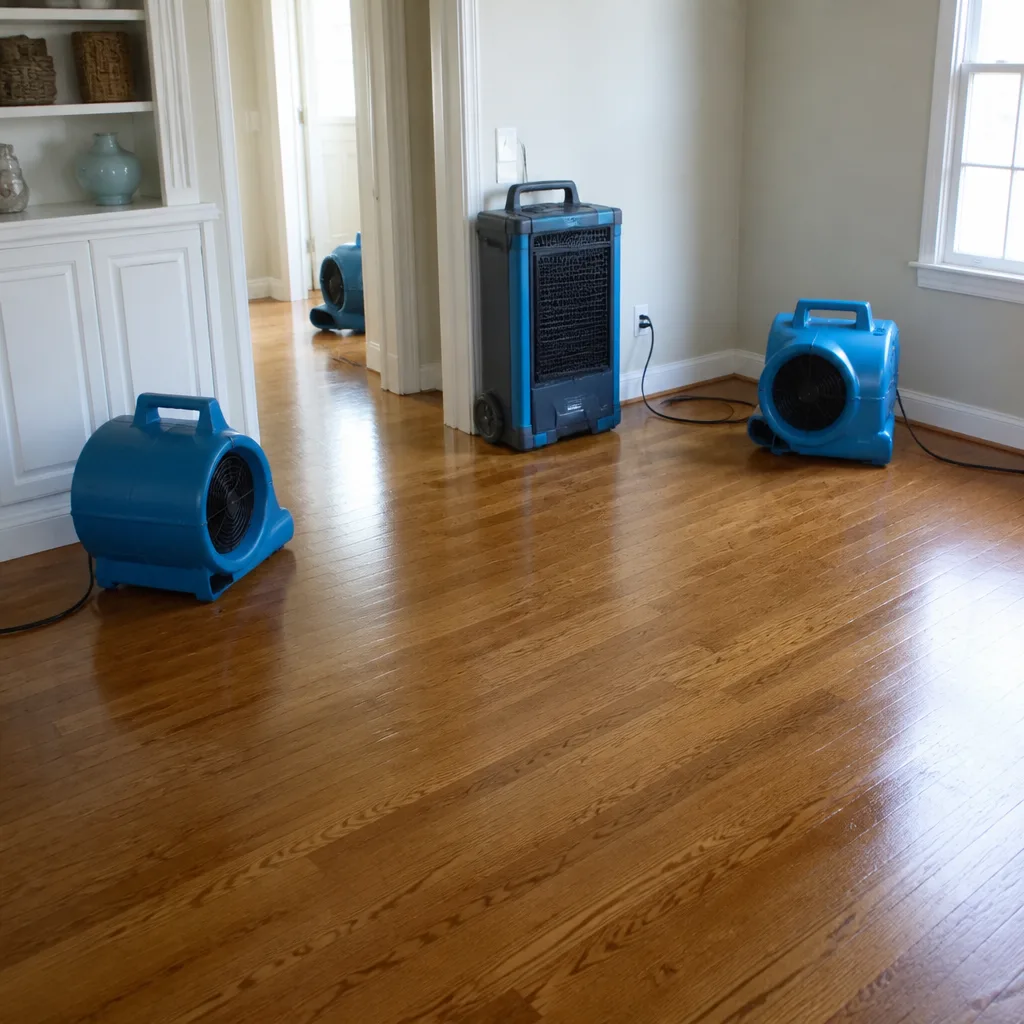
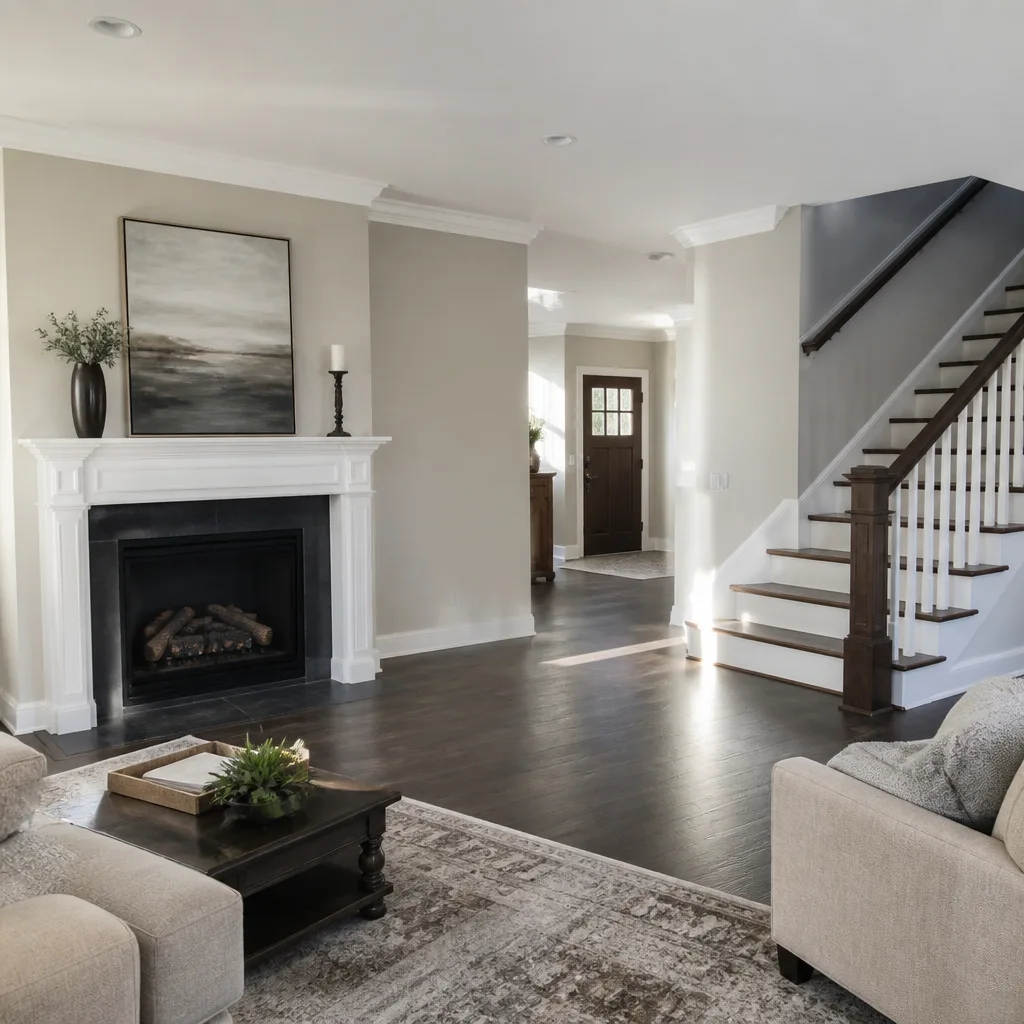
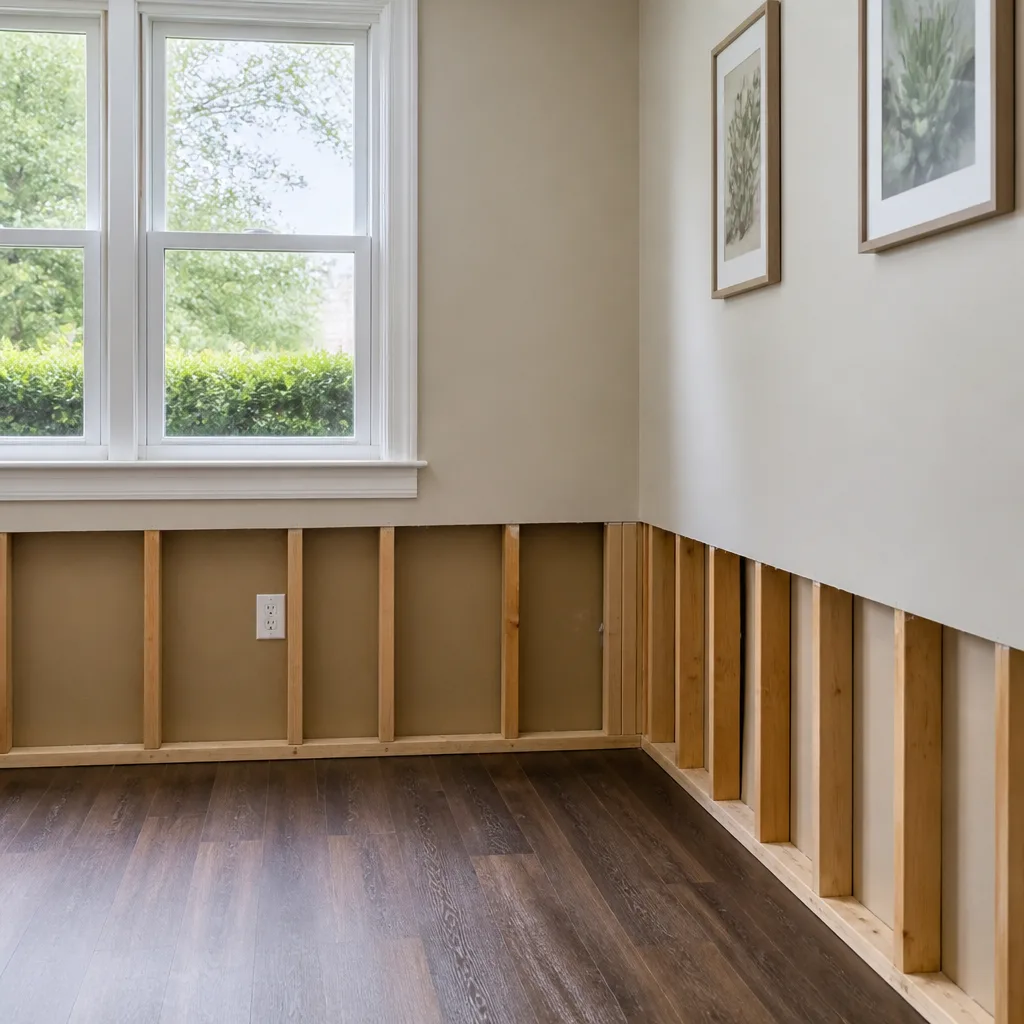
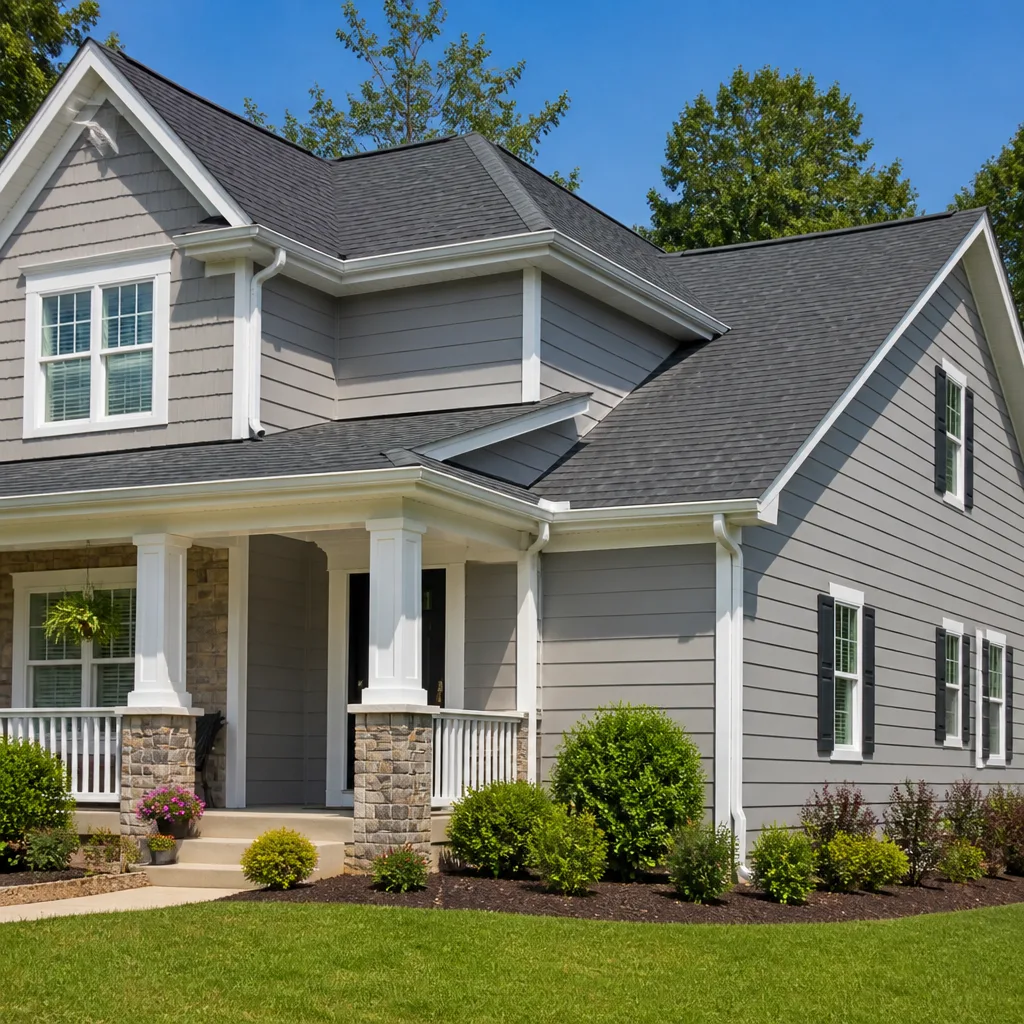
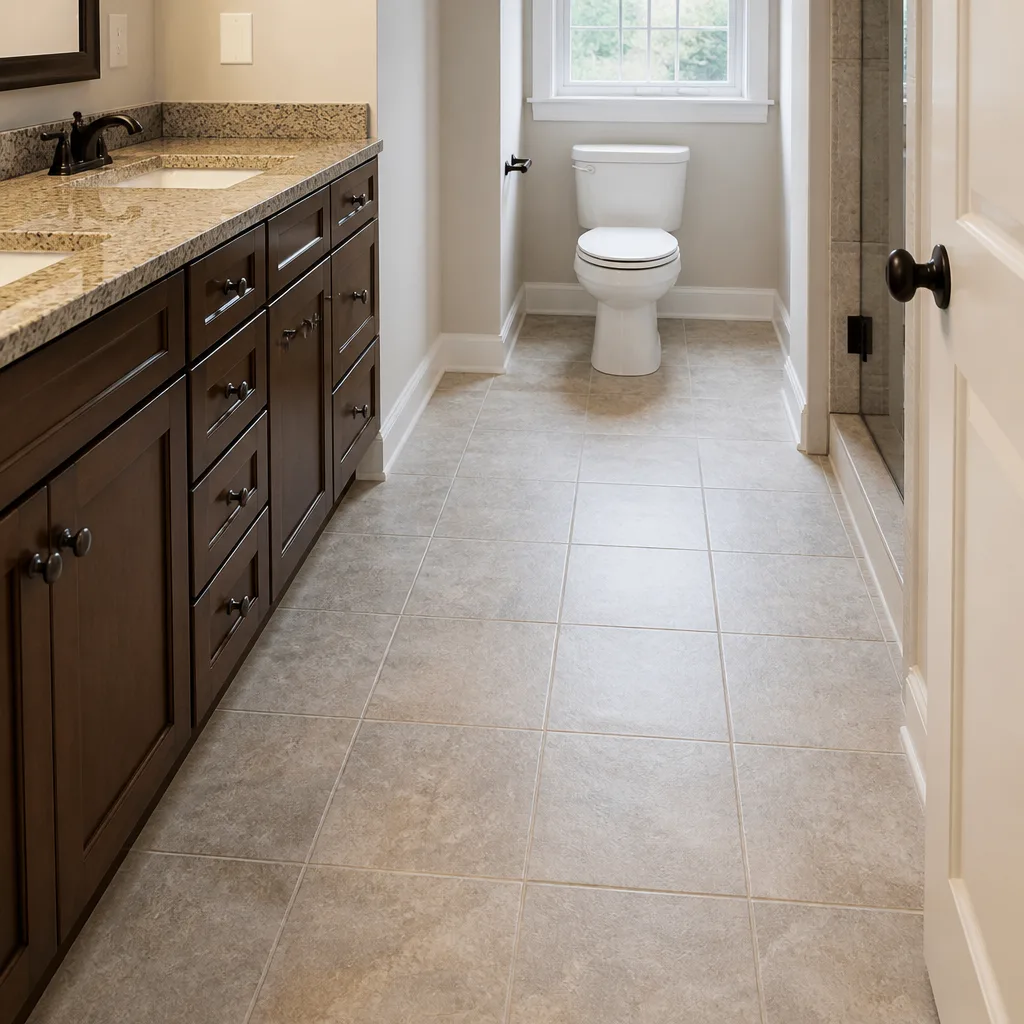
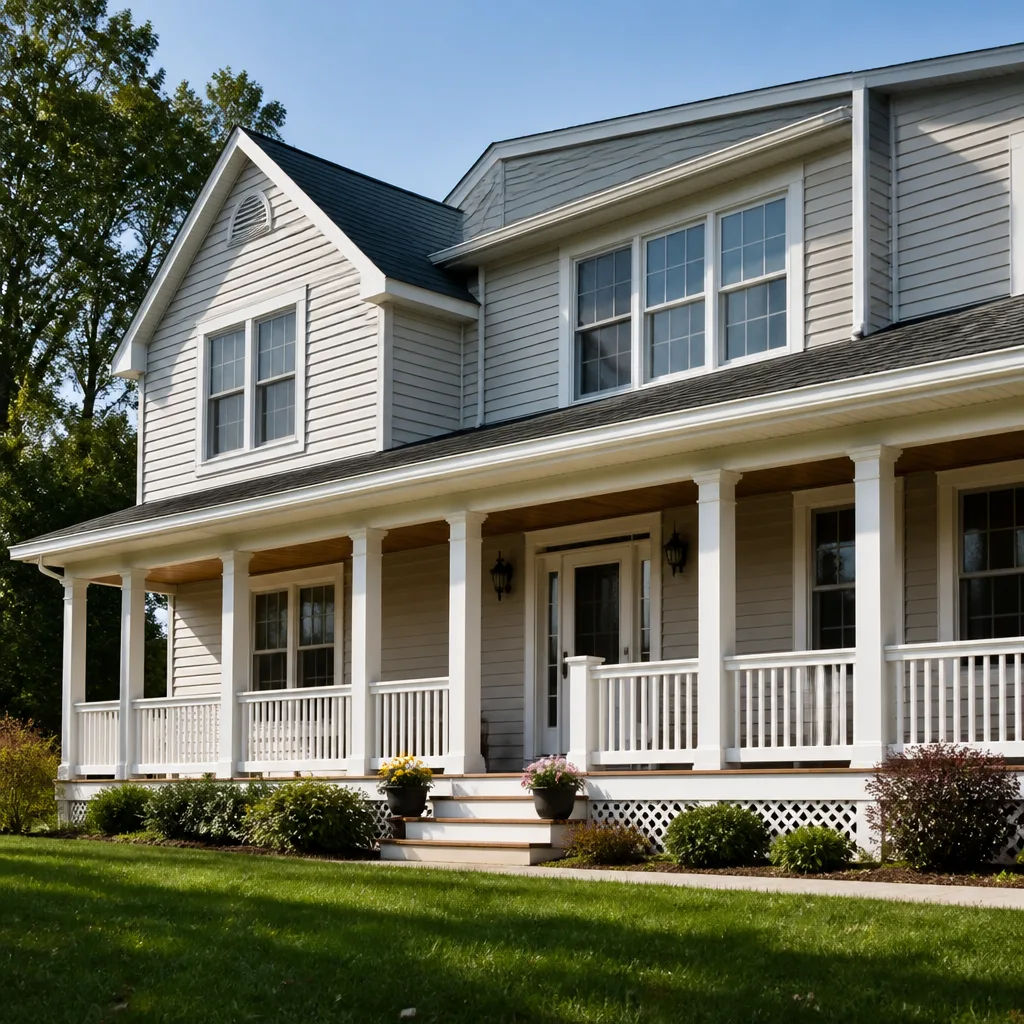
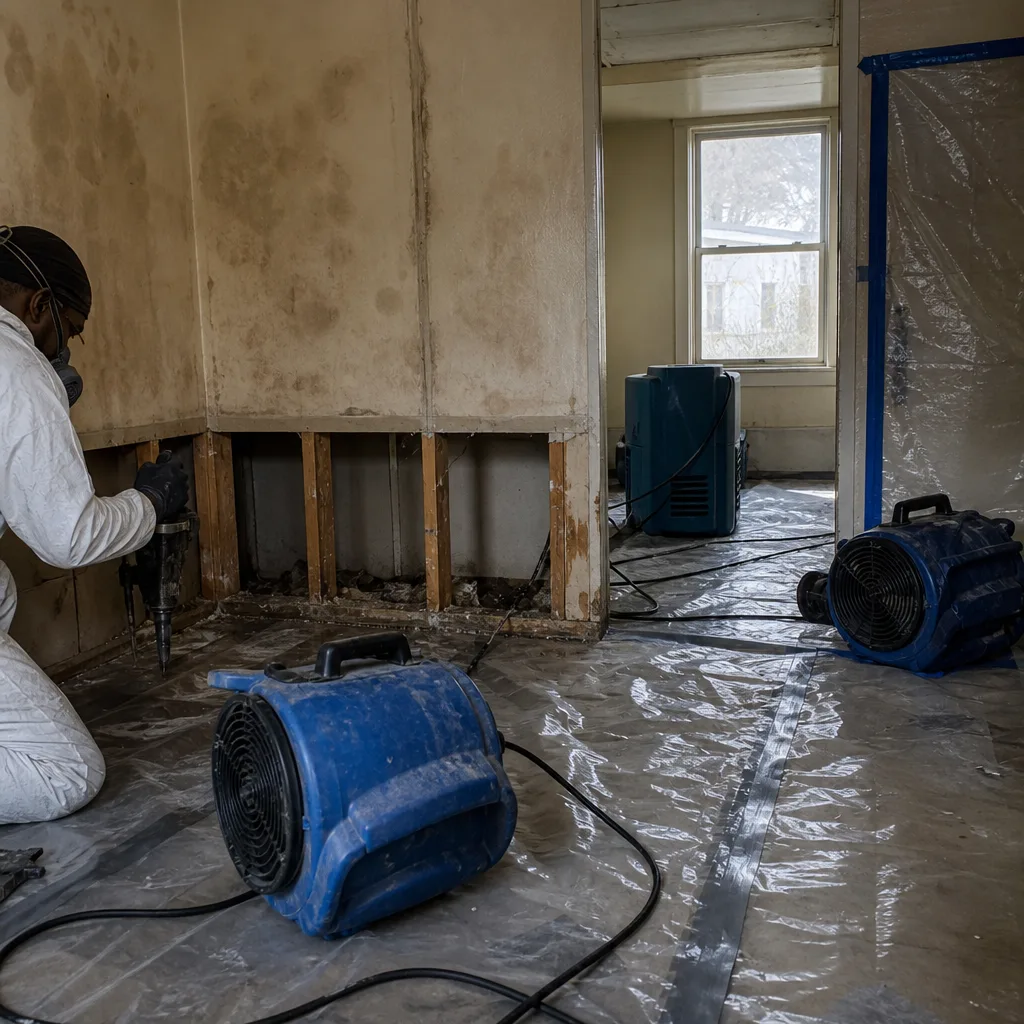 Before
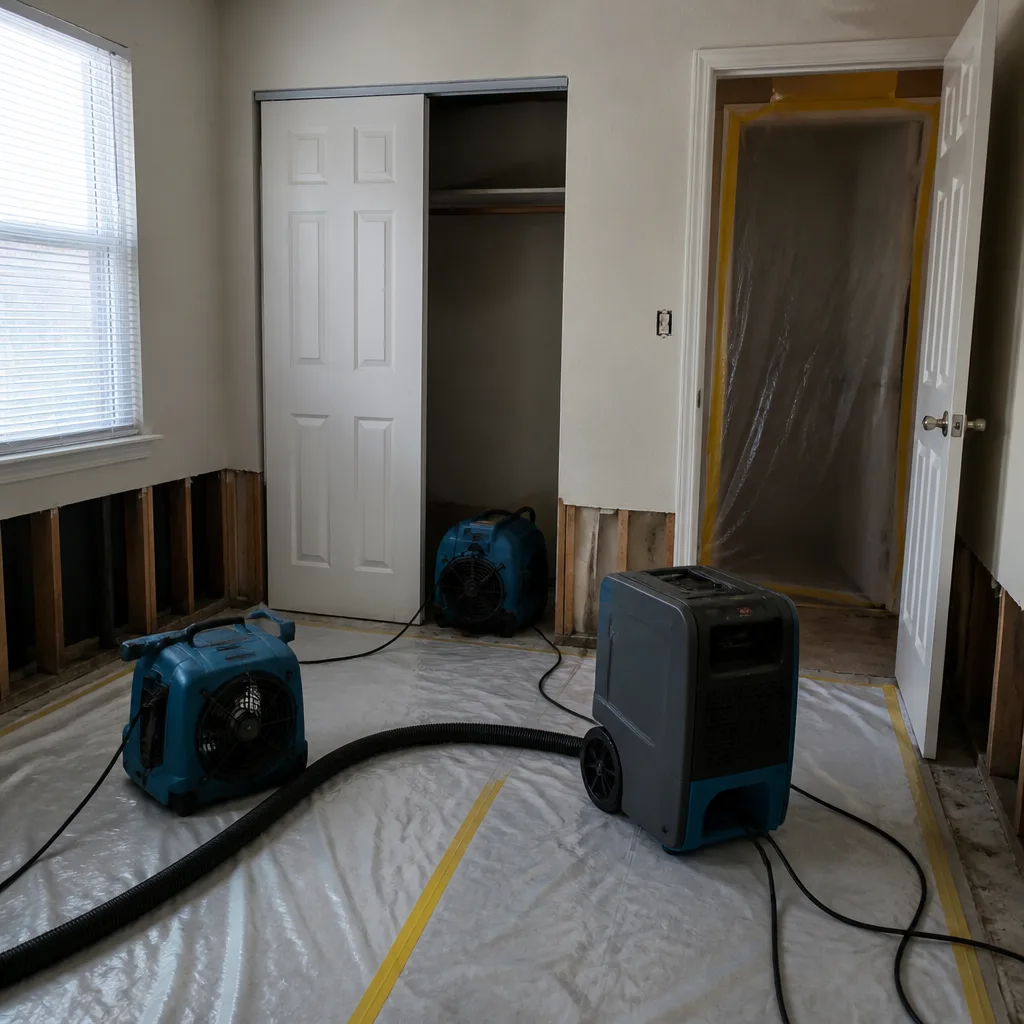 After
After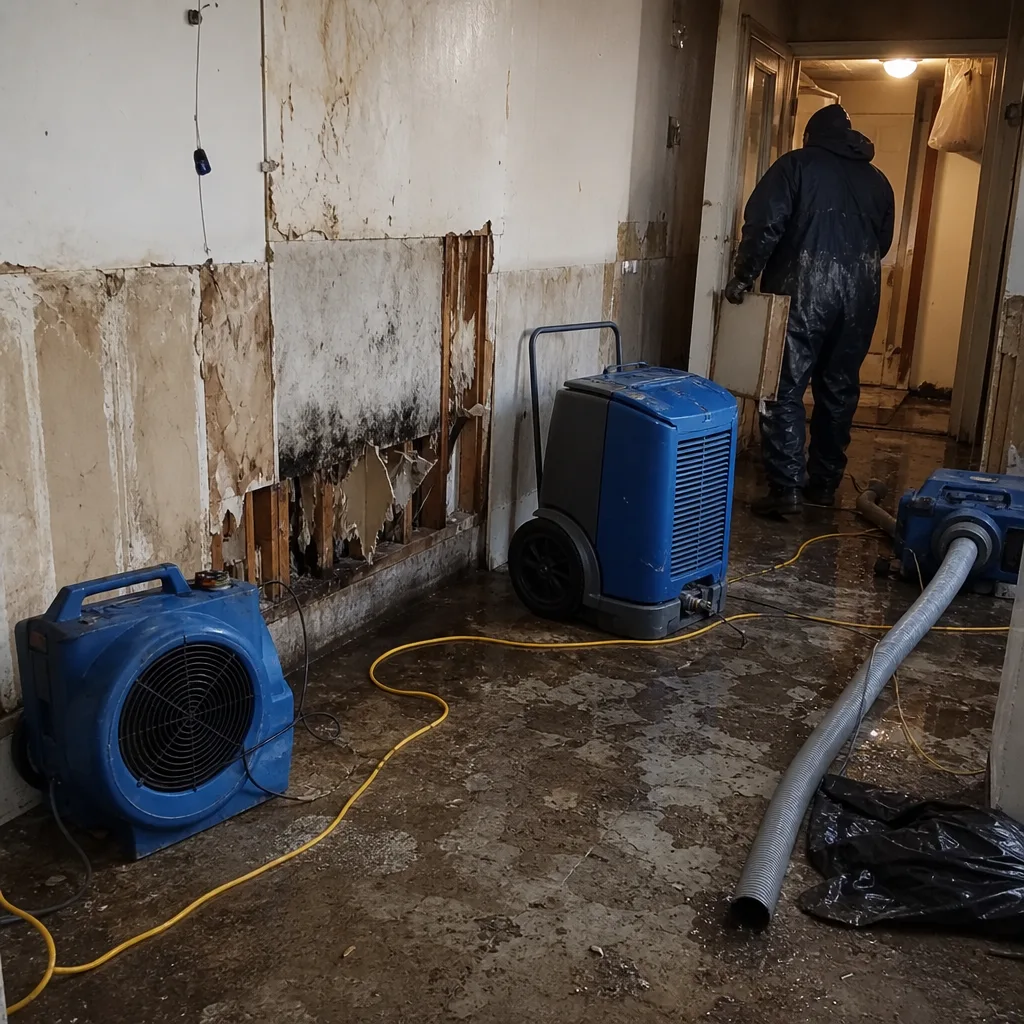 Before
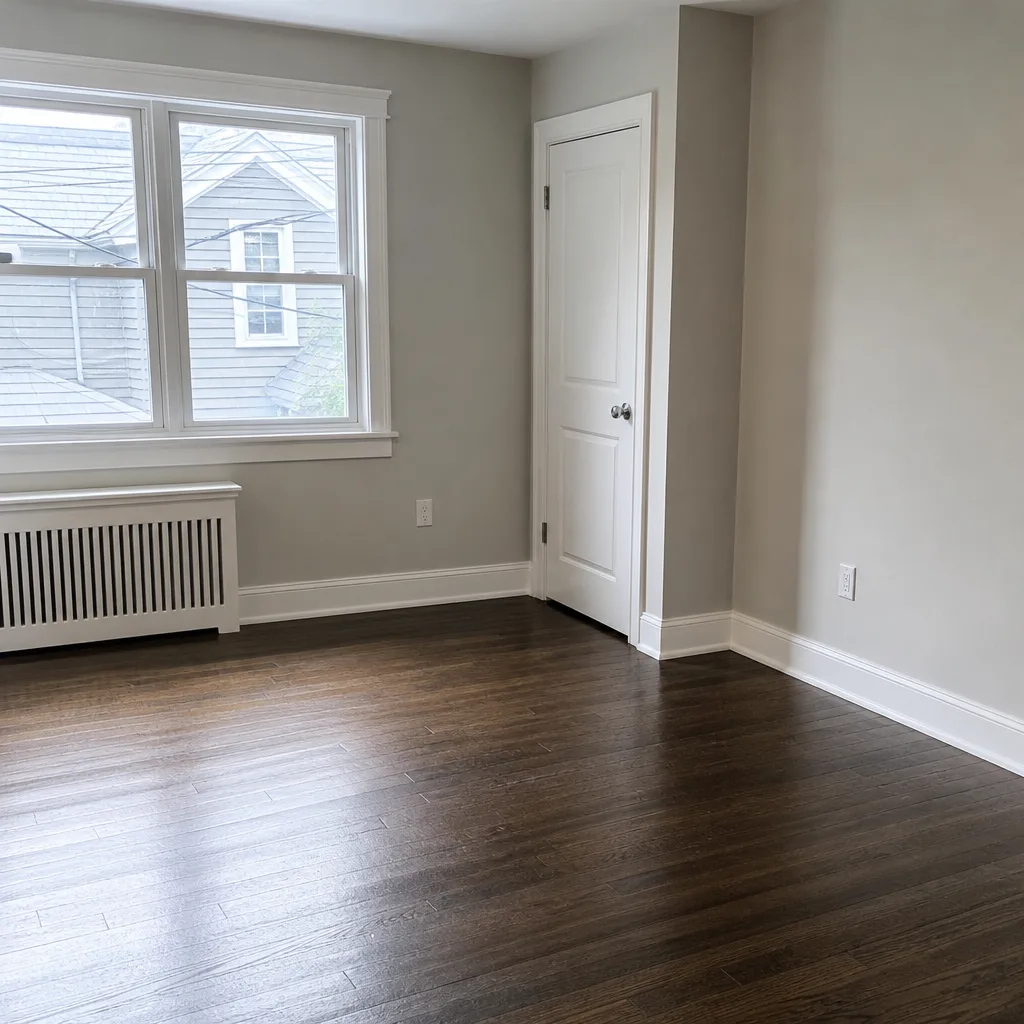 After
After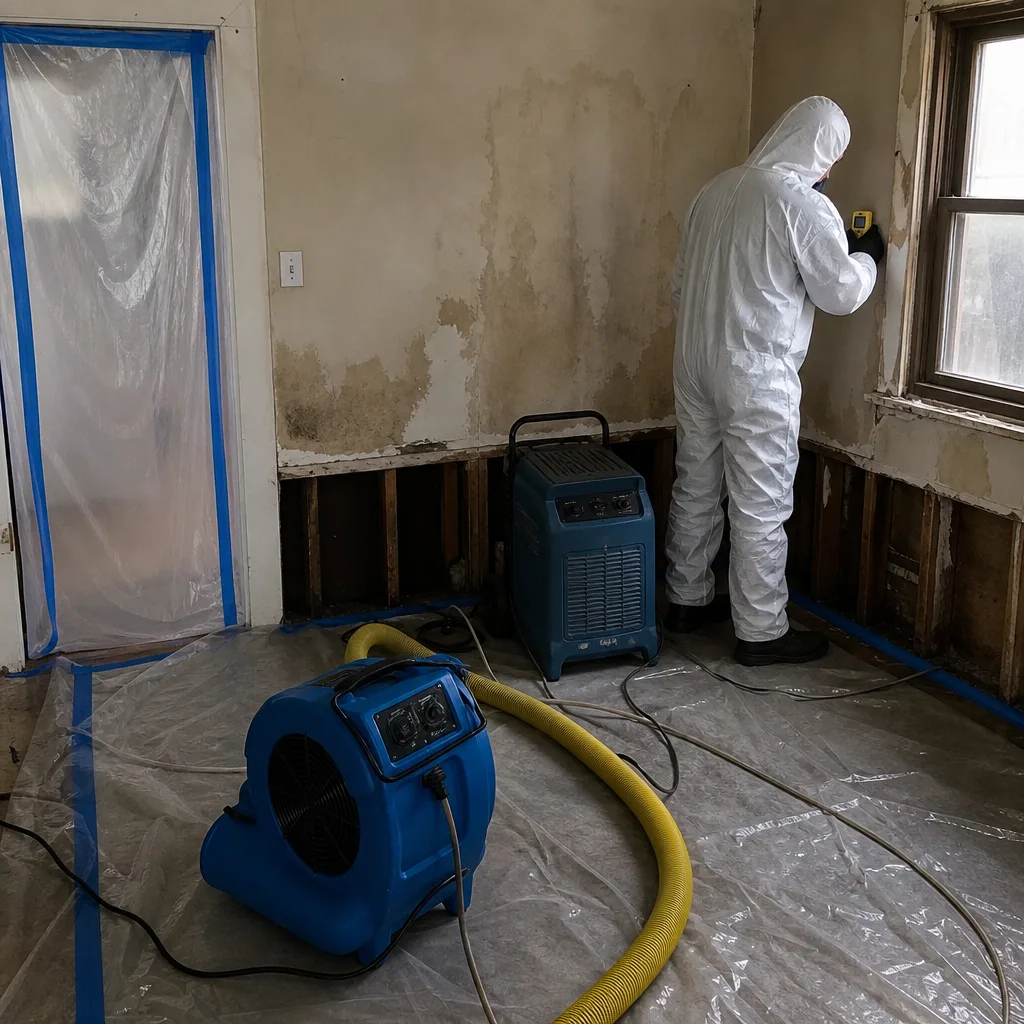 Before
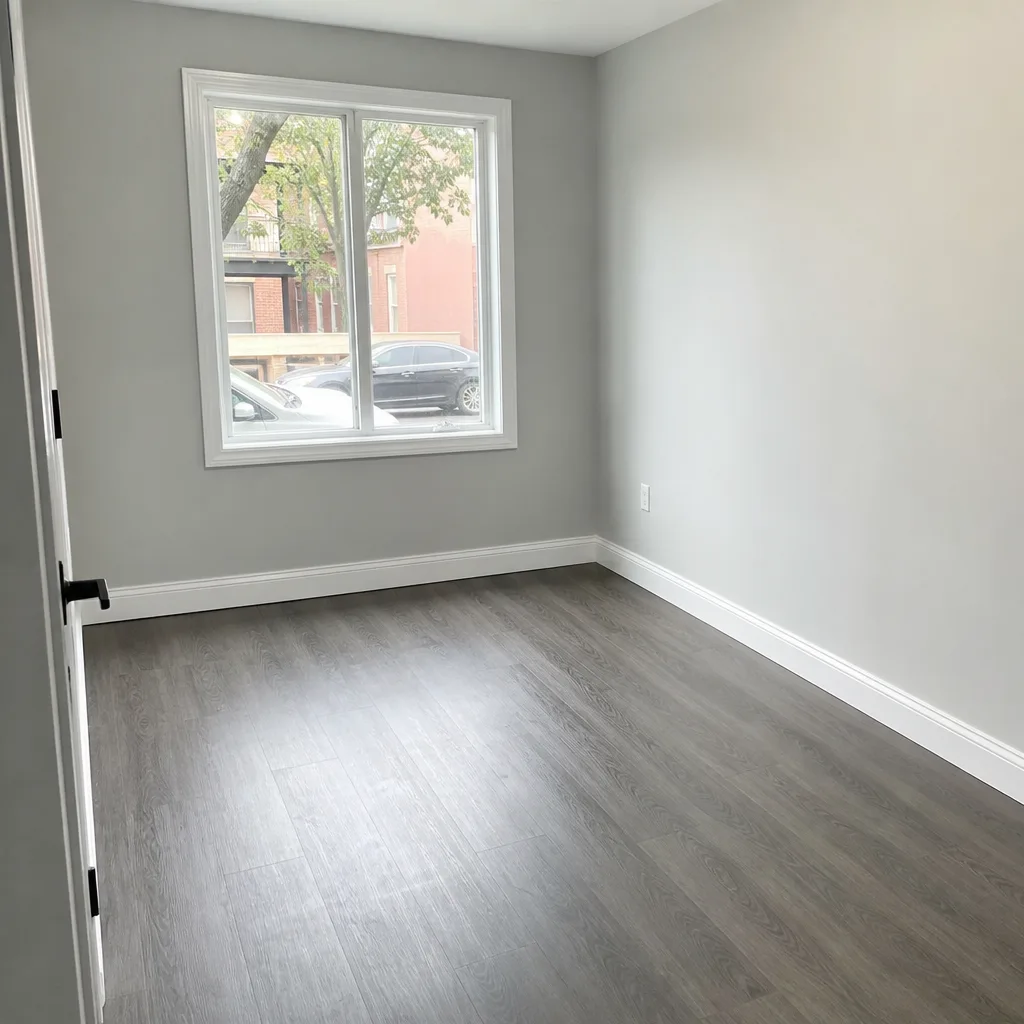 After
After24/7 Emergency Commercial Restoration in Williamsburg
Commercial water, fire, or mold damage in Williamsburg never keeps business hours. A burst cast iron supply line in a converted loft on Wythe Avenue won’t wait until Monday. Wade’s Restoration answers live 24 hours a day, seven days a week, and our crews can be on site anywhere in Williamsburg within 45 minutes of your call to (363) 300-2771. The first hour after a pipe failure or fire event determines whether you’re dealing with a contained cleanup or a full-floor gut. We start extraction and stabilization immediately, then hand you a written scope before any major work begins so you know exactly what we’re doing and what it costs.
Understanding Commercial Restoration Severity in Williamsburg Properties
Water damage falls into three categories. Category 1 is clean water from a burst supply line or failed fixture. Category 2 is gray water with some contamination, typically from washing machine overflow or sump pump failure. Category 3 is black water from sewage, storm surge, or river flooding, and it’s a full biohazard requiring containment, disposal protocols, and antimicrobial treatment. In Williamsburg’s older stock, category matters acutely. Pre-war tenements and converted factory lofts on North 6th, Kent Avenue, and Grand Street carry original plumbing, cast iron waste lines, and rooftop drainage systems that have been patched for decades. A Category 1 leak left unattended across a 2,500-square-foot open floor plate becomes a Category 3 biological problem in 48 to 72 hours because water saturates wood framing, wicks into plaster, and creates conditions where mold grows inside wall cavities where you can’t see it. Our techs use moisture mapping, thermal imaging, and hygrometers to find every hidden wet spot before we call a space dry. That’s the difference between a cleanup and a rebuild.
Why Williamsburg Property Owners Choose Wade’s Restoration
- 45-minute response commitment. Crews staged for Williamsburg keep travel times short. We get there fast because the clock starts the moment water hits wood.
- 24/7 live answer, no answering service. Call (363) 300-2771 and a real person picks up. Wade Ferris answers his own phone, including at two in the morning.
- IICRC-certified crews. Our techs hold WRT (Water Damage Restoration Technician), FSRT (Fire & Smoke Restoration Technician), and AMRT (Applied Microbial Remediation Technician) certifications. The work is done to the industry’s standard, not a shortcut.
- Free visual inspection. We show up, walk the space, take moisture readings, and tell you straight what needs doing. No charge for that.
- Direct insurance billing. We work with your carrier from the first claim call, send adjusters our logs, and handle the paperwork.
- One team from extraction to reconstruction. Same crew that pulls the water also hangs the drywall and refinishes the floors. No handoffs, no finger-pointing.
Our Commercial Restoration Process
Inspection & Assessment
We map the loss with moisture meters, thermal cameras, and a full visual of every affected area. You get a written scope, a realistic timeline for Williamsburg’s building conditions, and a firm price before we move equipment in.
Extraction & Stabilization
Truck-mounted extraction pulls standing water while our crew sets up containment to stop vapor migration. In lofts with undivided floor plates, this step is the difference between a 1,500-square-foot loss and a whole-floor claim.
Drying & Dehumidification
For heavy-timber lofts, we run Phoenix desiccants and XPOWER air movers in cycles timed to the wood’s release rate. Douglas fir and heart pine hold water deep. We log daily moisture readings and don’t stop until core readings return to pre-loss levels.
Cleaning & Sanitization
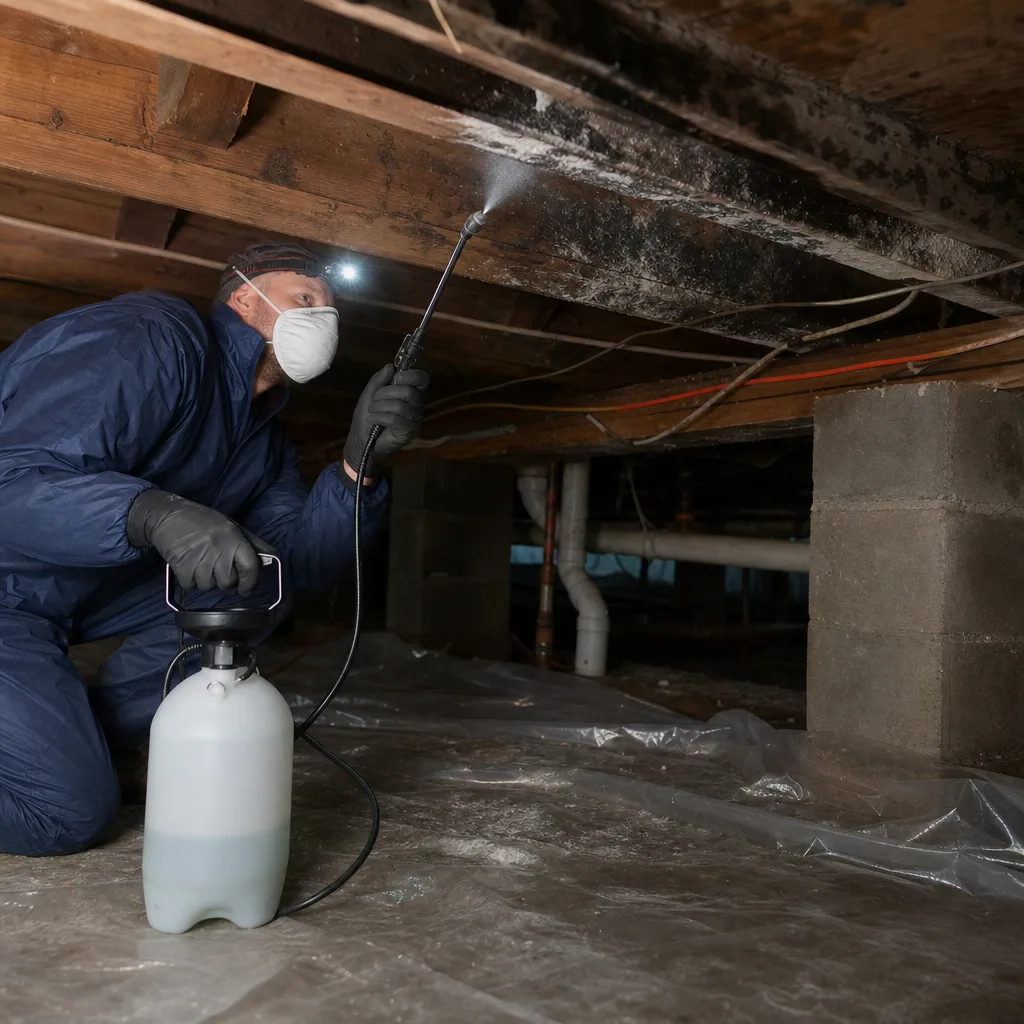
Antimicrobial treatment on all affected surfaces, HEPA air scrubbing where mold is present, and odor removal for smoke or sewage events. We treat the air, not just the surfaces.
Specialty Treatment for Commercial Spaces
For retail, offices, and industrial facilities, we address what standard residential crews miss: fire suppression system residue, inventory and document recovery, and protecting tenant-occupied areas during remediation.
Repairs & Restoration
We rebuild to match original materials where required, from wide-plank flooring to exposed brick and period millwork. Landmark interiors get careful matching, not landlord-grade patch jobs. Every job carries the 90-Day Done Right Promise in writing.
Need Emergency Commercial Restoration in Williamsburg Now?
Crews minutes away, answering live 24 hours a day. The sooner we start, the less it costs.
Working With Your Insurance Company
Wade’s Restoration has dealt with commercial carriers for over 29 years across New York City, and we’ve learned that the claim succeeds or fails on documentation from the first hour. We photograph every room, every surface, every piece of damaged inventory before anything moves. We take moisture readings before, during, and after drying, and we hand you and your adjuster the complete log. Our estimates follow industry-standard line-item formats your carrier recognizes. We speak directly with adjusters, submit the scope, walk them through the space, and answer their questions so you don’t spend your week on the phone relaying technical details between two parties.
What We Provide Your Insurer
- Thorough documentation of the loss
- Photos of all damage, room by room
- Moisture readings and drying logs
- A detailed, line-item scope of work
- Direct coordination with your carrier
Built for Williamsburg’s Loss Calendar
Williamsburg’s commercial losses follow a rhythm. January and February deep freezes push aging galvanized and cast iron supply lines past their limits, bursting in pre-war masonry buildings along Bedford Avenue and Driggs Avenue before tenants even know there’s water running. Spring thaw finds every flat tar-and-gravel rooftop with chronic ponding, and when the membrane finally fails during a March rain, water pours through 5 stories of commercial space. Summer thunderstorms overwhelm combined sewers and send Category 3 water into basements from the BQE to the waterfront. And every year, the FEMA flood zones along Kent Avenue and Wythe Avenue remind owners that Hurricane Sandy wasn’t a one-time event, it was a preview. Nor’easters in the fall bring wind-driven rain through aging windows and roof systems. Wade’s Restoration plans equipment staging and crew schedules around this calendar. We know when Williamsburg is going to call, because we’ve been answering that phone for almost three decades.
Commercial Restoration Across Williamsburg’s Neighborhoods
Different parts of Williamsburg fail differently, and our crews know the patterns. North Williamsburg’s converted pharmaceutical and sugar factories along Berry Street and Wythe Avenue sit on massive undivided floor plates with heavy timber framing. When a pipe lets go there, water runs hundreds of feet before hitting a wall. We build airtight containment to stop vapor from migrating through open loft plans, because water in the air moving through a 10,000-square-foot floor will wet what the pipe never touched.
South Williamsburg’s 19th-century tenements and factory buildings cluster tightly along Grand Street and South 4th Street. Shared party walls mean water from one unit bleeds into neighbors, turning a single-store loss inside a three-address problem. Our techs document the source and spread clearly for HOAs and carriers, because in a multi-unit building, the adjuster needs precise boundaries of what came from where.
East Williamsburg’s industrial corridor near the Bushwick border and along Metropolitan Avenue includes active manufacturing and warehouse space. Fire suppression system discharges are common there, and we handle the chemical residue and inventory impact that a standard water crew doesn’t. Along the waterfront in the new luxury towers, we see construction defects and mechanical room failures, usually in the first three years after occupancy. We work with building management on warranty documentation so owners aren’t left holding the bill for someone else’s substandard build.
Specialized Commercial Restoration Services We Offer in Williamsburg
Multi-Unit & HOA Restoration
Williamsburg’s converted lofts and pre-war walk-ups are rarely owner-occupied end to end. Ground-floor retail, upper-floor offices, and residential units all share structure. We scope the loss by unit, then by building system, so the HOA knows exactly what the common area claim covers and what falls to individual owners. Our team has handled multi-floor water migration in landmark cast iron buildings where opening one wall to dry means disturbing original plaster and trim that carries architectural significance.
Large-Loss Response
A broken waste stack in a North Williamsburg converted pharmaceutical loft flooded 3,000 square feet of open floor plate over a weekend. Our techs set containment, mapped moisture across the old-growth heart pine flooring, and ran Injectidry panels plus Phoenix desiccants for nine days. We logged daily moisture readings until the structural timbers hit pre-loss condition, avoiding thousands in pack-out and business interruption for the first-floor retail tenant. That’s what large-loss response means here: planning for the building’s actual materials, not a generic dry-out timeline.
Business Interruption Minimization
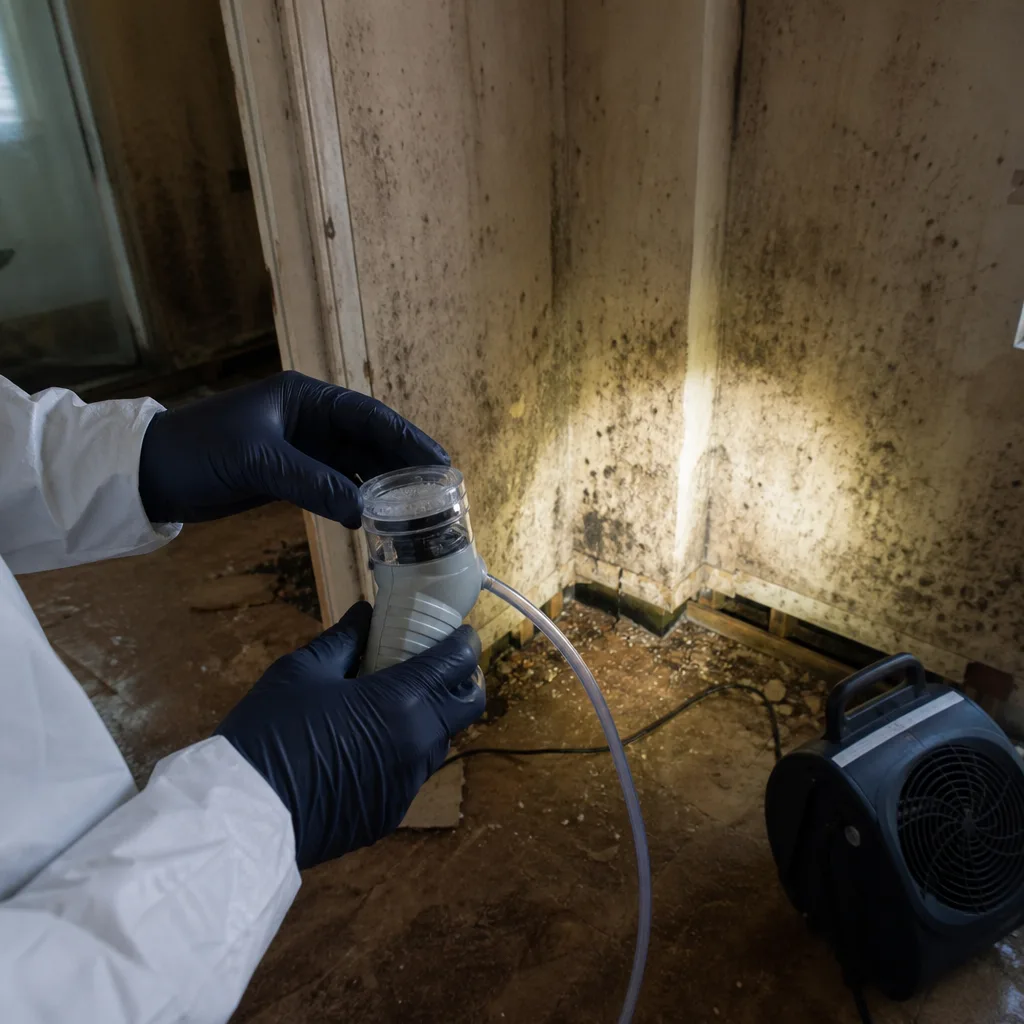
Every day a Williamsburg storefront is closed is revenue gone and customers re-routing to another block. We stage containment so occupied areas stay open where safe, run after-hours work when tenants need the space during business hours, and hit the drying targets that let you re-open fast. In an office loft, that might mean drying the back half while the front half keeps working. In a restaurant, it means getting the kitchen back online before the weekend. The equity in a Williamsburg commercial lease is too valuable to lose to a slow crew.
Office & Retail Restoration
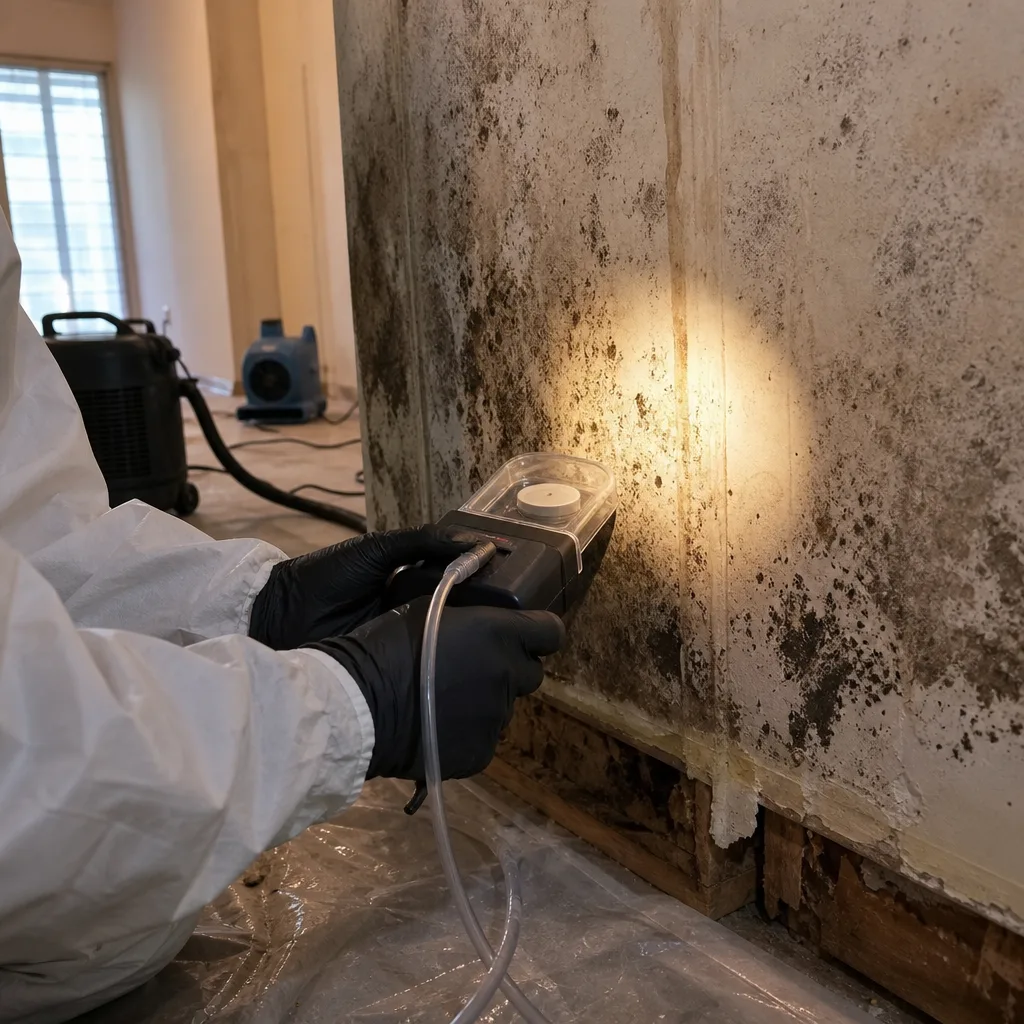
From retail storefronts on Bedford Avenue to creative offices in converted industrial buildings, we handle water, fire, and mold losses with an eye toward your operational calendar. We protect inventory where possible, recover documents and electronics, and restore finishes so the space looks like it did before the loss, not like a construction site that never got finished. Our team works with property managers on access, noise windows, and building rules so the restoration doesn’t violate the lease.
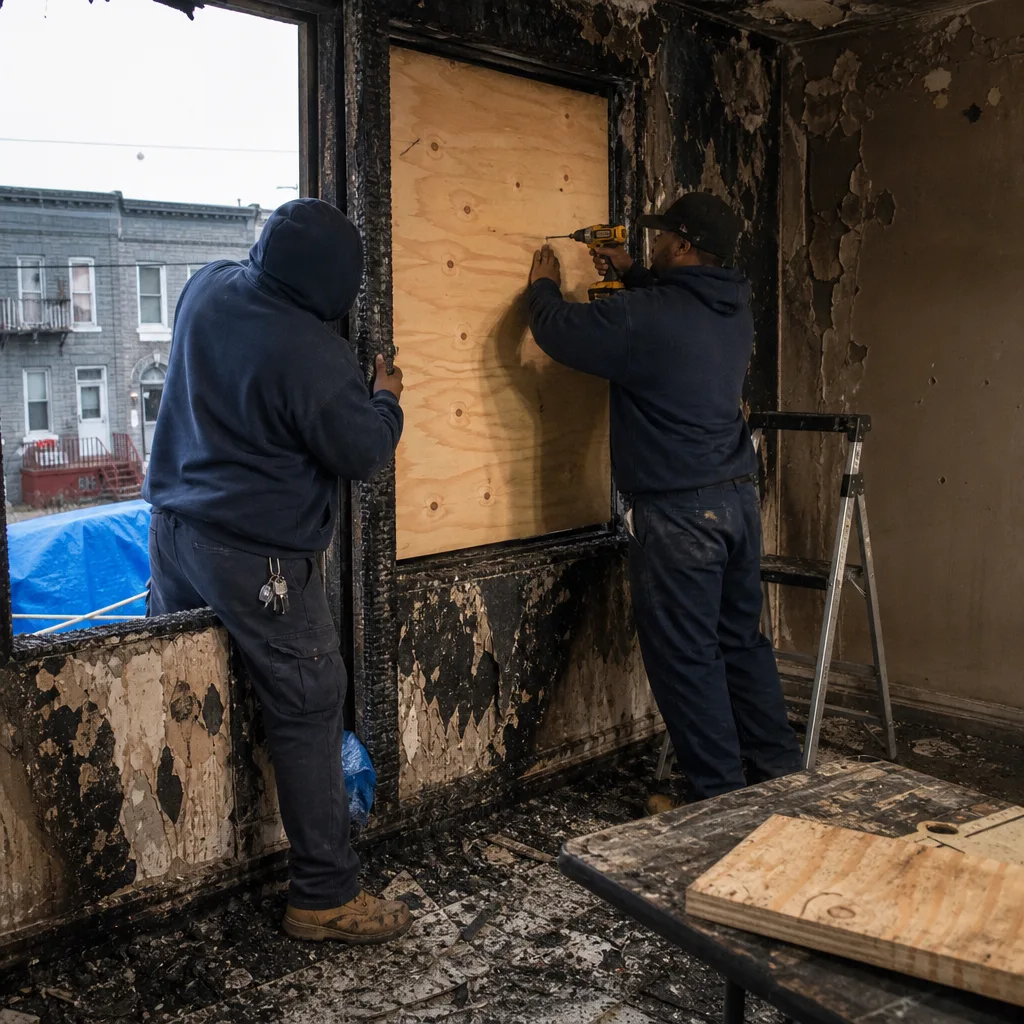
Industrial Facility Cleanup
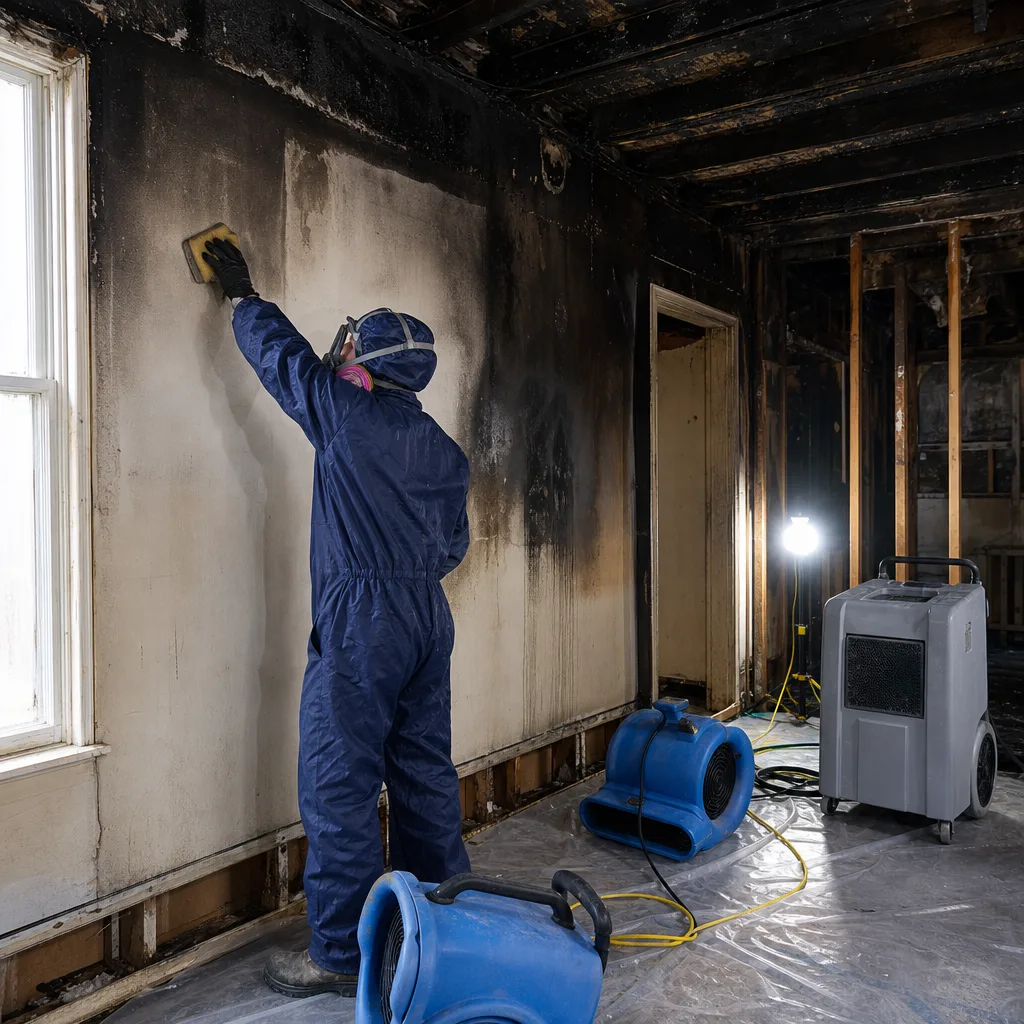
Manufacturing and warehouse spaces in East Williamsburg and along the industrial waterfront have different failure modes. Ceiling deck insulation holds water. Concrete floors hide moisture underneath. Chemical storage complicates a water loss. Our crews are trained for industrial containment, proper disposal, and documentation that meets commercial insurer requirements for facility claims. We log every reading, photograph every step, and report to your facility manager in the format their carrier wants.
What happens when you call
- 1
A real person answersNo phone trees - you reach a local pro.
- 2
You get an upfront price rangeHonest numbers before anyone is dispatched.
- 3
A background-checked tech heads outLicensed & insured, dispatched right away.
- 4
You approve before work beginsNothing starts until you say go.
Commercial Restoration Costs in Williamsburg, NY
Water extraction and drying in a Williamsburg commercial space typically runs $4 to $8 per square foot when caught early, before structural saturation. A full Category 2 or 3 mitigation with containment and antimicrobial treatment lands between $8 and $15 per square foot, depending on how much of the floor plate is involved and whether we’re dealing with heavy timbers that release moisture slowly. Mold remediation in a converted loft with exposed framing and open floor plans usually runs $4,500 to $18,000, with the high end reflecting the containment complexity of undivided 12-foot-ceiling spaces. Fire and smoke restoration for a small retail storefront starts near $3,500 and can reach six figures on a large-loss industrial event. The variables that move your number: how deep the water went into wood, whether sewage is involved, how much wall and ceiling must open for drying, and whether your building requires landmark-compatible materials. Insurance covers most of this on standard commercial policies. Call Wade’s Restoration at (363) 300-2771 for a free visual inspection and a written scope before you commit to anything.
We Also Serve Cities Near Williamsburg
Our crews regularly respond across the borough line into Williamsburg‘s neighboring commercial districts: East New York, Jamaica, Canarsie, and Glendale. If your building sits just outside the neighborhood limits, call anyway. We’ll tell you straight whether we can reach you within our response commitment.
Serving Williamsburg, NY - Our Local Coverage Area
We’re based in the Williamsburg area and know this community well. Use the map below to see our service coverage - if you’re nearby, we can almost certainly help.
Williamsburg Commercial Restoration Questions, Answered
How long does structural drying actually take in a Williamsburg converted loft with old-growth Douglas fir timbers?
Seven to ten days, sometimes longer. Old-growth Douglas fir and heart pine absorb water deeply and release it slowly. A modern drywall-and-steel build might hit dry in 48 to 72 hours, but heavy timber doesn’t cooperate with that timeline. We set Phoenix desiccants and XPOWER air movers in cycles matched to the wood’s release rate, and we take daily core readings. If a crew tells you three days for a timber loft, they’re leaving moisture in the wood, and you’ll see mold in 60 to 90 days. Call (363) 300-2771 and we’ll give you an honest drying timeline for your specific building.
What does Category 2 or Category 3 water from a broken sewer line mean for a Williamsburg retail space?
Category 2 gray water carries biological contamination that can make occupants sick. Category 3 black water from a sewer or storm surge is a biohazard. Both require containment, removal of affected porous materials, antimicrobial treatment of the entire space, and air scrubbing with HEPA filtration during and after the work. You can’t mop your way out of Category 3. We handle sewage cleanup in Williamsburg with full PPE, proper disposal, and clearance documentation for your insurer.
Why is Hurricane Sandy still relevant to commercial restoration here in 2025?
Because Williamsburg’s East River waterfront remains in FEMA Flood Zone AE, and the storm surge pressure that flooded ground floors in 2012 hasn’t gone anywhere. Buildings that took Sandy water carry hidden damage, and any new flood event lands in the same basements and storefronts. Add the freeze-thaw cycle punishing flat roofs every winter, and the waterfront’s risk profile is higher than most owners acknowledge. If your space is in the flood zone, we recommend a pre-loss inspection to identify vulnerable systems before the next storm hits.
How do you prevent business interruption in a Williamsburg loft building when water spreads across open floor plates?
The answer is containment and speed. Undivided 12-foot-ceiling floor plates mean water vapor moves freely. Within the first hour, we build tight plastic containment around the affected area, set negative air pressure, and stage drying equipment so the rest of the floor stays dry. We also schedule after-hours work and phase the project so occupied areas remain functional. The alternative, waiting until the whole floor is wet, is how a $5,000 cleanup becomes a $50,000 claim.
What does a scope of work for a Williamsburg HOA or multi-unit loft building actually cover?
A proper scope for a multi-unit building separates common area damage from unit-level damage, identifies the source and cause, and provides line-item pricing for extraction, drying, antimicrobial treatment, and repairs for each affected party. Our scope also includes moisture logs, photo documentation, and a unit-by-unit containment plan. HOAs need this because the carrier will ask exactly what happened where, and a vague scope means delayed payment. We write scopes that adjusters approve without three rounds of questions.
Are you certified for commercial work in Williamsburg?
Yes. Wade’s Restoration carries IICRC certifications including WRT, FSRT, and AMRT, plus RIA and IFA credentials. Our techs are background-checked and uniformed. Equipment includes Dri-Eaz, Phoenix, Injectidry, and XPOWER. The industry’s standards, applied by the crew that actually shows up.
Can my business stay open during commercial restoration?
Often yes, with proper containment and phasing. We keep affected areas isolated, run dehumidifiers and air scrubbers quietly where possible, and do disruptive work outside your operating hours. For food service or medical spaces, we bring in industrial hygiene testing before re-opening to confirm air and surfaces are clean. If the space can’t stay open safely, we tell you that straight and work to compress the closure window.
What should I do in the first 30 minutes after commercial water damage in Williamsburg?
Shut off the water at the source if you can, cut electrical power to the affected area, move inventory and documents out of standing water, and call (363) 300-2771. Don’t run HVAC, don’t open walls, and don’t attempt sewage cleanup yourself. The first half hour determines how much gets damaged. Call Wade’s Restoration, and Wade or his crew will be on the way while you’re still moving boxes.
Written by Wade Ferris, Owner at Wade’s Restoration, serving Williamsburg’s commercial properties with honest timelines and documented work since 2007.