
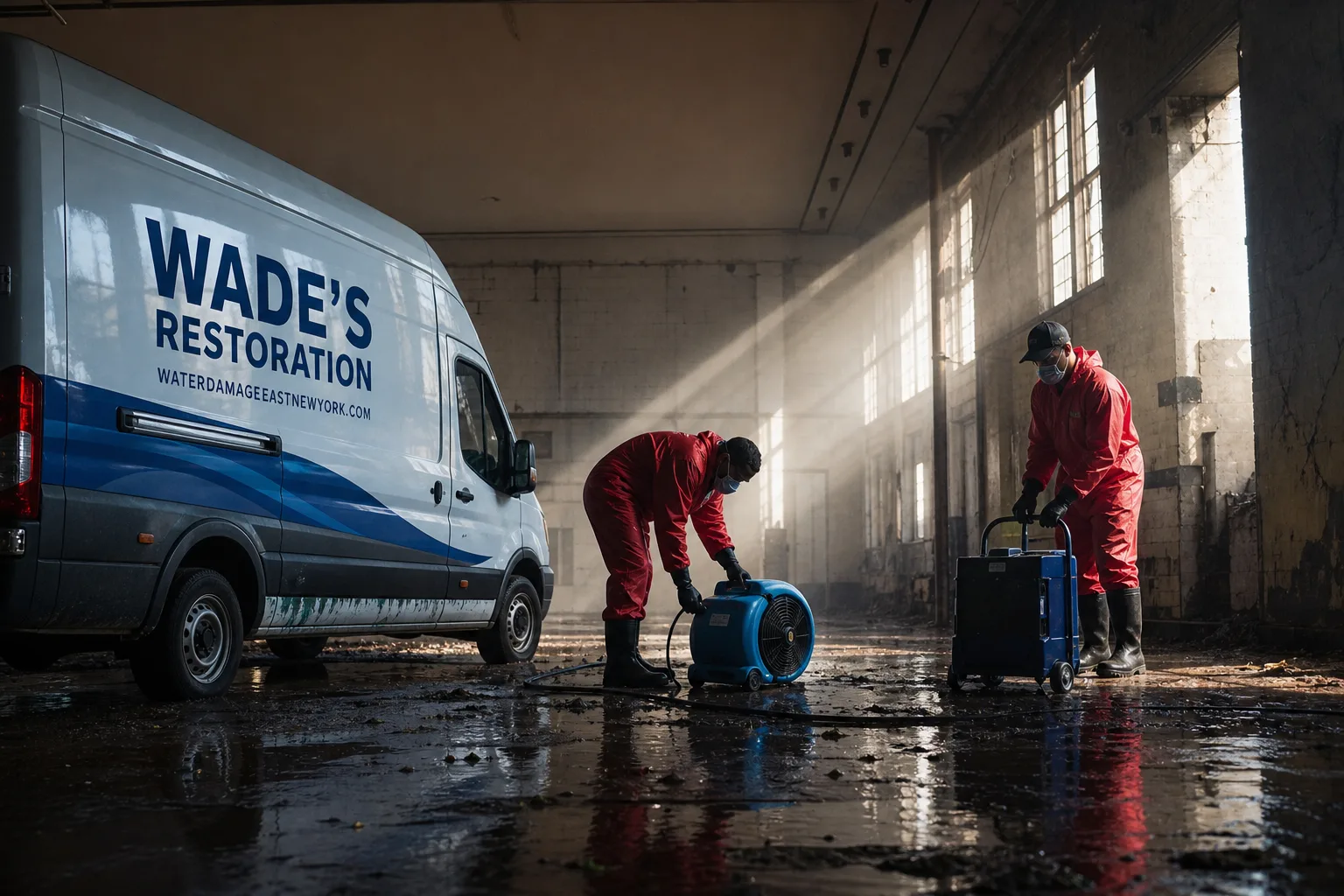
Free visual inspection and a written scope of work before any mitigation begins - photos, moisture readings, and drying logs go in your claim file
The scope we write is the scope we bill. Anything new gets shown to you, in writing, before we touch it.
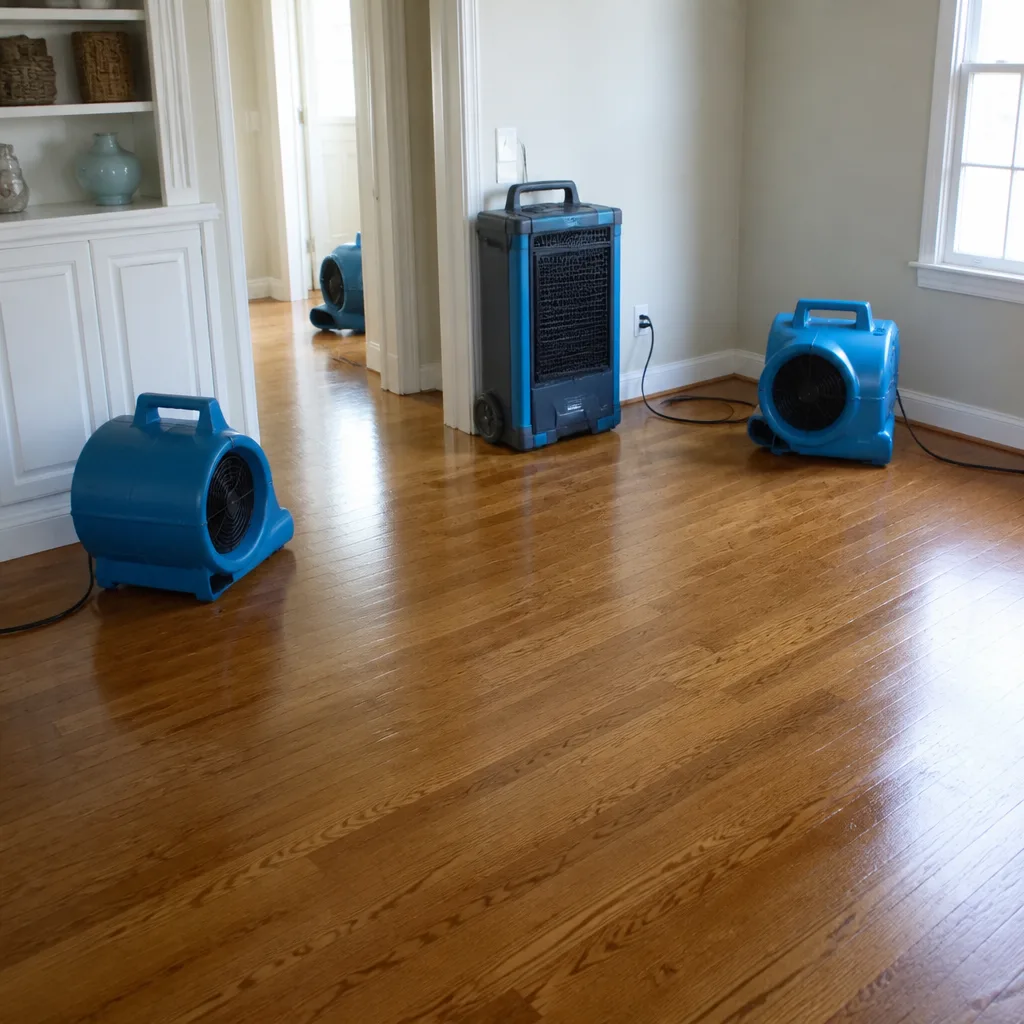
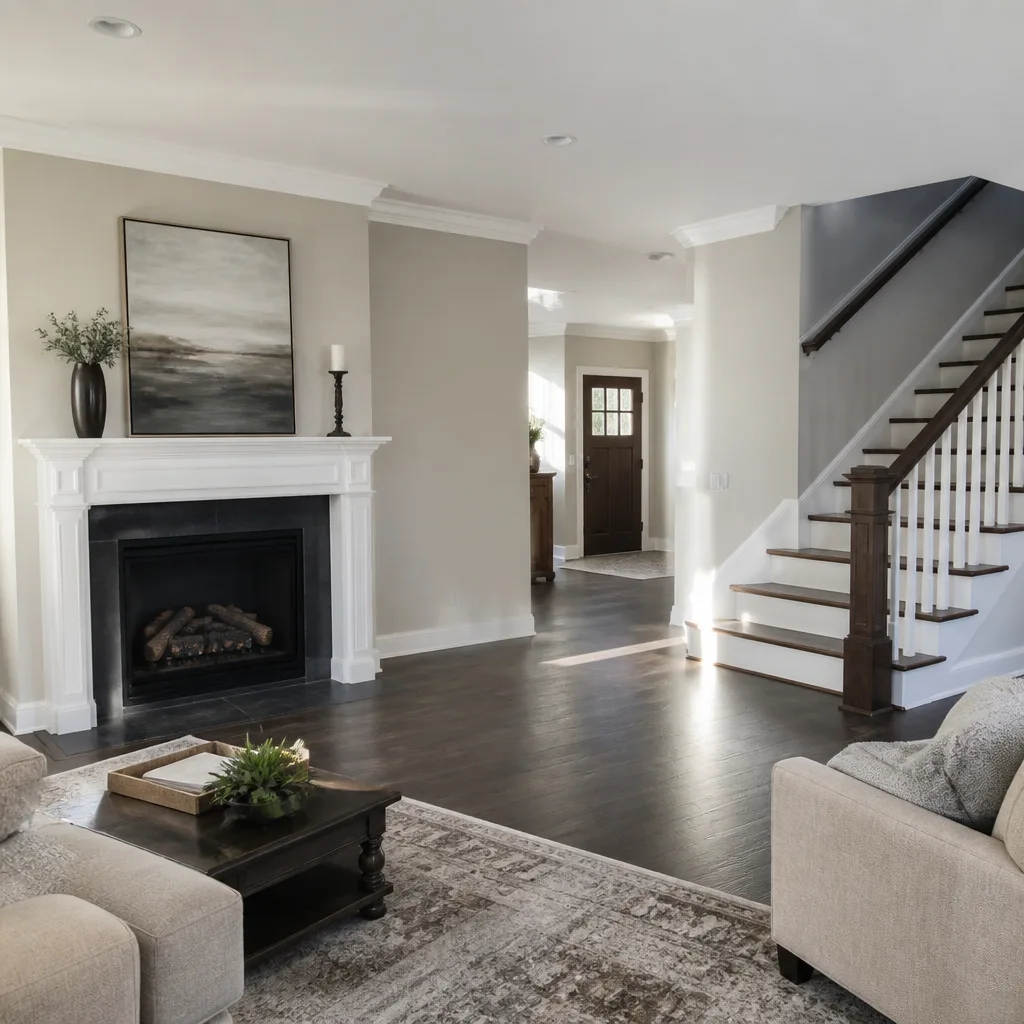
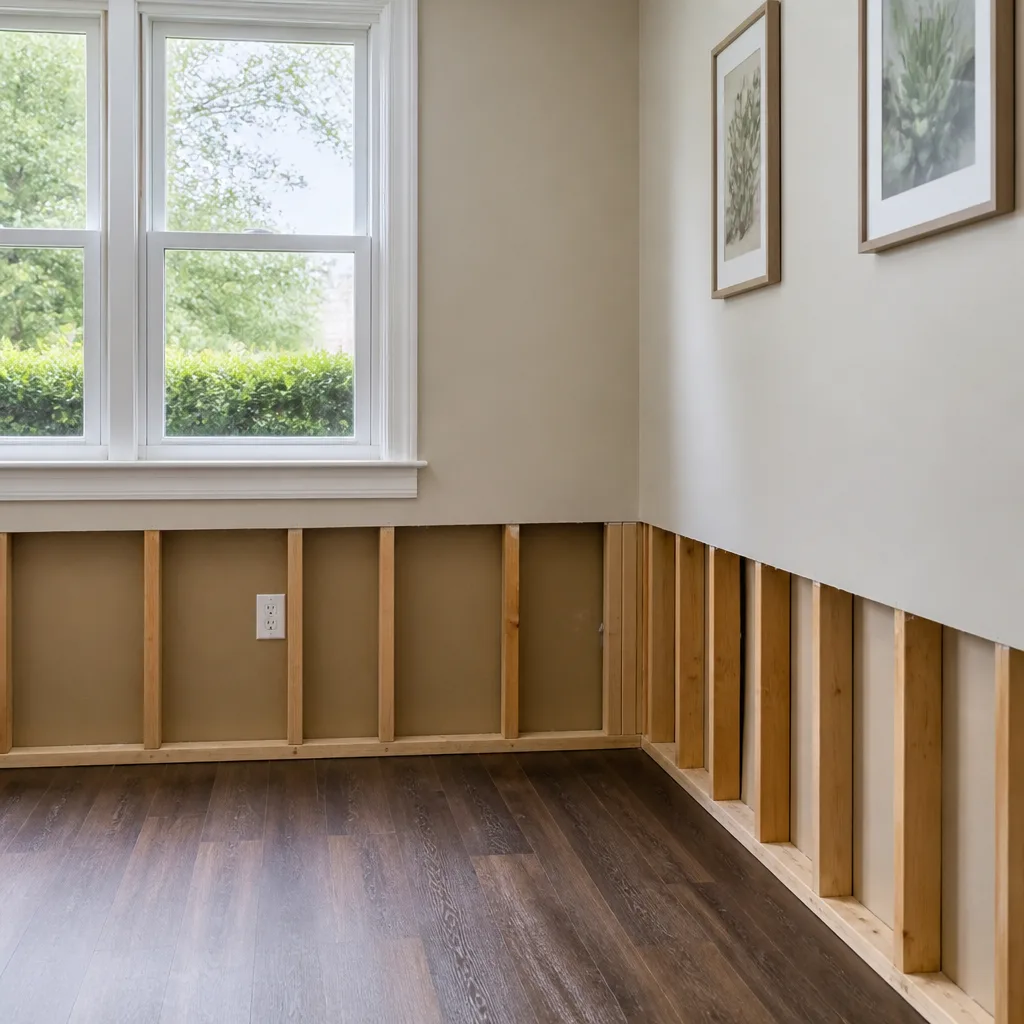
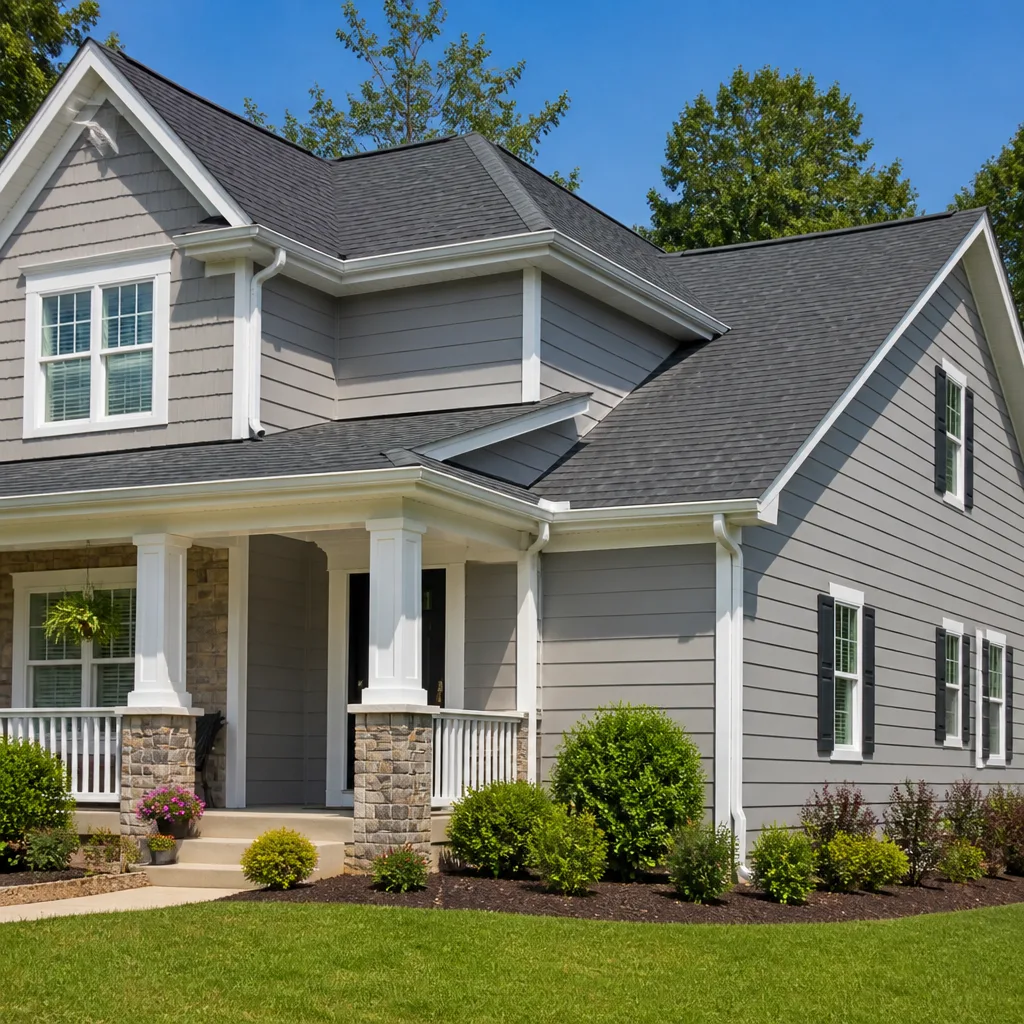
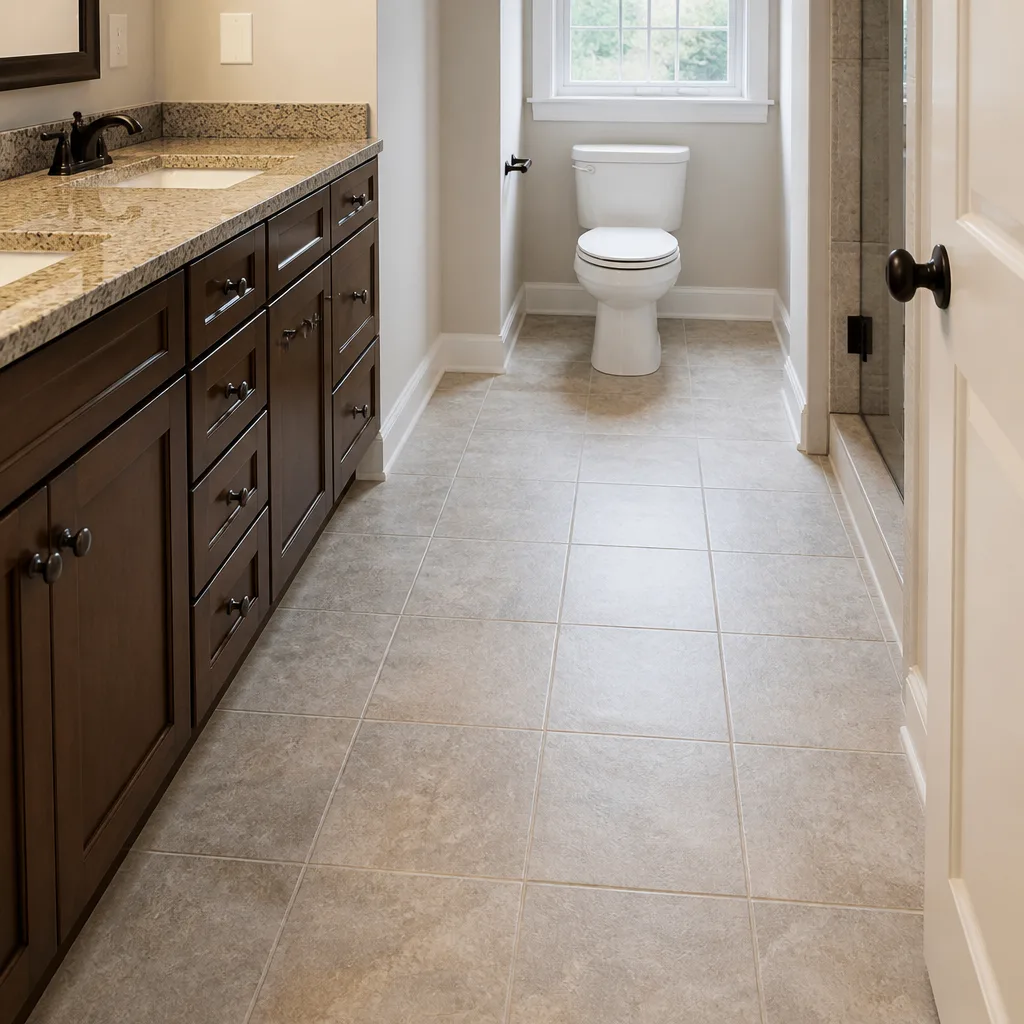
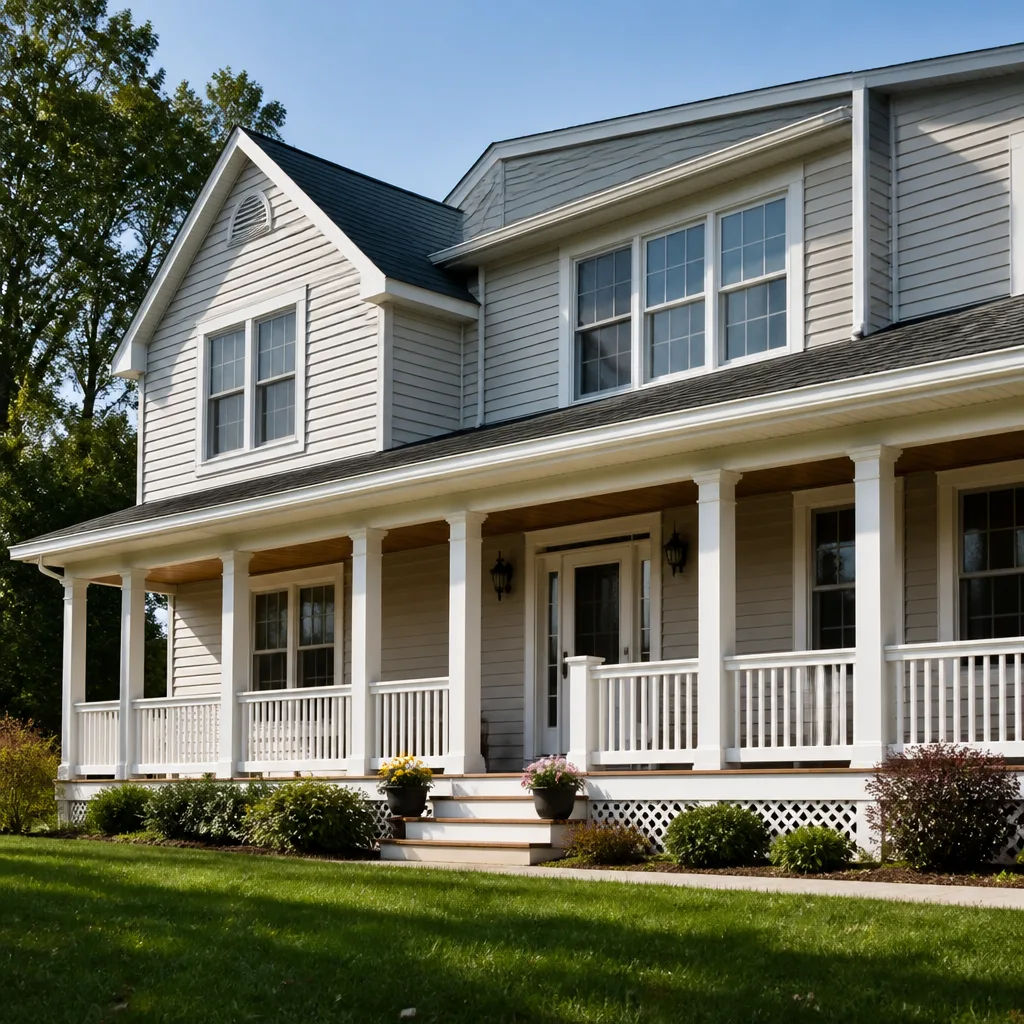
 Before
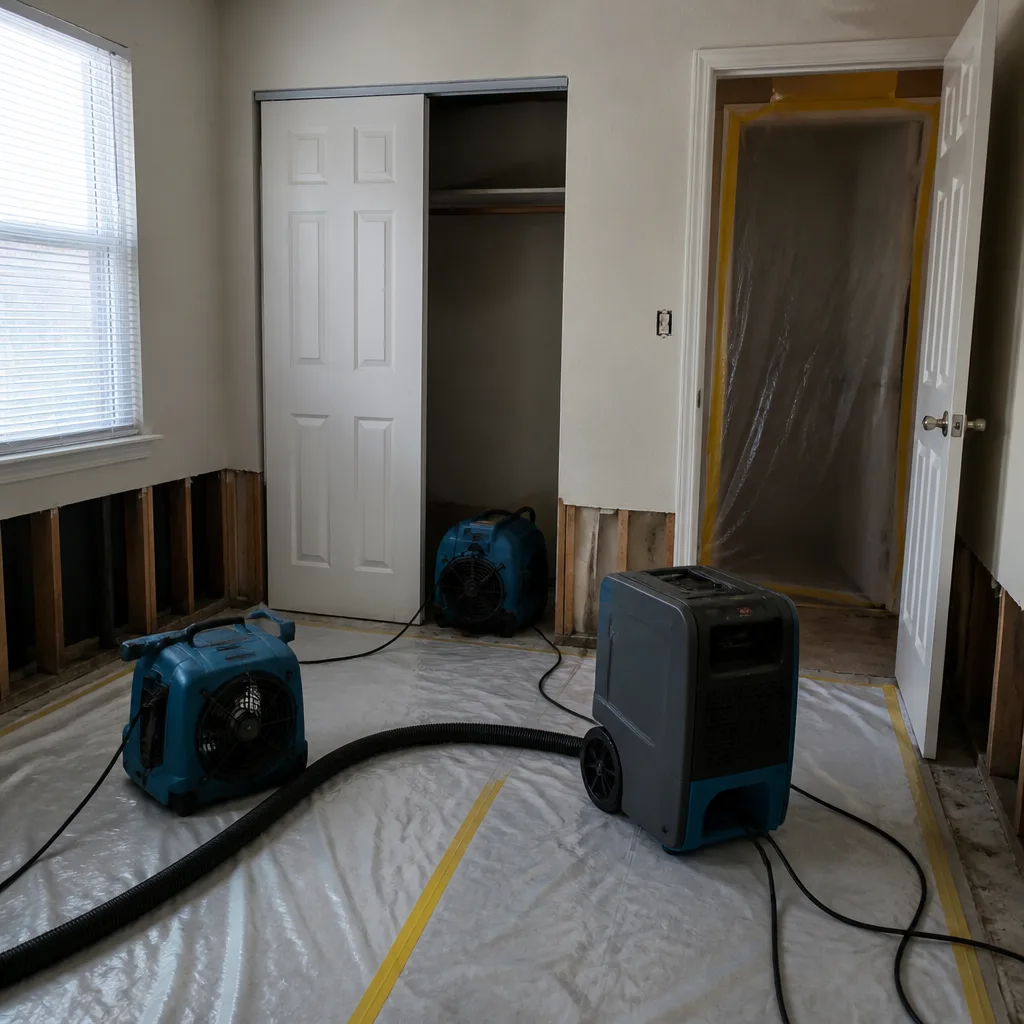 After
After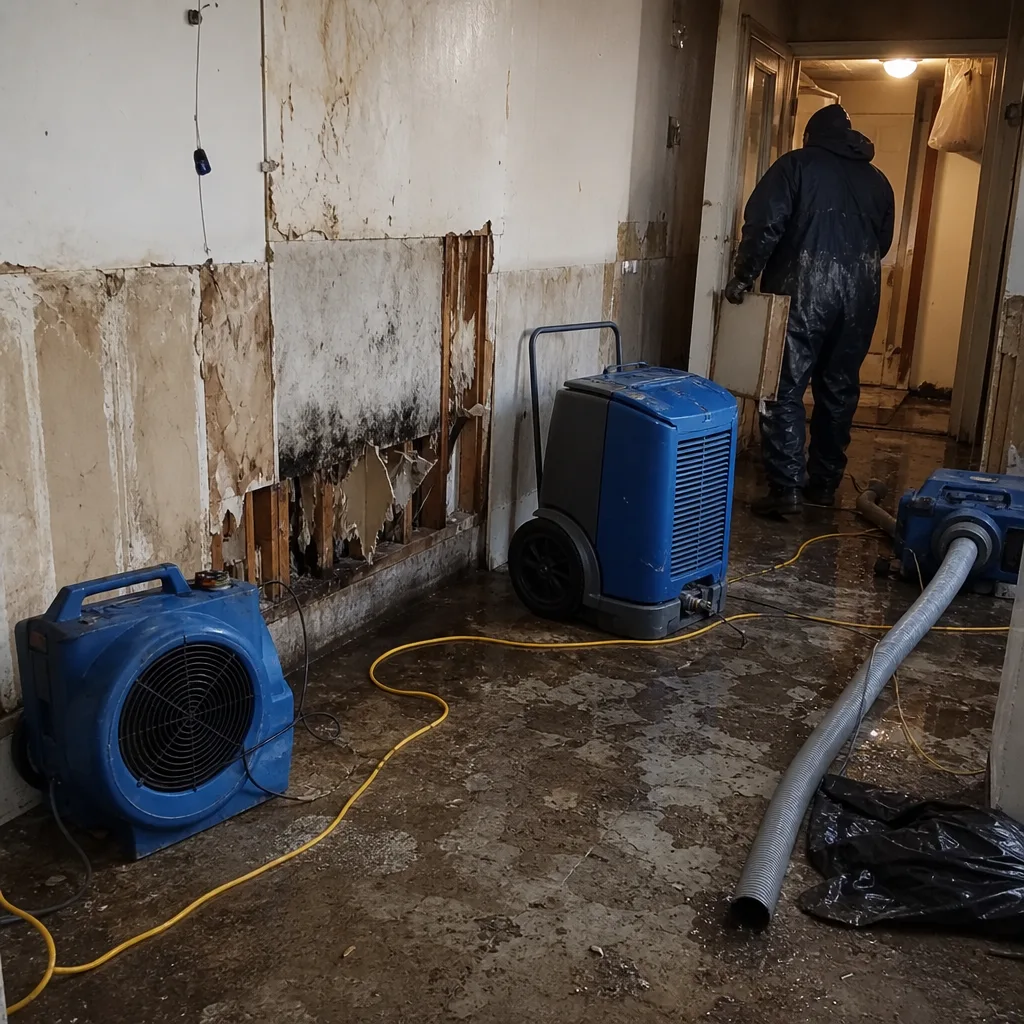 Before
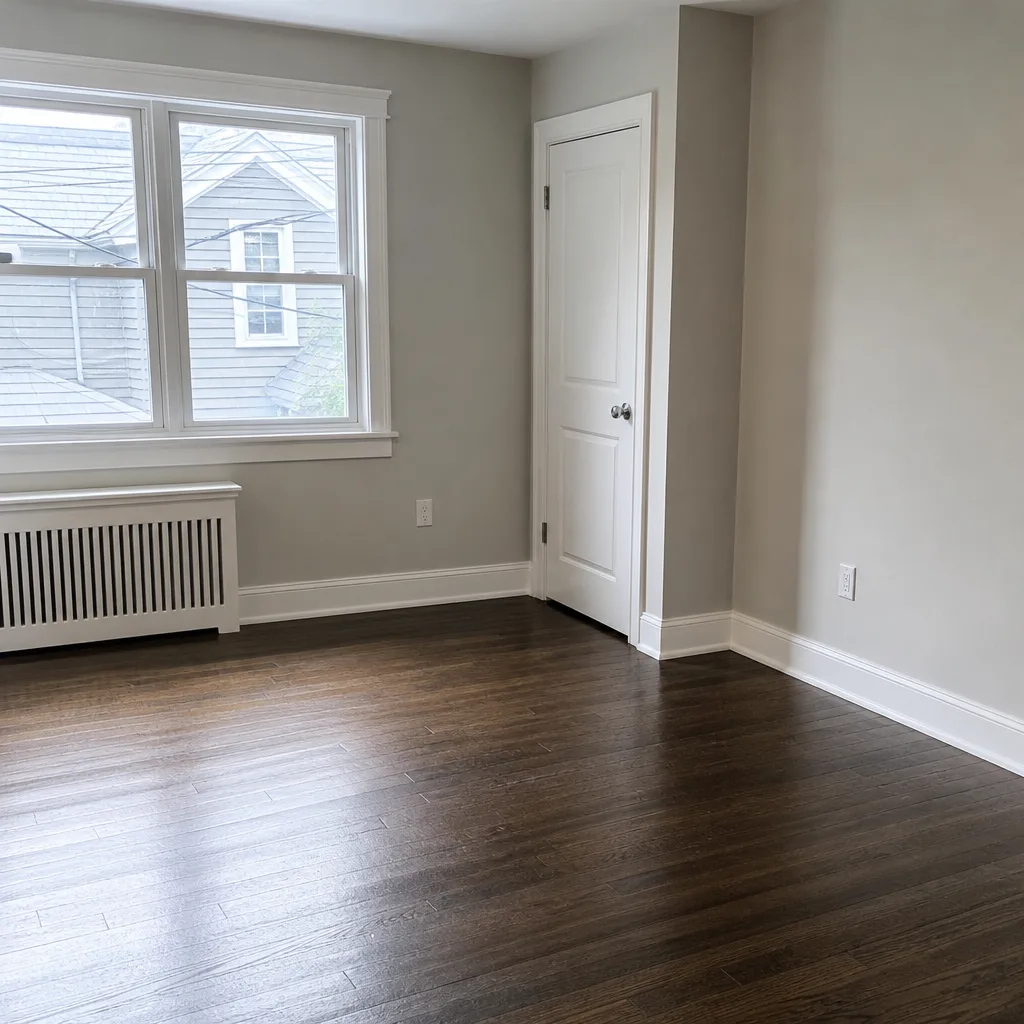 After
After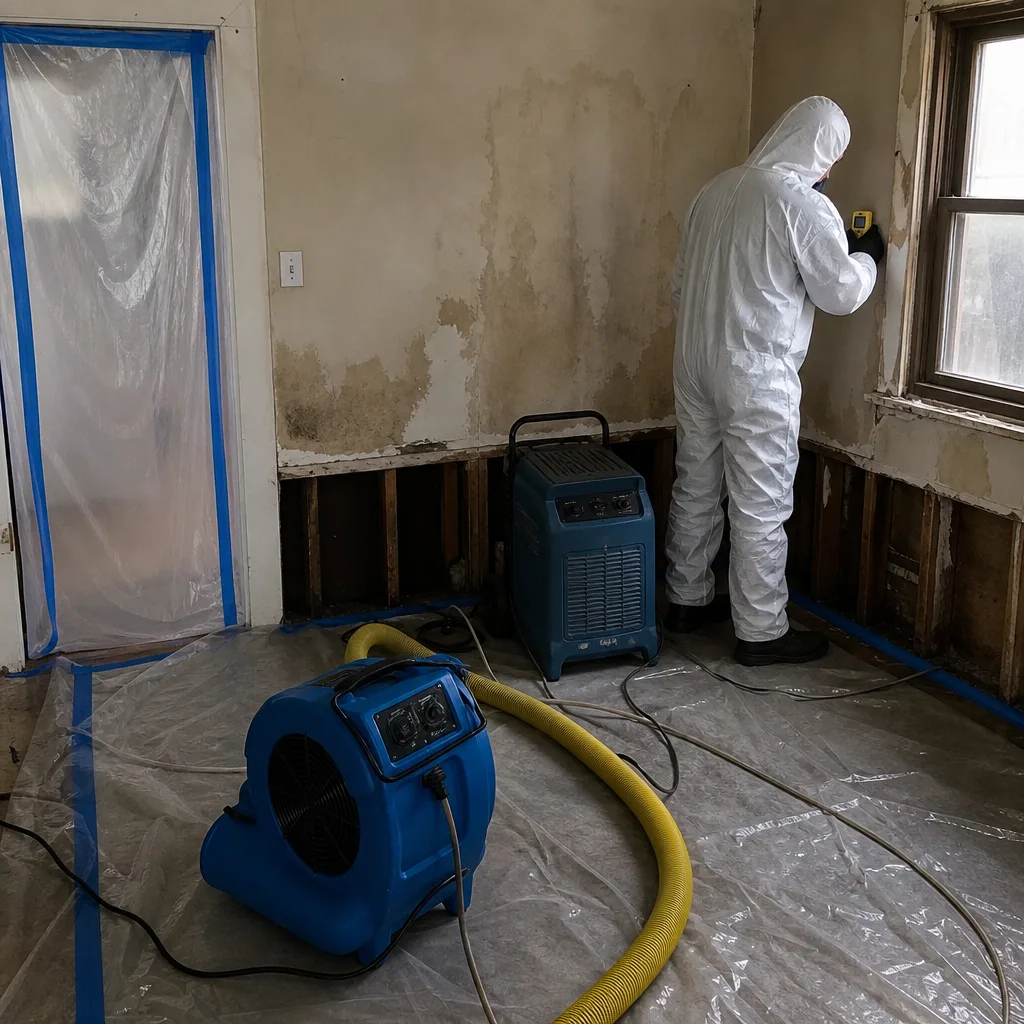 Before
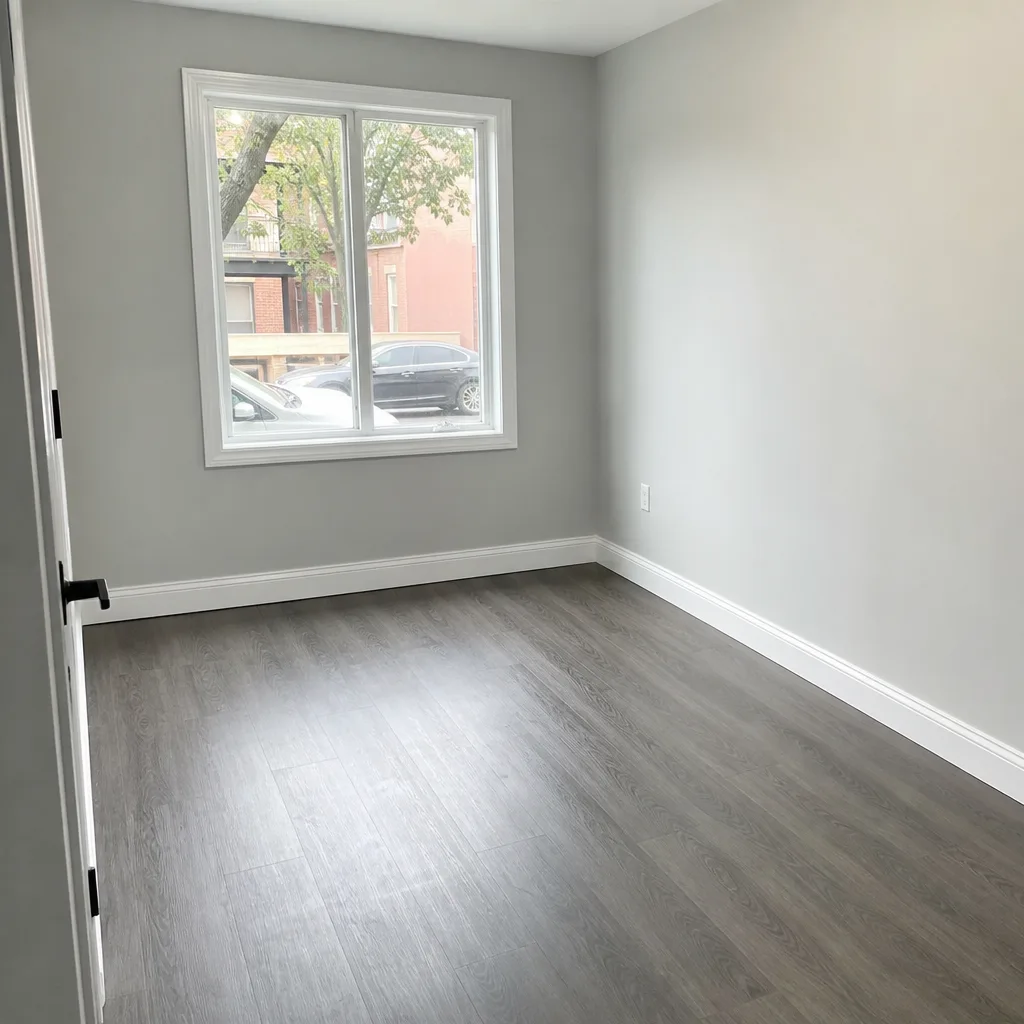 After
After24/7 Emergency Commercial Restoration in Corona
Commercial water, fire, or sewage damage in Corona rarely stays inside one unit. We answer live 24 hours a day at (363) 300-2771, and Wade heads out himself, not a call center. For commercial losses on tight row-house blocks near Roosevelt Avenue, Northern Boulevard, or Junction Boulevard, the first hour decides whether a Category 2 supply-line break stays a two-day dry-out or becomes a three-unit Category 3 claim with business interruption running into weeks. That is why our crew rolls with commercial-grade extraction on the truck and a free visual inspection includes moisture readings on both sides of every shared wall. The faster the water comes out, the sooner your doors reopen and the smaller your insurance claim stays.
Key Takeaways
- Live answer, 24/7. No voicemail, no answering service. Call (363) 300-2771 and a person picks up.
- Multi-unit expertise. We know a Corona sewer backup rarely stops at one address. Shared walls get checked before drying starts.
- Written scope before work. Commercial property owners see the line-item plan and price before any equipment comes off the truck.
- Direct adjuster communication. We document from the first hour and talk to your carrier, so you are not the relay.
- 90-Day Done Right Promise. In writing on every water, fire, and mold commercial restoration job in Corona.
Understanding Commercial Restoration Severity in Corona Properties
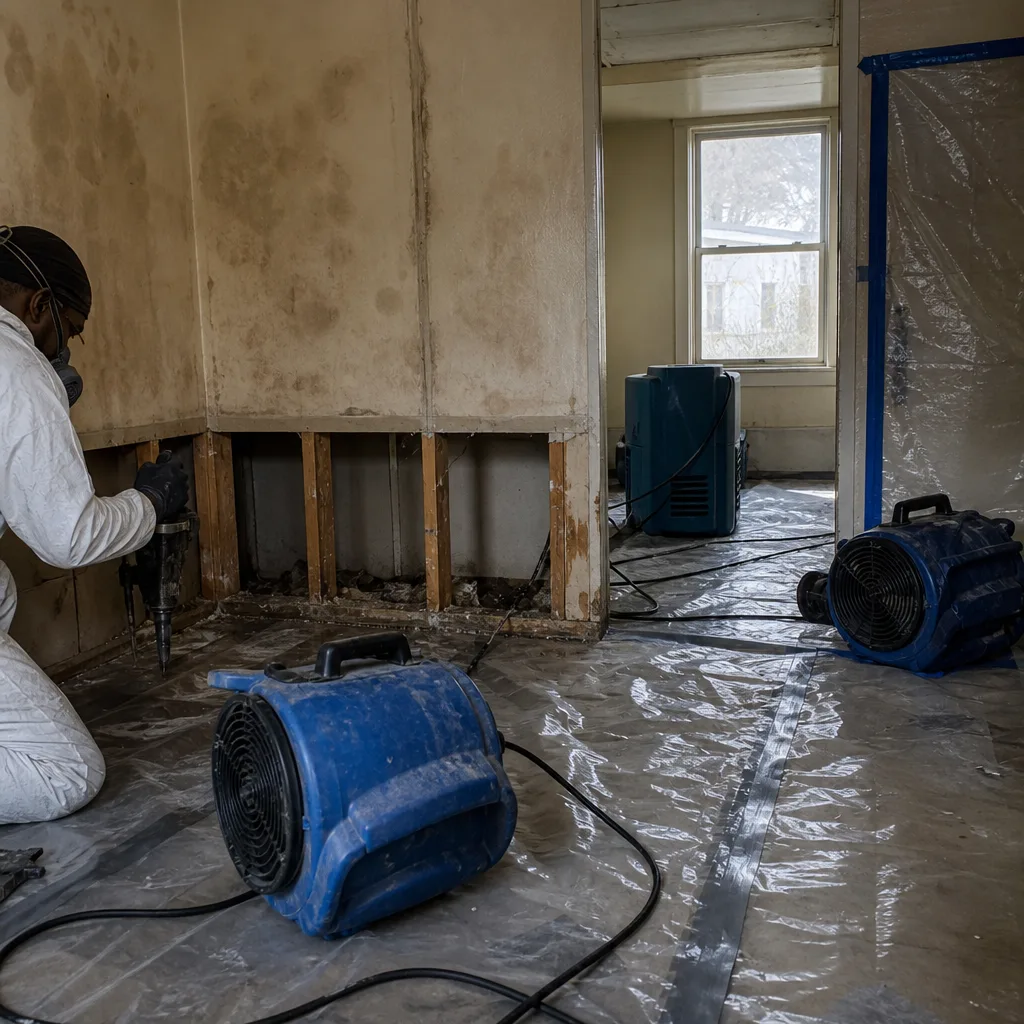
Corona’s commercial stock runs heavily to 1920s-1950s attached brick row houses with storefronts at street level and converted basements below. That layout changes how damage is classified and how it must be handled. Water is categorized by contamination level, not volume. Category 1 is clean water from a supply line or rainwater. Category 2 carries significant contamination, think washing machine overflow or sump pump failure. Category 3 is grossly contaminated, and this is the one Corona sees constantly: raw sewage from the city’s combined sewer system surcharging back up through basement floor drains during heavy storms. In commercial spaces with finished below-grade stock rooms or office areas, Category 3 means formal containment, HEPA air scrubbing, and disposal of affected porous materials, not just extraction and drying. Moisture mapping with thermal imaging and penetrating meters is standard on every job, because row-house foundation walls hide saturation that surface readings miss. Structural drying targets specific moisture content levels in masonry, not just dry air. In pre-war brick, that takes longer and requires daily readings, which is exactly what we log and hand over to you and your adjuster at job’s end.
Note: sewage and Category 3 water carry bacterial and viral pathogens. Do not enter or attempt cleanup without proper PPE and containment. This is a trained-professional job, not a mop-and-bucket situation.
Why Corona Property Owners Choose Wade’s Restoration
- A real person answers, 24/7. Wade Ferris carries the phone. If he is on a job, another person answers. Never a voicemail tree.
- Multi-property coordination is second nature to us. When water crosses a shared foundation wall on a Corona block, we knock on both neighbors’ doors before setting up a single air mover.
- IICRC-certified crews. Our techs hold WRT, FSRT, and AMRT certifications. The codes matter: Water, Fire/Smoke, and Applied Microbial Remediation.
- Free visual inspection, including adjacent-unit moisture checks. No trip charge inside Corona. We take readings before we talk scope, so you know exactly what needs drying.
- Direct insurance billing and adjuster communication. We build the line-item, photo-documented claim your carrier needs, and we talk to them directly.
- One crew from extraction to reconstruction. You will not get handed off to a subcontractor halfway through. Wade’s team does the whole job.
Our Commercial Restoration Process
Inspection & Assessment
We walk the entire property, including both adjacent units if there is any shared wall. Thermal imaging and penetrating moisture meters map exactly how far water has traveled. You get a written scope with line-item pricing before any work starts.
Extraction & Stabilization
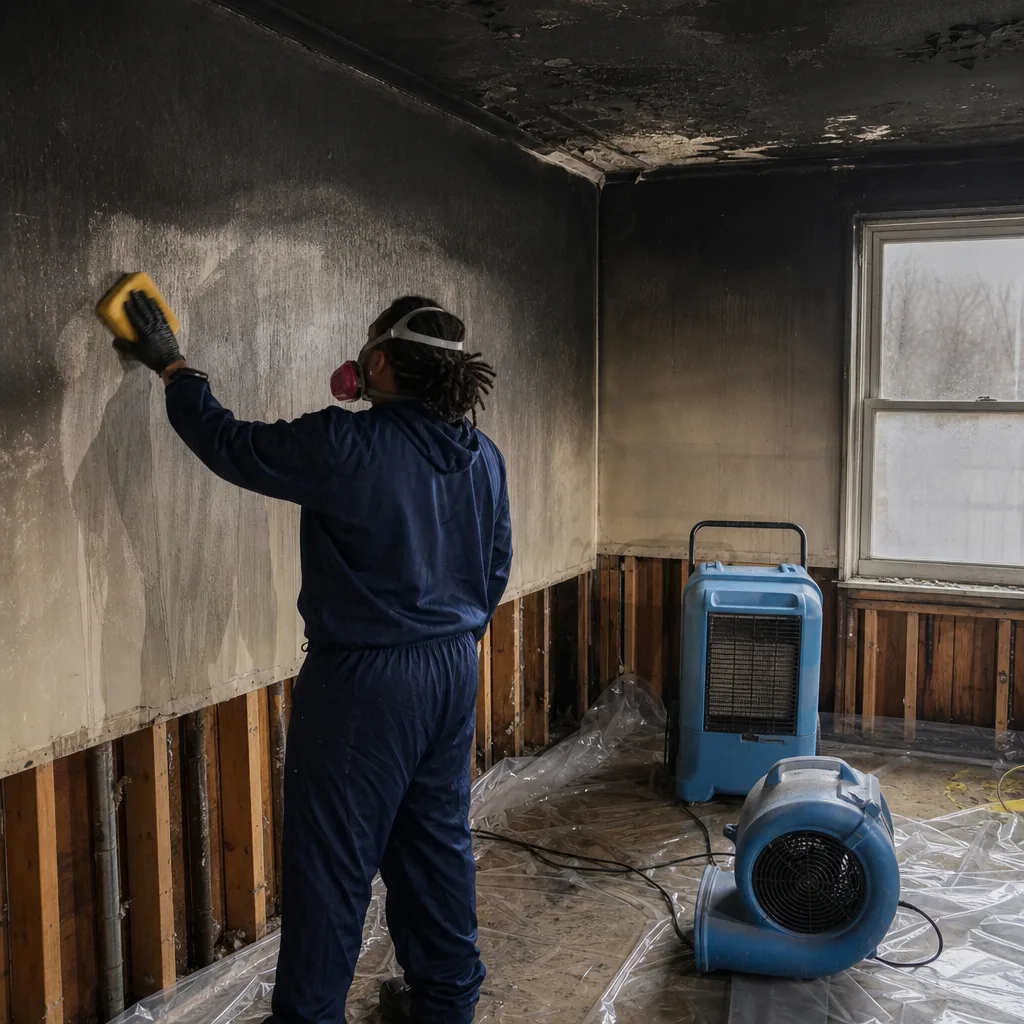
Commercial-grade extractors remove standing water fast. For sewage or Category 3 losses, we stage containment, shut down affected HVAC zones, and begin removing saturated materials that cannot be salvaged.
Drying & Dehumidification
Dri-Eaz dehumidifiers, XPOWER air movers, and Phoenix desiccant units run in rotation. We place equipment based on moisture mapping, not guesswork, and we take daily readings on every affected surface, including the shared masonry walls.
Cleaning & Sanitization
HEPA air scrubbers run throughout the affected zone. All salvageable surfaces get cleaned and treated. For Category 3 losses, we apply EPA-registered antimicrobials and follow IICRC S500 protocols to the letter.
Document & Inventory Recovery
For Corona offices and retail backrooms, wet paper records, inventory, and electronics are often as valuable as the physical space. We document, photograph, and triage salvageable contents, coordinating freeze-drying or off-site restoration for critical business records.
Repairs & Restoration
Once drying logs show target moisture content across all materials, we rebuild. Drywall, flooring, trim, paint, and any structural repair happens with the same crew that did mitigation. You get one point of contact the whole way through.
Need Emergency Commercial Restoration in Corona Now?
Crews minutes away, answering live 24 hours a day. The sooner we start, the less it costs.
Working With Your Insurance Company
Commercial claims in Corona get complicated fast. A sewer backup that crosses three storefronts on one block generates three separate policies, three adjusters, and three sets of questions. We handle the documentation from the first hour and talk to every adjuster directly, so you are not the one stuck in the middle. Our line-item scopes use the same estimating software your carrier uses, and every claim includes photos, room-by-room loss inventories, daily moisture readings, and a clear drying log. When there is a dispute, and in Corona there often is, especially around finished versus unfinished basement valuation in converted row houses, we have the documentation to back up the scope. You still make the final call on every decision. We just make sure your carrier gets everything they need the first time.
What We Provide Your Insurer
- Thorough documentation of the loss
- Photos of all damage, room by room
- Moisture readings and drying logs
- A detailed, line-item scope of work
- Direct coordination with your carrier
Built for Corona’s Loss Calendar
Corona’s commercial losses follow a rhythm. January and February bring deep-freeze bursts in aging supply lines inside unheated basement storage rooms and back-of-shop plumbing chases. Spring thaw pushes groundwater against shallow brick foundations, and the flat Queens topography offers almost no natural drainage gradient. Summer is the real problem: intense convective storms overwhelm Corona’s combined sewer system, sending Category 3 water back up through basement floor drains across entire blocks at once. Nor’easters in the fall and early winter do the same on a larger scale, sometimes flooding dozens of commercial basements in a single event. We plan for the season. Our trucks carry extra extraction capacity in July and August. Our drying plans for pre-war masonry walls assume longer dry times than a suburban wood-frame build. And because we serve Commercial Restoration in Corona year-round, we know which blocks flood first when the sewers surcharge, and we stage our response accordingly.
Commercial Restoration Across Corona’s Neighborhoods
Around Junction Boulevard, commercial spaces sit tight against the elevated 7 train, and access means working around bus stops, street vendors, and constant foot traffic. We run smaller-footprint extraction equipment and stage gear in phases, which keeps sidewalks passable without the city demanding a permit. Over near Roosevelt Avenue, the row-house blocks are old, dense, and full of mixed-use storefronts. Shared masonry walls are the rule, so our default is to check adjacent units before we even set up containment. In the blocks around Northern Boulevard, larger commercial bays and auto-related businesses often have flat roofs that drain straight onto shared foundation lines, so roof water migrating through party walls is a constant secondary loss. Down toward the Flushing Meadows side of Corona, newer mid-rise buildings have different failure modes, mostly roof drain failures and vertical plumbing stacks, but the same tight-access reality applies. Every neighborhood in Corona has its own access profile, and our crew knows them all.
Specialized Commercial Restoration Services We Offer in Corona
Our Commercial Restoration team handles the full range of commercial losses across Corona, from a single flooded storefront to a full-block event. Here is how the work breaks down.
Multi-Unit & HOA Restoration
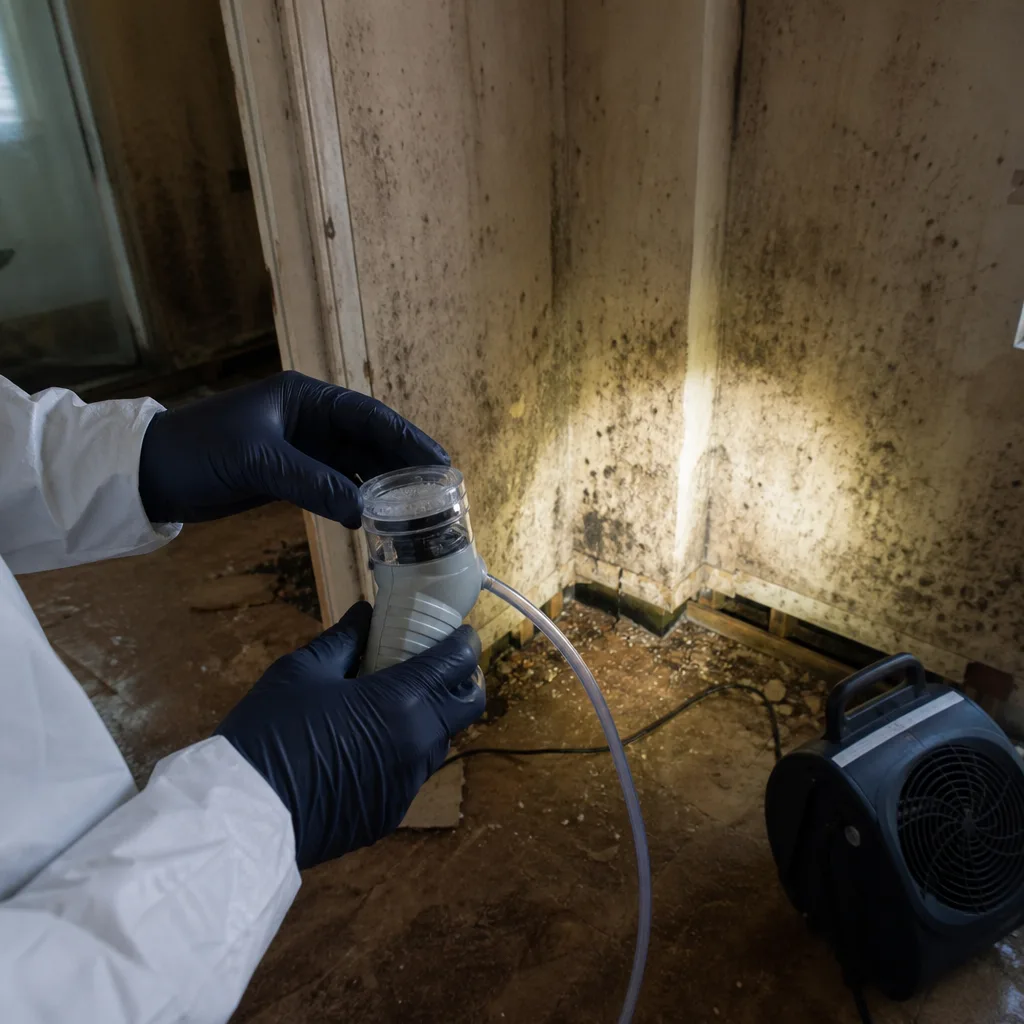
Row-house blocks and mixed-use buildings in Corona mean one water event usually touches more than one owner. We coordinate multi-owner, multi-insurer mitigation from the first hour, document each unit’s pre-loss condition separately, and produce per-unit drying plans and per-unit scopes. HOAs and property managers get one point of contact, one crew, and one coherent drying strategy for the entire building, which is the only way to keep a shared-wall loss from becoming three separate disputes.
Business Interruption Minimization
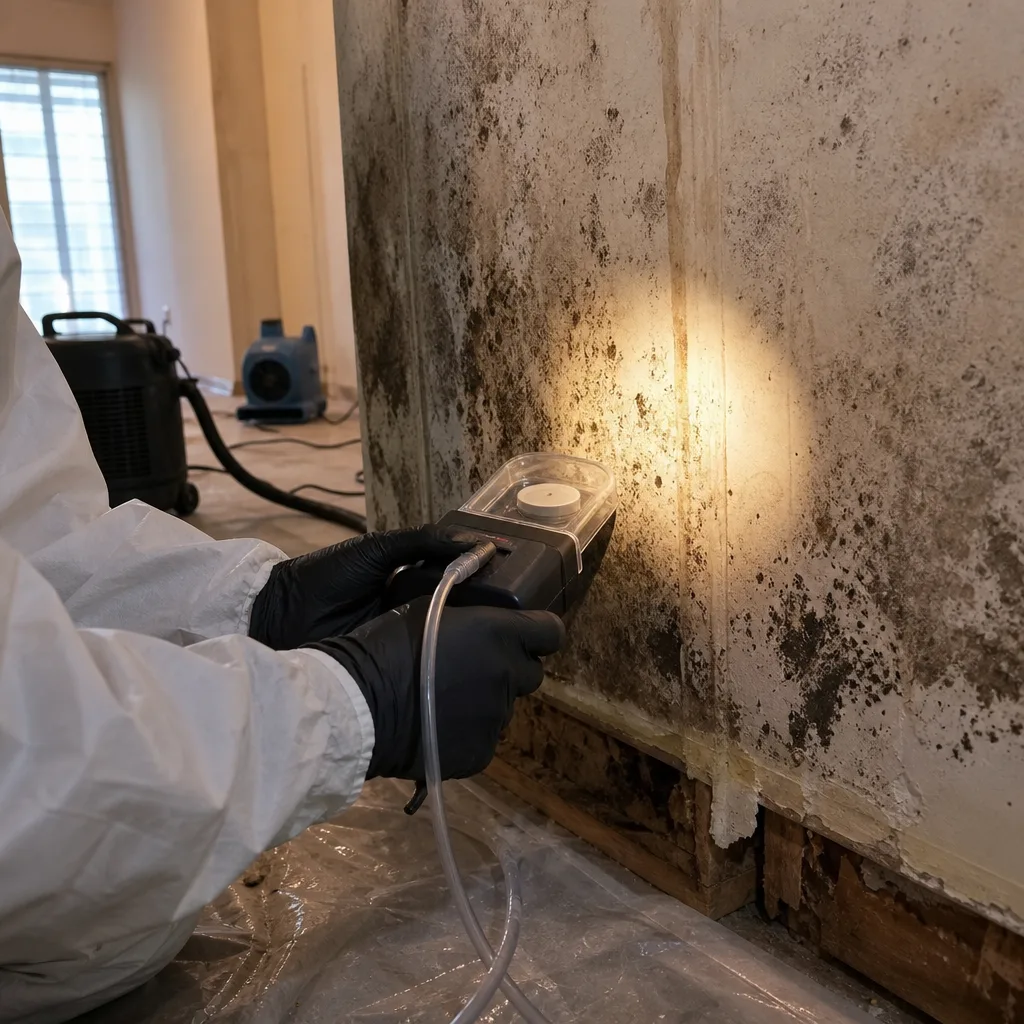
Every day a Corona storefront is closed is revenue that does not come back. We prioritize getting commercial spaces back to revenue-producing condition as fast as physically possible. That means staged drying so a shop can partially reopen before the back room is fully dry, after-hours equipment moves, and direct communication with your adjuster on business interruption claims. We cannot always reopen you in two days, but we will tell you honestly what is feasible and then work the schedule backward from there.
Large-Loss Response
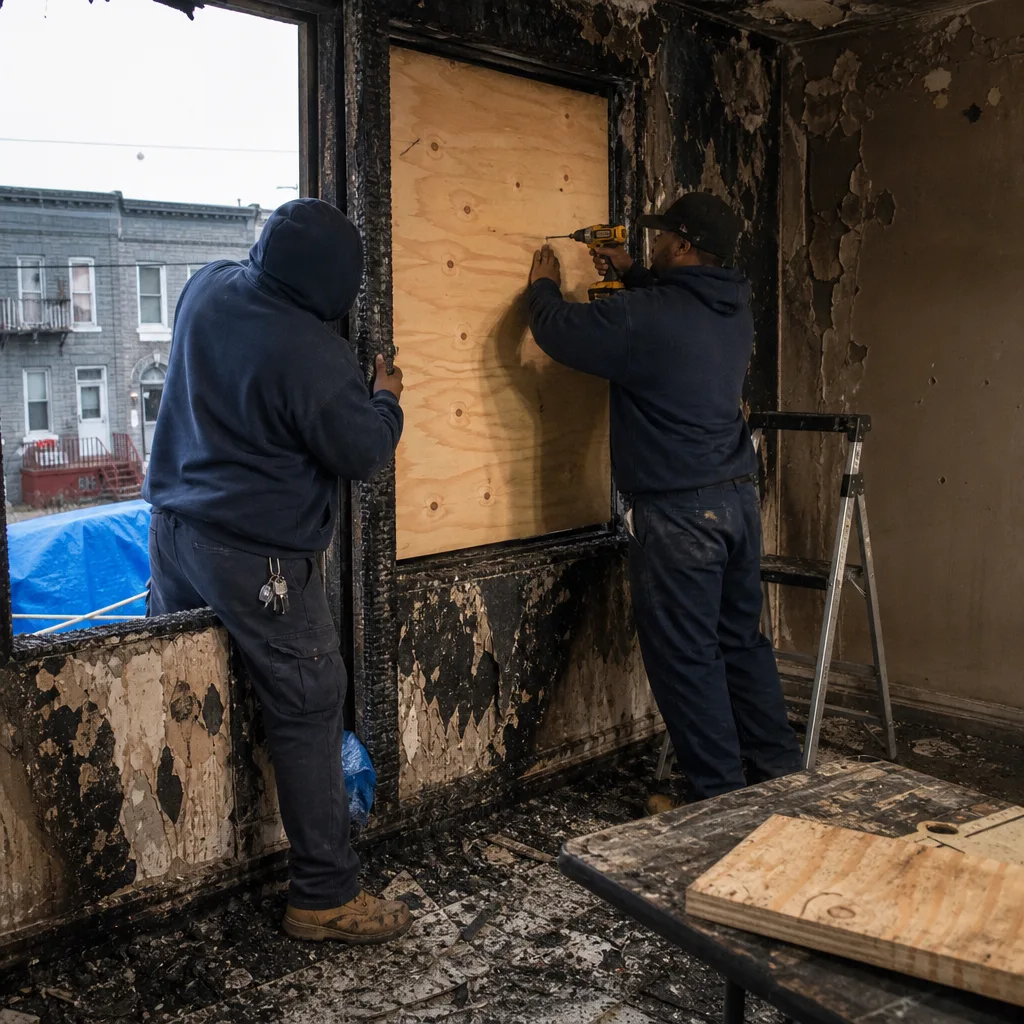
When a sewer surcharge floods ten basements on one Corona block, or a supply-line burst soaks an entire retail floor, you need more than one truck and a few blowers. Wade’s full crew mobilizes with commercial extractors, multiple desiccant and refrigerant dehumidifiers, and enough air movers to dry thousands of square feet simultaneously. We have handled multi-property losses across tight, congested streets in Queens, and we know how to stage equipment without bringing the whole block to a standstill.
Office & Retail Restoration
Corona’s storefronts and office spaces carry the same water and fire risks as any commercial property, plus the row-house realities of shared walls and aging plumbing. We dry in place where it is salvageable, remove what is not, and rebuild to a finish that matches the surrounding space. Document and inventory recovery is standard on these jobs, not an add-on.
Industrial Facility Cleanup
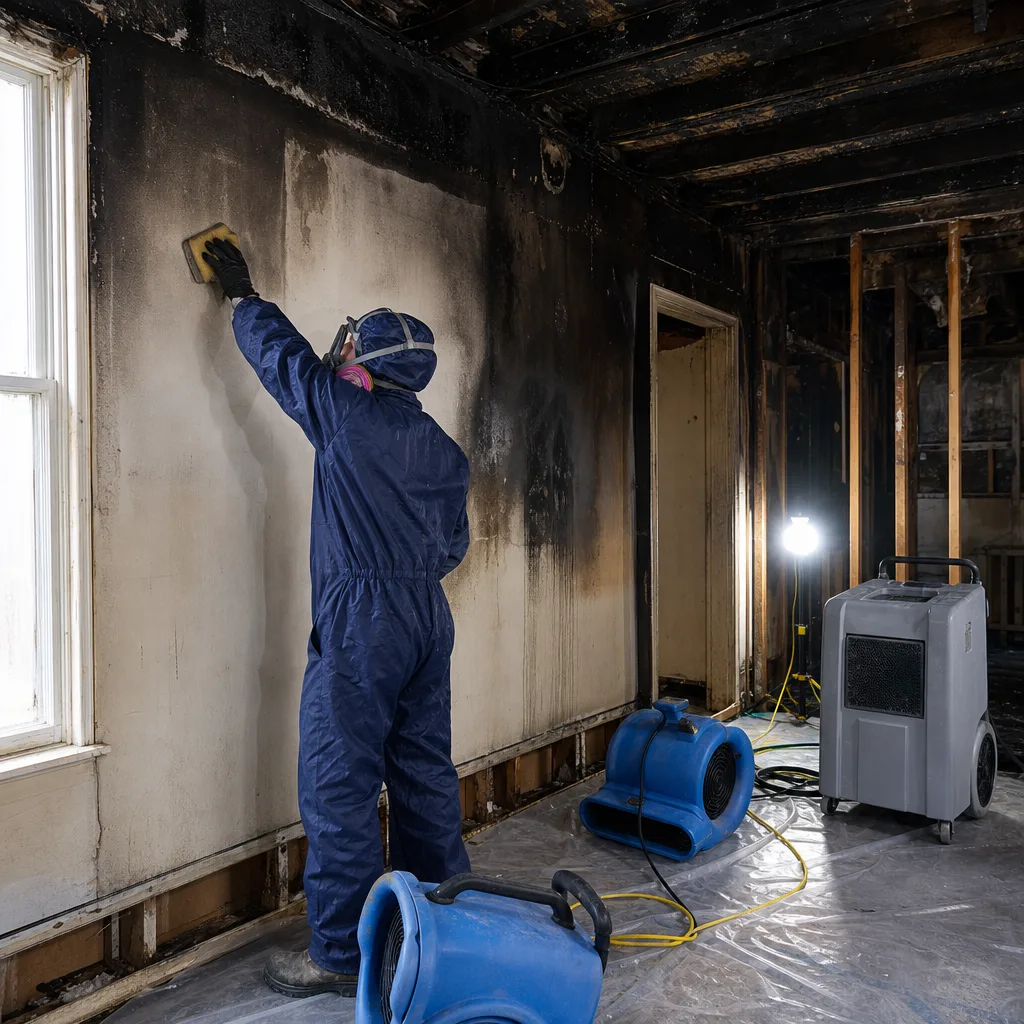
Larger industrial spaces near Northern Boulevard and the rail yards present different challenges: high ceilings, concrete slab floors, roll-up doors, and heavy equipment that cannot easily be moved. We plan equipment placement around production lines, run temporary power where needed, and build containment to isolate affected zones so the rest of the facility keeps operating.
What happens when you call
- 1
A real person answersNo phone trees - you reach a local pro.
- 2
You get an upfront price rangeHonest numbers before anyone is dispatched.
- 3
A background-checked tech heads outLicensed & insured, dispatched right away.
- 4
You approve before work beginsNothing starts until you say go.
Commercial Restoration Costs in Corona, NY
What does commercial restoration actually cost in Corona? For a typical office or retail water loss, mitigation runs $3,000-$8,000 depending on how many units are involved and whether the water is Category 1, 2, or 3. A single-storefront sewage backup with cross-contamination into one adjacent unit typically lands $6,000-$14,000 once containment, removal, and structural drying are included. Fire and smoke restoration on a small Corona storefront runs $8,000-$25,000 depending on soot type and how far smoke migrated through shared voids. Mold remediation in a converted basement commercial space, which often means unpermitted finishes and hidden wall cavities, runs $5,000-$15,000. What moves the price most in Corona is the shared-wall problem: two adjacent units drying simultaneously costs more than one, but skimping on the adjacent unit is how you get a mold bloom in a neighbor’s shop six weeks later. The free inspection gets you a firm written scope, so you will know your number before any work starts. Call (363) 300-2771 and we will put eyes on it today.
We Also Serve Cities Near Corona
Wade’s Restoration covers commercial restoration across the surrounding Queens neighborhoods. If your property sits in Elmhurst, Ridgewood, Richmond Hill, or Woodhaven, the same 24-hour live answer and the same crew serve you. Call (363) 300-2771 and we will be on the road.
Serving Corona, NY - Our Local Coverage Area
We’re based in the Corona area and know this community well. Use the map below to see our service coverage - if you’re nearby, we can almost certainly help.
Corona Commercial Restoration Questions, Answered
If my Corona storefront floods from a sewer backup, how do you handle the fact that the water may have spread to the shop next door through our shared wall?
We check the adjacent unit before we start drying anything. Category 3 water moves through shared masonry foundation walls quickly, and the neighbor’s basement often shows elevated moisture even when their floor looks dry. We document both units, separate the scopes, and run one coordinated drying plan across the shared wall. That keeps both insurance claims cleaner and prevents a mold problem in the neighbor’s shop six weeks later. Call (363) 300-2771 and we will come take readings on both sides before anything else happens.
What does Category 2 water from a broken supply line mean for my row-house office basement, and can you still dry it in place?
Category 2 means the water carries significant contamination, so it is beyond clean but short of sewage. In a row-house office basement with finished walls, we can often dry in place if the drywall and insulation have not been saturated too long. If the water sat for more than 48 hours, or if the walls in your converted basement show wicking above 24 inches, we will recommend removal of the lower wall sections. Every situation is different, which is why the free inspection includes moisture readings, not guesswork.
How do you manage a large-loss commercial flood on a narrow Corona street where parking is impossible for your drying equipment?
We stage in phases and use smaller-footprint equipment that moves in and out without blocking the sidewalk or street. On tight row-house blocks, we run one extraction pass, then bring in dehumidifiers and air movers sized for the space rather than a full trailer drop. Equipment runs overnight and we swap it out during low-traffic windows. The logistics are part of the job, and we have been doing it on these blocks long enough that the plan comes together fast.
My Corona mixed-use building has two ground-floor shops plus an illegally converted basement apartment. How does that affect your scope of work for water damage?
It changes how we categorize and document the loss. Unpermitted basement conversions mean the space is finished, but your insurance carrier may try to value it as an unfinished cellar. We photograph the as-built condition, document finishes and access, and build a scope based on what actually exists, not what the city records say. That documentation goes straight to your adjuster and has made the difference in more than one Corona claim where the carrier wanted to pay cellar rates for a finished space.
Why do you insist on knocking on neighbors’ doors before even starting dehumidification in a Corona row house?
Because shared foundation walls are not a line on a property survey, they are a physical connection. Moisture moves through the wall assembly, and the neighbor’s basement is often just as wet as yours, just not visibly wet yet. We take readings on both sides of the wall. If the neighbor shows elevated moisture, we coordinate a two-unit or three-unit plan so the whole assembly gets dried together. Skipping that step is how one flooded shop becomes a block-wide mold problem in a month.
How fast can you actually get to my Corona storefront?
We answer live 24/7, and the goal is always inside the hour for water actively flowing into commercial space. Corona is small, dense, and easy to reach from our local dispatch. For sewage surcharges during a storm, response runs a little longer because every block floods at once, but we prioritize commercial losses where business interruption is compounding the damage. Call (363) 300-2771 and Wade or a crew lead will tell you exactly when they will be there.
How long does commercial drying take in a Corona row-house basement?
Three to six days is typical for a Category 1 or 2 loss in pre-war brick, depending on saturation levels in the masonry. Category 3 sewage losses take longer because removal and cleaning happen before drying even starts. Masonry walls hold water longer than gypsum or wood, so we run daily moisture readings and do not call it done until the logs show target moisture content across all materials. You will see those logs at the end.
What should I do in the first 30 minutes after discovering water in my Corona commercial space?
Shut off the water at the main valve if it is a supply-line break. Kill power to the affected area if water is anywhere near outlets or equipment. Call us at (363) 300-2771. Take photos of everything before you move anything. Do not enter a sewage backup without PPE. Do not start ripping out drywall or pulling up flooring, that can hurt your claim and your lungs. Get us on the phone and we will walk you through the next hour.
When commercial water or fire damage hits a Corona property, the first call decides how bad it gets. Sewer backups cross shared walls. Converted basements hide finished space that adjusters want to call unfinished. Tight streets make equipment placement a real constraint. Wade Ferris has been handling exactly these problems in Queens for over 17 years, and he answers his own phone. Call (363) 300-2771 for a free visual inspection and a written scope before any work starts. Ask anyone on your street if they know a crew that checks the neighbor’s wall before setting up a dehumidifier. That is the difference.
Written by Wade Ferris, Owner at Wade’s Restoration, serving Corona and surrounding Queens neighborhoods since 2007.