
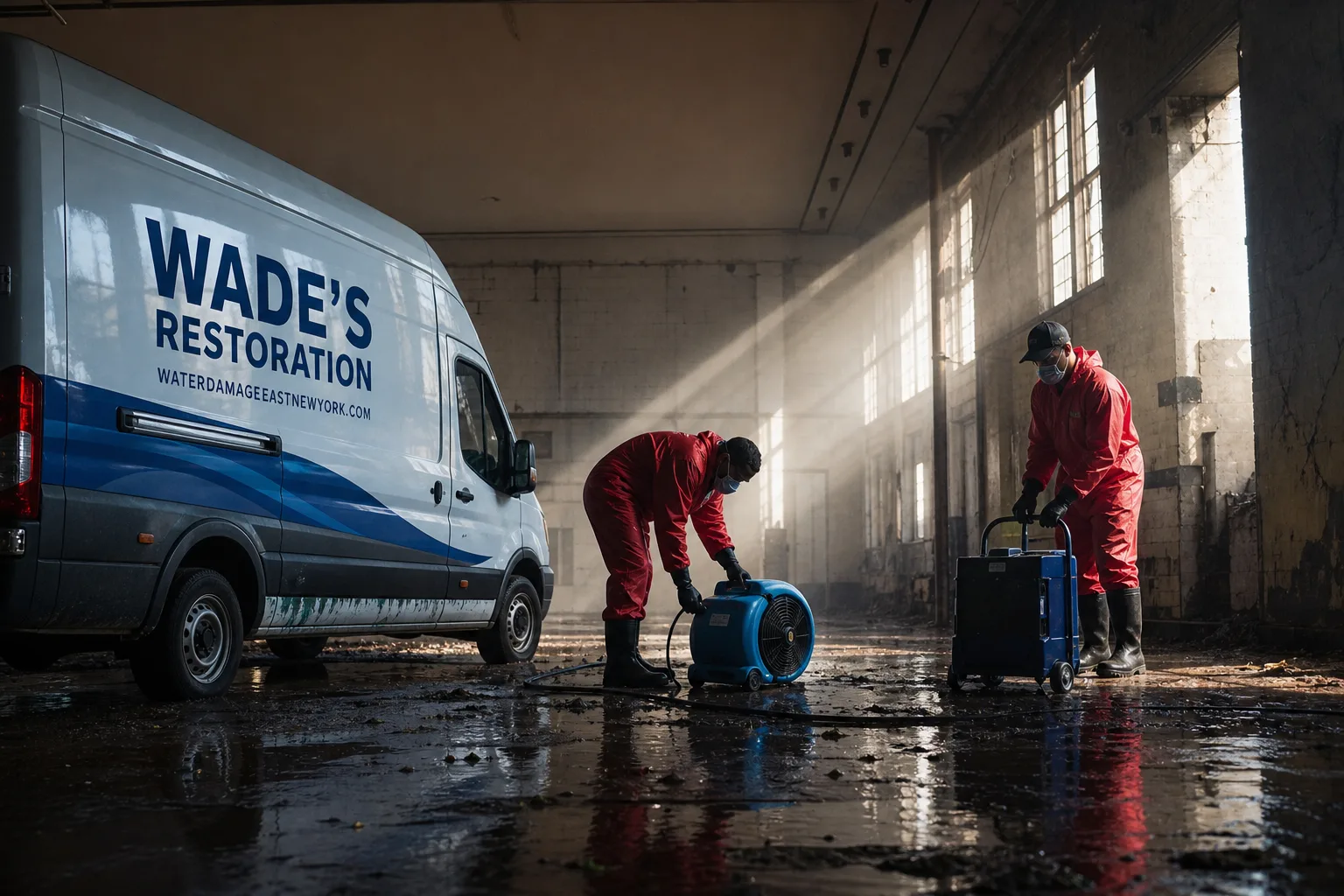
Free visual inspection and a written scope of work before any mitigation begins - photos, moisture readings, and drying logs go in your claim file
The scope we write is the scope we bill. Anything new gets shown to you, in writing, before we touch it.
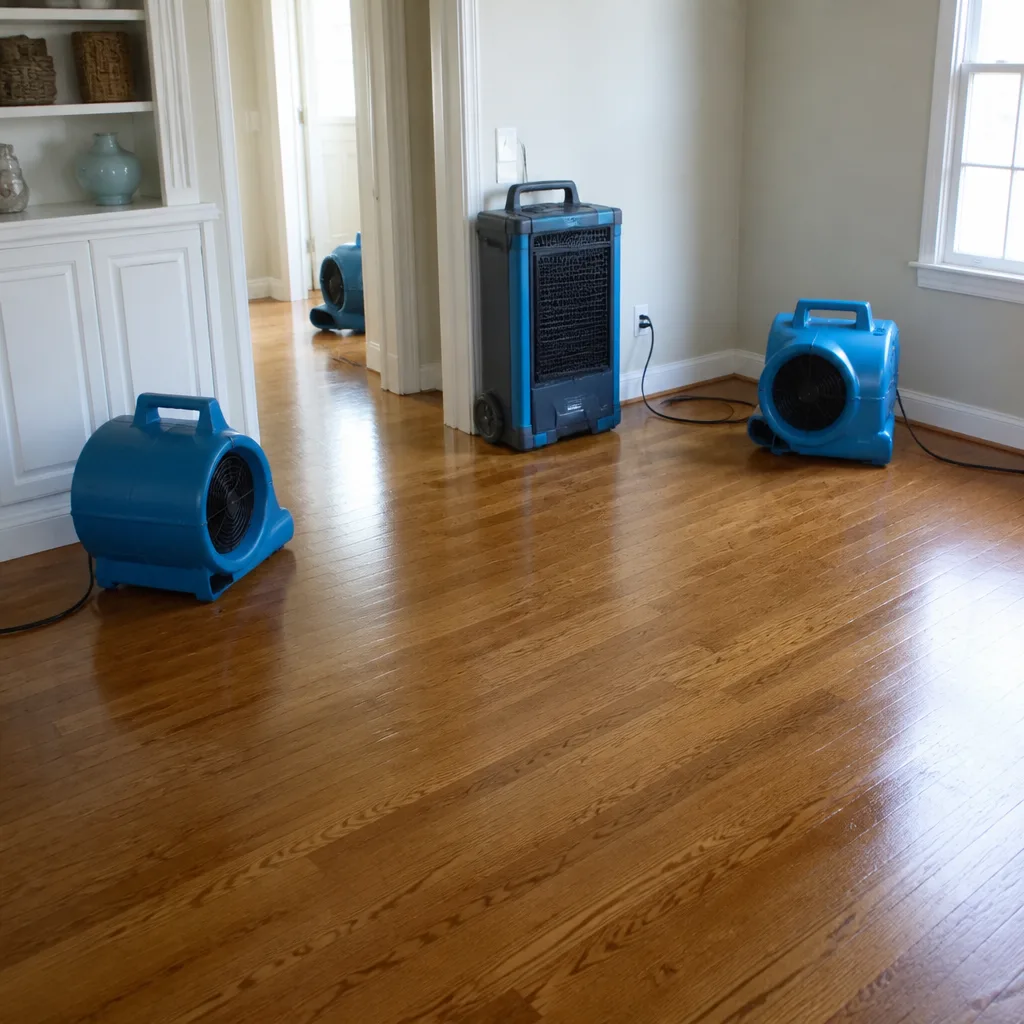
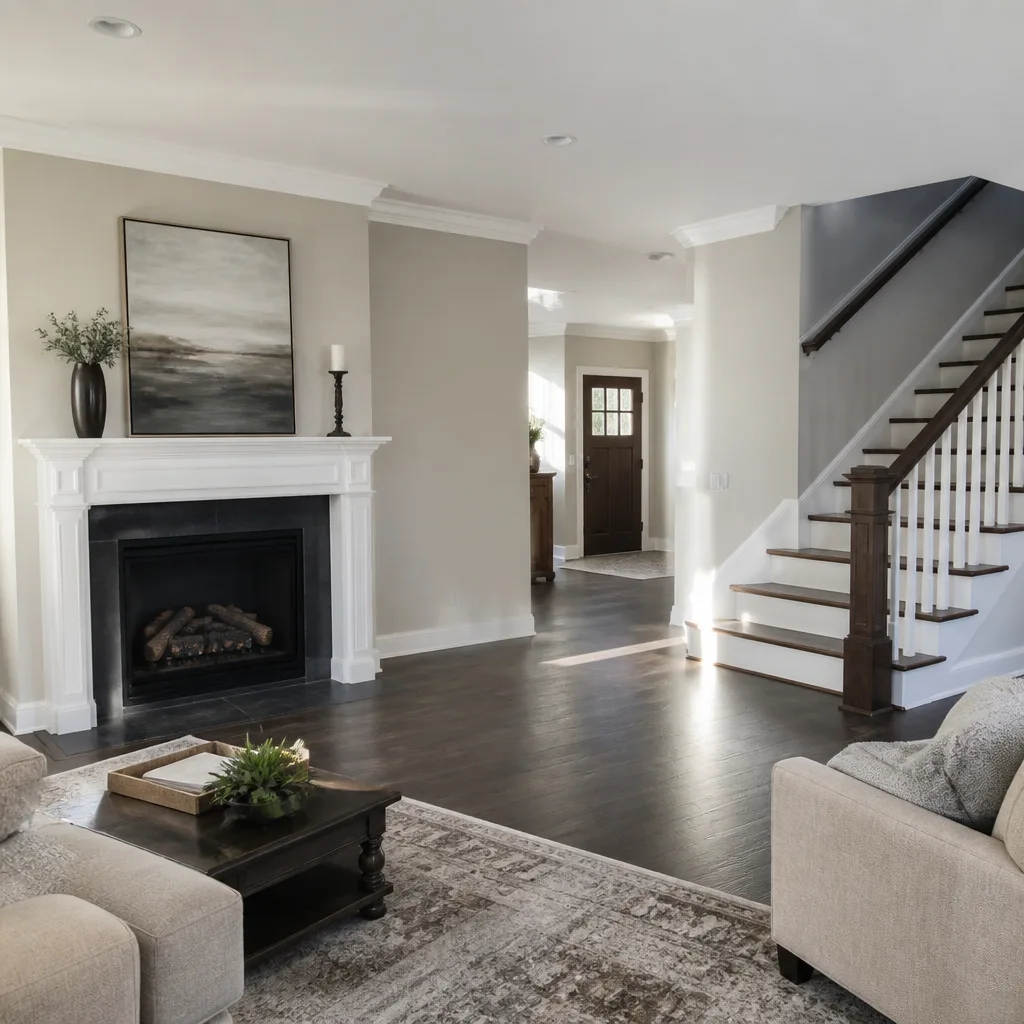
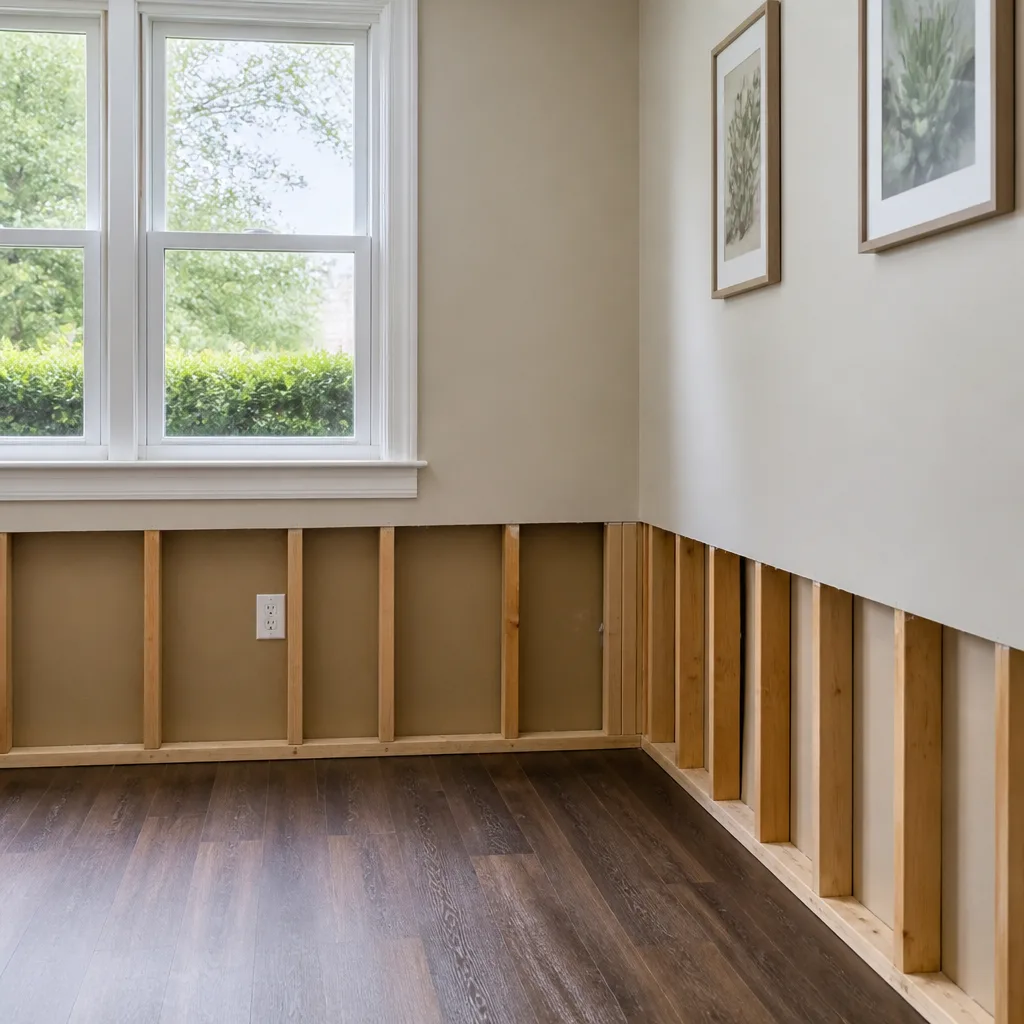
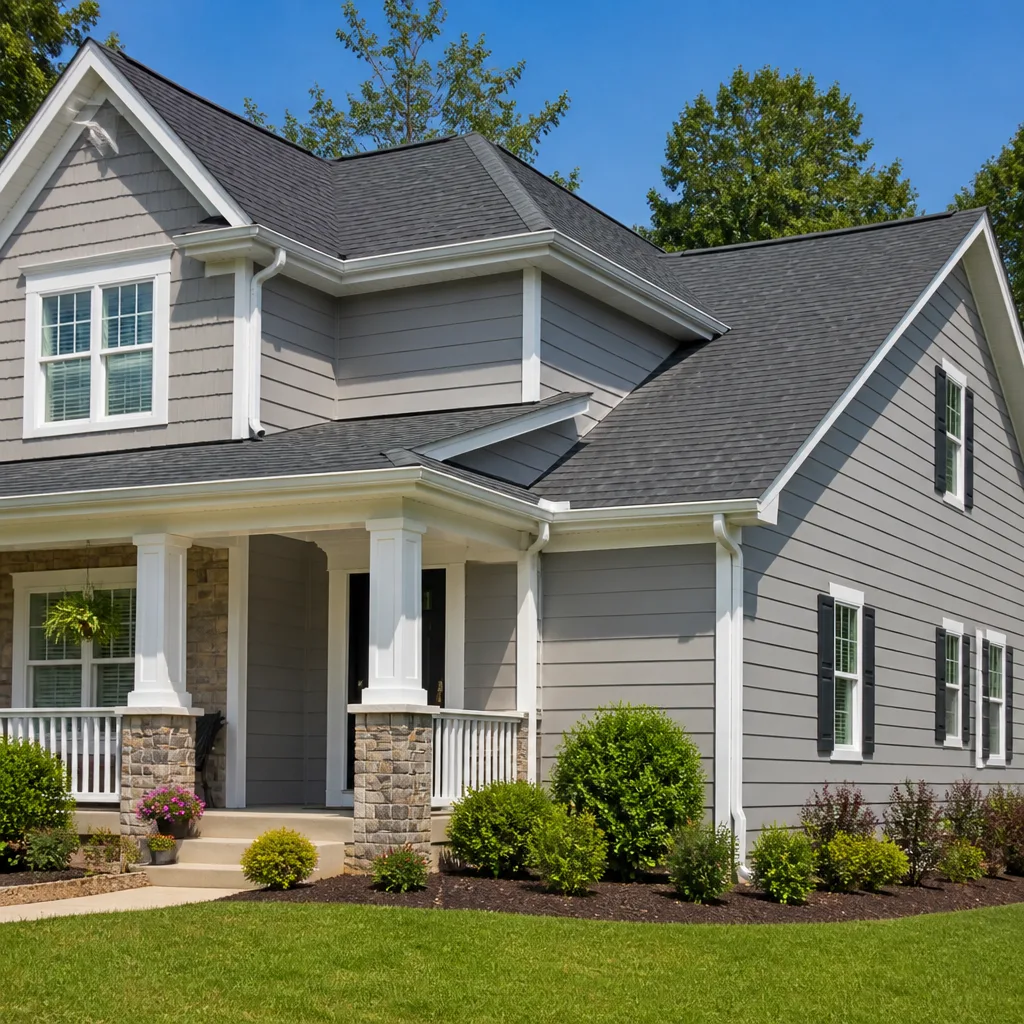
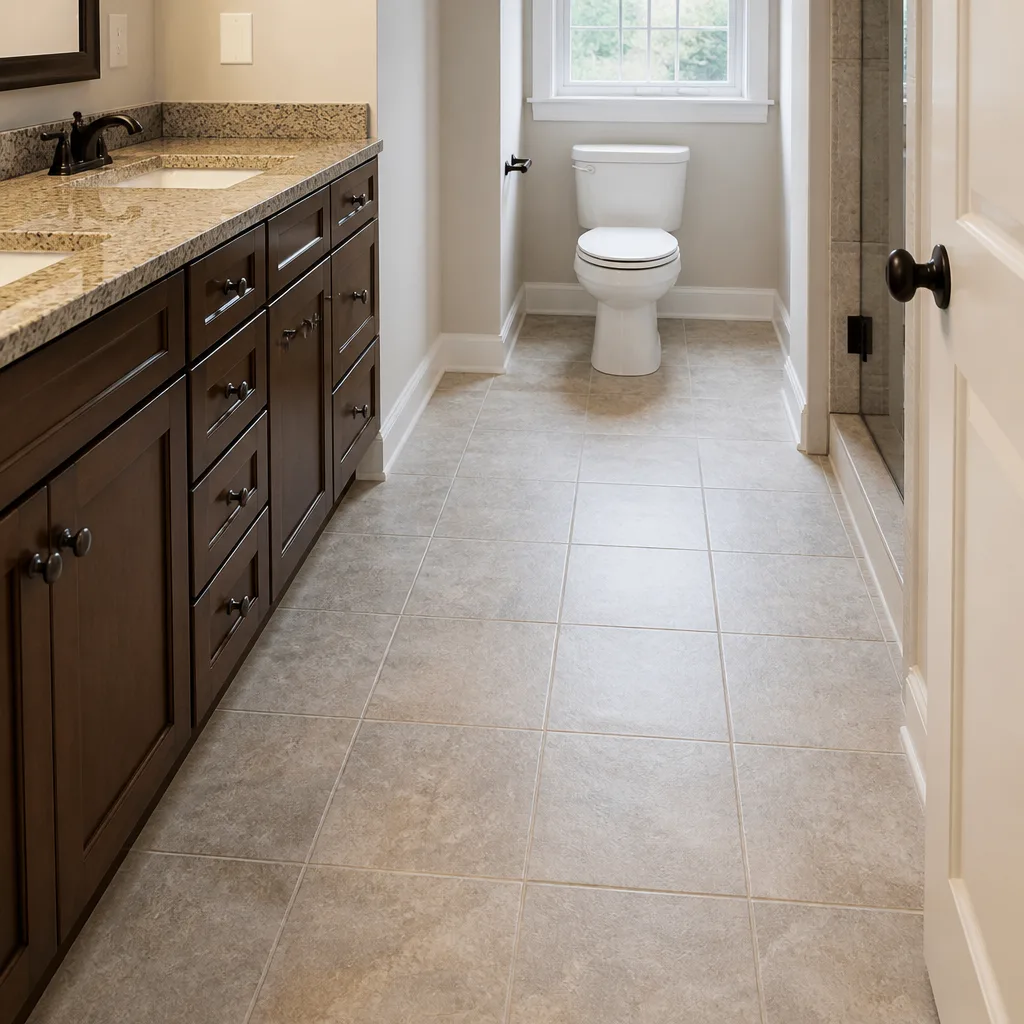
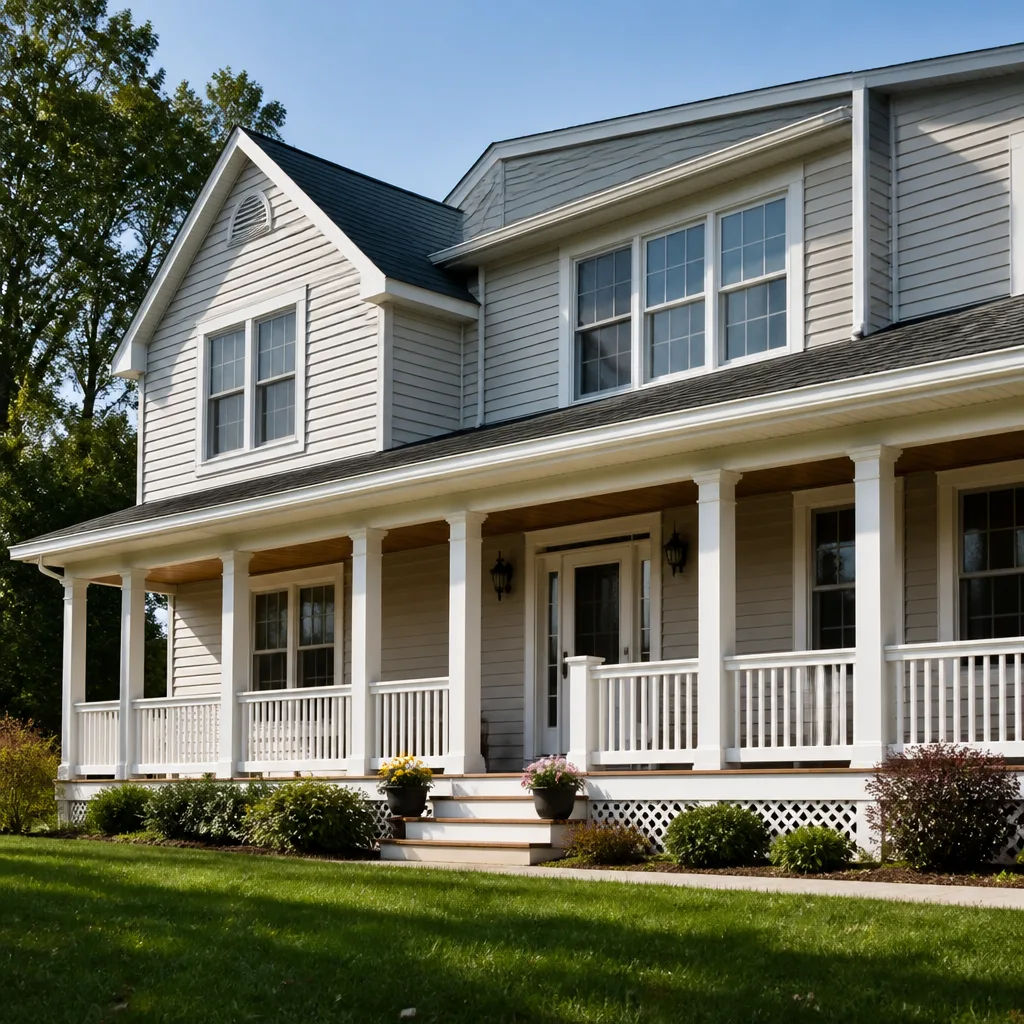
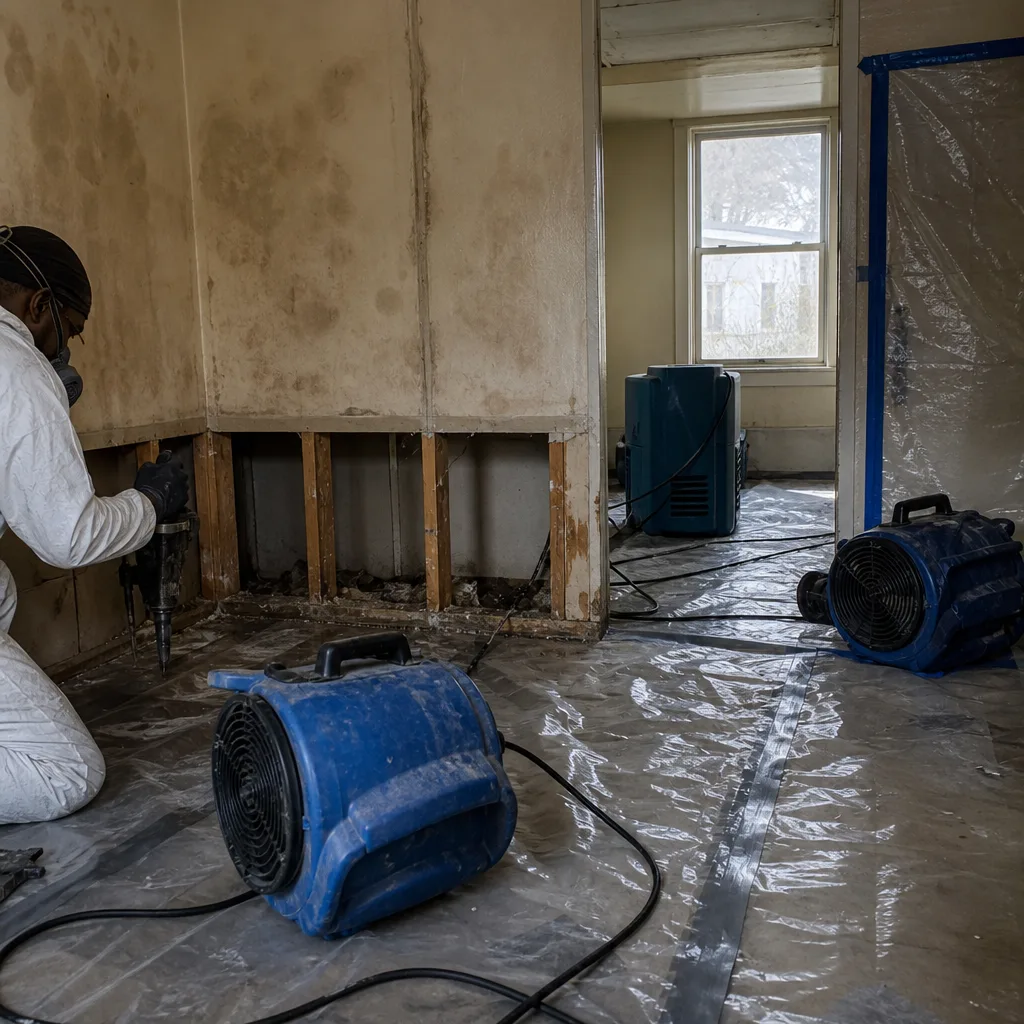 Before
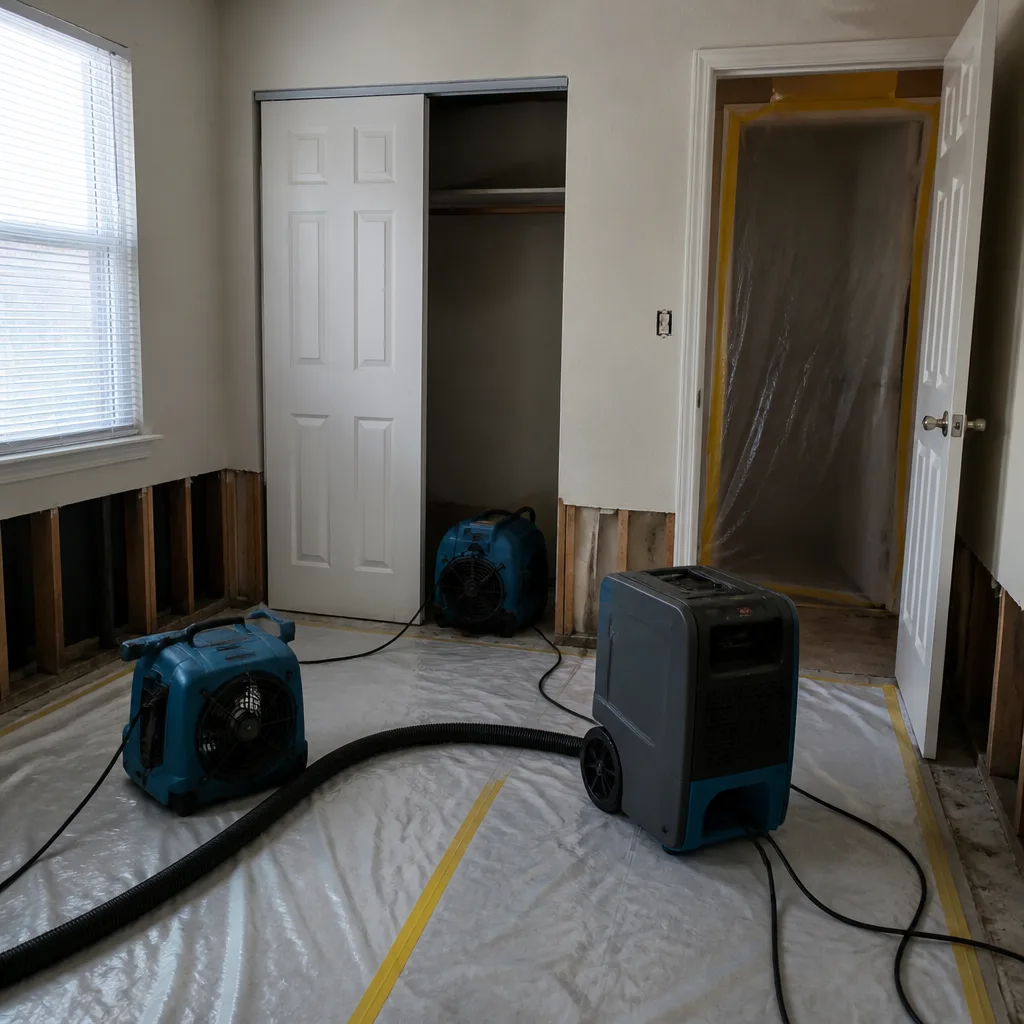 After
After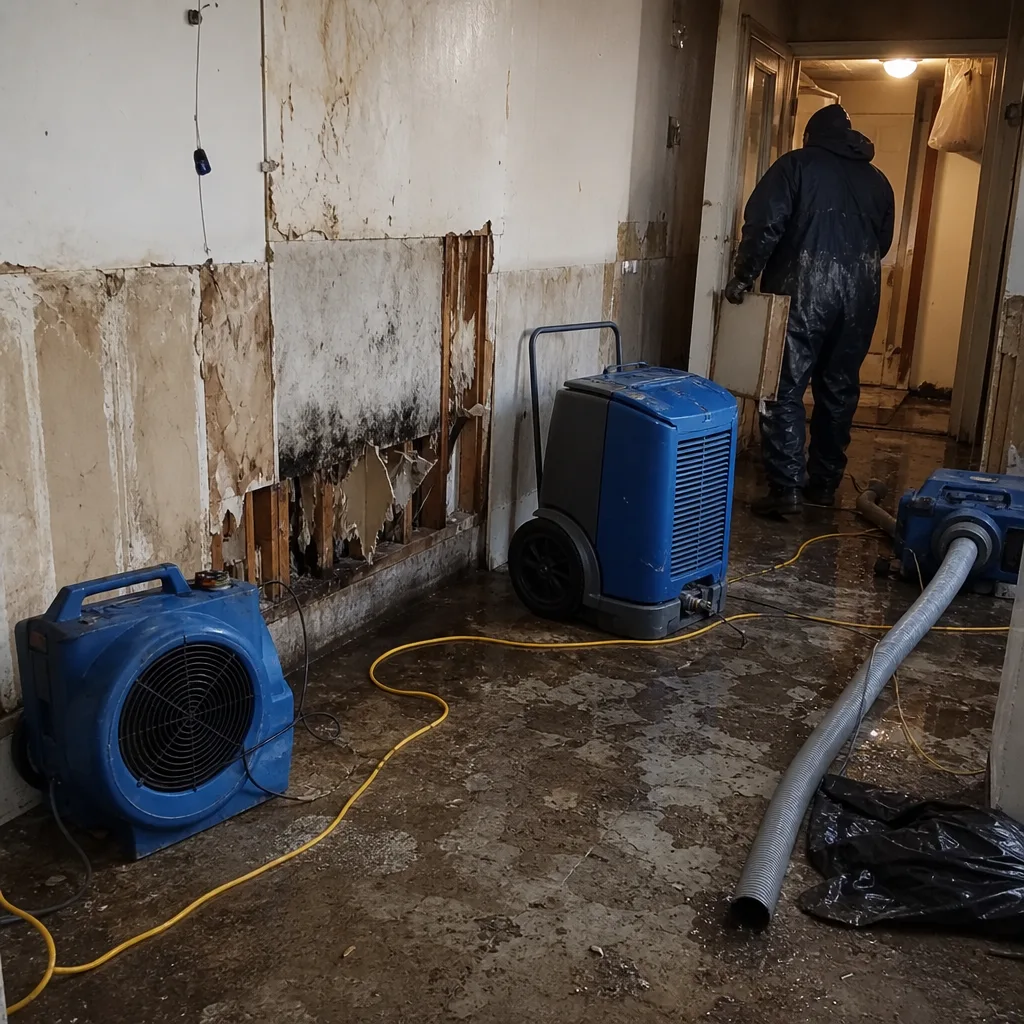 Before
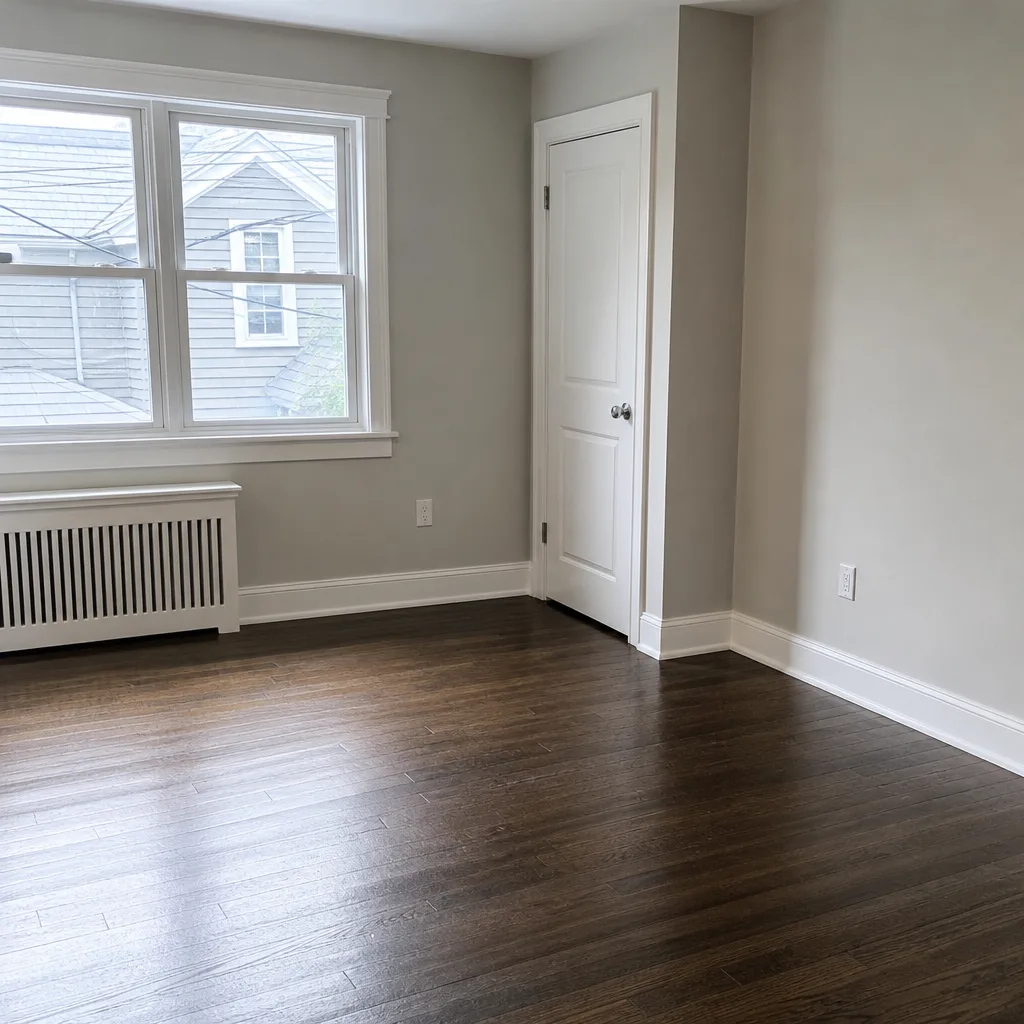 After
After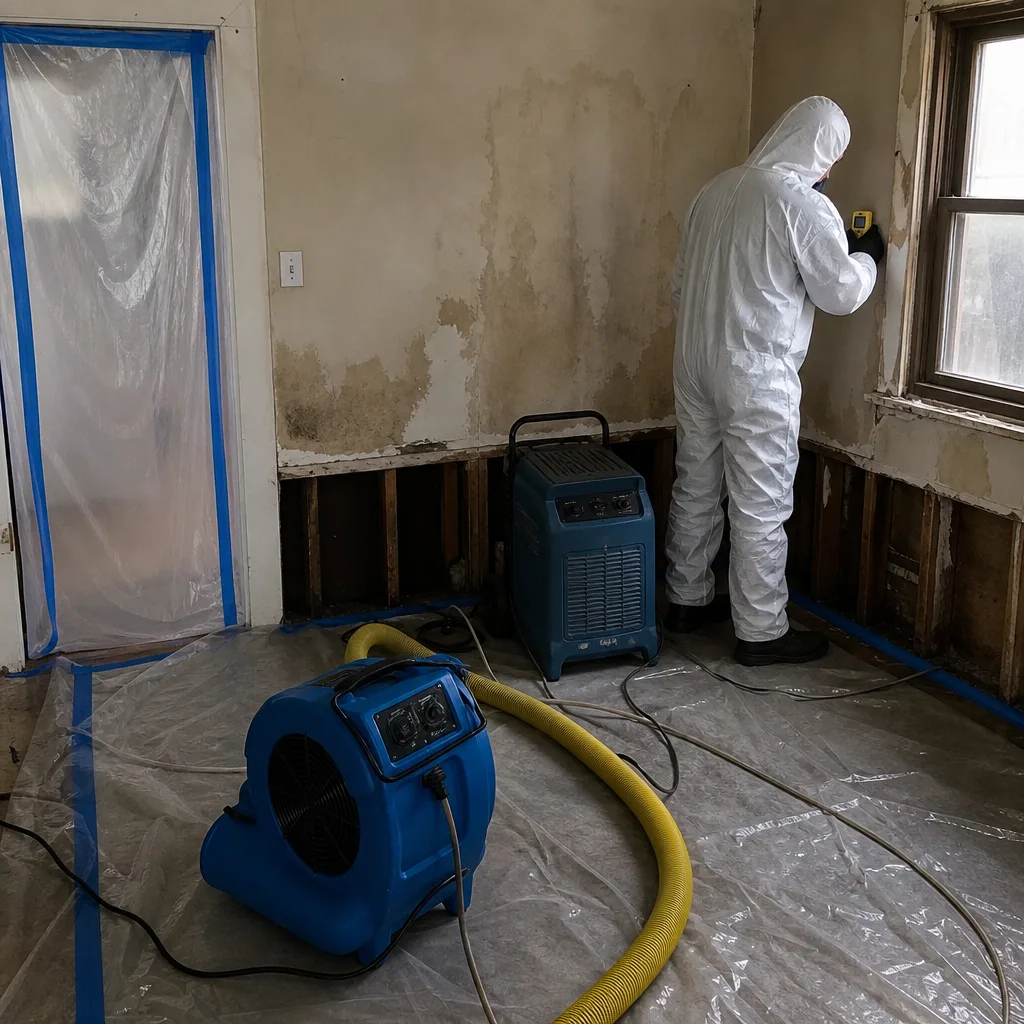 Before
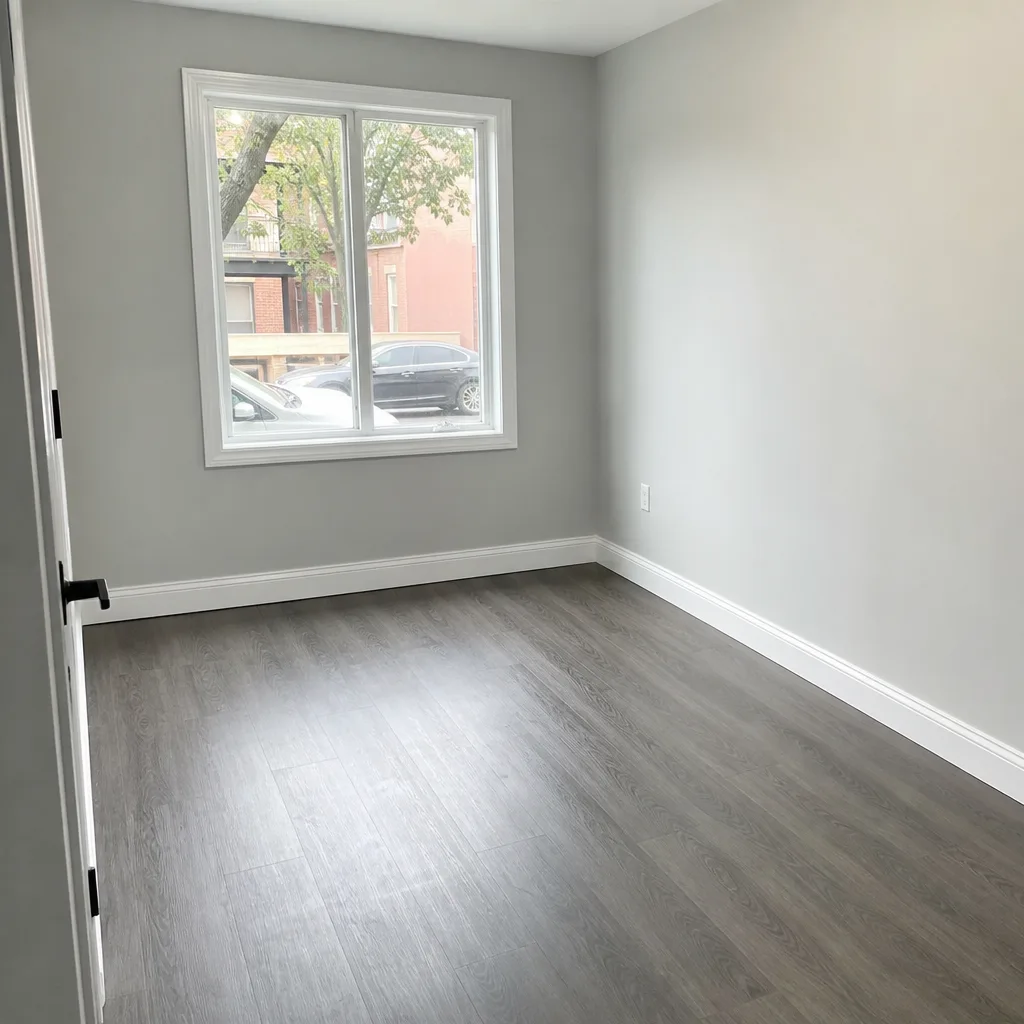 After
After24/7 Emergency Commercial Restoration in Glendale
Commercial water, fire, or mold damage in Glendale doesn’t wait for business hours, and neither do we. Wade Ferris answers his own phone at (363) 300-2771 any hour of the day or night. If you’ve got a flooded storefront on Myrtle Avenue or smoke pushing through a shared attic on 88th Street, he’s already on the road while most companies are still routing you through a call center. The first hour matters more than most property owners realize: water wicks into plaster-over-wood-lath walls fast, soot sets into paint and inventory within days, and mold starts colonizing damp materials in as little as 48 hours. We offer a free visual inspection anywhere in Glendale, and because we’re locally based in New York City, a crew can be at your door inside 45 minutes of your call. Not a franchise. A neighbor who happens to carry a moisture meter and a HEPA scrubber.
Understanding Commercial Restoration Severity in Glendale Properties
Glendale’s commercial buildings are mostly attached brick and frame rowhouses from the 1920s through 1950s. That age and construction style changes how we classify and treat every loss. Water damage breaks into three categories: Category 1 is clean water from a supply line, Category 2 carries significant contamination like washing machine overflow, and Category 3 is black water from sewer backups or outside flooding. Glendale’s aging combined sewer system pushes Category 3 events into finished basements across entire blocks during heavy nor’easters or summer thunderstorms. Fire damage is graded by soot residue type: light dust from paper and wood, medium greasy films from kitchen fires, and heavy protein-based soot from burning synthetics, which bonds to painted surfaces and requires aggressive chemical cleaning. Smoke migration through shared attic spaces and party-wall voids means we moisture-map and soot-test adjacent units, not just the obvious loss site. That’s the difference between a quick cleanup and a structural drying job that leaves hidden moisture behind.
Why Glendale Property Owners Choose Wade’s Restoration
- 45-minute response commitment across Glendale: tight alley-load access and metered parking don’t slow us down, we know the blocks and we plan for the parking.
- 24/7 live answer by a real person: no voicemail, no answering service, no corporate runaround. Wade answers his own phone.
- IICRC-certified crews: WRT (Water Damage Restoration Technician), FSRT (Fire & Smoke Restoration Technician), and AMRT (Applied Microbial Remediation Technician) credentials back every job we run.
- Free visual inspection before you commit: we’ll tell you honestly whether you need full restoration or a targeted cleanup, and hand you a written scope before any work starts.
- Direct insurance billing and adjuster coordination: Wade talks to your carrier directly, so you’re not relaying information between two sides at 2 a.m.
- One team from extraction to reconstruction: the people who dry out your Glendale storefront are the same people who rebuild it. No handoffs to strangers.
Our Commercial Restoration Process
Inspection & Assessment
We walk the entire loss site, including adjacent units when shared attics or party walls are involved. Thermal imaging and hygrometers find hidden moisture behind original plaster that a visual check will miss. You get a written scope with line-item pricing before any equipment gets unloaded.
Extraction & Stabilization
For water losses, truck-mounted extraction units pull Category 1, 2, or 3 water fast, while we cut off further loss at the source. For fire, we start with emergency board-up and soot stabilization so smoke doesn’t keep migrating into untouched inventory or neighboring units.
Drying & Structural Dehumidification
Glendale’s plaster-over-wood-lath assemblies dry slowly. We place Dri-Eaz dehumidifiers and XPOWER air movers strategically, run daily moisture readings, and hand you the full drying log at the end. No company we know of does that. We do.
Cleaning & Sanitization
HEPA air scrubbers run through active work, while surfaces are cleaned with the right chemistry for the soot type or contamination class we found. For Category 3 black water, we follow full hazmat-level containment and disposal protocols.
Specialty Treatment for Commercial Spaces
Document and inventory recovery, electronics cleaning, fixture restoration, and odor neutralization tailored to retail, office, industrial, and multi-unit properties in Glendale. We work around your operating hours where possible to keep revenue loss minimal.
Repairs & Restoration
After drying is confirmed and clearance testing passes, we rebuild: drywall, paint, flooring, fixtures, and structural repairs. The same crew that extracted water now makes your space ready for business again, with the 90-Day Done Right Promise in writing.
Need Emergency Commercial Restoration in Glendale Now?
Crews minutes away, answering live 24 hours a day. The sooner we start, the less it costs.
Working With Your Insurance Company
Insurance claims in Glendale commercial properties get complicated fast when party walls and shared roof systems mean your loss involves a neighbor’s carrier too. Wade has handled this since 2007, and the process is straightforward: from the first hour, we document everything. Photos of every affected room and adjacent shared spaces, moisture readings with dated logs, soot mapping where fire moved through common attics, and a line-item scope that holds up to insurance review. Wade talks directly to your adjuster, so the technical details don’t get lost between you and the carrier. If you’re being offered a settlement that won’t actually fix the problem, he’ll say so.
What We Provide Your Insurer
- Thorough documentation of the loss
- Photos of all damage, room by room
- Moisture readings and drying logs
- A detailed, line-item scope of work
- Direct coordination with your carrier
Built for Glendale’s Loss Calendar
Glendale’s restoration calls follow a predictable rhythm through the year, and we staff accordingly. January and February bring deep-freeze pipe bursts in unheated commercial basements along Cooper Avenue and Cypress Hills Street, rushing clean water through finished retail and office spaces. Spring brings roof damage from late nor’easters and thaw-cycle ice dams, sending water through shared attic voids that connect attached rowhouses. Summer thunderstorms overwhelm Glendale’s aging combined sewer. We’ve watched a single cloudburst push Category 3 black water into storefronts on one side of Myrtle Avenue while the other stayed dry. Fall is fire season: old wiring, space heaters in pre-war buildings, and kitchen systems in restaurants that date back decades. None of this is new to us. We’ve seen every one of these failure modes in Glendale more times than we can count, and the equipment goes on the truck before the phone rings.
Commercial Restoration Across Glendale’s Neighborhoods
Glendale’s commercial corridors each have their own texture and their own failure patterns. The Myrtle Avenue strip from 70th to 88th Street is dense mixed-use: storefronts with residential units above, which means a water loss in a ground-floor shop usually involves ceilings and floors that penetrate occupied apartments, triggering signage and access coordination through NYC Department of Buildings. Around Atlas Park and the stretch of 80th Street, retail tenants and restaurants operate in buildings with tight alley-load access only, so our equipment staging has to be precise and compact. The industrial blocks south of Cypress Hills Street toward the Conduit host warehouses and auto-related businesses with roll-up doors and minimal interior finishes, changing the drying math entirely. And the residential rowhouse blocks between 73rd and 88th Streets are almost all attached 1920s brick construction, where shared party walls and continuous attic spaces mean every job starts with a multi-property sweep. Search for Commercial Restoration and you’ll find plenty of generic checklists. We’re giving you what actually happens on the ground in Glendale.
Specialized Commercial Restoration Services We Offer in Glendale
Office & Retail Restoration
Storefronts and office spaces along Myrtle Avenue and around Atlas Park need restoration that protects inventory, point-of-sale systems, and client records. We pack out what’s salvageable, dry what can be dried, and get your doors back open. Document recovery is built into this service: tax records, leases, and customer files can often be saved even after significant water or smoke exposure.
Multi-Unit & HOA Restoration
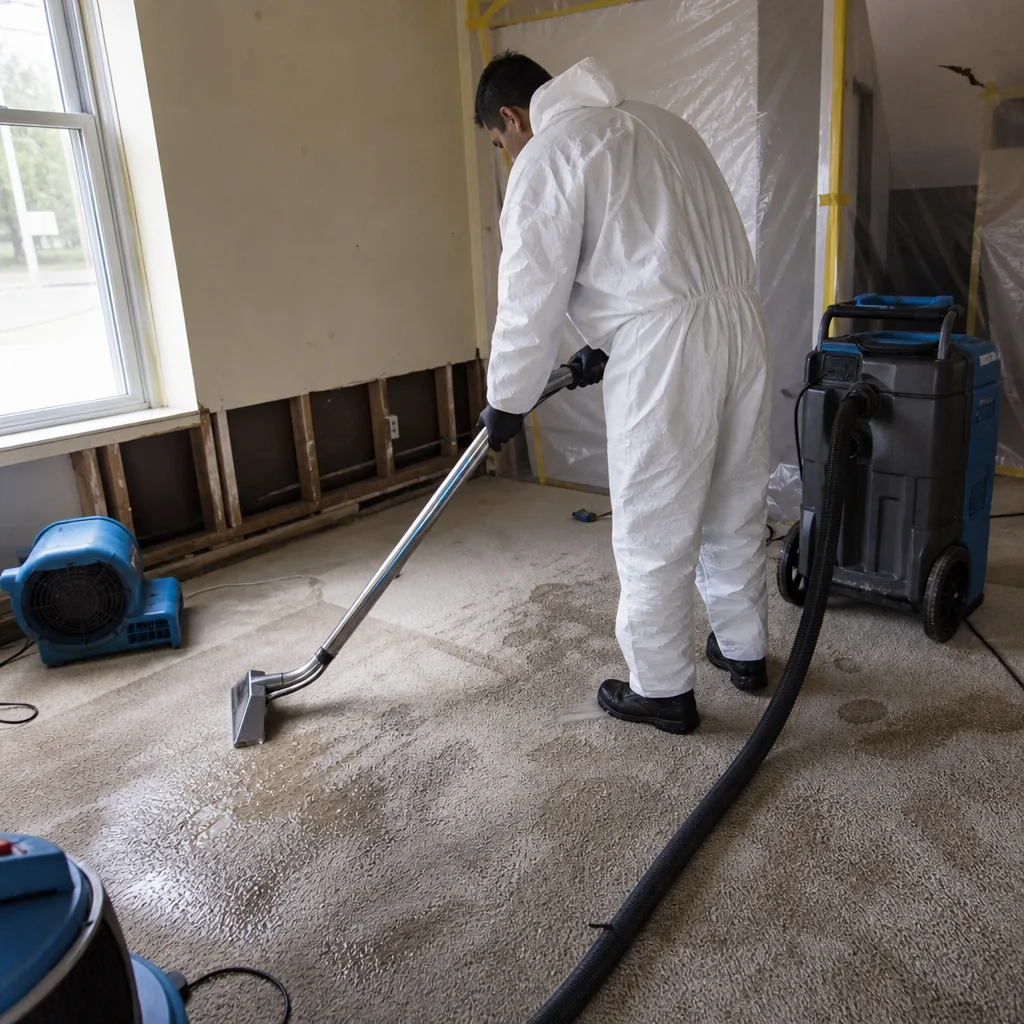
This is where Glendale’s building stock matters most. When a fire or water loss hits an attached rowhouse, we assess every connected unit, not just the one that called. Shared attics mean soot deposits two doors down. Party walls mean water travels laterally. We coordinate with HOAs and building owners to run one comprehensive restoration instead of three disconnected cleanups, and we handle NYC DOB coordination for work touching occupied adjacent units.
Industrial Facility Cleanup
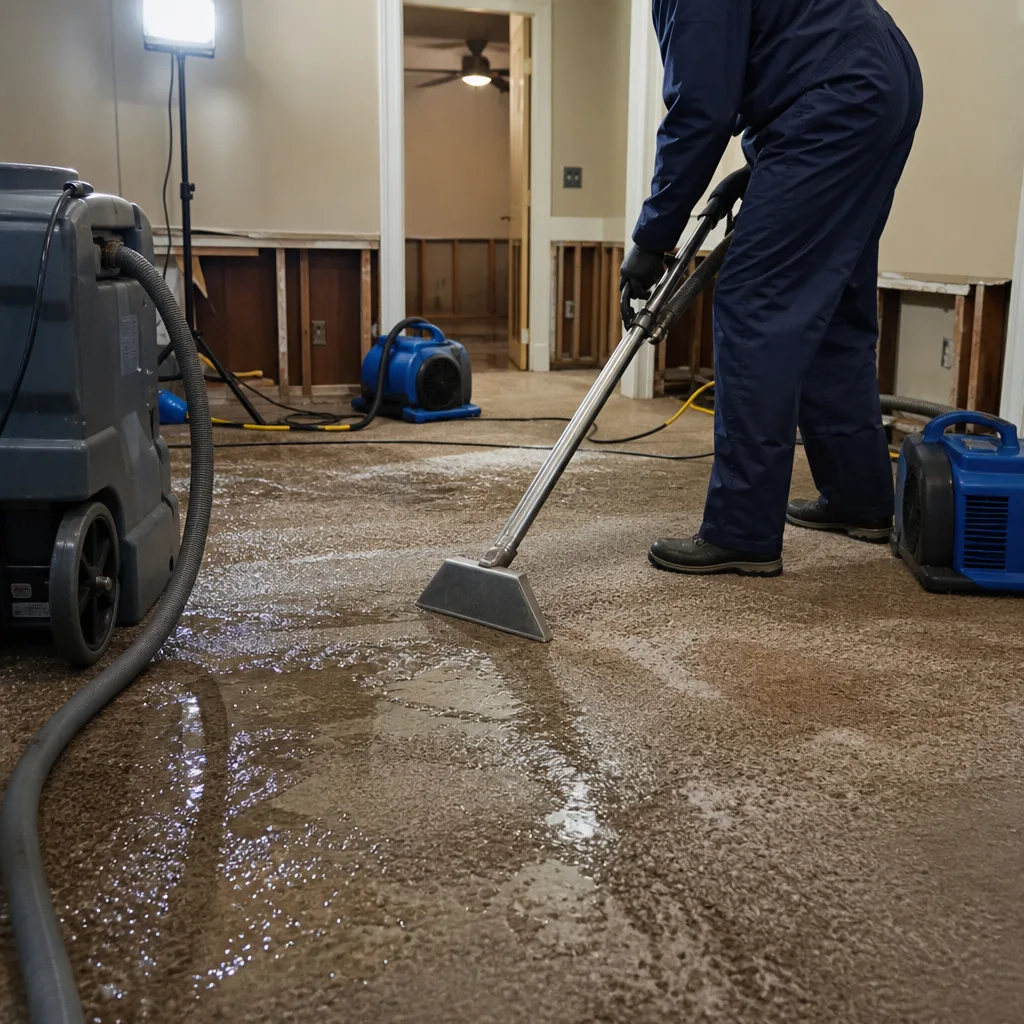
Warehouses and auto-related businesses south of Cypress Hills Street have big open bays, roll-up doors, and concrete floors that hide moisture differently than framed walls. We bring truck-mounted extraction for large square footage, industrial dehumidifiers from Dri-Eaz and Phoenix, and containment systems that let you keep parts of the facility running while we work.
Large-Loss Response
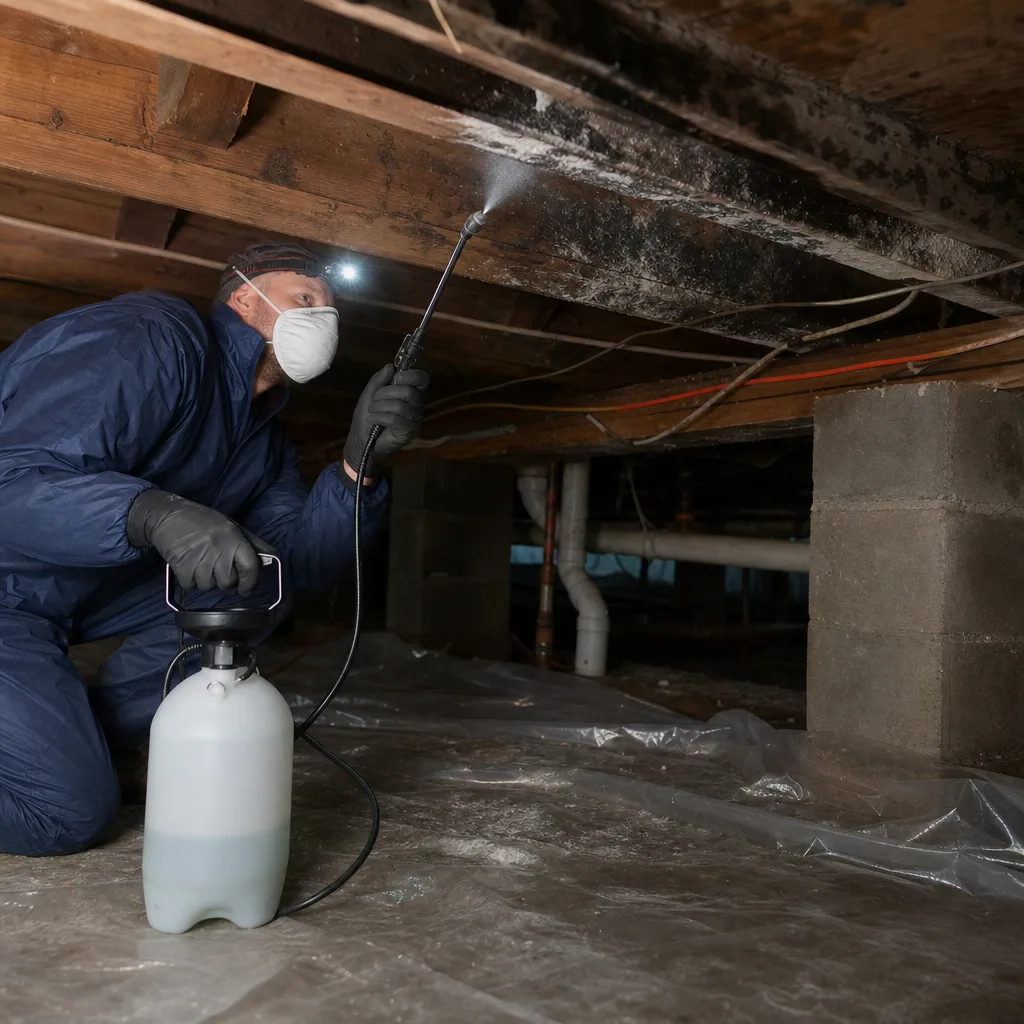
When a nor’easter backs up sanitary sewers across an entire Glendale block or a fire runs through shared attic space affecting four attached units, we mobilize a full crew with the equipment for simultaneous extraction and drying in every affected address. Large-loss means we manage the whole scene: containment, inventory handling, adjuster communication across multiple carriers, and one point of contact. Wade is that point of contact.
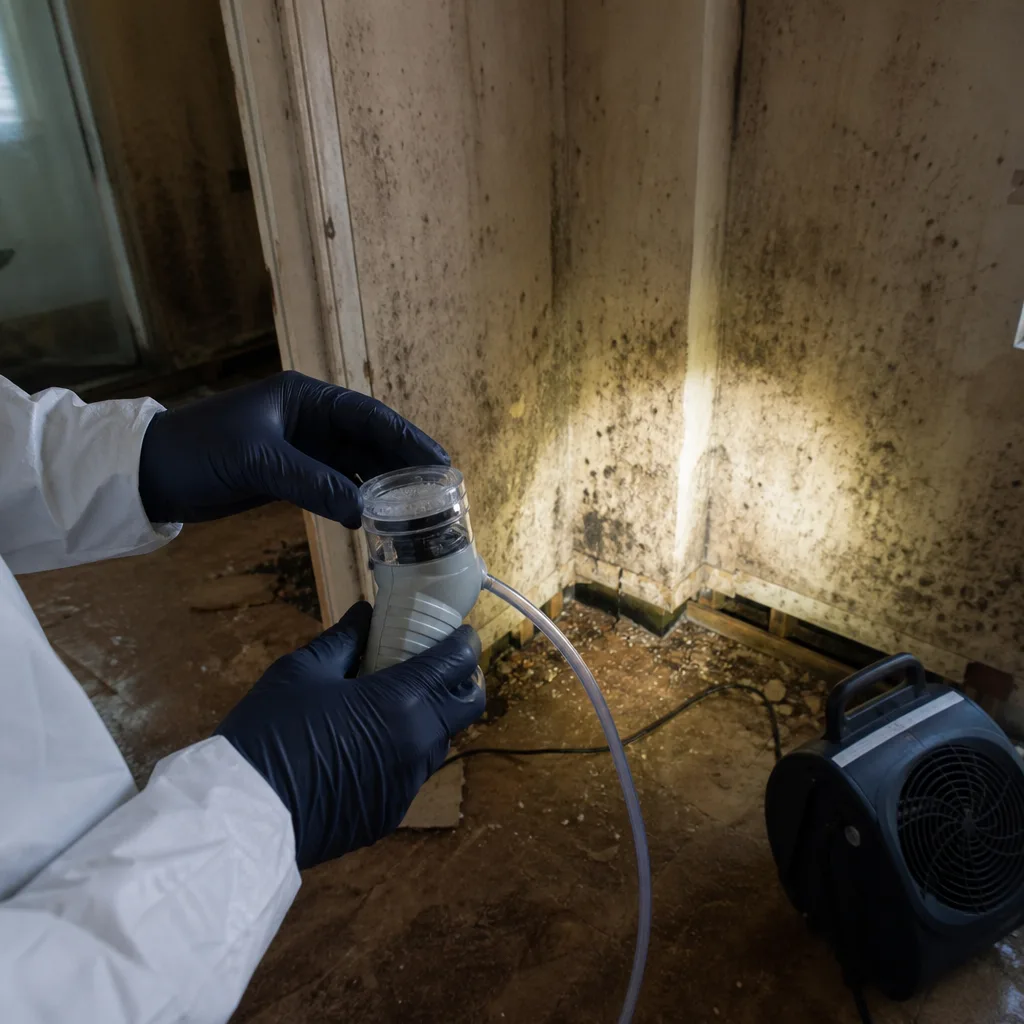
Business Interruption Minimization
Every day a Glendale storefront is closed is revenue lost, and tenants don’t get that back. We prioritize work plans that let you operate partially or fully during restoration where safety allows. Evening and weekend work is standard for us. We’ll stage equipment in alley-load areas, run drying lines discreetly, and coordinate with your hours so customers never know there’s a HEPA scrubber running behind the counter.
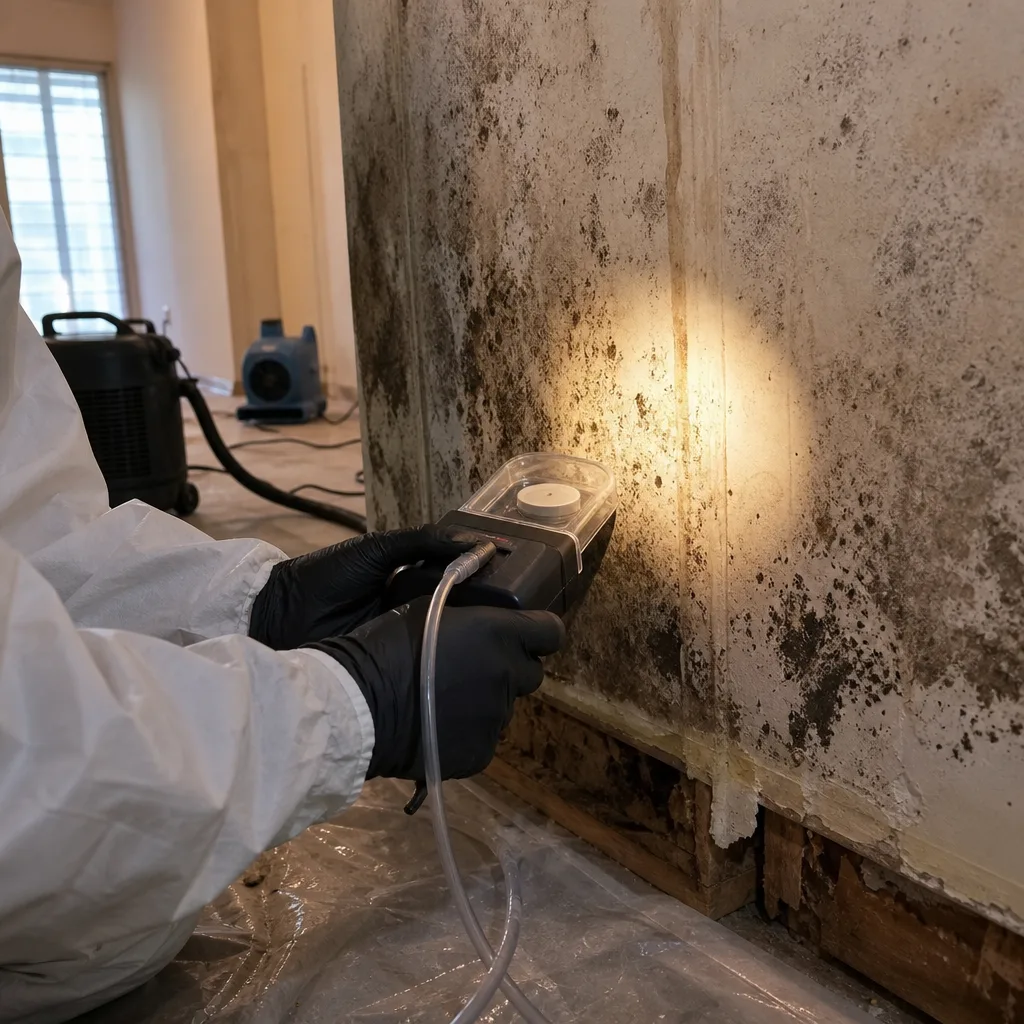
What happens when you call
- 1
A real person answersNo phone trees - you reach a local pro.
- 2
You get an upfront price rangeHonest numbers before anyone is dispatched.
- 3
A background-checked tech heads outLicensed & insured, dispatched right away.
- 4
You approve before work beginsNothing starts until you say go.
Commercial Restoration Costs in Glendale, NY
What you’ll pay depends on the category of water, the extent of smoke migration, and whether shared walls pull adjacent units into the scope. A small commercial water loss in a single Glendale storefront, Category 1 clean water, typically runs $1,800 to $4,500. Category 2 with cleaning and sanitization pushes that to $3,500 to $8,000. Category 3 black water in a basement, with full containment and disposal, usually lands between $6,000 and $15,000 depending on square footage and inventory handling. Fire restoration in a mixed-use rowhouse starts around $5,000 for light soot cleaning and climbs past $30,000 for structural work and multi-unit smoke migration. These are real Glendale numbers, not national averages. The free visual inspection gives you a firm written scope before any work starts, and if you already have a written estimate from another company, Wade will give you a free second opinion. No charge for that. If the work is under $200, there’s no trip charge inside the county, and seniors and veterans get 10% off every job, always.
We Also Serve Cities Near Glendale
Wade’s crews respond across the surrounding Queens and Brooklyn border areas every day. We handle commercial restoration in East New York, Jamaica, Canarsie, and East Flatbush with the same 45-minute commitment and the same local knowledge we bring to Glendale. Same live answer, same written scope, same 90-Day Done Right Promise.
Glendale Commercial Restoration Questions, Answered
How do shared party walls in Glendale rowhouses affect commercial water extraction?
Party walls move water laterally, so extraction in one unit is never the whole story. We inspect and test the shared wall cavities in both directions, because lumber and plaster in a neighbor’s unit can store the same water you just extracted from yours. We run moisture probes into party-wall voids and never sign off until both sides read dry. Skipping this step means mold in the wall between two businesses within two weeks.
What happens when a fire in one Glendale storefront sends smoke into a neighboring rowhouse?
The shared attic space above attached rowhouses functions like a highway for smoke and soot. We won’t clean only the unit that burned, because a pressure difference will draw soot back in from the untouched neighbor two doors down. We run a multi-property sweep, test surfaces in each connected attic, and clean every affected space before we close out. If the owner next door hasn’t noticed the soot yet, we tell them.
How do you handle category 3 black water in a Glendale commercial basement?
Category 3 water from a sewer backup or street flooding carries pathogens that require full hazmat-level protocols. We set up containment at the basement perimeter, run HEPA air scrubbers, remove and dispose of affected porous materials, and sanitize every remaining surface to clearance standards. We wear full PPE and manage disposal according to NYC requirements. No shortcuts on black water.
Why do commercial restoration projects in Glendale take longer than in detached-home markets?
Plaster-over-wood-lath walls hold moisture longer than modern drywall, and attached construction means we’re often drying two or three units at once instead of one standalone building. Access through tight alley-load doors slows equipment staging, and NYC DOB coordination for work touching occupied adjacent units adds days that don’t exist in suburban jobs. The timeline is honest, not padded.
Can you restore a Glendale commercial space without shutting down business?
Usually yes. We stage equipment in alley-load areas, run drying lines along ceilings and behind counters, and schedule noisy demolition or extraction work around your operating hours. For restaurants and retail, evening and early-morning shifts are standard. We’ve kept storefronts open on Myrtle Avenue while running full Dri-Eaz dehumidifier banks in the back. We’ll tell you upfront what can be done while you operate and what can’t.
How fast can you actually get to a Glendale commercial property?
We commit to 45 minutes from your call for emergency response anywhere in Glendale. That’s a live person answering at (363) 300-2771, day or night, and a crew moving the moment you hang up. On a sewer backup during a summer storm, we know traffic patterns on Cooper Avenue and Cypress Hills Street, and we plan the route before we leave.
Will my insurance cover commercial restoration in Glendale?
Most commercial property policies cover sudden and accidental water, fire, and storm losses, minus your deductible. Sewer backup coverage often requires a specific endorsement, and we’ve seen plenty of Glendale policies where it was missing. We document everything, talk to your adjuster directly, and give you a line-item scope that matches insurance software. If your claim is being shortchanged, Wade will tell you.
What should I do in the first 30 minutes after water or fire damage to my Glendale storefront?
Call (363) 300-2771 and shut off water or gas at the source if it’s safe. Take photos of everything before you move anything. Don’t use a household vacuum on water, don’t enter a space with heavy soot without a respirator, and don’t touch black water without PPE. For fire, close doors to limit smoke spread through shared attics. Then let us handle it.
Serving Glendale, NY - Our Local Coverage Area
We’re based in the Glendale area and know this community well. Use the map below to see our service coverage - if you’re nearby, we can almost certainly help.
One More Thing About Glendale Attics
Here’s what separates us from every generic restoration company that serves Glendale: we know the shared attic problem before you even describe it. Those continuous attic spaces running across attached rowhouses are invisible highways for smoke, soot, and moisture. A fire in one address on 78th Street deposits soot two doors down before the neighbor notices a smell. A roof leak over one unit sends water into three contiguous attics through the same lumber. This is a condition that doesn’t exist in detached-home neighborhoods like Middle Village, and it changes every step of our protocol. Our techs were called to a 1930s mixed-use rowhouse on Myrtle Avenue after a basement sewer backup flooded a storefront and two attached residential units with Category 3 black water. Working within tight alley-load clearances, we set up containment at the shared party walls, packed out inventory for document recovery, and ran Dri-Eaz dehumidifiers and XPOWER air movers around the clock while coordinating with the NYC Department of Buildings for the adjacent occupied units. That job took three weeks. A standard restoration company working from a national playbook would have called it done in one and left mold in the neighbor’s wall cavity. We don’t work that way. If you’ve got commercial damage in Glendale, call (363) 300-2771. Wade answers.
Written by Wade Ferris, Owner at Wade’s Restoration, serving Glendale since 2007.