
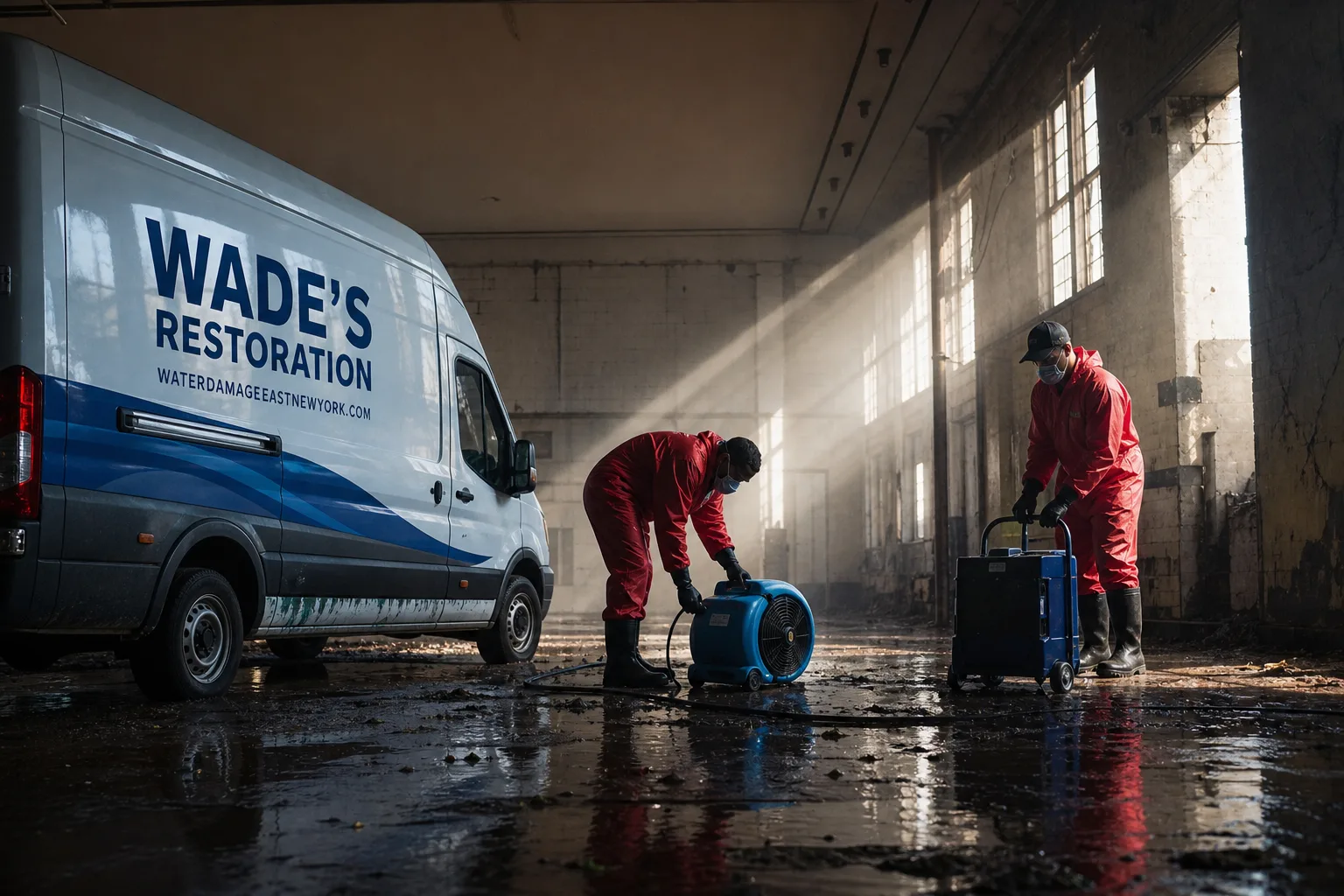
Free visual inspection and a written scope of work before any mitigation begins - photos, moisture readings, and drying logs go in your claim file
The scope we write is the scope we bill. Anything new gets shown to you, in writing, before we touch it.
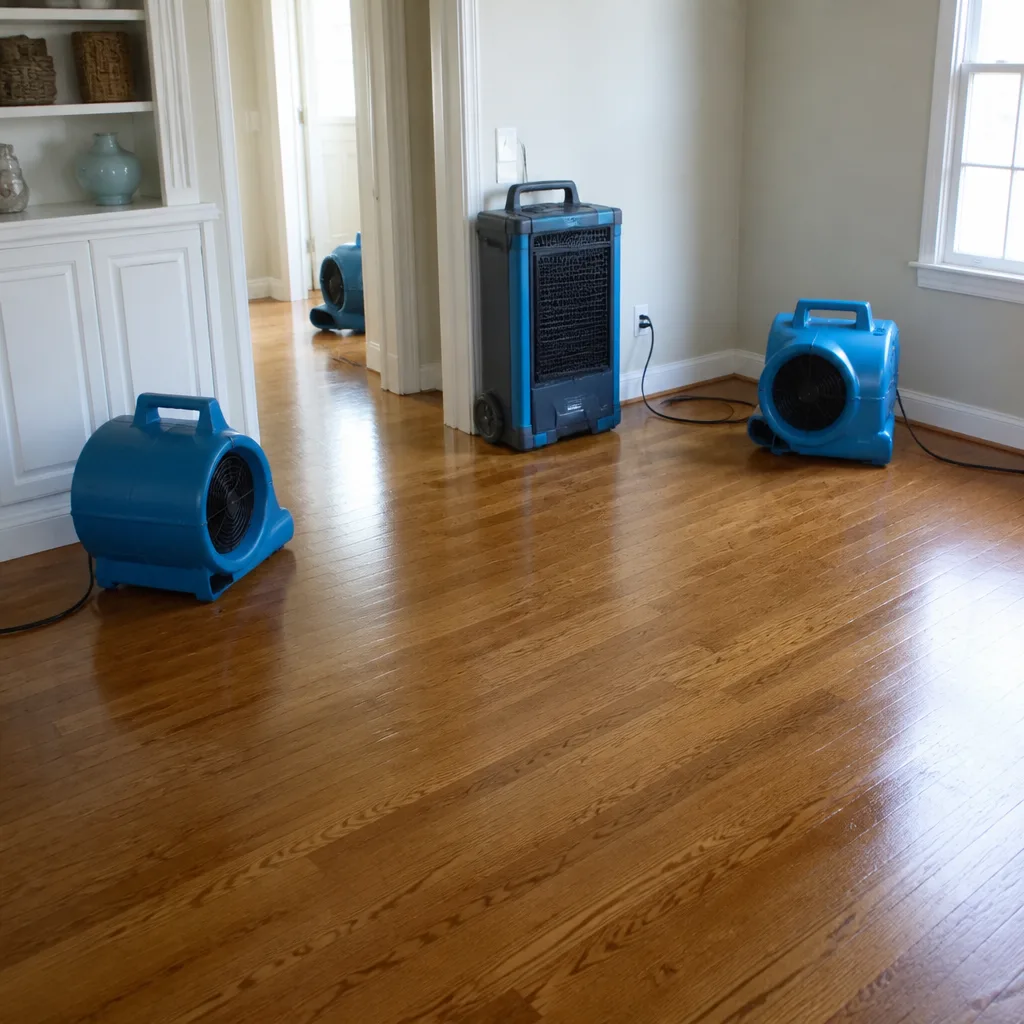
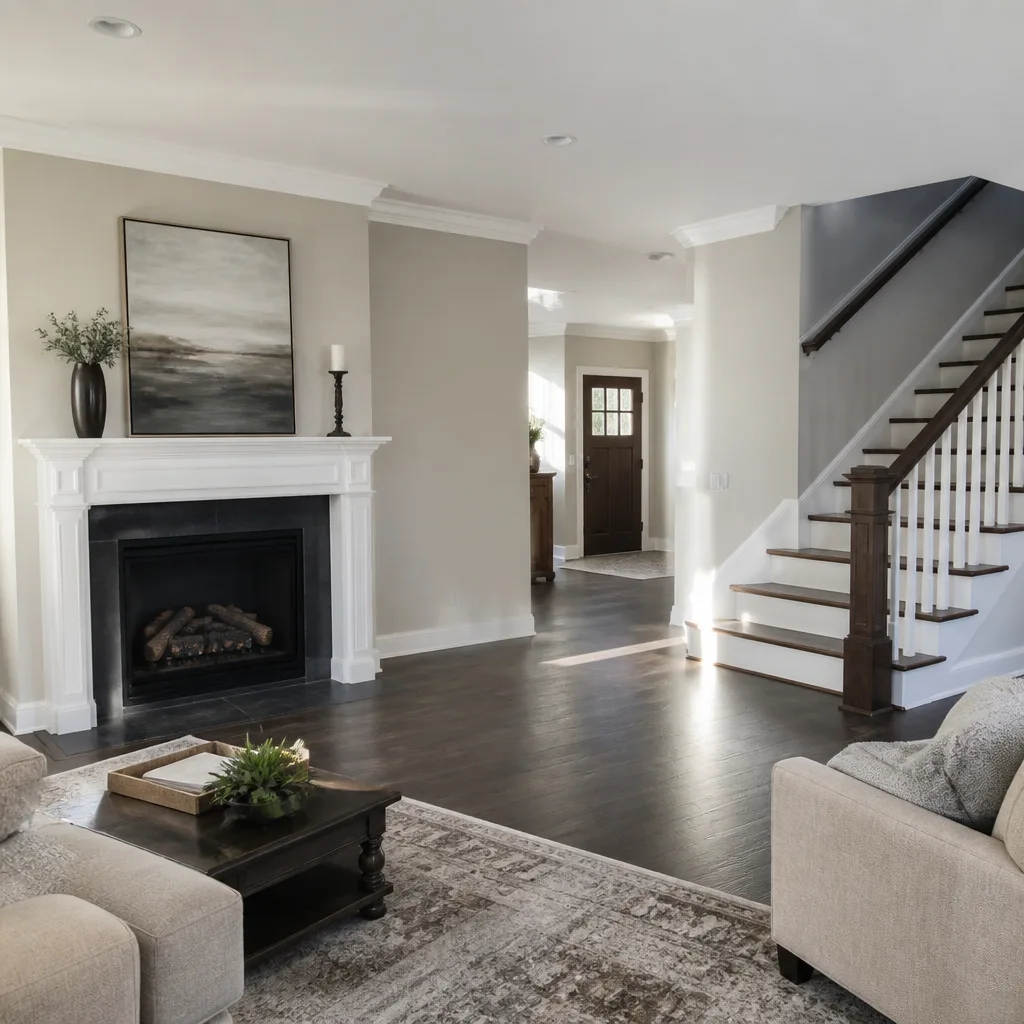
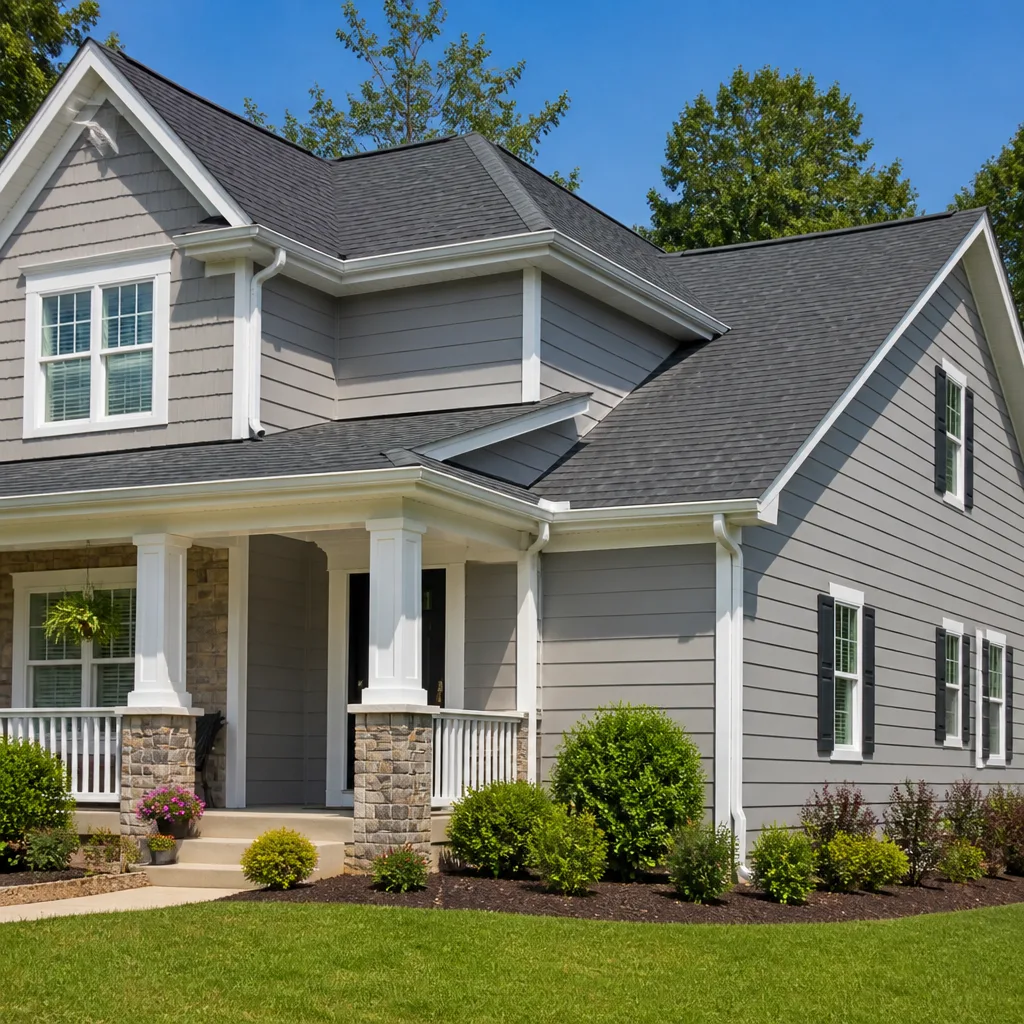
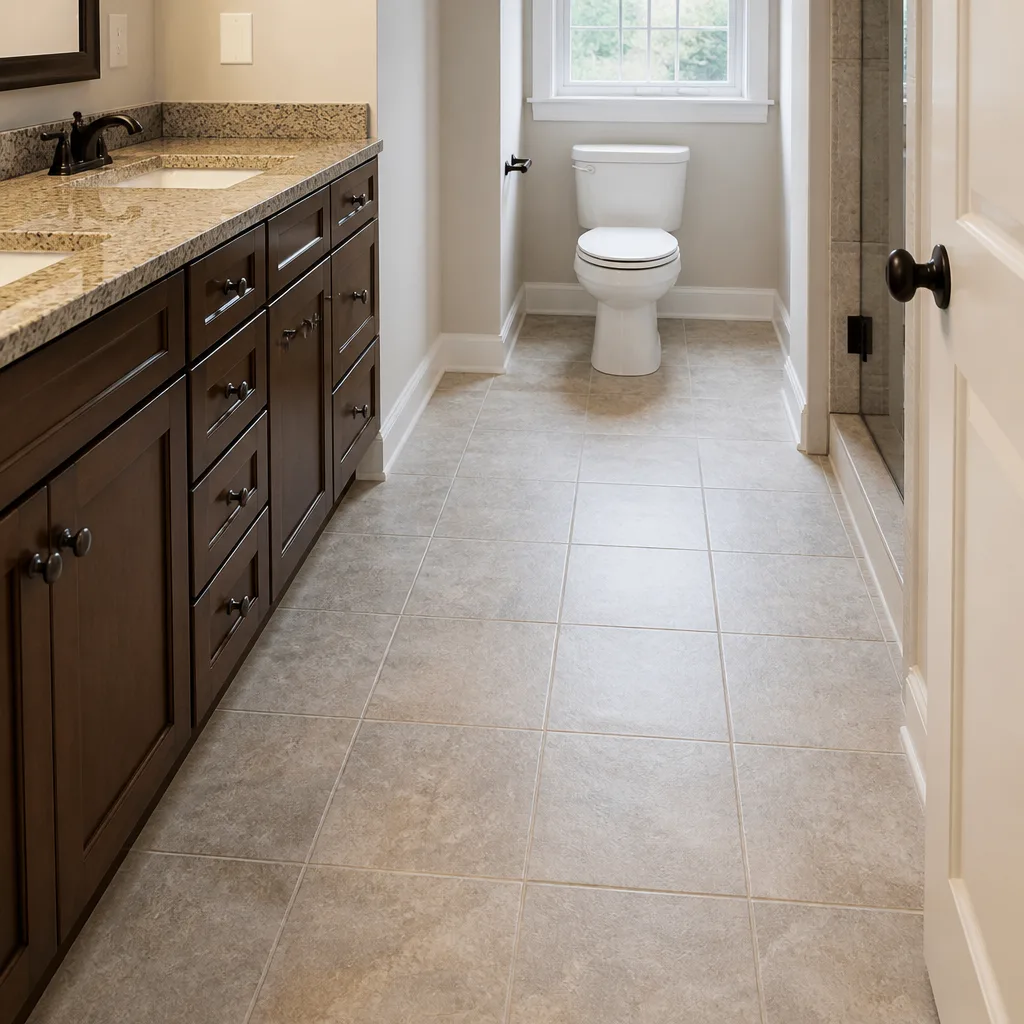
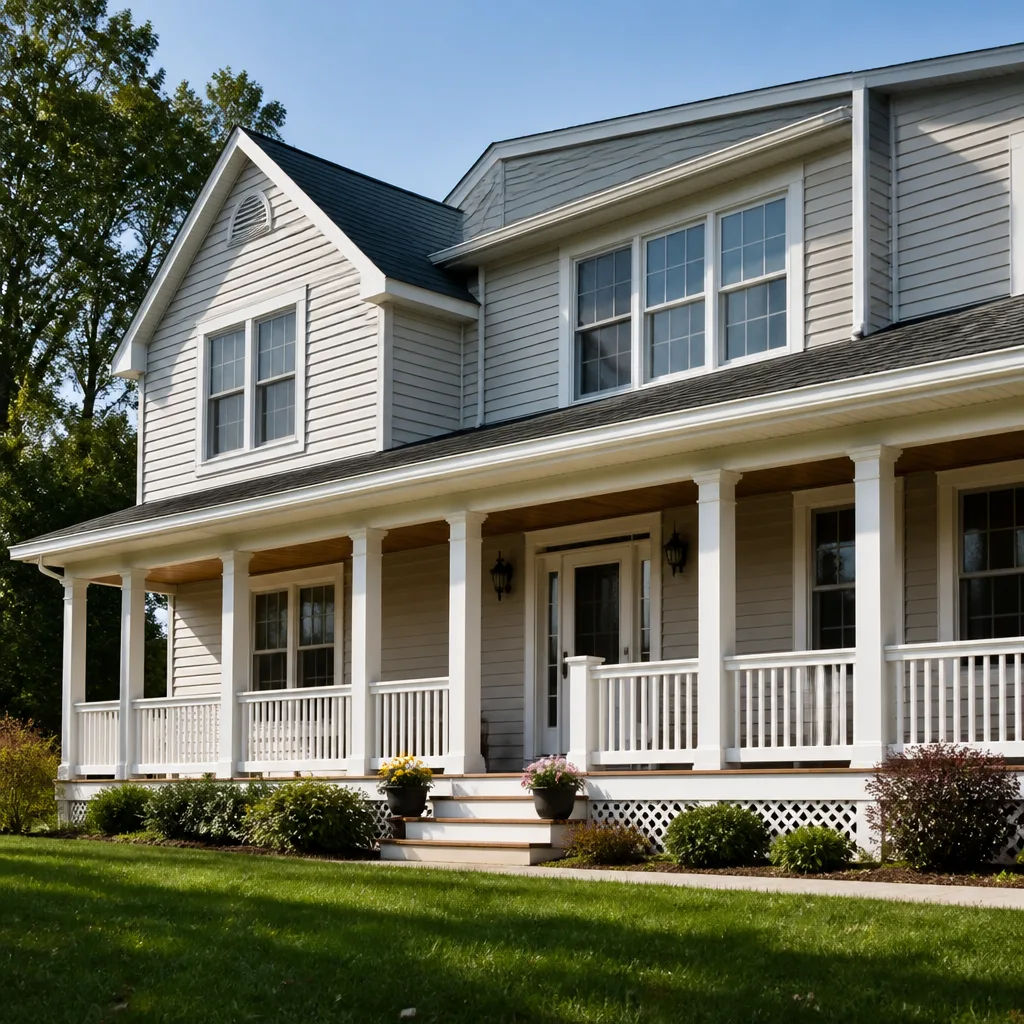
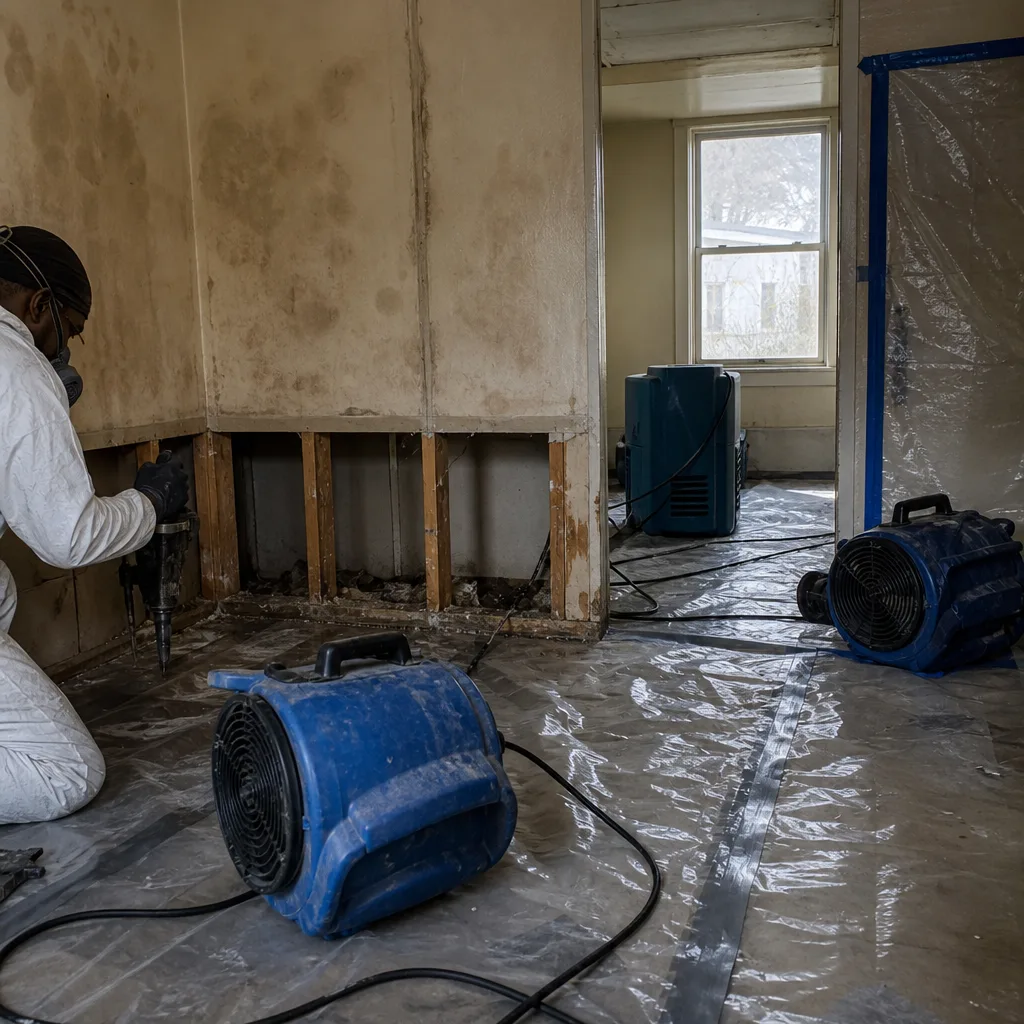 Before
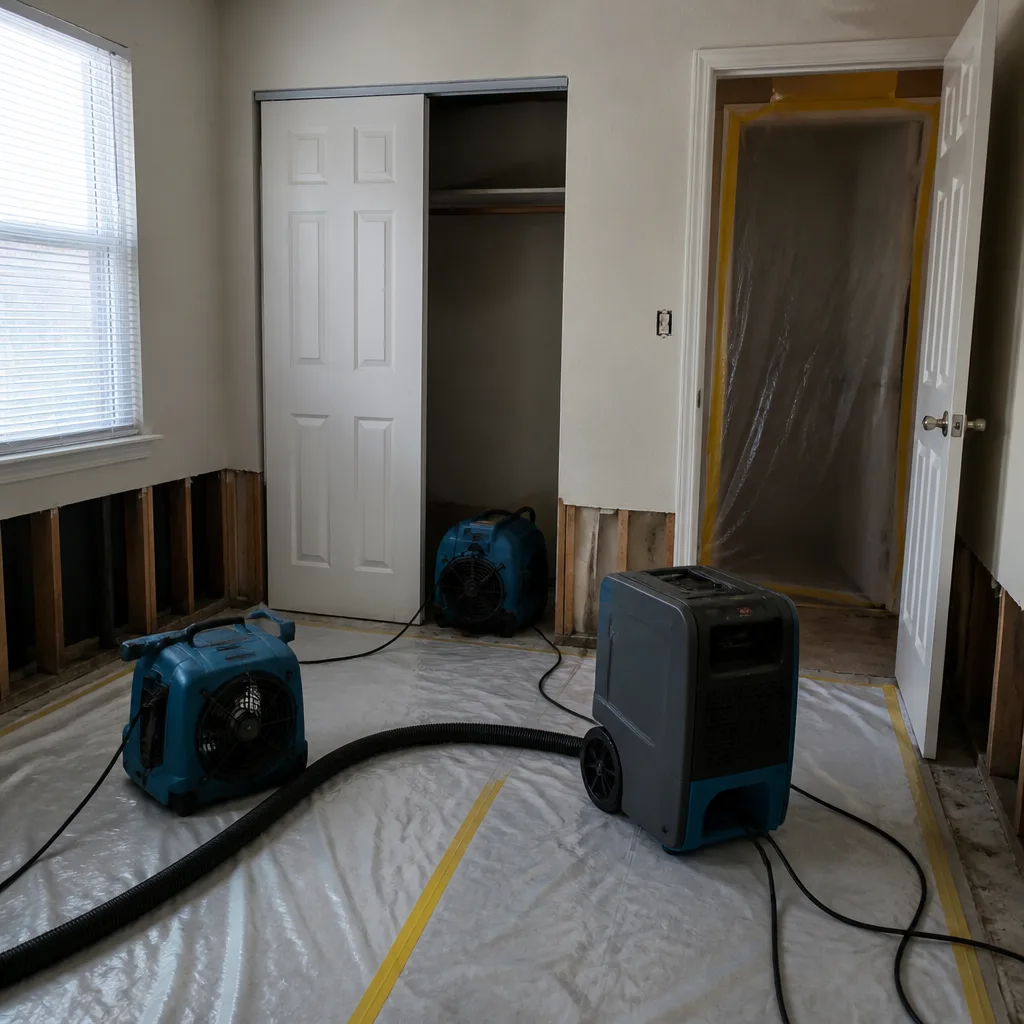 After
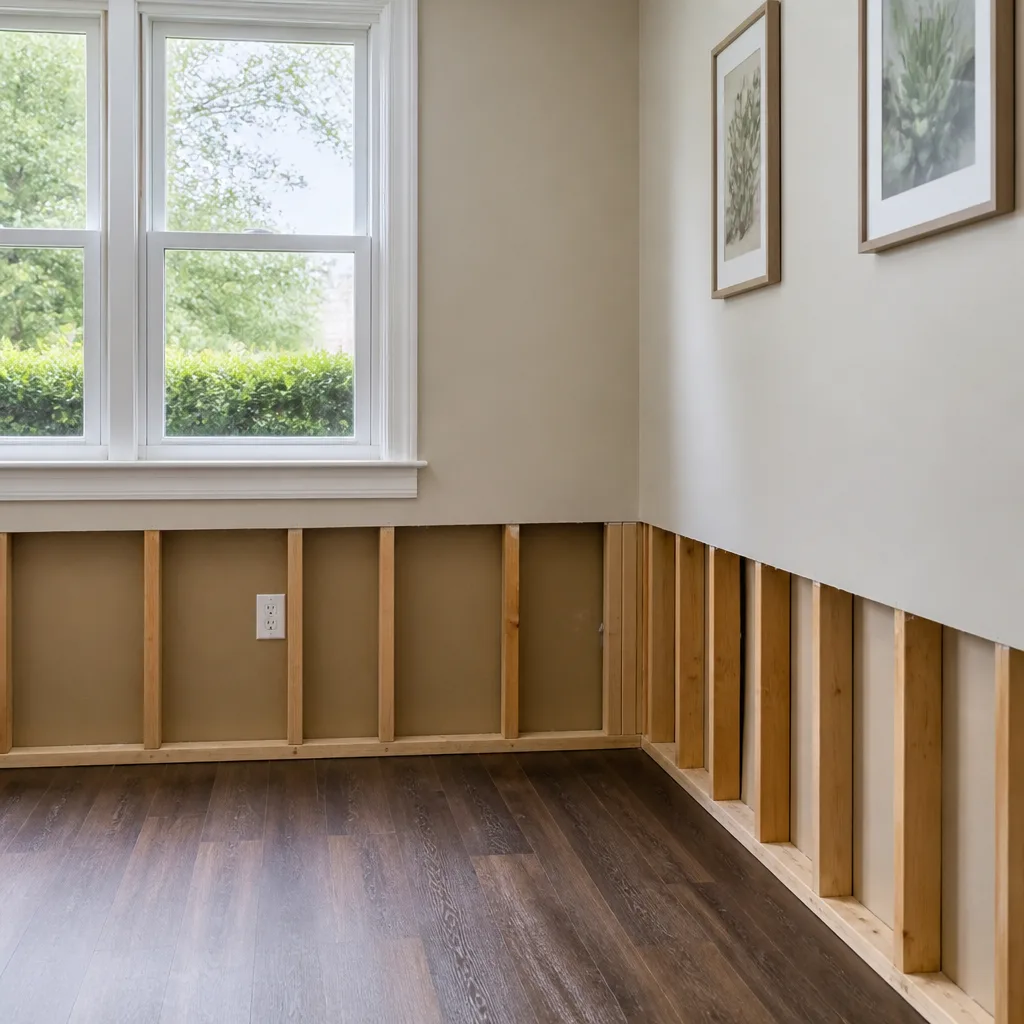
After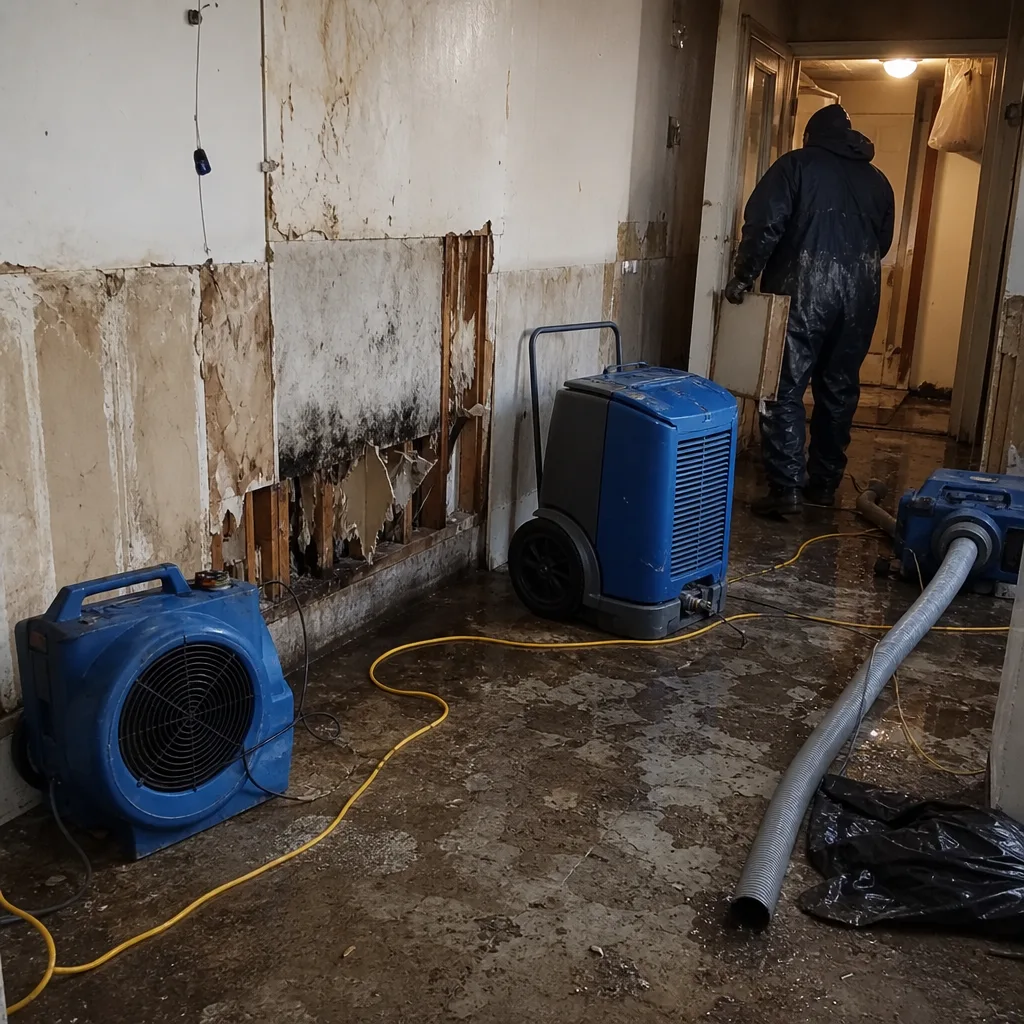 Before
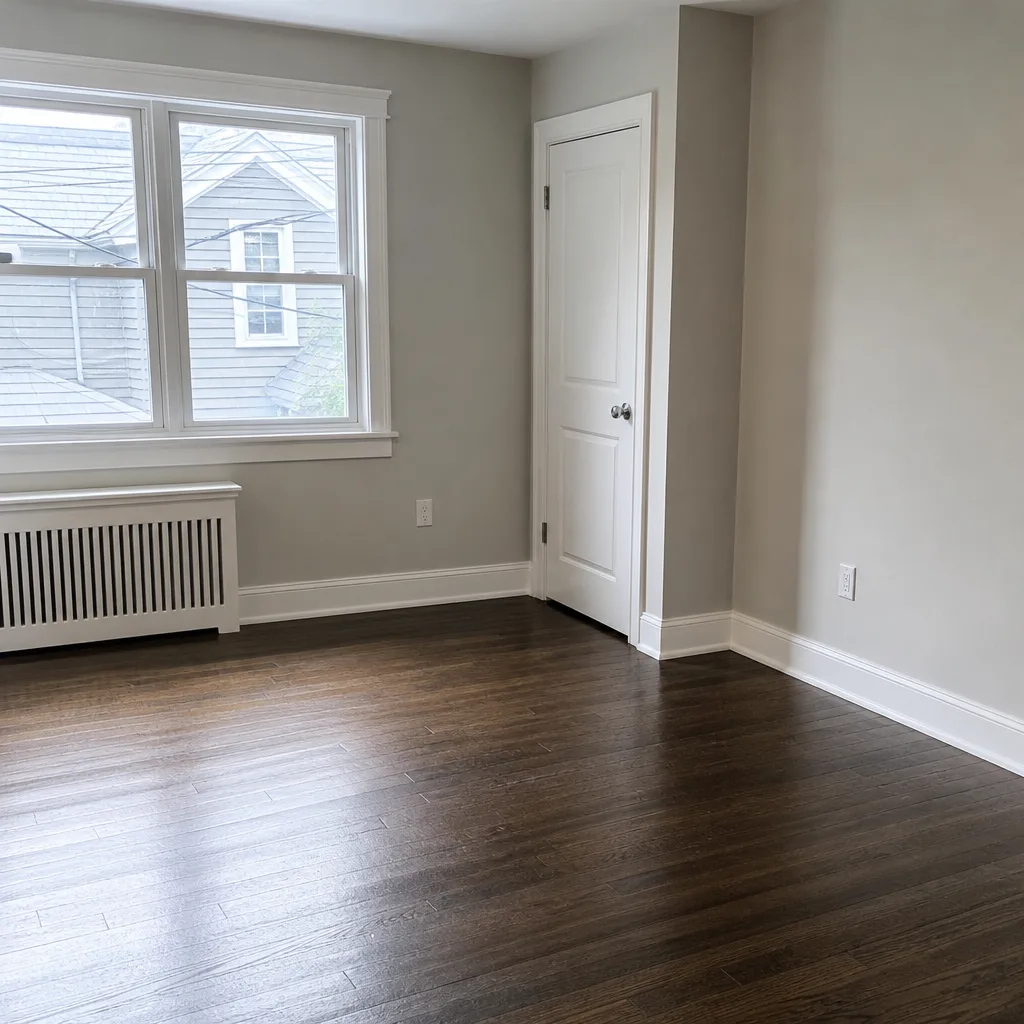 After
After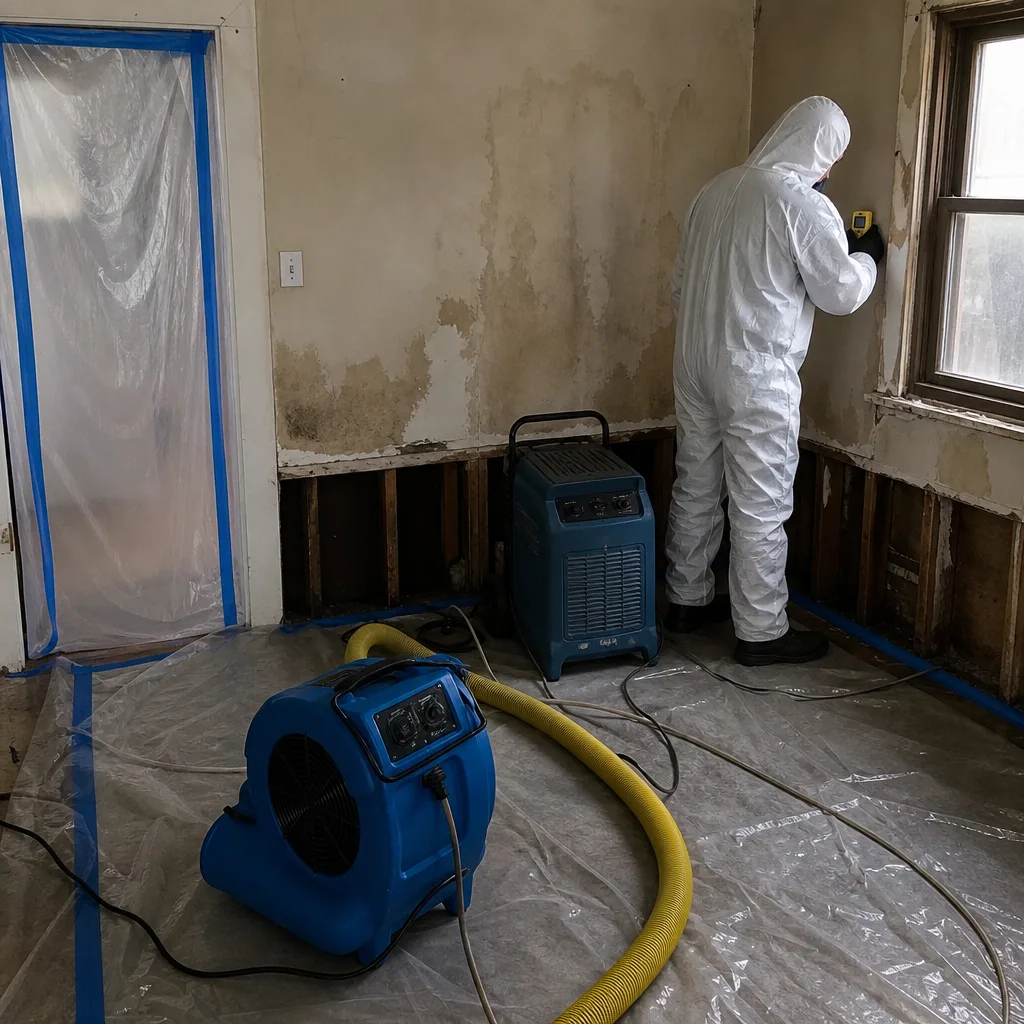 Before
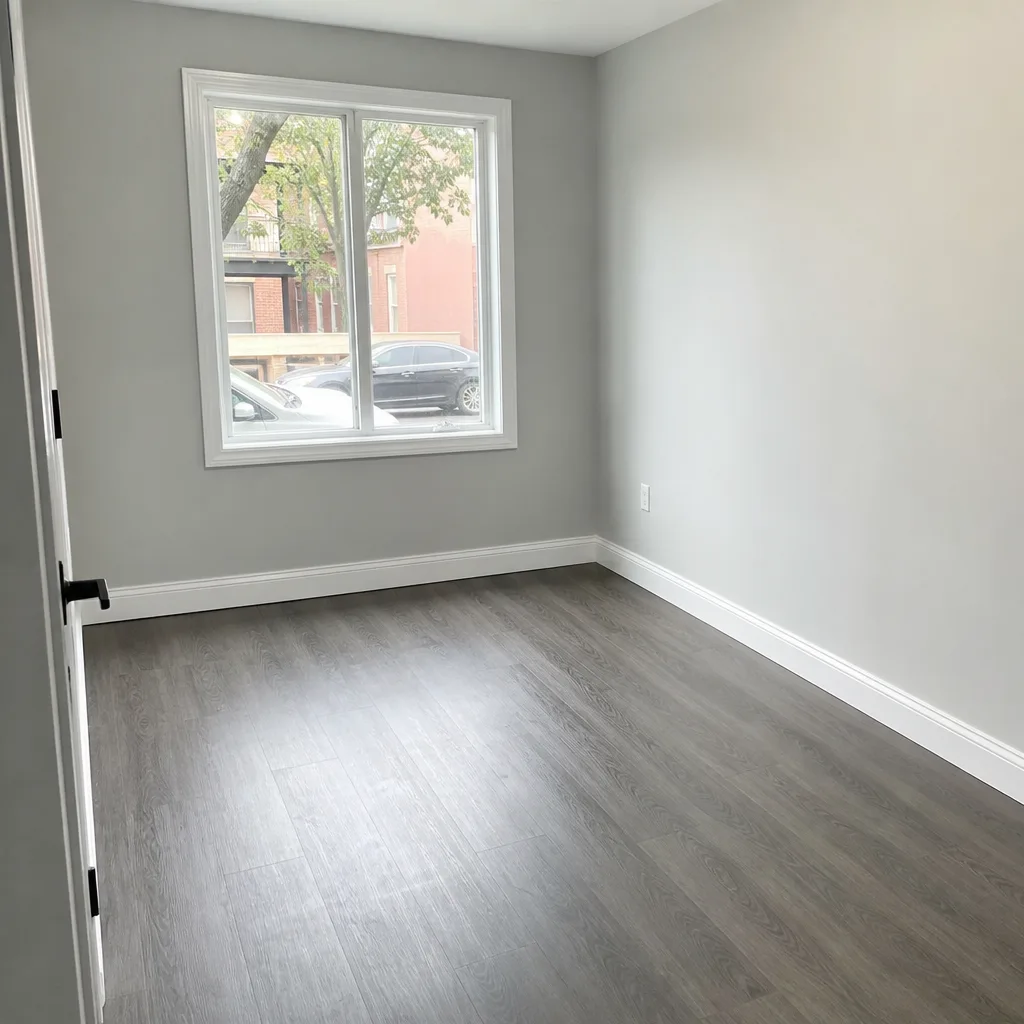 After
After24/7 Emergency Reconstruction & Cleanup in Glendale
When a sewer backup floods a finished basement on a 1930s rowhouse block or a kitchen fire sends soot through three attached attics, waiting until Monday isn’t an option. That’s why Wade’s Restoration answers live around the clock and keeps crews staged to reach Glendale neighborhoods fast, usually inside an hour. Call (363) 300-2771 and you’ll talk to a person, not a menu. We’ll walk the property with you, explain what we’re seeing, and put a written scope in your hands before any work starts. The first hours after a loss are when water keeps wicking up plaster walls and smoke keeps pushing through shared attic cavities. On a tight Glendale block, that means damage that starts in one address becomes a two- or three-home problem by morning. Getting a crew on-site early isn’t about speed for its own sake. It’s about keeping a bad situation from spreading to your neighbor’s living room.
Understanding Reconstruction & Cleanup Severity in Glendale Properties
Reconstruction and cleanup in Glendale looks different than it does in a detached suburban house, and anyone who tells you otherwise hasn’t worked these blocks. The severity ladder starts with what caused the damage: Category 1 water from a clean supply line, Category 2 from a washing machine or dishwasher overflow, and Category 3 black water from a sewer backup or street-drain surge. Glendale’s aging combined sewer system, which sits under some of Queens’ tightest residential blocks, produces Category 3 events regularly during heavy nor’easters and late-summer downpours. When that water moves through a rowhouse, it doesn’t stay in one unit. Original plaster-over-wood-lath walls, standard in homes built between the 1920s and 1950s, hold moisture far longer than modern drywall. That slows structural drying and gives hidden mold an opening within 48 hours if the drying setup isn’t aggressive enough. Fire losses carry the same shared-wall issue: smoke and soot migrate through continuous attic spaces that run across attached homes, depositing residue two doors down. Severity here is rarely isolated to one address. That’s the reality our crews plan for on every Glendale job.
Why Glendale Property Owners Choose Wade’s Restoration
- 45-minute response commitment. Wade keeps crews positioned around Queens so someone is rolling toward Glendale within minutes of your call, not hours later.
- 24/7 live answer, no automated system. You reach a person. Often Wade himself. He’s answered his own phone since 2007 and that hasn’t changed.
- IICRC-certified crews trained for attached housing. Our techs carry WRT, FSRT, and AMRT certifications and know how tight rowhouse footprints and shared attics change the job.
- Free visual inspection before anything gets torn out. We show you what we see, explain the options, and never start work without your sign-off on a written scope.
- Direct insurance billing and adjuster coordination. Wade handles the back-and-forth with your carrier so you’re not the one relaying messages between two sides.
- One team from first extraction to final trim. The same crew that sets containment handles the drywall, the flooring, and the finish work, so nothing gets lost between contractors.
Our Reconstruction & Cleanup Process
Inspection & Assessment
We start by walking the entire structure, including the shared attic space and any adjoining unit with a party wall. Thermal imaging and hygrometers tell us where moisture has traveled, not just where it started. On Glendale rowhouses, that adjacent-unit check is non-negotiable.
Extraction & Stabilization
Standing water comes out first, using truck-mounted extractors where the street permits or portable units for alley-load entrances. We stabilize damaged areas, board up any openings, and stop the spread before it moves further into the structure.
Drying & Dehumidification
Dri-Eaz dehumidifiers and XPOWER air movers go in on a footprint that fits narrow basements and tight rooms. On plaster-over-lath walls, we run drying longer than we would on drywall and take moisture readings every single day until the numbers say it’s actually dry.
Cleaning & Sanitization
Every affected surface gets cleaned with EPA-registered products appropriate to the contamination level. HEPA air scrubbers run throughout to catch particulates that settled in rooms we didn’t tear out. We’re not done until the air is clean, not just the walls.
Specialty Treatment & Contents Handling
Salvageable furniture and belongings get packed out, cleaned, and stored until the structure is ready. Items that can’t be saved get photographed and documented for your claim. We treat contents like they’re ours, because we want them back in your home in better shape than they left.
Repairs & Restoration
Drywall, flooring, trim, paint, and fixtures go back in under a written scope you approved before we started. Reconstruction work is scheduled and priced like a remodel, not a rushed patch job. The 90-Day Done Right Promise applies to the finished work, in writing.
Need Emergency Reconstruction & Cleanup in Glendale Now?
Crews minutes away, answering live 24 hours a day. The sooner we start, the less it costs.
Working With Your Insurance Company
Most Glendale homeowners filing a reconstruction claim have never done it before. That’s fine. We have, hundreds of times. The key is documentation from the first hour: photos of every affected room, moisture readings at regular intervals, and a line-item scope that uses the same estimating software your carrier recognizes. Wade talks to your adjuster directly. You don’t have to be the messenger. When the adjuster visits, our crew lead walks the property with them and points out damage that’s easy to miss, like moisture behind a plaster wall that looks dry on the surface. That’s the difference between a settlement that covers the actual work and one that leaves you short. We also offer a free second opinion on any written estimate, whether it’s ours or another company’s. If you already have a number from your carrier and want a straight read on whether it’s realistic, bring it to us.
What We Provide Your Insurer
- Thorough documentation of the loss
- Photos of all damage, room by room
- Moisture readings and drying logs
- A detailed, line-item scope of work
- Direct coordination with your carrier
Built for Glendale’s Loss Calendar
Glendale’s damage patterns follow the seasons, and they hit the same streets year after year. January and February bring deep freezes that burst supply lines in unheated basements and behind poorly insulated exterior walls on 1920s and 1930s rowhouses. The water runs through plaster, under old hardwood, and into the same shared drain stacks that serve three attached units. Spring thaw and April rains seep through aging foundation joints and leaky basement windows, the chronic low-grade moisture that eventually rots sill plates and feeds mold behind paneling. July and August thunderstorm downpours overwhelm combined sewers on streets like 88th Street and 78th Avenue, pushing black water up through floor drains and into finished basements across entire blocks. Nor’easters in the fall and winter are the worst of both: wind-driven rain through old rowhouse roofs and sewer backups at the same time. Every season has a signature loss in Glendale. We’ve worked them all, and we know what each one does to plaster, lath, and cast-iron plumbing.
Reconstruction & Cleanup Across Glendale’s Neighborhoods
Glendale’s rowhouse blocks cluster around a few distinct corridors, and each has its own rhythm. The streets around Myrtle Avenue, from 70th to 88th, hold some of the densest attached housing in the neighborhood, where shared attics run three or four homes deep and a kitchen fire on one address deposits soot on the next one’s ceiling. Crews working there learn fast that an alley-load entrance means equipment goes in through the back, not the front, and parking a box truck requires coordination with the local precinct. Over near Forest Park and the Jackie Robinson Parkway, the homes are a mix of attached brick and frame, many with walkout basements that flood differently than below-grade cellars. The blocks closer to Cooper Avenue and the LIRR tracks have older galvanized plumbing that fails all at once when it fails, which is usually on a Sunday morning when the whole family is home. And the side streets running off Cypress Hills Street are tight enough that our vans frequently stage on the avenue and the crew walks tools in. That’s not a problem. It’s just how Glendale works, and we plan for it.
Specialized Reconstruction & Cleanup Services We Offer in Glendale
Full-Service Reconstruction
When a Glendale rowhouse needs more than drying, we rebuild it. New drywall or restored plaster, flooring, trim, paint, and fixtures, all done by the same crew that handled the mitigation. You don’t get handed off to a subcontractor who’s never seen the original damage. Wade’s team takes it from the first extraction to the final coat of paint.
Drywall & Flooring Repair
Replacing wet drywall in a 1930s home means testing for lead paint and asbestos-containing materials before any demolition starts. Skipping that step triggers NYC Department of Buildings stop-work orders and cross-contamination. Our crews handle the testing, the containment, and the repair under a documented scope, and we match flooring to existing hardwood where it’s salvageable rather than ripping it all out.
Contents Restoration & Pack-Out
Your furniture, clothing, photos, and the stuff that makes a rowhouse a home don’t belong in a dumpster. We pack out salvageable items, clean them with appropriate methods, store them off-site, and bring them back when the structure is ready. Every item gets photographed and logged for your claim. It’s a slower, more careful process than simply throwing things away, and it usually saves you money in the end.
Carpet & Upholstery Cleaning
After a Category 1 or 2 water loss, carpet and upholstered furniture can often be saved and cleaned rather than replaced. We use hot-water extraction and appropriate drying to restore soft goods that would otherwise be a total loss. For Category 3 sewage backups, we’re honest: porous items soaked in black water get disposed of, not cleaned. That’s the rule, and we follow it.
Post-Construction Cleanup
A reconstruction job leaves drywall dust, sawdust, and debris in its wake. Our crews handle the full clean-down before you move back in: HEPA vacuuming of every surface, wipe-downs, floor cleaning, and removal of construction waste. You walk back into a finished home, not a job site with a fresh coat of paint on it.
What happens when you call
- 1
A real person answersNo phone trees - you reach a local pro.
- 2
You get an upfront price rangeHonest numbers before anyone is dispatched.
- 3
A background-checked tech heads outLicensed & insured, dispatched right away.
- 4
You approve before work beginsNothing starts until you say go.
Reconstruction & Cleanup Costs in Glendale, NY
Straight numbers for Glendale’s market, because you deserve to know before you call. A basic post-construction cleanout after a small water loss runs $600 to $1,500. Carpet cleaning and contents restoration typically falls between $800 and $2,500 depending on volume. Drywall and flooring repair after a kitchen or bath leak usually lands between $2,500 and $7,000, driven by how much plaster has to come out and whether lead or asbestos testing is required. Full reconstruction after a sewer backup or fire, including mitigation, new drywall, flooring, and finish work, commonly runs $15,000 to $60,000 in Glendale, with attached-home jobs on the higher end because adjacent-unit work and DOB coordination add cost. The variables are square footage, contamination level, and whether original plaster needs restoration rather than replacement. Insurance covers most of these jobs when the cause is sudden and accidental. The best way to get a firm number is a free visual inspection with a written scope. Call (363) 300-2771 and we’ll come out.
We Also Serve Cities Near Glendale
Wade’s Restoration runs crews into East New York, Jamaica, Canarsie, and East Flatbush as well. If you’re a little outside Glendale proper, call anyway. We’ll tell you honestly whether we can get there in time, and the free estimate is free either way.
Glendale Reconstruction & Cleanup Questions, Answered
Do I need to coordinate with my neighbor when you reconstruct my Glendale rowhouse after a fire or water loss?
If the damage involves a shared wall, shared attic, or shared drain stack, we’ll need access to the adjacent unit for inspection and possibly containment. We handle that conversation with your neighbor. You don’t have to knock on their door and ask. We explain what we need, why we need it, and we document everything at no cost to them. Most neighbors cooperate once they understand the smoke or moisture may already be in their home too. On a rowhouse block that shares attic cavities, a multi-property sweep protects everyone. Call (363) 300-2771 and we’ll walk you through how that works on your block.
How do you handle parking and equipment staging on narrow Glendale streets during reconstruction?
We’ve done enough Glendale jobs to know which blocks can handle a box truck and which can’t. Our vans stage on wider avenues like Myrtle Avenue or Cooper Avenue when side streets are too tight, and the crew walks tools in to the address. If we need a dumpster, we coordinate with the local precinct for a temporary no-parking permit. It’s an extra step most out-of-town companies skip, and it’s why you’ll see our crew on the block before the equipment arrives. We plan around your street, not the other way around.
What special precautions do you take for original plaster-on-wood-lath walls when doing drywall repair in Glendale homes?
Before any demolition, we test for lead paint and asbestos-containing materials, both common in homes built in the 1920s through the 1950s. If tests come back positive, we set containment, use appropriate PPE, and follow NYC DOB protocols for removal. Where possible, we restore original plaster rather than replace it with drywall, which preserves the character of the home and often performs better acoustically between attached units. If the plaster is too far gone, we match wall thickness and finish so the repair doesn’t stand out. Skipping these steps is what gets stop-work orders and cross-contamination. We don’t skip anything.
How fast can you start structural drying after a basement sewer backup in Glendale?
Within the hour, usually, and we’re not exaggerating. Wade’s crews are positioned around Queens and we answer the phone live, 24 hours a day. A Category 3 backup needs extraction, containment, and drying equipment running within hours to stop contaminated moisture from wicking up into plaster and structural framing. On tight Glendale basements, the drying footprint is limited, which means we use high-capacity Dri-Eaz dehumidifiers and XPOWER air movers sized for the room and run them longer. Mold starts forming behind thick plaster in about 48 hours if the drying isn’t aggressive enough. That’s the fight we win by getting there fast. Call (363) 300-2771 the moment you see water.
Does your reconstruction team handle the NYC Department of Buildings paperwork for attached-home damage in Glendale?
Yes. When reconstruction involves shared walls, structural repairs, or work that requires DOB permits, our team prepares and files the paperwork. You don’t have to navigate the city’s forms or handle plan reviews. We’ve done it for rowhouse jobs all over Glendale, from wall replacements on party lines to full-scale fire rebuilds. We also coordinate with your neighbor’s unit when the permit affects their side. It’s one more reason to use a local crew that’s actually worked NYC’s attached housing stock.
How much does reconstruction cost compared to nearby areas like East New York or Jamaica?
Glendale falls in the middle of Queens’ range for reconstruction work. You’ll pay slightly more than East New York for the same square footage because the housing stock is older and more of it requires lead and asbestos testing, but less than you’d pay in a landmarked district. The attached-home factor is the real cost driver: when a job involves a shared attic or party wall, you’re often paying for inspection and mitigation in the adjacent unit as well as your own. A full rowhouse reconstruction after a sewer backup typically runs $15,000 to $60,000 in Glendale. Call (363) 300-2771 and we’ll give you a free written estimate so you’re not guessing.
Can I stay in my home during reconstruction after a fire or water loss?
It depends on the scope and the contamination. If the damage is contained to one room and we can seal it with proper containment, staying is sometimes possible. But Category 3 water, significant smoke damage, or any disturbance of lead paint or asbestos typically means relocating until the work is done. We’ll give you an honest answer after the inspection, not the answer you want to hear. Your insurer’s loss-of-use coverage may pay for temporary housing if you can’t stay. We document the conditions and advocate for that coverage in your claim.
What should I do in the first 30 minutes after a fire or flood in my Glendale home?
Turn off utilities if you can do it safely. For water, shut off the main water valve. For fire, don’t re-enter until the fire department says it’s safe. Take photos of everything before you move anything, including the shared attic if you can see it. Call your insurance company and start the claim. Then call Wade at (363) 300-2771. The faster our crew starts extraction or board-up, the more of your home we can save. Don’t attempt to turn on electrical systems that got wet, and don’t enter a basement with standing water if the power is still connected. We’ll take it from there.
Serving Glendale, NY - Our Local Coverage Area
We’re based in the Glendale area and know this community well. Use the map below to see our service coverage - if you’re nearby, we can almost certainly help.
Reconstruction and Cleanup Done Right in Glendale
On a rowhouse block off Myrtle Avenue, our crew handled a Category 3 sewer backup that flooded two finished basements through a shared drain stack. We set containment in both units, ran XPOWER air movers and Dri-Eaz dehumidifiers for structural drying, and replaced wet drywall and carpet under a documented scope of work, all while coordinating parking for our equipment van with the local precinct. That’s what a real Reconstruction & Cleanup job looks like in this neighborhood: two homes, one drain stack, and a crew that knows how to work a tight street.
If you own a home in Glendale, you know the shared attics, the original plaster, and the parking limits that make every restoration job a little more complicated than the national chains expect. We know it too. Wade Ferris has been running crews in Queens since 2007, and he’s the one who answers the phone when you call. No voicemail tree, no sales rep. You’ll talk to a person who’s going to show up on your block and is going to run into you again at the hardware store.
Call (363) 300-2771 for a free estimate. If you already have a written estimate from another company, bring it in. We’ll give you a straight second opinion at no charge. And if you’re a senior or a veteran, ask about the 10% discount we always offer.
Written by Wade Ferris, Owner at Wade’s Restoration, serving Glendale and the surrounding Queens neighborhoods.