
Last updated August 26, 2026
Free visual inspection and a written scope of work before any mitigation begins - photos, moisture readings, and drying logs go in your claim file
The scope we write is the scope we bill. Anything new gets shown to you, in writing, before we touch it.
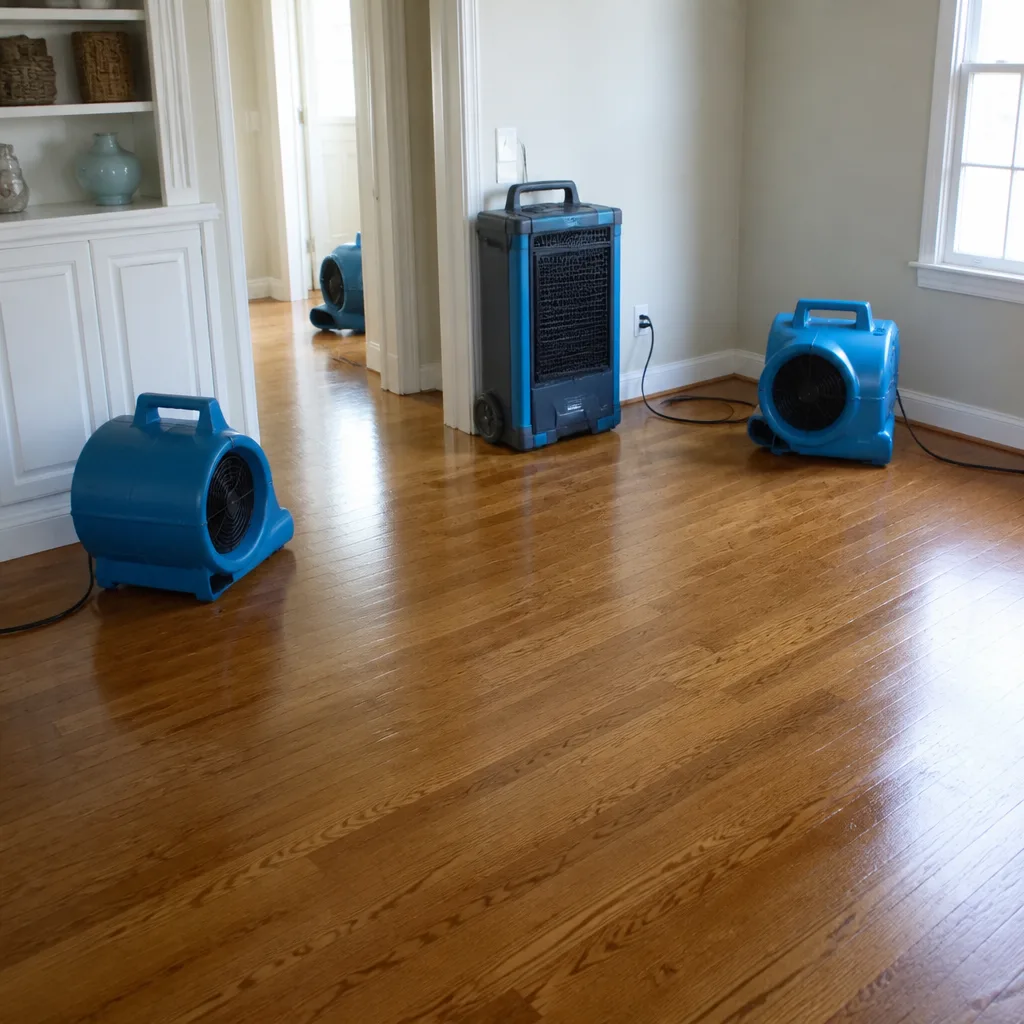
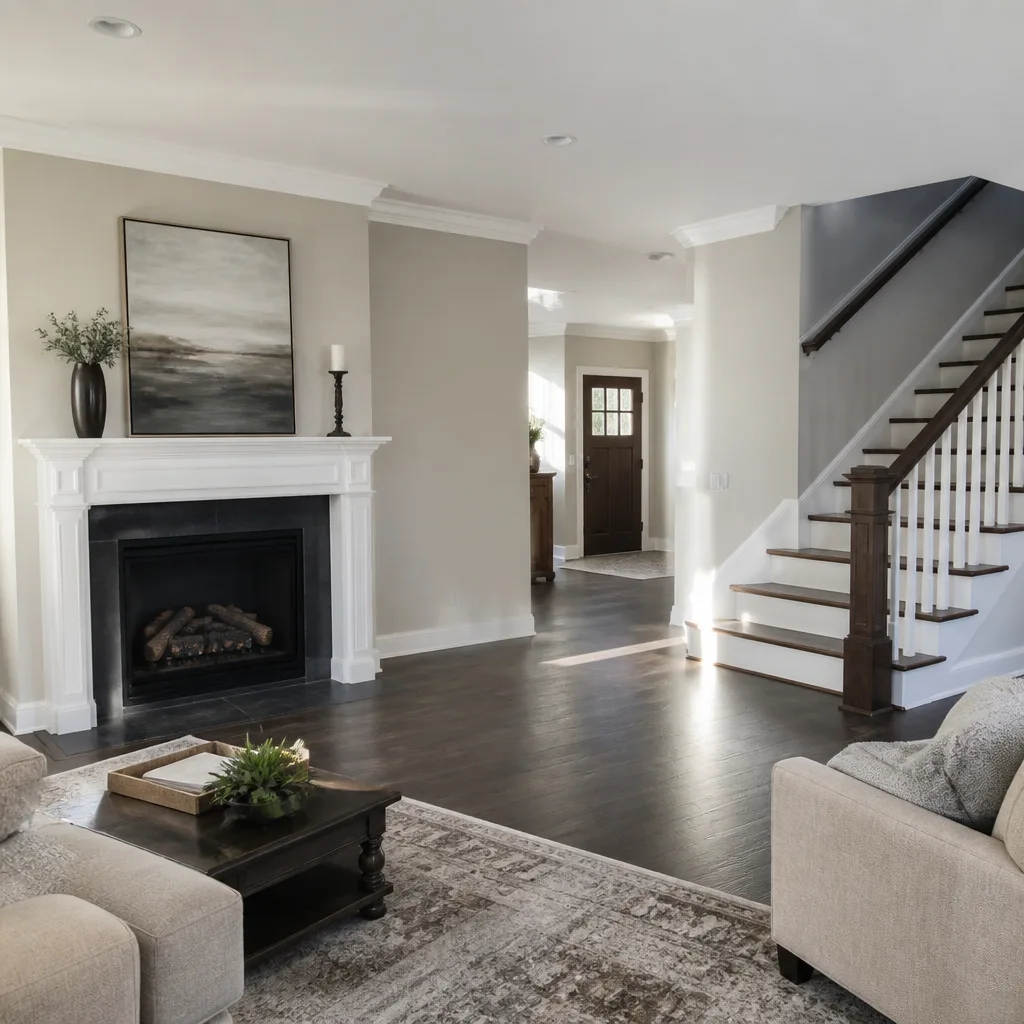
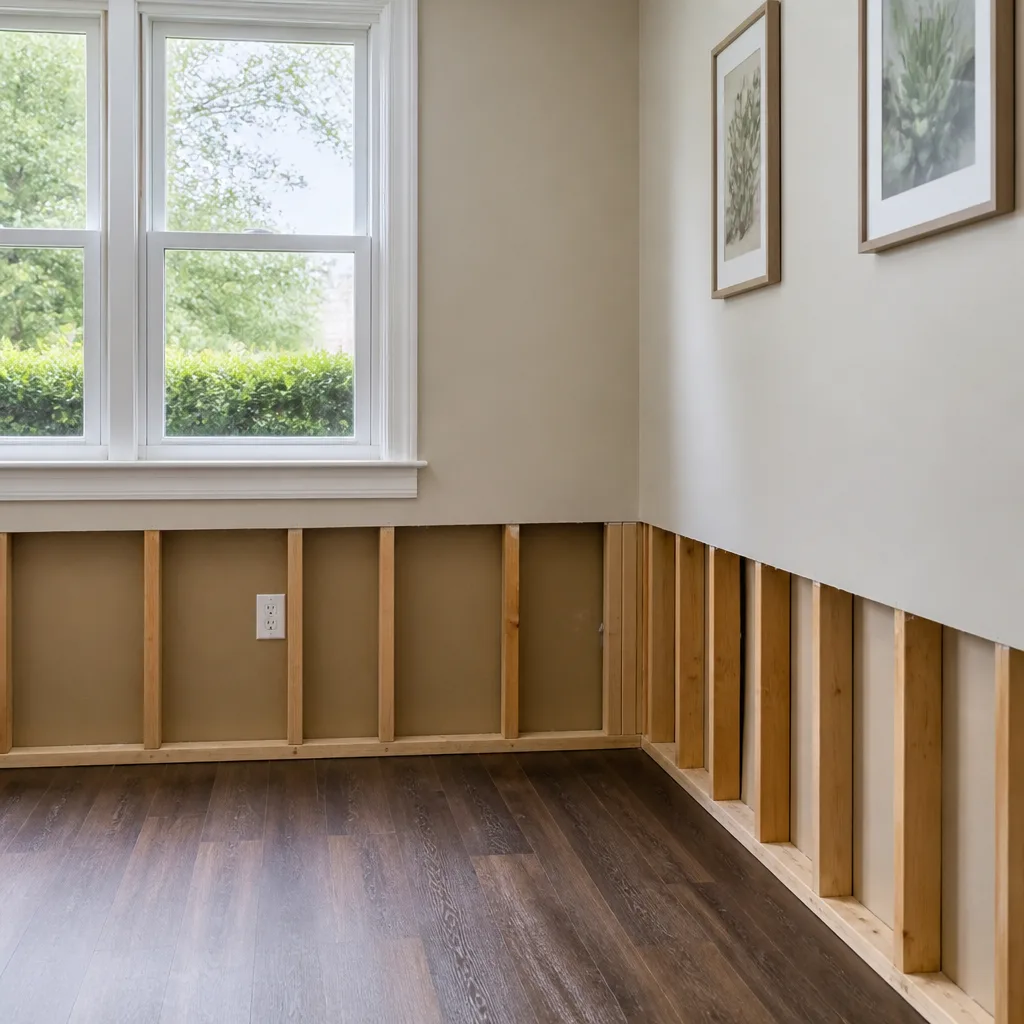
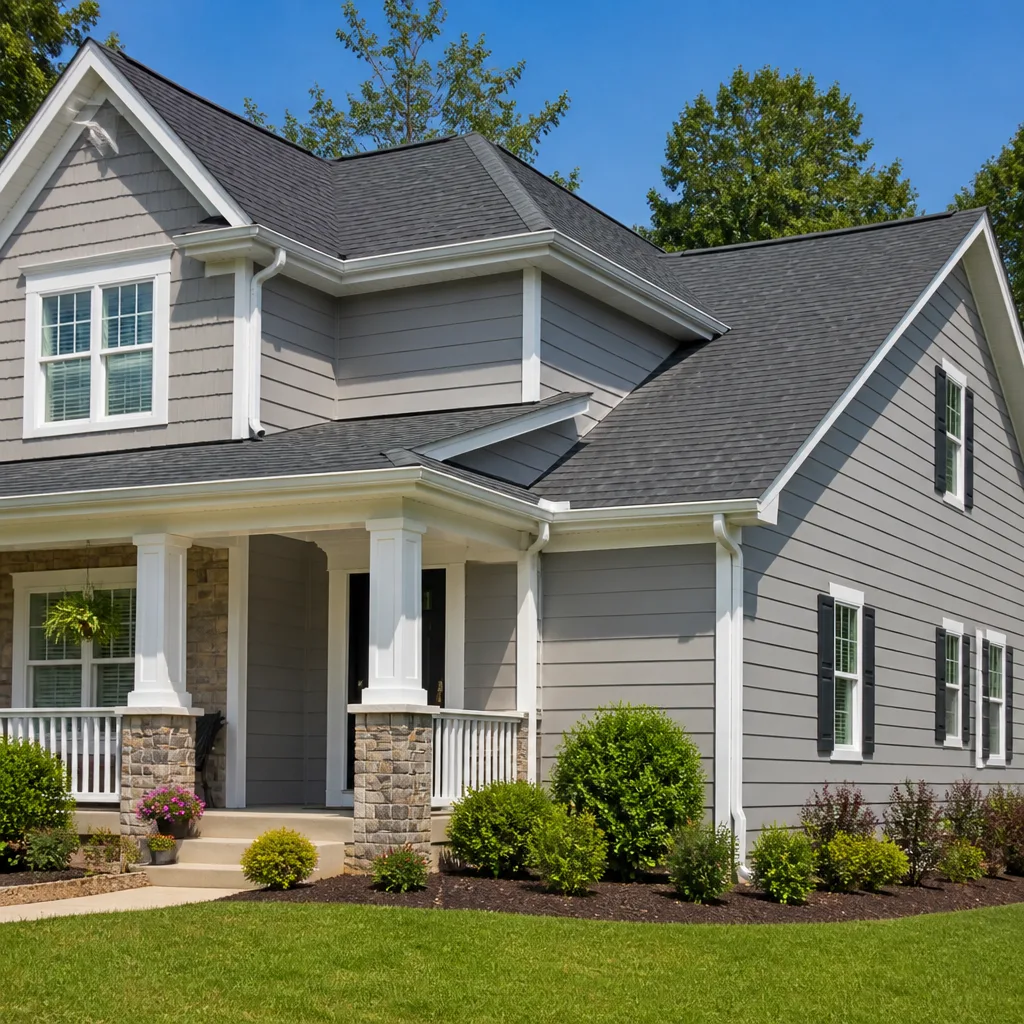
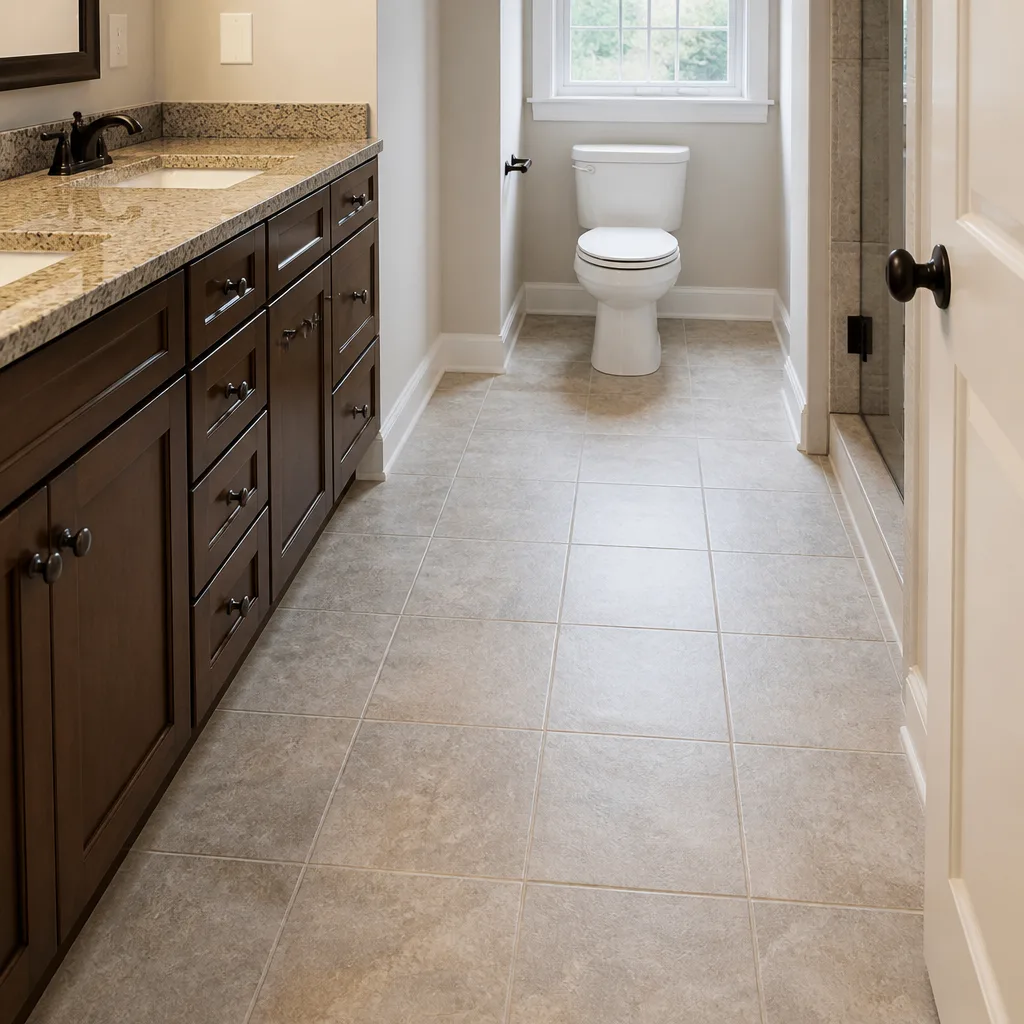
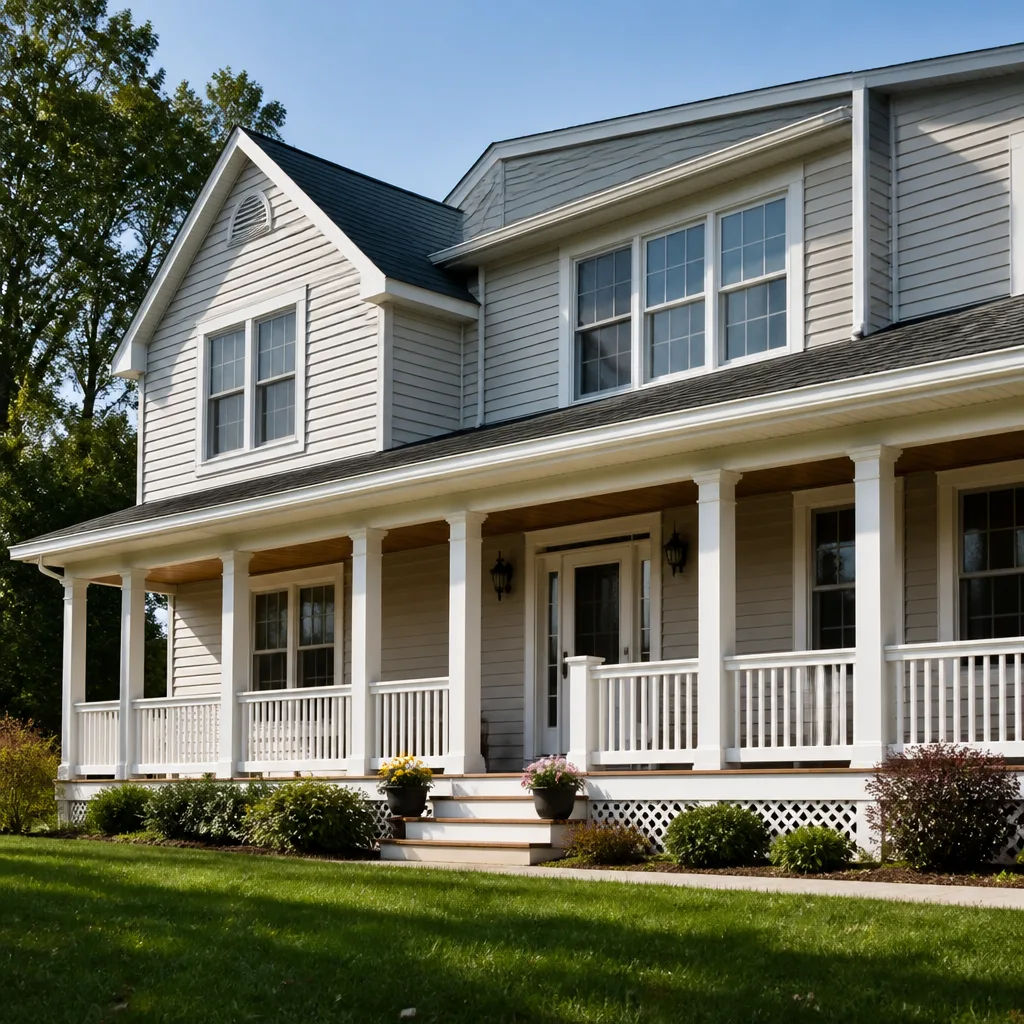
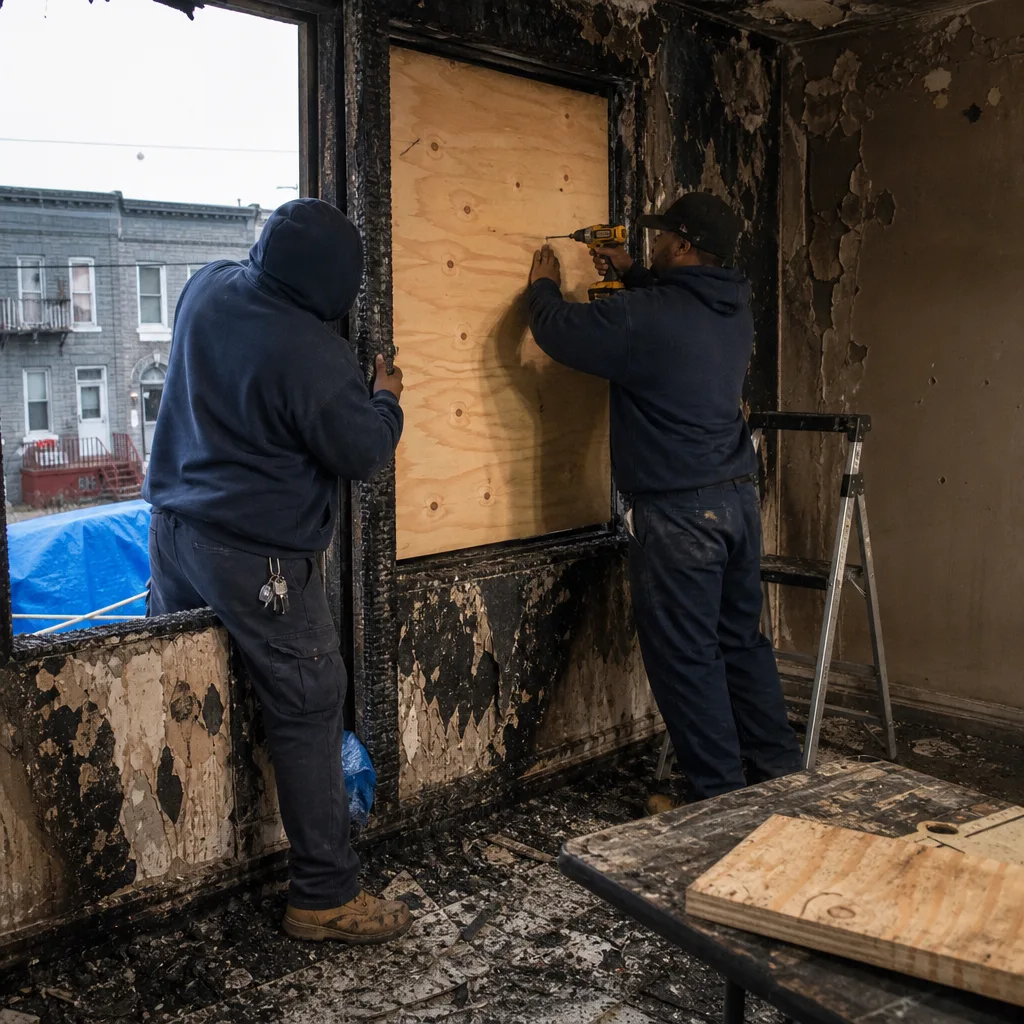
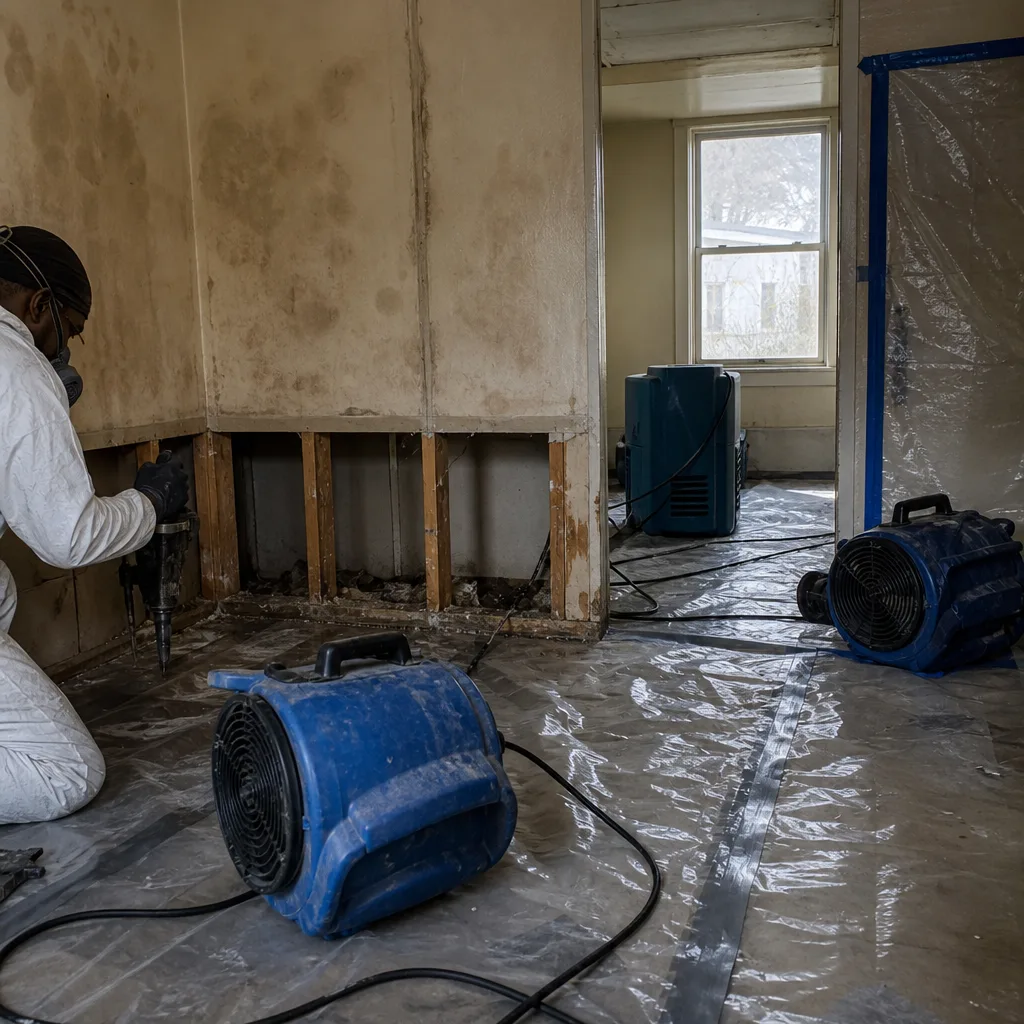 Before
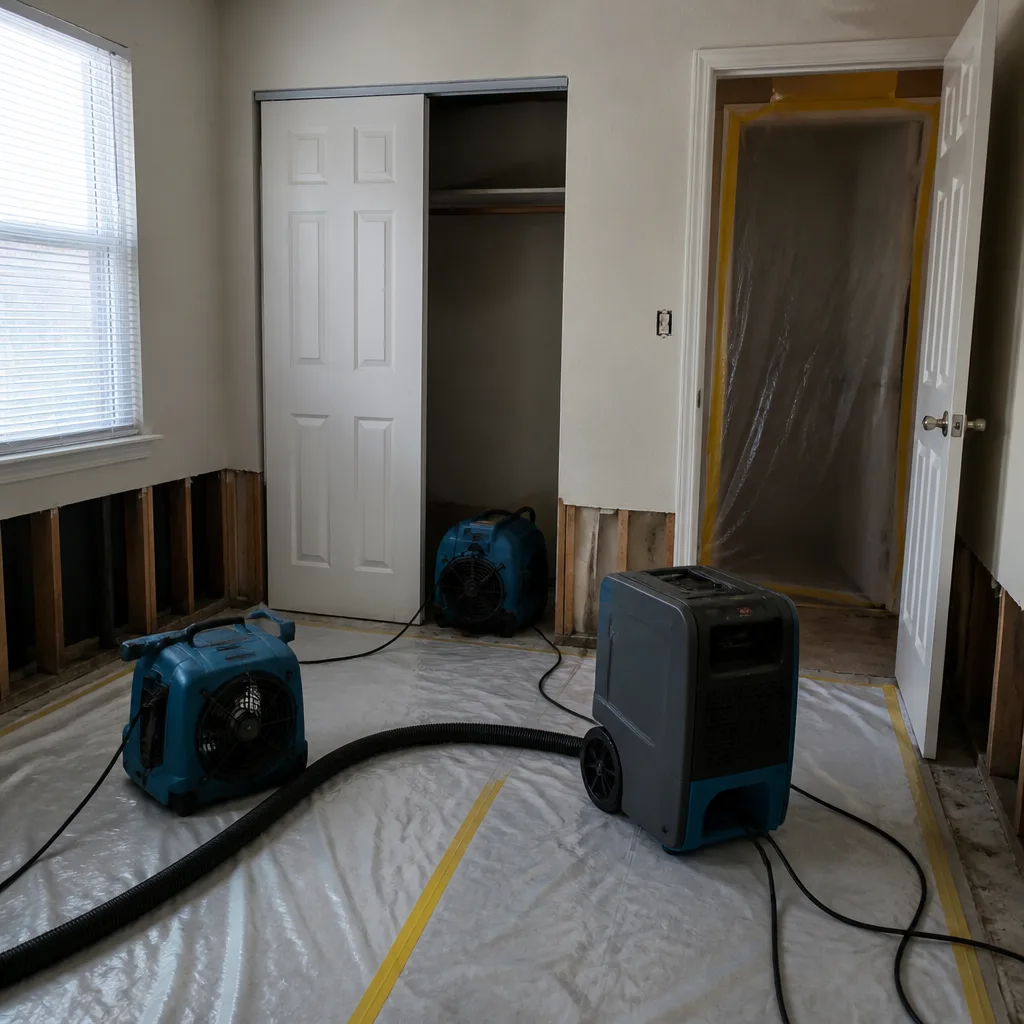 After
After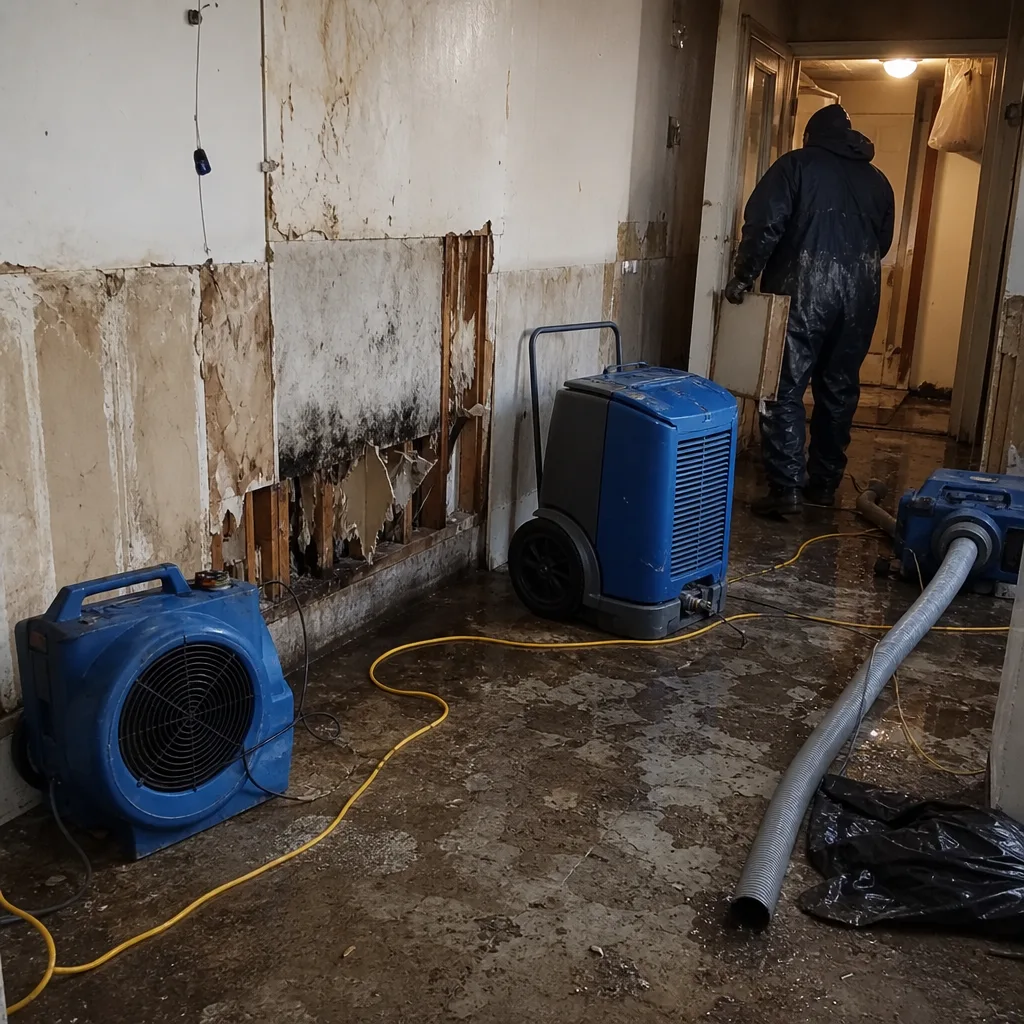 Before
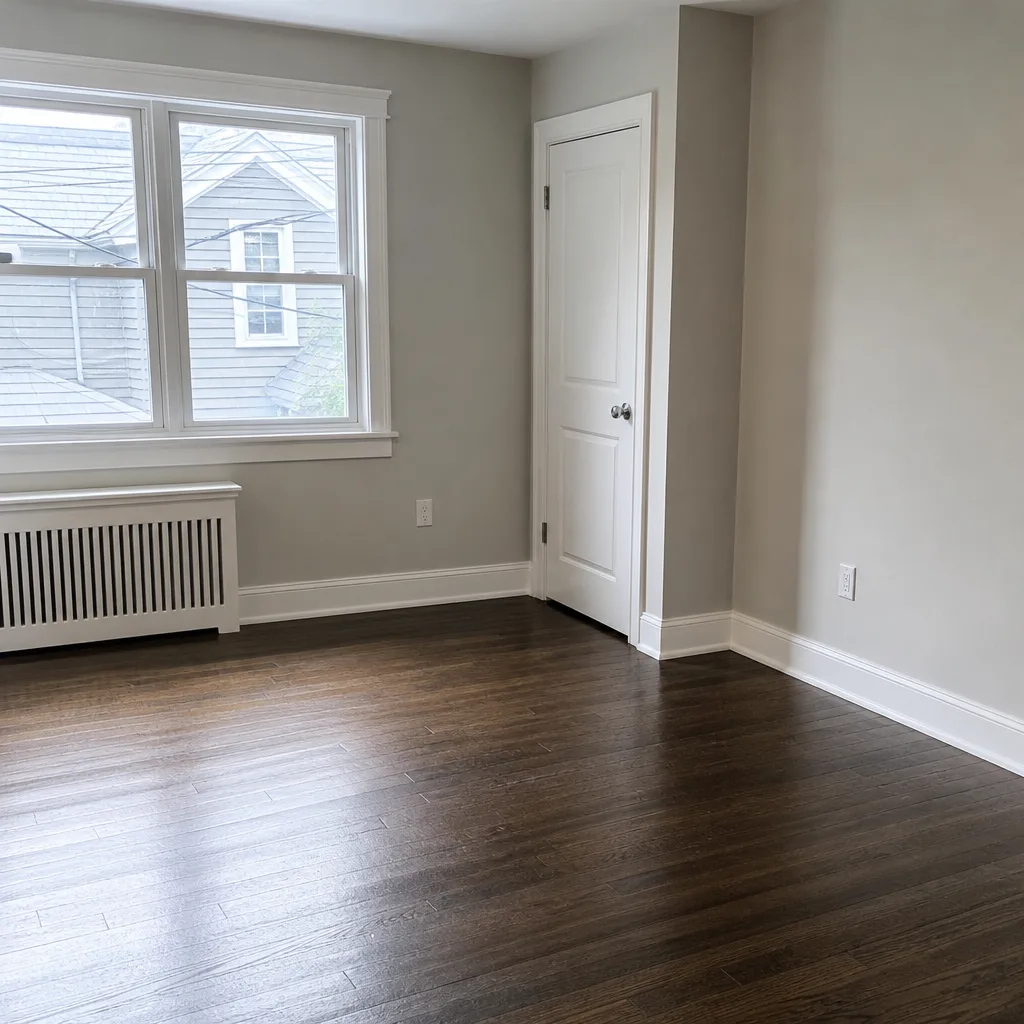 After
After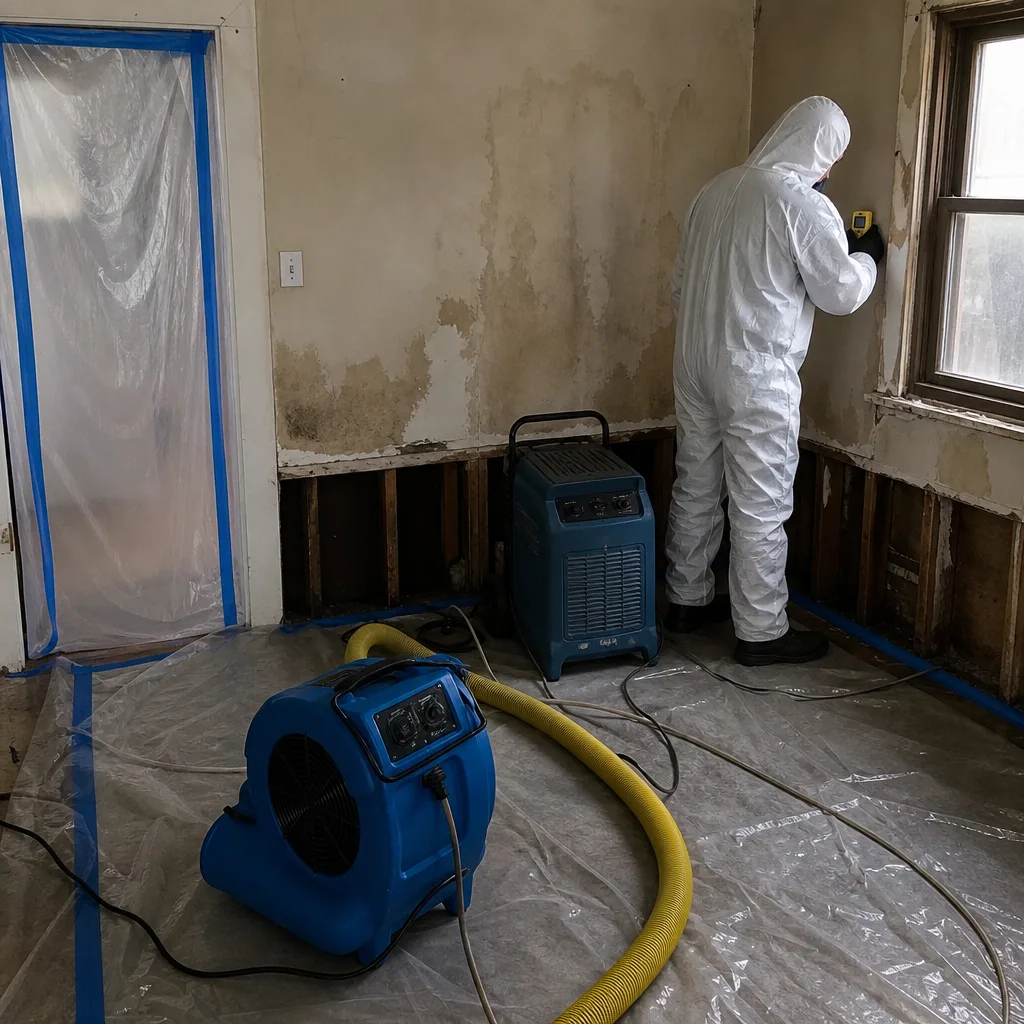 Before
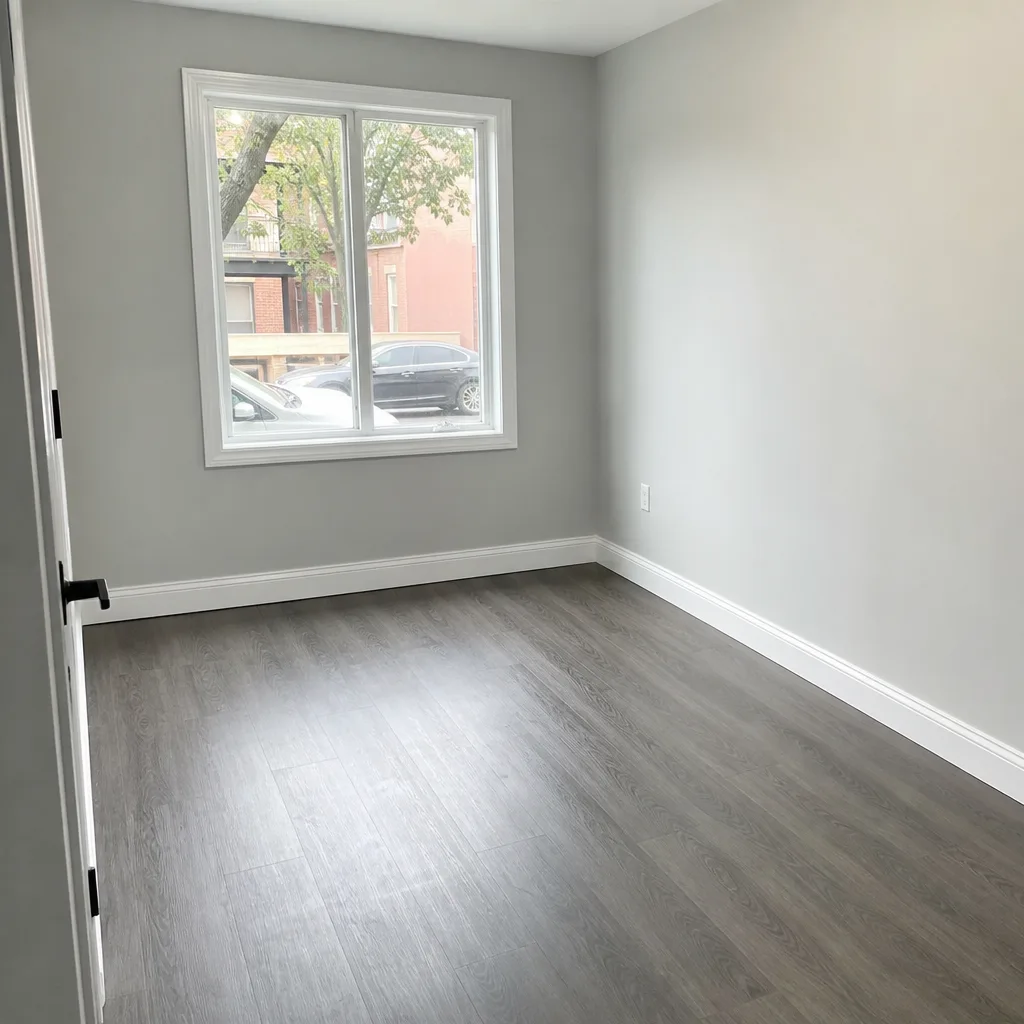 After
AfterDamage Restoration Cost Breakdown: The East New York Homeowner’s Reference for 2026
Here’s something that should bother every homeowner in East New York: the restoration industry prices jobs using a software platform called Xactimate, and your insurance adjuster uses the exact same one. If you don’t know what that means, you’re the only person in the negotiation who doesn’t, and you’re the one paying the bill. This guide pulls back the curtain on how restoration work in East New York actually gets priced in 2026, what drives costs up, what keeps them down, and where homeowners routinely lose money simply because nobody explained the rules to them. For Damage Restoration Warning Signs: A East New York Homeowner’s Reference Guide, see our companion resource.
Quick Answer
Water damage restoration in East New York typically runs $2,800 to $7,500 for a standard mitigation-only basement flood in 2026, while full restoration with rebuild work lands between $9,000 and $28,000 depending on square footage and materials. Mold remediation averages $1,800 to $6,000 for contained areas, and fire and smoke damage work runs $4,500 to $35,000+ based on severity and structural involvement. Your final number depends on job size, labor class, equipment days, and whether your adjuster approves every line item the work actually requires, which is where a documented moisture log becomes your best leverage.
Table of Contents
- How Restoration Pricing Actually Works in 2026
- Water Damage Costs by Scenario: Flood, Burst Pipe, Supply Line, Roof Leak
- Mitigation vs. Full Restoration: The Difference That Saves or Costs Thousands
- East New York Hidden Cost Drivers: Asbestos, DOB, Access, and Disposal
- How Xactimate Line Items Work and What Adjusters Underbid
- What a Documented Moisture Log Is Worth in a Disputed Claim
- 2026 Cost Ranges by Job Size and Category
- Common Mistakes to Avoid
- When to Call a Professional
- Frequently Asked Questions
How Restoration Pricing Actually Works in 2026
Restoration pricing is not a number someone pulls out of the air. It is built line by line from Xactimate, a software platform that assigns unit costs to thousands of individual tasks: removing drywall, setting up an air mover, sealing a containment area, disposing of debris. Your insurance adjuster opens the same program on their laptop. That means the negotiation is not about whether a price is fair, it is about whether every necessary line item is present and priced correctly. Homeowners who understand this dynamic hold real power. Homeowners who don’t get handed a $47,000 invoice for work that should have run $18,000.
The pricing structure breaks down into four categories. First, materials: drywall, insulation, flooring, trim, paint, and hardware, priced per square foot or per unit. Second, labor: demolition labor, reconstruction labor, technician hours, each assigned a class rating, and Xactimate labor classes are notoriously tight for older East New York rowhouses with lath-and-plaster walls or non-standard framing. Third, equipment: air movers, dehumidifiers, HEPA scrubbers, injection dryers, each billed per day. Fourth, disposal and fees: dumpster rental, regulated waste hauling, permit filings, and testing.
In our experience, the single biggest gap between what a job should cost and what a homeowner gets billed for is the equipment category. A proper dry-out in an East New York basement needs 4 to 8 air movers and 2 to 3 dehumidifiers running for 3 to 5 days. That’s $900 to $2,400 in equipment alone. An adjuster who only approves 2 air movers and 1 dehumidifier for 2 days just cut your claim by two-thirds, and that money comes out of your pocket when the secondary damage shows up six months later.
How the Bidding Process Goes Wrong
Here’s the step-by-step of how a typical East New York restoration job gets priced, and where it goes sideways:
- First response and assessment: A restoration company documents the damage, takes moisture readings, and builds a scope of work. If a company skips the documentation step, everything downstream gets harder to defend.
- Xactimate scope creation: The company enters every task, every material, every equipment day into Xactimate to generate a line-item estimate. Missing line items here are the most common cause of under-insured claims.
- Adjuster review: The insurance adjuster reviews the scope and approves, revises, or denies line items based on their own assessment. This is where the negotiation happens, and it is the step the homeowner almost never sees.
- Work authorization: The approved scope becomes the contract. Anything outside it becomes a change order, which is a polite way of saying more money.
- Documentation during work: Daily moisture readings, photo logs, and equipment manifests get compiled. This is the evidence that justifies the claim if the adjuster pushes back later.
- Final invoicing and reconciliation: The final invoice gets compared against the Xactimate scope and the documentation from step 5. Discrepancies here are where disputes start.
Most homeowners never see steps 3 and 5, which means they’re flying blind through the two steps that matter most for their wallet. That’s the opacity problem in a nutshell. For a deeper look at how this plays out on Water Damage Restoration in East New York, we walk through the full process on every job, because the homeowner should know what their adjuster knows.
Water Damage Costs by Scenario: Flood, Burst Pipe, Supply Line, Roof Leak
Different water events in East New York carry different price profiles. The scope of the damage, the water category, the materials affected, and the speed of response all change the final number. Here’s what we see in 2026 for the four most common scenarios, with realistic ranges broken down by job size.
Basement Flood: $2,800-$7,500 (mitigation) / $9,000-$22,000 (full restoration)
A flooded basement in an East New York rowhouse or semi-detached home typically involves 300 to 800 square feet of affected space. Mitigation includes water extraction, removing wet drywall and baseboards, setting up drying equipment, and treating for microbial growth. Full restoration adds new drywall, insulation, flooring, trim, and paint, plus any electrical repairs the water exposure triggered. The spread between mitigation-only and full restoration is often $6,000 to $15,000, which is exactly why knowing the distinction matters.
Burst Pipe: $1,500-$5,200 (contained) / $8,000-$18,000 (multi-room spread)
A supply pipe that breaks while you’re at work can dump 4 to 8 gallons per minute. If it runs for an hour before anyone notices, that’s 240 to 480 gallons soaking through floors, walls, and whatever is underneath. Contained pipe bursts in a single room or ceiling bay run on the lower end. Multi-room spread with ceiling collapse potential runs higher, and if the pipe is behind a plaster wall in an older East New York home, demolition costs climb fast.
Kitchen Supply Line Failure: $1,200-$4,500 (mitigation) / $7,000-$16,000 (with cabinet and flooring replacement)
Supply line failures under the kitchen sink are the most common claim we handle. The water usually stays contained to the cabinet, subfloor, and a small run of drywall. The wildcard is the cabinet itself: old wood cabinets wick moisture and often need replacement, and matching existing cabinet styles in older East New York homes can be expensive. Particleboard cabinets basically disintegrate, which is sometimes a blessing because you stop trying to save them.
Roof Leak Intrusion: $800-$3,000 (dry-out and patch) / $5,000-$14,000 (ceiling, insulation, and finish repairs)
Roof leaks in East New York often travel along rafters before they show up as a stain on the ceiling. By the time you see it, the insulation above is saturated and the drywall is compromised. Dry-out plus roof patching runs on the lower end. Full ceiling replacement, insulation removal and reinstall, and repainting runs on the higher end. If the leak has been active for weeks, mold remediation often gets added to the scope, which brings us to a separate cost category entirely, covered on our Mold Remediation in East New York page.
Fire and Smoke Damage: $4,500-$35,000+
Even a small kitchen fire in an East New York home generates smoke damage far beyond the burn area. Soot travels through HVAC systems, coats walls throughout the structure, and embeds in every porous surface. A contained stove fire might run $4,500 to $9,000 for cleaning, deodorization, and minor repairs. A room-and-contents fire with structural damage goes well beyond that. The full breakdown is on our Fire & Smoke Damage Restoration in East New York guide.
Mitigation vs. Full Restoration: The Difference That Saves or Costs Thousands
Mitigation means stopping the damage from getting worse. Restoration means putting everything back. They are different scopes of work with different price tags, and confusing the two leads directly to underinsured claims. Here’s the distinction, because it is the single most important concept in this entire guide.
Mitigation includes water extraction, demolition of unsalvageable materials, equipment deployment for drying, and antimicrobial treatment. It stops the clock. It typically represents 25% to 40% of a total restoration claim.
Full restoration includes everything in mitigation plus rebuilding: new drywall, insulation, flooring, trim, paint, cabinet replacement, and finish work. It represents the remaining 60% to 75% of the claim total.
Here’s why the distinction matters in dollars. A homeowner with a flooded East New York basement calls their insurance company. The adjuster approves mitigation only: extraction, demolition, and drying, about $4,000. The homeowner assumes that’s the total claim. The drywall is gone, the floors are torn up, and the $9,000 to $15,000 rebuild cost was never included in the first approval. Now they’re fighting a second approval with an adjuster who already considers the claim closed. That fight is winnable, but it takes documentation, and most homeowners don’t have it because nobody told them they’d need it.
What separates a smooth claim from a six-month battle is whether the original scope included restoration line items from day one. That is a negotiation the restoration company should be handling on your behalf, and it’s one we handle by dealing with the adjuster directly so the homeowner is never the one stuck relaying information between two sides.
East New York Hidden Cost Drivers: Asbestos, DOB, Access, and Disposal
East New York housing stock carries cost drivers that don’t exist in newer suburbs. If your restoration company doesn’t know these, the estimate they hand you is fiction. Here are the ones that show up on our jobs in this neighborhood regularly.
Asbestos Testing on Pre-1978 Materials
A huge share of East New York’s rowhouses and attached homes were built before 1978, which means the plaster, flooring, pipe insulation, and even the adhesive holding down old tile can contain asbestos. Any restoration job that disturbs these materials legally requires testing before demolition can proceed. Testing runs $250 to $800, and if asbestos is present, abatement adds $2,000 to $10,000+ to the job. An adjuster unfamiliar with East New York housing stock may not include this line item, and the homeowner discovers it when the restoration crew hits an old floor layer and everything stops.
DOB Filing Fees and Permit Costs
Structural work in East New York often requires Department of Buildings filings in addition to standard permits. Filing fees alone can run $300 to $1,200 depending on the scope, plus expediting costs if the work needs to happen fast. These are legitimate line items that should appear in any honest Xactimate scope for this neighborhood, and they often don’t when the person writing the estimate has never worked here.
Restricted Access in Narrow Alleyways and Rear Yards
East New York’s attached rowhouses present a physical challenge that detached suburban homes don’t: limited exterior access. When equipment and debris have to move through a shared alley, a narrow side passage, or a rear yard with no street frontage, the labor cost per hour climbs because everything takes longer. Dumpster placement can require street permits. Equipment staging might mean setting up in the front room and running hoses through the back window. None of this is free, and none of it appears in a generic estimate.
Disposal Costs for Regulated Materials
Wet drywall, insulation, and carpet from a Category 3 water loss (sewage or floodwater) are regulated as contaminated waste in New York. They can’t go in the regular dumpster. They require bagging, sealing, and hauling to a facility that accepts contaminated materials, at $150 to $400 per haul more than standard disposal. Lead paint waste from pre-1978 homes adds another layer of regulation. These are exactly the line items adjusters underbid in Brooklyn zip codes because the default Xactimate pricing doesn’t account for local hauling reality.
How Xactimate Line Items Work and What Adjusters Underbid
Every restoration estimate in East New York, whether from a national chain or a local company, runs through Xactimate. The program assigns a unit code to every task: WTR (water extraction), HMR (hazardous material removal), DRY (drying equipment), RBD (rebuild and drywall). Each unit code has a price based on regional labor rates and material costs, and those prices update monthly.
Here’s what a typical Xactimate scope looks like for a 400-square-foot East New York basement flood:
- WTR EXTR: Water extraction, 400 sq ft – $380 to $650
- WTR DEMO: Remove wet drywall and baseboards, 120 linear feet – $400 to $800
- WTR DRYA: Air movers, 6 units x 4 days – $720 to $1,440
- WTR DRYD: Dehumidifiers, 2 units x 4 days – $480 to $960
- ANTM SPRAY: Antimicrobial treatment, 400 sq ft – $150 to $300
- HMR BAG: Contaminated debris bagging and hauling – $200 to $500
- RBD DRYW: Drywall replacement, 400 sq ft – $1,200 to $2,400
- RBD FLR: Flooring replacement, 400 sq ft – $2,000 to $5,000
- RBD TRIM: Baseboards and trim, 120 linear feet – $400 to $800
- PNT WALL: Prime and paint walls – $600 to $1,200
Total: roughly $6,500 to $14,000 for full restoration of that 400-square-foot basement. The mitigation-only portion of that scope is about $2,300 to $4,600.
The three line items most commonly underbid by insurance adjusters in Brooklyn zip codes are equipment days (they routinely approve 2 days of drying when the work needs 4), drying equipment count (they approve 3 air movers for a space that needs 6), and hazardous material handling (they either omit it or price it at regular waste hauling rates). Those three omissions alone can carve $1,500 to $4,000 out of a legitimate claim.
What a Documented Moisture Log Is Worth in a Disputed Claim
Here’s the thing almost nobody in the restoration trade does, and it is the single most valuable document you can have when a claim goes sideways: a daily moisture log. We take moisture readings every single day the drying equipment runs, and we hand the homeowner the full log at job’s end. That log is evidence. It shows the initial moisture content, the daily decline, and the final dry standard, which is the number that proves the structure is actually dry and not just damp to the touch.
In a disputed claim, that log is worth thousands. When an adjuster says a job should have taken 2 days of drying, and you have a log showing the moisture content was still above acceptable levels on day 4, the dispute ends. When an adjuster questions why a wall was removed instead of being dried in place, and the log shows the wall read 42% moisture content, which is roughly 4x the dry standard, the dispute ends. Without the log, it is your word against theirs, and theirs usually wins because they have the software.
We started including the log on every job not because any adjuster asked for it, but because Wade got tired of watching homeowners lose arguments they should have won. It costs nothing to produce, and it changes the entire power dynamic of the claim. If the company you’re considering doesn’t produce one, ask why.
2026 Cost Ranges by Job Size and Category
Here’s a quick reference table for the most common East New York restoration scenarios in 2026. These ranges reflect what we’re seeing on real jobs this year, not national averages.
- Small basement flood (under 200 sq ft): $1,800-$4,200 mitigation; $6,000-$11,000 full restoration
- Standard basement flood (200-500 sq ft): $2,800-$7,500 mitigation; $9,000-$18,000 full restoration
- Large basement flood (500+ sq ft or finished basement): $5,000-$12,000 mitigation; $16,000-$35,000 full restoration
- Kitchen supply line failure: $1,200-$4,500 mitigation; $7,000-$16,000 full restoration
- Burst pipe, contained: $1,500-$5,200 mitigation; $5,000-$12,000 full restoration
- Roof leak intrusion: $800-$3,000 dry-out and patch; $5,000-$14,000 full ceiling and insulation repair
- Sewage backup: $3,500-$9,000 Category 3 mitigation; $10,000-$25,000 full restoration with sanitization
- Mold remediation, contained: $1,800-$6,000 depending on square footage and material involvement
- Fire and smoke, contained kitchen fire: $4,500-$9,000 cleaning and deodorization
- Fire and smoke, structural: $18,000-$35,000+ full restoration
These numbers assume standard East New York construction: wood framing, drywall, typical rowhouse dimensions. Homes with unusual materials, custom finishes, or extensive plaster work will run higher. The only way to get an accurate number for your specific home is a proper on-site assessment, which Wade’s Restoration home provides free.
Common Mistakes to Avoid
- Accepting a mitigation-only scope without asking about restoration. The adjuster approves $4,000 for extraction and drying. You think the claim is handled. The rebuild costs $12,000 and nobody approved it. Ask about the full scope before the first piece of equipment arrives.
- Choosing a restoration company based on a phone quote. No honest estimator in East New York can price an older rowhouse without seeing it. Phone quotes are either guesses or bait. An in-person assessment is free, and it is the only way to get a real number.
- Ignoring asbestos and lead risks in pre-1978 homes. Every older East New York home carries this question. Skip the testing and you’re risking a stop-work order, a health hazard, and a claim denial for failing to follow proper procedure.
- Letting the restoration company and the adjuster negotiate without you in the loop. You don’t have to manage the conversation, but you should see the Xactimate scope before work starts and understand what is and isn’t included. If a company won’t show you the line items, that’s a red flag.
- Throwing away damaged materials before they’re documented. Your claim depends on photographic evidence and material samples. Once that wet drywall is in a dumpster, the adjuster has nothing to verify. Document first, dispose second.
- Waiting to report water damage. Every day of delay turns a Category 1 clean water loss into a Category 2 or 3 contamination problem. The pricing jumps accordingly, and the insurance company may deny the additional damage as negligence.
- Hiring a company without equipment capacity. A proper dry-out needs professional-grade air movers and dehumidifiers running continuously. Companies using a couple of box fans from a hardware store are not doing restoration; they’re doing theater. Equipment matters, and so does the training to use it correctly. IICRC-certified crews, RIA-affiliated processes, and equipment from manufacturers like Dri-Eaz, Phoenix, and Injectidry are the standard we hold ourselves to.
When to Call a Professional
Call a professional restoration company the moment you discover standing water, active mold growth, or smoke damage that extends beyond a single room-don’t risk a DIY approach. The faster the response, the lower the final invoice. Water migrates, mold colonizes within 24 to 48 hours, and soot sets into porous surfaces within days. If the issue involves a sewage backup or floodwater, do not attempt cleanup yourself; the contamination risk is real and the waste is regulated as hazardous in New York. If your electrical panel or wiring got wet, stay out of the space until a professional confirms it’s safe. Wade’s Restoration offers free estimates in East New York, including most of our own county, call (363) 300-2771 and Wade will be there himself, not a crew you’ve never met.
Frequently Asked Questions
Water damage restoration in East New York typically runs $2,800 to $7,500 for mitigation-only work on a standard basement flood, and $9,000 to $18,000 for full restoration including rebuild. Your specific cost depends on square footage, materials affected, equipment days required, and local factors like asbestos testing on older homes. Call (363) 300-2771 for an exact quote; estimates are free.
Most homeowner policies cover sudden and accidental water damage from burst pipes and supply line failures, but not gradual leaks or flooding from outside unless you have separate flood insurance. The key is documenting the damage thoroughly and getting a complete scope approved before the adjuster closes the claim. Photo documentation and a daily moisture log make approval far more likely.
Wade Ferris answers his own phone, 24/7, and can have extraction equipment running inside the hour in most of East New York and the surrounding county. That speed matters because every hour of standing water increases the damage and the final bill. Call (363) 300-2771 and you’ll get Wade, not a voicemail or an answering service.
Mitigation stops the damage: water extraction, demolition of wet materials, drying equipment, and antimicrobial treatment. Restoration puts everything back: new drywall, flooring, trim, paint, and finish work. Mitigation typically runs 25% to 40% of the total claim, and restoration covers the rest. Confusing the two is the most common reason homeowners end up underinsured.
If mold is visible on more than 10 square feet of surface, if it’s growing inside wall cavities, or if the moisture source is still active, you need proper remediation with containment, not just surface cleaning. Surface cleaning only removes visible mold; it does nothing for colonies inside walls or under flooring. The right scope depends on moisture readings and material involvement, and a proper assessment costs nothing.
Wade’s Restoration deals with the adjuster directly, so you’re never the one stuck relaying information between two sides. We provide the Xactimate scope, the photo documentation, the daily moisture log, and the written justification for every line item. You get a copy of everything, but you don’t have to be the messenger.
The Bottom Line
Restoration pricing in East New York is built from real line items, real labor rates, and real local conditions. The homeowners who understand how Xactimate works, who insist on a full scope instead of mitigation-only, and who demand documentation at every step are the ones who come out of a restoration with their home rebuilt and their wallet intact. The ones who don’t get handed optimistic estimates that dissolve into surprise change orders. Wade Ferris has been doing this work in this neighborhood since 2007, and he’s still showing up with the moisture log, the direct line to the adjuster, and the written promise that if it’s not done right, he makes it right. Call (363) 300-2771 for a free estimate, and ask anyone on your street if he shows up when he says he will. Browse more guides & resources on protecting your East New York home.
Written by Wade Ferris, Owner at Wade’s Restoration, serving East New York since 2007.