
Last updated August 26, 2026
Free visual inspection and a written scope of work before any mitigation begins - photos, moisture readings, and drying logs go in your claim file
The scope we write is the scope we bill. Anything new gets shown to you, in writing, before we touch it.
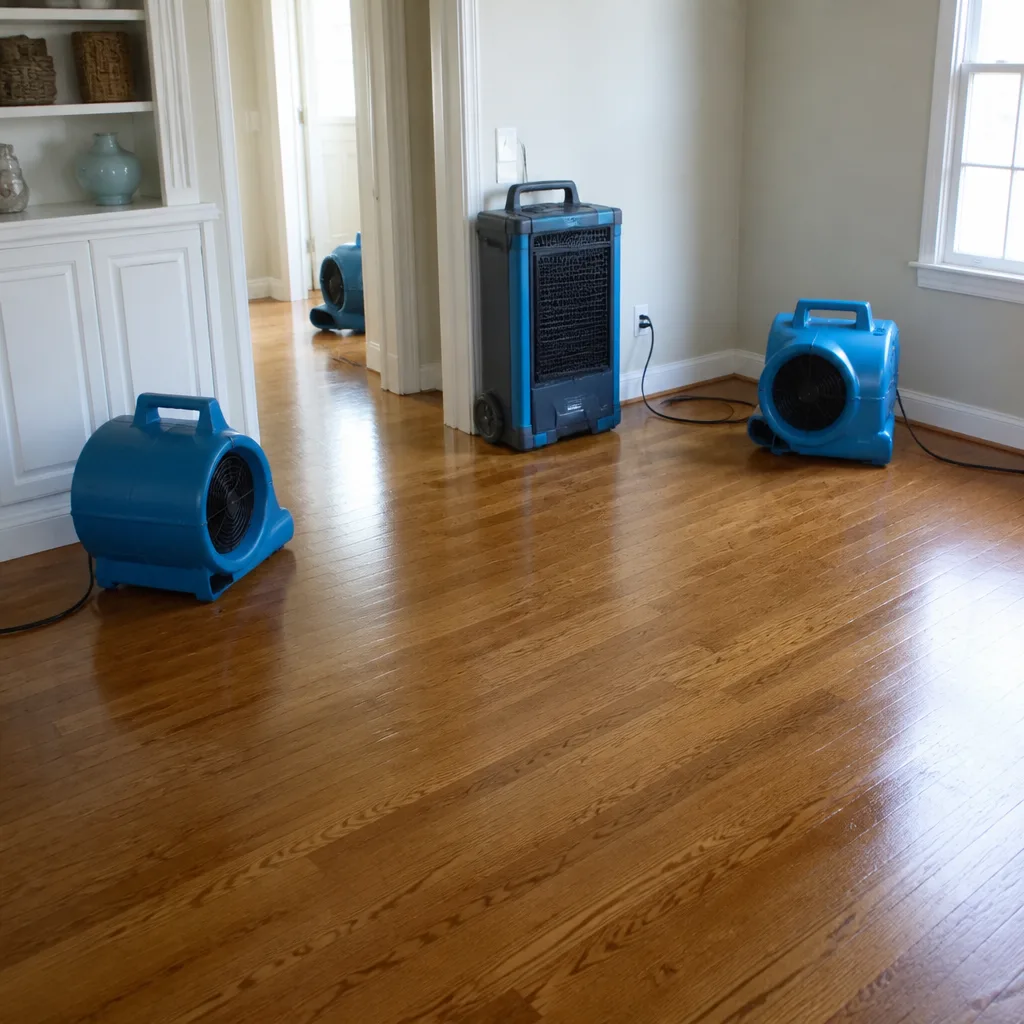
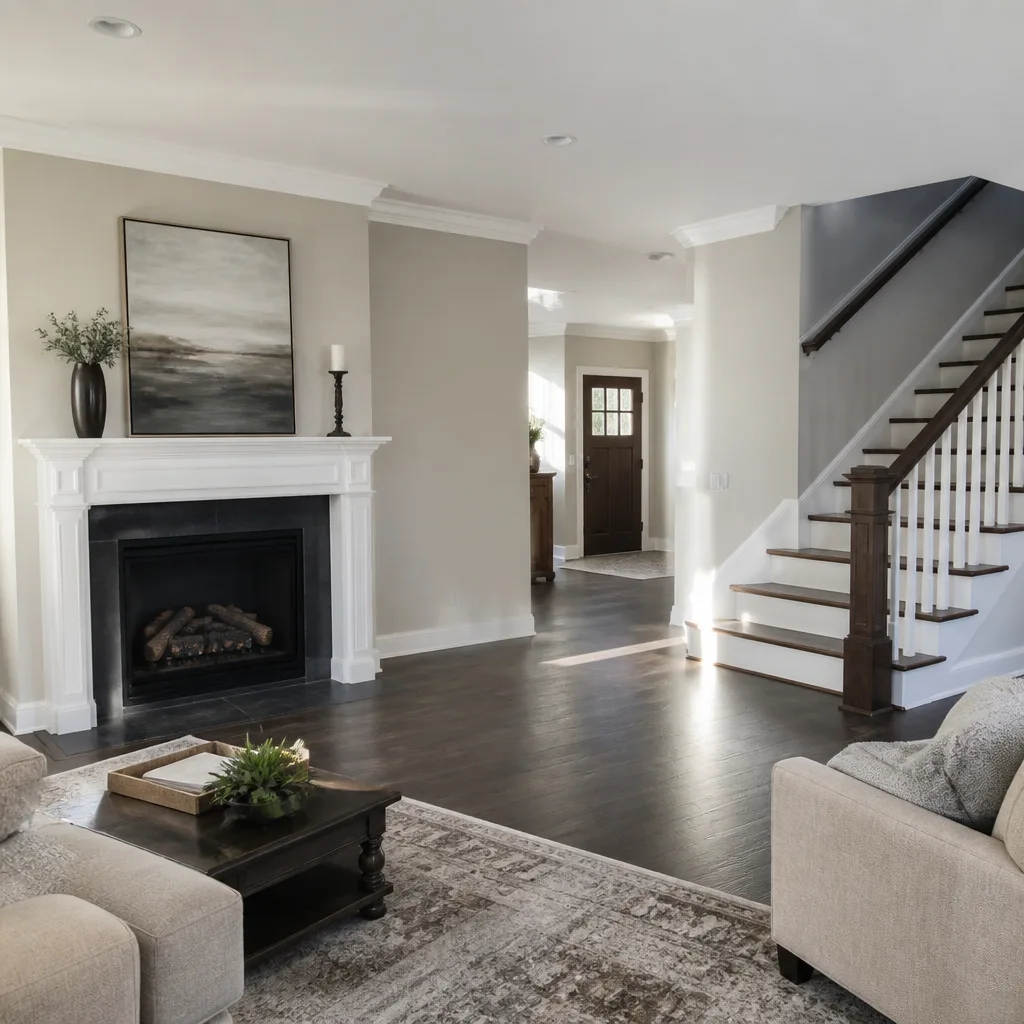
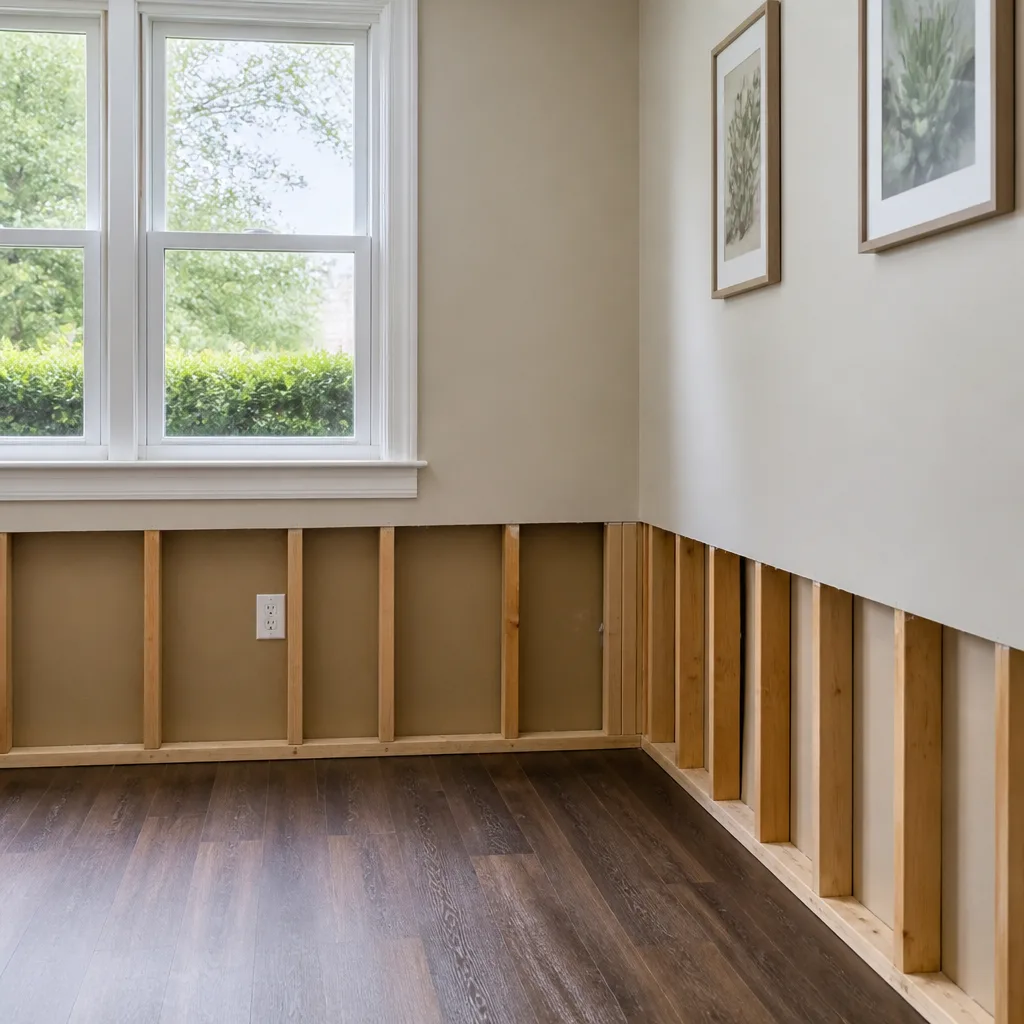
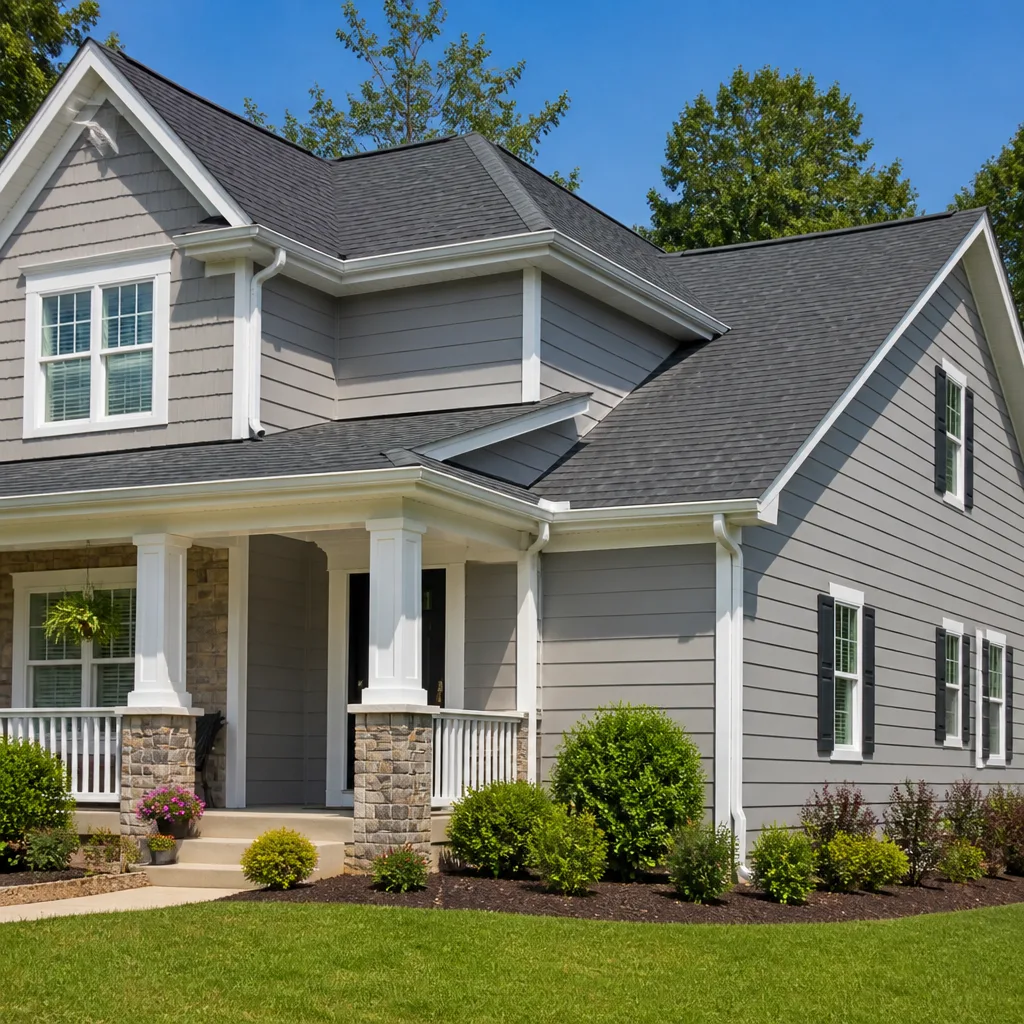
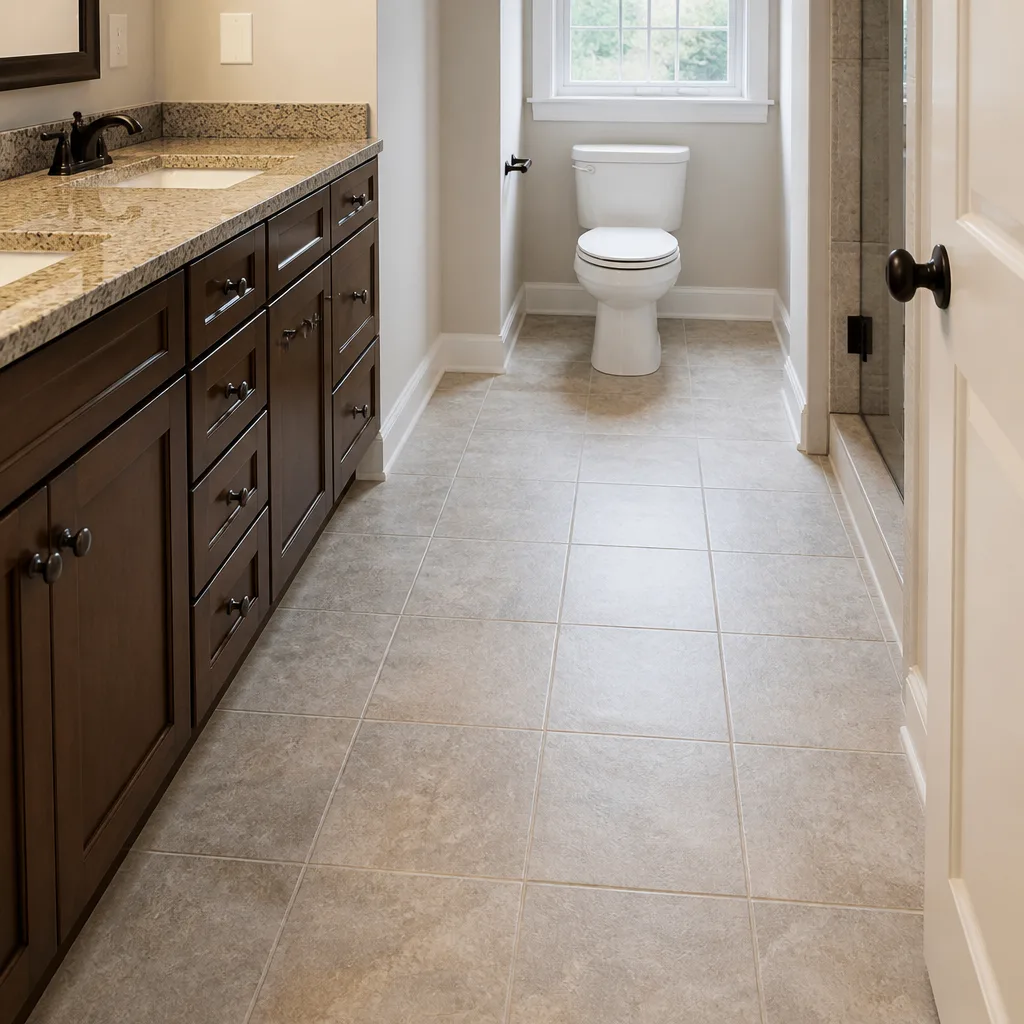
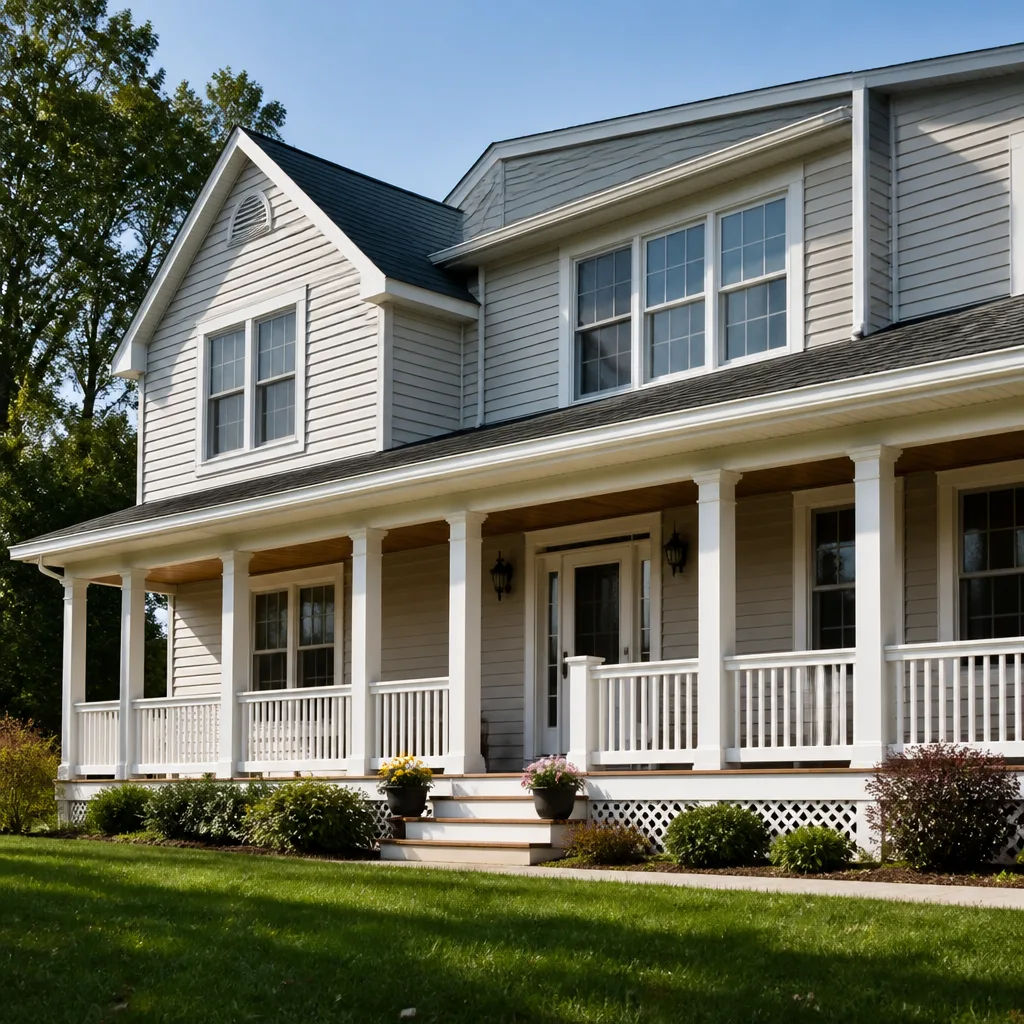
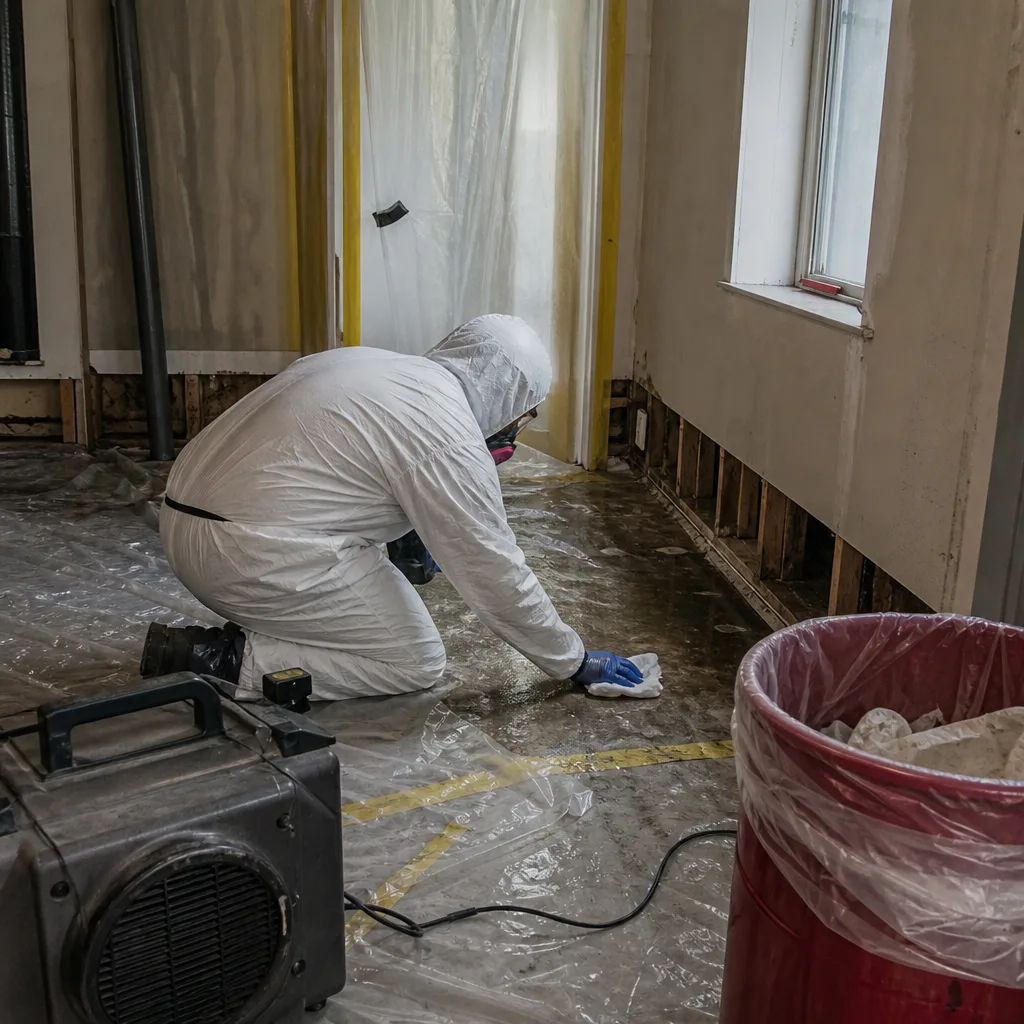
 Before
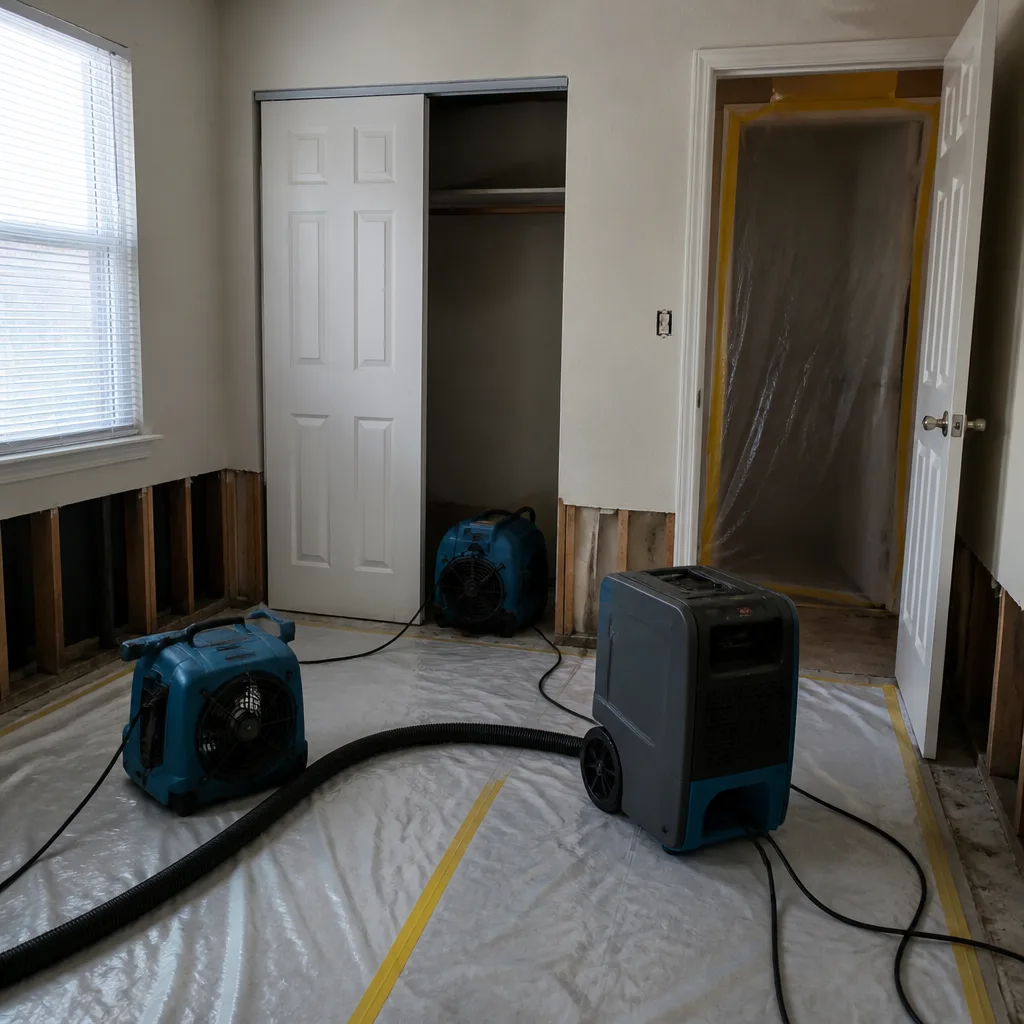 After
After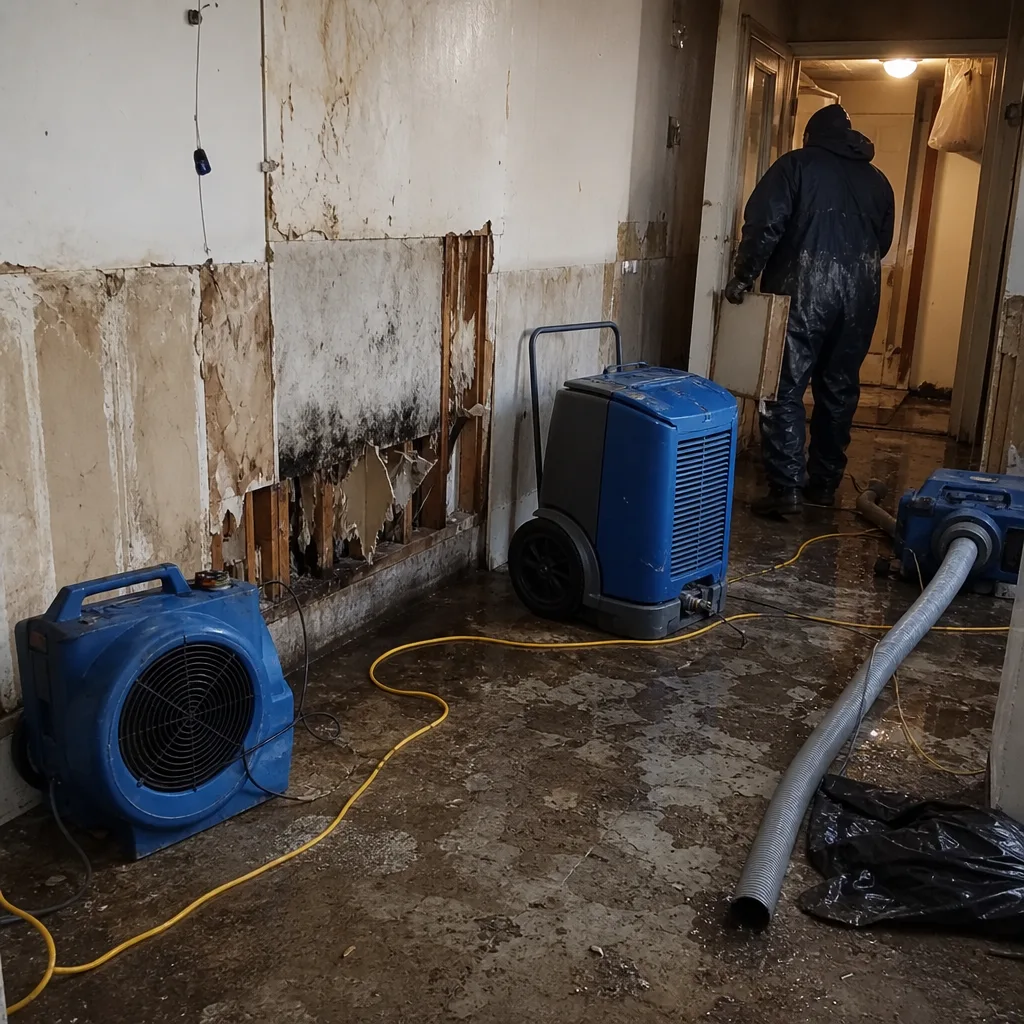 Before
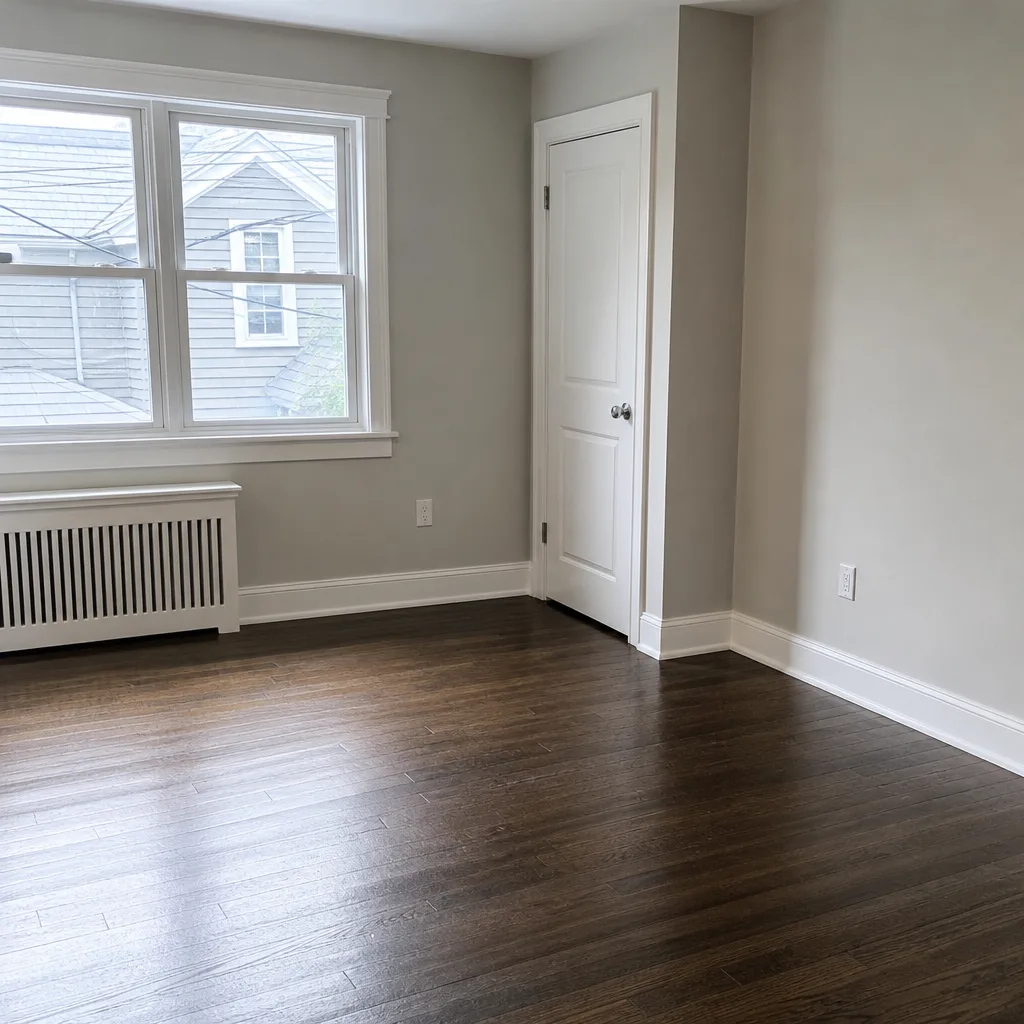 After
After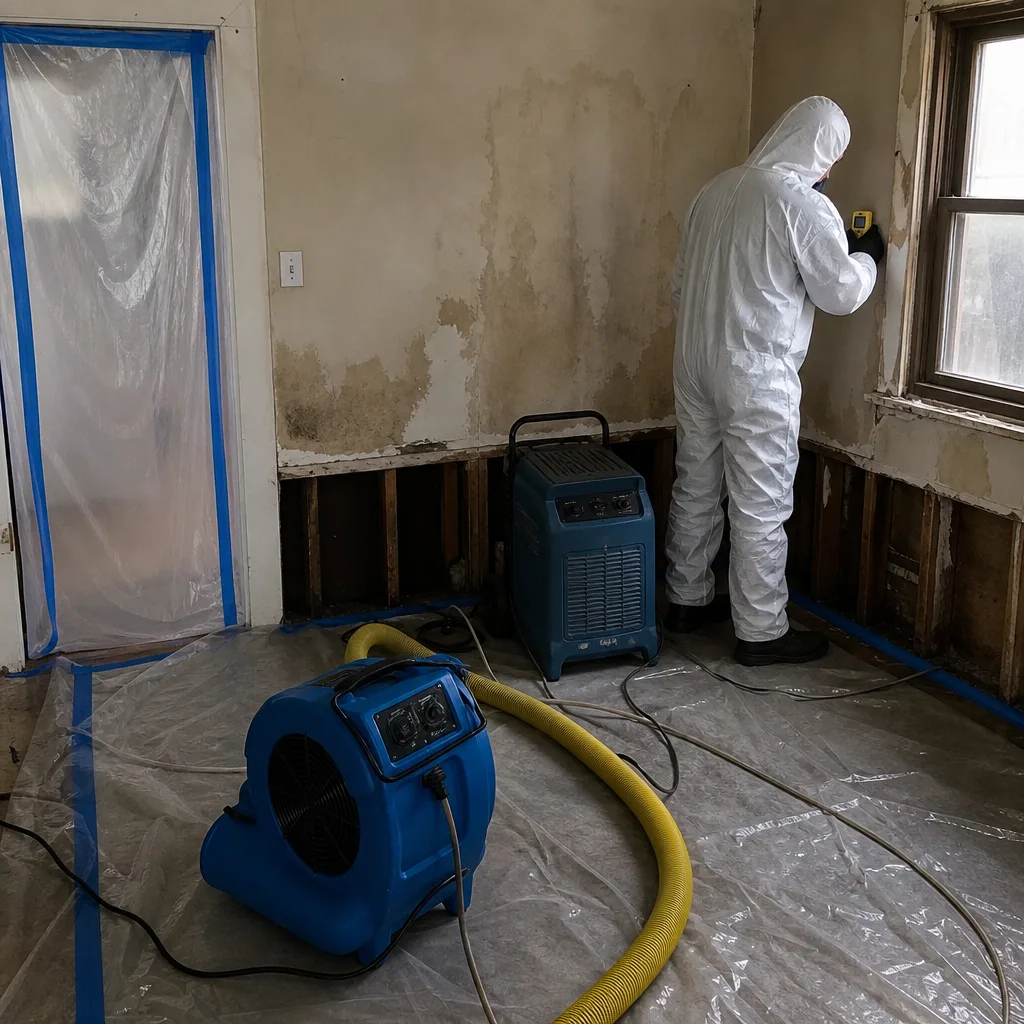 Before
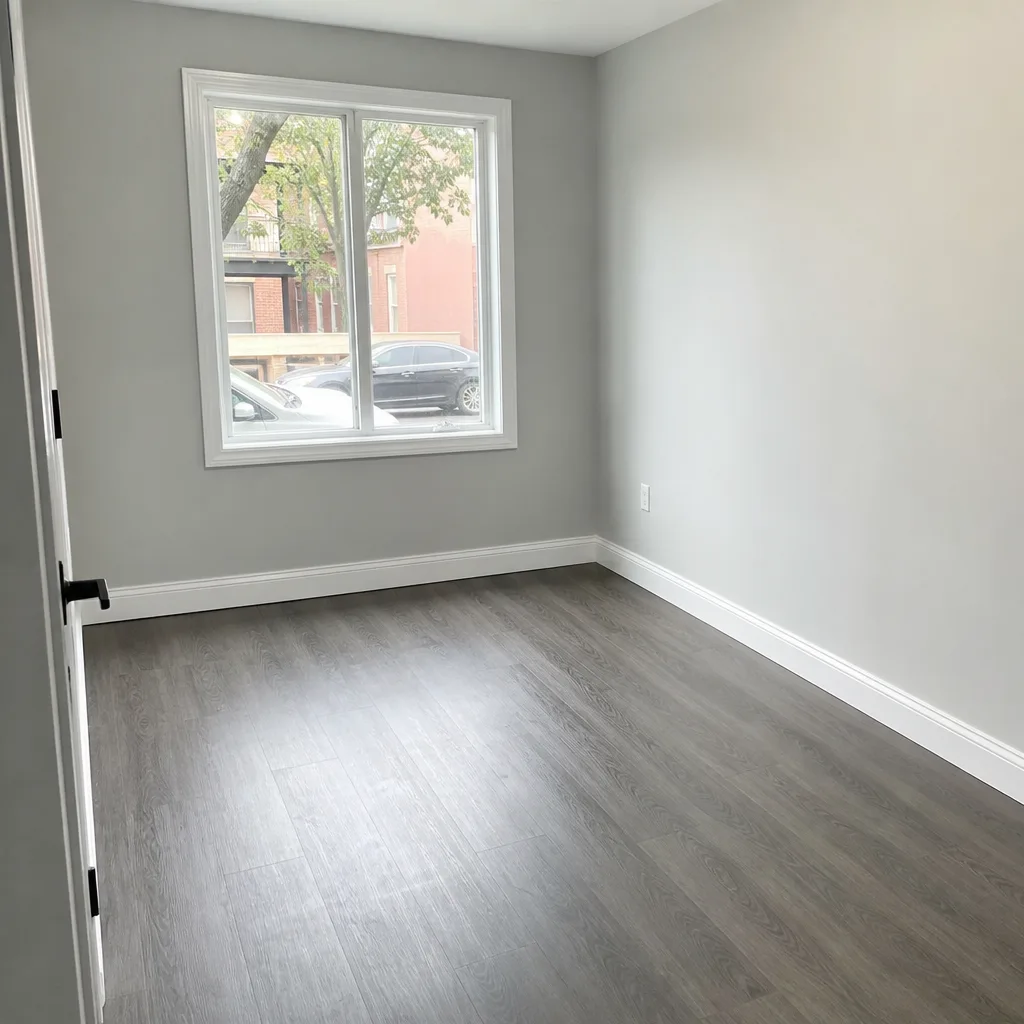 After
AfterThe Complete Guide to Damage Restoration in East New York
Most restoration guides are written for a house in a suburb with a sump pump and a two-car garage. East New York has neither. This is a neighborhood of 100-year-old brownstones, brick rowhouses pressed shoulder to shoulder, and cast iron drain pipes that have been carrying water since before the subway reached this part of Brooklyn. When water gets where it shouldn’t here, it moves through shared party walls, saturates lathe-and-plaster, and soaks into crawl spaces that haven’t been ventilated since the Kennedy administration. This guide is written from East New York, for the people who live here. By the time you finish reading, you’ll understand what damage restoration actually requires in this neighborhood, why it takes longer than the national chains admit, and what you need to document from hour one so an insurance adjuster can’t short you on the settlement.
Quick Answer
Damage restoration in East New York means repairing water, fire, mold, or storm damage in homes that are typically 80 to 120 years old, often attached to neighboring properties, and frequently located in zip codes where insurance claim denials run higher than the national average. Because of the building stock and the claims environment, restoration here demands more documentation, more communication with the adjuster, and more patience with timelines than the average national estimate suggests. A reputable local restoration company in East New York will scope the job in writing, document moisture levels daily, and coordinate directly with your insurance carrier.
Table of Contents
- Why East New York Is Different from the Suburbs
- Water Damage: Sources, Costs, and Reality in East New York
- Fire & Smoke Restoration in Attached Rowhouses
- Mold in Borough Homes: Why Older Construction Hides It Longer
- Insurance in Brooklyn Zip Codes: Denials, Documentation, and Your Adjuster
- Party Walls and Shared Infrastructure: When Your Neighbor’s Leak Becomes Yours
- City Agencies: DOB, HPD, and What Habitability Triggers
- Honest Restoration Timelines for a Dense Urban Neighborhood
- Common Mistakes to Avoid
- When to Call a Professional
- Frequently Asked Questions
- The Bottom Line
Why East New York Is Different from the Suburbs
Restoration advice written for suburban homes assumes certain things: a poured concrete foundation with a functioning perimeter drain, drywall over insulated stud cavities, a basement with enough clearance to set up drying equipment, and a homeowner whose property line doesn’t touch anyone else’s. In East New York, we work in brick rowhouses built between 1890 and 1940, many of them with original joists, uninsulated walls, and shared structural elements that blur the line between your house and the one next door. A water event on the second floor of a rowhouse on Glenmore Avenue doesn’t just affect that floor. It travels down through plaster channels, across joists that span from party wall to party wall, and into the cellar of the house two doors down. That’s not an exaggeration. In our experience, roughly one in five water jobs we handle in East New York involves water that originated in a neighboring property or affected one.
The materials matter more here than people expect. Lathe-and-plaster walls hold water like a sponge and dry unevenly, which means standard drying timelines quoted for drywall construction simply don’t apply. Original cast iron drain stacks corrode from the inside out, often failing quietly behind walls long before anyone sees a stain. Crawl spaces under attached homes are frequently shared or partially shared, with generations of brick dust, old coal residue, and unsealed earth contributing their own moisture. When we walk into a home in East New York after a water event, we’re not just looking for what got wet. We’re looking for how the building is built, because that determines how it will dry, what will need to come out, and how long this is going to take.
Water Damage: Sources, Costs, and Reality in East New York
The most common sources we see in East New York are failing cast iron waste lines, supply line failures in walls, roof leaks at parapet walls and flat roof seams, and flooding from the city’s combined sewer system during heavy storms. Each of these presents differently in a rowhouse than it would in a detached suburban home. A supply line burst behind a kitchen wall in a four-story rowhouse can saturate three floors beneath it before anyone notices. A roof leak at a shared parapet wall typically involves both properties and requires access coordination with the neighbor.
What does water damage restoration cost in East New York? Real numbers, based on the work we’ve done in this neighborhood:
- Category 1 water (clean supply line): $2,800 to $6,500 for extraction, drying, and basic repair in a typical rowhouse floor.
- Category 2 water (gray water from appliances): $4,000 to $9,000, including antimicrobial treatment and material removal.
- Category 3 water (sewage or storm backup): $7,500 to $18,000, which includes full containment, disposal of contaminated materials, and structural drying.
- Roof leak at parapet wall: $1,800 to $5,000 for the interior restoration, plus whatever roofing work is needed.
- Cast iron stack replacement and water damage repair combined: $6,000 to $15,000 depending on access and the number of floors affected.
Those numbers are not guesses. They reflect the labor costs, equipment requirements, and permitting realities of working in Brooklyn. If a company quotes you a number dramatically lower than this, ask what they’re leaving out. In East New York, the cheapest quote is usually the one that doesn’t include the plumbing repair, the permit, or the final drying verification. Our Water Damage Restoration in East New York page goes deeper on this if you want the full breakdown.
Speed matters on water. Within 24 to 48 hours, saturated building materials become a mold incubation site, and in a rowhouse with shared walls, that liability extends beyond your own property line. Wade heads out the moment you call. In most of East New York, we can have extraction running inside the hour, because the equipment lives in our trucks, not in a warehouse across two bridges.
Fire & Smoke Restoration in Attached Rowhouses
Fire is the event that separates real restoration companies from companies that own a truck and a dehumidifier. In East New York, a kitchen fire in one floor of a rowhouse typically involves smoke migration through void spaces, floor channels, and shared cocklofts, which means the visible damage is only a fraction of the actual damage. Smoke deposits settle inside walls, behind trim, and inside closets that were never in the fire room. The odor returns weeks later if the job is done wrong.
Here’s what an honest fire restoration sequence looks like in a East New York rowhouse:
- Board-up and structural assessment within hours. A house with a compromised roofline or missing windows becomes a target and a liability. This is about security and weather tightness first.
- Smoke and soot species identification. Protein fires from cooking leave different residues than synthetic fires from plastics and foam. The chemistry affects what works and what doesn’t.
- Full contents inventory, room by room, with photo documentation. You need this for the adjuster. We hand you the log.
- Pressure washing and chemical treatment of structural framing. Sealing smoke-laden wood is the only way to stop the odor. Painting over it doesn’t work.
- Controlled demolition of charred materials. This is where costs differ wildly depending on whether you own a rowhouse with shared structural elements. If a joist spans into the neighbor’s side, we need access and potentially a structural engineer’s sign-off.
- Drying, deodorizing, and reconstruction. This is the long tail. In East New York, expect it to run longer than the national average because of material availability, parking for crew vehicles, and the sheer difficulty of getting large equipment through narrow doorways and up tight stairwells.
Our Fire & Smoke Damage Restoration in East New York page covers costs in detail. For now, know this: anyone who gives you a firm fire restoration quote without doing a detailed scope is guessing. A real quote comes after the debris is cleared and the structure is opened up. That’s not a sales tactic, it’s how the trade works.
Mold in Borough Homes: Why Older Construction Hides It Longer
Mold in East New York doesn’t present the way the national mold remediation franchises describe it. In a suburban house, mold shows up as a dark patch on a bathroom wall or a musty smell in the basement. In a 100-year-old rowhouse, mold grows inside wall cavities fed by slow leaks that have been active for years, in crawl spaces nobody has entered in a decade, and behind kitchen cabinets that were installed before moisture-resistant drywall existed. By the time you see it, the colony is usually well established.
The unventilated crawl spaces under many East New York homes are particularly bad. They sit directly on soil, they share air with neighboring homes, and they receive condensation from cast iron supply and waste lines that sweat in the summer humidity. We regularly find mold growth on joists and subflooring in homes where the living space looks perfectly clean. The solution is not just spraying chemicals. It requires addressing the moisture source: sealing the crawl space, installing a vapor barrier, improving drainage, and often repairing plumbing that has been weeping for years.
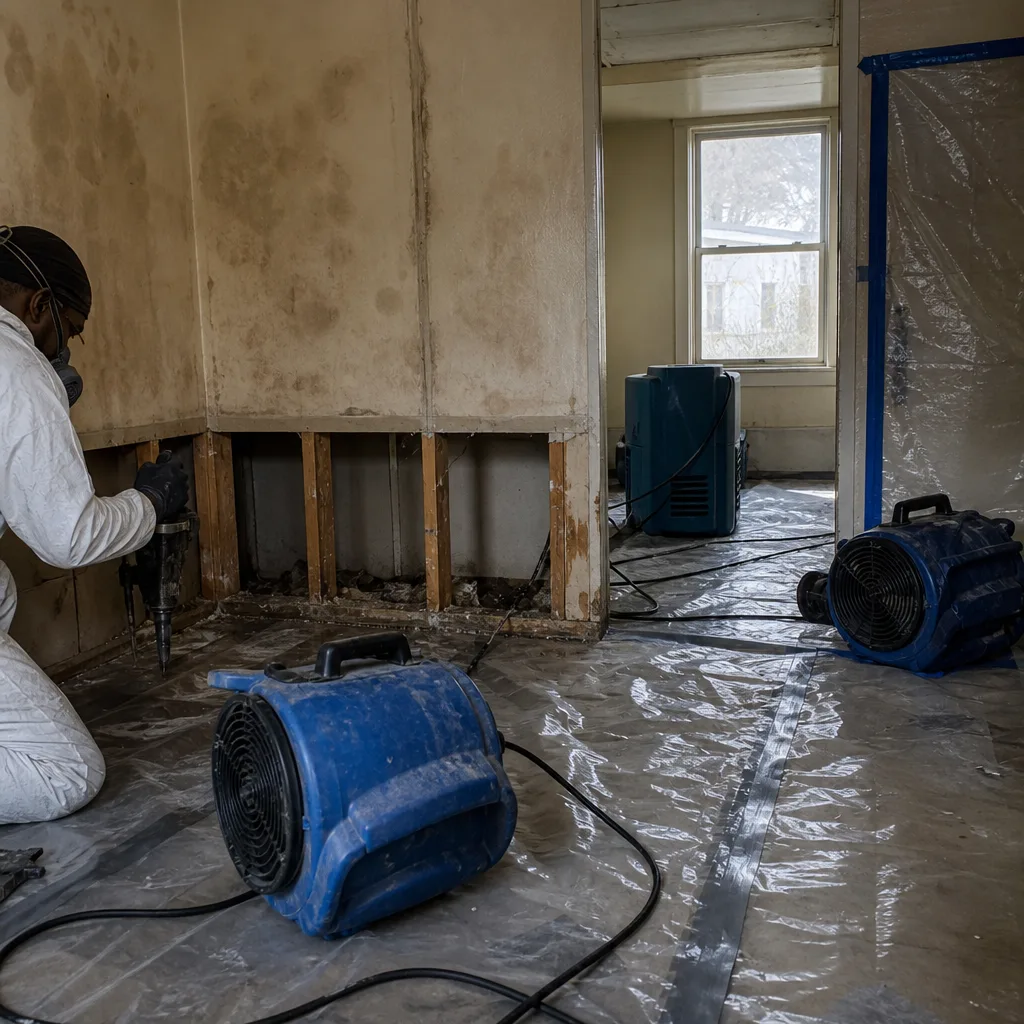
Testing matters, but not the way you might think. An air sample that says “mold” doesn’t tell you where it is or how much damage it has done. We use moisture meters and thermal imaging to find the water, then sample to confirm the species and guide the remediation plan. Some molds are allergy triggers. A few, like Stachybotrys, are more serious. The species matters for the remediation protocol and for what your insurance company is willing to cover. Our Mold Remediation in East New York page explains the process step by step.
Here’s what you should know about mold insurance in East New York: standard homeowner policies cover mold only when it’s the result of a covered water event, like a burst pipe. Mold from long-term humidity, condensation, or a slow leak that predates your policy is almost always excluded. This is why documentation from day one matters so much. If you found mold, and you can tie it to a specific water event, you need the paperwork that proves it. We help you build that file.
Insurance in Brooklyn Zip Codes: Denials, Documentation, and Your Adjuster
This is the section most restoration guides skip because it’s uncomfortable. We’re going to address it directly. Homeowners in East New York file claims at rates comparable to the rest of the city, but they face a claims environment that is more adversarial than what the national averages suggest. Adjusters juggle enormous caseloads. Carriers scrutinize claims in older buildings more closely because older buildings have pre-existing condition questions. The result is that underpaid settlements are common, and outright denials happen often enough that anyone filing a claim should prepare as if the adjuster is looking for a reason to say no.
The single most important thing you can do is document everything from the moment you discover the damage:
- Photograph and video everything before anything gets moved. Wide shots, close-ups, water lines on walls, contents on floors. The goal is to show the adjuster what you saw before the restoration began.
- Keep a written log. Date, time, what you found, who you called, what they said. A spiral notebook is fine. Consistency is what matters.
- Do not sign anything from a contractor until you understand the scope. Some restoration companies in this city are notorious for getting a signature on a work authorization that locks you into a massive job. Read before you sign. Ask what the alternative is.
- Get a contractor who will talk to the adjuster directly. The worst position a homeowner can be in is relaying technical information between a contractor and an insurance professional. Wade deals with the adjuster directly. You hired us to fix the house, not to become a claims negotiator.
We’ve handled hundreds of claims in East New York. The pattern is consistent: homeowners who document thoroughly and who have a contractor communicating directly with the adjuster get paid more than homeowners who wait and hope. The RIA-affiliated standards we follow on every job are built for this exact scenario. When the adjuster questions a line item, we can justify it with moisture logs, photo documentation, and industry-standard drying science. That’s not jargon. That’s leverage on your side.
Party Walls and Shared Infrastructure: When Your Neighbor’s Leak Becomes Yours
If you live in a East New York rowhouse, you share at least one wall with a neighbor, sometimes two. You may share a roofline, a drain stack, or a section of supply line that runs through multiple properties. This creates scenarios that simply don’t exist in detached suburban homes, and the legal and practical questions get complicated fast.
The most common scenario is water entering your property from the adjoining property. A roof leak at the shared parapet, a failed drain line that crosses the property line, or a supply line burst in your neighbor’s second floor that saturates your shared wall. In these situations, the question is always the same: whose insurance pays? The answer depends on origin, which is determined by investigation, not by voting. We document the point of origin, the path the water traveled, and the damage it caused on your side. That file goes to your adjuster, and if necessary, it goes to your neighbor’s adjuster. In East New York, where many properties are landlord-owned and some landlords are more responsive than others, this documentation often makes the difference between getting paid and getting ignored.
Another recurring issue is shared plumbing stacks. Many East New York rowhouses were built with a single cast iron waste stack serving multiple units, sometimes crossing into the adjacent building. When that stack fails, the question of who pays to replace it often becomes a negotiation between two property owners, two insurance companies, and sometimes a lawyer. The practical advice is this: get the origin documented early, get the scope in writing, and don’t agree to any split-cost arrangement without seeing the actual pipe. We’ve seen homeowners pay half the cost of a stack replacement that was almost entirely on their neighbor’s side because they didn’t get a plumber to open the wall and show them the evidence first.
City Agencies: DOB, HPD, and What Habitability Triggers
When water, fire, or mold damage crosses into habitability territory in East New York, city agencies enter the picture. This happens more often in Brooklyn than in the suburbs because density magnifies the consequences. A ceiling collapse in a single-family home is dangerous. A ceiling collapse in a four-family rowhouse can displace multiple households and trigger inspections.
The Department of Buildings (DOB) gets involved when structural integrity is in question: a load-bearing wall damaged by fire, a floor system compromised by prolonged water exposure, or a parapet wall in danger of falling. If a DOB inspector issues a violation or a vacate order, you have a defined timeline to address it, and the work typically requires a licensed contractor and permits. Ignoring a DOB order in East New York is not an option. The fines compound, and if you’re a landlord, you expose yourself to serious liability exposure.
HPD (the Department of Housing Preservation and Development) gets involved when tenants are affected. If a water event or mold condition makes a rental unit uninhabitable, HPD can issue violations that carry their own timelines and penalties. For landlords in East New York, especially owners of the smaller multi-family brownstones that dominate the neighborhood, an HPD violation is a signal to move fast and document everything. The worst-case scenario is not the repair cost. It’s a tenant-side lawsuit for damages that could have been avoided with a documented, timely restoration.
The practical takeaway: if your damage involves structural questions, multiple units, or tenants, get a restoration company that has worked with DOB and HPD requirements before. Permits, inspection scheduling, and the specific paperwork these agencies expect are not things you want to learn about the first time by making mistakes.
Honest Restoration Timelines for a Dense Urban Neighborhood
National restoration companies often quote timelines that make sense in a suburb with a driveway, a garage, and a building department that processes permits in a week. East New York is not that. Here’s what honest scheduling actually looks like:
- Emergency response (water extraction, board-up, tarping): Same day, usually within the hour for water. Fire board-up can take 4 to 8 hours depending on access.
- Drying (water jobs): 3 to 7 days for typical Category 1 water. Longer for Category 3 contamination, plaster walls, or shared-wall saturation.
- Mold remediation: 2 to 5 days for containment, removal, and treatment, plus time for post-remediation testing if your situation calls for it.
- Fire restoration (full structural): 3 to 8 weeks for a substantial rowhouse fire. Demo and cleaning happen in week 1. Reconstruction depends on permits, material lead times, and crew scheduling.
- Reconstruction after any large water or fire event: 2 to 6 months in East New York for full rebuilding, depending on DOB permit processing, historic district review when applicable, and the simple reality of moving materials through narrow Brooklyn streets.
We tell every homeowner the same thing: you would rather know the honest timeline now than be promised a fast one and get an abandoned job site in week three. The companies that win business with impossible timelines are the same ones that disappear when the work gets hard. Wade’s Restoration has been doing this in East New York since 2007, and we’re still here because we don’t promise what we can’t deliver. The Wade’s Restoration home page tells you more about how we work.
If you want to understand how we do water work specifically, read the Water Damage Restoration in East New York guide. For mold, see the Mold Remediation in East New York page. For fire, the Fire & Smoke Damage Restoration in East New York page is the place to go.
Common Mistakes to Avoid
- Hiring the first company that appears in a sponsored Google result. National lead-generation companies sell your call to the highest bidder. You want a local company with a East New York address and an owner whose name you can verify. Ask anyone on your street who they used.
- Signing a work authorization before reading it. This is the single biggest source of homeowner complaints in Brooklyn restoration work. Read every line. Ask what happens if you cancel.
- Waiting to report the claim. Insurance policies require prompt notification. Waiting a week while water damage worsens is the fastest way to get a partial denial for failure to mitigate.
- Assuming your neighbor’s insurance will just handle it. Party wall damage in East New York requires your own documentation and your own adjuster conversation. Don’t rely on a neighbor or a landlord to build your case.
- Skipping the moisture log. A restoration company that doesn’t log moisture readings daily is guessing about whether the drying is working. Demand the daily log. We hand you ours at the end of every water job.
- Choosing the lowest quote without comparing scope. In East New York, the low quote almost always excludes something: the permit, the plumbing repair, the final drying verification, or the reconstruction. Compare scopes, not just numbers.
- Ignoring the crawl space. After any significant water event in an older East New York home, the crawl space needs a look. If your restoration company doesn’t check it, find one that will.
When to Call a Professional
Any water event that has soaked building materials, any fire that leaves smoke odor, any visible mold growth larger than a few square feet, any sewage backup, and any storm damage involving standing water all justify a professional restoration call. The line between DIY and disaster is drawn where moisture meets drywall, plaster, or wood. Once the water is in the building materials, drying it properly requires commercial equipment, daily monitoring, and the knowledge to know when drying has actually finished. In East New York’s older housing stock, DIY drying almost always leaves hidden moisture behind, and hidden moisture becomes mold. Wade’s Restoration offers free estimates in East New York. Call (363) 300-2771 and Wade will tell you honestly what you’re dealing with, even if the answer is that you don’t need us.
Frequently Asked Questions
Water damage restoration in East New York typically costs between $2,800 and $18,000 depending on the water category, affected square footage, and whether structural materials need replacement. Fire restoration runs higher, often $15,000 to $60,000 for a substantial rowhouse fire because it includes demolition, structural cleaning, odor sealing, and full reconstruction. Call (363) 300-2771 for a written estimate on your specific situation.
For water emergencies, a local restoration company serving East New York can typically be on-site within 60 to 90 minutes because equipment is staged locally, not dispatched from a warehouse across two bridges. Fire board-up and tarping typically happens within 4 to 8 hours of the call. The speed claim is only as good as the company’s actual local presence, so ask where their equipment lives before you hire.
Insurance covers sudden and accidental water events like a burst supply line or an appliance failure, but it almost never covers slow leaks, long-term seepage, or flooding from the city sewer system without a specific endorsement. If you want to maximize your settlement, document everything from hour one, keep a written log, and get a contractor who communicates directly with your adjuster.
Cleaning visible mold without addressing the moisture source and checking hidden cavities in an East New York rowhouse is almost always a waste of money. Mold in older attached homes grows inside walls, under floors, and in crawl spaces long before it shows on a wall. A proper remediation includes finding the water source, containing the affected area, removing contaminated materials, and treating the structure. A surface wipe-down is not remediation.
If you hire the right East New York restoration company, the contractor communicates with the adjuster directly: presenting the moisture logs, photo documentation, and the scope of work in industry-standard language the adjuster understands. If you hire a company that hands you a stack of papers and tells you to deal with your insurance, you’re about to become an unpaid claims negotiator. Ask about direct adjuster communication before you sign anything.
Expect restoration timelines in East New York to run 20 to 40 percent longer than national averages due to older building materials, permit processing at DOB, the difficulty of moving equipment through narrow Brooklyn streets, and shared-wall considerations that add coordination time. An honest contractor tells you this upfront. Anyone promising a faster timeline than the physical realities of the building allow is setting you up for an abandoned job site.
The Bottom Line
Damage restoration in East New York is a neighborhood-specific discipline, not a generic process. The aging rowhouses, shared walls, cast iron pipes, and the Brooklyn insurance environment all change what the work requires, how long it takes, and what it costs. The homeowners who get the best outcomes are the ones who document from the first hour, hire a local contractor who communicates with the adjuster directly, and refuse to sign anything until the scope is in writing. This is the work we’ve been doing since 2007, in this neighborhood, for our neighbors. When something goes wrong in your home, call (363) 300-2771 and talk to Wade directly. He’ll tell you what he would do if it were his house. That’s the standard.
Written by Wade Ferris, Owner at Wade’s Restoration, serving East New York since 2007.