
Last updated August 26, 2026
Free visual inspection and a written scope of work before any mitigation begins - photos, moisture readings, and drying logs go in your claim file
The scope we write is the scope we bill. Anything new gets shown to you, in writing, before we touch it.
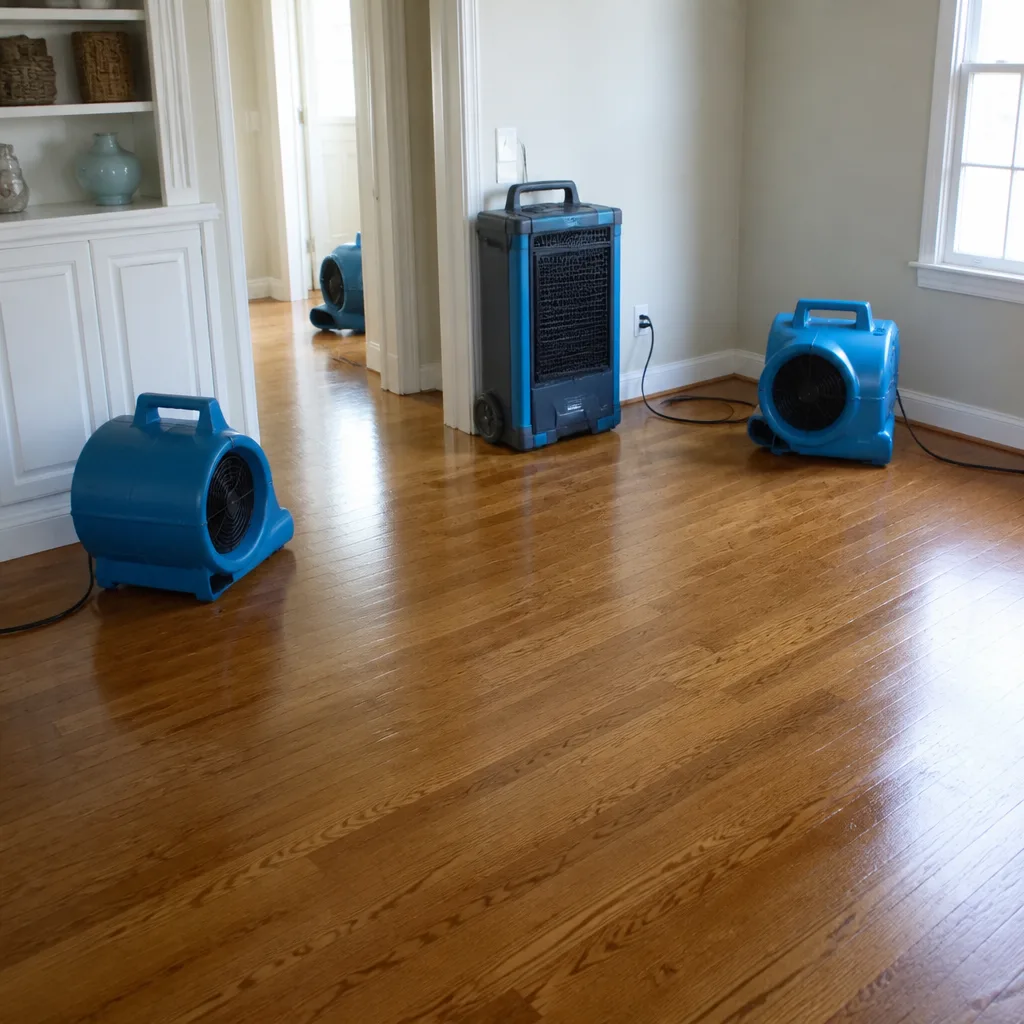

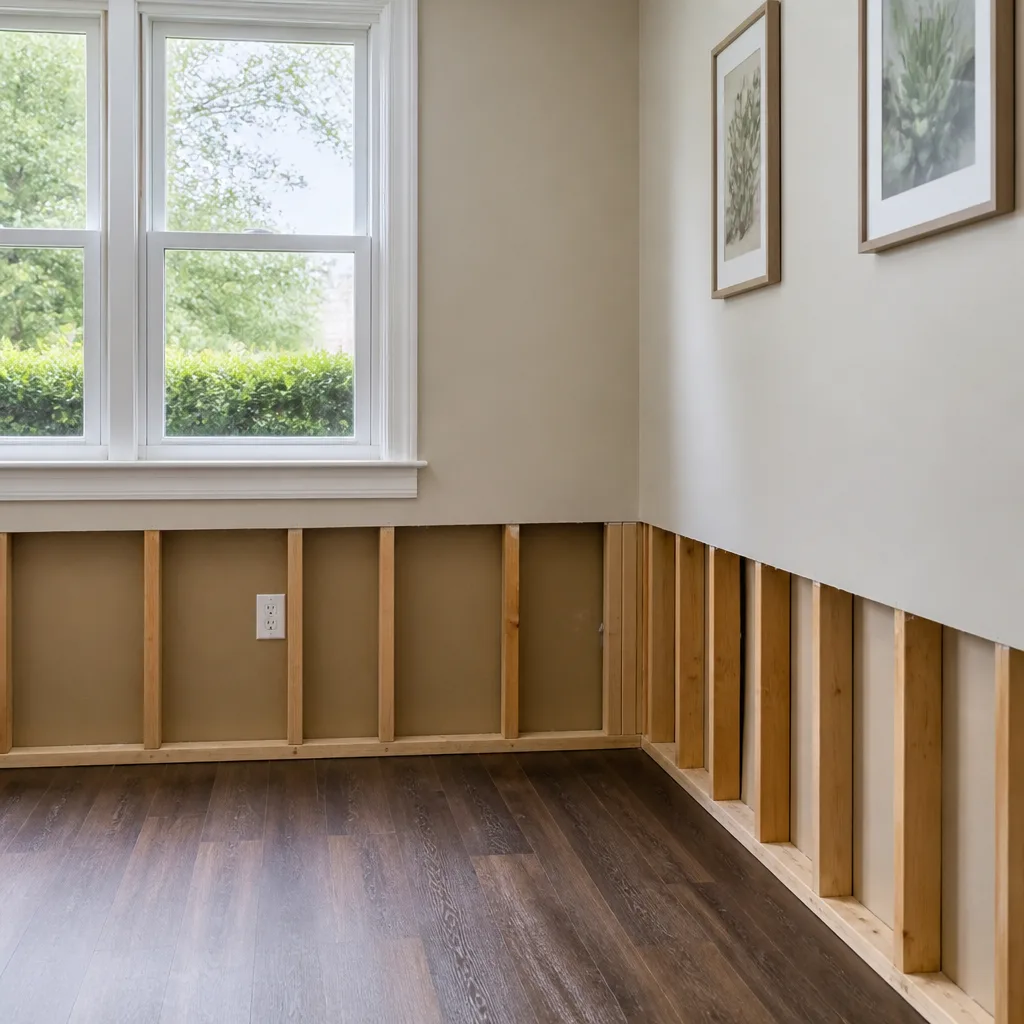

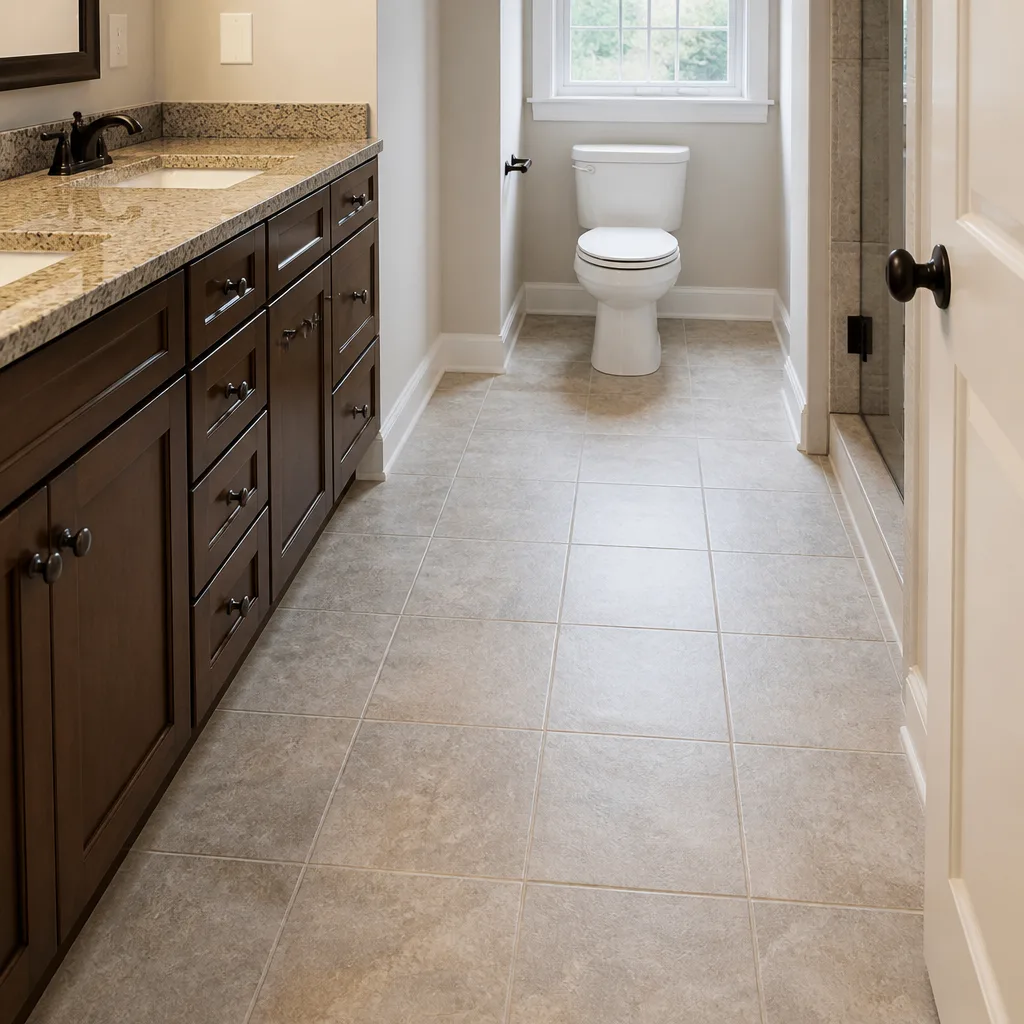

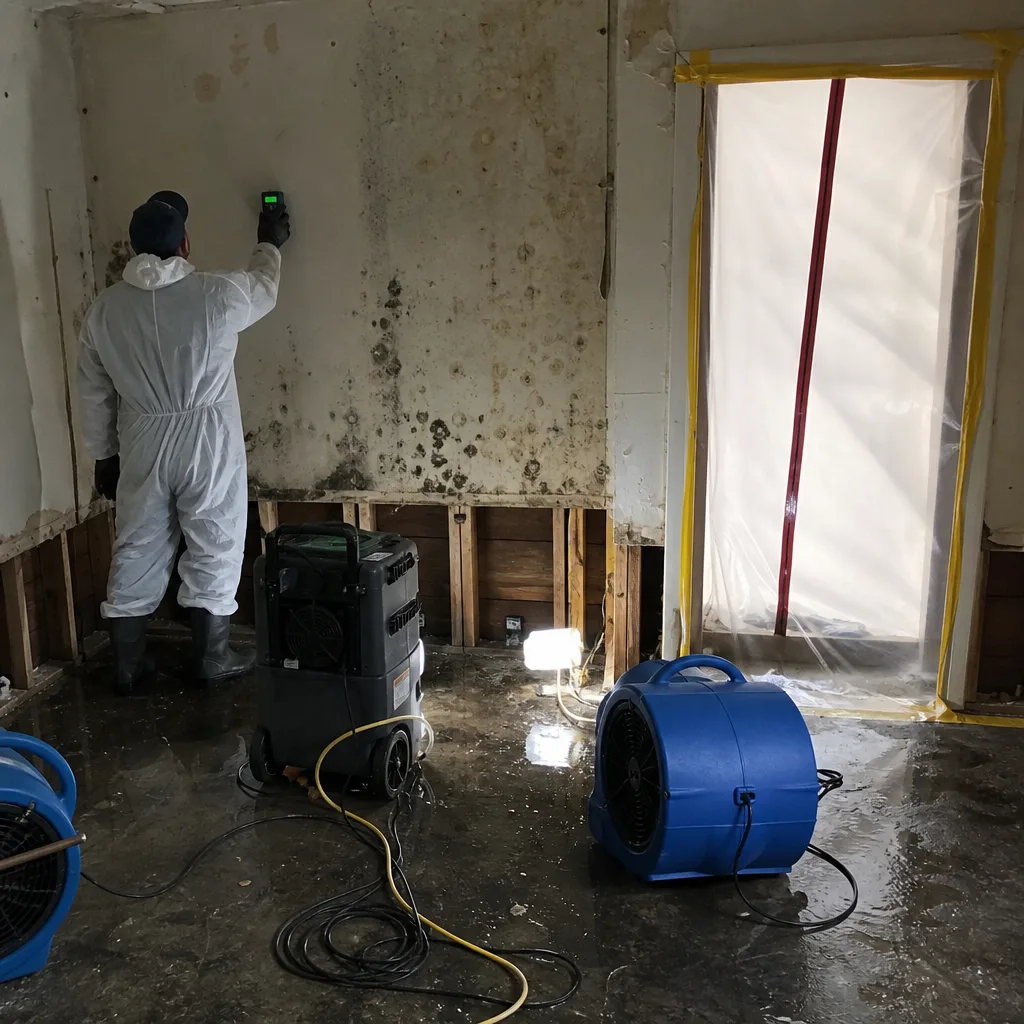
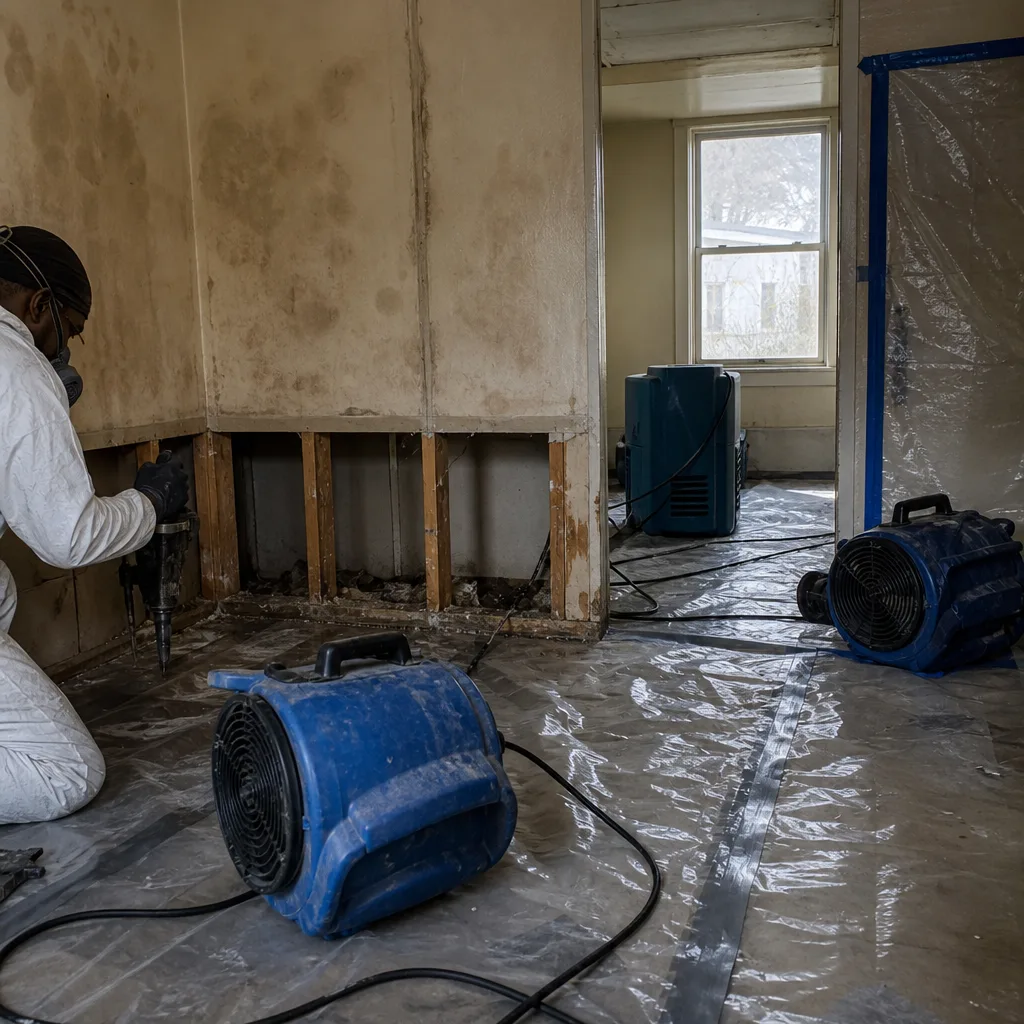 Before
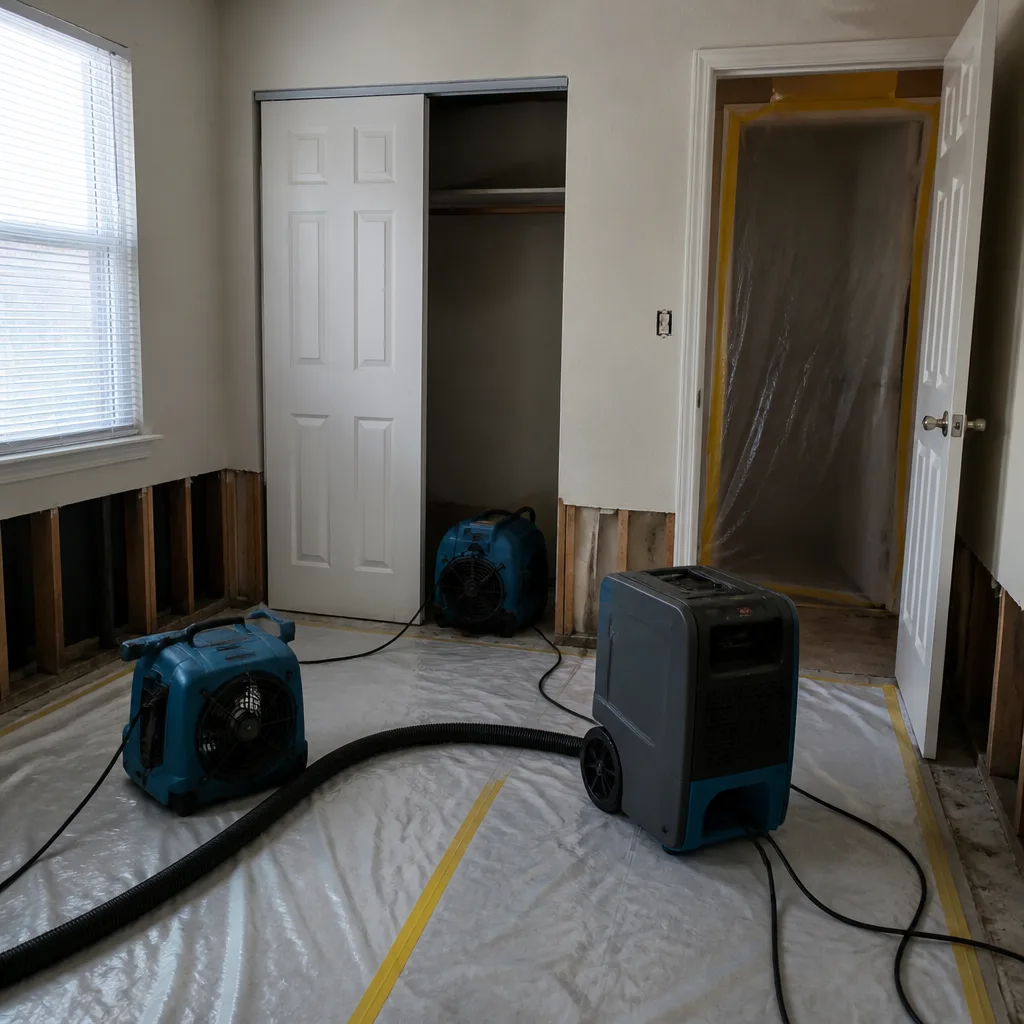 After
After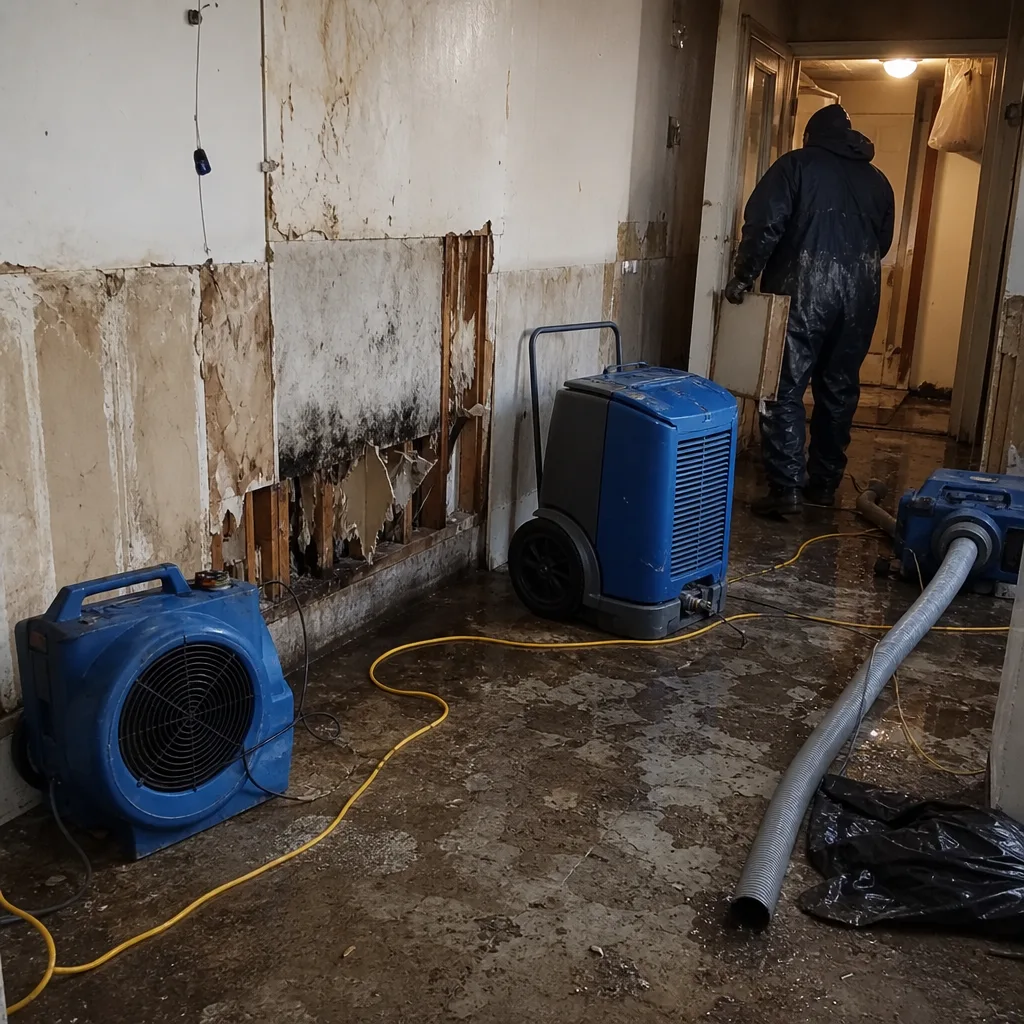 Before
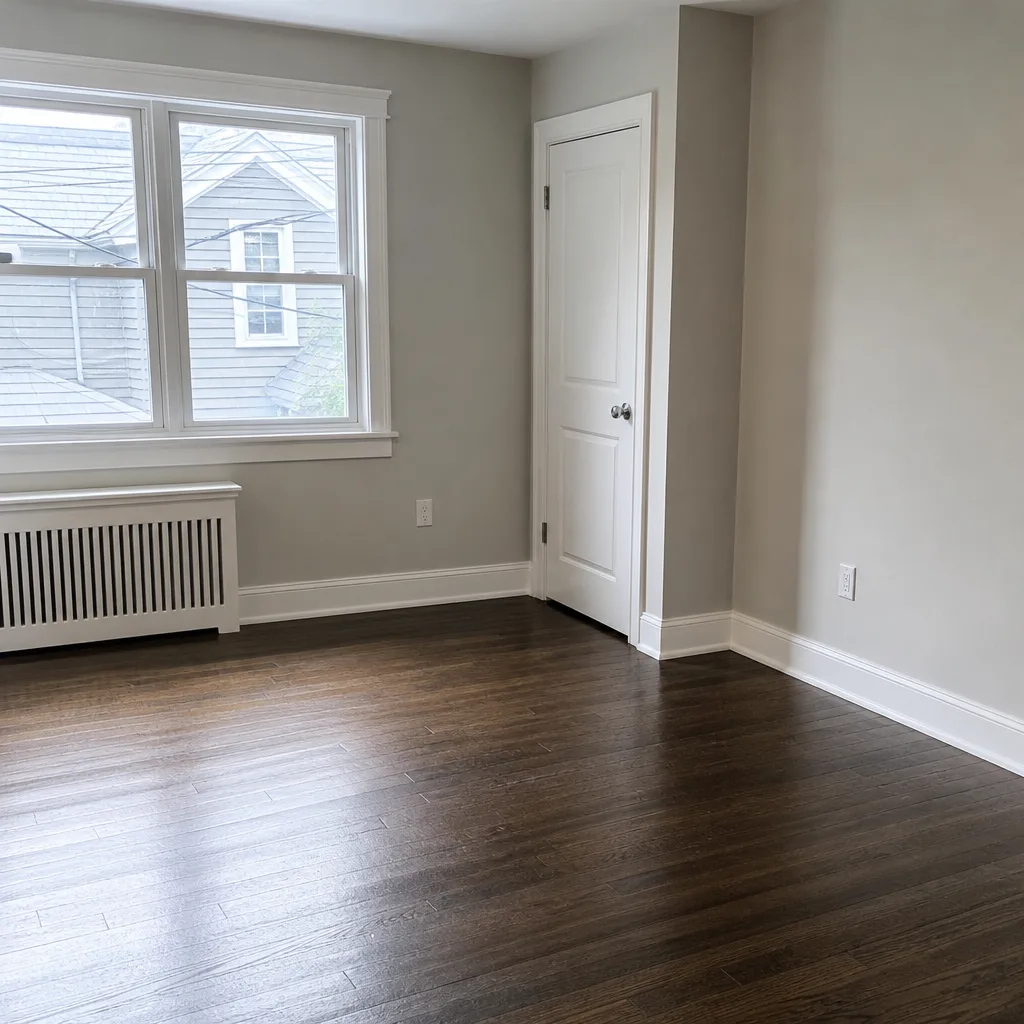 After
After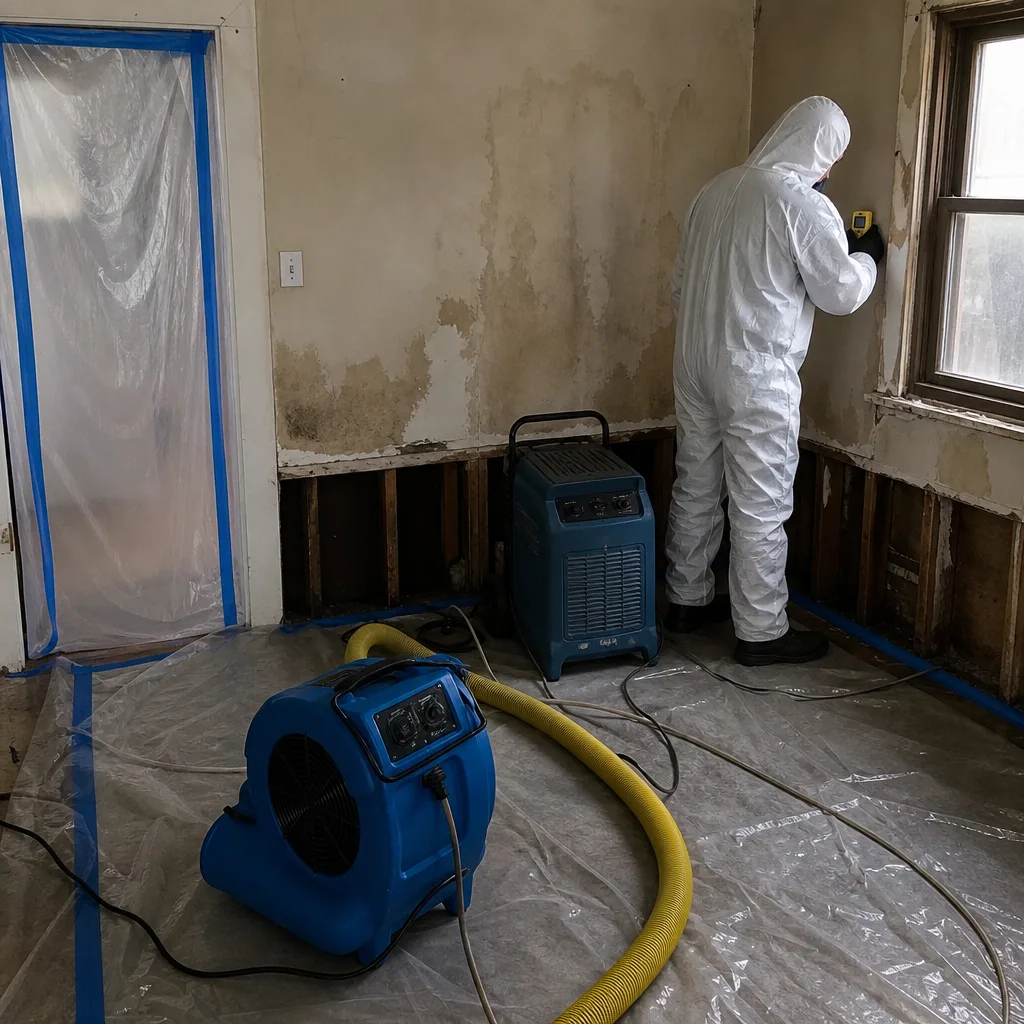 Before
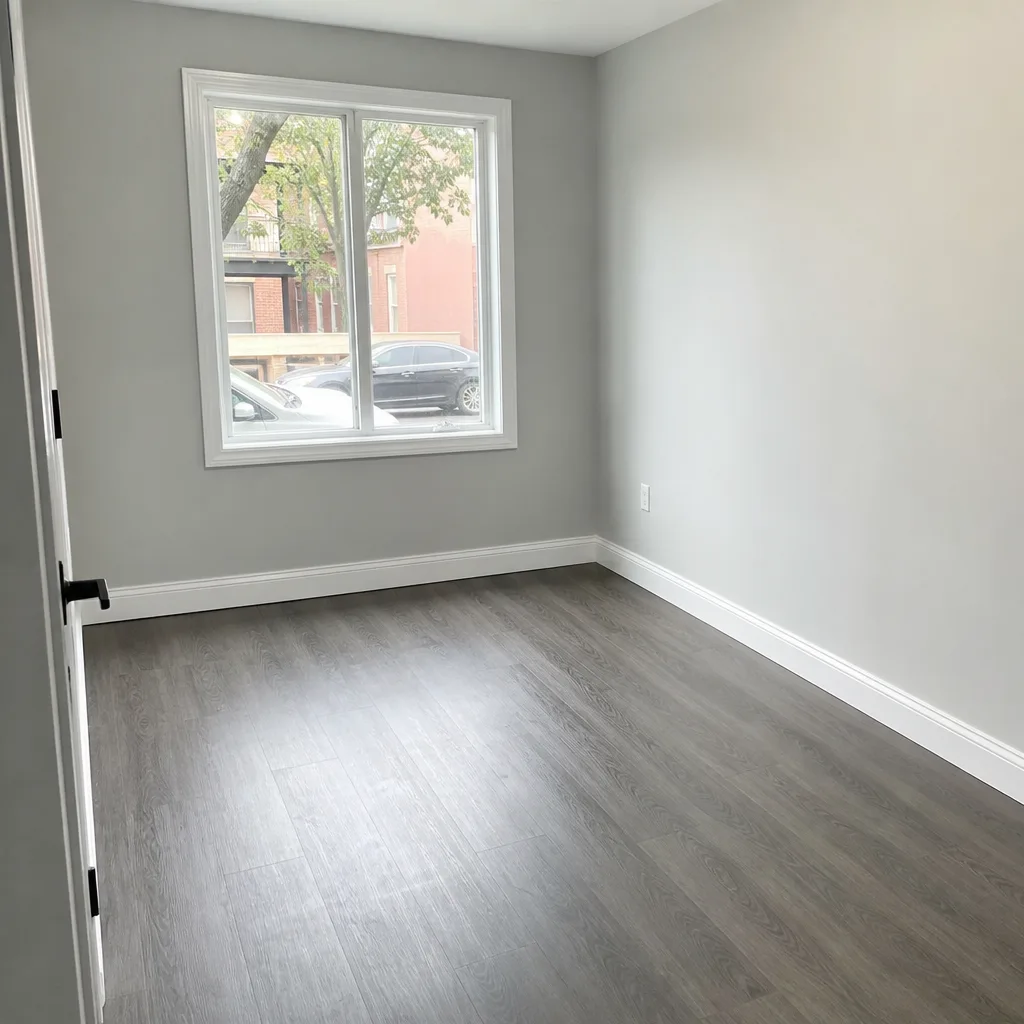 After
AfterWater Damage Restoration Maintenance Checklist for East New York Homeowners
Wade has walked into East New York homes where the owner spent $14,000 on restoration that a $40 plumber visit and one afternoon of caulking would have prevented. We’re not exaggerating. The vast majority of water damage we see in this neighborhood didn’t start with a dramatic pipe burst or a storm surge. It started with a slow drip behind a kitchen cabinet, a hairline crack in a mortar joint, a gutter that hadn’t been cleaned since the Obama administration. This checklist-along with our The Complete Guide to Damage Restoration in East New York-is what he wishes those homeowners had found before they called him. It’s the room-by-room, season-by-season maintenance routine specific to the rowhouses, semi-attached two-families, and pre-war brick homes that define East New York.
Quick Answer
The most effective water damage prevention checklist for East New York homeowners follows the four major failure points in a Brooklyn rowhouse: the basement foundation and floor drains, the kitchen and bathroom plumbing stacks, the roof and gutter drainage system, and the steam heat infrastructure. Checking these systems on a monthly, quarterly, and annual schedule using the steps below, and photographing everything when you do, prevents nearly all of the water damage we get called for in East New York.
Table of Contents
- The Basement: Your First Line Of Defense
- The Kitchen Stack: Where Most East New York Leaks Actually Start
- Bathroom Plumbing Chases: The Hidden Threat Behind Tiled Walls
- Roof Drainage, Gutters, And Leaders: The Water You Never See Inside
- Steam Heat And Radiator Systems: A Pre-War East New York Specific Concern
- Reading Your Water Meter For Slow Leaks Before You See Damage
- Documentation Habits That Make Your Insurance Claim Stronger
- Common Mistakes to Avoid
- When to Call a Professional
- Frequently Asked Questions
The Basement: Your First Line Of Defense
In East New York, your basement is the first place water announces itself and the last place most homeowners look. The row houses here were built tight against one another, which means groundwater doesn’t drain away from your foundation, it drains along it. A heavy August thunderstorm or a January thaw can push water through a foundation crack the width of a credit card. What we see most often in finished basements is damage that went unnoticed because the water came in behind paneling or under laminate flooring and sat there for weeks before anyone noticed the smell.
Here’s what to check, in order:
- Take a slow walk along every exposed foundation wall with a flashlight. You’re looking for dark stains, white powdery deposits (efflorescence), or paint that’s bubbling. Run your hand along the wall about six inches off the floor, the cold zone where condensation and seepage concentrate. Dampness you can feel is dampness that’s already inside.
- Inspect your floor drains and the condition of their traps. Pour a bucket of water down each floor drain twice a year. The trap seal evaporates in the winter heating season, which lets sewer gas in and tells you nothing about whether the drain actually works. A slow drain suggests a partial blockage downstream, and in an East New York basement that line runs under living space.
- Check the water main shutoff valve and the meter area. This is the part of the basement that tells you what the rest of the house is doing. The shutoff should turn with a firm but not forceful hand. A corroded or seized valve means you couldn’t stop a header leak if you had to. We’ve been in basements where the shutoff hadn’t been touched since the day it was installed, and the homeowners found out it was frozen the moment of greatest need.
- Pull back anything stored directly on the floor. Cardboard boxes on a concrete slab in an East New York basement are moisture wicks. They draw dampness up from the slab and hide what’s happening underneath. Get everything up on pallets or plastic shelving at least four inches off the floor.
We run into foundation seepage in every East New York project that involves ground contact. The clay soil under much of this neighborhood expands when wet and contracts when dry, and over fifty years that movement works on mortar joints. A crack that is dry today may leak tomorrow after three days of rain. If you see a crack wider than a dime, or one with visible staining, call before it finds its way inside. An interior French drain is a bigger project than cleaning a floor drain, but it’s a fraction of what a full basement Water Damage Restoration services job costs once the carpet pad, drywall, and baseboards are involved.
The Kitchen Stack: Where Most East New York Leaks Actually Start
When people think water damage, they picture a broken pipe spraying water across a room. That happens, but in East New York it’s far more common for the damage to start as a twenty-year-old supply line behind a kitchen cabinet that drips a teaspoon a minute for six months. By the time the cabinet base swells or the floor tile pops, the water has already been working on the subfloor and the joist below it.
The kitchen stack, which is the vertical run of supply and waste lines that runs from your kitchen down to the basement and up to any bathroom above, is the most failure-prone plumbing configuration in these older homes. Here’s the monthly check we recommend:
- Open every lower cabinet and put your hand on the cabinet floor. Press down on the corners and along the back edge near the pipes. Soft spots, discoloration, or a musty smell mean the leak has already been happening for a while.
- Inspect the supply shutoff valves under the sink with a flashlight. The chrome-plated shutoffs installed in East New York kitchens through the 1960s and 1970s are notorious for failing at the packing nut. Green corrosion at the joint is a slow leak. A valve that won’t turn at all is a future problem with an unpredictable timestamp.
- Check the dishwasher connections. If you have a dishwasher, pull the lower kick panel and inspect the supply line and drain hose. The braided steel supply lines last longer than the old rubber ones, but the drain hose can kink or wear through where it rubs against the cabinet frame.
- Run the faucet and feel along the base and backsplash with your fingers. Water that appears at the back of the counter is often the caulk bead failing where the countertop meets the backsplash. It’s a five-dollar fix now and a five-hundred-dollar fix after it’s been running down the cabinet side for a few months.
For anyone buying a home in East New York, walk the kitchen with this checklist before you sign. The seller’s disclosure often doesn’t mention a sink leak because they didn’t know, and the first sign is usually after closing when the cabinet bottom starts to sag. If you find evidence of a past leak that was “fixed,” pull the cabinets apart enough to see whether the wood behind the repair is actually dry. We’ve opened walls in kitchens where a homeowner caulked over a leak and called it resolved, and the framing behind the cabinet looked like a sponge.
Bathroom Plumbing Chases: The Hidden Threat Behind Tiled Walls
The bathroom plumbing chase is a vertical cavity in the wall that carries the pipes from the basement up through the house. In East New York row houses, these chases are often shared between the two-family homes or between adjacent houses. That means a leak in your bathroom might not be your pipe at all, and it might not be coming from the floor you think it is.
Water damage inside a bathroom chase is invisible until it’s advanced. The tile and substrate hide the early stages, and by the time a brown stain appears on the ceiling below, the wood behind the wall has been wet for months, often longer. Here’s how to stay ahead of it:
- Check the caulk and grout lines around your tub, shower pan, and toilet base. Gaps form over time as the house settles and as the different materials expand and contract at different rates through the seasons. A cracked grout line above a bathtub sends water behind the tile every time someone showers. Re-caulking is the single highest-value maintenance task in a bathroom, bar none.
- Check the shutoff valves at the toilet and under the sink every month. Same aging valve issue as the kitchen, but bathrooms in East New York are often ground-floor add-ons or second-floor additions built during the housing boom, and the plumbing wasn’t always done to the standard of today’s code.
- Listen for the sound of running water when nothing is on. A faint hiss inside the wall often means a pinhole in a galvanized supply line. Galvanized pipe has a life expectancy of about 50 years, and much of East New York’s original galvanized is well past that. If you hear it, call a plumber before you call a restoration company.
- Check for staining on the ceiling below the bathroom, especially around the edges where the wall meets the ceiling. A slow pipe leak inside a chase will travel along a joist and pool at the lowest point, which is often a corner in the room below. Water damage on a first-floor ceiling under a second-floor bathroom is a classic East New York marker.
We replace more rotted subfloor around toilets than anything else in bathroom water damage work. The wax ring under a toilet fails slowly, and every flush sends a small amount of water onto the subfloor. The flooring around the toilet becomes discolored first, then soft, and then the toilet itself starts to rock. If your toilet moves when you sit on it, the subfloor is already compromised. The fix is not to shim the toilet. The fix is to pull the toilet, inspect the flange and subfloor, replace the ring, and re-set it properly. Call a plumber for that, and do it as soon as you feel the movement.
Roof Drainage, Gutters, And Leaders: The Water You Never See Inside
Flat roofs and low-slope roofs are standard on East New York row houses, and the way they handle water is different from a pitched suburban roof. Water has to get off the roof quickly and get down to the ground through leaders and drains, not sit there eating at the roofing membrane. When a flat roof drain clogs with leaves or a leader separates from the wall, water backs up on the roof and finds the path of least resistance, which is any crack, seam, or penetration in the membrane.
Your roof drainage checklist should follow the New York City weather calendar more than the generic spring-and-fall advice you see online. Here’s the schedule we tell East New York homeowners to keep:
- Late October, before the leaves finish falling: Clean the gutters and roof drains once before winter. Then again in mid-November after the last leaves are down. East New York has mature street trees, and a single big London plane tree can drop enough leaves to clog a roof drain in one week.
- After every major storm, year-round: Walk the perimeter of the house and look up at the gutter line. A gutter that’s pulling away from the fascia, a leader that’s detached at the elbow, or a downspout that’s pouring water directly against the foundation is a moving water problem. The goal is to get water away from the foundation, not into it.
- Before the first freeze: Check that all gutter seams and leader joints are tight. Water that freezes inside a gutter or leader expands and opens seams over the winter. By spring thaw, the gap that was a hairline in November is a channel sending meltwater down the brick face.
- After a snowmelt or ice dam, check the interiors at the top floor: Water that backs up under shingles or a flat roof membrane often shows up first in the top-floor ceiling, especially in corners and around light fixtures. Don’t wait for a stain to grow. Check the ceiling in the top-floor rooms after every thaw event, not just after a rainstorm.
The other East New York-specific roof issue is the party wall between attached houses. The flashing where your roof meets the neighboring house takes movement from both buildings settling at different rates. It’s the most common place we see roof leaks in attached housing stock. If you have a leak on an interior party wall ceiling, the water is almost certainly coming through the party wall flashing or the roof membrane at that joint. Call a roofer before you call us. A $300 flashing repair beats a $4,000 ceiling and plaster restoration every time.
Steam Heat And Radiator Systems: A Pre-War East New York Specific Concern
A lot of the homes in East New York were built with steam heat, and steam radiators are a wonderful thing. They’re also a water damage source that almost nobody checks until the radiator pipe inside the wall gives way. The iron supply and return lines that carry steam and condensate through your house are under pressure and often corroded from the inside after decades of use. When they fail, they fail in the wall, and the water is superheated.
Here’s what to look for around radiators and the steam infrastructure in a pre-war East New York home:
- Check every radiator valve for visible moisture or rust trails. The supply valve at the base of the radiator is the most common failure point. It seats and unseats thousands of times during the heating season, and the packing dries out. A small wet spot or corrosion trail on the valve body means steam is escaping.
- Listen for the sound of a hissing radiator that stays hissing after the room is warm. A properly functioning steam system vents air, then closes. A vent that stays open and hisses all season is moving moisture into the room and losing water from the system. It’s a small part, a small fix, and a warning sign about how the system is running.
- Check the condition of the floor around each radiator. The weight of a radiator over decades can open a gap in the flooring and the subfloor underneath. When the system leaks, the water follows that same path. A stained or soft area of flooring around a radiator base should be checked immediately.
- Inspect the feed line and condensate return lines in the basement. These are the arteries of the system. They run along the basement ceiling and walls, and any dark staining, white crust, or active dripping is a sign the system is losing water. The feed line brings fresh water into the boiler to replace what’s been lost, and if it’s working overtime, your water bill will tell you.
Steam heat water damage is uniquely urgent when it happens. The water can be 200 degrees when it escapes, and it soaks everything it touches. If you have a radiator or steam line emergency, shut the supply valve to the radiator if you can do so safely, and call a heating professional. But the better route, and the one we’re advocating here, is the ten-minute monthly walk-through during heating season. Almost every steam leak we’ve been called to in East New York had been hissing, dripping, or staining for weeks before it let go.
Reading Your Water Meter For Slow Leaks Before You See Damage
Every East New York home with municipal water has a water meter, and that meter is a diagnostic tool that most homeowners never use. It tells you, with total honesty, whether water is moving through your system when it shouldn’t be. A slow leak that hasn’t yet shown itself on a ceiling or a floor will show up on the meter as a faint but persistent movement.
Here’s the test, step by step:
- Pick a time when nobody in the house will be using water for a few hours. Overnight is ideal. Make sure all faucets are off, the dishwasher and washing machine are off, the toilets are not running, and no one is going to be showering or flushing.
- Read the meter and write down the exact number, including the last digit or the sweep hand position. On older mechanical meters there’s a red sweep hand that moves with very small flow. On digital meters the display will show the reading to several decimal places.
- Wait two to three hours without using any water, then read again. If the number moved at all, or the sweep hand is in a different position, you have a leak somewhere in the system. It might be a toilet flapper, a dripping faucet, a supply line, or a pipe in the wall.
- To isolate a toilet flapper leak, shut the supply valve at the toilet and repeat the test. If the meter stops moving, the toilet is the leak. Replace the flapper and the fill valve assembly. If the meter keeps moving with the toilet isolated, move on to other fixtures until you find it.
- Check the meter itself for a small flow indicator, usually a tiny triangle or gear on the face of the meter. On many Digital and automated meters in East New York, this indicator spins when water passes through the meter even at very low flow. It’s the fastest visual check: if it’s moving when nothing is on, start looking.
We’ve used this exact process with homeowners to find a leak that was sending water down a basement floor drain from a broken pipe inside a wall. The water was draining away cleanly, which is why there was no visible damage, but the water bill was up three hundred dollars a quarter. Do this test every six months, and do it immediately if your water usage or bill changes dramatically without explanation.
Documentation Habits That Make Your Insurance Claim Stronger
Prevention is the goal, but you should still keep records ready. We’ve been on the insurance side of enough water damage claims in East New York to tell you the one habit that separates smooth claims from contested ones: written and photographic documentation over time.
Here’s what we tell every homeowner who asks how to prepare for a worst case:
- Take a monthly photo walk of the critical areas with your phone. Basement walls, ceiling corners in the top floor, the area under the kitchen and bathroom sinks, the water meter, the roof from the street. Date-stamp everything, or at least keep them in a folder organized by month. These photos establish the baseline condition before the loss, which matters more than you’d think in an adjuster’s review.
- Keep a simple note on your phone or in a notebook. Every time you clean a gutter, re-caulk a tub, replace a valve, or inspect the foundation, write the date and what you did. Maintenance records show an adjuster you’ve been attentive, and they undercut any argument that the damage was from long-term neglect.
- Document the meter test results. Write the date, the before and after readings, and what the inspection turned up. If you ever do have a major leak, you can show you were watching and the damage happened quickly, not over years.
- Keep all receipts for plumbing repairs, roofing work, and appliance installations. If the water heater was new in 2021, that’s a strong argument that the 2026 flood wasn’t from an old, unmaintained tank. Your adjuster will ask. Having the receipt ends the conversation.
If prevention fails and you’re dealing with a loss, the same habits pay off in the claim process. We take moisture readings every day on our water damage restoration jobs and hand the homeowner a full log at the end. That’s the kind of documentation an adjuster can accept without a fight. But the photos and notes you take before the event set the frame. Keep them in a folder labeled simply “House.” It will be there when you need it.
For more on how we handle claims after the fact, see Water Damage Restoration in East New York for the full process from extraction through dry-down and rebuild.
Common Mistakes to Avoid
- Ignoring a small ceiling stain because “it’s probably nothing.” A stain means water has already passed through the material above and is now wicking outward. Nothing about a ceiling stain is nothing, and the longer you wait, the bigger the repair. In East New York rowhouses, a “small” first-floor stain often means a failing second-floor pipe that has already saturated the joist bay.
- Caulking over a leak instead of fixing the leak. Caulk is a sealant for joints, not a repair for active water intrusion. Caulking the outside of a foundation crack traps water inside the wall cavity and accelerates rot and mold growth behind the surface.
- Using a household fan and a dehumidifier on a significant water event without extracting first. Standing water in carpet and padding will not dry properly with a fan. The water has to be extracted, the padding usually has to be removed, and the materials need professional-grade air movers and dehumidifiers. We’ve had to re-do entire rooms where a homeowner spent two weeks “drying” a saturated carpet with a box fan. See Mold Remediation in East New York for what happens when moisture lingers.
- Skipping the winter roof check because you checked the gutters in October. The New York City freeze-thaw cycle is brutal on flat roofs and party wall flashing. February is not spring, and your top-floor ceilings don’t care what month the gutter was cleaned. Walk the top floor after every thaw event.
- Assuming a water stain will “dry out” and be fine. Materials that got wet will dry if you dry them quickly and thoroughly. But drywall that’s been wet stays stained and weakened. Insulation that’s been wet loses its R-value. Wood that’s been wet is food for mold even after it feels dry. If the material was saturated, replace it.
- Not knowing where your main water shutoff is before you have an emergency. In a burst pipe situation, the difference between a wet floor and a flooded house is whether you can reach the shutoff in under a minute. Find it now. Test it now. Have a wrench hanging next to it.
- Waiting to call a professional because “the insurance company has to come first.” You can call a water damage restoration company before the adjuster arrives. In fact, we recommend it. The mitigation work stops the bleeding, and you tell the adjuster what was done. Waiting for the adjuster to “approve” mitigation while water sits in your walls makes everything worse and more expensive. Your policy requires you to prevent further damage.
When to Call a Professional
Some water events are maintenance issues you can handle with a wrench and a new valve. Others need a professional with the equipment and the experience to dry the building properly. Call a professional when water has touched drywall, insulation, finished flooring, or anything that can’t be removed and thoroughly dried within 48 hours. Call a professional when the source is inside a wall, ceiling, or floor cavity you can’t access without demolition. Call a professional when you smell mold or mustiness that wasn’t there before. And call a professional when the water is sewage, gray water, or anything from a flooded drain. In those cases, the contamination is the problem, not just the water.
Wade’s Restoration offers free estimates in East New York. Call (363) 300-2771 and Wade will tell you straight whether you need a full restoration crew or a good plumber and a mop. He’d rather save you the money than sell you a job you don’t need. That’s the whole point of this checklist.
Frequently Asked Questions
Monthly for the high-traffic plumbing areas (kitchen sink base, bathroom shutoffs, radiator valves), quarterly for the basement foundation and the water meter leak test, and seasonally for roof drainage and gutters. If you keep all three cadences, you’ll catch nearly every slow-developing failure before it becomes significant water damage.
The most common sources in East New York are slow leaks from aging galvanized supply lines, failures at the kitchen stack shutoff valves, foundation seepage along shared basement walls, flat roof and party wall flashing leaks, and radiator and steam line corrosion. These are all predictable and almost all preventable with routine inspection.
For a small, clean water event where the water was extracted quickly and no finished materials are involved, you can often dry a basement with adequate ventilation and a good dehumidifier. But if the water touched drywall, insulation, carpet, or pad, or if the water sat for more than 24 hours, call a professional. See Mold Remediation in East New York for the mold risk of DIY drying. Use the moisture log from a professional crew if you want to know when the materials are actually dry, not just dry to the touch.
Homeowners insurance typically covers sudden and accidental water damage, like a burst pipe or an appliance leak that occurred quickly. It does not cover gradual damage from long-term neglect or lack of maintenance. That’s why the documentation habits in this guide matter: showing you inspected and maintained the property can be the difference between a covered claim and a denied one.
Shut off the water supply at the fixture if possible, or at the main shutoff if the source is inside the wall and inaccessible. Call a plumber to locate and repair the source. Then call a water damage restoration company to assess the moisture in the wall cavity and determine whether the drywall, insulation, or framing need to be dried or removed. The order matters: source first, then dry-out.
Water damage restoration in East New York varies widely based on the size of the affected area, the category of water, and how long the water has been sitting. Small isolated dry-outs can start around $1,500, while whole-basement flood restoration regularly runs $4,000 to $10,000 or more. Call (363) 300-2771 for an exact quote, and Wade will give you a written scope before any work starts, not a price over the phone that changes when the crew arrives.
The Bottom Line
The best water damage repair in East New York is the one you never need. For more guides & resources on protecting your home, visit our blog. The second best is the one you catch early because you were looking for it. This neighborhood’s rowhouses fail at predictable points, and checking those points on a schedule is the highest-value maintenance habit a homeowner can keep. If you find something that worries you, call before it spreads. Wade will walk you through it honestly, and if it’s not a restoration job, he’ll tell you so. If it is, you’ll already know him. That’s how this should work.
Written by Wade Ferris, Owner at Wade’s Restoration, serving East New York since 2007.