
Free visual inspection and a written scope of work before any mitigation begins - photos, moisture readings, and drying logs go in your claim file
The scope we write is the scope we bill. Anything new gets shown to you, in writing, before we touch it.
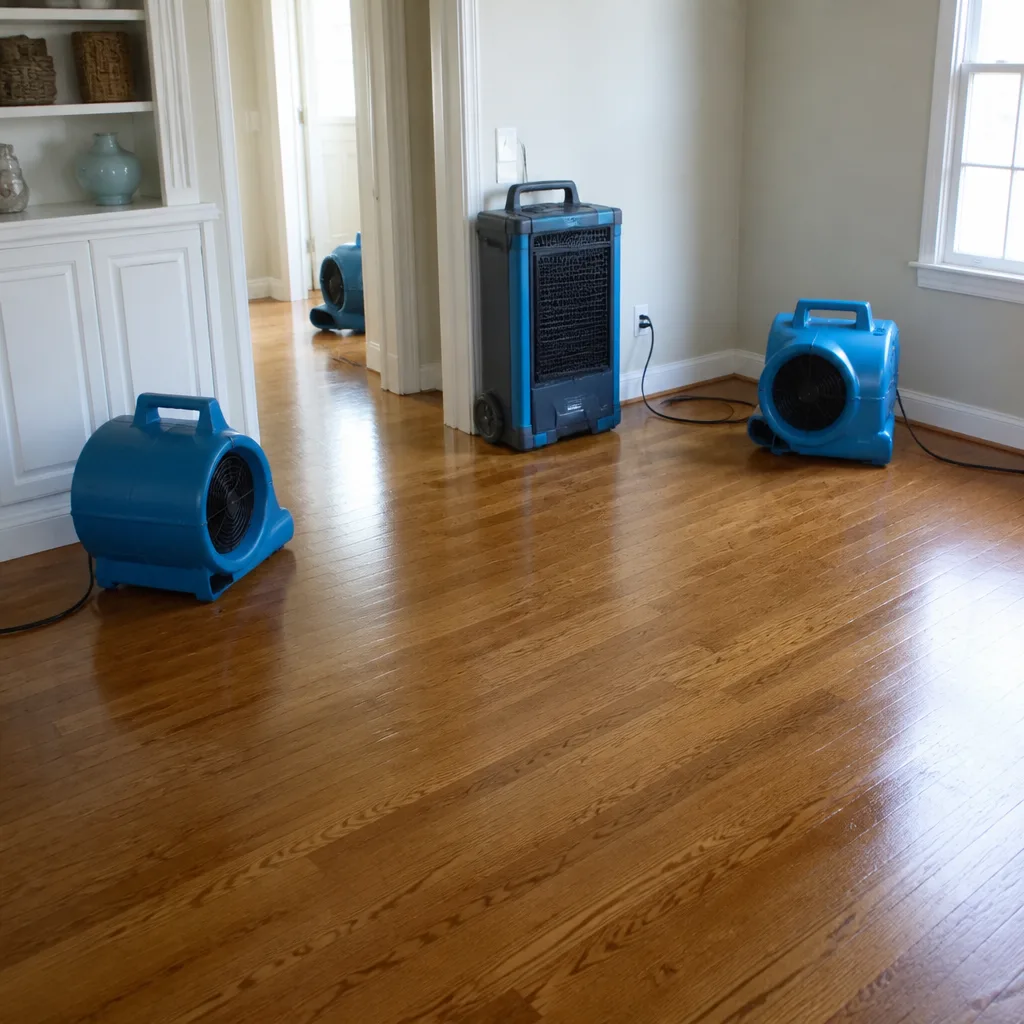
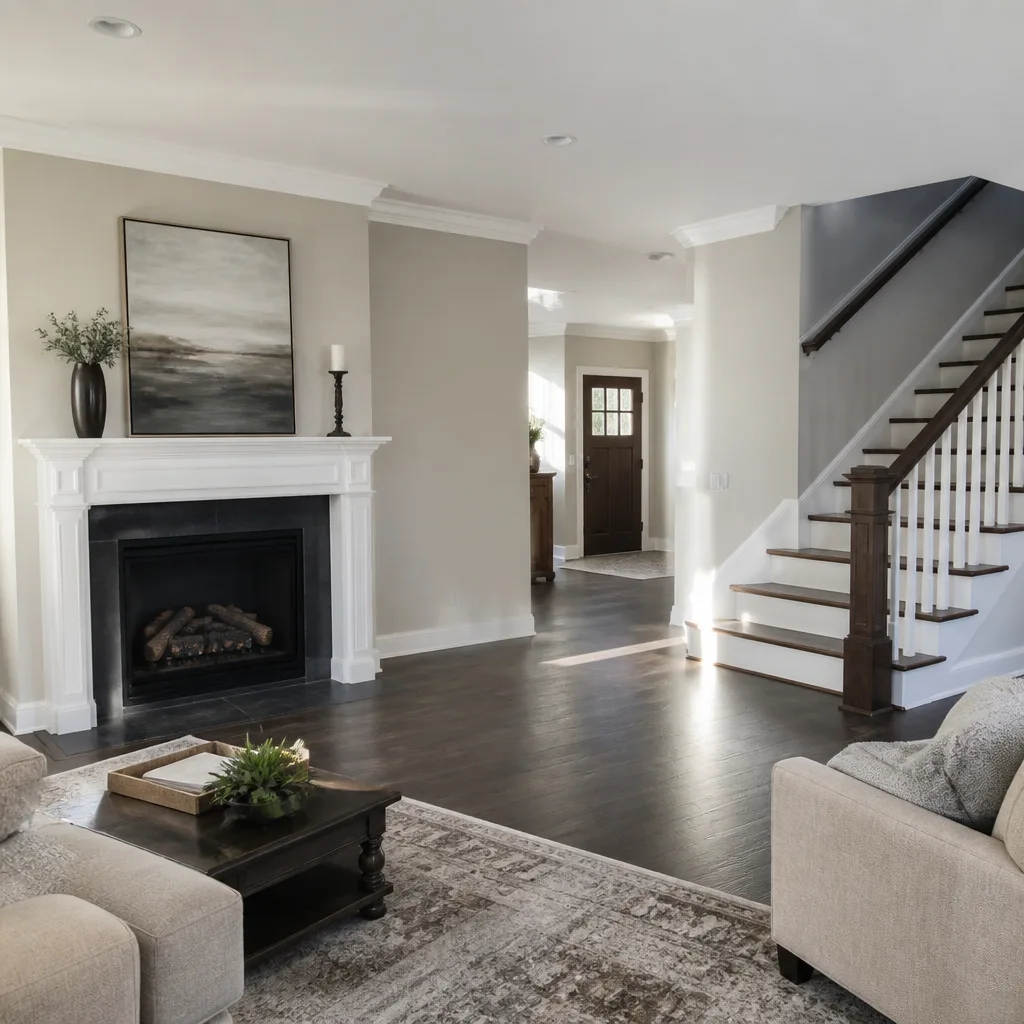
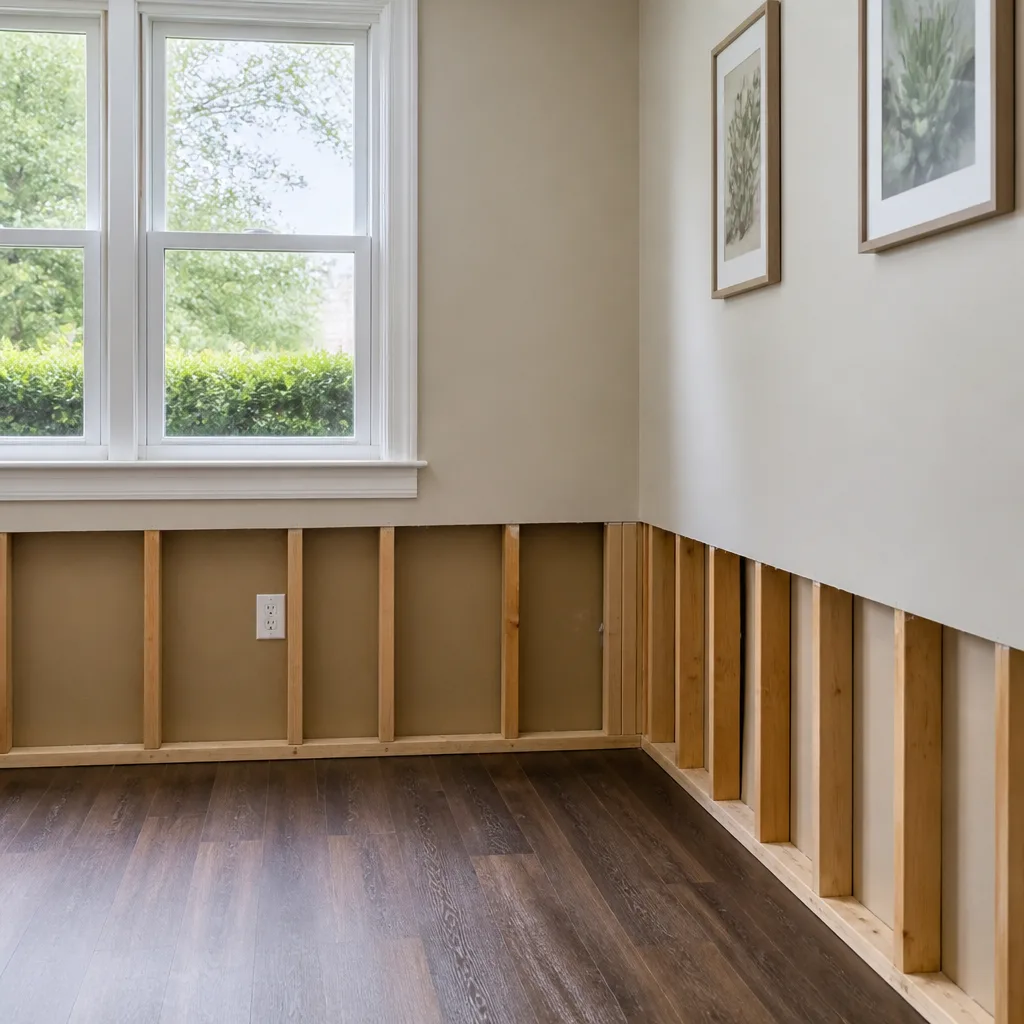
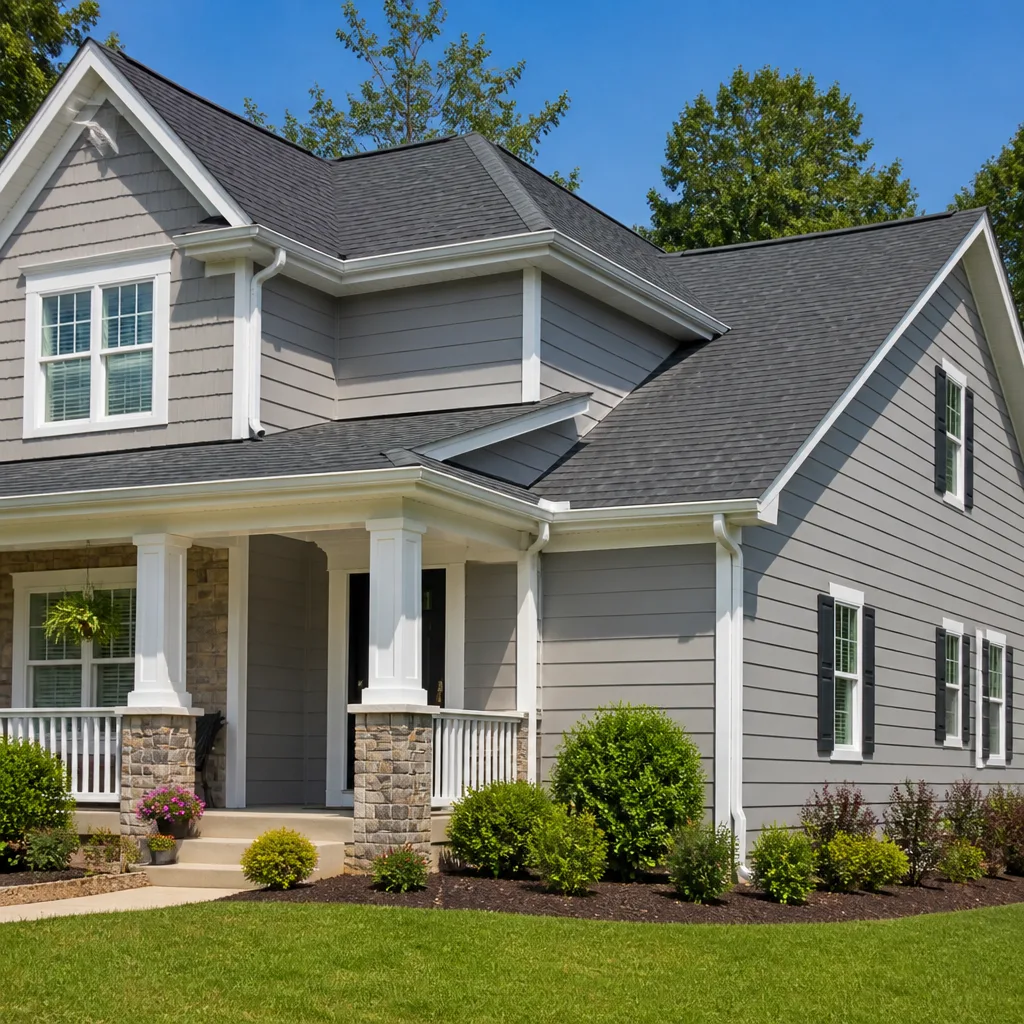
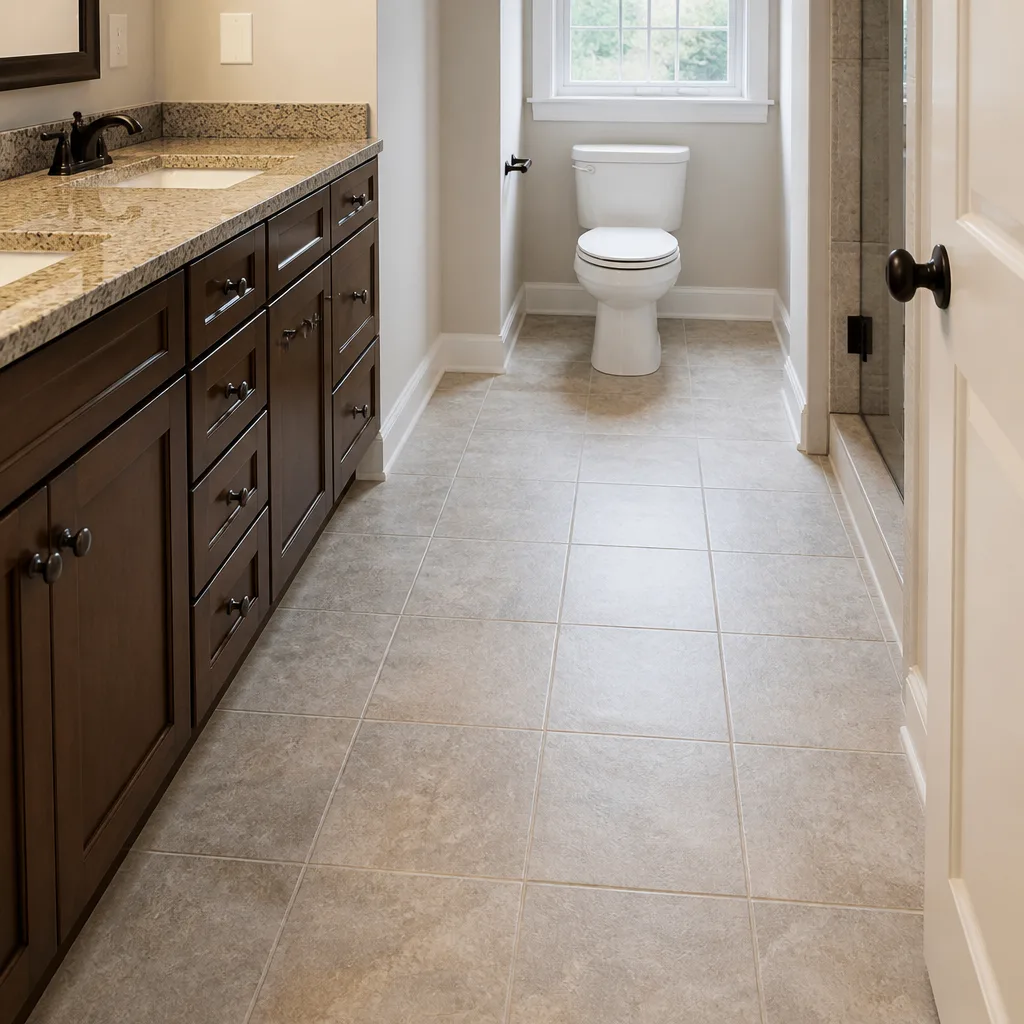
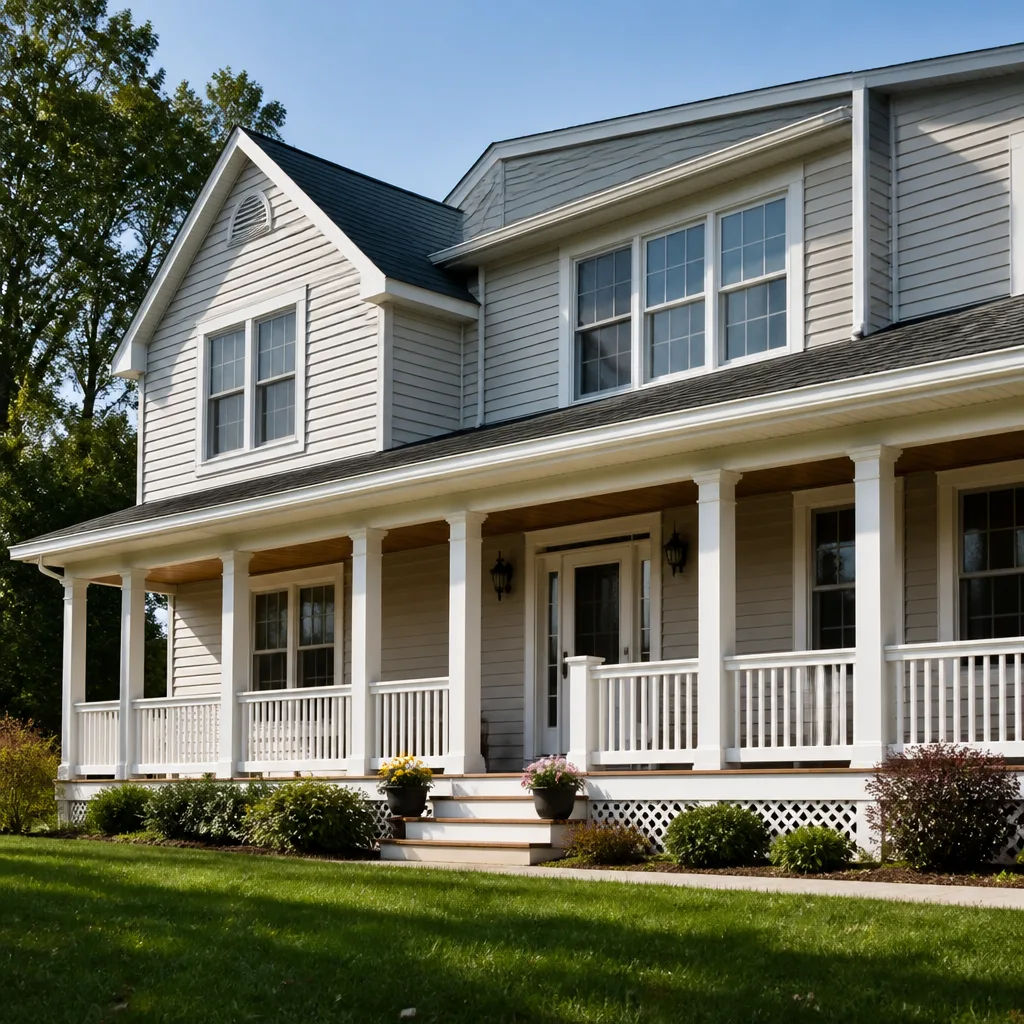
 Before
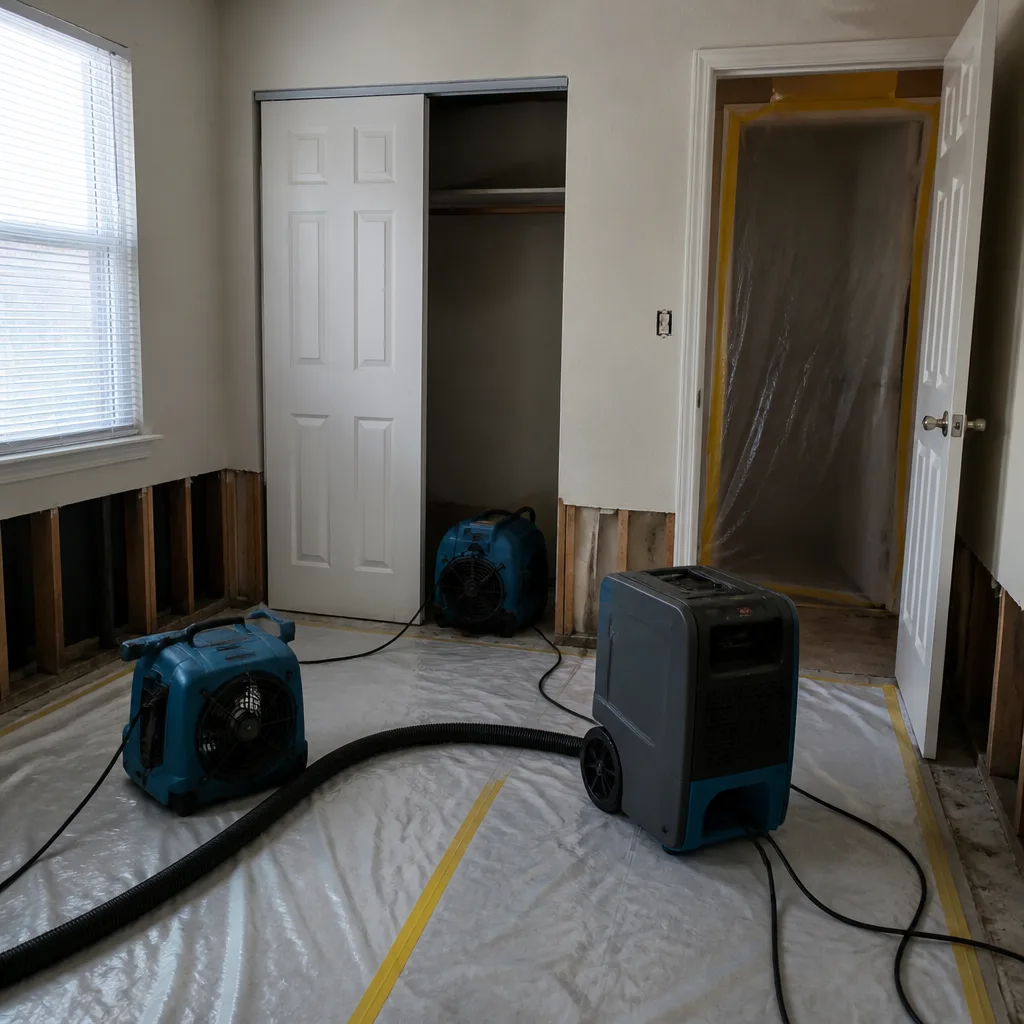 After
After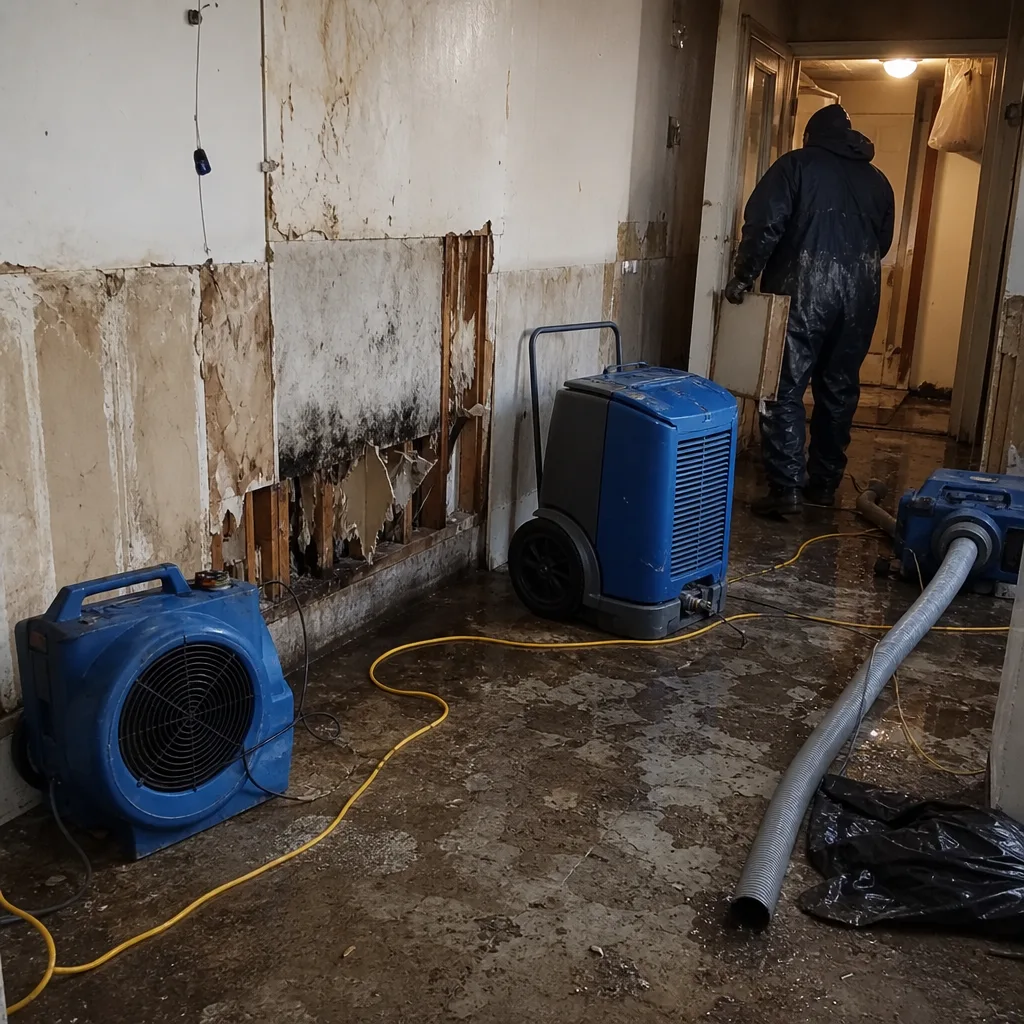 Before
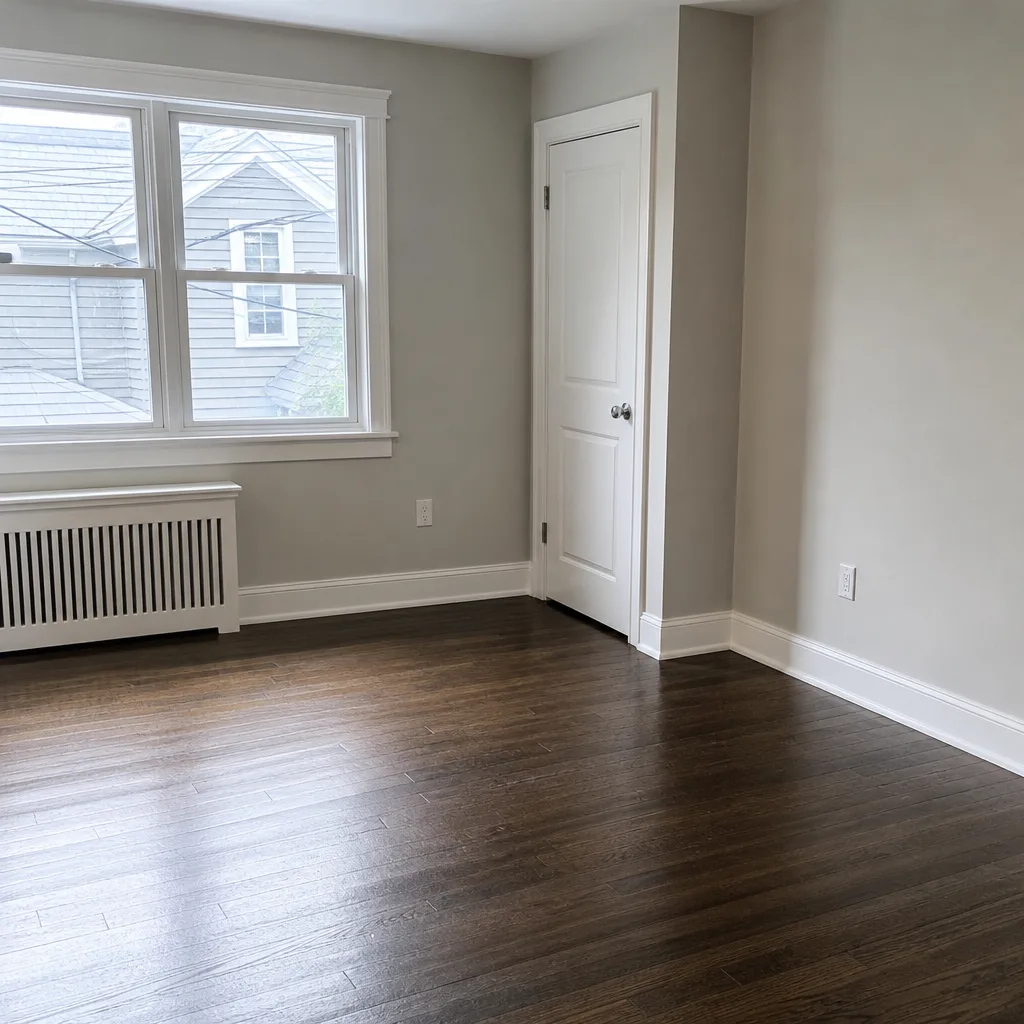 After
After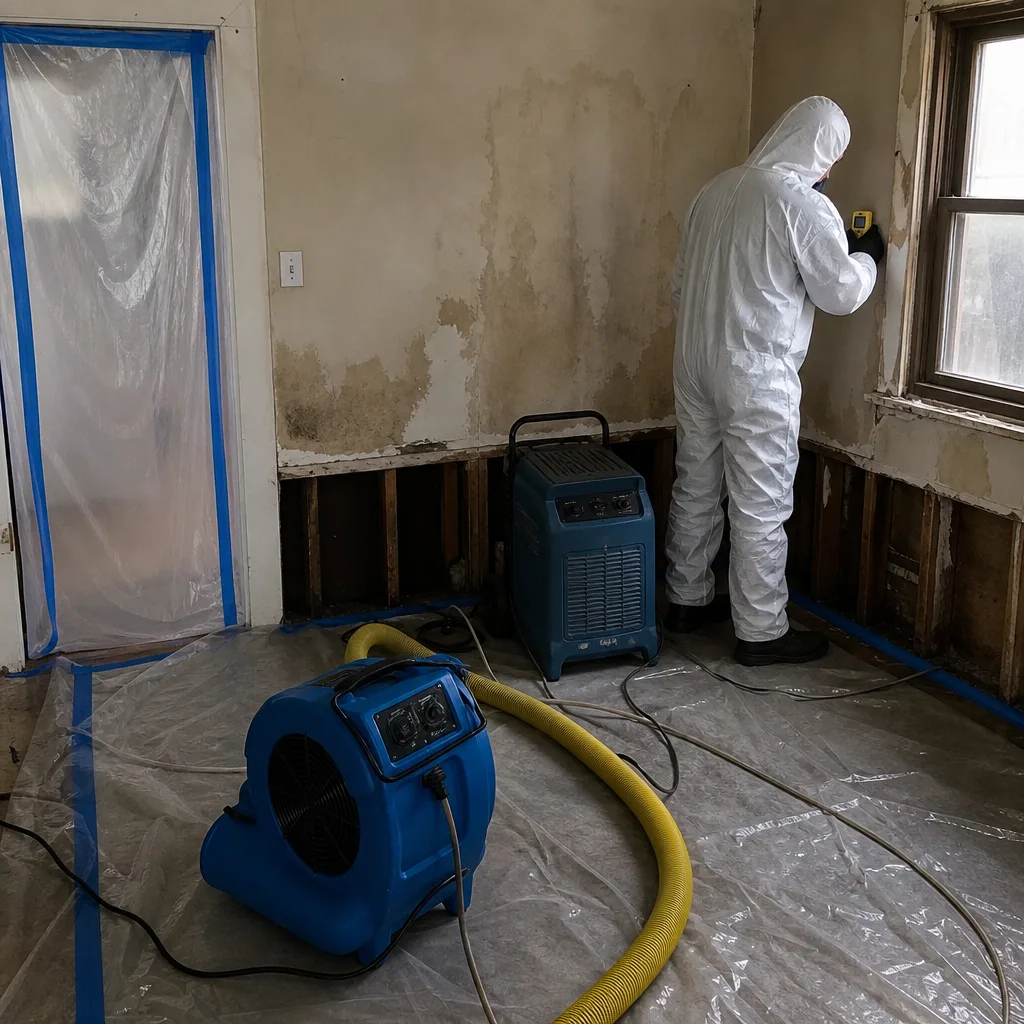 Before
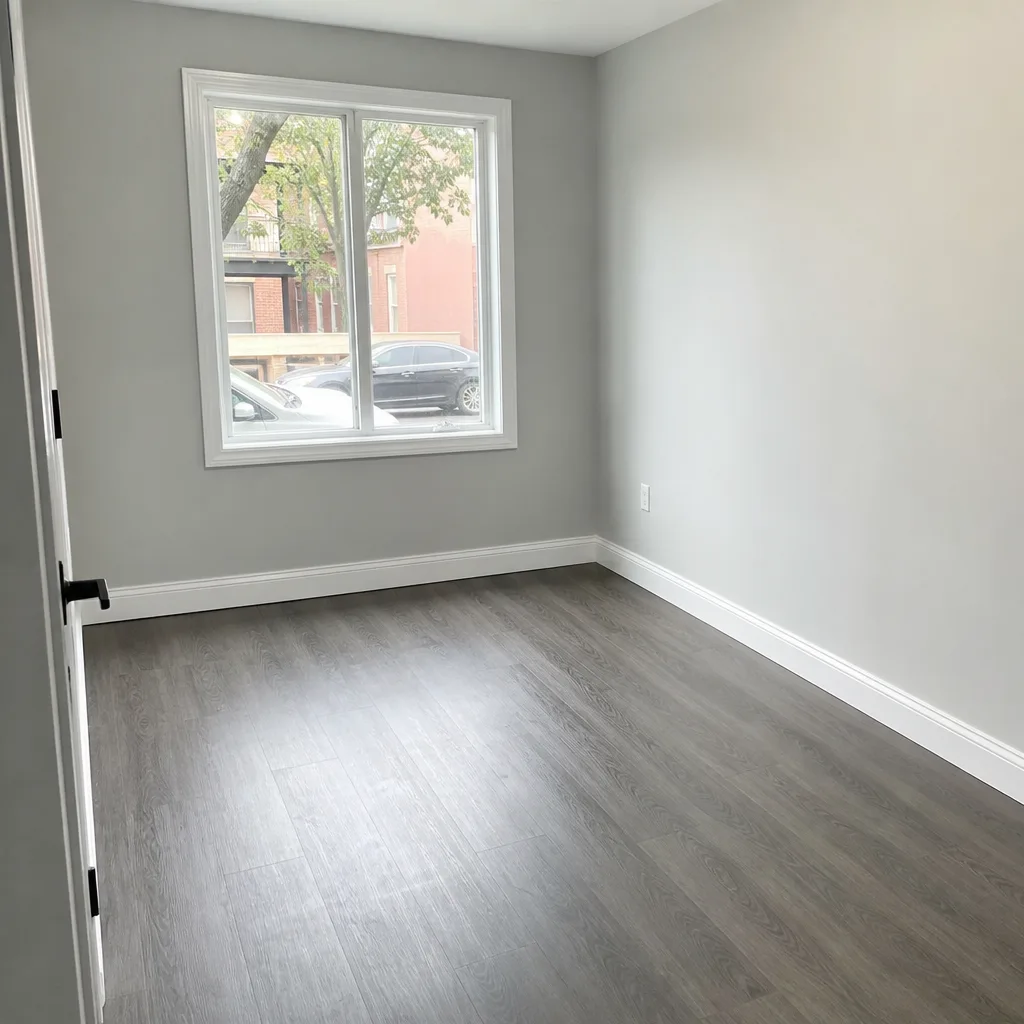 After
After24/7 Emergency Mold Remediation in Williamsburg
Mold remediation in Williamsburg typically runs $2,800-$7,500 for a contained bathroom or kitchen job and $8,000-$25,000+ when it involves open loft floor plates, structural timber drying, or post-flood basement work. Same-day containment is almost always possible, and we answer the phone at (363) 300-2771 at 3 a.m. the same way we do at noon. If you’ve got visible mold or that musty smell that won’t leave, call now. A free visual inspection tells you whether you’re looking at a $600 cleaning or a full containment job before anyone spends a dime.
Wade Ferris has been running restoration crews since 2007, and Williamsburg lofts are a whole different animal from anything else in the city. We’ll get into why below. If mold is spreading behind walls or under flooring, every day it sits means more demolition, more cost, and more risk to the timber that makes these buildings worth living in.
Understanding Mold Remediation Severity in Williamsburg Properties
Mold jobs break into three practical tiers, and Williamsburg’s building stock spans all of them. A surface mold issue (under 10 square feet, no water source) is a cleaning job: HEPA vacuum, antimicrobial wipe-down, air scrubber overnight. A contained mold issue (10-100 square feet, active moisture) needs full containment with negative air pressure, removal of affected drywall or plaster, and structural drying before rebuilding. A structural mold issue (100+ square feet, or mold in load-bearing timber) is the one where Williamsburg diverges hard from the rest of the city.
Here’s why. Williamsburg’s converted lofts are framed with old-growth Douglas fir and heart pine. Those timbers are dense, resinous, and hungry for water. When moisture gets into them, they don’t release it the way modern kiln-dried framing does. A leak that would dry in a steel-and-gypsum high-rise in 48 hours can take those beams seven to ten days under active drying. If a crew pulls equipment at day four because the surface feels dry, the core can still read above 20% moisture. Mold returns in weeks. We’ve seen it happen repeatedly in these buildings, and we’ve cleaned up behind crews who got it wrong.
Also at play: these lofts run on original cast iron and galvanized supply lines, much of it a century old. Slow weep leaks behind walls are common, and because the floor plates are open, a pinhole leak in one bathroom can wick into flooring across 3,000 square feet before anyone notices. That’s the scenario where mold remediation in Williamsburg becomes a multi-week structural drying project, not a three-day cleanup. Air quality restoration matters too: once spores are airborne in an undivided loft, they travel. Containment isn’t optional, even when the space feels impossibly big to seal.
Why Williamsburg Property Owners Choose Wade’s Restoration
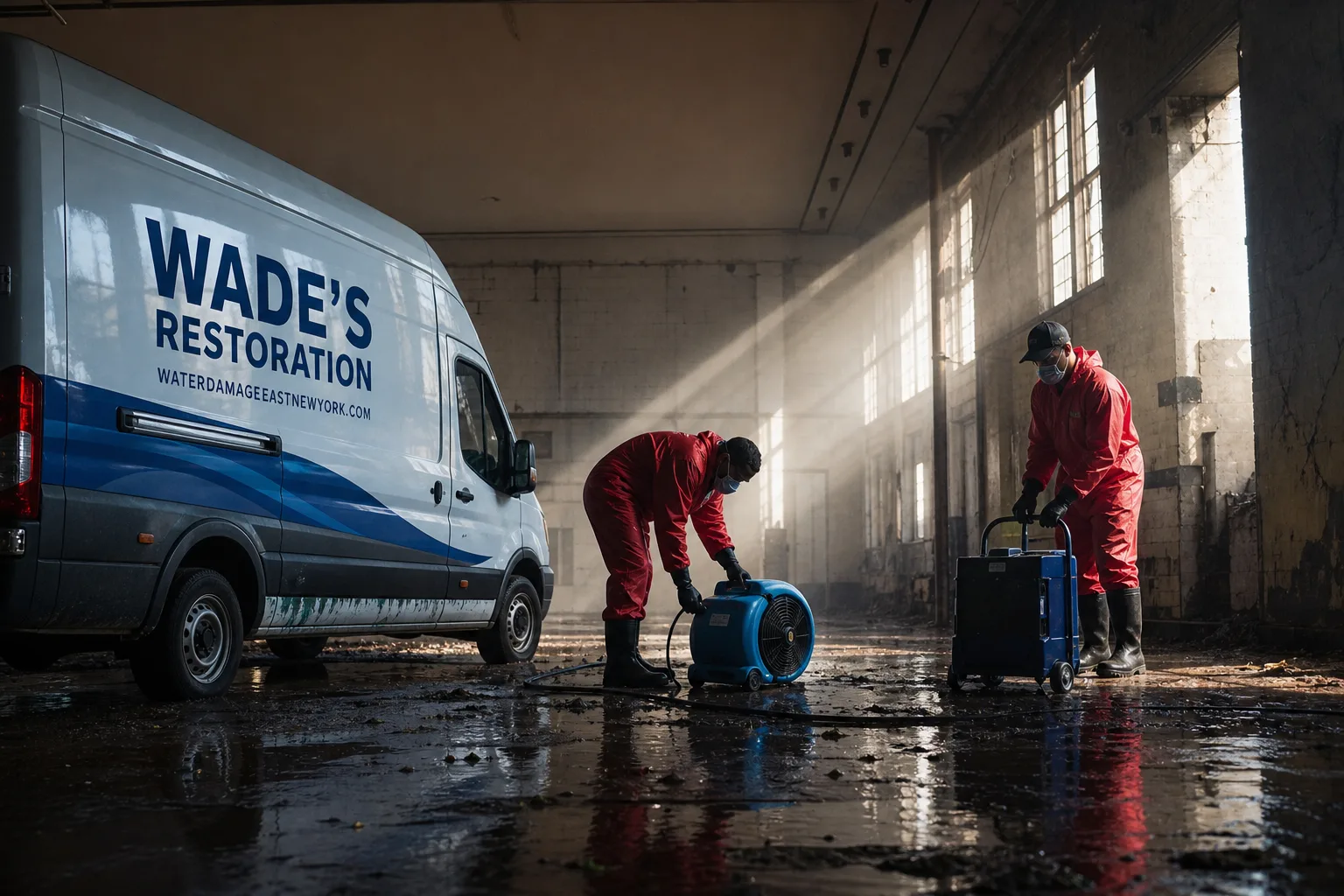
Wade’s Restoration is a local, owner-operated outfit, not a franchise call center. Here’s what that means for a Williamsburg mold job:
- Wade picks up the phone himself. No answering service, no ticket number. If you call at 2 a.m., you get a person who can make decisions, not a script.
- Same-day containment from a local crew. We keep equipment staged so a Williamsburg response is usually on site inside a couple hours, not the next business day.
- IICRC-certified remediation, AMRT and WRT standards applied. Mold work follows the ASTM and IICRC S520 playbook, and we document everything.
- Free visual inspection and a straight answer. Sometimes you need full remediation; sometimes you need a dehumidifier and a cleaning. We’ll tell you which, in writing.
- Direct insurance billing and adjuster coordination. Wade talks to your carrier so you’re not the one relaying moisture readings between two parties.
- One crew from containment to reconstruction. The same people who set up the containment rebuild the wall. No handoff to a different contractor halfway through.
Our Mold Remediation Process
Inspection & Assessment
We start with a visual walkthrough, a moisture meter reading on suspect walls and timber, and thermal imaging where water intrusion is hidden. In Williamsburg lofts, that means checking every exposed beam end, window header, and the underside of roof penetrations. The goal is to find the water source, not just the mold.
Containment & Air Control
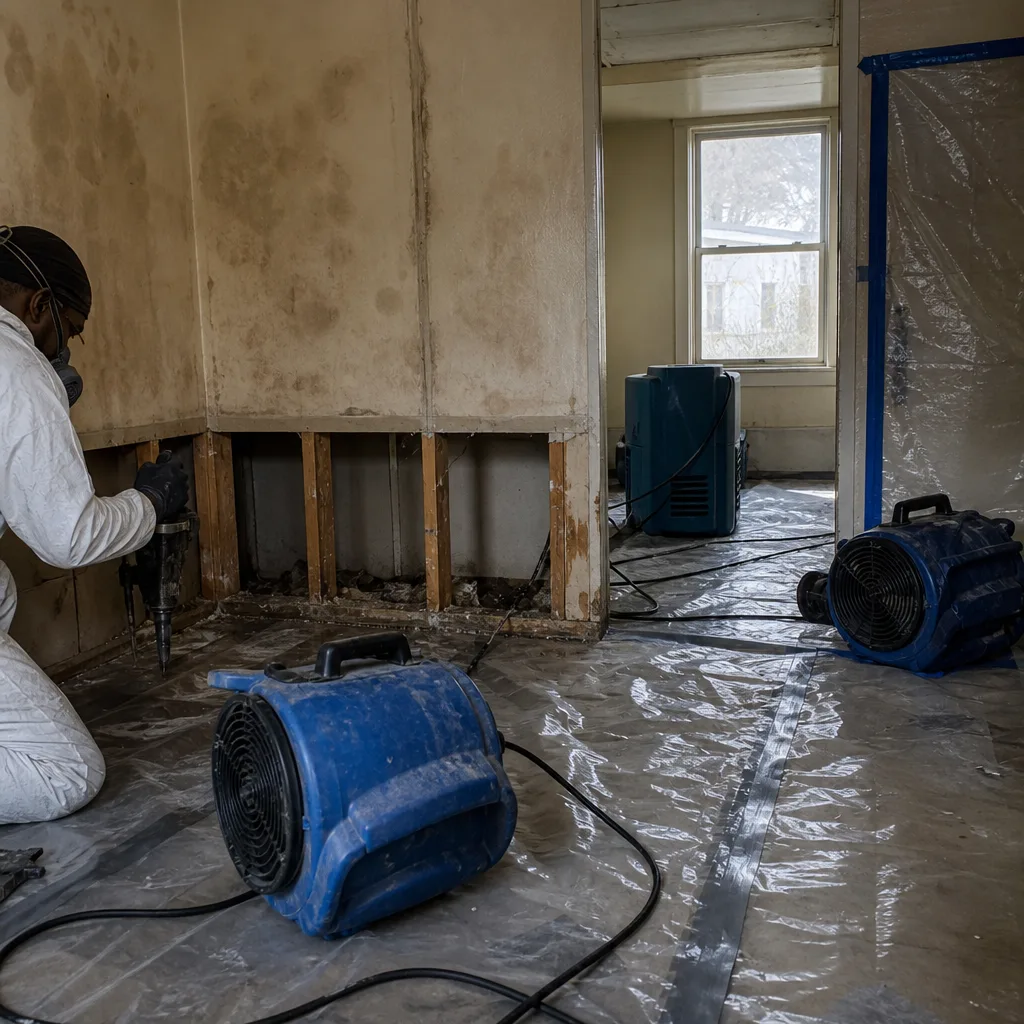
Before demolition starts, we seal the work area with 6-mil poly and run HEPA air scrubbers under negative pressure. In an open loft, this is non-negotiable. Spores travel, and unfiltered air will carry them into your neighbor’s unit or the hallway.
Extraction & Removal
Water-damaged drywall, plaster, insulation, and any non-salvageable flooring comes out. In a loft, this step moves fast but carefully. We’re not ripping out wet boards with abandon; we’re preserving exposed timber where it can be saved.
Structural Drying
Here’s where Williamsburg beats many local mold companies. We run Injectidry systems and Dri-Eaz dehumidifiers on heavy timber for as long as the moisture readings demand. That means daily moisture logs on every beam, not a quick surface check. Heart pine at 12% or below is the target, not the start line.
Cleaning, Sanitization & Clearance
After drying, we HEPA-vacuum, wire-brush, and apply antimicrobial treatment to exposed timber and remaining framing. Then we run an air scrubber and take clearance air samples before containment comes down.
Repairs & Reconstruction
If demolition opened walls or removed flooring, we rebuild. In Williamsburg, that often means matching 5-panel pre-war doors, matching plaster profiles, and sourcing wood that blends with original heart pine. We know the difference between a patch and a proper repair in a 1920s tenement.
Need Emergency Mold Remediation in Williamsburg Now?
Crews minutes away, answering live 24 hours a day. The sooner we start, the less it costs.
Working With Your Insurance Company
Mold claims are tricky, and Williamsburg policies are no exception. What we’ve found over years of working with carriers in this neighborhood is that documentation is everything. If you can show a specific water event (a burst pipe, a roof leak, a documented storm), your mold remediation often falls under the water damage portion of the policy. If the mold came from long-term humidity or a slow leak nobody caught, it’s more likely an out-of-pocket situation. But don’t guess. Call us first, and we’ll document what we see.
The adjuster is going to ask questions. Where did the water come from? When did it start? What’s the moisture reading today? Wade handles those calls directly, with the moisture log and photo documentation in front of him. That’s how you avoid the classic scenario where a homeowner gets one story from their contractor and another from their insurance company, and nothing lines up.
What We Provide Your Insurer
- Thorough documentation of the loss
- Photos of all damage, room by room
- Moisture readings and drying logs
- A detailed, line-item scope of work
- Direct coordination with your carrier
Built for Williamsburg’s Loss Calendar
Williamsburg’s mold season doesn’t follow the calendar. It follows the water. January brings deep freezes that burst aging cast iron and galvanized supply lines in 5-6 story pre-war tenements along Driggs Avenue and Bedford Avenue, and the water runs down floor after floor before anyone notices. March and April thaw saturated ground and fill basements in the older blocks, especially near the East River side of the neighborhood. Summer thunderstorms overwhelm flat tar-and-gravel rooftops, which ponder water and fail at the membrane. And when a nor’easter pushes the river into the streets, the FEMA Flood Zone AE properties along the waterfront get wet ground-up, not top-down.
Each of those events creates the same follow-on risk: moisture that sits long enough for mold to establish. In a brick tenement, that’s usually drywall and subfloor. In a converted loft, it’s timber. In a post-2005 glass tower, it’s insulation and mechanical chases. The building tells you what you’re dealing with, and we’ve spent 17 years learning those tells in Williamsburg.
Mold Remediation Across Williamsburg’s Neighborhoods
Williamsburg isn’t one building type, and a mold job on the Northside doesn’t look like one on the Southside. Along Kent Avenue and the East River waterfront, you’re dealing with converted industrial buildings: former sugar refineries, pharmaceutical plants, and warehouses repurposed into residential lofts with enormous open floor plates. These jobs demand the longest drying cycles and the most containment. Off the waterfront, around Graham Avenue and the flats east of the BQE, the housing stock shifts to pre-war brick tenements and rowhouses. There, mold usually starts in bathrooms without proper ventilation, around failed window flashing, or in basements that seep after heavy rain.
In the blocks around McCarren Park, the early 1900s rowhouses have their own signature: shared party walls with hidden floor cavities. Water in one unit’s wall can keep the neighbor’s wall damp too. And the newer glass towers along the waterfront, built after 2005, are tighter buildings with controlled ventilation, but when a mechanical failure or a window leak does occur, the moisture gets trapped inside wall assemblies that were never designed to dry out naturally. Each part of Williamsburg has its own failure mode.
Specialized Mold Remediation Services We Offer in Williamsburg
Mold Inspection & Testing
If you smell something in your Williamsburg loft and can’t see it, we find it. Moisture meters on timber, thermal imaging on walls, and air sampling where appropriate. A real inspection tells you the species, the extent, and the water source. No scare tactics, no inflated square footage. If it’s surface Mildew on a bathroom ceiling, we’ll tell you that too.
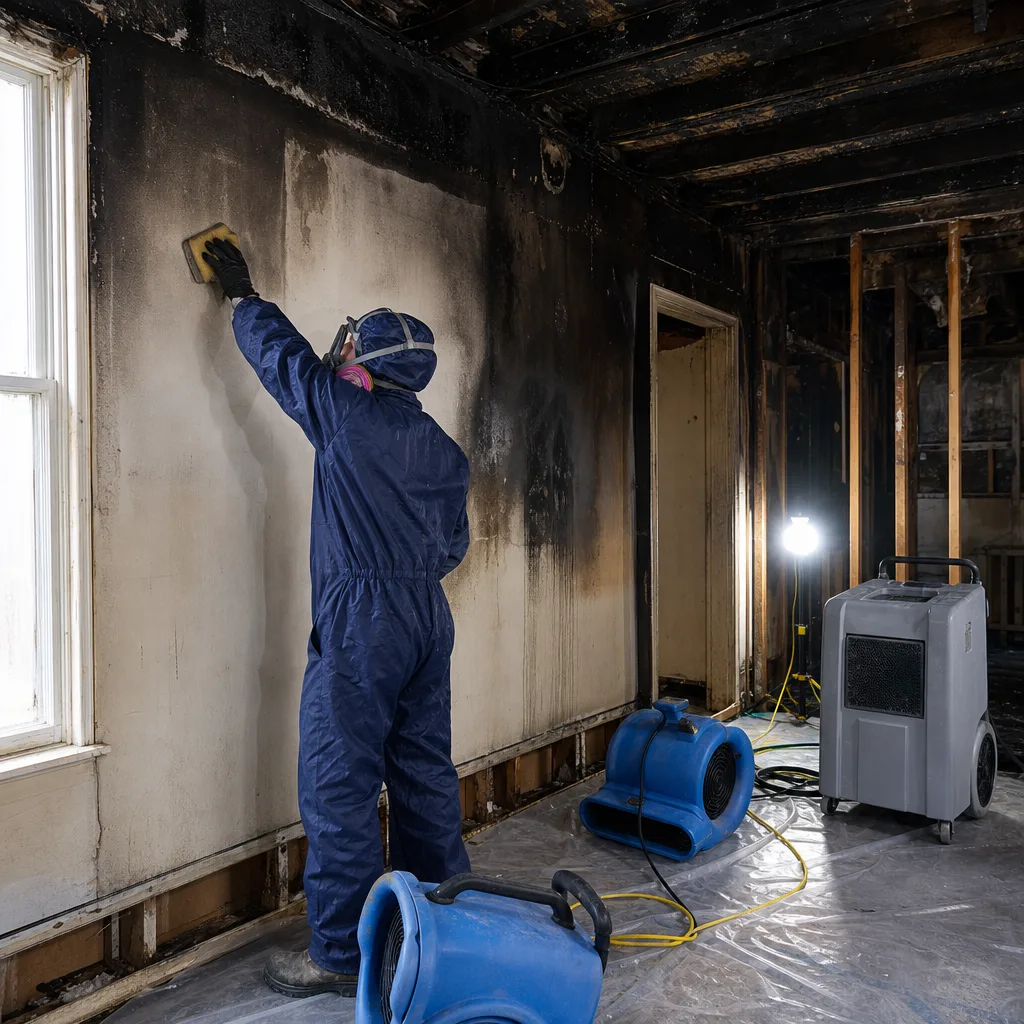
Mold Removal
Removal in Williamsburg means something different than removal in a suburban sheetrock house. We’re often working around exposed timber we want to keep, not just tearing out drywall. That’s slower, more careful work, which is why you want a crew that understands the material, not one that treats every job like demolition with a HEPA filter.
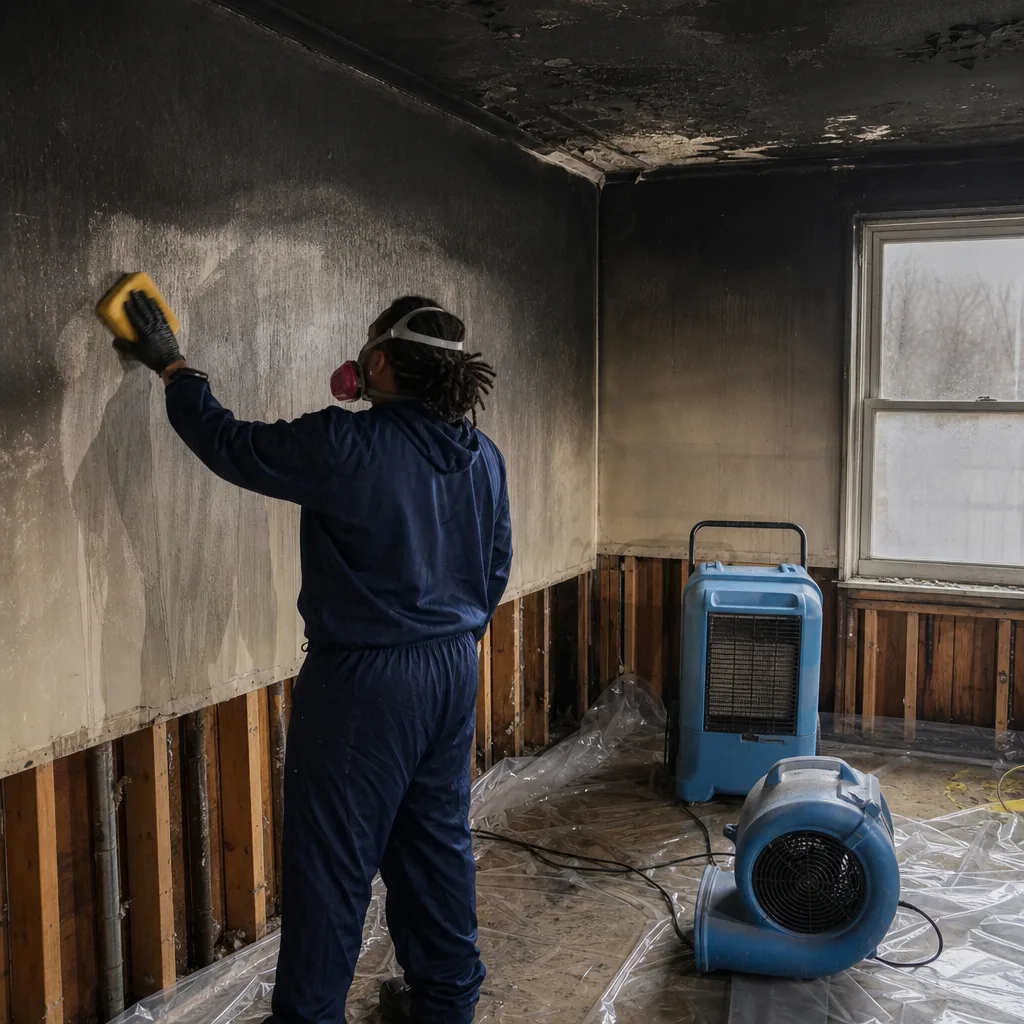
Black Mold Remediation
Stachybotrys chartarum, the so-called black mold, shows up in Williamsburg most often after long-term hidden water: a slow pipe leak behind a loft wall, a flood that was “dried” without proper equipment, a basement wall that stays damp. We treat it as a full containment job every time, regardless of the square footage. Spores from these colonies are the ones you least want airborne in an undivided space.
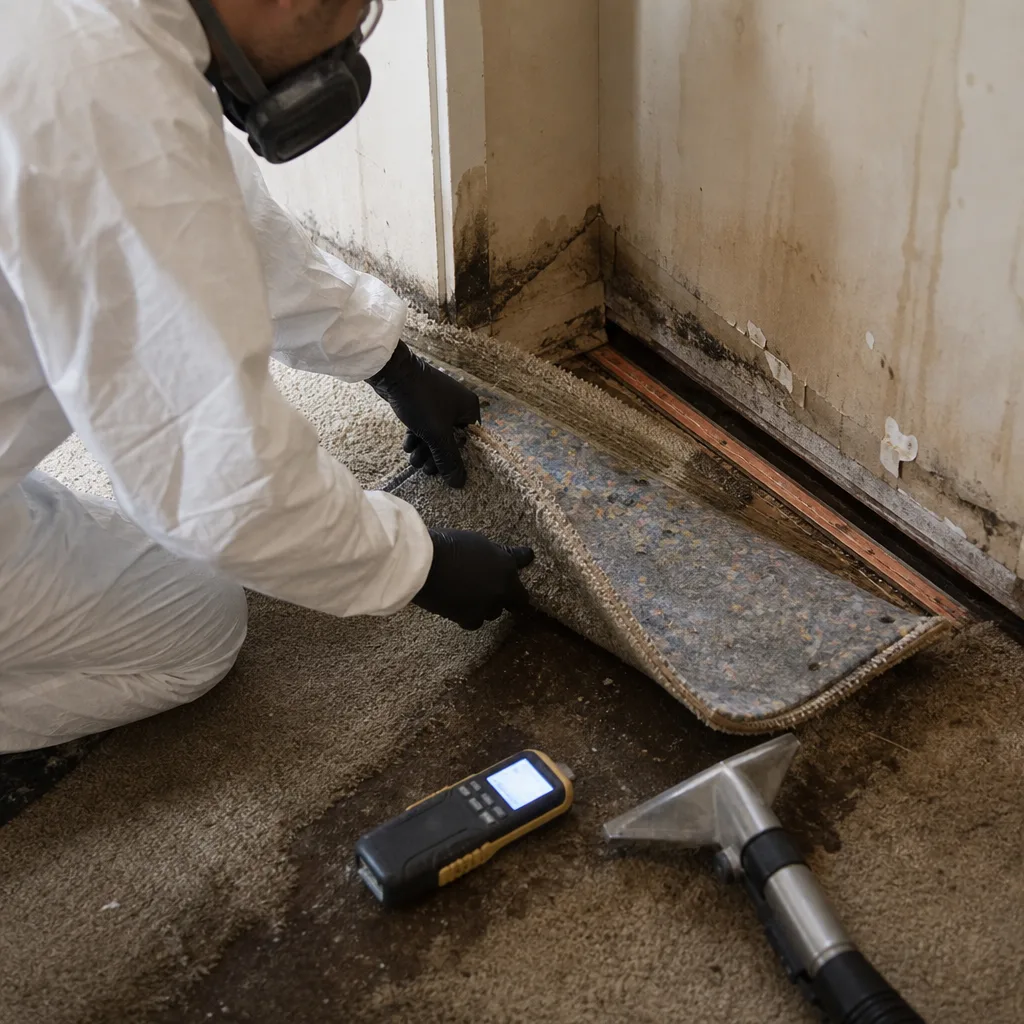
Air Quality Restoration
After remediation, the air in a Williamsburg loft matters. Between the old building dust, the construction history, and the spores released during demo, you want HEPA filtration running for days, not hours. We run Phoenix and B-Air air scrubbers through the full drying cycle and beyond, and we can test clearance air before we pull containment.
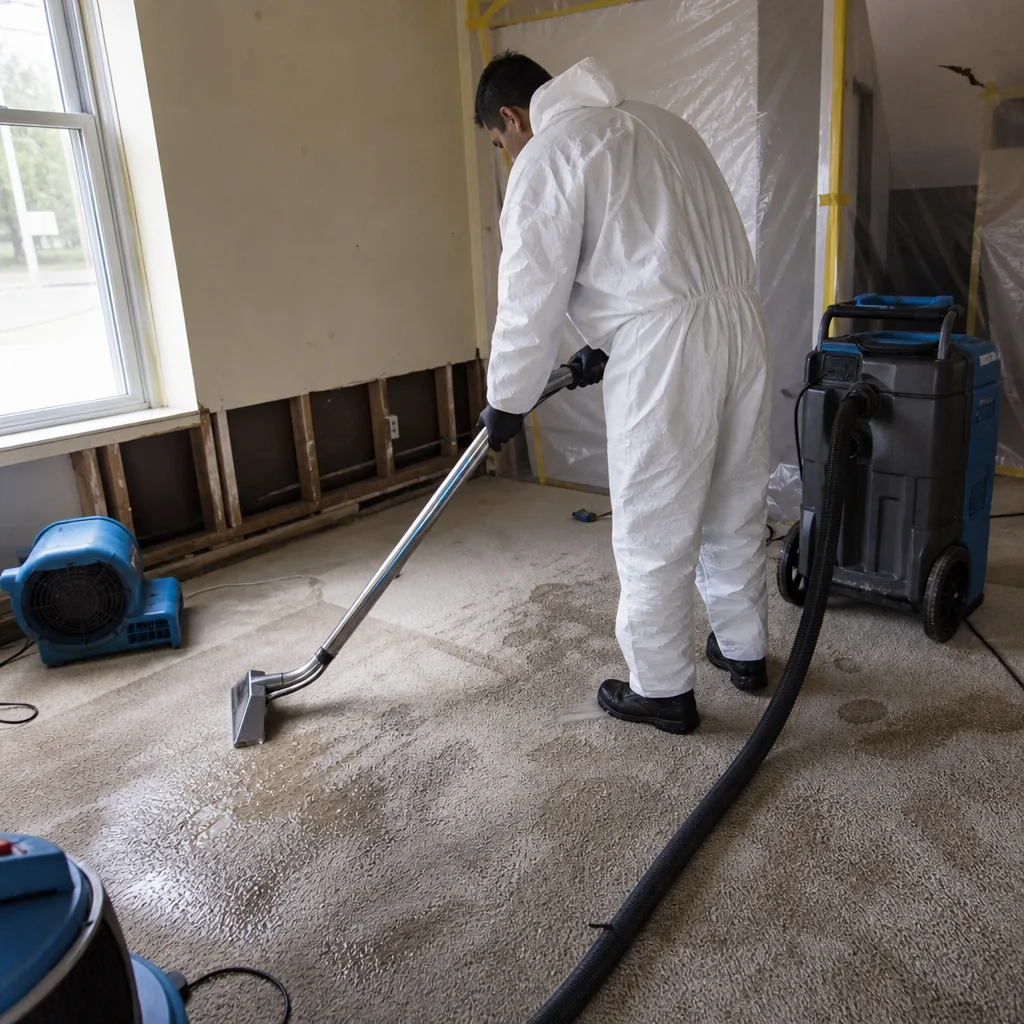
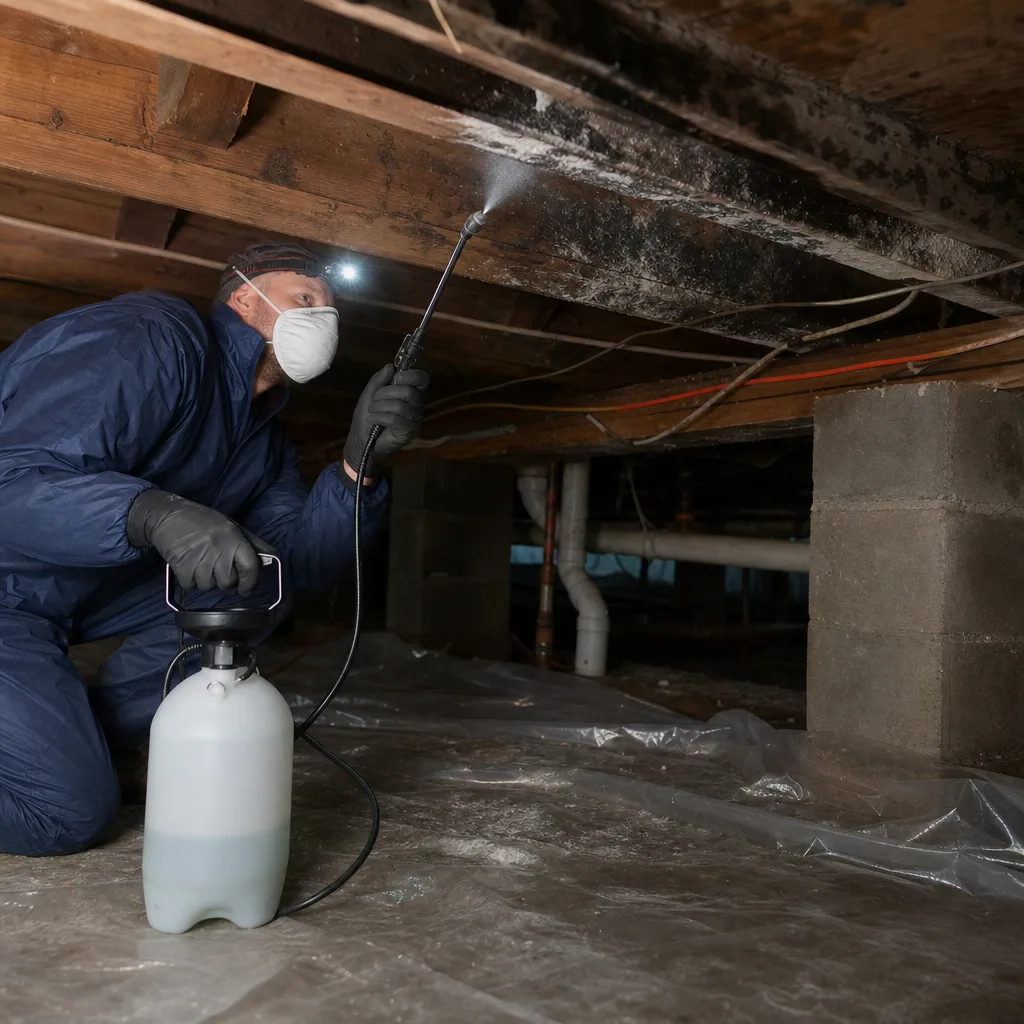
Crawl Space Treatment
Many Williamsburg rowhouses have shallow, damp crawl spaces under the first floor. These are mold factories if left alone. We treat them with moisture barriers, dehumidification, and antimicrobial application. If your first floor smells musty every summer, the answer is probably under it.
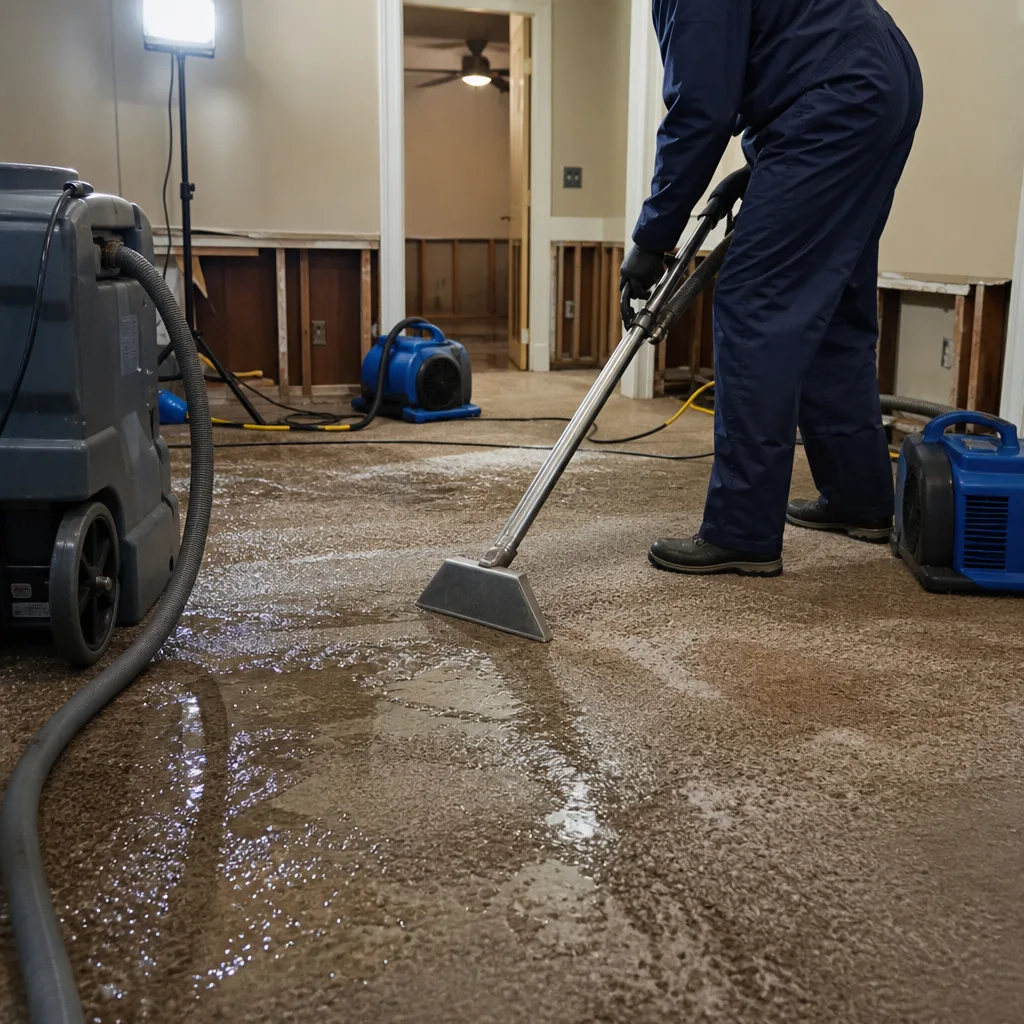
Moisture & Humidity Control
In a neighborhood where 160-year-old timber sits directly above basement-level moisture, controlling humidity isn’t a nice-to-have. It’s the difference between one remediation and a repeat customer. We size dehumidifiers and set up monitoring so your loft stays under 50% relative humidity year-round. That’s the number that keeps mold spores from thriving.
What happens when you call
- 1
A real person answersNo phone trees - you reach a local pro.
- 2
You get an upfront price rangeHonest numbers before anyone is dispatched.
- 3
A background-checked tech heads outLicensed & insured, dispatched right away.
- 4
You approve before work beginsNothing starts until you say go.
Mold Remediation Costs in Williamsburg, NY
Here’s what you’re looking at, Williamsburg numbers. A contained bathroom mold job in a pre-war tenement runs $2,800-$5,500. A kitchen with significant drywall removal and drying runs $4,000-$8,000. A basement flood with Category 3 water and subsequent mold remediation runs $6,000-$15,000. And a converted loft with structural timber drying, full containment across a large floor plate, and reconstruction of original finishes: $15,000-$40,000, sometimes more if the original boards are unsalvageable.
What moves the price: square footage of affected area, whether it’s drywall or heavy timber, how long water sat before you called, accessibility (fifth-floor walkups are different from ground-floor lofts), and how much reconstruction is needed to make the space look like it did before. Insurance covers a significant share when there’s a documented water event. If you’re not sure where your job falls, call (363) 300-2771. The visual inspection is free, and you’ll get a written scope before any work starts.
We Also Serve Cities Near Williamsburg
Wade’s Restoration handles mold remediation in Williamsburg and the surrounding neighborhoods, including Mold Remediation in Williamsburg and nearby East New York, Jamaica, Canarsie, and Glendale. If you’re in one of those areas and have a mold issue, same crew, same standard. If you need a broader look at our services, see Mold Remediation.
Serving Williamsburg, NY - Our Local Coverage Area
We’re based in the Williamsburg area and know this community well. Use the map below to see our service coverage - if you’re nearby, we can almost certainly help.
Williamsburg Mold Remediation Questions, Answered
Why does mold remediation take longer in Williamsburg converted lofts than in a standard NYC apartment building?
Old-growth Douglas fir and heart pine timbers hold water far longer than modern kiln-dried framing, so a leak that dries in two to three days in a standard apartment can require seven to ten days of active drying in a converted loft. Pulling equipment early leaves hidden moisture, and mold returns within weeks.
How should a restoration crew handle water damage in a Williamsburg loft with an open floor plate when mold is already present?
Full containment is mandatory, even across thousands of square feet. Without negative air pressure and HEPA air scrubbers, demolition releases spores that travel through the entire undivided plate and into neighboring units. The crew should also take daily moisture readings on every exposed timber, not just the visible wet area.
Can you remediate mold in a Williamsburg waterfront loft without removing the original exposed timber beams?
Yes, in most cases. If the timber can be dried to below 12% moisture and tested clear, we wire-brush, HEPA-vacuum, and treat it in place. Tearing out original heart pine is a last resort, and a good crew will preserve the boards whenever structural integrity allows.
What’s the biggest mistake restorers make with Williamsburg loft mold jobs?
They treat the loft like a standard NYC apartment. They pull equipment after three to four days because surface readings look dry, but the heavy timber core still holds moisture above 20%. The mold comes back, the owner pays twice, and the timber may now be permanently compromised.
After Hurricane Sandy, many Williamsburg waterfront basements were remediated but some still smell moldy. Why?
Sandy’s storm surge saturated the masonry and soil behind basement walls. If the original remediation never addressed the wall assembly itself or failed to dry the sub-slab and foundation before rebuilding, moisture remained trapped and mold re-established. Proper remediation requires drying the structure, not just removing visible drywall.
How fast can you actually get to a Williamsburg mold job?
Same day, usually within a couple hours. Wade coordinates directly with you, and we keep equipment staged in the city. For a mold emergency where water is actively dripping, the sooner containment goes up, the smaller the job stays. Call (363) 300-2771 and you’ll talk to a person who can get a crew moving.
Will my insurance cover mold remediation in Williamsburg?
If the mold stems from a sudden water event like a burst pipe or a storm-related leak, it’s often covered under the water damage portion of your policy. If it’s from long-term humidity or a slow undetected leak, insurance may not pay. We document everything and talk directly to your adjuster to make your best case.
Can I stay in my Williamsburg apartment during mold remediation?
For a small contained bathroom job, often yes. For a loft with open floor plate containment and structural drying, it’s usually better to relocate for the active demolition and drying phase, especially if you have respiratory issues. Absent that, many owners stay. We’ll give you an honest assessment after the inspection.
Written by Wade Ferris, Owner at Wade’s Restoration, serving Williamsburg and the surrounding boroughs since 2007.