
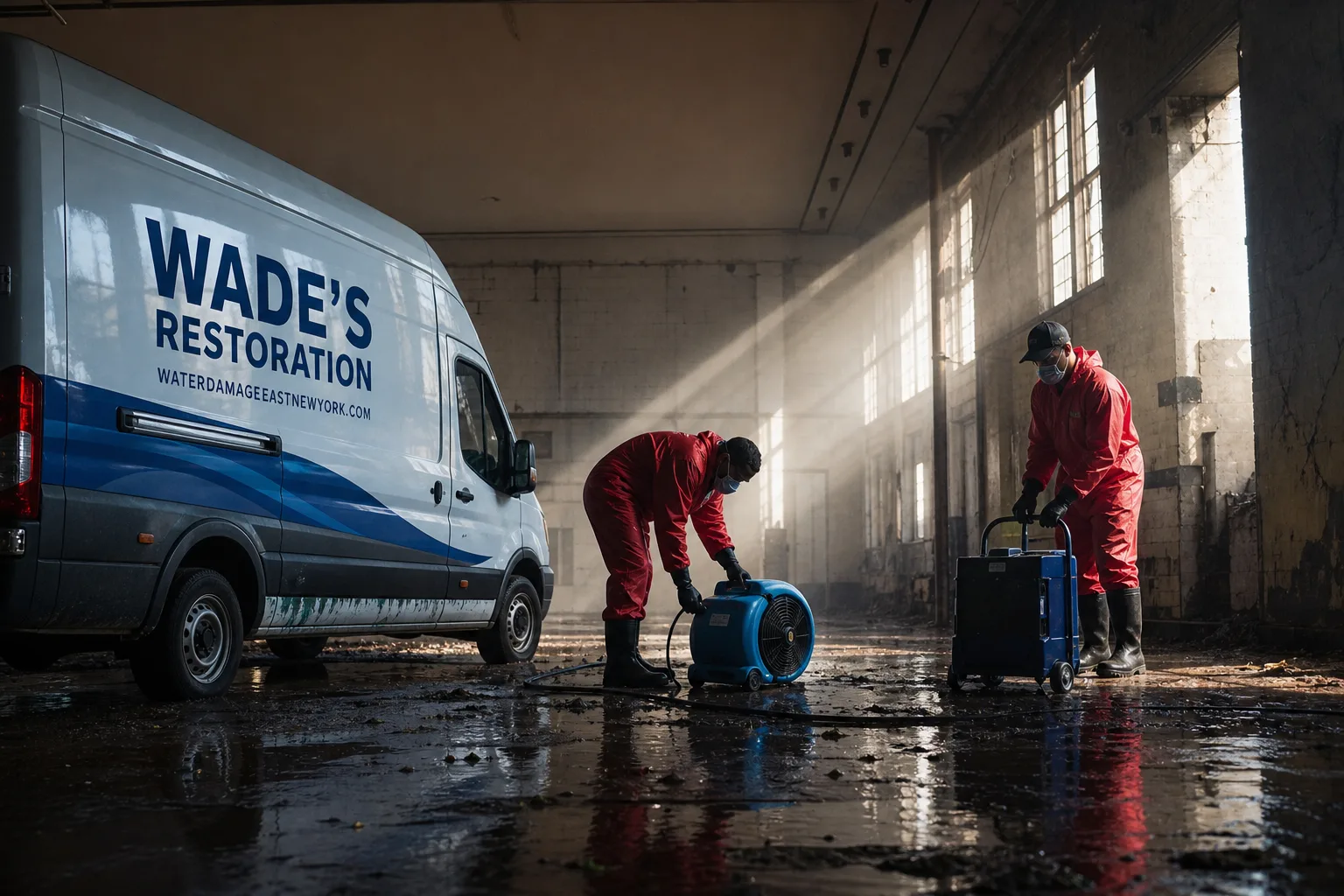
Free visual inspection and a written scope of work before any mitigation begins - photos, moisture readings, and drying logs go in your claim file
The scope we write is the scope we bill. Anything new gets shown to you, in writing, before we touch it.

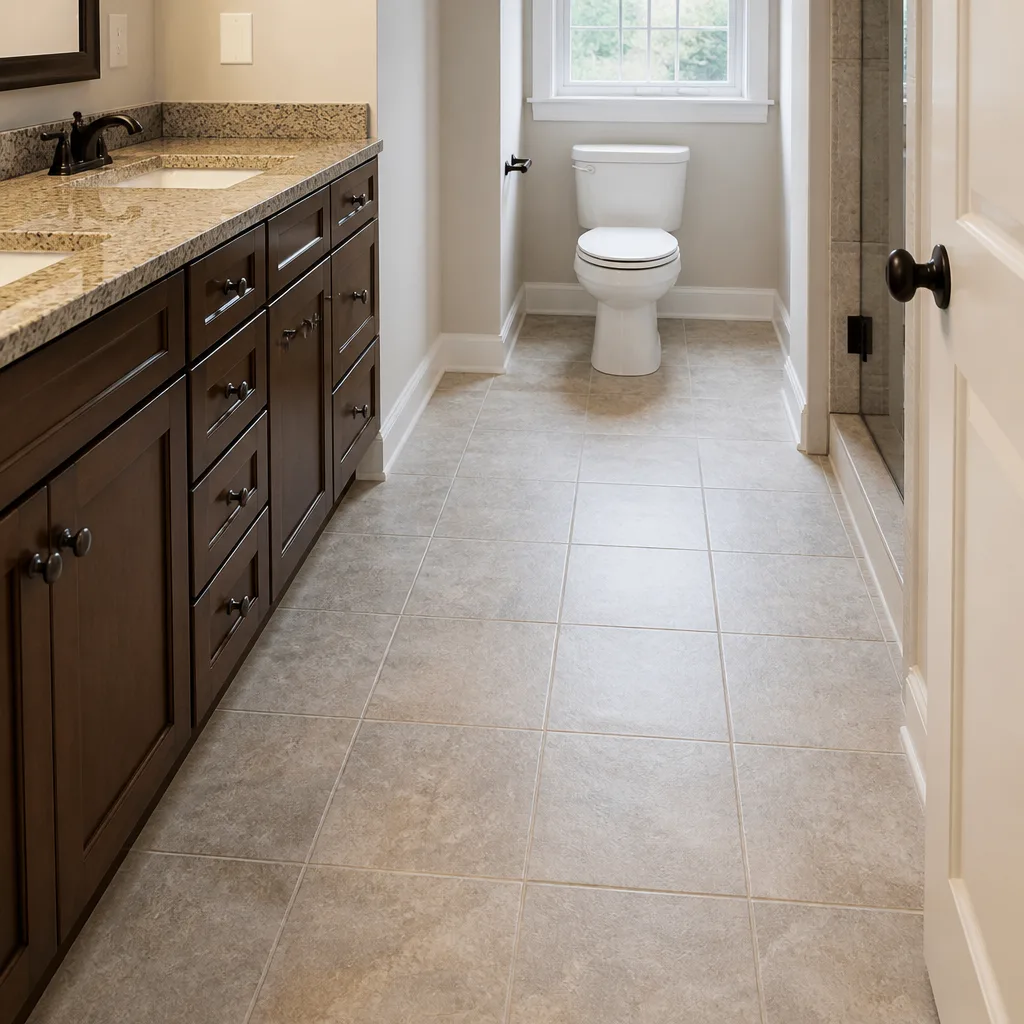
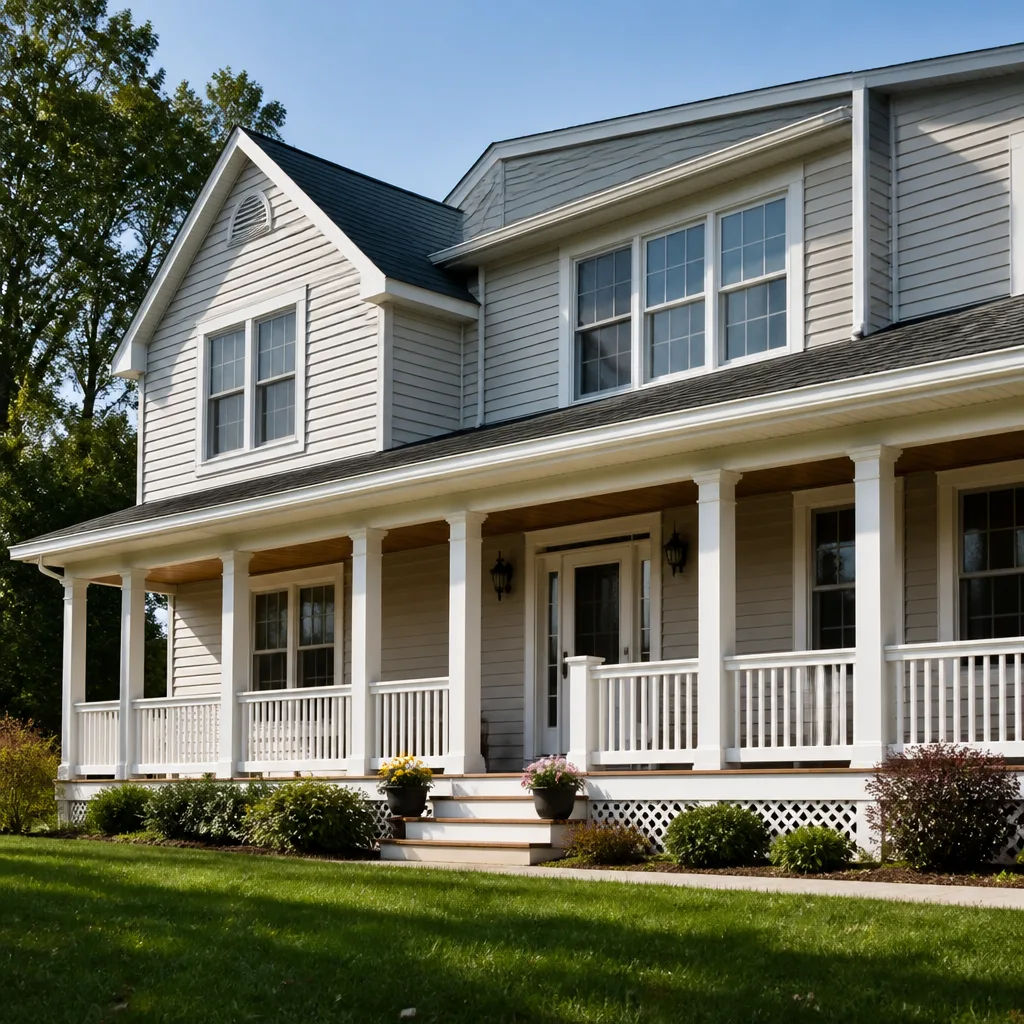
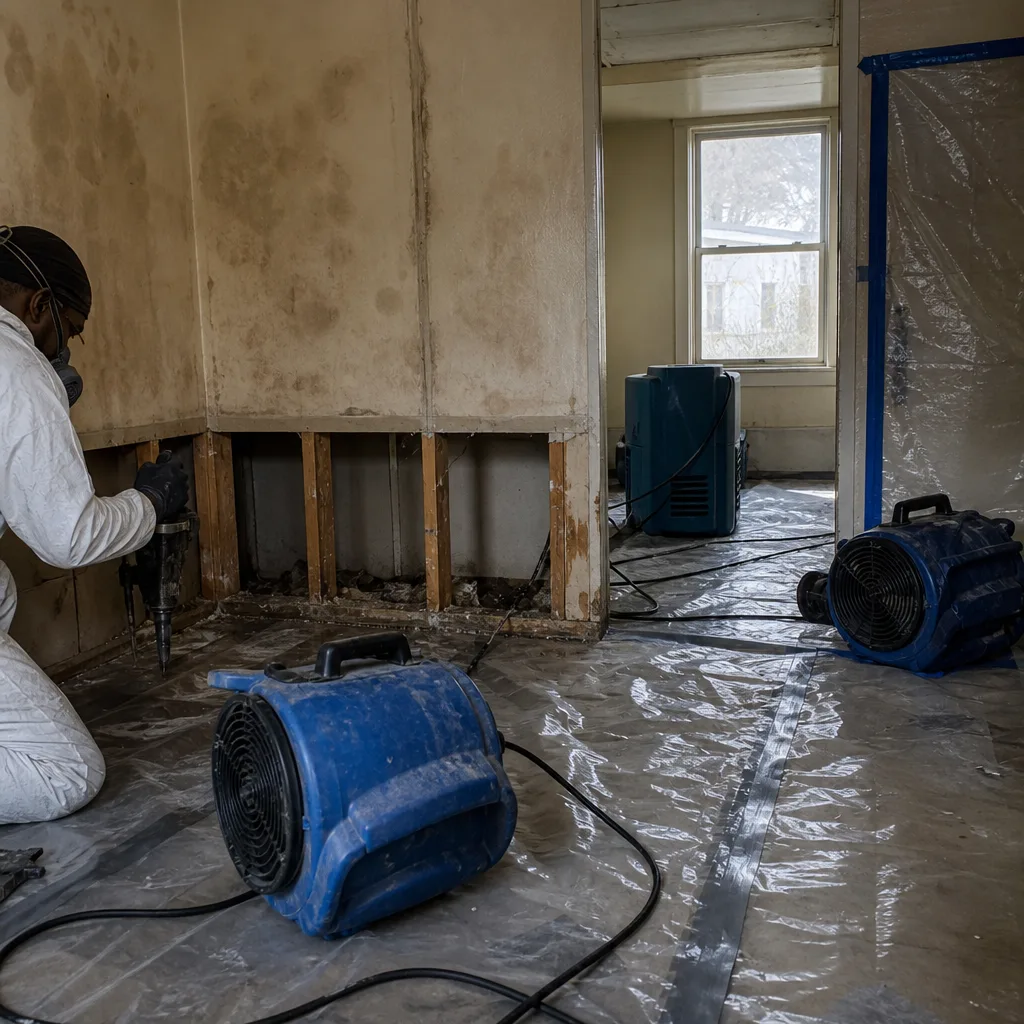 Before
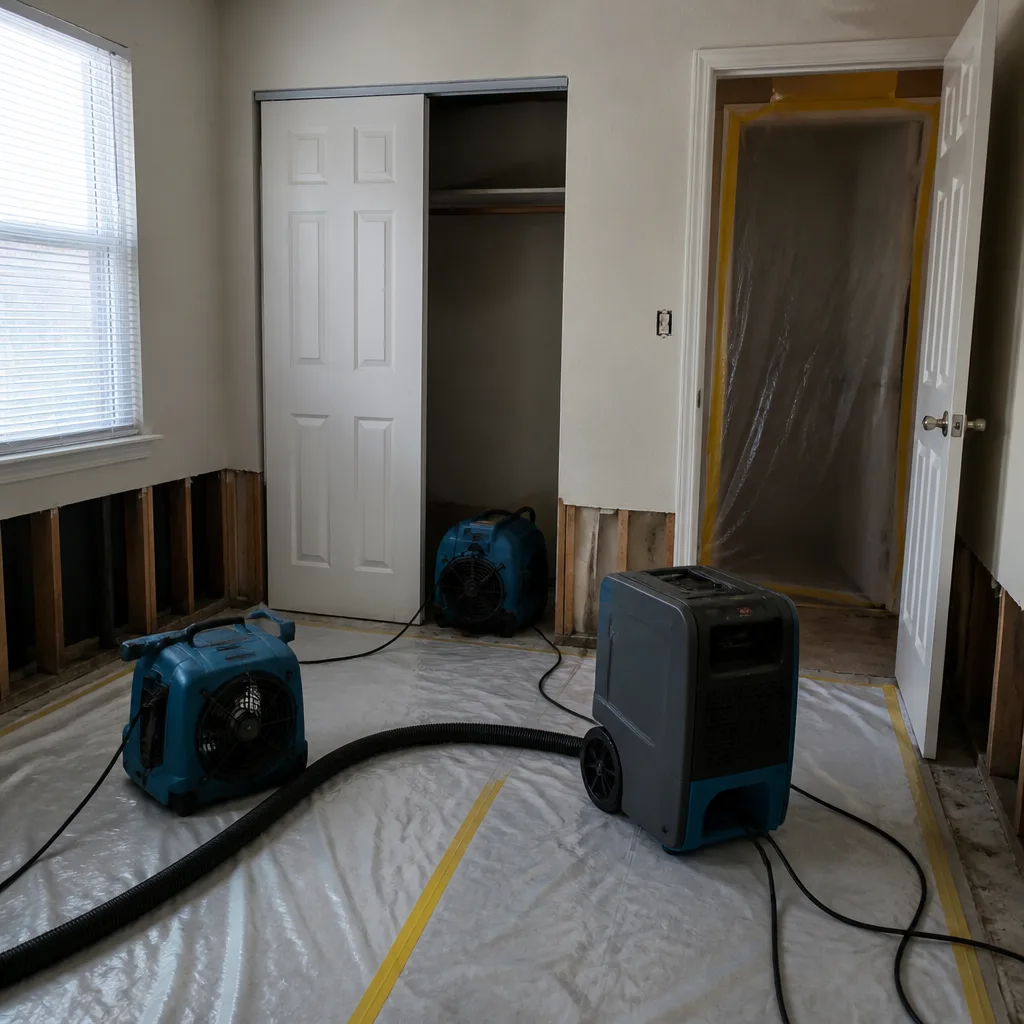 After
After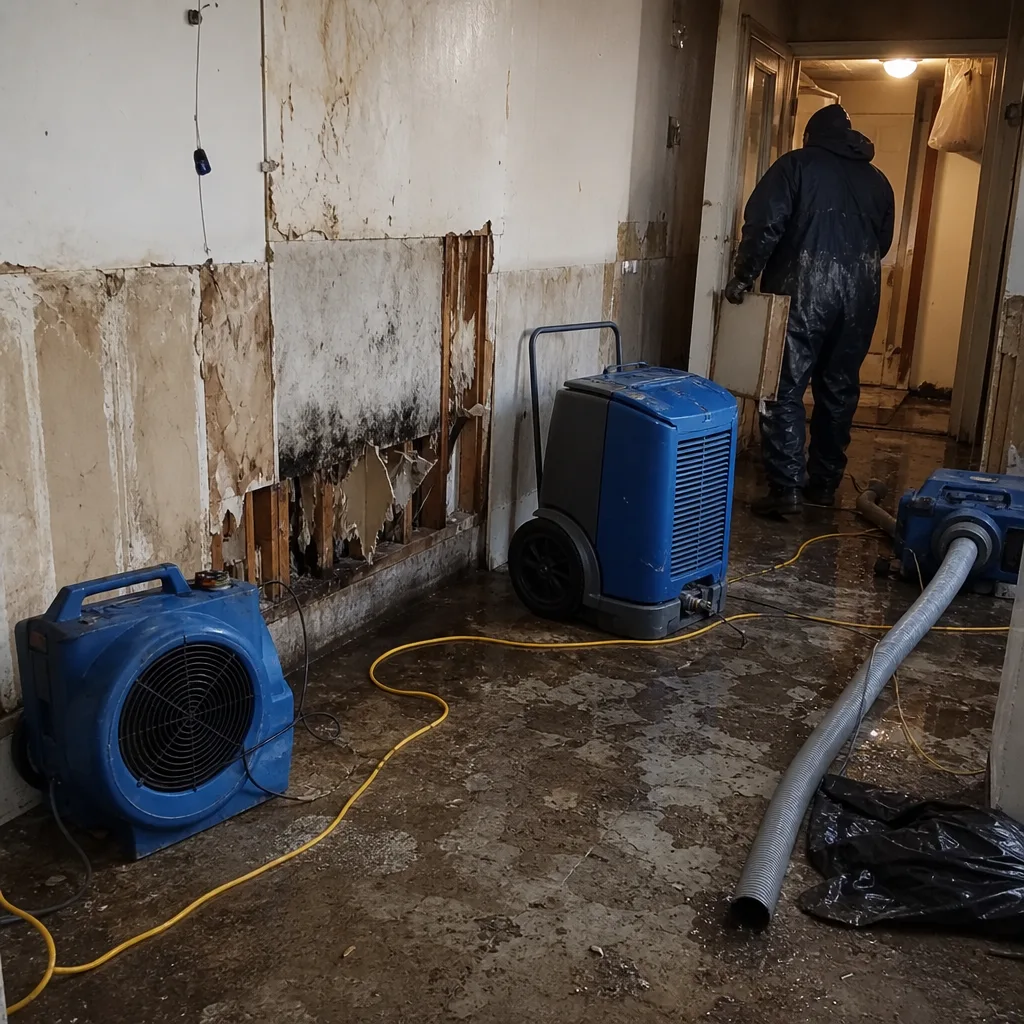 Before
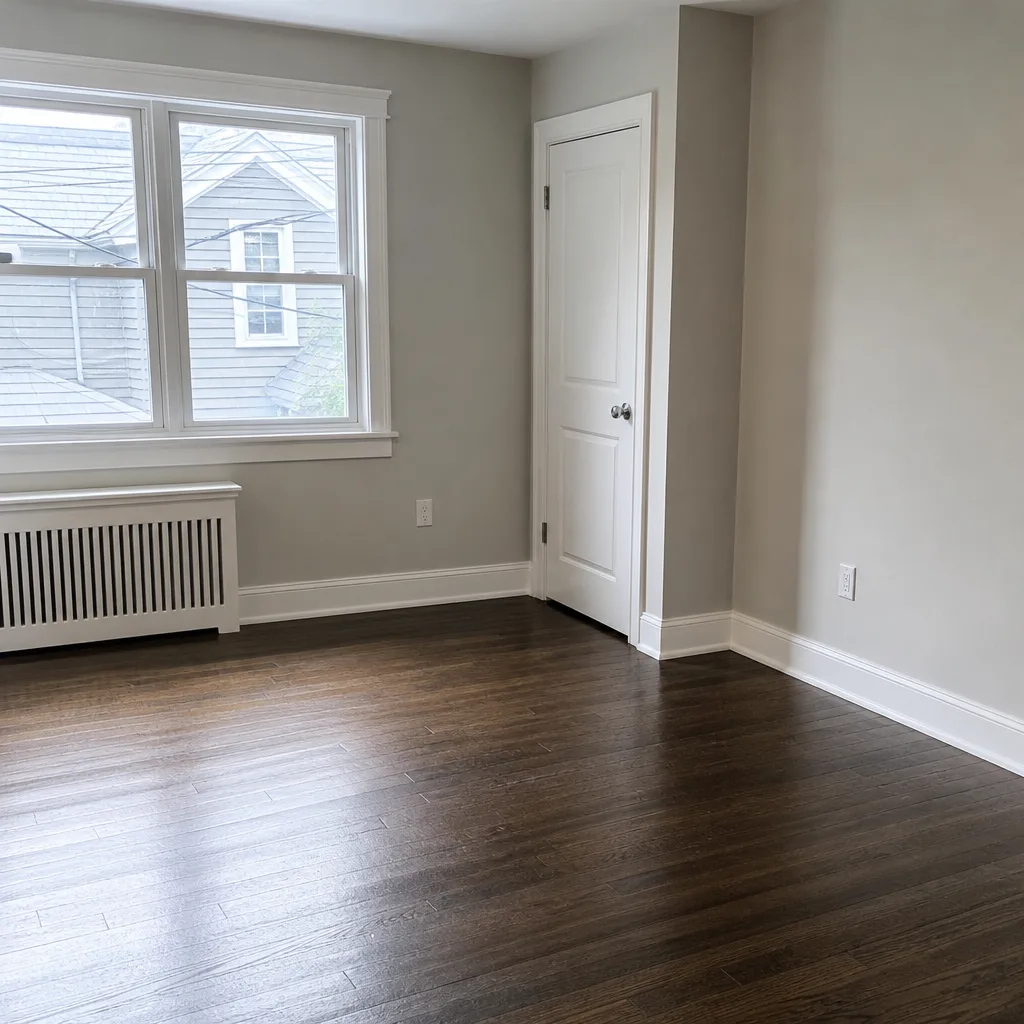 After
After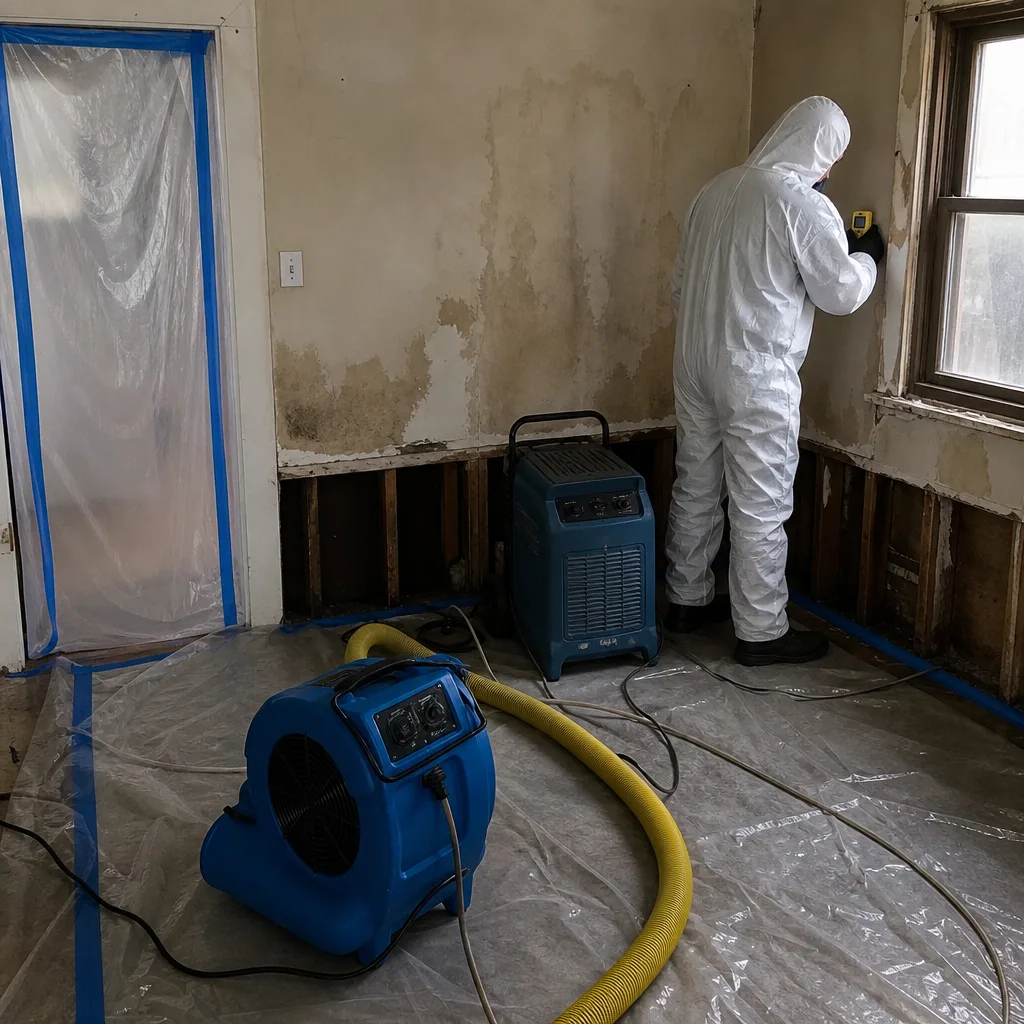 Before
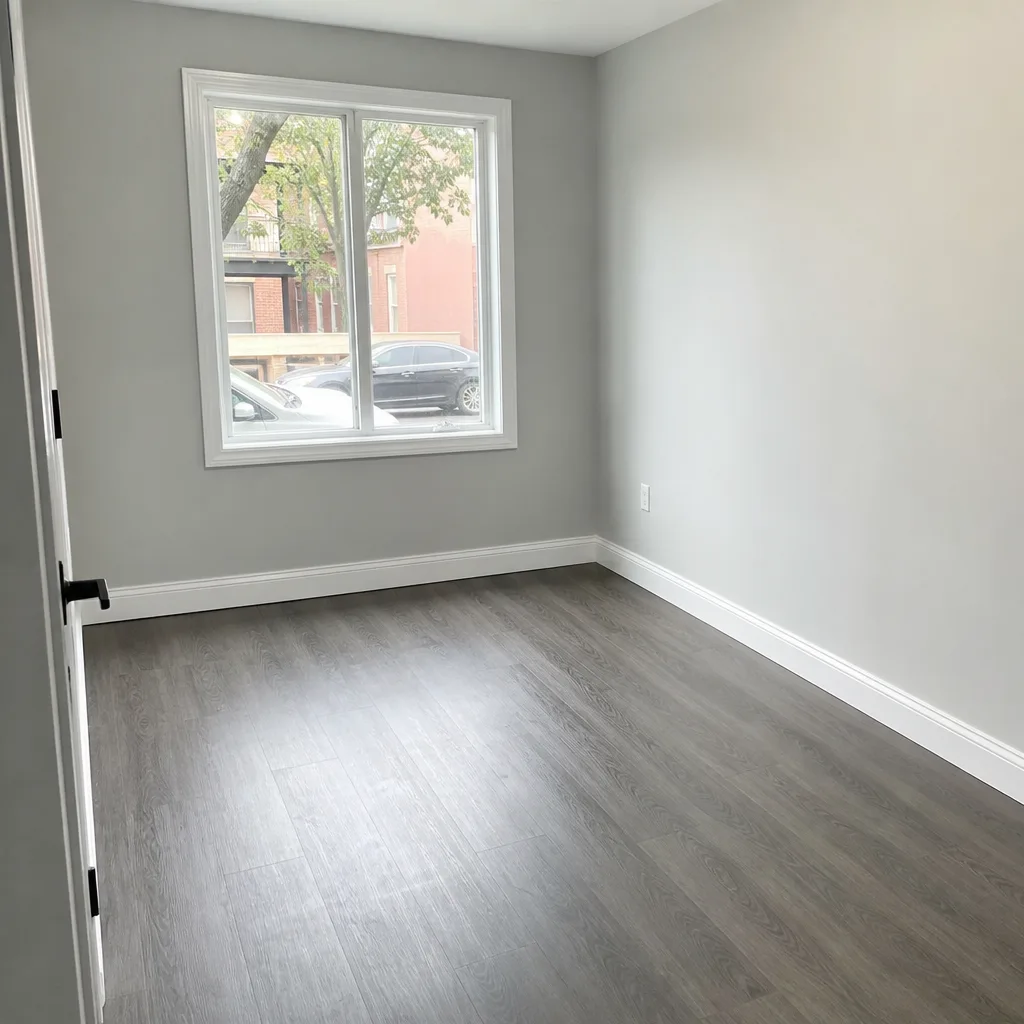 After
After24/7 Emergency Water Damage Restoration in Bushwick
Water damage in a Bushwick building moves fast, and the first hour usually decides whether you’re looking at a dry-out or a full gut. If you’ve got water coming through a ceiling off Knickerbocker Avenue or a burst supply line in a pre-war tenement on Wilson, call (363) 300-2771 right now. Wade Ferris answers his own phone, and his crew can have extraction running inside the hour, often less. The free visual inspection tells you exactly what you’re dealing with before anyone touches a wall. In Bushwick, where attached brick walk-ups share party walls and converted lofts hide water under concrete, waiting even an afternoon turns a Category 2 loss into something much worse.
We’re on call around the clock because water doesn’t keep business hours. A live person picks up. Not a voicemail, not an answering service. Wade himself, most nights.
Understanding Water Damage Restoration Severity in Bushwick Properties
Not all water is the same, and in Bushwick the building era often dictates the severity faster than the water source does. Category 1 water comes from a clean supply line: a burst pipe under a sink, a failed water heater. Category 2 carries contaminants, the kind you get from a washing machine overflow or a sump pump that backed up and sat. Category 3 is sewage, river water, or anything that’s been sitting long enough to grow bacteria. Moisture mapping tells us where water actually went, not just where you can see it. In a wood-joist tenement, water travels down through plaster and lath fast. In a converted brewery loft with a concrete subfloor, it spreads sideways across thousands of square feet before anyone notices a thing.
Structural drying in Bushwick means treating the building you actually have. An 1880s tenement with original cast-iron drains and horsehair plaster dries differently than a post-1977 rebuild with drywall and cheap supply lines. We don’t run the same playbook on both. And we don’t skip containment on party walls, because what starts in one unit ends up in the neighbor’s plaster if you let it sit.
Need Emergency Water Damage Restoration in Bushwick Now?
Crews minutes away, answering live 24 hours a day. The sooner we start, the less it costs.
Why Bushwick Property Owners Choose Wade’s Restoration
- A real person answers, day or night – Wade carries his cell. When your ceiling drops at 2 a.m. off Myrtle Avenue, you’re talking to the owner, not a queue.
- 45-minute response commitment – Once you call, a crew is headed toward Bushwick. We’re not sitting in a call center in another borough.
- IICRC-certified crews – WRT (Water Restoration Technician) and ASD (Applied Structural Drying) certifications mean the people in your apartment know how water actually behaves in brick, plaster, and concrete.
- Free visual inspection – No trip charge inside the county. Wade walks the loss with you and tells you what he’d do if it were his building.
- Direct insurance billing – We deal with your adjuster, not the other way around. You don’t play telephone between two parties.
- One team, extraction to reconstruction – The same crew that pulls the water out is the crew that puts your walls back. Nobody hands you off to a stranger mid-job.
Our Water Damage Restoration Process
Inspection & Assessment
Wade or a lead tech walks the entire loss, not just the wet spot. We use thermal imaging to find water behind walls and under flooring, then map moisture levels room by room. You get a written scope before any equipment comes off the truck.
Extraction/Stabilization
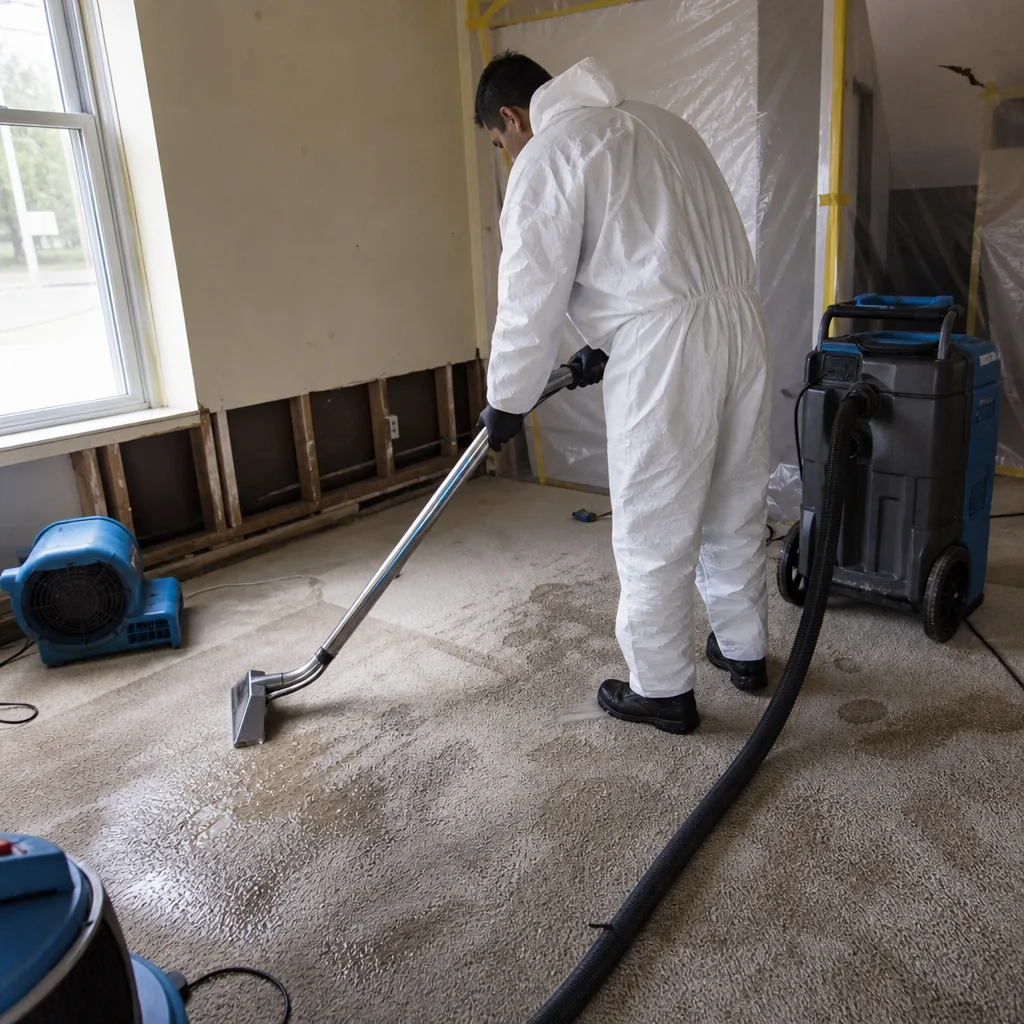
Standing water comes out with truck-mounted or portable extraction units, depending on access. In a Bushwick walk-up, that often means running hose lines up stairwells. We stabilize the source: shut the supply, cap the line, or throw containment if it’s sewage.
Drying & Dehumidification
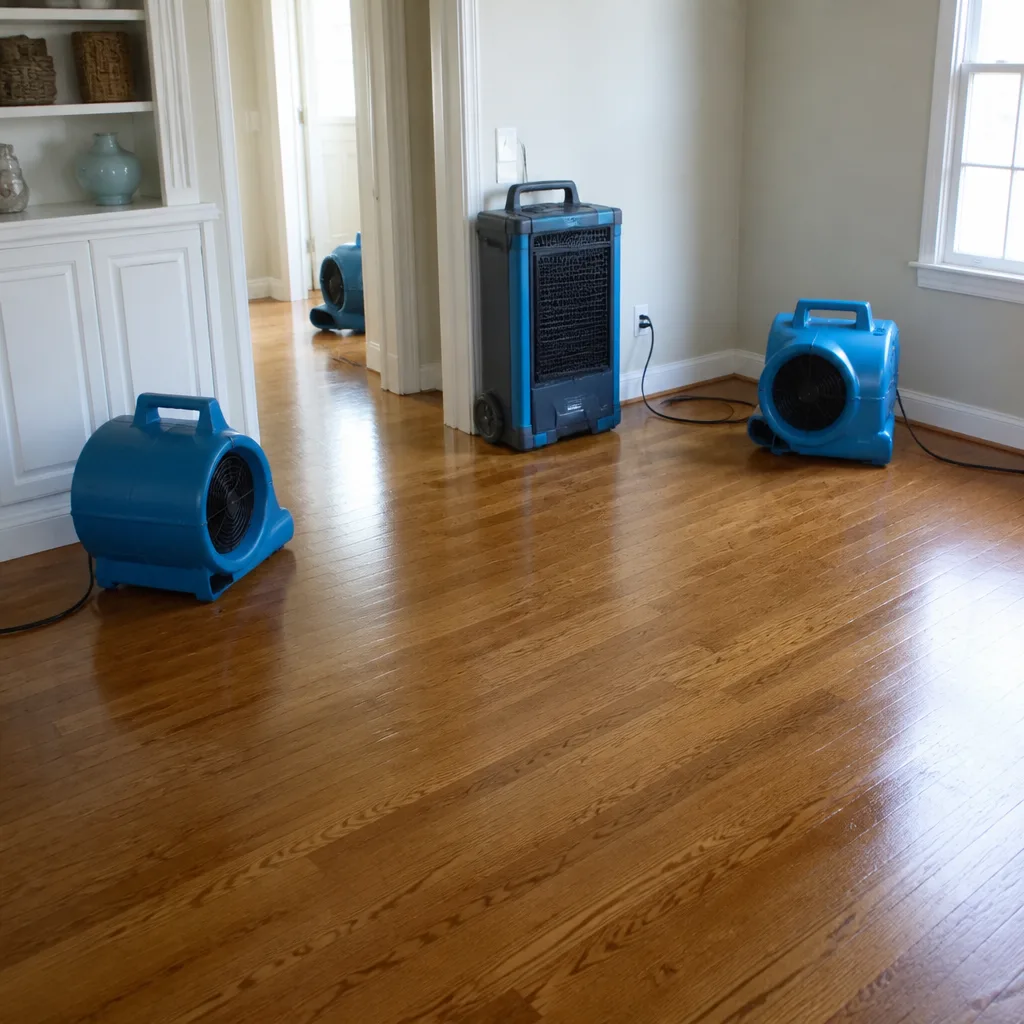
Dri-Eaz dehumidifiers and XPOWER air movers go in after the water’s out. We take moisture readings every single day, not just at the start and end. On a concrete-subfloor loft, this phase runs longer and we map it differently than a wood-joist tenement.
Cleaning & Sanitization
Category 2 and Category 3 losses get antimicrobial treatment and cleaning of all affected surfaces. HEPA air scrubbers run where airborne contamination is a concern. We don’t just dry it and walk.
Specialty Treatment for Ceiling & Roof Leak Damage
Bushwick’s flat roofs and converted industrial buildings push water through ceilings in predictable ways. We treat the sheathing, check for ice dam patterns in winter, and verify that the leak source is actually stopped before we dry the interior.
Repairs & Restoration
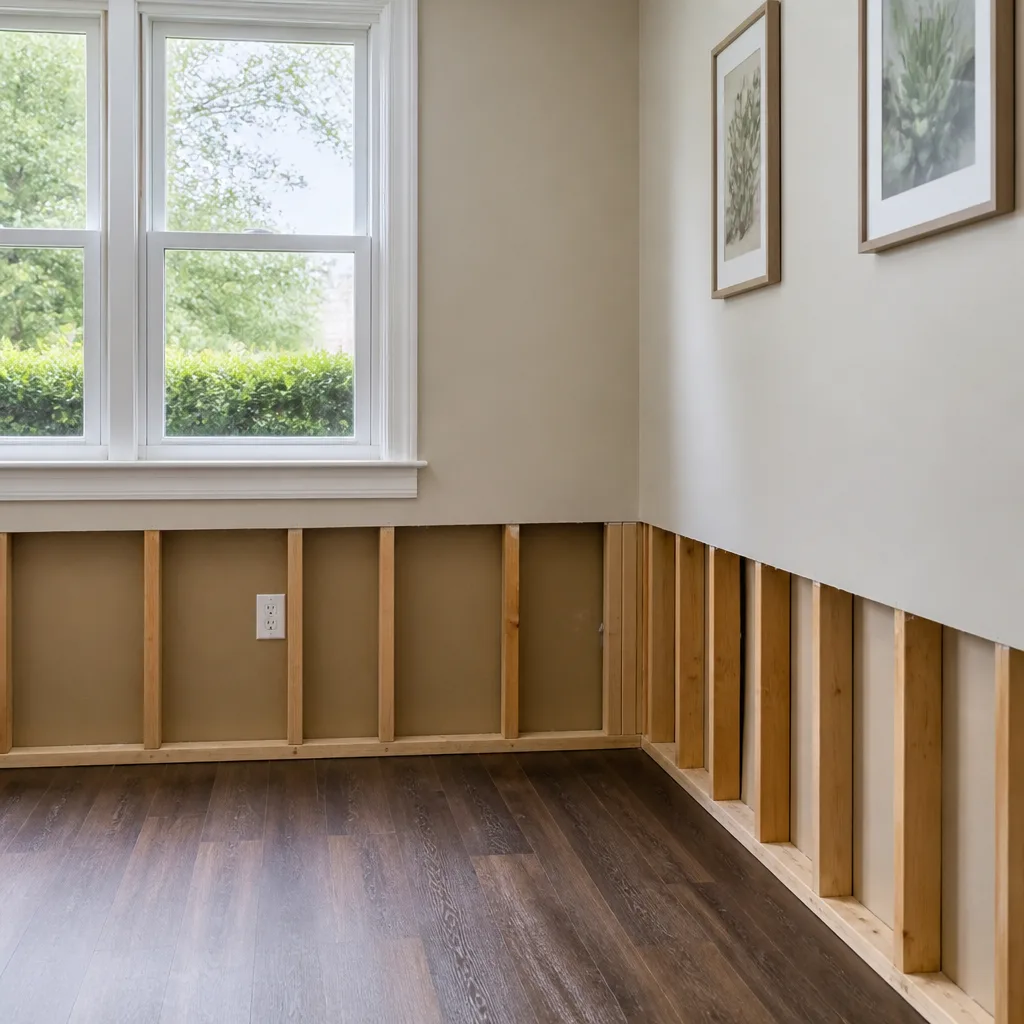
Drywall, plaster, flooring, trim, paint. The crew that dried your building is the crew that rebuilds it. The 90-Day Done Right Promise applies to the whole job, in writing.
Working With Your Insurance Company
Insurance claims for water damage in Bushwick move smoother when documentation starts the first hour. We photograph everything before we move a single baseboard, and we keep shooting as we work. Moisture readings get logged daily and handed to you at the end, along with a line-item scope your adjuster can actually read. If your carrier pushes back on Category 3 cleanup or structural drying, Wade talks to the adjuster directly. You’re not the messenger. The goal is a claim that settles for what the work actually costs, not what a carrier’s software decides it costs from across the country.
What We Provide Your Insurer
- Thorough documentation of the loss
- Photos of all damage, room by room
- Moisture readings and drying logs
- A detailed, line-item scope of work
- Direct coordination with your carrier
Built for Bushwick’s Loss Calendar
Bushwick has a water damage rhythm that repeats every year, and it’s tied to the buildings as much as the weather. January deep freezes burst supply lines in pre-war tenements, especially on upper floors where pipes run through unheated stairwells and exterior walls. February ice dams build on the flat roofs of converted brewery lofts and former factory buildings along Flushing Avenue and Bushwick Avenue, then melt and run down interior walls. March and April bring thaw cycles that push groundwater into basements through cracked foundations and clay drain pipes that have been failing since before anyone alive bought the building. July and August thunderstorms dump an inch of rain in twenty minutes, overwhelming the same grandfathered industrial roof drains that were never sized for a residential conversion. September brings nor’easters that test every aging party wall in the neighborhood. The same buildings flood in the same seasons, year after year. Knowing which one you’re in before the water rises changes what we can save.
Water Damage Restoration Across Bushwick’s Neighborhoods
Bushwick isn’t one building type, and the response route changes block by block. Around Maria Hernandez Park, we see a lot of pre-war brick walk-ups with original cast-iron stacks; water from an upper-floor toilet overflows travels down through four apartments fast, and the first call is usually from the second-floor tenant, not the owner. Off Knickerbocker Avenue, the converted lofts and former industrial buildings hide water under concrete slabs and behind non-residential plumbing that was grandfathered through conversion. On the blocks east of the Jefferson Street L stop, the post-1977 rebuilds tend to have cheaper supply lines and drywall-over-brick that soaks up Category 2 water from a neighbor’s unit like a sponge. Down toward the Myrtle-Wyckoff corridor, mixed-use buildings with ground-floor retail put commercial water losses directly under residential units. Every one of those gets a different first move from our crew.
Our Water Damage Restoration team knows these blocks because we work them every week. When you call Water Damage Restoration in Bushwick, you’re not getting a franchise crew from another borough who’s never parked a box truck on a narrow side street off Central Avenue.
Specialized Water Damage Restoration Services We Offer in Bushwick
Emergency Water Extraction
Standing water in a Bushwick basement or a converted loft needs extraction now, not after a callback. We run truck-mounted units where access allows and portable extractors in tight walk-up stairwells. In a tenement with shared drains, pulling water fast from one unit keeps it from wicking into the next.
Structural Drying & Dehumidification
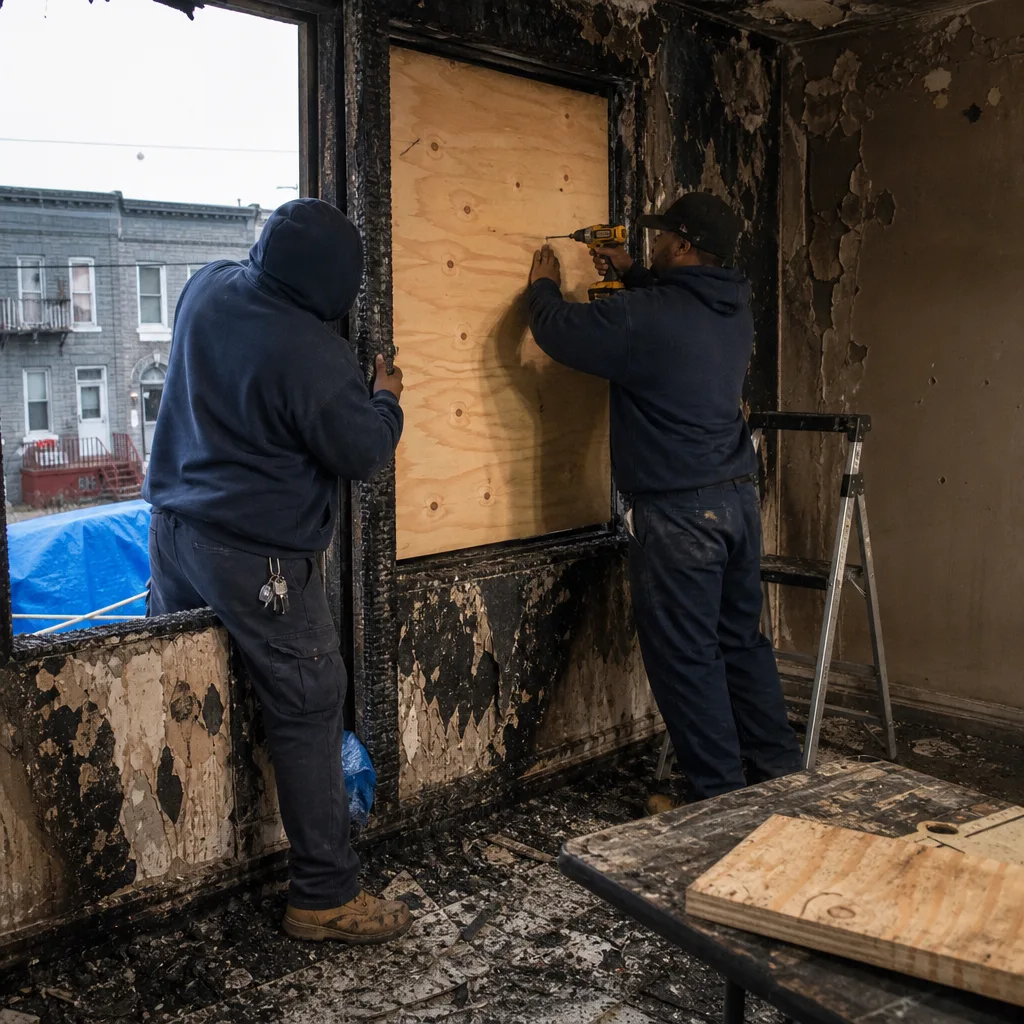
This is where Bushwick’s building eras matter most. Wood-joist tenements dry on one schedule; concrete-subfloor lofts dry on another, slower one. We set Dri-Eaz dehumidifiers and XPOWER air movers to match the actual materials in your building, not a generic chart. Daily moisture readings tell us when it’s actually dry, not when it looks dry.
Flood Cleanup
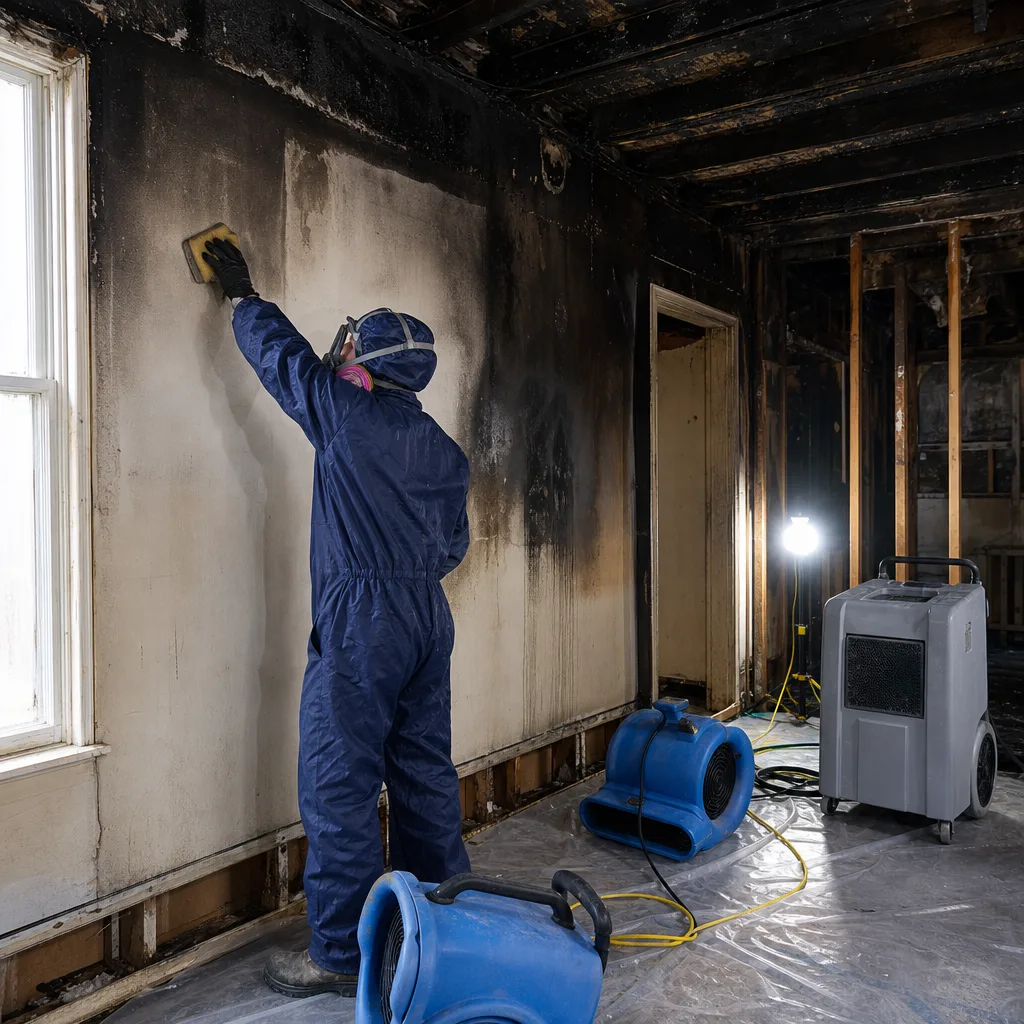
When a thunderstorm overwhelms the drains on a Bushwick block, the water coming into your basement is Category 2 or 3. That means extraction, antimicrobial treatment, and containment before drying. Skipping the sanitization step on a flood cleanup is how you get mold inside walls six weeks later.
Burst Pipe Restoration
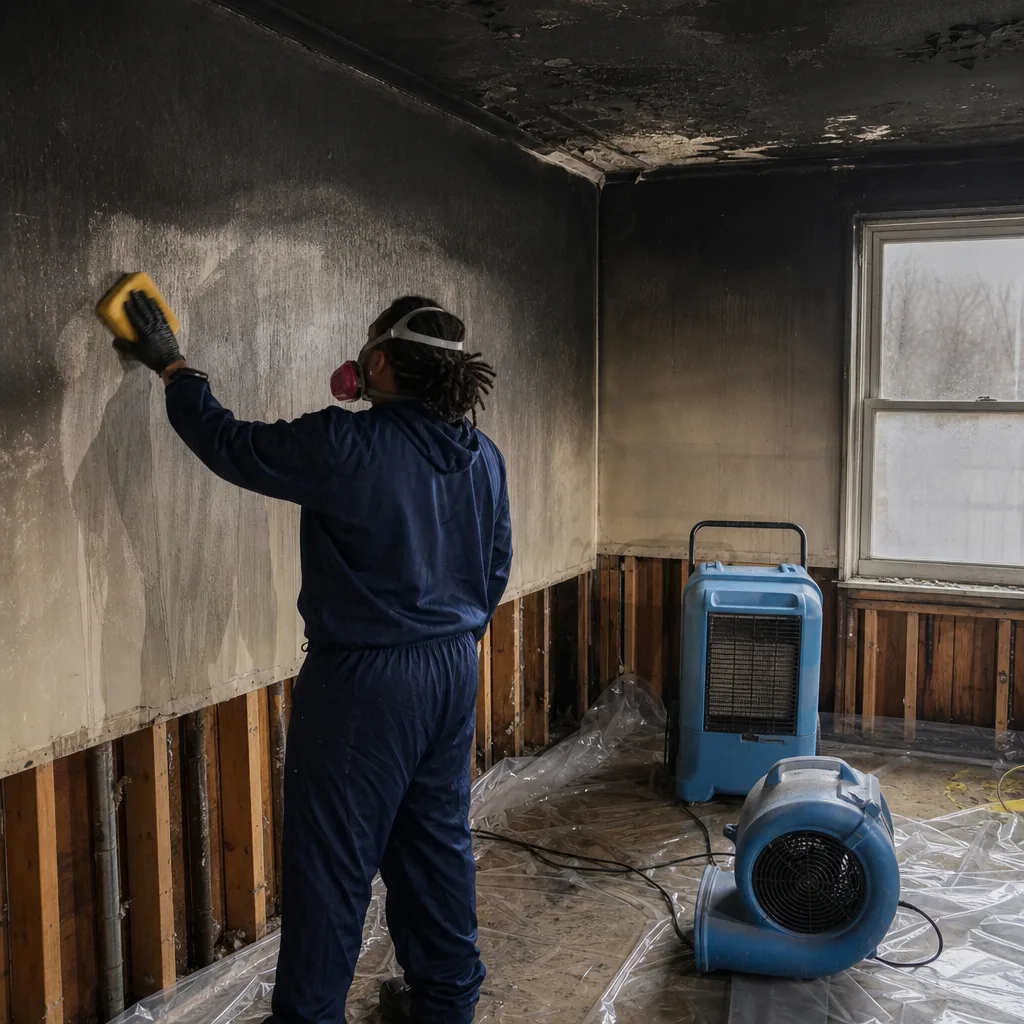
Frozen supply lines are a January rite in Bushwick tenements where pipes run through unheated exterior walls. We find the break, stop the source, and dry the path the water took through floors and ceilings. In attached buildings, we check the party wall on day one, because water from your burst pipe doesn’t know where your unit ends.
Basement Water Removal
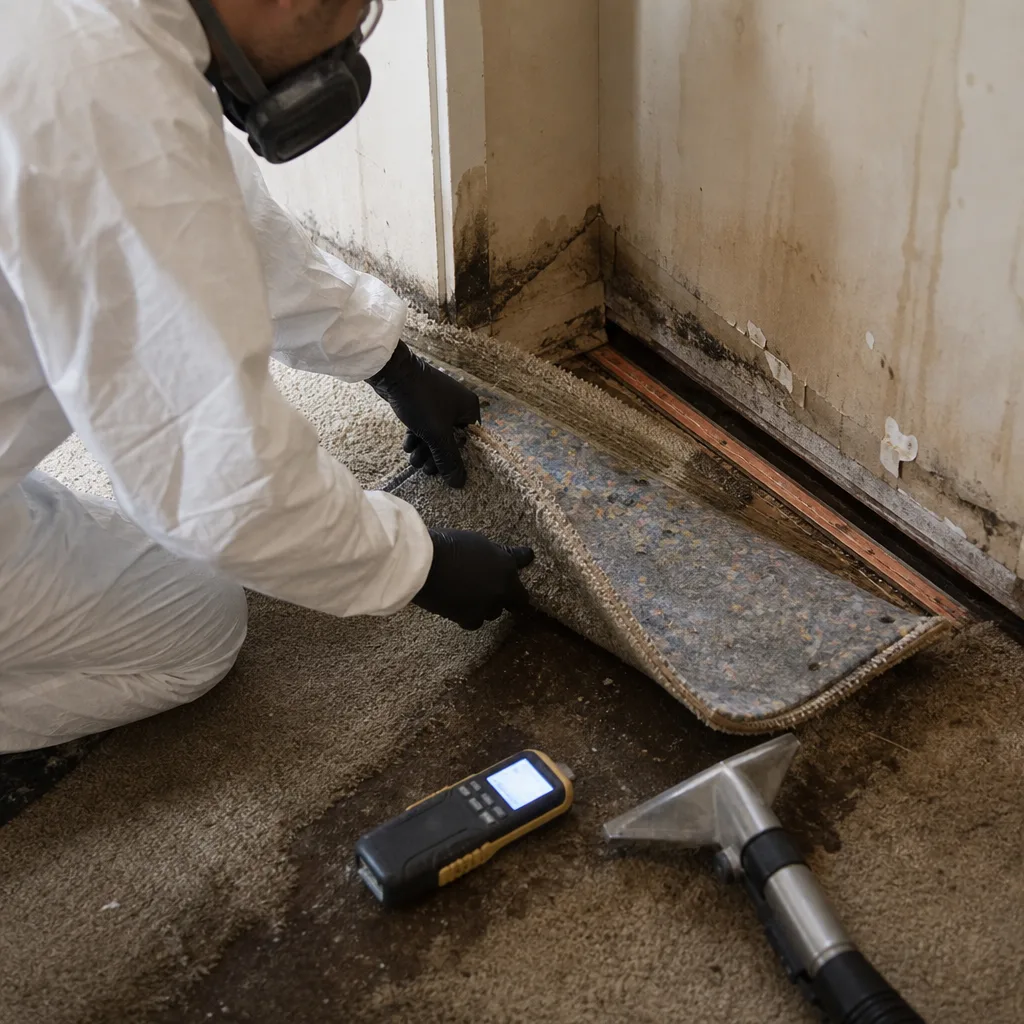
Bushwick basements tend to be tight, shared, and full of building systems. Water pools around boilers, electrical panels, and laundry hookups. We extract first, then map moisture through the masonry, because a basement that feels dry on the surface can hold water in brick for weeks.
What happens when you call
- 1
A real person answersNo phone trees - you reach a local pro.
- 2
You get an upfront price rangeHonest numbers before anyone is dispatched.
- 3
A background-checked tech heads outLicensed & insured, dispatched right away.
- 4
You approve before work beginsNothing starts until you say go.
Water Damage Restoration Costs in Bushwick, NY
Honest numbers: Emergency water extraction in Bushwick typically runs $600 to $1,800 depending on square footage and category. Structural drying and dehumidification usually lands between $1,200 and $4,500, with converted lofts and concrete subfloors at the higher end because they need more equipment days. Burst pipe restoration averages $2,500 to $6,500 when you include drywall repair and paint. Ceiling and roof leak damage tends to run $400 to $2,400 for interior work, plus roof repairs if the membrane itself failed. Basement water removal with sanitization starts around $900 for shallow Category 1 water and climbs above $5,000 for Category 3 sewage losses with containment. The free visual inspection is exactly that, free. No trip charge inside the county. We write a line-item scope before work starts, so the price on paper is the price you pay.
Call (363) 300-2771 for an exact quote. Estimates are free.
We Also Serve Cities Near Bushwick
Our crews work the blocks around Bushwick every week. That includes East New York, Jamaica, Canarsie, and Glendale. Same live answer, same 45-minute response commitment, same free visual inspection.
Serving Bushwick, NY - Our Local Coverage Area
We’re based in the Bushwick area and know this community well. Use the map below to see our service coverage - if you’re nearby, we can almost certainly help.
Bushwick Water Damage Restoration Questions, Answered
How do you handle water damage in a Bushwick converted loft with concrete subfloors and original industrial floor drains?
We treat it as a fundamentally different loss than a tenement job. Concrete subfloors don’t telegraph water the way wood joists do, so we start with thermal imaging and moisture mapping across the entire open-plan slab, not just the visible wet spot. Grandfathered industrial floor drains often fail at the connection points, and the water spreads laterally before it surfaces anywhere. On a loft off Knickerbocker Avenue, our crew traced a Category 3 loss from a failed industrial drain stack that had moved across 2,000 square feet of concrete before anyone saw moisture. We ran containment, antimicrobial treatment, then Dri-Eaz dehumidifiers and XPOWER air movers for five days to hit pre-loss moisture readings. Your loft needs that same block-specific playbook, not a standard apartment dry-out.
Why do Bushwick tenement buildings get burst pipes in winter even when the heat is on?
Heat in the apartment doesn’t always mean heat where the pipes live. In pre-war Bushwick tenements from the 1880s through the 1920s, supply lines often run through unheated stairwells, exterior wall cavities, and between floors where radiator heat never reaches. When a January deep freeze hits, those pipes freeze at 3 a.m. and let go by morning. The unit above you might be warm all night while the pipe in the shared wall freezes anyway. We see it every winter, and yes, it can happen even with the thermostat at 70.
How fast can mold start on wet drywall in a Bushwick railroad apartment?
In a railroad apartment, where rooms run front-to-back with no hallway and limited cross-ventilation, mold can germinate on wet drywall in 24 to 48 hours when the humidity sits above 60%. Bushwick railroad units are often small and steam-heated, which keeps interior humidity high in winter. That means a slow drip you don’t notice for two days can already be growing mold behind the wall. This is why we recommend calling the day you see a stain, not the day the paint bubbles.
Do I need to worry about shared walls when my neighbor’s water leak reaches my Bushwick unit?
Yes, and it’s one of the most common secondary losses we handle in attached tenements. A neighbor’s Category 2 overflow from a washing machine or a burst supply line wicks through plaster and lath party walls into your unit. If we only dry the source apartment and skip containment, the moisture keeps moving into your space, and now you’ve got a two-unit claim instead of a one-unit fix. In attached brick buildings, party-wall moisture checks are standard on every job.
What’s the difference between Category 2 and Category 3 water in a Bushwick basement flood?
Category 2 water has significant contamination but not sewage: think washing machine overflow, sump pump backup, or dishwasher discharge. Category 3 is the bad one: sewage, river water, or any water that’s been sitting long enough to grow pathogens. In a Bushwick basement, a storm drain backup that floods the floor with street water is Category 3. A failed laundry line that soaks drywall from the floor up is Category 2. Category 3 requires full containment, antimicrobial treatment, and affected materials usually get removed rather than dried.
How fast can you actually get to Bushwick?
Forty-five minutes is our standard commitment, and in Bushwick it’s usually faster because we’re already working the surrounding blocks. Call (363) 300-2771 and you’ll talk to a live person, often Wade himself. He’ll tell you straight when the crew can pull up, and he won’t give you a window he can’t hit.
Will my insurance cover water damage restoration in Bushwick?
Most homeowner policies cover sudden and accidental water damage, like a burst pipe or an appliance leak. They usually don’t cover gradual damage from a slow leak over months. Flood damage from rising groundwater or storm surge requires separate flood insurance. The best move is a call to us first; we document everything from the first hour, and we’ll talk to your adjuster directly so you’re not left proving what happened on your own.
What should I do in the first 30 minutes after water damage in Bushwick?
Shut off the water at the fixture if you can find the valve. Kill power to any affected outlets if water is near electrical. Move what you can lift to dry ground. Then call (363) 300-2771. Don’t wait for the water to stop, don’t wait for a property manager to call back, and don’t start pulling up flooring yourself. Every minute water sits in a Brick or concrete building, it’s wicking further from the source.
Written by Wade Ferris, Owner at Wade’s Restoration, serving Bushwick with honest, local water damage restoration since 2007.