
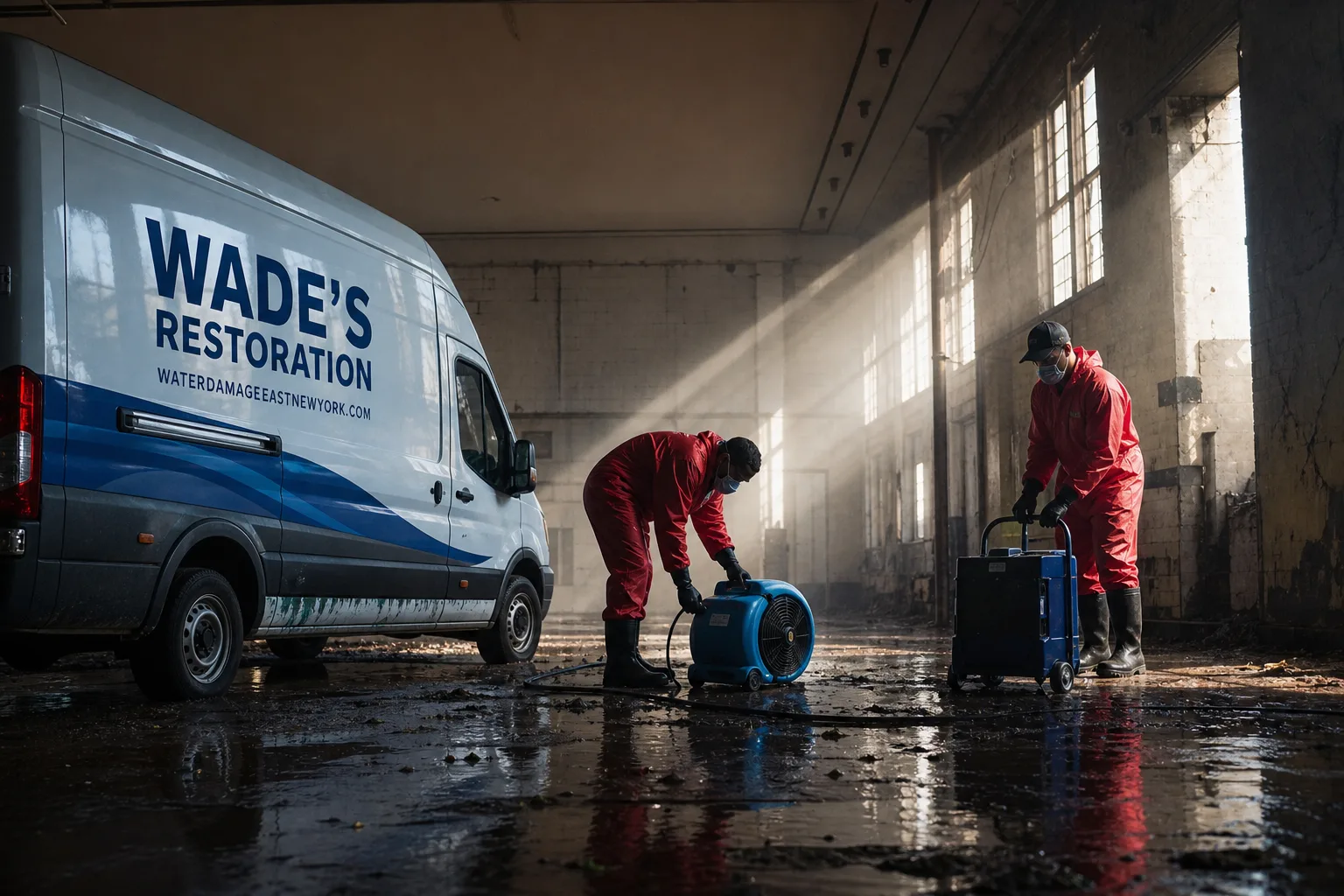
Free visual inspection and a written scope of work before any mitigation begins - photos, moisture readings, and drying logs go in your claim file
The scope we write is the scope we bill. Anything new gets shown to you, in writing, before we touch it.
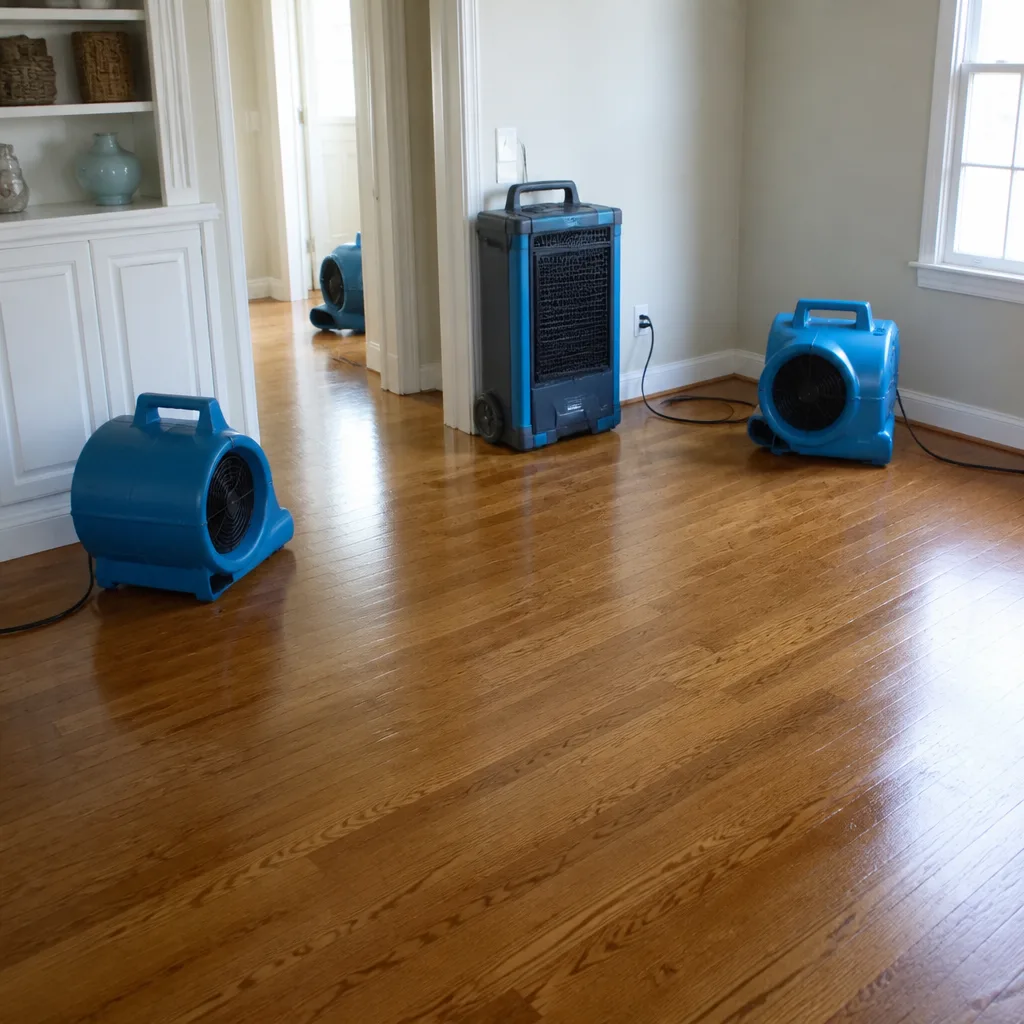
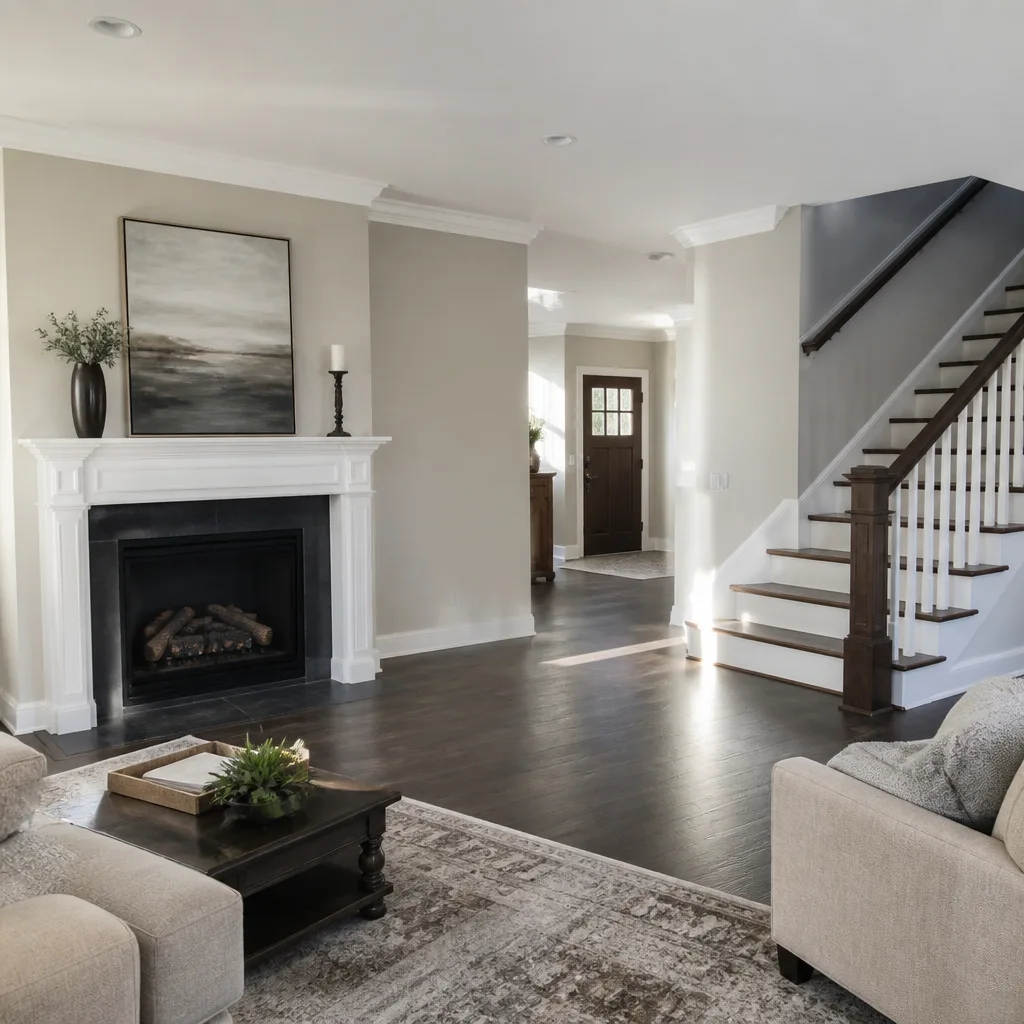
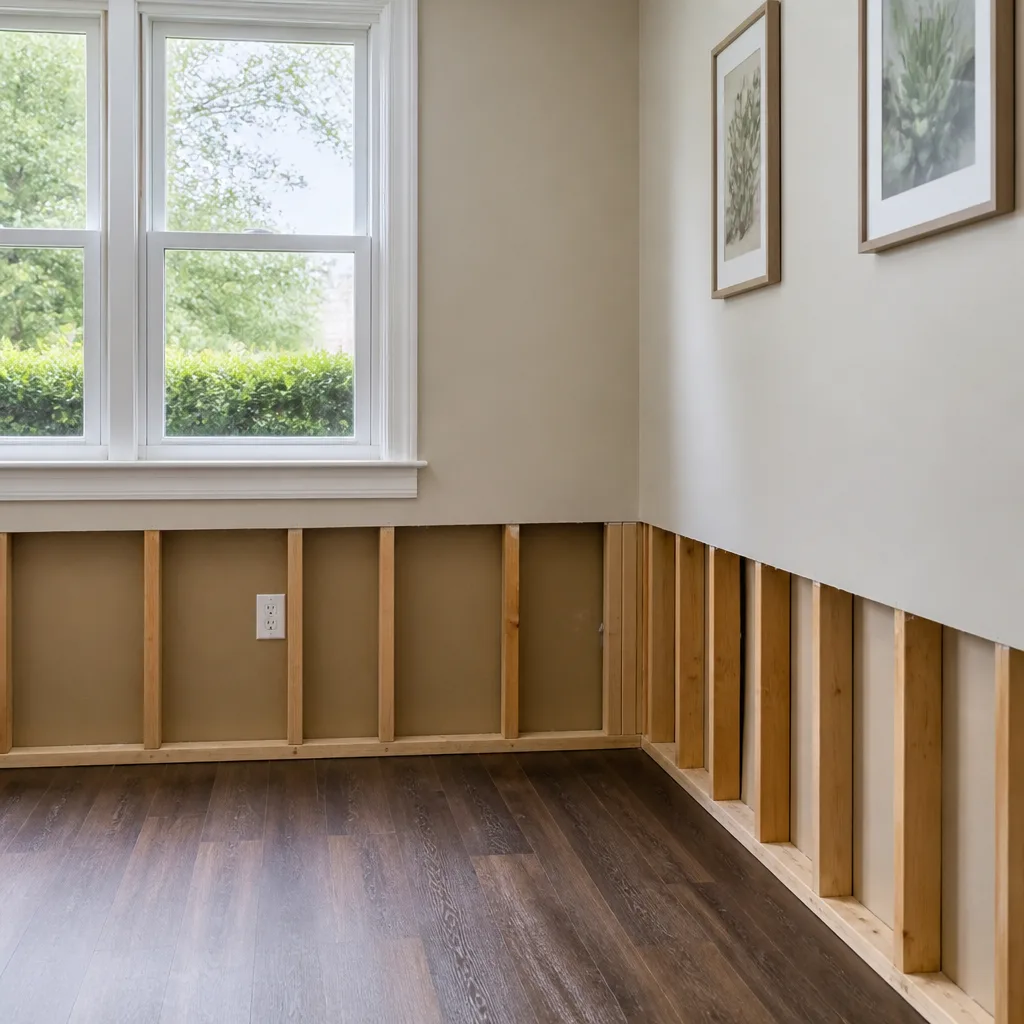
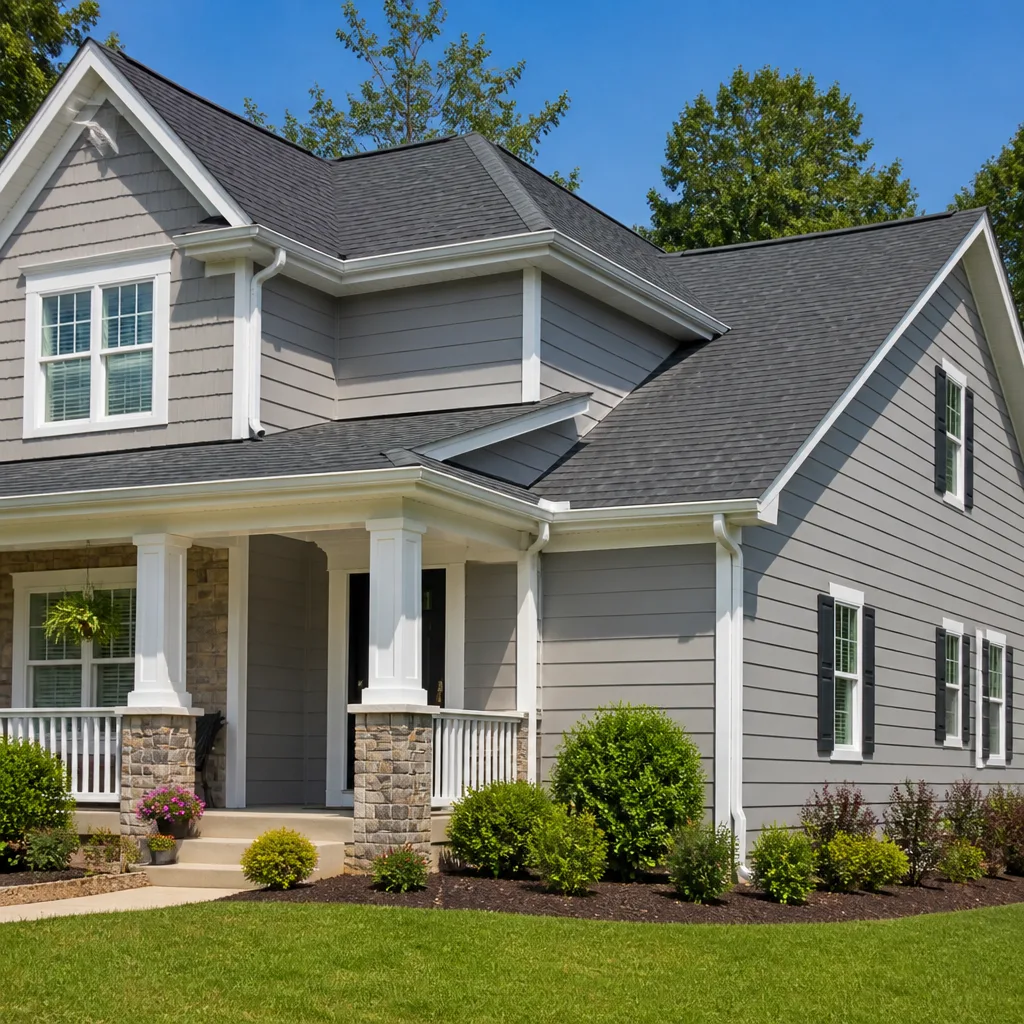
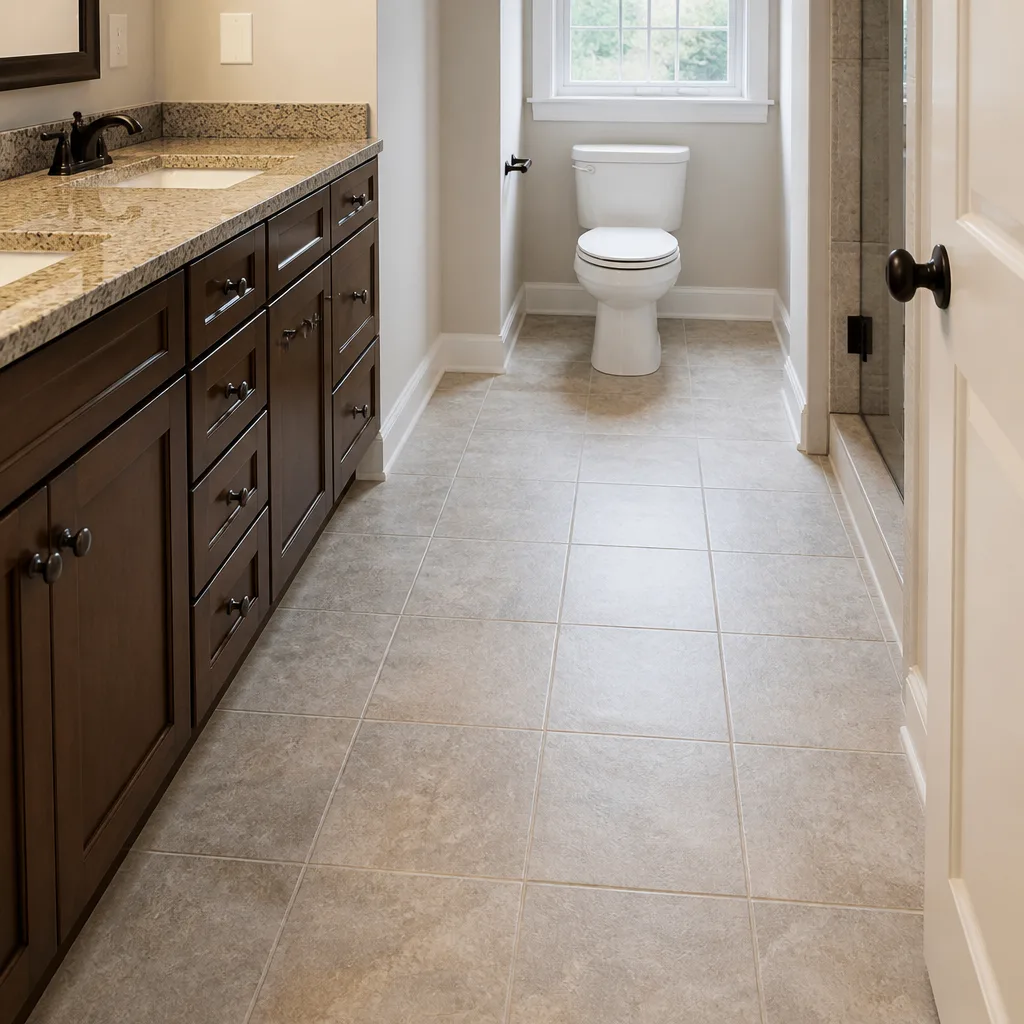
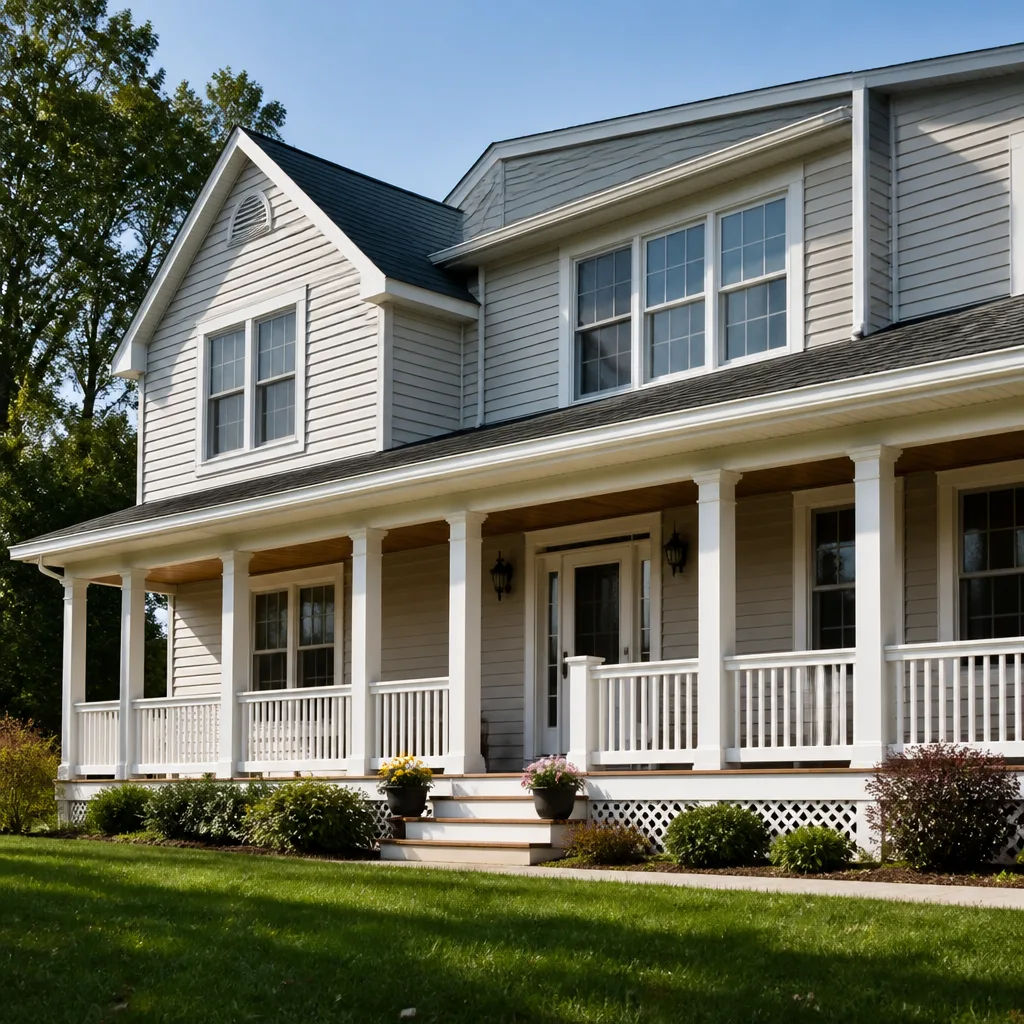
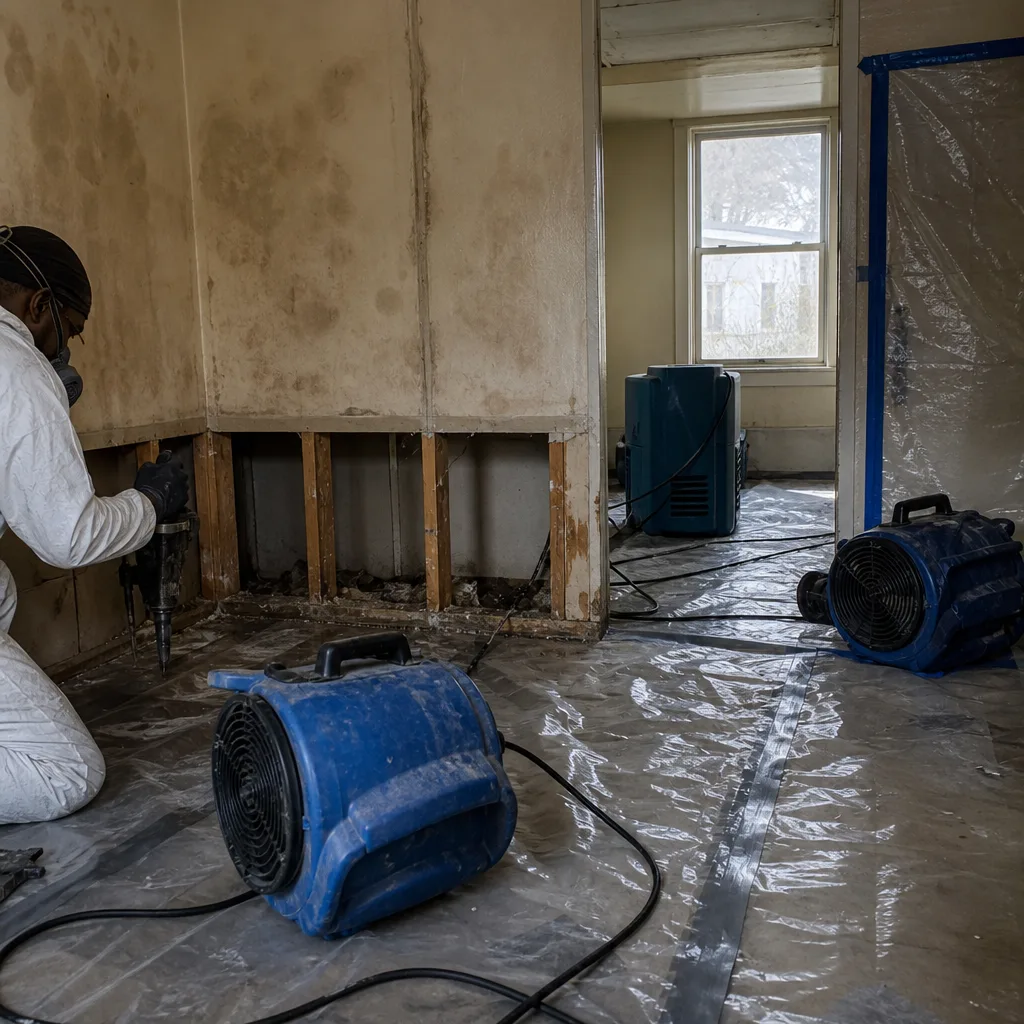 Before
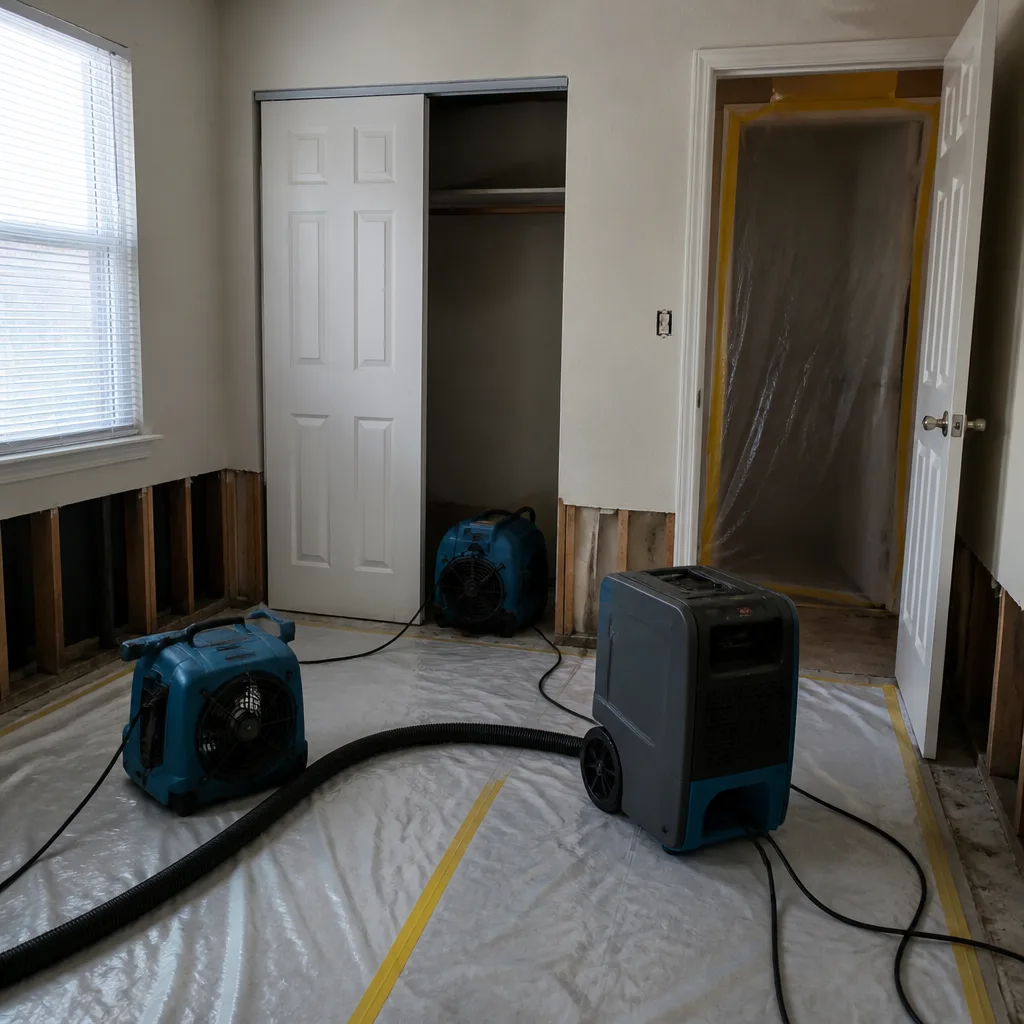 After
After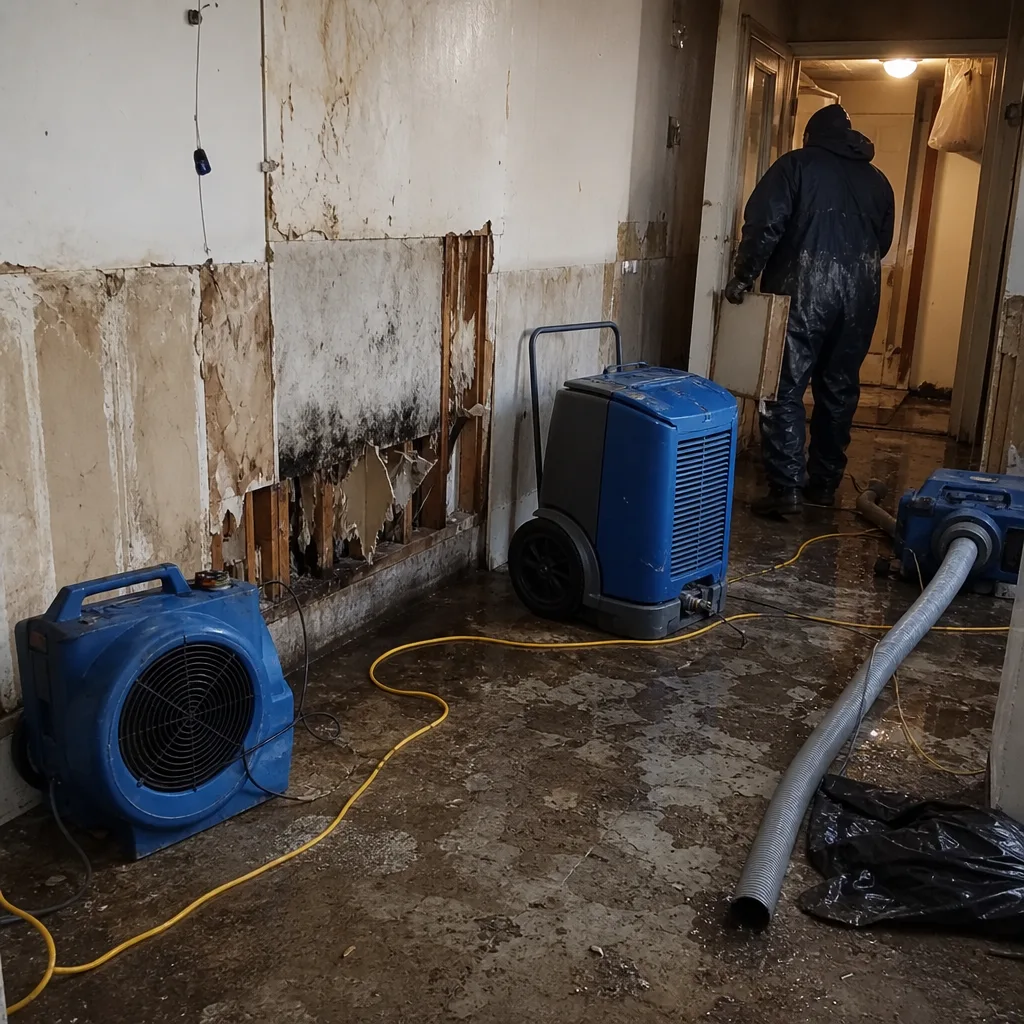 Before
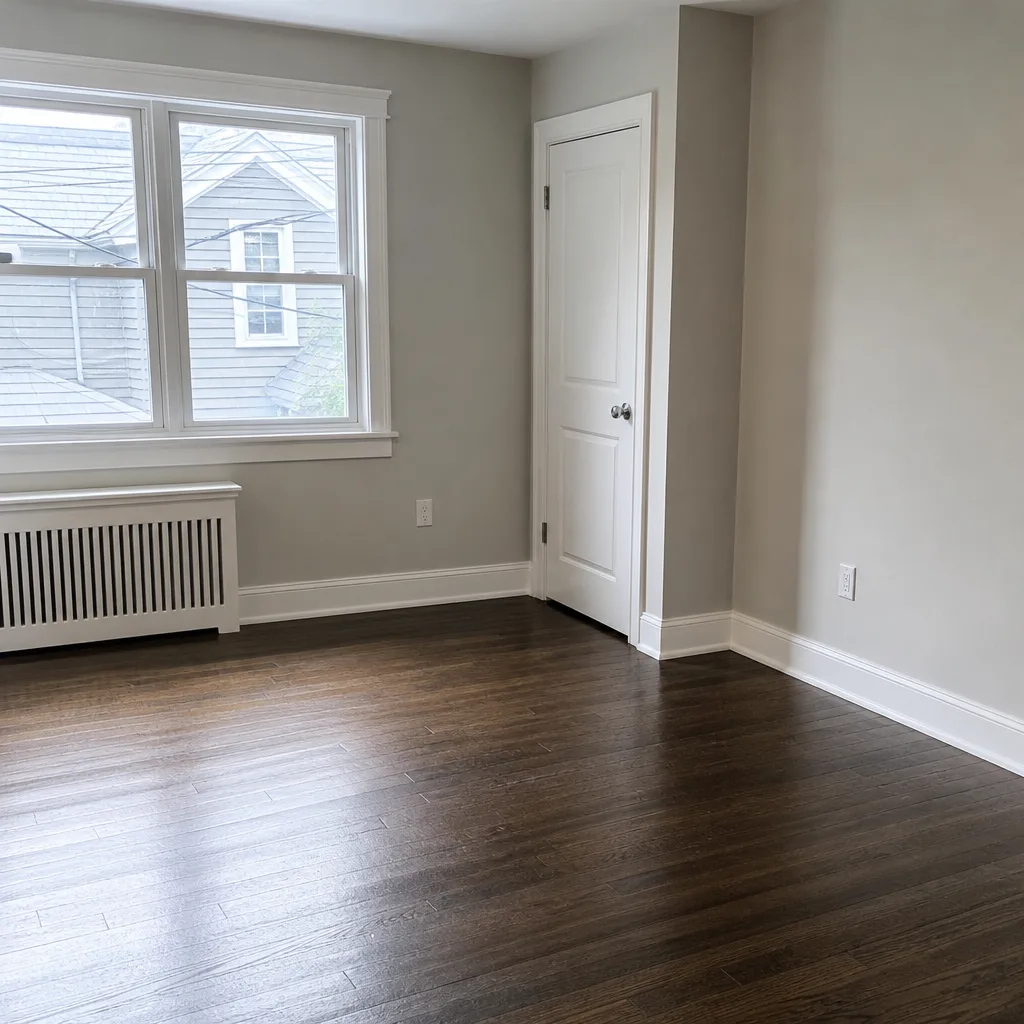 After
After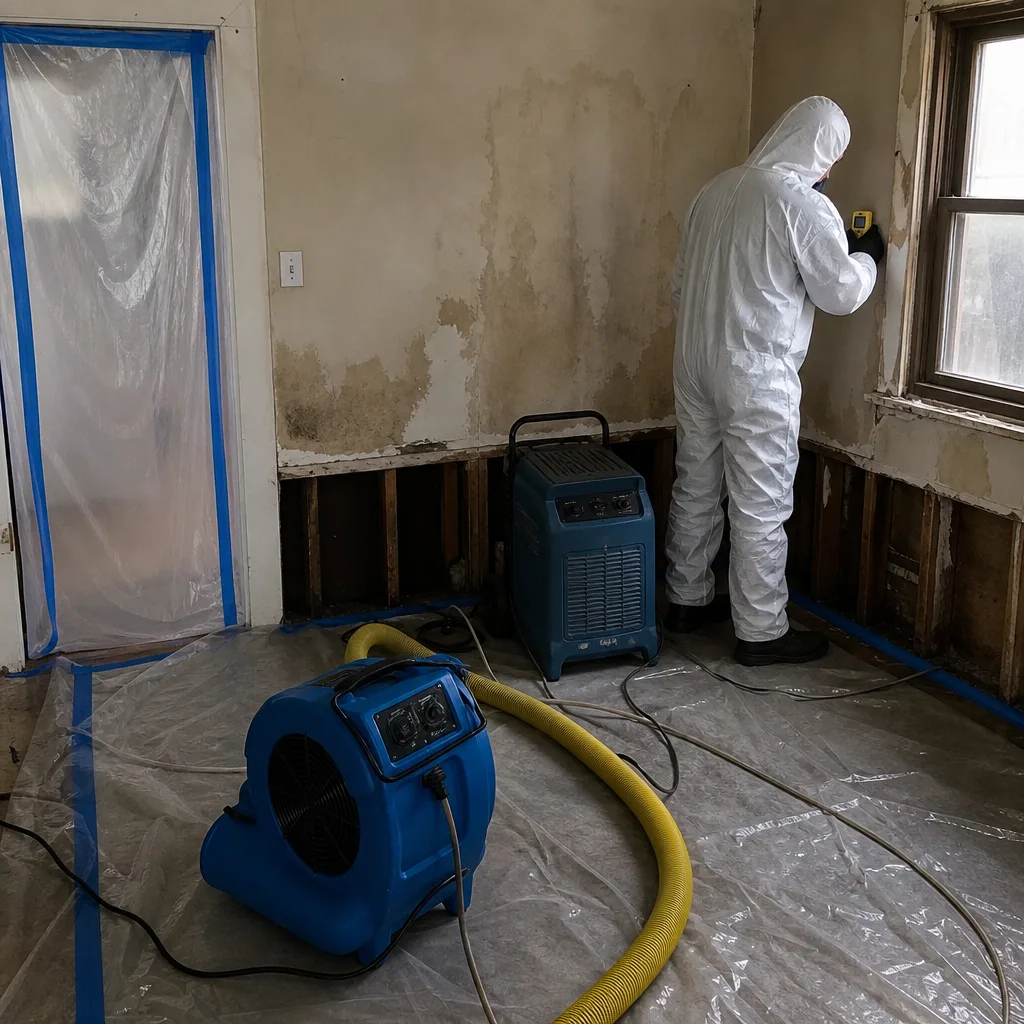 Before
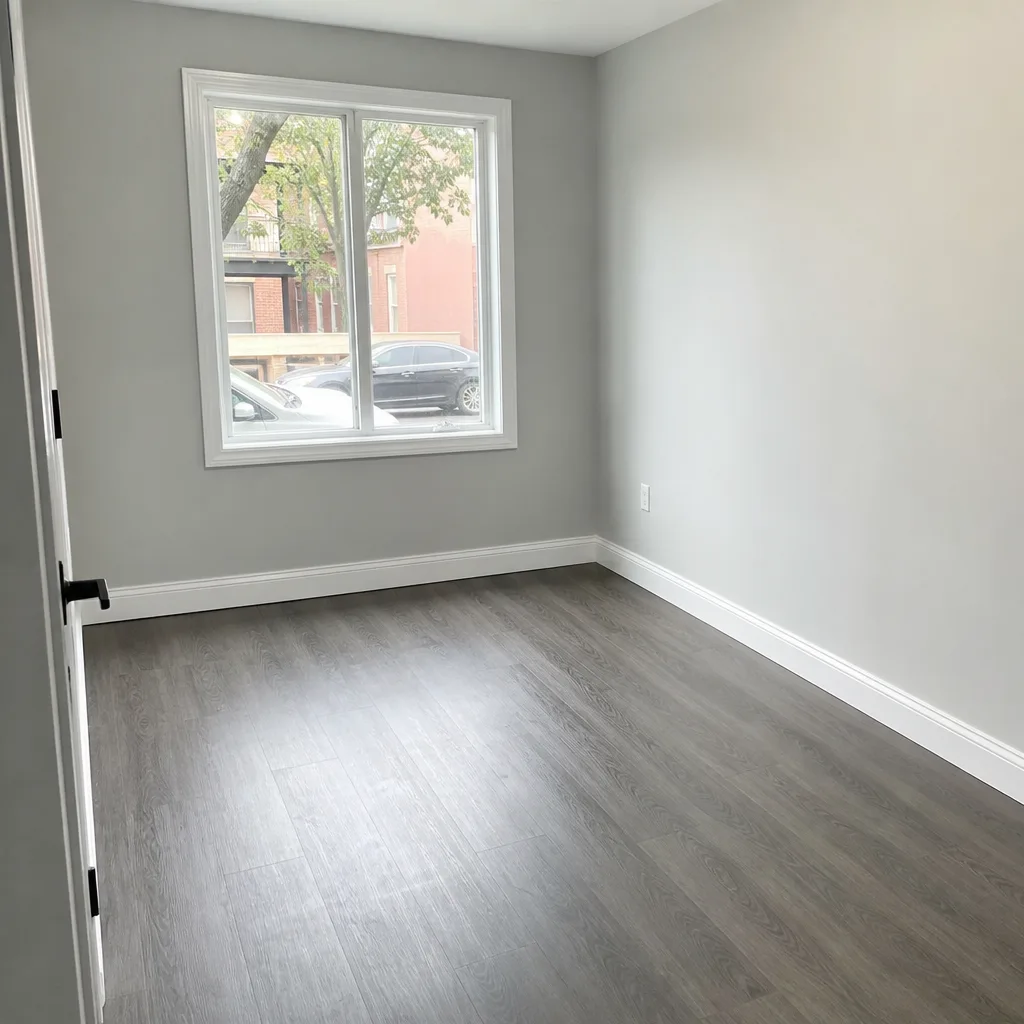 After
After24/7 Emergency Reconstruction & Cleanup in Williamsburg
Reconstruction and cleanup in Williamsburg, NY typically runs $4,800-$28,000 depending on how far water, fire, or mold traveled through your building before it was stopped. Crews can be on-site inside the neighborhood in about 45 minutes, and we answer the phone live at (363) 300-2771 around the clock. The first hour decides whether you’re drying floors or replacing them, so don’t wait for Monday when a pipe lets go at 2 a.m. in a converted loft on Kent Avenue. Wade Ferris himself takes those calls, and he’ll tell you straight what needs to happen before anyone touches your property.
Understanding Reconstruction & Cleanup Severity in Williamsburg Properties
Williamsburg’s building stock doesn’t forgive sloppy drying. The pre-war brick tenements off Grand Street and the converted factory lofts along the waterfront share one thing: they’re built from materials that hold water differently than modern construction. Category 1 water from a burst supply line is clean but still wicks into old-growth heart pine flooring and lath-and-plaster walls within hours. Category 2 water from a failed cast iron drain stack adds contamination that means removal, not just drying. Category 3 water from a sewage backup or East River storm surge requires full containment, disposal of affected porous materials, and antimicrobial treatment before any reconstruction starts. Moisture mapping with thermal imaging and daily hygrometer readings tells us which category you’re actually dealing with and how far it traveled through the open floor plates common to Williamsburg lofts. Skipping that step is how hidden mold shows up six months after a “successful” drying job.
Why Williamsburg Property Owners Choose Wade’s Restoration
- 45-minute response commitment - Wade heads out from the New York City office the moment you hang up, and he’s on the road while most national outfits are still routing your ticket.
- 24/7 live answer, never an answering service - You get Wade or someone on his crew, a real person who knows Williamsburg’s buildings, not a call center in another state.
- IICRC-certified crews - WRT, FSRT, and AMRT certifications backing every job, so the drying log and containment setup meet the standards your insurer expects to see.
- Free visual inspection - No charge to assess the damage, no trip charge inside our own county, and a second opinion on any written estimate at no cost.
- Direct insurance billing - Wade deals with your adjuster himself, so you’re not the one relaying moisture readings and scope changes between two parties.
- One team from extraction to reconstruction - The same crew that extracts the water is the crew that hangs the drywall, so nothing gets lost between handoffs.
Our Reconstruction & Cleanup Process
Inspection & Assessment
We walk the entire affected area, not just the visible wet spot. In a Williamsburg loft, water travels along timber beams and under floor plates, so we map moisture with thermal imaging and pin meters before touching anything.
Extraction & Stabilization
For water losses, truck-mounted extraction pulls standing water fast. For fire or mold, we stabilize the structure and set containment so the damage stops spreading while we build the scope.
Drying & Dehumidification
Dri-Eaz and Phoenix LGR dehumidifiers paired with air movers run until hygrometer readings hit target. On old-growth timber floors, that often means Injectidry drying mats and 7-10 days of active drying, not the 72 hours a drywall building might need.
Cleaning & Sanitization
Affected surfaces get HEPA vacuuming, antimicrobial treatment where the water category requires it, and odor control that actually removes the source, not just masks it.
Contents Restoration & Pack-Out
Furniture, rugs, and belongings either get cleaned on-site or packed out to our facility for drying and restoration, with a full photo inventory so nothing disappears into the process.
Repairs & Restoration
Drywall, flooring, trim, paint, and cabinetry go back in. We match materials to your building’s era, not whatever’s cheapest at the supply house, and we hand you the drying log at the end.
Need Emergency Reconstruction & Cleanup in Williamsburg Now?
Crews minutes away, answering live 24 hours a day. The sooner we start, the less it costs.
Working With Your Insurance Company
Insurance claims for reconstruction and cleanup live or die on documentation. We start building your file from the first hour: photos of the loss, moisture readings taken daily, a line-item scope that matches what your policy actually covers. Wade talks to your adjuster directly, so the person deciding your payout hears from the person who stood in your wet loft, not a third-party billing department. That matters in Williamsburg, where flood-zone claims from the waterfront and cast iron plumbing failures in pre-war buildings each trigger different coverage questions. We’ve handled both enough times to know what your carrier needs to see before they approve the full reconstruction scope.
What We Provide Your Insurer
- Thorough documentation of the loss
- Photos of all damage, room by room
- Moisture readings and drying logs
- A detailed, line-item scope of work
- Direct coordination with your carrier
Built for Williamsburg’s Loss Calendar
Williamsburg’s damage season runs on two clocks. The first is winter: NYC deep freezes burst supply lines in unheated stairwells and exterior walls of pre-war tenements, and every January we’re pulling water out of heart pine floors where a galvanized line finally let go. The second is the East River. Nor’easters push surge into Flood Zone AE, and while Sandy was 2012, the waterfront blocks still see basement and ground-floor flooding when a major storm lines up with high tide. Spring brings roof leaks from flat tar-and-gravel roofs that froze and cracked all winter, with ponding water finding its way through membrane failures into top-floor units. Summer thunderstorms overload the aging combined sewer system, and cast iron drain backups send Category 3 water into ground-floor commercial spaces along Bedford and Berry. Knowing the calendar means we show up expecting what Williamsburg’s buildings actually do, not what a textbook says might happen.
Reconstruction & Cleanup Across Williamsburg’s Neighborhoods
North Williamsburg’s converted factories, the old pharmaceutical and sugar plants turned residential lofts, are where we spend the most time on heavy-timber drying. Those buildings run 12-14 foot ceilings and open floor plates, so a pipe failure on the fourth floor travels down through three levels of old-growth fir before anyone notices. South Williamsburg’s pre-war brick tenements have a different pattern: cast iron waste stacks original to the 1920s, galvanized supply lines past their service life, and units stacked so a third-floor leak ruins two floors below. The East Williamsburg industrial corridor, up around the Morgan Avenue L stop, mixes working manufacturing with residential conversions, which means water from a commercial tenant’s space crosses into living units and complicates the cleanup. Closer to McCarren Park, the post-2005 towers have modern mechanicals, but when a high-rise plumbing riser fails, water cascades through dozens of units in a single stack. And along the waterfront by Domino and the old sugar refinery, flood-zone claims bring FEMA paperwork and adjuster questions that inland blocks never see.
Specialized Reconstruction & Cleanup Services We Offer in Williamsburg
Full-Service Reconstruction
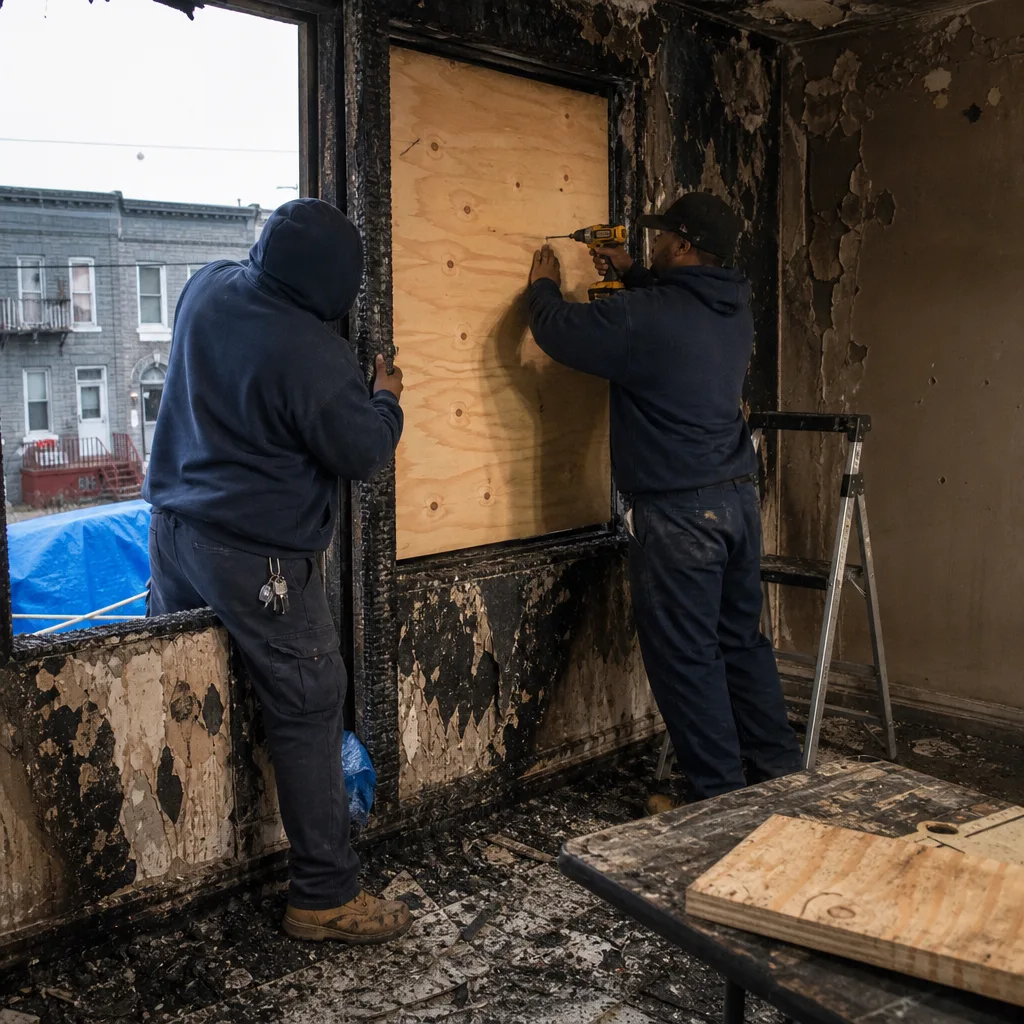
When drying is done, the rebuild starts. We handle everything from framing and drywall to trim, paint, and final finishes, matching materials to your building’s era. In a Williamsburg loft, that means sourcing trim profiles and flooring that fit a 1905 factory conversion, not whatever the big-box store stocks. Our Reconstruction & Cleanup team handles the whole job start to finish.
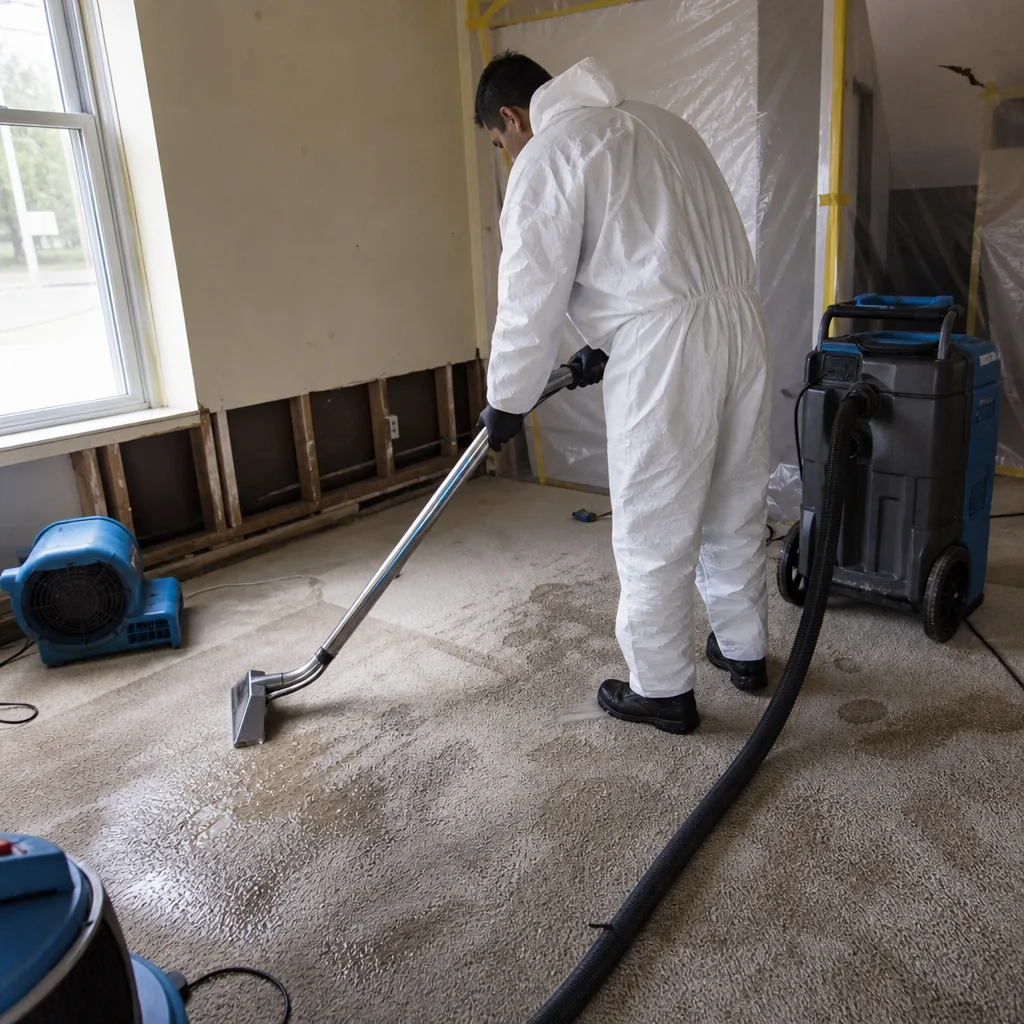
Drywall & Flooring Repair
Water-soaked drywall gets cut out and replaced, but the real skill in Williamsburg is flooring. Heart pine and Douglas fir floors can often be dried and refinished rather than torn out, using Injectidry drying mats that pull moisture through the wood. Wade’s crew knows when a floor can be saved and when it’s too far gone, and he’ll tell you the truth either way because he’s going to run into you again on a Saturday.
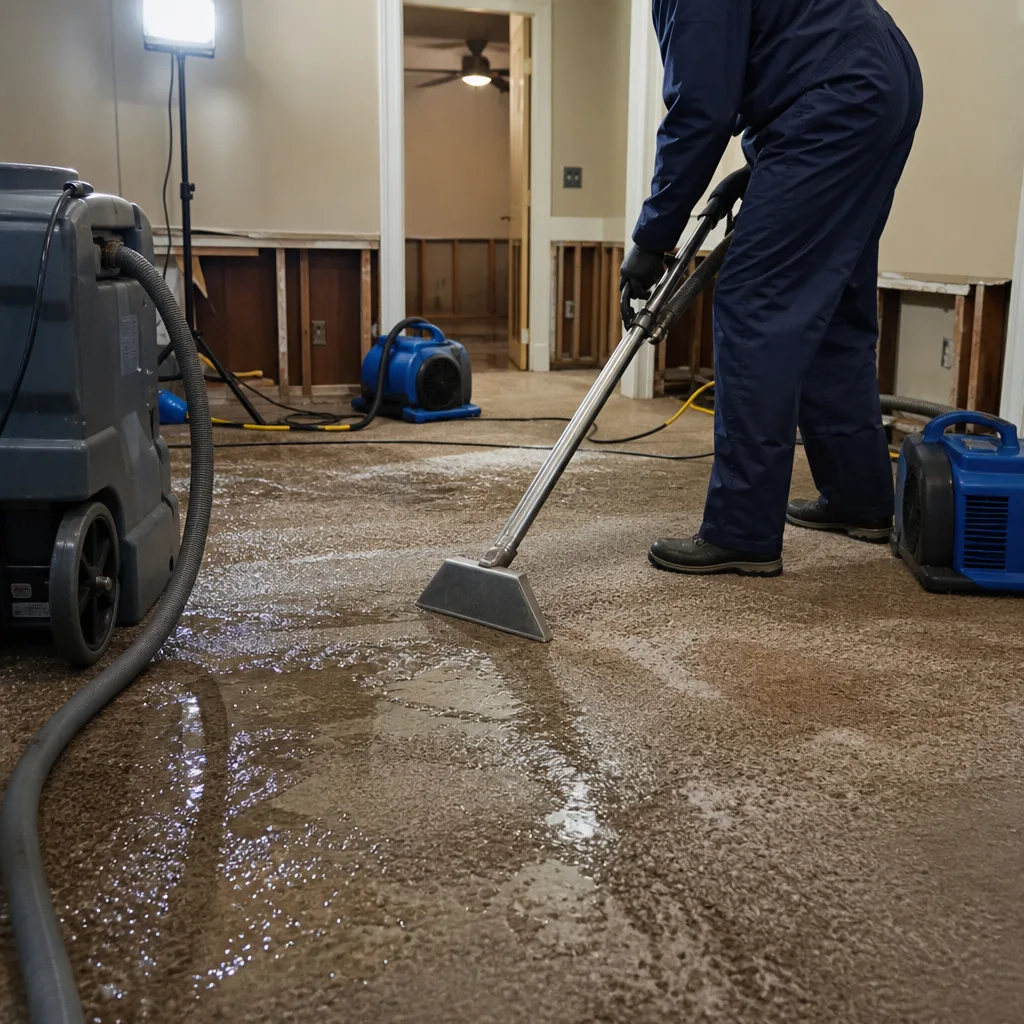
Contents Restoration & Pack-Out
Lofts with 12-foot ceilings hold a lot of contents. When reconstruction requires clearing a space, we pack out furniture, artwork, rugs, and personal property with a photo inventory at every step. Items that can be restored get cleaned at our facility; items that can’t get documented for your claim.
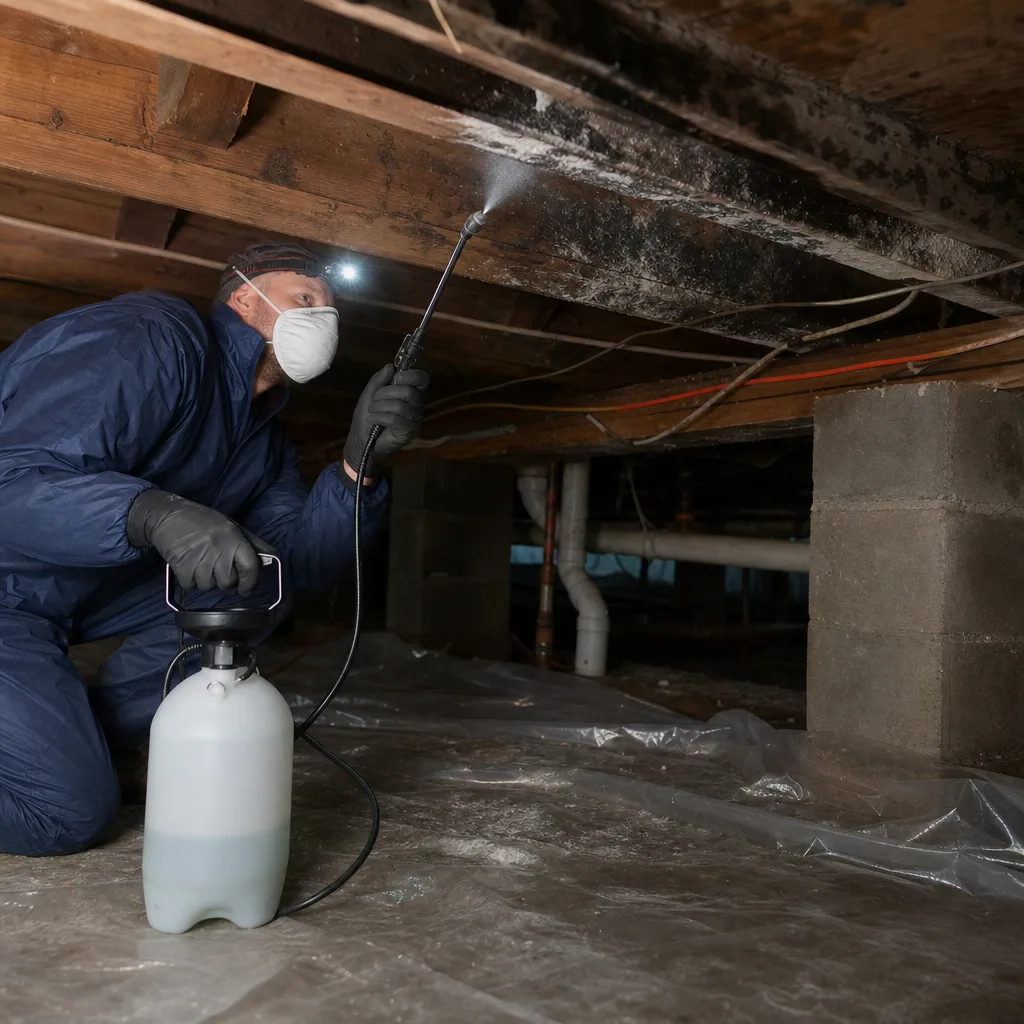
Carpet & Upholstery Cleaning
After a water loss or during post-construction cleanup, carpets and upholstery hold dust, debris, and sometimes contamination. We run truck-mounted hot water extraction and HEPA vacuuming to pull out what settles into fibers. In Williamsburg’s older buildings, that includes plaster dust from lath-and-plaster demo that ordinary vacuums miss.
Post-Construction Cleanup
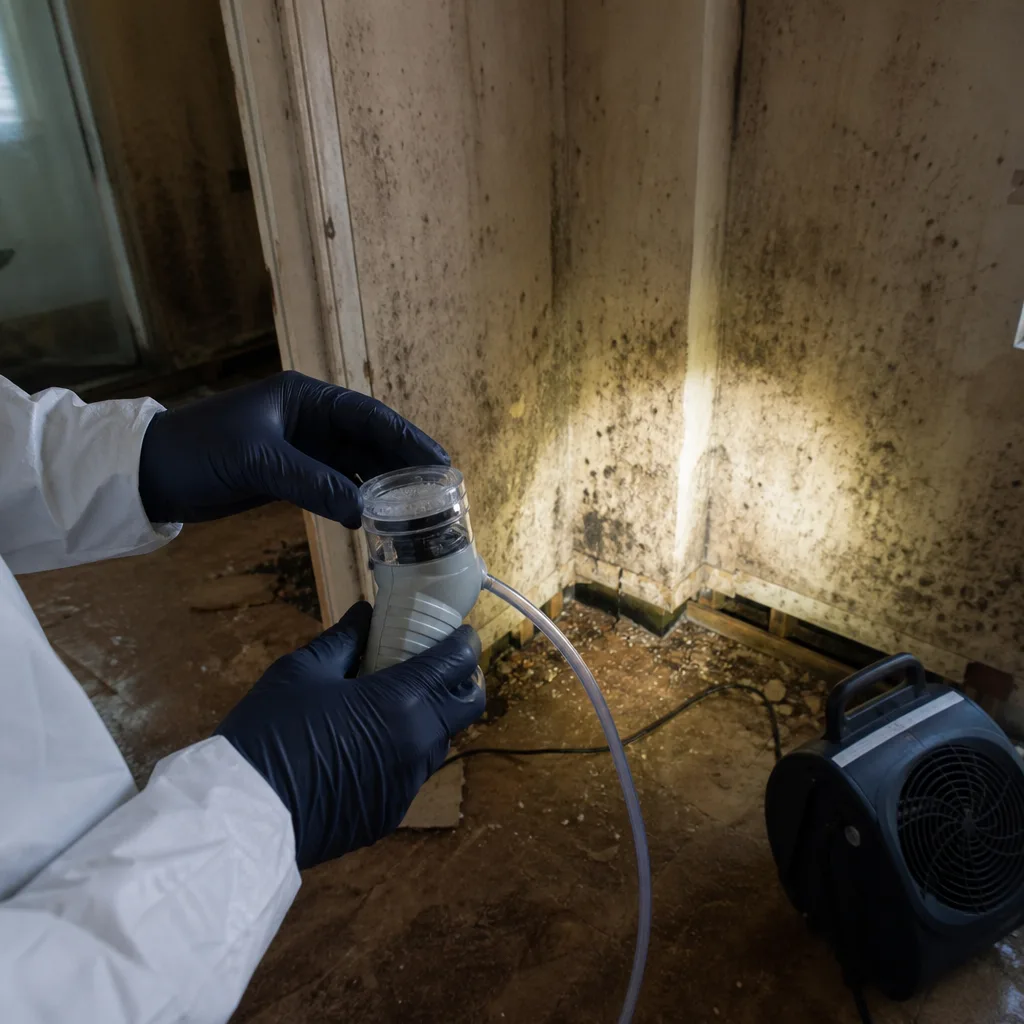
Reconstruction leaves a fine layer of dust on every surface. We handle the final cleanup: HEPA vacuuming, surface wiping, floor cleaning, and air scrubbing so the space is actually livable, not just structurally repaired. That’s the difference between a job done and a job done right.
Insurance Claim Documentation
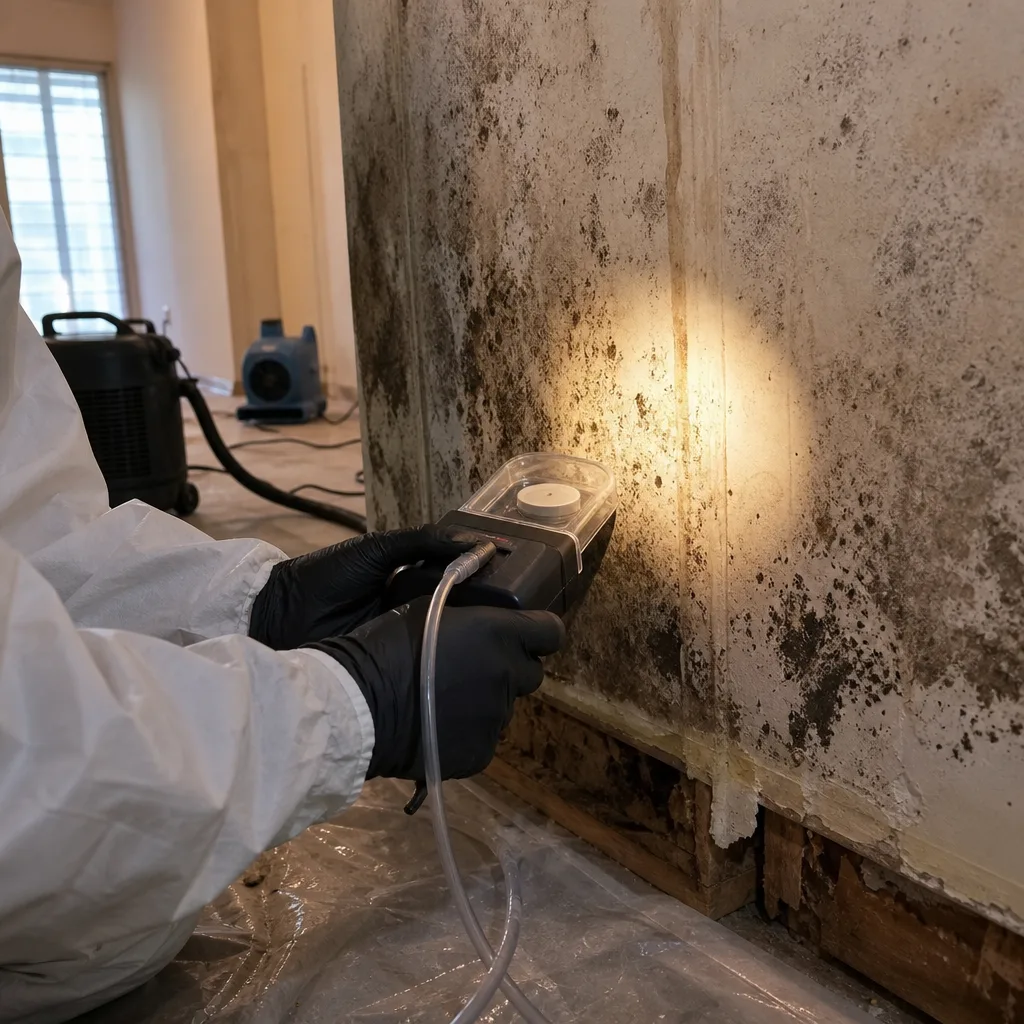
Every job gets a documentation file built for your adjuster: daily moisture logs, scope changes in writing, photos before and after every phase. In a Williamsburg waterfront claim, where FEMA flood rules may layer on top of standard homeowner coverage, that documentation is what keeps your reconstruction funded.
What happens when you call
- 1
A real person answersNo phone trees - you reach a local pro.
- 2
You get an upfront price rangeHonest numbers before anyone is dispatched.
- 3
A background-checked tech heads outLicensed & insured, dispatched right away.
- 4
You approve before work beginsNothing starts until you say go.
Reconstruction & Cleanup Costs in Williamsburg, NY
Reconstruction and cleanup in Williamsburg runs a wide range because the building stock varies so much. A single-room water loss in a modern tower unit might run $4,800-$9,500 for drywall, paint, and drying. A Category 3 backup in a pre-war tenement with cast iron drain issues runs $12,000-$22,000 once you add containment, disposal, and reconstruction. Full-scope restoration of a heavy-timber loft after a multi-floor pipe failure can hit $40,000 or more, driven by the extended drying cycle and the cost of matching old-growth materials. Insurance-covered losses typically leave you with your deductible; out-of-pocket work gets a written scope before anything starts, with the standing Senior & Veteran 10% discount and $40 off any repair over $200 applied where they fit. The free visual inspection path gives you a firm number, not a phone estimate that changes at the door. Call (363) 300-2771 and Wade will come look himself.
We Also Serve Cities Near Williamsburg
Our crews cover Williamsburg and the surrounding Brooklyn and Queens neighborhoods, including Williamsburg proper, East New York, Jamaica, Canarsie, and Glendale. If you’re in one of those areas and dealing with a loss, the same 45-minute response and live answer applies.
Serving Williamsburg, NY - Our Local Coverage Area
We’re based in the Williamsburg area and know this community well. Use the map below to see our service coverage - if you’re nearby, we can almost certainly help.
Williamsburg Reconstruction & Cleanup Questions, Answered
Why does drying take longer in a Williamsburg loft than a standard apartment?
Old-growth Douglas fir and heart pine timbers absorb water deeply and release it slowly, so a ceiling leak that a drywall-and-steel building dries in 48-72 hours can require 7-10 days of active structural drying in a heavy-timber loft. Rushing that process leaves hidden moisture that surfaces as mold months later. Call (363) 300-2771 for an assessment that accounts for your building’s actual materials.
How do you handle Category 3 water from a backed-up cast iron drain in a converted factory?
Category 3 water is treated as a biohazard: full containment, removal of affected porous materials, antimicrobial treatment, and clearance testing before reconstruction starts. Cast iron drain backups in Williamsburg’s converted industrial buildings often mean removing flooring and lower wall sections rather than attempting to dry them. Wade’s crew will show you the moisture readings and explain what has to go before anything gets rebuilt.
Do you need to pack out contents during reconstruction in a loft with 12-foot ceilings?
Usually yes. Open floor plates mean dust and debris from reconstruction travel across thousands of square feet, and tall ceilings make it impractical to seal off work areas with plastic alone. We pack out contents with a full photo inventory, clean or restore what can be saved, and bring everything back when the space is finished.
Can you restore original heart pine flooring after a burst pipe in a pre-war building?
In many cases, yes. Injectidry drying mats pull moisture through the wood from below, and heart pine often responds well to controlled drying followed by sanding and refinishing. The deciding factors are how long the water sat and whether the floor has been refinished multiple times already. Wade evaluates each floor honestly and tells you when salvage is worth it versus replacement.
How do you document reconstruction for insurance after a waterfront flood claim?
We build a file your adjuster can’t argue with: photos from the first hour, daily moisture readings, a line-item scope with every change in writing, and before-and-after documentation of every phase. For flood-zone claims near the East River, we also document the water source and category so your claim routes through the right coverage. Estimates are free.
How fast can you actually get to Williamsburg?
About 45 minutes for emergency response, with a live person answering the phone 24 hours a day. Extraction equipment can be running inside the hour on most calls. For non-emergency reconstruction work, we schedule a free visual inspection at a time that works for you, usually within a day or two.
Will my insurance cover reconstruction and cleanup?
Most standard homeowner policies cover sudden and accidental water damage and fire damage, but the specifics depend on your policy and the water source. Flood damage from storm surge requires separate flood coverage. Wade deals with your adjuster directly and will tell you what your policy supports before any work begins. Call (363) 300-2771 to talk through your situation.
What should I do in the first 30 minutes after discovering the damage?
Shut off the water at the main if it’s a plumbing failure. Kill power to the affected area if water is near electrical. Move small valuables out of the wet zone. Then call (363) 300-2771. Don’t run fans or attempt drying yourself, especially on wood floors in an older Williamsburg building. The faster extraction starts, the more of your space gets restored instead of replaced.
Written by Wade Ferris, Owner at Wade’s Restoration, serving Williamsburg since 2007.