
Last updated August 26, 2026
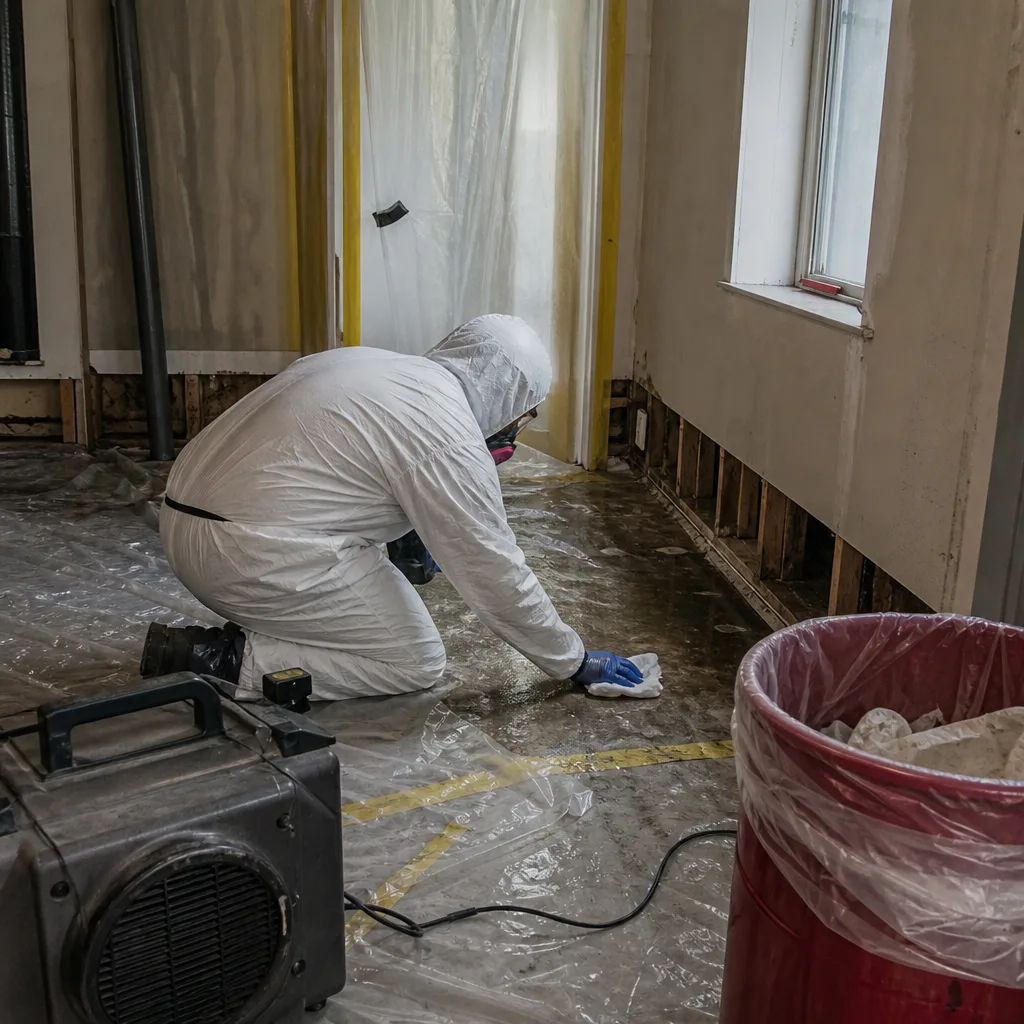
Free visual inspection and a written scope of work before any mitigation begins - photos, moisture readings, and drying logs go in your claim file
The scope we write is the scope we bill. Anything new gets shown to you, in writing, before we touch it.

 Before
 After
After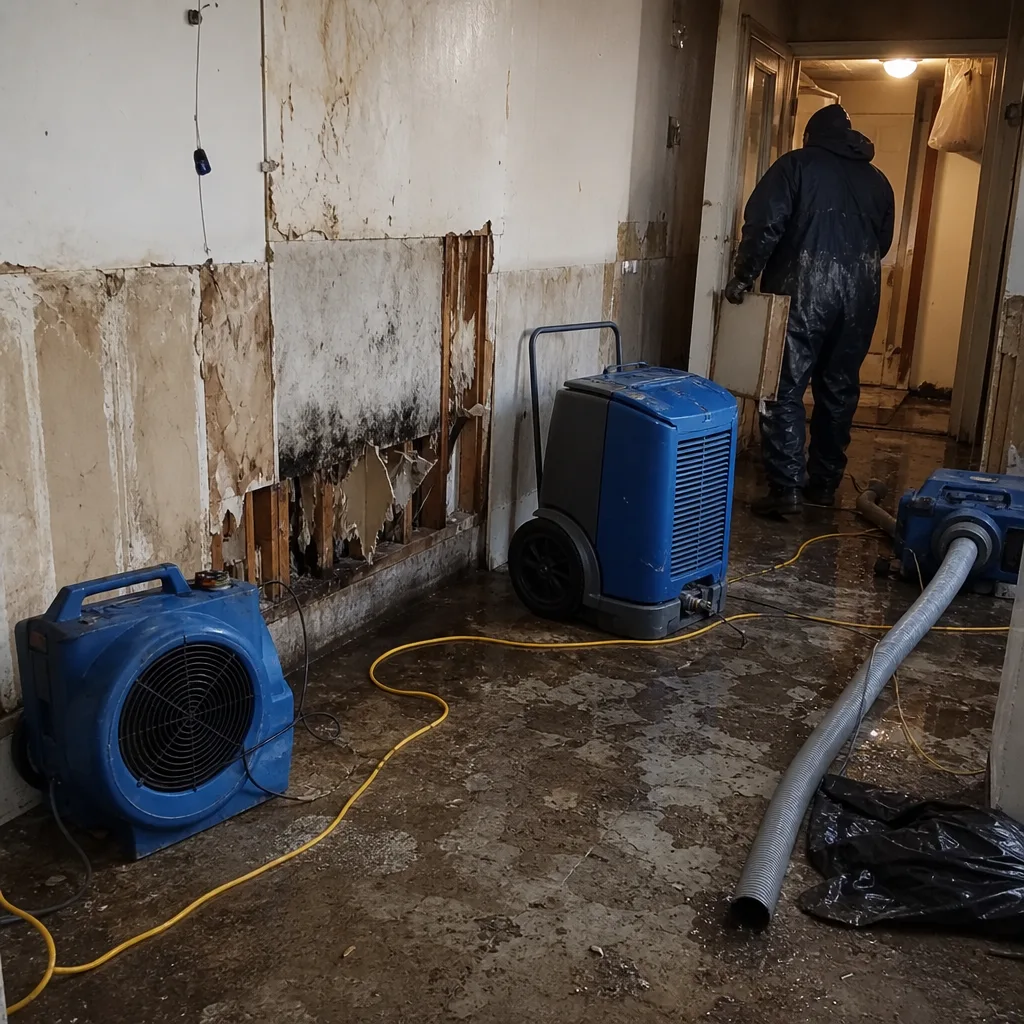 Before
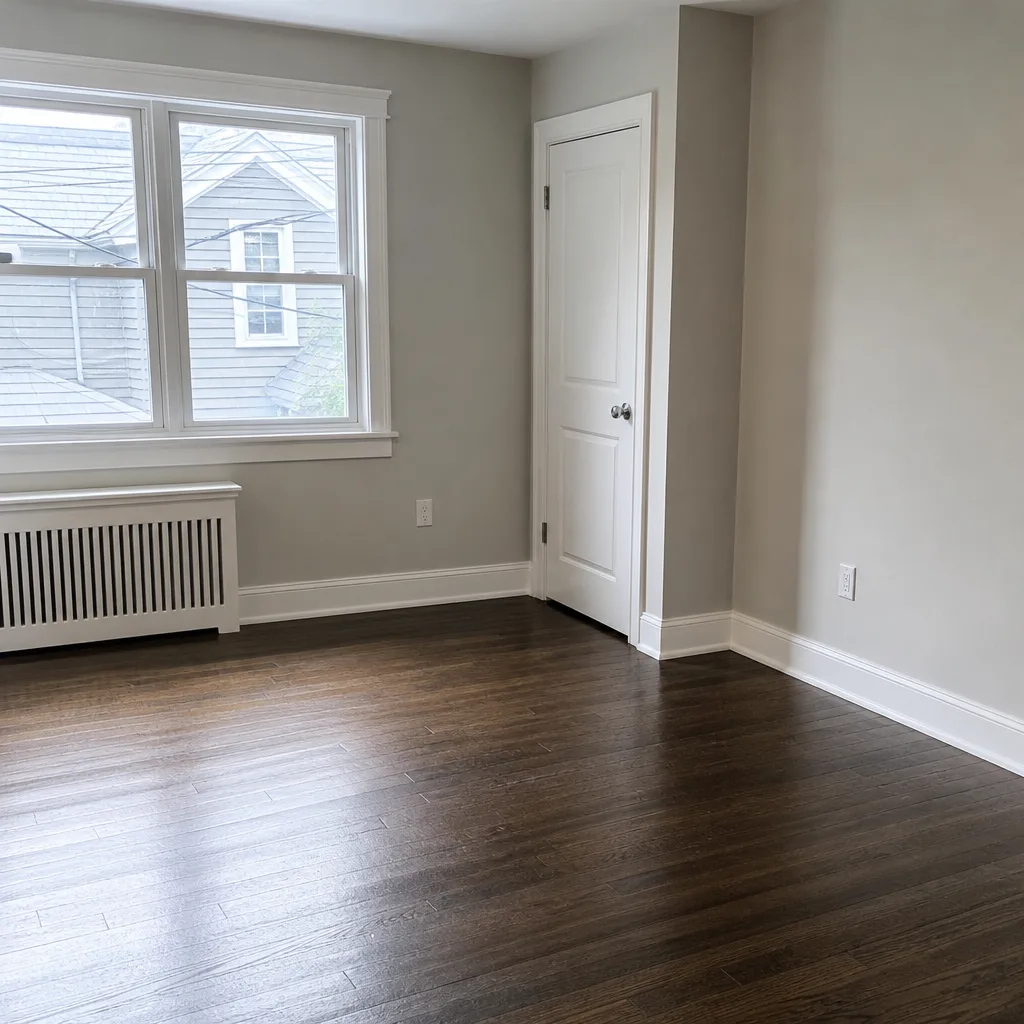 After
After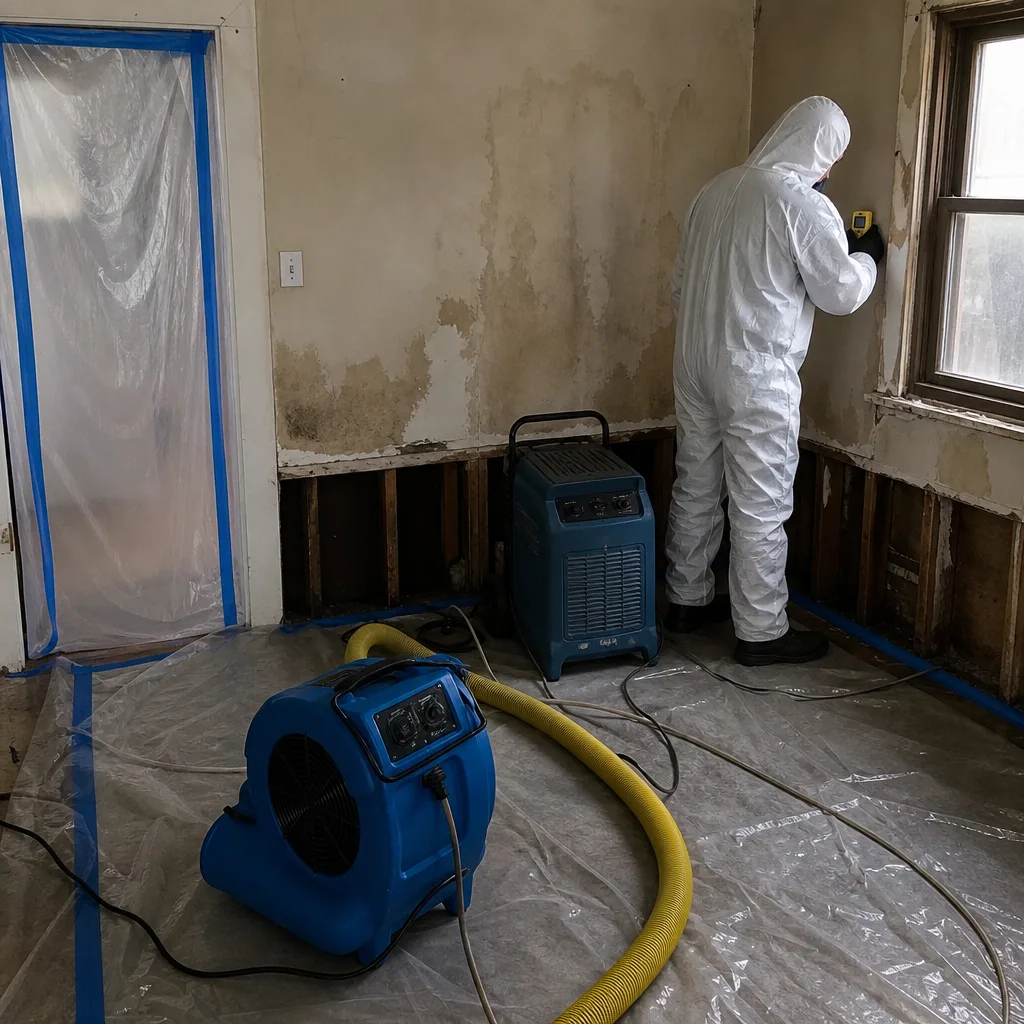 Before
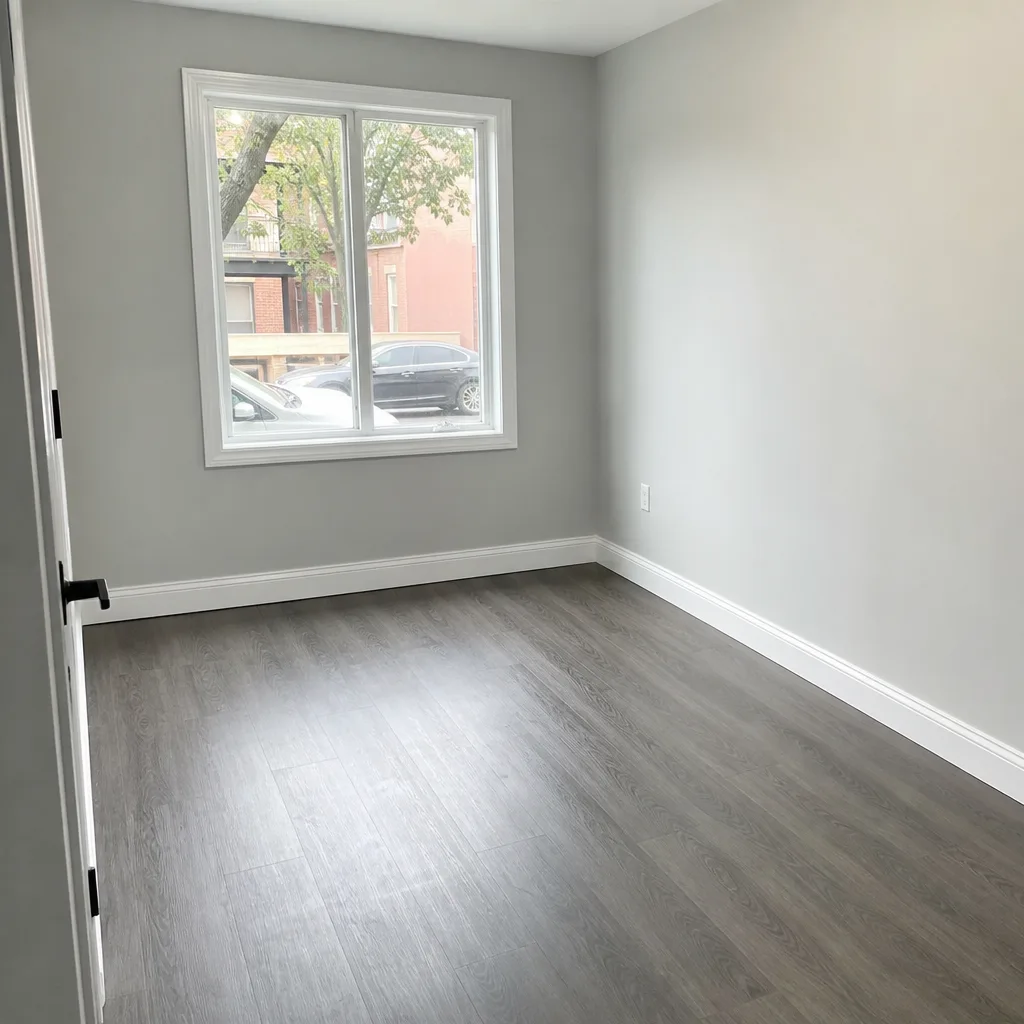 After
AfterDamage Restoration Permits, Codes & Inspections in NY: What You Need to Know
New York City’s Department of Buildings pulled more than 9,000 stop-work orders in a recent year. A surprising number of those hit residential restoration jobs in neighborhoods like East New York, where a homeowner figured the work was just repair and never filed a thing. By the time the DOB knocks, or the title search comes back flagged before closing, the cost to unwind it is triple what the permit would have cost. This guide walks through the permit landscape for water, fire, and mold restoration specifically in East New York and across the five boroughs, so you know what needs filing before the first wall comes open.
Quick Answer
Most water and fire damage restoration in New York City does not require a DOB permit if the work is limited to drying, cleaning, and replacing finishes like drywall or flooring in kind. But the moment you alter the building’s footprint, move or repair load-bearing framing, replace more than a threshold amount of structural material, or disturb asbestos or lead paint in a pre-1978 building, you need permits, testing, or both. In East New York, where much of the housing stock predates 1978, the asbestos and lead question is usually the one that trips people up.
Table of Contents
- Maintenance vs. Alteration: Where the Permit Line Actually Sits
- Asbestos and Lead Paint Rules in Pre-1978 East New York Housing
- HPD Emergency Repair Orders and Multi-Family Habitability Compliance
- Self-Certification vs. a Registered Filing Rep: Who Files What
- Pulling Your Property’s DOB Records Before a Restoration Project
- Fire Damage Restoration: The Hidden Permit Triggers
- Mold Remediation and Permits: What Actually Applies
- How Permits Interact with Your Insurance Claim
Maintenance vs. Alteration: Where the Permit Line Actually Sits
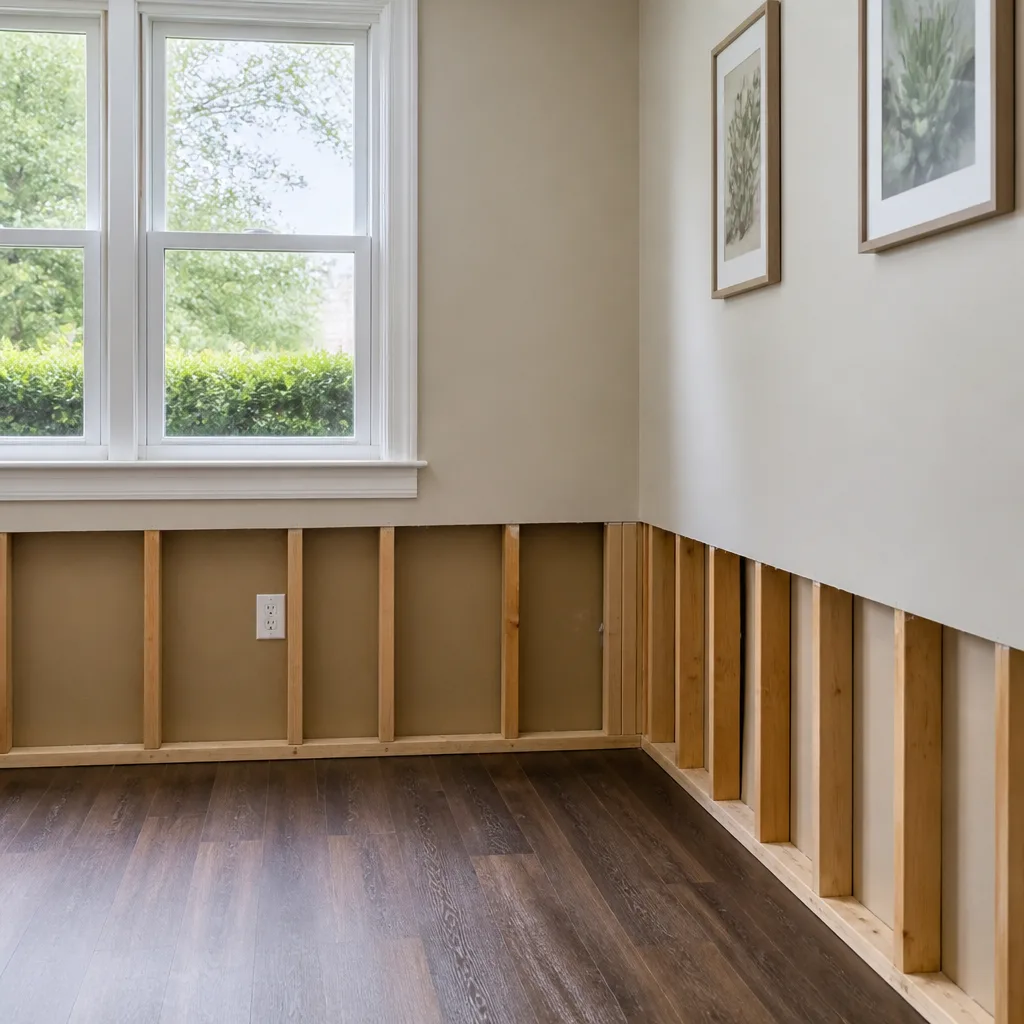
The New York City Administrative Code draws a line between maintenance, which is permit-exempt, and alteration, which requires a DOB permit. For restoration work, the line gets blurry fast. Replacing a section of water-damaged drywall is maintenance. Removing and replacing that same drywall to expose and repair rotted studs behind it is, in most cases, still maintenance if the studs are repaired in kind. But if you replace a load-bearing stud, sister joists after a fire, reframe a wall, or change the size or location of any opening, you have crossed into alteration territory. That requires an Alt-2 permit application through the DOB, and no contractor who tells you otherwise is doing you a favor.
Here is the practical rule we use in East New York. If the restoration puts back what was there, same material, same location, same dimensions, you are generally in maintenance territory. If the work changes what was there, or touches the structural skeleton of the building, you need a permit. A fire that burns through floor joists, for example, is virtually always a permit job. A dishwasher supply line that soaked a kitchen floor and rotted some subfloor is usually not, unless the joist repair changes the framing.
One more line in the sand: any work that affects the building envelope, meaning exterior walls, the roof, or the foundation, is an alteration. If water damage in East New York rotted out a section of exterior sheathing, you are not doing a maintenance repair. You are doing a permitted alteration. The DOB draws this line deliberately, and they enforce it with stop-work orders.
For a broader look at how this plays out in practice, see our Water Damage Restoration in East New York guide.
Asbestos and Lead Paint Rules in Pre-1978 East New York Housing
East New York has one of the oldest housing stocks in Brooklyn. A significant share of the residential buildings here went up before 1978, which means lead paint rules apply, and many date to before 1980, which puts asbestos in play. This is not a technicality. It is the single most common reason a restoration job gets flagged at inspection or flagged years later at resale-read our Damage Restoration Warning Signs: A East New York Homeowner’s Reference Guide to spot trouble before it escalates.
Federal law, specifically the EPA’s Renovation, Repair and Painting rule, requires that any contractor disturbing more than a small threshold of painted surface in a pre-1978 home be certified in lead-safe work practices. New York City goes further. Local Law 1 of 2004 makes lead paint violations a housing code issue, not just an EPA issue, and the fines for improper lead dust control during renovation are among the highest in the country.
Asbestos works the same way. New York City requires an asbestos survey before any demolition or renovation work in buildings constructed before 1987, unless the material has already been tested and cleared. A restoration contractor who opens a wall and finds vermiculite insulation or asbestos-containing joint compound has a legal obligation to stop and test. The testing must be done by a certified asbestos investigator, and the abatement, if needed, must be done by a licensed asbestos abatement contractor, not by the restoration crew.
Here is the sequence we follow in East New York on any pre-1978 restoration job:
- Identify the building’s construction era. If it predates 1978, lead rules apply. If it predates 1987, asbestos rules likely apply too.
- Scope the work for disturbed surfaces. How much painted surface will be disturbed? How much wall cavity will be opened? Will demolition expose insulation, plaster, or pipe wrap?
- Test before demo. For lead, we use a certified lead inspector or risk assessor. For asbestos, we use a DOB-licensed asbestos investigator. We do not cut first and test later.
- Get the clearance. After abatement, an independent firm runs a clearance air sample. We hand the homeowner that result, in writing.
- Proceed with restoration. The permit application, if required, references the testing and abatement steps already completed.
This testing sequence adds a few hundred to a few thousand dollars to a job, and it adds days. But it is the difference between a clean sale in five years and a flagged title that kills a closing. For mold work specifically, see Mold Remediation in East New York for how abatement and remediation differ.
HPD Emergency Repair Orders and Multi-Family Habitability Compliance
In multi-family buildings, New York City’s Department of Housing Preservation and Development has its own enforcement track that runs parallel to the DOB. HPD issues emergency repair orders when a condition threatens the health or safety of tenants: sewage backups, fire damage, a collapsed ceiling, water damage that has rendered a unit uninhabitable. The order names the violation, sets a deadline, and if the landlord does not act, HPD will send its own contractor and bill the property. That bill accrues interest and becomes a tax lien. It is not negotiable.
For restoration work in East New York multi-family buildings, the HPD order changes the timeline. You are no longer working on a discretionary schedule. You are working against a compliance deadline, and the scope of what you must restore is defined by the order, not by what the landlord would prefer to spend. This is where the permit question gets sharp. HPD requires the work to be done, but the DOB still requires a permit if the work crosses the alteration threshold. The two agencies do not talk to each other much. A landlord can comply with HPD and still get a DOB violation for unpermitted work.
The smart path is to pull the DOB records first, then read the HPD order, then scope the work to satisfy both agencies at once. For fire damage in a multi-family, this almost always means an alteration permit, because structural framing is usually involved. For water damage isolated to one unit, you may still be in maintenance territory, but you want that determination in writing from someone qualified to make it.
Self-Certification vs. a Registered Filing Rep: Who Files What
New York City allows two paths for filing alteration permits: professional certification, where a licensed architect or engineer takes responsibility for the plans and self-certifies that they meet code, or a registered filing representative, who files the plans and manages the application but does not self-certify compliance. The difference matters a lot for restoration work.
Self-certification is faster. The filing professional attests to the code compliance, and the permit can be issued without a full plan review. The catch is that the professional’s license is on the line every time, so architects and engineers will not self-certify a restoration scope they cannot fully document. If the job involves structural repair after a fire, the professional will want to see the actual framing conditions, which means the restoration contractor needs to do some selective demolition first. That creates a chicken-and-egg problem: you need the permit to do the work, but you need to expose the work to get the permit.
The practical answer in East New York is to work with a restoration contractor who has established relationships with filing professionals and who can sequence the work so that the selective demolition happens under a limited permit or a work order, then the full alteration permit follows. A registered filing rep, by contrast, files what is called a full demo application and goes through the standard review queue, which takes weeks longer. For a water damage job where a family is out of their home, that timeline is not acceptable. This is where an owner-operated company with deep local knowledge beats a national chain every time. The national chain files a standard application and waits. The local company knows which filing professional in Brooklyn can turn it around faster.
Pulling Your Property’s DOB Records Before a Restoration Project
Before any restoration work starts in East New York, pull your property’s DOB records. You can do this yourself through the DOB’s Building Information System, or your contractor can do it for you. What you are looking for is the property’s entire filing history: permits issued, permits still open, violations, complaints, and any prior stop-work orders. This matters more than most homeowners realize.
Here is a scenario we have seen more than once in East New York. A homeowner buys a two-family house. Five years later, a pipe bursts and the restoration crew opens a wall. Behind the drywall, the framing was clearly altered at some point, and the work was never filed. The restoration scope now has to account for the fact that the prior unpermitted work will be exposed during inspection. If the restoration permit application references that framing, and the DOB finds unpermitted work in the same location, the violation can land on the current owner, even though the work predates their purchase.
The sequence we recommend:
- Pull the DOB records before you sign a restoration contract. Know what is already on file.
- Compare the records to the actual building. If the records show no permits for a finished basement or an extension, assume that work was unpermitted.
- Tell your restoration contractor what you found. A good contractor will scope the restoration work to avoid triggering exposure of prior unpermitted work where possible, or will advise you on how to legalize it if exposure is unavoidable.
- Do not assume the contractor will tell you. Some will not. The contractor gets paid to restore, not to flag title problems. You have to ask.
This is one of those steps that costs nothing but an afternoon of your time, and it saves homeowners in East New York from surprises at closing. The title search will eventually find what the DOB records show. Better to know before the restoration starts than after the walls are closed back up.
Fire Damage Restoration: The Hidden Permit Triggers
Fire damage is the restoration category where permits are almost never optional. A fire hot enough to require restoration has usually compromised structural framing. Even a small kitchen fire that the FDNY put out quickly can leave charred joists or studs, and any replacement or reinforcement of those members is an alteration under New York City code. The DOB does not care that the fire was not your fault. The permit requirement attaches to the work, not the cause.
Fire damage in East New York also triggers a second agency: the FDNY has its own inspection and sign-off requirements for fire-damaged buildings, particularly when fire-rated assemblies, like the wall between dwelling units, were compromised. A restoration contractor doing fire work must coordinate the FDNY sign-off with the DOB permit, and the sequence matters. If you close up walls before the FDNY sees the fire-stopping, you will be opening them again.
The other hidden trigger is the electrical system. Fire damage to wiring, or even just the heat exposure, can require a separate electrical permit through the DOB, and the work has to be done by a licensed electrician. Restoration contractors are not electricians, and the good ones will tell you that up front. They will sub the electrical out to a licensed master electrician and include that permit in the scope. If a contractor quotes fire restoration without mentioning the electrical permit, ask why.
For the full picture of what fire restoration involves in practice, see our Fire & Smoke Damage Restoration in East New York page.
Mold Remediation and Permits: What Actually Applies
Mold remediation is the one restoration category where the permit question is almost always no. New York State does not license mold contractors, and New York City does not require a DOB permit for mold remediation itself. The work is generally classified as maintenance and cleaning, even when it involves removing and replacing drywall or insulation. The permit comes into play only when the remediation crosses into structural alteration, which happens less often with mold than with fire or water damage to framing.
But there is a catch, and it is a big one in East New York. Mold remediation in a pre-1978 building almost always disturbs painted surfaces, which triggers the lead-safe work practices rule, and it may disturb asbestos-containing materials in wall cavities. So while there is no mold permit, there is a testing and containment obligation that functions like a permit in all but name. A mold contractor who promises to “just spray and scrub” without addressing lead and asbestos testing in an older East New York building is setting you up for a violation-one reason we covered the full decision framework in our DIY vs Professional Damage Restoration: The East New York Homeowner’s Decision Guide.
New York City also requires that mold remediation work meet the standards of the New York City Department of Health and Mental Hygiene’s guidelines, which are some of the strictest in the country. The guidelines specify containment levels, air filtration requirements, and clearance criteria. A post-remediation verification, done by an independent mold assessor, is not legally required in all cases, but it is the only way to prove the job was done right. We hand homeowners a written clearance report on every mold job. Most of our competitors do not.
How Permits Interact with Your Insurance Claim
The insurance adjuster will almost never tell you that your restoration work needs a permit. The adjuster’s job is to settle the claim within the policy limits, not to flag DOB compliance issues. But the standard homeowner’s policy has language about permits and code upgrades, and it matters for how much you get paid.
Most policies include something called Ordinance or Law coverage, which pays for the additional cost of bringing the work up to current code when the repair is required by the damage. That coverage typically has a sublimit, often 10% of the dwelling coverage, and it only applies if the work actually requires a permit and actually triggers code upgrades. If your restoration contractor does unpermitted work, you cannot claim Ordinance or Law coverage, because the work was never submitted for code review. You leave money on the table.
The other interaction is simpler. If your insurance company issues a check and the work is never permitted, and then you try to sell the house, the buyer’s lender may flag the unpermitted work and refuse to finance. The seller is then stuck legalizing the work after the fact, at a cost that is never covered by the original claim. In East New York, where a large share of homes are older and the sale prices are high enough to make lenders careful, this happens more than people realize.
The practical advice: if your restoration scope includes anything structural, ask the contractor to pull the permit as part of the job. You may need to pay the permit fee out of pocket if the insurance company refuses, but it is a few hundred dollars against a problem that can cost tens of thousands later. For more on how we handle the insurance process, see Wade’s Restoration home.
Common Mistakes to Avoid
- Assuming restoration is automatically permit-exempt. It is not. The maintenance vs. alteration line is specific, and crossing it without a permit exposes you to stop-work orders and fines. In East New York, where homes are older and the work often touches structural framing, the line gets crossed more often than not.
- Skipping asbestos and lead testing in pre-1978 buildings. This is the most expensive mistake a homeowner can make. The testing costs a few hundred dollars. Missing it can cost tens of thousands in DOB and EPA fines, not to mention the liability if a child is exposed to lead dust.
- Letting the contractor open walls before pulling the DOB records. If prior unpermitted work is hidden behind those walls, you just exposed yourself to a violation. Pull the records first, then decide what to open.
- Filing an HPD emergency repair without checking DOB requirements. Multi-family landlords sometimes think the HPD order is the only document that matters. The DOB will still cite you for unpermitted alteration work, and the two enforcement tracks do not cancel each other out.
- Trusting a contractor who says “we don’t need permits for this” without explaining why. A legitimate contractor can explain the maintenance vs. alteration distinction in plain English. If the answer is just “trust me,” do not.
- Closing up walls before the FDNY or DOB inspector sees the work. Fire restoration in particular has inspection points that must be hit in sequence. Close up early, and you will be opening the wall again on your own dime.
- Not documenting the permit and testing paperwork for resale. When you sell the house, the buyer’s attorney will ask for the permit history. If you paid for testing and abatement, keep the paperwork. It is the difference between a clean closing and a price reduction.
When to Call a Professional
If you have water damage that has exposed structural framing, fire damage of any kind, or mold in a pre-1978 building in East New York, this is not a DIY permit question. The liability for getting it wrong is too high. A restoration contractor who knows the New York City permit landscape can pull your DOB records, sequence the testing and abatement, file the right paperwork, and coordinate with the FDNY and HPD where needed-see our How to Hire a Damage Restoration Contractor in East New York: A Step-by-Step Guide for what to look for. Wade’s Restoration offers free estimates in East New York and will sit down with you to walk through the permit picture before any work starts. Call (363) 300-2771 and ask for Wade directly. He will tell you straight what needs filing and what does not.
Frequently Asked Questions
No, replacing water-damaged drywall with new drywall of the same type, in the same location, is classified as maintenance and does not require a DOB permit. The permit requirement kicks in only if the work extends to structural framing or changes the building’s configuration. We handle this distinction every day in East New York and can tell you within a single visit which side of the line your job falls on. Call (363) 300-2771 for a free assessment.
Mold remediation itself does not require a DOB permit, because it is classified as maintenance and cleaning. But the work must meet New York City Department of Health guidelines, and in pre-1978 buildings, lead and asbestos testing and containment rules apply. Those requirements function like a permit in practice, even if no filing is required. We include that testing in our mold scope in East New York, and we hand you the clearance paperwork at the end.
Under New York City rules, a DOB-licensed asbestos investigator must perform the survey before any demolition or renovation work that could disturb asbestos-containing materials. The restoration contractor is responsible for ensuring this testing happens. If the contractor skips it and workers are exposed, the liability lands on the property owner and the contractor. In East New York, where pre-1978 housing is common, we test before we cut on every job.
Yes, and it does regularly. A buyer’s lender can refuse to finance a transaction if the title search or DOB records show unpermitted structural work. Even if financing goes through, the buyer’s attorney will often demand a price reduction or a legalization cost escrow. Sellers in East New York have lost deals over unpermitted restoration work done years before they listed.
An HPD emergency repair order is a directive from the Department of Housing Preservation and Development requiring a landlord to fix a dangerous condition, like sewage backup or fire damage, by a set deadline. HPD and the DOB are separate agencies, and complying with the HPD order does not exempt you from DOB permit requirements. If the repair crosses into alteration territory, you need both agencies satisfied, not just one.
The timeline depends on the filing path and the scope. Professional certification by a licensed architect or engineer can issue permits in days for straightforward structural repairs, while a full plan review through a registered filing rep takes weeks. In an emergency, we work with Brooklyn-based filing professionals who can turn professional certification around fast enough to keep a family from being out of their home any longer than necessary. Call (363) 300-2771 and we will tell you the realistic timeline for your specific job.
The Bottom Line
Most homeowners in East New York never think about restoration permits until a pipe bursts or a fire happens, and by then the clock is already running. The short version: maintenance work is permit-exempt, alteration work is not, and the line between the two is decided by whether the work touches structural framing or changes the building. Pre-1978 housing adds lead and asbestos testing obligations on top of that. Pull your DOB records before you open walls. File the permit when the scope crosses the line. Keep the paperwork. And if you are not sure, call someone who can tell you straight, or browse our more guides & resources first. Wade Ferris will answer the phone himself at (363) 300-2771 and walk you through exactly what your job needs before the first wall comes open.
Written by Wade Ferris, Owner at Wade’s Restoration, serving East New York since 2007.