
Last updated August 26, 2026
Free visual inspection and a written scope of work before any mitigation begins - photos, moisture readings, and drying logs go in your claim file
The scope we write is the scope we bill. Anything new gets shown to you, in writing, before we touch it.
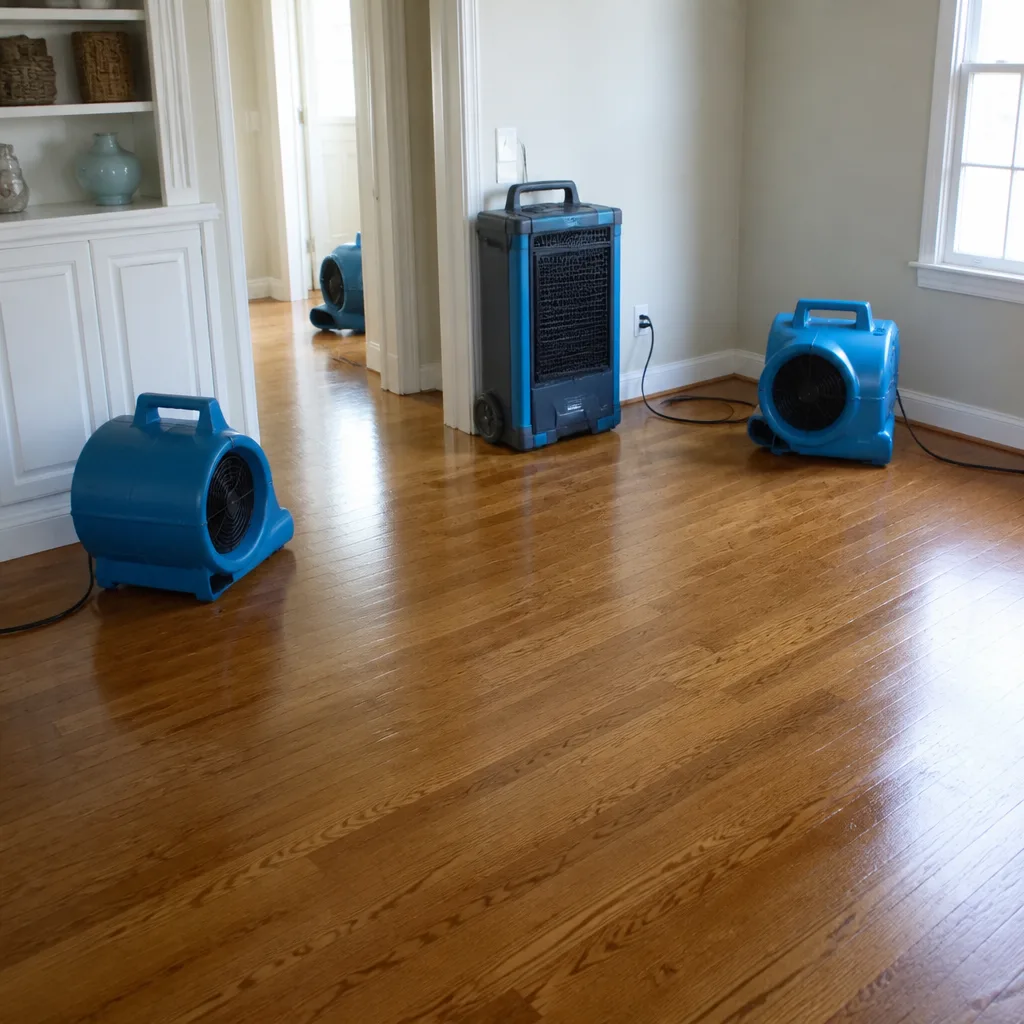

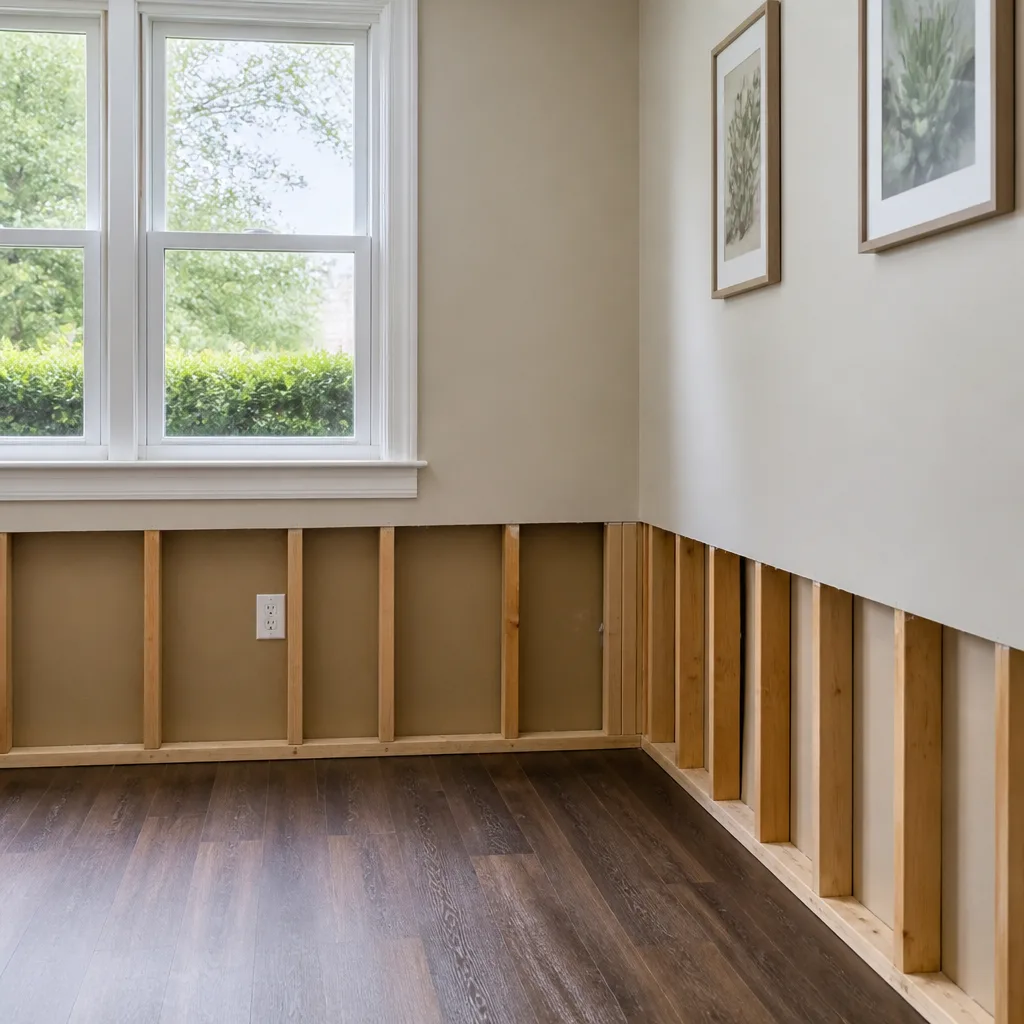


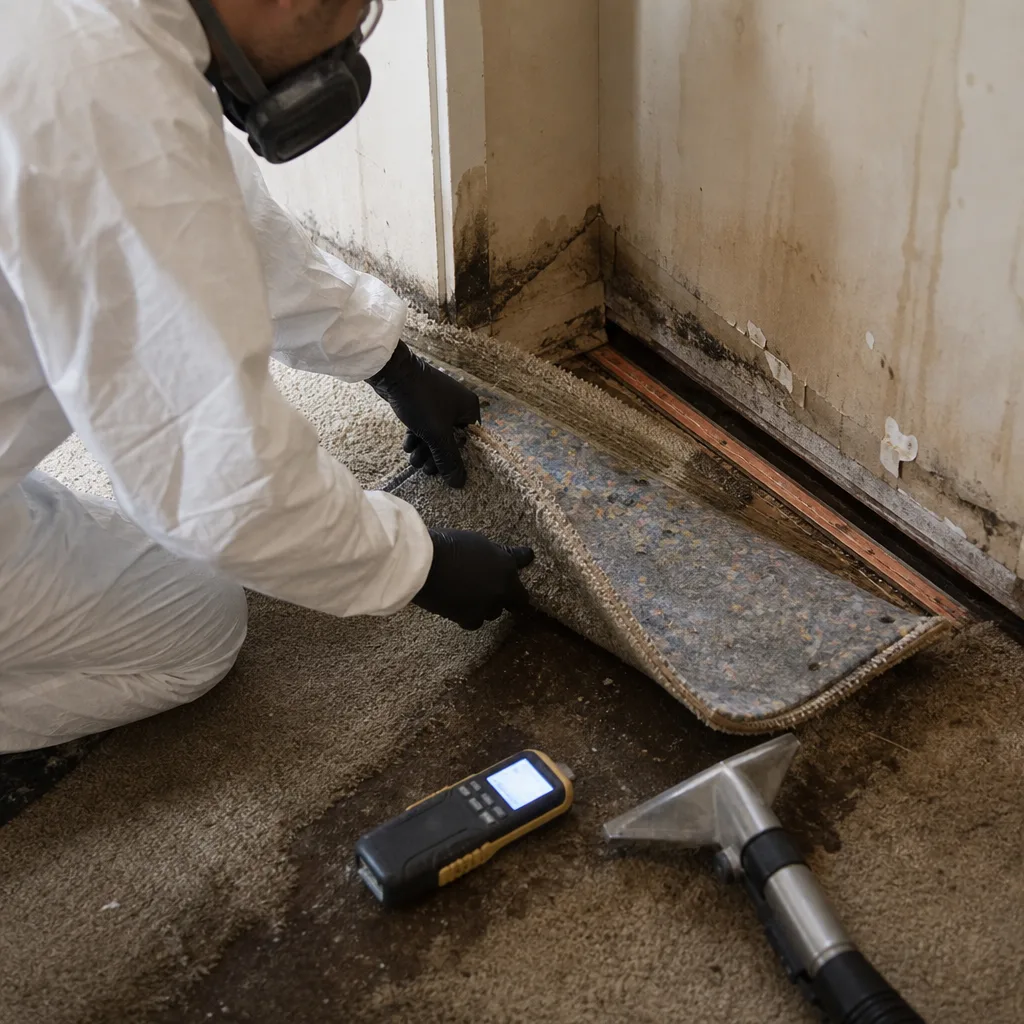
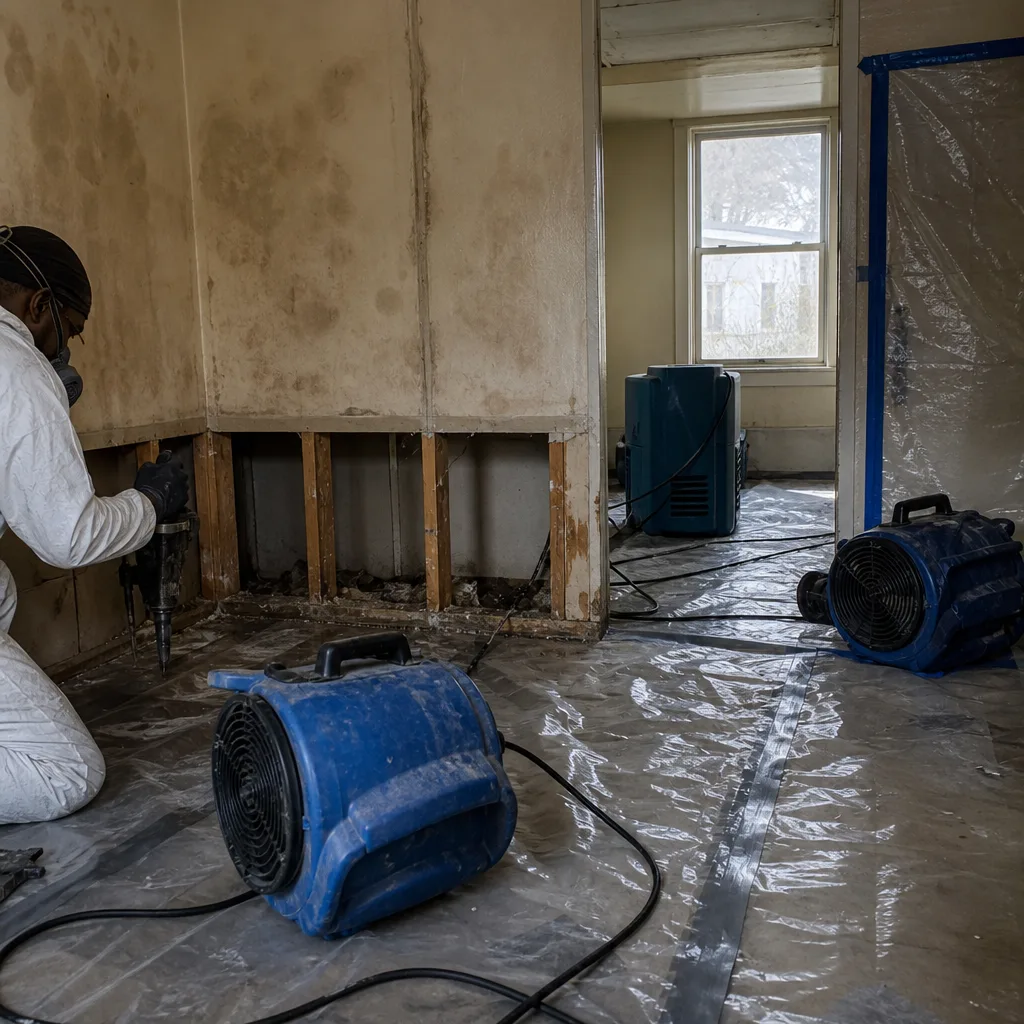 Before
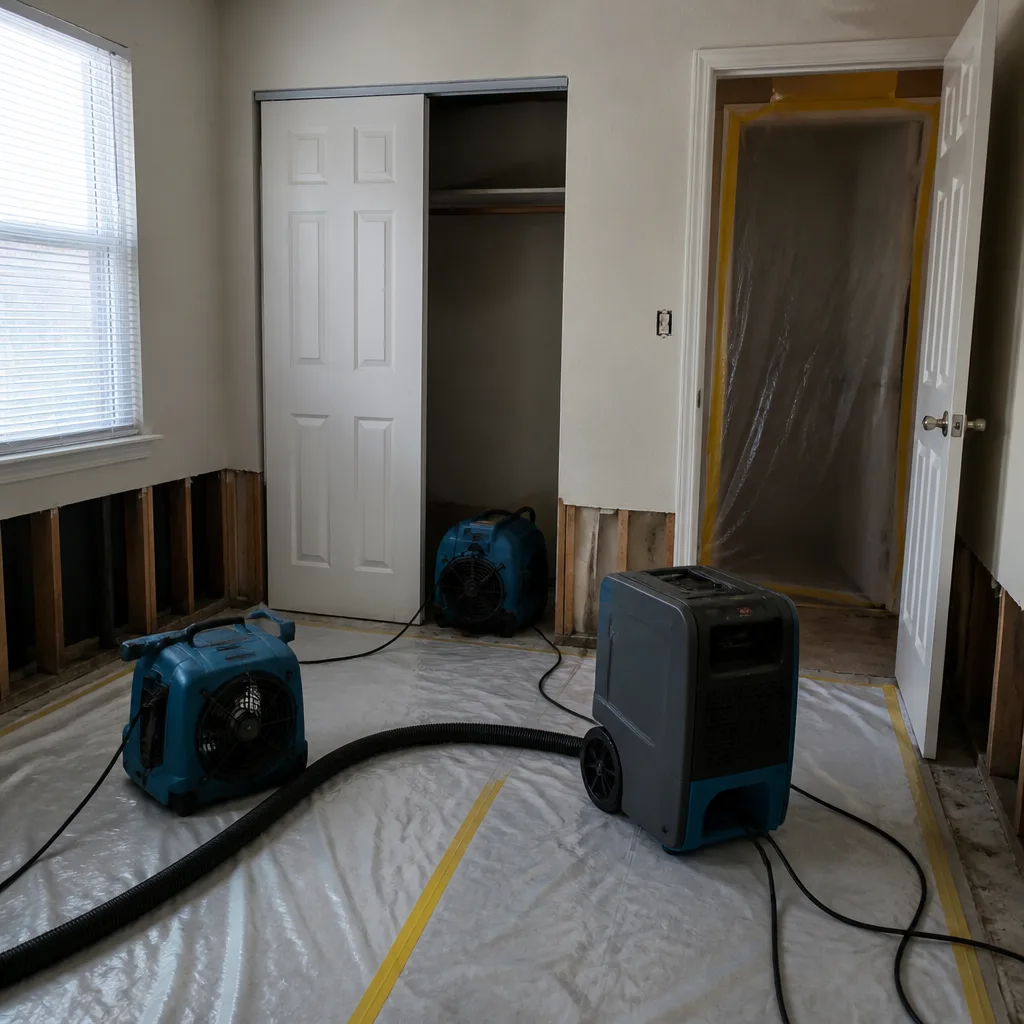 After
After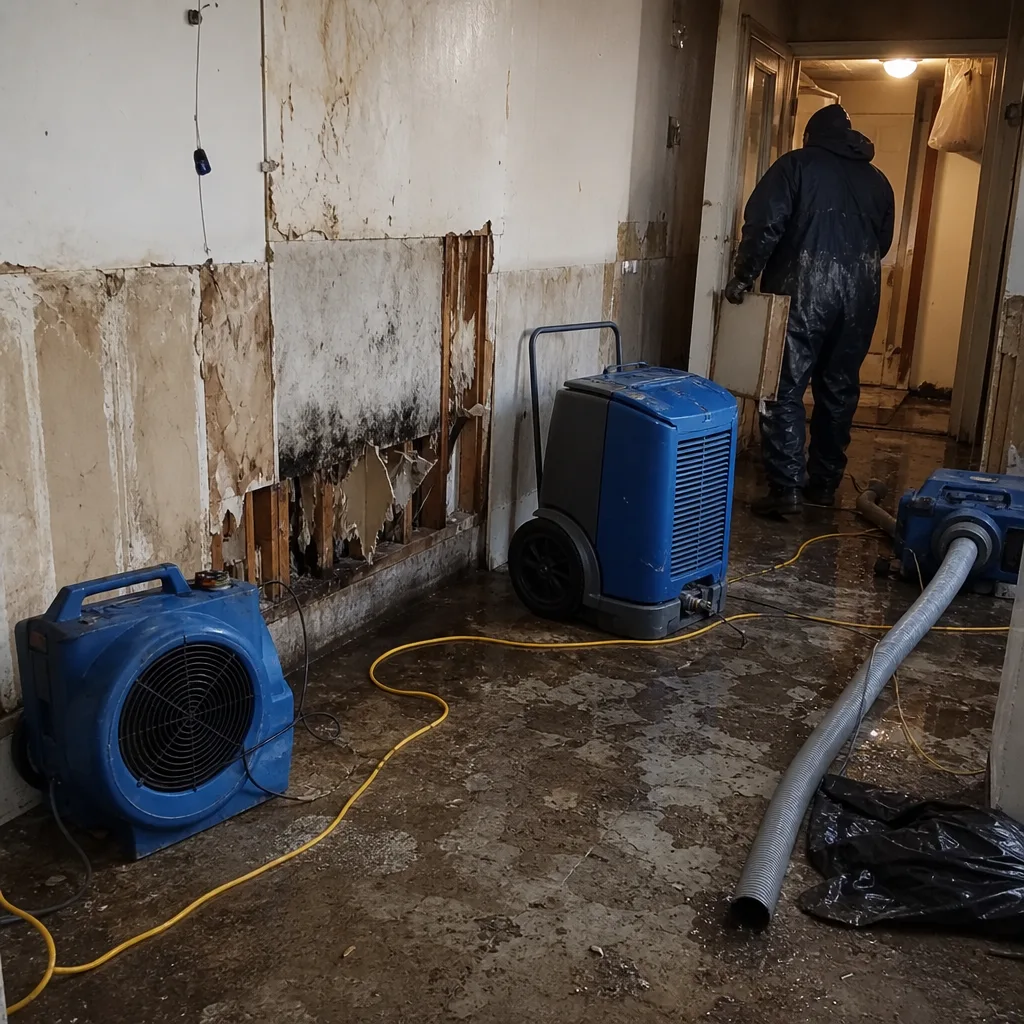 Before
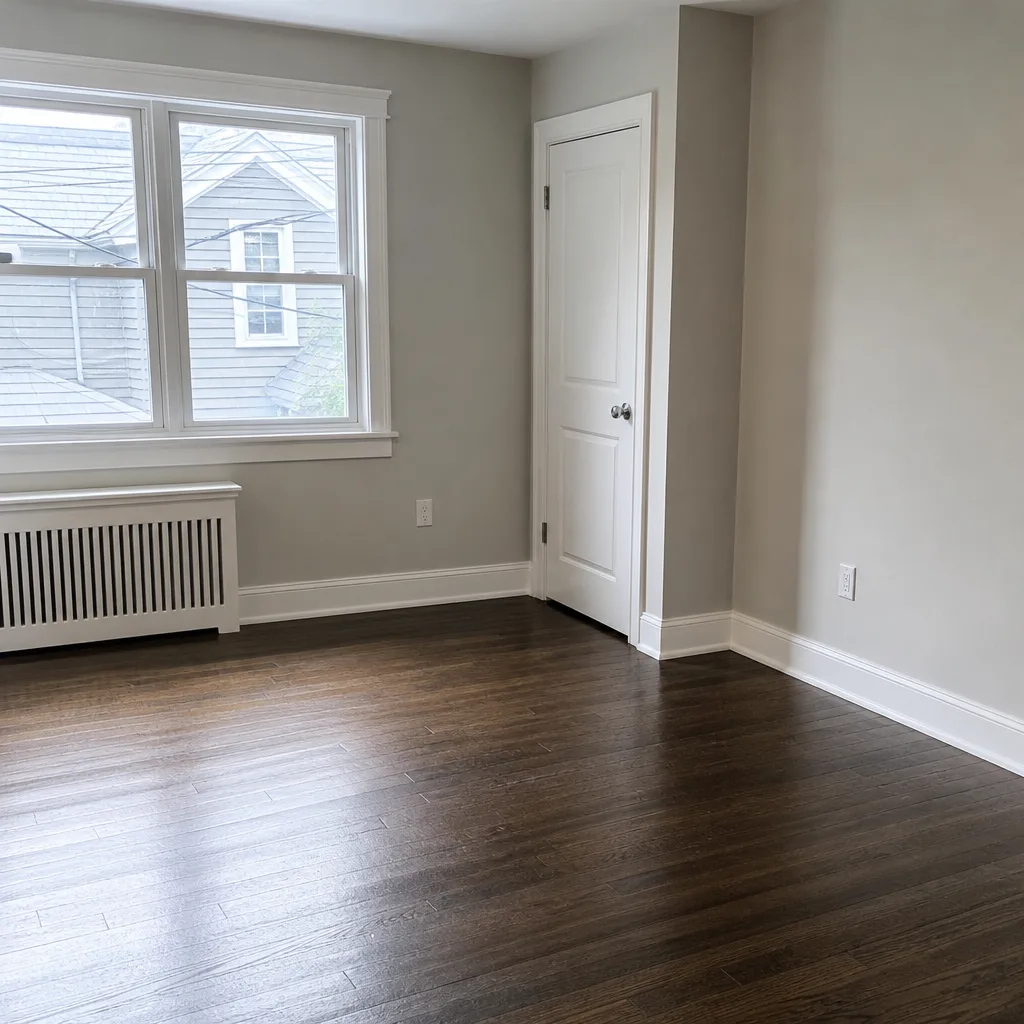 After
After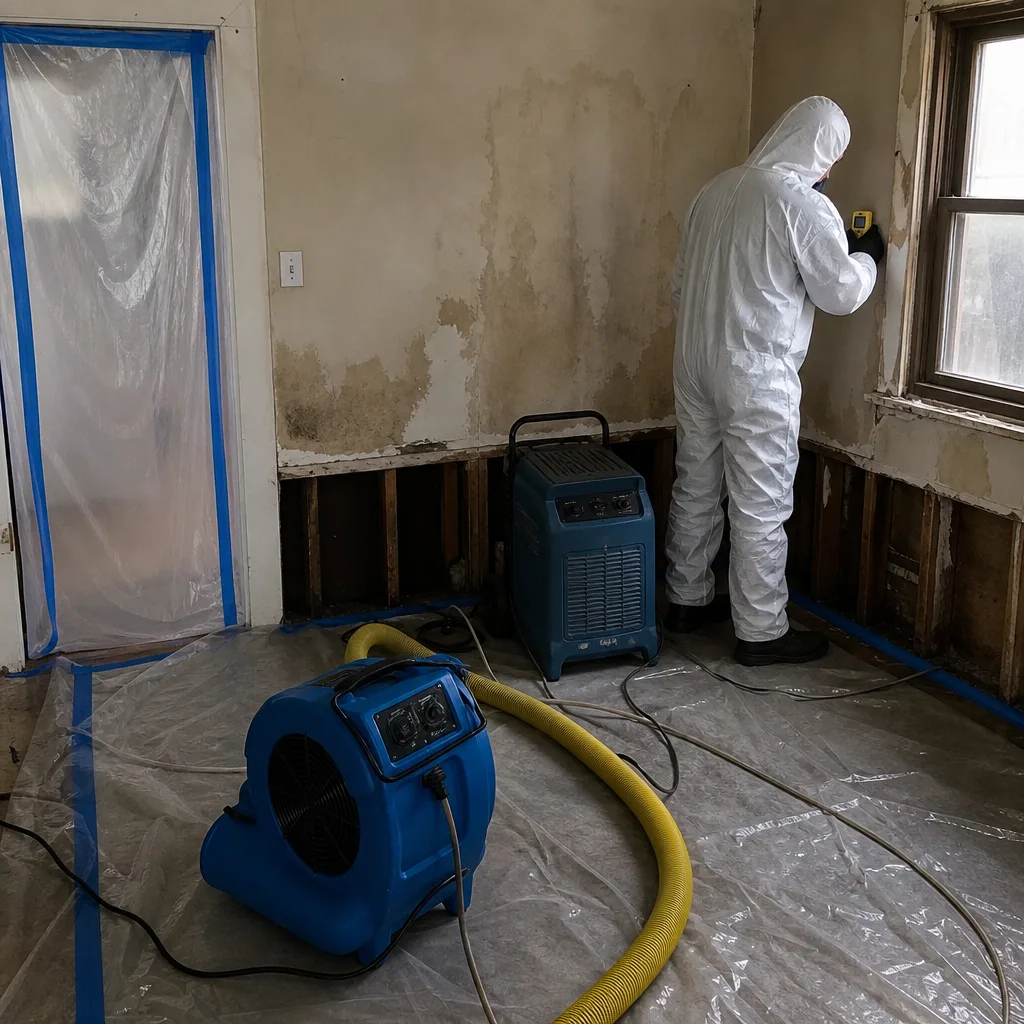 Before
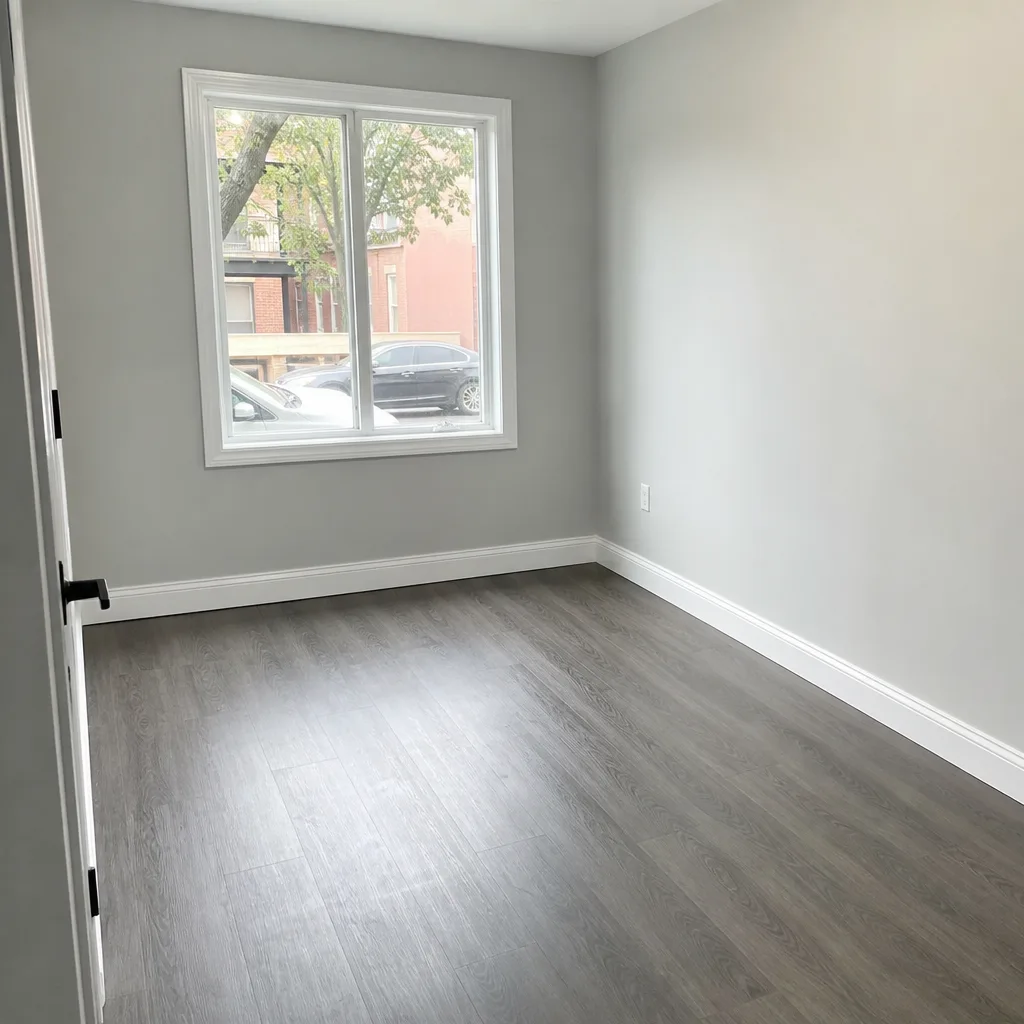 After
AfterHow to Hire a Damage Restoration Contractor in East New York: A Step-by-Step Guide
Here’s a hard truth most homeowners in East New York learn the expensive way: the contractor who shows up first, talks fastest, and promises to “handle everything with your insurance” is usually the one you’ll regret hiring. After a pipe bursts at 2 a.m. or a sewer line backs up into your finished basement, you’re not in a position to make careful decisions. You’re standing in water, your wife is on the phone with the claims department, and some guy in a polo shirt is handing you a clipboard. That’s not an accident. That’s a business model. This guide - along with The Complete Guide to Damage Restoration in East New York - will slow things down just enough to protect you, walking through exactly how to vet a restoration contractor in East New York before you sign anything, and what the red flags look like when someone’s counting on you not to check.
Quick Answer
Hiring a damage restoration contractor in East New York comes down to five things: verify their New York State license and insurance in writing, understand exactly what “we work with your insurance” means in the contract you’re signing, get a line-by-line estimate before any work starts, confirm they’re local with a published address and a name you can track down, and never sign an Assignment of Benefits form without reading every word. A legit contractor will welcome every one of those checks. The one who gets defensive is the one you don’t want in your house.
Table of Contents
- Step 1: Check the License and Insurance - The Two-Minute Verification
- Step 2: Understand What “We Work With Your Insurance” Actually Means
- Step 3: Never Sign an Assignment of Benefits Without Reading It First
- Step 4: Make Three Phone Calls Before You Sign Anything
- Step 5: Read the Estimate Line by Line - What’s Fair in Brooklyn vs. What’s Inflated
- Step 6: Why Hiring Local and Owner-Operated Matters in East New York Specifically
- Step 7: The Red Flags That End the Conversation Immediately
- The East New York Homeowner’s Hiring Checklist
Step 1: Check the License and Insurance - The Two-Minute Verification
New York State doesn’t have a single all-purpose “restoration contractor” license. What it has is a patchwork of requirements, and the contractors who skate by count on you not knowing the difference. Water damage restoration, mold remediation, and fire damage work fall under different rules depending on the scope. Mold remediation, specifically, requires a New York State Mold Remediation Contractor license under Article 32 of the Labor Law. Any contractor performing mold assessment or remediation in East New York must hold that license, period. For water and fire damage, the contractor should carry a valid New York City Home Improvement Contractor license if the job crosses into reconstruction, or they should be working under a licensed GC.
Here’s the two-minute check that saves you months of headaches:
- Ask for their New York State Mold Remediation Contractor license number if the job involves any mold work. Write it down.
- Look it up on the New York State Department of Labor’s license search tool. It’s free, it’s online, and it takes about 90 seconds.
- Ask for a certificate of insurance - liability and workers’ compensation - with your name listed as the certificate holder. Don’t accept “we’re fully insured” as an answer. That sentence means nothing. The paper means something.
- Check that the insurance limits match the job. A $50,000 liability policy on a $80,000 fire restoration is a red flag.
In our experience on jobs across East New York, from Cypress Hills to Spring Creek, the homeowners who do this check rarely end up with the horror stories. The ones who skip it are the ones calling us six months later to fix what the unlicensed crew left behind. That second remediation almost always costs more than the first one did. Wade Ferris has been through this cycle more times than he can count since founding Wade’s Restoration home in 2007, and he’ll tell you the same thing: if a contractor hesitates on the license number, that’s the end of the conversation.
One more thing on insurance. Your homeowners policy likely covers sudden and accidental water damage, but not gradual leaks you ignored for six months. Before the contractor touches a wall, know what your policy says. A good restoration company will walk you through that distinction. The bad ones will tell you not to worry about it, then send you a bill your insurer refuses to pay.
Step 2: Understand What “We Work With Your Insurance” Actually Means
That sentence - “we work directly with your insurance” - is the most overused and least understood phrase in the restoration business. It sounds like a favor. It’s usually a strategy. Here’s what it means in practice, and why you need to understand the mechanics before anyone starts pulling up carpet.
When a restoration contractor says they “work with insurance,” they mean one of three things, and only one of them is good for you:
- The good version: The contractor is willing to bill your insurance company directly for covered work and wait 30 to 90 days for payment. This is standard. It’s how restoration billing works. It means they’re established enough to float the receivable, which is a basic sign of a legitimate operation.
- The neutral version: The contractor communicates with your adjuster on the technical details - moisture readings, drying logs, equipment lists, scope documentation. This is genuinely valuable. Adjusters understand line items better when a competent restoration professional explains them.
- The ugly version: The contractor wants to be the one negotiating your claim, which means you’re out of the loop. They decide what gets “approved,” they decide what work gets done, and they have a financial incentive to inflate the scope. Your name is on the policy, but their signature is on the decision-making.
- Read the entire form. Not the summary. Not the first paragraph. The whole document. If you don’t understand a clause, don’t sign until someone explains it in plain English.
- Ask what happens if the claim is denied. With an AOB in place, the contractor can pursue your insurer directly. Without an AOB, you’re the one negotiating. Know which position you want to be in before you sign.
- Check for a cap or a cap removal. Some AOBs include language that removes any limit on what the contractor can charge once the claim is assigned. That’s the most dangerous clause in the document, and it’s often buried on page three.
- Water extraction: “Truck-mounted extraction unit, 2 hours, living room” with an equipment description. Fair range in Brooklyn: $400 to $800 for a single room with a portable unit, $800 to $1,500 for a truck-mounted system that handles 40 gallons per minute. Anything vague like “extraction services” with no duration or equipment listed is a red flag.
- Air movers: Each unit should cost $30 to $50 per day. A 200-square-foot room needs 2 to 4 units. Count the units. If they’re billing you for 12 air movers in a space that physically can’t hold 12, that’s inflation.
- Dehumidifiers: A commercial dehumidifier runs $100 to $180 per day. A typical single-family home job needs 2 to 4 units. If the estimate shows 6 dehumidifiers running for 10 days on a 1,000-square-foot basement, ask questions.
- HEPA air scrubbers: These run $90 to $150 per day per unit. They’re legitimate equipment, but they get over-billed constantly. One to two units covers most residential jobs. Some contractors bill for “HEPA filtration” with no unit count or daily rate, which means they’re making up a number.
- Moisture mapping and daily log: This should be a flat fee, $250 to $500, and it should cover the initial assessment plus daily readings for the drying period. The ones who charge per reading are inventing complexity. Wade Ferris takes moisture readings every single day and hands the homeowner the full log at job’s end. Ask for that log. If the contractor won’t produce it, they’re not actually doing the readings.
- Containment barriers: For any mold work, expect $1.50 to $3.00 per square foot for proper containment. This is non-negotiable for safe mold remediation, and the crew should be using industry-standard containment from suppliers like East New York mold remediation professionals use. No containment line item on a mold job means they’re skipping a safety-critical step.
- Equipment: Established restoration companies use professional-grade equipment - Dri-Eaz dehumidifiers, Phoenix air movers, XPOWER fans. If the estimate doesn’t specify equipment brands or uses generic “fans” and “drying machines,” you’re likely paying professional rates for rental-store gear.
- “Emergency service fee” exceeding $500 with no explanation of what the emergency response actually was.
- “Supervision” or “project management” charged as 20% to 35% of the entire job - this is double-dipping. The labor rates already include supervision.
- “Disposal” line items that cost more than the debris physically weighs. A 10-yard dumpster in Brooklyn runs $500 to $700. If the disposal line says $2,400 for a single room, ask to see the invoice from the hauling company.
- Equipment rental periods that extend days past when the equipment was actually in your home. The daily moisture log solves this - if the log shows your walls were dry on day 4 but you’re billed for 7 days of equipment, that’s fraud.
- The person who signs the contract is the person who shows up. When you hire Wade Ferris, you’re not getting “a crew.” You’re getting Wade, who founded the company that handles fire and smoke damage in East New York with his own name on the door. He’s on the job site. He’s taking the moisture readings. He’s the one you’ll run into at the grocery store next week, and that’s the oldest accountability mechanism there is.
- Site presence is real, not promised. A national chain can tell you “your project manager will be on site” while sending a different subcontractor every day. Wade runs his own crews. The people who start your job are the people who finish it, and Wade is checking the work himself.
- Published address and license number. Wade Ferris publishes his name, his address, and his license number. You can find out where the business is, who owns it, and whether there are complaints filed. A national chain hides behind a call center in another state. A local owner-operator has nowhere to hide, which is why they don’t need to.
- Response time is real, not scheduled. When a pipe bursts in your East New York basement at 2 a.m., you need someone who can actually get there. Wade answers his own phone, and he can have extraction running inside the hour. That’s not a marketing line. That’s what owner-operated means. To wade is what you do through a flooded basement at two in the morning - and it happens to be his name.
- No written estimate before work starts. A verbal quote means nothing. If they won’t put it in writing, there’s a reason.
- Pressure to sign on the spot. “This price is only good today” is a sales tactic, not a restoration practice. Legitimate contractors understand you need time to call your adjuster and check their license. The ones who rush you are rushing you for a reason.
- They ask for full payment upfront. Standard practice is a deposit and payment drawn for completed work, often billed directly to your insurer. Anyone demanding 100% before a fan is plugged in is planning to disappear.
- They tell you to skip filing a claim. “Don’t involve your insurance, we’ll give you a cash price” is the single biggest red flag in the industry. It means one of two things: they want to do cheap work that won’t fix the real problem, or they don’t want the paper trail that comes with a documented claim. Either way, you lose.
- The truck has out-of-state plates or a phone number from another region. Storm chasers and transient crews follow disasters. They show up in East New York after a big storm, do fast work, and move to the next state. They’re gone before the work fails.
- No equipment list on the estimate. Vague line items like “drying services” are a blank check. Demand specifics: how many air movers, what brand, what daily rate, for how many days.
- They can’t or won’t produce a certificate of insurance. This is the one that ends everything. No certificate, no work. Period.
- Stop the source of the damage first. Shut off the water main, call Con Edison for gas or electrical emergencies, and get everyone out if there’s structural risk.
- Call your insurance company. Start the claim. Get your claim number. Ask what your policy covers and what your deductible is.
- Get a license number and a certificate of insurance from any contractor before they enter your home. No exceptions, even for “just a look.”
- Verify the license online. Two minutes on the New York State Department of Labor site for mold, and the NYC Department of Consumer and Worker Protection for home improvement work.
- Make the three phone calls: your adjuster, your attorney or a contract-savvy friend, and a neighbor who’s dealt with water damage before.
- Read the entire contract. Including the AOB clause. Ask what every paragraph means in plain English.
- Get the estimate line by line. Equipment, daily rates, durations, disposal, containment. Every dollar needs a line item.
- Confirm who will actually do the work. Names matter. The person who signs the contract should be the person you see on site.
- Ask about the drying log. Daily moisture readings, handed to you at the end of the job. If they won’t commit to that, they’re not serious about documentation.
- Call Wade’s Restoration at (363) 300-2771. One call brings Wade himself. Since 2007, he’s been the one answering the phone in East New York, and he’ll give you a straight answer about whether you even need remediation or just a good drying job. Free estimate. No trip charge inside the county. And if it’s not done right, the 90-Day Done Right Promise means he makes it right, in writing.
The distinction matters more than most homeowners in East New York realize. Your insurance policy is a contract between you and your carrier. The restoration contractor is a vendor. When a vendor starts speaking for you in that relationship, you’ve given up the most important seat at the table. Wade deals with adjusters directly on every water damage restoration job in East New York, but he’s doing it on your behalf, with you copied on everything. That’s the difference between advocacy and replacement.
Ask the contractor this question early: “Are you communicating with my adjuster alongside me, or instead of me?” If the answer sounds like “instead of,” walk away. Your claim is your claim. Don’t give it to someone who profits from making it bigger.
Step 3: Never Sign an Assignment of Benefits Without Reading It First
This is the form that causes more East New York homeowner nightmares than any other piece of paper in the restoration industry. An Assignment of Benefits, or AOB, is a legal document that transfers your insurance claim rights to the contractor. You’re signing over your ability to negotiate, approve, or dispute the claim. The contractor now has the legal standing to deal directly with your insurer, and you become a bystander in your own emergency.
In New York State, AOBs are legal in many contexts, and there are legitimate reasons a contractor might ask for one. But here’s the problem: unscrupulous restoration companies use AOBs to inflate bills, perform unnecessary work, and then sue the insurance company when the claim is denied. You’re not a party to that lawsuit, but your policy number is on every court filing. And if the contractor wins a judgment, your premiums feel it for years.
Before you sign an AOB, do these three things:
Here’s what Wade Ferris has seen over 17 years of restoration work in Brooklyn and the surrounding boroughs: the companies that push AOB forms aggressively are usually the ones who need them most. A restoration contractor with a solid reputation, a real local address, and a history of working cleanly with all the major carriers doesn’t need to own your claim to do the job. They bill the work, document it properly, and get paid. The AOB is a shortcut around accountability. In most cases, when someone hands you an AOB in the first hour after the damage, that’s a sign to slow down, not speed up.
Step 4: Make Three Phone Calls Before You Sign Anything
You’re standing in a flooded basement in East New York, the contractor is waiting with a contract, and every hour of delay feels like another hour of damage. This is exactly the moment when the predatory contractor wants you to sign. Don’t. Make three phone calls first. Each one takes five minutes, and together they’ll save you from the most common restoration disasters.
Call One: Your Insurance Adjuster
This is the person who will ultimately approve or deny the work. Call them before you let anyone start tearing out drywall. Tell them you’ve had a loss, describe the damage in plain terms, and ask these specific questions: “What’s my deductible?” “Do I need pre-approval for mitigation work?” “Can you recommend local restoration companies you’ve worked with in East New York?” Adjusters hear horror stories about restoration contractors every week. They will tell you which local companies have a reputation for clean paperwork and which ones they dread seeing on a claim. This call alone is worth more than any online review.
Call Two: Your Attorney (or Anyone Who’s Read a Contract Recently)
Yes, this sounds excessive for a water damage job. But you’re about to sign a contract that could run into five figures, and you’re doing it while sleep-deprived and stressed. A five-minute call to a lawyer, a real estate agent, or even a sharp friend who understands contracts can catch the AOB clause you missed, the unreasonable payment schedule, or the vague scope language that turns into change orders later. If you don’t have an attorney, call your title company or mortgage broker - anyone who handles contracts as part of their work. The point is not to get a legal opinion. The point is to have someone else’s eyes on the document before yours get bleary.
Call Three: A Neighbor Who’s Used This Contractor
East New York is a neighborhood where people stay. The same families have lived on Linwood Street and Hendrix Street for decades, and someone on your block has dealt with a water heater failure or a roof leak in the last year. Ask around. Ask your block association. Ask at the corner store. A local restoration company’s reputation exists in the neighborhood whether or not it exists on Google. “Ask anyone on your street” isn’t a slogan for us - it’s the most reliable vetting method there is. Wade Ferris has built his business in this community for nearly two decades, and the people Wade sends to your door are people whose work your neighbors can attest to. That’s a level of accountability a national chain can’t match.
Step 5: Read the Estimate Line by Line - What’s Fair in Brooklyn vs. What’s Inflated
A restoration estimate is not a single number. It’s a document with dozens of line items, and each one tells you something about the company you’re hiring. Learning to read it takes about ten minutes, and it’s the difference between paying $9,000 for a legitimate water mitigation and $24,000 for the same work padded with nonsense. Here’s what you should see, what fair pricing looks like in the East New York market, and what the inflated version looks like side by side.
What a Legitimate Line Item Looks Like
What an Inflated Invoice Looks Like
Read the estimate in full. Ask for equipment lists, daily rates, and durations for every line. A straight-dealing contractor will give you a detailed, line-item estimate before any work starts. The one who hands you a single number and says “don’t worry about the details” is counting on you not to look.
Step 6: Why Hiring Local and Owner-Operated Matters in East New York Specifically
There’s a reason the national restoration chains advertise heavily in East New York, and it’s not because they have a deep connection to the neighborhood. It’s because zip codes like 11207 and 11208 have a lot of older housing stock - pre-war brick, finished basements, aging copper supply lines - and that means a steady stream of water damage claims. The chains come in, do volume, and move on. You’re not a neighbor to them. You’re a file number.
Hiring a local, owner-operated restoration company changes the entire dynamic. Here’s what that looks like in practice:
We’ve fixed enough botched jobs from out-of-area contractors to know the pattern: the chains quote low on the phone, add change orders once the walls are open, and disappear when the drying log shows a problem. The local guy lives with the consequences. He’s going to see you at the block party. That’s the difference, and it’s bigger than any price difference on the estimate.
Step 7: The Red Flags That End the Conversation Immediately
Some warning signs are subtle. Most aren’t. Here are the ones that should send a restoration contractor packing from your East New York home before they’ve finished their opening pitch:
The East New York Homeowner’s Hiring Checklist
Print this. Put it on the fridge. When the emergency hits, you’ll have a clear list to work through instead of making decisions in a panic:
Common Mistakes to Avoid
- Hiring the first contractor who knocks on your door. After a flood or fire in East New York, door-knockers show up fast. They’re not there to help. They’re there to get a signature before you’ve had time to call your adjuster. Politely close the door and make your three calls.
- Trusting an online review from someone you don’t know. A five-star rating from a stranger in another state tells you less than a twenty-second conversation with the neighbor across the street who had the same problem last spring. Ask anyone on your street. That’s the review that matters.
- Signing an AOB without reading it. This is the most expensive mistake in the restoration industry. You’re signing away your right to negotiate your own claim. Read every word, or don’t sign.
- Accepting a verbal quote. “We’ll figure out the details as we go” means you’ll figure out the bill when it’s too late to change course. Get everything in writing before any work starts.
- Delaying mitigation to save money. Water damage compounds by the hour. What’s a $3,000 extraction and drying job on Tuesday is a $15,000 mold remediation on Saturday. Speed matters, which is why Wade heads out the moment you call.
- Believing “we don’t need to involve your insurance.” This is almost always a trick. The contractor wants to do cheap, undocumented work that won’t hold up. File the claim. Document everything.
- Going with the lowest bid without reading the line items. The cheapest estimate often omits the containment, the daily monitoring, the proper disposal, and the HEPA filtration. You’re not saving money. You’re deferring costs to next year’s mold outbreak.
When to Call a Professional
If water has been sitting for more than 24 hours, call a professional immediately. That’s the threshold where mold starts, and it’s also the threshold where your insurance company expects immediate mitigation. If the water came from a sewage backup, a toilet overflow, or a dishwasher that’s been leaking inside the cabinet for weeks, don’t touch it yourself. Sewage water carries pathogens, and hidden leaks mean hidden mold. For fire and smoke damage, the soot is a health hazard that requires professional equipment and proper containment. And if you see visible mold covering more than about ten square feet, the EPA recommends professional remediation rather than any DIY attempt. In any of these situations, call someone who does this work every day, not someone who watched a tutorial. Wade’s Restoration offers free estimates in East New York - call (363) 300-2771 and Wade will tell you honestly whether you need full remediation or just a good cleaning. No charge for that second opinion, either.
Frequently Asked Questions
In East New York, a typical water damage restoration job runs $2,500 to $8,000 depending on the size of the affected area, the amount of water, and whether mold has already started. Extraction alone is $400 to $1,500. Drying with professional equipment runs $1,000 to $3,000 for most homes. Full remediation with drywall removal and reconstruction starts around $5,000 and goes up from there. Call (363) 300-2771 for a free, line-by-line estimate specific to your home, and remember that Wade’s Restoration charges no trip charge inside the county.
A local, owner-operated company like Wade’s Restoration can typically have extraction equipment running within an hour of your call, because Wade answers his own phone and keeps his crews and equipment in the area. National chains often schedule you for “the next available window,” which might be tomorrow while the water keeps wicking up the drywall. In water damage, every hour matters. Call the local guy first.
Most homeowners policies cover sudden and accidental water damage, like a burst pipe or an overflowing washing machine, but they typically exclude gradual leaks, flood damage from rising groundwater, and maintenance failures. The answer depends entirely on your specific policy language and the cause of the damage. The fastest way to know is to call your adjuster before the contractor starts work, and work with a restoration company that documents everything properly for the claim.
If the mold covers more than ten square feet, is hidden behind walls, or follows water damage that wasn’t properly dried, you need professional remediation with containment and HEPA filtration. A surface cleaning only removes what you can see, and the mold that matters is usually the stuff you can’t see. Wade will come out and take moisture readings to show you whether you’re dealing with a surface issue or a structural one, and he’ll give you the log so you can see the evidence yourself.
This is the question that separates the legitimate restoration companies from the predators. At Wade’s Restoration, Wade deals with your adjuster directly - sending the moisture logs, the photos, the line-item documentation - but he does it with you in the loop on everything. You’re never the one stuck relaying information between two sides, and you’re never cut out of your own claim. Ask any contractor this question point-blank. The answer tells you a lot.
Shut off the water source, turn off electricity to the affected area if it’s safe to do so, remove any small items you can reach, and call your insurance company to start the claim. Then call (363) 300-2771 for a free estimate and immediate response. Don’t wait until morning, don’t try to dry it out with household fans, and don’t sign anything from a contractor who knocks on your door. The first 24 hours determine whether this is a cleanup or a reconstruction.
The Bottom Line
Hiring a damage restoration contractor in East New York is a test of your ability to slow down in the middle of a crisis. The contractor who passes the test is the one with a verifiable license, a written line-item estimate, a clear answer about how they handle your insurance claim, and a real local presence you can check with your own neighbors. The contractor who fails is the one who pushes you to sign now, asks for an AOB upfront, and can’t produce a certificate of insurance. The national chains rely on volume and speed. A local owner-operator relies on the fact that you’ll see him again. Since 2007, Wade Ferris has been the name answering the phone in East New York, and the 90-Day Done Right Promise means the work is guaranteed in writing. One call to (363) 300-2771 gets you a straight answer, a free estimate, and none of the pressure. For more guides & resources on protecting your home, visit our blog. That’s how hiring a contractor should feel, even when the basement is flooded.
Written by Wade Ferris, Owner at Wade’s Restoration, serving East New York since 2007.