
Last updated August 26, 2026
Free visual inspection and a written scope of work before any mitigation begins - photos, moisture readings, and drying logs go in your claim file
The scope we write is the scope we bill. Anything new gets shown to you, in writing, before we touch it.
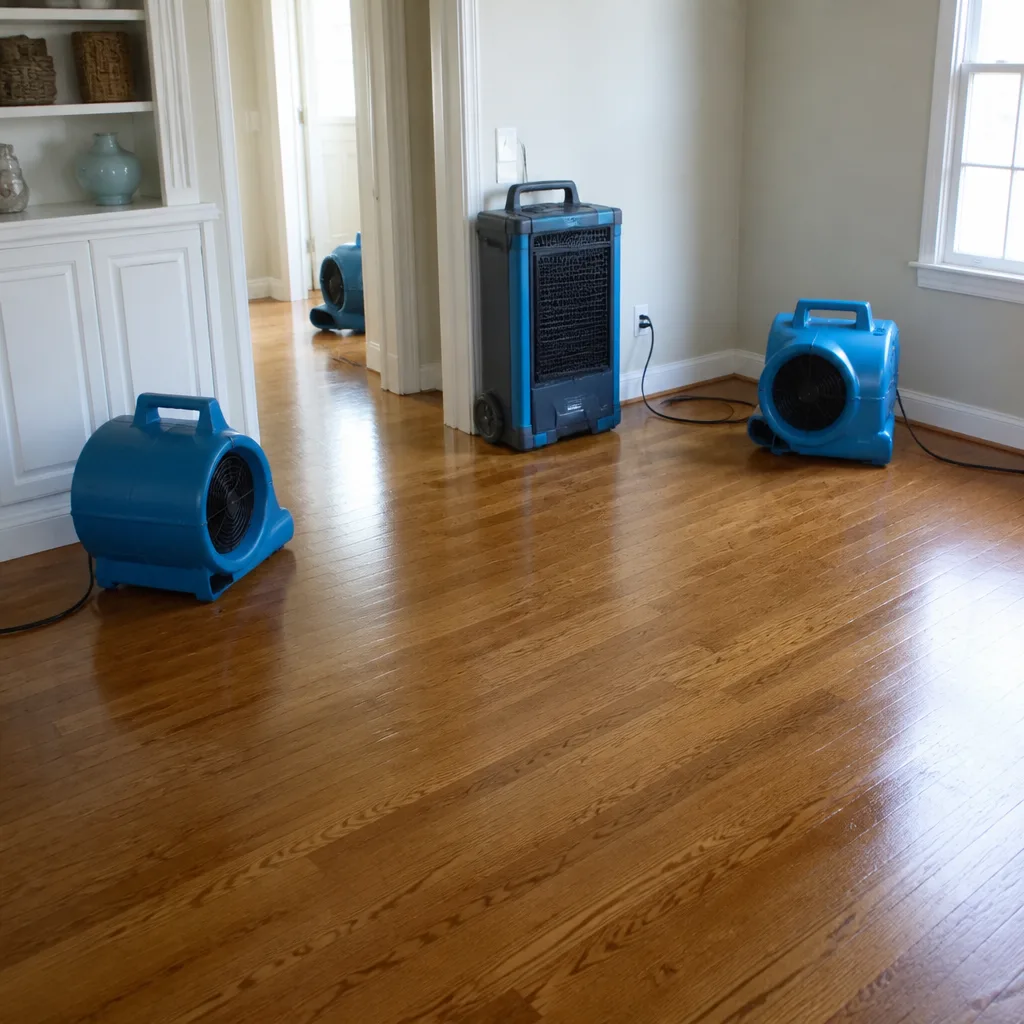

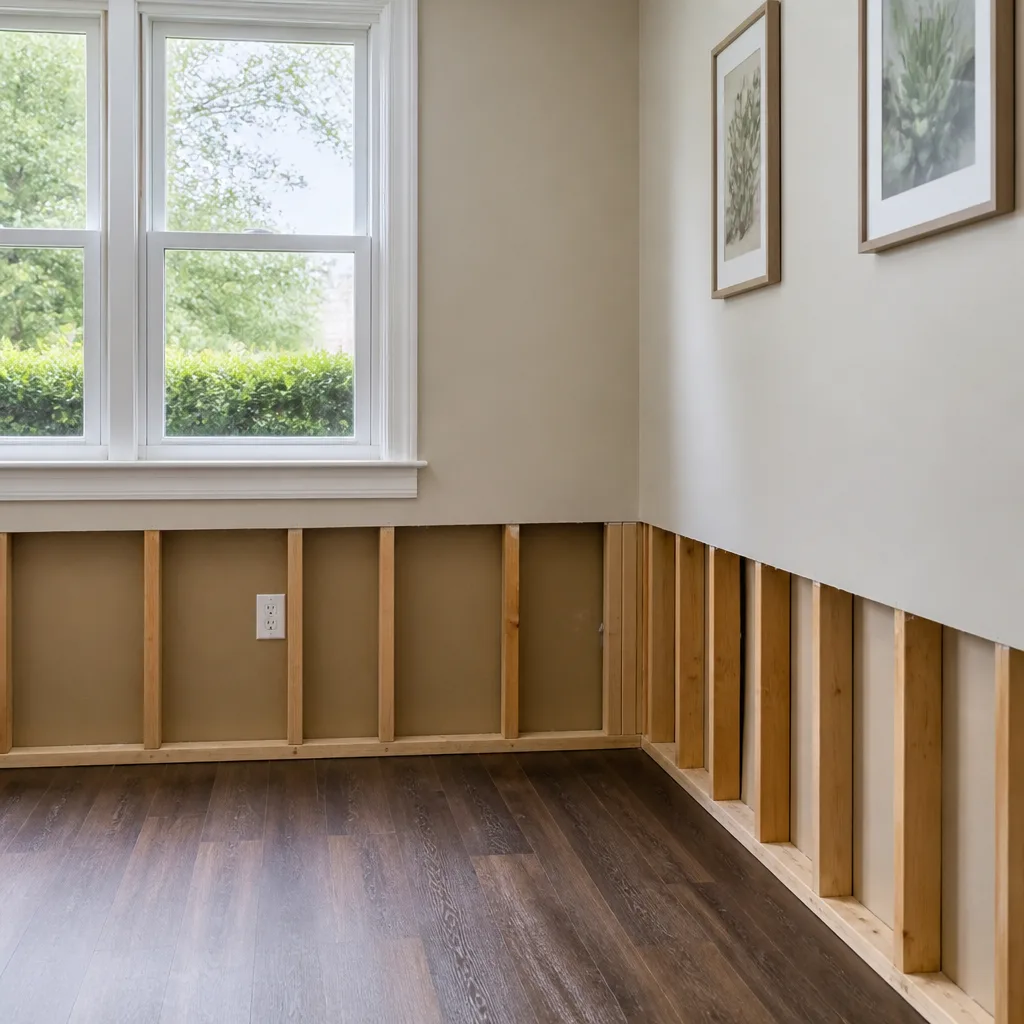


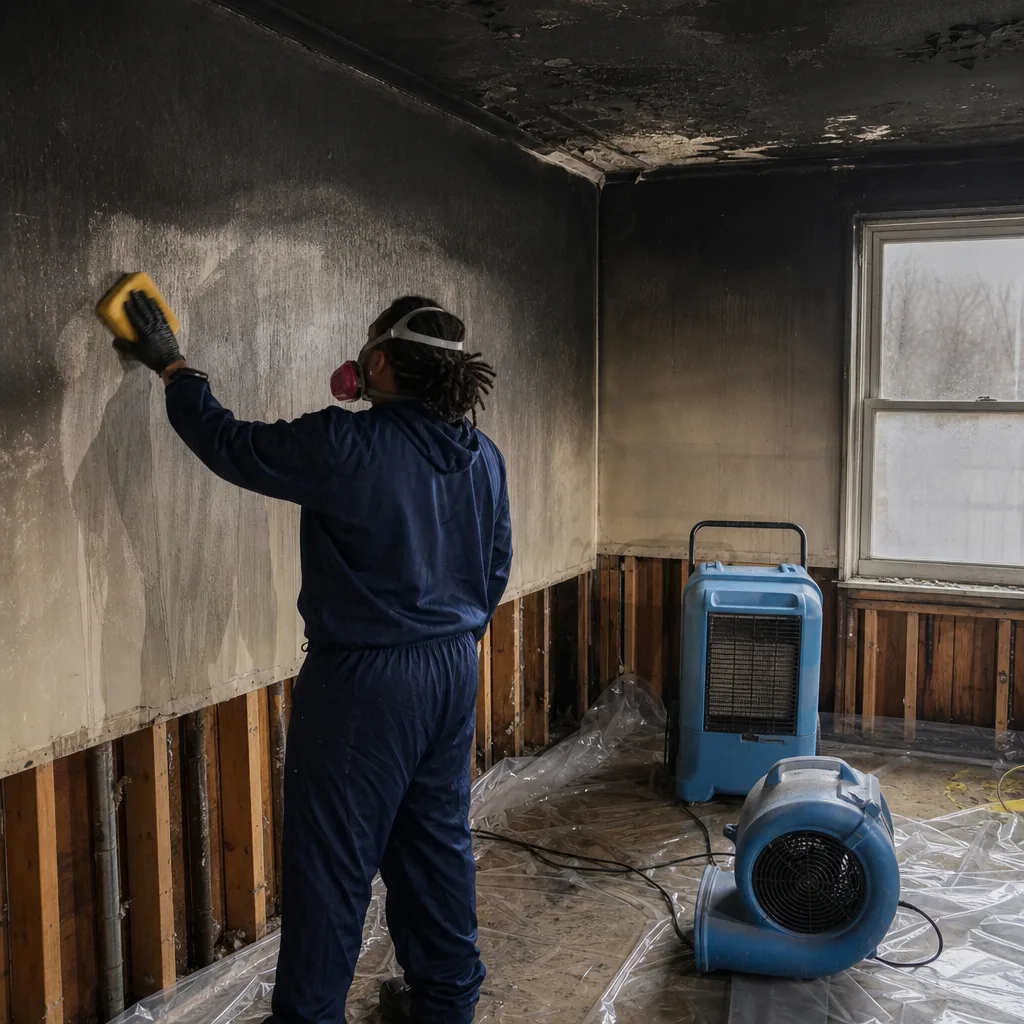
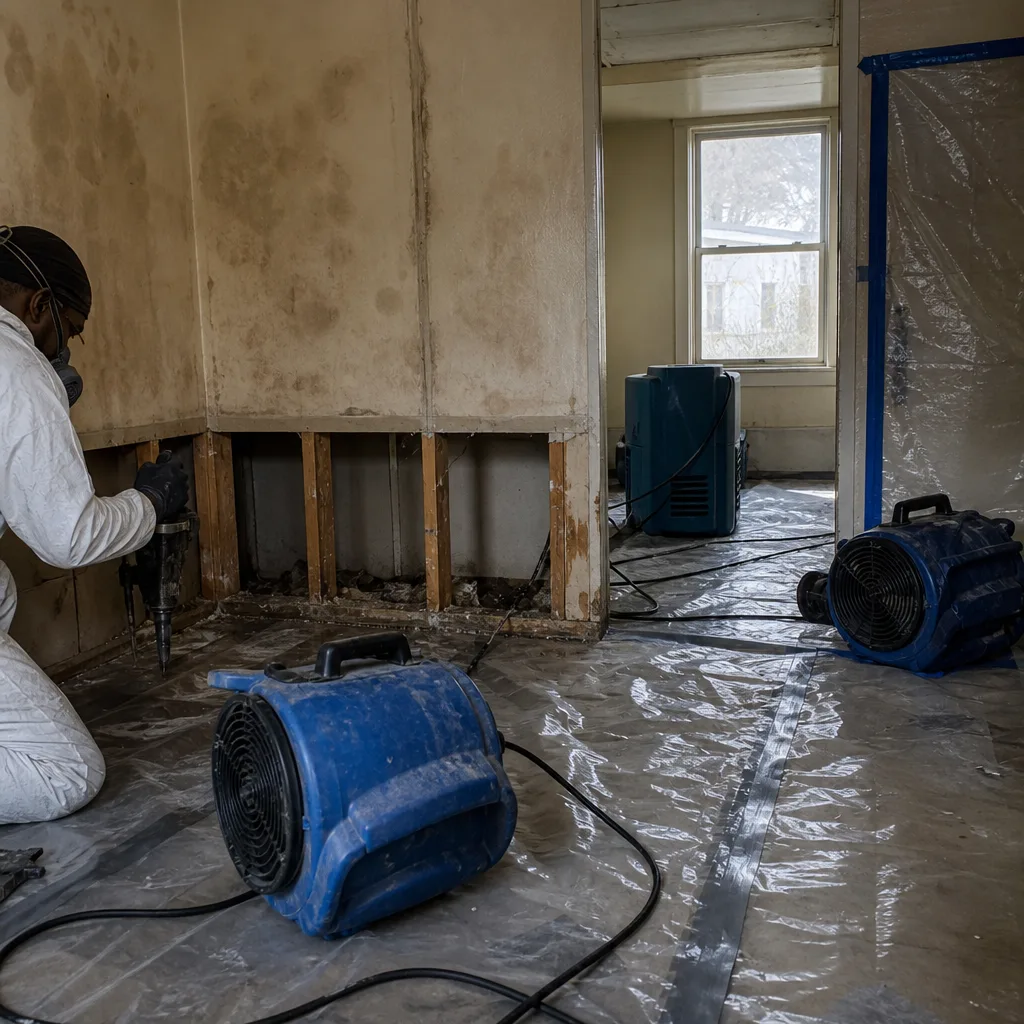 Before
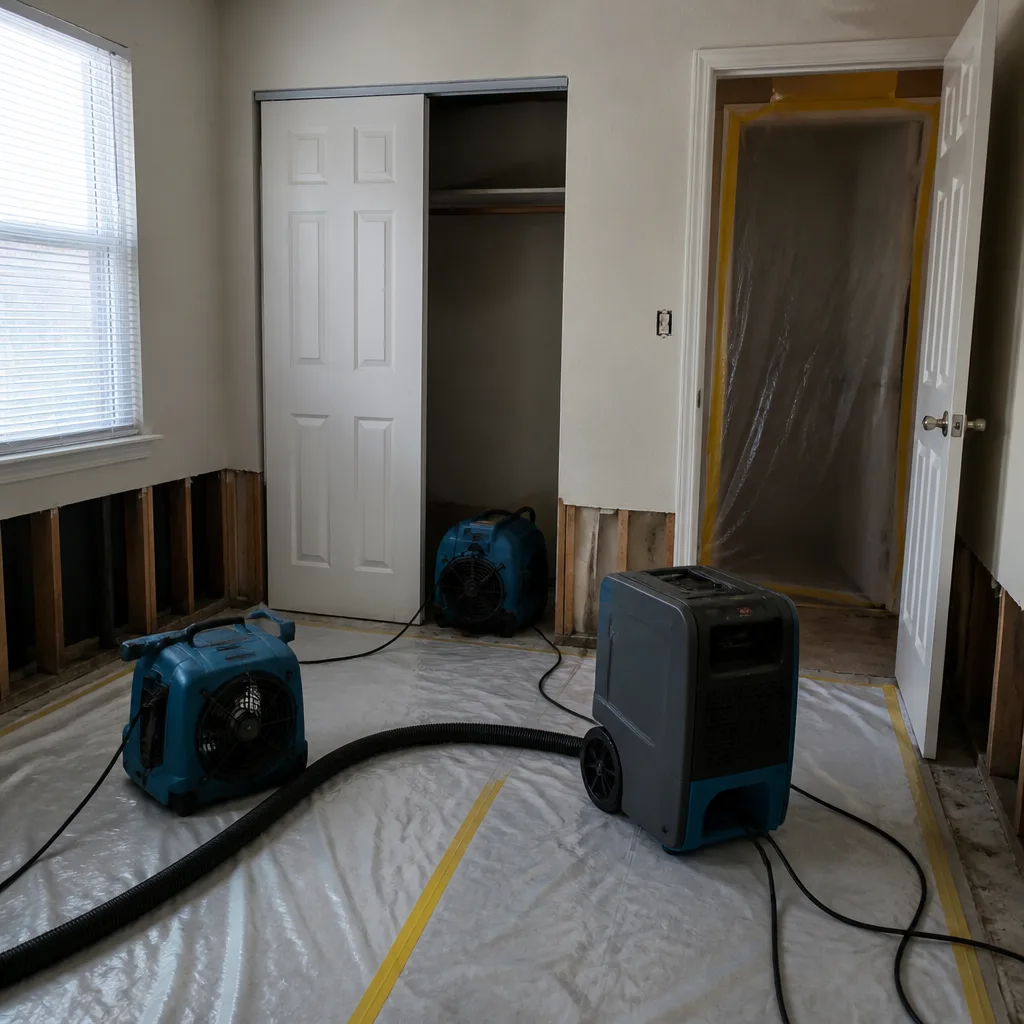 After
After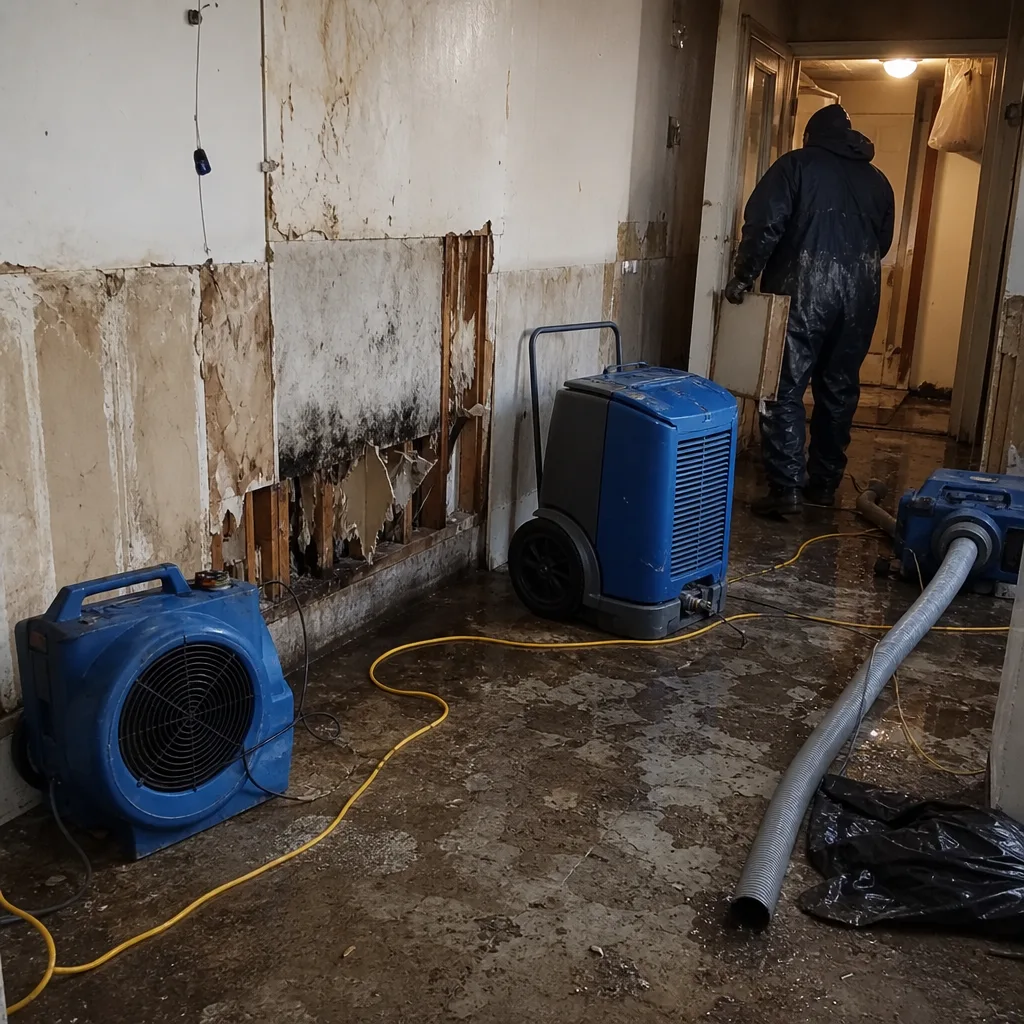 Before
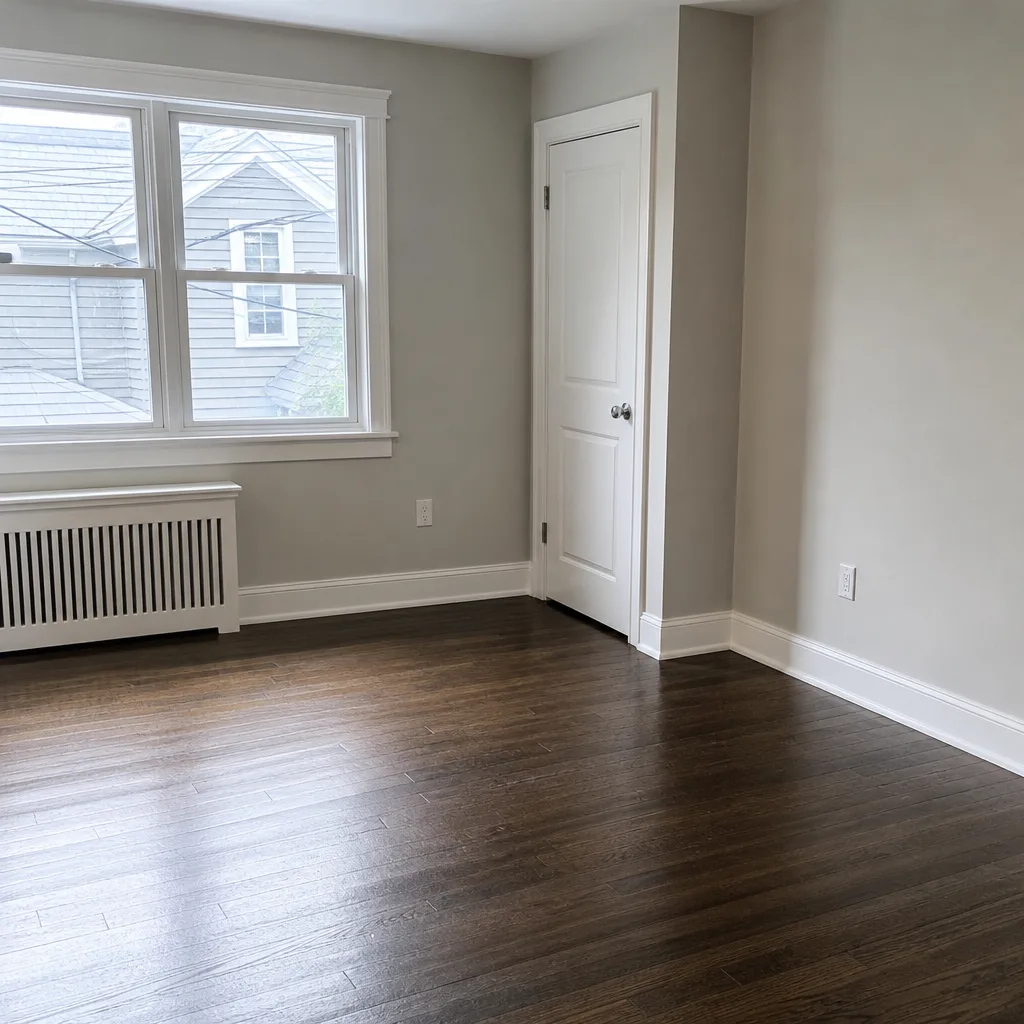 After
After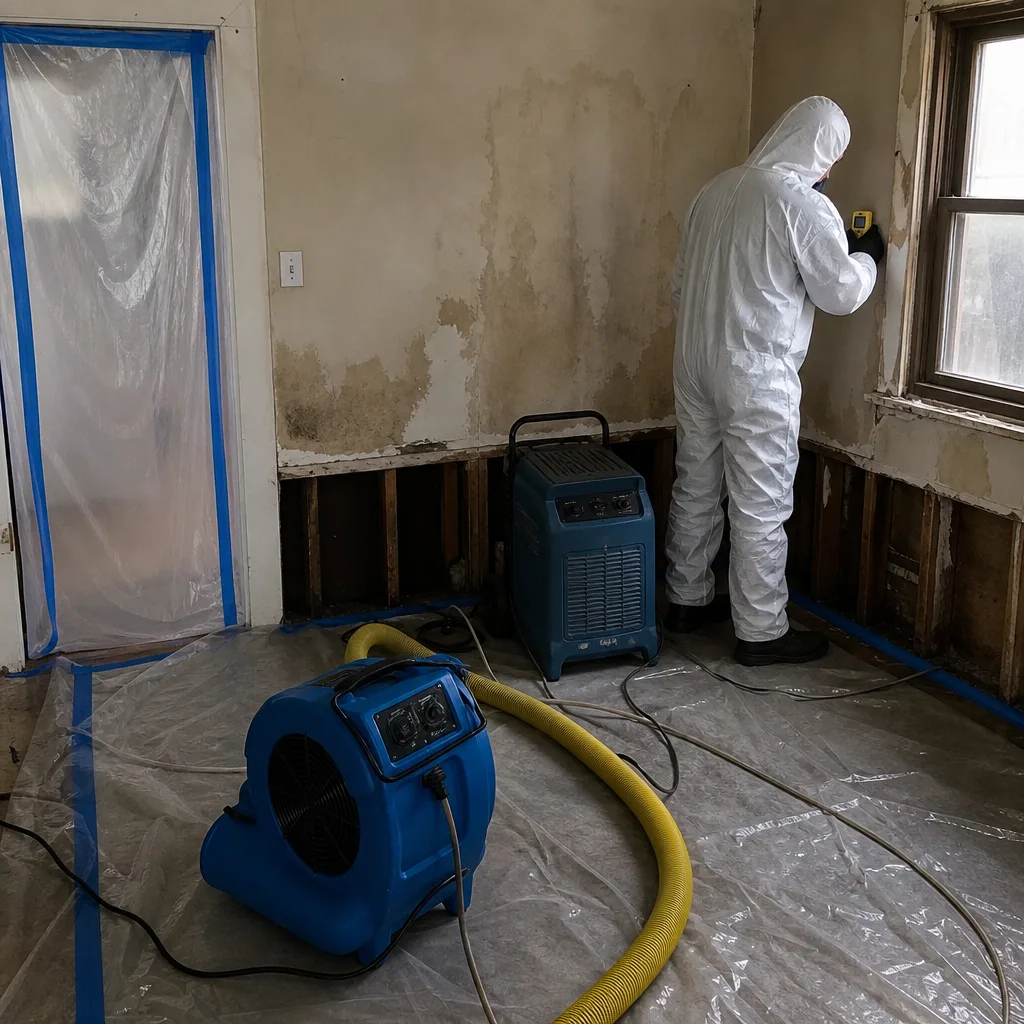 Before
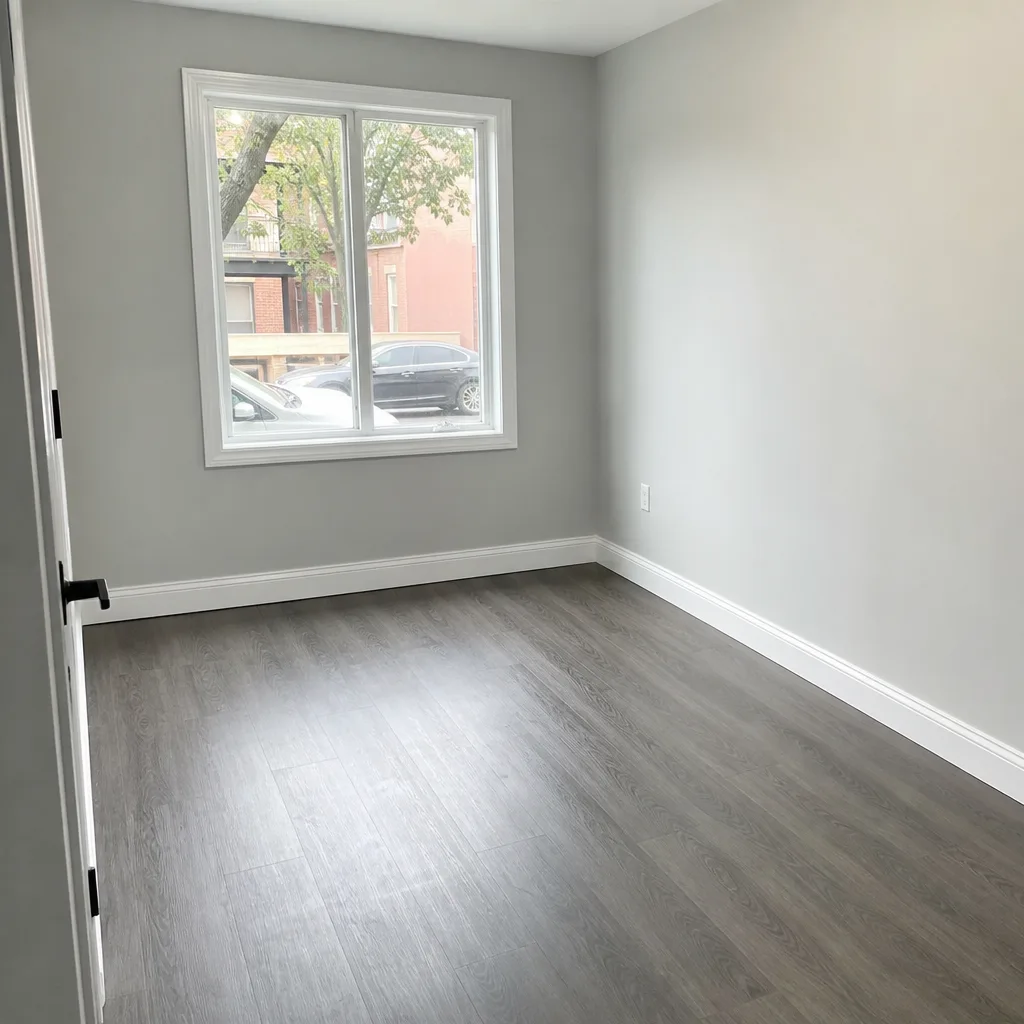 After
AfterDamage Restoration Warning Signs: A East New York Homeowner’s Reference Guide
Here’s a number that should make every East New York homeowner pause: the average water damage insurance claim in Brooklyn runs between $11,000 and $14,000. Here’s the number behind that number: most of those claims started with a warning sign the homeowner noticed weeks, sometimes months, before the damage got bad. A door that stuck. A water bill that climbed eleven dollars. A smell in the basement that got blamed on the cat. By the time the ceiling actually fell, the problem had been growing in the dark for longer than anyone wants to think about. This guide teaches you to read the signals your house is already sending, and for more guides & resources on protecting your home, visit our blog.
Quick Answer
The most common warning signs of damage in an East New York home are a musty or earthy smell, a sudden spike in your water bill without explanation, doors or windows that start sticking for no reason, staining on ceilings or walls (especially brown rings or yellow blooms), and any surface that feels damp, soft, or chalky to the touch. Any one of these signals means moisture is present somewhere it shouldn’t be. Catching it early moves the fix from hundreds of dollars to thousands.
Table of Contents
- The Six Sensory Indicators of Hidden Damage
- Old-House Settling vs. Moisture-Driven Structural Movement
- Efflorescence: The White Powder That’s Trying to Tell You Something
- Reading Ceiling Stains: Active Leaks vs. Old Dry Ones
- The Triage Call: Plumber, Restoration Pro, or Structural Engineer
- What Makes East New York Homes Different
- The Surprise Sources (What We Typically Find)
- Common Mistakes to Avoid
- When to Call a Professional
- Frequently Asked Questions
The Six Sensory Indicators of Hidden Damage
Your house talks to you through six channels: smell, sound, surface texture, door and window behavior, utility bill movement, and visible staining. Most homeowners only pay attention to the last one. That’s the most expensive mistake in homeownership. Here’s what each channel is actually telling you in an East New York home, where century-old brick, steam heat, and a high water table create a specific set of failure patterns.
1. Smell: The Earliest and Most Ignored Signal
Wade has walked into East New York homes where the family had been smelling something “musty” for eight months. By the time they called, the mold colony behind the bathroom wall had spread sixteen square feet. The smell was the warning. No one knew what it meant.
A musty or earthy smell is not a personality quirk of an old house. It’s the odor of microbial volatile organic compounds (MVOCs), the gases mold and bacteria release as they digest building materials. Different smells point to different problems:
- Musty or damp basement: Groundwater seepage through foundation cracks or a failing perimeter drain. Very common in East New York homes with original fieldstone or early poured concrete foundations.
- Sour or rotten smell near a wall or ceiling: An active plumbing or roof leak that’s been wet long enough to support bacterial growth. The water may be nowhere visible yet.
- Smoky or acrid smell with no fire: Electrical overheating. A loose connection inside a wall generates heat, which scorches insulation and wire casing. This is a fire warning, not a nuisance odor.
- Sewage odor, especially after rain: A compromised drain line or a backwater valve that’s failing. In East New York, combined sewer overflows during heavy rain can push sewage back through basement floor drains.
2. Sound: The Dripping You Can’t See
Stand still in your house at night when everything is off. What you hear matters. A faint drip you can’t locate is almost always inside a wall or ceiling cavity. The water is running down a pipe chase or along a joist and pooling somewhere you cannot see. By the time it shows up on the ceiling below, the water has likely already saturated insulation, delaminated drywall, and begun wicking into the framing.
Other sounds worth taking seriously:
- A hissing sound behind a wall: A pinhole break in a supply line. These are common in older galvanized steel plumbing and in copper that’s been exposed to acidic water for decades. Pinholes start small and fail catastrophically without warning.
- Running water when no fixture is on: A leak inside a slab or behind a wall. Shut off all fixtures, check your meter, and if the dial is still moving, water is going somewhere.
- Clicking or ticking from the water heater: Sediment buildup causing overheating and thermal expansion stress. This can shorten tank life and, in the worst case, lead to a tank failure that releases 40 to 80 gallons into your home.
3. Surface Texture: Touch the Walls
Run your hand along the walls in your basement, around windows, and under sinks. What does the surface feel like? Drywall should feel dry, smooth, and cool but not damp. Here’s what texture changes indicate:
- Soft or spongy drywall: Water has saturated the gypsum core. Drywall loses 60% of its structural strength and 80% of its solidity once wet. It cannot be dried and saved; it must be cut out and replaced before mold takes hold.
- Bubbling or peeling paint: Moisture is pushing up from behind the paint film. This is common in East New York bathrooms where steam from showers penetrates older plaster walls, and around windows where condensation runs down into the sill.
- Chalky, flaking, or crystallized surface on masonry: This is efflorescence (covered in a later section), and it’s not harmless. It means water is moving through the wall.
- Warm spot on a wall or floor: A hot water leak inside the finished surface. No visible water yet. It’s coming.
4. Door and Window Behavior: The Frame Is Talking
Doors that suddenly stick, windows that won’t open or won’t stay closed. The common assumption is that the house is just settling. Sometimes that’s true. But a door that sticks on the top corner of the latch side, or a window that jams in its frame only when it rains, is telling you something specific: moisture is swelling the wood.
In an East New York home, this often traces to one of three things:
- Leaking around window flashing or deteriorated lintels: Water enters at the window opening, soaks the rough framing, and swells the jambs.
- Rising damp from a wet basement or crawlspace: Moisture wicks up through the sill plate and into the door and window framing above it.
- Exterior grading issues: Soil has settled over the years and now slopes toward the foundation, feeding water against the wall every time it rains.
The test is simple. If a door sticks only after rain or during humid months, it’s moisture, not settling. If it sticks year-round in the same position, it’s likely just the house being a house.
5. Utility Bill Spikes: The Quietest Warning Sign
A water bill that jumps eleven dollars without a change in your household’s habits is, in some ways, the best warning sign you’ll ever get because it’s measurable. Pull your last twelve months of water bills and look at the baseline. A steady upward creep with no change in occupancy means a small leak is getting bigger. A sudden spike means a pipe broke somewhere you haven’t found yet or a fixture is running when no one notices.
A running toilet can waste 200 gallons a day. A pinhole leak in a supply line can waste 30 to 50 gallons a day without ever leaving a visible puddle, because it’s running down the inside of a wall into the soil below the slab. In an East New York home, where water and sewer bills are metered, this signal is one of the most reliable early warnings available to you. Read your bill. Compare it to the same month last year. If it’s up and your habits haven’t changed, start looking.
6. Visible Staining: What It Looks Like When the Water Finally Shows Up
By the time you see a stain, the leak has been active for a while. That’s the hard truth. But the appearance of the stain tells you a lot about what’s behind it. Brown rings, yellow blooms, dark patches with a defined edge, water trails that follow a line and then pool. Each pattern corresponds to a different source. We’ll get into the specifics of ceiling stains later in this guide, but for now, the rule is this: any new stain, any stain that changes size or color, and any stain that feels damp to the touch is an active problem. A stain that is completely dry, with no expansion over several weeks, may be old and contained. But you won’t know that without confirming the moisture content behind the surface.
For a comprehensive look at how water gets into an East New York home in the first place, see our guide to Water Damage Restoration in East New York.
Old-House Settling vs. Moisture-Driven Structural Movement
East New York is full of homes that have stood for eighty, ninety, a hundred years. They’ve settled. That’s normal. But the difference between old-house settling and moisture-driven structural movement is not a subtle distinction, and confusing the two causes more missed diagnoses than almost anything else in this trade.
Here’s how to read the cracks:
- Hairline cracks at door and window corners: Normal seasonal movement and initial settlement. These are typically less than 1/16 inch wide, consistent in appearance, and don’t change much over time. They follow the weak point at the corner of an opening. Not a moisture concern.
- Step cracks in brick or block that follow the mortar joints: Differential settlement, most often caused by soil movement. In East New York, where many homes sit on clay-heavy soils that expand and contract with moisture, step cracks are common. The question is whether they’re active. Mark the end of the crack with a pencil and date it. If it grows past the mark, the movement is ongoing.
- Horizontal cracks in a foundation wall: This is a moisture signal. Horizontal cracks mean lateral pressure, and in a basement wall, lateral pressure comes from water-saturated soil outside the wall. The ground expands, pushes inward, and the wall cracks. This is not normal settling. This is a drainage problem that will get worse.
- Cracks wider at the top than the bottom, or with displacement: The wall is rotating. This is structural movement. Call a structural engineer before you call anyone else. No amount of caulk, epoxy injection, or paint is going to fix a wall that’s moving unless the water pressure outside is relieved first.
The moisture log approach Wade uses on every water damage job applies here too, even before you call anyone. Mark the cracks in your foundation. Take a photo with a ruler in the frame. Do it again in a month. If the crack is growing, you don’t have a cosmetic problem. You have water. Water is always the driver.
Efflorescence: The White Powder That’s Trying to Tell You Something
If you’ve got a white, chalky, crystalline powder on your basement walls or floor, you’ve got efflorescence. It’s not mold, although people routinely mistake it for mold. It’s mineral salts.
Here’s how it works. Water moves through the masonry of your foundation wall. It picks up dissolved salts from the mortar, the concrete, and the soil itself. When that water reaches the interior surface of the wall, it evaporates into your basement air. The water leaves, but the salts stay behind, deposited as a white crust on the surface. Efflorescence is not itself harmful, but it is definitive proof that water is moving through your wall. No water movement, no efflorescence. It’s that simple.
And here’s the part that gets homeowners into trouble:
- Painting over efflorescence is the worst possible response. You’re not sealing out the moisture. You’re sealing it in. The water keeps moving through the wall, and now instead of evaporating at the surface, it gets trapped behind the paint film. The salts recrystallize behind the paint, the bond fails, and the paint peels off in sheets. Meanwhile the wall itself is getting wetter and wetter.
- The efflorescence will come back within months, worse than before. You haven’t stopped the water. You’ve just added a paint failure to a water problem.
- Mold often follows. A wall that’s wet long enough to push salts to the surface is wet enough to support mold growth on any organic material in contact with it: drywall, wood framing, carpet tack strips, stored boxes.
The correct approach is to fix the water source first. That means exterior grading, gutter and downspout function, and in many East New York homes, a perimeter drain system that’s failed or was never installed. The wall doesn’t need paint. It needs to dry. For more on how we address the moisture behind the stains, see our guide to Mold Remediation in East New York.
Reading Ceiling Stains: Active Leaks vs. Old Dry Ones
A brown stain on the ceiling is not one problem. It’s two possible problems, and the difference between them determines whether you have an urgent situation or a historical record. Here’s how to tell them apart.
Active Leak Indicators
- The stain is darker at the center, with a defined but irregular edge. Water is still coming in, and the stain is growing. In 24 to 48 hours, it will be measurably larger.
- The stain feels damp or cold to the touch. Active moisture keeps the surface cooler than the surrounding drywall. Use the back of your hand, not your palm, which is less sensitive.
- You see a ring pattern: multiple concentric brown rings. This is the classic signature of a leak that comes and goes. Each ring marks a separate wetting event. Water is getting in periodically, most likely tied to rain.
- The drywall is sagging, bubbling, or the paint is lifting. The gypsum core is saturated and losing its structural strength. This is urgent.
Old and Dry Indicators
- Uniform brown color, no ring structure, and completely dry to the touch. The leak happened once and was fixed, or it stopped when the weather changed. The stain is mineral residue, not active water.
- The stain is located directly below a known source that’s already been repaired. A roof patched five years ago, a toilet that was reseated. If the stain hasn’t changed since, it’s likely historical.
The safest approach is to confirm with a moisture meter, not just a fingertip. Wade takes moisture readings every single day on active jobs and hands the homeowner the full log at the end. That’s what Dri-Eaz meters and thermal imaging are for: knowing what’s actually wet, not guessing. A stain that looks dry can still be holding 20% moisture content in the cavity behind it, and that’s enough to feed mold for months.
The distinction matters because urgency is different. An active leak in a ceiling is a same-day call. The water is running, the framing is getting wetter, and every day that passes adds cost and square footage to the eventual repair. An old, dry stain is a cosmetic issue you can schedule around. But don’t guess. Confirm.
The Triage Call: Plumber, Restoration Pro, or Structural Engineer
One of the most expensive mistakes a homeowner can make is calling the wrong professional first. A plumber will fix the pipe but won’t dry the wall cavity. A restoration company will dry the cavity but won’t fix the pipe. A structural engineer will tell you the wall is moving but won’t touch either of the other two problems. Here’s how to triage without paying for three visits to learn one answer.
- If water is actively running or dripping, call a plumber first. Stop the source. A plumber finds and fixes the leak. Once the water is off, the job is not done. The water that already got out is now inside your walls and floors.
- If water has been sitting or wicking for more than 24 to 48 hours, call a restoration company. The extraction, drying, and mold prevention work is what Wade’s crew does. This is the point where national chains and local operations diverge sharply: we can be on-site running extraction inside the hour, and we answer the phone ourselves at midnight.
- If you see horizontal foundation cracks, displaced walls, or bowing, call a structural engineer first. This is the triage call that most homeowners skip, and it’s the one that can save you from spending $30,000 on repairs that don’t address the actual problem. An engineer’s assessment costs a few hundred dollars and tells you whether the movement is active, what’s causing it, and what the repair priority actually is.
- If you see staining, smell mustiness, or notice utility bill spikes with no active water running, call a restoration professional for an assessment. The problem may be a leak you can’t see, a humidity problem, or a past leak that was never properly dried. An assessment with a moisture meter costs less than waiting until the ceiling falls.
In our experience, the most common scenario in East New York is a homeowner who smells something, calls a plumber, the plumber finds no active leak, and the homeowner assumes the problem is solved. It isn’t. The smell is the water that already happened. A plumber stops water. A restoration company dries wood, prevents mold, and documents the condition so your insurance claim is clean. For help finding the right one, read our How to Hire a Damage Restoration Contractor in East New York: A Step-by-Step Guide. They’re separate jobs, and both usually need to happen.
What Makes East New York Homes Different
East New York has a housing stock that creates specific failure patterns. Knowing these patterns helps you know where to look first.
Age and construction type. Much of East New York’s residential stock dates to the early to mid-20th century: brick and frame row houses, two-family homes, and a strong concentration of older masonry construction. These homes were built before modern vapor barriers and insulation standards. The walls are meant to breathe, and when someone seals them with closed-cell foam or vinyl wallpaper, trapped moisture has nowhere to go. The frame rots from the inside.
The water table and soil conditions. East New York sits on the southern edge of the terminal moraine, the ridge of glacial debris that runs through Brooklyn. The soil is heavy clay in spots, sandy in others, and the water table in low-lying sections rises quickly after heavy rain. Basements that have been bone-dry for years can suddenly weep during a week of sustained rain, because the water table has risen above the footer line. This is not a plumbing failure. It’s groundwater pressure, and it requires a different fix.
Combined sewer issues. East New York is served by combined sewers, meaning stormwater and wastewater flow through the same pipes. During heavy rain, the system can back up, sending sewage-laced water up through basement floor drains. A homeowner who has never seen water in their basement can walk down the stairs after a July thunderstorm and find three inches of it. This is a municipal infrastructure issue, but it lands in your basement, and the cleanup is on you.
Flat roofs and parapet walls. Many East New York homes have flat or low-slope roofs with parapet walls. These roof systems fail at the seams, the flashing, and the parapet caps. Water enters at the roof edge and travels down through the wall cavity, showing up as ceiling stains on the top floor three months after a rainstorm. The leak is not above the stain. It’s at the wall.
This is why a East New York-specific approach matters. The home across town may have a pitched roof and a dry basement, but the failure patterns are local. They follow the construction methods, the soil, and the infrastructure. Wade has been reading those patterns since 2007.
The Surprise Sources (What We Typically Find)
When we walk into an East New York home for a water assessment, the actual source of the problem is often not what the homeowner assumed. Here are the things people miss, in rough order of how often we see them.
- Caulk that was never meant to last. Around tubs, showers, and window frames. Caulk has a service life of five to ten years, and when it fails, water gets in. The gap is small. The damage behind it is not.
- Ice maker supply lines. A 1/4-inch plastic line behind a refrigerator, slowly weeping into the subfloor for years. No one looks behind the fridge until the floor collapses.
- HVAC condensate lines. A clogged condensate line on a central air handler in the attic or a closet. Water backs up, overflows the pan, and soaks the ceiling below. Was assumed to be a roof leak. It’s the air conditioner.
- Gutters that aren’t doing what you think they’re doing. East New York leaf load is heavy. Gutters clog, water overflows, and the overflow lands directly against the foundation. The gutter looks fine from the ground. It’s not channeling anything.
- Ground-level window wells with no drains. A basement window at grade, collecting rain and snowmelt, with nowhere for the water to go but the window frame. You don’t need a flood. You need a window well that fills up.
- The connection between your house and the city sewer lateral. Older East New York homes may still have original clay sewer laterals. Clay pipes crack over time, and roots find the cracks. The first sign isn’t always a backup. It’s a slow seep that keeps the soil near the foundation perpetually damp.
None of these are exotic. They’re all common, all fixable, and all routinely missed because no one looks behind the fridge, opens the air handler, or checks the gutter downspout during a dry week.
Common Mistakes to Avoid
- Painting over water stains or efflorescence. You’re hiding a signal, not fixing a source. The water is still in the wall, and now it’s trapped behind paint, where it does the most damage. The stain will return, often with mold behind it.
- Assuming a “small” leak is a small problem. A pinhole leak behind a wall can run for months unnoticed. The water that’s already soaked into the framing and insulation is the real bill. The hole in the pipe is cheap. The saturated wall cavity is not.
- Waiting to see if it dries on its own. It won’t. Inside a wall cavity, with no airflow, there is no drying. There’s just wet wood getting softer and mold getting established. The first 48 hours after a water event are the difference between a dry-out and a tear-out.
- Calling a contractor who doesn’t do moisture documentation. If the person you hire can’t show you moisture readings before and after, you’re paying for guesswork. A dry wall can hold 25% moisture content and still look fine. Guesswork means the mold comes back in three months, and your warranty is a phone number that no one answers.
- Not involving the insurance company early, or involving them before you have photos. Photo documentation matters. Before anything is moved, before anything is touched, photograph everything. If you have to file a claim, the adjuster’s questions are easier to answer when the evidence is in the photo log, not your memory.
- Treating a sewage backup as a DIY cleanup job. This is not a mop-and-bucket situation. Sewage contains pathogens that require proper protective equipment and disinfection. The water that recedes is not the end of the job; the contaminated materials left behind are the job.
- Ignoring the warning sign because it “went away.” Musty smells often fade when the weather dries. The leak that comes and goes is still a leak. The mold colony that dries out is still a mold colony, waiting for the next wet cycle. Intermittent problems are the ones that do the most long-term damage because they’re the easiest to dismiss.
When to Call a Professional
Call immediately if you have water actively entering your home, a sewage backup, a ceiling that’s sagging, or a burning or acrid electrical smell. These are same-day problems. Call within a day or two if you notice a musty smell, a significant utility bill spike, or a stain that’s growing. These are developing problems that will not improve on their own. Call for an assessment if you have efflorescence on basement walls, doors that stick after rain, or cracks in your foundation you’ve been “keeping an eye on.” The assessment costs less than the emergency.
Wade’s Restoration offers free estimates in East New York. Call (363) 300-2771 and a live person answers, 24/7. Not an answering service. A person. Often Wade himself.
Frequently Asked Questions
The first signs are usually a musty or earthy smell, a water bill that rises without explanation, or a door or window that starts sticking after rain. Visible stains typically appear later, after the water has already saturated building materials behind the surface.
Touch the stain with the back of your hand. If it feels damp or cool compared to the surrounding ceiling, it’s active. Concentric brown rings indicate a leak that’s come and gone multiple times. Sagging or bubbling drywall means the ceiling is saturated and needs immediate attention. When in doubt, a moisture meter gives a definitive answer. Call (363) 300-2771 for a free assessment.
Efflorescence itself is just mineral salts and is not a health hazard. But it’s proof that water is moving through your foundation wall, which means the conditions for mold growth and structural damage are present. Do not paint over it. Fix the water source first.
Yes. Mold needs moisture, food, and time. A wall cavity that’s wet from a hidden leak provides all three. By the time mold is visible on the surface, the colony behind the wall is usually much larger. The smell almost always comes before the sight.
Wade answers his own phone, 24/7. On water damage calls, he can have extraction running inside the hour in most parts of East New York. The first 48 hours determine whether you’re drying out the space or tearing it out, so we move fast.
It depends on the source of the water and the terms of your policy, but sudden and accidental water damage is covered by most standard homeowners policies. Damage from long-term leaks or neglect is typically excluded. Wade deals with the insurance adjuster directly, handles the documentation, and makes sure the claim is presented with complete photo records and moisture logs. Call (363) 300-2771 and we’ll walk through what your policy is likely to cover before anything gets torn out.
The Bottom Line
The warning signs of serious damage are almost never dramatic. They’re a smell, a sound, a door that doesn’t close right, a water bill that’s eleven dollars higher than usual. East New York homeowners who learn to read those signals catch $800 problems before they become $80,000 ones. The key is to act on the first signal, not the last one. If something in your house is saying something, listen. Mark the crack, photograph the stain, call the right professional. In our experience, the homeowner who calls early is the homeowner who never has a disaster to call about.
Written by Wade Ferris, Owner at Wade’s Restoration, serving East New York since 2007.