
Last updated August 26, 2026
Free visual inspection and a written scope of work before any mitigation begins - photos, moisture readings, and drying logs go in your claim file
The scope we write is the scope we bill. Anything new gets shown to you, in writing, before we touch it.
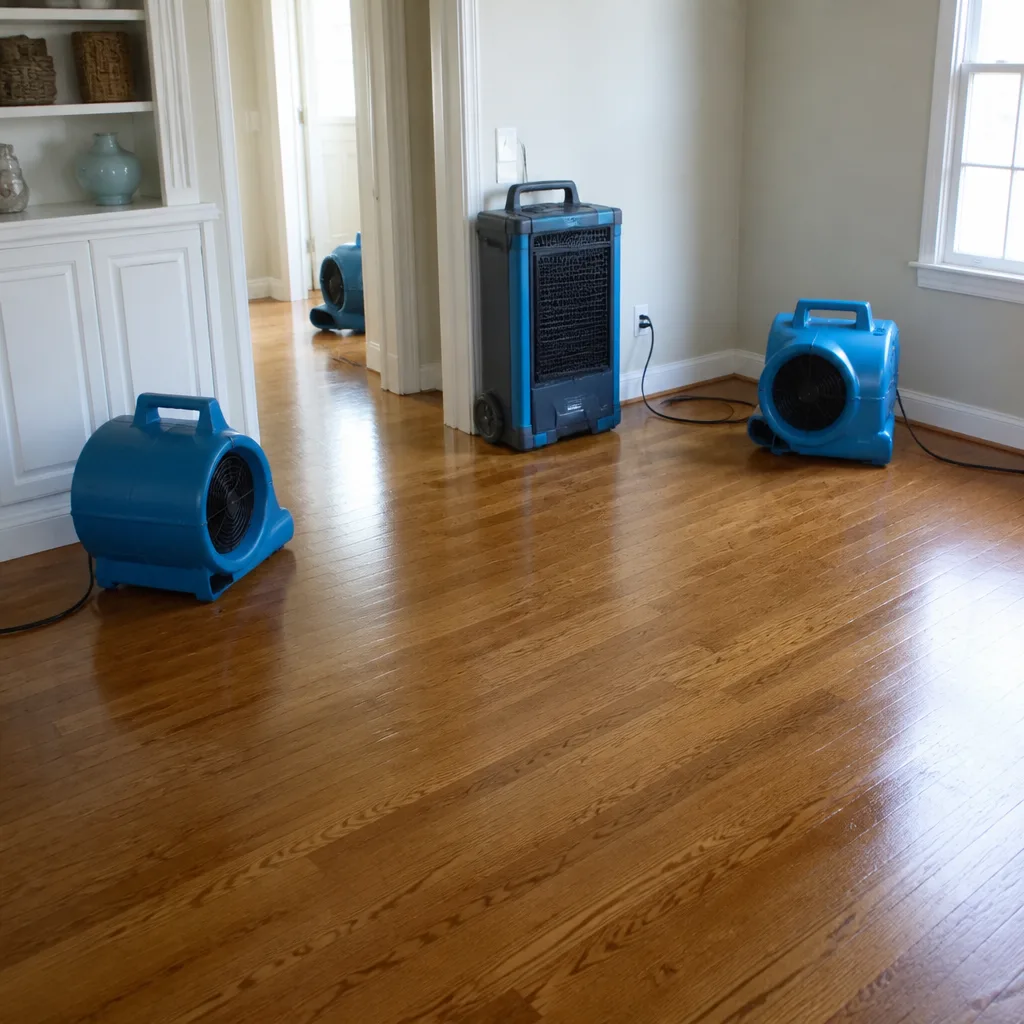

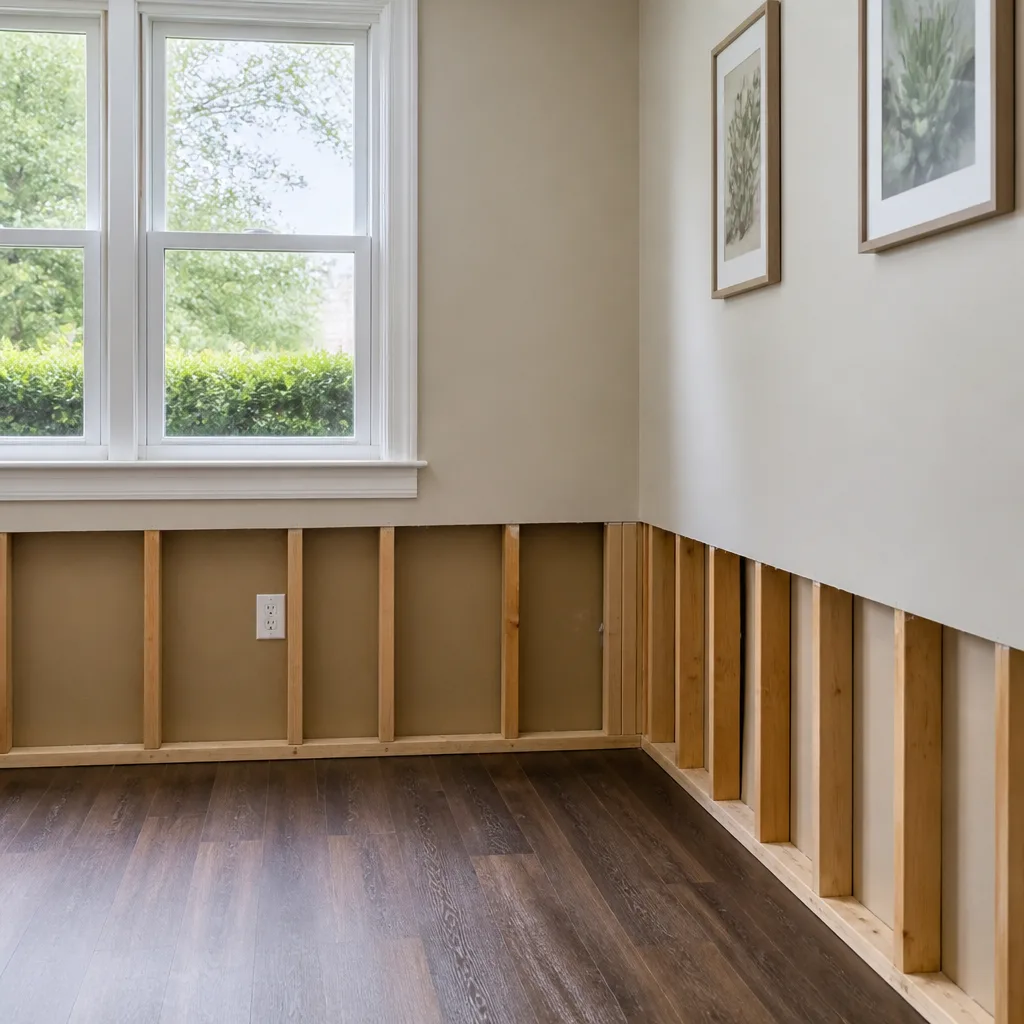

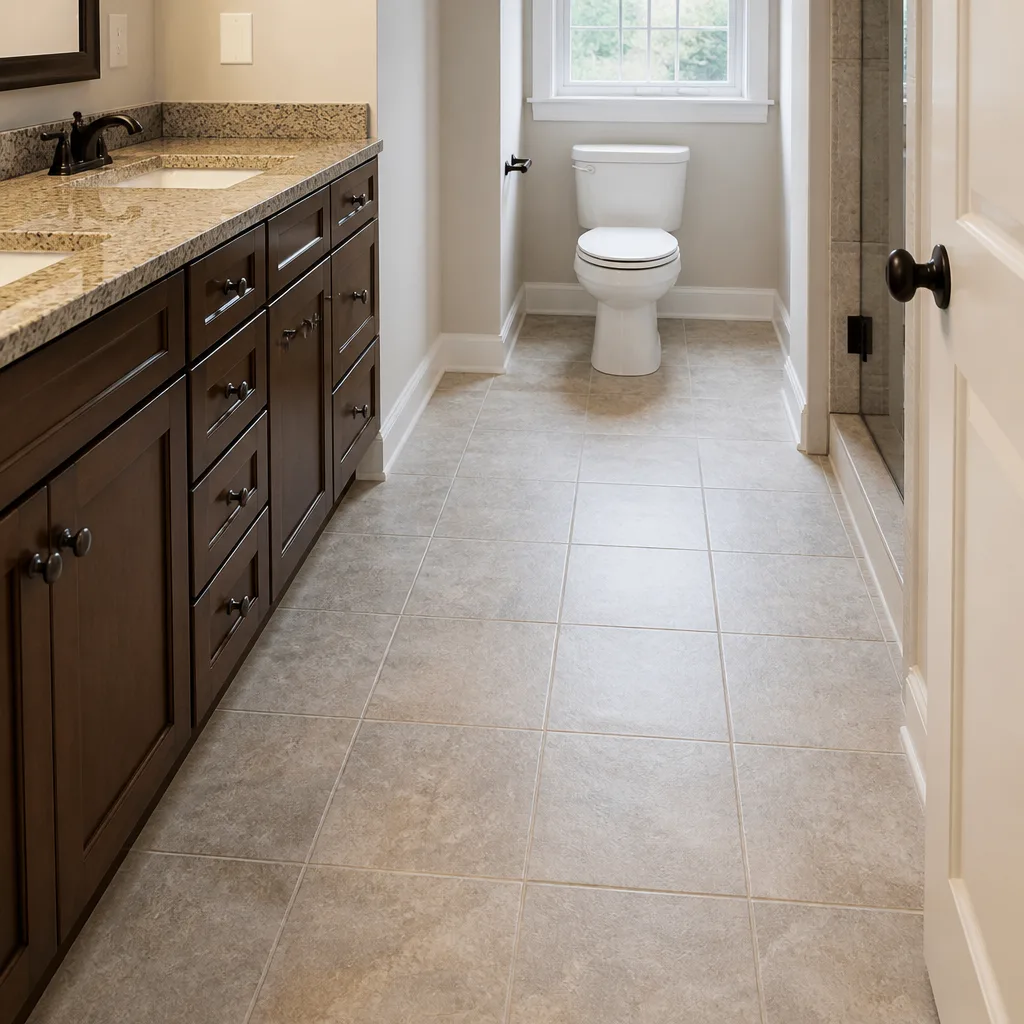

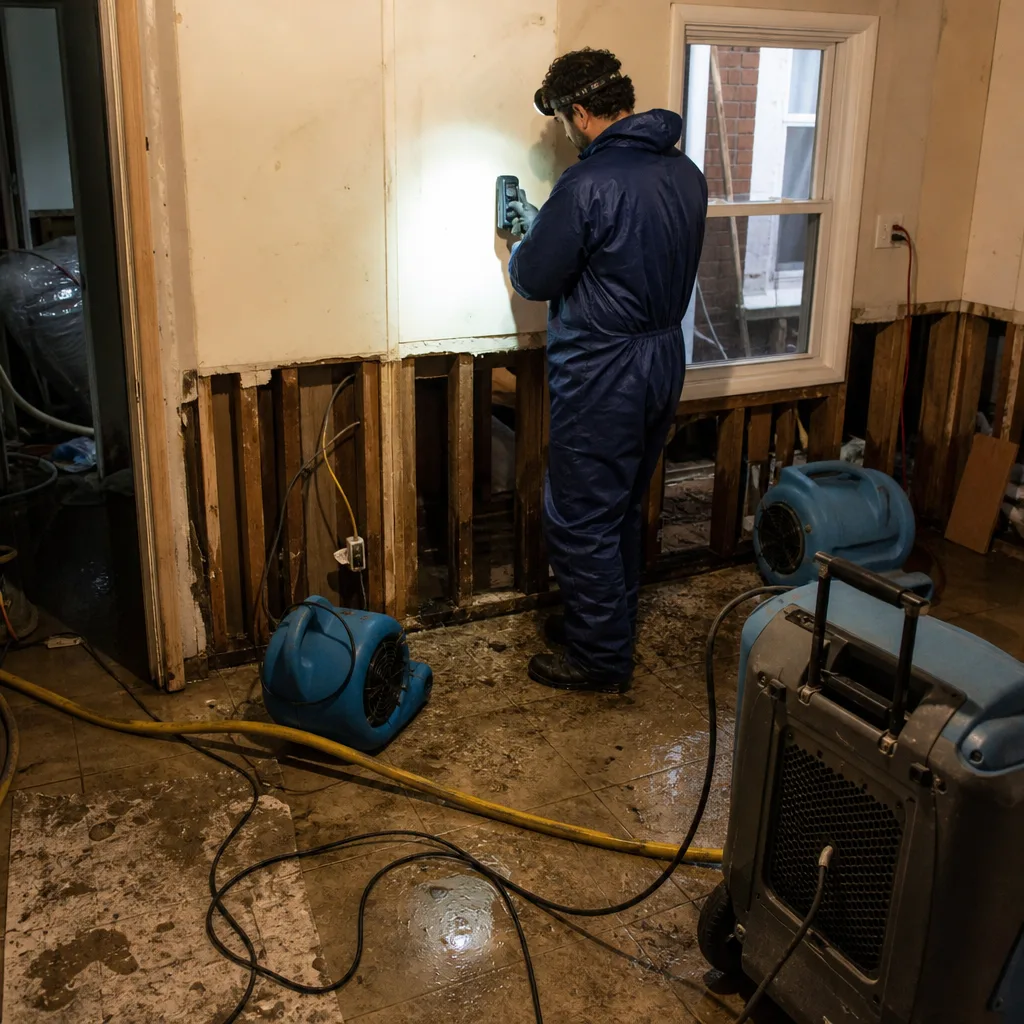
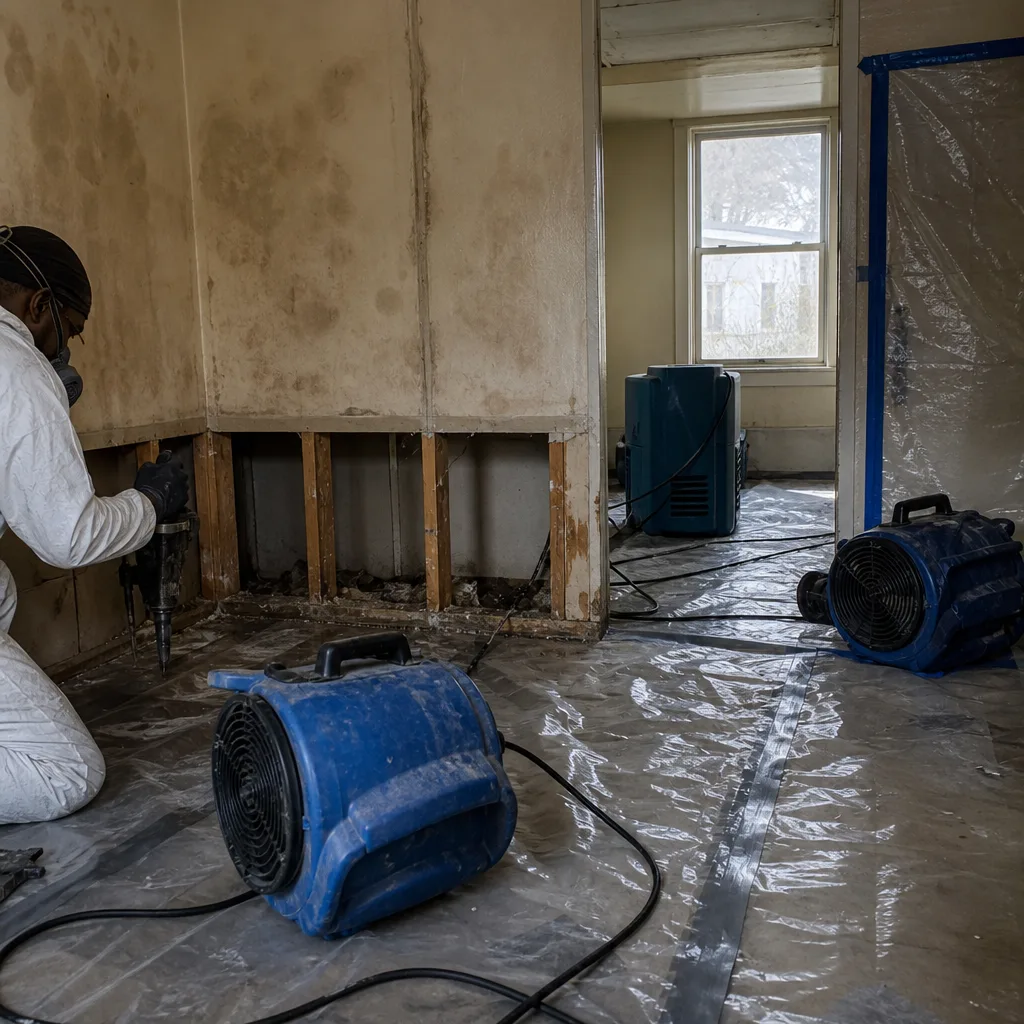 Before
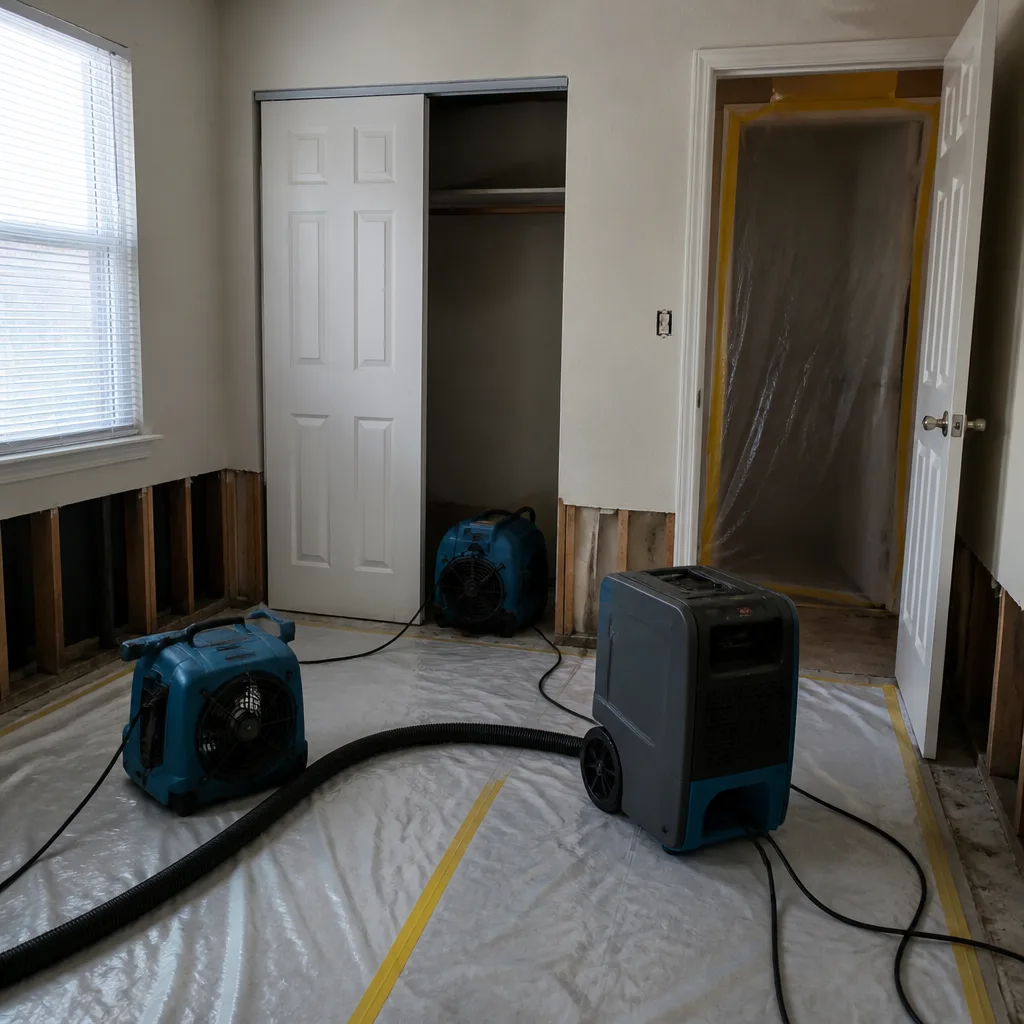 After
After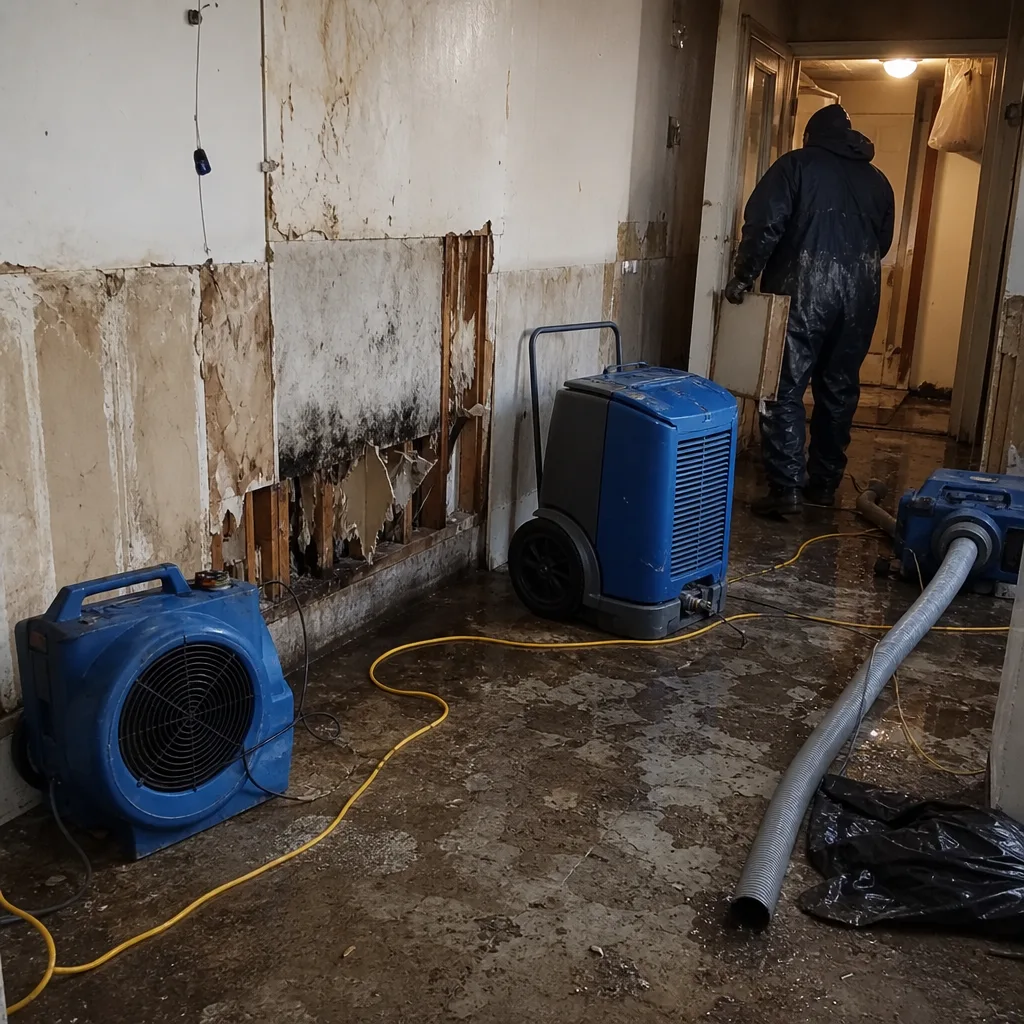 Before
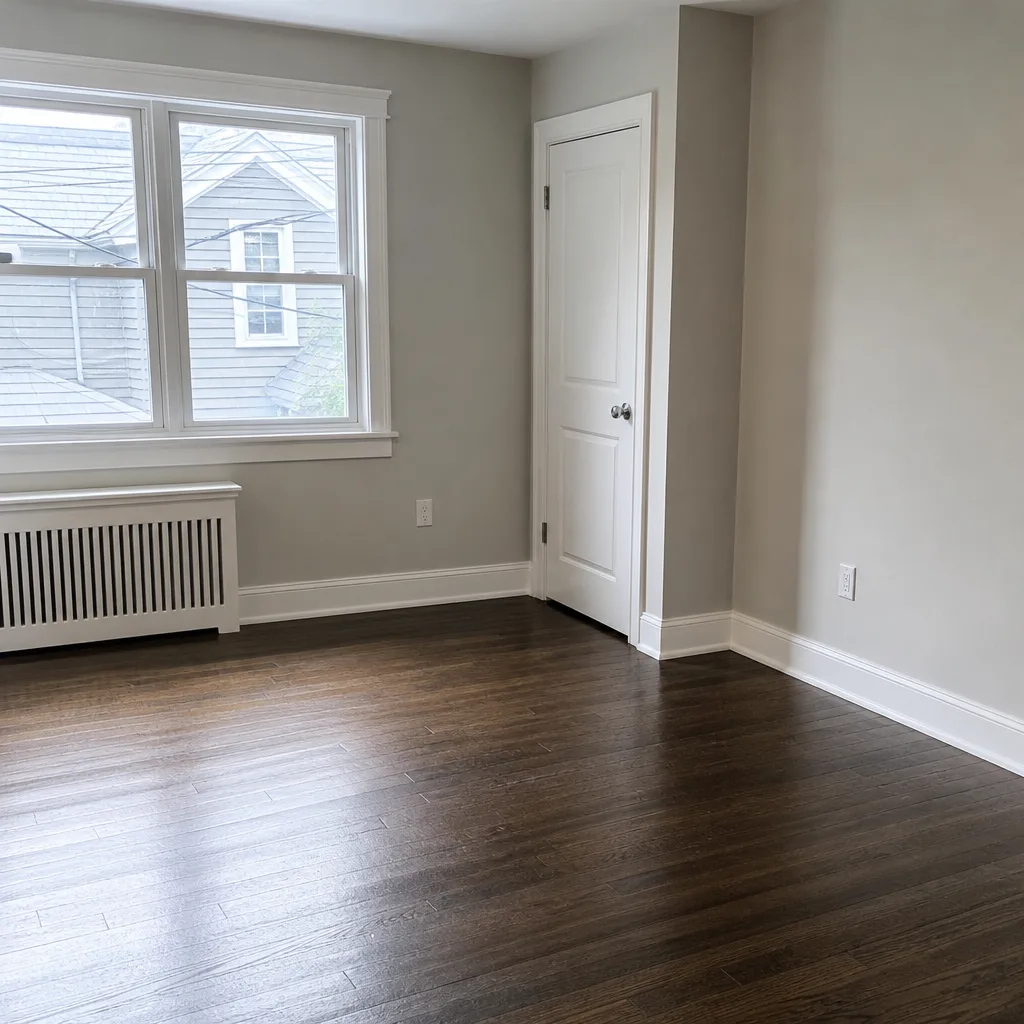 After
After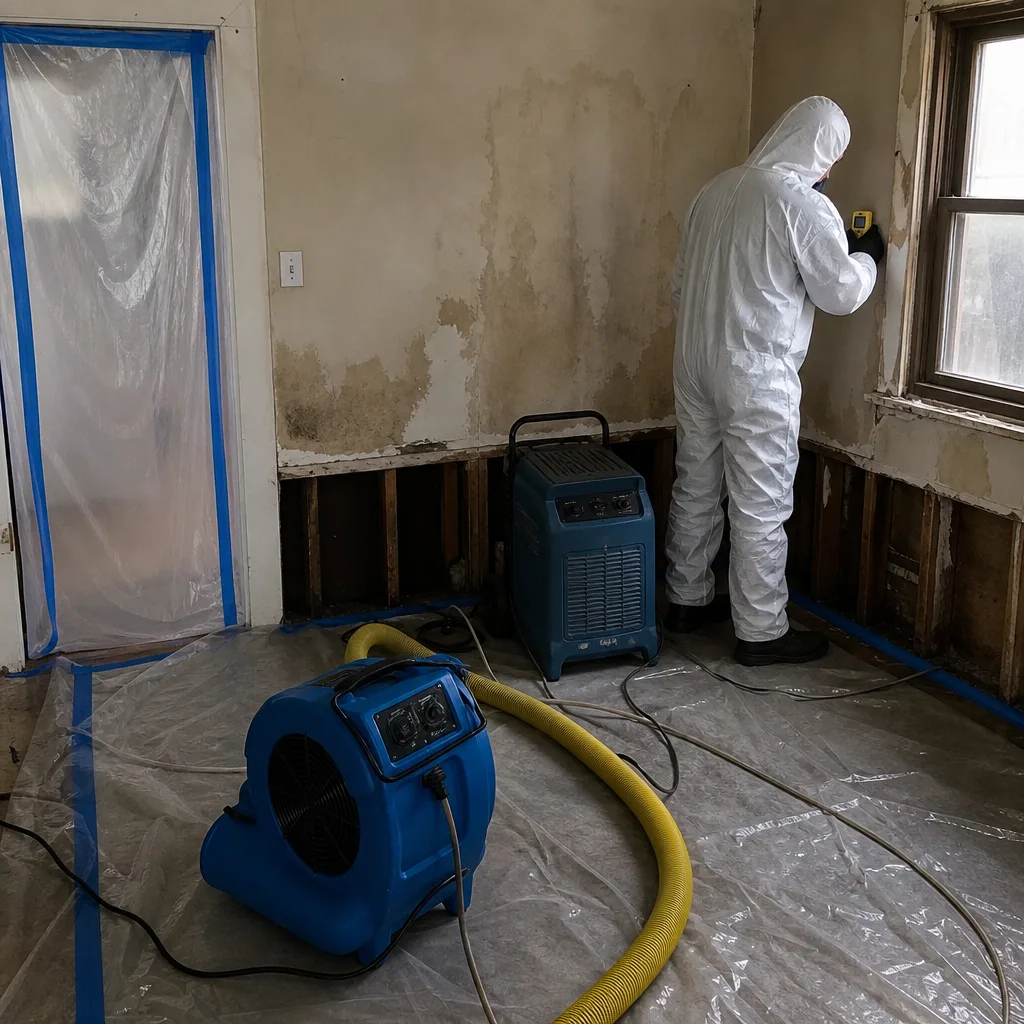 Before
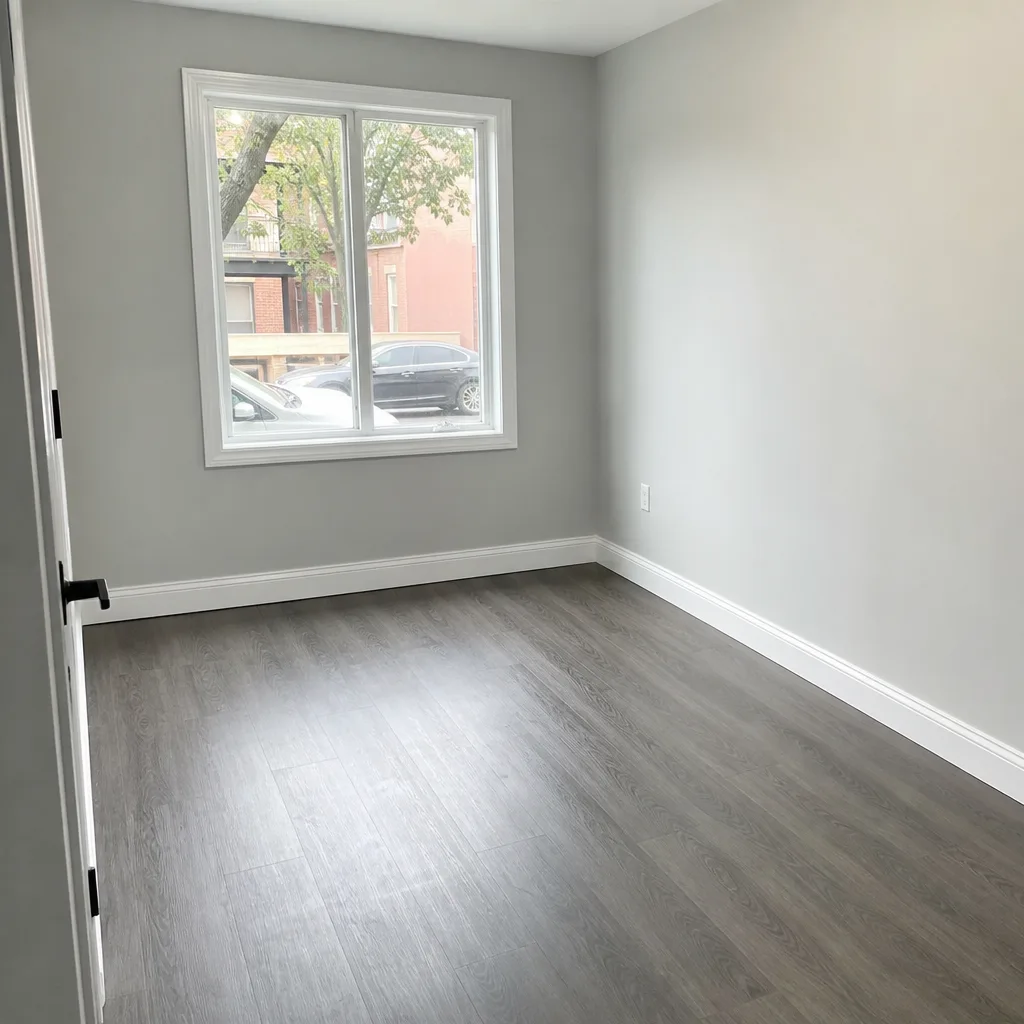 After
AfterSeasonal Damage Restoration Care for East New York: Year-Round Homeowner’s Guide
Most homeowners think about their house’s vulnerability once, after something goes wrong. Wade thinks about it four times a year, once per season, because the damage East New York sees in February was almost always set up in November. East New York’s housing stock is dominated by flat-roof rowhouses, pre-war brick construction, and clay-heavy soil. That combination means every season has a specific, predictable way it attacks your home. This guide walks through each one, season by season, so you know what to look at, when to look, and what’s actually worth worrying about versus what can wait. For a deeper dive, see The Complete Guide to Damage Restoration in East New York.
Quick Answer
Year-round seasonal maintenance in East New York prevents the four most common restoration claims: freeze-thaw brick and parapet damage in winter, snowmelt foundation pressure in spring, attic condensation and mold in summer, and roof drain blockages in fall. The core routine is simple: inspect seasonally, photograph everything with a date, clear drainage before it clogs, and address small water issues within days, not months. Skip the routine and a $300 tuckpointing job becomes a $30,000 restoration.
Table of Contents
- Winter: Freeze-Thaw and the Flat-Roof Rowhouse Problem
- Spring: Snowmelt, Clay Soil, and Foundation Pressure
- Summer: Attic Condensation and the Pre-War Mold Threshold
- Fall: Roof Drains, Leader Boxes, and Standing Water
- The Seasonal Photo Archive: Documentation That Pays
- What You Can Handle vs. What Needs a Pro
- Common Mistakes to Avoid
- When to Call a Professional
Winter: Freeze-Thaw and the Flat-Roof Rowhouse Problem
East New York’s rowhouses share walls, which means they share water problems. Water that gets into one parapet wall migrates horizontally and shows up two houses down. Freeze-thaw cycling is the mechanism: water seeps into hairline cracks in brick mortar, freezes, expands by roughly nine percent, and pries the mortar apart. Each cycle widens the crack slightly. Over a single New York winter, that happens dozens of times.
What to check before the first hard freeze:
- Parapet walls and coping stones. These are the most exposed masonry on a flat-roof rowhouse. Look for efflorescence (white mineral staining), spalled brick faces, or missing mortar joints. If you can see daylight through a joint, water is already inside.
- Flat roof seams and flashing. Many East New York roofs are modified bitumen or EPDM with seams that fail slowly. Walk the roof if safe, or use binoculars from the street. Look for bubbles, alligator cracking, or separated flashing at the parapet junction.
- Window lintels and sills. Steel lintels rust and expand, cracking the brick above windows. Check for horizontal cracks running from window corners.
- Exterior stair and bulkhead penetrations. Every penetration through the roof membrane is a leak waiting to happen. Check the sealant around stair bulkheads, vent stacks, and exhaust pipes.
We have seen parapet failures in February that started as a hairline crack the previous spring. The inside of the wall cavity was soaked for nine months before anyone noticed. By the time the ceiling stain appeared, the repair involved opening the wall, drying the cavity, replacing lath and plaster, and repointing three stories of brick. The homeowner’s camera roll showed the crack in March. He just did not know what he was looking at.
One thing to know: do not attempt DIY repointing on a parapet wall above one story. Falls from rowhouse roofs are a leading cause of serious injury in this work. A trained restoration contractor with proper staging is the right call. If you are just documenting and inspecting, stay off the roof entirely unless you have safe access and experience.
For the full scope of what freeze damage looks like and how it is repaired, see our Water Damage Restoration in East New York page.
Spring: Snowmelt, Clay Soil, and Foundation Pressure
East New York sits on a mix of fill and clay-heavy glacial soil. Clay expands when wet and holds water longer than sandy or loamy soil. When snow melts rapidly in March and April, that water saturates the soil around your foundation. The result is hydrostatic pressure: water pressing against foundation walls from the outside, looking for any crack, seam, or porous patch to squeeze through.
The pressure window is short, often just two to four weeks. But the damage it causes is permanent. Here is the sequence we see every spring in East New York basements:
- Snowmelt saturates the soil. A warm rain on top of remaining snow is the worst case. Water volume exceeds what drainage can handle.
- Hydrostatic pressure builds. The soil mass pushes water against foundation walls and up through the slab.
- Water finds entry. Common entry points: the cove joint where the wall meets the floor, rod holes left from original form ties, and cracks hidden behind finished basement walls.
- Basement humidity spikes. Even without visible standing water, a damp basement raises humidity throughout the house, feeding mold growth and musty odors in the crawlspace and first floor.
- Damage compounds. The water that got in during one spring week may not fully dry until July. By then, mold has had three months to colonize.
What you can do in early spring:
- Walk the perimeter of your house after the first significant melt. Look for water pooling within three feet of the foundation.
- Check downspout extensions. In East New York, many older homes have downspouts that dump water directly at the foundation. Extend them at least four feet, ideally six.
- Check the basement floor for new hairline cracks that appear in March or April. Hairline cracks that weep water are a direct sign of hydrostatic pressure.
- Keep the basement air moving. A dehumidifier set to 50% RH during the spring melt can prevent a damp basement from turning into a mold project.
If you find a wet basement in April, do not wait until June to act. The window for fast, lower-cost drying closes quickly. Wade has pulled into driveways in April where the basement had been damp for six weeks. The framing is saturated, the drywall wicks water up three feet, and the project goes from an extraction job to a full Mold Remediation in East New York scope. Speed matters here more than almost anywhere else in the house.
Summer: Attic Condensation and the Pre-War Mold Threshold
East New York summers are humid. The average summer dew point sits in the mid-60s to low 70s. In a pre-war rowhouse without central air conditioning, or with window units only in the bedrooms, the upper floors and attic become humidity traps. Hot air rises. Moisture rises with it. And in an under-ventilated top floor, that moisture has nowhere to go.
Here is what this looks like in practice. You run window AC units downstairs. The air upstairs stays warm and humid. At night, the exterior surfaces cool, especially the attic sheathing and roof deck. Warm, moist interior air contacts those cooler surfaces and condenses. Over a summer, that condensation soaks the roof deck, insulation, and top-floor ceiling joists. If the attic hits sustained humidity above 60% for more than a week at a time, mold growth begins.
What to check in summer:
- Attic humidity. A $20 hygrometer from any hardware store tells you the story. If the attic stays above 60% RH for days at a stretch, ventilation is inadequate.
- Staining on attic sheathing. Dark stains on the underside of the roof deck, especially near the ridge or eaves, indicate chronic condensation, not a roof leak. Leaks are localized; condensation is widespread.
- Bathroom exhaust fans. In East New York rowhouses, many bathroom fans vent into the attic rather than through the roof. That dumps moist air directly into the space. Check where your fan actually exhausts.
- Kitchen range hoods. Same issue. If the hood recirculates instead of venting outside, all that cooking moisture stays in the house.
We have seen attics in East New York where the entire underside of the roof deck was black with mold, and the homeowner had no idea because nobody had been up there in twenty years. The fix required removing insulation, treating the sheathing, and installing proper roof and soffit ventilation. The trigger was two summers of inadequate airflow. None of this was visible from inside the living space.
If you have already found mold in an attic or top-floor wall cavity, do not try to clean it with bleach. Bleach does not penetrate porous building materials well, and it leaves moisture behind that can feed regrowth. A proper mold remediation requires containment, negative air pressure, and drying to moisture standards. The Mold Remediation in East New York guide covers the full process we use.
Fall: Roof Drains, Leader Boxes, and Standing Water
Fall in East New York is when oak leaves, maple leaves, and the occasional plastic bag or construction debris end up in your roof drains. Flat roofs rely on internal drains or scuppers to move water off the roof surface. When those drains clog, water ponds. And ponding water on a flat roof is the single biggest predictor of premature roof failure in Brooklyn.
Here is why ponding matters so much more than people think. A flat roof is not truly flat. It has a slight slope toward drains or scuppers. When water ponds more than 48 hours after rain stops, it means the roof is not draining. That water adds weight, promotes membrane degradation, and in winter, it freezes and thaws, which stresses the membrane and any seams under it. A roof that ponds in November will leak by February.
Fall inspection checklist for East New York flat roofs:
- Clear the roof drains. Remove leaves, twigs, and debris from drain baskets. Check the drain body itself for blockage.
- Check leader boxes and downspouts. Leaders run from roof drains down the side of the building. If they are clogged, water backs up the pipe and pools at the roof level.
- Inspect scuppers and overflow drains. Scuppers are the openings through the parapet wall. They must be clear. If the primary drain clogs and the scupper is blocked, you have a rooftop swimming pool.
- Look for existing ponding. After a rain, go up and look. Or use a drone. Mark the ponding areas and monitor them. If they drain within 24 hours, that is normal. If they sit for two or three days, the roof needs attention.
- Check flashing at roof penetrations. Fall is the best time to seal around vent stacks, bulkheads, and HVAC curbs before winter freeze cycles open small cracks into big leaks.
We have stood on East New York roofs in November where an inch of standing water covered half the roof surface. The homeowner thought the roof was “aging but fine.” The leak into the top-floor bedroom came six weeks later. The repair was not a roof patch. It was interior drywall, insulation, electrical, and a full roof membrane replacement.
The Seasonal Photo Archive: Documentation That Pays
The most useful thing you can do for your house costs nothing and takes fifteen minutes per season. Take photos. Date them. Store them. Here is why: when you file an insurance claim, the adjuster compares the current damage against what the property looked like before. If you have a dated photo from the previous season showing the area intact, your claim process is dramatically smoother.
Here is the system Wade recommends, and it is the same system we use on our own jobs:
- Pick a fixed set of angles. North, south, east, and west elevations. The roof from the same vantage point. The basement from each corner. The attic if accessible. The mechanical room.
- Photograph on a schedule. The first weekend of each season: March, June, September, December. Same angles every time.
- Capture details that matter. Cracks, stains, areas of concern. Get close enough that you can zoom in later and see mortar joints and flashing condition.
- Date the files. Use a digital camera or phone with date stamping enabled, or rename files with the date. A folder per season per year works.
- Store off-site. A cloud backup or a USB drive kept at a relative’s house. If the fire or flood destroys your phone, the photos need to survive.
This archive does double duty. It is your maintenance log, showing you what changed between seasons. And it is your insurance file, proving pre-existing condition. We have had adjusters approve claims faster because a homeowner could show a dated photo of a dry, intact basement wall from September, compared to a flooded one in March. That photo was the difference between a two-week negotiation and a same-day approval.
What You Can Handle vs. What Needs a Pro
There is a line between seasonal maintenance and restoration work. Knowing where it is saves you money and prevents small problems from becoming structural ones. Here is the breakdown we give homeowners in East New York.
You can handle:
- Clearing roof drains and leader boxes of debris (if you have safe roof access)
- Extending downspouts away from the foundation
- Running a dehumidifier in the basement and attic during humid months
- Taking seasonal photos and keeping the archive current
- Looking for cracks, stains, and ponding. Documenting what you find.
- Checking bathroom exhaust fans and kitchen hoods to see where they vent
Call a pro for:
- Repointing brick on parapets, chimneys, or any masonry above one story
- Flat roof membrane repairs or drainage re-sloping
- Any interior water damage beyond a surface wipe-up. Water behind walls needs professional drying.
- Mold growth larger than a ten-square-foot patch, or any mold in the HVAC system
- Foundation crack injection or exterior waterproofing
- Standing water in a basement that returns after rain or snowmelt
We use Dri-Eaz and Phoenix drying equipment on every water job, and XPOWER air movers when the space calls for it. The reason matters: pro-grade equipment pulls water out of materials faster than consumer fans ever can, and speed is what determines whether a small water event stays small or turns into mold. Wade hands every homeowner a daily moisture log from the first reading to the last. That is how you know the drying is real, not just a fan pointed at the floor.
Common Mistakes to Avoid
- Ignoring a hairline crack because it “looks fine.” Hairline cracks in brick or foundation walls are exactly where water gets in. A crack that does not weep this spring may weep next spring after one more freeze-thaw cycle.
- Assuming a flat roof leak is an emergency you will notice right away. Flat roof leaks in East New York rowhouses often travel horizontally along joists before they drip into living space. By the time you see the stain, the water has been inside for months.
- Using bleach on mold. Bleach does not kill mold on porous surfaces. It bleaches the color while leaving the roots alive. Proper mold remediation requires physical removal, drying, and moisture control.
- Pointing a fan at a wet basement wall and calling it dried. Air movement without professional extraction and dehumidification pushes moisture deeper into masonry and drywall. You end up with hidden mold behind the wall.
- Cleaning roof drains only when they are already clogged. The damage from ponding water happens before the clog is obvious. By the time water is overflowing the scupper, the membrane has been soaking for weeks.
- Skipping the seasonal photo because you are busy. The fifteen minutes you skip in September is the thing you regret in April when the adjuster asks for pre-existing condition photos and you have none.
- Trusting a phone quote without a site visit. Restoration pricing based on photos alone misses hidden moisture, structural issues, and secondary damage. A written scope after an in-person visit is the only honest number.
When to Call a Professional
Call when water has been sitting for more than 24 hours in any building material. Call when you see mold larger than a dinner plate, or smell something musty you cannot locate. Call when a ceiling stain appears after rain, even a small one, because that stain means water has already saturated the cavity above. Call when your basement floods more than once, because the second flood means the first one was never properly dried. And call when you are not sure. Wade’s Restoration offers free estimates in East New York, call (363) 300-2771. Wade will tell you honestly if the job is small enough to handle yourself. He has talked homeowners out of hiring him more than once, because the right advice is the right advice.
Frequently Asked Questions
Minor water extraction and drying in a single room typically runs $500 to $1,500 in East New York. Full basement drying with professional equipment, moisture logging, and dehumidification runs $2,000 to $6,000. Full mold remediation for an affected area underneath a ceiling or behind a finished basement wall starts around $3,000 and goes up based on square footage and containment requirements. These are real ranges from jobs we have done in East New York, not generic national numbers. Call (363) 300-2771 for an exact quote, estimates are free.
Coverage depends on your policy and the cause of the damage. Sudden events like a burst pipe or storm-driven water intrusion are commonly covered. Gradual damage, like a slow roof leak that has been seeping for months, is often excluded because insurers classify it as a maintenance issue. Wade deals with adjusters directly on every job, providing photo documentation and moisture logs so you are not stuck translating between two sides.
If you call Wade’s Restoration, you will speak to a live person, often Wade himself. For active water events in East New York, Wade can usually have extraction equipment running inside the hour. The first hour matters more than the next three days because water migrates into drywall, framing, and flooring continuously until it is pulled out.
If mold covers more than ten square feet, or it is inside wall cavities, behind baseboards, or in the HVAC system, you need professional remediation with containment and negative air pressure. A surface cleaning addresses what you can see but not what is inside the wall. In East New York’s humid summers, the hidden mold keeps growing and the smell returns in weeks.
After a rain, check whether water ponds anywhere on the roof surface. If it drains within 24 hours, the roof is functioning. If water sits for 48 hours or more, you have a drainage problem that will shorten roof life and eventually leak. Clear the drains and scuppers first, then call if ponding persists.
It is simple. Every water, fire, and mold restoration job we do in East New York includes a written promise: if it is not done right, Wade makes it right. The promise is stamped on the contract, not just implied. One call brings Wade back, and he is the person who answers the phone. For more guides & resources, visit our blog.
The Bottom Line
East New York homes face four seasonal threats: freeze-thaw masonry damage in winter, snowmelt foundation pressure in spring, attic condensation and mold in summer, and clogged roof drains in fall. Each season has a specific inspection routine and a short list of things to check. The discipline is photographing everything on a schedule, clearing drainage before it clogs, and moving fast when water shows up where it should not. A $300 repair caught in September is a $30,000 restoration when it is found in February. That is the entire thesis, and it holds up year after year. If you want a second set of eyes on your house, Wade Ferris will walk it with you and tell you what he sees. That visit is free inside the county. Call (363) 300-2771.
Written by Wade Ferris, Owner at Wade’s Restoration, serving East New York since 2007.