
Last updated August 26, 2026
Free visual inspection and a written scope of work before any mitigation begins - photos, moisture readings, and drying logs go in your claim file
The scope we write is the scope we bill. Anything new gets shown to you, in writing, before we touch it.



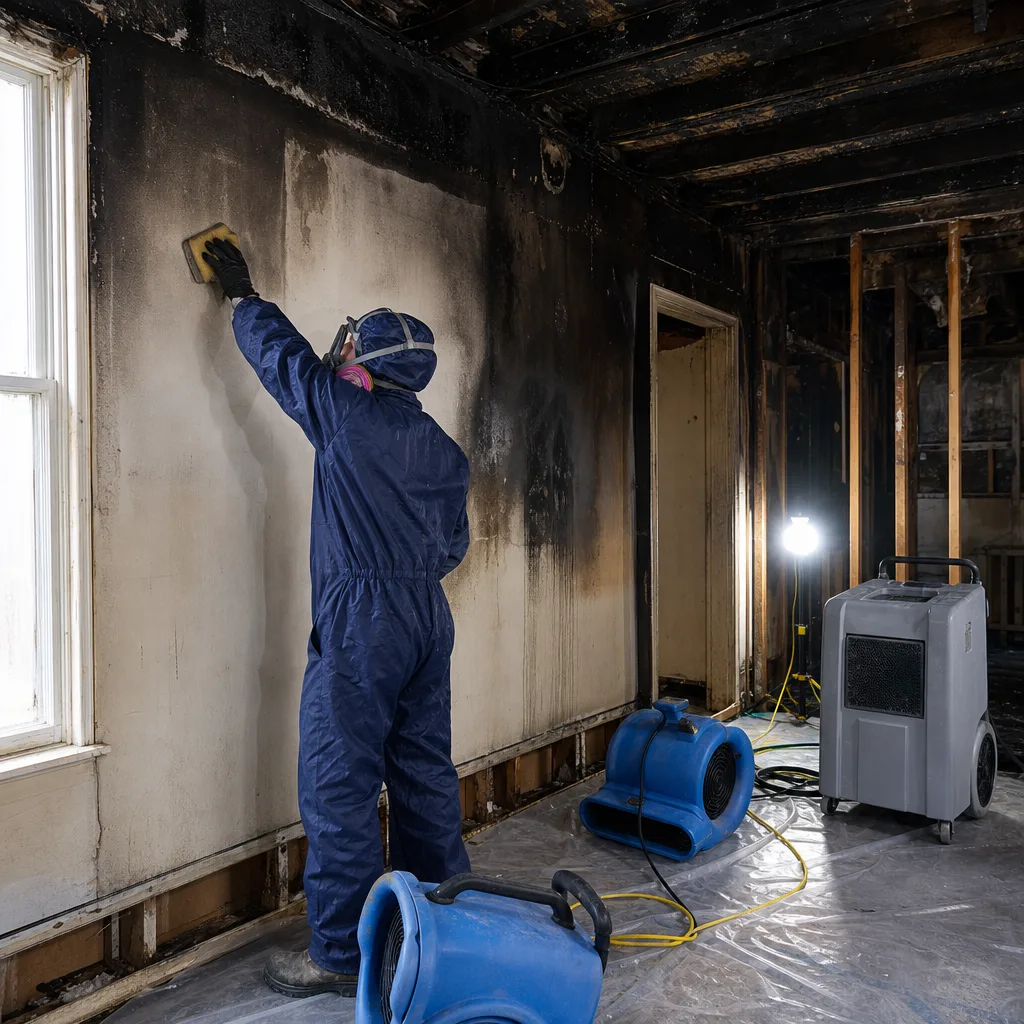
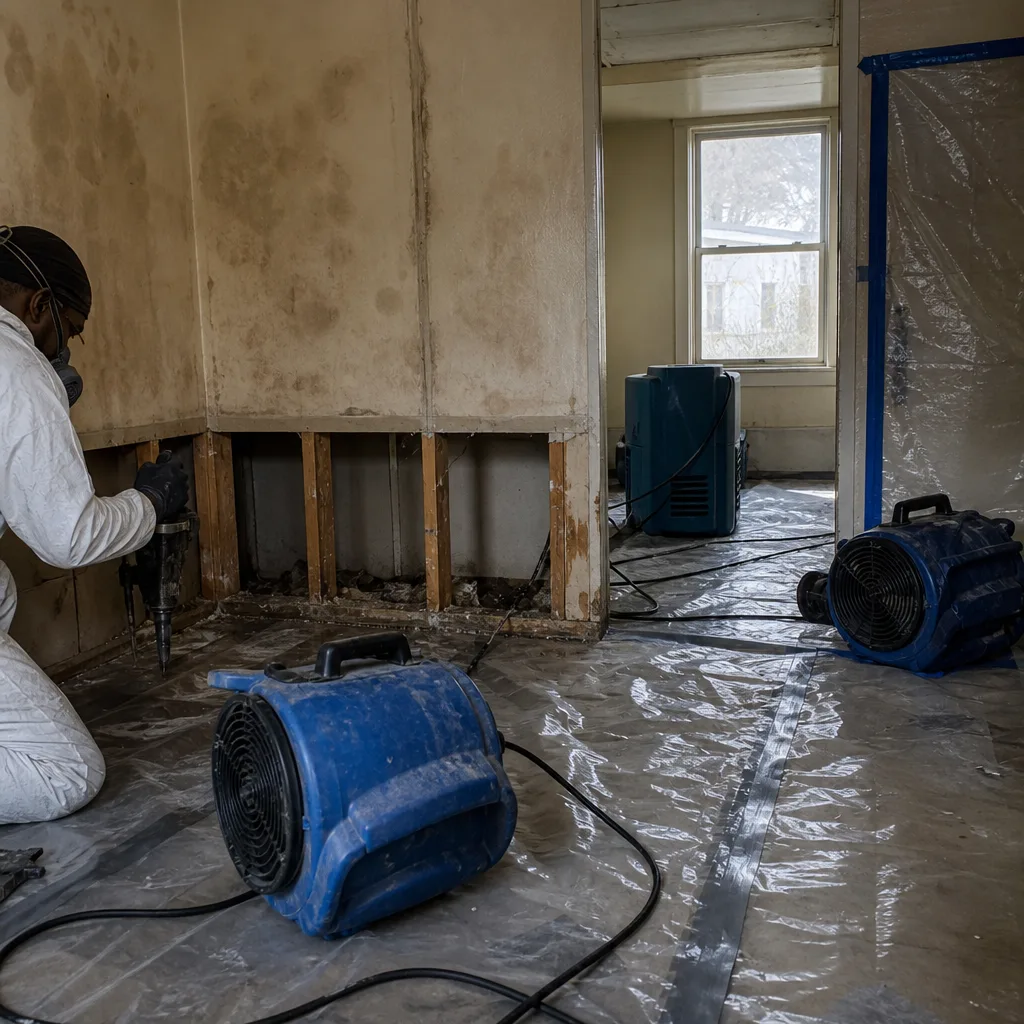 Before
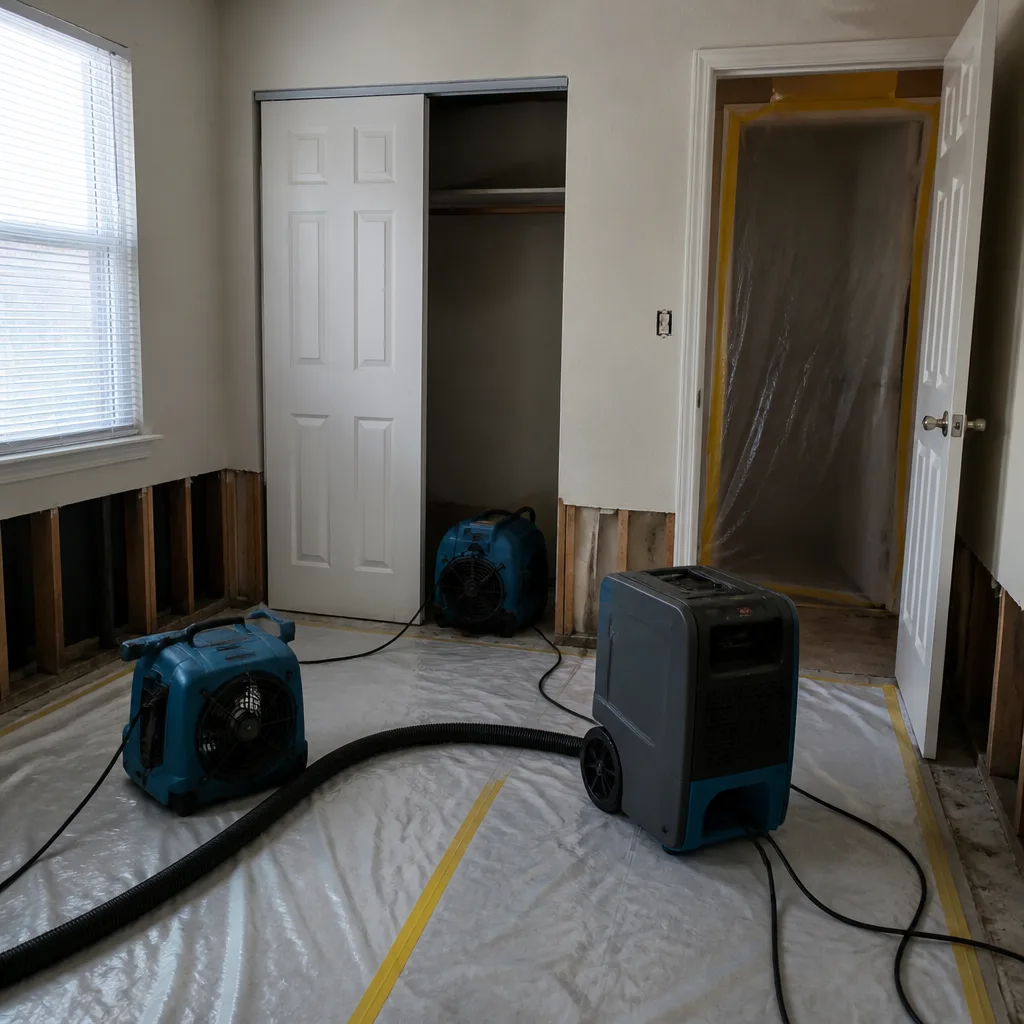 After
After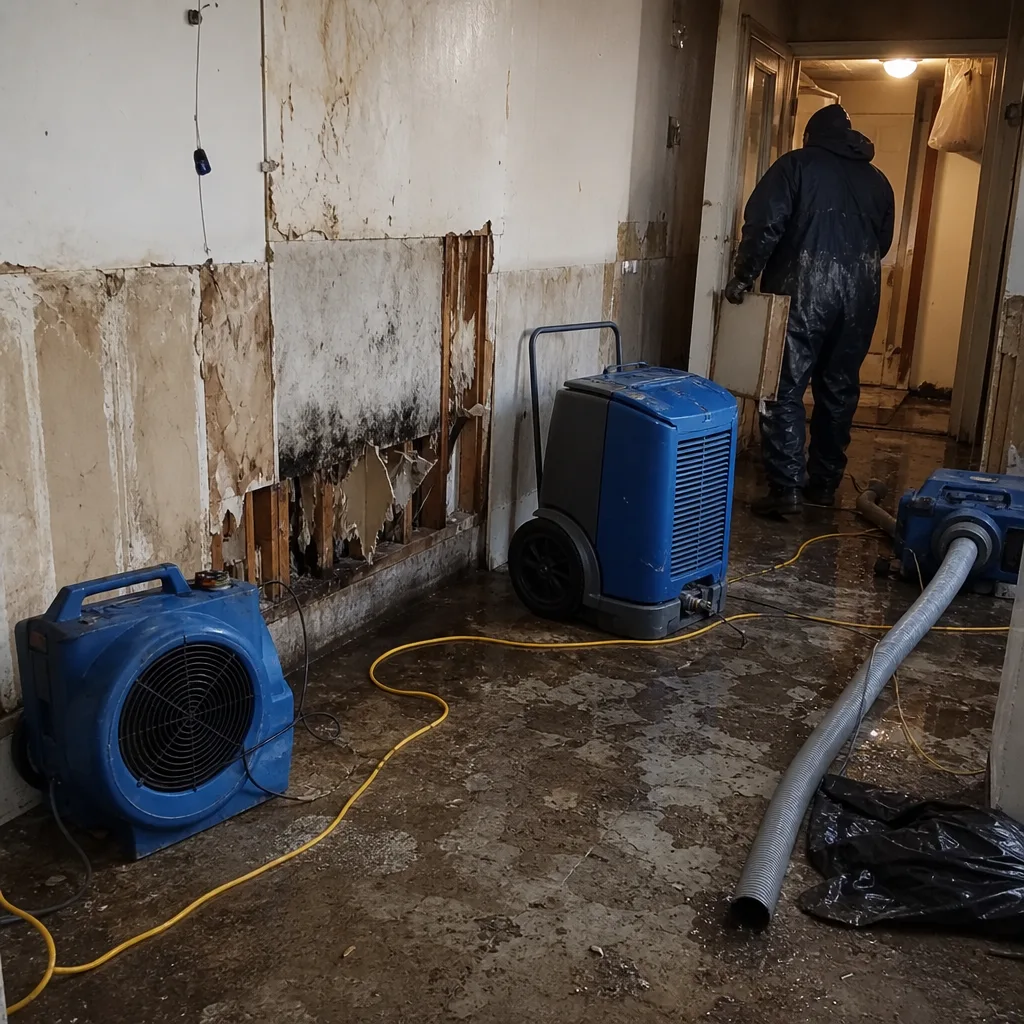 Before
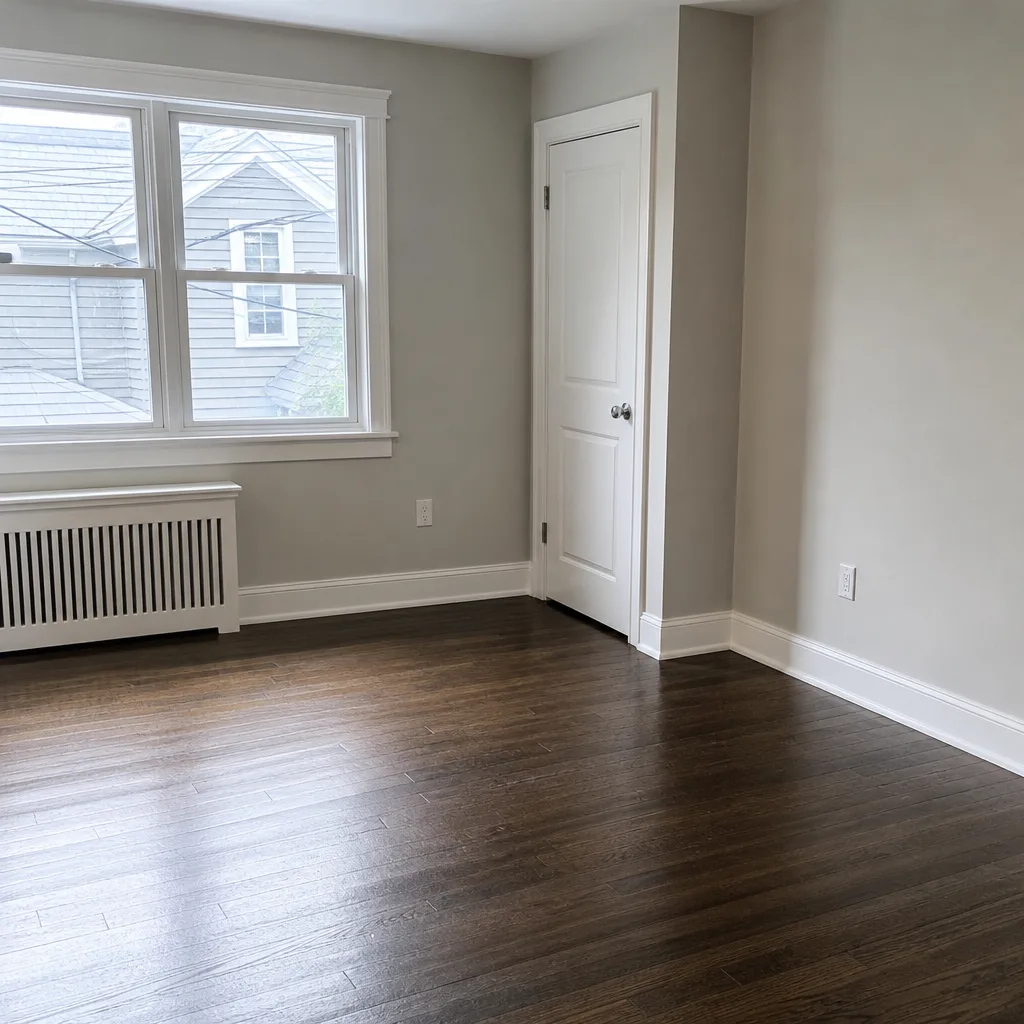 After
After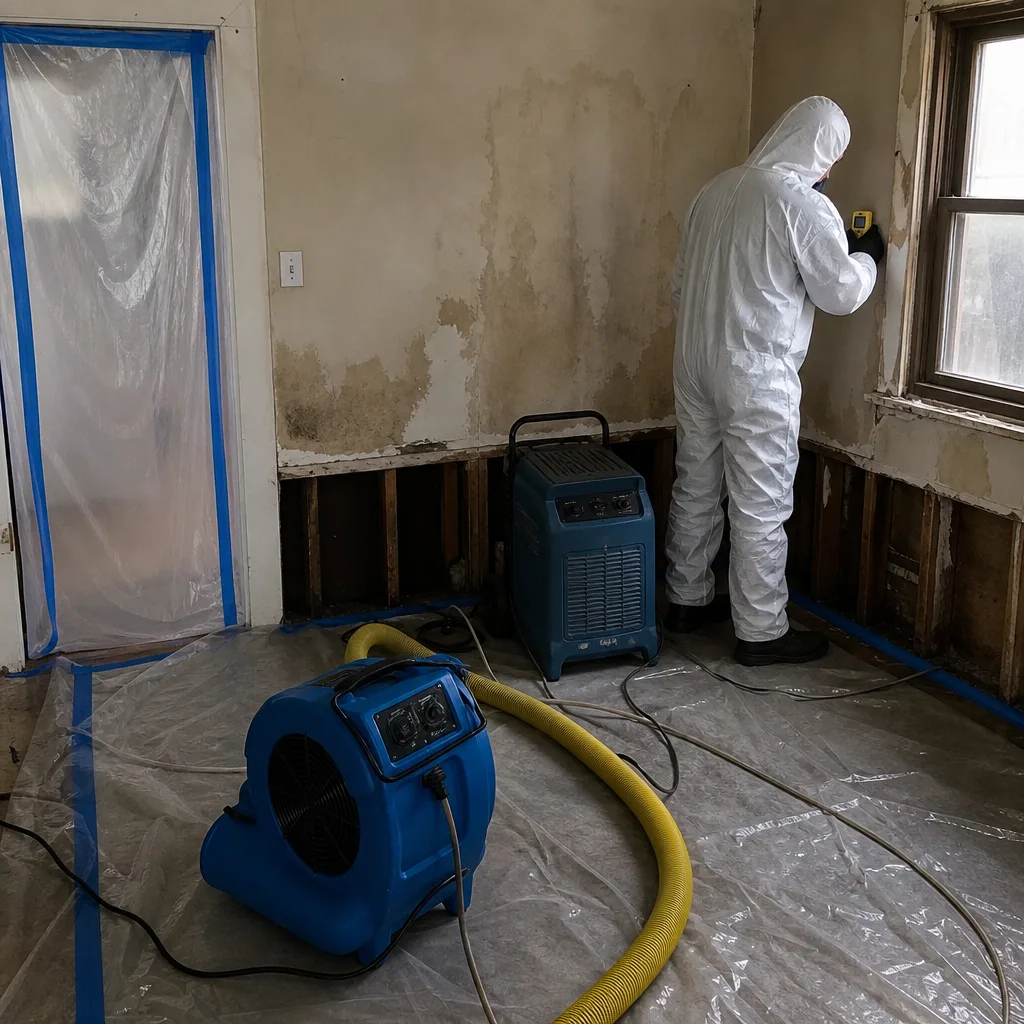 Before
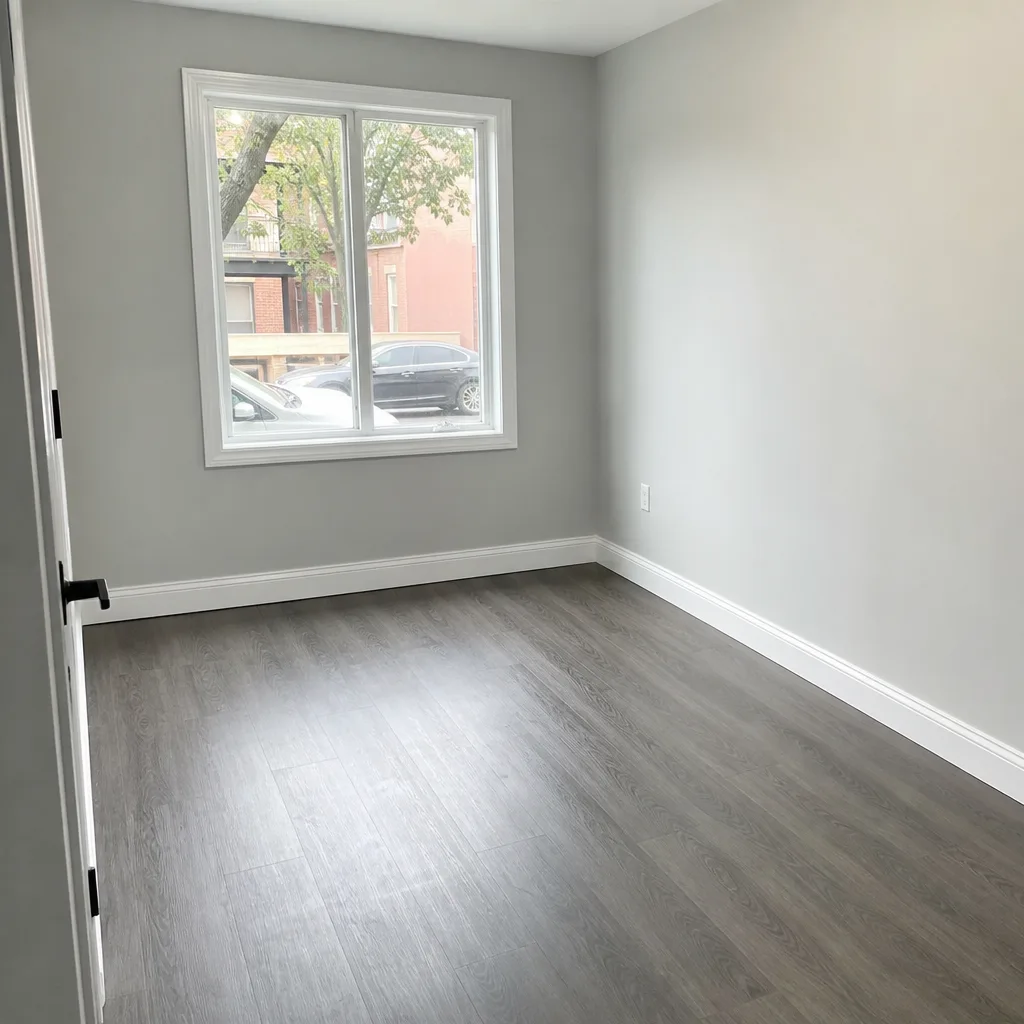 After
AfterDIY vs Professional Damage Restoration: The East New York Homeowner’s Decision Guide
Here’s the thing nobody tells you in those weekend warrior videos: a flooded basement in East New York will not actually dry on its own, not in the way that matters. The surface will dry. The concrete will feel dry. Your sneaker will stop squeaking. But the water that wicked up into the drywall, into the sill plates, into the fiberglass insulation behind that finished basement wall? That water is still there, and it is growing something. This guide is about the math of that invisible problem: when you can handle it yourself with a mop and a fan, when you cannot, and how to tell the difference before the problem tells you, in the form of a much larger bill.
Quick Answer
DIY restoration is reasonable for small, contained water spills under about 10 gallons with no wall contact, no electrical involvement, and no musty smell, in East New York homes where the leak source is fully stopped. Professional restoration becomes necessary when water has touched drywall, insulation, or flooring, when the water is gray or black (sewage, appliance overflow, exterior floodwater), when mold is visible or smelled, or when an insurance claim will be involved. The dividing line is not your skill with a shop vac. It is whether you can prove the inside of your wall cavity is dry, and whether your insurance company will accept your proof. If you’re unsure, read our guide on How to Hire a Damage Restoration Contractor in East New York: A Step-by-Step Guide.
Table of Contents
- The Invisible Problem: What Moisture Does Inside a Wall
- What DIY Can Actually Handle
- The Four Scenarios Where DIY Costs More
- What the Law Says: Licensed Work in New York City
- How Insurance Treats DIY vs. Professional Remediation
- What Moisture Meters Actually Measure
- The Documentation You Need Even If You DIY
- Equipment Pros Use and Why Renting a Fan Is Not the Same
The Invisible Problem: What Moisture Does Inside a Wall
Water damage is a race between evaporation and biology. The biology wins most of the time. Mold spores need three things to activate: organic material (drywall paper, wood studs, dust), warmth, and moisture above about 60% relative humidity in the material itself. A flooded East New York basement in August provides all three within 48 hours. The visible puddle is not the problem. The problem is the water that traveled sideways, up, and into the assembly of your wall before you even found the leak.
Here is what happens in a typical East New York finished basement flood. Water comes in through a foundation crack or a failed sump pump. It pools on the vinyl plank floor, which looks bad but is actually fairly resistant. Meanwhile, the water is also seeping under the baseboards and into the bottom six inches of drywall. Drywall acts like a sponge. The paper facing on both sides wicks moisture upward. Within 24 hours, moisture has climbed 12 to 18 inches above the waterline. Within 48 hours, the studs behind the drywall have absorbed enough moisture that the wall cavity humidity is now above 70%.
That is when mold starts. Not dramatic black splotches, not yet. Micro-colonies. The kind of thing you cannot see and cannot smell for another week or two, but it is established, and it will bloom the moment conditions stay warm and damp. This is the mechanic that turns a $900 professional dry-out into a $14,000 mold remediation inside of six weeks. We have seen it hundreds of times. The homeowner thinks they dried the basement because the floor is dry to the touch. What they actually did was seal moisture inside a wall cavity and turn the thermostat back up.
This is not a scare tactic. It is the physics of building materials in the East New York climate, where summer humidity averages over 65% and the temperature differential between a cool basement and a hot upstairs creates condensation on its own. For year-round protection tips, see our Seasonal Damage Restoration Care for East New York: Year-Round Homeowner’s Guide. The question is never whether you can move water with a mop. It is whether you can prove the wall cavity is below the mold threshold. That takes a moisture meter, and it takes readings over multiple days, not one pass with a rental fan.
What DIY Can Actually Handle
Let us be fair. There are situations where calling a restoration company is overkill, and you should not pay for equipment you do not need. The honest answer is that DIY works in three specific scenarios. Here they are.
- Small, contained, clean water spills. A water heater that leaked two gallons onto a concrete floor before you caught it. A supply line that sprayed the inside of an unfinished utility closet. A toilet tank that cracked and dumped clean water onto tile. If the water is from a clean supply line, the affected area is under 10 square feet, no drywall or insulation got wet, and you got to it within an hour, you can handle this. Mop it up. Run a fan. Keep the dehumidifier on for two days. You do not need us for that.
- Non-structural exterior issues. A downspout that disconnected and is dumping rainwater against the foundation. You can fix that with a $12 extension from Home Depot, and you should. Grading around the foundation, cleaning gutters, checking that the sump pump discharge pipe actually carries water away from the house. These are prevention tasks, not restoration tasks, and they are entirely DIY-reasonable.
- Soft goods and contents. If the only things that got wet are items you can carry: a rug, a box of Christmas decorations, a pile of laundry. Take them outside, dry them in the sun, run them through the wash. You do not need a restoration company to dry a duffel bag. The line is the building itself. Once the building materials are wet, the equation changes.
The common thread in all three: no wall cavities involved, no insulation, no structural wood, no electrical components, and the water source is clean. Clean water means potable supply lines or direct rainwater. Gray water (washing machine discharge, dishwasher overflow, sump pump failure) is a different category. Black water (sewage, exterior floodwater) is never a DIY situation.
The Four Scenarios Where DIY Costs More
Now the other side. These are the situations where the box fan approach does not save you money. It defers the cost and multiplies it. We have walked into homes in East New York where a homeowner spent two weeks “drying” a basement with fans, called us because of a musty smell, and ended up with a mold job that was five times what the original water mitigation would have cost.
1. Water Has Touched Drywall, Insulation, or Finished Flooring
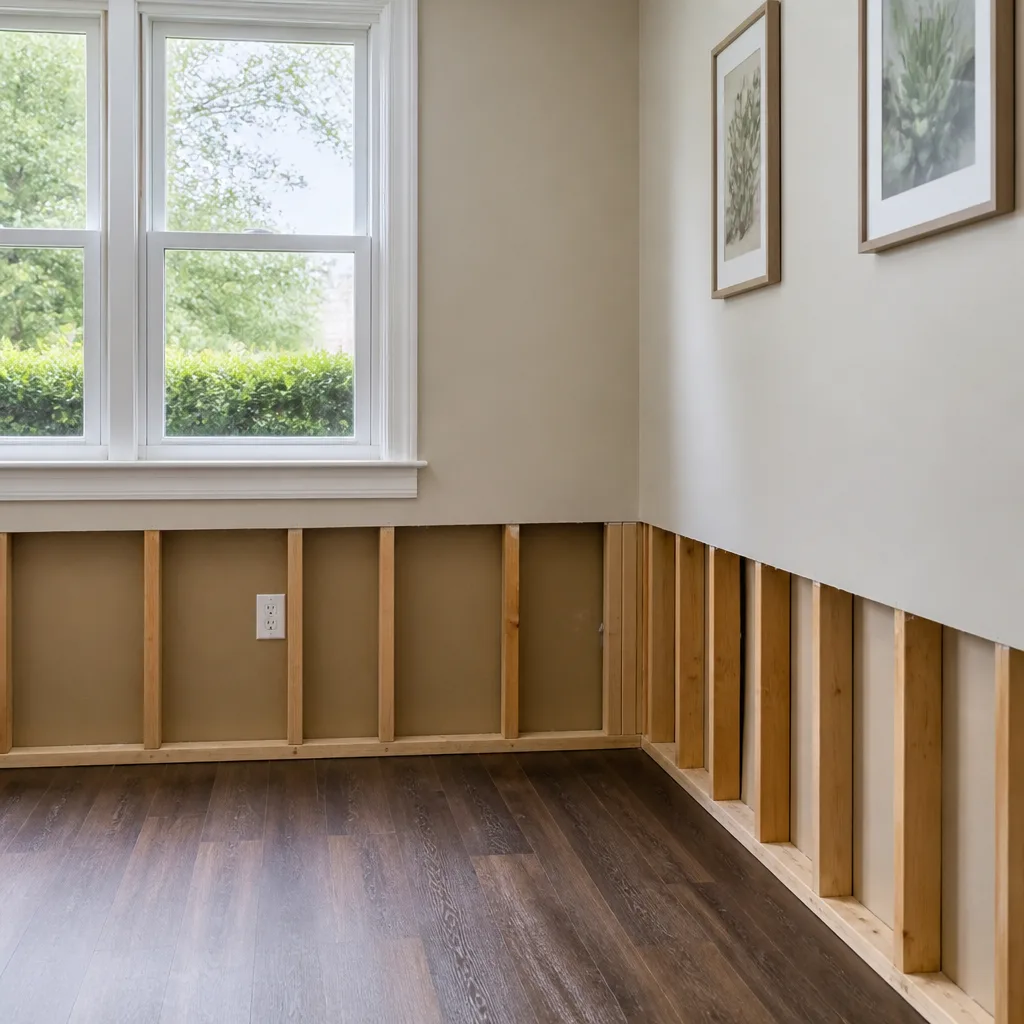
Drywall, insulation, and laminate flooring are all capillary materials. They wick moisture sideways and upward. Once water has entered these materials, the only reliable fix is removal or professional drying with injected air. Injectidry systems, for example, blow dry air directly into wall and ceiling cavities at low pressure, which is the only way to dry the inside of a wall without tearing it open. A box fan pointed at the baseboard does nothing for the cavity. It dries the surface, which is the part you can see, and leaves the part you cannot see wet enough to grow mold.
2. The Water Is Gray or Black
Gray water from a washing machine or dishwasher contains biological material. It is not sewage, but it is not clean either. Black water from a sewer backup or exterior floodwater contains pathogens, and in East New York, exterior floodwater carries whatever the streets carry: oil, animal waste, garbage residue. This water requires not just drying but disinfection and, in many cases, removal of affected porous materials. You cannot sanitize a sewage-soaked carpet with bleach. You can make it look cleaner while leaving bacteria in the pad underneath. The health risk is real, and the smell will come back.
3. You Are Going to File an Insurance Claim
This is the one that surprises people. Your insurance policy does not care how hard you worked with a shop vac. It cares about documentation. If you do the partial work yourself and then discover six months later that there is mold in the wall, your insurer will ask why the original loss was not properly mitigated. The answer “I dried it myself” is a reason for them to deny the secondary claim. More on this below, because it is the most expensive DIY mistake we see.
4. There Is Any Electrical Involvement
Water and electricity do not need an explanation. If water has risen to the level of any outlet, any appliance, any wiring, or your panel, shut the power off at the breaker and call an electrician and a restoration company, in that order. Do not stand in the water. Do not unplug things while standing in the water. This is not a restoration question, it is a safety question, and the answer is always no.
What the Law Says: Licensed Work in New York City
Here is a point that almost no DIY restoration guide covers, and it is the one that can cost you a sale, a fine, or an insurance fight. In New York City, certain categories of restoration work are not a question of skill or preference. They are legally restricted.
Mold assessment and remediation in New York City is regulated under Local Law 55 of 2018. If a property owner hires someone to assess or remediate mold in a residential building, that person or company must hold a mold assessment license or mold remediation license from the New York State Department of Labor. The law applies to any mold job covering more than 10 square feet of contiguous mold. A homeowner can do their own mold work, technically, but here is the catch: if you later sell the home, or if a tenant or family member has a health issue related to mold, the absence of licensed documentation becomes a liability. And if you do the work yourself and do it wrong, your insurance company has grounds to deny because you did not follow the standard of care defined by the industry.
Asbestos and lead abatement. Many East New York homes were built before 1980, which means the drywall, insulation, and flooring you are about to rip out after a flood may contain asbestos or lead paint. Disturbing these materials without a licensed abatement contractor is a violation of New York State and New York City regulations. The fines are not theoretical. The Department of Environmental Protection and the Department of Buildings both have authority here, and the penalty for unlicensed asbestos disturbance can run into the tens of thousands. A professional restoration company pulls the necessary tests before demolition begins. A homeowner with a crowbar does not.
Regulated waste disposal. Water-damaged, mold-contaminated, or asbestos-containing materials cannot go in your regular trash pickup in New York City. They require specific handling, specific bags, and in some cases specific disposal facilities. The DSNY has rules about this, and violating them is a summons. A licensed remediation company handles this as a matter of course. A DIYer often does not know the rule exists until the fine arrives.
The practical upshot: for any job involving flooring removal, drywall removal, suspected mold over 10 square feet, or a pre-1980 home with unknown material composition, DIY is not just inadvisable. It is legally exposed. Mold Remediation in East New York has its own chapter of rules under New York City law, and we walk every client through them before a single wall is opened.
How Insurance Treats DIY vs. Professional Remediation
Let us talk about the scenario that costs East New York homeowners the most money, because it plays out quietly and no one talks about it until the denial letter arrives. Here is how it works.
You have a water loss in March. A pipe bursts, or a storm floods the basement. You mop it up, run fans for a week, maybe rent a dehumidifier from a hardware store. The floor feels dry. You do not file a claim because the damage seems manageable, and you do not want your premium to go up. Eighteen months later, you notice a musty smell. Then a dark stain on the baseboard. You call an inspector. They find mold throughout the wall cavity, and the remediation quote is $40,000. Now you file a claim.
The insurer sends an adjuster. The adjuster asks when the original water event occurred. You tell the truth: eighteen months ago. They ask what was done to mitigate it. You say you dried it yourself. The adjuster now has what they need to argue that the mold damage was caused not by a covered peril but by inadequate mitigation after a covered peril, and that the homeowner’s failure to follow professional standards constitutes negligence, or at minimum a failure to mitigate damages. The claim is denied or heavily reduced. You are now paying out of pocket for a problem that a $2,400 professional dry-out would have prevented entirely.
This is not a hypothetical. This is the single most common insurance outcome we see in East New York when homeowners do their own water mitigation and then develop a secondary mold problem.
When a professional company does the mitigation, you get something a box fan cannot produce: a chain of documentation. Daily moisture readings, a drying log, photo documentation, a written scope of work. If a secondary problem develops later, you can show your insurer that the original loss was mitigated to industry standard by a licensed firm. That documentation is the difference between a covered claim and a denial. It is also the difference between an insurance company accepting your mold claim as a continuation of the original loss versus classifying it as a maintenance failure.
Direct adjuster communication helps here too. When Wade Ferris handles an East New York water damage job, he talks to the adjuster himself, shares the moisture logs and the photos, and makes sure the insurance company sees the full picture from day one. The homeowner is never left relaying technical information between two parties who both know more than they do. That is part of the Water Damage Restoration in East New York service: we manage the insurance conversation, not just the water.
What Moisture Meters Actually Measure
The most common sentence we hear from East New York homeowners who tried DIY drying first is: “It felt dry.” Here is what that actually means, and why it is not enough.
Your foot can detect surface moisture. A concrete slab that has been absorbing water for twenty minutes will feel cold and damp. But your foot cannot detect moisture inside a wall cavity, inside a piece of lumber, or underneath a layer of vinyl flooring. Those are the places mold grows. A moisture meter measures the electrical resistance or capacitance of a material. Water conducts electricity, so wet materials show different readings than dry ones. A professional moisture meter, specifically a penetrating or pin-type meter, can tell you the moisture content of wood at a specific depth, the equivalent moisture level inside drywall, and the relative humidity inside a wall cavity.
Here are the numbers that matter:
- Wood moisture content below 12%: Normal. Safe. No active mold risk.
- Wood moisture content 12% to 16%: Borderline. In an East New York summer, this is common even without a leak. Monitor it.
- Wood moisture content above 16%: Active moisture problem. Mold can begin within days.
- Wood moisture content above 20%: Saturated. Requires professional drying or removal. This is what a wall cavity looks like after a flood.
- Drywall moisture equivalent above 0.8% on a non-invasive meter: Noticeable moisture. The drywall is wet enough to wick.
- Wall cavity relative humidity above 60% for more than 48 hours: Mold risk territory.
A professional drying job takes baseline readings on day one, then returns daily to track the drying curve. The standard is that materials must trend downward consistently and hit target numbers before the job is closed. A homeowner with a rental fan has none of this. They have a thumb on the drywall and a hope. The equipment itself matters too: a professional dehumidifier from Dri-Eaz or Phoenix moves dramatically more water per day than a Home Depot rental unit, and an Injectidry system reaches cavities that no fan can touch. But equipment without measurement is still guesswork. The measurements tell you when the job is actually done.
If you are doing partial DIY work yourself, the single most useful thing you can do is buy or rent a moisture meter and take readings in the affected area every day. Document the numbers. Write them down. That log, even if it is handwritten, is worth more than any explanation you can give an adjuster later.
The Documentation You Need Even If You DIY
Here is a scenario we want to support, not discourage: a competent East New York homeowner does the mitigation work themselves, does it carefully, and wants to keep their insurance file clean in case something resurfaces. That is smart. Here is what you need to document, even if you never hire a restoration company for a single hour.
- Photos of the damage before you touch anything. Wide shots of the room, close shots of the wet area, photos of the source if it is visible. Timestamp them. These photos are the foundation of any future claim.
- Photos of every step. The wet materials you removed, the floor after removal, the wall after cutting, the fans running. Document the process. An insurance adjuster who sees a documented, methodical process is far more likely to treat your work as legitimate mitigation than one who sees a single “after” photo.
- Daily moisture readings. Even a $50 moisture meter from a hardware store is better than nothing. Write down the reading for each affected material, each day, until the numbers level off in the safe range. Date every entry.
- Receipts for the equipment you used. The rental dehumidifier, the fans, the moisture meter, the trash bags, the new drywall. Receipts prove you actually did the work you say you did.
- A written summary of the event. One paragraph: what happened, when, what you found, what you did, what the final readings were. Sign it and date it. If you file a claim eighteen months later, this document is the difference between a coherent story and a fuzzy memory.
- Any communication with your insurer. Even if you decide not to file a claim, call your insurer and ask if the event warrants a report. Sometimes a “report only” filing preserves your rights without triggering a premium increase. Ask them directly. Document the call.
This documentation does not replace professional mitigation. It does not dry a wall cavity. But it makes you a credible claimant if the worst happens, and it costs you an hour of work and $50 in equipment. Every East New York homeowner should do these six things on any water event, regardless of whether they call a restoration company. For a complete reference, see our Water Damage Restoration Maintenance Checklist for East New York Homeowners.
One more thing, because it comes up constantly. If you have already done DIY work and you are now looking at a mold problem, call before you do more. A Wade’s Restoration home visit includes an honest assessment of what you did right, what you missed, and what it will cost to fix. No lecture, no upsell. Just straight information from someone who has seen the inside of enough East New York walls to know what is actually there.
Equipment Pros Use and Why Renting a Fan Is Not the Same
There is a reason professional restoration equipment costs what it costs, and it is not because contractors like spending money. It is because drying a building is a controlled process, not an event. Here is what actually happens on a professional water damage job in East New York, and why the equipment is different from what you can rent.
Professional dehumidifiers. A Dri-Eaz LGR 7000XLi or a Phoenix 200 Max removes 130 to 150 pints of water per day under AHAM conditions. The typical rental unit from a hardware store removes about 30 pints. The professional unit also works at lower temperatures and lower humidity levels, meaning it keeps pulling water out of the air long after a rental unit has plateaued. On a flooded basement, the difference is a dry job in three days versus a damp job that lingers for two weeks.
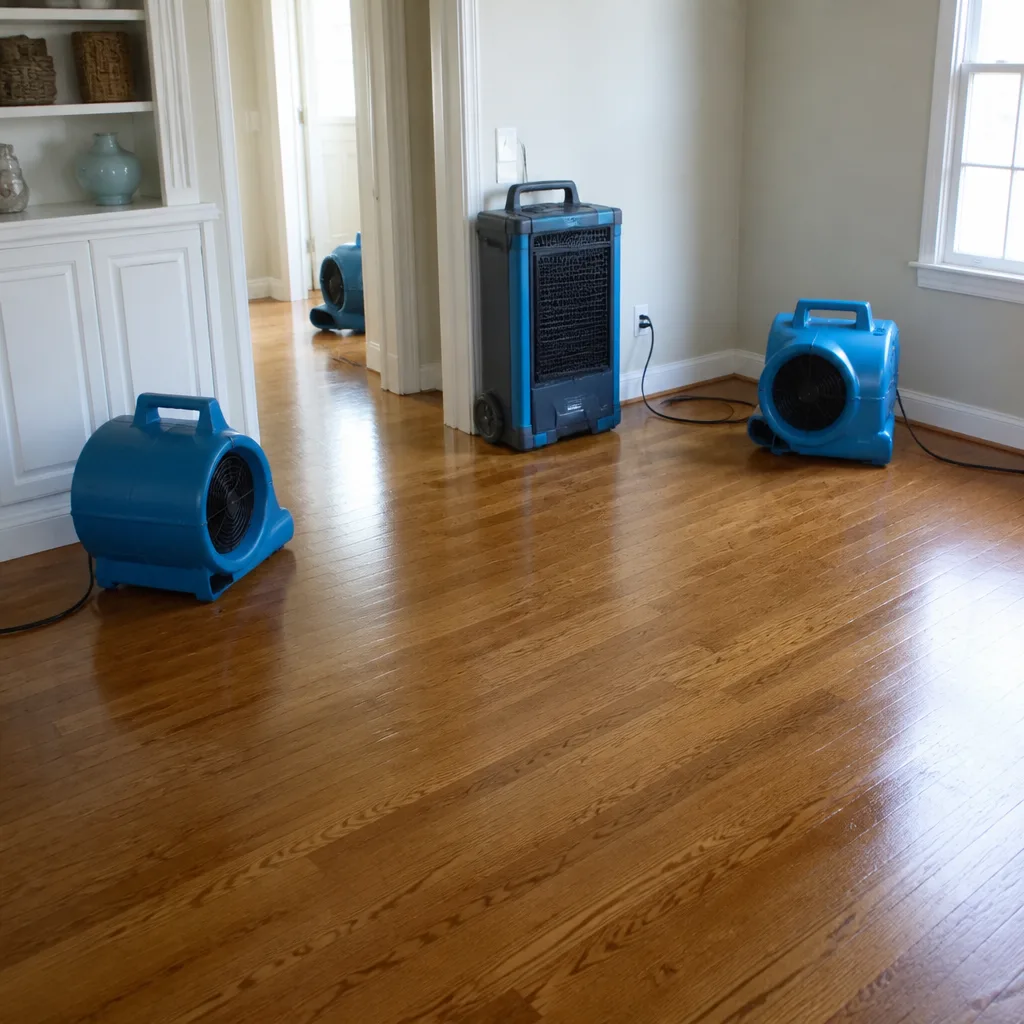
Air movers. A box fan circulates air. An XPOWER or B-Air air mover directs a focused blast of air across a specific surface, which is what actually accelerates evaporation. The standard is one air mover per 50 to 75 square feet of affected area, positioned at a 45-degree angle to the wall or floor. A homeowner with three box fans is moving air, but not drying surfaces efficiently.
Injection systems. Injectidry panels and hoses push dry air directly into wall and ceiling cavities under positive pressure. This is the only way to dry the inside of a wet wall without tearing the wall open. No amount of surface airflow reaches inside a wall cavity. If the water got into the wall, and you are not using an injection system or cutting the drywall out, you are not drying the wall.
Moisture mapping and thermal imaging. A thermal camera shows temperature differences that indicate where water is hiding. A moisture meter quantifies it. Together, they produce a map of the affected area that tells the technician where to place equipment and when the job is done. Without this, you are guessing. And guessing wrong on a water job in East New York means mold, because the ambient humidity does half the mold’s work for it.
The credentials behind all of this matter too. The IICRC sets the standards for professional water damage restoration. Companies that follow those standards, like Wade’s Restoration, are accountable to a body of knowledge that has been built over decades and thousands of jobs. The RIA provides ongoing training and certification. These are not marketing badges. They are the difference between a crew that knows why a wall cavity matters and a handyman with a fan.
Common Mistakes to Avoid
- Turning the heat up to “bake” the moisture out. Heat accelerates evaporation, but it also accelerates mold growth. In an East New York summer, the air is already warm enough to encourage mold. Blasting the heat just gives mold exactly what it wants. The professional approach is controlled temperature and aggressive dehumidification, not a sauna.
- Assuming bleach kills mold. Bleach kills surface mold on non-porous materials. It does not kill mold roots in drywall or wood, and the water in the bleach can actually feed the mold deeper in the material. This is the most persistent DIY myth in restoration. Bleach is not a mold remediation strategy.
- Removing drywall without checking for asbestos first. Any East New York home built before 1980 may have asbestos in joint compound, insulation, or flooring. Cutting into it without testing is a legal and health hazard. Professional restoration companies test before they cut. DIYers often cut first and discover the problem later, usually from a lab report attached to a renovation project.
- Not documenting the original damage before cleaning it up. The first instinct after a flood is to get the water out. Take photos first. Five minutes of documentation can be worth thousands in an insurance settlement. Once the evidence is mopped up, it is gone.
- Using a shop vac to remove sewage water. A shop vac will move sewage water, but it will also aerosolize bacteria throughout the room, and the filter will not catch pathogens. Sewage cleanup requires PPE, containment, and proper disposal. This is not a DIY task, and the health consequences of doing it wrong are serious.
- Stopping the drying process when the surface feels dry. The surface is the least important part. The wall cavity, the subfloor, the sill plate, the insulation: these are where mold grows. If you are not taking moisture readings, you are not drying the building. You are drying the floor and hoping.
When to Call a Professional
Call a professional the moment any of these things are true: water has touched drywall, insulation, or finished flooring; the water source is gray or black; the affected area is more than 10 square feet; there is any electrical involvement; you smell something musty days after the event; or you intend to file an insurance claim. The cost of a professional assessment in East New York is nearly always less than the cost of correcting a DIY job that missed something inside a wall. Wade’s Restoration offers free estimates in East New York. Call (363) 300-2771 and Wade will tell you honestly whether you have a DIY situation or a professional one. You will not get sold on equipment you do not need. You will get a straight answer from someone with 18 years of walls in this borough.
Frequently Asked Questions
You can dry out small, contained clean-water spills under about 10 gallons that have not touched drywall, insulation, flooring, or electrical components. Anything larger, any gray or black water, any wall involvement, or any insurance claim means call a professional. The risk of hidden mold inside a wall cavity is too high to gamble on, especially in East New York’s humid summer climate.
Professional water mitigation in East New York typically ranges from $1,200 to $4,500 depending on the size of the affected area, the category of water, and whether drywall or flooring needs removal. Mold remediation runs higher, often $3,000 to $15,000, because of containment, air filtration, and regulated disposal. The insurance company pays for most covered losses, and the documentation a professional provides is usually what makes the claim succeed. Wade’s Restoration gives free written estimates, so you know the number before any work starts.
Your insurance will cover the original water loss if it falls under a covered peril, but a DIY mitigation done without documentation can complicate or derail a later mold claim. If you file a second claim eighteen months later for mold that resulted from incomplete drying, the insurer may argue the homeowner failed to mitigate damages. Having professional documentation from day one prevents this. Call (363) 300-2771 for honest guidance on whether a claim is worth filing.
Clean water comes from supply lines, faucets, and rain before it touches the ground. Gray water is used water from washing machines, dishwashers, and sump pump failures; it contains biological material but no sewage. Black water is sewage, exterior floodwater, or any water that has sat for more than 48 hours and grown bacteria. Black and gray water both require professional disinfection and material removal, not DIY cleanup. In East New York, exterior floodwater is never clean, because the streets carry runoff from everything.
Mold can begin growing within 24 to 48 hours of a water event when materials stay wet and temperatures are warm. East New York’s summer humidity, which regularly exceeds 65%, accelerates this timeline. The mold you can see is usually weeks behind the mold you cannot see. By the time a musty smell appears, the colony inside the wall is established and spreading. This is why professional drying happens fast, with equipment running continuously for the first 72 hours.
Yes. Wade Ferris talks to the adjuster himself, sends the moisture logs and photos directly, and makes sure the insurance company sees the full picture of the loss from the first day. The homeowner is never stuck in the middle relaying information between two parties. This direct adjuster communication is part of every Fire & Smoke Damage Restoration in East New York job and every water or mold job we do. It is one of the main reasons East New York homeowners call Wade instead of a national chain with a call center.
The Bottom Line
The DIY versus professional question in restoration is not about your competence. It is about three things: moisture you cannot see, documentation you cannot fabricate after the fact, and legal lines you cannot cross without exposing yourself to fines, liability, and insurance denial. In East New York, where humidity makes every drying job harder and older homes make every demolition project more complicated, the margin for error is thinner than people think. Small clean-water spills on concrete: grab the mop. Anything that has touched walls, floors, or the wrong kind of water: call a professional before you touch anything else. The $50 you save with a fan today can cost you $40,000 in mold tomorrow. That is not a slogan. It is the actual math. Call (363) 300-2771 and get a straight answer before you decide.
Written by Wade Ferris, Owner at Wade’s Restoration, serving East New York since 2007.